Tag: Vietnam

  • Gold Reaches Three-Week Peak, Signaling a Potential Market Turnaround

    Gold Reaches Three-Week Peak, Signaling a Potential Market Turnaround

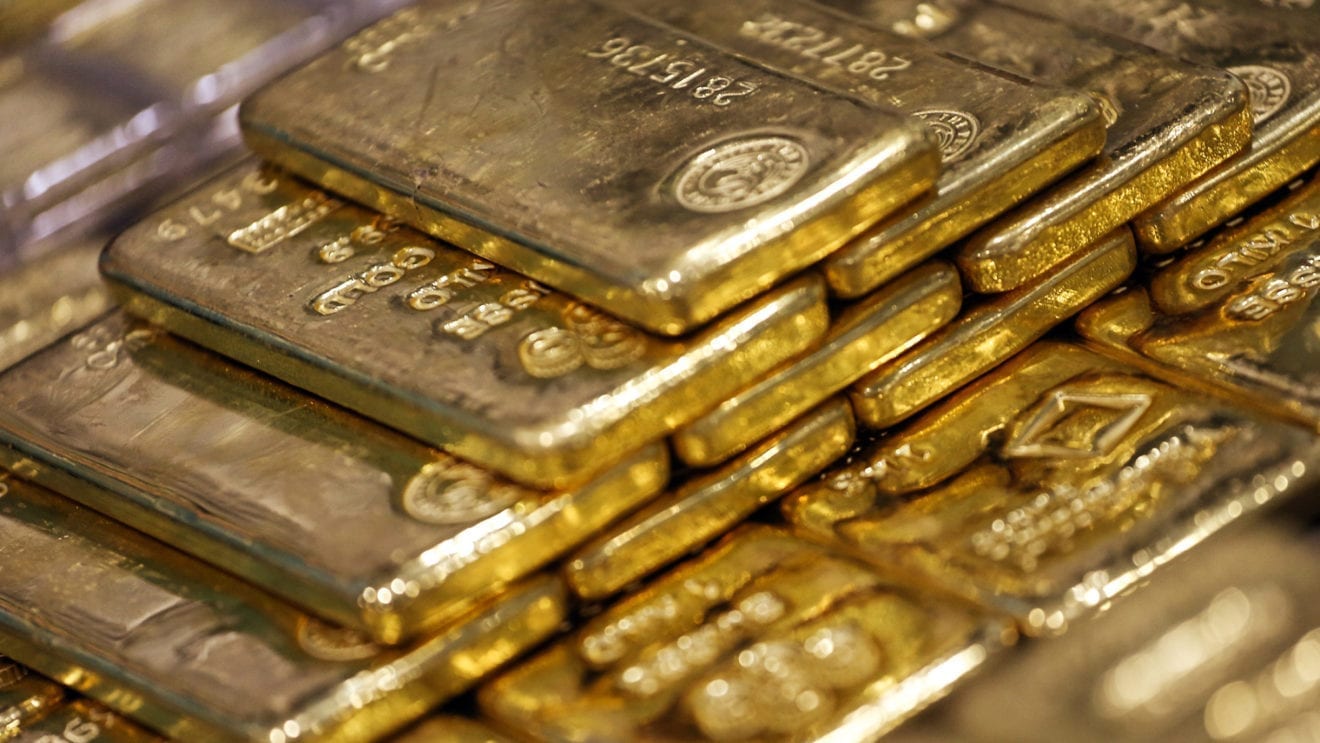
    Gold prices in Vietnam are experiencing a noticeable rebound, reaching their highest levels since April 24 on Saturday. This uptick reflects a lively market fueled by recent global events.

    Rising Prices in Vietnam

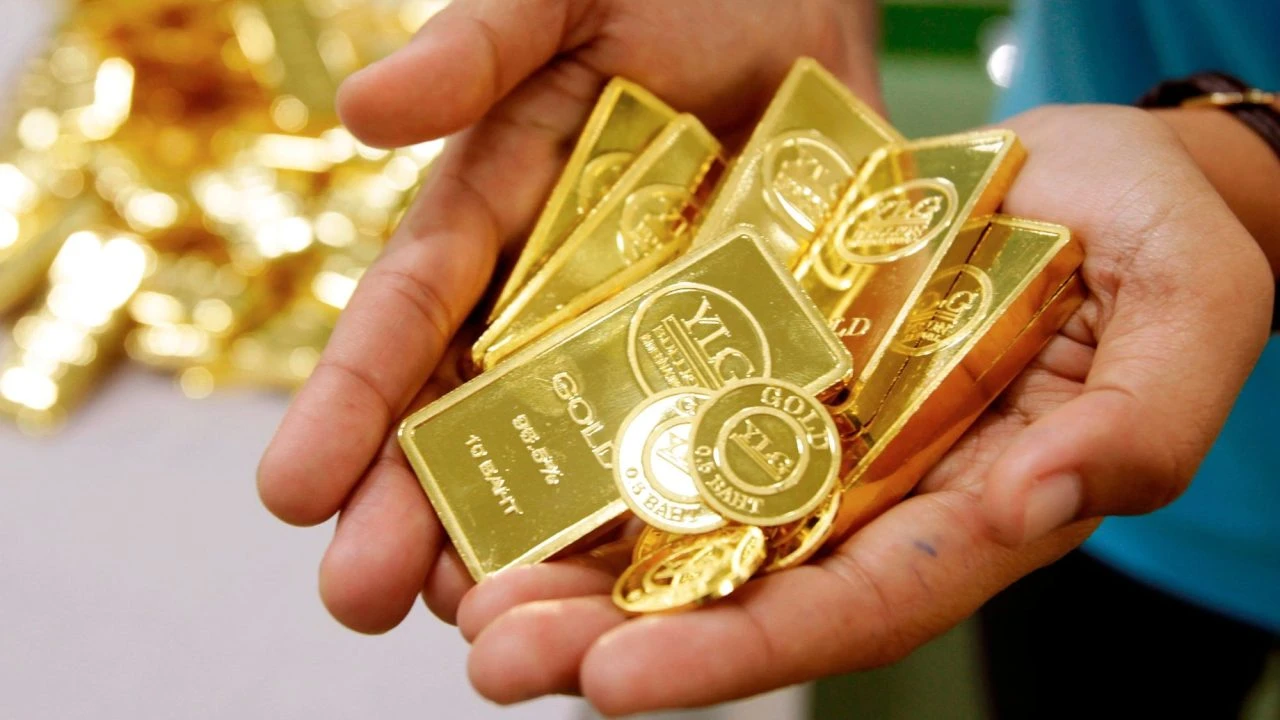
    The Saigon Jewelry Company reported a 0.25% increase in gold bars, now priced at VND 120.33 million (around US$4,614.76) per tael. Meanwhile, gold rings saw a slightly higher rise of 0.52%, reaching VND 116.8 million per tael. Since the start of the year, gold has surged by an impressive 43%.

    Global Influences

    On the international stage, gold prices soared on Friday as investors flocked to safe-haven assets in light of Israeli airstrikes on Iran, which rekindled fears of a broader Middle Eastern conflict, according to Reuters. Spot gold climbed 1.3% to $3,428.10 an ounce, drawing tantalizingly close to its record high of $3,500.05 from April. For the week, gold prices surged nearly 4%.

    The geopolitical uncertainty is palpable. “Israel knocking out Iranian targets is causing a little bit of geopolitical scare in the market,” noted Daniel Pavilonis, senior market strategist at RJO Futures. “Prices will stay elevated in anticipation of what is to come, the retaliation by Iran.”

    As the markets react to these developments, major financial institutions are optimistic about gold’s trajectory. Goldman Sachs has issued a bold prediction, stating that robust central bank buying could push gold prices up to $3,700 per ounce by the end of 2025 and even reach $4,000 by mid-2026. Bank of America also sees a potential path for gold to climb to $4,000 in the coming year, making it an exciting time for gold enthusiasts.

    Who knew that a geopolitical skirmish could send gold prices dancing like a pop star?

    Questions & Answers

    What factors are contributing to the rise in gold prices in Vietnam?
    The rise in gold prices is largely influenced by global events, including heightened geopolitical tensions following Israeli airstrikes on Iran, leading investors to seek safe-haven assets.

    How much has gold price risen in Vietnam since the beginning of the year?
    Gold prices in Vietnam have surged by an impressive 43% since the start of the year, reflecting a broader trend across global markets.

    What predictions do financial analysts have for gold prices in the next few years?
    Goldman Sachs forecasts that prices could reach $3,700 per ounce by the end of 2025 and $4,000 by mid-2026, while Bank of America believes prices could also rally to $4,000 within the next 12 months.
  • Vietnam’s Textile Industry Set to Innovate with First-Ever Steam-Generating Heat Pump Pilot Project

    Vietnam’s Textile Industry Set to Innovate with First-Ever Steam-Generating Heat Pump Pilot Project

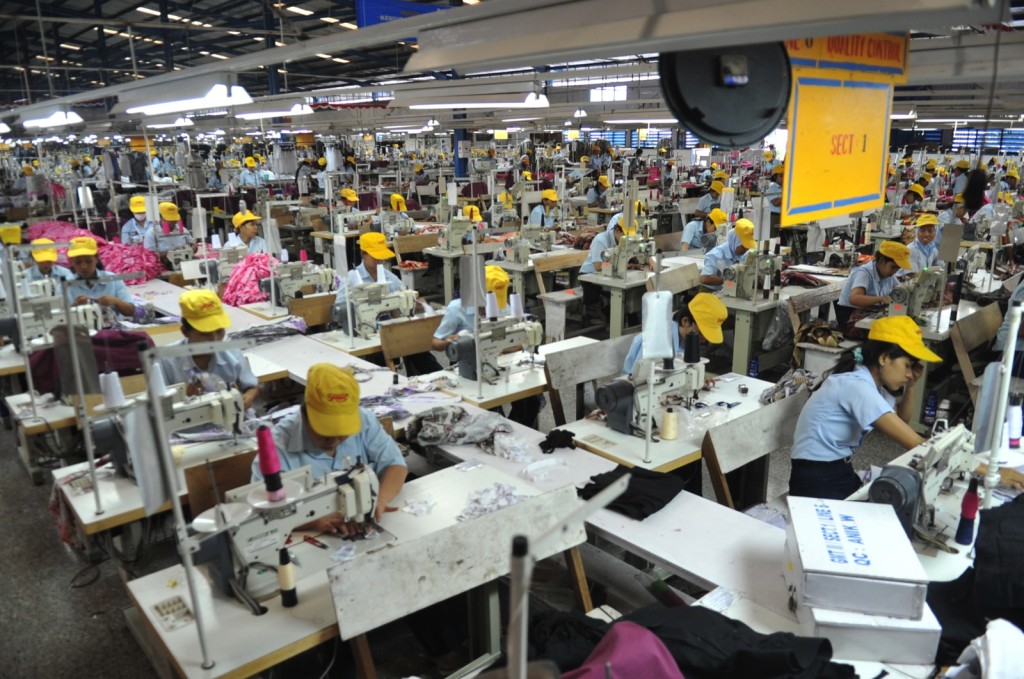
    H&M Group is amongst the partners in the project. Vietnam’s textile and apparel industry is set to take a significant leap towards sustainability with the introduction of electric thermal technology later this year. The first steam-generating heat pump will be installed at a garment factory near Hanoi, marking a transformative moment in the sector.

    This ambitious initiative brings together the expertise of the Apparel Impact Institute (Aii), WWF, H&M Group, and Bangjie, a notable textile manufacturer whose Hung Yen facility is a key supplier for the Swedish fashion powerhouse. This pilot project is the first electrification effort within Vietnam’s textile industry, which plays a crucial role in the national economy but also contributes significantly to its carbon emissions. The electric heat pump will replace traditional coal-fired boilers, meeting the facility’s full steam and heat requirements while providing a cleaner, more efficient solution.

    This project aligns seamlessly with H&M Group’s commitment to reducing supply chain emissions by 56% by 2030, showcasing their drive towards a more sustainable future. Given that thermal energy accounts for more than half of the energy demand in textile manufacturing, the need for innovative solutions is pressing. Processes like dyeing, washing, bleaching, and drying all rely on steam and hot water, making the shift to electric systems even more vital.

    The new heat pump system will not only harness waste heat from factory operations for dyeing, drying, and setting but also enhance indoor working conditions by improving air cooling. This multifaceted approach underscores a commitment to both productivity and employee well-being.

    This initiative is part of Aii’s Low Carbon Thermal Energy Roadmap, which targets early-stage electrification pilots to drive costs down and foster broader adoption within the industry. It’s a promising step towards a more sustainable textile sector in Vietnam.

    And who knows—this shift to electrification might just spark a fashion revolution, where eco-friendliness becomes the new chic!

    Questions & Answers

    What is the significance of the electric heat pump project in Vietnam?
    The project represents Vietnam’s first major step towards electrifying the textile industry, replacing coal-fired boilers with cleaner, more efficient electric systems.

    Which organizations are involved in this initiative?
    The collaboration includes the Apparel Impact Institute (Aii), WWF, H&M Group, and Bangjie, the textile manufacturer behind the pilot project.

    What are the expected benefits of the new system besides reducing emissions?
    Beyond cutting emissions, the new system will improve operational efficiency, enhance indoor working conditions, and significantly reduce reliance on thermal energy sourced from coal.

  • Construction of $52 million solar power plant starts in central Vietnam

    Construction of $52 million solar power plant starts in central Vietnam

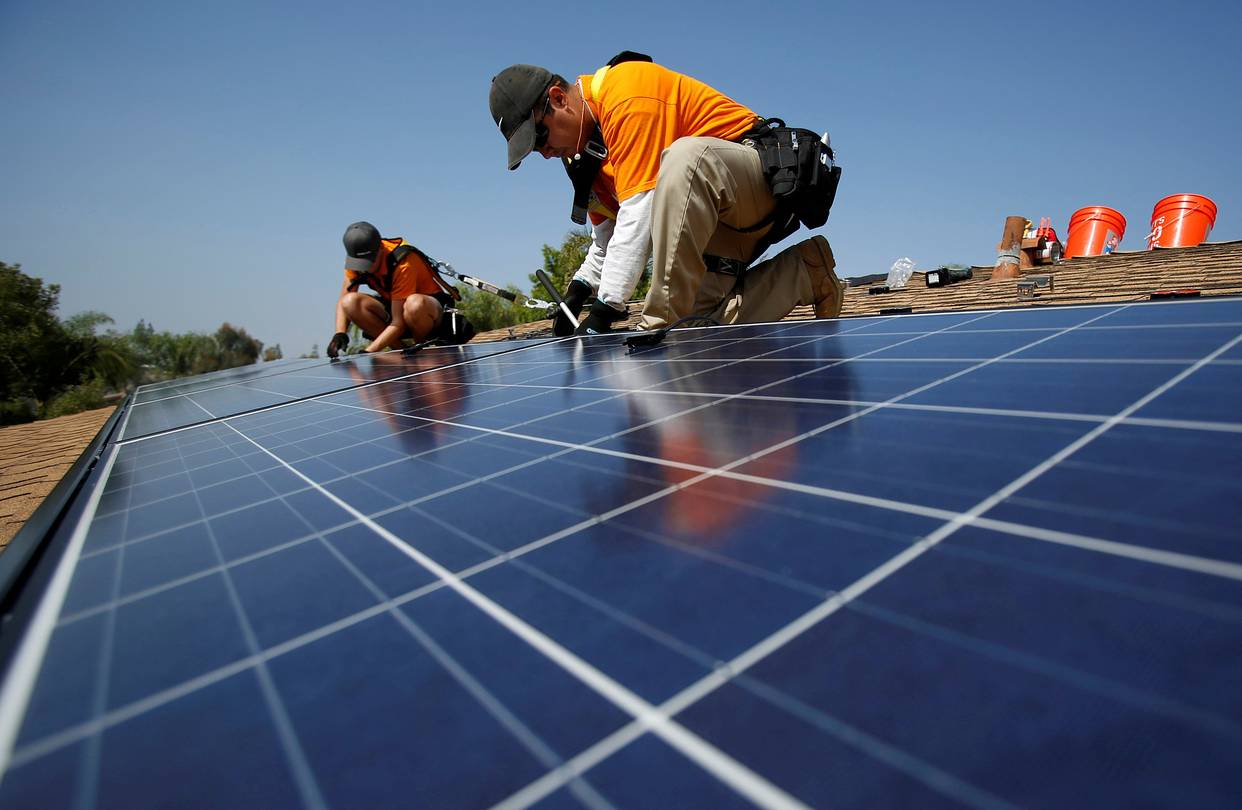
    Work has begun on a $52 million solar power plant in the south central province of Ninh Thuan.

    Project representatives said that of the total investment of VND1.2 trillion ($52.2 million), VND900 billion ($39.1 million) will go towards equipment costs; and the rest for land clearance and construction.

    “The Phuoc Huu solar plant project will supply clean energy to the national electricity system and cater to power demand in the whole country in general and Ninh Thuan Province in particular,” said a representative of Nha Trang Bay Investment and Construction JSC, the project investor.

    In the first year of operation, the power plant is expected to generate about 104.1 million kWh.

    “The construction of Phuoc Huu solar power plant aligns with directions from the government, the Ministry of Industry and Trade and the Vietnam Electricity’s orientation to develop clean energy,” the representative said.

    Vietnam currently relies largely on hydropower and thermal power plants for its electricity demands, but these projects have drawn frequent domestic and international criticism for their social and environmental impacts.

    Solar power currently accounts for just 0.01 percent of the country’s total power output, but the government plans to increase the ratio to 3.3 percent by 2030 and 20 percent by 2050.

    Vietnam aims to produce 10.7 percent of its electricity from renewable energy sources by 2030, mainly through solar and wind power projects.

  • Dollar Dips Slightly Against Dong: Key Trends to Watch in Currency Exchange

    Dollar Dips Slightly Against Dong: Key Trends to Watch in Currency Exchange

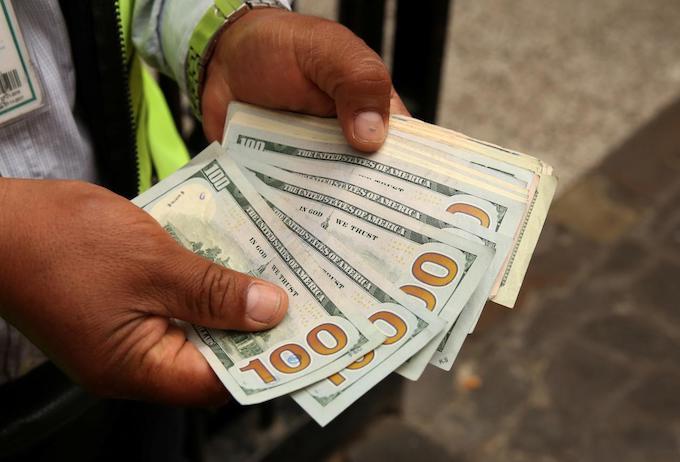
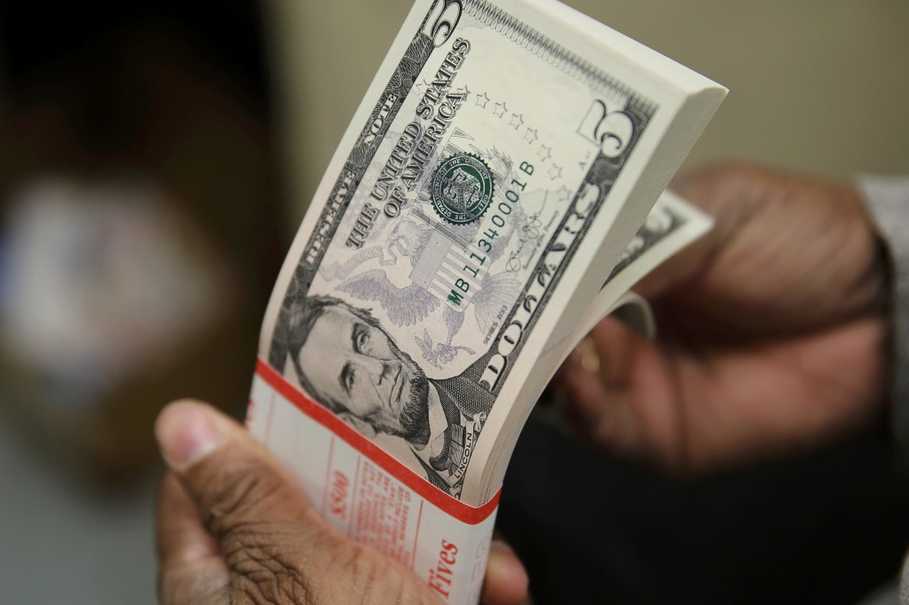
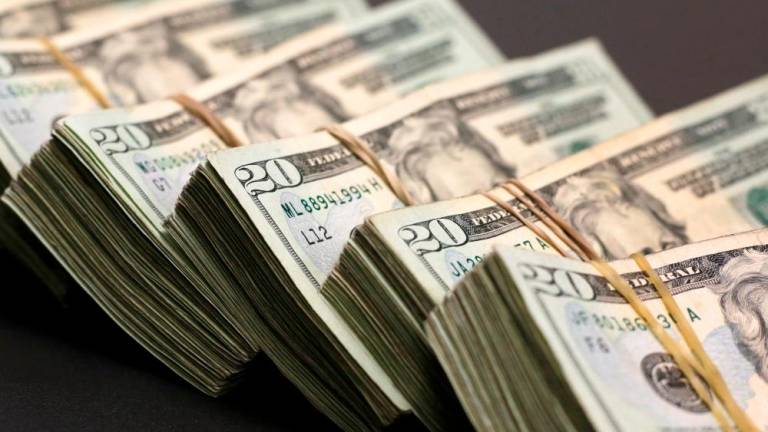
    The U.S. dollar took a dip against the Vietnamese dong on the black market Saturday morning, rounding out a week of financial fluctuations. The greenback slid 0.34% to VND26,290 at unofficial exchange points, signifying a notable shift as currency dynamics remain in flux.

    Meanwhile, Vietcombank maintained its rate at VND26,223, while the State Bank of Vietnam’s reference rate held steady at VND24,975, suggesting a calm amidst the stormy seas of international currency markets.

    Globally, the dollar experienced a surprising uptick against major currencies like the euro and yen on Friday. Investors rushed to secure safe-haven assets in response to escalating geopolitical tensions in the Middle East following an Israeli attack on Iran, according to Reuters. In the afternoon trading session, the dollar notched a 0.3% gain to reach 143.88 against the Japanese yen and edged up 0.1% to 0.8110 against the Swiss franc. Despite this bounce, the dollar remains set for a weekly decline against both the yen and franc, and is down nearly 1% versus the yen—a trajectory that could mark its most significant weekly drop since mid-May.

    “Historically, geopolitical events trigger knee-jerk reactions in the markets,” noted Jack Janasiewicz, portfolio manager at Natixis Investment Managers in Boston, emphasizing the importance of looking past temporary turbulence.

    As we navigate these treacherous financial waters, the question remains: how will currencies dance in the face of shifting global dynamics?

    Questions & Answers

    What happened to the U.S. dollar against the Vietnamese dong?

    The U.S. dollar dropped 0.34% to VND26,290 on the black market.

    How did the U.S. dollar perform globally?
    On Friday, the dollar rose against major currencies like the euro and yen amidst geopolitical tensions in the Middle East.

    What are the implications of these fluctuations?
    While the dollar gained temporarily, it is still on track for a weekly loss against the yen and franc, raising concerns about ongoing market stability.

  • Vietnamese Airlines Avoid Israeli and Iranian Airspace, Ensuring Safe Skies for Travelers

    Vietnamese Airlines Avoid Israeli and Iranian Airspace, Ensuring Safe Skies for Travelers

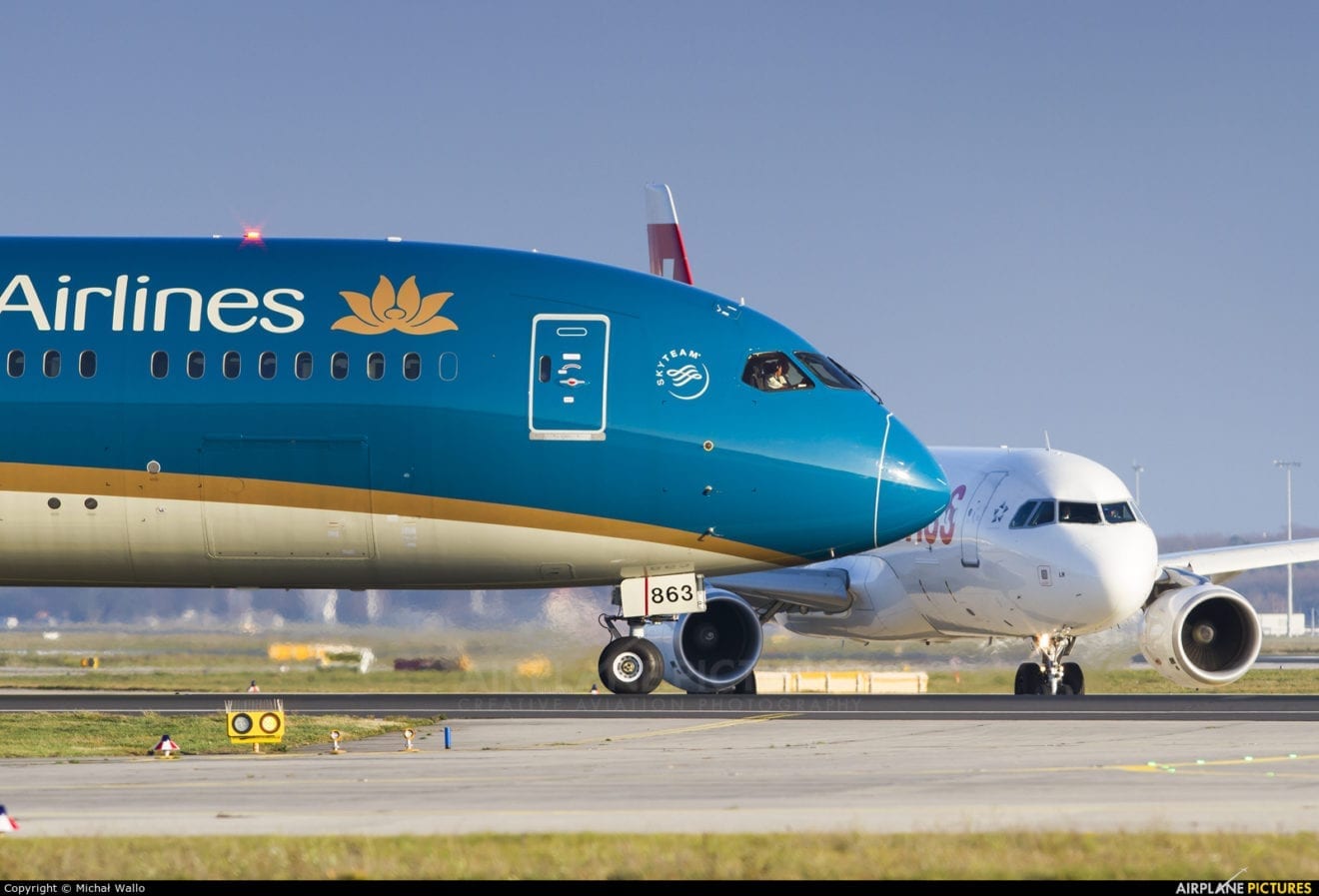
    National flag carrier Vietnam Airlines has taken decisive action to ensure the safety of its passengers and crew amidst escalating tensions between Israel and Iran. The airline has adjusted its routes to avoid potential conflict zones, a move that reflects the growing impact of these geopolitical strife on the global aviation landscape.

    Safe Skies for Travelers

    Currently, Vietnam Airlines continues to operate its flights to Europe without interruption, a reassurance shared by a representative in a statement to the Vietnam News Agency on Friday. Other Vietnamese airlines, including Vietjet Air, Bamboo Airways, and Vietravel Airlines, have also chosen to steer clear of Israeli and Iranian airspace, underscoring a collective commitment to passenger safety.

    The ripples of political tensions have not gone unnoticed in the aviation sector, as recent Israeli airstrikes on Iranian targets have prompted numerous flight cancellations and diversions worldwide. Flight tracking service Flightradar24 highlighted a significant re-routing trend among airlines seeking to sidestep the airspace over Israel, Iran, Iraq, and Jordan, demonstrating how rapid shifts in global events can lead to immediate logistical challenges for carriers.

    In a decisive move, Iraqi state media announced the closure of its airspace and halted all airport operations early on June 13. The eastern region of Iraq, which borders Iran, is a critical aviation corridor connecting Europe, the Gulf, and Asia—making the closure particularly impactful. Within hours, Jordan also locked down its airspace as tensions escalated in the region.

    Navigating these tumultuous skies is no easy task, but the quick responses from airlines illustrate an adaptive industry keen on keeping travelers safe. It’s a reminder that sometimes, the clouds of uncertainty can only be tackled with swift and careful planning.

    Questions & Answers

    What measures has Vietnam Airlines taken in response to regional tensions?
    Vietnam Airlines has rerouted its flights to avoid conflict zones, ensuring the safety of passengers and crew members.

    Are other Vietnamese airlines affected by these issues?
    Yes, Vietjet Air, Bamboo Airways, and Vietravel Airlines have also opted not to operate flights through Israeli or Iranian airspace.

    What recent events led to these changes in air travel?
    The changes followed Israeli airstrikes on targets in Iran, which triggered widespread flight cancellations and diversions as airlines sought to protect their passengers.

  • Gold Market Set for Exciting Competition as Bullion Monopoly Comes to an End!

    Gold Market Set for Exciting Competition as Bullion Monopoly Comes to an End!

    Dao Xuan Tuan, the director of the Foreign Exchange Management Department at the State Bank of Vietnam, has announced exciting developments in the nation’s gold bullion landscape. In a recent statement to the Lao Dong (Labour) daily, Tuan revealed that the central bank is finalizing a draft government decree aimed at gradually liberalizing the gold bullion market while maintaining rigorous regulatory oversight.

    Opening the Gates to Competition

    One of the most significant proposals in the draft is the plan to permit eligible banks and enterprises to import raw gold and produce bullion, a privilege that has historically belonged to a single entity. This shift not only breaks the monopoly but is poised to inject vitality into the market. Tuan explained that licenses will be issued to credit institutions and enterprises that fulfill specific conditions, enabling them to import raw gold for both bullion production and jewelry-making.

    Material import quotas will be granted based on macroeconomic conditions, monetary policy, and market fluctuations, aiming to strike a balance between liberalization and regulatory control. Tuan emphasized that this new approach will enforce strict oversight while dismantling existing monopolistic structures.

    Accountability and Transparency in Production

    According to the proposed regulations, licensed bullion producers must publicly disclose quality standards and maintain detailed transaction logs that interface with regulatory authorities. Tuan firmly asserted that producers will be held accountable if the quality of their products fails to meet the proclaimed standards, underscoring the emphasis on transparency in bullion transactions, which will be subject to audits at any time.

    This initiative to introduce multiple bullion brands is expected to foster competition, reduce price discrepancies among brands, and ultimately benefit consumers, much like a thrilling game show where everyone walks away with a prize!

    Enhancing the Jewelry Sector

    Turning to the thriving jewelry sector, Tuan highlighted that over 6,000 enterprises are active in this field, most of which are small and struggle to secure import licenses due to financial constraints. The draft decree intends to address this by permitting only credit institutions and bullion producers authorized to produce gold bullion to import raw gold. They can then pass on raw materials to domestic jewelry manufacturers, promising to increase the availability of raw gold while keeping import activities under tight supervision.

    Licensed importers will also need to implement transparent internal processes, meticulously maintain transaction records, and ensure their information systems are connected with relevant authorities, fortifying inspection and monitoring protocols.

    The revised decree is expected to herald a new era for Vietnam’s gold market, paving the way for a more competitive and transparent marketplace that is in sync with evolving market conditions and legal frameworks.

    Questions & Answers

    What is the main goal of the proposed government decree?
    The decree aims to gradually liberalize the gold bullion market in Vietnam while ensuring thorough regulatory oversight.

    Who will be allowed to import raw gold under the new regulations?
    Eligible banks and enterprises that meet specific conditions will be granted licenses to import raw gold for bullion production or jewelry-making.

    How will the proposed changes impact the jewelry sector?
    The new regulations aim to increase the supply of raw gold and provide greater opportunities for small-scale jewelry manufacturers while ensuring that import activities remain controlled and transparent.

  • Coffee Exports Surge to All-Time High, Driven by Growing Demand from EU and US Markets

    Coffee Exports Surge to All-Time High, Driven by Growing Demand from EU and US Markets

    Vietnam’s coffee scene is brewing up some interesting developments! Although there was a slight dip in volume, with a 0.6% year-on-year decrease, the value of exports leapt by an impressive 62.3%. This surge was largely driven by a significant rise in average prices, which soared by 63.2% to reach $5,709 per ton, according to the latest customs data.

    Steaming Exports in May

    In May alone, Vietnamese coffee exports reached nearly 149,000 tons valued at $860 million. This marks a robust increase of 60.5% in volume and nearly 2.2 times more in value compared to the same month last year.

    Interestingly, the European Union continues to be the primary consumer of Vietnamese coffee, importing over 367,000 tons worth approximately $2 billion. This reflects a 10.2% rise in volume and a staggering 81.9% increase in value. Meanwhile, shipments to the United States also demonstrated impressive growth, climbing 6.3% in volume to 54,310 tons and skyrocketing 72.4% in value to $299 million.

    Emerging markets are also getting a taste of this coffee boom, with shipments to Algeria doubling and exports to Mexico and South Africa soaring by 39 and 17 times, respectively. Who knew coffee could create such a buzz?

    Challenges on the Horizon

    Despite these encouraging numbers, Vietnam’s coffee exports are not without hurdles. Global uncertainties and a downward trend in prices loom as potential challenges ahead. Analysts caution that coffee prices are likely to drop due to increased supply from major producers. By June 11, Robusta futures in London closed at $4,409 per ton, reflecting a 15.6% decline from the previous month, while Arabica on the New York exchange saw an 8.4% drop.

    Domestically, coffee prices in the Central Highlands have dipped to their lowest levels since November, now hovering around VND112,000 (approximately US$4.3) per kilogram—a 12% decrease. The price drop coincides with the new harvest seasons in Brazil and Indonesia, with Brazil’s coffee production anticipated to rise by 0.5% to 65 million bags for the 2025-26 harvest. Simultaneously, Vietnam’s output is projected to increase by 6.9% to 31 million bags, as per the U.S. Department of Agriculture.

    However, there’s a silver lining: the Import-Export Department under Vietnam’s Ministry of Industry and Trade remains optimistic about the coffee export outlook, estimating total annual exports could hit $7 billion—a significant leap from $5.4 billion in 2024.

    Questions & Answers

    What drove the recent spike in the value of Vietnamese coffee exports?
    The sharp increase in average prices, which rose by 63.2% to $5,709 per ton, contributed significantly to the surge in export value, despite a slight drop in volume.

    Which markets are leading in Vietnamese coffee imports?
    The European Union remains the largest market, with imports exceeding 367,000 tons, while there’s also notable growth in the U.S. and emerging markets like Algeria, Mexico, and South Africa.

    What are the potential risks facing Vietnam’s coffee exports?
    Key challenges include global price declines due to increased supply from major producers and uncertainties in global policies affecting market dynamics.

  • Dollar Strengthens Against Dong, Signaling Shifts in Currency Market Dynamics

    Dollar Strengthens Against Dong, Signaling Shifts in Currency Market Dynamics

    The U.S. dollar showed signs of strength against the Vietnamese dong as well as other major currencies on Friday morning, reflecting a complex global economic landscape. Vietcombank reported a slight uptick, pricing the dollar at VND26,223, an increase of 0.05% from the previous day. However, in the black market, the dollar traded at approximately VND26,355, indicating a 0.06% dip.

    In the broader context, the State Bank of Vietnam adjusted its reference rate by lowering it 0.06% to VND24,975. This move coincides with rising geopolitical tensions following Israel’s military actions against Iran, prompting a rush back into safe-haven assets such as the dollar, the Japanese yen, and gold. “The geopolitical escalation adds another layer of uncertainty to an already fragile sentiment,” noted Charu Chanana, chief investment strategist at Saxo. He cautioned that escalating tensions could disrupt oil supply routes, perpetuating a risk-averse climate that keeps upward pressure on crude oil prices and safe-haven assets.

    On the global stage, the dollar rose by 0.4%, bringing its index to 98.07 against six other currencies. This was accompanied by gains for other safe-haven currencies—the yen and Swiss franc appreciating 0.3% and 0.4% respectively versus the dollar. In contrast, risk-sensitive currencies faced a decline, with the Australian dollar and New Zealand dollar both slipping by 0.9%. Following a four-day rally, the euro also retraced slightly, trading down 0.3% at $1.155.

    While the dollar index is poised for a weekly decline exceeding 1%, it will mark the largest drop in nearly a month, illustrating the ebbs and flows of currency movement amidst unpredictable geopolitical currents. So, it seems the dollar’s strength might just be a flip side to a risky global situation—who knew that international politics could stir such a financial cocktail?

    Questions & Answers

    What factors contributed to the strengthening of the U.S. dollar?
    The dollar’s strength stems from geopolitical tensions, particularly Israel’s military actions in Iran, which prompted investors to flock to safe-haven currencies.

    How is the Vietnamese dong performing against the U.S. dollar?
    The Vietnamese dong has shown mixed results, with the dollar increasing slightly in Vietcombank while showing a small decrease in the black market.

    What impact does the dollar’s movement have on global currencies?
    The dollar’s movements are affecting other currencies, particularly risk-sensitive ones like the Australian and New Zealand dollars, influencing broader market sentiment and trading strategies.

  • Geely Defies Global Expansion Pause with Plans for New Auto Plant in Vietnam

    Geely Defies Global Expansion Pause with Plans for New Auto Plant in Vietnam

    Geely’s ambitious plan is to construct a US$168-million manufacturing plant in northern Vietnam is set to unfold as scheduled, despite broader concerns cast by its chairman and founder, Li Shufu. Just last Saturday, Shufu pointed out the global automotive industry is grappling with a “serious overcapacity,” leading Geely to pause new plant constructions and expansions at existing facilities, according to British news agency Reuters.

    Geely’s Promising Venture in Vietnam

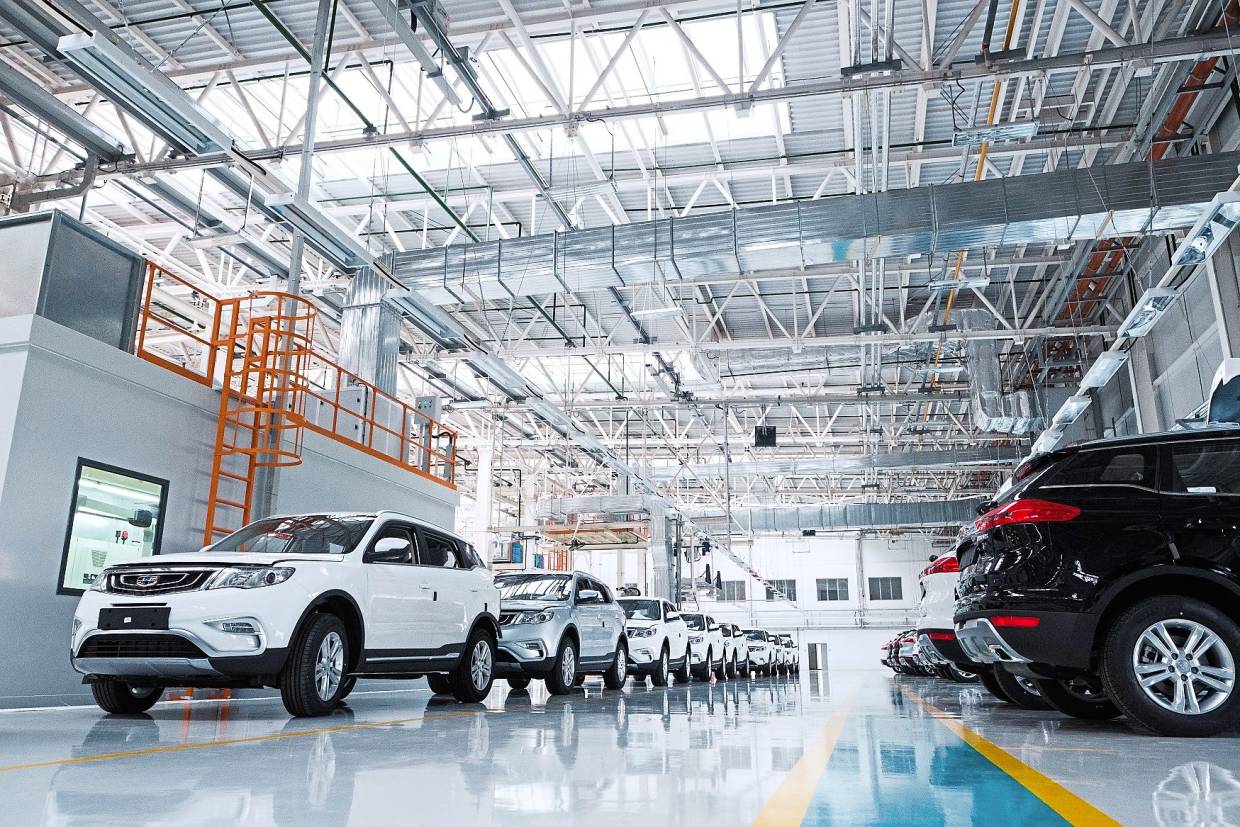
    The Vietnam plant is a collaboration between Geely and local distributor Tasco, with Geely holding a significant 64% stake. Groundbreaking is slated for this quarter in Thai Binh Province, where a sprawling 30-hectare site will eventually operate at a capacity of 75,000 vehicles annually in its initial phase.

    These vehicles will include models from Geely and its Chinese counterpart, Lynk & Co, specifically designed to cater to domestic demand and facilitate exports to countries with free trade agreements with Vietnam. The factory holds the potential for future expansion as it may begin assembling a wider variety of Geely vehicles.

    All cars produced at the plant will be constructed from “completely knocked down” kits—meaning they are assembled from parts sourced from various locations. The first vehicles are expected to hit the Vietnamese market early next year, while Geely currently offers the Coolray CUV imported from Malaysia.

    Geely is a prominent player in China’s automotive sector, boasting a diverse portfolio that includes brands like Zeekr and Galaxy, along with a stake in the premium Swedish manufacturer Volvo. With 22 factories in China and three spread across the globe, Geely’s growth ambitions are clear.

    The Race for Automotive Investment in Vietnam

    Interestingly, Geely isn’t the only Chinese automaker eyeing Vietnam. Chery, another industry titan, plans to break ground on their own factory in Thai Binh Province in the third quarter through its partner Geleximco. With an investment of $800 million, Chery’s venture will focus on producing Omoda and Jaecoo models, with other potential vehicles in the pipeline.

    While Chery sets its sights on this strategic investment, major players such as BYD and SAIC have also explored opportunities in Vietnam but have yet to make significant moves. At present, the majority of Chinese passenger vehicles sold in Vietnam are imported from China, Thailand, or Malaysia.

    In a noteworthy development, the number of Chinese automotive brands in Vietnam jumped to 14 last year, surpassing Japan’s nine for the first time. However, their market presence remains relatively small compared to established Japanese and Korean brands, as well as the domestic contender, VinFast.

    As Geely prepares to roll out its manufacturing plant, the automotive landscape in Vietnam is likely to get even more interesting—where the thrill of competition could soon turn up the heat among industry giants.

    Questions & Answers

    What is Geely’s investment in the Vietnam plant?
    Geely is investing US$168 million in its new manufacturing facility in northern Vietnam.

    What models will be produced at the new plant?
    Initially, the factory will produce vehicles from Geely and Lynk & Co, catering to both domestic and export markets.

    When will the first vehicle arrive for Vietnamese consumers?
    The first vehicle is expected to be available to Vietnamese customers early next year.

  • Gasoline Prices Hit 10-Week High: What It Means for Consumers and Retailers

    Gasoline Prices Hit 10-Week High: What It Means for Consumers and Retailers

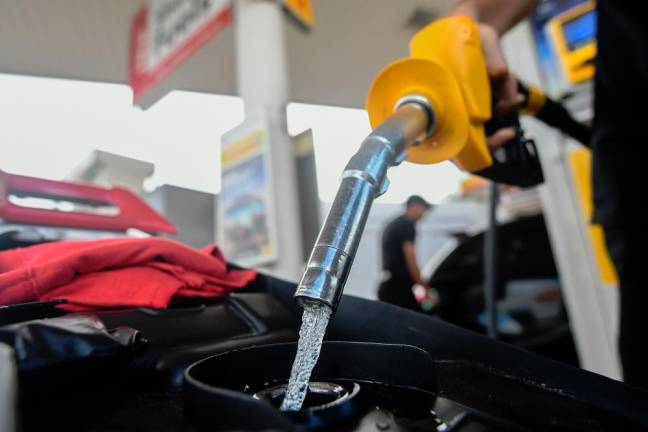
    In a notable shift for consumers, gasoline prices in Vietnam surged to their highest level since early April. This change, marked by a notable uptick in fuel costs, came into effect Thursday afternoon, leaving many to watch their wallets a bit more closely.

    Rising Costs at the Pump

    The widely used RON95 fuel experienced a 1.37% increase, reaching VND19,960 (approximately US$0.77), while the biofuel variant, E5 RON92, rose by 1.04% to VND19,460. Additionally, diesel prices climbed by 1.61%, settling at VND17,700.

    Global Factors at Play

    This latest price spike is attributed to a combination of global dynamics. Regulatory authorities have pointed to a variety of influences impacting the fuel market. Key factors include heightened tensions between the U.S. and Iran regarding nuclear negotiations, a reduction in U.S. crude oil reserves, fluctuations in U.S. tax policies affecting trading partners, and the continuing military conflict in Ukraine. As a result, market prices have seen significant shifts, with RON95 reporting a climb to $79.7 per barrel, while diesel saw an increase to $81.51, marking a substantial impact on the overall cost landscape for consumers and businesses alike.

    As we navigate these changes, one has to wonder: will we ever see a dip in prices again, or are we destined for a rollercoaster ride at the pump?

    Questions & Answers

    What are the new prices for RON95 and E5 RON92 fuels? RON95 is now priced at VND19,960, while E5 RON92 costs VND19,460.

    What global events are influencing these price changes? Factors include rising tensions between the U.S. and Iran, falling U.S. crude oil inventories, and ongoing conflicts in Ukraine.

    How much has diesel fuel increased in price? Diesel saw an increase of 1.61%, bringing its cost to VND17,700.

  • Gold Prices Surge to Two-Week High: What This Means for Retail Investors

    Gold Prices Surge to Two-Week High: What This Means for Retail Investors

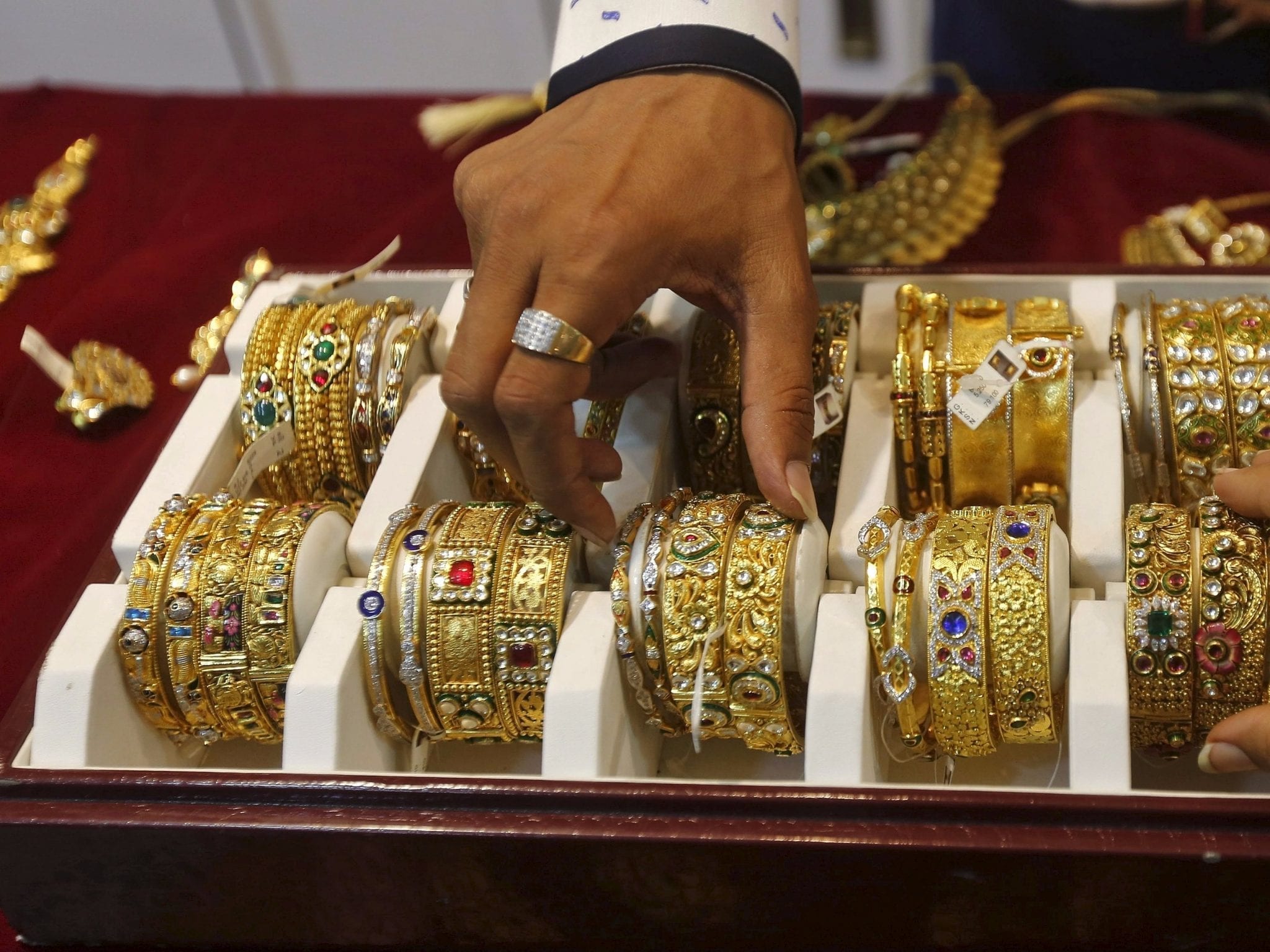
    Gold jewelry shines brightly in a Hanoi shop as Vietnam’s gold market experiences a notable surge this Thursday morning. Prices have climbed to their highest levels in over two weeks, driven by rising global rates.

    Gold Prices Rebound

    The Saigon Jewelry Company reported a 0.76% increase in the price of gold bars, now valued at VND119.7 million (approximately US$4,598.99) per tael, where a tael is equivalent to 37.5 grams (1.2 ounces). Similarly, gold rings saw a boost of 0.87%, reaching VND115.8 million per tael.

    Global Trends Impact Local Market

    On a global scale, gold prices saw a boost as geopolitical tensions in the Middle East added pressure and a weakening dollar rendered the precious metal more appealing to international buyers. Spot gold jumped 0.7% to reach $3,375.06 per ounce, while U.S. gold futures enjoyed a 1.5% increase to $3,395.

    The U.S. dollar index, recently falling to a near two-month low, has created conditions conducive to gold investment. “The weakness in the dollar index serves as a strong catalyst,” noted Kelvin Wong, a senior market analyst at OANDA in Asia Pacific. He highlighted that the bullish breakout of the $3,346 resistance level has triggered technical buying among investors.

    While gold’s allure often shines brightest in uncertain times, it appears that the market remains a vibrant space for both seasoned investors and curious newcomers alike.

    Questions & Answers

    What caused the rise in gold prices in Vietnam?
    The rise in gold prices is attributed to increased global prices due to geopolitical tensions in the Middle East and a weakening dollar.

    How did gold perform in the international market?
    Globally, spot gold increased by 0.7% to $3,375.06 per ounce, with U.S. gold futures rising 1.5% to $3,395.

    What is the significance of the U.S. dollar’s performance?
    The U.S. dollar index’s decline makes gold more attractive to international buyers, boosting demand and values in the market.

  • Dollar Surges Against Dong Amid Global Market Softening: What Retailers Need to Know

    Dollar Surges Against Dong Amid Global Market Softening: What Retailers Need to Know

    The U.S. dollar is enjoying a modest rise against the Vietnamese dong, but it’s singing a different tune when faced with major global currencies. This development marked Thursday morning as Vietcombank nudged its rate up by 0.04%, setting the dollar at VND26,210. Meanwhile, the State Bank of Vietnam adjusted its reference rate to VND24,990, a slight increase of 0.03%. Interestingly, in the black market, the greenback surged by 0.21%.

    Globally, however, the dollar was experiencing a slip, with reports from Reuters indicating that President Donald Trump might be leaning towards a more conciliatory approach in tariff discussions. Coupled with mounting hopes for cuts from the Federal Reserve, this resulted in the dollar shrinking in strength. Specifically, it fell 0.43% against the Japanese yen and 0.34% against the Swiss franc, trading at 143.98 and 0.81725, respectively.

    As for the broader picture, the dollar hit its lowest level against a basket of currencies since April 22, dropping to 98.327. On the other hand, the euro is basking in recent victories, having surged against a swath of currencies in its last session. Carol Kong, a currency strategist at Commonwealth Bank of Australia, noted that “expectations of fewer European Central Bank rate cuts have lent some support to the euro,” highlighting a shift in market sentiment that seems to favor the single currency.

    In these fluctuating currency tides, it’s clear that the dollar’s journey is anything but predictable—might we see it dancing back into favor soon, or is the decline here to stay?

    Questions & Answers

    What impact does the rise of the dollar against the dong have on the Vietnamese economy?
    The dollar’s rise can lead to increased costs for imports, potentially affecting inflation and consumer spending in Vietnam.

    What does the dollar’s drop against major currencies indicate about the U.S. economy?
    The dollar’s decline suggests increasing market confidence in foreign currencies, likely fueled by expectations of policy changes from the U.S. government and Federal Reserve.

    How do currency fluctuations affect consumers directly?
    Currency fluctuations can influence the prices consumers pay for imported goods and services, ultimately impacting their purchasing power.

  • Vietnam Poised to Boost Market Access for U.S. Exports, Reveals Economic Minister

    Vietnam Poised to Boost Market Access for U.S. Exports, Reveals Economic Minister

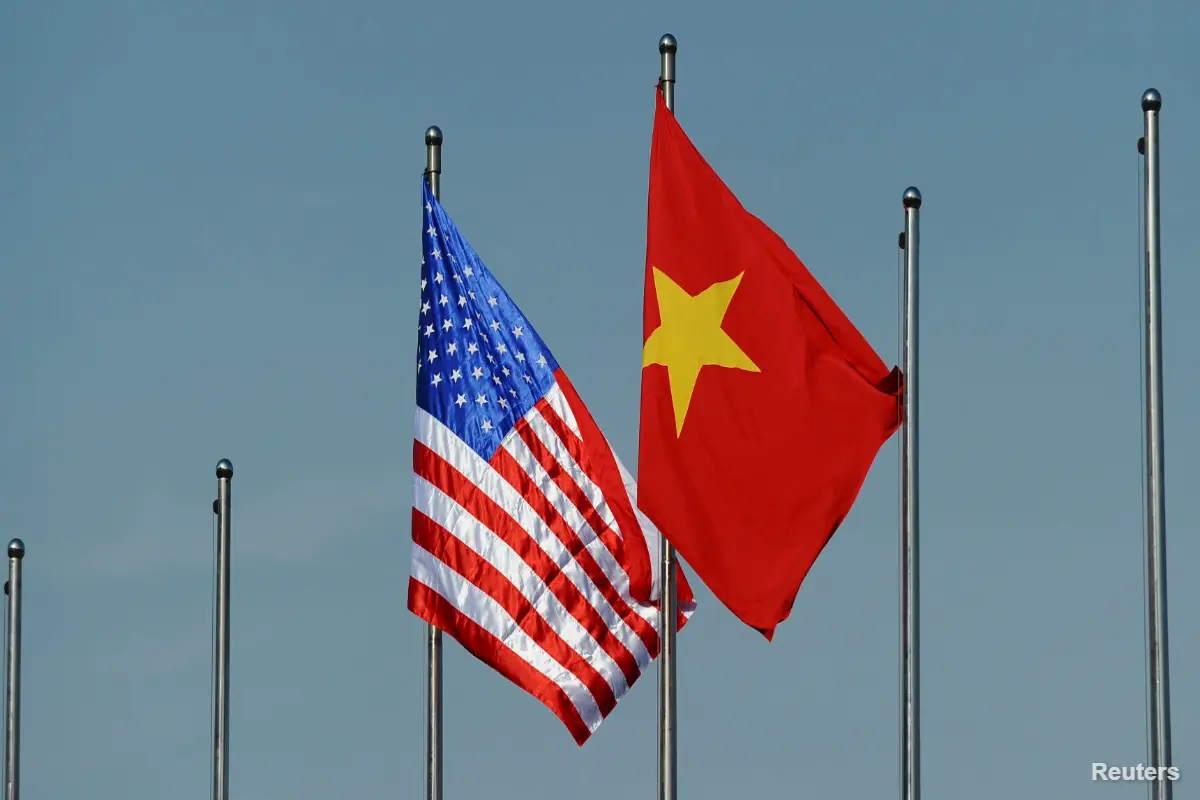
    During a pivotal meeting with Senator Roger Marshall in Washington D.C. on Wednesday, Vietnam’s Minister of Industry and Trade reaffirmed the nation’s commitment to strengthening its Comprehensive Strategic Partnership with the United States. This bold step aims to bolster economic and trade cooperation, benefiting both countries’ citizens and businesses.

    Negotiating New Trade Horizons

    At the heart of the discussions was the ongoing Reciprocal Trade Agreement talks between the two nations. The minister emphasized Vietnam’s steadfast commitment to pursuing these negotiations based on mutual respect for sovereignty and political systems, as well as a balance of interests, all in line with international commitments and the developmental statuses of both nations.

    He expressed confidence that Senator Marshall would leverage his influential standing within the Republican Party, along with his deep knowledge in trade, agriculture, and innovation, to champion Vietnam’s interests throughout the negotiation process. The minister also called on Marshall to foster cooperation between Vietnam and Kansas, particularly in sectors where the state excels, such as agriculture, aerospace, and biotechnology.

    Building Stronger Partnerships

    Senator Marshall responded positively, noting Vietnam’s proactive stance and integrity in the negotiations. He pledged to discuss the matter with the President and relevant Cabinet members, anticipating fruitful results from both parties. He also commended the minister’s visit, recognizing it as a doorway to enhanced collaboration across various fields.

    Later that same day, the Vietnamese minister engaged with leaders from Nike and Walmart, both of which have made significant investments and maintained substantial operations within Vietnam. During his discussion with Nike executives, he commended the company’s long-term commitment to the country, where nearly half of Nike’s global footwear is produced, generating over 450,000 jobs for locals. Addressing potential concerns regarding the impact of current tariff policies, he proposed strategic initiatives to support Nike’s continued success in Vietnam, emphasizing that the company is viewed not just as an investor but as a vital strategic partner in Vietnam’s sustainable development and international integration.

    Boosting Walmart’s Commitment

    In his talks with Walmart, the world’s largest retail corporation, the minister recognized the company’s role in promoting Vietnamese goods worldwide. He encouraged Walmart to amplify its procurement of high-value, environmentally friendly products and even consider creating a strategic sourcing hub in Vietnam. Furthermore, he highlighted the importance of strengthening supplier capacity by sharing technical standards and offering training initiatives.

    Addressing the challenges Walmart has encountered in Vietnam, the minister assured that the Ministry of Industry and Trade, along with the Ministry of Finance and other relevant agencies, would work together to enhance policies for better transparency and alignment with global practices.

    As negotiations for the Reciprocal Trade Agreement reach a crucial stage, the minister called on Nike and Walmart to actively champion the process and foster a fair, balanced, and sustainable agreement between the U.S. and Vietnam. He reiterated that Vietnam not only wishes for these companies to flourish in its market but also sees them as key allies in creating a green, transparent, and sustainable supply chain, enhancing economic ties between the two nations.

    Earlier, on June 10, the minister had a productive meeting with ExxonMobil executives regarding ongoing collaborations in energy projects in Vietnam, highlighting the significance of ExxonMobil’s commitment to providing reliable energy while minimizing greenhouse gas emissions, thus aligning with Vietnam’s carbon neutrality goals. The ExxonMobil representatives expressed strong confidence in Vietnam’s economic growth prospects, a testament to their commitment to developing multiple projects in the region.

    Questions & Answers

    What key message did the Vietnamese minister convey to Senator Marshall?
    The minister emphasized Vietnam’s determination to enhance its partnership with the U.S. and focus on economic and trade cooperation for mutual benefits.

    How does Vietnam view its relationship with Nike and Walmart?
    Vietnam sees both companies as strategic partners, essential for sustainable development rather than just as investors.

    What specific areas did Vietnam hope to collaborate on with Kansas state?
    The minister called for cooperation particularly in agriculture, aerospace, and biotechnology, where Kansas has significant strengths.

  • Hanoi Retailers Brace for Impact as Owners Close Shops Amid Fears of New Tax and Anti-Counterfeit Measures

    Hanoi Retailers Brace for Impact as Owners Close Shops Amid Fears of New Tax and Anti-Counterfeit Measures

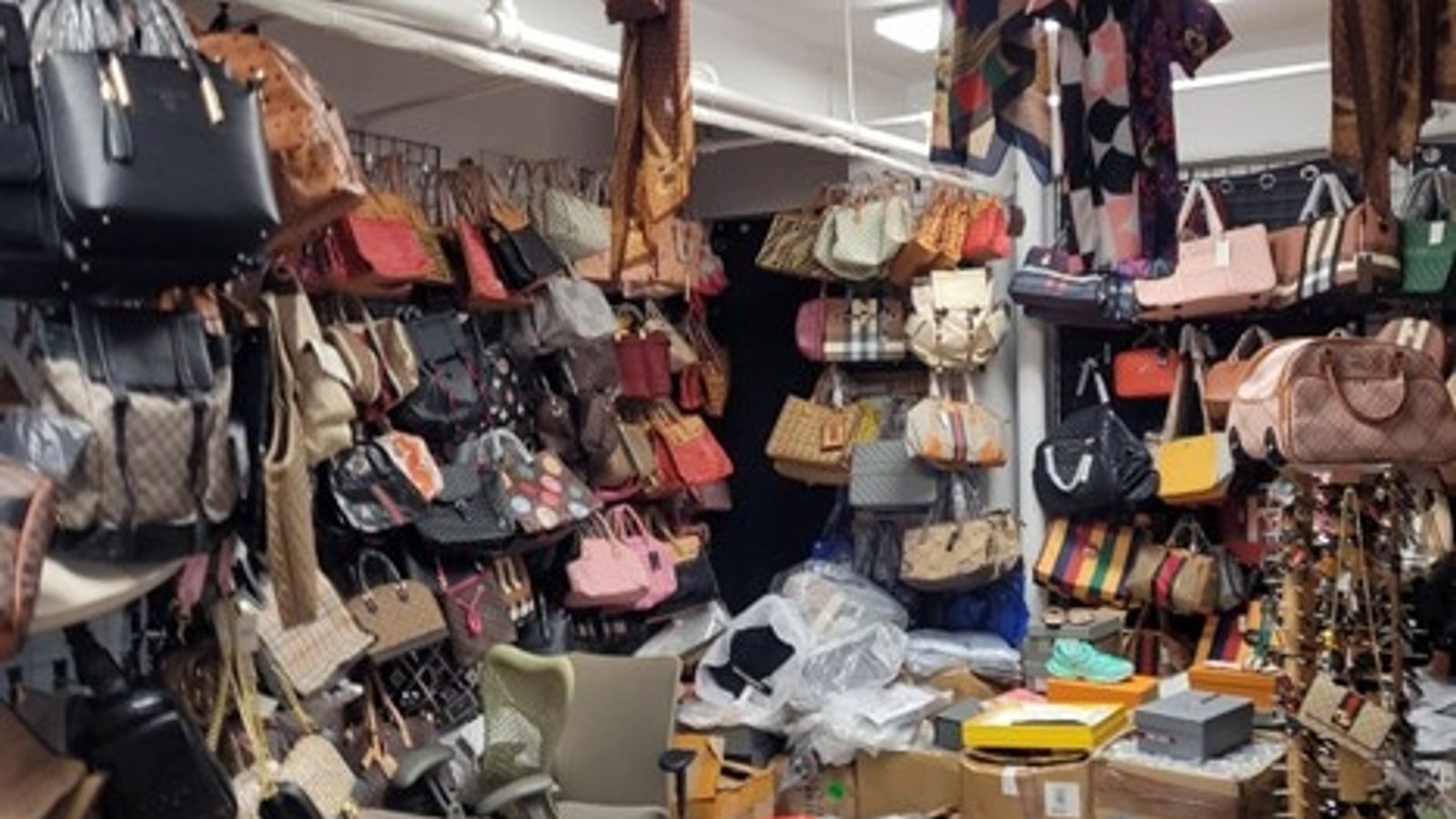
    Retailers in Hanoi are facing a troubling trend as countless shops close their doors amid a surge in e-commerce, increased taxes, and a rigorous crackdown on counterfeit goods. The booming online marketplace has outpaced traditional retail, leading many store owners to rethink their business strategies and pivot away from brick-and-mortar operations.

    The Changing Landscape of Retail in Hanoi

    Chua Boc Street, a once bustling hub for fashion lovers, has become eerily quiet over recent months. Once lined with vibrant shops and throngs of customers, it now showcases “For Rent” signs reminiscent of the social distancing days during the pandemic. With rental prices topping VND1 million (about US$38) per square meter, many retailers are finding it hard to cope with the changing economic environment.

    The shuttering of storefronts extends to Pham Ngoc Thach Street and Nguyen Trai Street, where multiple vendors have resorted to eye-catching discount sales, likely their last cry for continued operations. Hang Bong Street—popular among tourists—is also seeing significant closures as stores slash prices to liquidate inventory, offering bargains as low as VND50,000.

    Not all hope is lost for some retailers, though. A growing number are choosing to maintain a virtual presence; opening their physical locations just enough to manage e-commerce deliveries, only to quickly lock up again. “We are still selling, but mostly online,” shared a vendor from Dao Duy Anh Street, where closures are rampant.

    Economic Pressures and Regulatory Changes

    Market authorities’ intensified scrutiny over product origins to combat counterfeit goods has made trading increasingly challenging. More troubling is the recent tax policy that requires sellers with revenues exceeding VND1 billion to pay a variable percentage instead of a fixed fee. The fear of rising operational costs has driven many to consider shutting down entirely.

    “I closed my shop last week due to the stricter tax laws and concerns over product authenticity,” lamented a distressed retailer.

    While some shops have closed, others have resorted to the less traditional approach of operating in stealth, selling their wares online but keeping their physical appearances under wraps—an ingenious yet risky adaptation to an ever-evolving marketplace.

    As Hanoi’s retail landscape transforms, it seems that adaptability is not just important; it’s essential for survival.

    Questions & Answers

    What is driving the closures of retail stores in Hanoi?
    The closures are predominantly due to the explosive growth of e-commerce, higher taxes, and a government crackdown on counterfeit goods, leading many retailers to rethink their business models.

    How are some retailers adapting to the changing market?
    Many retailers are shifting their operations online, reducing their physical store hours, and handling customer interactions primarily through e-commerce platforms.

    What tax changes are impacting Hanoi’s retailers?
    A new tax policy requires sellers with revenues of VND1 billion or above to pay a percentage based on their income, rather than a flat rate—prompting fears of increased costs and potential shutdowns.

  • Hanoi Authorities Seize Over 4 Tons of Smuggled Red Dates in Major Bust

    Hanoi Authorities Seize Over 4 Tons of Smuggled Red Dates in Major Bust

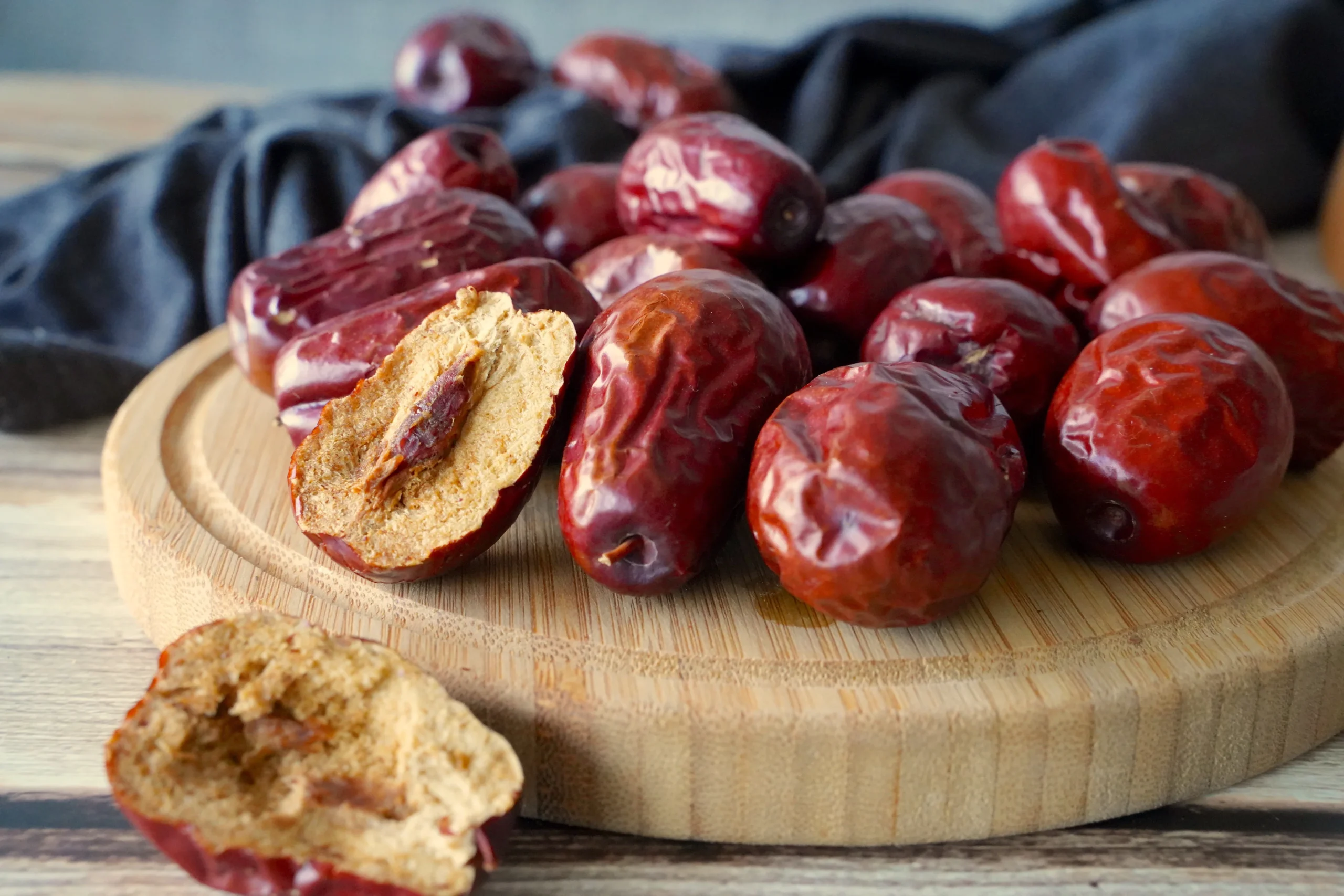
    Inspectors from the city’s Market Management Department recently made a significant discovery in Ha Dong District when they uncovered smuggled red dates at a facility owned by Bui Thi Thuy. Valued at VND69 million (approximately US$2,650), these jujubes are set to be destroyed, and Thuy will face a hefty fine of VND50 million.

    Health Risks in Sweet Treats

    Red dates, cherished across Asia for their sweetness and nutritional benefits, are believed to promote liver function, enhance calmness, and improve sleep quality. However, the authorities are sounding the alarm about the dangers of unregulated red dates. Without strict oversight on raw materials, chemical residues, and pesticide levels, these fruits can pose serious health risks, including food poisoning and potential long-term damage to the liver, kidneys, and digestive system.

    The popularity of Xinjiang red dates surged on major e-commerce platforms in Vietnam, raking in an impressive US$322 million in sales last year, according to Metric. Additionally, Vietnam imports red dates from South Korea, which are sold at prices ranging from VND80,000 to VND200,000 per kilogram.

    A Glimpse into Market Regulations

    The Ministry of Industry and Trade has revealed that most red dates available in the market today lack clear origins and are not brought in through official channels. Only a select few businesses are authorized to distribute legitimate imports from South Korea and China, and they are mandated to include auxiliary labels with crucial details such as production location, importer information, expiration dates, and usage guidelines.

    Since early May, Hanoi market management officials have been proactive, conducting raids that have netted numerous counterfeit, substandard, and undocumented goods worth hundreds of millions of dong. In an effort to ensure consumer safety, officials continue to keep a vigilant eye on the red date trade.

    Isn’t it ironic that a fruit associated with health and tranquility is now causing such a stir in the market?

    Questions & Answers

    What prompted the inspection by the Market Management Department?
    The inspection was part of ongoing efforts to regulate and monitor the trade of red dates, which have seen a spike in popularity but also in unregulated sales.

    What are the potential health risks associated with unregulated red dates?
    Without proper oversight, unregulated red dates can lead to food poisoning and serious health issues affecting the liver, kidneys, and digestive system.

    Why are most red dates on the market considered problematic?
    The majority of red dates lack clear origins, are not imported through official channels, and don’t meet safety regulations, putting consumers at risk.