Tag: Vietnam

  • Dollar Slips as Vietnamese Dong Gains Strength in Currency Markets

    Dollar Slips as Vietnamese Dong Gains Strength in Currency Markets

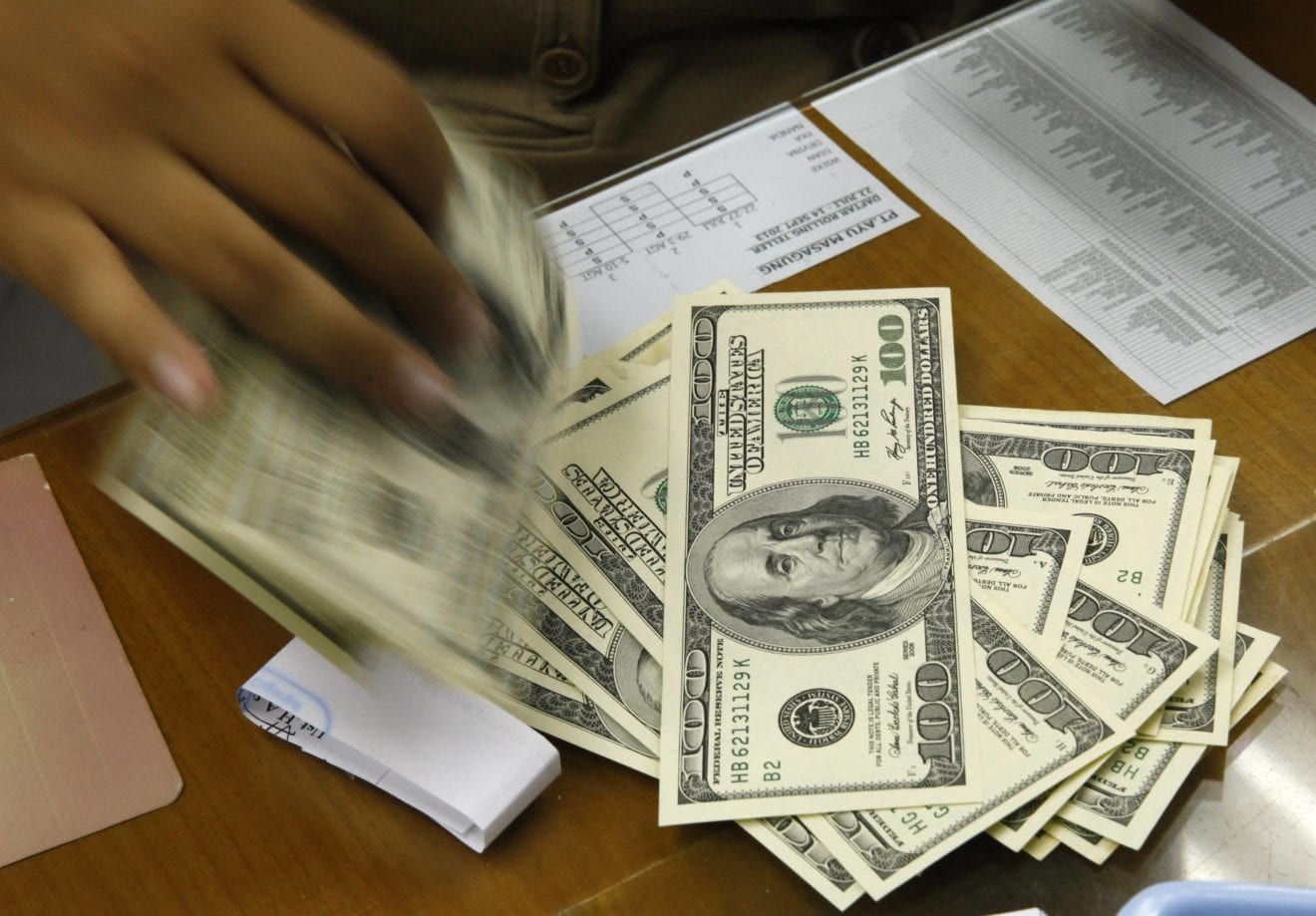
    The U.S. dollar exhibited a slight decline against the Vietnamese dong on Wednesday morning, while maintaining its stability against other major currencies. In a move that reflects shifting dynamics, Vietcombank reported selling the greenback at VND26,200, marking a 0.07% decrease from the previous day. Meanwhile, on the black market, the dollar dipped 0.04% to VND26,370.

    In a strategic adjustment, the State Bank of Vietnam has lowered its reference rate by a marginal 0.01%, setting it at VND24,982. As eyes turn globally, the dollar and China’s yuan held steady while U.S. and Chinese teams wrapped up trade negotiations in London. These talks hinted at a possible thaw in the long-standing trade tensions between the two economic powerhouses, although specifics remained elusive, as reported by Reuters.

    The agreement among officials focused on a framework conceived from a trade truce brokered last month in Geneva, aiming to address China’s restrictions on the export of rare earth minerals and magnets while easing some of the recently imposed U.S. restrictions.

    In the wake of these talks, the dollar strengthened a bit, nudging the euro down by 0.07% to $1.141 and stabilizing at 144.91 yen. The British pound also saw a slight decline, trading at $1.3483. On the other hand, China’s onshore yuan remained steady at 7.1873 per dollar, with the offshore unit mirroring that stability at 7.1875.

    An index that measures the dollar’s performance against six other currencies edged up by 0.1%, standing at 99.132. This year, however, has been rife with volatility, fueled by investor jitters surrounding Trump’s erratic policies. Despite a rebound in U.S. stocks, there is a noticeable erosion of investor confidence, with the dollar down over 8% from the start of the year.

    And who knew that economic talks between two nations could stir such a rollercoaster of currencies?

    Questions & Answers

    What was the exchange rate of the U.S. dollar against the Vietnamese dong today?
    The dollar was sold at VND26,200 by Vietcombank, down 0.07% from Tuesday.

    What did the State Bank of Vietnam do regarding reference rates?
    The State Bank of Vietnam lowered its reference rate by 0.01% to VND24,982.

    How did global trade talks affect the dollar?
    The dollar showed slight strengthening following positive signals from U.S. and China trade talks, although it remains down over 8% for the year.

  • Gold Prices Climb as Global Market Rates Surge: What This Means for Investors

    Gold Prices Climb as Global Market Rates Surge: What This Means for Investors

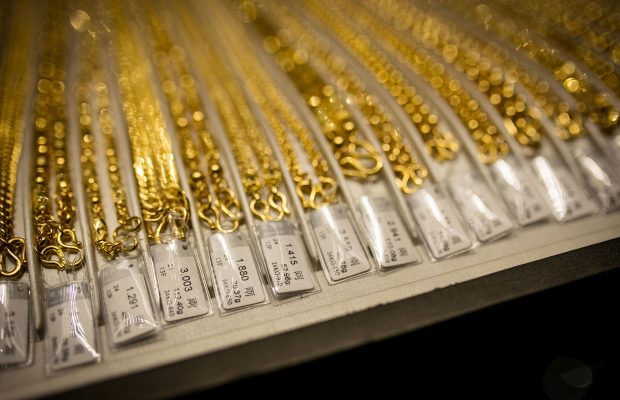
    Gold jewelry displayed in a bustling shop in Ho Chi Minh City reflects vibrant market activity as Vietnam experiences a rise in gold prices.

    On Wednesday morning, the cost of gold surged slightly, driven by an uptick in global bullion rates. The Saigon Jewelry Company reported a 0.25% increase in the price of its gold bars, now standing at VND118.8 million (approximately US$4,564.84) per tael. Similarly, the price for gold rings ticked up by 0.44%, reaching VND114.5 million per tael—a tael equals 37.5 grams, or around 1.2 ounces.

    The global gold market echoed this trend as prices climbed amid mounting uncertainty surrounding the finalization of a U.S.-China trade agreement. Investors, driven by a sense of caution, are turning to gold as a secure investment, especially with pivotal U.S. inflation data on the horizon. Spot gold experienced a modest rise of 0.2%, hitting $3,328.89 an ounce, while U.S. gold futures also gained 0.2%, climbing to $3,349.80.

    Amid recent talks, U.S. and Chinese officials announced a draft framework aimed at revitalizing their trade truce and addressing China’s export limits on rare earth minerals and magnets. U.S. Commerce Secretary Howard Lutnick shared this update following two days of intense negotiations in London. However, uncertainty still looms. As City Index senior analyst Matt Simpson pointed out, though a framework has been established, the final go-ahead from leaders Trump or Xi remains pending, keeping investors on edge. This sense of trepidation is fueling gold’s rise as everyone anticipates the forthcoming inflation data.

    Gold may be shining a bit brighter today, but will it outshine market volatility tomorrow?

    Questions & Answers

    What recent developments have influenced gold prices in Vietnam?
    Gold prices in Vietnam increased as global bullion rates rose amidst uncertainty regarding a U.S.-China trade agreement.

    How have global gold prices behaved recently?
    Spot gold saw a 0.2% rise, reaching $3,328.89 an ounce, while U.S. gold futures climbed to $3,349.80.

    What factors are contributing to current market uncertainty?
    The pending approval of a trade framework by leaders Trump and Xi creates an atmosphere of uncertainty, compelling investors to seek safety in gold as they await crucial inflation data.

  • Pham Nhat Vuong, Vietnam’s richest man, donates $800M to boost automaker VinFast’s ambitions

    Pham Nhat Vuong, Vietnam’s richest man, donates $800M to boost automaker VinFast’s ambitions

    Billionaire Pham Nhat Vuong, the chairman of the private conglomerate Vingroup and recognized as Vietnam’s wealthiest individual, has injected a staggering VND20.5 trillion (approximately US$790 million) into the automaker VinFast between November and May. This generous contribution is part of his promise of VND50 trillion made last year, as disclosed by the company on Monday.

    Financial Support Fuels Expansion

    In the past six months, VinFast has also secured a loan of VND30.57 trillion from its parent company, reinforcing its financial backbone. Vingroup remains committed to supporting VinFast, pledging a maximum of VND35 trillion to ensure the company’s sustained growth. Vuong, who wears multiple hats as CEO and founder of VinFast, experienced a remarkable surge in his wealth—an increase of $3 billion over the last two months—bringing his total fortune to over $10 billion, according to Forbes.

    Impressive Growth Amid Losses

    VinFast reported exceptional growth for the first quarter, showcasing a 150% increase in revenues year-on-year, reaching VND16.31 trillion. The company delivered a remarkable 36,330 electric cars and an astonishing 44,904 motorcycles and bicycles during this period, translating to impressive increases of 296% and 473% respectively. However, despite these successes, VinFast also reported a loss of VND17.69 trillion, which marks a 20% rise in losses compared to the previous period. To respond to the challenges and capitalize on its momentum, the company plans to adjust its sales target for the year from 200,000 to 280,000 units, as shared by deputy CEO Thai Thi Thanh Hai.

    Who knew the complex world of electric vehicles could be this exhilarating?

    Questions & Answers

    How much has Pham Nhat Vuong invested in VinFast?
    Pham Nhat Vuong has gifted VinFast VND20.5 trillion (around US$790 million) over the past six months.

    What has been VinFast’s recent sales performance?
    VinFast delivered 36,330 electric cars and 44,904 motorcycles and bicycles in the first quarter, marking significant increases in both categories.

    What loss did VinFast report despite impressive growth?
    The company reported a loss of VND17.69 trillion, a 20% increase compared to the previous period, even amid record revenue growth.

  • VNPAY PhonePOS Unlocks Global Payment Acceptance for Small Merchants

    VNPAY PhonePOS Unlocks Global Payment Acceptance for Small Merchants

    For many small businesses, especially in suburban and rural areas, the costs associated with traditional point-of-sale (POS) devices have posed a significant barrier to embracing modern payment methods. This disparity has highlighted a digital divide: regions that have enthusiastically adopted technology are racing ahead, while others with limited infrastructure—home to 4 million small enterprises—lag behind.

    Transforming Payments with VNPAY PhonePOS

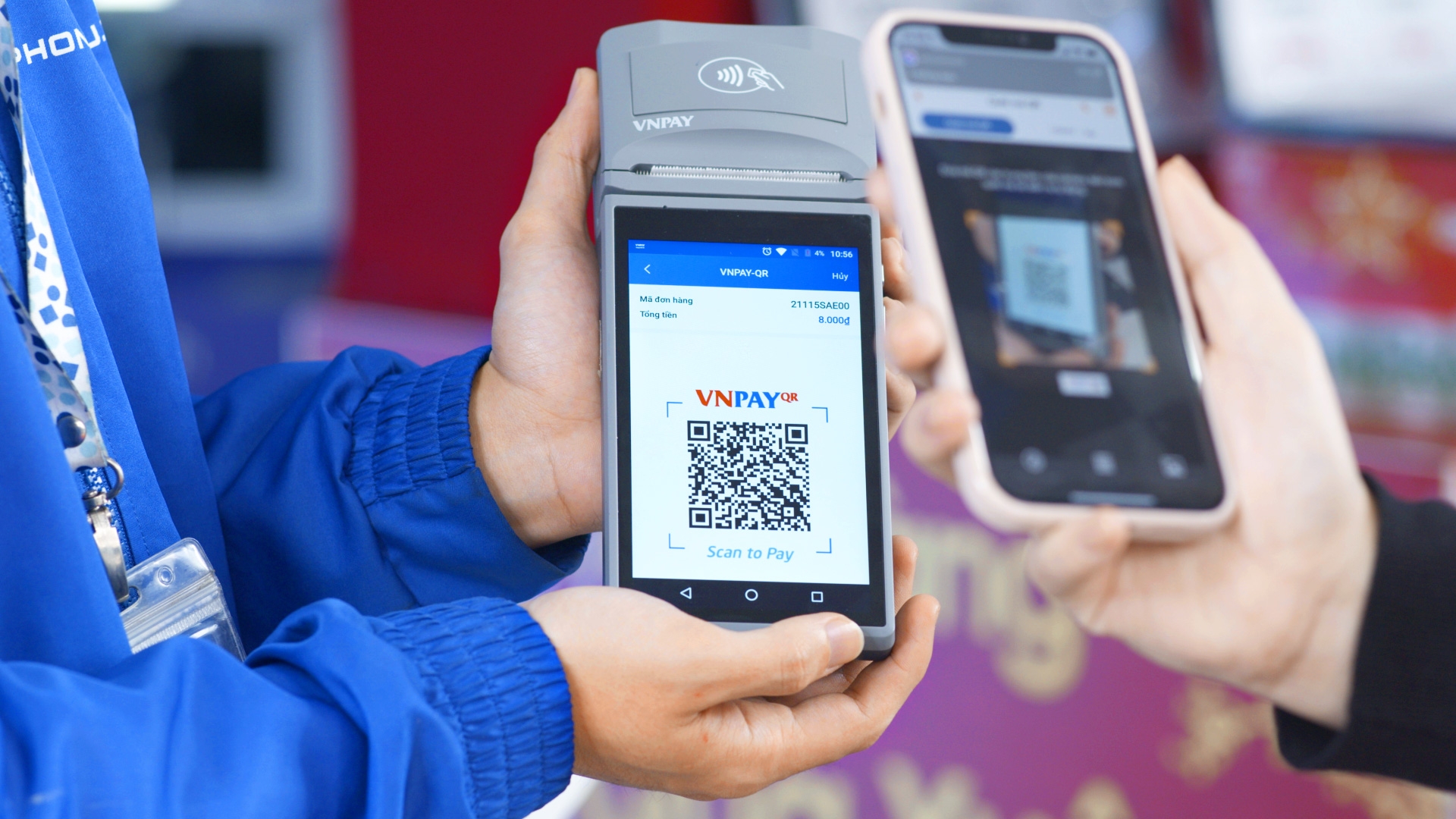
    The introduction of the VNPAY PhonePOS solution is set to change this landscape dramatically. With just an Android smartphone equipped with NFC capabilities, merchants can effortlessly accept payments via major cards like Visa, Mastercard, JCB, and Napas, along with international e-wallets like Apple Pay and Google Pay. This innovation allows businesses to sidestep the hefty expenses linked to investing in specialized POS technology.

    Empowering Small Retailers

    VNPAY PhonePOS not only streamlines acceptance of card payments but also incorporates a robust real-time transaction reporting system. This feature enables sellers to monitor revenue, manage cash flow, and check transaction history directly from their smartphones. For those without advanced accounting software, this tool offers a simple yet effective way to enhance business operations.

    According to a 2024 report by the State Bank of Vietnam, cashless transactions in the country skyrocketed by 53% compared to last year. While this feat is commendable, it barely scratches the surface of the untapped potential within the fragmented retail market.

    Bridging the Digital Payment Divide

    Tran Tri Manh, Chairman of VNPAY, emphasized that the push for technological progress hinges on solutions that facilitate easy, low-cost, and secure technology adoption. VNPAY PhonePOS checks all the boxes and integrates seamlessly into the VNPAY Merchant platform, making it highly accessible for small merchants.

    “Rural regions, home to over 60% of our nation’s population, are increasingly gaining access to digital payment methods. From local markets to highway stops, cashless transactions are now faster and safer,” he highlighted.

    Solutions like VNPAY PhonePOS, which were once exclusively available in shopping malls, are now reaching these underserved markets, unlocking new business opportunities for millions of small entrepreneurs across Vietnam.

    Expanding into Tourism

    Moreover, PhonePOS is extending its reach into the burgeoning tourism sector. Numerous popular tourist spots, including Hoi An, Sa Pa, and Phu Quoc, are experiencing a surge in foreign visitors. Consequently, the capacity to accept international cards is becoming increasingly essential for small businesses, from quaint homestays to bustling roadside eateries. With just a smartphone, they can tap into fresh streams of revenue.

    Technology truly shines when it empowers the masses. Under this lens, VNPAY PhonePOS reduces costs while serving as a bridge connecting small businesses to global financial networks. The dream of digital economy participation for everyone in Vietnam is gradually transforming into reality.

    Previously known as VNPAY-SoftPOS, the newly renamed VNPAY PhonePOS—marketed with the catchy tagline “PhonePOS – Turn Your Phone into POS”—highlights its simplicity and broad appeal. Any store, no matter how tiny, can now play in the digital payment arena with an NFC-enabled Android phone.

    In a remarkable achievement, VNPAY has become the first company in Vietnam to secure the Mobile Payments on Commercial Off-The-Shelf (MPCOS) security certification for the VNPAY PhonePOS solution, as verified by the Payment Card Industry Security Standards Council.

    To earn this certification, the payment solution met over 190 stringent technical security requirements concerning system operations, monitoring, and protection, including end-to-end data encryption and proactive attack detection. This comprehensive security framework ensures robust safety throughout the user experience.

    Questions & Answers

    How does VNPAY PhonePOS work?
    It transforms any NFC-enabled Android smartphone into a payment acceptance device, allowing businesses to accept card payments and e-wallet transactions.

    What benefits does VNPAY PhonePOS offer small businesses?
    It’s cost-effective, easy to use, and provides real-time transaction reporting, which enhances financial management without the need for complex accounting software.

    What makes VNPAY PhonePOS a secure option?
    The solution has achieved MPCOS security certification, meeting over 190 technical requirements for security, including end-to-end encryption and regular security testing.

  • Summer Train Travel Soars in Popularity, Weekend Tickets Selling Out Fast

    Summer Train Travel Soars in Popularity, Weekend Tickets Selling Out Fast

    Trains between Hanoi and popular central and southern tourist destinations are in demand, with sleeper berths sold out on weekends, thanks to improved pricing policies and services.

    When Thu Minh from Hanoi attempted to purchase train tickets for her family’s weekend getaway to Da Nang City, she was met with a surprising twist—many trains were completely booked. Out of the nine trains scheduled for the trip, the SE17 train had just two sleeper berths remaining, while SE11 had three available.

    Routes to Nghe An and Quang Binh Province demonstrated similar trends, with sleeper berths becoming increasingly scarce. “I didn’t expect train tickets in June to be this hard to get,” Minh lamented, adding, “My family might have to postpone our trip to next month.”

    The Vietnam Railways Corporation’s ticketing website highlights the limited availability of sleeper berths on weekends throughout June, specifically on routes connecting Hanoi with central and southern provinces. A representative from the Railway Transport Joint Stock Company revealed that over 620,000 tickets have been sold this summer, with a projected passenger increase of 8-10% compared to the previous year by the end of the vacation period.

    Analysts attribute this surge in popularity to several factors: competitive ticket prices for families, free travel for children under six, and an array of conveniences available for those traveling with young kids. Groups can also enjoy discounts of 3-15%.

    Furthermore, the quality of services and amenities has improved significantly in recent years. Many train routes offer breathtaking views, making train journeys to central Vietnam especially sought after. Notably, even premium trains running between Hanoi and Da Nang frequently sell out, with sleeper berth fares reaching VND1.3 million (around US$50) each.

    To accommodate the summer rush, the railroad service is expanding. New trains have been introduced along the Hanoi–Hai Phong City route, and the already popular line between Ninh Thuan Province and Da Lat has added three more trains, bringing the total to six. Daily departures are now also available between Hanoi and Beijing, enhancing connectivity with the Chinese capital.

    Questions & Answers

    What is causing the high demand for train tickets this summer? Many factors contribute to this surge, including competitive pricing for families, free travel for children under six, and improved service quality.

    How much can passengers expect to pay for a sleeper berth on popular routes? Sleeper berths can reach fares of VND1.3 million (approximately US$50) on high-quality trains, yet they still sell out quickly.

    What new routes have been added to accommodate travelers? The railroad service has expanded this summer with additional trains on the Hanoi–Hai Phong route and new options connecting Ninh Thuan Province to Da Lat, plus daily services to Beijing.

    So, if you’re planning a train trip, make sure to book early—unless you fancy practicing your charm at the ticket counter!

  • Shoppers Navigate Closed Doors as Raids Target Counterfeit Goods in Hanoi and HCMC

    Shoppers Navigate Closed Doors as Raids Target Counterfeit Goods in Hanoi and HCMC

    On the morning of June 6, the usually vibrant streets of Hang Ngang and Hang Dao in Hanoi’s Hoan Kiem District appeared unusually desolate. Once a bustling commercial center, these roads felt eerily quiet, reminiscent of the Lunar New Year holiday lull, with a predominant number of shops shuttered.

    Lan, a 35-year-old local, found herself navigating this stillness, riding her motorbike back and forth, hoping to find an open store. After parking, she ventured on foot, peering through closed shutters in search of familiar fashion outlets. “I usually buy clothes here, and I’m just trying to find something still open,” she explains. Her quest led her to a shop with a barely open roller door. Inside, the owner swiftly closed it behind her, revealing a strategy to avoid the ongoing government raids targeting counterfeit goods.

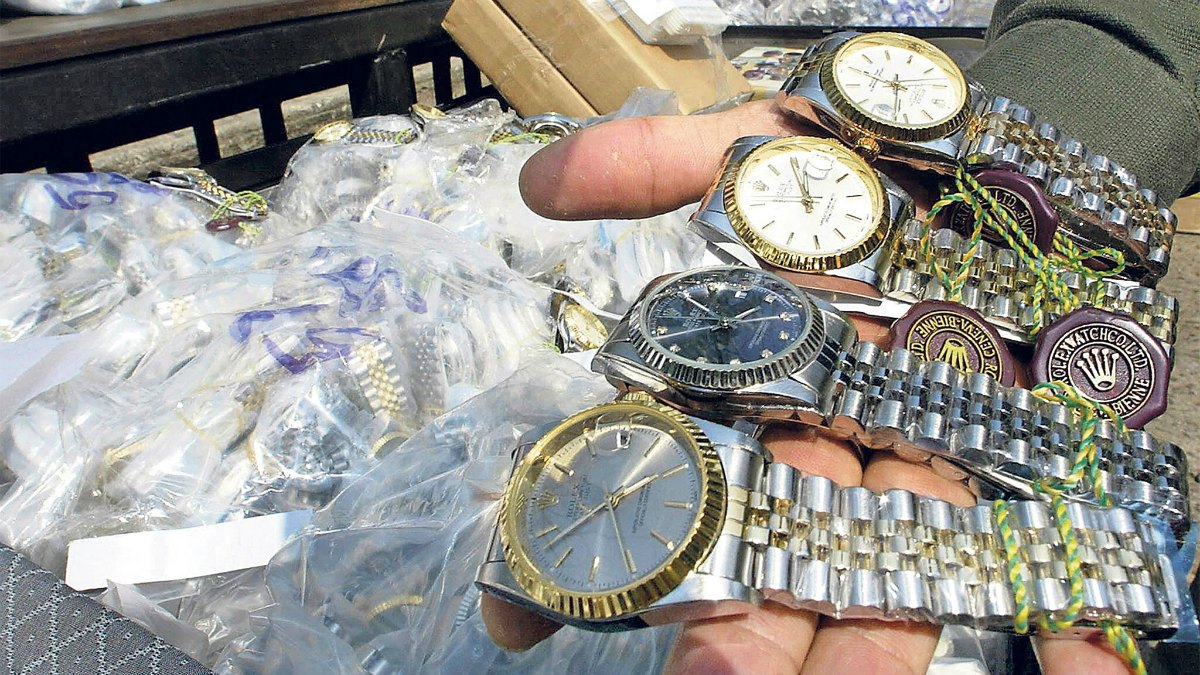
    With a crackdown on counterfeit and tax evasion intensifying, marketplaces in both Ho Chi Minh City and Hanoi are witnessing closures among fashion, watch, and pharmaceutical retailers. Authorities recently conducted extensive inspections, unveiling thousands of counterfeit luxury items in Ho Chi Minh City, with brands like Rolex, Chanel, and Gucci found without proper documentation. The prices of these counterfeit products far underscored their genuine counterparts.

    Once outside the shop, Lan noted the rapid descent of the shutter, making the store appear closed once more. Finding shoes proved even more challenging as nearly all footwear retailers were also shuttered. Resorting to modern communication, she connected with a store via the Zalo messaging app, hoping to browse styles and place an order since “in-person sales are suspended during this time.” Yet after two hours, her shopping needs remained unfulfilled.

    Unexpected Shopping Experiences

    Similarly, Kieu Tuyet, 45, from Hai Ba Trung District, faced difficulties procuring sleepwear on Hang Dao. After half an hour of searching, she stumbled upon a familiar shop where her purchase took less than ten minutes. “In the past week, it has become a challenge to shop. You either squeeze through barely open doors or place phone orders for pickup or delivery. It almost feels illegal,” she remarked.

    A recent VnExpress survey indicated that around 80% of clothing, footwear, and cosmetics stores along the famed streets and Dong Xuan and Hang Da markets were closed. Meanwhile, other shopping hotspots, such as Chua Boc Street in Dong Da District and Ninh Hiep Market in Gia Lam District, reported similar closures. At the few stores still operating, doors were partly ajar, and staff awaited delivery drivers outside to expedite transactions.

    On social media, shoppers shared amusing snippets of their experiences, showcasing people squeezing through tight slots to gain entry. Nguyen Thi Oanh, a 60-year-old clothing vendor, noted that most businesses had remained closed since June 1 due to fears of inspections. “Some days, I only sell three or four outfits, but that’s better than facing fines. I simply can’t shoulder that burden,” she lamented.

    New Tax Environment Creates Anxiety

    The recent introduction of tax reforms requiring businesses with annual revenues exceeding VND1 billion (about US$38,380) to issue e-invoices linked to tax authorities has left many vendors anxious. Oanh now exclusively takes cash payments, shunning card transactions, particularly with foreign customers, for fear of mismanaging the new requirements.

    Tuyet Hoa, 74, who has operated a tea stall on Hang Ngang Street for nearly a decade, described the current atmosphere as reminiscent of Covid lockdowns. Despite appearances, she affirmed, sales continue quietly inside many stores, often relying on delivery drivers for business. Yet, as foot traffic diminishes, her sales have plummeted, once quite popular among delivery riders, now struggling to reach ten cups of tea daily.

    She anticipates that normal trading patterns may not return until after June 15 when the government’s intensified efforts against counterfeit goods are expected to conclude.

    According to Nguyen Ngoc Tinh, vice president of the Ho Chi Minh City Tax Consultant and Agent Association, the transition to a real-time tax assessment model has left business owners in trepidation, needing to invest in new systems they may not feel comfortable managing. Pham Ngoc Trung, a seasoned voice in the retail industry, echoed concerns over the crackdown on counterfeit goods, noting that many vendors have either suspended operations entirely or cautiously operate behind closed doors, all while hoping to meet essential expenses.

    Questions & Answers

    What are the current shopping conditions in Hanoi’s commercial districts?
    Most shops on key streets like Hang Ngang and Hang Dao are currently closed, with many shoppers resorting to online communication to place orders.

    What is causing the widespread closure of stores?
    Authorities are ramping up inspections to combat counterfeiting and ensure tax compliance, prompting many retailers to temporarily shut down.

    How have vendors adjusted to the new tax regulations?
    Many have switched to cash-only transactions to cope with the complexities of the new e-invoice requirements, leading to a dramatic shift in their business operations.

  • US Implements Anti-Dumping Duties Targeting Vietnamese Shrimp Exporters Amid Trade Tensions

    US Implements Anti-Dumping Duties Targeting Vietnamese Shrimp Exporters Amid Trade Tensions

    In a recent decision that has sent ripples through the seafood industry, the U.S. Department of Commerce (DOC) released its 19th administrative review of frozen warmwater shrimp imports from Vietnam. This review, covering shipments between February 1, 2023, and January 31, 2024, has raised eyebrows among exporters, revealing surprising outcomes that are reshaping trade dynamics.

    Unexpected Outcomes for Vietnamese Shrimp Exporters

    The Vietnam Association of Seafood Exporters and Producers (VASEP) announced that the DOC found Thong Thuan Co.—including its Cam Ranh branch—has not sold shrimp below fair value, resulting in a commendable zero dumping margin for the company. However, the situation turned grim for STAPIMEX, which was slapped with a staggering preliminary dumping rate of 35.29%. This hefty rate was also assigned to 22 other companies with separate rate status that were not selected as mandatory respondents, diverging from the customary practice of using a weighted average of the mandatory respondents’ rates.

    VASEP and the affected companies expressed astonishment and concern over the unexpectedly high preliminary rate. “In the 19 years that Vietnam has participated in the administrative reviews of the anti-dumping case, no company has ever been subjected to a double-digit preliminary duty,” the association stated in frustration. This sentiment is compounded by memories of the 12th review, when a preliminary rate of 25.76% assigned to FIMEX was later revised to a mere 4.58% due to calculation errors.

    The possibility of miscalculations looms large as VASEP and the affected enterprises call for a review of the current findings. Confident in its meticulous accounting records, STAPIMEX plans to submit supplementary evidence in a bid to sway the outcome. Both VASEP and the company remain optimistic that the final ruling, expected in December 2025, will accurately reflect the true state of Vietnamese shrimp exports, reaffirming their position against any claims of dumping.

    Though these preliminary results are not final, they have already cast a shadow over U.S. importers, disrupted trade plans, and shaken the confidence of Vietnamese shrimp farmers. This unsettling development emerges amidst the U.S. administration’s broader strategy of imposing high reciprocal tariff policies on Vietnam and other nations, presenting yet another hurdle for the industry.

    VASEP has urged the DOC to meticulously review and reconsider its preliminary calculations, highlighting the necessity for fairness, consistency with previous reviews, and protection of Vietnamese seafood exporters’ interests to ensure stable trade relations between the two countries.

    Vietnam ranks as the fourth-largest supplier of frozen shrimp to the U.S., trailing only India, Ecuador, and Indonesia, with an impressive $691 million in export value last year. As the shrimp saga unfolds, one can only wonder what other surprises lie ahead for this vibrant industry.

    Questions & Answers

    What was the DOC’s preliminary finding regarding Thong Thuan Co.? The DOC determined that Thong Thuan Co. did not sell shrimp below fair value, resulting in a zero dumping margin for the company.

    Why are VASEP and companies concerned about the high dumping rate assigned to STAPIMEX? The 35.29% preliminary dumping rate is unprecedented; VASEP noted that no company has ever faced a double-digit rate in the 19 years of reviews, raising concerns about potential miscalculations.

    What impact could these preliminary findings have on the shrimp industry? The preliminary findings have already unsettled U.S. importers, disrupted trade plans, and shaken the confidence of Vietnamese shrimp farmers, complicating an already challenging trade environment.

  • Hanoi Authorities Seize Thousands of Counterfeit Marshall Speakers and Smartwatches in Facebook Scam Bust

    Hanoi Authorities Seize Thousands of Counterfeit Marshall Speakers and Smartwatches in Facebook Scam Bust

    The streets of Hanoi have witnessed a significant crackdown on counterfeit products as local authorities recently dismantled a network that expertly peddled fake goods via Facebook. Among the impressive haul are 25,500 fraudulent items, including well-known products such as counterfeit Marshall speakers, smartwatches, and vacuum cleaners, all of which have led to a staggering seizure valued at around VND22 billion (approximately US$844,000).

    Operating under the leadership of 30-year-old Le Huu Minh, the group ingeniously set up a social media presence to promote their goods, mostly highlighting audio equipment falsely attributed to the renowned U.K. brand Marshall. Their marketing tactics included elaborate fake promotional campaigns celebrating the fictitious “10 years of establishment” of the Marshall brand, with eye-catching discounts reaching a jaw-dropping 70% on speakers, headphones, and amplifiers.

    To further deceive unsuspecting customers, the group launched a counterfeit website, marshall-store.com, designed to mirror the official Marshall site closely. Once the orders were placed, buyers received their goods through various delivery services, a strategy that morphologically shifted as the sellers often changed logistics companies to evade authorities.

    The prices of these knock-off items were irresistibly low, generally under VND1 million (around $38), making them an enticing option compared to their authentic counterparts. In addition to the impressive volume of fake technology, the police discovered a treasure trove of fashion products and accessories lacking valid proof of authenticity, inclusion in the grand sweep of the counterfeit operation.

    As this crackdown brings to light the extent of brand infringement, it also leaves us to wonder: just how savvy can counterfeiters get? Will online shoppers become more vigilant in their purchasing behaviors? And could this be the beginning of a larger wave of actions against online fraud in the retail sector?

    Questions & Answers

    What prompted the police raid on this counterfeit operation?
    The police acted on reports of a network selling counterfeit products on Facebook, leading to the discovery of a massive inventory of fake goods in Hanoi.

    Who was leading the counterfeiting group?
    The group was led by 30-year-old Le Huu Minh, who is currently under investigation alongside four other members.

    What types of products were seized during the operation?
    The police confiscated a wide array of items, including 12,200 smartwatches, 6,000 fake Marshall earbuds, 1,700 Marshall Emberton speakers, and 2,550 Fujisu vacuum cleaners, among other counterfeit fashion products.

  • Dollar Strengthens Against Dong in Black Market Surge

    Dollar Strengthens Against Dong in Black Market Surge

    The U.S. dollar rose against the Vietnamese dong on the black market on Monday morning.

    On unofficial exchange platforms, the dollar was selling for VND26,380, marking a slight 0.2% increase since the weekend. Meanwhile, Vietcombank set its rate at VND26,220, while the State Bank of Vietnam maintained a reference rate of VND24,992.

    Globally, the dollar remained stable against major currencies as Monday unfolded, blending enthusiasm from a strong U.S. employment report with a cautious atmosphere ahead of crucial U.S.-China trade talks in London later in the day, according to Reuters.

    The dollar index, which measures the currency’s performance against six others, stood firm at 99.169. In early trading in Asia, the yield on 10-year Treasury notes remained unchanged following a significant rise of over 10 basis points on Friday.

    Against the yen, the dollar dipped by 0.3% to 144.39, slightly offsetting its 0.9% gain from Friday. The euro, however, climbed 0.2% to reach $1.1422.

    Watchful eyes will be on the impending inflation report from the U.S. for May, crucial for investors and Federal Reserve policymakers, as they seek to assess the economic toll of trade-restrictive policies.

    “May will be the first month reflecting the impact of Trump’s 10% universal tariff on imports outside of the USMCA,” analysts at ANZ Bank noted. “The Fed will likely await several months of inflation data to fully gauge the tariff’s effects, particularly its durability.”

    Questions & Answers

    What was the dollar’s rate against the Vietnamese dong on the black market?
    The dollar reached a rate of VND26,380, reflecting a 0.2% gain compared to the weekend.

    How did the dollar perform against other international currencies?
    Globally, the dollar held steady amidst mixed sentiments, with a slight dip against the yen but a rise against the euro.

    Why is the upcoming inflation report significant?
    This report is anticipated to shed light on the economic impact of recently instated trade tariffs, which could influence Federal Reserve policy decisions moving forward.

  • Dollar Dips Against Dong in Vibrant Black Market Trading

    Dollar Dips Against Dong in Vibrant Black Market Trading

    The U.S. dollar saw a slight decline against the Vietnamese dong in the black market as trading began on Saturday morning. Unofficial exchange points reported the greenback selling for 26,325 VND, marking a 0.02% drop. Meanwhile, major player Vietcombank maintained its rate at 26,220 VND, while the State Bank of Vietnam’s reference rate held steady at 24,992 VND.

    Beyond Vietnam’s shores, the dollar performed quite differently on the global stage. On Friday, it experienced a notable uptick against major currencies, buoyed by encouraging U.S. jobs data from May. This news, while highlighting a slowdown from the previous month, indicated that the Federal Reserve may be in no hurry to cut interest rates. As reported by Reuters, the dollar surged 0.95% against the Japanese yen, reaching 144.87, and climbed 0.26% to 0.822 against the Swiss franc. This trend means that the dollar is on track for a second consecutive weekly gain against these safe-haven currencies, though it still lags behind, down approximately 8% year-to-date against the yen and nearly 9% against the franc.

    In a world where currency rates seem to dance with the latest economic news, it’s almost as if the dollar has a flair for drama!

    Questions & Answers

    What is the current exchange rate of the U.S. dollar against the Vietnamese dong?
    The U.S. dollar is currently being traded at approximately 26,325 VND in the black market.

    How did the dollar perform globally recently?
    Recently, the dollar rose against major currencies based on stronger-than-expected U.S. jobs data, indicating the Federal Reserve might hold off on interest rate cuts.

    What is the trend for the dollar against the yen and franc?
    The dollar is experiencing a second consecutive weekly gain against both the Japanese yen and Swiss franc, although it remains down year-to-date against both currencies.

  • Gold Prices Climb as Global Markets Experience a Surge

    Gold Prices Climb as Global Markets Experience a Surge

    Gold prices in Vietnam experienced a modest uptick on Friday morning, buoyed by a positive trend in global bullion markets. The Saigon Jewelry Company reported a 0.25% increase in gold bar prices, bringing them to VND 118 million (approximately US$4,526.46) per tael. Meanwhile, gold ring prices rose by 0.26%, reaching VND 114.3 million per tael. For those not in the know, a tael is equivalent to 37.5 grams or 1.2 ounces.

    As we look beyond Vietnam’s borders, global gold prices rose on the same day and were poised for a weekly gain. Investors were reacting to a slew of underwhelming economic data from the U.S., which overshadowed initial optimism stemming from a recent call between U.S. President Donald Trump and his Chinese counterpart, Xi Jinping. All eyes are now on the upcoming U.S. payroll data, as reported by Reuters.

    Spot gold saw an increase of 0.5%, landing at $3,368.49 an ounce, and has enjoyed a 2.5% gain for the week. Similarly, U.S. gold futures also picked up 0.5%, reaching $3,391.40. Tim Waterer, chief market analyst at KCM Trade, noted that the initial enthusiasm for risk-taking triggered by the Trump-Xi call has begun to wane, allowing gold to edge higher. He pointed out that the excitement over Trump’s remarks masked recent weak U.S. economic indicators.

    In fact, the number of Americans filing new applications for unemployment benefits has surged to a seven-month high. Waterer hinted that the forthcoming Non-Farm Payroll (NFP) report could serve as a game-changer, especially if the data significantly deviates from expectations.

    Federal Reserve policymakers have communicated that inflation remains a bigger worry than a cooling labor market, suggesting that adjustments to monetary policy may be on hold for some time. Historically, gold is regarded as a safe-haven asset, thriving amidst economic uncertainty and low-interest-rate climates—a fact that has undoubtedly punctuated its recent upward trend.

    As the gold market continues to shimmer, it seems like investors are tuning in to the allure of safe havens. After all, you never know when you might want to turn a little anxiety into a thriving fortune!

    Questions & Answers

    What caused the rise in gold prices?
    The increase in gold prices was primarily driven by a surge in global bullion rates, as soft U.S. economic data overshadowed initial optimism stemming from a significant diplomatic call between the U.S. and China.

    How are gold prices in Vietnam comparing to global trends?
    Gold prices in Vietnam are mirroring the positive momentum seen internationally, with local gold bar and ring prices rising in tandem with their global counterparts.

    Why is gold considered a safe-haven asset?
    Gold is often viewed as a safe-haven asset due to its historical stability during times of economic uncertainty and its tendency to perform well in low-interest-rate environments.

  • Gold Prices Fall: Exploring the Factors Behind the Decline

    Gold Prices Fall: Exploring the Factors Behind the Decline

    Vietnam’s gold market saw a dip on Saturday morning, reflecting a global trend sparked by the latest U.S. jobs data which revealed stronger-than-anticipated economic growth. This information rippled through financial markets, causing gold prices to plunge.

    Declining Prices in Vietnam

    At Saigon Jewelry Company, the price of gold decreased by 0.68%, settling at VND117.2 million (approximately US$4,498.35) per tael. Meanwhile, gold rings saw a decline of 0.70%, priced at VND113.6 million per tael. To put it in perspective, one tael weighs 37.5 grams or 1.2 ounces. Despite this recent downturn, gold has impressively increased by 39% this year.

    Global Trends Impact Local Prices

    The worldwide gold market experienced a more than 1% fall on Friday, a direct reaction to a stronger-than-expected U.S. jobs report. This report dampens the expectation for immediate interest rate cuts by the Federal Reserve. Nevertheless, silver shone brightly, soaring to its highest level since 2012, according to Reuters. Spot gold prices slid by 1.1%, now at $3,316.13 an ounce, but interestingly, showed a slight weekly increase of 0.8%.

    Gold is often viewed as a safeguard against inflation and geopolitical uncertainty. However, rising interest rates diminish the allure of bullion, especially since it does not provide any interest income.

    A report from the U.S. Labor Department revealed that non-farm payrolls increased by 139,000 in May, slightly outpacing economists’ expectations, which forecasted a rise of 130,000. The unemployment rate remained stable at 4.2%. According to Marex analyst Edward Meir, this data lost its bullishness for gold as it indicates that the Federal Reserve may hold firm on interest rates for the time being. Yet, Meir noted, “These are very difficult negotiations and they’re not going to be solved just on the phone. If the tariff headlines become negative, that’s bullish for gold.”

    What a wild ride the financial markets are on—who knew that jobs could have such an effect on precious metals!

    Questions & Answers

    What caused the decline in gold prices in Vietnam?
    The decline is attributed to a stronger-than-expected U.S. jobs report, which reduced expectations for immediate interest rate cuts by the Federal Reserve.

    How much has gold increased this year despite the recent drop?
    Gold prices have impressively risen by 39% so far this year.

    What might impact gold prices moving forward?
    Ongoing negotiations regarding tariffs and any negative headlines could potentially boost gold prices, as elevated uncertainty tends to draw investors towards safe-haven assets.

  • May CPI Rises 0.16% as Housing and Utility Costs Surge

    May CPI Rises 0.16% as Housing and Utility Costs Surge

    Vietnam’s consumer price index (CPI) experienced a modest bump of 0.16% in May compared to the previous month, largely fueled by rising costs in rental housing, home maintenance materials, electricity, and dining out. This increase marks an ongoing trend in the Asian nation’s economic landscape, as the National Statistics Office, under the Ministry of Finance, reported that for the first five months of 2025, the CPI escalated by 3.21% year-on-year. During this same period, core inflation surged by 3.1%.

    Food and Housing Drive Inflation

    Food and catering services recorded a notable year-on-year increase of 3.83%, with pork prices soaring by 13.53%, attributing this spike to strict supply constraints paired with high demand during the holidays. Housing and utilities contributed significantly to the inflation narrative, climbing 5.43% and pushing the CPI up by a hefty 1.02 percentage points. Notably, rental costs ascended by 6.84%, while electricity expenses rose by 4.93%, and home maintenance materials saw a 2.71% uptick.

    As the cost of living rises, healthcare services and pharmaceuticals experienced a significant spike of 14.07%. This increase was primarily fueled by a recent pricing circular from the Ministry of Health. Household equipment and appliances were not spared from this upward trend either, facing a price increase of 1.58%.

    In a twist of fortune, transportation costs fell by 3.97%. Fuel prices took a dive of 13.39%, providing a much-needed reprieve for consumers. Additionally, postal and telecommunications services saw a modest decline, decreasing by 0.49%, mainly owing to the lower prices of older-generation mobile phones.

    Gold Prices Reflect Global Trends

    Gold prices mirrored global market movements, with domestic prices soaring by 10.47% month-on-month in May and a staggering 45.95% year-on-year. Over the five-month span, domestic gold prices surged by 35.37%. Meanwhile, the US dollar index trended downward, decreasing by 0.82% globally as market speculation suggested a possible interest rate cut by the US Federal Reserve. However, the demand for import-export payments in Vietnam caused the dollar index to rise by 0.68% month-on-month, showcasing a 2.69% year-on-year increase.

    The National Statistics Office also noted that core inflation in May saw a month-on-month growth of 0.33%, while year-on-year figures climbed to 3.33%. As the economy adjusts, consumers are left watching the prices, mentally preparing for their next shopping excursion where prices are anything but mundane.

    Questions & Answers

    What contributed to the recent rise in Vietnam’s CPI?
    The CPI rose mainly due to increased costs in rental housing, home maintenance materials, electricity, and dining out.

    How does core inflation compare from year-on-year in May?
    Core inflation climbed by 3.33% year-on-year in May, marking a steady rise alongside the overall CPI.

    What trends were observed in commodity prices over the first five months?
    Transportation costs decreased by 3.97% due to lower fuel prices, while food prices, particularly pork, saw significant increases driven by demand and supply issues.

  • Big Corporations Set Sights on HCMC’s Ambitious Metro Line Projects

    Big Corporations Set Sights on HCMC’s Ambitious Metro Line Projects

    The Dai Dung Corporation, Construction Corporation No. 1 Joint Stock Company (CC1), and Hoa Phat Group have joined forces to form a partnership known as DCH, seeking the approval of the HCM City People’s Committee to participate in local urban railway projects as the general contractor for engineering, procurement, and construction (EPC).

    Three Railway Lines on the Horizon

    DCH aims to invest in three significant railway lines: Metro Line No. 2 (Ben Thanh – Tham Luong), the Thu Thiem – Long Thanh railway line, and the Binh Duong New City – Suoi Tien line. This ambitious initiative is poised to transform the landscape of urban transportation in Ho Chi Minh City.

    Vingroup’s Bold Proposal

    In a parallel move, Vingroup has set the stage for innovation by proposing a metro line that would connect the city center to Can Gio island district. This ambitious project, estimated at VND102.37 trillion (around US$4.09 billion), boasts a staggering 48.5 km route designed for speeds reaching 250 km/h—twice the speed of current undertakings—and aims for completion in just two years!

    Fast-Tracking Urban Railways

    The city’s Department of Construction reports that Vingroup’s investment model is a public-private partnership (PPP). After gaining municipal approval, the company is hastening the completion of investment documentation and conducting a pre-feasibility study. If everything aligns perfectly, construction could kick off in early 2026, making way for the first urban railway line fully funded by a private entity by 2028.

    More Players Enter the Game

    Chairman of the municipal People’s Committee, Nguyen Van Duoc, has disclosed that besides Vingroup, Gamuda Group and Vietjet are also eager to jump into the urban rail market, with plans for additional routes connecting the city center to the airport and other key locations.

    Metro Ambitions for the Future

    According to HCM City’s master plan for the period of 2021–2030, with eyes set on 2050, the metropolis is looking to develop 12 metro lines stretching over 600 km, linking Tan Son Nhat airport to urban areas and neighboring provinces. By 2035, the goal is to have seven lines operational, covering approximately 355 km with an estimated investment of US$40.2 billion.

    Private Interest on the Rise

    Prof. Dr. Vo Xuan Vinh, Director of the Institute of Business Research at the University of Economics Ho Chi Minh City, notes that following the issuance of Resolution 68 by the Politburo, private enterprises are becoming increasingly engaged in large-scale projects, ready to embrace the associated risks. This shift promises to revolutionize the pace of urban railway development in both HCM City and Hanoi, traditionally reliant on official development assistance (ODA).

    New Mechanisms for Investment

    Dr. Nguyen Quoc Hien, deputy head of the HCMC Management Authority for Urban Railways, emphasized the importance of developing specific legal frameworks to facilitate private investment in urban rail projects. He observed that successful PPP projects in places like Hong Kong, China, and South Korea often follow investment forms like Build-Transfer-Operate (BTO), Build-Transfer-Lease (BTL), or Build-Lease-Transfer (BLT). The absence of these models in existing resolutions suggests a need for innovative thinking in legal frameworks if we want to see a rapid transformation in the urban rail sector in Vietnam.

    Questions & Answers

    What is the purpose of the partnership between Dai Dung Corporation and others?
    The partnership aims to work on urban railway projects in Ho Chi Minh City as the EPC general contractor.

    What is Vingroup’s proposed metro line’s key feature?
    Vingroup’s proposed line will connect the city center to Can Gio island with a remarkable speed of 250 km/h, expected to be completed in two years.

    How many metro lines does HCM City plan to build by 2030?
    The city plans to establish 12 metro lines, covering over 600 km, with seven lines targeted for completion by 2035.

  • Dollar Weakens Against Vietnamese Dong Amidst Market Fluctuations

    Dollar Weakens Against Vietnamese Dong Amidst Market Fluctuations

    The U.S. dollar dipped slightly against the Vietnamese dong this Friday morning, positioning itself for a potentially challenging weekly performance against major currencies.

    At Vietcombank, the dollar was priced at VND26,241, marking a modest decline of 0.01% from Thursday. In informal trading, the greenback slipped 0.08% to around VND26,305.

    In a strategic move, the State Bank of Vietnam lowered its reference rate by 0.01% to VND24,992.

    Globally, the dollar was on track for a weekly decline, weighed down by signs of economic fragility in the U.S. and stalled trade negotiations with its partners, including a deadline that looms ever closer, as reported by Reuters.

    Overnight, currencies experienced some volatility, initially spiking against the dollar amid optimism from a lengthy phone conversation between Trump and Chinese leader Xi Jinping, although many then retraced some of their gains.

    The euro received a boost from the European Central Bank’s hawkish hints, following a widely anticipated rate cut that propelled it to a 1.5-month high of $1.1495 on Thursday. It was last seen trading at $1.1449, a rise of 0.05%.

    In early Asian trading on Friday, most currency pairs held steady, with the British pound inching up just 0.1% to $1.3583, after reaching a peak not seen in over three years. It was poised for a 0.9% gain this week. The Japanese yen, on the other hand, dipped slightly by 0.1% to 143.74 per dollar.

    Against a basket of currencies, the dollar remained relatively unchanged at 98.72, having recently hit a six-week low on Thursday, and was headed for a weekly loss of 0.7%. It’s a rough week in a game where the dollars often met with unexpected twists!

    Questions & Answers

    What was the current exchange rate of the U.S. dollar against the Vietnamese dong?
    The U.S. dollar was selling for VND26,241 at Vietcombank, a slight decrease of 0.01% from the previous day.

    What factors contributed to the dollar’s decrease?
    The dollar’s decline is attributed to signs of economic fragility in the U.S. and stalled trade negotiations with its partners, adding to global uncertainties.

    What impact did the European Central Bank’s statements have on the euro?
    The ECB’s hawkish rhetoric following a rate cut lifted the euro to a 1.5-month high, reflecting growing confidence in the currency amidst a struggling dollar.