Tag: Vietnam

  • Parkson Vietnam shutters store

    Parkson Vietnam shutters store

    Parkson Vietnam has closed another of its stores as it continues to struggle to make its business profitable.

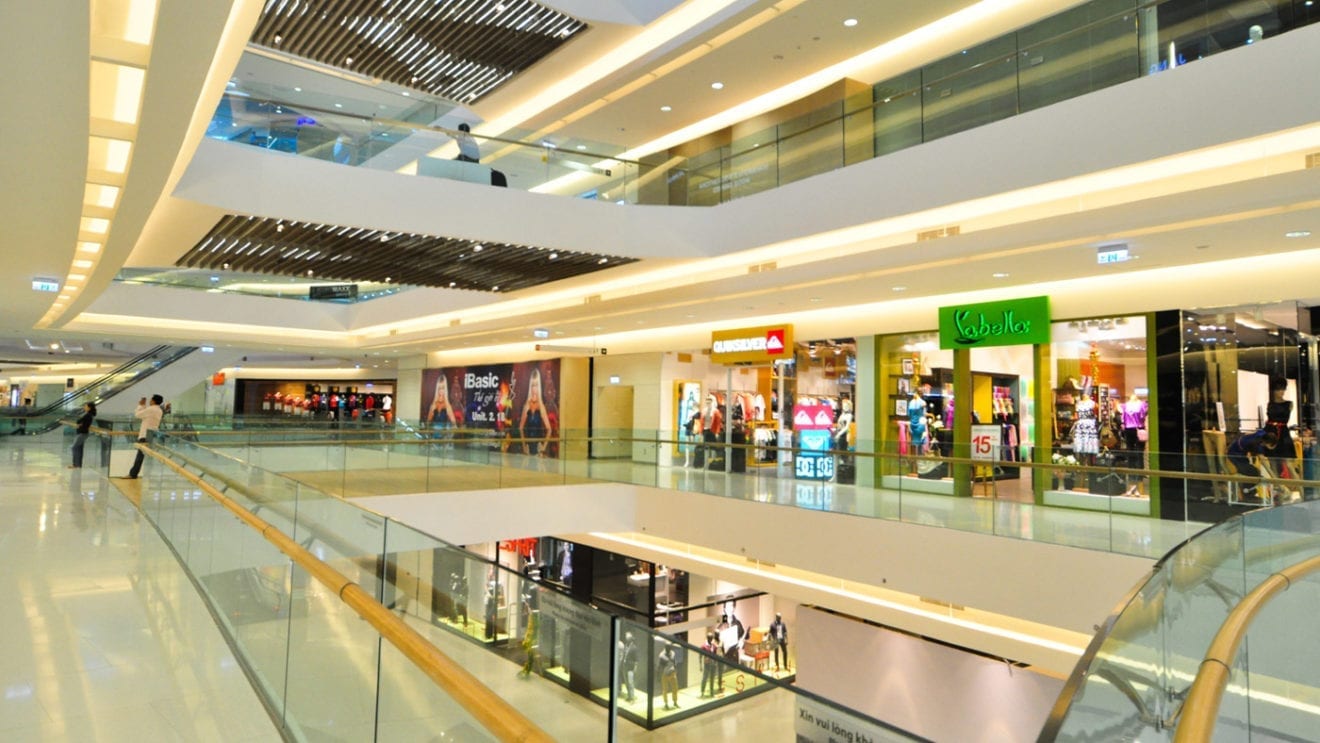
    The Malaysian department store operator has closed the 19,000 sqm District 7 outlet in Ho Chi Minh City, a multi-story department store beneath a commercial tower.

    The store opened in April 2011 after the company invested US$5 million in a new fitout of a small shopping mall bought from Kim Cuong Company.  But the store has never attracted sufficient customers to make it viable, despite a cinema on the top floor. The building is two blocks from the giant Crescent Mall shopping centre which opened in late 2011 in the largely expat-populated suburb some 20 minutes drive from downtown Ho Chi Minh City.

    The mall reportedly closed on Monday.

    Parkson did not give local news media an explanation for the decision – or why it persevered with the site for five years before pulling the plug. But the company did say the closure would not affect the other eight stores in its network, five of which are in Ho Chi Minh City.

    In January last year, Parkson closed another store opened in 2011, Hanoi’s Keangnam Hanoi Landmark Tower. That followed a dispute with the building’s owners over rent which Parkson said was set at a level sales could not sustain.

  • On the cusp of a Vietnam franchising boom

    On the cusp of a Vietnam franchising boom

    A Vietnam franchising boom is nearing with about 40 foreign brands reportedly seeking franchise partners in the nation.

    With the signing of several free-trade agreements and Vietnam’s involvement in the Asean Economic Community (AEC), the franchise industry is expected to boom, reports VietnamNet.

    Figures from the Ministry of Industry and Trade show that it has licensed more than 150 foreign-brand franchises since 2007.

    VF Franchise Consulting CEO Sean Ngo says the recent free trade agreement with the EU and, more importantly, the upcoming TPP, promise to be beneficial for Vietnam. He is also Southeast Asia MD for global franchise consultancy Edwards Global Services (EGS).

    While industries such as manufacturing, textiles, and food processing are sure to benefit, he says other franchised businesses that will also do well include equipment, furniture and fixtures and raw materials, as Vietnam drops import duties or lowers them to near zero under the new agreements.

    He says that when the AEC materialises it promises even more benefits, as the focus in franchising is to offer products and services that cater to the Asean consumer.

    “This will help many regional franchises successfully enter markets like Vietnam, and help Vietnamese franchises also expand further into the region,” says Ngo.

    Retail & Franchise Asia chairwoman Nguyen Phi Van says 90 per cent of the franchisors its represents in Vietnam are from the EU and the US, primarily in the fields of food, education and training, and gyms.

    “Although 90 per cent of franchise brands are in the food industry, as the market thrives over the next five years, the percentage of franchises in the service industry will increase substantially,” says Van.

    She says Vietnam has the three factors needed for developing franchising. Besides its large market size, the country’s stable macro-economic situation is also key to development.

    Meanwhile, Vietnamese enterprises have not really seized the opportunities from franchising. Van says the main drawbacks include inefficient operations, weak management and lack of finance.

    She says that devising the right pricing strategy will be critical to success, as consumers typically have lower disposable incomes than other Asean markets.

    Meanwhile, the Vietnam Retail & Franchise Show will be held in Ho Chi Minh City from June 8 to 10.

  • Wasedaya Shirt brand returns, but not in Japan

    Wasedaya Shirt brand returns, but not in Japan

    A Japanese businessman has revived the established Japanese shirt brand Wasedaya Shirt – in Vietnam.

    His first outlet is in the Aeon Mall Long Bien in Hanoi, run by Japanese retail giant Aeon and its subsidiary Aeon Mall.

    Founded in 1903, the Osaka-based company provided custom-made shirts to Japanese consumers for more than a century. The founder was a graduate of  Waseda University in Tokyo.

    However, the tailored shirts gave way to low-priced shirts, and in 1998 the company became a subsidiary of a major Japanese shirt company. Wasedaya Shirt went out of business in 2009, but trading house Itochu acquired the brand and is behind the Vietnam comeback with its textile subsidiary Prominent (Vietnam).

    “I’d like Vietnamese customers to know more about Japan’s high-quality shirts,” says Hiroshi Morita, who as president of Prominent decided to revive the label.

    Its shirts are made from fine Japanese fabrics at a factory in Japan, and carry a price tag of 1.2 million dong ($54) each. Contemporary features have been added, such as photocatalyst-based deodorant and anti-bacterial technology in collars and cuffs to suit the humid climate in Vietnam.

    Itochu set up a capital and business agreement with Vietnam Kowil Fashion last year, which has helped Wasedaya Shirt obtain data about Vietnamese body shapes and preferences.

    A second Wasedaya Shirt has been opened in Ho Chi Minh City, and Morita hopes to expand its sales network to other parts of the country as well as Cambodia – and is thinking about reimporting the shirts to Japan.

  • Myanmar signs up for Crystal Jade restaurants

    Myanmar signs up for Crystal Jade restaurants

    Crystal Jade restaurants are headed to Myanmar after a franchise agreement signed between Singapore Myanmar Investco (SMI) and Crystal Jade Management Vietnam.

    Crystal Jade Group has more than 100 outlets in 20 cities in the Asia Pacific region and the US.

    Under the terms of the agreement, SMI will have the exclusive right to develop, manage and run the Crystal Jade Kitchen, Crystal Jade Palace Restaurant and Crystal Jade La Mian Xiao Long Bao restaurants in Myanmar for 10 years, with the option to extend for a further 10 years.

    The first Crystal Jade Kitchen outlet is expected to open in the third quarter of this year at the new Yangon International Airport Terminal 2, while a Crystal Jade Palace restaurant is expected to launch at the Sedona Hotel Yangon later in the year.

    Further ahead, the group expects to open another two Crystal Jade Kitchen restaurants in 2017 and in 2018.

    SMI manages the duty-free retail space in the new Yangon terminal.

  • Retail changes hit Vietnamese labels

    Retail changes hit Vietnamese labels

    After acquiring supermarket chains in Vietnam, Thai retail groups have started strengthening the distribution of products from Thailand to the detriment of Vietnamese labels.

    Central Group and BCJ Group now have more than 50 supermarkets and convenience stores in Vietnam, and VietnamNet reports that more than half of the retail market share in Vietnam is now in Thai hands.

    Metro wholesale supermarkets, which have changed from German to Thai ownership, now feature Thai products in a special area by the main entrance, including household appliances, clothing, processed food and cosmetics.

    VietnamNet says the volume of Vietnamese goods in supermarkets and shopping malls has dropped two-thirds, being replaced by Thai products.

    Vietnamese manufacturers have complained about the volume of their products being cut back after Metro changed hands. Vietnamese goods have reportedly also been replaced at other retail chains, including Big C and B’s Mart.

    Saigon Food general director Le Thi Thanh Lam says that foreign-owned retail chains always demand high discount rates from suppliers.

    Vietnam High-quality Product Association chairperson Vu Kim Hanh says Thai goods will become a major rival for Vietnamese.

  • Indonesia & Vietnam leading Asian beauty industry growth

    Indonesia & Vietnam leading Asian beauty industry growth

    Indonesia and Vietnam are the fastest-growing markets in the Asian beauty industry.

    According to research from Euromonitor International, Markets of the Future: ASEAN in 2020, the two countries significantly outperform the most obvious contenders, Korea and China.

    Vietnam’s beauty and personal care market experienced healthy value growth in 2015. With the developing of the Internet network and online retailing, more consumers from rural areas can buy products more easily, and it also strongly boosts retail value sales of beauty and personal care due to changing consumer behavior. On the other hand, thanks to dynamic marketing activities by leading manufacturers and media, consumers are aware of the importance of using branded products from reliable sources after many scandals of cosmetics containing toxic ingredients.

    People are willing to spend more on all types of beauty and personal care, instead of using unbranded goods, in order to protect their health.

    Asia beauty chart

    In October 2015, the draft TPP trade pact was signed, which means Indonesia and Vietnam are set to open up to other nations by removing barriers and decreasing tariffs by up to 100 per cent. As a result, it will open significant change in beauty and personal care over the forecast period such as lower pricing and more international companies entering the two markets.

    Countires across Asia were ranked by Euromonitor by actual and forecast growth between 2008 and 2018, as the chart shows.

    The data was revealed by UBM Asia, organiser of Vietbeauty 2016 at Ho Chi Minh City in August, which will showcase products from more than 150 exhibitors from Japan, Korea, Australia, Hong Kong, Thailand, Taiwan, Mainland China, Indonesia, the Philippines, Malaysia, India, Singapore, the US and Europe.

  • Elections help boost Jollibee sales

    Elections help boost Jollibee sales

    Jollibee sales grew 14.8 per cent year-on-year to P34.4 billion (US$737.7 million) in the first quarter of 2016, with help from election-related spending and low inflation.

    The systemwide sales come from company-owned and franchised stores of Jollibee Foods Corp – the largest foodservice network in the Philippines.

    Jollibee Vietnam sales almost doubled, leading Southeast Asia and the Middle East 32.2 per cent growth in the same period.

    Jollibee China grew at a slower rate of 1.9 per cent as Yonghe King, JFC’s biggest brand in China faced pressure from recovering competing brands.

    JFC attributes the strong same store sales growth to election-related consumer spending and low inflation rate in the country that averaged 1 per cent in the first quarter, which made consumer products more affordable with rising household income.

    JFC says its sales were also boosted by continuous product improvement, new products, marketing campaigns and improved restaurant design.

    Meanwhile, the foreign business reported a 10.5 per cent growth in systemwide sales for the quarter versus the same period a year ago. The US business grew by 17.4 per cent year-on-year.

    As of March 31 2016, JFC was operating 2493 outlets in the country and 650 store abroad.

  • Central Group sells Big C Thailand stake to rival

    Central Group sells Big C Thailand stake to rival

    Thailand’s Central Group is a step nearer to settling on Big C Vietnam  after selling its stake in Big C Thailand to a rival retailer.

    Central has accepted an offer from rival TCC Group for its 25 per cent holding of Big C Supercenter, reported to be worth at least 50 billion baht (US$1.4 billion).

    The deal follows French retail group Casino’s decision to sell its Thailand and Vietnam units this year in a bid to cut debt. Both businesses have hypermarkets, supermarkets and convenience stores.

    Central Group, Thailand’s biggest retailer led by tycoon Tos Chirathivat, lost out to TCC’s flagship retail unit Berli Jucker in the battle to gain control of the Thai unit, but has agreed to pay 920 million euros (US$1.1 billion) for Big C Vietnam.

  • Foreign retailers in Vietnam under attack

    Foreign retailers in Vietnam under attack

    Complaints by Ho Chi Minh City businesses about foreign retailers in Vietnam have sparked the prime minister to order an investigation.

    Members of the Ho Chi Minh City Union of Business Associations (HUBA) say the growing number of foreign retailers in Vietnam have a loose rein to expand at a pace that will eventually hurt local companies.

    HUBA has sent at least two letters to the government raising questions about the legality of some business activities by foreign retailers, reports Thanh Nien News.

    Vietnam laws forbid foreign businesses to distribute products such as rice, cane sugar and cigarettes, but these items are still available at the supermarkets and convenience stores of most foreign retailers, including South Korea’s Lotte and Big C, Tuoi Tre reports.

    Following the complaints, Prime Minister Nguyen Xuan Phuc has ordered relevant agencies to check into foreign retailers, including mergers and acquisitions.

    Media reports say Mega Market Vietnam, which owns Metro wholesale stores, is expected to be first to face the scrutiny. The stores were originally run by Germany’s Metro before being acquired by Thailand consumer group TCC this year.

    Statistics show that Vietnam is home to more than 700 supermarkets and 132 shopping malls, mostly in the main centres of Hanoi and Ho Chi Minh City.

    Meanwhile, Hanoi Association of Supermarkets chairman Vu Vinh Phu says a supermarket in the northern city of Hai Phong had its revenue fall 30 per cent six months after a foreign superstore opened.

    Foreign companies now control more than half of Vietnam’s retail market, says the association, and many producers complain they are struggling to have their products in foreign supermarkets mainly because the retailers ask for high discounts, says HUBA vice-chairman Pham Ngoc Hung.
    Meanwhile, products from countries such as Japan, Malaysia, South Korea and Thailand are becoming more and more popular.

    Vietnam’s retail sales rose 10.6 per cent from 2014 to VND2469 trillion (US$109.4 billion) last year, official figures show.

  • Lotte Mart Vietnam sales grow to $221m

    Lotte Mart Vietnam sales grow to $221m

    With 12 stores, hypermarket chain Lotte Mart Vietnam chalked up sales of VND5 trillion (US$221.58 million) last year – 30 per cent growth year-on-year.

    Foot traffic also grew 20 per cent, says CEO Hong Won Sik.

    Its latest outlet opened late last month, and the South Korean company is looking at more mergers and acquisitions so it can achieve its target of 60 stores by 2020, says Hong.

    He says Lotte Mart Vietnam also plans to expand to convenience stores and eCommerce.

    With more than 20 subsidiaries in Vietnam, Lotte has invested more than $2 billion, and is set to double the total investment with plans to build an urban area in the east of Ho Chi Minh City.

  • The ‘Thai goods’ era’ has arrived

    The ‘Thai goods’ era’ has arrived

    Vietnamese manufacturers’ biggest rival is Thailand, experts say. The country exports a wide range of goods, from chicken to slippers, from cosmetics to electric cookers. 

    vietnamnet bridge, english news, Vietnam news, news Vietnam, vietnamnet news, Vietnam net news, Vietnam latest news, vn news, Vietnam breaking news, dissolved businesses, VCCI, Thai goods, Big C, Central Group, Thai billionaires
    Most recently, Central Group has acquired Big C at the price of $1.04 billion

    Figures show the flood of Thai goods in the Vietnamese market.

    1.Vietnam spends $8.2 billion, or VND180 trillion to buy Thai goods, from slippers to cars.

    According to the General Department of Customs (GDC), the turnover of imports from Thailand increased by twofold from $4.5 billion in 2009 to $8.2 billion in 2015.

    Of this, the petroleum imports from Thailand increased from $590 million to $1.16 billion.

    The other products which also witnessed sharp increase in import turnover were computers, paper and electronics.

    Though Vietnam is an agricultural country which has big advantages in producing tropical fruits, it still imports fruits from Thailand in large quantity. The fruit import turnover increased during that time.

    Vietnam also imports steel, precious metal, chemicals, machines, household use electrical products and pharmaceutical drugs from Thailand.

    2.Thailand is a big vehicle exporter to Vietnam.

    In 2015 alone, Vietnam imported 25,136 vehicles from Thailand. If counting car parts, Vietnamese spent $1 billion to buy cars and car parts from the country. By the end of 2015, Thailand ranked fourth among the biggest car exporters to Vietnam, after China, South Korea and India.

    In the first quarter of 2016, Vietnam imported 19,700 cars from all markets, including 7,814 cars from Thailand, a sharp increase of 64.5 percent compared with the same period last year.

    3.Vietnam is Thailand’s seventh biggest importer.

    According to Thai agencies, the two-way trade turnover between Vietnam and Thailand in 2013 was $439 million. The figure is expected to increase to $15 billion by 2020.

    Vietnam is the seventh biggest importer for Thailand, while Thailand is the 10th ASEAN largest investor with 300 projects under implementation in Vietnam.

    3.Thai businesses have completed a series of merger and acquisition (M&A) deals in Vietnam.

    In 2012, BJC group of the Thai billionaire Charoen Sirivadhanabhakdi spent 1 billion baht, or VND656 billion, together with Mongko, opening a supermarket to distribute Thai goods in Vietnam, Laos and Cambodia.

    In early 2013, BJC took over the retail chain developed by Vietnamese Phu Thai Group and Japanese Family Mart and renamed the chain B’s Mart.

    In August 2014, BJC spent 655 million, or $879 million, to buy Metro Cash & Carry Vietnam.

    In September 2014, the Thai billionaire decided to spend 1 billion baht, or VND650 billion, from now to 2018 to expand 205 B’s Marts in Vietnam.

    In January 2015, Power Buy, belonging to Central Group, bought 49 percent of Nguyen Kim home appliance chain’s stake. It is also the owner of Robins chain in Vietnam.

    Most recently, Central Group has acquired Big C at the price of $1.04 billion.

  • Vingroup more than triples revenue to $98m

    Vingroup more than triples revenue to $98m

    Retail has proved the shining segment for Vietnamese conglomerate Vingroup, with revenue jumping 363 per cent year-on-year to VND2.19 trillion (US$98.3 million) for the first quarter.

    Vingroup has been investing in retail properties for more than a decade, and since announcing two years ago that it aims to become Vietnam’s largest retailer has opened 50 supermarkets under the VinMart brand and 750 convenience stores under VinMart+ brand.

    Its other retail businesses include Vincom shopping centres, VinFashion stores, VinPro electronics shops and Adayroi eCommerce platform.

    With interests also in education, health, entertainment and real estate, the group reports an after-tax profit of VND1.04 trillion – three times higher than the same period last year. Its revenues more than doubled to hit VND15.16 trillion.

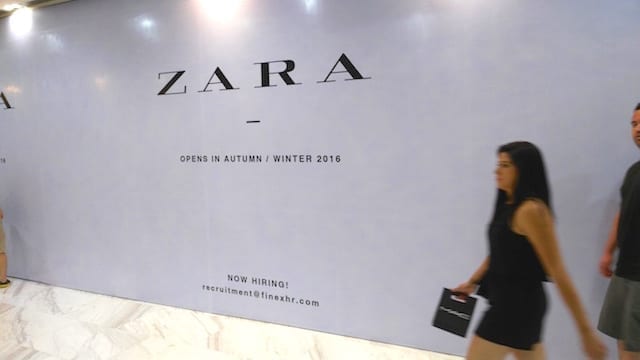
  • Zara Vietnam to launch in July

    Zara Vietnam to launch in July

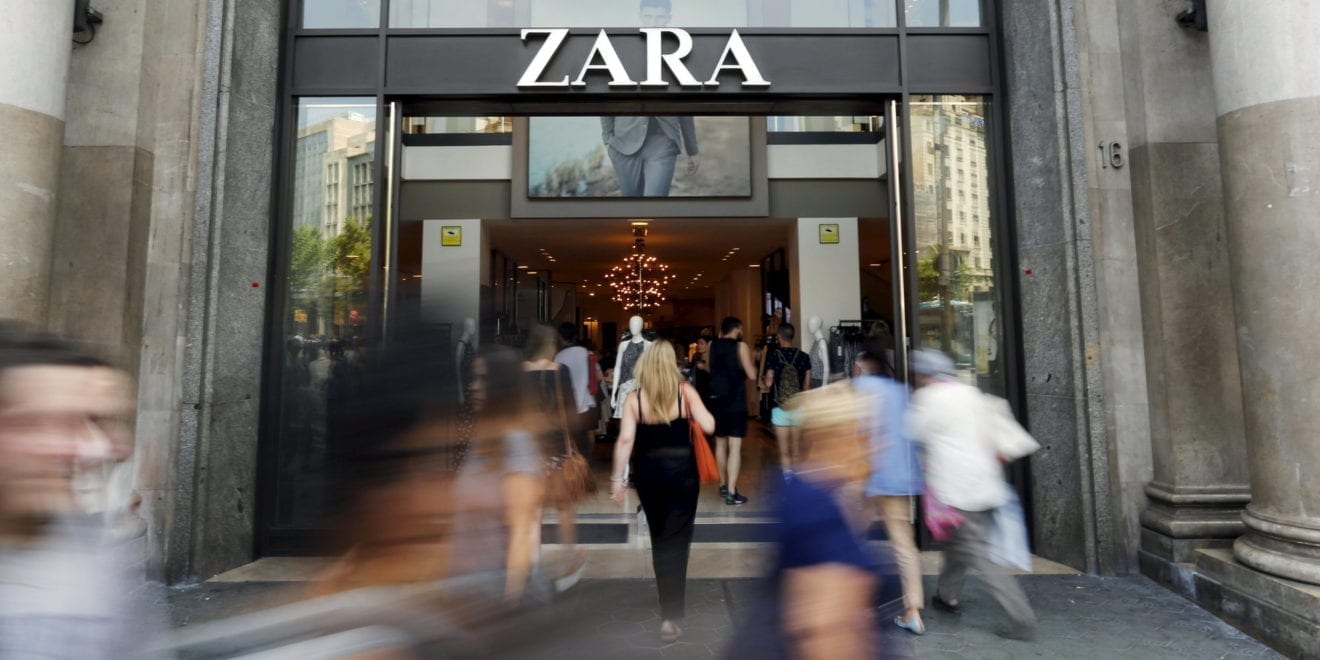
    Zara Vietnam says it will open its first store in July, just as Euromonitor International reveals the Vietnamese branded goods market may reach $2.7 billion in value by next year.

    As more than more people can afford branded goods, international fashion brands such as Gap, Mango, Nine West, Ralph Lauren and Topshop have become the choice of many young Vietnamese, especially office workers, says Euromonitor.

    Zara is owned by Inditex, which at the end of its latest fiscal year on January 31 had 7013 shops in 88 markets, including 2000 Zara outlets. If the Spanish fast fashion giant follows its normal international expansion course, it will likely roll out some of its other brands in the market, including Bershka, Pull & Bear, Massimo Dutti, Stradivarius and Zara Home.

    There is already a Vietnamese website selling Zara items, with a showroom in Ho Chi Minh City, but the shop sells alternatively-sourced and end-of-season lines.

    Mango, which targets customers between 18 and 40 years old, has been in Vietnam since 2004 through a franchise contract signed with Maison JSC. It also has other franchise partners, including DAFC, a subsidiary of IPP, and BFF, belonging to Vingroup.

    In 107 markets internationally, Mango had $2.6 billion in revenue last year.

    A survey by Nielsen on Vietnamese consumer confidence has shown that Vietnamese are willing to spend money on holidays, tourism, fashion and high-technology products.

    Meanwhile, Mango and Zara are among brands that have garment factories in Vietnam.

  • Index Living Mall sets plan for Asean market

    Index Living Mall sets plan for Asean market

    Thai home-furnishings manufacturer and retailer Index Living Mall has set a strategic plan to open at least one store in a new Asean market every year.

    The company expects the sales contribution from Asean countries to increase significantly from the 6 to 7 per cent estimated for this year to 10 per cent within three years.

    MD Kridchanok Patamasatayasonthi says the expansion is in line with its vision to be the No. 1 player in Southeast Asia in terms of brand awareness in its segment.

    In Thailand, Index Living Mall opened a branch in Nakhon Pathom in February with 7500 sqm of retail space, and another store will open in Chachoengsao next month covering 5500 sqm.

    “We also plan to open another store in Bangkok next January,” says Kridchanokshe.
    Index Living Mall has also opened stores in Malaysia and Vietnam.

    Malaysia’s first store is in IOI City Mall in Putrajaya, followed by another outlet at Aeon Mall in Shah Alam in March, and at Aeon Mall in Kota Bahru last month. The expansion in Malaysia is through a joint venture with Japan’s Aeon Group, and the fourth store will open in Johor Bahru next year.

    In Vietnam, where the brand has had a presence for four years, the company has appointed a new local franchisee to expand its network. The first Index Living Mall in Vietnam under the new partnership, at Vincom Mega Mall in Ho Chi Minh City, opened in January, followed last month by a store at Hanoi’s Vincom Mega Mall.

    “We are negotiating with a potential joint-venture partner in the Philippines and a potential franchisee in Indonesia for partnership deals expected to be finalised next year,” says Kridchanok.

    Index Living Mall posted THB2.5 billion (US$71.242 million) in sales revenue in the first quarter of this year, a 10 per cent increase compared with the same period last year. The company targets THB10 billion in sales this year, up 10 per cent over 2015.

    It has also opened a concept store at Don Mueang International Airport, Sky Living by Index Living Mall – 400 sqm of retail space showcasing its products and accessories.

    After the renovation of the airport’s Terminal 2 to accommodate the growing number of domestic passengers, Index Living Mall aims to create direct customer experiences by providing a premier passenger lounge designed around a variety of room settings, as well as a Kids’ Zone.

    The first Index Living Mall store opened more than 20 years ago, and there are now 26 retail locations throughout Thailand.

  • Vietnam coffee-sales steady; buyers await Indonesia arrivals

    Vietnam coffee-sales steady; buyers await Indonesia arrivals

    Vietnam’s coffee sales may pick up if prices maintain their recent uptrend, but buyers are likely to await the upcoming harvest in Indonesia for better deals on fresh arrivals, traders said on Tuesday.
    Coffee exports this month from the world’s biggest robusta producer are forecast to be in a wide range of 120,000 to 160,000 tonnes (2.0 million and 2.67 million 60-kg bags), versus an estimated 160,000 tonnes in April, traders said.
    The ICE July robusta contract has risen nearly 4 percent so far this month to $1,649 a tonne, and Vietnamese robusta prices also gained 2.4 percent in domestic markets during the same period.
    Robusta prices on Tuesday rose to 35,400-35,500 dong ($1.59) per kg in Daklak, Vietnam’s biggest growing province, from 34,800-34,900 dong a week ago, and 34,600 dong at the end of April.
    Prices eased slightly from 35,600-35,900 dong per kg on Monday, of which 35,900 dong was the highest level since Nov. 12, 2015, according to Reuters data.
    “The trend is that prices are rising and if it stays that way, more selling is expected this month,” said Phan Hung Anh, deputy director of export firm Anh Minh in Daklak.
    Traders said buying demand has been steadily declining, given that Vietnam has supplied a significant volume of coffee to the world so far in the current 2015/2016 season.
    The country exported an estimated 976,200 tonnes between October 2015 and last month, up 27.4 percent from a year ago, based on government statistics.
    “Buyers are waiting to see Indonesia’s crop arrivals, and prices of the fresh beans (there) may become more attractive,” Anh said.
    As futures prices edge up, premiums of Vietnamese robusta grade 2, 5 percent black and broken eased to $30-$40 a tonne to the July contract this week, from premiums of $50-$55 a week ago.
    The coffee crop harvest in Vietnam’s rival – Indonesia – is expected to pick up pace in June, about a month later than usual, due to El Nino-related dry weather.
    Indonesia’s 2016/2017 coffee output is forecast to drop around 9 percent as compared with last year to 9.65 million bags, while Vietnam’s output could edge up 3 percent to 29.14 million bags, BMI Research, a Fitch Group company, said in a report in late April.