Retail News CRM

Tag: Vietnam

  • Keppel Land opens mall in Ho Chi Minh City

    Keppel Land opens mall in Ho Chi Minh City

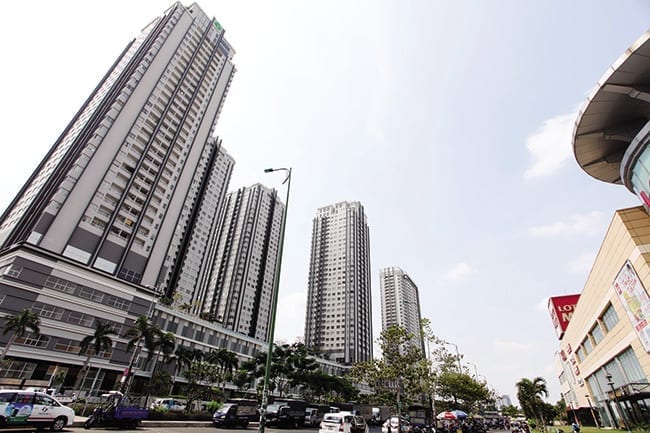
    Property firm Keppel Land opened a mall in Ho Chi Minh City yesterday as part of plans to increase its presence in Vietnam.

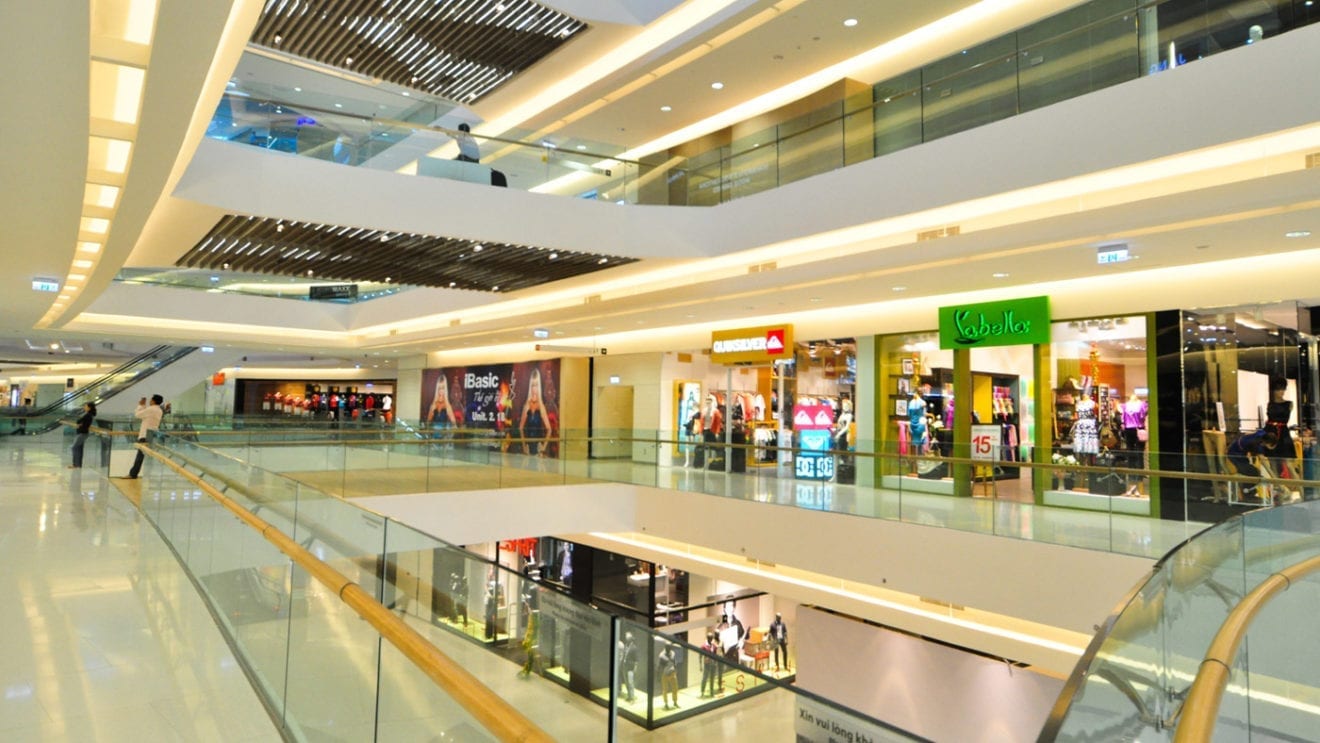
    The mall in Saigon Centre has 55,000 sq m of retail space and is already fully leased with over 400 international and local brands, the firm said.

    They include anchor tenant Takashimaya, the Japanese retail giant, which has taken up 15,000 sq m for its flagship store, its first outlet in the city.

    keppel land

    Takashimaya Singapore managing director Tatsuo Yano said: “This development has come about through years of cultivated retail experience between Japan and Singapore. We aim to create a store that will become a well-soughtafter shopping destination.”

    The mall is part of Saigon Centre’s phase two development, which also includes 195 luxury serviced apartments and a 37-storey prime office tower. Phase two – which will be completed at the end of next year – will cost US$255 million (S$341 million) to develop.

    Keppel Land, a subsidiary of Keppel Corporation, told The Straits Times that future phases could include a five-star hotel and more retail offerings.

    Phase one, which included 11 floors of Grade A office space and 89 luxury serviced apartments, was completed in 1996.

    Keppel Land said 97 per cent of the office space in phase one was leased, with DBS Bank, AIG, Reuters and Mitsubishi Corporation among the tenants.

    Both phases one and two of the project are jointly owned by Keppel Land, Toshin Development and Vietnamese partners Southern Waterborne and Transportation Corporation and Saigon Real Estate Corporation. Keppel Land holds a 45.3 per cent stake in the development.

    Since its first foray into Vietnam in the early 1990s, Keppel Land has 19 licensed projects across the country.

    The mall’s opening ceremony yesterday was attended was attended by over 300 guests, including Keppel Corporation chairman Lee Boon Yang.

    Keppel Land will also joint develop Empire City at a prime 14.6ha waterfront site in Ho Chi Minh City – a deal announced in March.

    The development will comprise premium residential units, office and retail properties as well as an 86-storey integrated mixed-use tower complex.

    Empire City – which is expected to commence construction later this year – is a joint venture project with Vietnamese companies Tien Phuoc Real Estate Joint Stock Company and Tran Thai Real Estate, as well as Hong Kong-based real estate private equity fund Gaw Capital Partners.
  • Vietnam real estate giant opens five-star hotel in Myanmar

    Vietnam real estate giant opens five-star hotel in Myanmar

    Vietnamese realty group Hoang Anh Gia Lai on Sunday put into operation a five-star hotel in Yangon, Myanmar.

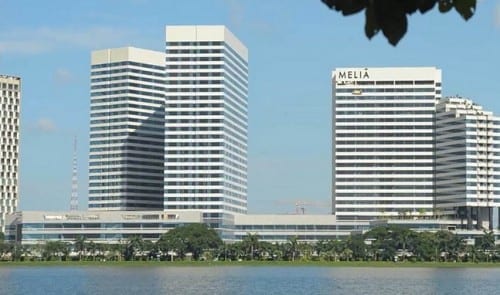
    The hotel is housed in the group’s Myanmar Center, located some eight kilometers from downtown Yangon, on Kaba Aye Pagoda Road in Bahan Township.

    Hoang Anh Gia Lai (HAGL) Group is one of the leading real estate companies in Vietnam that focuses on the development of residential and commercial real estate in many principal economic centers, including Ho Chi Minh City and Da Nang City.

    The company has been expanding regionally with real estate projects in Laos, Thailand and Myanmar.

    Myanmar Center is a modern architectural ensemble made up of offices, retail spaces, residential units and a five-star hotel, with a total investment of US$440 million, Vo Truong Son, general director of HAGL Group, said at the inauguration ceremony.

    The project is divided into two phases, the first of which consists of two grade-A office towers, one retail podium and a five-star hotel, while the second comprises two additional grade-A office towers and five residential blocks.

    Operated by hotel chain Meliá Hotels International, one of Spain’s largest operators of hotel and holiday resorts, the five-star Meliá Yangon inaugurated on Sunday has 430 suites and a 2,000 square meter conference area.

    melia hotel

    Vietnamese Deputy Prime Minister Vu Duc Dam and senior officials of Myanmar, Laos, and Cambodia also attended the inaugural ceremony.

    According to Myanmarese Minister of Hotels and Tourism U Htay Aung, HAGL’s Myanmar Center is the largest foreign-invested real estate project in the country at the moment.

  • ‘Modest’ growth for Dairy Farm International

    ‘Modest’ growth for Dairy Farm International

    Pan-Asia retailer Dairy Farm International Holdings reports “modest” sales growth for the six months ended June 30.

    Underlying profit was slightly ahead as higher contributions from food, home furnishings, restaurants and China hypermarket Yonghui offset a lower contribution from the group’s health and beauty division. The group is seeing the benefits from investments made last year.

    Sales for the period, excluding associates and joint ventures, were down 1 per cent but up 2 per cent at constant exchange rates. Sales were impacted by the closure of underperforming stores in Indonesia and Singapore.

    The operating profit was stable at US$197 million, compared with $201 million in the first half of last year.

    Under pressure

    In the food division, sales within supermarkets and hypermarkets were up 2 per cent despite deflationary pressures.

    In Hong Kong, sales increased modestly but profits were impacted by higher rental and labour costs. In Indonesia and Singapore, profitability improved despite reduced sales following store closures. Sales were flat but profits lower in Malaysia, while the Philippines had good sales growth and improved profitability.

    Convenience stores in Hong Kong and Macau performed satisfactorily in a difficult trading environment, while overall sales in Singapore were flat because of the cutback in stores yet sales were positive and profits higher.

    Store expansion continued in mainland China, and there was good sales and profits growth.

    In the health and beauty division, sales improved in Hong Kong but Macau and Malaysia were behind with lower profitability.

    Like-for-like sales were positive in China, and in Indonesia “encouraging” improvements were made in sales and profits following a store rationalisation program.

    In the Philippines, good progress continues to be made on the integration of Rose Pharmacy.

    In home furnishings, Ikea performed well, producing growth in both sales and profits in its three markets. Store expansion opportunities are being pursued.

    Still expanding

    In the restaurant division, Maxim’s maintained its impressive track record with higher sales and profits in China and Hong Kong. The group is growing its presence on the mainland and continues to expand its Starbucks network in Cambodia and Vietnam.

    Yonghui reported 18 per cent revenue growth in the first half.

    In February, PT Hero agreed to sell its remaining Starmart stores in Indonesia. The transfer of the stores is expected to be completed in the fourth quarter.

    In March, the group refinanced short-term borrowings of $900 million, to be used in part to invest a further $191 million in Yonghui. This will maintain the group’s 19.99 per cent interest following the placement by Yonghui of a 10 per cent shareholding to JD.com.

    In April, Maxim’s acquired the Cova patisserie and restaurant franchise in Hong Kong, which has 10 outlets. Maxim’s also opened its first The Cheesecake Factory in Shanghai Disney Town.

    At the end of June, Dairy Farm, including Yonghui, had about 6500 outlets across all formats and employed 180,000-plus people.

    “While sales and profit performance in the first half have been encouraging in a challenging
    trading environment, the outlook remains uncertain with consumer confidence fragile in most
    Markets,” says chairman Ben Keswick.

    Incorporated in Bermuda, Dairy Farm International Holdings has its primary listing on the London Stock Exchange with secondary listings in Bermuda and Singapore. The group’s businesses are managed from Hong Kong by Dairy Farm Management Services through its regional offices. Dairy Farm is a member of the Jardine Matheson Group.

  • Takashimaya Vietnam opens doors

    Takashimaya Vietnam opens doors

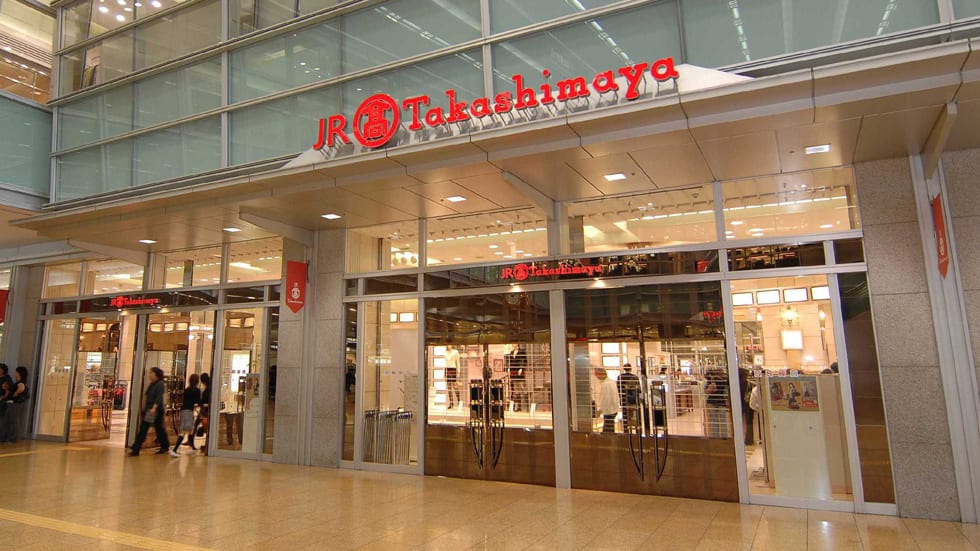
    Three years after the Japanese luxury department store chain announced plans to enter Saigon, Takashimaya Vietnam opened its doors at the weekend.

    As the anchor tenant of  downtown Ho Chi Minh City’s Saigon Center, Takashimaya takes up a whole five floors making it by far the nation’s largest department store – and likely its most expensive.

    The first impression that the department store makes is its spacious interior. Concessions to brands have been arranged to leave unusually wide aisles – ensuring the store was comfortable even on its crowded grand opening day.

    Takashimaya Vietnam - interior

     The central atrium of the expanded Saigon Center featuring Takashimaya’s first Vietnam store.

    The first floor of Takashimaya houses the food maison, most of which is filled by Japanese F&B brands such as Minamoto Kitchoan, Gyumaru, Azabu Sabo, Yamazaki and Suizan. Some tea brands make their way into that space, including Vietnam’s own Phuc Long, Singapore’s TWG tea, and B Tea.

    Targeting the high class consumers in Saigon and Vietnam, Takashimaya has chosen carefully the brands to appear in their stores, including luxury brands coming to Vietnam the first time, complemented by the high level of customer service Takashimaya offers elsewhere in the world.

    Takashimaya Vietnam

    The second floor is exclusively for ladies with international fashion names such as Banana Republic, Bebe, Bonia, Braun Buffel; footwear from Clarks, Geox, Cole Haan; bags from Carlo Rino, Cromia; and Furla with its first flagship in Vietnam after years being distributed by Ha Vang company.

    The rest space is occupied by cosmetics brands, including Korean labels Skinfood, which marked the store’s opening with a special event ‘Makeup Style for Your Summer’.

    Takashimaya Vietnam - Skinfood

    “We offer free makeup and manicure for our customers for two days. Besides, when they buy our products, they will receive a gift set,” said Kieu Oanh, senior PR & marketing executive of Skinfood Vietnam.

    For women, the excitement continues on the next level of Takashimaya: a heaven of luxury cosmetics, jewelleries and fragrances. Christian Dior is prominently located at the front, with rival Lancome opposite. Lancome also opened its own ‘Lancome Cafe’ – a style boutique, where women can take free makeup lessons and receive gifts for the best ‘artwork’.

    Takashimaya Vietnam - Lancome

    Other brands include Bobbi Brown, Shiseido, Estee Lauder, Swarovski, and Mac.

    Takashimaya Vietnam - Yves Rocher

    The next floor features international fashion and cosmetics brands including Diane von Furstenberg, Hugo, Versace and Paul & Shark, along with restaurants and cafes. This level has a rest space with some chairs for visitors arranged around a huge grey pillar.

    Takashimaya Vietnam - Diane von Furstenberg

    Local luxury multibrand retailer Runway comes back after closing its store in Vincom Center in March. As usual, it has a large space in the center, gathering all women’s favourite brands with modern and elegant designs.

    Takashimaya Vietnam - Runway

     The new Runway store replaces the local multi-label luxury brand’s previous space at Vincom. 

    Another highlight is the ready-to-launch space of women handbags Kate Spade New York. That outlet is expected to open soon.

    Takashimaya Vietnam - Kate Spade

    Coming soon: Kate Spade.

    The last level of Takashimaya is filled with men’s fashion and casual wear and children’s clothing and toys. Tommy Hilfiger has the largest outlet here, opposite the first authentic Fred Perry store.


    With more than 180 years of experience and US$290 million investment, it is expected that Takashimaya will not only take Vietnamese shopping to a higher level but also mark a turning point for economic development and quality retail in Vietnam.

  • Official debut for Fred Perry Vietnam

    Official debut for Fred Perry Vietnam

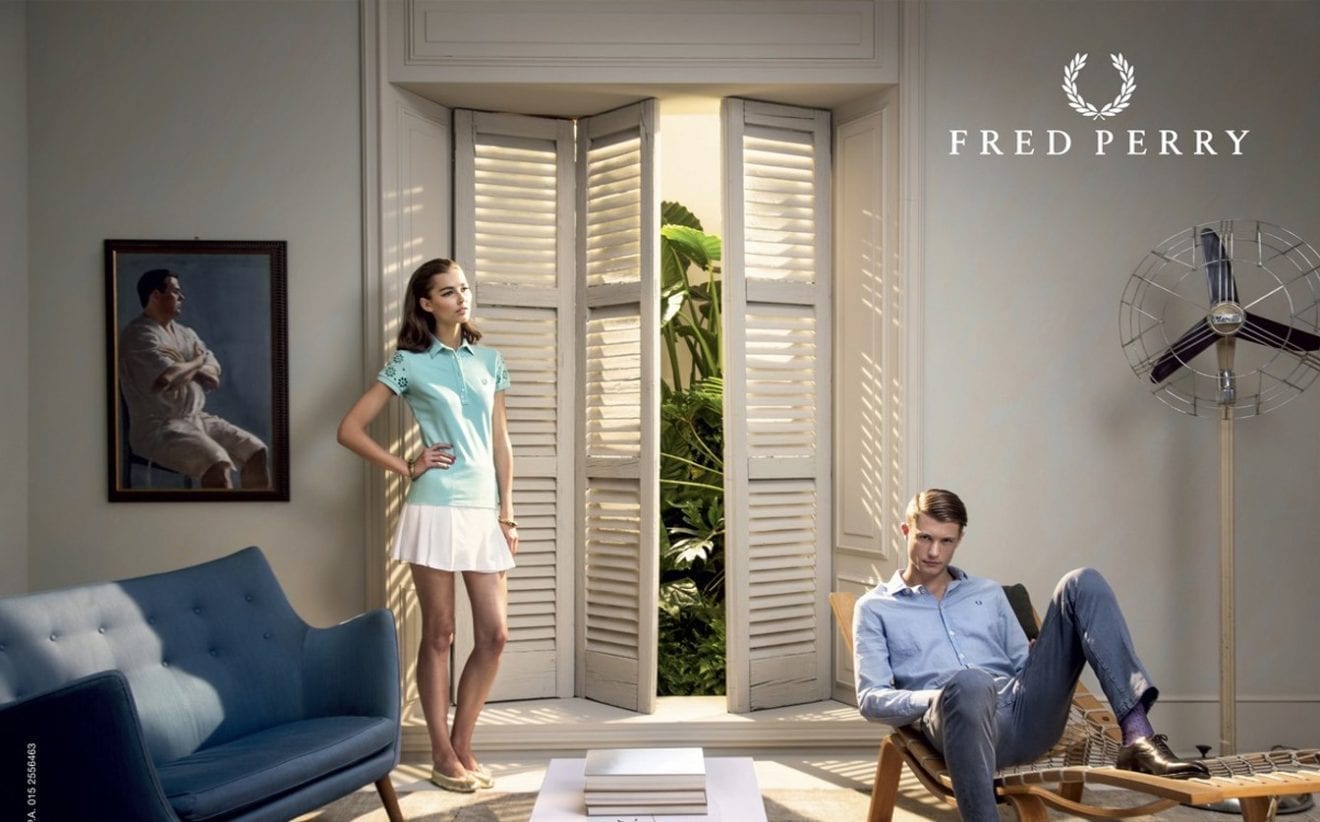
    Tennis-inspired clothing brand Fred Perry is to open its first official store in Vietnam this month.

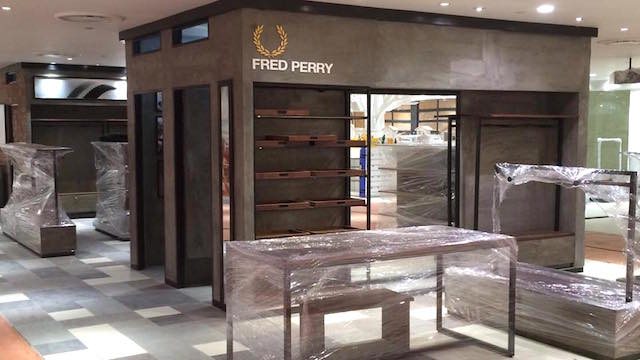
    The subcultural fashion line announced last week on its Fred Perry Vietnam Facebook page that the new store will be located on Level 3 of the refurbished and expanded Saigon Center in District 1. The centre, which includes Japanese department store Takashimaya, will open on July 30 and fitout of the Fred Perry store is expected to be completed in time.

    fred perry vietnam

    Alongside the success of crossing from sportswear to streetwear fashion, the brand has a subcultural music appeal internationally. To celebrate the official opening of the first Fred Perry Vietnam shop, a live party will be held on Friday, August 5 at Piu Piu Bar.

    Fred Perry is a clothing line founded by the Wimbledon champion Fred Perry in 1952, and become popular internationally since. The brand is now owned by Japan-based company Hit Union.

    In Vietnam, the brand is famous for its shoes and classic polo shirts. The official arrival of Fred Perry in Vietnam will come as great news for Vietnamese fans. For years, they have shopped “laurel wreath” products online and through hand-carried importation services – always with a high chance of ending up with fake merchandise.

  • NYDC Vietnam closes last store

    NYDC Vietnam closes last store

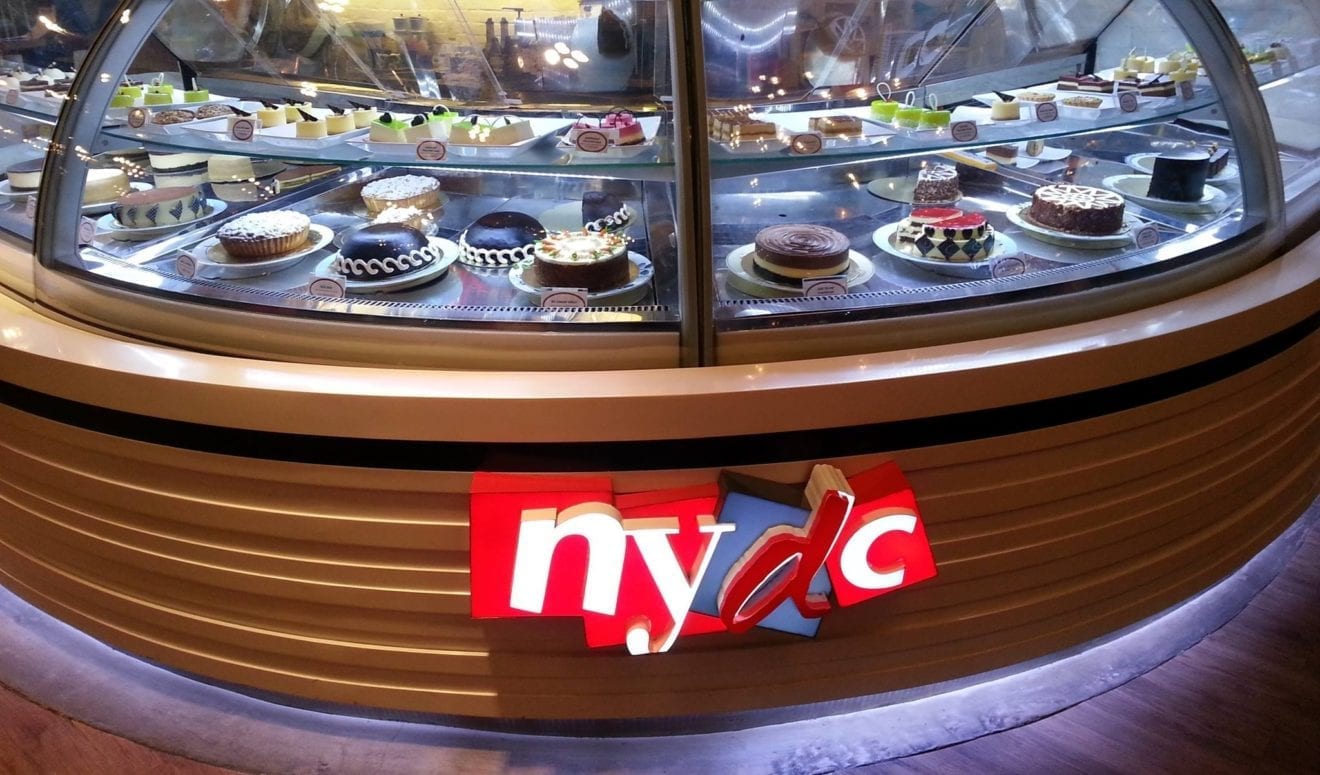
    The last NYDC Vietnam dessert and cafe restaurant has closed its doors after months of struggling to stay viable.

    The chain sent its goodbyes to its customers via its Facebook page last Wednesday, promising to “return someday”.

    NYDC’s struggles first became apparent in May when it closed three stores in a row – Nguyen Trai, Cantavil, and Crescent stores in Ho Chi Minh City. It continued to operate its highest-profile store inside the Metropolitan Tower in the city’s CBD. However, after six months trying, finally they decided to close their last store.

    Two factors likely led to the demise of NYDC Vietnam: First, the increasing dominance of  local cafe chains such as The Coffee House, Phuc Long, Urban Station, Trung Nguyen, Kafe and Highlands, which offer affordable prices and comfortable spaces. The second is the more recent arrival of international chains, such as Starbucks. Before Starbucks arrived in Vietnam in 2012, NYDC’s main competitors were Gloria’s Jeans and Coffee Bean and Tea Leaf.

    Many foreign food chains have struggled to gain momentum in Vietnam market. Both Gloria’s Jeans and Coffee Bean and Tea Leaf had to close larger outlets about three years ago due to rising rentals. Burger King launched in 2012 with ambitious plans for about 60 stores within five years. It has recently closed several and as of February its network stood at just 16.

    Sean T Ngo, CEO of VF Franchise Consulting, said that even though Vietnam is one of the hottest franchising markets in Southeast Asia, the exit of NYDC from Vietnam clearly demonstrates the challenges that many foreign firms face when entering a developing market like Vietnam.

    “Clear differentiation and positioning from competitors and near perfect execution is required if any foreign brand is to do well in this market place.”

    Brought to Vietnam in 2009 by Singapore’s SUTL Group, NYDC used to be one of the most popular foreign cafe chains in HCMC. The first two outlets were opened in the center of the city, at Metropolitan tower and Now Zone shopping mall, followed by Vincom, Nguyen Trai, Cantavil, and Crescent mall stores. The original plan was to open 20 outlets in five years with more than US$300,000 investment reportedly required for each.

    Opposite to NYDC, SUTL has been successful with its investment in KFC, which now operates more than 140 stores across Vietnam.

  • Viacom unit debuts Nickelodeon block

    Viacom unit debuts Nickelodeon block

    Viacom International Media Networks (VIMN) Asia is expanding its collaboration with Vietnamese multimedia communication group International Media Corp (IMC), to launch the first Nickelodeon-branded block on IMC’s YouTV channel, available on satellite, cable and free digital terrestrial platforms in Vietnam.

    By the end of September, over 5 million Vietnamese households that access YouTV will be able to enjoy up to four and half hours of Nickelodeon’s world-renowned content every day during the after-school hours on weekdays and the mornings during the weekends.

    The multi-year deal includes Nickelodeon animation titles like SpongeBob SquarePants, Dora the Explorer, Teenage Mutant Ninja Turtles, PAW Patrol and select popular live action series like The Thundermans and Haunted Hathaways.

    “Nickelodeon blocks offer broadcasters a robust and varied entertainment solution for kids 4 to 14 years and we are delighted to partner with YouTV to bring our first Nickelodeon branded block to Vietnam,” said Mark Whitehead, VIMN Asia Pacific’s EVP and managing director.

    “We are excited that YouTV will be the first to exclusively carry a Nickelodeon block in Vietnam,” said IMC’s executive chairman Lam Chi Thien. “YouTV currently has a leading position in the Vietnamese market for families and this collaboration will provide significant added value for the kids’ programming line-up for our viewers.”

    IMC currently has an existing collaboration with VIMN as a licensee partner for MTV Vietnam.

  • Vietnam retail on brink of  convenience store boom

    Vietnam retail on brink of convenience store boom

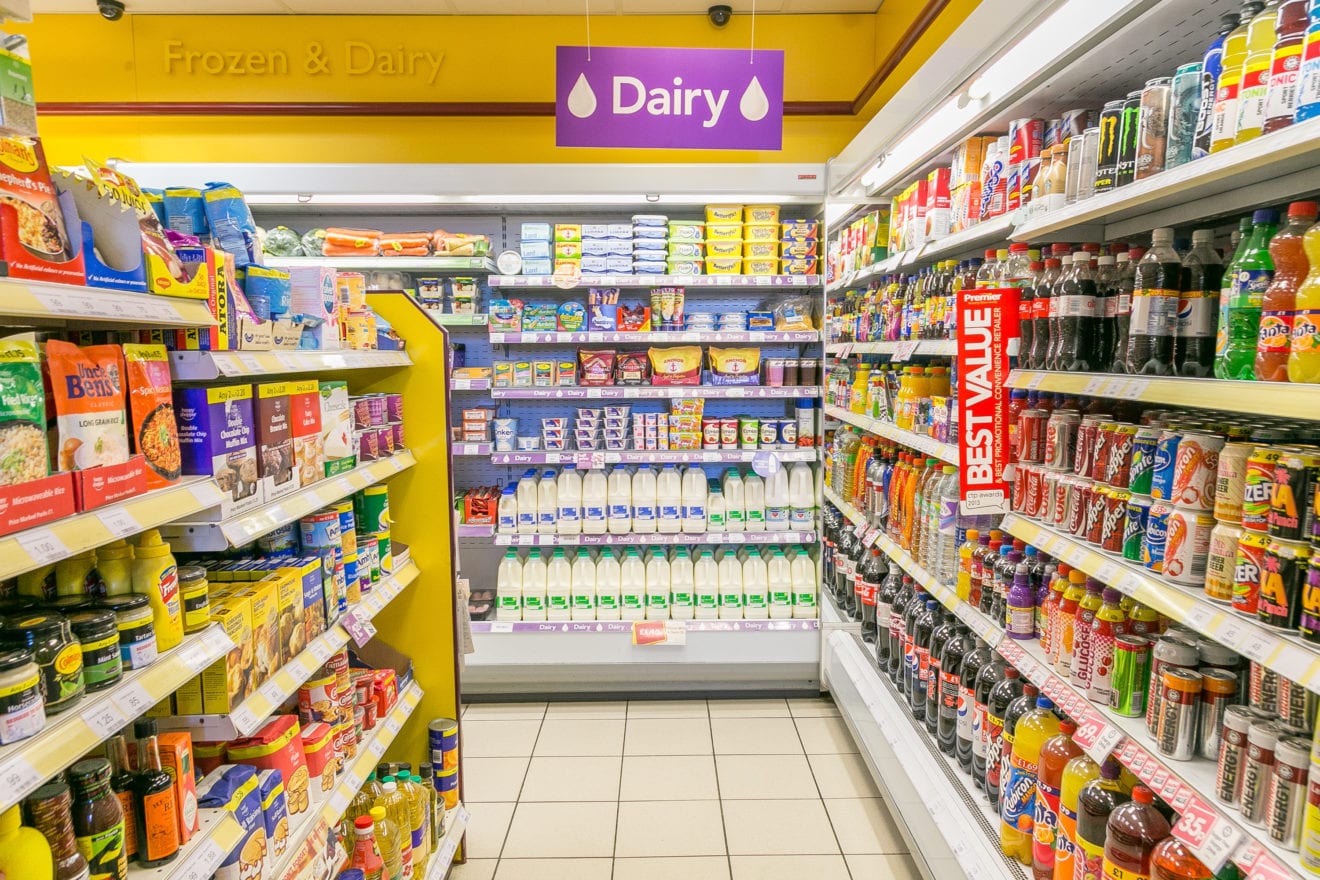
    Vietnam retail is on the brink of a convenience store boom as multinationals muscle up against fast-expanding local players.

    The increasing pace of life in urban Vietnamese cities is fuelling demand for convenience stores which, until three to four years ago, seemed few and far between on the streets of Ho Chi Minh City and Hanoi.

    Since then, numerous c-stores have been opened by foreign retailers, such as Japan’s Family Mart, Thailand’s B’smart and US-founded Circle K, competing against local ones, such as C-Express, VinMart, and Co.op Food. According to a Nielsen survey, six out of 10 Vietnamese buyers shop at c-stores because of their advantageous location and five out of 10 because of good design and displays. Local students are the main customers during lunchtime, attracted by comfortable dining spaces, cool temperature and free wifi.

    Pham Ngoc Hung, VP of HCMC Business Association, said the HCMC market is attractive to Thai retailers with 98 B’smart stores and 10 C-Express by Big C stores already trading. In the meantime, local chain VinMart by VinGroup, is approaching 700 stores and is reportedly opening an average of two new stores nationwide each day.

    The fastest-growing chain in the HCMC is Circle K, the local rights owned by Vong Tron Do company. It has 150 stores and promises for further expansion. Today, in every residential quarter, there are two or three Circle K  stores, usually less than 600m apart.

    But the c-store boom is only just beginning. Last year, Japanese c-store giant 7 Eleven signed a master franchise agreement with Seven System Vietnam to expand across the country. The first stores are scheduled to open in 2017, and the target is 1000 within 10 years. CP All, which operates more than 8000 7-Eleven stores in Thailand, is a partner in the Vietnam venture and says it plans for 40 per cent of its stock to be locally sourced, with the balance from Thailand and elsewhere.

    Existing operators are waiting to see what type of stores 7-Eleven will roll out in the Vietnam market – given the considerable difference in sizes of its Thai stores – and the morphing of the format by Circle K in Vietnam to include dining area and fast food focus.

  • Mobifone deploys 300Gbps packet-optical backbone

    Mobifone deploys 300Gbps packet-optical backbone

    Vietnam’s second largest mobile operator Mobifone has constructed its fist high-capacity converged packet-optical backbone network using equipment from Ciena.

    The operator has deployed a network spaning more than 1,400km from Hanoi to Ho Chi Minh City. The network currently has a capacity of 300Gbps.

    Mobifone plans to use the network to provide high-speed mobile broadband services to businesses and consumers in more than two dozen provinces.

    “Ciena’s cutting-edge optical platforms enable us to have a state-of-art backbone system. Demand for high-speed fixed and mobile data services, video content and the move to the cloud mean that network services in Vietnam have never been more important,” Mobifone chairman Le Nam Tra said.

    “With Ciena supporting the next evolution of the MobiFone backbone we can provide the scale and reach our consumer and business customers need for regional and international connectivity.”

    MobiFone is currently a state-owned operator but is undergoing a privatization process. The company is seeking an international partner to take up to a 49% stake as part of this process, and international operators including Australia’s Telstra, Norway’s Telenor and Sweden’s Comviq have reportedly expressed an interest in making the investment.

    A recent report  from the Australian Financial Review indicates that Telstra is seen as a good fit as a formerly state-owned operator that has gone through the privatization process.

    Sources told the publication that Telstra met with Vietnamese officials in May to discuss a potential deal.

  • Wrap & Roll Vietnam gets capital injection

    Wrap & Roll Vietnam gets capital injection

    Restaurant chain Wrap & Roll Vietnam has received a $7 million capital injection from Mekong Capital..

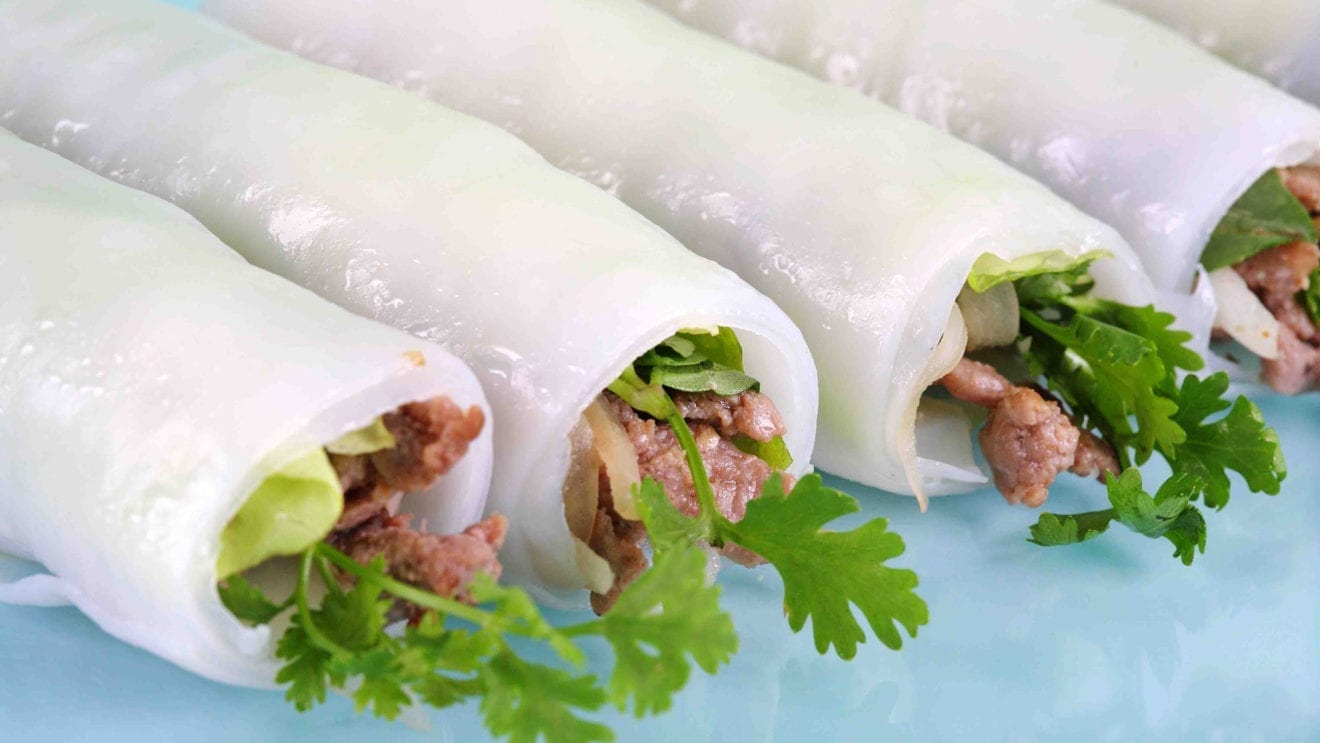
    “The founders and management team of Wrap & Roll have done an extraordinary job of establishing Wrap & Roll as a proven concept with urban consumers in Vietnam and Singapore,” said Chad Ovel, a partner at Mekong Capital. “They have successfully created Wrap & Roll as a modern way to enjoy authentic and healthy Vietnamese food.”

    Mekong Capital invested into the chain via their new enterprise called Mekong Enterprise Fund III to make its first deal since June last year. The fund will focus on retail, restaurants, consumer products and customer services in Vietnam. The private equity company has already taken a stake in electronics retailer Mobile World.

    Wrap & Roll Vietnam owner Nguyen Thi Kim Oanh said the restaurateur found Mekong Capital to be a credible partner to help the business grow sustainably.

    “Mekong Capital not only funds the company but also supports our company with strategic consultancy in many management fields such as human resources, restructuring, management practices and corporate finance.”

    With the experience in investing of Mekong and 10-year operating of Wrap & Roll, the two companies hope the concept will find success globally.

    Established in 2006, the healthy, traditional food brand has 11 restaurants in Vietnam and four franchises in Singapore. More restaurants are announced to be opened in Hanoi and Ho Chi Minh City. Other international markets are being evaluated.

  • E-Mart and Lotte enter Vietnam

    E-Mart and Lotte enter Vietnam

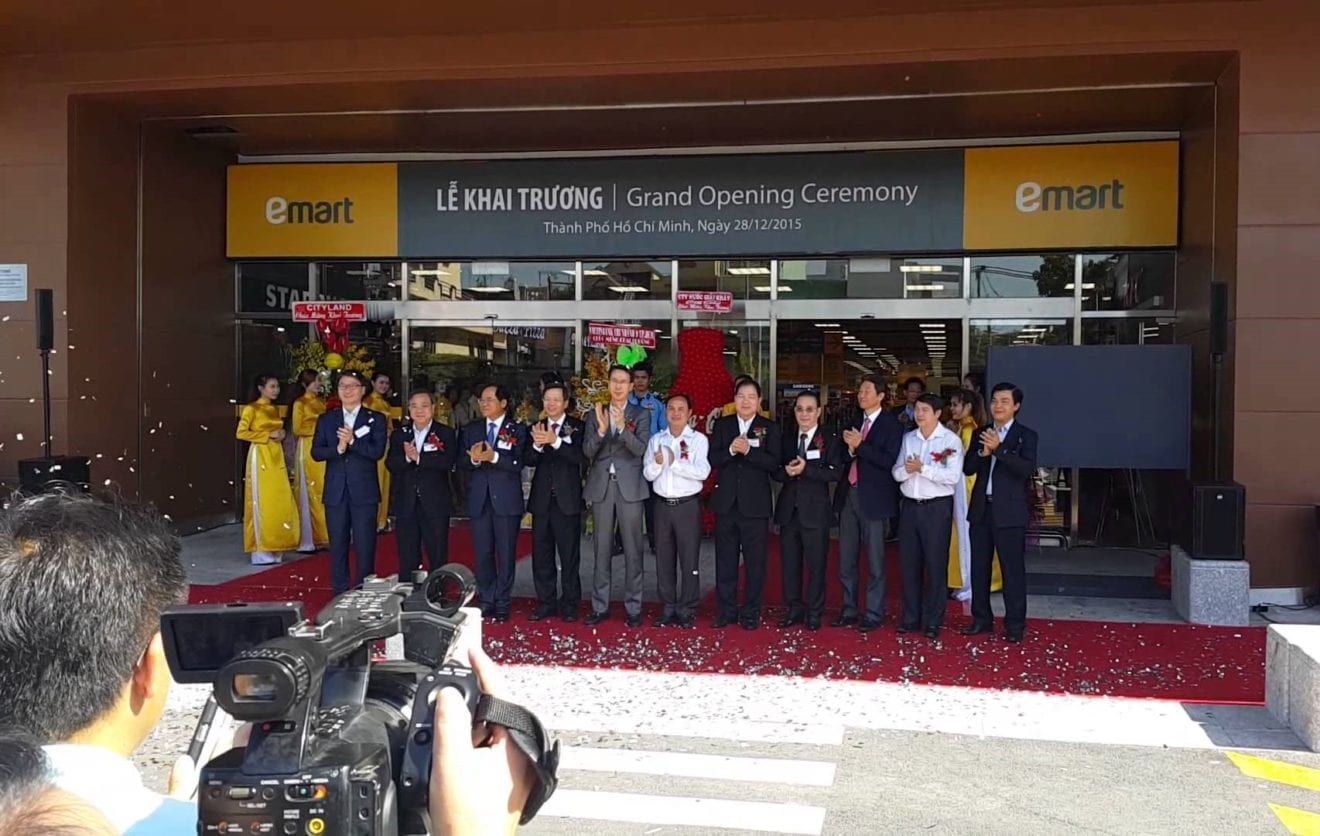
    The Go Vap district near Tan Son Nhat International Airport and part of Ho Chi Minh City in Vietnam are widely known as special to the Korean retail industry. This is because despite the fact that there are not many Koreans residing in the area, Korean retail giants are competing fiercely in the region. E-Mart, Lotte Mart and Vietnam’s second largest retailer Big C all have stores competing in a four kilometer (2.5 mile) radius.

    E-Mart and Lotte Mart are competing for dominance in the young Vietnamese market. More than half of Vietnam’s population of 93 million is less than thirty years old. The large market industry is also undeveloped in Vietnam, with 75 percent of shopping being done at traditional markets, so there is great potential for growth. This potential attracts big retailers like E-Mart and Lotte Mart. Go Vap is particularly attractive because its residents are middle class, well-earning couples. Lotte Mart established itself in Vietnam in 2008 and has 12 stores, which is the third highest in Vietnam for a retailer. E-Mart leapt into the Vietnamese market last December with its store in Go Vap and it is planning to expand its operations.

    The E-Mart store in Go Vap is no different from the ones in Korea. There were the iconic yellow shopping carts as well as No Brand products displayed in the center of the store. No Brand products, modeled after the Japanese company Muji, are relatively cheap because they have no branding and packaging costs, but their quality remains unaffected. E-Mart’s membership card has the phrase “Korea’s No.1 Mart.”

    “We have set up our stores to reflect the Korean lifestyle,” Chang Yun-suk of E-Mart said. “The reasonably priced No Brand products are considered Korean luxury products in Vietnam.”

    E-Mart also operates an Electro Mart, which specializes in electronic goods, in Vietnam. Even on a weekday afternoon, there are plenty of Vietnamese customers flying drones and enjoying the action figures on show, as well as singing karaoke. E-Mart showcased the Electro Mart when it opened its E-Mart Town last June and it only has them in a few places in Korea, including in Yeongdeungpo in Seoul and in Pangyo, Gyeonggi.

    The Korean lifestyle theme is felt in the food available in the area, with Starbucks and Korean pork belly, or samgyeopsal, restaurants in the store. It is unusual to have a Starbucks in a large mart like E-Mart in Vietnam but Shinsegae Group, which operates Starbucks in Korea, persuaded the Vietnamese authorities to have a Starbucks in the store like they do in Korea. Vietnam normally only has Starbucks in hotels, department stores and luxury shopping malls.

    On the other hand, the Lotte Mart store in Go Vap, located only three kilometers from its rival E-Mart, has a Vietnamese feel. The store is filled with a thousand types of Vietnam Choice L products, which are developed and produced in Vietnam. Lotte Mart aims to offer products based on the Vietnamese lifestyle. The traditional rice noodles and cookies are all made in Vietnam. At the end of this year, Lotte Mart will release a point system for all of its subsidiaries in Vietnam known as Vietnam L. Point.

    Lotte Mart even exports Vietnamese products to Korea. Lotte Mart stores in Korea offer various Vietnamese goods including Vietnamese G7 coffee and hosts a special program onVietnam every summer. This is because Lotte Group is very well established in Vietnam with its many subsidiaries based there, including top restaurant business Lotteria, Lotte Hotel and Lotte Department Stores. Lotte wants to project a positive image of itself to the Vietnamese people.

    In fact, the Lotte Mart enjoys so much export success in the Vietnamese market that even Vietnamese politicians and media often jokingly ask their domestic companies, “Do you know how much Vietnamese products Lotte Mart export?”

    The E-Mart and Lotter Mart stores differ greatly, but their large size and strategy for entertainment are compatible. The E-Mart store is 10,579 square meters in size while the Lotte Mart store is 13,223 square meters. Both stores welcome between 10,000 and 15,000 customers every day and both have large motorbike/scooter parking lots capable of holding 1,500 such vehicles to cater to Vietnamese customers, whose main method of road transport is either motorbikes or scooters.

    Both stores also target couples with children, hence they both have large children’s cafes, each measuring 990 square meters. Lotte Mart’s entertainment stores, including its bowling arena and cinema, cover a considerable area of 6,600 square meters, while E-Mart’s occupies 4,628 square meters.

    “Vietnam does not have many amusement parks and cinemas so families often come to large marts to enjoy leisure activities,” Hong Won-sik, general director of Lotte Mart Vietnam, said. “Also, considering the business side, Vietnam has such low consumer prices that it is common to make profits through external store rents rather than from selling fresh products.”


  • Zara Vietnam flagship nearly ready

    Zara Vietnam flagship nearly ready

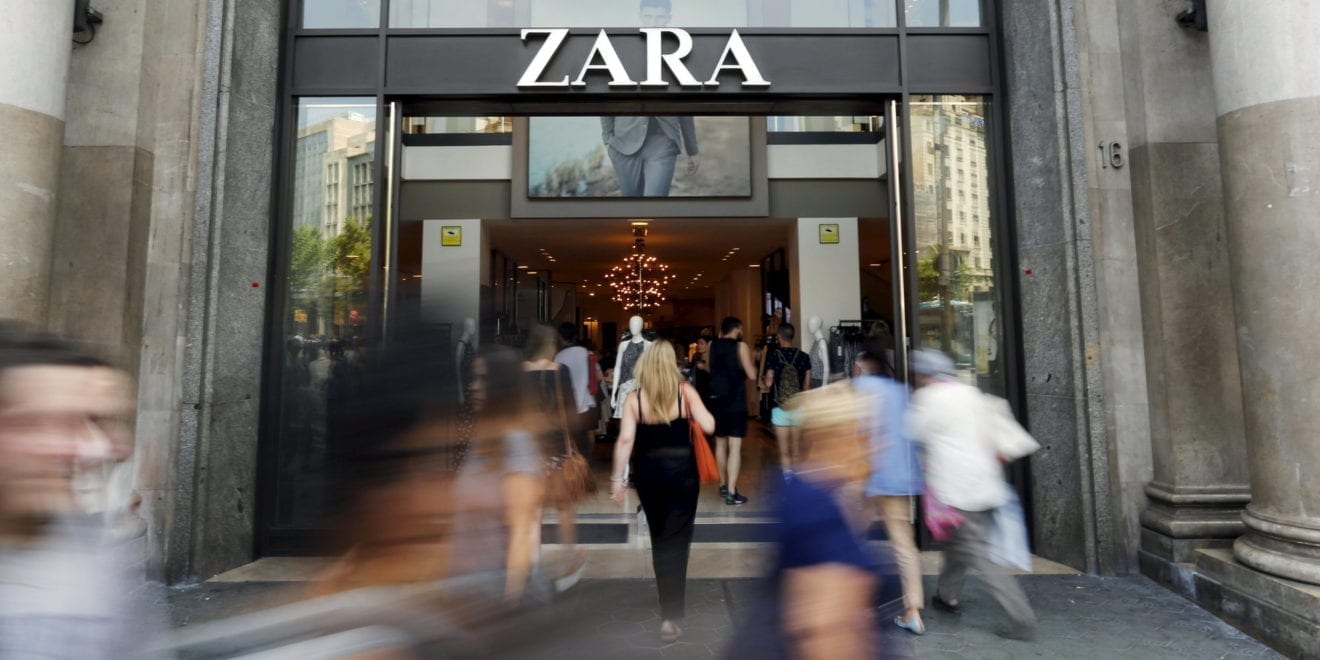
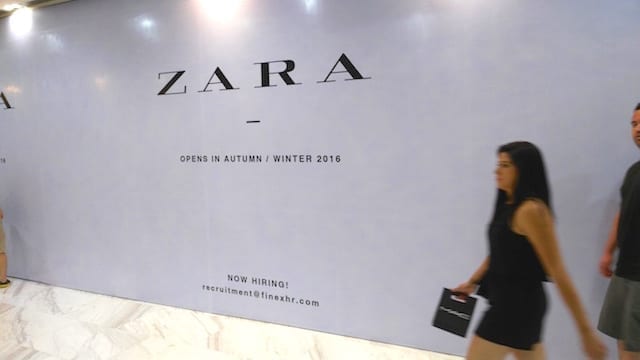
    Zara Vietnam’s flagship store is taking shape at Vincom shopping mall in Ho Chi Minh City, and is expected to open soon.

    The Spanish fast-fashion brand announced in May that it would expand to Vietnam this summer, setting its debut store’s opening date for this month. However, posters in the city say the store opening is next month. It is expected the store will have two storeys.

    Zara-Vietnam

    Fast-fashion brands are popular in Vietnam, and Zara has a huge customer base there. After ordering online and having items brought in from overseas, Vietnamese customers have been eagerly anticipating the arrival of its stores.

    However, the brand would need to look at its pricing. Vietnamese consumers have found that while some brands are considered economical in the West, once they enter Vietnam their prices double or even triple, with Mango and Topshop typical examples.

    Mango Mega store VN

    Zara is aiming to open up to 360 stores globally this year, and in Vietnam is sharing the market with other international fashion like Gap, Nine West and Ralph Lauren.

    Meanwhile, Mango is planning to open a men’s store in Vietnam, and H&M is said to be considering expansion in Vietnam.

  • PNJ sales slightly goes up

    PNJ sales slightly goes up

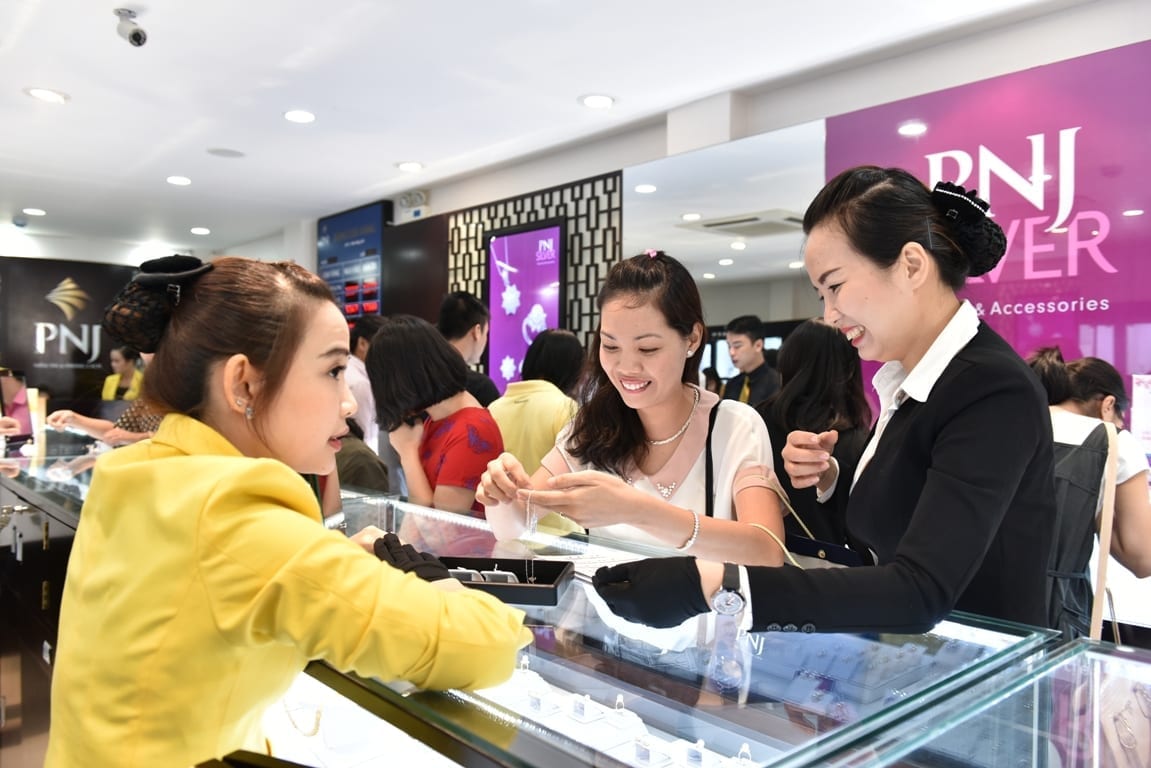
    Vietnam-based Phu Nhuan Jewelry (PNJ) has recorded US$178 million in sales and a pre-tax profit of VNĐ304.5 billion (US$13.65 million) in the first six months of this year.

    These are increases of 4 and 116 per cent respectively for the same period last year, says a PNJ official.

    During the period, the jewellery manufacturer also opened 13 stores, taking its total to 204 retail outlets, plus more than 3000 wholesalers, according to Viet Nam News.

    PNJ was named Employer of the Year in last year’s JNA Awards, which cover the international gemstone and jewellery sector.

    When PNJ restructured its jewellery workshop two years ago, a 35 per cent increase in productivity followed. It invested US$4.6 million to build a six-storey factory capable of producing four million units a year.

    PNJ launches about 20 jewellery collections a year.

  • One more Japanese retail brand comes to Vietnam

    One more Japanese retail brand comes to Vietnam

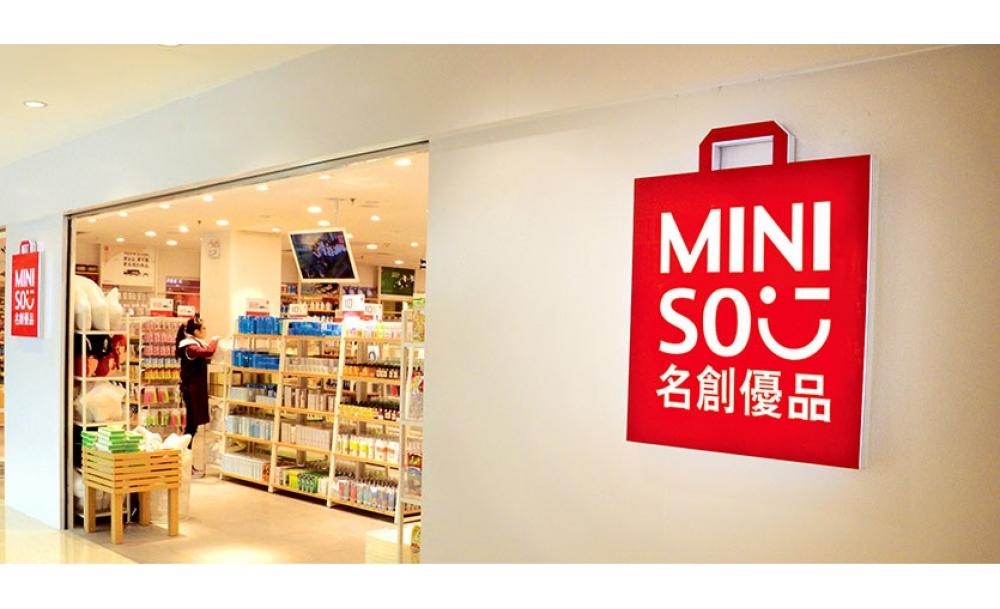
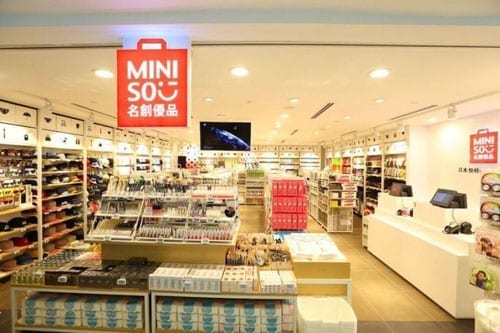
    Miniso, a Japanese lifestyle and fast fashion brand that sells merchandise such as homeware, bags and electronics at low prices, will be in Vietnam through a franchise deal inked with Vietnamese group Le Bao Minh.

    Le Thi Ngoc Hai – Chairwoman of Le Bao Minh Group – said the two sides signed the franchise deal in April 2016. “In August, we will open the first three stores in Hanoi and the number will double after a month. At the end of this year we will have 13 stores in Hanoi, Ho Chi Minh City, Da Nang, Vinh, Can Tho and Hai Phong,” she said.

    Le Bao Minh is the exclusive distributor of Canon brand in Vietnam.

    Explaining the group’s expansion into the retail sector, Hai said this plan has been implemented for three years.

    “We set up a team of experts to find opportunities for cooperation from world-renowned brands. When learning about Miniso, we find its appropriate to Vietnamese people. This Japanese brand has been very successful in Korea, Malaysia, China, the Philippines, and Thailand,” Hai said.

    Hai said with its own characteristics, Miniso will not directly compete with other retail brands in Vietnam. The targeted customers of Miniso are young people. This will be a new retail model in Vietnam.

    This group aims to open 200 shops in almost all provinces in Vietnam, creating stable jobs for about 5,000 workers in the next 5 years.

    miniso vietnam

    Miniso was founded in Japan in September 2013 by Miyake Jyunya and his Chinese partner and president of the company, Ye Guo Fu. They opened Miniso’s China office in Guangzhou the following month.

    Mr Jyunya leads a design team of about 30 in Japan, while the brand and business development team is based with Mr Ye in Guangzhou.

    The company’s first priority is to globalize the brand as they see greater business potential in other countries.

    To date, there are more than 1,110 stores in China, 25 in Hong Kong and four each in Macau and Japan. The Dubai store is currently under construction and the company will be expanding to countries such as Vietnam, Malaysia, South Korea, the United States and Italy.

    The company has increased its revenue five-fold in the past three years and reported a revenue of US$1 billion last year.

  • Saigon retail market to be put to the test

    Saigon retail market to be put to the test

    Is there too much retail space in Saigon – downtown Ho Chi Minh City – the commercial hub of Vietnam?

    With more than 1.1 million sqm of retail space, it looks like the Saigon retail market is oversupplied. The closing of Parkson Paragon in the city’s District 7  last month only amplified such concerns.

    But Cushman & Wakefield Vietnam GM Alex Crane begs to differ. He says demand is there if the retail formats are built to meet the market.

    He believes with the population of 10 million, the city is far from overloaded with retailers. The main problem lies in the wrong location or design – and incorrect retail segments.

    “I think the real test will show in the opening of shopping malls in the city center. Let’s just wait,” Crane said.

    The malls he may well be referring to are the upmarket Japanese department store Takashimaya-anchored Saigon Center 2 under completion now in District 1 and The One opposite Ben Thanh market when will be connected to the underground rail network currently at easing stage prior to construction.

    When these malls are operating, it will be easier to evaluate the real positioning of the retailers and the real demand of the market, says Crane, who is optimistic that it is not about the balance of population and retail space, but the practical demand.

    To Sigrid Zialcita, MD of Research Department, the key for shopping malls is to have suitable retailers (for market demand) and logical space designs – as well as market-savvy managers.

    “Joining WTO and TPP is turning Vietnam into a rising star in the retail market,” added Zialcita.

    HCMC’s demand for F&B, household supplies and fast moving consumer goods remains high based on the young population. But retailers entering the market need to conduct careful research to ensure their positioning strategies meet the market.

    While the retail market requires constant change and adjustment to customer demands, globally there is a continuing trend towards ‘one stop shopping’. Vietnamese are increasingly looking to go to places where they can eat, entertain and shop in a modern, air conditioned mall.

    According to data from AT Kearney, Vietnam has been one of the top 30 rising retail markets for foreign investors since 2008. Retail and consumer merchandising revenue has increased considerably between 2011 and 2015.