Retail News CRM

Tag: Vietnam

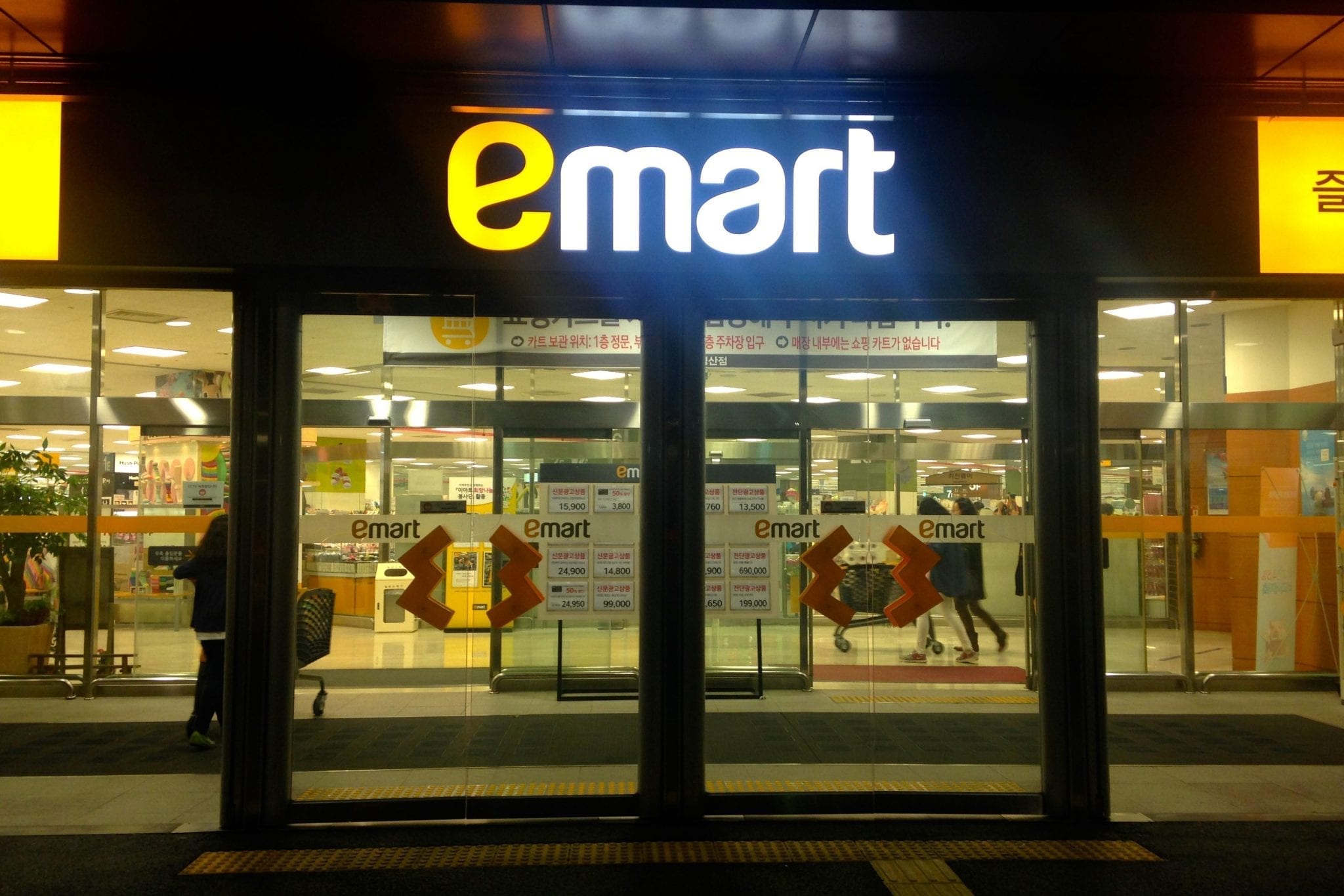
  • South Korean retailer E-mart to invest $200m for retail chain ops in Vietnam

    South Korean retailer E-mart to invest $200m for retail chain ops in Vietnam

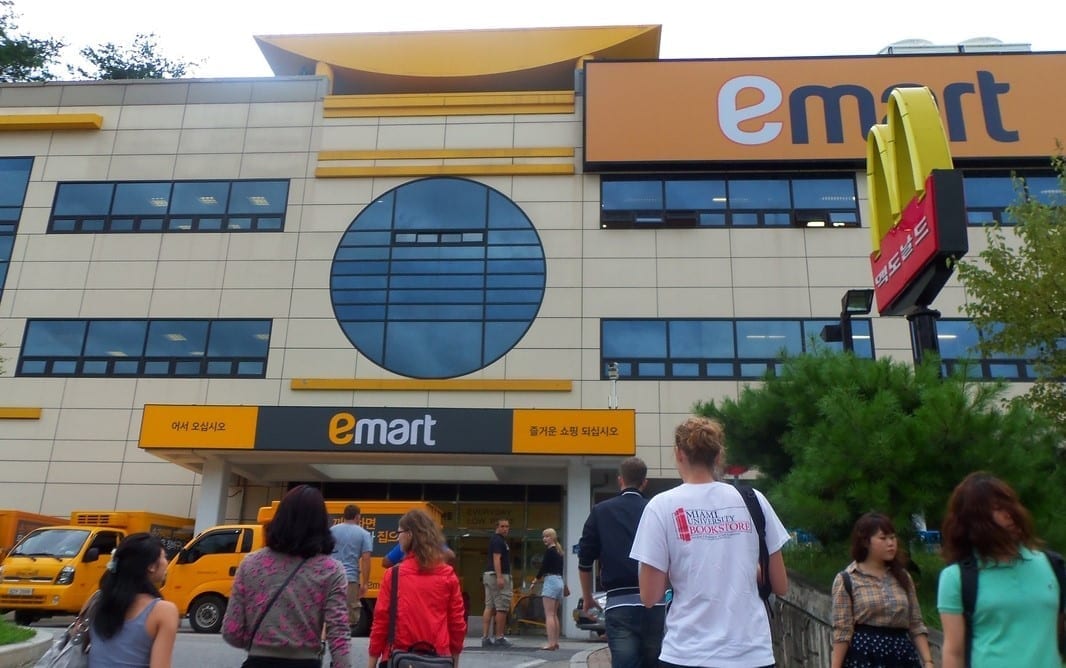
    A memorandum of understanding between E-mart and Vietnam’s Ho Chi Minh City was signed on September 9. Emart will make the investment over the next four years.

    The investment is expected to be used for building new supermarkets and commercial facilities, as well as local social development. E-mart opened a supermarket worth $60 million in Ho Chi Minh City last year, in addition to a toy library in the city.

    The Korean company had earlier said it planned to open 52 stores in Vietnam by 2020.

    E-mart is betting the country’s rapid growth, averaging 5.2 per cent since 2013, driven by a young and urban demographic with higher spending power.

    Vietnam’s growth was the highest among Southeast Asian peers featured in the 2016 Global Retail Development Index conducted by US management consulting firm AT Kearney. Vietnam was seen as the 11th fastest emerging retail market, up from 28th spot two years ago.

    Government data showed that retail sales in the country rose 7.4 per cent year-on-year in August 2016. Consumer spending rose to $116.2 billion, while the retail market was forecast to be worth $109 billion in 2017.

    Free trade pacts signed by Vietnam have encouraged foreign retailers to tap into this liberalizing market. Vietnam fully opened its retail industry in 2015, which is coupled with a lot of tax preferences for investors.

    Japan’s Takashimaya and Miniso have set up retail shops in Vietnam in July. Meanwhile, 7-Eleven is planning a local presence through the franchising route.

    Existing players are opening new outlets, as well as acquiring local businesses. Vingroup, the most active domestic company which launched over 90 stores in 2015, aims to introduce twice as many in 2016. It acquired Maximark and Vinatexmart, two Vietnamese operators, as part of this strategy.

    Thailand’s Central Group had acquired Big C Vietnam for $1.05 billion, along with electronics store chain Nguyen Kim and e-commerce site Zalora Vietnam. Other M&A deals include TCC Holdings buying Metro Cash&Carry Vietnam, and AEON acquiring Fivimart and Citimart.

    Central has since announced that it has halted further investment in  the country and would focus on consolidation.
  • Starbucks Asia rolls out Teavana

    Starbucks Asia rolls out Teavana

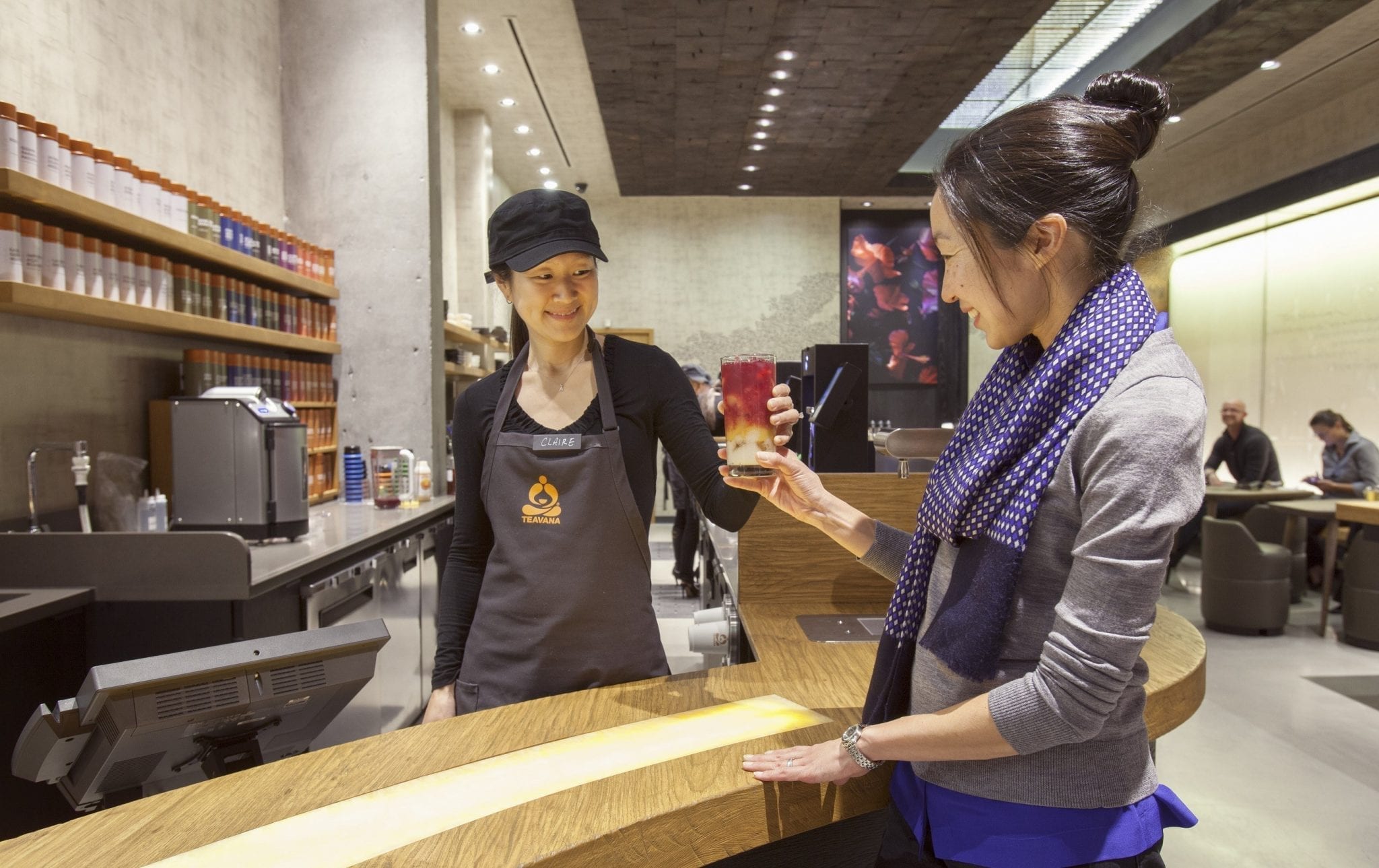
    Starbucks Asia is rolling out Teavana in 6200 stores across its 16 Apac markets.

    Four tea beverages prepared in-store will be offered to the 16 countries, with two or three expected to be sold in each market, the choice up to each one.

    Starbucks acquired US-based Teavana Holdings in December 2012, a “super premium tea” product it says brings “exotic blends, great flavors, wellness and innovation” to customers globally.

    The Asian launch began with China at the end of last month, with Korea and Indonesia following at the beginning of this month. The majority of Asian markets will see the new lines in mid-September, with a Japan launch scheduled for October and India later this year.

    Vera Wang, director, product line innovation at Starbucks China and Asia Pacific said the teas have been developed especially for Asian tastes.

    “We recognise Asian consumers are developing sophisticated taste preferences.”

    While a premium product, pricing will be left to the determination of each market, she said.

    “Pricing (of all Starbucks lines) is determined product by product and market by market.”

    She declined to discuss the company’s expectations for Teavana’s share of Starbucks sales in the region.

    “I’m not at liberty to talk about that. But tea definitely has huge potential for us and we have a lot of confidence going into Asia with Teavana.”

    Starbucks Korea staff promoting Teavana at the Starfield Hanam GL store.

    Besides fresh-brewed tea in cafes, Teavana full-leaf tea sachets will also be sold for take-home use.

    The four launch lines of Teavana in Asia are Matcha & Espresso Fusion (a matcha tea blended with a shot of espresso), Black Tea with Ruby Grapefruit and Honey, Iced Shaken Green Tea with Aloe and Prickly Pear; and Iced Shaken Hibiscus Tea with Pomegranate Pearls.

    Wang said, those core lines would be complemented by other blends selected on a market-by-market basis in the future, depending on customer feedback.

    John Culver, group president of Starbucks global retail said in a statement Teavana represents “a tremendous opportunity to leverage the company’s expertise in creating best-in-class retail experiences, handcrafting custom beverages, and sourcing the finest ingredients, to become a leader in a new category for us”.

    “Just as we’ve done for coffee, this is tea reimagined at Starbucks.”

    Last year, Starbucks’ tea business in the US grew by 12 per cent with all tea categories posting strong growth, led by iced tea at 29 per cent. Building on this and the success of Teavana to date in other parts of the world, Starbucks aims to increase its global tea business to US$3 billion over the next five years.

    Starbucks Teavana will be launched in all stores in Australia, Brunei, Cambodia, China, Hong Kong, India, Indonesia, Japan, Korea, Malaysia, New Zealand, The Philippines, Singapore, Taiwan, Thailand and Vietnam.

  • Zara Vietnam flagship opens in HCMC

    Zara Vietnam flagship opens in HCMC

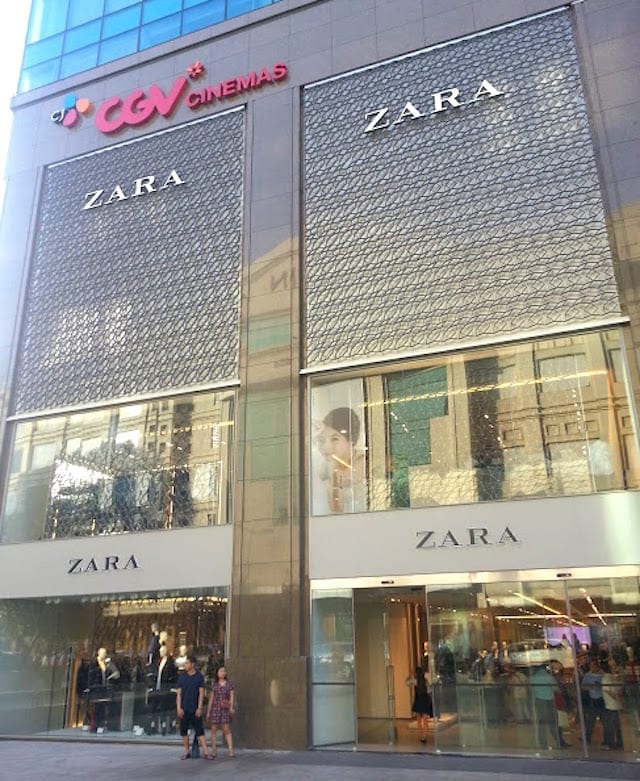
    Covering 2400 sqm over two levels, the first Zara Vietnam flagship store has opened at Vincom Centerin Ho Chi Minh City.

    Zara Vincom Vietnam

    Customers have views of the main street, Dong Khoi, from its windows, while on the racks are collections including women’s and men’s styles as well as Zara Kids, Zara Basic, TRF and the latest fall/winter styles.

    Zara Vincom Vietnam. 1

    Following the opening of the store, the Zara Vietnam website went live.

    Customers say they are impressed with the prices, noting they are cheaper than in Singapore and Thailand. When the Spanish fast-fashion line announced its plan to expand to Vietnam, there were concerns its prices would be higher than overseas, as had been the case with other international brands such as Topshop.

    Owned by Inditex, the Vietnam store adds to Zara’s 50 outlets throughout Indonesia, Malaysia, Singapore and Thailand.

    zara-vincom-vietnam

  • Maker of Po Chai Pills kicks off HK$750 million IPO to fund expansion plans in Asia

    Maker of Po Chai Pills kicks off HK$750 million IPO to fund expansion plans in Asia

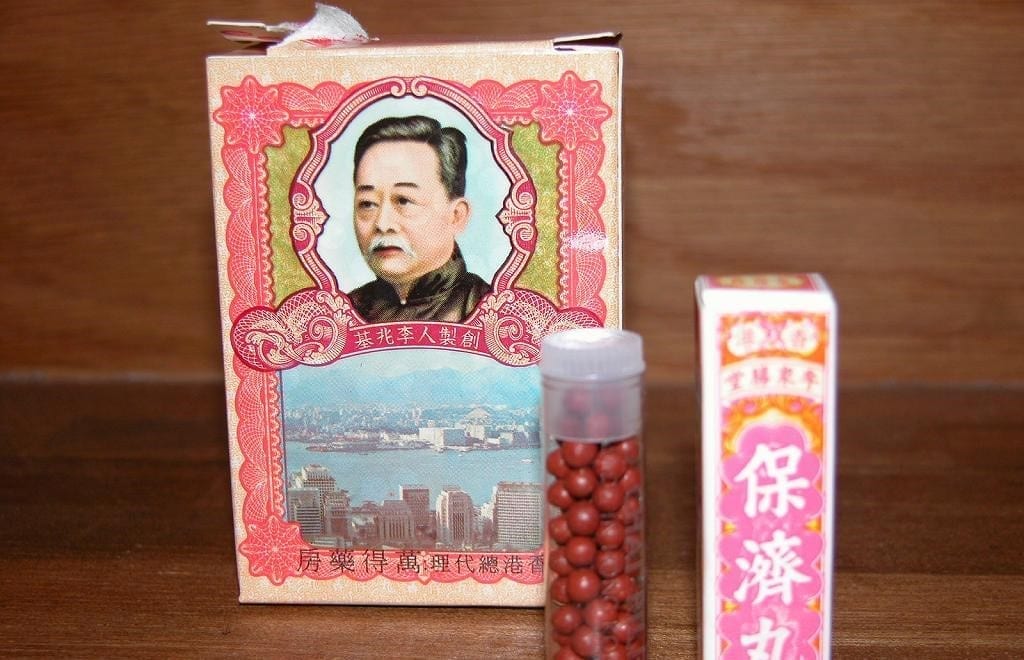
    Jacobson Pharma Corp, Hong Kong’s largest generic drug firm and maker of the Po Chai Pills used by generations of the city’s residents, is seeking to raise HK$750 million in an initial public offer.

    The company will sell 437.5 million shares at a price range of between HK$1.28 to HK$1.72 per share, 10 per cent of which are reserved for retail investors.

    The company opens its book for retail investors on Thursday, requiring a minimum subscription of HK$3,475 for 2,000 shares. A separate tranche reserved for institutional investors had already been fully subscribed, according to people familiar with the plans.

    The stock is scheduled to begin trading in Hong Kong on September 21.

    Hong Kong residents are familiar with Jacobsen’s Po Chai Pills, tiny pellets made from a herbal remedy that’s used for relieving indigestion and hangovers.

    The company, which relies on Hong Kong for 90 per cent of its revenue, also makes the Flying Eagle Woodlok Oil and Tong Tai Chung Woodlok Oil.

    Jacobson plans to use 45 per cent of the proceeds from its IPO for acquisitions, including the setting up of ventures, according to its prospectus.

    The company plans to expand in Macau, Taiwan, Vietnam, and Southeast Asia, said Jacobson;s chairman and chief executive Derek Sum. The company also plans to expand to several provinces in southern China, where there is a familiarity with its brand.

    “We expect to become a leading brand in Asian Pacific region,” Sum said.

    Net profit rose 34 per cent to HK$152.7 million in the year ended March 31, while total sales increased 14 per cent to HK$1.08 billion, according to Jacobson’s prospectus.

    Generic drug sales made up 87.2 per cent of the company’s revenue for the year, while proprietary herbal medicines such as Po Chai Pills, made up only 12.8 per cent of total revenue.

    China’s drug regulator in May approved over the counter sales of Po Chai Pills, allowing them for marketing and sales on the mainland without a doctor’s prescription.

    Hong Kong Wing Wah Medicines Group, which has over 30 drug stores in the city, was a cornerstone investor that subscribed HK$80 million of its new shares. Sum expects to see more business synergy with Wing Wah.

  • Dsquared2 Vietnam makes debut

    Dsquared2 Vietnam makes debut

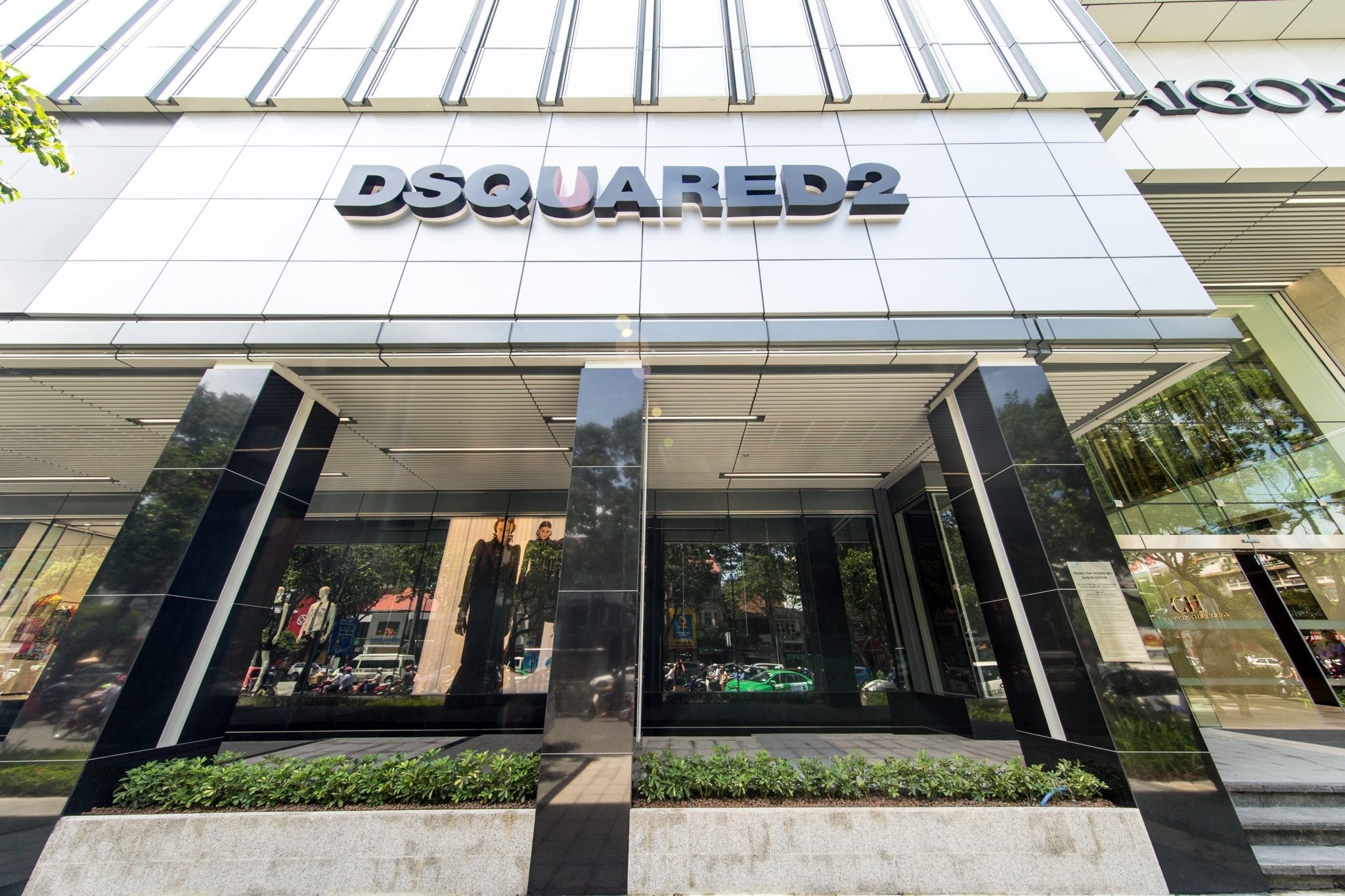
    Canadian fashion brand Dsquared2 has opened its first Vietnam boutique at the newly-revamped Saigon Center.

    Dsquared2 Vietnam is located at unit 11-12 on level 1 with the front spreading out over 18 meters onto Le Loi Street – one of main thoroughfares of the city center.

    The store’s interior is decorated with marble stones, ash gray and brown silk wool carpets. For the Vietnam store, Dsquared2 introduces its collections including Italian classics for men and a capsule line of cocktail and evening gowns for women. Also available in the store are underwear and accessories.

    Dsquared2 Vietnam 1

    Dsquared2 was founded by Canadian twins Dean and Dan Caten, who are its creative directors. The two worked together on the interior design of the Vietnam store in order to maintain the brand’s DNA.

    Dsquared2 Vietnam 2

    Dsquared2 Vietnam is the third Southeast Asian store after Singapore and Hong Kong. Talking about the opening of the store, Dean and Dan said, “We are proud to have a retail presence here, in a market where consumers that care about international fashion are constantly increasing and we believe this store represents a new chapter and an energetic retail future in Asia for our brand!”

    The brand was brought into Vietnam through Maison, a fashion distributor launched in 2012 and home to more than 17 international brands including Coach, Dorothy Perkins, Karen Miller, Mango and Topshop.

    dsquared2-vietnam

  • Report predicts $25b in eCommerce revenues

    Report predicts $25b in eCommerce revenues

    Southeast Asia eCommerce revenues are projected to exceed US$25 billion by 2020, according to new research by growth partnership company Frost & Sullivan.

    Despite acquisitions, market exits and many online retailers struggling to achieve profitability, the market earned $11 billion last year, says the report, from its Telecommunications and Digital Services program, Analysis of the Southeast Asian E-commerce Market. The study examines market trends and opportunities in six key Southeast Asian markets – Indonesia, Malaysia, the Philippines, Singapore, Thailand and Vietnam.

    Key findings include continuing rapid growth as the industry evolves.

    Total revenues from business-to-consumer (B2C) eCommerce in the six markets will increase at a compound annual growth rate of 17.7 per cent.

    Malaysia and Thailand were the largest eCommerce markets in the region last year, generating revenues of $2.3 billion and $2.1 billion respectively. But by 2020, both these markets are expected to be eclipsed by such emerging economies as Indonesia and Vietnam.

    “Despite being relatively young, the eCommerce market in Southeast Asia is developing quickly, thanks to an astounding rate of digital adoption,” says Frost & Sullivan Asia-Pacific lead consultant for eCommerce and digital transformation, Cris Duy Tran.

    “However, companies pursuing an Amazon-style B2C mass-market business model are struggling to turn a profit, and there have been several mergers and acquisitions and market exits,” he says.

    “With fewer players in the market, eCommerce players are beginning to compete beyond price points and logistics, and are moving into new areas such as Online-to-Offline (O2O) eCommerce and loyalty programs.”

    Although the mass-marketing approach has not worked so far in Southeast Asia, he says there are many exciting opportunities in specialized eCommerce and peer-to-peer (P2P) eCommerce. Services such as Carousell, Shopee and Tokopedia are aggressively pursuing a “mobile first” strategy, and Frost & Sullivan expects to see more sector-specific services in areas such as travel, food delivery and luxury goods.

    Challenges

    While the opportunities for growth are immense, says the report, the eCommerce market in Southeast Asia is not without challenges.

    Several key factors that inhibit growth have been identified, including low credit-card ownership – less than 7 per cent of the population in all Southeast Asian markets except for Malaysia and Singapore. In some countries, more than half of the population does not have a bank account, making payment the biggest challenge for eCommerce companies.

    Logistics is another issue hampering eCommerce growth, especially in areas with complex geographies such as Indonesia and the Philippines. However, recent investments by regional logistics players such as aCommerce and SingPost have strengthened eCommerce logistics infrastructure in these markets.

    China’s rapid expansion in eCommerce is providing further impetus for online retail growth in Southeast Asia, says the report.

    “The eCommerce revenue in China represented 12.1 per cent of all retail sales last year, surpassing the US, Europe and Japan,” says Tran. “Given the massive adoption of eCommerce in China, Southeast Asia is set to follow a similar upward trajectory, even though eCommerce now represents less than 2.5 per cent of all retail sales.”

    With more mergers and acquisitions likely during the forecast period, more exciting market developments can be expected in the near future, says Tran.

  • Flying start for Innisfree China at Disneyland

    Flying start for Innisfree China at Disneyland

    Korean beauty brand Innisfree China, known for its natural ingredients, has come up with a fresh idea to promote its new store in Shanghai Disneyland.

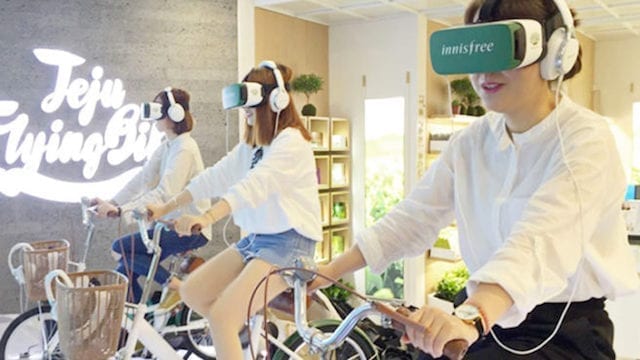
    Using the “Jeju flying bike”, it is offering customers a virtual visit to the company’s home base of Jeju Island. They mount the bike and put on VR goggles for the journey, created by PostVisual.

    They “fly” from the 16.5 sqm store to the 1650 sqkm island, which is a Unesco World Heritage Site for its volcanic landscape. Through eye-tracking technology, the virtual tourists can fly around the island and “collect” natural ingredients such as canola blooms, green tea leaves and nutmeg.

    To create the 360deg aerial and underwater surroundings, PostVisual spent about three months producing the content, even building its own VR drone camera in-house.

    innisfree VR

    Thousands of visitors have already taken the virtual ride, and the concept will be rolled out this year to flagship stores in Hong Kong, Indonesia, Singapore and Vietnam as well as elsewhere in the US.

  • CBRE Research urges landlords to engage

    CBRE Research urges landlords to engage

    Online and offline retailing in Southeast Asia is expected to merge further, according to a new study by CBRE Research Singapore.

    Its report It’s All About Place-making urges landlords to play their part to stay ahead in a fast-changing retail landscape where consumers transit seamlessly from physical to digital platforms.

    CBRE Research projects that nearly 4 million sqm of city retail stock across Malaysia, Singapore, Thailand and Vietnam will be completed in the next three to five years. CBRE studied retail stock in Bangkok, Hanoi, Ho Chi Minh City, Jakarta, Kuala Lumpur and Singapore.

    “Some retail developments across these six cities have had to shut down in the face of high vacancy rates and low footfall as they failed to capture consumers and retain tenants,” says the report. “One suggestion is for landlords to acquire eCommerce platforms or set up logistics networks to give consumers the fully integrated omnichannel experience.”

    Established shopping centres with online platforms that provide “click-and-collect” or “store-to-door” services give consumers a higher sense of reliability and earn trust as well, says the report.

    “Both physical and online-only retailers are also more inclined to expand their footprint in these shopping centres in their bid to incorporate an omnichannel strategy.”

    Wave of change

    Combining both online and offline channels is one of five strategies CBRE Research recommends to landlords as Southeast Asian economies cope with structural shifts in the face of disruptive technologies.

    This wave of change has affected retail sales across the markets, with CBRE Research using the PLACE acronym…

    Place-making: Conceptualising shopping developments with the consumer’s experience at the forefront. A good social experience makes a strong positive association on the consumer and is tougher to replicate on the digital platform, says the company.

    Leveraging technology: Landlords should take advantage of the high internet and smartphone penetration among SEA consumers to improve the offline shopping experience. Technology can provide consumer insights and interaction while helping boost foot traffic and sales.

    Actively engaging: Forging personal connections with consumers is imperative for landlords to stand out from the competition and gain loyalty. Tenant engagement, and landlords need to find ways to show support.

    Combining channels: Landlords can break down the silos between online and offline by helping tenants incorporate an omnichannel strategy through vertical and horizontal integration, such as acquiring an eCommerce platform or setting up a logistics network to fulfil delivery needs.

    Engaging digital tenants: Landlords should seek to lease space to up-and-coming eCommerce retailers as they are likely to be more savvy about digital marketing and in tune with modern consumer needs.

    New needs

    “The onus of ensuring that stores in shopping centres remain an important and relevant touch point for consumers should not lie with retailers solely,” says CBRE Research Singapore/Southeast Asia head Desmond Sim. “The roles of the asset manager, landlord and shopping centre need to evolve to cater to the new needs of retailers and consumers amid stiff competition.

    “This task is all the more urgent as the market is anticipating a surge in internet use among developing countries, particularly Indonesia and Vietnam where mobile phone use has the greatest potential to increase.”

    Store-based retailing will stay the key point of purchase among SEA consumers in the next five to 10 years and account for at least 90 per cent of total sales value, says CBRE Research. However, landlords will face increasing pressure to make every visit to the shopping mall a memorable experience.

    With its headquarters in Los Angeles, CBRE Group is a commercial real-estate services and investment firm with more than 400 offices worldwide.

  • Mega Market emerges from Thai investment

    Mega Market emerges from Thai investment

    Eight months after being acquired by TCC Thailand, Metro Cash & Carry Vietnam has undergone a range of changes, including a new name – Mega Market.

    Since taking over Metro, the Thai group has accelerated agricultural projects to support Vietnamese producers. In July, TCC started exported hundreds of tonnes of Vietnamese fruits and vegetables to Thailand through Big C Thailand. It has also been seeking other suppliers for such products as avocados, sweet potatoes and oranges.

    Mega Market now has 19 wholesale centres across Vietnam, with three each in Hanoi and Ho Chi Minh City.

    As the main shareholder of Big C Thailand (97.94 per cent), TCC Group has plans to merge Mega Market with the Thai supermarket.

    TCC Thailand chairman Charoen Sirivadhanabhakdi says Vietnam offers good resources for agricultural development.

    TCC Thailand paid US$704 million to acquire Metro Vietnam in January, buying Big C Thailand the following month for US$3.5 billion.

  • US Mart opens second HCMC store

    US Mart opens second HCMC store

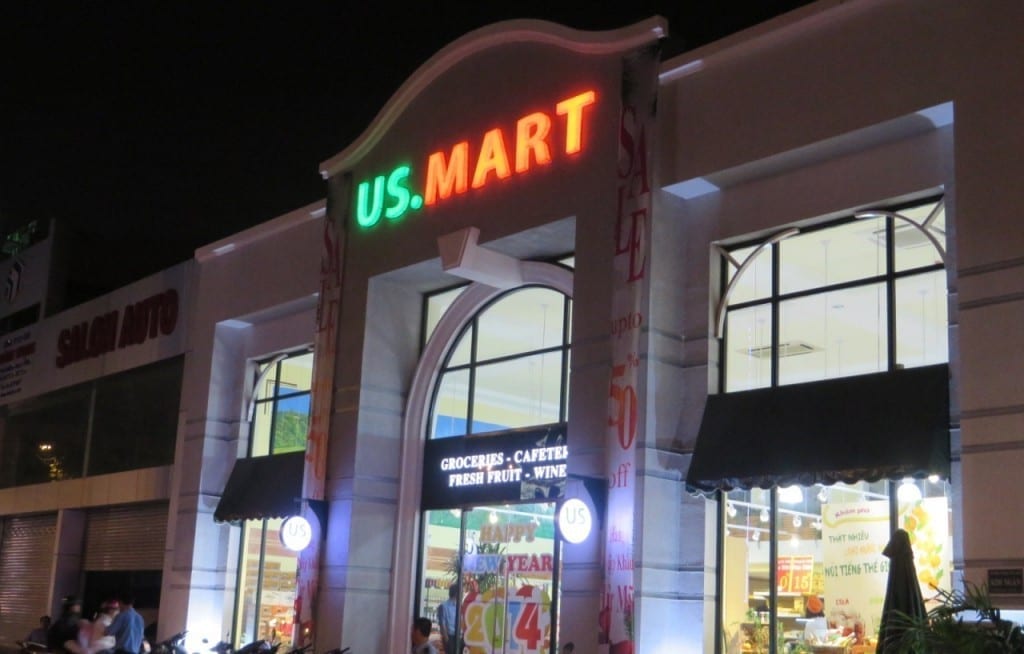
    Quality imported grocery retail pioneer US Mart has opened its second store in HCMC – and is ready, preparing for its third.

    After three successful years in the city, US Mart has opened a second store in District 7.

    The new store is located at 169 Nguyen Huu Canh St, in what is a residential enclave popular with Asian expats and and high-income locals. The company hopes this positioning strategy will bring growth to the chain, reflecting its success in downtown Saigon, District 1.

    Kim Ngan, US Mart director of communications, said the store is selling around 10,000 items, 70-80 per cent of which are imported directly from the US, including food and beverage products. The other 20-30 per cent are Vietnamese high-quality products, including specialties from Southern provinces.

    All US products are imported as a part of the Taste of America program, a joint effort with the US Department of Agriculture. According to Gerald H Smith, senior attache for Agricultural Affairs at the US consulate, Vietnam is the 11th largest market for US food and agricultural products. Statistics showed the trade in food and agricultural products reached US$5.9 billion last year.

    US Mart was founded in 2013 by businessman Nguyen Manh Tien, who recognised local customers’ need of imported goods after returning from studying in the US. Despite the high competition in Vietnam retail market, US Mart has successfully built its customer base thanks to high quality goods, food sanity, frequent promotions, and a five-day goods return policy.

    After D7 store, US Mart will open its third store in Tan Binh district this Sunday.

  • Private-label deal for E-mart Korea

    Private-label deal for E-mart Korea

    Discount seller E-mart Korea has signed an agreement to supply its private-label items to Metro China.

    It is introducing four items from its No Brand range, to be sold from next month. It is the first time for E-mart to export to an overseas offline store.

    E-mart’s private-label products already sell in Mongolia and Vietnam. Sales of its No Brand range at its Ulaanbaatar branch, which opened last month, have already reached 600 million won (US$533,000), accounting for about 7 per cent of total sales. No Brand contributed 3 per cent of sales at its Vietnamese outlet, which opened in December.

    Introduced in April last year with nine items, No Brand now has more than 300 products, from butter cookies to car window wipers, and posted 63.8 billion won turnover in the first half of this year.

    Metro is a German retailer that is the third-largest franchise globally following Walmart and Carrefour. It has more than 2200 outlets in 33 countries, with 88 in China.

  • Ted Baker Vietnam makes debut

    Ted Baker Vietnam makes debut

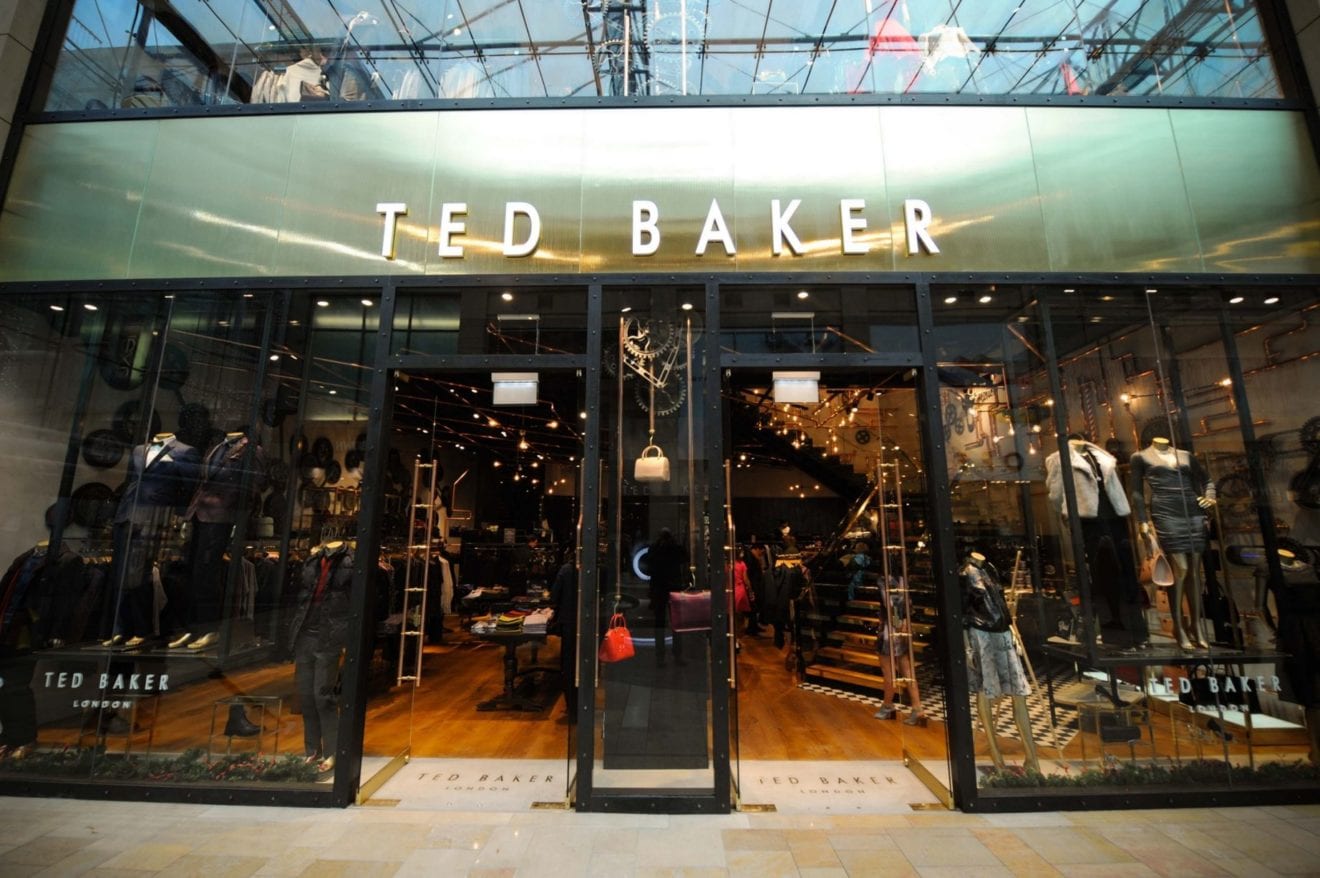
    Unconventional British fashion brand Ted Baker has opened its first store in Vietnam.

    Ted Baker Vietnam joins other luxury brands at the revamped Saigon Center in Ho Chi Minh City, with its re-opening celebrated at an event featuring Vietnamese entertainers. Guests included representatives from the UK Consulate General.

    Brought to Vietnam by retail management company Maison, Ted Baker was described at the event by British Business Group Vietnam (BBGV) director Peter Rimmer as “the most outstanding luxury fashion brand in the UK” and an inspiration for people seeking an individual style.

    Ted Baker introduced its latest collection with a mini-catwalk show at the event. Many of the guests were also wearing the label.

    Established in 1988 with a focus on menswear, the London brand has also produced collections for women seeking to blend traditional and contemporary styles.

    Maison, launched in 2012, has brought more than 17 international brands to Vietnam including Coach, Dorothy Perkins, Karen Miller, Mango and Topshop.

  • Singtel interested in MobiFone privatization

    Singtel interested in MobiFone privatization

    Singtel has joined the ranks of operators interested in becoming the strategic partner of Vietnamese operator MobiFone.

    Singtel’s VP for business development Oliver Foo met with deputy ICT minister Pham Hong Hai recently to discuss a possible investment in the venture.

    The Vietnamese government plans to privatize the currently state-owned operator MobiFone, and is seeking a foreign operator interested in participating in the privatization. Companies including Norway’s Telenor, Sweden’s Comviq and Australia’s Telstra have previously expressed an interest.

    Now Singtel has also indicated it may want to participate in the opening up of the operator to private investors.

    MobiFone has an estimated brand value of $539 million. The company jointly controls the majority of Vietnam’s telecoms market together with fellow state-owned operator VinaPhone and military-run Viettel.

    But the government has not yet announced its plans for the privatization of MobiFone.

    MobiFone recently contracted Ciena to build a 300Gbps backbone networkspanning more than 1,400km across the country.

    Singtel has meanwhile been expanding its regional operations, having recently announced plans to indirectly increase its stakes in Thai mobile operator AIS and India’s Bharti Airtel.

  • Jollibee Hanoi makes it five

    Jollibee Hanoi makes it five

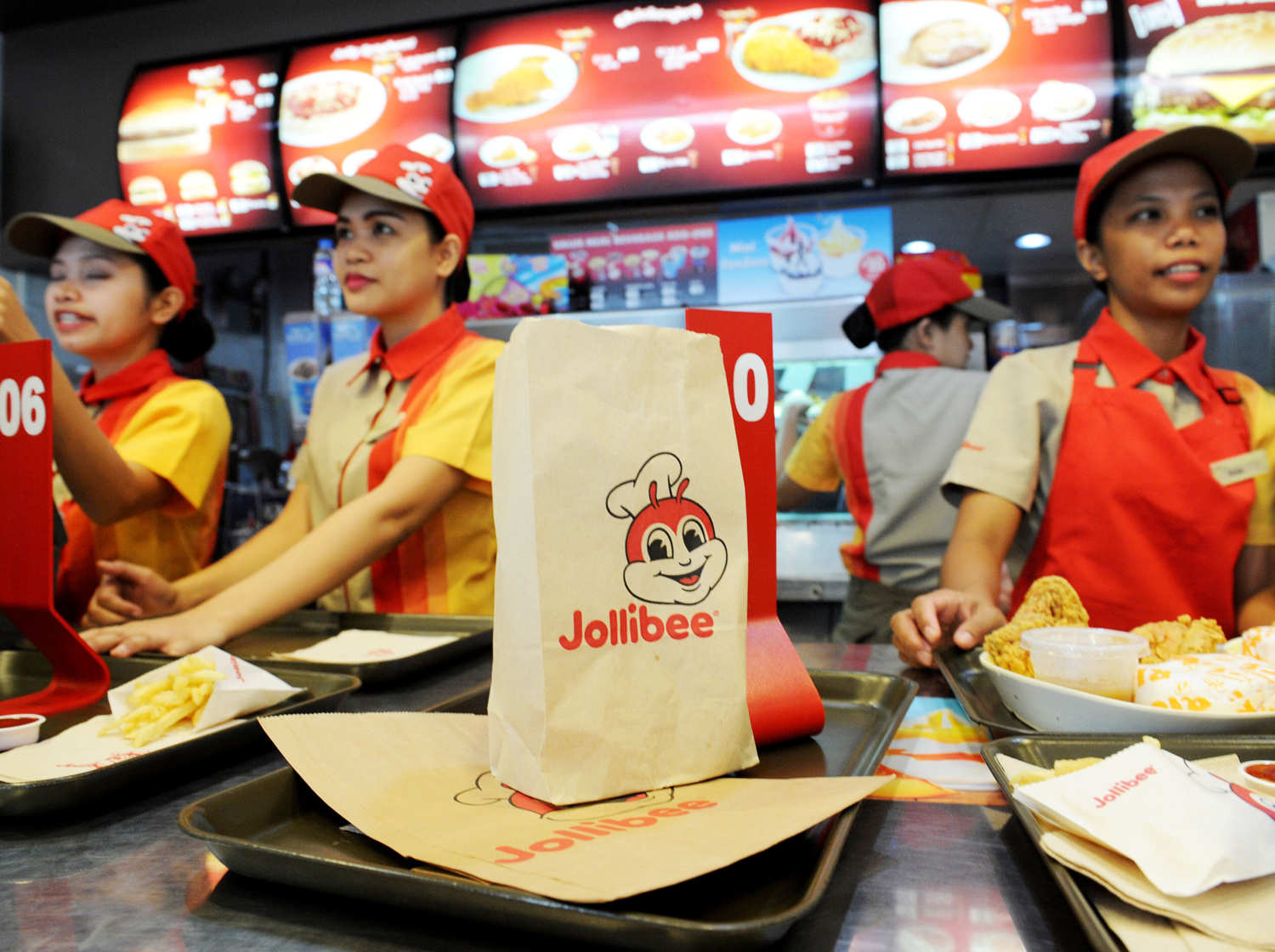
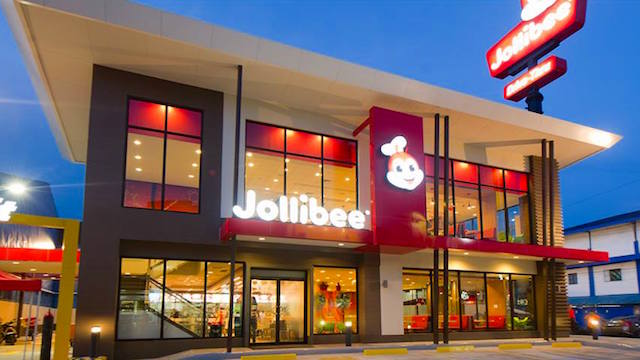
    Jollibee Hanoi has opened its fifth outlet, taking its Vietnam store count to 81.

    “The outlet in To Hieu St in Cau Giay district is a key, strategic location for us to serve customers,” Tran Ngoc Hoai Thuong, PR manager at Jollibee Vietnam, said in an interview.

    jollibee

    Earlier, Jollibee Vietnam announced plans to add 20 outlets in the country every year, and that it would seek partners for further expansion through franchising.

    Jollibee Foods Corp (JFC), Jollibee’s parent company, has reported that its system-wide sales grew by 15.1 per cent in the second quarter compared to sales for the same period of 2015.

    As of June 30, JFC has a 50 per cent  interest in joint ventures with Highlands Coffee (Vietnam, Philippines), Pho 24 (Vietnam, Indonesia, Cambodia, Korea and Australia) and 12 Hotpot (China). It also has a 40 per cent interest in Smashburger that has 366 outlets, mostly in the US.

    JFC was operating 2528 restaurant outlets in the Philippines and more than 600 abroad, according to its latest financial report.

  • Korean fashion brands in Zalora pop-up

    Korean fashion brands in Zalora pop-up

    South Korean fashion brands are featuring in an online pop-up store on regional sites of online fashion portal Zalora.

    It’s all part of a concerted bid to expand recognition of Korean fashion bards across the broader Asia-Pacific region.

    Launched in Singapore, the Premium Korean Fashion pop-up shop is open until October in Zalora sites in Singapore, Malaysia, Indonesia, the Philippines, Hong Kong and Taiwan, according to the officials at the Korea Trade-Investment Promotion Agency (Kotra) and the Korea Fashion Association.

    Seventeen South Korean designer brands, which have been recognised for their competitiveness both at home and abroad, are showcasing their products on the pop-up store.

    A launch ceremony was attended by some 80 Southeast Asian fashion journalists and so-called power bloggers. It marks South Korea’s first marketing activity targeting the entire Southeast Asian region.
    At the event, Giulio Xiloyannis said there is growing interest in Korean fashion in Southeast Asia and that the opening of the pop-up store is not only a new attempt but also an important event for Zalora.

    A Kotra official said the trade agency will step up efforts to gain access to major online portals in an effort to make inroads into regional markets.

    “Southeast Asia is emerging as the next eCommerce market after China as youths account for a large portion of its population and regional economies are growing at a fast pace,” Lee Byung-woo, head of Kotra’s office in Kuala Lumpur. “Efforts will be made to help Korean brands gain a foothold there.”