Tag: Vietnam

  • Vietnam textile firms need to up ties

    Vietnam textile firms need to up ties

    Domestic textile enterprises and logistics service providers should work together to reduce costs and improve their competitiveness, according to experts.

    Nguyễn Tường, Vice Chairman of the Việt Nam Logistics Association, said the textile industry needs to import raw materials from abroad and export products to foreign markets.

    Working together, many enterprises could purchase raw materials by combining their orders to create a large shipment, which will help significantly reduce transportation costs, he said.

    The costs of logistics currently account for nearly one-third of the costs of each textile product exported, so the Vietnamese garment sector could save more than US$1 billion per year by reducing this cost.

    Additionally, Trương Văn Cầm, Vice Chairman of the Việt Nam Textile and Apparel Association, said most textile companies currently perform outsourcing jobs, causing them to depend on the supply of raw materials and transportation services of providers assigned by their partners.

    Most of these providers are foreign companies, thus the market share for local logistics companies has been narrowed, Cầm said.

    Further, high transportation costs are undermining the competitiveness of Vietnamese goods in international markets, he added.

    Director of the Nam Việt Co Ltd, Nguyễn Đức Chương, said that during peak seasons, textile firms have to pay the container imbalance charge (CIC) – a kind of sea freight charge which a carrier requires to offset costs arising from the transfer of a large amount of empty containers from one place to another.

    This charge is only affordable to enterprises with large-scale import-export orders, such as Nhà Bè Corporation or Việt Tiến Garment Joint Stock Corporation, but is a heavy burden on small and medium-sized textile firms.

    Meanwhile, there is a lack of confidence between the owners of goods and Vietnamese logistics service providers due to low-quality and high prices, said representative of the Đam San joint stock company, which specialises in producing fibers.

    Located in the northern province of Thái Bình, the firm has to spend $3 billion to $4 billion every year on logistics costs.

    Self-services

    To improve the quality of the supply chain and reduce logistics costs, many textile enterprises have turned towards “self-service”.

    A representative of the Nhà Bè Corporation said the corporation has established the NBC logistics company to carry and load goods, and to export and import procedures for its shipments.

    To facilitate the transaction, NBC logistics firms also opened a representative office in China’s Shanghai, and many textile enterprises are seeking to hire it to perform export and import services.

    So far, conducting self-logistics services for approximately 70 per cent of their goods has helped the corporation save $2 billion per year. Previously, it had to pay $6 billion for import-export of goods annually.

    However, self-service is still not a solution for small and medium-sized firms.

    Therefore, business leaders in the two sectors agreed that it was necessary for the Ministry of Industry and Trade and the Ministry of Transport to assist the coordination and connection between shippers and the owners of goods.

  • Banks expand networks to attract more customers

    Banks expand networks to attract more customers

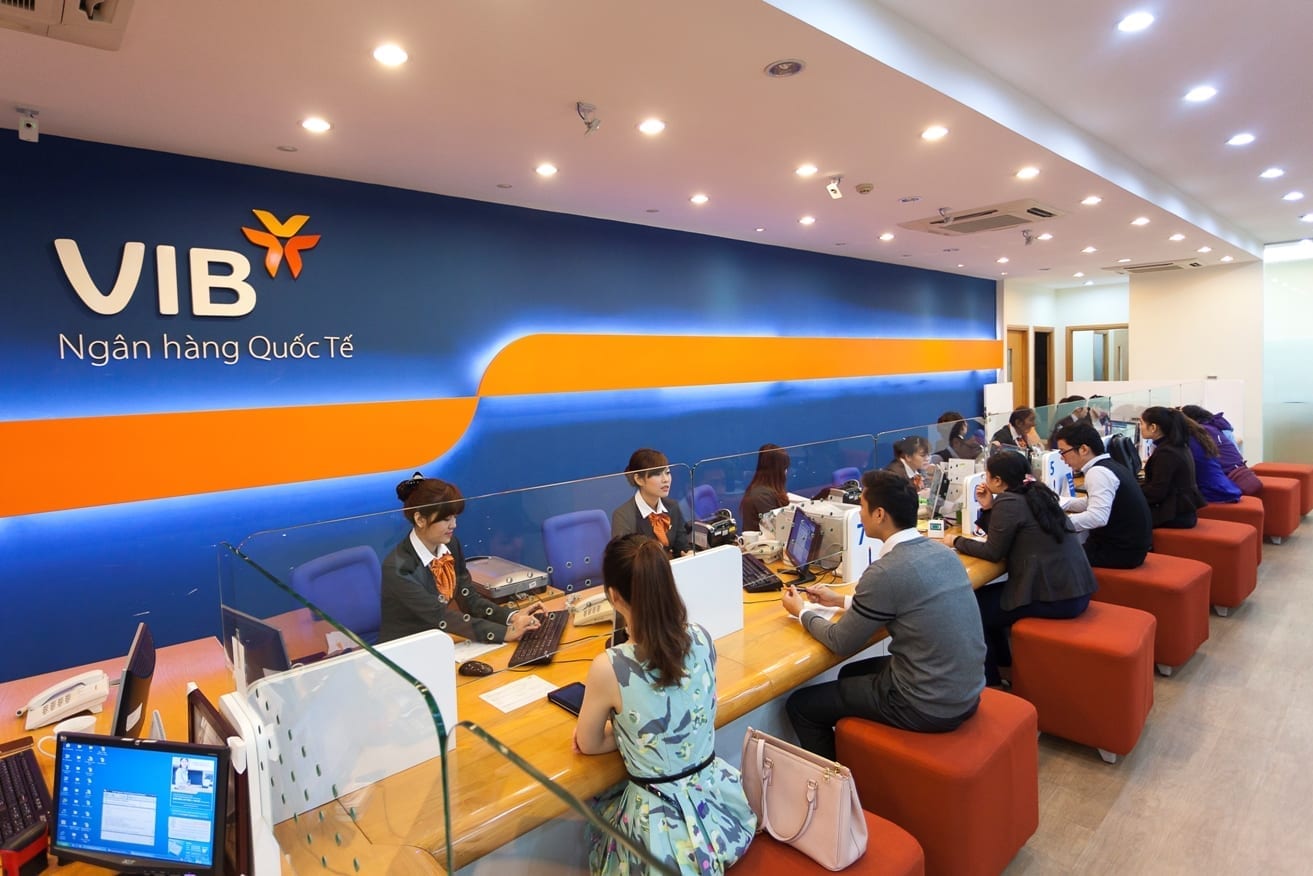
    Along with promotion programmes, banks have been expanding their networks in an aim to reach their annual targets.

    In recent months, more bank transaction offices and branches have opened to welcome both individuals and enterprises as customers.

    For instance, the An Bình Commercial Joint-Stock Bank has opened 11 branches and transaction offices in Đà Nẵng and the provinces of Lạng Sơn, Nghệ An, Bình Dương and Gia Lai.

    Bắc Á Bank, by the end of last quarter, had expanded to include 100 transaction offices in 20 province and cities. TP Bank also plans to open more offices in provinces and cities nationwide.

    A leader from An Bình was quoted as saying in Người Lao Động (The Labourer) newspaper that expansion was one of the most important steps in becoming a leading bank in the retail market.

    An expert told the newspaper that estimated growth of the national credit market this year would be 17-18 per cent against last year, if growth increases by 3 per cent per month in the last few months.

    He said this was a good time for banks to expand and introduce promotions to reach their year-end targets.

    As the banking system is too small to fully meet demand, expansion would improve service quality at banks, he added.

    The representative from An Bình Bank said there was strong demand for bank expansion, as this is a traditional channel to approach customers in all regions of the country.

    Morever, demand for lending at the end of a year is very high, prompting banks to expand to serve more customers.

    However, with the opening of more branches and transaction offices, risks can increase as customers worry that service quality and technology will be inadequate. Human resources and management skills may not be ensured as well.

    Experts, however, said there was no need for concern as regulations on controlling expansion in the banking sector, in which banks must show profits and have no more than a 3 per cent bad-debt ratio, would lower the risks.

    Bank expansion will help improve quality and competitiveness as well as increase each bank’s market share, according to experts.

  • Wood exports inch up, but prospects cloudy

    Wood exports inch up, but prospects cloudy

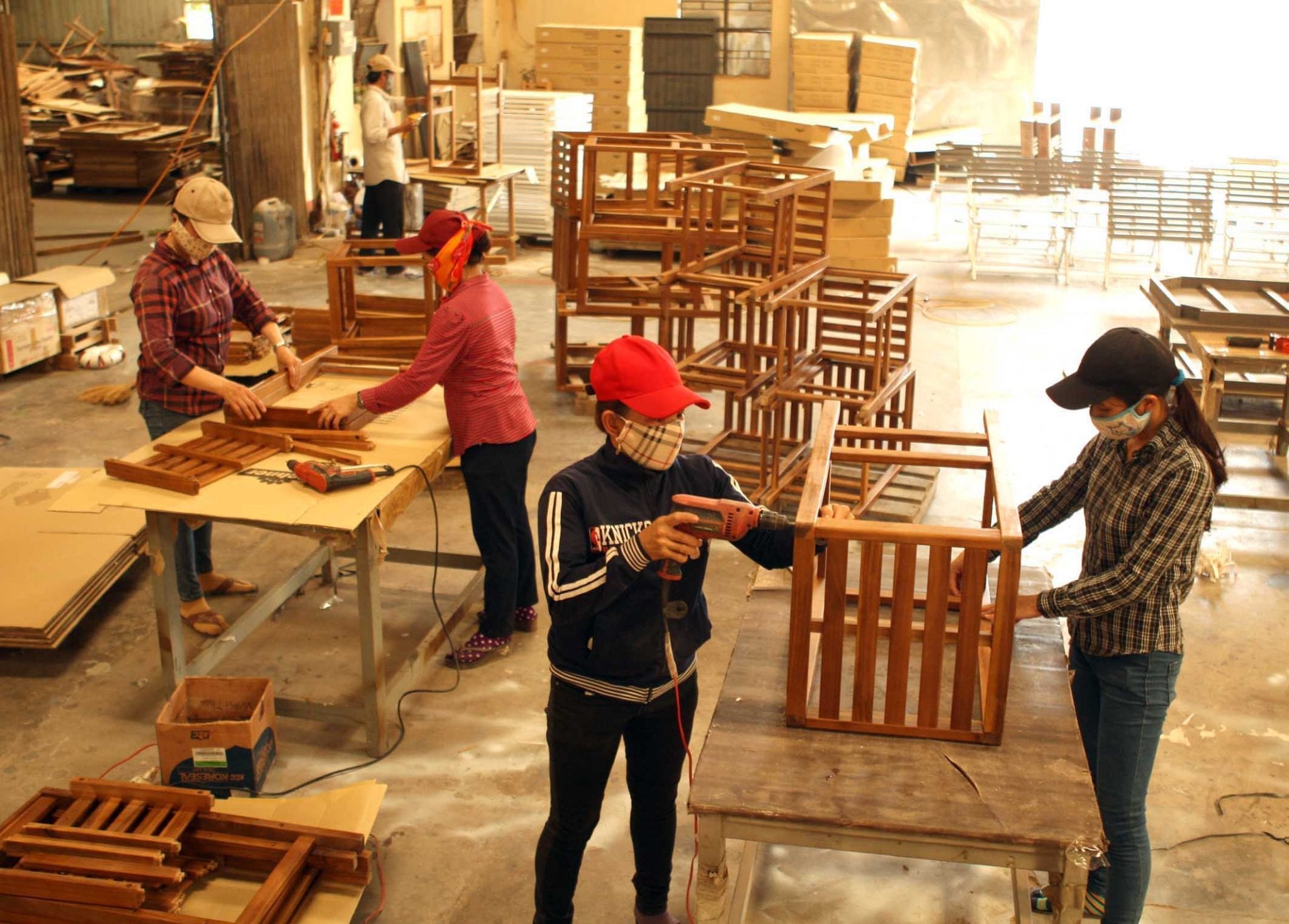
    iệt Nam estimated to gain US$7.3 billion from the export value of wood and wooden products this year, a slight increase of 1 per cent year on year, reported the Ministry of Agriculture and Rural Development’s General Department of Forestry.

    Nguyễn Bá Ngãi, deputy director of the general department, said this year, export value of forest products gained growth of 5-10 per cent depending on different products but the export value of wood and wooden products rose by 1 per cent against last year, reported Hải Quan (Customs) newspaper.

    The slight growth was due to strong reduction in the export value of wooden chips compared with last year, or 61 per cent of the export value of wooden chips in 2015, he said.

    Decrease in exports of wooden chips this year was due to a fall in demand for this product on the world market, especially China, said Ngãi, adding that Vietnamese wooden chip products have faced competition with similar products from other countries such as Thailand, Australia and some African nations.

    This year, Việt Nam promoted diversification of the export market to increase market shares on the world market, Ngãi said. Especially, Việt Nam has completed negotiations on the Voluntary Partnership Agreement on Forest Law Enforcement, Governance and Trade (VPA/FLEGT) between Việt Nam and the European Union, opening many opportunities on market development in the future.

    Lack of material

    Experts also said Việt Nam’s wood processing industry would continue development in production and business over the coming years.

    However, wood processing enterprises said the industry had fallen due to a lack of material for production.

    Bùi Như Việt, vice chairman of the Bình Dương Wood Association, said enterprises in the South were lacking material for production because in the past, many Chinese enterprises had come to purchase large volumes of wood.

    Trương Mộng Trinh, director of Mộc Lục Wood Company, also said more and more foreign enterprises had purchased wooden material, leading to a lower supply of the material for local processing companies and a higher price for wood, from VNĐ2-3 million per cubic metre to VNĐ5 million at present.

    Đỗ Xuân Lập, chairman of Bình Định Wood Association, said now, the price of rubber wood had increased by 20-25 per cent and there was strong competition for wood on the local market.

    This put pressure of procuring enough wood for production on enterprises in HCM City, Bình Dương, Đồng Nai and Bình Định provinces, he said.

    Local wood producers said the Government had solutions on avoiding the lack of material for wood processing but export tariff rates at present had not limited export activities for wood, especially exports to China, reported Công Thương newspaper.

    To ensure sustainable supply of this material in the future, the local enterprises expect the Ministry of Agriculture and Rural Development and the Việt Nam Wood and Forest Products Association to propose solutions to the Government on limiting exports of material for wood processing.

    Especially, the enterprises proposed increasing export tariffs for timber and sawn timber to 20 per cent as one of the efficient solutions to limit exports of timber for processing wooden products.

    Dương Phương Thảo, deputy head of the Import and Export Department from the Ministry of Industry and Trade, said in the future, the State should control exports of wood while also creating favourable conditions for local enterprises to exploit wood in foreign countries.

    That meant the Government would work with Việt Nam’s enterprises to grow trees for supplying wood in Cambodia and Laos as well as the governments of the two countries to import the material to Việt Nam, she said.

  • Vietnam Airlines switches Australian routes to all-787 operation

    Vietnam Airlines switches Australian routes to all-787 operation

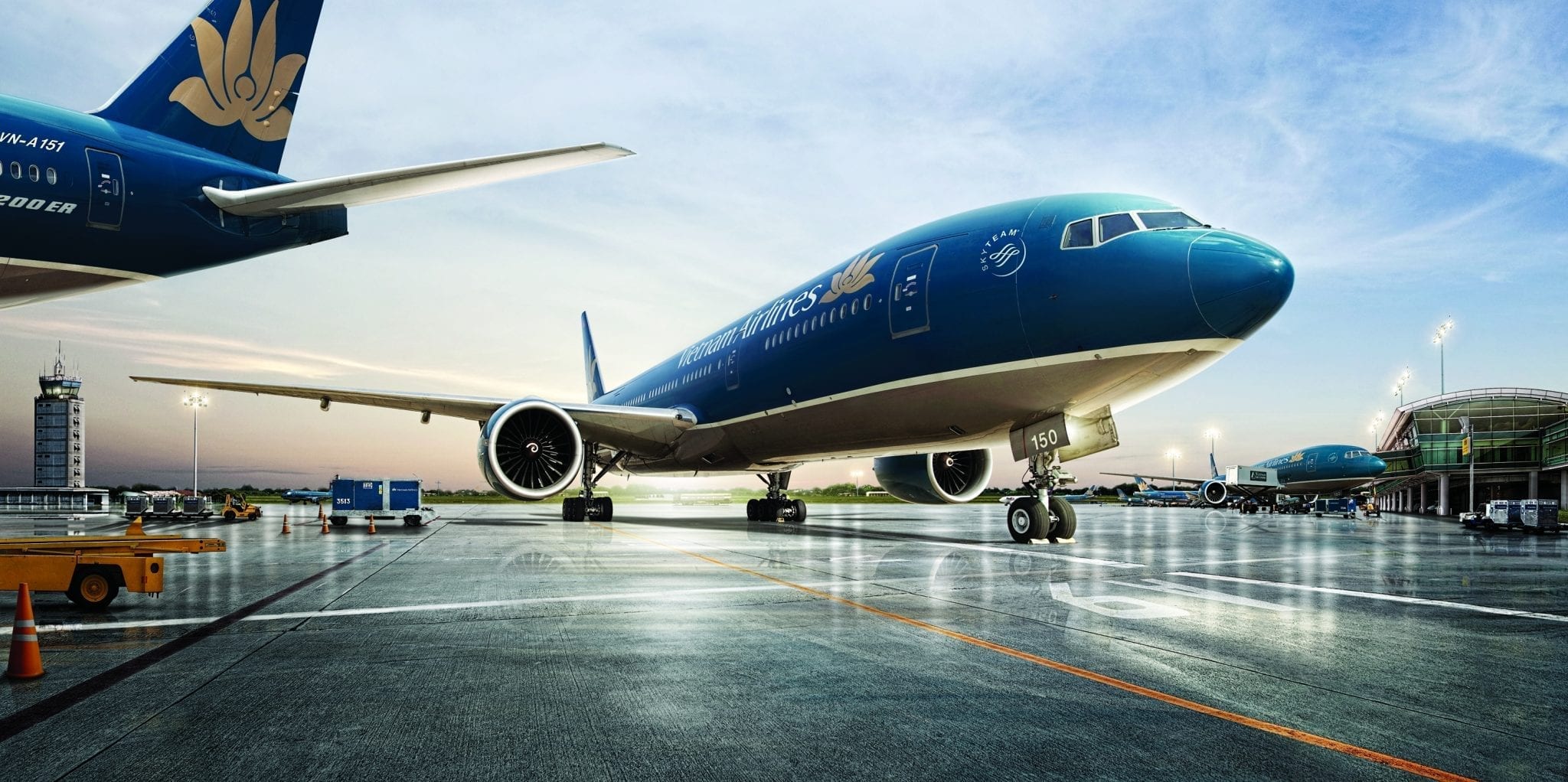
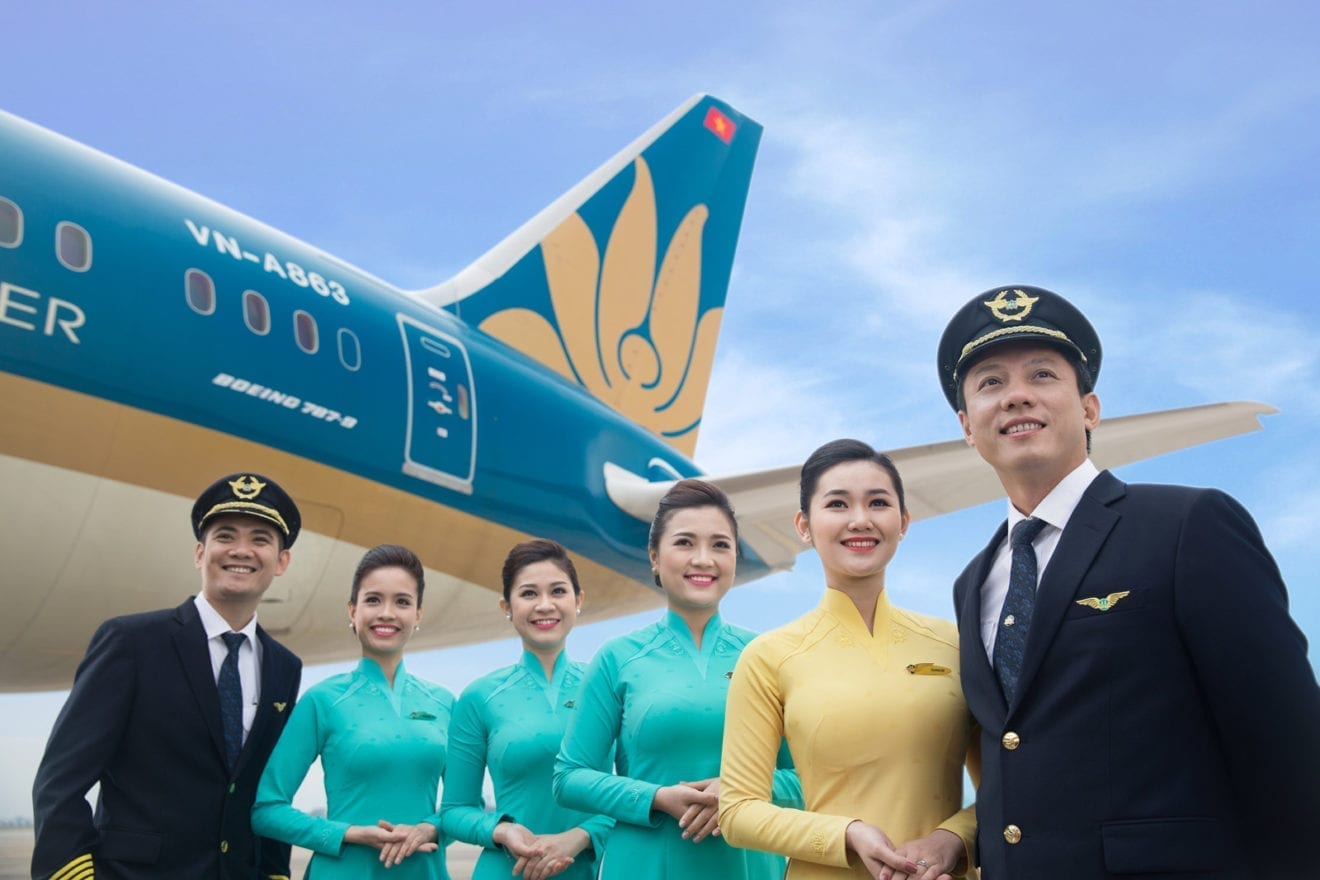
    Australia has become an all Boeing 787 destination for Vietnam Airlines after the Skyteam alliance member switched both its Melbourne and Sydney services to the next-generation Dreamliner.

    Vietnam Airlines’ first 787 flight to Australia arrived on Friday morning, when VN781 operated by 787-9 VN-A865 touched down at Melbourne Tullamarine at about 0930, after an eight hour and 20 minute journey from Ho Chi Minh City. The route was previously served with Airbus A330-200 equipment.

    The airline is the eighth carrier to serve Melbourne Tullamarine with the 787 alongside Air India, Air New Zealand, Jetstar, Royal Brunei Airlines, Scoot, United and Xiamen Airlines.

    And Melbourne is due to get another 787 operator with LATAM announcing the start of Melbourne-Santiago nonstop flights from October 2017.

    Meanwhile, Vietnam Airlines’ first 787 service to Sydney arrived less than an hour after the flight to Melbourne landed.

    Flight VN773, operated by 787-9 VN-A870, arrived at Sydney Kingsford Smith Airport a little after 1010, with passengers taken on a scenic fly over Sydney Harbour prior to landing.

    Vietnam Airlines previously operated Boeing 777-200ERs on the Ho Chi Minh City-Sydney route. The switch to the Dreamliner brings to nine the number of carriers operating the aircraft at Sydney – Vietnam Airlines joins Air India, Air New Zealand, ANA, Jetstar, LATAM Airlines, Scoot, United and Xiamen Airlines.

    Qantas places its QF airline code on Vietnam Airlines’ two Australian routes.

  • Vietnam Airlines prepares for Czech launch

    Vietnam Airlines prepares for Czech launch

    Vietnam Airlines has appointed a new General Sales Agent (GSA) in Prague, ahead of the launch of its first ever flights to the Czech Republic.

    A ceremony was held on 14 December 2016 to mark the occasion, attended by Vietnam’s Ambassador to the Czech Republic, Truong Manh Son. While details of the national carrier’s planned Prague services have not been confirmed, they are likely to make use of Vietnam Airlines’ new fleet of long-haul aircraft, including the Airbus A350 and Boeing 787 Dreamliner.

    These modern jets have already been deployed on routes to several European cities, including London, Paris and Frankfurt.

    The new route, which would likely be served from Hanoi, would mark the first direct connection between the Czech Republic and Southeast Asia. The only other Asian carriers operating to Prague’s Václav Havel Airport at present are China Eastern Airlines, Hainan Airlines, Korean Air and Sichuan Airlines.

    Vietnam Airlines and Czech Airlines are partners in the SkyTeam alliance and the new flights could also open up codeshare opportunities.

  • Lazada’s 12.12 sale nets $40.5 million

    Lazada’s 12.12 sale nets $40.5 million

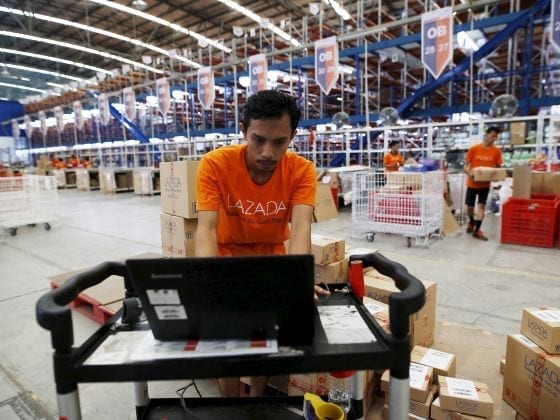
    Lazada Group’s Online Revolution, also known as 12.12, has again proven to be the biggest online shopping event in Southeast Asia, ringing up US$40.5 million in sales.

    About 60 per cent of the gross merchandise value (GMV) of the December 12 event came from mobile, with shoppers spending an average of 12 minutes on Lazada apps browsing deals from international and local brands and sellers.

    With the theme “Brands for All”, the 12.12 event featured more than 500,000 offers and flash sales from more than 1000 brands and 55,000 sellers. Best-sellers included shower gels and mascaras, tote bags and bracelets, vacuum cleaners and tableware, and virtual-reality headsets and speakers.

    Lazada Group CEO Maximilian Bittner says the sale has become highly anticipated among more consumers in Southeast Asia, who are no longer just from large cities, but also from small cities and rural areas.

    “This year, the difference was consumers clearly shopping for everyday products such diapers and groceries, as well as higher-value items from trusted brands.”

    Lazada has a presence in Indonesia, Malaysia, the Philippines, Singapore, Thailand and Vietnam.

  • 7-Eleven plans in Vietnam

    7-Eleven plans in Vietnam

    Convenience-store giant 7-Eleven plans to enter Vietnam by taking over VinGroup’s VinMart+ chain, marketplace sources say.

    In a statement from the US last year, 7-Eleven said it would build stores as well as convert “existing locations”. Now industry insiders are saying the group will swallow VinMart+, but there has been silence from both brands.

    The 7-Eleven Vietnam franchise is a partnership between IFB Vietnam, which owns Pizza Hut Vietnam, and Seven System Vietnam. The chain has announced plans to establish 100 stores in its first three years, with 1000 outlets within a decade. Its initial store will be in Ho Chi Minh City, scheduled for early next year.

    VinMart+ is Vietnam’s largest c-store chain with more than 700 outlets. It has plans to expand to 10,000 stores in next 10 years.

    Vietnam is 7-Eleven’s second Pacific Rim market after Indonesia, where it launched in 2009. It also has stores in Australia, China, Japan, Malaysia, Singapore, South Korea, Taiwan, Thailand and the Philippines.

  • Delivery Hero takes control of Foodpanda

    Delivery Hero takes control of Foodpanda

    Control of the Foodpanda business has been sold by parent Rocket Internet, including the remaining Asian operations.

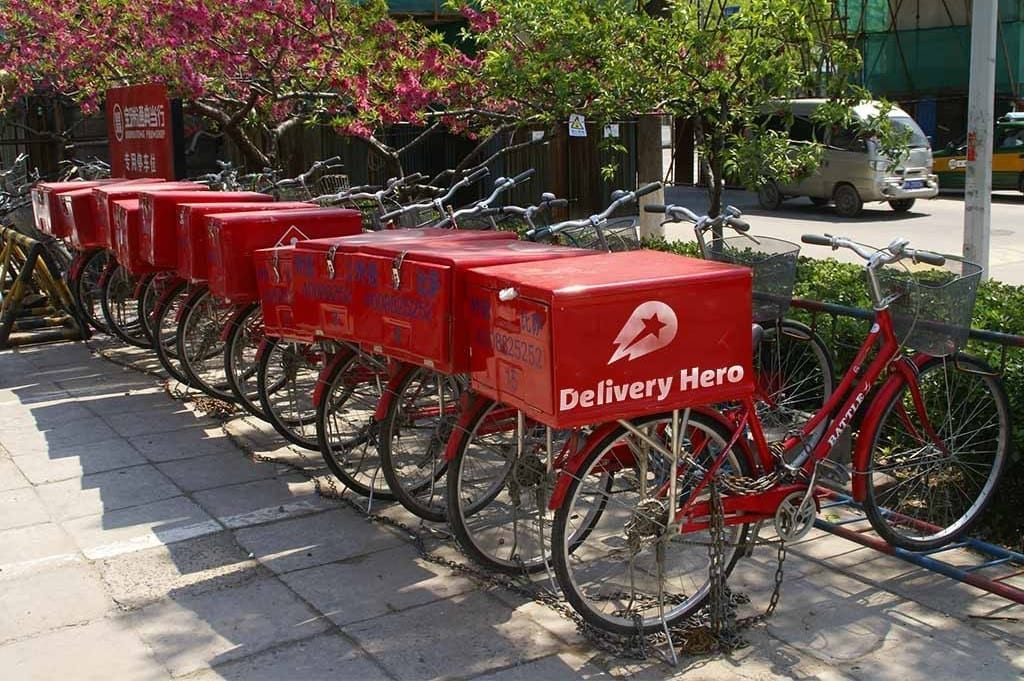
    German-based online food-ordering service Delivery Hero Holding, which is active in 33 countries, has acquired Rocket Internet-backed Emerging Markets Online Food Delivery Holding, parent of the shrinking Foodpanda business.

    Foodpanda, 49 per cent owned by Rocket Internet, has a presence in 22 countries, but shut its Indonesia business in October in the face of growing competition from app-based ride-hailing services that also offer food delivery, such as Go-Jek and Grab Bike. It has also exited Vietnam but remains operational in Singapore, Hong Kong, Thailand, Malaysia, the Philippines and Taiwan.

    In a partial share swap, the deal will see Rocket Internet’s stake in Delivery Hero increase from 30 per cent to 37.7 per cent. The sale will strengthen Delivery Hero’s global leadership position in online food ordering and delivery, with the combined group processing more than 20 million orders a month across 47 countries, says Rocket Internet.

    Bloomberg data shows that both companies together have raised more than $1.5 billion across several funding rounds with investors including Goldman Sachs and Insight Venture Partners.

    “The combination of Foodpanda and Delivery Hero, one of our most important companies, further consolidates key markets,” says Rocket Internet CEO Oliver Samwer. “Delivery Hero is also acquiring new markets.”

  • Starbucks Vietnam And The Asia Foundation To Prepare Disadvantaged People to Work

    Starbucks Vietnam And The Asia Foundation To Prepare Disadvantaged People to Work

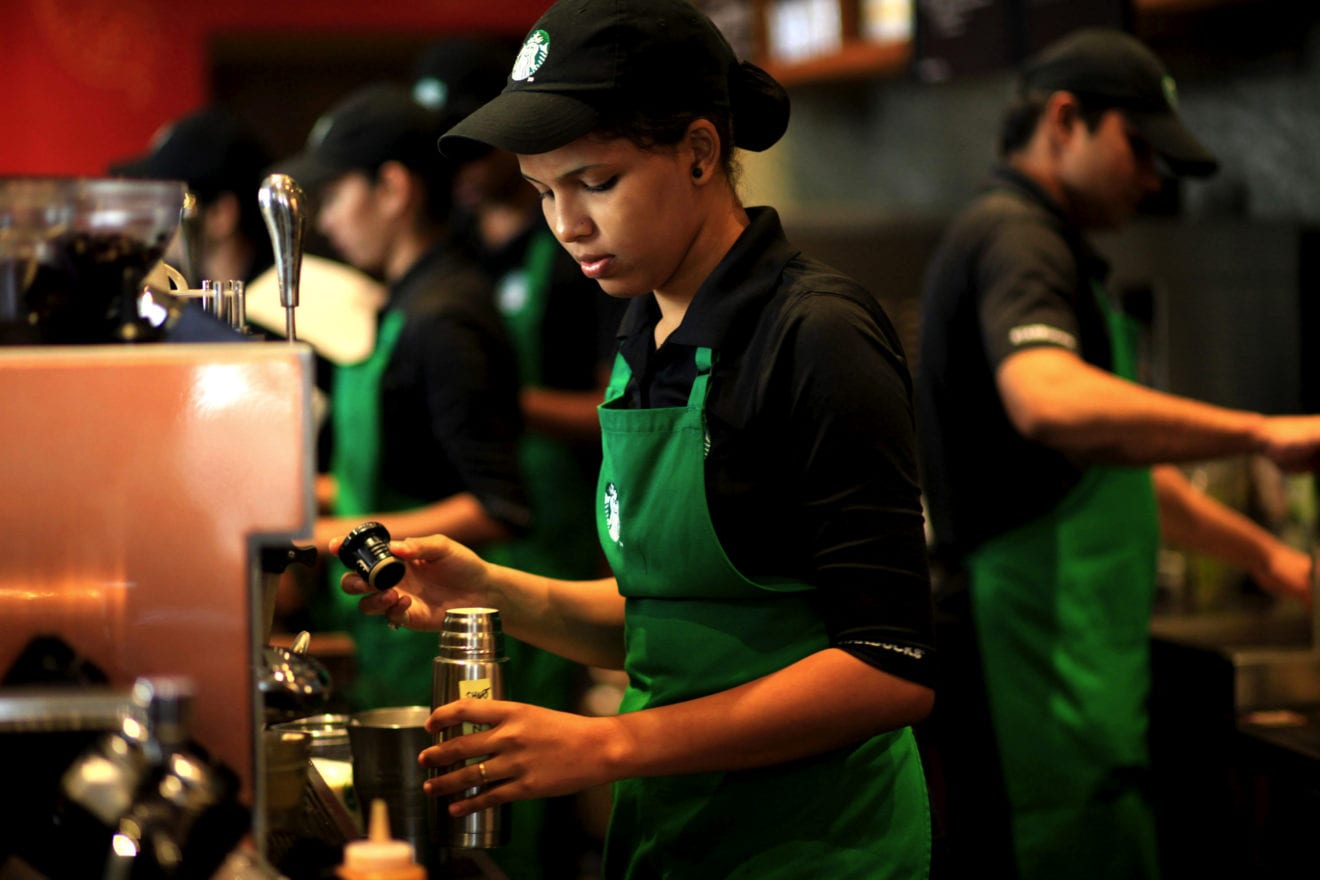
    Starbucks Vietnam and The Asia Foundation, a nonprofit international development organization, today announced a one-year vocational training program in Hanoi to prepare young people from disadvantaged backgrounds for careers in Vietnam’s fast-growing food and beverage industry. The Starbucks Vocational Training program will engage 50 youth between the ages of 18 and 24, including those who have been affected by family violence, human trafficking, and poverty, in a training program where they will acquire the professional and life skills required to succeed in the retail sector.

    As part of the program, youth will receive both classroom instruction focused on subjects such as customer service, English language learning, financial literacy, and work readiness, as well as on-the-job training. Starbucks partners (employees) will actively engage in the program, providing seminars and in store experience. Upon completion of the program, youth will receive six months of follow-up assistance to help them secure full-time employment.

    “Being an active part of the communities we serve in is intrinsic to who we are as a company,” said Mark Ring, president of Starbucks Asia Pacific. “As Starbucks continues to grow in Vietnam and across Asia, so too does our aspiration to build a different kind of company – one committed to performance that is driven through the lens of humanity – and being a positive force in building the future success of young people.”

    “We are proud to partner with The Asia Foundation and REACH to provide lifelong experiences and skills for disadvantaged young people,” said Patricia Marques, general manager for Starbucks Vietnam.

    “Youth in Vietnam represent a huge pool of talent for this dynamic country, but at the same time there are also challenges for many young people to gain access to work. We have created this project to build confidence, self-esteem and training, which will help them to succeed in the economy.”

    Figures from the General Statistics Office in 2015 indicate that the unemployment rate among youth is more than triple the overall unemployment rate, standing at 6.75%. While well-educated workers are able to access expanding opportunities in the private sector, for less educated workers, and particularly those from rural areas, it is much more challenging due to their lack of education, skills and business connections. This leaves them with fewer options and makes them more vulnerable to exploitation.

    “The gap between supply and demand in Vietnam’s fast-growing industries is an opportunity to provide disadvantaged youth with market-driven, practical vocational training. And by providing employers with skilled young people, we are proud to partner with Starbucks Vietnam to contribute to the development of a workforce that can help to meet the demands of Vietnam’s rapidly changing economy, while empowering some of the country’s most disadvantaged communities,” said Dinh Thi Kieu Nhung, The Asia Foundation’s project manager.

    Starbucks Vietnam and The Asia Foundation will implement this program in partnership with REACH, a local non-governmental organization specializing in providing vocational training, career advice, and job placement to some of Vietnam’s most disadvantaged youth. Funding for the project is supported by The Starbucks Foundation.

  • Tourism a driving force behind Vietnam’s economic growth

    Tourism a driving force behind Vietnam’s economic growth

    The country is on track to welcome more than 10 million visitors this year.Driving economic growth in Vietnam, the country’s government portal reported yesterday.The country’s economic growth prospects are strongly driven by its travel and tourism sector, the EIU said.

    Foreign arrivals reached more than 9 million from January – November this year, a staggering 25 percent increase from a year ago, the EIU noted, citing official data from the National Tourism Administration.

    The country is on track to welcome more than 10 million visitors by the end of this year, the administration forecast, which would exceed the target by 17.6 percent and last year’s arrivals by 26 percent.

    The EIU said that tourism continues to make a significant contribution to Vietnam’s economy. The tourism sector has not only created job growth in the wider economy, but also supported the development of other sectors such as retail.

    The study attributed the tourism industry’s growth prospects partly to Vietnam’s efforts to relax its visa policy to pave the way for a bigger inflow of international tourists.

    It has already offered visa exemptions for tourists from South Korea, Japan and those from Southeast Asian countries, as well as extended its visa-free policy through to June next year for travelers from the United Kingdom, France, Germany, Spain and Italy.

    With the aim of giving the tourism industry an even bigger push, the Vietnamese government has approved much-touted online visas for travelers on short holidays or casual business visits. The new visa rule, which is expected to come into effect from February next year, but it will be limited to those arriving from Vietnam’s top tourist markets.

    Vietnam’s top 10 tourist markets include China, South Korea, Japan and the United States.

    According to the World Tourism and Travel Council, tourism revenue directly contributed 6.6 percent of Vietnam’s gross domestic product last year. If you take into account that tourism drives other areas like spa and wellness services, dining and retail, the sector contributed around 13.9 percent of GDP.

    EIU experts suggested the Vietnamese government should improve the quality of transport infrastructure, which will in turn further boost growth in the tourism sector.

  • Awards to recognise eCommerce merchants

    As Southeast Asia eCommerce merchants set benchmarks in a booming industry, their efforts are about to be celebrated with the launch of annual awards.

    Based in Kuala Lumpur, online shopping aggregator iPrice Group has launched the iPrice eCommerce Merchant Awards (iEMA) 2016 in partnership with eTail Asia, a service for eCommerce professionals, and Trusted Company, a review platform for eCommerce businesses in emerging markets.

    The first awards ceremony will be held in conjunction with the annual eTail Asia conference at Marina Bay Sands, Singapore, on March 8 next. The inaugural iEMA 2016 will feature country and regional winners in two categories – Most Popular eCommerce Merchant of the Year and Highest-Quality eCommerce Merchant of the Year. Merchants do not have to submit entries as all qualifying merchants are automatically enlisted.

    “Based on studies by Google and Temasek, the Southeast Asian eCommerce market is expected to see exponential growth from US$6 billion to about US$90 billion in 2025,” says iPrice Group CEO David Chmelar.

    “With new players in the eCommerce industry coming up every left, right and centre, it is imperative we highlight excellence in the sector in hopes to further inspire and encourage both existing and upcoming merchants to excel further in Southeast Asia.”

    Consumer choice

    Finalists and winners for the awards will be chosen by consumers via the iEMA 2016 microsite. People can vote only once, with January 31 the deadline.

    Meanwhile, in an effort to also recognise special initiatives by eCommerce merchants that might have escaped attention, a third category has been set up to highlight efforts by businesses that have undertaken projects to support a social or non-profit organisation. This will be judged by a panel of experts from the eCommerce sector with only one overall regional winner being chosen. The judging panel comprises Chmelar, Asia Venture Group CEO/founder Tim Marbach, Worldwide Business Research GM Danny Levy, Trusted Company co-founder/MD Frederick Krass, Google Vietnam head of marketing Anh Nguyen and 500 Startups managing partner Khailee Ng.

    Submissions for this award are being accepted from for both consumers and eCommerce merchants through the iEMA 2016 website.

    Voting is being accepted at the iEMA 2016 microsites for Hong Kong, Indonesia, Malaysia, Philippines, Singapore, Thailand and Vietnam.

    iPrice Group is a Southeast Asian metasearch engine that enables shoppers to find products, compare prices and save. It seamlessly connects them to hundreds of eCommerce merchants in the region.

  • Sagawa to buy Vietnamese delivery service

    Sagawa to buy Vietnamese delivery service

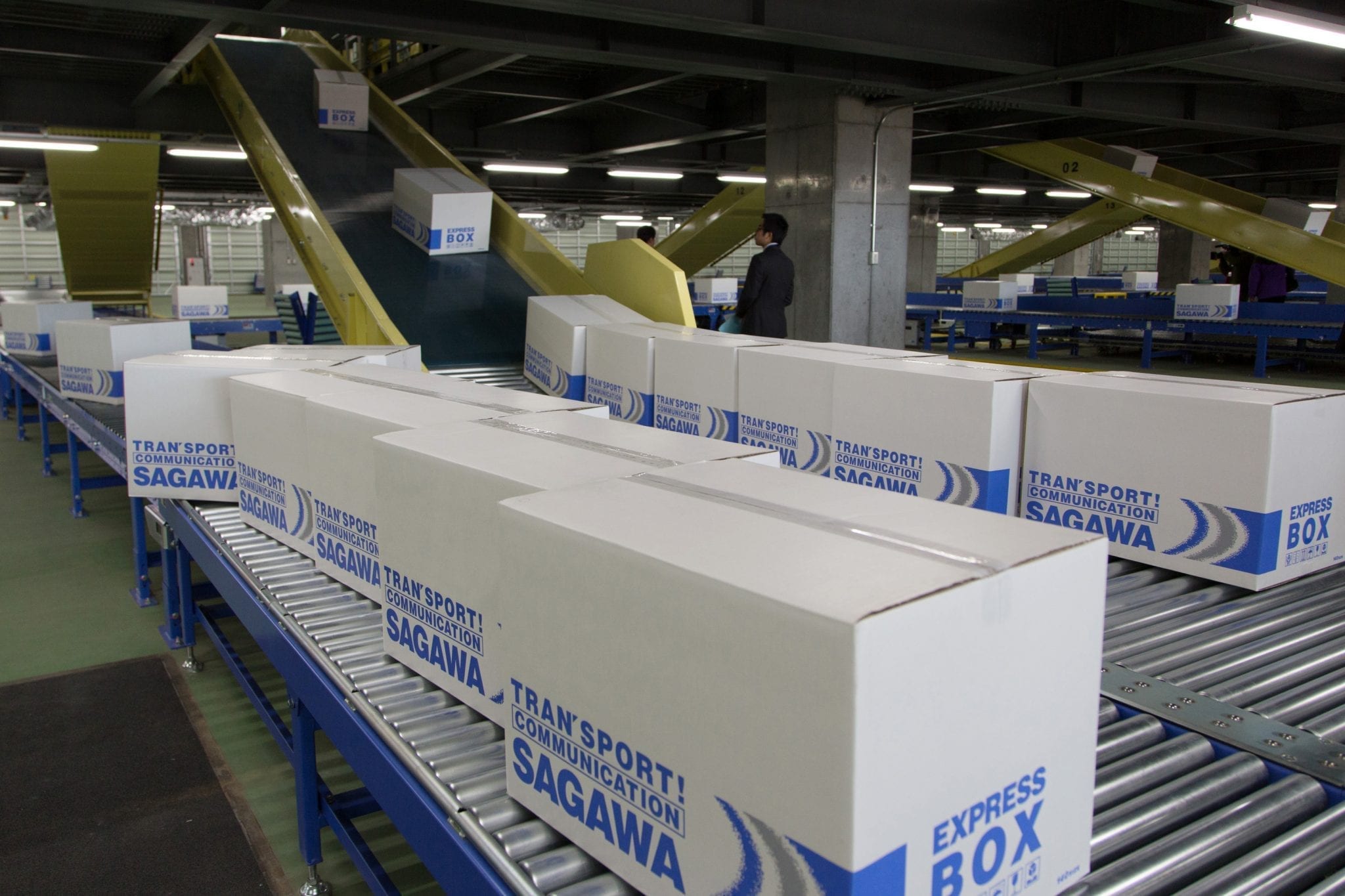
    The Sagawa group will acquire Phat Loc Express, Vietnam’s fifth-largest delivery service, gaining a foothold to expand operations nationwide as online shopping continues to grow.

    Japan’s SG Holdings, the parent of Sagawa Express, will buy all of Phat Loc’s shares from management. The Vietnamese company was established in 2001 and has about 1,200 employees. Its roughly 60 branches cover deliveries in the entire country. Phat Loc logged sales of over $9 million in 2015, and the purchase price likely will be a similar amount. With a market share of just a few percent, the company is dwarfed by Vietnam’s two major delivery services.

    SG Holdings began deliveries in Vietnam via a local subsidiary in 2012. The company handles its own deliveries in Ho Chi Minh City and Hanoi but contracts local businesses for other regions. The purchase of Phat Loc will let SG Holdings expand service nationwide.

    Vietnam’s service quality remains rather low, and packages sometimes arrive late or damaged. The Sagawa group will tap its Japanese know-how to try to boost the quality of Phat Loc’s service in order to challenge Vietnam’s delivery leaders.

    SG Holdings teamed with major Vietnamese real estate and retail company Vingroup in November. The Japanese business will deliver products for the group’s supermarkets and convenience stores. The delivery company is accelerating its Southeast Asian expansion, partnering this year with companies in Indonesia and the Philippines.

  • Huge iPhone 7 sales reported in Vietnam

    Huge iPhone 7 sales reported in Vietnam

    Vien Thong A retailer said they would do their best to meet demands for 8,000 orders. FPT Shop in HCM City said they about 4,000 devices should be sold in the morning when the shop started the ceremony to transfer the pre-ordered phones.

    Doan Van Hieu Em, CEO of The Gioi Di Dong Store in District 1 also said they had seen a surge in customers. Em said they wouldn’t hold the transfer ceremony but make sure that the service is fast.

    “We’ll hold a product introduction and customer appreciation programme for buying the iPhone 7 tonight,” he said. “We expected to sell 10,000 devices today.”

    Meanwhile the atmosphere at smaller retail shops such as Hnam Mobile or CellPhoneS was quieter. Big retailers had hoarded most of the products so there’s not much left for them. Major mobile network operators are also selling the iPhone 7. Viettel said they would transfer 3,000 pre-ordered phones to customers on November 11.

    Most retailers confirmed the popularity of Apple products, especially iPhone 7 Plus this year. 70% of their orders are for iPhone 7 and iPhone 7 Plus. According to FPT Shop, the order for iPhone 7 Plus in the first day was four times higher than the iPhone 6 Plus.

    Retailers are reporting a shortage of iPhone 7 in jet black. Customers also favour matte black colour followed by gold and rose gold.

    It is predicted that by the end of November, nearly 100,000 iPhone 7 and iPhone 7 Plus would be sold in Vietnam.

  • Six Flags is Blazing a Trail to Vietnam

    Six Flags is Blazing a Trail to Vietnam

    John Odum is President of the company’s international division. He believes the country’s growing tourist market and rising middle-class make it a land of opportunity for Six Flags. “The dynamics fit nicely with what we bring to a market,” he says. Odum embodies the American dream – he joined Six Flags Over Georgia as a costumed character when he was just sixteen.

    He knows the business inside out, having worked his way through the ranks in a number of departments including operations, finance and retail. Among his many roles, he has been President of Six Flags St. Louis and Six Flags San Antonio before a stint in the corporate world, overseeing lesser parks from an operational perspective.

    “And then, a couple of years ago, Jim Reid Anderson, our CEO at the time, came to me and asked me if I’d be interested in starting up the international division of Six Flags,” he says.

    “We felt that, domestically, we were very strong and solid. We had found a good business model that had been working well for several years, and we were ready to take that step internationally.

    “That brings me to where I am today. In my role as the President of our international division, we are really leading the charge in finding new markets and building new parks and bringing Six Flags to the world.

    “In the 43 years that I’ve been with Six Flags I’ve experienced a lot of different things. It’s been quite exciting. It’s great to be able to take that depth of experience and spread it throughout the world.”

    Lands of Opportunity

    Asia’s theme park industry, while growing quickly in certain regions, is broadly still very much in its infancy.  This is particularly true of Vietnam, which has so far escaped the attention of any of the big-hitters.

    Yet, despite being under the radar, Odum believes it is ripe for theme park development.

    “It has a growing middle class with an increasing propensity to spend. It also has a travel market that’s starting to feed Vietnam. We really think the dynamics fit nicely with what we bring to a market.”

    What’s more, detailed psychographic research in the area has revealed that, despite what one might expect, people already ‘get’ the Six Flags brand.

    “What we’ve found is our brand is so well-known, much more so than any of us had anticipated it might be. People know exactly what we are: we are all about thrill.

    “People tell us they’re eager to see the biggest and best rides. Some say ‘I’m not sure I’m ready to get on the largest and the best – but I love seeing other people do it.’

    “We’ve got such a diversity of rides that it really gives a thrill to all ages. We feel we’re a good fit for a region that’s really growing very quickly.”

    The Six Flags Franchise Model

    “The business model that has been found to be optimal for Six Flags and its partners is a franchise-type model. With this, the chosen partners take on all capital investment in the park, while Six Flags charges a fee for bringing the brand name and licenced IP.

    “We will bring the management expertise to the park. The right people that understand the safety that is so critical to our business, and understand how to operate a strong financial model while protecting that safety. Nobody does safety better than we do.”

    “Six Flags will also bring the design and project services, helping design the park, its layout, overseeing construction and procuring the rides.

    “They will gain the value of all of our negotiating clout – we buy rides so much more cheaply than anybody else; they get the benefit of our buying power.”

    Because Six Flags does not invest any money, it costs them nothing to enter these partnerships. It also gives the new operators the flexibility to run things in a way that suits their particular market.

    “Most of our partners are interested in a bigger resort development.  They may be adding hotels, they may be adding retail, dining and entertainment and all of the other resort amenities,” explains Odum.

    “What this model allows them to do is to operate a little differently from the way we would. If they want to put heads in beds in the hotels, they might discount the park a little bit more, or run ‘specials’ at times that we might not normally be open.

    “There are no operating encumbrances on the way they can operate the park when we go in with a franchise-type model like this.

    “We think it’s the best for both partners. It seems to be working really well so far.”

    The First Six Flags Theme Park in China

    Six Flags has already announced its first theme park in China. It will be located in Haiyan on the coast of Hangzhou Bay in Zhejiang province.

    China is already well-served by big name brands such as Wanda, DreamWorks and Disney. However, Odum insists the market is a long way from reaching anywhere close to saturation point.

    “In the US, we have about 300 theme parks the size of a Six Flags park or larger. These serve 320 million people. In China, there are around 150 parks of this size or larger, serving 1.2 billion people.

    “When we look at the sheer numbers, we feel there’s tremendous untapped potential for growth and development of this market set. Especially as we see this growing middle class. We also see the family size growing from the single child to the multi child family and as we see the middle income growth and prosperity that is developing in China.”

    “In fact, I would say the Chinese theme park industry is probably where the North American theme park industry was 20 or 30 years ago. We feel like we’re moving in at the right time and there are tremendous opportunities for this market.”

    Chinese Love the Regional and the Thrill

    Odum dismisses the generally-held belief that China is less interested in thrill rides than other markets. He cites data from recent psychographic research:

    “What that market told us is. We love thrills in all different forms. And, with Six Flags, while we’re known best for our world record roller coasters and the larger rides, it comes in all forms. There are a lot of smaller types of rides that are unique to Six Flags.

    “The ability to match up that different level of thrill to the different components of a family, we believe, is really a thing that will help us grow and prosper in the market.”

    “The Chinese know Six Flags. They are very eager for Six Flags to come to China,” he says. “One of the things they have also told us they especially like about Six Flags is the fact that we are a regional theme park. Each of our parks is different and built to focus on that region of the country.”

    Unlike the giant brands that reproduce the same model time and again, each Six Flags park will be customised to a particular region, taking on the local culture, the local foods.

    “Yet, we will also offer enough Western experience that they will get a sense of the best of both worlds,” says Odum.

    Relevant Storytelling

    Odum believes that storytelling relevant to the local market will be crucial to each park’s success.

    “One of the first things we do when we go into a region is send in a team to study the history and culture. They talk to the people of the area and try to understand the types of things that they hold important in their history; the things that they like to honour.”

    “What we have done for our first theme park in Haiyan is to take a section of our park and replicate the local ancient tale of a sailor who went off to sea while his girlfriend stayed behind waiting on him.  There’s this whole story of how he went through battles and adventures then came back to meet her and they lived happily ever after.

    “We’ve replicated the entire story. Everything from the big ships and the sailing town, and all those things that make that story come to life.”

    But, he says, it is still very much a Six Flags park:

    “There are sections of the park that reflect much of the Western culture. There are things the Chinese might enjoy learning about North America.”

    Rising Customer Expectations in a Tech-Savvy Market

    Customer expectations are constantly changing in the light of developing technology. This is particularly true, Odum says, across much of Asia, where the market is innovative and tech-savvy.

    “This is another reason why they really like Six Flags. It is because they see us as being on the cutting-edge of technology,” he says.

    “We were the first in the entire industry to introduce VR in our rides. We went into our roller coasters and partnered with Samsung and RealD 3-D and Oculus. Then we put together an experience that cannot be replicated anywhere else.”

    “We took some of the older rides intentionally. They weren’t quite as popular. We created storylines, and we created these virtual worlds. In some you’re a fighter pilot, and some we’re adapting to our Hallowe’en experiences and you’re fighting gargoyles.

    “As we get towards the holiday in the park you’ll be flying in Santa’s sleigh. There are a lot of ways that we can use VR. We can really take some of the older rides and bring them into a new world.”

    VR – Lifting Existing Rides to the Next Level

    Technology has also been used to take some of the newer rides to another level.

    “The Superman ride is popular. We have been able, through VR, to create an opportunity for people on the Superman ride to literally fly with Superman.”


    “We were pitching this concept to the head of the licensing with Warner Brothers. After we had taken him through it, he sat back and said: ‘You know what? The reason I joined DC Comics and Warner Brothers was because as a little kid I had always wanted to fly with Superman.’ He was one of the first ones on the ride when we introduced it.

    “VR is one of the many different things that we are doing to really take the entertainment of the theme park industry into this new world.”

    Dubai Parks and Resorts

    A Six Flag theme park is currently in development at the UAE’s mammoth leisure destination, Dubai Parks and Resorts.

    “It’s just an unbelievable market,” says Odum. “When I first visited seven or so years back it had tremendous potential. I was amazed at what the city was. And then, when we came back a second time. I was blown away at how far it had come in those few years.

    “We had studied the market early on. I think we realised this is a burgeoning market that is just growing like none other in the world.”

    The economy has largely recovered from the effects of the global recession. This had put ambitious developments such as Dubailand on hold.

    “I think, in that earlier phase, they were growing so very rapidly so it probably hit them harder,” he says.

    “When things settled to a more positive economic climate and we went back in, it is just unbelievable what they are doing to develop that market.  I’m especially excited about the resort that DPR is creating. We will be one of four major theme parks in this resort. There will be tremendous retail, dining and entertainment, a world-class resort and many other amenities including a large upscale outlet mall that really fills this out as an entertainment mecca.

    “Dubai is bound in intent to be the Orlando of the Middle East. They are well on their way to doing just that.

    “We’re going in with some of our biggest and best; we’re excited in that development because each of the parks fills a unique niche.

    “As long as there’s a unique niche filled, instead of dividing the pie into more pieces, you just make the pie bigger,” says Odum.

    “And, a rising tide raises all ships.”
  • Retail e-commerce small but growing in Vietnam

    Retail e-commerce small but growing in Vietnam

    However, growth is expected over the next few years as increasing numbers of young consumers go online for the first time, largely through smartphones, said speakers at the conference.

    Deputy Minister Ho Thi Kim Thoa of the Ministry of Industry and Trade (MOIT) told the conference participants he has set a target to grow e-commerce to reach 5% of the nation’s total retail sales by 2020.

    Which, he said, in absolute dollars equates to US$10 billion for 2020.

    Tran Thi Phuong Lan, deputy director of the Municipal Department of Industry and Trade, in turn said he estimated that retail e-commerce revenue in the capital city of Hanoi registered US$1.16 billion last year.

    Mr Lan also predicted that the e-commerce retail sector would see strong growth over the next few years.

    However, despite all the optimism and the strong growth forecasted, retail ecommerce would still account for just 5% of total retail sales by 2020, if the target were to be reached, which puts Vietnam well behind Western countries.

    Most notably Vietnam lags far behind China, where retail ecommerce has been estimated to reach 18.4% of total sales in 2016 and is anticipated to grow in the double digits through the end of 2020.

    Lai Viet Anh, deputy head of the MOITs E-commerce and Information Technology Department, said she believes the country’s population with its relatively young median age would help expand the e-commerce consumer class.

    Vietnamese youth are learning to access the internet via smartphones at a very young age, said Ms Anh, and consequently have shown much more of a willingness to make purchases on their mobile devices than the older generations.

    Ms Anh opined that the number of digital shoppers—those who browse or research products online but who haven’t necessarily completed a purchase transaction would also see their ranks grow over the coming years.

    Though Ms Anh is sanguine for the prospects of e-commerce in Vietnam she openly acknowledged that the country lags far behind others in the region in e-commerce (including m-commerce) development.

    If one just looks at the absolute dollar value of e-commerce revenue the disparity is obvious, she said, noting that while online sales reached just US$4 billion in Vietnam for 2015— in China it was US$617 billion, the Republic of Korea (US$39 billion) and India (US$14 billion).

    The growth of m-commerce over the next few years should make the US$10 billion of revenue by 2020 target readily attainable, noted Ms Anh.

    Nguyen Thanh Hung, president of the Vietnam E-Commerce Association, said most urban residents are familiar with e-commerce with the number of rural residents using it is climbing steadily.

    This, he noted would also help strengthen e-commerce usage over the next few years.

    The implementation of robust 4G networks by mobile carriers (which is already underway) would also help drive increasing digital purchases made via smartphone, particularly from the rural areas.

    In addition, the declining costs of 4G devices and service plans would make it much easier for consumers to research, browse and buy via smartphones noted Mr Hung, making the targeted US$10 billion by 2020 a realistic and achievable target.