Tag: Vietnam

  • Vinh Foods products to be sold in Spain supermarket

    Vinh Foods products to be sold in Spain supermarket

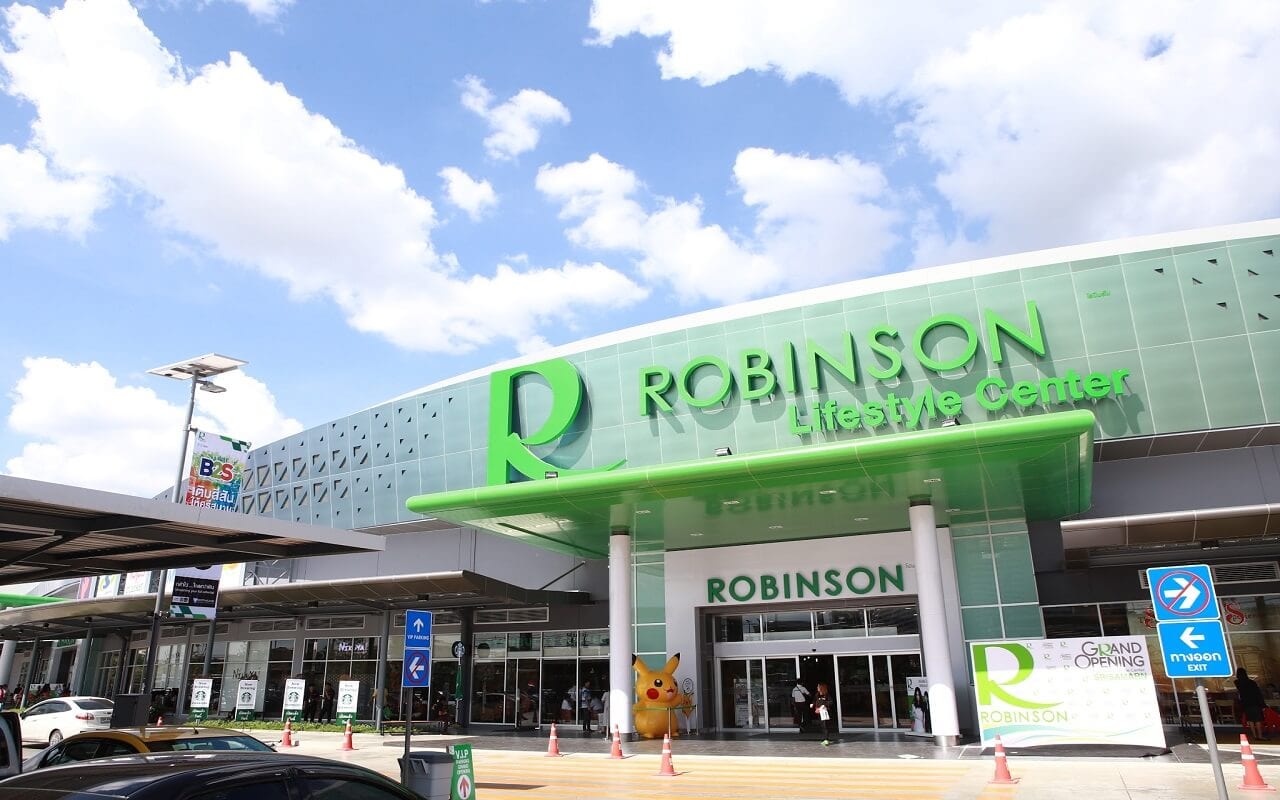
    Vinh Foods products, a brand of catfish processor Vĩnh Hoàn Corporation, have been put on the shelves of Mercadona, the largest supermarket chain in Spain, from December.

    Vĩnh Hoàn Corporation is expected to earn revenue equal to 10 million euros (US$10.5 million) from supplying tra fish to Mercadona in 2017 and 16-19 million euros in 2018-19.

    The company started negotiations with Mercadona in 2015 and the first batch was shipped this September.

    Mercadona owns a chain of 1,598 supermarkets, accounting for nearly 60 per cent of the tra fish retail market in Spain, until October.

    Vĩnh Hoàn Corporation is the largest tra fish exporter in Việt Nam. Statistics showed that in the first 10 months of this year, the company earned revenue of more than $202 million, a rise of 8 per cent over the same period last year.

    Việt Nam earned $1.67 billion from exporting tra fish this year, increasing by 7 per cent over 2015.

  • Viettel gives users free SIM before 4G launch

    Viettel gives users free SIM before 4G launch

    Viettel Telecom will provide free 4G SIM cards to its users ahead of the launch of its 4G network in the first quarter of 2017.

    From January 1 to March 1, customers can visit Viettel’s shops, supermarkets and postal offices nationwide to swap their current SIMs for 4G SIMs.

    Viettel said its infrastructure is in place for the launch of 4G services, which will allow its users to watch HD videos, do video streaming and download and upload quickly. The 4G service will be compatible with all types of mobile phones in the market.

    In Hà Nội and HCM City and other key cities, customers will be able to enjoy the 4G service as soon as Viettel completes installing its base transceiver stations.

    “We invested in equipment and started installing infrastructure to widen the 4G coverage area as soon as we got the licence. Viettel expects a mobile internet boom in Việt Nam and 4G to become hugely popular,” said Hoàng Sơn, Viettel Telecom’s General Director.

    Viettel is the only network provider in Việt Nam that has successfully launched 4G across different markets in the world, such as in Burundi, Laos, Haiti and Peru.

  • Viettel pioneers free roaming in Cambodia, Laos, Vietnam

    Viettel pioneers free roaming in Cambodia, Laos, Vietnam

    Vietnam’s state-owned telecom Viettel will eliminate overseas roaming charges between its operators in Vietnam, Laos, and Cambodia from January 2017.

    “Users of Metfone in Cambodia, Unitel in Laos and Viettel in Vietnam will be charged at the local mobile fee when they make cross-border calls to each other,” said Nguyen Manh Hung, Viettel’s managing director, who regards the three countries as an economic and cultural bloc.

    Discussions about free roaming services started years ago in Australia, Europe, and New Zealand, but without bearing fruit. Free roaming within the Association of Southeast Asian Nations has also been discussed by regional ministers since 2013.

    Viettel has well-established infrastructure in the three countries, and is the first telecom to launch such a service within a regional economic bloc, promising cheaper cross-border rates for calls and data.

    In a statement released on Thursday, Viettel said it expected its individual operators to lose some revenue initially with the reduced charges, but provided no figures. The figure could be 2% according to one Europe model in 2013. Viettel expects users to become more active when they travel if they can continue paying domestic rates.

    Military-run Viettel posted revenue of $9.7 billion in 2015 with 13% year-on-year growth, and profits up 8% to $2 billion.

    As of September 2016, Viettel had 90 million customers, of which 26 million were in nine overseas markets: Burundi, Cambodia, Cameroon, Haiti, Laos, Mozambique, Peru, Tanzania, and Timor Leste. Viettel has targeted 25 countries by 2020.

    Cambodia and Laos were Viettel’s first foreign ventures, and remain its most profitable. By August, Unitel in Laos had $1 billion in accumulated revenue over seven years and aggregate profit of $300 million. Unitel has a brand value of $132 million, making it one of the 30 most valuable in the region and top in Laos, according to a report by UK-based Brand Finance in April. The company currently has more than 2.5 million customers. It accounts for 47% of Laos’s mobile market and 35% of the broadband market.

    Metfone in Cambodia has a brand value of $94 million and is the leading mobile service provider in the country with 5.5 million customers and 37% market share. It recorded $256 million in revenue last year.

    Viettel already operates in East Timor, and is about to launch in Myanmar with a $1.5 billion commitment and two local partnerships. It is also believed to be negotiating its entry into Indonesia.

  • Programme for clean agriculture launched in City

    Programme for clean agriculture launched in City

    The Ministry of Agricultural and Rural Development launched a programme dubbed “Green Connection towards A Clean Agriculture” in HCM City yesterday to strengthen the linkages between various players in the agricultural production chain.

    It is also aimed at strengthening co-operatives and farmers’ ties with businesses, considered an important measure to improve the competitiveness of and add value to Vietnamese farm produce, enabling them to enter the international market, according to Lê Đức Thịnh, deputy director of the ministry’s Rural Development and
    Economic Co-operative Department.

    Amid the increasing international integration, Việt Nam’s agricultural production needs to focus more on quality, meeting international standards, on-time delivery and competitive prices.

    The food safety situation in the domestic market has become worrying, with many products failing to meet hygiene and safety standards still being sold in the market.

    Deputy Minister of Agricultural and Rural Development Trần Thanh Nam said, “Through the programme, we want to build a connecting chain for safe products, from production to consumption, produced based on VietGap, or GlobalGap or even organic standards.”

    Consumers should know where safe products meeting quality standards are produced and sold, he said.

    The programme also aimed to create confidence in foreign importers by showing them that Việt Nam has co-operatives and businesses producing products not only meeting Vietnamese standards but also the regulations of importing countries, he said.

    The programme, together with others, also aimed to raise awareness among producers about the need for following good agricultural practices to provide safe products to the market, he said.

    As part of the programme a fair titled “Green Address, Clean Products Of Agricultural Co-Operatives” is being held at the Co.opmart Foodcosa supermarket in HCM City’s Gò Vấp District on December 27 and 28.

    The fair has attracted 35 co-operatives who have set up 40 booths displaying a wide range of agricultural, forestry and seafood products meeting VietGap standards or with quality certification.

    They expect the fair to promote their products and enable them to enter into tie-ups.

    Speaking at a seminar on the real situation and measures to develop production and consumption of safe farm produce held yesterday in the city as part of the programme, Thịnh said 1-5 per cent of products obtained quality certifications from local and foreign organisations.

    Farmers should join hands through co-operatives or co-operative groups to meet the quality standards required by the market, he said.

    The co-operation would also help expand production and prevent traders from deflating prices, he said.

    The representatives of many co-operatives, including the Xuân Định Fruits Co-operative in Đồng Nai, Giồng Trôm Green Skin Co-operative, and Lộc Khê Safe Vegetables Co-operative, told the seminar that they faced difficulties in finding outlets for their safe products and expected to find distributors through the programme.

    Saigon Co.op, Việt Nam Farms and Agricultural Enterprises Association, the crop production and rural development and
    economic co-operative departments and others signed up for the programme.

  • Vietnamese prefer the most luxurious smartphones

    Vietnamese prefer the most luxurious smartphones

    USA Today reported that the ratio of iPhone 7/iPhone 7 Plus buyers in the US when the model hit the shelves was 55/45. The situation is the opposite in Vietnam. The representative of the biggest smartphone retail chain in Vietnam said the ratio of iPhone 7/7 Plus sold had been 35/65 by early December 2016.

    The same thing occurred with Samsung Galaxy S7 and S7 Edge. The most prestigious distribution chains all reported that 80 out of 100 buyers chose curved-screen S7 Edge, while only 20 wanted a S7.

    The distributors say that Vietnamese tend to choose premium versions instead of the standard ones if manufacturers market two models.

    iPhone 7 Plus is now sold at VND22.3 million for the 32 GB version, while the highest price of VND28 million is applied to the 256 GB version. Galaxy S7 Edge is priced at VND17 million though it has seen sharp price decreases. Vietnamese, who have an average income of over $2,000 per annum, prefer premium versions to standard ones. Sony once witnessed the same with Xperia Z and ZL.

    Xperia Z was among the best sellers in 2013 thanks to the luxurious design with glass cover, while ZL with plastics cover could not catch users’ eyes and it nearly disappeared from the domestic market.

    In mid-2016, LG was once heavily criticized when it intended to bring the LG G5 version with Snapdragon 652 and RAM 3 GB instead of the one with RAM 4 GB and Snapdragon 820.

    A branding expert said that Vietnamese tend to choose the best ones despite high prices. They also spend several millions of dong more to buy scooters instead of motorbikes.

    Meanwhile, Lac Huy from CellphoneS, a distribution chain, said that consumers prefer iPhone 7 Plus because of the larger screen, stronger battery and better camera.

    “Apple is a big name. Its design and appearance look luxurious. Therefore, it is favored by Vietnamese, who just want the product which can help them show off, rather than the product which can help fulfill their work,” an analyst said.

    “This explains why many Vietnamese buy iPhones, even though they never intend to learn about the features of the smartphone and they just send messages and make calls with the iPhones,” he said.

  • Price of land on the rise in HCM City

    Price of land on the rise in HCM City

    Land prices in HCM City and neigbouring provinces are increasing, with real estate industry insiders attributing it to high liquidity.

    Nguyễn Quốc Anh, deputy director of Đại Việt Group, said prices have been rising in all districts in the city since the end of last year.

    He quoted real estate website batdongsan.com.vn as saying that land prices surged 51 per cent last September.

    They are up 34 per cent in Thủ Đức District, 54 per cent in Hóc Môn, 37 per cent in Bình Tân and 13 per cent in District 7.

    Anh said that since the end of last year demand has been strong, with both speculators and people with actual housing needs buying.

    Nguyễn Thanh Trang of District 7 said she bought land in Bình Tân and made a profit of over 30 per cent within half a year.

    Brokers said areas where prices have increased are ones where residential projects are mushrooming or infrastructure would be improved in future.

    Explaining further, they said when an apartment or housing project is announced, land prices jump in the vicinity.

    A year ago a 60sq.m piece of land in District 9, 15km from downtown, cost VNĐ600 million (US$28,000). Now the same land costs VNĐ800-900 million ($40 million).

    Prices in more central parts have risen even more.

    For instance, in Linh Đông Ward of Thủ Đức District, 8km from downtown, now costs VNĐ18-25 million ($810-1,100) per square metre. A year ago it was only VNĐ14-16 million ($636-720).

    The rise is attributed to the new Phạm Văn Đồng Street which runs to the Gò Dưa traffic intersection.

    Furthermore, three apartment projects are being developed on this road.

    Districts 7 and Nhà Bè too have seen prices jump after authorities indicated several bridges would be built there and many streets expanded together with flyovers and tunnels.

    Neighbouring provinces like Đồng Nai, Bình Dương, and Long An where tourism is developing are also seeing land prices go up sharply.

    Brokers said liquidity is very good in these markets, with buyers coming from HCM City and elsewhere and acquiring lands without haggling much.

    But as prices go up, some are reminded of the property bubble that burst in 2008-10.

    Lê Hoàng Châu, chairman of the HCM City Real Estate Association, admitted that the risk of a bubble exists and said buyers should exercise caution when investing.


  • Tallest Mekong Delta building opens

    Tallest Mekong Delta building opens

    The Vinpearl Cần Thơ Hotel, the first five-star hotel in the southern city of Cần Thơ, was inaugurated last weekend, becoming the tallest building in the Mekong Delta region.

    Vinpearl Cần Thơ Hotel, with 30 floors and a three-story lobby, is the ninth hotel in the chain of Vinpearl-branded tourism hotels owned by Vingroup – a Vietnamese property developer.

    The 120-metre-high hotel also offers a high-end restaurant, entertainment, and health and beauty care services.

    The 262-room hotel is located in a hotel–trade centre–shopping complex that is the largest in the Mekong Delta region.

    The chairman of the municipal People’s Committee, Võ Thành Thống, said Cần Thơ, located in the centre of the Mekong Delta, is considered an ideal destination for both domestic and foreign tourists to explore the unique waterways of the southwestern region.

    He noted that Vingroup’s construction of the hotel conforms to the city’s tourism plans, adding that with its high-quality services, the hotel will help attract tourists and fuel the city’s development.

  • Maritime transport sees growth for two consecutive years

    Maritime transport sees growth for two consecutive years

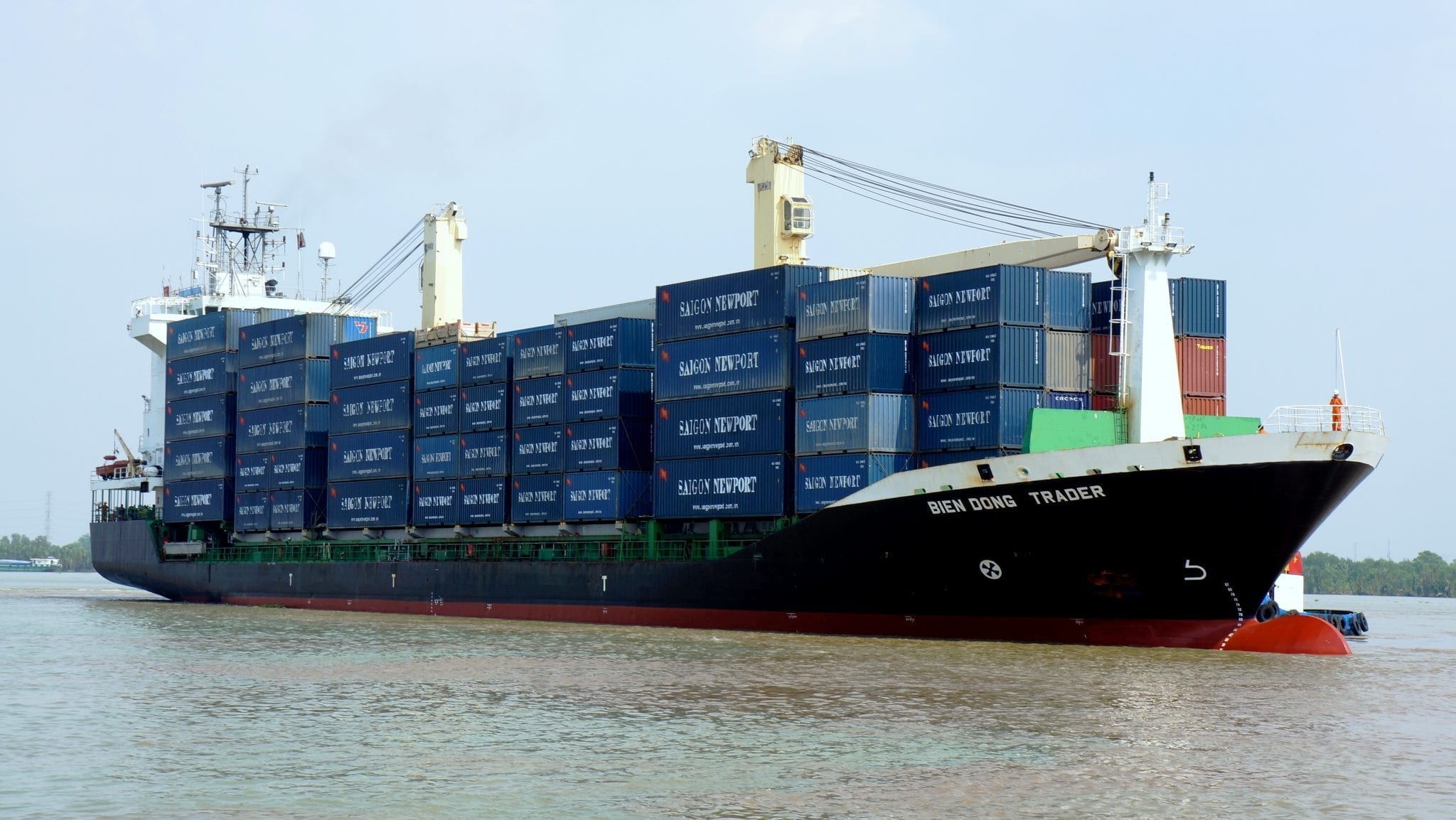
    The country’s maritime transport sector posted growth for two consecutive years, notwithstanding losses, restructuring and even bankruptcy of several large foreign carriers.

    Nguyễn Văn Công, Deputy Minister of Transport, hailed results of the maritime transport sector at the conference of the Việt Nam Maritime Administration (Vinamarine) held in Hà Nội on Monday.

    In 2016, Vinamarine was active in issuing documents guiding the implementation of the Việt Nam Maritime Law 2015. The two most important contents — price listing and seaport service prices — have eased business difficulties, helping to avoid economic losses.

    Công said growth rate of 4 per cent this year, with total output of 123 million tones, is impressive in the current situation.

    “In particular, the Cái Mép-Thị Vải seaport saw a high growth rate of containers. In 2016, the seaport received two million twenty-foot equivalent units (TEU), surging from 499,000 TEU in 2012. More than 1,200 arrivals of vessels weighing more than 80,000 tonnes came to the seaport,” he said.

    The deputy minister asked Vinamarine to continue undertaking checks on seaport service prices. Vinamarine was particularly asked to research and invest into key maritime corridors to develop multi-modal transportation.

    Đỗ Hồng Thái, Vinamarine’s deputy head, said this year, the number of maritime accidents was 21, reducing by two cases from last year. The port authorities also conducted checks on nearly 13,000 arrivals of vessels on local routes, discovering 1,300 vessels with defects. The authorities also implemented checks on more than 2,000 foreign vessels and uncovered 817 with defects.

    “There is no security incident with the country’s seaport system this year. Vietnamese seaports continue to be safe destinations for foreign vessels,” Thái said.

    In 2017, Vinamarine will continue to prepare legal documents guiding implementation of the Việt Nam Maritime Law 2015. It is expected to submit eight decrees and one decision to the Prime Minister for approval. It will also complete several plans such as the seaport development planning by 2020 with a vision to 2030.

    In addition, it will also ensure maritime security by investing in infrastructure and enhancing international co-operation.

  • High-engine motorbikes stir domestic market

    High-engine motorbikes stir domestic market

    The recent launch of motorbike models with high-engine displacement has attracted the Vietnamese and stirred the domestic market, even though import prices are 2-3 times higher than world prices.

    The leader in this segment is Honda Việt Nam, with the SH 300i imported from Italy. With a price of VNĐ248 million (US$10,880), nearly the price of a small sedan, the motorbike has seen good sales in urban areas, with an expected volume of 400 units next year.

    Kymco, a brand name of Taiwan, introduced the People GT300i model in Hà Nội in July. This motorbike is seen as a direct competitor to the Honda SH300i. However, a Kymco representative said the introduction is just to get an idea of the Vietnamese market before preparing future plans.

    Meanwhile, Yamaha Việt Nam is planning to roll out model X-MAX 300 in the country this year, which is also expected to be a rival of the SH300i.

    Piaggio, early this year launched two models with high engine displacement — Aprilia and Moto Guzzi — in the domestic market, to mark its 95th anniversary. In addition, the firm has two other models — Beverly 300 i.e and Vespa GTS 300.

    A French company, Peugeot recently entered the Vietnamese market with models Geopolis 300 and Satelis 300 and appears intent to compete with its rivals for marketshare.

    Insiders said with the country’s increasing economic development and transference of customers’ consumption demand, high-engine displacement motorbikes and motor scooters would witness a lot of opportunities for development by 2020.

    Five years ago, it was rare to see a high-engine displace motorbike on the streets. But today, the image is common.

    The market opened its doors to the vehicle when the transport ministry removed its regulation which restricted the number of candidates allowed to drive with an A2 licence — the requirement for motorbikes above 175cc in force since March 1, 2014.

    This new adjustment, Honda Việt Nam General Director Minoru Kato told it was like “good medicine to stimulate the growth of the high-engine displacement motorbikes market in Việt Nam.

    However, the selling price remains high due to taxes and fees. Currently, the price of the bike factors in an import tax of between 65 per cent and 75 per cent, the special consumption tax of 20 per cent and value-added tax of 10 per cent. Besides this, other fees such as transport, storage and registration fees are also included. On an average, an imported car will have a price that is two or three times higher than the price in the world market.

    According to commitments of tax cuts and reduction from trade agreements that Việt Nam has signed, the import tax of high-engine displacement vehicles from ASEAN, Japan, European Union and the United States will be reduced systematically and abolished within the next eight years, which would lower prices in the future.

    Insiders said local motorbike makers had the tendency of producing high-engine motorbike scooters in Việt Nam, not only to meet demand, but also for export. However, there were concerns that when major cities did not yet have effective measures in place to reduce traffic jams, the increase of high-engine displacement models on the roads would worsen the situation.

  • China authorises 22 Vietnamese rice exporters

    China authorises 22 Vietnamese rice exporters

    China has authorised 22 Vietnamese businesses to export rice into its market, Việt Nam’s Ministry of Agricultural and Rural Development (MARD) announced.

    China’s General Administration of Quality Supervision, Inspection and Quarantine (AQSIQ) has given only 22 firms permission to start exporting rice and rice products starting January 1, counting from the date of departure from the Vietnamese border.

    Any businesses not listed by AQSIQ will be banned from exporting to the Chinese market from January 1, the ministry’s Plant Protection Department (PPD), which received the related documents from AQSIQ on December 23, said.

    The PPD has notified the Vietnam Food Association, sterilisation companies for exported rice and the 22 listed businesses, and published the list online at www.ppd.gov.vn

    The PPD has ordered the 22 companies to comply strictly with the regulations on food safety and plant quarantine set by both Việt Nam and China. It has also urged sterilisation companies authorised by the AQSIQ to work with rice exporters to maintain the quality of the rice and ensure there are no storage pests.

    The AQSIQ has issued the list after carefully considering numerous Vietnamese businesses that had applied for permission to export. A group of Chinese experts had travelled to Việt Nam to inspect 31 enterprises that had previously applied to the local ministry for export rights to China.

    Among the several countries that import Vietnamese rice, China tops the list with 35.4 per cent of market share in the first three quarters of 2016, according to MARD.

    The total rice export turnover into the Chinese market touched 1.35 million tonnes amounting to $613.4 million, down 23 per cent in terms of quantity and 13.9 per cent in terms of value as compared to the same period in 2015.

  • Nearly 70 million more shares listed on UpCoM

    Nearly 70 million more shares listed on UpCoM

    Unlisted Public Company Market (UPCoM) welcomed the listing of nearly 70 million shares of five companies on Monday, with share value registered for trading equal to VNĐ693.4 billion (US$31 million).

    The five companies are 36 Corporation (G36), Sài Gòn-Nghệ Tĩnh Bear Joint Stock Company (SB1), Hà Nội Water Manufacturing Joint Stock Company No 3 (NS3), Quảng Ngãi Water Supply Sewerage and Construction Joint Stock Company (QNW) and Bridge Joint Stock Company No 12-Cienco 1 (C12).

    Listings on UPCoM have witnessed a surge recently. On December 20, five companies were also listed on UPCoM, with total share value equal to VNĐ328.6 million.

    The market appeared to be more attractive to investors as many large companies had listed or planned to list on UPCoM, following the regulation that State-owned enterprises which were public companies must register for trading on UPCoM following equitisation, in case they did not meet requirements for listing on the official exchanges.

    UPCoM was founded in 2009 and currently more than 400 firms are listed on the market, with capitalisation value doubling the Hà Nội Stock Exchange.

    However, its trading value was modest at around one fourth of the northern bourse. More than 140 stocks did not see transactions conducted in the past one month, partly due to investors’ hesitancy over transparency.

  • Vietjet offers tickets at VNĐ5,000

    Vietjet offers tickets at VNĐ5,000

    Vietjet will sell five million air tickets at only VNĐ5,000 (20 cents) per ticket from December 28, 2016 to February 28, 2017, as part of its fifth anniversary celebrations.

    The carrier’s “Win a 1-kg gold airplane, Fly to a happy future” promotions offers super-cheap airfares on www.vietjetair.com between noon and 2pm. Passengers who book tickets within the promotional period have the chance to take part in a lucky draw for 3.75-gram gold bullion prize every week and a 1-kg gold airplane.

    The discounted fares apply for all domestic routes and international services between Việt Nam and Hong Kong, Taipei, Kaohsiung, Taichung, Tainan, Seoul, Busan, Singapore, Bangkok, Kuala Lumpur, Yangon and Siem Reap.

    All passengers flying from December 28, 2016 to February 28, 2017 will also get the chance to win free return air tickets every day onboard Vietjet flights.

    The airline is also planning a series of other promotional activities such as photo ops with bikini models and surprise performances at several domestic and international airports.

  • Thailand becomes 10th largest investor in Vietnam

    Thailand becomes 10th largest investor in Vietnam

    Thailand’s foreign direct investment into Vietnam has been increasing sharply in recent years, according to a survey report by researcher Pittaya Suvakunta from Thailand’s Thammasat University

    Suvakunta’s report on Thai FDI in Vietnam was circulated at an international conference on Vietnam studies held in Hanoi recently.

    The researcher cited data from Vietnam’s Ministry of Planning and Investment as saying that as of June 2016, Thailand had had 466 projects in Vietnam with total pledged capital of US$9.44 billion, ranking 10th out of the 116 countries and territories investing in Vietnam.

    In 2015, as many as 53 new Thai projects were licensed into Vietnam, besides many others allowed to raise their investment capital, totaling US$262 million of fresh capital.

    Key Thai investors in Vietnam include CP Vietnam Corporation with US$328 million of investment capital, SAS CTAMAD with US$72.6 million, Long Binh Development Joint Venture Company with US$46 million in Dong Nai Province, and TCP VINA Chemical Plastic Company with US$90 million in Go Dau Industrial Park, Dong Nai Province.

    Thailand’s FDI in Vietnam flows into a wide range of sectors such as energy, retail, agriculture, processing, building material, and animal feed.

    “Thousands of Thai firms wish to join hands with Vietnamese partners to leverage the existing potential of both countries,” said Sanan Angubolkul, president of the Thailand-Vietnam Business Council, at a recent press conference in Hanoi.

    According to Tharabodee Serng-Adichaiwit, general manager of Bangkok Bank Public Company Limited in Vietnam, Vietnam is one of the best destinations for Thai investments in Asia and there will be more Thai investments into Vietnam in the near future.

    Bangkok Bank has recently tripled its capital so that it can provide more loans for Thai investors to expand business in Vietnam.

    Many Thai firms have plans at hand to expand their Vietnam operations.

    For example, CP will spend US$150-200 million building a fish feed processing plant, and a processed chicken and cold storage plant in Vietnam.

    Meanwhile, Siam Cement Group (SCG) is also seeking additional funds to increase investment in the domestic market and Southeast Asia. SCG is currently building a new petrochemicals complex in Vietnam and recently announced plans to inject at least 100 billion baht (US$3.3 billion) to expand operations in Southeast Asian markets.


  • Samsung Vietnam develops intensive language programe

    Samsung Vietnam develops intensive language programe

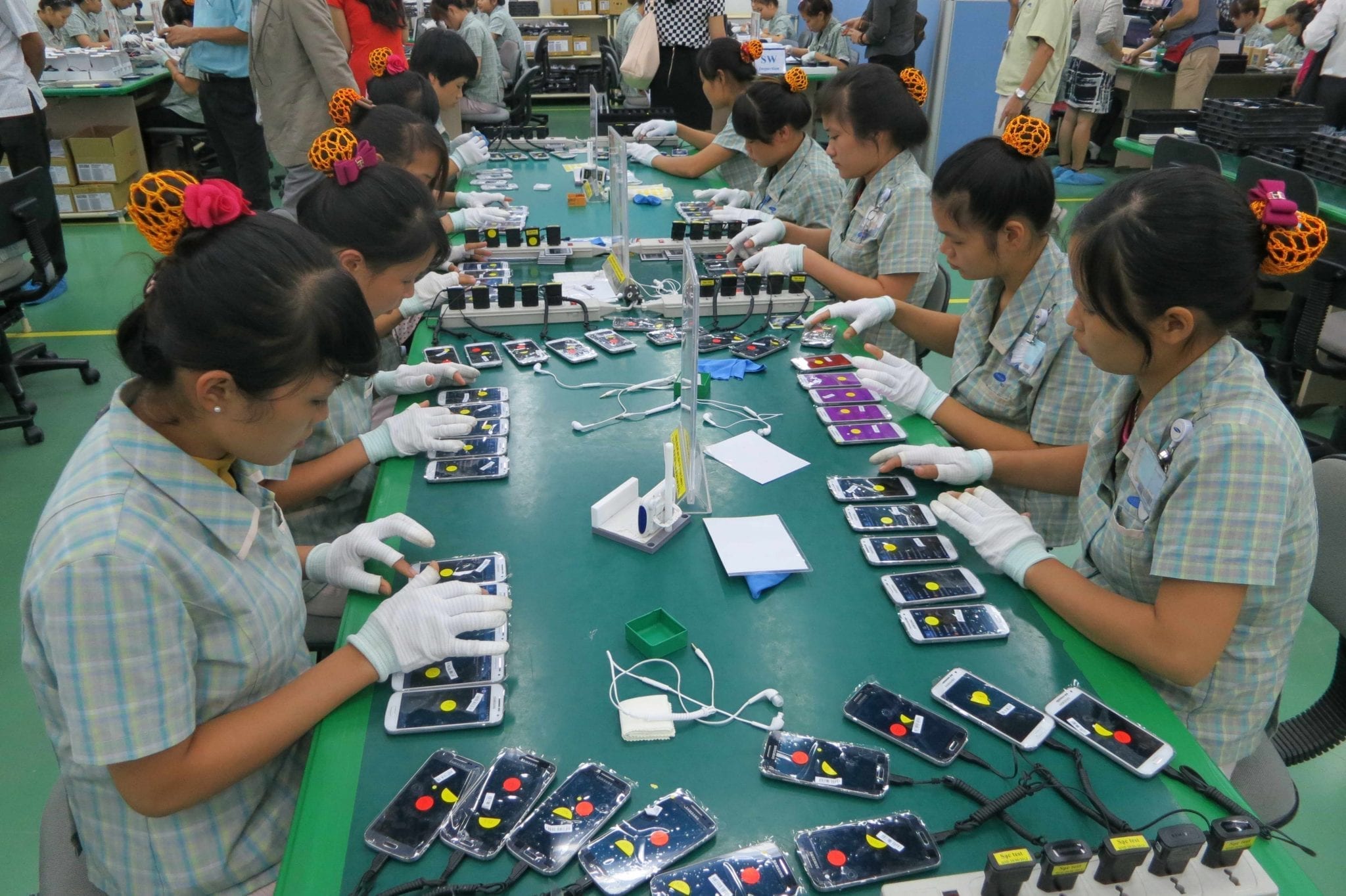
    Samsung Electronics Việt Nam (SEV) in association with University of Social Sciences and Humanities and the University of Languages and International Studies on Saturday held a ceremony to mark completion of the 14th Korean language course.

    The course was taken by outstanding employees at SEV and Samsung Electronics Việt Nam Thái Nguyên (SEVT) plants.

    The programme is a part of SEV’s sustainable development plan to contribute to the country’s high quality human resource development in general and to provide Samsung’s employees opportunities to learn and improve their capabilities.

    The programme is undertaken by Samsung annually for free for its employee, with the company spending nearly VNĐ50million (US$2,200) spent per trainee, and is exclusive for employees performing exceptionally well in the SEV and SEVT plants.

    Each course, which continues for 12 straight weeks, will be taught by Korean lecturers and Vietnamese teachers with PhD and master’s degrees from the two leading universities.

    On returning to work, the employees can practice their intensive Korean skills at their department by self-study or through spending time with Korean dispatchers. Following the 12-weeks course, all trainees will get the opportunity to obtain the TOPIK certificate. All the trainees are provided with training, accommodation and meals for free.

    “We believe every Samsung employee comes here not just to work, but to also get an opportunity to develop soft skills and hard skills for their personal development. Therefore, their development is a high priority within the company. We hope through these training programmes, our Vietnamese employees will be more proactive and confident in the global working environment and develop solid skills during the management process in the future”, Cho Hoseok, general director of Human Resources, said.

    Established in 2014, Samsung has organised 14 Korean training courses for nearly 250 employees. Samsung expects to host another six training courses for 120 employees next year.

    Samsung has also established several training programnes for management levels, as well as the entire staff body at the two factories.

  • Indonesia initiates an anti-dumping investigation of Vietnamese steel

    Indonesia initiates an anti-dumping investigation of Vietnamese steel

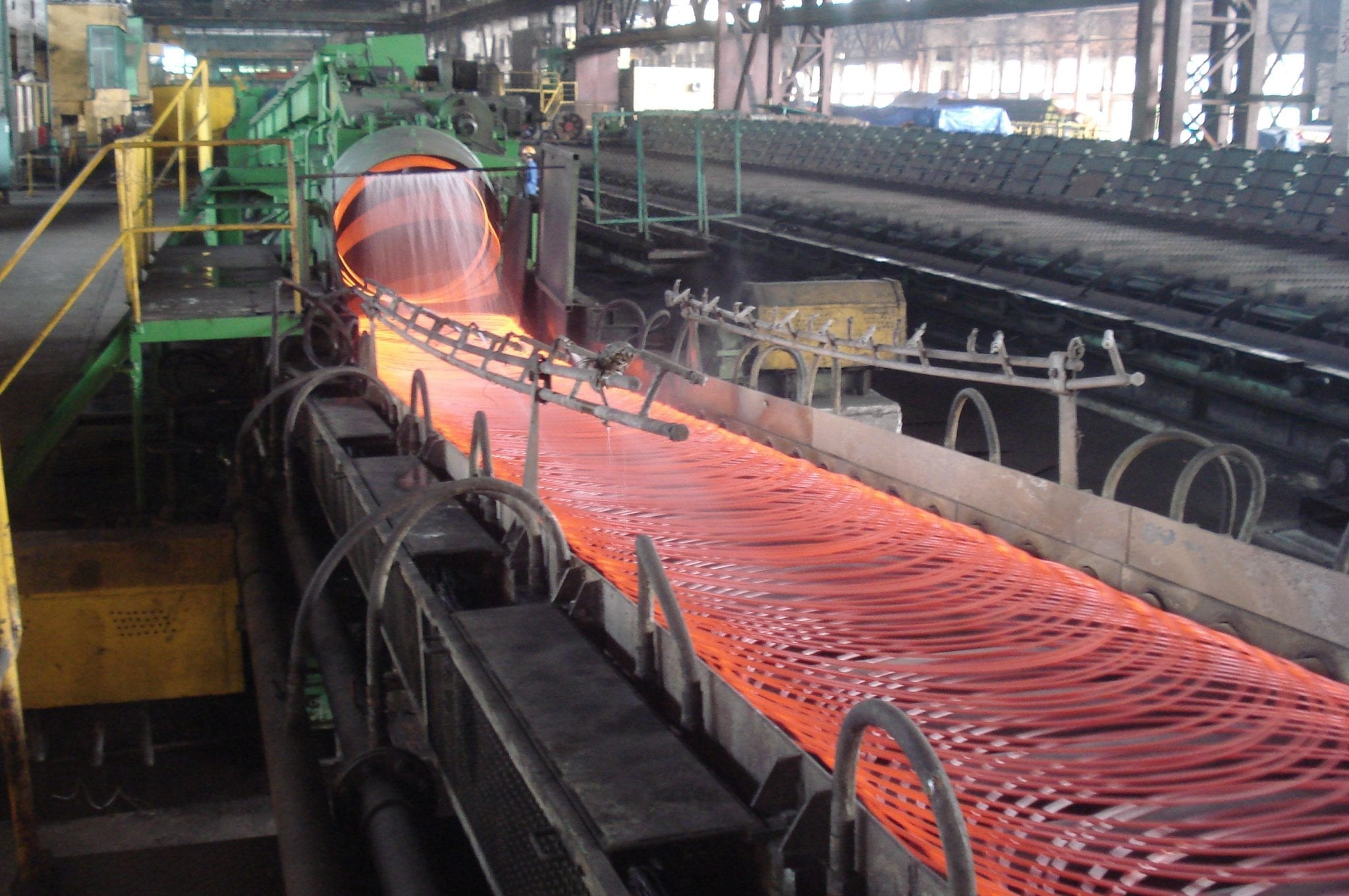
    Indonesian Anti-Dumping Committee (KADI) has initiated an anti-dumping investigation of relevant colour-coated steel sheet imports from China and Việt Nam.

    This was revealed by the Việt Nam Competition Authority (VCA) under the Ministry of Industry and Trade.

    VCA said the investigation could be implemented for 12 months and extended to 18 months if required.

    The decision was made following the complaint by PT NS BlueScope Indonesia alleging that repeated illegal trade practices have devastated production and employment and are causing irreparable harm to the Indonesian steel industry. The colour-coated steel being investigated have HS codes of 7210.70.10.00, 7212.40.10.00 and 7212.40.20.00.

    Large Indonesian steelmakers are seeking an anti-dumping investigation and the imposition of tariffs on steel imports from both Việt Nam and China.

    KADI said from July 2015 to June 2016, Indonesia imported 224,120 tonnes of colour-coated steel, of which, imports from Việt Nam and China were 196,191 tonnes, accounting for 87.5 per cent of the country’s total steel imports.

    VCA said Vietnamese colour-coated steel has been also under investigation by Thailand following the complaint of the NS BlueScope Company. The product can be levied anti-dumping taxes of 4.51 to 60.26 per cent in Thailand.