Tag: Vietnam

  • Vietnam coffee exports grew in 2016 despite drought

    Vietnam coffee exports grew in 2016 despite drought

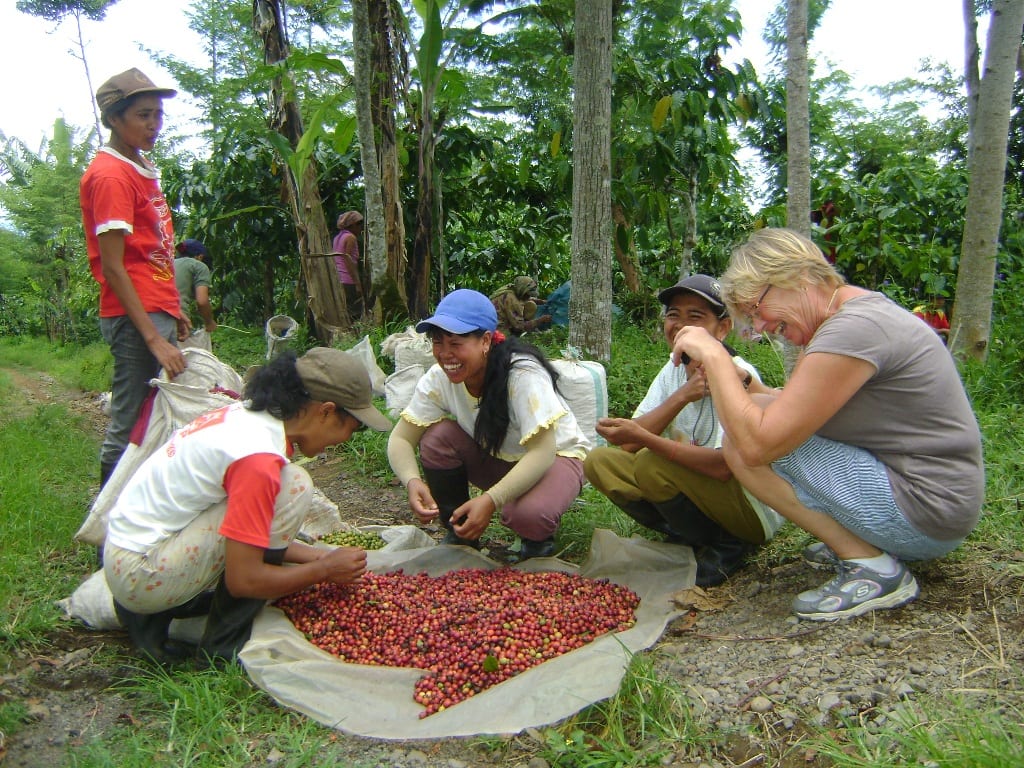
    Vietnam’s coffee exports have rebounded, notching up double-digit growth this year after being hit by the most-severe drought in almost a century.

    Coffee exports grew, on-year, by 33.6 percent in terms of volume, reaching nearly 1.8 million tons.

    The Ministry of Agriculture and Rural Development said Vietnam’s coffee industry regained its momentum after seeing exports decline by more than 20 percent on-year in 2015.

    Germany and the U.S. remained the two largest buyers of Vietnamese beans and, this year, sales to the two markets grew by 42.4 percent and 49 percent, respectively.

    Exports of coffee also saw impressive increases in emerging markets like the Philippines (83 percent), Algeria (68 percent) and China (50 percent).

    Analysts fear ongoing El Nino conditions could result in a 20 percent decline in coffee production during the coming year.

    Roughly a fifth of Vietnam’s total plantations had been damaged by water shortages, according to the Association of Coffee and Cacao (VICOFA).

    Flooding struck the Central Highlands’ coffee belt in November, making harvesting and drying rather difficult.

    VICOFA chairman Luong Van Tu, however, says Vietnamese enterprises should shift their focus to processing coffee rather than increasingly the amount of raw materials shipped abroad.

    He said new free trade agreements will slash tariffs on coffee sales to the E.U. and South Korea from 15 percent to under five in the coming year.

  • Vietnam to lose 2.08% of daylight working hours by 2025

    Vietnam to lose 2.08% of daylight working hours by 2025

    In 1995, when temperatures rose 0.74C, Vietnam lost 0.8 per cent of daylight working hours. In 2085, if temperatures were to rise 1.5C, 2.58 per cent of daylight working hours would be lost. If temperatures were to rise 2.4, 2.7 or 4C, Vietnam would lose 5.09, 6.31, and 12.72 per cent of daylight working hours.

    “The lowest income-bracket work – heavy labor and low-skill agricultural and manufacturing jobs – are among the most susceptible to climate change,” the report noted. Factories are limited in providing cooling systems at the workplace, it added.

    In November 2015 the International Labor Organization (ILO) introduced guidelines for governments and other labor organizations to address the health and safety ramifi­cations of climate change, but no international organization has established a program to assist countries vulnerable to the challenges of climate change for the workplace, according to the report.

    “Actions are needed to protect workers and employers now and in the future, including low-cost measures such as assured access to drinking water in workplaces, frequent rest breaks, and management of output targets, carried out with protection of income and other conditions of Decent Work,” the report urged.

    “Modeling the Impacts of Climate Change on Future Vietnamese Households”, a research working paper from the World Bank released in July said that it is not hard to imagine that if most workers work outside or without air conditioning then the impact of temperature increases on labor productivity will be stronger than if there is a fast structural change away from agriculture and towards services and industry, together with the greater prevalence of air conditioning.

    As for the impact of high temperatures on labor productivity, people working outside or without air conditioning will lose between 1 and 3 per cent in labor productivity due to changes in climate compared with a baseline of no climate change, the World Bank paper said.

    “Our results show that the temperature impacts of climate change are severe in the poverty scenario: 270,000 people would be pushed into poverty in 2030 and 700,000 would be pushed below $4 per day,” the paper said.

    The researchers, led by Tord Kjellstrom from the Health and Environment International Trust in New Zealand, announced in July that Vietnam and 42 other countries will be affected by temperature increases.

    It estimated that 5.7 per cent of Vietnam’s GDP would be impacted by rising temperatures.

    From 15 to 20 per cent of annual working hours in Southeast Asia have already been lost in heat-exposed jobs and this may double by 2050 as global warming continues.

    Other Southeast Asian countries such as Indonesia, Thailand, the Philippines, Malaysia and Cambodia will also lose GDP due to rising temperatures.

    The researchers said that Indonesia and Thailand will both lose 6 per cent by 2030, the Philippines and Malaysia 5.9 per cent, and Cambodia 5.7 per cent.
  • Vietnam seeks to establish another airline for taxi, rescue services

    Vietnam seeks to establish another airline for taxi, rescue services

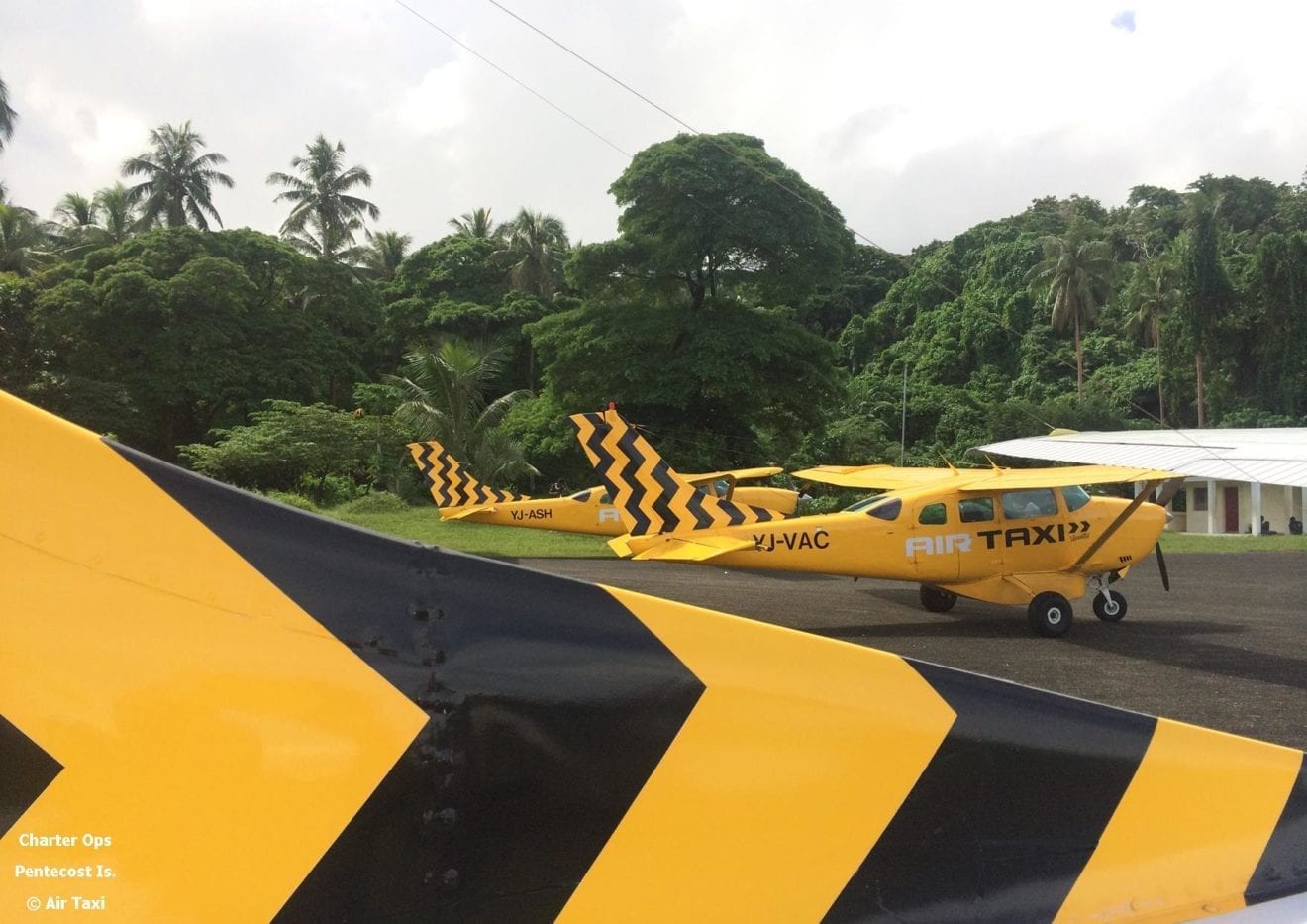
    The military-owned company will have to compete with four others in the general aviation service sector. Vietnam’s aviation authorities are seeking a license for fifth airline to offer chartered domestic and rescue flight services.

    The Civil Aviation Administration of Vietnam (CAAV) has formally petitioned the government to grant the military-owned Saigon Newport Corporation in Ho Chi Minh City an aviation business license.

    According to a business plan submitted to CAAV, the marine and port service company expects to establish a firm to operate two tourist aircraft in south-central Vietnam in 2018.

    In the long term, the company will provide air taxi services, geological surveillance, aerial filming and air ambulance services.

    If licensed, Tan Cang will have to compete with four other companies in the general aviation service sector, including state-owned Vietnam Air Service Company and Vietnam Helicopter Corporation.

    Vietnam defines “general aviation” activities as flying operations in the service of industry, agriculture, forestry, fishery or for the purpose of search and rescue, scientific research, flight training, and other civil ends.

    The operator would be permitted to offer various commercial and civil services, but cannot offer scheduled passenger flights.

  • Vietnam retail sales soar in 2016

    Vietnam retail sales soar in 2016

    Vietnam retail sales reached $117.6 billion in 2016, according to the General Statistics Office.

    Sales rose 10.2 per cent year-on-year, thanks to foreign investment from overseas, especially Thailand, Japan and South Korea.

    Ranked among the 30 global retail markets with best opportunities by American management consulting firm AT Kearney, Vietnam witnessed major mergers and acquisitions in the retail sector in 2016.

    Retailers from Thailand – with Central Group and Berli Jucker the pioneers – gained a strong foothold in the Vietnam market with Central’s stakes in Nguyen Kim and Big C and BJ acquiring Metro. Central plans to double its network to 70 supermarkets and 13 shopping malls by 2021.

    Japanese retail operator Aeon joined the race with 30 per cent stake in Hanoi-based Fivimart and 49 per cent of Ho Chi Minh City-based Citimart. Department store operator Takashimaya stirred the market, opening its first Vietnam department store inside the Saigon Center in Ho Chi Minh City.

    Korean conglomerate Lotte Group introduced its first online store Lotte.vn, and plans to open 60 new supermarkets in Vietnam by 2020.

    A young population and a rapidly rising middle class are driving retail growth. Sixty per cent of the country’s 90 million people are aged under 35 and are familiar with global trends and brands. The average Vietnamese income has risen from US$433 to $2200 in just five years, allowing Vietnamese consumers to afford products and services from international brands.

    There are currently 800 supermarkets and 160 department stores and shopping malls across the country, a number forecast to double in the next four years, thanks to government-backed development plans.

    Supermarkets, convenience stores and shopping malls account for 25 per cent of total consumer spending – and that is expected to rise to 45 per cent in the near future. The last three days before New Year holiday in Ho Chi Minh City saw a rise of 20 per cent in purchasing in all commodities with food, confectionery and beverages driving growth. The rise was partly due to promotional and discount programs, and is predicted to continue to grow in the few weeks ahead before Lunar New Year.

  • Lina’s Paris seeking partners in SE Asia

    Lina’s Paris seeking partners in SE Asia

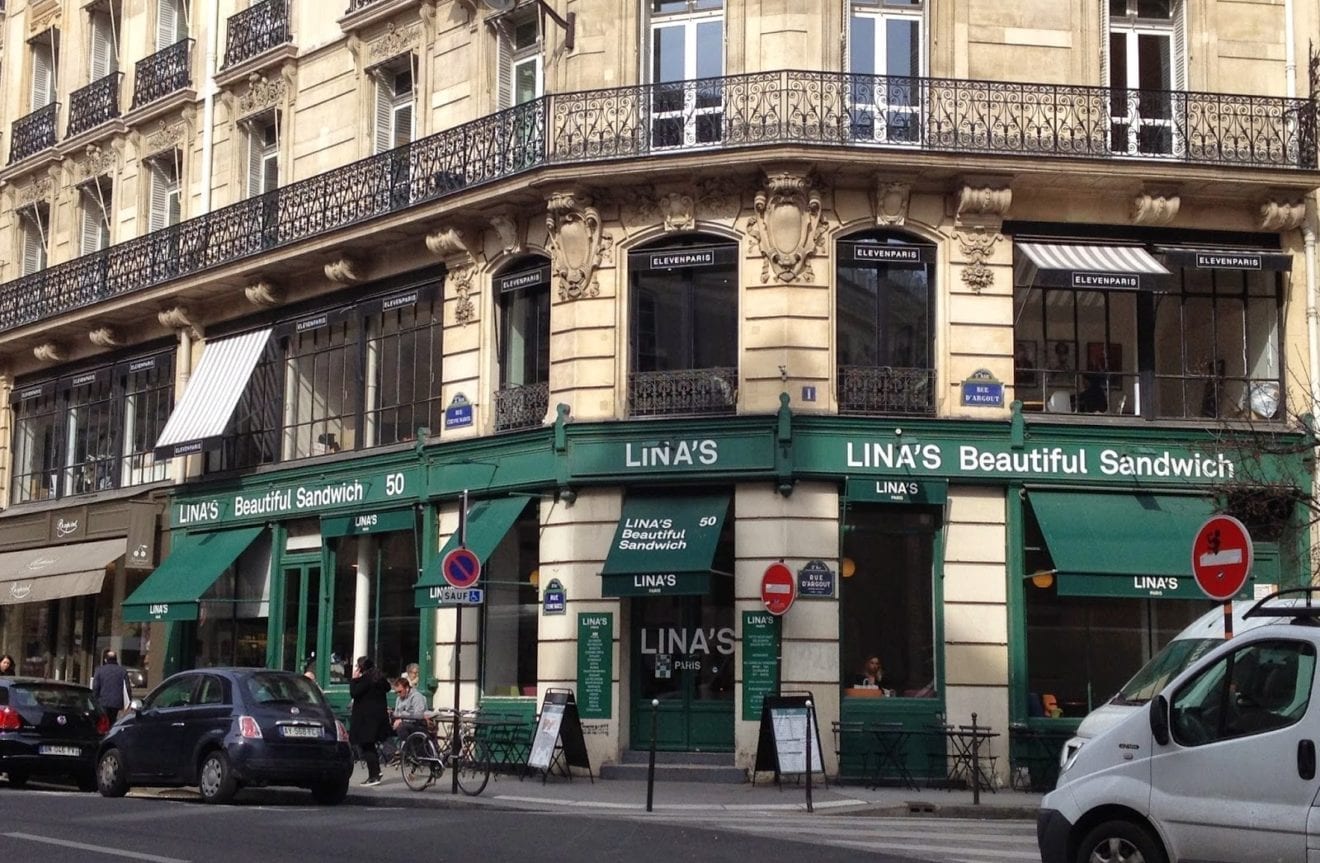
    After launching in Korea, French fast-casual restaurant chain Lina’s Paris is planning to roll out across Southeast Asia.

    Working with a franchisee, it already has 10 restaurants in Korea and has just opened a kiosk in Seoul Art Center with 100 seats.

    linas_sac

    Founded in 1989, Lina’s Paris offers French-style breakfasts, sandwiches, salads, hot dishes, soups, fresh juice, sorbet and pastries. The outlets are designed as comfortable lounges with free WiFi and Parisian decor. In some countries the offer includes organic and gluten-free food.

    Lina’s Paris has nearly 50 restaurants in six countries, and says it is now actively seeking partners in Southeast Asia.

  • Finance minister urges to improve the nation’s securities market

    Finance minister urges to improve the nation’s securities market

    Minister of Finance Đinh Tiến Dũng yesterday struck the gong to open the first trading session of 2017 on the Hà Nội Stock Exchange.

    Dũng urged Government agencies and market members to improve the current conditions of the securities market to promote it as a channel to raise funds for socio-economic development and increase the competitiveness of the economy.

    “The securities regulators need to improve the policies to meet the country’s economic conditions and match international standards,” Dũng said.

    “We should keep restructuring the securities market and regulatory agencies, including the merger of the two local exchanges, increase the scale and quality of the market, diversify the products and make sure the market runs efficiently and sustainably.”

    “We have to be well-prepared to launch the derivatives market in the second quarter of 2017, study and develop derivative products to meet the demand of investors and improve risk management for the derivatives market,” Dũng said, urging Government agencies to complete the legal and technical system so that corporate bond market can operate in 2018.

    “Market regulators and relevant agencies need to improve the quality of Government bond issuance to raise more capital for the country’s development, seek for more investors to buy Government bonds and diversify bond products, tighten the policies to monitor local authorities in using the money raised from bond issuance and encourage them to actively call for the participation of private investors in the local areas.”

    “We also need to push State-owned enterprises (SOEs) to sell the State’s capital and get listings on the securities market, work with large-cap corporations and Government agencies to implement more effectively the policies on equitisation and restructuring of the SOEs.”

  • Vietnam among the world’s most optimistic countries on economic prosperity

    Vietnam among the world’s most optimistic countries on economic prosperity

    Việt Nam is ranked fifth in the list of the world’s most optimistic countries on economic prosperity in 2017, according to a survey by WIN/Gallup, the world’s leading association in market research and polling.

    WIN/Gallup International published its 40th End of Year Survey exploring outlook, expectations, views and beliefs of 66,541 people from 66 countries across the globe in 2016.

    The 2016 edition includes Việt Nam data representing the views of 700 respondents from Hà Nội and HCM City interviewed face-to-face by market research company Indochina Research (Việt Nam) Ltd, a member of WIN/Gallup.

    The survey revealed that about 59 per cent of the respondents are optimistic about the economic outlook for 2017, 12 per cent are pessimistic and 26 per cent believe the economy would remain the same.

    When it comes to global economic outlook, despite much of the world largely remaining out of recession, economic optimism declined from twelve months ago. The study showed that 42 per cent of the world is optimistic for the economic outlook in 2017, almost double (22 per cent) of those who are pessimistic.

    Net optimism (the percentage of those saying next year will be one of economic prosperity minus the percentage who say next year will be one of economic difficulty) has fallen from +23 per cent to +20 per cent.

    Việt Nam is also ranked the fourth happiest country in the world, following Fiji, China and the Philippines, the survey said, adding that 79 per cent of the respondents answering they were happy and only 1 per cent said they were unhappy.

  • Improved quality boosts export of fruits, vegetables

    Improved quality boosts export of fruits, vegetables

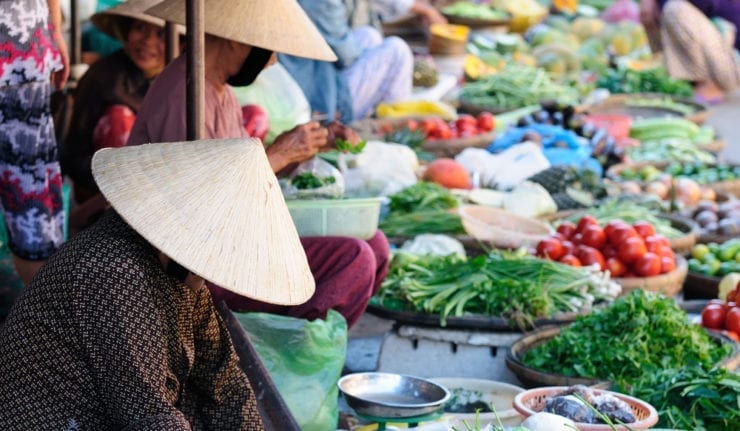
    Việt Nam’s fruit and vegetable export in 2016 hit US$2.4 billion, a 30 per cent increase over 2015, and exceeding the Ministry of Industry and Trade’s yearly target of $2.2 billion.

    According to the Vietnam Fruit and Vegetables Association, the result was attributed to efforts to seek new markets and keep traditional markets.

    In 2016, five types of fruits gained entry to four new markets — mangoes to Australia, dragon fruits to Taiwan (China), longans and lychees to Thailand and cashew to Peru — thus expanding the market for Việt Nam’s fruit and vegetable to more than 60 countries and territories.

    China continues to be the largest market for Việt Nam’s fruits and vegetables, accounting for some 70 per cent, followed by the Republic of Korea, the United States and Japan.

    Bùi Sỹ Doanh, from the Department of Plant Protection under the Ministry of Agriculture and Rural Development, said the department would continue negotiations on technical barriers to help more Vietnamese fruits and vegetables enter selective markets like the United States, Japan and Australia.

    In 2017, Việt Nam hopes to win import approval from Australia for its dragon fruits, approval from Japan for red-flesh dragon fruits and from the United States for star apples.

    Nguyễn Hữu Đạt from the Vietnam Fruit and Vegetables Association emphasised the need to further improve post-harvest preservation and processing technologies to meet demands for quality and diverse products in foreign markets.

  • Aeon Vietnam launches online store

    Aeon Vietnam launches online store

    Aeon Vietnam has launched an online store, AeonEshop.com, offering discounted Japanese goods and local brands.

    The Japanese-headquartered retailer says its AeonEshop.com B2C platform in Vietnam will stock a majority of Japanese and imported products, along with Aeon’s own brand Topvalu which has been available at its physical stores nationwide.

    Products span various categories, including fashion, cosmetics, furniture, electronics, household items, food and office stationery.

    Similar to Aeon’s other eCommerce sites in the region, AeonEshop will provide discounts up to 50 per cent for specific product types.

    Ho Chi Minh City is the first market for AeonEshop with other Vietnamese cities to follow in the near future. The company plans to develop an English-language version and mobile app by mid-2017.

    Male hands using touch screen device for online shopping

    Vietnam is the third market where Aeon has established online retail, after Japan and Malaysia.

    At the end of 2016, Korean retail giant Lotte also launched its online store Lotte.vn, targeting a share of the US$4 billion local online retail market.

    Fabrice Carrasco, MD of market research house Kantar World, predicts the figure will grow five-fold by 2020 thanks to the development of smartphone usage and consumer convenience.

  • Jumbo Group signs deal for Vietnam

    Jumbo Group signs deal for Vietnam

    Singapore seafood restaurant company Jumbo Group has signed a franchise agreement to introduce its brand in Vietnam.

    Known for its chili crab, the F&B chain has granted franchise rights to Vietnam’s Nova Bac Nam 79 Joint Stock Company for it to run Jumbo Seafood restaurants in Ho Chi Minh City and Da Nang.

    Vietnam’s first Jumbo Seafood outlet is expected to open in Ho Chi Minh City in about six months’ time.

    The agreement is for an initial term of 10 years, and it is expected that three Jumbo Seafood outlets will be opened within two years.

    Jumbo Group is a multi-concept dining and F&B group with a network spanning Singapore, China and Japan. It also provides catering services, and in Singapore sells packaged sauces and spice mixes. It has three outlets in Shanghai, with three more planned, and in November reported a full-year profit increase of 17.9 per cent.

  • Vietnam sugar production down 13%

    Vietnam sugar production down 13%

    Sugar output in the 2015-16 crop was 1.23 million tonnes, a year-on-year drop of 12.7 percent, said Phạm Quốc Doanh, Chairman of the Việt Nam Sugarcane and Sugar Association, at a seminar in HCM City last week of sugar producers, distributors and consumers.

    Together with 185,000 tonnes of imports, this fully met the domestic demand forecast by the Ministry of Industry and Trade, he said.

    Prices would not fluctuate much from now through the Lunar New Year on January 28, he said.

    Many sugar mills had signed long-term contracts with beverage production companies and fulfilled them.

    Sugar prices depend much on sugarcane prices and global sugar prices, but with production of six months supplying demand for the whole year, output and prices are often volatile, he said. Sugar traders and food and beverage producers dislike this volatility, he added.

    Representatives of Coca-Cola Vietnam and Tân Hiệp Phát said steady prices should be ensured. They also said the sugar producers should invest more in packaging that is bigger than the current 50kg-bags to reduce loading and unloading costs.

    A representative of Tây Ninh-based Thành Thành Công Trading JSC said sugar quality has improved significantly.

    “Our RE (refined extra) already met quality standards, the newly produced RS (refined standards) sugar is very good, but by the end of the season, the latter’s colour and moisture change much. Sugar producers must work to improve this,” she said.

    Many suggested that the Government should keep a close eye on sugar imported ostensibly for re-export since it is sold surreptitiously in the domestic market, and prevent smuggling to protect the domestic industry.

    Chairman Doanh said the association has suggested to the Government that it should organise auctions for sugar import quotas in the first quarter instead of the third quarter, and only allow import of raw sugar to safeguard local jobs.

    The association said enterprises that fail to utilise their import permits should not be allowed to use them later.

    Doanh quoted the International Sugar Organisation as saying that in 2016-17 the global sugar market would face a shortage of 6.2 million tonnes, and inventories would shrink to their lowest levels since 2010-11. Therefore, global sugar prices would remain high, he said.

  • Submarine internet link completed

    Submarine internet link completed

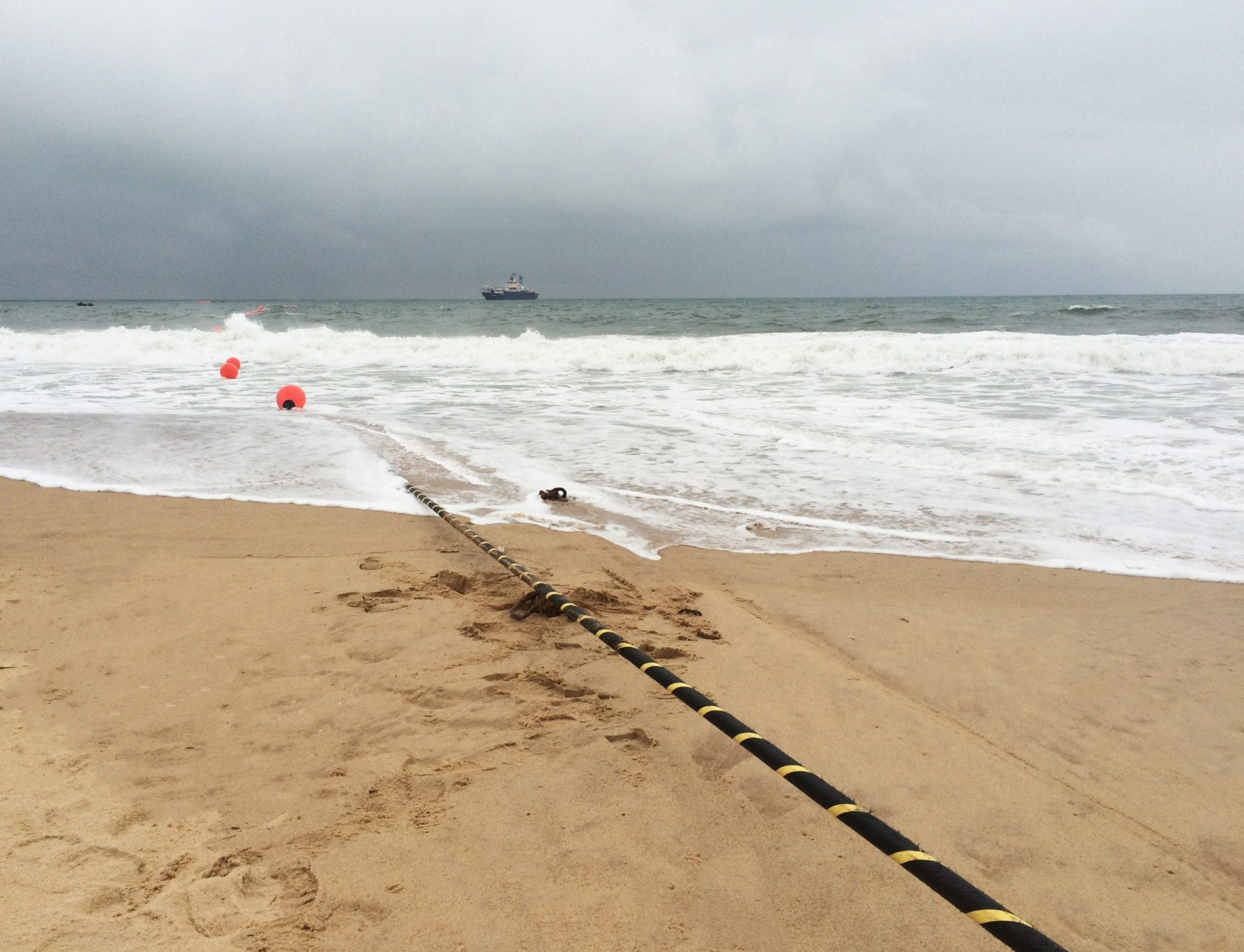
    The Asia Pacific Gateway (APG) submarine fiber optic cable line has been put into operation after four years under construction.

    The APG, funded by VNPT, Viettel, FPT and CMC, aims to boost Vietnamese Internet speed.

    The operation of the network aims to reduce dependence on the Asia-America Gateway (AAG) as the AAG faced incidents three times last year, which affected not only individual users but also enterprises.

    The APG boasts a capacity of 54 Tbps, the highest of any network in Asia. With a total length of approximately 10,400km, the cable line connects mainland China, Hong Kong, Taiwan, Japan, the Republic of Korea, Malaysia, Singapore, Thailand and Việt Nam.

    Initiated in 2009, the APG is a partnership between Chunghwa Telecom (Taiwan-China), China Telecom (China), China Unicom (China), KT Corporation (RoK), NTT Communications (Japan), PLDT (the Philippines), Telekom Malaysia (Malaysia) and VNPT (Việt Nam).

    Viettel has also been investing in an Asia Africa Euro-1 (AAE-1) cable system, connecting countries in Asia, Africa and Europe. The cable line is expected to operate this year.

  • Vietnam retail e-commerce to earn US$10 billion by 2020

    Vietnam retail e-commerce to earn US$10 billion by 2020

    Data from the Association of Vietnam Retailers (AVR) indicates that in 2015, retail e-commerce surpassed US$4.07 billion, with a growth rate of 20%.

    Ho Thi Kim Thoa, Deputy Minister of Industry and Trade, told a forum on e-commerce and mobile phone technologies in Hanoi on December 8 that e-commerce was a vital development trend in the retail sector.

    Thoa said last year, the growth rate of the retail sector was 9.5%. Traditional retail made up 80%, while modern retail including supermarkets, convenience stores and e-commerce accounted for only 20%. “Notably, in the modern retail channels, the portion of e-commerce was at a low level of around 2.8%,” she added.

    The country had 217 e-commerce trading floors with total revenues of VND1.66 trillion in 2014, double the 2013 figure.

    “Vietnamese businesses have seen positive changes in e-commerce by big firms. The number of small- and medium-size enterprises (SMEs) participating in e-commerce was modest even though 97% of the country’s 600,000 firms are SMEs,” she said.

    The deputy minister noted that the Prime Minister had promulgated a decision on master planning of e-commerce in 2016-20.

    She gave the recent Online Friday on December 2 as an optimistic example of e-commerce development. The number of enterprises joining in the event this year was 3,000, higher than last year.

    She urged businesses to catch up with e-commerce trends and have plans to enhance e-commerce development.

    Dinh Thi My Loan, AVR’s chairwoman, said there were many factors promoting e-commerce development, including the popularity of mobile devices.

    Nguyen Thanh Hung, chairman of Vietnam E-commerce Association (VECOM), agreed that the development of mobile phones and applications had contributed to promoting purchasing activities.

    Hung said the country’s e-commerce had been developing at a growth rate of 30% a year. “Businesses have quickly shifted from offline to online retail. Several are even totally doing business online,” he said.

    However, Pham Thanh Cong  from Nielsen said the sector should ha solutions to meet demand in rural areas as there are 1.3 million traditional shops, accounting for 85% of the retail sector’s revenue.

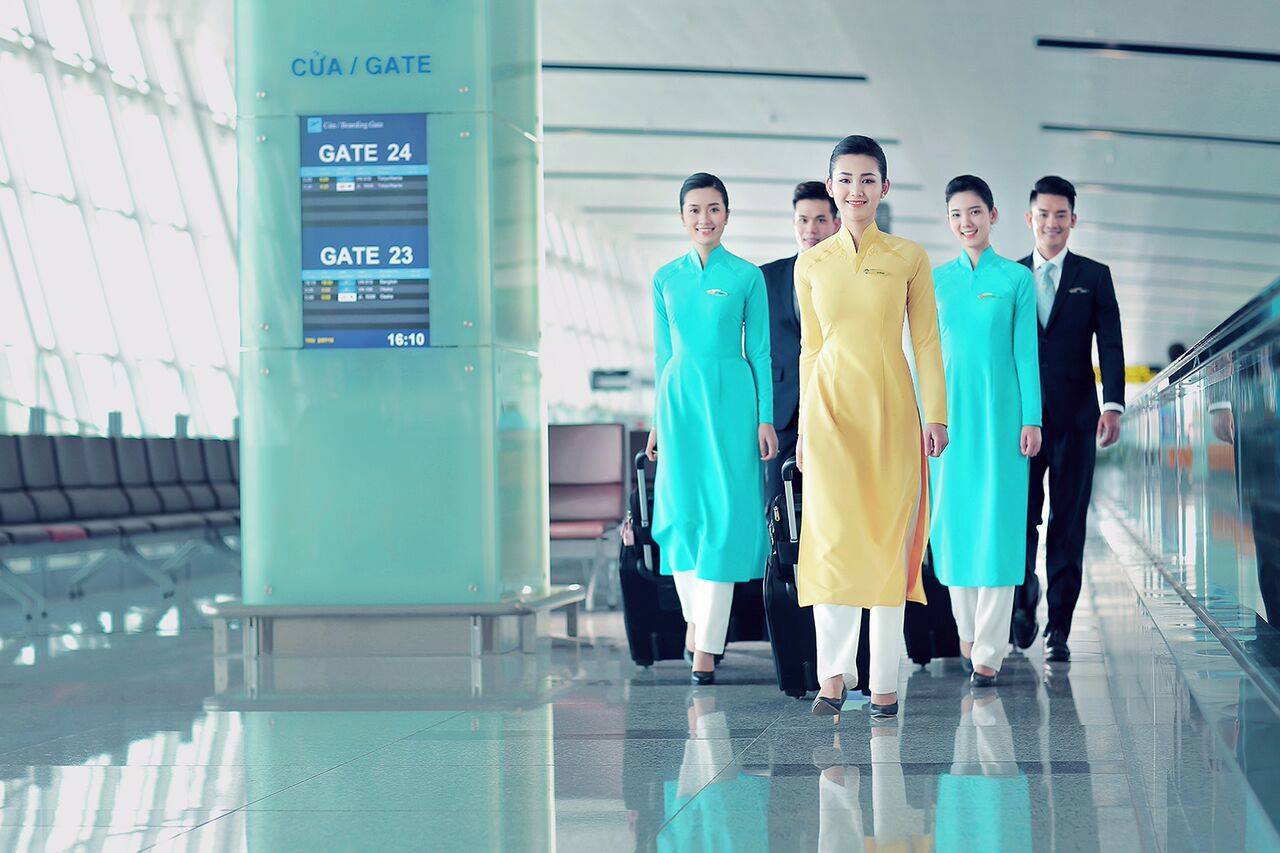
  • Vietnam Airlines conquers French market

    Vietnam Airlines conquers French market

    At a customers and agents meeting on December in Paris, Phuong reported that Vietnam Airlines’ revenue in France has increased by 10 percent against last year, in which business class turnover upped 20 percent.

    The carrier’s flights from France to Vietnam made up 54 percent of the market share, posting a year-on-year increase of 1 percent, Phuong said.

    He also noted that the national flagship will continue use Airbus A305 on Hanoi/Ho Chi Minh City – Paris routes, adding that the modern planes and service improvement have helped Vietnam Airlines meet requirement of passengers and gain a SkyTrax’s four-star airlines title.

    Vietnam Airlines is always the first choice of Vietnamese living in France and French customers, said representatives from many agents.

    It has made a record of transporting over 20 million passengers in 2016.

  • 2 Vietnamese men jailed for smuggling songbirds

    2 Vietnamese men jailed for smuggling songbirds

    Businessman To Quoc Viet, 38, and his half-brother, Thai Anh Quoc, 48, who is jobless, were also jailed for four months each for animal cruelty. The sentences for animal cruelty will run concurrently with the sentences for smuggling. Their sentences were backdated to Dec 15.

    The men pleaded guilty to importing 12 Chinese hwamei, a protected species under the Convention on International Trade in Endangered Species of Wild Fauna and Flora (Cites), from Ho Chi Minh City, Vietnam, without a permit on Dec 9.

    They also subjected the birds to unnecessary pain or suffering. The birds had been confined for about 12 hours in plastic containers without food or water.

    One died and another had to be euthanised after testing positive for avian influenza strain H3N8.

    Immigration and Checkpoints Authority (ICA) officers found the birds in plastic containers measuring 21cm by 6.5cm by 6.5cm in the men’s luggage at Changi Airport.

    Investigations showed that in Vietnam on Dec 7, To Quoc Viet’s brother “Huy”, a pet-shop owner, instructed him to prepare to go to Singapore, as a potential buyer wanted him to deliver the birds to Singapore. To Quoc Viet was promised a reward of $200.

    The next evening, Huy sent someone to deliver the flight tickets and two pieces of luggage, each containing six live birds in plastic boxes, to the two men. The duo packed their personal belongings into the bags.

    Agri-Food and Veterinary Authority (AVA) prosecutor Yap Teck Chuan said the birds were housed in a cramped manner with hardly any space for them to move.

    In a joint statement, AVA and ICA said the Government has zero tolerance for the use of Singapore as a conduit to smuggle endangered species. Animals that are smuggled into Singapore may introduce exotic diseases into the country.

    Singapore is one of the few countries in the region free from bird flu, and AVA maintains this status through strict import regulations and enforcement. “The ICA and AVA would like to remind travellers not to bring animals, birds and insects into Singapore without a proper permit,” the statement added.