Tag: Vietnam

  • Vietnam to develop legal framework for Bitcoin

    Vietnam to develop legal framework for Bitcoin

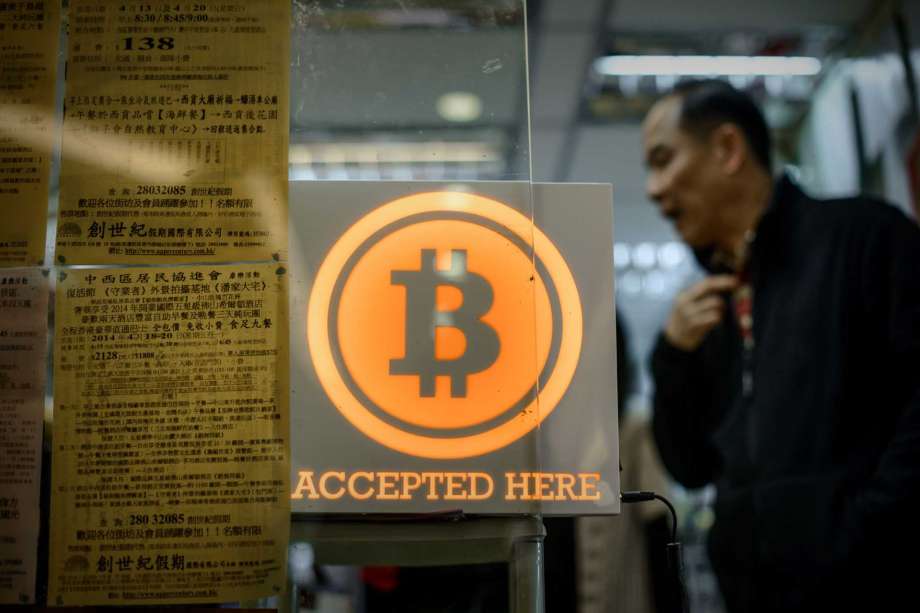
    The government is looking to cash in on taxes from the virtual money. Amid concerns that Bitcoin can be used for money laundering, creating chaos in the financial markets, Vietnamese regulators, rather than banning Bitcoin, are looking to manage the virtual money through a new legal framework.

    Since Bitcoin transactions are mainly conducted on the internet, it makes it difficult for the government to collect taxes. This means losses to the budget revenue due to tax evasion, said a recent government proposal.

    The proposal also pointed out that Bitcoin can be used to launder money, purchase illegal weapons and arms, and enable corruption and bribery.

    The justice ministry, along with the central bank, the information ministry and the trade ministry, has been tasked with bringing a regulatory framework to the table by the end of next year.

    Vietnamese lawmakers admit that they are behind other countries when it comes to defining virtual currency and how it can be regulated.

    They are also aware that electronic payments are on the rise in Vietnam, with over 2.2 million electronic wallets currently active across the country.

    Besides, as Vietnam is experiencing an e-commerce boom, Bitcoin and other types of virtual money could be used as non-cash payments in the future.

    Vietnam expects revenue from online retail to hit $10 billion by 2020, accounting for 5 percent of total nationwide revenue from sales of goods and services, according to the government’s e-commerce development plan for 2016-2020.

    The Southeast Asian country forecasts rapidly growing demand for online shopping with 30 percent of the population buying goods and services over the internet.

    The justice ministry said that there are no rules in place to regulate Bitcoin as well as other electronic forms of money, and this must change.

  • Why Vietnam should care about how much Chinese tourists splurge

    Why Vietnam should care about how much Chinese tourists splurge

    More spending by Chinese visitors can boost Vietnam’s GDP by 1 percentage point. As more Chinese travel around the world, they leave bigger impacts wherever they go. Now experts say for countries that receive a large number of Chinese arrivals, including Thailand and Vietnam, their economic growth will be influenced by the spending habits of these visitors.

    A 30 percent increase in spending by Chinese tourists would boost Vietnam’s gross domestic product by nearly 1 percentage point, citing Credit Suisse. For Thailand, that would be around 1.6 points.

    Vietnam’s economy is expected to expand 6 percent this year, before speeding up to 6.8 percent next year.

    Mainland China accounted for 30 percent of all tourists to Vietnam, with more than 2.48 million coming in the first 11 months this year, up 54 percent from the same period last year. It was the biggest source market, and only came after Hong Kong in terms of growth.

    In October, the Chinese Tourism Administration released a top 10 list of favorite destinations for Chinese travelers, ranking Vietnam at seventh.

    Edward Lee, an economist with Standard Chartered Plc in Singapore, said that tourism in Southeast Asia will benefit from the growing Chinese demand.

    The number of Chinese tourists into Asia as a whole has grown tenfold since 2000, Lee said. They now account for a quarter of tourists in Thailand, which came first in the China’s list of top 10 favorite destinations.

    “Chinese tourism is pretty big for ASEAN now, and all the countries rely on Chinese visitors to keep coming and keep spending,” Lee was quoted as saying.

    Many direct flights are serving Vietnamese major cities from China. A large number also entered via northern border provinces, particularly Quang Ninh, home to the much loved Ha Long Bay.

    Quang Ninh has announced that it will ease visa requirements for Chinese visitors from January 1, allowing groups of Chinese travelers to stay for up to three days without a visa.

    Harry Sa, a research analyst at the S. Rajaratnam School of International Studies, told that “China can do wonders for the economy and the countries in the region understand.”

    Most countries welcome that, even those that have tensions with China, he said, referring to the overlapping claims in the South China Sea (which Hanoi calls the East Sea) that involve Malaysia, the Philippines and Vietnam.

  • Vinamilk stake sale set to flop after Vietnam imposes investment caps

    Vinamilk stake sale set to flop after Vietnam imposes investment caps

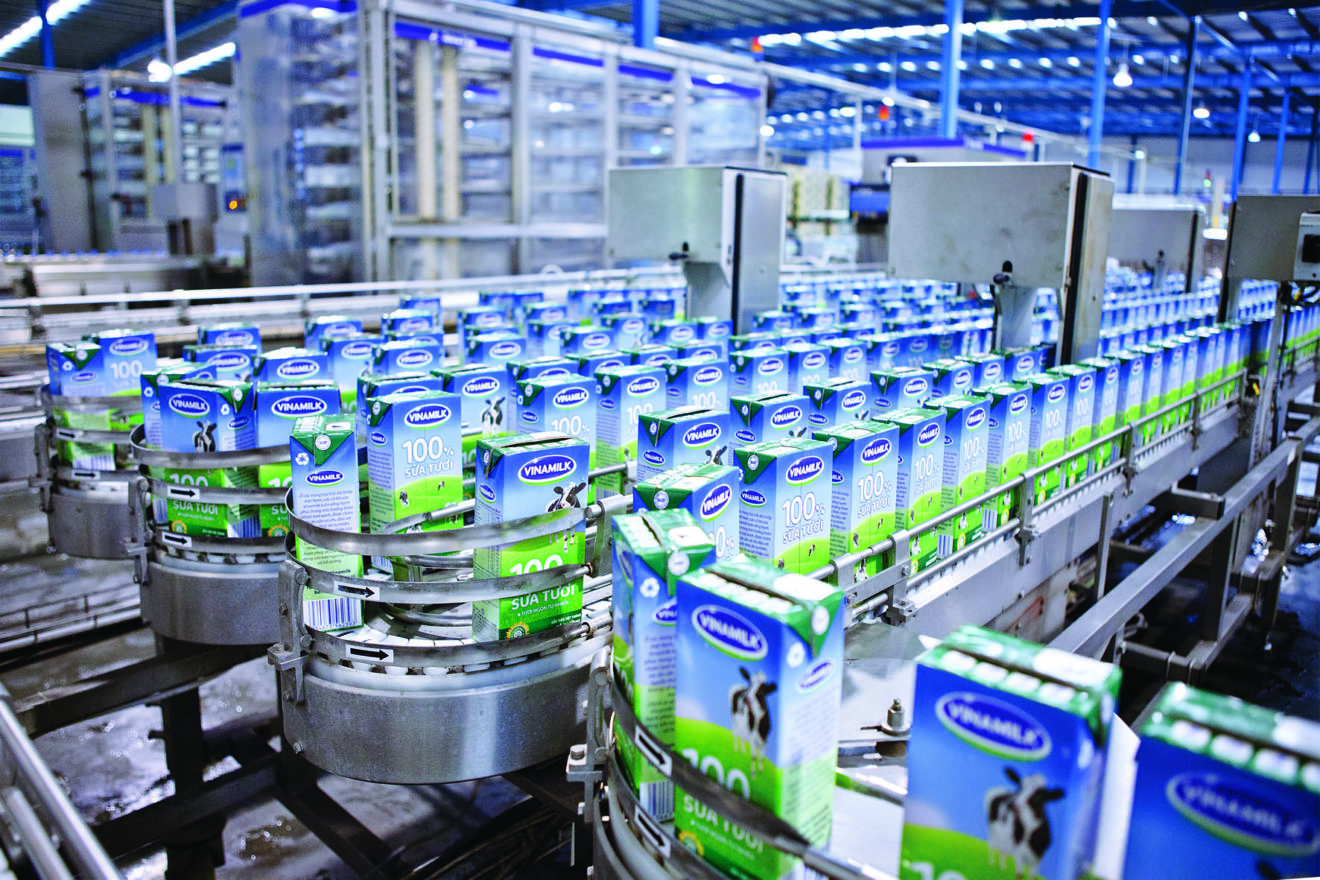
    The market has been surpised by news that each investor could only buy up to 2.7 percent of the dairy giant’s shares. The Vietnamese government will likely fail to sell much of the 9 percent stake it has offered in dairy firm Vinamilk, one of its most attractive assets, with investors put off by highly restrictive investment caps and unfavorable market conditions.

    The State Capital Investment Corporation (SCIC), which represents the government’s 44.7 percent ownership in Vinamilk, took the market by surprise last month when it announced each investor could only buy up to 2.7 percent of Vinamilk’s shares.

    That has helped result in just two bids, worth a combined $500 million, by wholly owned units of Thailand’s Fraser and Neave Ltd for the shares due to sold on Monday. One of the units is already Vinamilk’s second-biggest shareholder with a 10.95 percent stake.

    The muddled sale process has underscored Vietnam’s relative inexperience and investor wariness about state control as the government seeks to push forward with a major privatization drive, one that already been hampered due to the small stakes on offer and concerns about vested interests.

    Also detering investors has been a drop in Vinamilk’s share price below the minimum bidding price set by the government of VND144,000. The stock has been hit by a sell off in Vietnamese shares as investors shun emerging markets amid uncertainties after the U.S. presidential election and a potential rates hike by the Federal Reserve.

    Lessons learned

    “The minimum bidding price of VND144,000 is actually not expensive for a strategic investor in Vinamilk, but the issues are the timing and the restrictions that come with it,” said Nguyen Thanh Lam, deputy manager at Maybank Kim Eng Securities in Vietnam.

    Vinamilk, Vietnam’s top listed firm by market value, is seen as one of the country’s most attractive companies as it commands around half of domestic market for dairy goods and has seen steady earnings growth.

    Its shares have jumped 20 times in value since its debut on the Ho Chi Minh City Stock Exchange 10 years ago.

    Other shares offerings coming up include an initial public offering of budget carrier VietJet Air, which is expected to raise up to $194 million, and the sale of government shares in Vietnam’s top brewers Sabeco and Habeco.

    Fiachra Mac Cana, managing director and head of research at Ho Chi Minh Securities, said the Vinamilk share sale did not necessarily bode ill for other asset sales.

    “I feel that the sale is actually a good initial step with a few lessons learned as to how to do better next time,” he said.

    “In any event, the government hasn’t been doing this for that long so in a way we should expect them to be learning as they go.”

  • Heineken expands production, buys into local top brewer in Vietnam

    Heineken expands production, buys into local top brewer in Vietnam

    The beer maker is aggressively pouring money into Vietnam, one of the biggest markets in Asia-Pacific. As Heineken considers Vietnam a vital driver for its business growth in Asia-Pacific, the Dutch beverage giant is trying to grasp more market share.

    Heineken in July took over a facility from rival Carlsberg in the southern port city of Vung Tau in an attempt to boost its brewing capacity to satisfy the thirst of local drinkers who, according to Euromonitor International, are expected to consume more than 4.04 billion liters of beer this year, the most in the region and up from 3.88 billion liters last year.

    The Amsterdam-based company has planned to boost its capacity at the Vung Tau facility to 610 million liters from 50 million liters, the Nikkei Asia reported.

    Heineken, which entered Vietnam in 1991, currently operates in the market through two companies, including wholly-owned Asia Pacific Breweries and Vietnam Brewery, in which Heineken has a 60 percent stake.

    It is now the second biggest brewer in Vietnam controlling 25 percent of the local beer market, after dominant player Sabeco, which has 40 percent of the market.

    Heineken, which positions itself on the market as the brewer of high-end beers, has increased its annual output by 14 percent since 2012, which is more than twice the output growth rate of Sabeco, the Nikkei Asia reported, citing data from local securities company Viet Capital.

    Heineken produced 729 million liters last year, compared to Sabeco’s 1.38 billion liters.

    As part of its expansion plan, Heineken plans to buy into Sabeco as the government is divesting from the top local brewer.

    Heneiken is seen among potential investors keen to aquire more shares in Sabeco, a 90 percent state-owned company due to be listed in Ho Chi Minh City on December 20 at the latest. Heineken is reported to have already owned 5 percent in Sabeco.

    The Vietnamese government on July 20 scrapped a long standing foreign-ownership cap in many listed companies, but the 49 percent limit stays put for Sabeco.

    In the latest privatization push, the government will sell a 53.6 percent stake in Sabeco this year and the remaining in 2017.

  • Japan tightens inspections on shrimp shipments from Vietnam

    Japan tightens inspections on shrimp shipments from Vietnam

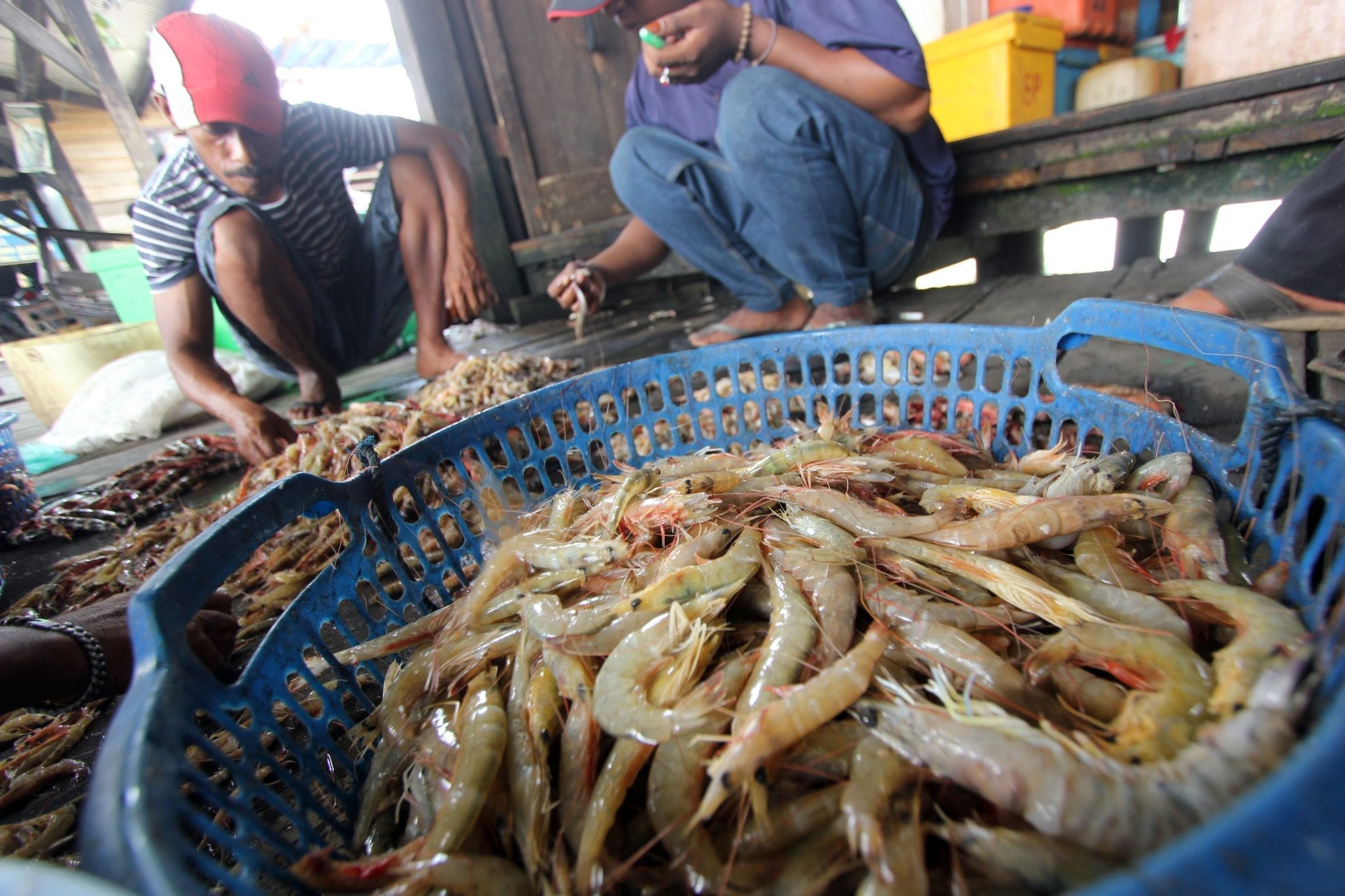
    The island nation now screens every last shrimp export for a banned antibiotic. Japan now screens every shipment of Vietnamese shrimp for a banned antibiotic, according to NAFIQAD Vietnam’s seafood quality control.

    Vietnam does not consider the substance fit for use as a direct food additive in foods for human consumption, according to the Vietnam Association of Seafood Exporters and Producers (VASEP) which reported that Japan raised its shrimp sampling from 30 to 100 percent of imports on December 12.

    Local shrimp exporters have been warned to keep antibiotic sulfadiazine residues below 0.01 parts per million, said Le Hong Phong, deputy head of NAFIQAD.

    By September, the E.U. had rejected 2.2 times more shrimp than the entire preceeding year, according to NAFIQAD, which called for special scrutiny of seafood coming out of the four central provinces affected by Taiwan Formosa Plastics Group’s discharge of toxic waste in April.

    The following month, the European Union reported having rejected 11 shipments of shrimp in the past nine months due to high levels of heavy metals. The European Commission Rapid Alert System for Food and Feed found the shipments contaminated with mercury and cadmium.

    Vietnamese trade commissions in the EU, Japan, and the United States have received roughly 180 warnings about seafood contaminated with dangerous levels of antibiotic and chemical residues so far this year.

    Australia, which remained Vietnam’s largest shrimp importer for the past five years, now requires every seafood shipment from Vietnam to be scrutinized for biological toxins and bacteria.

    During the first eleven months of the year, Vietnam’s seafood exports had edged up 6.9 percent from 2015 to nearly $6.4 billion, customs statistics showed.

    At the start of the year, Vietnam announced plans to export $8 billion worth of seafood this year after reporting $6.6 billion in seafood exports in 2015.

  • Saigon-Hanoi ranks 7th among world’s busiest air routes

    Saigon-Hanoi ranks 7th among world’s busiest air routes

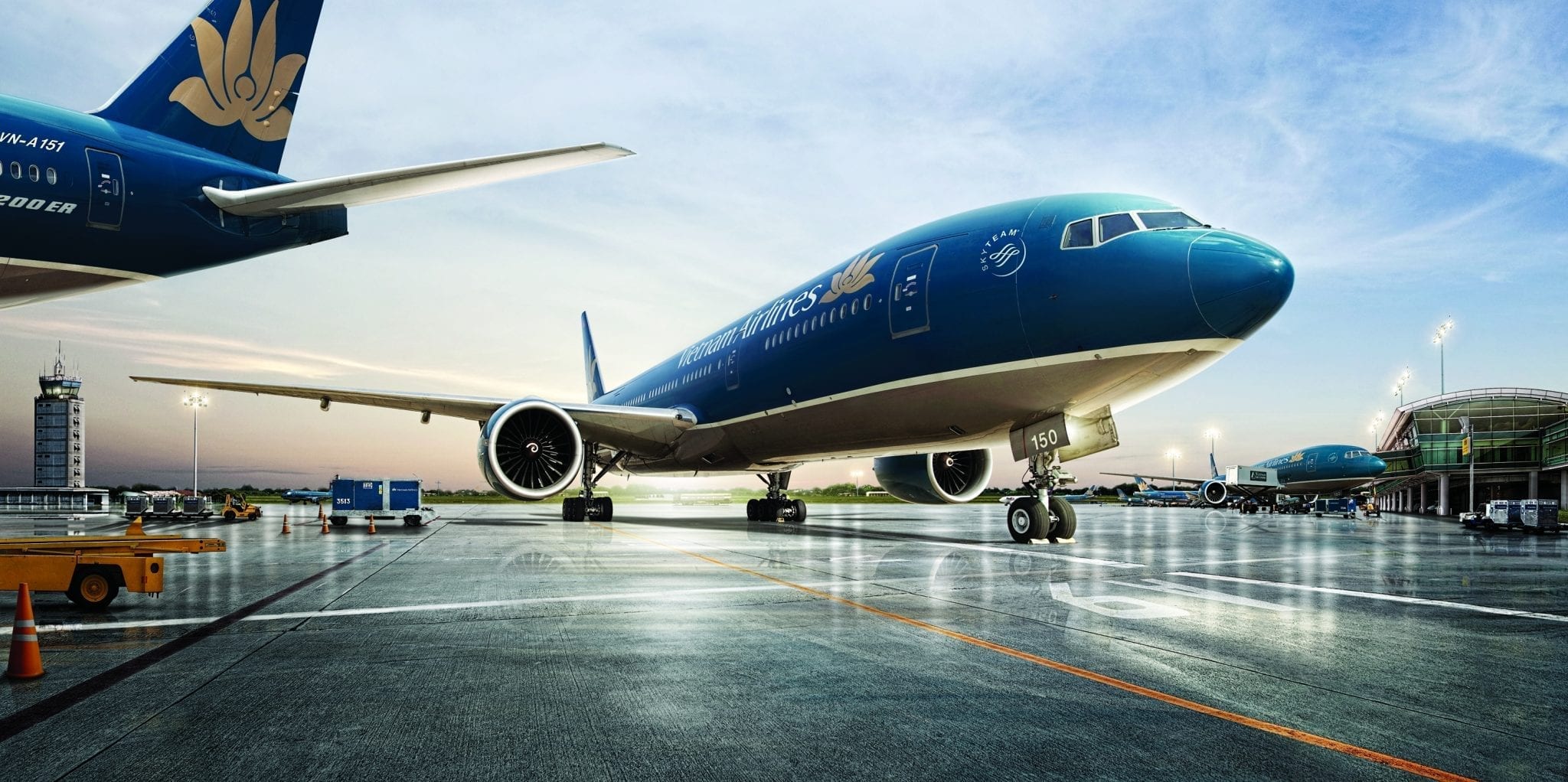
    The country’s aviation market is growing at the third fastest pace in Asia-Pacific as air travel has become more affordable. About 4.1 million passengers are estimated to fly from Ho Chi Minh City to Hanoi this year, putting the route among the world’s most busiest, according to the U.K.-based air travel company OAG.

    Latest data from the company showed that the northbound route came in at the seventh place in the list of global busiest air routes, up five spots from a year ago.

    The route accounts for about 35 percent of the country’s air traffic, with up to 700 daily flights carrying passengers.

    Huge numbers of passengers traveling between the two largest cities have also strained Tan Son Nhat airport in Ho Chi Minh City.

    Lai Xuan Thanh, director of the Civil Aviation Administration of Vietnam, said that there were times dozens of flights had to fly around, waiting for 15-60 minutes before they could land.

    The airport is expected to handle 31 million passengers this year, far beyond its maximum capacity of 25 million.

    Thanh said that the situation is likely to worsen in the next four years as domestic carriers plan to expand to meet the local travel boom.

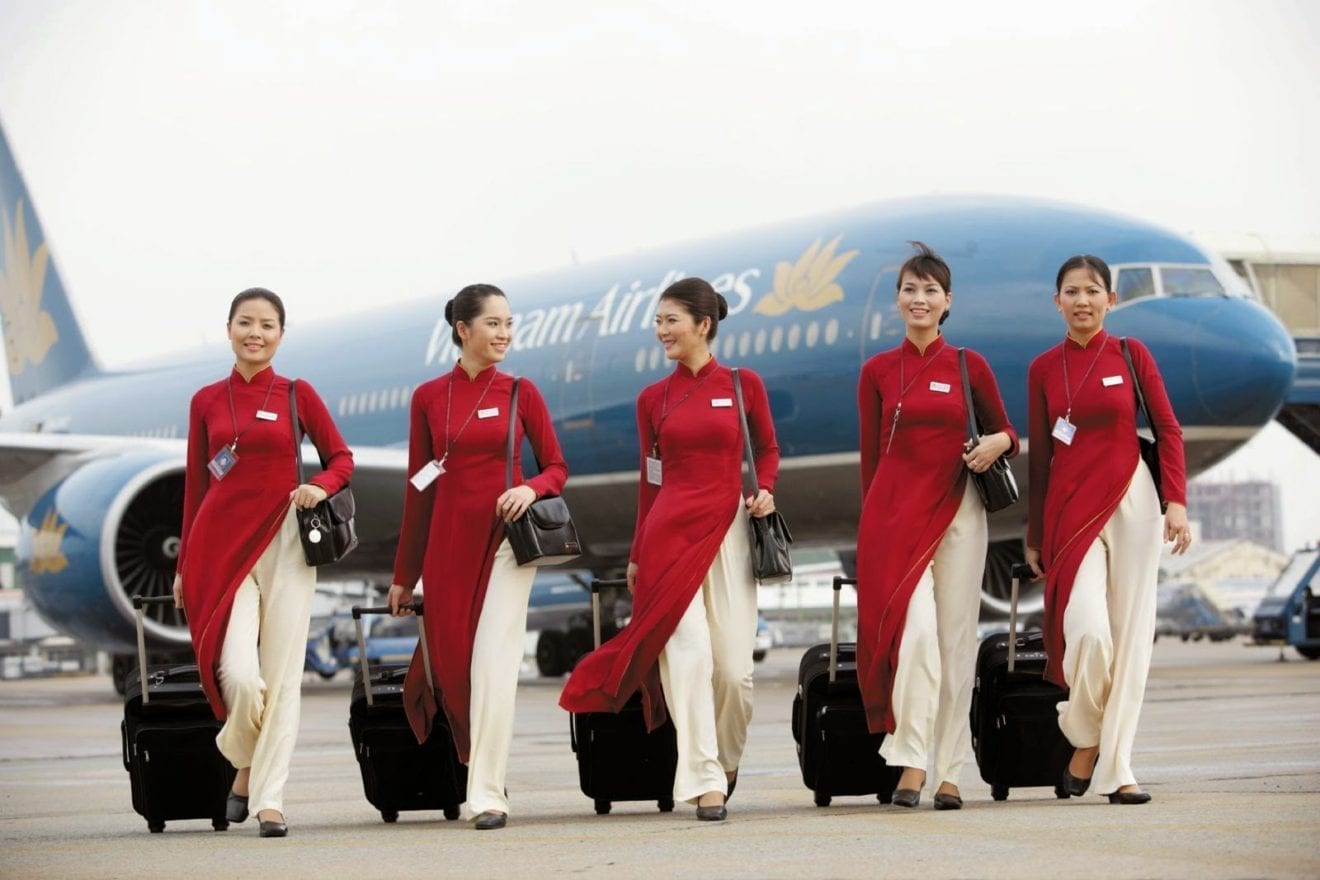
    National flag carrier Vietnam Airlines, low-cost Jetstar Pacific and VietJet Air, and newly-founded Vietstar had raised the total number of airplanes to 141 by the end of the third quarter, up 50 percent against five years ago.

    They are planning to expand their fleets to a combined 263 aircraft by 2020. Vietstar has not been licensed to fly.

    To handle the problem of overcrowded airports, authorities are considering increasing the number of night flights and putting a cap on the number of new planes local airlines can buy.

    Vietnam’s aviation market is growing at the third fastest pace in the Asia-Pacific region, according to the aviation administration.

    It is estimated that the number of passengers, including international ones, in 2016 will jump by 29 percent to hit about 52.2 million.

  • Samsung Vietnam reports massive loss following Galaxy Note 7 scandal

    Samsung Vietnam reports massive loss following Galaxy Note 7 scandal

    Samsung was forced to recall 2.5 million units globally. Samsung Electronics Vietnam (SEV), which produces the notorious Galaxy Note 7 in northern Vietnam, has reported a loss in the third quarter, coinciding with the withdrawal of the latest model of its smart phone.

    SEV, based in the northern province of Bac Ninh, incurred a loss of $122.6 million in the third quarter, down sharply from a net profit of $490 million a year ago, according to a recent statement from parent company Samsung Electronics.

    Samsung’s profits were hit following battery explosions on the Galaxy Note 7, causing the firm to suspend global sales and withdraw the smart phone from the market.

    A representative from SEV said the affects of the scandal were inevitable but declined to give further comment.

    In October, Samsung Vietnam said it had no plan to lay off employees in 2016 as a result of the parent company’s crisis and predicted the value of its exports would grow further from last year’s $32.7 billion.

    From January-September, SEV made a net profit of $1.04 billion, down 18.7 percent on-year.

    The South Korean giant also runs Samsung Electronics Vietnam Thai Nguyen in the northern province of Thai Nguyen and a number of other subsidiaries, which reported significant growth in the Southeast Asian nation in the third quarter.

    Phone exports are significant to Vietnam’s exports, with the value of 2015 shipments up by 27.8 percent at $30.17 billion, or 19 percent of the country’s total exports, customs data show.

    Just weeks after the roll-out of the Galaxy Note 7 “phablet” in September, Samsung was forced to recall 2.5 million units globally following complaints its battery was exploding while charging.

    With images of charred phones flooding social media, the unprecedented recall was a humiliation for a firm that prides itself as an icon of innovation and quality, and the timing of the crisis could not have been worse.

  • Vietnam’s textile exports fray to 10-year slump in 2016

    Vietnam’s textile exports fray to 10-year slump in 2016

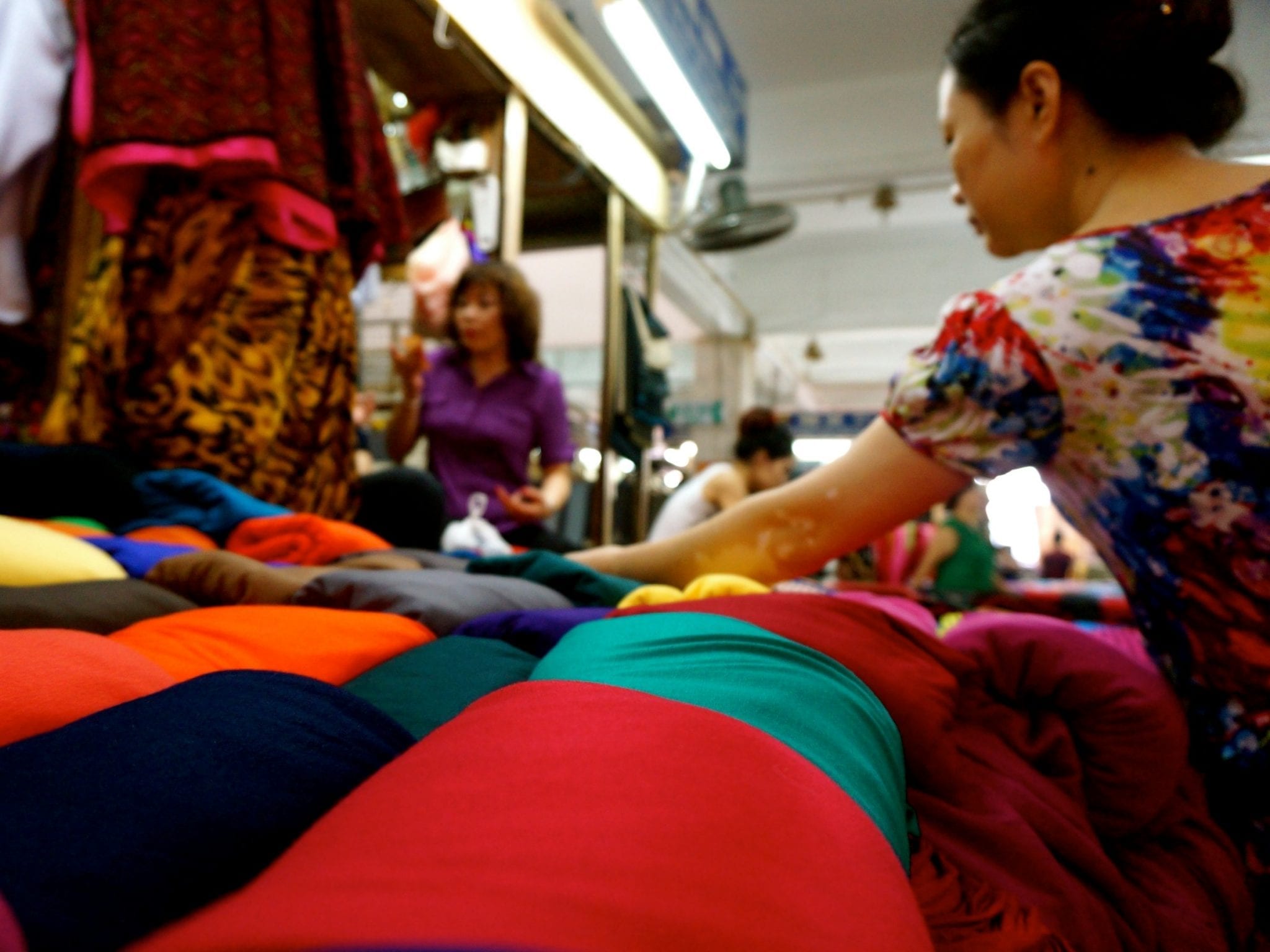
    A strong Vietnamese dong and sluggish demand from key markets have dragged on textile exports this year. Vietnam’s exports of textiles and garments are projected to increase by 7 percent this year to $29 billion, according to Vinatex, the country’s top textiles manufacturer, far below the trade ministry’s previously-targeted $31 billion and the lowest growth in the last decade.

    Customs statistics show that Vietnamese textiles and garment exports hit about $21.56 billion from January to November, up 4.6 percent from the same period last year.

    Vietnam, the world’s fifth largest garment exporter, has maintained double-digit growth, ranging on average from 10 percent to 36 percent, since 2001 when the country earned $2.2 billion from exporting textiles and garments.

    The investment ministry, in a recent report, attributed the downturn to sluggish demand from key markets, including the U.S., the European Union and Japan.

    Customs figures show that from January to November this year, Vietnam’s textiles and garment shipments to the U.S., which accounted for 47.9 percent of the total during the period, edged up 4.7 percent from a year ago to about $10.33 billion.

    Besides, the State Bank of Vietnam has so far this year managed to keep the dong from weakening against other major currencies, said clothing exporters, adding that a stronger dong was the final straw that broke the camel’s back for their businesses.

    Garment exporters are also faced with increasingly intense competition from outsourcing hubs Cambodia and Bangladesh, which are currently subject to import tariff breaks in the U.S. market. Market access for Vietnam’s clothing in the U.S. is limited by an average tariff of about 11.1 percent, with tariffs on some textile and apparel products nearing 30 percent.

    About 85 percent of Vietnamese enterprises in the textile industry are focused on labor-intensive cutting and sewing, making the country an outsourcing hub for foreign fashion companies, said Le Tien Truong, chief executive of Vinatex.

    However, foreign investors are eying emerging hubs such as Myanmar, Bangladesh and Sri Lanka where labor costs are lower than in Vietnam.

    Vietnam has four regional minimum wage brackets currently ranging from VND2.4 million to 3.5 million (from $105 to $154). The regional minimum wage has increased by about 12-15 percent on a yearly basis between 2014 and 2016, and is forecast to go up by 7.3 percent next year.

    Vietnam’s exports rose an estimated 6.7 percent on-year in the first nine months to $128 billion, well below the 10 percent growth target set by the government.

    The economy, widely seen as among the most resilient in a turbulent Asia, expanded by 5.92 percent from January to September, much lower than 6.53 percent a year ago, said the General Statistics Office.

    The annual growth forecast for this year has been lowered to between 6.2 and 6.5 percent from the 6.7 percent previously targeted, according to Prime Minister Nguyen Xuan Phuc.

  • Hanoi announces transport plan to 2030

    Hanoi announces transport plan to 2030

    According to the plan, from now to 2030 Hanoi will develop a system of highways with 4-8 lanes linking Hanoi-Lang Son, Hanoi-HCM City, Hanoi – Thai Nguyen, Ha Noi – Hai Phong, Hanoi – Ha Long, Hanoi – Hoa Binh, Tay Bac – Highway 5, Hanoi-Ho Chi Minh Highway, and turn Thang Long Boulevard and Phap Van – Cau Gie Highway into urban highways.

    From now until 2030 Hanoi will also complete its belt roads and build 18 bridges crossing the rivers of Red, Duong, Day and Da.

    The city will give priority to developing public transport systems, which aims to serve up to 50-55% of the travel demand in the inlying areas and 40% in the suburbs.

    The plan also specifies that about 33,237 hectares of land will be devoted to traffic system development and the total funding needed for this plan is estimated at over $55 billion.

    The capital is expected to come from the state budget, ODA loans, and from private investors through transport projects in the forms of BT (build-transfer), BOT (build-operate-transfer), PPP (public private partnership), and BOO (build-own-operate).

    The capital city of Hanoi was extended in accordance with Resolution No. 15/2008/NQ-QH12 on May 29, 2008 of the National Assembly with a total area of more than 3,344 sq.km. However, its transportation system has fallen short of requirements for urban development at present and for the future.

    In late 2012, Hanoi submitted to the Ministry of Construction a Master Transport Plan for 2030, with a vision to 2050, and the master plan was approved by the prime minister on March 31, 2016.

    Accordingly, the population of Hanoi is forecast to grow to 7.44 million by 2020, around 9.2 million by 2030, and 10.8 million by 2050. The plan sets a target to increase the public transit share to over 30-35% by 2020, 50% by 2030, and 70% after 2030.

  • Flappy Bird creator lends a wing to Vietnamese startups

    Flappy Bird creator lends a wing to Vietnamese startups

    ‘Just propose those projects to me, no matter how bad it is,’ Nguyen Ha Dong writes on Facebook. The overnight success of mobile game Flappy Bird has turned its creator Nguyen Ha Dong into a star of the local startup scene.

    The game, hailed by the industry as one of the milestones of Vietnam’s startup history, has brought Dong great fame and fortune, all within a short period of time.

    Now Dong is making a pledge to pay it forward and fund Vietnamese startups in the fields of robotics, artificial intelligence, social services, community development and education.

    “Just propose those projects to me, no matter how bad it is,” he wrote on his Facebook page.

    He did not give specific details about mentoring and funding.

    Flappy Bird was released in May 2013 with little fanfare. By February 2014, the sleeper hit topped the charts in more than 100 countries and had been downloaded more than 50 million times. Dong reportedly earned an estimated $50,000 a day.

    The Vietnamese government has seen successes like Flappy Bird as an encouraging sign. It is trying hard to cultivate a startup scene where tech entrepreneurs can create products and services that will go global.

    Unlike the well-developed startup ecosystem in most other countries, where there are venture capitalists and a strong network of entrepreneurs working together, the system in Vietnam is at a fledgling stage, with many funding difficulties.

  • Vietnam lottery firms hike prizes amid tough competition

    Vietnam lottery firms hike prizes amid tough competition

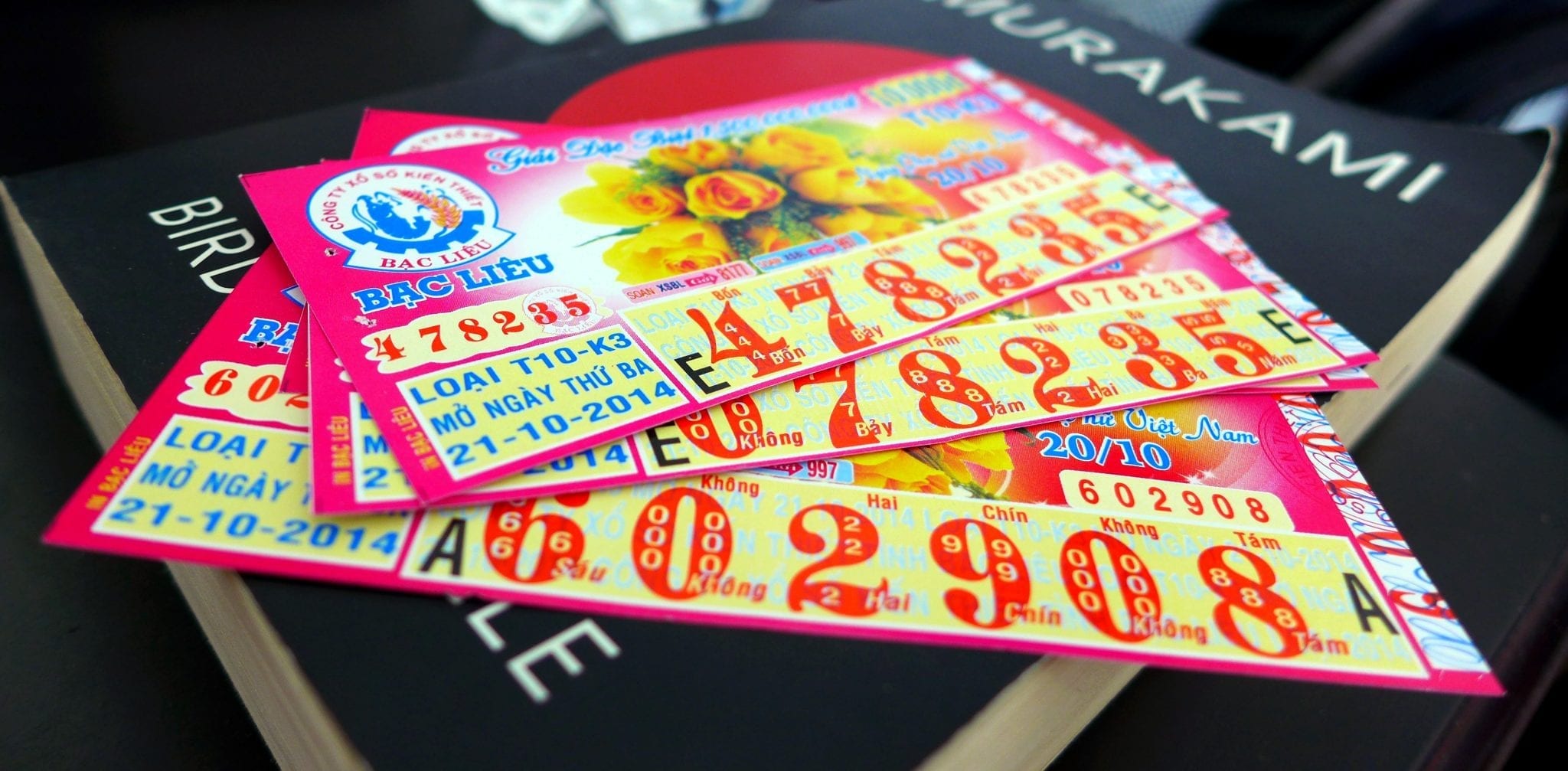
    Traditional lottery companies throughout Vietnam’s south have officially raised their top prizes by a third in an effort to compete with a new emerging American-style jackpot.

    Effective January 1, the firms increased their top prizes to VND2 billion (nearly $86,100), up 33.3 percent from VND1.5 billion ($64,600).

    The hike was based on a decision made by the Southern Lottery Council in October of 2016. Prior to that, traditional lottery prizes in Vietnam topped out at VND1.5 billion ($64,600). Companies who sold the numbered tickets have complained that the mega jackpots have eaten up their businesses.

    A manager at a traditional lottery in Ho Chi Minh City told VnExpress in early October that the number of tickets sold in recent months had declined by about 10-30 percent due to competition from Vietlott.

    On Christmas day, Vietlott, the operator of the American-style lottery, announced that two winners had split a $7 million jackpot–the largest to date. The pair represented the seventh and eighth winners of the lottery, which began two months prior.

    Vietnam’s annual average income was around $2,100 in 2015, according to the World Bank.

    Vietnam generally does not allow its citizens to gamble, but lottery tickets are popular across the country.

  • Vietnamese airlines approved for 1,270 additional domestic flights during Tet

    Vietnamese airlines approved for 1,270 additional domestic flights during Tet

    Vietnam’s aviation watchdog has approved several proposals from local airlines to increase flight frequency to meet spiking demands during the upcoming Tet holiday, though only half the requested additions were approved.

    Tet, the Vietnamese Lunar New Year holiday, falls in late January, though city residents typically begin flying back to their hometowns weeks before holiday to begin festivities with friends and family.

    Local airlines, national flag carrier Vietnam Airlines and budget airlines Vietjet and Jetstar, sought permission to collectively add 2,486 flights, with only 1,270 of the proposed flights actually gaining approval from the Civil Aviation Authority of Vietnam (CAAV).

    In a report submitted to the Ministry of Transport on Thursday, the CAAV said the three would be allowed to run the additional domestic flights between January 16 and February 12, an 8.5 percent increase in flights typically running during the period.

    Vietnam Airlines is permitted to add 380 flights, totaling 76,758 seats, during the Tet season, while Vietjet and Jetstar will add 560 flights (100,800 seats) and 330 flights (59,400 seats), respectively.

    Approximately 1,067 of the approved extra flights will depart or land in Tan Son Nhat International Airport, the country’s busiest airdrome, already operating beyond its design capacity.

    Despite potential overload issues, during the Tet holidays the Ho Chi Minh City-based airport will serve 807 flights per day during peak time, a 7.7 percent increase from the usual schedule.

    Vietnam Airlines is the only of the three carriers happy with the CAAV decision, with nearly 100 percent of their extra flight plan approved, meanwhile Vietjet will only be able to offer half of its proposed additional services while Jetstar was approved for 30 percent of its requests.

    Under the CAAV decision, the three carriers will collectively be forced to cut 230,000 seats from their previously planned Tet services.

    With some airlines allegedly selling tickets for the extra flights before having obtained approval from the CAAV, passengers with booked tickets are sitting on hot bricks, fearing they will not be able to return home for Tet celebrations.

    Ho Quoc Cuong, head of aviation transportation under the CAAV, said the air carriers may not sell tickets for all of the planned extra services, so there is little chance passengers with purchased tickets will miss flights.

    “If it is really the case, carriers must compensate and take full responsibility for the passengers,” he said.

  • Vietnamese expected to drink up this Tet

    Vietnamese expected to drink up this Tet

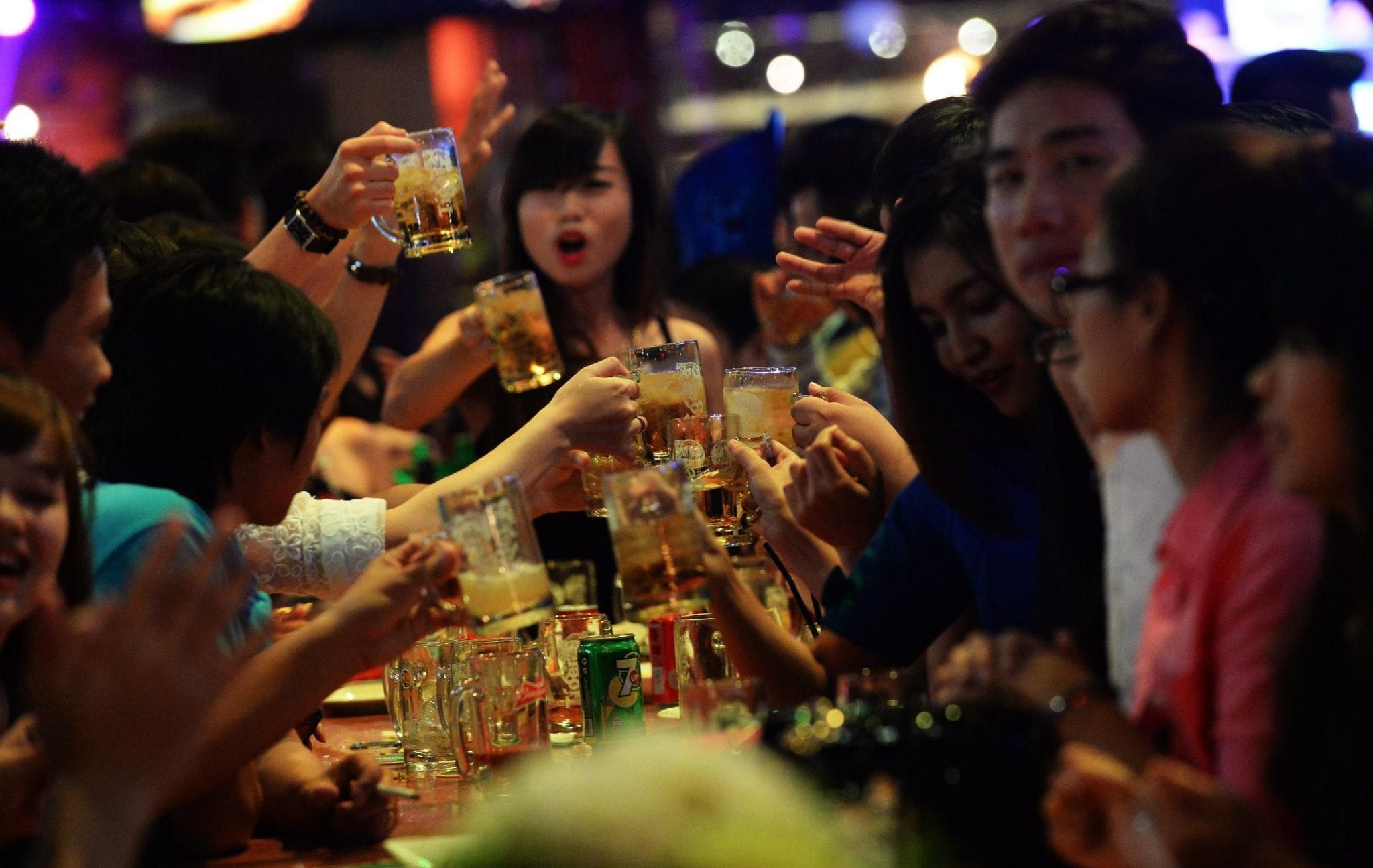
    Top brewer Habeco expects sales of nearly 147 million liters of beer during the biggest holiday, up 6.1 percent year on year. Vietnam’s brewers are gearing up for a massive drink-up this Lunar New Year holidays, or Tet.

    Hanoi-based top brewer Habeco plans to churn out 146.8 million liters of beer during the Lunar New Year, up 6.1 percent from the same period last year, according to the Ministry of Transport’s official mouthpiece Bao Giao Thong.

    Meanwhile, beer consumption in Ho Chi Minh City is projected to jump 30 percent (from last year) to around 40 million liters during Tet, according to estimates released by the municipal Department of Industry and Trade.

    The cities will provide the country’s key booze markets this Lunar New Year, which falls on January 28.

    The Vietnam Beer Alcohol Beverage Association expects beer production to grow by 25 percent, annually, before hitting 4 billion liters in 2020.

    Over the past five years, Vietnam has doubled its consumption of beer to more than 3 billion liters per year. Each Vietnamese person drinks an average of 27.4 liters, placing them squarely in the world’s top 25 beer drinkers.

    In 2015, Vietnam produced an estimated 3.4 billion liters of beer and 300 million liters of liquor.

  • 1,300 more domestic flights to operate for Tet

    1,300 more domestic flights to operate for Tet

    Special flights will be introduced from January 16 to February 12, the Civil Aviation Authority of Viet Nam (CAAV) said.

    Vietjet has been allowed to increase its number of flights by 8.9 per cent, so it will operate 560 flights, or 100,800 seats. National carrier Vietnam Airlines will offer 330 more flights, or 76,785 seats. Jetstar Pacific will have an additional 330 flights, or 59,400 seats.

    HCM City’s Tan Son Nhat International Airport, which is the busiest airport among the 21 airports nationwide, is estimated to receive 1,065 extra flights during the holiday season, 7.7 per cent more than its normal schedule.

    The flights will be operated in the slots or the duration during which the aircraft usually remain grounded at airports. It is estimated to have 38 flights per day.

  • Vietnam urges retailers to ditch cash for plastic

    Vietnam urges retailers to ditch cash for plastic

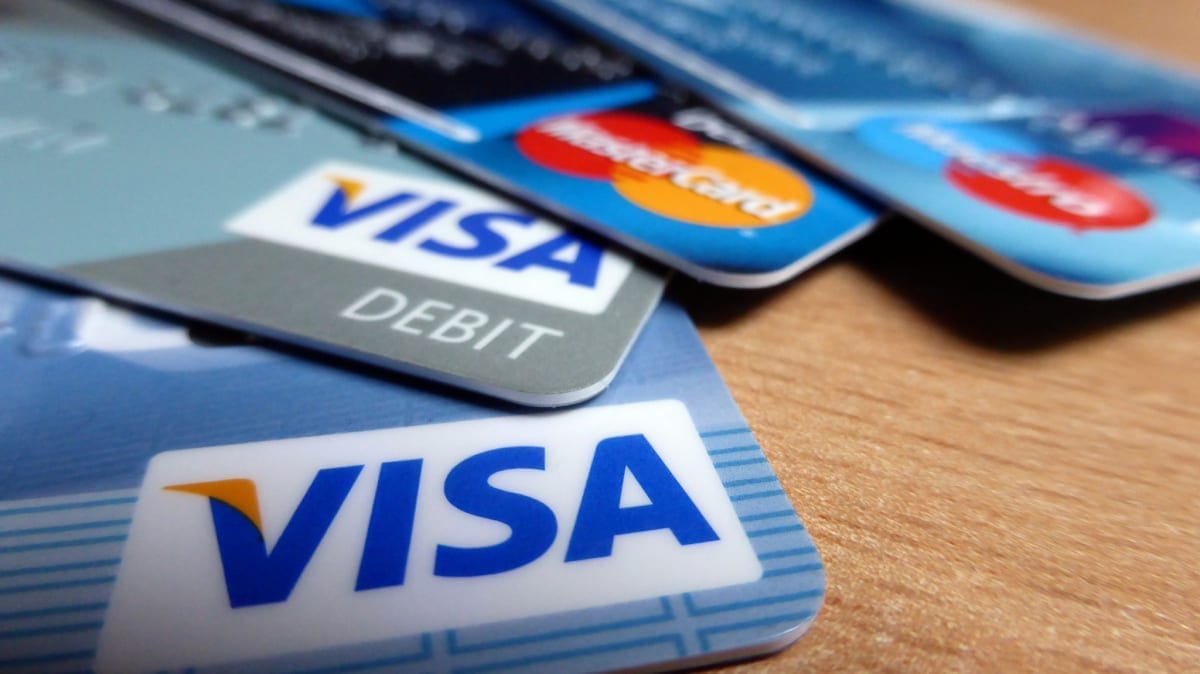
    With online sales booming in the country of 93 million, it’s time for shoppers to embrace e-commerce. Vietnam is trying to convince at least 70 percent of its citizens aged 15 and over to open bank accounts and about 50 percent of urban residents to switch to non-cash payments via debit and credit cards by 2020.

    Online retail revenue is forecast to hit $10 billion in the next four years, accounting for 5 percent of the country’s total retail market, which grew 10.2 percent last year to $118 billion.

    The government has officially rolled out its e-commerce development plan for 2016-2020 to tap into the fast-growing consumer population with a huge demand for online shopping.

    According to one estimate, about 30 percent of the population will buy goods and services over the internet and spend an average of $350 per year online by 2020.

    In 2015, Vietnamese shoppers spent $4.07 billion online, a jump of 37 percent from the previous year, according to the Vietnam E-commerce Report, adding that revenue from online retail accounted for 2.8 percent of the country’s revenue from the sale of goods and services in the same year.

    With a population of 93 million, Vietnam was ranked as the smallest e-commerce market in Southeast Asia in terms of sales just three years ago. Now online retail is gaining momentum with the country’s 49 million internet users increasingly turning to online shopping.

    According to Internet World Stats, Vietnam is currently ranked 18th in the world in terms of the number of internet users, with mobile subscription rates as high as 40 percent.

    In order to increase non-cash transactions, the government will require all supermarkets, shopping malls and convenience stores to accept payments via credit and debit cards.

    It is forecast that in the next four years the number of supermarkets will nearly double to 1,300 and shopping malls to 300, according to the government’s plan.

    Spending at supermarkets, convenience stores and shopping malls is expected to rise to 45 percent of total consumer spending by 2020, up from 25 percent now, government data shows.

    The government also wants 70 percent of utility service providers including telecommunications companies and electricity and water suppliers to move their billing online.