Tag: Vietnam

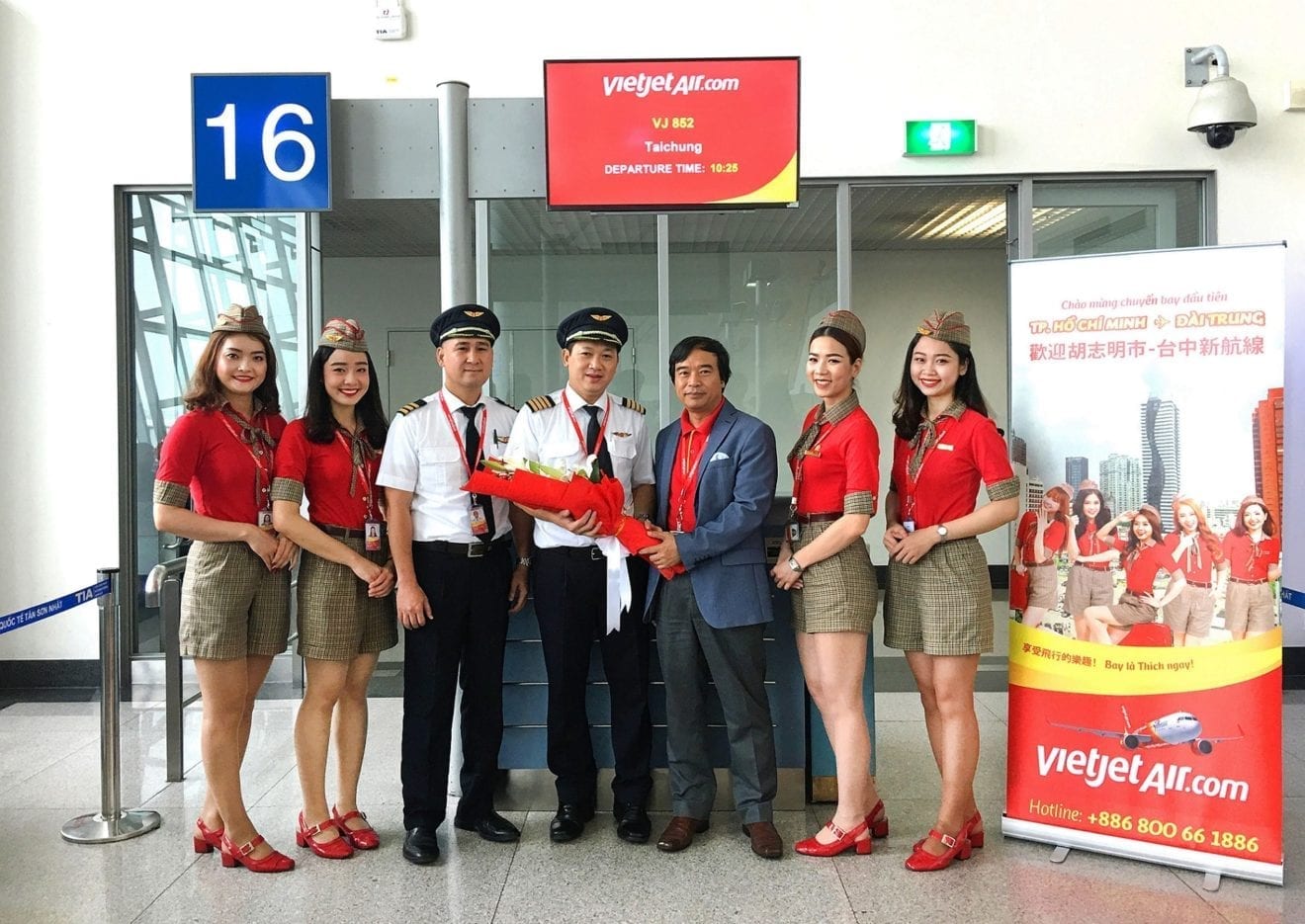
  • Vietjet launches its 5th route to Taiwan linking Ho Chi Minh City with Taichung

    Vietjet launches its 5th route to Taiwan linking Ho Chi Minh City with Taichung

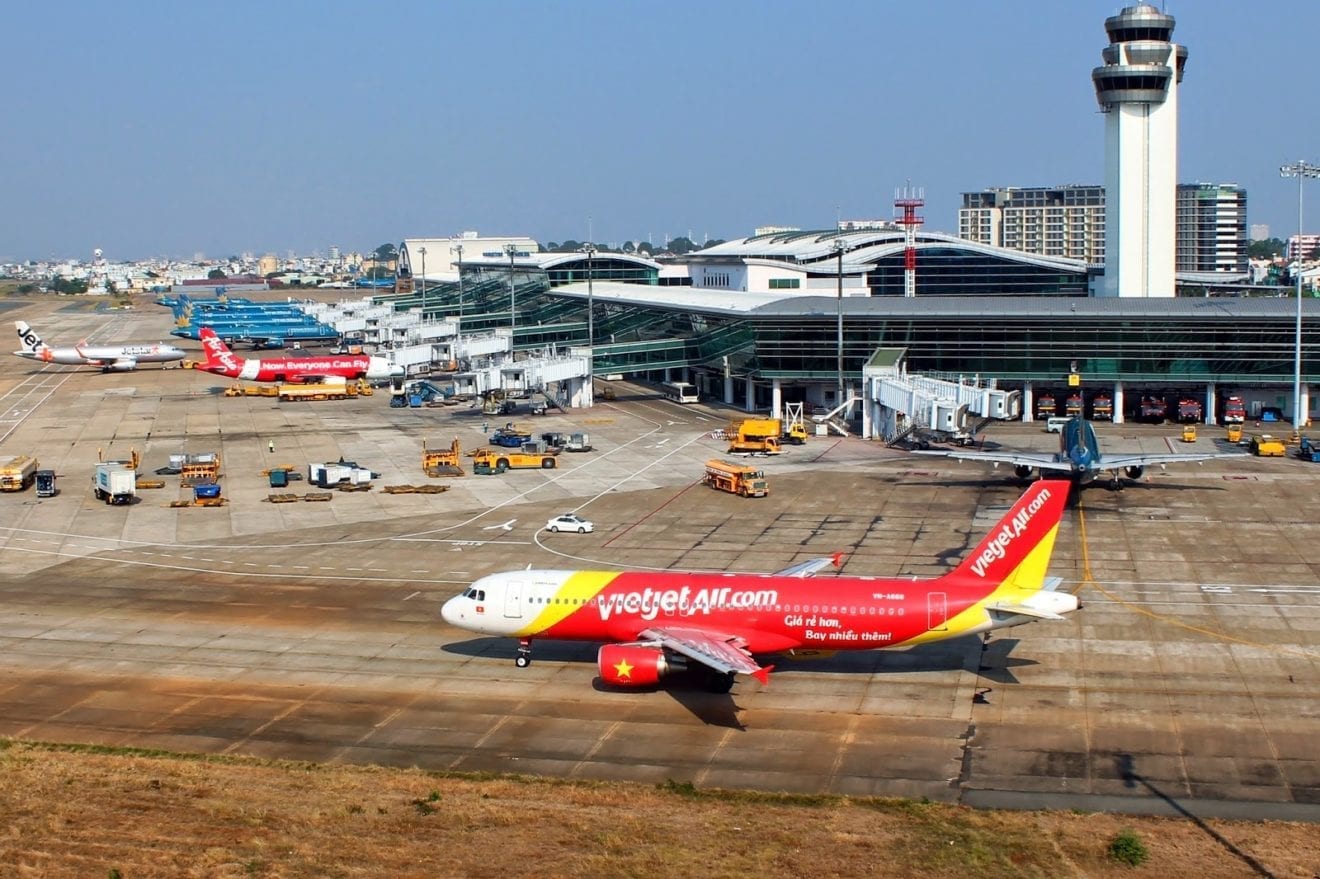
    This Month Vietjet has launched its 5th route to Taiwan connecting Ho Chi Minh City with Taichung (Taiwan), becoming the airline with the most routes between Vietnam and Taiwan. The new service is to meet the increasing travel demand of individuals, tourists and businessmen, looking to boost regional trade and integration. It follows last month’s launch of the Hong Kong – Ho Chi Minh City route serving as another important step forward for Vietjet in its on-going move to expand in the Asia Pacific region. 

    The Ho Chi Minh City (HCMC) – Taichung route is operated with four round trips per week, on Monday, Wednesday, Friday and Sunday with flight time per leg being 3 hours 30 minutes. The HCMC-Taichung flight takes off at 10:25 (local time) and lands at 14:45 (local time). The return flight from Taichung departs at 15:45 (local time) and arrives in HCMC at 18:00 (local time). All passengers onboard the inaugural flight have received lovely gifts from Vietjet.

    Promotional air tickets for this new route are also available for booking from 13:00 to 15:00 every day under Vietjet’s 5th Anniversary “Win a 1-kg gold airplane, Fly to a happy future” campaign from now till February 28. Vietjet offers up to 5 million promotional air tickets from only HKD8. Tickets can be booked at www.vietjetair.com. Payment can be easily made with debit and credit cards of Visa, MasterCard, JCB, KCP and American Express and ATM cards that have been registered with internet banking. All passengers who book tickets successfully can also enter a daily lucky draw for free return air ticket, a weekly lucky draw for 3.75-gram of gold, and a final lucky draw for a 1-kg gold aircraft model.

    Located in the west of central Taiwan, Taichung is Taiwan’s third largest city, widely known as a cultural and educational center with many heritages and historical sites. Thanks to its serene nature, nice weather and famous local cuisines and cultural events, the city is expected to become the tourism paradise. With the new route to Taichung, Vietjet’s flight network to Taiwan has been increased to five routes, helping travelers, tourists and businessmen fly affordably.

    Ho Chi Minh City on the other end is one of the most popular tourist destinations in Southeast Asia with its many cultural and historical attractions. From pagodas and museums to fine restaurants and scenic spots, the city offers travelers a truly memorable experience. 

    With its high-quality services, special low-fare tickets and diverse ticket classes, Vietjet offers its passengers enjoyable flights with dynamic and friendly flight crew, comfy seats, amazing hot meals and special surprises from the airline’s inflight activities. Vietjet’s Hong Kong and Ho Chi Minh City route which commenced on December 9, 2016, has been very popular with travelers with its daily service departing from Ho Chi Minh City at 14:35 (local time) and arrives at Hong Kong International Airport at 18:20. The return flight takes off at 19:20 (local time) and lands at 21:05. The flight time is 2 hours 45 minutes per leg.  

  • Vietnam OKs casino gambling for locals

    Vietnam OKs casino gambling for locals

    Citizens over 21 years old with a monthly income of at least $445 will be allowed to enter local casinos from mid-March. Betters in gambling-mad Vietnam will soon be allowed to stake their fortune in some casinos across the country, the government said Friday, in a pilot scheme aimed at opening up the lucrative industry.

    The government has long-banned locals from gambling in casinos, despite their popularity among foreigners and hot demand from Vietnamese.

    The government said Friday it would allow citizens over 21 years old with a monthly income of at least 10 million dong ($445) to hedge bets in local casinos from mid-March under a three-year pilot program. Vietnam’s average annual income was around $2,200 last year.

    “After three years… the government will decide whether to continue Vietnamese people’s access to casinos,” a statement on the government website said.

    International casino developers, for whom Asia has become a global gaming engine following the stagnation in the U.S., have been circling Vietnam for some time now.

    With a population of nearly 92 million, analysts said that by lifting the gambling ban, Vietnam could reignite interest in investors who had previously pulled out of casino projects due to tough entry barriers.

    A study by Augustine Ha Ton Vinh, an academic who has researched Vietnam’s gaming industry extensively, showed the country is hemorrhaging as much as $800 million a year in tax revenue from gamblers who cross the border to Cambodia. Vietnamese authorities have endorsed this study.

  • Vietnam puts $860-million upgrade plan at Saigon airport on the runway

    Vietnam puts $860-million upgrade plan at Saigon airport on the runway

    The plan will allow Tan Son Nhat to handle 45 million passengers annually. Vietnam’s Deputy Prime Minister Trinh Dinh Dung has agreed with a proposal to invest around $860 million to upgrade the congested Tan Son Nhat International Airport in Ho Chi Minh City.

    In the fifth meeting to discuss the airport upgrade on Friday, Dung asked the Ministry of Transport and other relevant ministries to submit a complete report on the proposal to Prime Minister Nguyen Xuan Phuc for consideration by February 25.

    Under the proposal, two more terminals, capable of handling 10 million passengers each per year, will be constructed to the south of the airport. The new terminals, along with other proposed infrastructure projects, would need total investment of VND19.7 trillion ($860.6 million) and would take three years to complete.

    When complete, the new Tan Son Nhat would be able to handle 43 million-45 million passengers annually, up from its overloaded capacity of 28 million in 2016.

    According to state-owned consultancy firm Airport Design and Construction Consultancy One Member Limited Liability Company (ADCC), the proposed upgrade project will use land currently owned by the airforce, which will help reduce site clearance costs and time.

    Vietnam’s airline market is growing at the third fastest pace in Asia-Pacific, and the country is grappling with an acute dearth of airport capacity.

    Tan Son Nhat is the country’s main airport and is designed to handle 25 million passengers by 2020. But due to a surge in passengers, it was mobbed by 28 million passengers last year.

    Meanwhile, Vietnam Airlines, Jetstar Pacific, VietJet and the newly founded Vietstar are planning to expand their fleets in the next four years.

    The country is working on a design for a massive airport in Dong Nai Province to share some of the heavy load on Tan Son Nhat, but construction could take years.

  • Vietjet to list on HoSE

    Vietjet to list on HoSE

    HoSE has announced that it received full registration documents from Vietjet Air on January 16. The airline would conduct an initial public offering (IPO) worth $200 million at the end of 2016 with 44.7 million shares on offer at an IPO.

    The 44.7 million shares are equivalent to 14.9 per cent of its existing charter capital of $132 million and will earn it $200 million at a share price of VND84,400 ($3.8) for organizations and VND86,500 ($4) for individuals.

    The total capital raised from the IPO, Reuters noted, will be VND3.8 trillion ($170 million), which would consequently put its value at $1.2 billion.

    The airline’s CEO Nguyen Thi Phuong Thao told local media recently that pre-tax profit reached $101.9 million in 2016, up 91.6 per cent. The airline expects net revenue to increase 30 per cent this year.

    In 2016 it placed orders for 100 Boeing 737 and 20 Airbus A321 aircraft. It posted year-on-year growth of 205 per cent in 2015, with revenue of VND10.9 trillion ($490.7 million), fulfilling its annual target.

    The budget carrier targeted transporting 15 million passengers in 2016 with an on time performance (OTP) rate of 85 per cent and growth of 60 per cent year-on-year. Its revenue was expected to double compared to the VND11 trillion ($484 million) recorded in 2015.

    The airline will continue to expand its domestic network and strengthen its international operations while improving service quality, especially its SkyBoss and in-flight services. It also aims to achieve a passenger satisfaction rate of 99 per cent and a return-customer rate of 95 per cent.

    Vietjet Air currently boasts a fleet of 40 aircraft, including A320s and A321s, and operates 350 flights each day. It has opened 53 routes in Vietnam and across the region to international destinations such as Thailand, Singapore, South Korea, Taiwan, Malaysia, China and Myanmar and has carried nearly 30 million passengers to date.

    Looking ahead, Vietjet plans to expand its network across the Asia-Pacific region and has signed agreements to purchase more brand-new modern aircraft.

  • Vietinbank successfully issues bonds at low interest rate

    Vietinbank successfully issues bonds at low interest rate

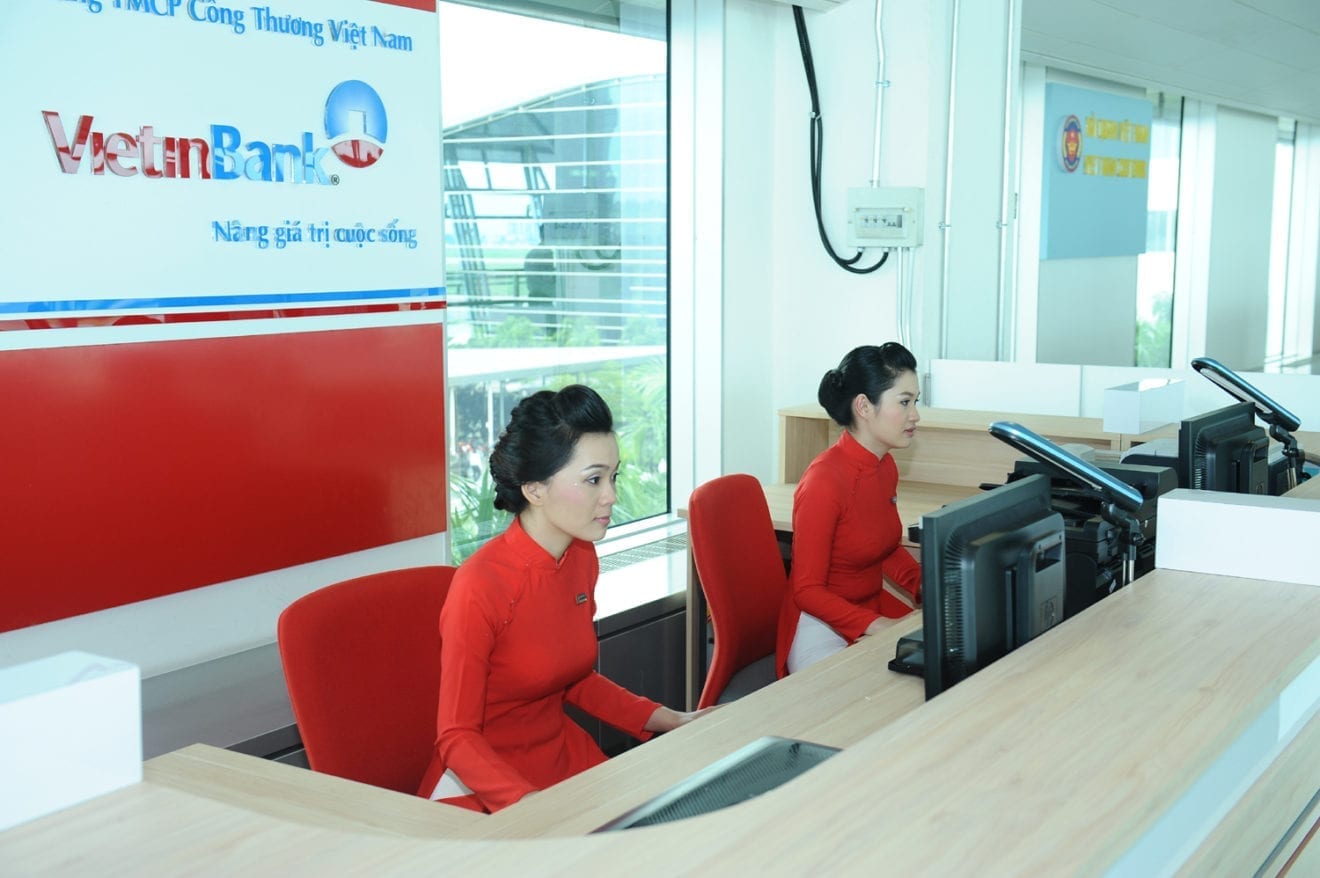
    Vietnam Joint Stock Commercial Bank for Industry and Trade (Vietinbank) announced it successfully issued non-convertible five-year bonds worth VNĐ2 trillion (US$88.1 million) at annual interest rate of 5.8 per cent.

    Compared with the interest rates of other bond issued recently, the 5.8 per cent rate is considered the lowest rate. It is even lower than the interest rate of 7 per cent per year applicable for deposits of over three years in Vietinbank.

    Previously, in December 2016, Vietinbank also issued 10-year bonds worth VNĐ2.9 trillion at interest rate of 7.5 per cent in the first five years.

    Vietinbank reported a high profit of VNĐ8.25 trillion in 2016, 4 per cent higher than the target set at the bank’s general meeting of shareholders.

    As of December 31, 2016, the bank’s total merged assets were estimated at VNĐ947 trillion, up 22 per cent from the previous year.

    Also in 2016, the bank’s total outstanding loans were VNĐ720 trillion, a year-on-year rise of 18 per cent, while total mobilised capital reached VNĐ862 trillion, up 21 per cent. By the end of 2016, the bank continued to effectively manage the quality of assets with bad debt ratio of less than 1 per cent.

    The bank in 2017 has set a target of a 15-17 per cent rise in total assets and an 18 per cent increase in outstanding credit.

  • City begins programme to trace vegetable origins

    City begins programme to trace vegetable origins

    Consumers in HCM City can now use a smartphone app to trace the origin of vegetables sold at Co.opmart, Lotte Mart, Big C and AEON supermarkets under a programme run by the city Department of Agriculture and Rural Development and the Digital Agriculture Association.

    Huỳnh Thị Kim Cúc, the department’s deputy director, said customers could use Zalo on Android or QR code scanning apps to scan the labels on the packages.

    The information they contain includes where and when the vegetables are grown, packaged and distributed and the types of pesticides and fertilisers used, she said.

    The initiative followed growing concerns about food safety, she said.

    The department and the association has surveyed and collected data on vegetable farming models since May last year.

    Now only two co-operatives – Phước An Co-operative in Bình Chánh District and Phú Lộc Co-operative in Củ Chi District – are part of the programme, and they are supplying 18 items, including cabbage, cucurbit, cucumber, bitter melon, broccoli, sweet potato buds, water spinach, and amaranth.

    The programme would be piloted at select supermarkets and VietGap-certificated vegetable co-operatives until March before being expanded to all VietGap-certified co-operatives and more retailers, Cúc said.

    She said her department and other relevant agencies would closely monitor vegetable quality, carrying out surprise tests and quick tests.

    Nguyễn Phước Trung, the department’s director, said a million tonnes of vegetables are consumed in the city every year, with 24 per cent supplied by farms in the city around and the rest by those in other provinces.

    The department said the city was paying more and more attention to the safety of vegetables, resulting in plant protection drug residues decreasing year after year.

    In fact, last year authorities did not detect any plant protection drug residues exceeding permissible levels in key growing areas, down from 1 per cent in 2015, it said.

    Last month, the city launched a programme to enable consumers to trace pork origins at nearly 350 modern outlets by downloading the QR Code decoding application from www.te-food.com to their devices.

  • Vietnam’s online market: Some shut down, others pocket big money

    Vietnam’s online market: Some shut down, others pocket big money

    The online retail market is considered very attractive with 9 out of 10 Vietnamese consumers having smartphones as shown by a Nielsen report.

    Meanwhile, Trang Bui from JLL Vietnam commented that the number of credit card holders is increasing, which is a factor that will change consumer behavior.

    However, despite the attractive factors, many online retailers still fail. In August, Lingo.vn suddenly shut down without any notice in advance.

    After receiving investment from Yellow Star Investment, Lingo once set the target of becoming the No 1 e-commerce website. However, within a short time, Lingo incurred a loss of VND150 billion. The ‘sad ending’ for Lingo also happened to Deca.vn, Beyeu.com, Lamdieu.com and Foreva.vn.

    Zalora and Lazada, which are listed as the most redoubtable rivals in the market, are experiencing tough days. In April 2016, Rocket Internet, the owner of Zalora Vietnam, sold Zalora to Central Group from Thailand. In a similar move, Alibaba from China has taken over Lazada in SE Asia after a $1 billion deal.

    One of the reasons for the failure of e-commerce websites was the boom of Facebook. Everyone can do business and sell goods via the social network without paying a fee.

    Facebook has become involved more deeply in e-commerce after launching an app allowing users to exchange and buy/sell goods with others in the community.

    The company doesn’t intend to collect fees from transactions, which gives it an outstanding competitive edge over its rivals.

    However, while many investors have to leave the market silently, others pocket money.

    A report from The Gioi Di Dong, a large high-tech product distributor, showed that iPhone 7 sales on its website have increased by three times, while online revenue in the first 11 months of 2016 reached VND2.944 trillion.

    Meanwhile, Vingroup’s adayroi, FPT’s Sendo and Tiki have been running a race to expand the market.

    In December 2014, Sendo received strategic investment from Japanese investors. It now has 80,000 shops which retail 3 million products in 14 different branches.

    Tiki has received huge investment of $18 million. The once ‘online bookstore’ has been enlargng rapidly, now distributing 100,000 product items in 10 categories of goods.

    The opportunities for online sellers remain very great. According to Tran Trong Tuyen, CEO of DKT, 75 percent of e-commerce market share is in Hanoi and HCMC, while the remaining 25 percent in the other 61 provinces and cities. If the 61 provinces and cities can develop like Hanoi and HCMC in 3-5  years, the e-commerce market scale would be 3-5 times larger.

  • Vietnam airport operator misses out on retail business opportunities

    Vietnam airport operator misses out on retail business opportunities

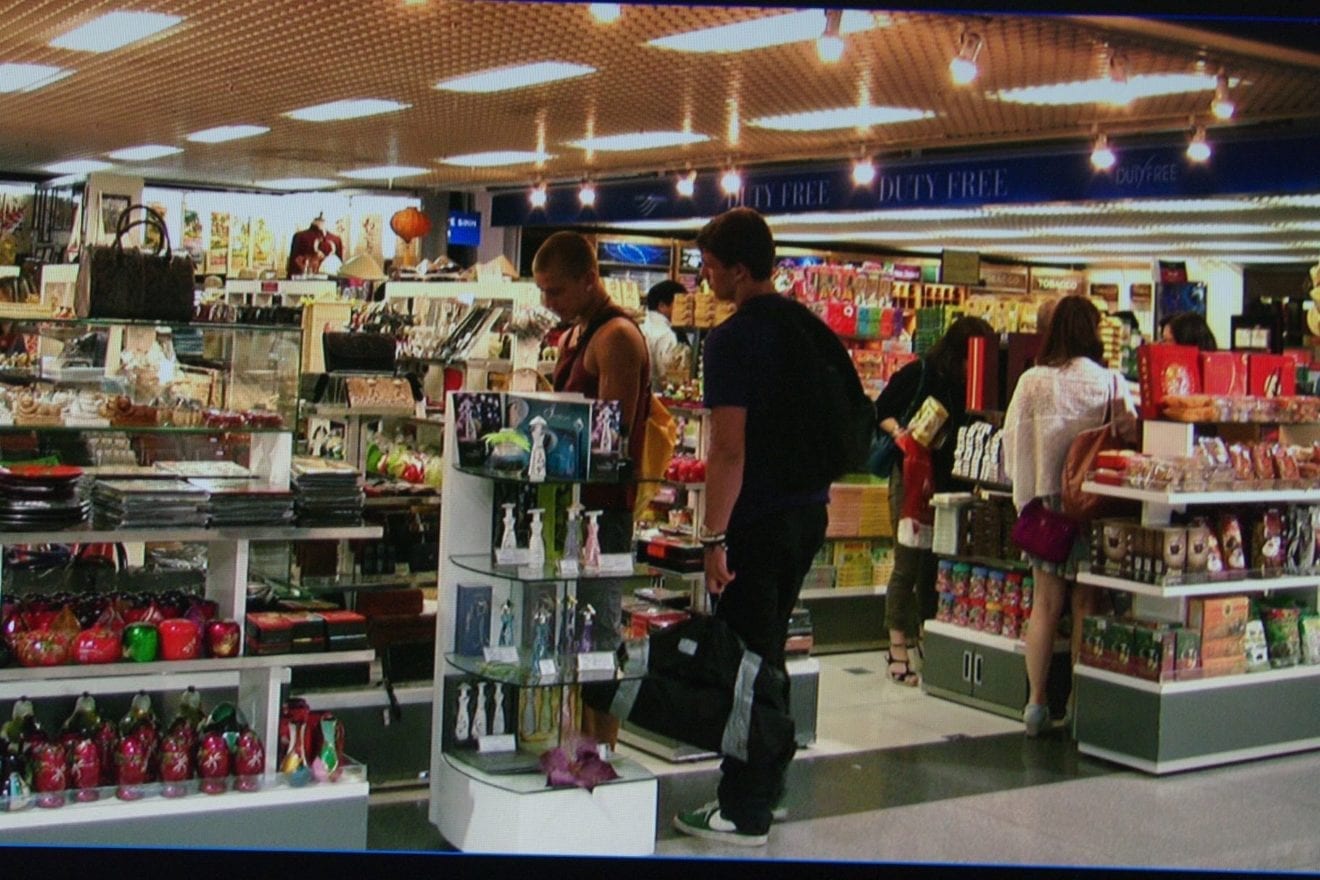
    Despite robust growth in passenger numbers, the state-owned Airports Corporation of Vietnam (ACV), which operates the country’s civilian airports, generated only $81 million from non-aeronautical businesses such as airport retail in 2016, or 15 percent of the annual target.

    Industry experts said the airport operator’s revenue mainly comes from the aeronautical sector such as landing fees and passenger service charges. Meanwhile it hasn’t focused enough on non-aeronautical business, especially the airport retail business.

    The operator estimated its revenue from retail at $1 per passenger last year, far below the average of other airport operators in Asia that reached up to $12.

    Thailand’s AOT and Malaysia’s BHD raked in $4-5 per passenger last year.

    The ACV, which operates 22 civilian airports in Vietnam, recorded significant growth in passenger traffic in 2016 to an estimated 81 million, with Vietnam’s airline market developing at the third-fastest pace in the Asia-Pacific region.

    According to market research group Nielsen, Vietnam’s airline market will be fueled by the middle and affluent class which is forecast to rise from 12 million people in 2014 to 33 million by 2020.

    However, ACV revenue lags behind it’s Thai counterpart even after factoring differences in passenger traffic. As of the end of the third quarter of 2016, the ACV’s annual revenue was only equal to 40 percent of Thailand’s airport operator AOT while passenger traffic made up as much as 68 percent.

    The proportion of international arrivals at Vietnam’s airports is about 30 percent of total passenger traffic, compared to 58 percent in Thailand and 48 percent in Malaysia, while service charges on international travelers are higher than those for domestic passengers. That partly explains why the ACV is so far behind many of its competitors in the region in terms of revenue.

    Airports Corporation of Vietnam, which is currently valued at $1.2 billion, is one of Vietnam’s biggest state-owned enterprises.

    Last year, the ACV raised $51.6 million by selling a 3.47 percent stake in an initial public offering where foreigners snapped up 82 percent of the shares on offer.

    France’s Aeroports de Paris SA has emerged as the front-runner to buy a 20 percent stake in the Ho Chi Minh City-based company, according to the Transport Ministry. The deal is scheduled to take place in March.

  • CapitaLand Vietnam to build Ho Chi Minh City mall

    CapitaLand Vietnam to build Ho Chi Minh City mall

    Singapore developer CapitaLand plans to build a 240 metre tall office tower in downtown Ho Chi Minh City, apparently anchored by at least four storeys of shopping mall.

    artists_impression_of_capitalands_first_grade_a_office_development_in_hcmc

    While CapitaLand has already established a strong presence in Vietnam in the accommodation and serviced apartment sectors, this tower would mark its first foray into retail. Fellow Singapore developers Keppel and Mapletree have both built shopping centres in Ho Chi Minh, Vietnam’s most-populated city.

    CapitaLand Vietnam released an artist’s impression of the new building on Tuesday which clearly shows a strong retail component. In the statement it said the building would incorporate “exciting retail offerings, including some of the city’s best restaurants and cafes, lifestyle and entertainment outlets” on levels above and below ground.

    But when approached for more details, a CapitaLand spokesman declined to reveal further details.

    Also apparently secret is the precise location of the new development, other than it is in the heart of District 1, the CBD, and on the riverfront. CapitaLand says construction will commence in the first quarter – but refused to reveal the exact location of the 0.6ha site it has acquired.

    The development – of an unspecified number of storeys – will be built by CapitaLand’s wholly-owned subsidiary CapitaLand Vietnam Holdings. It will be the company’s first international Grade A office tower in Vietnam and connected with the metro railway line currently under construction. Both are expected to open in 2020.

    Lim Ming Yan, president & group CEO of CapitaLand said in a statement that the acquisition and development of the project serves to diversify CapitaLand’s portfolio and strengthen its foothold in Vietnam.

    “It is also in line with our plan to establish a US$500 million investment fund to focus on commercial properties in Vietnam. CapitaLand has a 22-year track record in Vietnam which has delivered to-date, 22 serviced residences, nine residential developments and now, a prime commercial property. Given its strong growth outlook and positive market sentiments, we are excited to be a long-term player in Vietnam’s growth story and will continue to look out for opportunities to grow our footprint.”

    An eye-catching feature of the building will be lush open terraces towards the top of the tower, “bursting with greenery where tenants can meet, network or relax while enjoying unobstructed views of the Saigon River and the city”.

    It is within walking distance to the city’s vibrant shopping and entertainment area, and CapitaLand’s Ascott Waterfront Saigon – a 222-unit luxury serviced residence due to open in July 2017.

    Vietnam is CapitaLand’s third largest market in Southeast Asia, after Singapore and Malaysia. Last November, CapitaLand announced plans to set up a US$500 million fund to invest in commercial properties in Vietnam; its second one after a US$200 million fund launched in 2010 which has been fully invested in the development of three residential projects in Ho Chi Minh City and Hanoi.

  • Vietnam unemployment rate at 2.3%

    Vietnam unemployment rate at 2.3%

    The Ministry of Labor, Invalids and Social Affairs said in its report that the ministry has focused efforts on looking for solutions to develop the labor export market as the domestic market is having trouble.

    Around 1.6 million people were offered jobs last year, a 1% year-on-year increase. Of which some 1.5 million employees earned jobs in the country, up 0.3%, and 126,000 were sent overseas as guest workers, up 9.6%. The unemployment rate was 2.3%, broken down into a high rate of 3.18% in urban areas and 1.86% in the countryside.

    However, there are still many shortcomings in creating jobs, especially for young adults and fresh college and university graduates. The third quarter of last year saw 202,000 with university or higher degrees unemployed. The number of students enrolled in vocational schools was still limited.

    In addition, the number of Vietnamese working overseas illegally after the expiration of their work contracts has declined but still quite high in South Korea and Taiwan.

    The number of workers sent overseas for guest work in 2016 grew by over 9%. However, Deputy Prime Minister Vu Duc Dam warned there should be stringent regulations towards Vietnamese employees working overseas. Otherwise, potential and major markets like Japan and South Korea will reject Vietnamese workers in the future.

  • Vietnamese invest heavily in Australian cattle industry

    Vietnamese invest heavily in Australian cattle industry

    Meat and Livestock Australia (MLA) has unveiled that the first large-scale purchase of an Australian cattle ranch – for beef production – by a Vietnamese company has been made, in the Northern Territory, south of Katherine.

    The purchase of the US$13.6 million cattle ranch by An Vien Pastoral Holding and Agriculture Company is the first far-reaching Vietnamese agricultural investment in the land down under on record, says MLA.

    Per MLA, Pham Nhat Vu, chair of the An Vien Media Group holding company, was listed the official successful bidder of record for the purchase of the 200,000-hectare cattle ranch.

    The deal includes the purchase of 10,000 head of Brahman cattle.

    Commenting, an MLA spokesperson said: When you see high-net-wealth individuals and global corporations making beef investments in Australia, it shows confidence in the Australian beef industry and gives confidence that they believe the consumption of red meat globally is strong.

    Though An Vien did not initially respond to requests for comments on the deal by GlobalMeatNews, says MLA, it is widely speculated the impetus for the investment is that it is much easier for Vietnamese to invest in big ranches in Australia than procure the large amounts of land needed in the Southeast Asian country.

    It is a very complicated undertaking in Vietnam to get even a 100-hectare size plot of land, which is the bare minimum necessary to operate a large-scale ranching operation, says a local Vietnamese rancher.

    For comparison purposes, there are many cattle operations in Australia that cover thousands of hectares each, he says, adding that the move makes good strategic business sense.

    Even though Australian taxes are much higher compared to those in Vietnam, weather and market conditions are more favourable and even a comparatively small US$4 million investment could provide a solid rate of return.

    While Vietnam is better known for receiving foreign direct investment rather than providing it, in recent years, forward thinking Vietnamese companies have been looking to invest in numerous countries— from Laos to Russia, and Australia.

    A spokesperson for the Australian Trade and Investment Commission (Austrade) disclosed that in 2015, Vietnamese outward foreign direct investment into Australia was US$348 million, while Australian investment into Vietnam was an estimated US$1 billion.

    Vietnamese also are acquiring a growing taste for beef, and the An Vien Pastoral Holding and Agriculture Company might be targeting exports back to their home market.

    An Austrade spokesperson said there had been an exponential growth in the number of cattle exported by Australia to Vietnam over recent years, with a peak in 2015 of 360,000 head.

    He forecasts that 200,000-live head of cattle would be imported into Vietnam from Australia in calendar year 2017, in part fuelled by the lack of import tariffs from Australia to Vietnam.

    In addition, the Austrade spokesperson noted that the Vietnam government considers live cattle as a useful input that can have added value within Vietnam through slaughtering and processing.

    Beef consumption per capita per year in Vietnam, according to official sources, currently stands at 2.5 kilograms in a nation of an estimated 95 million people, which is expected to grow in coming years.

  • Vietnam’s ‘bikini airline’ put to the test

    Vietnam’s ‘bikini airline’ put to the test

    VietJet Air has gone from start-up to Vietnam’s largest private airline in five years. Now it is pushing overseas to keep up that growth and absorb a bumper order of more than 200 planes – no easy task in a cutthroat Asean market.

    The airline, which was set up in 2011, grabbed headlines with its bikini-clad flight attendants. It tapped a rich vein – a fast-growing economy and a young population that was starting to travel more.

    But VietJet’s next step will be more challenging, industry analysts and executives say, as it expands further beyond Vietnam into choked Asean, competitive China or Russia, where VietJet’s fleet of narrow body jets would confine it to the country’s east.

    Infrastructure in the region is clogged and new airport slots are rare. Even Kuala Lumpur, a less crowded airport, is highly competitive, thanks to airlines like Air Asia.

    That has raised questions about VietJet’s ability to absorb one of the region’s largest aircraft orders. “VietJet have been extremely successful in the first five years but what they have done has been entirely domestic,” said Singapore-based analyst Brendan Sobie at consultancy CAPA.

    “The domestic market will start to slow and it is more difficult to expand internationally – some people doubt that they can continue growing at the current rate.”

    According to CAPA, Vietnam’s domestic aviation market grew 30 percent in 2016 to 28 million passengers – nearly five times the growth rate of the broader economy.

    At VietJet’s gleaming offices in Ho Chi Minh City, its chief executive and founder, Nguyen Thi Phuong Thao – also Vietnam’s first female billionaire – outlines plans to push into China, Australia and Russia, where she studied and first worked.

    She dismisses concerns of excess competition, even in China, where local airlines have boomed. More than 10 Chinese carriers have begun flying since the aviation regulator relaxed a six-year suspension on new airline licenses in 2013.

    “Other countries are still doing business with China and VietJet also has its own advantages,” she told.

    “We can ally with Chinese airlines when wanting to expand in the country’s local market.”

    Unlike other new generation carriers in the region who have sought to set up alliances to gain clout without merging, VietJet has resisted.

    Among the airline’s most imminent concerns will be its large aircraft order – more than 200 planes, including more than 100 Airbus A320 family aircraft and 100 Boeing 737 Max 200s – a mixed approach rarely taken by low-cost or new generation airlines, who prefer to streamline engineering needs.

    The Boeing order in particular, announced during a visit by US President Barack Obama, prompted questions over whether the order was placed for political reasons. Ms. Thao dismissed this.

    Industry sources, however, say some of the 200 planes on order may be subject to reconfirmation or other get-out clauses.

    Ms. Thao says the airline has support to finance its orders, worth over $20 billion, but has given no detail. The group has five trillion dong ($221 million) in debt.

    A Boeing spokesman said it had no change to its order. Airbus, which analysts say is most exposed to budget airlines in Southeast Asia including VietJet, declined to comment.

    VietJet ended 2016 with some 40 aircraft but is targeting more than 200 by 2023.

    And it is not without growth potential. Asia Pacific passenger growth is the fastest in the world. The carrier’s pre-tax profit almost doubled last year to over $100 million and it sees its bottom line rising by almost a third this year, thanks to a low cost base.

    An initial public offering to raise $170 million valued VietJet at $1.2 billion. Shares start trading in February.

    “So far, so good,” said analyst Shukor Yusof of Endau Analytics, describing growth so far as “a feat.”

    “But I’m a bit skeptical if this rapid growth can be sustained without affecting the airline’s bottom line.”

  • Has Starbucks met its match?

    Has Starbucks met its match?

    Vietnam – known for its deep-rooted coffee culture – has become one of the most diverse markets in Asia for the uplifting beverage, with scores of global giants, local chains and small cafés severing a wide variety of freshly roasted beans.

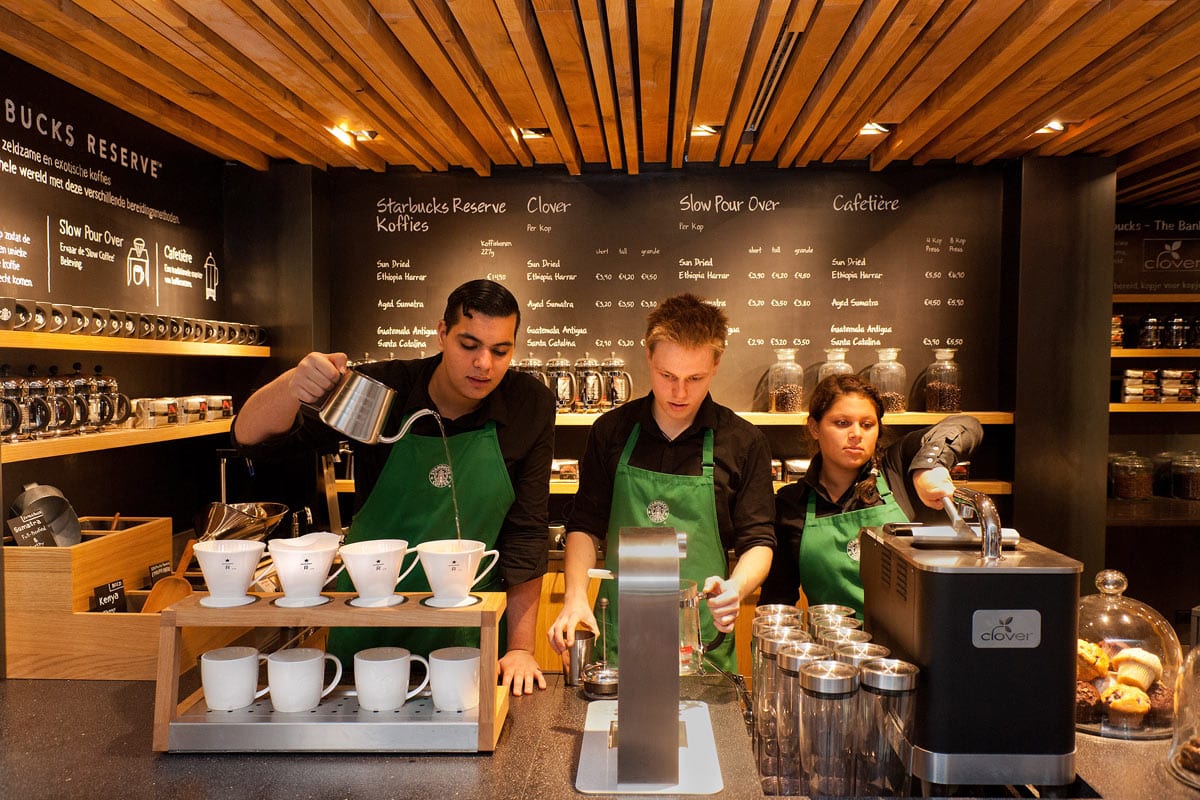
    Domestic chains are competing well against international brands including coffee giant Starbucks, which has opened 24 outlets across Vietnam since its debut in the country four years ago.

    Not long after Starbucks entered Ho Chi Minh City, the country’s southern business hub where people drink coffee from sunrise to sundown, local chain Phuc Long stepped up its game and presented a direct challenge to the global giant.

    At a main intersection at the heart of the city, a Starbucks shop is under fierce competition from two Phuc Long stores just a few steps away.

    Phuc Long has shown a determined attempt to take on international brands like Starbucks by building up its presence in busy downtown areas across Ho Chi Minh City that are densely crowded with office buildings and shopping malls.

    Where there’s a Starbucks outlet, there’s a Phuc Long store to draw in those who otherwise would be Starbucks clients, mostly upper- middle class consumers willing to pay a few extra bucks for a cup of premium-branded coffee.

    “We are not overwhelmed by international brands as we have targeted young consumers who enjoy international products at reasonable prices,” said a Phuc Long executive.

    Phuc Long is definitely not the only local coffee chain going head-to-head with foreign players.

    A survey conducted by Financial Times Confidential Research of 1,000 consumers in each of the five biggest economies in Southeast Asia found that Vietnam was the only country where Starbucks was not as frequently visited by local coffee lovers as local brands Trung Nguyen and Highlands Coffee.

    There remains far more growth potential, with more homegrown chains entering the market.

    Saigon Café opened its first shop in July last year. Since then the domestic chain has reportedly invested about $50 billion ($2.2 million), excluding rental costs, in 10 outlets across the city.

    “Despite increasingly fierce rivalry from international brands, we started generating a net profit not long after our first store opened,” said a Saigon Café executive. “Currently, each outlet is reporting monthly revenues of VND1.5 billion on average. Our estimate is that net profit can range between 20 and 25 percent.”

    Despite the fact international coffee chains such as Starbucks and The Coffee Bean & Tea Leaf have been well received in the Southeast Asian country, there has been a surge in the establishment of homegrown brands.

    On one hand, local coffee chains are confident that locals will stick to the strong taste of Vietnamese coffee. On the other, they have been responsive to the demands of a growing upper-middle class urban population who are more interested in sampling the ambiance of the store than the taste of coffee.

    According to Euromonitor International, a U.K.-based market research organization, annual growth of coffee franchises in Vietnam is currently standing at 7 percent.

  • Aeroports de Paris to hold 20 percent of Vietnam’s sole airport company

    Aeroports de Paris to hold 20 percent of Vietnam’s sole airport company

    Airport Corporation of Vietnam (ACV), which manages the 22 airports across the country is basically done negotiating the sale of a 20 per cent stake to Aeroports de Paris (ADP). According to a source of VIR, the two companies are on their way to sign the sales agreement by the end of this month, ending nearly one year of negotiations.

    The Ministry of Transport (MoT) in principle agreed to ADP becoming the sole strategic shareholder, holding at most 20 per cent of ACV. ADP will let ACV decide the price of services not related to air transport

    on the basis that ACV will keep rental prices at airports and necessary services within the limit prescribed by the government. In addition, the prices of the services will have to be publicised by ACV.

    The negotiations started in January 2016. ADP was the first investor to approach ACV after the prime minister approved the equitisation plan of ACV.

    At the moment, there is little information on the price, but earlier ADP sought to buy ACV shares at the minimum auction price  in ACV’s initial public offering, which is VND13,100 ($0.58). At this price, ACV

    expects to collect between VND2.8 trillion ($125.5 million) and VND3 trillion ($134.5 million) from the sale.

    ACV reported a revenue of VND14.5 trillion ($650 million) in 2016, up 25 per cent on-year, and a pre-tax profit of VND4.075 trillion ($182.7 million). The shares of the company, currently listed on the UPCom

    platform, closed at VND48,700 ($2.2) on January 16.

    According to ACV’s prime minister-approved equitisation plan, the government is going to hold 75 per cent of ACV, a strategic investor 20 per cent, and other investors the rest.

  • Vietnam’s Mobile World plans 300 grocery stores

    Vietnam’s Mobile World plans 300 grocery stores

    Vietnam’s Mobile World – the electronics retailer – says it plans to open 300 more grocery stores under the Bach Hoa Xanh banner this year.

    The convenience store chain targets time-poor Vietnamese housewives who prefer small stores to crowded supermarkets or hypermarkets.

    bach-hoa-xanh-inside

    With 50 stores in Ho Chi Minh City’s Binh Tan district alone, Bach Hoa Xanh stores each achieve more than VND1 billion (US$44,300) in monthly sales, prompting the rapid expansion strategy.

    Nguyen Duc Tai, chairman of Mobile World, expects Bach Hoa Xanh stores to replace wet markets and become the leading player of this grocery sector, a market worth an estimated $60 billion annually.

    Mobile World Is Vietnam’s third-largest retailer, behind only supermarket Coop Mart and hypermarket chain Big C.