Tag: Vietnam

  • Japanese food products flood Vietnam market

    Japanese food products flood Vietnam market

    Takimoto Koji, chief representative of the Japan External Trade Organization (Jetro) in HCMC, said Vietnam is a market with rapid growth, where consumers easily accept new products.

    According to Jetro, Japanese food exports were bringing $7.5 billion a year, while the Japanese government strives for an annual 30 percent growth rate by 2019.

    In November 2016, Jetro, joining forces with Ministop, FamilyMart and Aeon, the retail chain with 200 shops, will begin selling food products in a program called Japan Fair.

    After Japan Fair runs in Vietnam, it will be organized in Singapore, slated for April 2017.

    The representative of Jetro said Vietnamese people think Japanese products are expensive. However, there are products that fit Vietnamese pockets, though the selling prices in Vietnam are estimated as twice as much the prices in Japan because of additional expenses.

    Jetro has also decided to introduce products in high demand and short supply which have never been sold in Vietnam.

    Of the 78 items to be displayed at Japan Fair, the lowest price will be VND10,000, for candy, and the highest VND359,000, for a package of cookies.

    According to Yamanouchi Hirohisa from Family Mart Vietnam, soft pies (VND53,000-60,000 per box) and ice cream have been selling well.

    Meanwhile, Akihiko Maeda from Ministop Vietnam, said at his retail chain, 30 percent of Japan Fair’s products have been selling well. Ice cream is the best seller despite the high price of VND33,000-47,000, which is three times higher than the average price in Vietnam.

    In HCMC, many shops specialize in distributing Japanese products, such as Daso, Hachi Hachi and Tokyo Mart. Tokyo Mart sells the rice imported from Japan at the price of VND140,000 per kilo, 10 times higher than the average price in Vietnam and 5 times higher than high quality Vietnamese rice.

    Nguyen Van Ngai from the HCMC Agriculture & Forestry University said that many types of food and farm produce can be made or grown in Vietnam, but Vietnamese consumers believe Japanese products are safer. Vietnamese consumers, with improved living standards, are willing to pay higher prices to get safe products.

    Zing News quoted analysts as reporting that Japanese products have for many years been preparing the infrastructure and learning the market thoroughly.

    Not all Japanese products will be brought to Vietnam immediately, but will penetrate the market gradually. Food, cosmetics and fashion products will come to Vietnam first through retail channels, especially convenience stores.

  • K-Market to expand network with VinGroup

    K-Market to expand network with VinGroup

    Korean chain K-Market is in talks with VinGroup to expand its network.

    K&K, the owner of K-Market supermarket chain and K-Food, wants to expand by opening inside VinGroup’s commercial centres.

    K-Market currently locates its retail stores inside Lotte Mart and Fivimart outlets.

    The retail operators plans to expand its network to 100 supermarkets by 2020, and eyes a turnover of  more than US$100 million in 2017.

    Ko Sang Goo, chairman of K&K, said the company has been researching the Vietnam retail market carefully.

    The group aims to add more services to its chain such as laundry and eateries and to import more Korean products to serve local needs.

    K-Market currently has four stores in Hanoi and nine in Ho Chi Minh City.

  • HGC launches ibizCloud in Vietnam

    HGC launches ibizCloud in Vietnam

    Hutchison Global Communications (HGC) has launched its ibizCloud cloud infrastructure-as-a-service offering to Vietnam, in collaboration with the market’s fourth biggest operator CMC Telecom.

    Under the partnership, HGC is providing the cloud design and international network connectivity, while CMC Telecom is providing local connectivity and branding.

    The service has been customized to suit the Vietnamese market and to satisfy growing bandwidth demands from local corporations.

    Besides infrastructure-as-a-service, ibizCloud also offers bandwidth-as-a-service and on-demand virtual leased line services, as well as virtualized infrastructure including virtual machines, CPU cores, RAM and storage.

    “We are happy to extend ibizCloud service to Vietnam in collaboration with CMC Telecom. This offers a remarkable business opportunity to provide local and international corporate customers with a highly-secure global cloud service,” HGC president Andrew Kwok said.

    “Creation of a cloud site in Hanoi has further strengthened our position in the Greater Mekong Subregion. It is also another successful example of HGC’s niche market strategy.”

    CMC Telecom CEO Ngo Trong Hieua added that the launch marks an extension of the existing collaboration between the company and HGC, which also involves co-operation on international data and voice services.

    “We look forward to prosperous co-operation with HGC over coming years, as we seek to satisfy rapidly growing demand in the cloud market and affirm our position as one of Vietnam’s leading telecoms service providers,” he said.

  • Fashion franchises are a popular trend in Vietnam

    Fashion franchises are a popular trend in Vietnam

    At a one-day event held last week at the japan External Trade Organisation (JETRO) Office in Ho Chi Minh City, a group of more than 10 Japanese fashion giants introduced their wares to potential Vietnamese partners. These firms include Isato Design Works; In Design Lab; M-Trading, Inc; Kobe Leather Cloth Co., Ltd.; T-Three Co., Ltd; and Sachiyo Hayashi Beauty Laboratory Co.; Ltd. They all aim to open franchise stores in Vietnam in the future.

    This event was the first of its kind held by JETRO Office in Ho Chi Minh City, targeting Vietnamese companies which have already organised franchising deals or are interested in such deals in the future. In total, 30 Vietnamese firms attended.

    Maison Fashion Group and Imex Pan Pacific (IPP Group) are the most prominent Vietnamese firms to form franchise deals with international brands, but more look to be on the way.

    In recent years, Japanese firms have invested in many service-related projects in Ho Chi Minh City. This market is expected to develop even more in the future. “In addition, Vietnam is home to specific regulations on foreign investment and trading habits, thus penetrating this market via co-operative agreements with local partners is an optimal choice”, said Teramoto Ukai, a JETRO official.

    Japanese electronic products and consumer goods have long been famous in Vietnam for their quality. And now, Japanese firms want to tap into the local fashion market, which is growing at an annual rate of 10%-15%.

    Miniso, a leading Japanese lifestyle brand, is one of the latest firms to connect with Vietnamese market. In April 2016, Miniso signed a franchise deal with le Bao Minh Group.

    “Vietnam has growing consumer demands, thanks to rising incomes and [interest in] global trends. In addition, Vietnam is considered to be one of the 10 Asian retail markets with the fastest growth. The important thing is how to select brands and partners to cash in on the potential”, said Le Thi Ngoc Hai, chairwoman of Le Bao Minh Group.

    Miniso, which has been franchised successfully in the Republic of Korea, Malaysia, China, the Philippines, and Thailand, opened its first three stores in Hanoi in August 2016. It plans to have 13 stores in-country by the end of 2016, between Hanoi, Ho Chi Minh City, Danang, Nghe An, Can Tho, and Haiphong, Hai added.

    This franchising path follows a greater franchising trend in Asia. Along with the food and beverage sector, healthcare, education, and retail, fashion in Vietnam has attracted many famous global brands.

    The UL’s Monsoon Accessorize entered the Vietnamese market in 2009 after signing a franchise deal with Maison, and has since opened three stores nationwide. Spain’s Mango, which also has Maison as its franchise partner, opened its first local Mango store in 2004 and now has 10 stores in Ho Chi Minh City and Hanoi.

    In 2011, the UK’s Karen Millen entered Vietnam in partnership with Maison, and now has stores in Hanoi and Ho Chi Minh City. That same year, France’s Christian Louboutin entered the local market, with one store in Ho Chi Minh City.

    Singapore’s Charles & Keith and the UK’s Topshop also appeared in Vietnam via franchise deals. Charles & Keith now has seven stores in Vietnam after six years in the local market, while Topshop has one store in Ho Chi Minh City. In another case, IPP Group, owned by Jonathan Hanh Nguyen, has also been a favoured franchise partner for international fashion groups, including Italy’s Bulgari S.p.A., the US’s GPS Strategic Alliances with Gap and Banana Republic, and the UK’s Warehouse. They each have opened three stores in Vietnam.

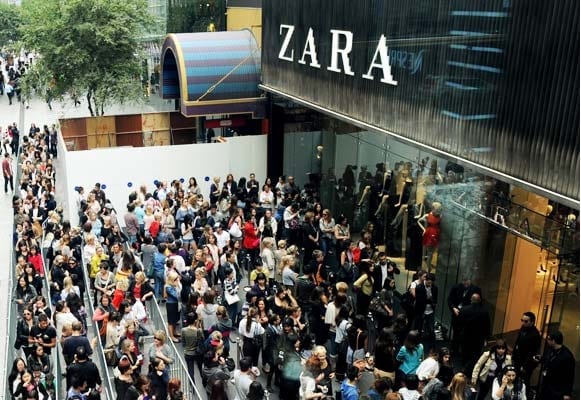
    Zara, a famous Spanish clothing and accessories retailer, officially opened its first store in Vietnam in early September 2016. The opening was wildly successful- on its opening day, it chocked up around VND5.5 billion (US$251,000) in revenue.

    According to a source from Zara, it plans to open a chain of seven stores in Vietnam in the future, including two in Hanoi in 2017.

  • On-Yasai hotpot chain launches in Vietnam

    On-Yasai hotpot chain launches in Vietnam

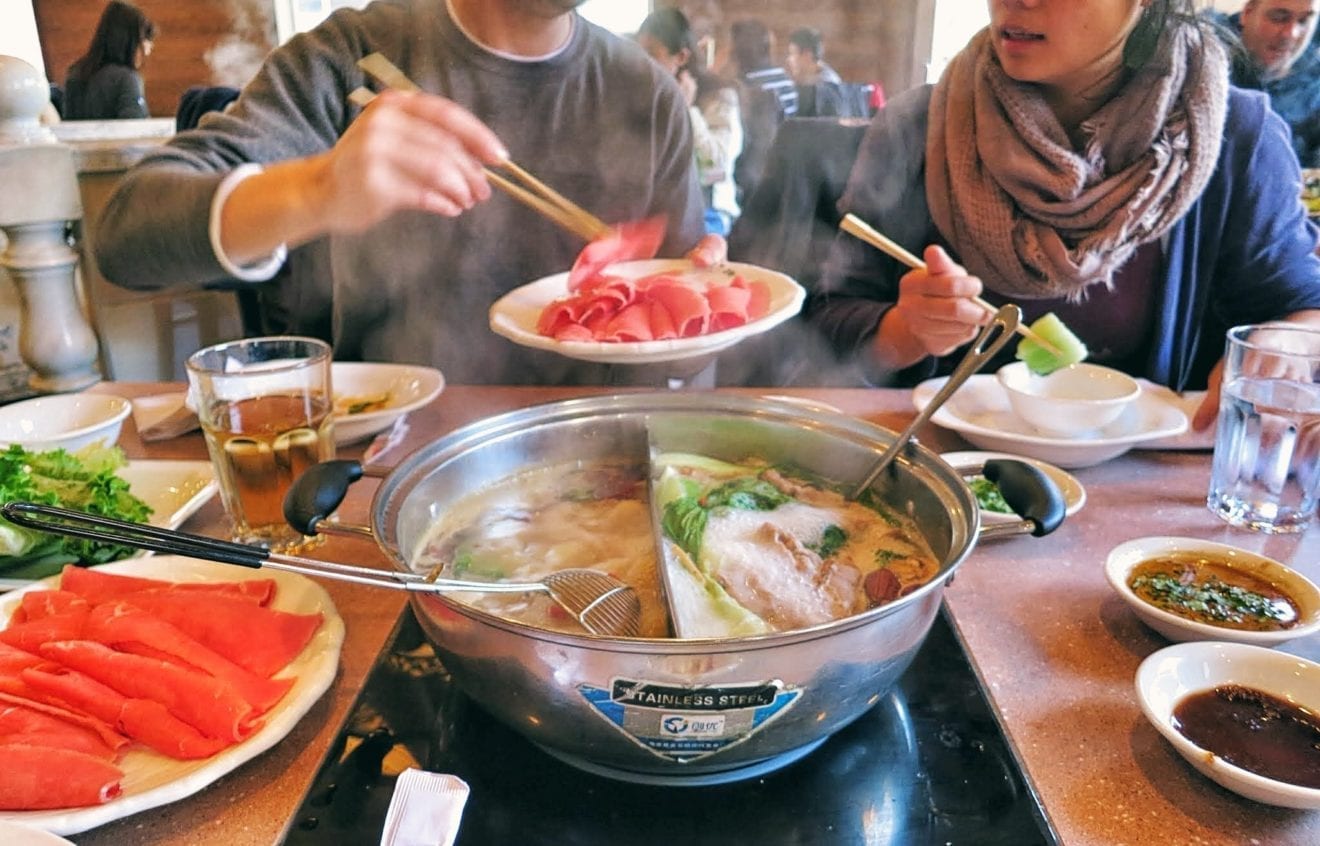
    Japanese restaurant group Colowide is introducing its shabu-shabu hot-pot chain to Vietnam via a franchise network.

    Its first On-Yasai hot pot location opens at Vincom Mega Mall in Hanoi this month, being run by affiliate Colowide Vietnam.

    The 260 sqm outlet seats 128 diners, and the monthly sales target is about US$80,000.

    Colowide already runs Gyu-Kaku yakiniku (grilled meat) restaurants and Japanese-style pubs in Vietnam. Through franchising, it hopes to open 30 On-Yasai locations in Vietnam over the next five years.

    Colowide is also set to acquire Japanese hamburger chain Freshness, and plans to take control of Gyu-Kaku’s North American network this month.

  • Expansion plan from Big C parent company

    Expansion plan from Big C parent company

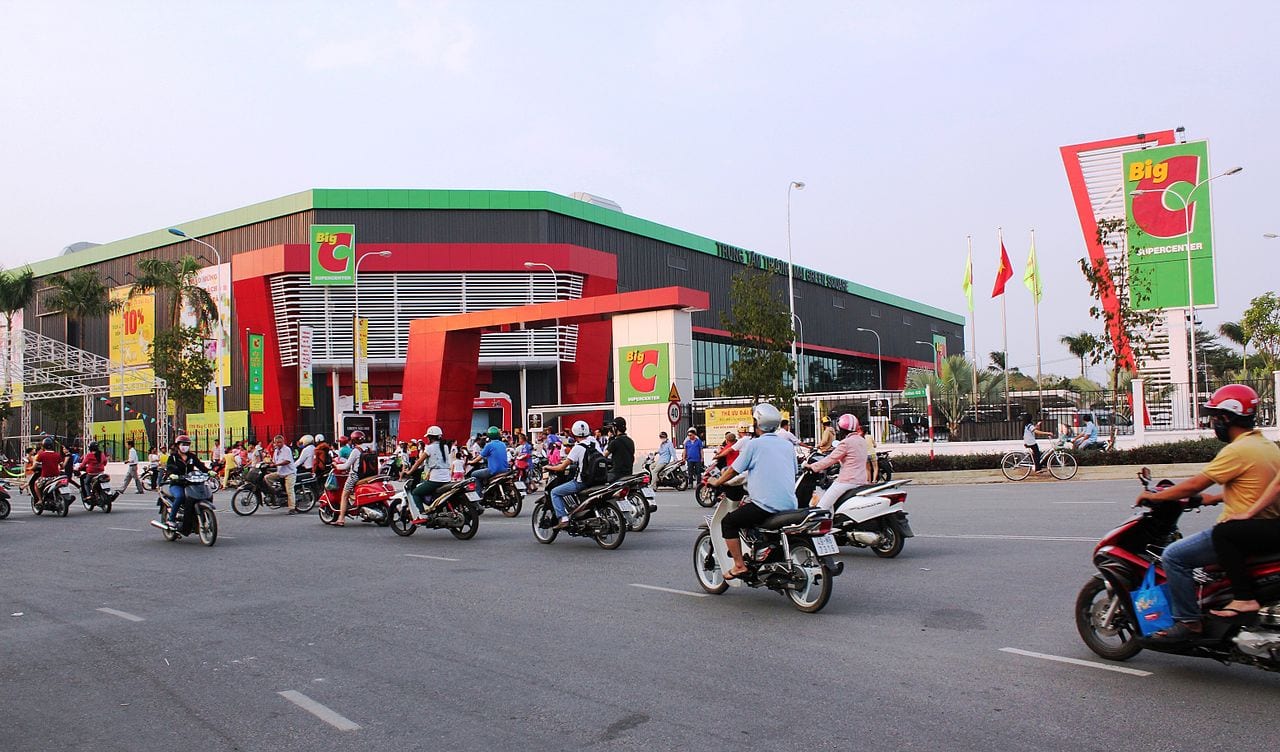
    Berli Jucker (BJC), the owner of Big C Supercenter, will allocate TB10 billion (US$280 million) to expand the Big C hypermarket chain.

    It plans to opening 213 stores and renovate 54 outlets next year.

    BJC executive VP for group strategy and investor relations Oliver Gottschall says the company will make an aggressive expansion of the Big C network through Thailand, spending TB8 billion to open nine Big C hypermarkets, four Big C Market outlets and 200 Mini Big C stores, as well as renovate 54 outlets. The remaining TB2 billion will be reserved as cash flow.

    As previously reported, MM Mega Market, BJC’s wholesale business, has been merged with Big C’s hypermarket business in a bid to promote expansion and management efficiency. BJC closed its Ogenki beauty/drugstores to focus on Big C’s Pure drugstore chain.

    Two MM Mega Market stores in the Nong Khai and Sa Kaeo provinces are expected help expose Big C’s retail network to cross-border trade through their strategic locations near Laos and Cambodia.

    BJC has more than 700 retail branches under various formats in Thailand, mostly under the Big C brand, and more than 100 branches in Vietnam.

    BJC CEO Aswin Techajareonvikul says Big C’s revenue dropped 20 per cent to TB22.7 billion in the third quarter of this year because of the gradual reduction of cigarette and liquor sales. Net profit rose 14.6 per cent year-on-year to TB1.53 billion.

    During the nine-month period, Big C posted a net profit of TB5.27 billion on revenue totalling TB92.6 billion. Nine-month revenue declined 7.3 per cent, attributed to the economic slowdown.

    Gottschall says the rise in net profit in the third quarter came from Big C restructuring, with low-profit products being replaced with more fresh food.

    During the first nine months, BJC posted a net profit of TB2.77 billion on revenue totalling TB97.4 billion. For the third quarter, net profit was TB1.8 billion and total revenue stood at TB33.5 billion.

  • Jollibee to list Highlands Coffee in Vietnam

    Jollibee to list Highlands Coffee in Vietnam

    Jollibee Foods Corp’s subsidiary JSF Investment and its partner Viet Thai International plan to list the Highlands Coffee business on the Vietnam stock exchange.

    According to the announcement, Super Foods, the company owns 51 per cent of Highlands Coffee brand, will be listed publicly by July, 2019.

    The exact stake of the IPO has yet to be disclosed.

    Besides Highlands, Superfoods also owns and operates Pho 24 and the Hard Rock Cafe stores in Vietnam.

    After being acquired by Jollibee Food Corp in 2012 with a $25 million deal, Super Foods has rapidly expanded its Highlands chain throughout Vietnam up to 130 outlets in July.

  • Last Hanoi Parkson to close its doors

    Last Hanoi Parkson to close its doors

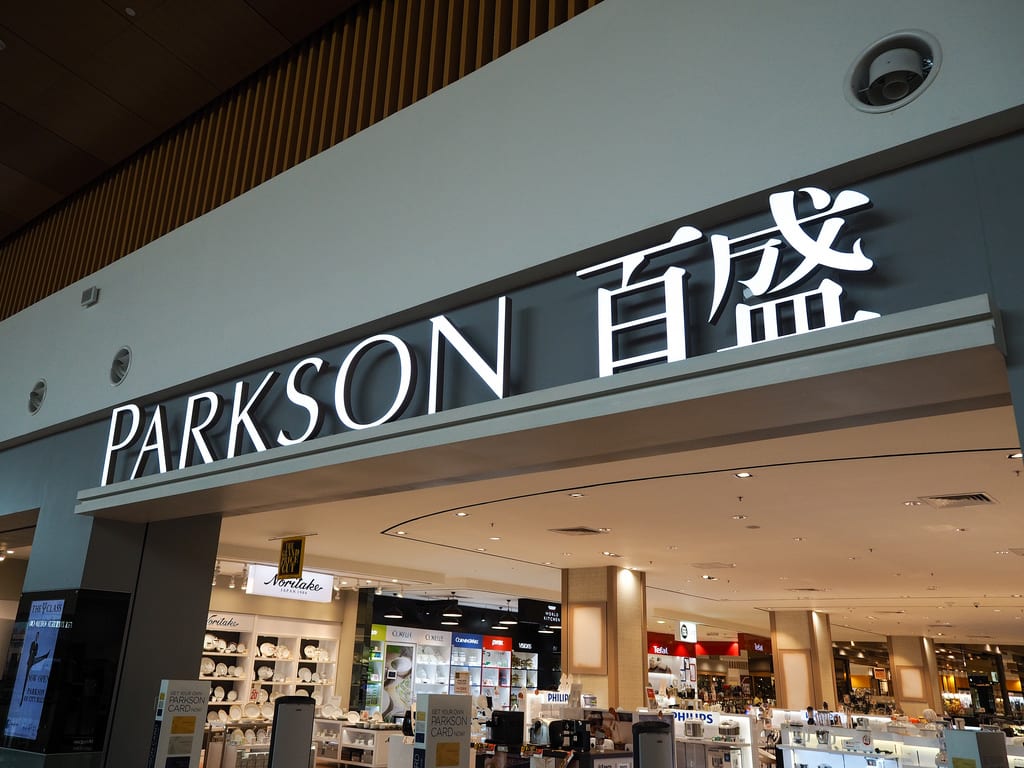
    The last Hanoi Parkson department store has been closed after eight years of trading.

    In an announcement to customers released on November 19, the company said the center “will be moved” on December 15.

    The 11,000 sqm department store located in Viet Tower in the city’s CBD was once expected to become the busiest shopping avenue in Hanoi. However, during eight years, the customer flow has been little.

    Another Hanoi Parkson in the Keangnam area was closed due to a dispute between the retailer and the building owner. All retailers had to move out of the building overnight. Former Parkson CEO Toh Peng Koon once said Vietnam was the toughest market for the company and poor sales was the main reason for that closure.

    In Ho Chi Minh City, Parkson Paragon was closed in May of this year, just five years into a 19-year lease.

    So within two years, Parkson Vietnam has closed three stores and now has none left in the capital.

    The Malaysian department store operator first came to Vietnam in 2005, opening in Saigon Tourist Plaza in Ho Chi Minh City.

    Positioning in middle market, Parkson expected to dominate the retail market in Vietnam. In fact, it brought many international brands to Vietnam such Porsche Design, Sub Jeans, and was considered a shopping icon in the city. However, it quickly faced difficulties when consumer trends changed and other retail giants from Japan, Korea and Vietnam joined the market.

    The most recent arrival is luxury Japanese department store brand Takashimaya.

    Parkson Vietnam now has seven stores in Vietnam – five in HCMC, one in Hai Phong, and one in Danang.

  • Central Group Vietnam plans $30m investment

    Central Group Vietnam plans $30m investment

    Thailand’s Central Group plans a $30 million investment for its Vietnam expansion in the next five years.

    Central Group Vietnam will double the number of supermarkets as well as develop 13 commercial complexes by 2021.

    The Thai-based retailer has been expanding rapidly in Vietnam since 2013 targeting middle class customers.

    Since then, the group has acquired several operations to gain a strong foothold there.

    Last year, it acquired 49 per cent of electronics retail chain Nguyen Kim, followed by fashion eCommerce marketplace Zalora Vietnam.

    This April, Central bought out Big C Vietnam from the French group Casino in a deal worth $1.14 billion. The retail chain has 33 supermarkets nationwide which serves more than 50 million customers annually.

    With the population of more than 90 million, Vietnam has the world’s second-fastest growth per person since 1990, behind only China. In terms of retail growth, the country ranks in the top five in Asia and 11th globally.

  • Vinamilk enters Thai market

    Vinamilk enters Thai market

    The Vietnam Dairy Products Joint Stock Company (Vinamilk), Vietnam’s largest milk producer, has selected Top Most Enterprise (TME) – a Thai company – to distribute Vinamilk products in Thailand, a dairy product market worth about $1.7 billion/year.

    Siwat Thamaranothai, TME’s managing director, told the Bangkok Post that he suggested TME serve as the Thai distributor after enjoying Vinamilk yoghurt during a trip to Vietnam.

    The company launched Vinamilk yoghurt in the Thai market at selected modern retail chains such as Lawson convenience stores and The Mall and Foodland supermarkets three months ago.

    This product is priced at 17-19 baht, higher than other brands. TME expects to cover all distribution channels in the second quarter of next year.

    Most Enterprise also plans to launch Vinamilk UHT milk.

    Vinamilk was the only dairy company in Vietnam to make the list of the Top 300 most dynamic companies in Asia, as recently voted upon by the Nikkei Asian Review.

    Its products are now sold in nearly 200 stores in 45 provinces in Vietnam and in more than 43 countries, such as Cambodia, Thailand, South Korea, Japan, China, Turkey, Russia, Canada, and the US.

    The company has also bought a 22.8 per cent stake in Miraka from New Zealand, 70 per cent in Driftwood in the US, and 51 per cent in Angkor Milk in Cambodia, as well as a subsidiary in Poland as a gateway to Europe.

    It plans to build a new milk powder plant in Vietnam next year and will expand production at its New Zealand plant, which is operating at full capacity.

  • Vietnamese consumers prefer the ‘Made in Thailand’ label

    More than ever, consumers in Vietnam are looking for the ‘Made in Thailand’ label when purchasing consumer goods, and they’re willing to pay a premium for these products, according to experts.

    The high domestic demand for Thai products, they say, was the driving factor that resulted in the Thai Central Group earlier this year acquiring a controlling interest in 33 Big C Vietnam supercenters (and 10 convenience stores) and later Thai BCJ Group’s purchase of 19 Metro Vietnam superstores.

    The majority of Vietnamese consumers are willing to pay more for many key product categories, from baby food and appliances to electronics and apparel, as long as these goods were produced in Thailand, say the experts, reported Thai News Bureau.

    In each of the key categories, they say, at least 50% of domestic consumers are willing to pay a premium of more than 10%.

    More surprising, however, is the fact that the prices of Thai products are often lower than the prices of Vietnamese products of similar size and quality.

    Vu Dieu Thuan, a customer at Metro Ha Dong, says after careful consideration she chose to buy 5kg of Thai rice at US$4.71 (VND105,000) over Dien Bien rice at US$4.93 (VND110,000) because it tastes better.

    Experts say, many Vietnamese consumers report they regularly choose Thai made products over Vietnamese goods regardless of price on a regular basis.

    An assistant at the Metro in Ho Chi Minh City, points out that customers regularly purchase condensed milk from Thailand, which is US$.27 (VND 6,000) less expensive per can than Vietnamese milk.

    Only Thai clothing items are routinely more expensive than similar items made in Vietnam, says the assistant.

    Experts express the view that Thai products are positioned well in the domestic market. On the one hand they are less expensive than Japanese and Korean products of equivalent quality. On the other hand, they are of much better quality than Chinese products.

    To top it all off, they are aesthetically more appealing than Vietnamese products say the experts, adding that domestic consumers on the whole perceive Thai-made products as being of higher quality than local products. In fact, even when comparing Vietnamese and Thai products of similar price and quality, the majority of domestic consumers would still buy the Thailand-made items, they say.

    Still other experts disagree vehemently and say not so fast. Vu Vinh Phu, president of the Hanoi Supermarket Association, says Thai products are benefiting from better placement in stores like Big C and Metro.In these supercenters, says Mr Phu, the placement of retail products on shelves favors Thai products over Vietnamese products. One commonly used phrase in retail is “eye level is buy level”.Meaning that products positioned at eye level are likely to sell better. Stores like Big C and Metro are putting Thai products at eye level or just below, which is the best location and this explains in part why their sales are better.

    The location of goods within an aisle is also important, says Mr Phu. Vietnamese goods are being placed at the start of an aisle and don’t sell as well as Thai products placed in the center of the aisle. As well items placed at the end of aisles sell better because of higher visibility and Thai products are given these choice locations as well, says the Vietnam Association of Seafood Exporters and Producers (VASEP). The battle between supercenters and their placement of Vietnamese produced goods continues, says VASEP, adding they are urging Big C and Metro to give better visibility and placement to Made-in-Vietnam products.

  • Indonesia Falls Behind Vietnam in Pepper Production

    Indonesia Falls Behind Vietnam in Pepper Production

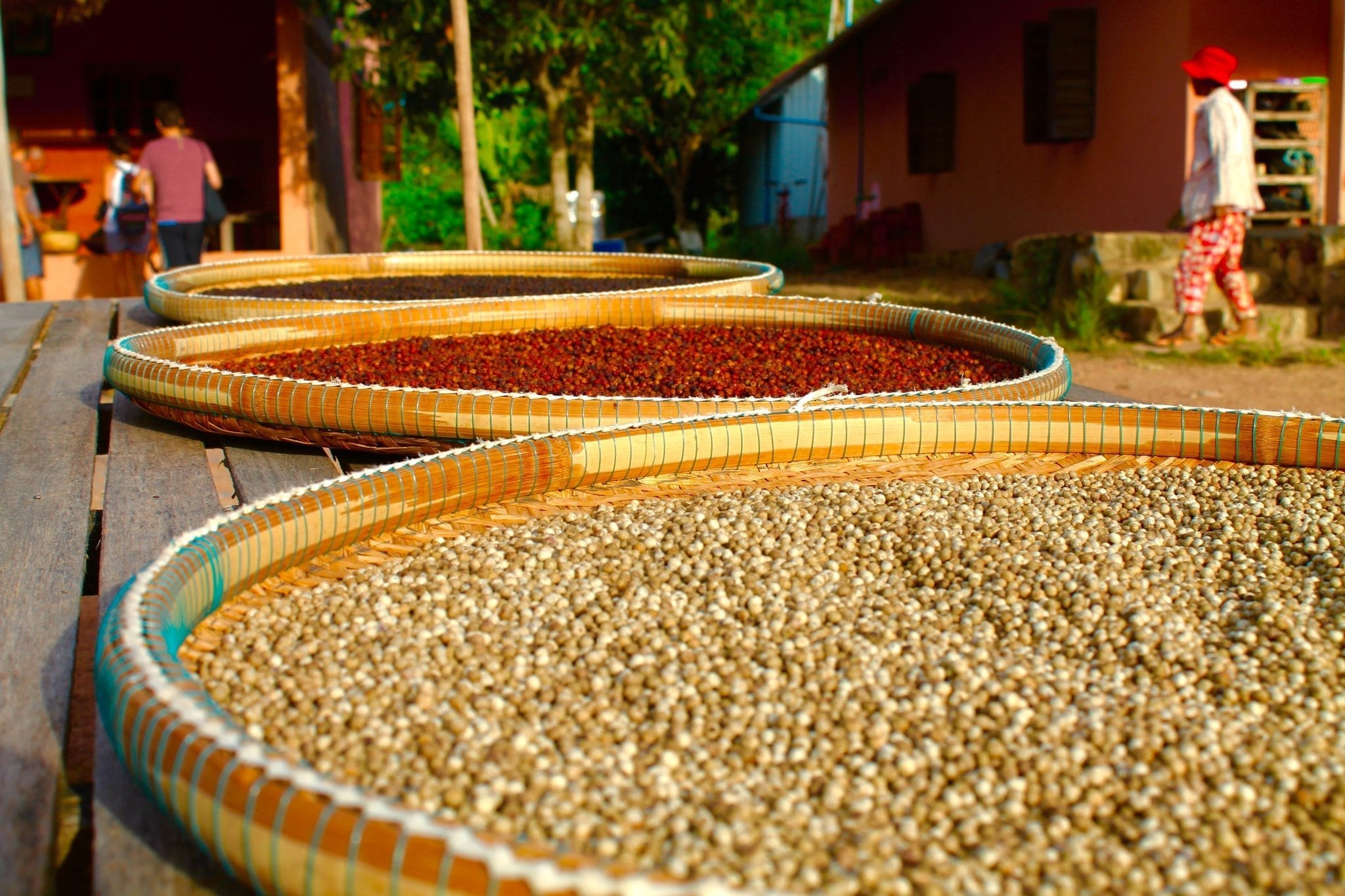
    Indonesia is the world’s second largest pepper producer. In 2013, Indonesia’s pepper production reached 88,700 tons, or an 18.8 percent worldwide market share. Indonesia has the world’s largest pepper production area with 178,000 hectares.

    However, the productivity of Indonesia’s pepper production area is only at 0.5 tons per hectare. “The productivity is low despite having the world’s largest pepper production area,” the head of Trade Study and Development Board, Trade Ministry, Tjahja Widayanti said.

    Whereas Vietnam is the world’s largest pepper producer, boasting a market share of 34.5 percent of world’s total pepper production. Vietnam’s pepper production in 2013 was 163,000 tons, having a “mere” 51,000 hectares of pepper production area.

    Vietnam’s pepper production area is smaller than that of Indonesia and India. “It shows that the productivity of Vietnam’s pepper production area is very high, i.e. 3.2 tons per hectare,” Tjahja said.

    Aside from Vietnam, other countries which have a high productivity of pepper production area are Rwanda at 3.9 tons per hectare, Thailand at 3.4 tons per hectare, Malaysia at 2.5 tons per hectare and Brazil at 2.3 tons per hectare.

    According to the International Pepper Community (IPC), world pepper production this year is expected to fall by 1.75 percent compared to last year’s realization of 403,213 tons. Some 87.22 percent of which, or 351,710 tons, were contributed by IPC member states. In 2017, pepper production is projected to recover, reaching 425,100 tons. “Global pepper industry is still facing challenges of climate change which adversely affects pepper production and quality,” Tjahja said.

    World import of pepper has been increasing. In 2015, the total world import of pepper reached US$3.3 billion with an average annual increase of 15.6 percent throughout 2012-2015. The United States is the world’s largest pepper importer with a 22.8 percent share of the import market. Singapore and India’s pepper imports have significantly increased by 40.7 percent and 27.4 percent, respectively.

  • H&M Vietnam launching in 2017

    H&M Vietnam launching in 2017

    International fashion brand H&M Vietnam (Hennes & Mauritz) has signed for its first store openings next year.

    No further details have been released by the Swedish fast-fashion company, which will also move into Colombia, Iceland, Kazakhstan and Georgia next year.

    Founded in 1947, H&M’s business credo is to offer fashion and quality at the best price in a sustainable manner.

    Other brands in the H&M Hennes & Mauritz group include & Other Stories, Cheap Monday, COS, Monki and Weekday, as well as H&M Home. The H&M Group has more than 4200 stores in 64 markets, including franchise markets.

    It’s debut in Vietnam was widely expected after rival brand Zara launched in Ho Chi Minh City in September, achieving the highest first day sales of any store globally.

  • Vietnam & South Korean businesses signed 10 contracts

    Vietnam & South Korean businesses signed 10 contracts

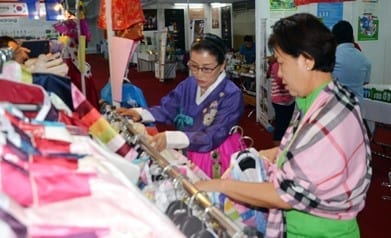
    The five-day fair themed “Viet Nam-South Korea Cooperation for Mutual Development” was held in the southern province of Ba Ria-Vung Tau.

    Truong Van Thoi, director of the provincial Trade Promotion Centre, said the event attracted some 40,000 visitors who spent over VNĐ6.5 billion.

    Wooden furniture businesses earned the highest revenue totalling VNĐ1.7 billion, followed by firms in textile, garments and the retail sector.

    Meanwhile, South Korean companies posted total revenue of some VNĐ1.1 billion.

    The fair facilitated local enterprises and businesses of both sides to foster their trade promotion activities, share market information and exchange experiences, helping them find suitable partners.

    The event featured 348 booths showcasing products of 194 firms, including 84 from Ba Ria-Vung Tau and 35 from outh Korea.

    Participants brought to the fair various items, including wooden products, handicrafts, interior décor and garments, as well as seafood, plant varieties, cosmetics and other consumer goods.

  • Japan Food Holding trims offshore outlets

    Japan Food Holding trims offshore outlets

    Singapore-based Japanese restaurant chain Japan Food Holding achieved 10.8 per cent growth in net profit for the six months to September 30.

    This took its net profit to S$2.7 million (US$1.95 million) on the back of a 5.5 per cent increase in revenue to S$33.5 million.

    At the end of the period it had 51 outlets, up six from the same time a year ago.

    On a quarterly basis, the group maintained its net profit at about $1.4 million, while its revenue eased up by 4.7 per cent to $16.6 million.

    Japan Foods says its improved performance was driven mainly by it having more restaurants, with encouraging performances from its new brands including Dutch Baby Cafe, Ginza Kushi-Katsu and New ManLee Bak Kut Teh. There was also a higher gross profit margin for the second quarter, up from 84.3 per cent last year to 85.1 per cent, thanks to constant cost-management efforts such as bulk purchasing and product pricing.

    Outside Singapore, the group’s network dropped to 19 restaurants from 24 with the closure of three Ajisen Ramen restaurants in Malaysia and Vietnam. In Hong Kong, the group’s associated companies closed two Menya Musashi restaurants when their leases expired.

    Takahashi says the coming 12 months are expected to remain challenging in Singapore because of intense competition, tight labour supply, rising business costs and the uncertain economic outlook.

    Executive chairman/CEO Takahashi Kenichi says that consumer sentiment turning “bearish” because of recession fears has been tough on F&B businesses. “However, I believe we are offering good-quality food at reasonable price points, and this has enabled us to continue attracting diners.”

    Despite the solid overall result, the group’s flagship brand and main revenue generator, Ajisen Ramen, as well as its Keika Ramen brand, had a fall in revenue from $6.9 million in last year’s second quarter to $6.5 million for the latest period. This was a result of two Singapore restaurants – at Compass Point and Tiong Bahru Plaza – having to close for mall renovation works.