Retail News CRM

Tag: zara

  • Zara Unveils Latest Flagship Store in Shanghai, Showcasing New Global Store Design

    Zara Unveils Latest Flagship Store in Shanghai, Showcasing New Global Store Design

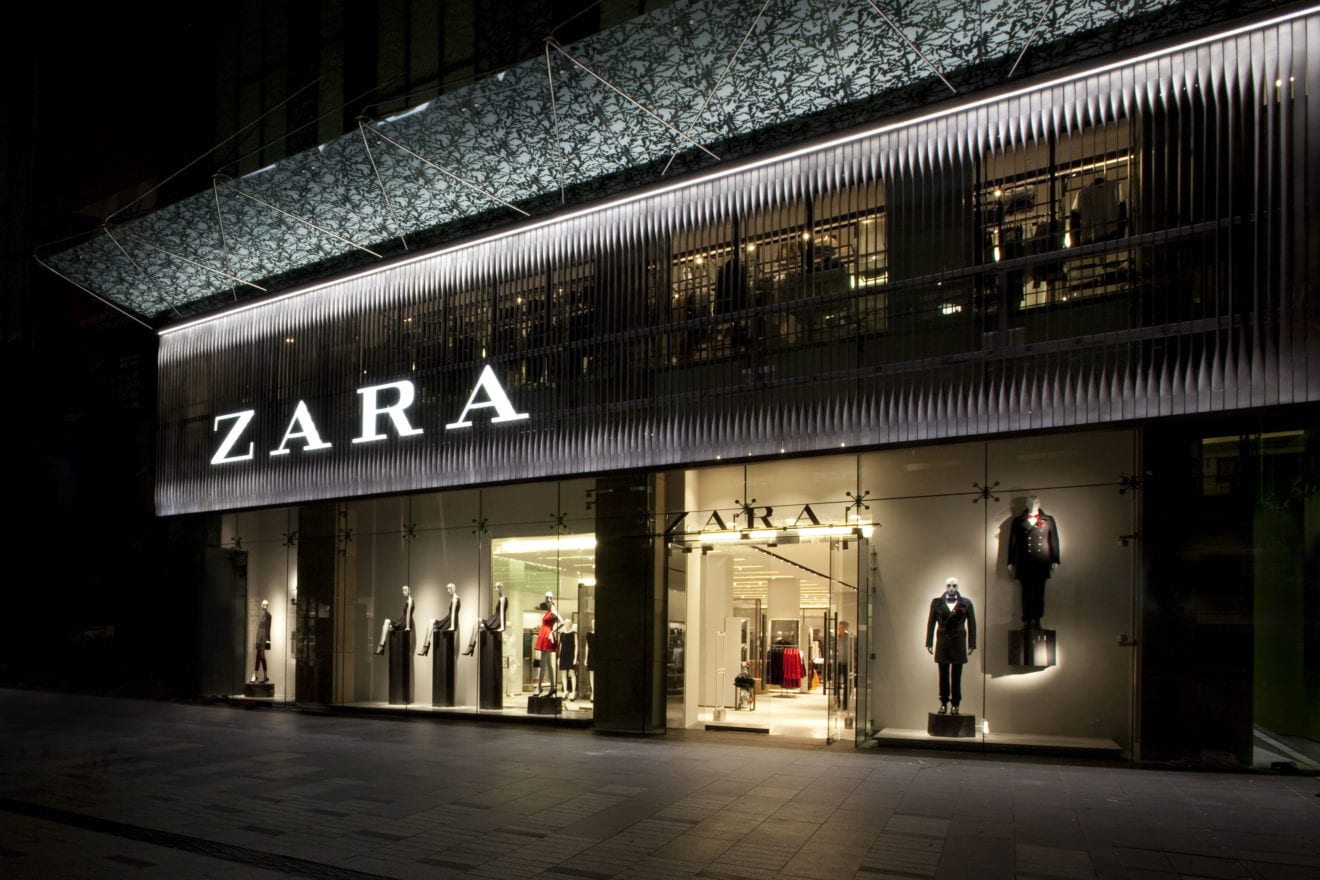
    Spanish fashion retailer Zara has expanded its presence in China by launching a state-of-the-art flagship store on Shanghai’s Huaihai Road. The new establishment reflects a strategic shift by its parent company, Inditex, towards larger retail spaces in prime locations, enhanced shopping experiences, and a consolidation of its store network through the closure of smaller outlets.

    The Huaihai Road store, which officially opened on June 6, sprawls over almost 2000 square meters across five floors. It features Zara’s full range of men’s and women’s apparel. Shoppers will also find designated sections for footwear, handbags, the Athleticz line, Zara Salon, and fragrances. This modern retail space was brought to life by the Zara Architecture Studio, in partnership with AIM.

    The Shanghai store’s unveiling is part of Zara’s ongoing flagship upgrade program across the Asia-Pacific region, a strategy that included considerable enhancements to its outlets on Nanjing Road in the previous year.

    Eugenio Bregolat, President of Inditex Greater China, highlighted the significance of the event, stating it marked a notable milestone as Zara celebrates two decades of operations in China. He reaffirmed the company’s commitment to uplifting the customer experience throughout the country by creating more inspiring and immersive retail spaces.

    Meanwhile, another Inditex brand, Massimo Dutti, is gearing up to open its flagship store at the Hong Kong Plaza near Huaihai Middle Road, further indicating the group’s ongoing investment in landmark locations within China.

    Questions & Answers

    **What is the new strategy of Zara’s parent company, Inditex, in China?**
    Inditex’s new strategy focuses on opening larger stores in key locations, enhancing the shopping experience, and consolidating its store network by closing smaller outlets.

    **What does the new Zara store on Shanghai’s Huaihai Road offer?**
    The new store, spread over almost 2000 square meters across five floors, offers Zara’s men’s and women’s collections, and includes designated areas for footwear, handbags, the Athleticz line, Zara Salon, and fragrances.

    **What does the opening of the new Zara store signify?**
    The opening of the new Zara store marks a milestone as the brand celebrates its 20th anniversary in China. It also symbolizes the continuation of Inditex’s investment in flagship locations within the country.
  • Inditex, Parent Company of Zara, Leverages In-Store Strategy to Drive Continuous Growth

    Inditex, Parent Company of Zara, Leverages In-Store Strategy to Drive Continuous Growth

    Inditex, the multinational retailer that owns fashion brands like Zara, Bershka, and Stradivarius, has reported continued growth in its sales, a result attributed to its store-centric strategy.

    As the largest fashion retailer globally and headquartered in Spain, Inditex initiated its fiscal year with an impressive $10.1 billion in first-quarter sales. This resulted in a net profit of $1.6 billion. These figures represent a growth rate of 5.75 percent and 5.36 percent, respectively.

    By the end of the quarter, Inditex owned a total of 5456 stores worldwide. This included 1495 Zara stores, a decrease from the 5562 stores it held at the same time the previous year.

    Investment and Innovation Drive Growth

    Inditex has attributed its growth to continuous investments in its store network, developments in online sales channels, and improvements in logistics platforms, all with a keen focus on innovation and technology.

    The company’s Asia-based store network prominently features its Zara, Massimo Dutti, and Zara Home brands. Online, the company has a significant presence in the region with brands such as Pull and Bear, Bershka, Stradivarius, and Oysho.

    Inditex operates across 215 markets and, despite its relatively low share in a highly fragmented sector, the group sees robust growth opportunities. “The optimisation of stores is ongoing, and we expect this to drive further gains in store productivity,” they remarked.

    The group aims to grow its retail floorspace by approximately 5 percent by 2026. It has earmarked capital expenditure of $2.7 billion over the next three quarters to achieve this.

    Questions & Answers

    What is the reason behind Inditex’s continued growth in sales?
    The company says that its growth is due to ongoing investment in its store network, advancements in its online sales channels, and improvements to its logistics platforms, with a focus on innovation and technology.

    How many stores does Inditex own worldwide, and what is the breakdown of these stores?
    Inditex owns a total of 5456 stores worldwide. Of these, 1495 are Zara stores.

    What are Inditex’s future growth plans?
    Inditex plans to increase its retail floorspace by about 5 percent by 2026. It has allocated capital expenditure of $2.7 billion over the next three quarters to achieve this goal.

  • Zara Embraces AI Revolution: Transforms Fashion Photography with Real-Life Model Imagery

    Zara Embraces AI Revolution: Transforms Fashion Photography with Real-Life Model Imagery

    Fast-fashion powerhouse Zara has ventured into the realm of artificial intelligence (AI), employing this sophisticated technology to hasten and streamline the process of creating new images featuring real models in a range of outfits. This venture is part of an emerging trend in the fashion industry that promises to transform the landscape of fashion photography.

    AI Adoption: A New Chapter for Fast Fashion

    Following in the footsteps of its Swedish competitor H&M and the European online retailer Zalando, Zara has begun to harness the power of AI in its marketing strategy. This shift towards AI integration may pave the way for quicker and more efficient creation of visual content.

    A representative of Zara’s parent company, Inditex, stated that the company is currently utilizing AI technology not as a replacement for traditional methods but as a supplement to existing processes. The company continues to collaborate with its models, obtaining their consent for the use of AI in manipulating their images, and offering compensation in line with industry standards.

    It was revealed that Zara approached models to request their permission to edit their images using AI technology, promising to pay them the same remuneration they would receive for participating in another photoshoot.

    AI as a Complement, Not a Replacement

    Similarly, H&M and Zalando, like Inditex, have emphasized that AI serves as a tool to enhance the efficiency of their creative teams’ processes and not as a substitute for their roles. This position mitigates the potential threat to photographers and production teams who are integral to fashion shoots.

    Inditex chair Marta Ortega, who is also the daughter of founder Amancio Ortega, is known for her passion for fashion photography. Through her Marta Ortega Perez Foundation gallery in A Coruna, where Zara was founded, she has hosted exhibitions featuring the works of renowned photographers. The gallery currently hosts an exhibition of Annie Leibovitz’s fashion photography and has previously exhibited works by esteemed photographers Steven Meisel and Helmut Newton.

    Ortega has been steering Zara towards a more upscale market image by consolidating its stores and focusing on larger, more stylish flagship outlets.

    The Impact of AI on Fashion Photography

    Isabelle Doran, the CEO of the Association of Photographers in London, weighed in on the implications of AI adoption in fashion photography. She indicated that the use of AI could potentially decrease the frequency at which photographers, models, and production teams are hired. This shift could affect not only established professionals but also emerging fashion photographers struggling to make their mark in the industry.

    Questions & Answers

    What impact does the use of AI have on the fashion industry?
    The adoption of AI in the fashion industry can streamline production processes, increase efficiency, and potentially alter the dynamics of fashion photography.

    How is Zara utilizing AI technology?
    Zara is using AI to create new images of real models in various outfits quickly and efficiently. This technology is used to complement and enhance existing processes, not to replace them.

    What could be potential implications of AI adoption for fashion photographers and models?
    The widespread use of AI could impact the frequency of commissions for photographers, models, and production teams, potentially affecting the opportunities and income of professionals in the industry.

  • Zara Unveils Japan’s First Zacaffe within its Osaka Flagship Store: A Fusion of Fashion and Culture

    Zara Unveils Japan’s First Zacaffe within its Osaka Flagship Store: A Fusion of Fashion and Culture

    Spanish retailer, Zara, has inaugurated a new flagship store in the Shinsaibashi district of Osaka, marking the introduction of Japan’s inaugural Zacaffe. This innovative café concept is an initiative by the brand to establish a cultural symbiosis with every city it operates in.

    Architectural Synergy

    The store, spanning a generous 1,900 square meters across four floors, is a harmonious blend of traditional Japanese architectural elements and modern design aesthetics. The interior design utilizes traditional elements such as tatami, adobe, and noren, alongside hammered black metal and steel finishes, creating a fusion of historic influences with contemporary styling.

    Product Display and Boutique Spaces

    The flagship store showcases a range of product display areas and exclusive “boutique” spaces. The store uses custom-made furniture and uniquely designed layouts to emphasize specific collections, contributing to a tailored and immersive customer experience.

    Brand Lines and Accessory Selection

    The Shinsaibashi outlet also houses dedicated sections for distinct brand lines. Furthermore, the store boasts an expanded catalogue of footwear and accessories, offering a comprehensive shopping experience to its patrons.

    Zara said, “The entire space is intuitively designed to provide a welcoming and immersive shopping experience, seamlessly integrating both women’s and kids’ collections.”

    Questions & Answers

    What is the unique feature of the new Zara store in Osaka’s Shinsaibashi district?
    The store marks the introduction of Japan’s first Zacaffe, a café concept with the aim of establishing a cultural connection with the city.

    What architectural elements does the new Zara store incorporate?
    The store design combines traditional Japanese elements like tatami, adobe, and noren with contemporary elements such as hammered black metal and steel finishes.

    What does the Zara store offer in terms of products and collections?
    The store features distinct display zones and boutique spaces to highlight specific collections. Additionally, it includes areas for distinct brand lines and an expanded selection of footwear and accessories.

  • Inditex’s Oysho Debuts In Philippines With Innovative Retail Concept At Mall Of Asia

    Inditex’s Oysho Debuts In Philippines With Innovative Retail Concept At Mall Of Asia

    Oysho, an activewear brand under the umbrella of Inditex, the same company that owns Zara, has recently made its grand entrance into the Philippine market with a store opening at the Mall of Asia in Manila.

    A Fresh Concept for Retail Space

    The newly launched 659 square meter, single-level Oysho store is innovatively partitioned into several distinct areas, each offering a unique shopping experience. To begin with, customers are greeted by the Welcome Zone, featuring a ceramic block wall which proudly displays the Athleisure range.

    Following this, there’s the Club Zone, characterized by its oak wood finishes, and the Basics Zone featuring zipper rails for product display. To ensure privacy and comfort during the product trial phase, oak-paneled fitting rooms have also been incorporated into the design.

    The store’s Wow Zone, positioned strategically at the entrance, showcases seasonal collections bolstered by immersive, branded light imagery to captivate and draw in shoppers.

    Consistent Aesthetics and Expanded Presence

    The store’s external facade is adorned with natural stone, giving it a rustic and earthy appeal. Inside, a continuous linear lighting system illuminates the space, delivering a uniform aesthetic throughout the store.

    Oysho’s brand introduction to the Philippines is part of Inditex’s ongoing retail strategy. The company operates eight retail concepts, including Zara, Pull&Bear, and Massimo Dutti. The expansion into the Philippines strengthens Oysho’s presence in Asia, adding to their existing markets in countries such as China and South Korea.

    Questions & Answers

    What makes Oysho’s new store in the Philippines unique?
    The store is uniquely designed with distinct zones, each offering a different shopping experience. It also features branded light imagery and a continuous linear lighting system for a consistent look throughout the space.

    Who owns Oysho?
    Oysho is owned by Inditex, the same company that owns Zara, Pull&Bear, and Massimo Dutti.

    What is the significance of Oysho’s expansion into the Philippines?
    The expansion into the Philippines strengthens Oysho’s presence in Asia, adding to their existing markets in countries such as China and South Korea. It’s an indication of the brand’s growth and success in the Asian market.

  • Zara to open at Changi Airport

    Zara to open at Changi Airport

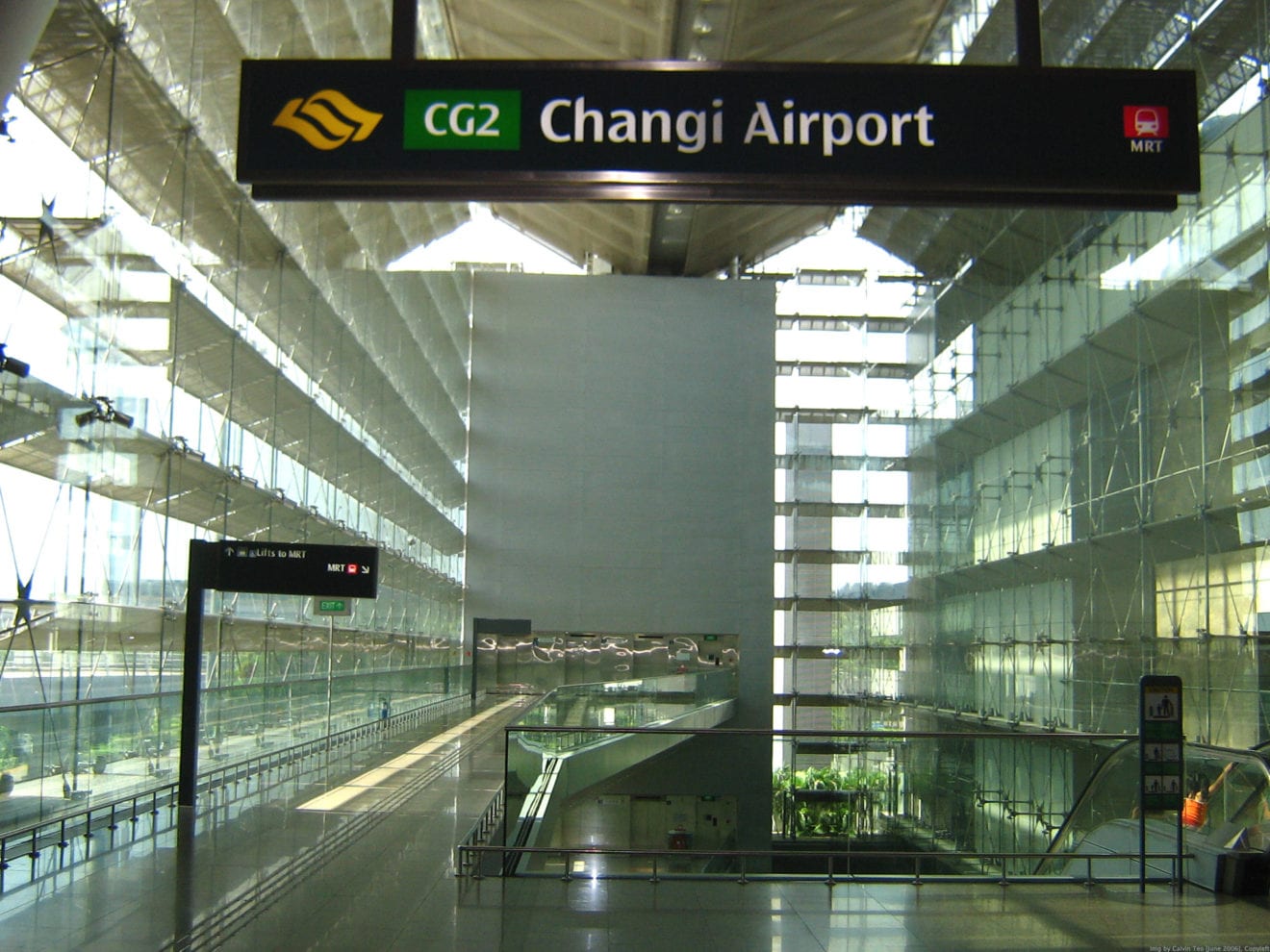
    Spanish clothing brand Zara will open a shop in Singapore’s Changi Airport in May.

    The new store, in Terminal 3, is part of a broader plan by Singapore Zara franchisee, Dubai-based Al-Futtaim Group, to ramp up the Zara brand’s retail offer in the city state.

    In the same month, Al-Futtaim Group will reopen the brand’s store in Ion Orchard, in the heart of the Orchard Rd shopping strip, after an extensive renovation and expansion.

    The Zara expansion plan was outlined in concert with revelation of plans to refocus the Robinsons and Marks & Spencer operations in Singapore. Al-Futtaim Group also has Royal Sporting House in its retail brand portfolio.

    The company plans to open the first stand-alone Royal Sporting House Junior store at Suntec City in May, ranging footwear for those aged between six and 12.

    Kesri Kapur, head of the Al-Futtaim Group’s Asian business said the changes were about reacting to “the ever-evolving retail landscape” in Singapore.

    He said the relevancy of the mall space had to be balanced with the brand profile, shoppers’ consumption patterns and increasing competition as well as Singapore’s labour shortage, so the business “stayed relevant in the retail market”.

  • Zara to open first cafe in South Korea

    Zara to open first cafe in South Korea

    Zara, the Spanish fashion giant, is set to open its first Zacaffe location in South Korea this May, launching inside the brand’s newly renovated flagship store in Myeong-dong, Seoul.

    The move reflects a growing trend among global fashion brands incorporating cafes into their retail spaces, offering customers a more immersive brand experience.Zara introduced Zacaffe in Madrid in November 2024, integrating a cafe space within select stores to serve coffee, desserts, and branded merchandise, including tumblers, hats, eco-bags, and t-shirts. Following its China debut in Nanjing this month, the Seoul location will be its third global outpost, with an Osaka store also in the pipeline.

    “Myeong-dong is a prime shopping and fashion district, attracting both locals and tourists, making it the perfect location for a flagship Zara store and our cafe experience,” a Zara representative said.

    Zara also plans to introduce Korean-inspired desserts and a cafe design that reflects local aesthetics, aiming to attract both domestic customers and international visitors. The company is considering further expansion within South Korea.Zara is not alone in blending retail and café culture. Luxury fashion brands have increasingly adopted coffeehouse ventures to strengthen their brand presence and enhance customer engagement.

    Ralph Lauren introduced Ralph’s Coffee to South Korea in September 2024, opening a cafe in Seoul’s Garosu-gil district, a decade after launching the brand in New York in 2014. The cafe, featuring classic green-and-white interiors and American-style menu offerings, has drawn long queues, even on weekdays. Ralph’s Coffee also opened a popular pop-up store at The Hyundai Seoul last month.
    Maison Kitsune, the Parisian-Japanese brand under Samsung C&T fashion division, launched cafe Kitsune in Seoul’s Garosu-gil in 2018. The brand has since expanded to Hyundai Department Store’s Mokdong and Pangyo locations, as well as Shinsegae’s Centum City branch, where the cafe welcomes over 400 customer groups daily on weekends.

    Gelato Pique, a Japanese homewear brand, entered the cafe scene in September 2024 by opening Pique cafe in Hannam-dong, Seoul. The cafe offers specialty crepes and gelato, aligning with the brand’s “comfortable luxury” ethos and attracting foot traffic to the store.The trend underscores a strategic shift in the fashion industry. With the rise of e-commerce reducing in-store foot traffic, brands are reinventing retail spaces as lifestyle destinations.

    “Online shopping has made it harder for brands to showcase their identity in physical stores,” a fashion industry insider noted. “By launching cafés and selling branded merchandise, fashion labels create a more tangible, memorable experience for customers.”

    As more brands adopt cafe-driven retail strategies, the industry’s shift toward experiential shopping is expected to accelerate, blurring the lines between fashion, lifestyle, and hospitality.

  • Inditex posts solid nine-month revenue growth

    Inditex posts solid nine-month revenue growth

    Apparel giant Inditex says its net revenue grew by 7.1 per cent, reaching US$29.04 billion (€27.4 billion) for its first nine months.

    The company says the results reflect strong growth for its physical stores and online channels.

    Inditex’s gross profit increased by 7.2 per cent, totalling $17.33 billion (€16.3 billion), while its EBITDA jumped by 9.3 per cent, reaching $6.09 billion (€5.7 billion).

    The company continued its expansion, with 45 new store openings across multiple markets. By the end of the period, Inditex operated 5659 stores globally.

    Looking ahead, Inditex said it’s focused on its long-term growth, with an investment of $951 million (€900 million) annually in logistics for this year and the next. This investment aims to improve the company’s logistics capacity and enhance its integrated business model.

    Zara, Inditex’s flagship brand, continues to lead the portfolio, along with other brands such as Bershka, Massimo Dutti, Oysho, Pull&Bear, Stradivarius, Uterqüe, and Lefties.

  • Zara opens first tech-forward concept store in Thailand

    Zara opens first tech-forward concept store in Thailand

    Zara has renovated its store in Central Phuket, making it the brand’s first tech-forward concept store in Thailand.

    The store, which first opened in 2011, features a white minimalist interior design and has more than doubled in size, from 840sqm to more than 1700sqm. It features technology tools that allow customers to integrate online and physical store platforms.

    This is part of the brand’s global rollout of its new concept, which aims to provide customers with a more spacious, innovative, and sustainable shopping experience.

    The Inditex-owned company unveiled its first tech-forward concept store in Madrid, Spain, which it characterised as the “most advanced” store in 2022. The store concept focuses primarily on technology tools that allow consumers to browse the store of their choice online, check available stock, shop online, and pick up their products in just two hours.

    It also promotes sustainability in store, where it uses eco-friendly products and “some of the most advanced environmental eco-efficient systems”

    Zara has also launched this model with stores in the US, India, and Portugal.

  • Inditex sees higher sales, profit across all brands

    Inditex sees higher sales, profit across all brands

    Zara owner Inditex on Wednesday beat expectations with a 40% jump in half-year net profit despite the world’s biggest fast fashion company slowing the pace of its price increases.

    Inditex has widened its lead over Swedish rival H&M this year by delivering fashion trends faster from nearby suppliers at prices that allow it to cope with inflationary pressures. The company posted a net profit of 2.5 billion euros ($2.7 billion) for the six months to July 31, outpacing a 2.38 billion euro market forecast, according to data from LSEG.

    However, its shares fell 1.5% in early trading in Madrid as investors booked profits following a 58% rise over the past year.

    “Given recent performance, many investors just question how long the strength can go on for,” said Bernstein analyst William Woods.

    Most analysts expect Inditex’s strong financial position will allow it to keep prices stable or even cut them in the face of weakening demand and lower inflation

    The retailer’s flagship brand Zara plans further store expansion in the United States, a market that two years ago became Inditex’s biggest after Spain.

    Inditex sales rose 13.5% to 16.9 billion euros and a gross margin of 58.2%.

    The group, which also owns Bershka, Pull & Bear, and other brands, said sales at constant currencies between Aug. 1 and Sept. 11 were 14% higher than a year earlier, showing that the pace of summer sales continues as autumn collections start to arrive.

    “I expect pricing increases to moderate now through the course of the next year,” said RBC analyst Richard Chamberlain, adding that the results beat his expectations.

    With a big share of its costs in euros, Inditex said it expects currencies to have a -3.5% impact on sales this year, worse than the -2.5% impact it expected previously.

    The company kept its outlook unchanged, saying it “continues to see strong growth opportunities” as it currently has low market share in the 213 countries where it has a presence.

    Inditex was among the first fashion retailers to raise prices in response to surging inflation early last year. Its higher and more diverse pricing strategy outside its home market of Spain helped it post record margins.

    With inflation easing, analysts at Bank of America and the Royal Bank of Canada are betting that Inditex is better placed than its peers to compete by offering stable prices and even lowering them next year to continue growing globally.

    Worldwide Inditex reduced its stores to 5,745 from 5,801 in the second quarter, showing how the retailer has managed to increase sales while reducing space.

    Zara has sought to attract more aspirational shoppers by associating its brand with luxury instead of fast fashion. Last week it launched a collection with celebrated fashion photographer Steven Meisel, with a campaign featuring supermodels, including Linda Evangelista.

    Since July, Inditex has been renewing anti-shoplifting devices at its stores, replacing tags with chips sewn into garments in the autumn and winter collections, the company said.

    The switch to a soft-alarm system aims to reduce checkout times by up to 50%, though only a few items have them now.

  • H&M closes Shanghai flagship after Covid lockdowns

    H&M closes Shanghai flagship after Covid lockdowns

    H&M has shut its flagship Shanghai store, its latest closure in China where consumer demand has slumped amid COVID-19 lockdowns and the fast-fashion retailer has borne the brunt of a backlash against companies that refuse to use Xinjiang cotton.

    Although it was open earlier this month, the three-storey building in downtown Shanghai was on Friday boarded up with its H&M signage gone.

    The world’s second-biggest fast-fashion retailer entered China in 2007 with the opening of the Shanghai flagship store and rapidly expanded. It had more than 500 stores in mainland China early last year but its website currently only lists 376, including the flagship Shanghai store.

    The company declined to comment, citing a blackout period prior to its first-half earnings report on June 29.

    Although nearly a month has passed since Shanghai lifted a strict two-month lockdown, consumers have yet to return to malls in significant numbers.

    Chinese consumers have also beat a retreat from its products after a letter in which H&M expressed concerns about allegations of forced labour in the Xinjiang region came to light in 2021.

    Other brands that publicly disavowed Xinjiang cotton such as Inditex’s, Zara, Nike and Adidas have also suffered with Chinese netizens calling for boycotts and Chinese celebrities refusing to work with them.

    But the backlash against H&M, the first foreign retailer to express concerns, has been particularly harsh. Unlike other brands, its products remain unavailable on major Chinese e-commerce sites such as Tmall and JD.com.

    UN experts and rights groups estimate over a million people, mainly Uyghurs and other Muslim minorities, have been detained in recent years in a vast system of camps in China’s western Xinjiang region.

    Many former inmates have said they were subject to ideological training and abuse in the camps. China denies all accusations of abuse.

  • Zara joint venture records loss in India

    Zara joint venture records loss in India

    Inditex, the Spanish owner of fashion brand Zara posted its first-ever loss in India as sales dipped by 28% due to Covid lockdowns and related staggered reopening during the financial year 2021 (FY21). The fashion house consistently posted profits in India since entering the country in 2010.

    Zara’s joint venture partner with Tata, Inditex Trent, which runs 21 stores in India saw its revenue decline to Rs 1,126 crore in FY21. The company posted a net loss of Rs 41 crore as per Trent’s annual report released Thursday. It posted a profit of Rs 104 crore in the previous year. It is one of the most profitable apparel retailers in the country.

    Trent’s annual report said FY21 started with significant uncertainty due to the pandemic. It added that operating profit was hit by a drop in sales and restaurants profits due to Covid-related lockdowns and trade restrictions.

    According to an Economic Times report, Trent has yet another association with Inditex group to operate Massimo Dutti stores in India. It saw revenues drop by 50% to Rs 34 crore in FY21 with a net loss of Rs 8 crore.

  • Zara launching beauty range

    Zara launching beauty range

    Soon, you’ll be able to wear Zara from head to toe and from face to toenails. Yesterday, the retailer unveiled Zara Beauty, the company’s first-ever comprehensive beauty collection. It will be launching online and in select stores on May 12.

    To help create a line of cosmetics that felt playful, innovative, and fresh, the brand tapped world-renowned makeup artist Diane Kendal, who regularly dreams up editorial and international runway looks we inevitably end up thinking about a lot.

    “When Zara approached me to lead the creative direction of Zara Beauty, I saw an opportunity to make something that everyone would want to use. Zara has always reached such a diverse audience, and I wanted to bring that same big vision to beauty with a collection that is clean, refillable, and accessible to all,” Kendal said in a release. “I am really proud of what we have created: an expansive array of consciously unique formulas for eyes, lips, face, and nails.”

    When Kendal says “an expansive array,” she isn’t exaggerating in the slightest. The collection is launching with over 130 colors, six lip products (matte lipstick, satin lipstick, demi-matte lipstick, tinted balm, lip oil, lip gloss), six-shade eye-shadow palettes, smaller shadow duos, a matte-black eyeliner, loose metallic pigment, bronzer, blush palettes, highlighter, 39 nail polishes, and six makeup brushes — and that’s just to start.

    To showcase the endless possibilities and combinations you can make within the world of Zara Beauty, Kendal created a series of different looks that were captured by nine different talents —Steven Meisel, David Sims, Marilyn Minter, Oliver Hadlee Pearch, Zoë Ghertner, Craig McDean, Nadine Ijewere, Mario Sorrenti, and Fabien Baron — who each shot and shared their own personal vision of beauty for the campaign.

    Scroll through to get a taste of what will be in store next week and start plotting what you’re going to add to your cart — prices will range from $8 to $26, with refills starting at $5, so you should be able to cram in a good amount.

  • Uniqlo dethrones Zara as most valuable fashion business

    Uniqlo dethrones Zara as most valuable fashion business

    Japanese retail conglomerate Fast Retailing, which owns and operates Uniqlo, is now the most valuable fashion retailer in the world, outstripping Zara’s parent company Inditex.

    Fast Retailing reached a market value of $103 billion last week, eclipsing the Spanish firm for the first time, which sits around $99 billion.

    The business’ focus on the Asia Pacific market, which has seen regions such as China and Australia weather the storm of the pandemic relatively well and, and on casual wear, which has seen a spike in relevance due to the ongoing working-from-home arrangements many workers find themselves in, has helped to deliver the growth needed to dethrone Inditex.

    The business was named the biggest apparel brand in China last year after achieving record revenue of $4.8 billion during FY19, and with China projected to overtake the US as the world’s leading apparel market according to GlobalData, Uniqlo is in a strong position for further growth.

    The difference between Uniqlo and other ‘fast-fashion’ brands is that it places an emphasis on quality than quantity, and makes clothing that is simple – with most of its range being fairly devoid of patterns and logos.

    “We don’t chase trends. People mistakenly say that Uniqlo is a fast-fashion brand. We’re not. We are about clothing that’s made for everyone,” Uniqlo chief executive Tadashi Yanai said, according to Forbes.

    “People will select clothes that are comfortable to wear as working clothes, as well as in their home. There will be no need for clothes that are worn for a year and then are discarded.”

  • H&M recycles old garments into new clothes

    H&M recycles old garments into new clothes

    Fast fashion chain H&M wants to turn discarded clothes into something new to wear again — within five hours. The Sweden-based retailer is about to start giving consumers at its Stockholm store the option to turn in used garments that it will then transform into one of three different clothing items.

    Once the program begins Monday, customers will be able to bring in a garment they don’t want, which will be cleaned and put into a machine called Looop. The machine will disassemble it, shredding it into fibers that are then used to create new clothing. The effort comes amid a rising volume of global clothing waste and growing concern over fast fashion’s contribution to it.

    H&M is unveiling a garment-to-garment recycling system called Looop at its store in Stockholm. The company said the recycling process, which can handle more than one garment at a time, doesn’t use water or chemicals and sometimes might need “sustainably sourced” raw materials added in, but it hopes to make “this share as small as possible.”

    The entire process takes about five hours and is visible to shoppers. For now, customers can choose one of three items to be made — a sweater, a baby blanket or a scarf for a fee of $11 to $16.

    “We are looking to expand the range available as we get to know Looop better,” the company said in an email.

    The Looop machine dissembles old clothing, shreds it, turns it into yarn, which then is used to make new clothing. H&M said the system is currently only available in Sweden, where H&M is based. It declined to reveal what future plans it may have to expand Looop, if any. While the Looop system could help spread awareness about clothing waste and recycling, for now, it lacks the scale to make any widespread impact on the volume of clothing waste generated annually.

    According to the Environmental Protection Agency’s website, 16.9 million tons of textile waste was generated in the United States in 2017, the latest data available. The recycling rate was just 15.2 percent, with 2.6 million tons recycled.

    “Fast fashion has had an impact on this because so much of the clothing is not well constructed or made with synthetic materials that can’t be easily recycled,” said Jackie King, executive director of the Secondary Materials and Recycled Textiles Association, a trade group for the textile recycling industry.

    H&M and other fast fashion sellers like Zara have taken some steps to curtail textile waste.

    In 2013, H&M launched a global garment collecting program in all of its stores and has set a goal of having all clothing sold in its stores be made from recycled or sustainably sourced materials by 2030. That figure currently stands at 57%, according to the company.

    Similarly, customers can drop off used clothing, footwear and accessories in more than 1,300 Zara stores. Last year, Zara announced that all of the cotton, linen and polyester used by the company will be organic, sustainably sourced or recycled by 2025.

    “One of the biggest drivers of clothing overconsumption are fast-fashion sellers,” said Deborah Drew, analyst and social impact lead with the global research non-profit World Resources Institute. “Large companies like H&M and Zara can have a really big, transformational impact on the industry and on consumers if they lead the way in facilitating change.”