Tag: zara

  • Inditex Asia: the relentless push continues

    Inditex Asia: the relentless push continues

    As Spanish apparel giant Inditex continues its global expansion in earnest, the Inditex Asia business is accounting for a major share of the action.

    Inditex is committed to both multi-brand and multi-channel strategies as it builds it global dominance of the fast fashion market.

    During the first nine months of 2015 it opened 230 stores in 48 markets.

    Online, Zara extended its eCommerce presence to Taiwan, Hong Kong and Macao. Inditex also launched online operations in the southern hemisphere with the launch of Zarahome.com in Australia on December 3 – soon after the homewares brand opened online in Japan.

    Pull&Bear, Massimo Dutti, Stradivarius and Oysho all launched online in China.

    Inditex opened physical stores in all continents during the nine months to the end of October. The net number of stores across the group’s brands increased by 109 in Europe, by 47 in the Americas – and in Asia and the rest of the world, by a net 74, taking the group’s global store count to 6913.

    In Asia, these openings included new Zara stores in Osaka (Japan), Beijing, Harbin and Hong Kong (China) and in Singapore.

    Bershka opened its first store in Taiwan and a flagship store in Korea; and Stradivarius, with openings in the Chinese cities of Chengdu and Harbin.

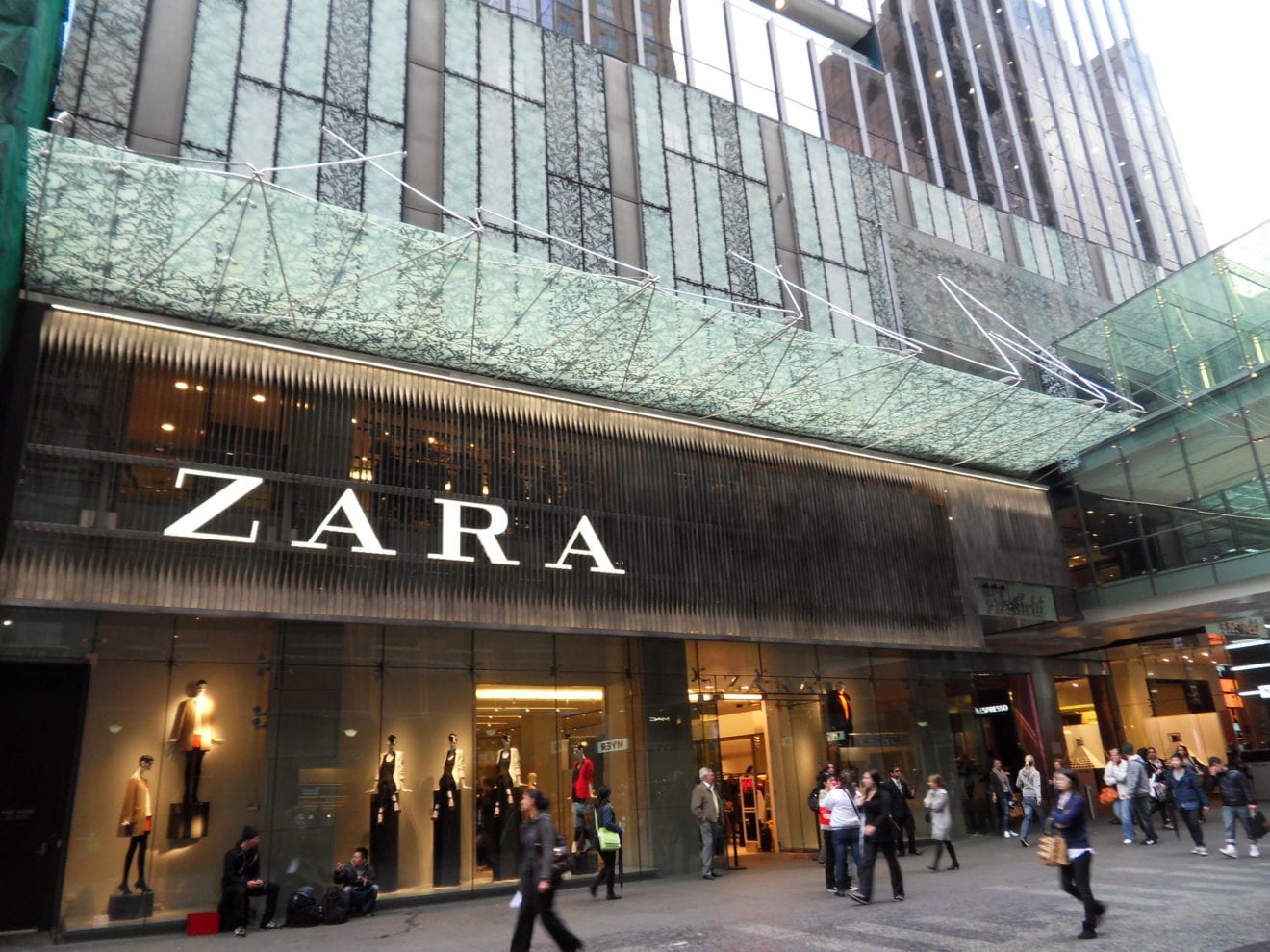
    Oysho has opened its first store in Korea; Zara Home opened its flagship in Sydney (marking its 500th store worldwide).

    As at the end of October, Inditex had a presence in 88 markets, with online operations in 28 of these.

    Inditex said its net profit over the first nine months of the year was up 20 per cent to €2.020 billion. Net sales increased 16 per cent year on year to €14.74 billion.

  • The World’s Biggest Fashion Retailer is Betting Big on China

    The World’s Biggest Fashion Retailer is Betting Big on China

    Spain’s Inditex, owner of the Zara chain and the world’s biggest fashion retailer, is optimistic about long-term growth in China despite the slowing economy, as demand for its affordable fashion stays robust.

    Inditex, whose Zara brand has lured shoppers this season with a minimalist straight-cut look, teaming muted colors with ankle boots and trousers, makes about 7 percent of its sales in China, analysts estimate.

    Western luxury brands like Burberry and Hugo Boss are suffering from cooling Chinese demand, but mid-market names like Adidas and Zara are faring better.

    “We have no doubt that in China the fashion appetite is large, our brands are better and better known and we are still feeling very optimistic (over a five-year view),” Chief Executive Pablo Isla told analysts on Thursday.

    The group made a sprightly start to the Christmas season as its on-trend offerings allowed it to adapt better than rivals.

    Sales from Nov. 1 to Dec. 3 rose 15% in local currencies, suggesting a slight slowdown in same-store sales from the previous three months. But analysts said it was still a strong performance given rivals like Top Shop have had a slow start to Christmas trading due to mild weather.

    “We can say that Inditex is trading just as strongly in the fourth quarter to date as it did in the third,” Societe Generale analyst Anne Critchlow said.

    In the nine months to end October, net profit rose by a fifth to 2.02 billion euros ($2.2 billion) on sales up 16% to 14.7 billion.

    Isla said newer brands like Zara Home, Bershka and Stradivarius had performed particularly well.

    Gross margin, a closely-watched measure of profitability, slipped slightly to 58.8%, as the strong dollar pushed up prices of garments sourced in Asia, though this affects Inditex less than its peers.

    Inditex sources more goods in or near Europe, helping it adapt more quickly to fashion tastes and speedily deliver new ranges.

    Inditex shares, up 37% this year, were down 1.5% by 1037 GMT, versus a 0.7% fall in the European retail sector.

    Many market watchers have flagged the rich valuation of the stock, trading at around 34 times 2016 projected earnings, according to Reuters data, versus 24 times for rival Hennes & Mauritz hmrzf .

  • Zara Home to launch its online platform in Australia

    Zara Home to launch its online platform in Australia

    Zara Home, the Inditex Group trademark devoted to homewear and home decor, is due to launch its online platform in Australia (www.zarahome.com) on 3 December.

    This launch marks the start of Inditex’s e-commerce operations in the Southern Hemisphere. This move emulates the decision taken back in 2007 to use Zara Home as the first Group retail format to spearhead online sales. The rollout of Inditex’s first virtual store in Australasia coincides, moreover, with the opening of the chain’s 500th establishment, namely a 480m2 flagship store in Sydney’s Pitt Street Mall.

    The product catalogue available at the new online store includes home textiles from sheets and towels to tablecloths as well as a selection of furniture, dishware, cutlery, home decoration objects and gift items; in short, all the same products as are available in the physical stores.

    The e-commerce platform will also be configured for the chain’s official app which is available in iOS and Android format. www.zarahome.com users will be offered new items weekly and monthly lookbooks and videos with all the latest trends.
    To celebrate its arrival in Australia, all orders placed online during the first week following the launch will enjoy free delivery.

    Zara Home store #500

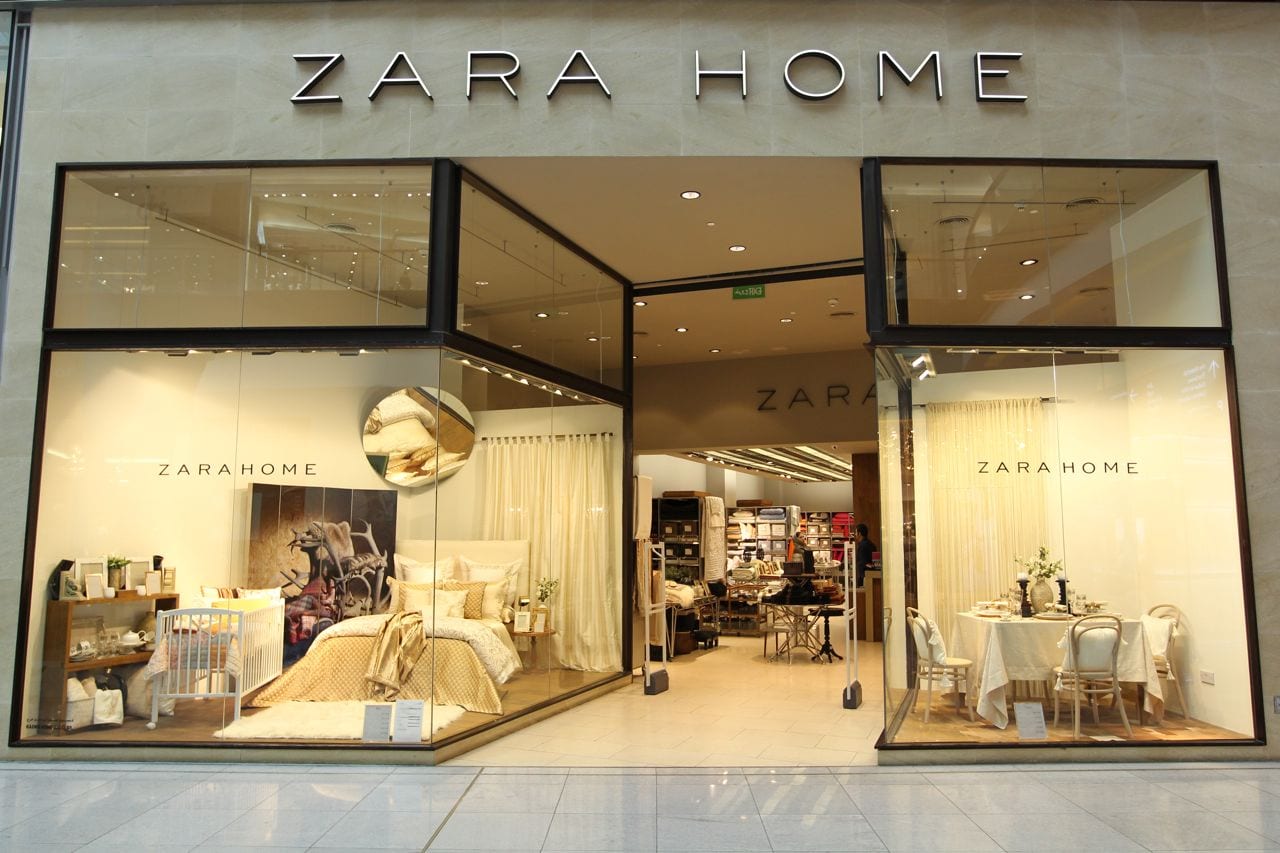
    In parallel to the arrival of www.zarahome.com in the Australian market, the Inditex Group’s homeware chain will inaugurate its 500th store in Sydney’s Pitt Street Mall. The new establishment, a two-storey flagship store spanning 480m2, will accommodate all of the brand’s collections, including the Zara Home Kids line.

    The establishment will showcase an innovative store design, in keeping with the newest Zara Home image being deployed worldwide. The architecture team has sought to respect the building’s original façade, which is punctuated by characteristic gold logos and white lattice anagrams on the windows.

    The store combines a vanguard and elegant design with a penchant for simplicity and respect for nature, as is evident in the materials used. The neutral colour palette, the use of chestnut timber and marble floors which echo mother-of-pearl are some of the hallmark traits of this new Zara Home store in Sydney.

    As with the rest of the Zara Home stores around the world, the Sydney store will launch two collections a year. To this end, the design teams will present ideas which pick up on the latest trends each season. In parallel, the product range will be refreshed with new items twice a week.

    About Zara Home
    Zara Home is the Inditex Group chain specialised in homewear and home decor. Its collections take their inspiration from the latest fashion trends and materialise in a catalogue encompassing home textiles, such as bedding, towels and tablecloths, as well as furniture, dishware, cutlery, ornaments, gift items, loungewear and a line of bathroom and bodycare products. Since its launch in 2003, Zara Home has grown rapidly and its footprint currently extends to 62 markets, including Australia, with a total of 500 stores.

    Moreover, it sells its products online in 22 markets. Underpinned by a team of over 3,500 professionals, the brand offers the latest trends in home decor and fashion every season, restocking and rolling out new products across its store network every week.

    Zara Home – the milestones

    • 2003 – Zara Home was set up as an Inditex Group retail format in the month of August. By the end of that year it had already opened 26 stores: 22 in Spain, two in Portugal, one in the UK and one in Greece.
    • 2004 – Zara Home registered substantial growth in its second year in existence, opening 36 new stores and entering two new markets: Mexico and Netherlands.
    • 2005 – The trademark forged ahead with its expansion, opening 48 new establishments and penetrating nine new countries by year-end: Italy, Belgium, Cyprus, Turkey, Saudi Arabia, United Arab Emirates, Kuwait and Andorra.
    • 2006 – Zara Home disembarked in France. By October of that year, the Inditex Group store network reached the 3,000 mark as Zara Home opened a new store in Valencia. The brand ended that year with 152 stores worldwide.
    • 2007 – Zara Home penetrated four new markets: Qatar, Jordan, Oman and Lebanon. That same year it would initiate online selling in 14 European markets. Sales floor expansion, meanwhile, continued apace, with 52 new store openings.
    • 2008 – Zara Home established itself in four new countries: Romania, Malta, Bahrain and Morocco. That year it also inaugurated a flagship store in Saint Petersburg (Russia) in a neoclassical building on the city’s emblematic Nevsky street, with new openings that year tallying 35.
    • 2009 – Zara Home opened the doors of its first ‘eco-efficient’ store, on Portal del L’Angel street in Barcelona. It was the first European establishment to obtain LEED certification, endorsing compliance with the most stringent sustainable building standards. It also opened its first store in Poland that year and ended 2009 with 22 new openings.
    • 2010 – Zara Home unveiled a flagship store in Milan (Italy), on Piazza San Babila. That same year, a total of 27 new stores opened their doors for the first time.
    • 2011 – The homeware brand opened its maiden store in Asia: in Peking. In November of that year, Zara Home celebrated its #300 store opening when it opened a flagship store in the heart of A Coruña (Spain).
    • 2012 – Zara Home chose Sao Paulo for its first store in Brazil. That year it also penetrated four new markets: Colombia, Peru, Guatemala and the Dominican Republic. 2012 was also marked by the inauguration of the chain’s e-commerce platform in the US.
    • 2013 – The brand celebrated its tenth anniversary with store openings in 11 new markets: Canada, Honduras, Hong Kong, Indonesia, Japan, Kazakhstan, Panama, Thailand, Taiwan, Sweden and Uruguay. And it opened two new flagship stores: one on Paris’s Champs Elysees and one on Barcelona’s Paseo de Gracia.
    • 2014 – Zara Home rolled out its online platform in Mexico and Russia. The chain’s bricks & mortar presence was extended to encompass South Korea, Hungary and Algeria.
    • 2015 – Having docked in Australia (Melbourne in February and Sydney in December), Chile, Austria and Switzerland, Zara Home has extended its physical reach to 62 markets, ending the year with 500 stores worldwide. It also initiated online sales in Australia, thereby spearheading the Inditex Group’s e-commerce strategy for the Southern Hemisphere.###
    Inditex: Zara Home to launch its online platform in Australia

    Inditex: Zara Home to launch its online platform in Australia

  • Mango stops partnership JC Penney

    Mango stops partnership JC Penney

    Spanish fast fashion retailer Mango is to close 450 points of sale in the US after deciding not to renew a partnership agreement with department store JC Penney.

    The two companies had a five year contract where Mango operated concessions in 450 of the department stores, but they collectively account for just 0.5 per cent of the label’s global sales.

    The stores will close in February, leaving Mango with just seven stand alone stores in the US.

    But a spokesman for the company said it would not be exiting the US market. Instead it will look to open more of its own stores over time, in selected key cities such as New York and Miami.

    Privately-owned Mango is struggling to hold its own against its larger rivals, fellow Spanish brand Zara and Swedish label H&M, internationally, despite a presence in 100 countries. Its profit fell 11 per cent last year.

  • H&M plans to open another 240 stores by end of the year

    H&M plans to open another 240 stores by end of the year

    Hennes & Mautitz AB (H&M), Swedish multinational retail-clothing company, known for its fast-fashion clothing for men, women, teenagers and children plans to open an additional 240 new stores this year. In the third quarter, H&M opened 36 new stores, but in the fourth quarter 240 new stores are scheduled to open, most of which will be in China and the US. H&M already has 299 locations in China, but growth in the country’s apparel industry makes it a promising hotbed for retailers.

    China, in particular, will account for much of the expected growth, encompassing almost one-third of regional demand for clothing by 2018. As the Asian clothing and apparel sector is expected to grow rapidly over the next five years. Annual average expenditure growth on clothing and footwear, at 9.5%, will comfortably outstrip that of any other region, said PricewaterhouseCooper’s retail consultants in their 2015-2016 outlook report on the retail and consumer products sector in Asia.

    Beyond its traditional flagship brand, H&M also owns premium brand Cos. The company hopes to introduce Cos in China as well, catering to the country’s growing upper-middle class.

    Cheap prices and a continuous supply of new looks keep customers coming back to chains like H&M and Zara. And according to Ms. Paula Rosenblum, Forbe’s retail analyst. H&M’s success comes amid a growing demand for fast fashion.

    But despite fast fashion’s growth, chains including H&M are increasingly facing criticism over both environmental and social justice concerns.

    Though fast fashion offers consumers a wider variety of styles, the rising trend has also been tied to growing amounts of textiles in landfills. In the US alone, clothing, footware, and other non-durable textiles generated 12.4 million tons of landfill waste in 2013. Only about 15 percent, or 1.8 million tons of the textile waste was recovered for reprocessing or recycling, reported the US Environmental Protection Agency.

    Furthermore, many fast fashion retailers rely on cheap labor to produce high quantities of their products. Many laborers used to come from China, but with rising wage demands, companies have looked to Taiwan, Indonesia, Vietnam, and Bangladesh, among other southeast Asian countries instead.

    According to Bloomberg Business, H&M has seen significant growth this year, second only to the Spanish clothing retailer Zara in size. Third-quarter sales grew 16 percent, surging to nearly 46 billion Swedish kronor, with revenue coming in at 39 billion kronor.


  • Zara’s online store opens in Hong Kong and Taiwan

    Zara’s online store opens in Hong Kong and Taiwan

    Zara’s online store opens today, September 9, in Hong Kong. The brand also offers online shopping in Taiwan since last week.

    Zara’s online store opens today, September 9, in Hong Kong. The brand also offers online shopping in Taiwan since last week. Both websites, www.zara.com/hk and www.zara.com/tw offer online shoppers the same full range of ladies, men and kids wear as the brick and mortar stores, supplied twice a week with new merchandise.

    In both markets, items sold online display the same price as they do in Zara’s brick and mortar stores. Customers of the online platform can choose between home delivery and the pick up at the ZARA store.

    Zara launched its ecommerce service in 2010 in several European markets, following the footsteps of Zara Home, which began its online platform in 2007. Other major markets followed, such as the US, Japan, China or South Korea. Zara’s customers can currently shop online in 27 markets.

  • H&M may open 30 stores in India by early 2016

    H&M may open 30 stores in India by early 2016

    Following IKEA announcing the purchase of 13 acres in Hyderabad for its first store in India on Friday, it’s the turn of another Swedish chain, Hennes & Mauritz (H&M), to go for a big rollout in the country. H&M, rival to another European fast fashion brand, Zara, is likely to open as many as 30 stores in India by early next year, sources say.

    The Swedish fashion chain, in the middle of major global expansion, is learnt to have already closed about 15 real estate lease deals in India, and is in the process of raising this count. The group, with $22 billion in global sales and 3,600 outlets across 59 markets, recently announced it would launch its first India store in the national capital. The store, of about 25,000 sq ft, would be located at a popular mall.

    At the time of making its application for investing about Rs 750 crore into the country, H&M had said it planned to open 50 outlets across India through the next few years. Zara, in a joint venture with Tata group’s Trent, has 16 stores across the country; it posted $114 million in sales for the year ended March this year.

    H&M did not reply to a Business Standard questionnaire on store openings and lease deals.

    According to H&M’s latest quarterly report, the company plans to open as many as 400 stores across the world this year. Besides India, the group’s expansion thrust is on the US and China. In fact, in North America, both H&M and Inditex’s Zara are giving stiff competition to the US-based Gap. Recently, Gap announced its plan to shut 175 stores in the US.

    Besides international expansion, H&M is also focused on going online. Of late, the group has gone online in Poland, Portugal, Romania, the Czech Republic, Bulgaria, Slovakia, Hungary and Belgium, among others.

    Though the company secured the government’s approval to invest in India early last year, it has delayed its launch partly due to a slow retail environment in its home market, pressure on margins and focus on some other key markets. Analysts said general elections in India, as well as political uncertainties, might also have added to the delay.

    H&M’s big India play at this point is significant because there has been no action in the international brick-and-mortar retail scene for about a year, except Gap launching its store recently.

    The National Democratic Alliance government at the Centre is opposed to foreign direct investment (FDI) in multi-brand retail. The UK’s Tesco, in partnership with the Tata group, is the only entity in multi-brand retail to have invested in India (Maharashtra and Karnataka). In 2013, American major Walmart parted ways with its partner, Bharti group.

    While limiting its business to wholesale, Walmart has not shown any interest in entering India’s multi-brand sector. French chain Carrefour, which also had wholesale stores in the country, made an exit last year, in the absence of a favourable multi-brand policy.

    In multi-brand retail, FDI is capped at 51 per cent, while 100 per cent foreign investment is allowed in single-brand retail. However, despite the fact that there’s no cap on FDI in single brand retail, companies such as IKEA and H&M are believed to have been worried over a clause pertaining to mandatory 30 per cent sourcing from India.

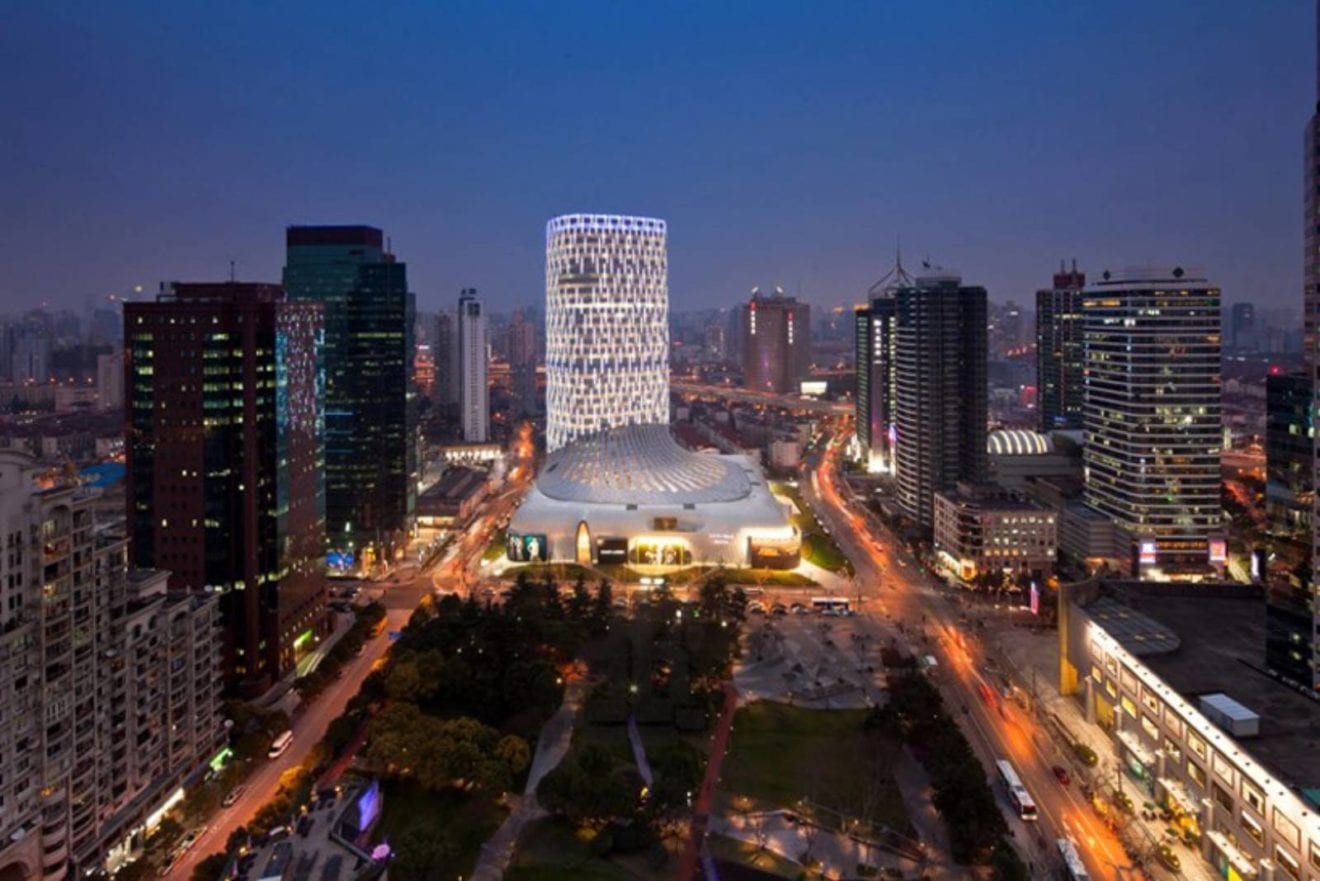
  • China’s mall growth

    China’s mall growth

    Over the subsequent three years, a staggering 40 million sqm of shopping center improvement is predicted throughout China.

    Of this, 55 new malls will probably be in Shanghai – a metropolis whose retail business has been turned on its head, actually, by the emergence of a mega metro system. Road degree shops nonetheless command the highest rents, however sub-terrain area is now extremely fascinating, particularly among the many footfall hungry fast-fashion manufacturers.

    “Shanghai metro has grown amazingly shortly, newly developed malls are popping up above or near the stations,” stated Rebecca Tibbott, head of retail leasing, JLL Shanghai.

    “Some manufacturers, Uniqlo for instance, can command prime degree one area however they’ll take basement one if there’s direct metro entry.”

    Till just lately, probably the most outstanding shops in any Chinese language mall have been the protect of the posh manufacturers however the luxurious market has grow to be saturated and that is, partially, answerable for a sizeable shift within the buying habits of the nation.

    Because the worthwhile millennial demographic demand extra selection at decrease costs, worldwide quick trend manufacturers are gaining a foothold. Zara, H&M and Perpetually 21 are a number of the western retail stalwarts giving prime tier luxurious names a run for his or her cash.

    “Quick style retailers are nonetheless very aggressive in China,” stated Tibbott. They’re all in search of prime excessive road area.

    “H&M has round 250 shops in China and it’s actively looking for area for 80 new shops this yr; Zara has its sights set on 60 new shops and Uniqlo plans one other 100, having already opened 100 final yr,” she added.

    New manufacturers are additionally rising. US-based Perpetually 21 has opened 9 shops and has plans for an extra 50, Hole has opened 32 shops since 2013 and Banana Republic is planning to enter the market in 2016, all contributing to China’s mall growth.

    “To get visitors into malls now, landlords want quick trend. In some instances they’re [landlords] asking quick style manufacturers and luxurious retailers to take a seat aspect by aspect.”

    Retail’s supporting position

    The place standalone buying facilities stood as beacons of Chinese language consumerism, ‘mixed-use developments’ at the moment are inspired with malls being only one element half. In future malls, retail will complement way of life, F&B and leisure.

    “Chinese language malls historically common at 80,000-100,000 sqm however, for instance, in Shanghai, the typical retail allocation is down to only 70,000-80,000 sqm,” stated Colin Dowall, head of retail asset administration, China.

    “Now when a improvement is proposed the Chinese language authorities needs to monetize it and more and more this requires making a improvement mixed-use and financially sustainable,” he added.

    “On the sale of land the federal government asks ‘what number of jobs will the event create?’”

    Authorities affect, it appears, is altering retail area in additional methods than one. A clamp down on ‘gifting’ – the follow of providing extravagant company favors – has curtailed luxurious purchases and prime tier retailers are struggling the fallout.

    “There’s been an enormous knock on impact on watches and jewelry particularly,” stated Tibbott.

    Meals and beverage is affected, too, as lavish lengthy lunches turn out to be a factor of the previous. “Earlier than the brand new guidelines, a Chinese language restaurant might have occupied a big 2000 sqm area, however they will’t justify that today,” she added.

    This altering shopper conduct has inspired landlords to put higher emphasis on expertise and idea shops. Additionally newly developed malls are dedicating more room to F&B and fewer to unbranded trend (as this phase has swiftly moved on-line). Landlords look internationally for solutions to offer higher buying environments and undertake know-how as a way of scrutinizing shopper habits. In lots of instances they discover themselves main the best way on this regard.

    With cellular penetration in China among the many highest on the earth, landlords are engaging smartphone savvy consumers via progressive promotions. In lots of malls, provides are projected on to screens and buyers are inspired to play video games to win prizes, which they will then redeem instore.

    This know-how adoption is spreading via e-commerce adoption. Current figures present on-line gross sales now account for 11 % of complete retail gross sales in China. Cellular know-how can also be serving to some landlords to measure footfall and document what clients are shopping for by means of their cellular pockets knowledge. Retailers may also profit from this knowledge as a way of monitoring inventory or they will use it to tailor promotions consistent with fashionable gadgets.

    Invaluable knowledge insights

    Knowledge wealthy insights similar to these are key, in accordance with Dowall.

    “Understanding the market is extra essential than ever. Once I first arrived I met a purchaser and a designer for H&M who had been right here 5 years simply making an attempt to know the market. Some manufacturers have entered too quick and located it onerous to adapt or have failed.”

    The event pipeline is encouraging for the way forward for the bodily retailer, regardless of competitors from growing on-line gross sales. Nevertheless, the query is what the Chinese language malls will present to outlive and what is going to they seem like in years to return?

    “Giant enclosed malls will develop into much less widespread and the price of operating these malls will form improvement; there will probably be some however the taste of the month is decentralisation that locations quick style alongside premium manufacturers.

    “Neighborhood purchasing facilities that replicate Western improvement cycles are arising and outlet malls on the peripheries are proving common.”

    Within the brief time period the most important change in Chinese language retail is the ever-increasing competitors between the landlords and tenants: “I all the time ask, ‘is it a landlord or a tenant market’, once we enter a brand new undertaking as a result of the technique will differ relying on the product they’re promoting.”

    Retailers undoubtedly have their work minimize out however landlords have to be smarter than ever about their tenant combine and purchasing expertise.
  • Zara Xidan Pleasure Metropolis reopens

    Zara Xidan Pleasure Metropolis reopens

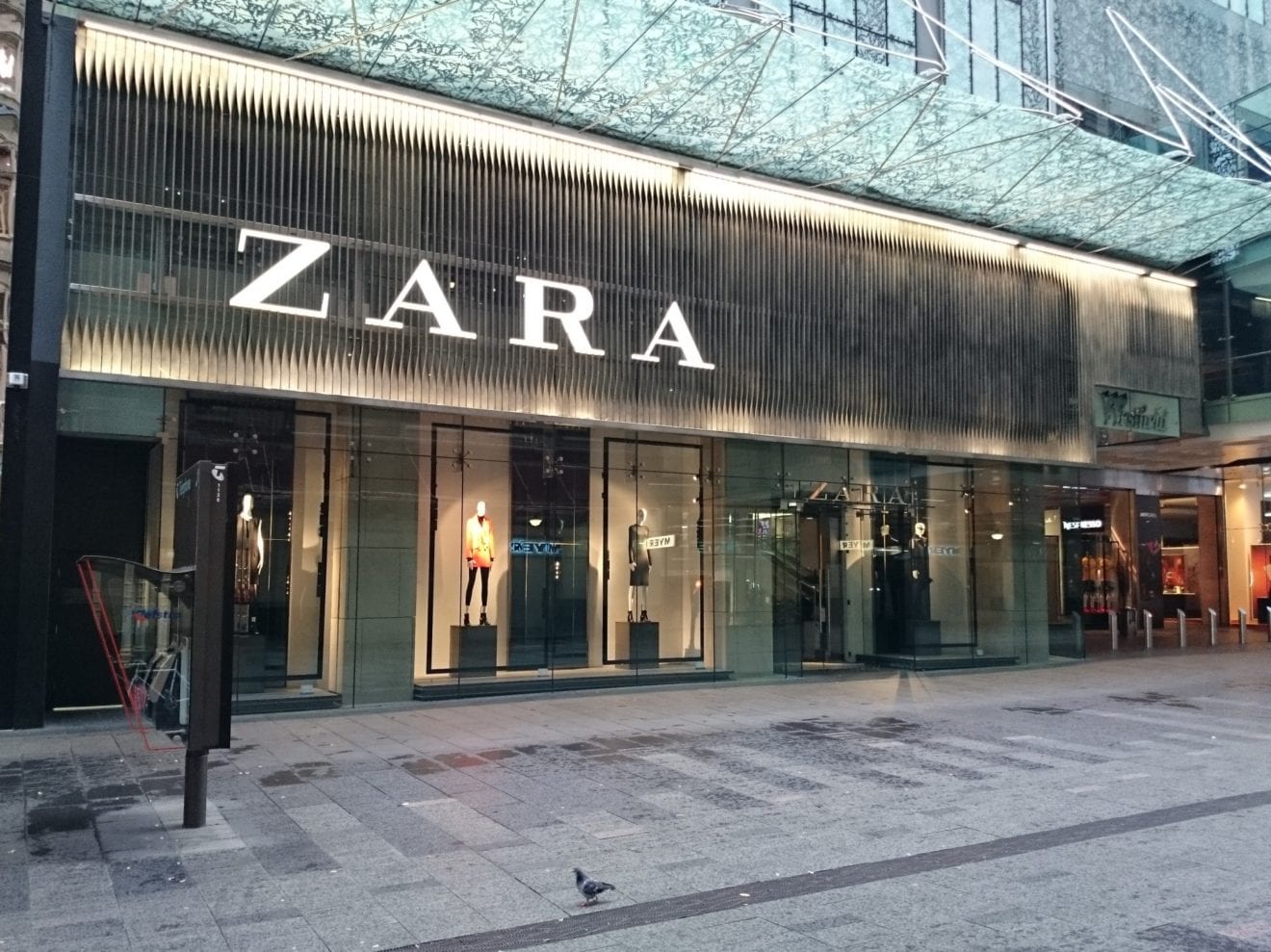
    Pleasure Metropolis Property says Zara, an anchor tenant in its Xidan Pleasure Metropolis mall, has reopened its renovated and expanded retailer.

    The brand new Zara Xidan Pleasure Metropolis retailer is 1800 sqm, 700 sqm than the earlier store.

    On its reopening day it set a brand new single-day gross sales report by a single retailer, with income of RMB 1.05 million. Pleasure Metropolis Property says this makes it Zara’s prime ranked retailer in Asia. Gross sales on the next day after the reopening nonetheless made the shop rank among the many greatest within the Asian markets.

    The renovated and expanded Zara Retailer has eye catching floor-to-ceiling show window and Pleasure Metropolis says the robust efficiency upon reopening is testimony to the property developer’s technique Boosting Foot Visitors, which enhances the retail shops’ advertising efforts for mutual advantages.

    It additionally marks a milestone that displays Zara father or mother Inditex Group’s dedication to sustainable improvement. In contrast with a standard shopping center, Xidan Pleasure Metropolis says it is ready to assist its tenants’ shops scale back energy consumption by 30 per cent with its environmental safety and energy-saving measures for sustainable improvement.

    Hong Kong listed Pleasure Metropolis Property operates motels and retail amenities in China.

  • Hole India makes debut

    Hole India makes debut

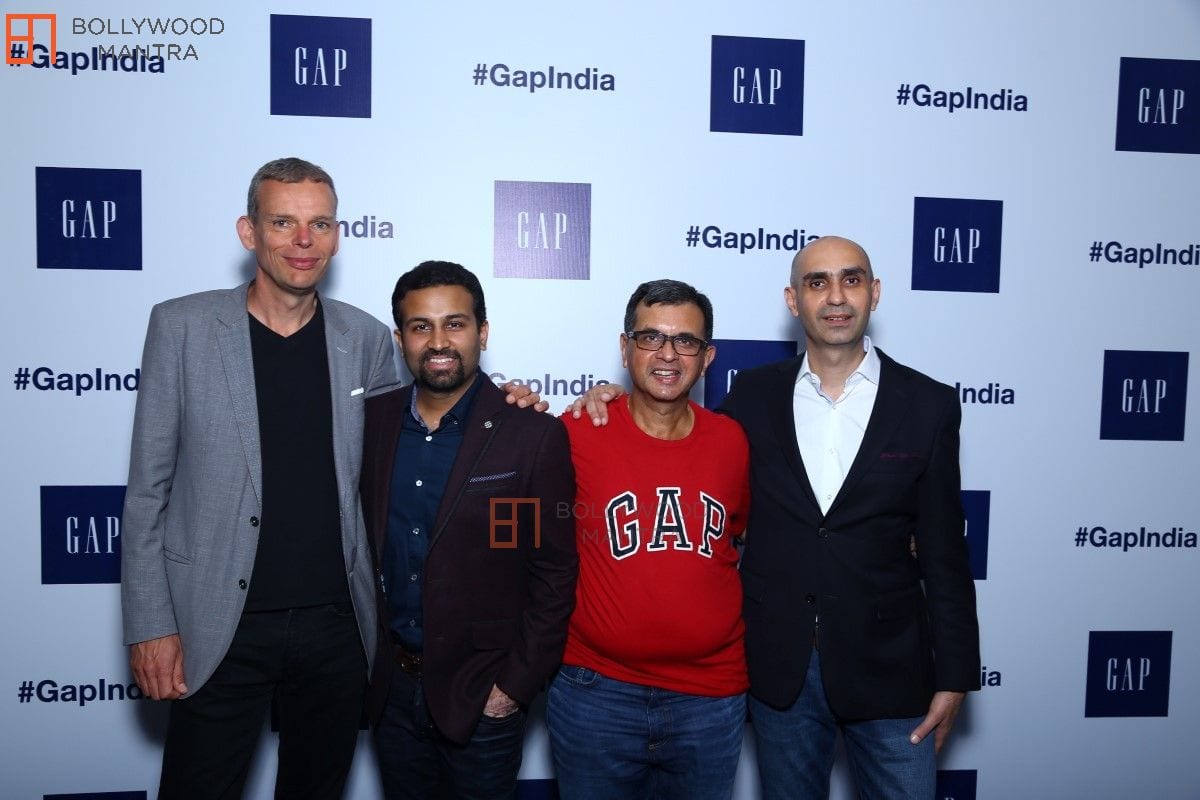
    Hole has lastly made its debut in India – opening its first retailer at Choose Citywalk in an upmarket suburb of Delhi on Saturday.

    India represents one of many final remaining main creating markets the US informal attire model had not entered. It trails Zara by 5 years however nonetheless arrived forward of Uniqlo and H&M who’re reportedly months, relatively than years, away from their very own debuts.

    India’s retail attire market is estimated to be value $41 billion by proper now, with progress of round 50 per cent predicted for 2020 as the center class continues its speedy enlargement, promising burgeoning disposable incomes.

    Hole India will open a second retailer in Mumbai inside about two months, in line with Indian information media stories. It has a 5 yr plan to open 40 shops in main cities.

    The model has been delivered to India by Arvind Group, which has already launched Calvin Klein and Tommy Hilfiger, amongst others, and boasts 1000 shops bearing totally different model names throughout the nation.

  • MAP Expects Slower Gross sales, to Spin Off Attire Division

    MAP Expects Slower Gross sales, to Spin Off Attire Division

    Mitra Adiperkasa, or MAP, a life-style retailer that holds the licenses for Starbucks, Burger King and Zara in Indonesia, forecasts slower gross sales progress this yr, citing climbing prices and the nation’s financial slowdown.

    Fetty Kwartati, company secretary at MAP, stated that the corporate focused gross sales to develop between 13 % and 15 % this yr. That may be a steep stoop in comparison with final yr’s gross sales that grew 22 % to Rp 11.eight trillion ($895 million).

    “We’re conscious that the state of affairs can be difficult this yr so we’re setting this objective from the very starting,” Fetty stated on Monday. “Hopefully, issues will flip for the higher within the second half of the yr.”

    Revenue for retailers like MAP has declined resulting from Indonesia’s slowing financial system, which grew at its weakest tempo in 5 years at four.7 % within the first quarter, coupled with a weak foreign money that has pushed up the price of import.

    Internet revenue at MAP fell 78 % to Rp 10 billion between January and March from Rp 78 billion final yr, as larger prices reduce the corporate’s year-on-year revenue margin to zero.three % from 1.5 % final yr.

    Beneath such circumstances, the native retailer is setting a extra “prudent” enlargement plan, setting apart as much as Rp 500 billion in capital spending this yr — 17 % decrease than final yr’s Rp 600 billion — stated Virendra Prakash Sharma, vice chairman director at MAP.

    “So far as the enlargement plan goes this yr, we’re going to be very prudent. We’re going to be very selective on the subject of enlargement,” Sharma stated.

    A lot of the spending will go in the direction of the corporate’s plan to confide in 45 new Starbucks branches this yr, he added.

    The retail may also be spinning off its active-lifestyle enterprise division, Mitra Aktif Adiperkasa, this yr in hopes to “unlock the brand new division’s potential,” Sharma stated. The corporate goals to listing Mitra Aktif Adiperkasa on the Indonesia Inventory Change inside the subsequent 4 to 5 years, he stated.

    Beneath Mitra Aktif Adiperkasa, the retailer will consolidate the corporate’s lively attire division with its socks division Putra Agung Lestari and garment enterprise Mitra Garindo Perkasa, working as a lot as 878 retail branches underneath the corporate, the vice chairman director stated.

    The transfer follows Mitra Adiperkasa’s stake sale on two of its meals and drinks manufacturers — Domino’s Pizza and Burger King — final yr.

    The agency bought 51 % of its stake in Domino’s Pizza, in addition to 39.four % of Burger King, to Everstone Capital, a Singapore-based personal fairness agency, final yr.

    MAP will promote one other 11.6 % of Burger King to Everstone Capital later this yr, leaving the native retailer with a 49 % stake on the fast-food model, in accordance with Sharma.

    MAP holds the license to over 150 worldwide manufacturers  — together with Sogo, Zara and Krispy Kreme — with a complete of 1,879 retail outlets throughout 65 cities in Indonesia as of April.

  • Zara Asia boosts online presence

    Zara Asia boosts online presence

    Spain’s Inditex Group is expanding its online shopping reach in Asia as it builds the profile of its brands in the region.

    Last year, flagship brand Zara added a South Korea store to its existing stores in Japan and China.

    And the company opened online stores for three of its other brands in China: for Pull&Bear, Massimo Dutti and Bershka.

    In the year ahead, the group says it will add online storefronts in Taiwan, Hong Kong and Macau.

    Inditex owns the Zara, Zara Home, Pull&Bear, Bershka, Oysho, Stradivarius, Massimo Dutti and Uterque brands.

    Last year the company said online sales growth was positive and that it was committed to progressively rolling out an eCommerce offer in markets where it had a presence.

    Earlier this month, Inditex’s Singapore partner Al-Futtaim Group announced it would open a bricks and mortar store in Changi international airport.


  • Zara opens 1st homewares store in Australia, plans more

    Zara opens 1st homewares store in Australia, plans more

    First it was fashion and now it’s homewares for the fashion conscious with the opening of Zara Home at the Highpoint shopping centre in Melbourne.

    It’s the first homewares store by the Spanish group Inditex – the owner of the Zara label – in Australia but more are planned. There are suggestions the Macquarie Centre in Sydney will be considered for its first NSW site.

    Zara, which is the biggest fast-fashion retailer in the world, has offered homewares in other countries, as does its rival and second-biggest global retailer, Swedish H&M.

  • Zara Australia to maintain prices as Australian dollar falls

    Zara Australia to maintain prices as Australian dollar falls

    Zara Australia has turned up the heat on domestic retailers by vowing to maintain prices despite a 17 percent fall in the dollar in the past five months.

    Zara’s plan to keep Australian prices on hold will limit the ability of domestic suppliers and retailers to raise prices across the board to recoup the cost of importing stock from countries such as China, India, Vietnam and Bangladesh.

    As reported in The Australian Financial Review last week, suppliers have warned retailers that prices for fashion clothing, underwear and basic apparel will rise significantly in the second half of calendar 2015 as currency hedges roll off and new ­season stock comes into stores.