Tag: zara

  • US investor buys into Mitra Adiperkasa

    US investor buys into Mitra Adiperkasa

    US private-equity company General Atlantic has made its first investment in Indonesia by buying into lifestyle retailer Mitra Adiperkasa (Map).

    It has subscribed for Rp1.08 trillion (US$80.5 million) in bonds issued by Map which are convertible into shares in its F&B subsidiary Map Boga Adiperkasa (MBA), which runs Cold Stone Creamery, Godiva, Krispy Kreme, Pizza Express and Starbucks in Indonesia. It has more than 300 stores across 24 cities, and has more than doubled its store count over the past five years.

    Map runs multi-channel retail concepts in Indonesia across a diversified portfolio of department stores, sportswear, specialty fashion, F&B, and lifestyle products. It has nearly 2000 retail stores.

    “We believe the rapid rise in Indonesia’s middle and young working classes, the increase in this population’s disposable income, and the continued rural-to-urban migration represents an opportunity for us to strengthen our international food brands and cement our leadership position in the F&B market,” says Map CEO V.P.

    Sharma. A portion of the investment money will be used to accelerate the F&B division’s network expansion.
    “Indonesia’s domestic consumption comprises more than half of gross domestic product, and consumption patterns are increasingly shifting toward modern and aspirational lifestyle brands,” says General Atlantic Southeast Asia head Wai hoong Fock. “These secular trends position MBA’s food & beverage portfolio well for further expansion.”

    Regional commitment

    The partnership, General Atlantic’s first investment in Indonesia, indicates its commitment to long-term market prospects in South-east Asia,” says Fock, who joined General Atlantic from CVC Capital Partners last year to lead its South-east Asia investing program. He is based in the firm’s Singapore office.
    General Atlantic has 18 investment professionals in Asia, based in offices in Beijing, Hong Kong, Mumbai and Singapore. The firm opened its Singapore office in 2011, investing three years later in Singapore-based online mobile entertainment/communication Garena platform. It has also supported the growth of retail and F&B companies including lifestyle brand Tory Burch, luxury fashion brand Zimmermann, restaurant group Barteca Holdings, urban juice-bar concept Joe & The Juice, community accommodation marketplace AirBNB and transportation network company Uber.

    Map has 1921 retail outlets in 68 cities throughout Indonesia. Its retail concepts include department stores (Debenhams, Galeries Lafayette, Seibu and Sogo), fashion and lifestyle (Crabtree & Evelyn, Kipling, Lacoste, Marks & Spencer, Massimo Dutti, Nautica, Sephora, Swarovski, Topman, Topshop and Zara), sports (Converse, Golf House, Oakley, Payless ShoeSource, Reebok, Rockport, Skechers, The Athlete’s Foot and The Sports Warehouse), F&B (Burger King, Cold Stone Creamery, Domino’s Pizza, Godiva, Krispy Kreme and Starbucks), kids (Kidz Station and Oshkosh B’Gosh) and bookstore Kinokuniya.

  • Marks & Spencer plans to close all stores in Chinese mainland after profits plunged

    Marks & Spencer plans to close all stores in Chinese mainland after profits plunged

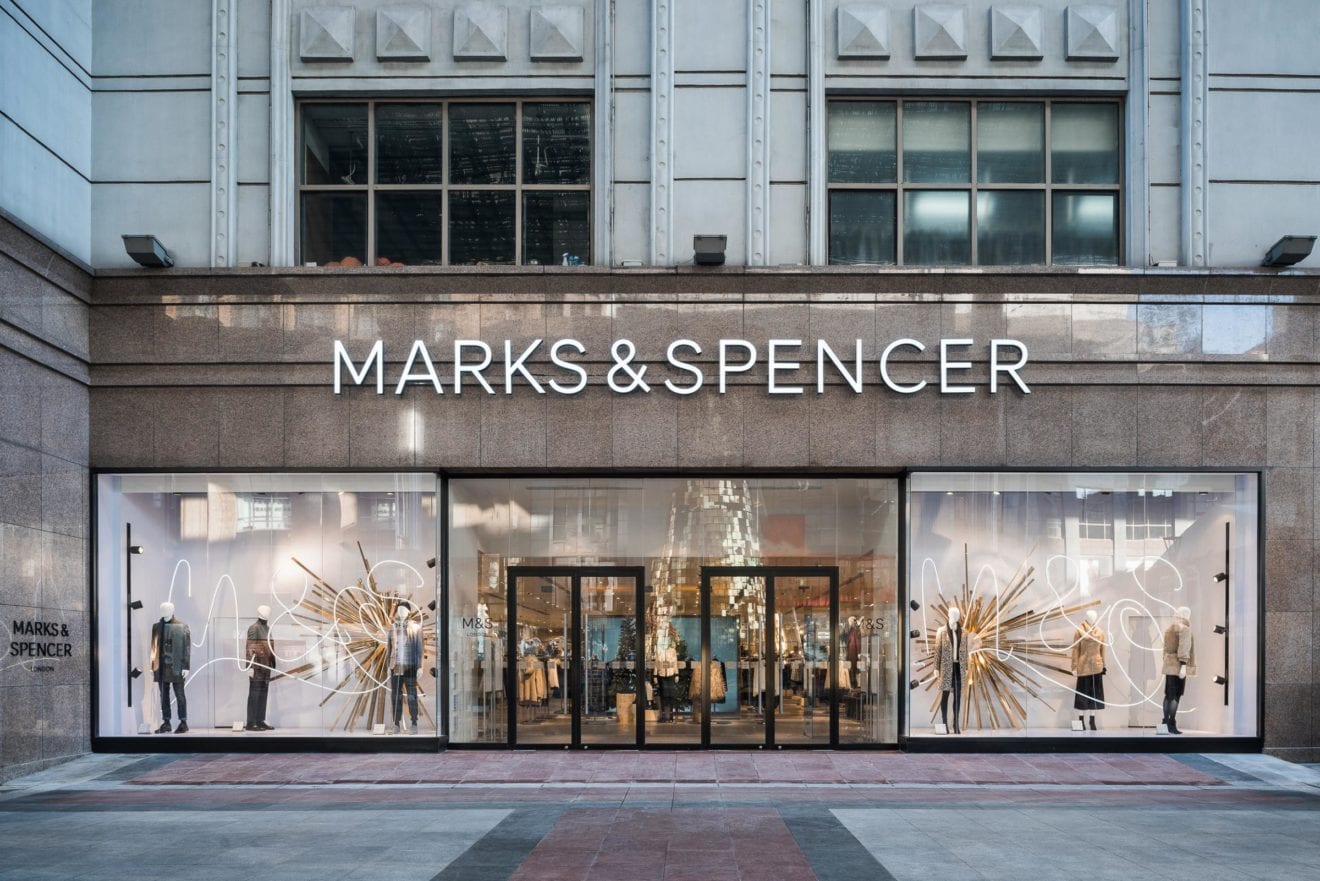
    UK retailer Marks & Spencer announced on Wednesday that it will pull out of the Chinese mainland market and close all the 10 stores amid shrinking profits, according to a statement the company sent to the Global Times on Wednesday.

    “Our review has shown that our stores in Chinese mainland continue to make losses and as result we can no longer trade with a store presence in the Chinese market,” Adam Colton, managing director of Greater China at Marks & Spencer, said in the statement.

    The company didn’t disclose sales revenues in the Chinese mainland market.

    An employee at an Marks & Spencer store in Beijing told the Global Times on Wednesday that he feels sorry about the closures because business in Beijing was quite good and there were a lot of loyal customers. He did not know when his last day of work would be. The 1,500-square Beijing flagship store at the Place shopping mall was opened in December 2015.

    Intensified competition and relatively high prices were the main reasons behind Marks & Spencer’s retreat from Chinese mainland, experts noted.

    “In Chinese mainland, the traditional UK brand did not have much appeal for Chinese consumers. For example, the prices in its food shops were a bit more expensive than even imported food stores,” Wang Xinmiao, a Beijing-based retail industry analyst, told the Global Times on Wednesday.

    In addition, the company did not have much time to cultivate brand awareness and a loyal customer base because the Chinese apparel market had already been saturated with “fast fashion” international brands, such as Zara, H&M, GAP, and Uniqlo, which marched into the Chinese mainland market much earlier than Marks & Spencer, Wang said.

    In contrast, the UK retailer has built a profitable wholly-owned business in Hong Kong in large part because it entered the market as early as 1988, the statement noted. Marks & Spencer is planning to expand its business in Hong Kong by opening more food stores in the near future.

    A customer said he came on purpose to the Beijing shop here after he has known the closure news. He has lived in UK for years and he trusts M&S, and he will shop in Hong Kong after the end of business here.

    The UK retailer has been losing ground in other international markets. In addition to its closures on the Chinese mainland, the company outlined plans to shutter 53 stores in 10 international markets, including seven in France, while pulling out of Belgium, Estonia, Hungary and Lithuania.

    In the first half of 2016, the company’s pre-tax profit plummeted 88 percent to 25.1 million pounds ($ 31.39million), down from 216 million pounds in the same period a year ago, as reported by BBC on Wednesday.

  • CityOn.Zhengzhou to open fully leased

    CityOn.Zhengzhou to open fully leased

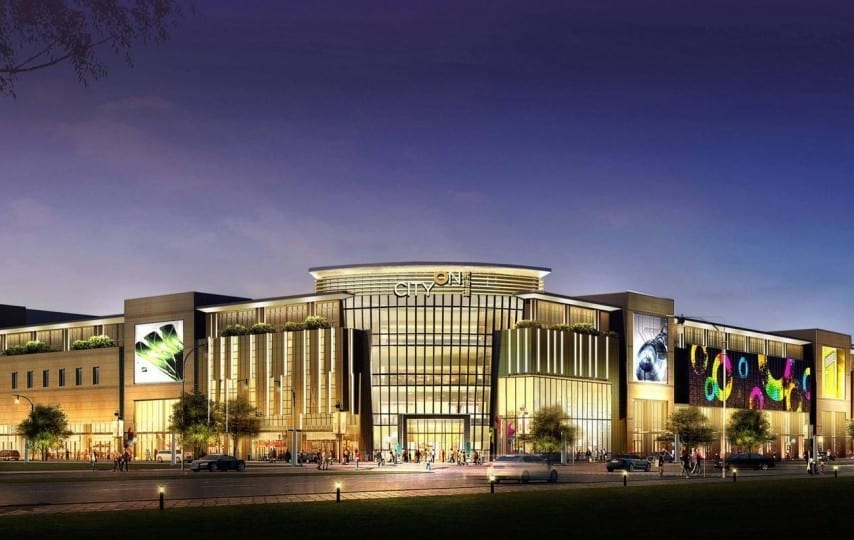
    Taubman Asia, a subsidiary of US shopping centre group Taubman Centers, and China’s Wangfujing Group, have announced the line-up of retailers for its CityOn.Zhengzhou mall in Henan province, set to open on March 16.

    When it opens, the centre will be 100 per cent leased and 90 per cent occupied with nearly 200 stores and restaurants. In the heart of Zhengdong New District, the six-level, 94,000 sqm shopping and dining destination will offer domestic, international and lifestyle brands from fast fashion to accessible luxury, anchored by a four-level Wangfujing department store.

    “We are thrilled to see our second China project coming to life in Zhengzhou,” says Taubman Asia president Rene Tremblay.

    Local, regional and international cuisine at all price points and in both seated restaurants and quick-serve formats will be a feature of the centre, which will also offer family-friendly experiential, educational and entertainment offerings.

    Many international brands will be making their central China debut at the centre, says Taubman Asia group VP Paul Wright.

    Outlets at the mall include…

    Fashion: Adidas, Ajidou, Basic House, Bershka, Charles & Keith, Columbia, Converse, Ecco, Five Plus, Forever 21, H&M, Innisfree, Jack & Jones, KIKC, Kipling, La Chapelle, Lee, Levi’s, Mango, Massimo Dutti, Miniso, Mishka, Mobi Garden, Nike, Pandora, Polo, Sand & Foam, Sephora, Skechers, Stradivarius, The North Face, Uniqlo, Vans, Vero Moda, Westlink and Zara.

    F&B/entertainment/kids/lifestyle/electronics: Acasia Food Village (featuring 14 food vendors), Benfu Sushi, Boat Noodle, Chatime, Chez Choux, Chicken Container, Coco, Dollar Shop, FrozenYo, GB Kids Station, Gong Cha, Grandma’s Kitchen, Guoguo Mutton Soup Restaurant, Guxiang No. 9 Catering, Hallmark Babies, Homao, Huawei, iSpace, La Chapelle Kids, Lenovo, MagicSalad, MM by Haircode, Mr Wish, NaughtyKids, New York Fries, Oscar CityOn Cinema, PapaBubble, Pizza Zone, Rbike, Siwuke Tea, Starbucks, Strawberry Forever, Subway, Teppanyaki Xiang, Toot Science, Udon & Tempura, Uncle, Wan Quan Bu Tong, Xiang Tian Xia Huo Guo, Xiao Liu Jia, Xiao Zhu Zhu Kao Rou, Xue Mi Da, Yang Xiang Dou Pi Shuan Niu Du, YuYuTo, ZBX Fresh Fish Hot Pot, Zheng Shi Yi and Zoo Steak.

  • Vietnam retail rents rise as flurry of global brands arrive

    Vietnam retail rents rise as flurry of global brands arrive

    Prime Vietnam retail rents are rising as a flurry of international retail brands move into Ho Chi Minh City.

    The third quarter of 2016 saw major changes of supply market in HCMC, according to a research report by Colliers International.

    In recent months, more than 100,000 sqm of retail space has been added in the city with the opening of the revamped Saigon Center anchored by Japanese department store Takashimaya and a new Aeon Mall opening in Binh Tan.

    But average retail rental rates have slightly increased to US$126/sqm/month in the CBD and US$36/sqm/month in the suburbs.

    Saigon Centre has been completed and occupied by 400 local and foreign brands, including concessions in Takashimaya. Aeon’s Binh Tan mall is the company’s second in Ho Chi Minh City, home to a large supermarket, restaurants, fashion shops, cinemas and a variety of retail stores.

    Geert Jan ten Hoonte, retail advisor of Kusto Management Vietnam, said these two malls will bring an extra level into the market. “It will force other operators to rethink their offer to the consumers. It would be a good development if shopping centre developers start to think in location, functionality and market positioning for the malls they are planning,” he said.

    Foreign brands

    Vietnam’s retail industry’s latest quarter started with the departure of well-known F&B brand NYDC. The exit of the Singaporean dessert and coffee chain partly confirmed the struggle of international F&B brands face competing with domestic players.

    Q3 also saw the debuts of many international fashion brands. The first, and largest, was Spanish fast-fashion brand Zara, which has taken up 2400 sqm of Vincom Dong Khoi with its first flagship store in Vietnam. The opening day brought Zara more than VND5 billion sales, reportedly the highest first-day sales of any new Zara store opening worldwide.

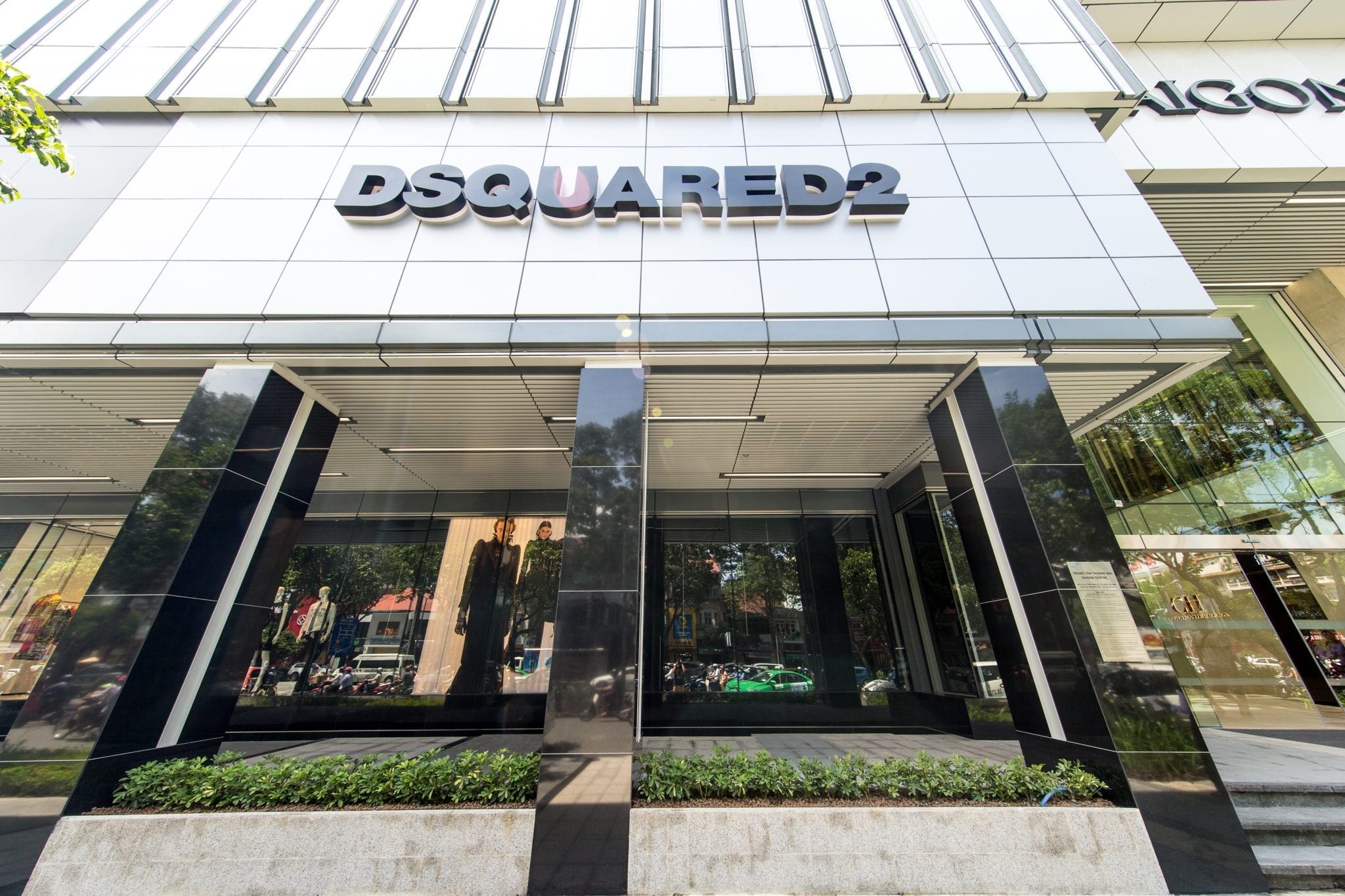
    Saigon Center and Takashimaya has enticed many international brands to HCMC such as Dsquared2, Fred Perry, and Ted Baker.

    Other significant retailers to launch in the city during the quarter included faux Japanese, Chinese-headquartered retail chain Miniso, Naughty Cat and Innisfree.

    With its fast-growing young population and emerging middle class, Vietnam’s retail market is expected to mature into a more convenient, modern retail environment in coming years. Vietnam’s admission to the WTO and the upcoming TPP trade agreement will draw a significant amount of FDI from international retailers in the future.

    Online shopping

    Meanwhile, online shopping is growing rapidly, with the Vietnam eCommerce and Information Technology Agency (VECITA) forecasting some 30 per cent of the population will be buying goods online by 2020, spending US$10 billion a year.

    In 2015, online sales were $4.07 billion, and growing at 37 per cent on the previous year.

    Despite being comparatively small by Asian standards, Vietnam’s eCommerce market is growing exponentially with more than 54 per cent of the population now connected online.

    The government plans to boost eCommerce with a goal of 50 per cent of local enterprises setting up online stores and 80 per cent doing business through eCommerce platforms.

    -Yen Hai Nguyen

  • Can This British Retailer Conquer China?

    Can This British Retailer Conquer China?

    New Look, a fast-fashion retailer bearing a striking similarity to Forever 21, is aiming to boldly go where many chains have gone before but few have succeeded.

    The British retailer’s chief executive officer, Anders Kristiansen, has made no secret of his intentions in China, announcing plans in June to open 50 more stores there by March, which would bring its total number of locations in the Asian nation to 150. That’s 10 times the number of stores it had in China in 2015. But a Reuters report last Thursday revealed that New Look’s owner, South African billionaire Christo Wiese, has a more ambitious expansion in mind—500 stores within three years.

    New Look currently has more than 850 stores around the world, two-thirds of which are in the U.K. Despite a challenging first quarter that saw revenues fall 4.2% to 354.2 million pounds ($431.9 million), Kristiansen insisted the retailer would stay the course in China, where there had been a “strong local reaction to our affordable, fast-fashion offer.”

    According to Reuters, Wiese plans to conquer the Chinese market using a local-for-local manufacturing model, meaning most of the clothing it will sell in China will be made there to ensure locally relevant products are delivered to stores quickly. It’s a sourcing strategy that Zara owner Inditex has down to a tee and many other companies, including Under Armour, are trying to replicate around the world.

    “South Korea and Japan drive a lot of the trends that the Chinese customer seeks, so our ability to be able to identify those trends, source them locally and get them into our stores quickly is key,” Sven Gaede, managing director of New Look’s international business, told Reuters, adding that 85 percent of what the retailer already sells in China is made there.

    Local sourcing aside, some experts are skeptical about the retailer’s bullish growth plans. Franklin Yao, managing partner at strategy consultants Smith Street, described them as “virtually impossible,” noting that New Look is unlikely to find 500 empty retail stores, given the fact that H&M and Uniqlo also want to open hundreds more locations in China in the coming years.

    That being said, Chinese consumers are notoriously fickle and several big-name brands have failed to gain a foothold there, including Gap, Marks & Spencer and Walmart. In an effort to test the waters before committing to a brick-and-mortar presence, most international retailers first launch on the likes of JD.com or Alibaba’s Tmall and Taobao.

    But New Look appears to be covering all its bases in China: After opening its first locations in Shanghai and Beijing in February 2014, it launched an online store on Tmall seven months later and debuted on JD.com earlier this year.

  • Fashion retailer French Connection’s shares jump on takeover hopes

    Fashion retailer French Connection’s shares jump on takeover hopes

    Shares in UK-based fashion retailer French Connection Group Plc rose more than 20 percent on Monday after a media report said overseas investors were looking to buy the lossmaking firm.

    The Telegraph newspaper had said on Saturday that interested buyers were thought to be a mix of European and U.S. private equity firms, as well as investment manager Neuberger Berman, and that French Connection had approached investment bank Moelis & Co (MC.N) for advice.

    French Connection and Moelis declined to comment. Neuberger Berman did not immediately respond to a request for comment.

    French Connection has struggled to compete in recent years against fast-fashion rivals such as ASOS, Forever 21 and Inditex’s Zara and has failed to report a pretax profit since the year ended Jan. 31, 2012 with critics saying it should ditch its 25-year-old FCUK logo.

    Private equity firms could be a natural fit for French Connection as they could push through operational changes to extract profit, and revive the company’s brand appeal, said Neil Saunders from retail consultant Conlumino.

    The retailer has been the source of takeover speculation in the past, and some industry experts said there was now more pressure on the company following years of underperformance and little sign of underlying issues being addressed, despite turnaround measures including store closures and the hiring of new management and design teams.

    Activist investment firm Gatemore Capital Management (GCM), which has an 8 percent stake in French Connection, would be supportive of running an open sales process, Liad Meidar, managing partner at GCM said in an emailed statement.

    GCM said it would be interested in a potential buyer looking to focus on increase the rate of store closures and improve gross margins in French Connection’s retail and wholesale business.

    French Connection needed to focus on fashion for 25- to 35- year-olds, said Gatemore, which last month urged the retailer to speed up its store closure program after its first-half results showed another loss.

    As of Friday’s close of 32.75 pence – a fraction of highs of more than 500p set in 2004 – French Connection had a stock market value of 31.5 million pounds.

    Any buyer will have to gain the backing of founder and executive chairman Stephen Marks, who still holds a 41.65 percent stake in the company as of March 15, according to Thomson Reuters data.

    British companies have become cheaper for overseas buyers in recent months as Britain’s vote to leave the European Union has driven the pound GBP= to its lowest in about three decades.

    French Connection shares were up 10 percent at 36p by 0721 ET on Monday.

  • Oysho lingerie arrives in Indonesia

    Oysho lingerie arrives in Indonesia

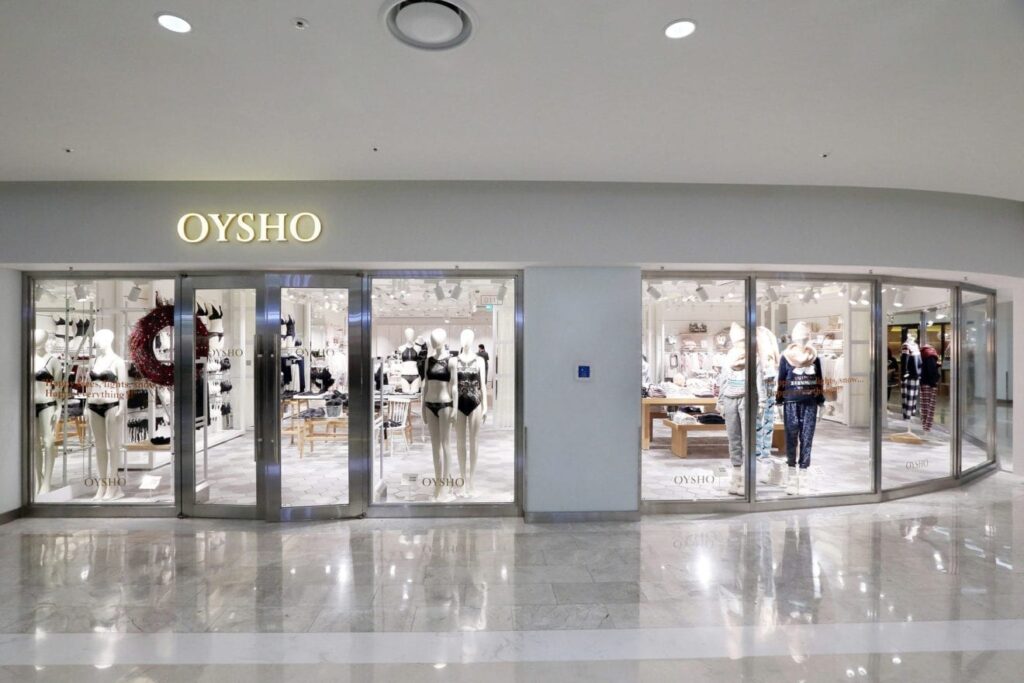
    Spanish lingerie brand Oysho, owned by Inditex, continues its international expansion with the opening of its first store in Indonesia.

    In Jakarta’s centre, the 300 sqm shop is in Plaza Indonesia, a shopping centre that is also home to other Inditex brands such as Zara, as well as luxury labels including Burberry, Chanel, Hermes and Louis Vuitton.

    oysho-store

    Since launching in 2001, Oysho has expanded its presence to 44 countries with more than 600 stores. The brand specialises in lingerie, sleepwear, loungewear and footwear. It generated 229 million euros (about US$252 million) in the first quarter of this year, representing an 8 per cent increase year-on-year.

  • Zara owner Inditex profits rise on clothes sales surge

    Zara owner Inditex profits rise on clothes sales surge

    Spain’s fashion retail giant Inditex, owner of popular brand Zara, on Wednesday posted an eight-percent rise in first-half profits thanks to a surge in clothes sales around the globe.

    One of the world’s largest fashion retailers said profit for the six months from February to July rose to 1.3 billion euros ($1.4 billion) from the same time a year earlier.

    “All of the group’s brands increased their international presence during the period, with 83 new stores in 38 countries,” Inditex said in a statement, adding that it ventured into three new markets — Aruba, Paraguay and Nicaragua.

    Sales in the first half rose 11 percent to 10.5 billion euros.

    The results of the company, which operates eight store brands including Zara, upmarket label Massimo Dutti and teen chain Bershka, beat analyst expectations, but only slightly.

    All brands posted a rise in sales.

    Zara and home decoration brand Zara Home were the clear winners, posting a 13-percent and 17-percent rise in sales respectively.

    The retail empire was founded in 1975 by the discreet, publicity-shy Amancio Ortega, who has since become the world’s second richest man after Bill Gates.

    Its main competitor, Sweden’s H&M, regularly challenges it for the global number one spot.

  • Changi Airport places third in the world for shopper spend

    Changi Airport places third in the world for shopper spend

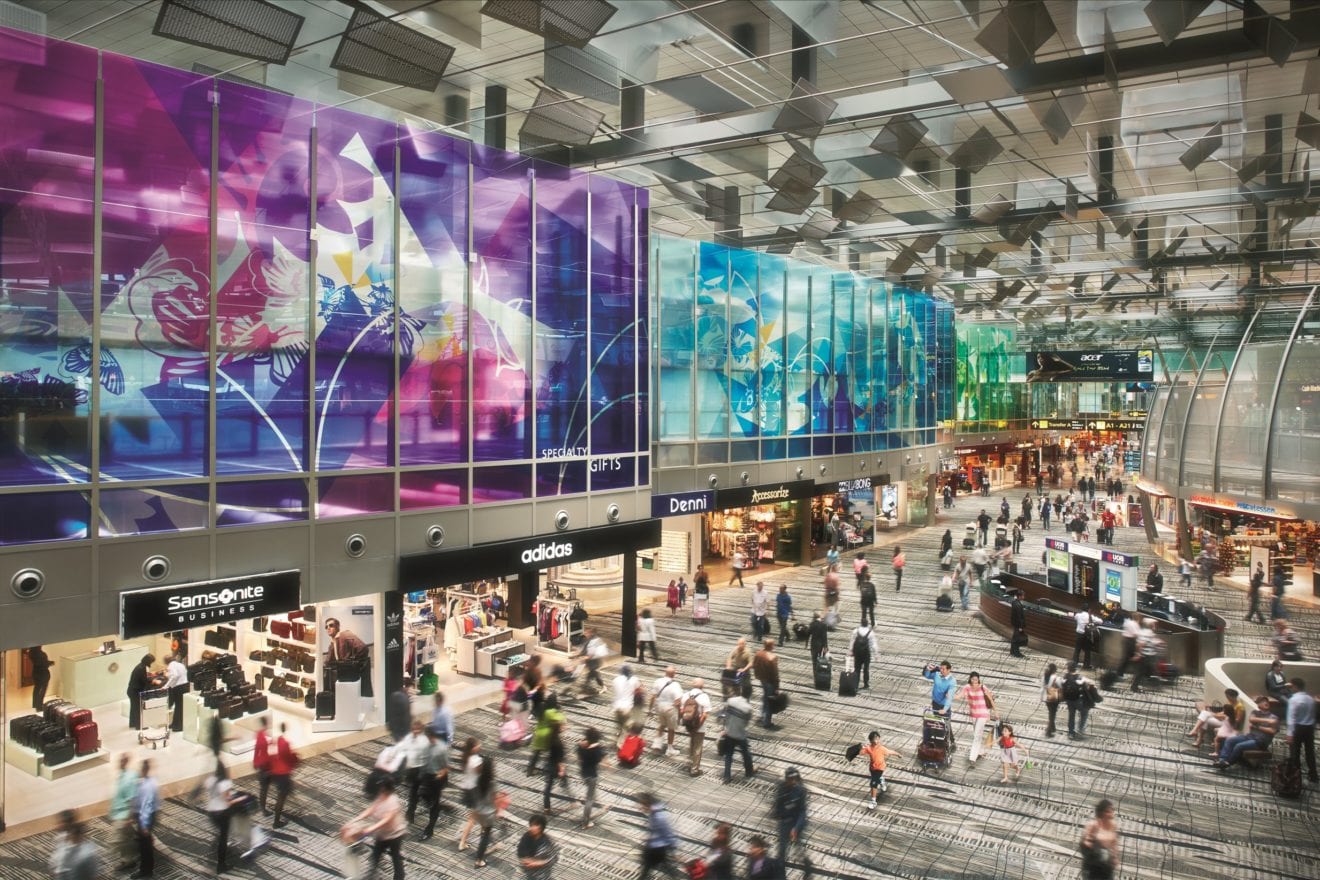
    It is not uncommon to see avid traveller Cara Lee lugging numerous shopping bags up the aeroplane – not on her way back from her travels, but at Changi Airport on her way out.

    The 26-year-old account manager at a media intelligence company spends about $180 on skincare and cosmetics at Changi Airport every time she flies out – two to three times a year. “I like that there is a wide array of retail options and the spacious aisles of the transit area. It makes shopping at Changi Airport enjoyable,” says Ms Lee, who last shopped at the airport three weeks ago, while waiting for her flight to the Maldives. Then, she shelled out $132 on cosmetics and skincare products from brands such as Benefit and Clinique.

    Singapore shoppers like her contributed about 20 per cent to the $2.2 billion Changi Airport made in total retail sales last year – placing it third in the world for highest traveller spend, according to a study by Swedish duty-free and travel retail consultancy Generation Research.

    The $2.2-billion figure is up 8 per cent from last year, with wines and spirits the most popular items, followed by cosmetics and perfume. South Korea’s Incheon International Airport ranked first and Dubai’s International Airport was second.

    The results come as no surprise to the Changi Airport Group, which has been expanding its retail space and launching new concepts to entice travellers.

    The Shilla Beauty Loft at Terminal 3’s transit area, which opened last October, for instance, was the result of close collaboration between the airport group and the store’s operators The Shilla Duty Free Singapore.

    After about two years in the works, the idea to open the South Korean brand’s first luxury spa concept in the world came to fruition. Customised for weary travellers, the two- storey outlet sells products from brands such as Dior, Chanel, SK-II and La Prairie on its lower level, and offers spa services on its upper floor.

    Services – such as 15-minute facials and neck massages – are tailored for travellers on a tight schedule.

    Spanish brand Zara’s first duplex store in an airport opened in Changi Airport in August last year. Exclusive items such as Hugo Boss’ alarm-safe leather belts are available at the airport. There are also exclusive global product launches, such as one for SK-II’s Radical New Age Power cream and essence in July last year, which saw home-grown actress Rebecca Lim speak about her travel must-haves.

    The secret is also to offer a mix of high-end and mass-market brands such as Japanese clothing brand Uniqlo, says Ms Teo Chew Hoon, senior vice-president of airside concessions at the airport group. She calls this “a holistic strategy”.

    Retail space at Terminal 1, she says, expanded by 15 per cent to 20,000 sq m after an upgrade that was completed in 2012.

    But she points out that quantity is just one part of the equation. “Passengers who are well-travelled are generally more sophisticated in their expectations. Beyond attractive product offerings, we augment our retail proposition with innovative concepts and unique experiences.”

    Encouraging more spending, the airport’s e-commerce site iShop Changi.com was introduced in 2013, allowing travellers to shop from home two weeks before their flight. The items bought online are picked up before boarding their departure flight here or on arrival at the airport.

    The transit areas are also more like shopping boulevards than waiting rooms, giving shoppers a wide view of the myriad stores.

    Terminals 2 and 3 boast lush greenery and unique roof structures to let natural light in.

    It looks like spending at Changi Airport is set to head north. Terminal 4, which will open next year with a total retail space of about 17,000 sq m, will have more than 80 retail and dining outlets occupied by tenants such as American fashion label Michael Kors and home-grown shoe and accessories brand Charles & Keith. It will also have a walk-through duty-free store, two-storey-high ceilings and heritage-themed shopping zones, such as shops with facades of Peranakan shophouses.

    Meanwhile, the upcoming Jewel Changi Airport, opening in 2019, will dedicate 70 per cent of its 300 shops to retail, with the remainder for food and beverage outlets.

    Ms Wendy Low, executive director and head of retail at Knight Frank Singapore, attributes the high traveller spend at the airport to the “constantly updated retail layout as well as trade and merchandise offerings”, and the “thoughtful creation of amenities and relaxation spaces across the various terminals”. She adds: “This speaks of a customer- centric approach that is increasingly important in appeal for travellers.”

    Retaining that excitement through exclusive launches and products is especially important to keep up with the fast-evolving beauty industry, says Ms Sulian Tan-Wijaya, executive director of retail and lifestyle at Savills Singapore, as “the Internet- savvy consumers of today can be as fickle as they are discerning”.

    Other experts such as Ms Sarah Lim, a senior retail lecturer at Singapore Polytechnic, says the layout of shops and signage play a “very important role”.

    “At Changi Airport, they put the food outlets and seating areas in the centre for travellers to have a coffee and take a break from shopping, and signage are placed there to encourage shoppers to check out the shops on either sides of the terminals,” she says. “This encourages shoppers to keep spending.”

    Tenants have also helped to make shoppers feel at home.

    At the Montblanc outlet in Terminal 3’s transit area, staff wear flag pins to denote the languages they speak – Mandarin, English or Bahasa Indonesia.

    And considering that 30 per cent of Changi Airport’s shoppers are from China, brands such as Lacoste ensure that their staff can speak Mandarin.

    At Lacoste’s airport outlet, where customers from China account for 25 to 30 per cent of sales, non- Mandarin-speaking staff are sent for basic Mandarin classes.

    While the brand declines to share sales figures, its brand manager says the Terminal 2 store is its best- performing one out of the nine outlets in Singapore. Sales there, he adds, are 12 per cent more than its second best-performing store at Wisma Atria in Orchard.

    At The Shilla Duty Free Singapore store, duty rosters are scheduled to ensure that there is a mix of Mandarin-, English- and Korean-speaking staff on the shop floor at all times.

    But what really makes travellers part with their money is that they do not have to pay tax. Some items, such as cosmetics, can be up to 40 per cent cheaper than identical ones sold in town.

    Ms Nurul Ain Azman, who shops at the airport at least once a month, likes shopping there because she can save money. She sometimes waits till she travels before buying items such as cosmetics from high-end labels.

    The 28-year-old, who works in a bank and last shopped at the airport last month and bought skincare items from The Body Shop, says: “I save at least 7 per cent and even more in transit – make-up products there are cheaper by at least $5 a product. I once bought a lipstick for $30 and found it was selling for about $40 outside.”

    Shoppers who shop in the public areas can save on the 7 per cent goods and services tax at participating stores if they have the Changi Rewards Card, which they can register for free of charge.

    Ms Nurul also cites the airport’s ample carpark space and proximity to the MRT station as plus points. “It is so convenient. Every time I need to restock on products, Changi Airport is the first place that comes to mind.”


    What to buy at Changi Airport

    The Shilla Duty Free Singapore

    What it carries: This Korean beauty department store stocks more than 140 international beauty and make-up brands such as Jurlique, Urban Decay, Shu Uemura and Philosophy. Prices are up to 40 per cent lower compared with the exact same items in town.

    Brands exclusive to Shilla in Singapore are Korean beauty brand su:m37o- known for its face-cleansing stick Miracle Rose – and Aupres, a cosmetics and skincare line by Shiseido for the Chinese market.

    The store also has a beauty loft on the second floor, housing Dior Beauty House, Luxury Skincare Bar by La Prairie, SK-II Pitera Lounge and a Chanel beauty salon. Here, travellers can treat themselves to facials, massages, free flash makeovers and one-on-one skin consultations. At Dior, they can get a perfume expert to help them find their signature scent.

    The Chanel beauty salon and La Prairie services are by invitation only. For Luxury Skincare Bar by La Prairie services, invitations are extended to customers who buy the brand’s products at Shilla stores. Travellers are advised to book in advance for the SK-II lounge (call 6241-0756 or 9352-3687).

    Best buys: Travel-exclusive Tokyo Doll make-up palette with eight eyeshadows, two blushers and two brushes (above, left), $93, from Shu Uemura; and SPF50+ essence UV sunscreen aqua booster (90ml bottle, above, far right), $43.20, from Anessa. Prices are without tax and are accurate at the time of printing, but are subject to change.

    Where: Terminal 3 Department Transit Central store, open: 6 to 1am daily, tel: 9155-7695


    Hugo Boss

    What it carries: The brand’s traveller leather belts, which can be bought only here, are reversible with a different colour on each side, such as black and brown or dark orange and dark brown.

    The belt’s metal buckle is designed so that it will not set off the alarm during security checks. The belts are priced between $382.24 and $419.63.

    The brand’s Boss, Boss sportswear and Boss Green lines, including shoes and accessories for men, are available here as well. Prices range from $90 for a T-shirt to about $1,400 for a leather jacket.

    Best buys: Yellow Signature S zip clutch (above, left), $765.42; and black leather Nokam jacket (above, right), $1,400.93

    Where: 026-058 Terminal 2, open: 6 to 1am daily, tel: 6214-0495


    Zara

    What it carries: This store, the first duplex the Spanish brand has opened in an airport, offers apparel and accessories for men and women.

    The brand’s latest Autumn/Winter 2016 collection is available – the women’s range is on the first floor while the men’s range is upstairs.

    Prices range from $9.90 for a 10ml bottle of perfume to $339 for a men’s full leather jacket.

    Best buys: Brown chelsea boots for men (above, left), $148; and metallic pink jacket for women (above, right), $148

    Where: B2-02-10A Terminal 3, open: 6 to 1am daily, tel: 6241-7120


    The Fashion Gallery

    What it carries: This multi-label store offers items from more than 30 luxury brands including Moschino, Alexander McQueen and Bottega Veneta, as well as a selection from mid-range shoe brand Melissa. Shoppers are encouraged to accessorise, with display areas laden with handbags, sunglasses, shoes and jewellery.

    Prices range from $45.79 for a gold-plated necklace by Estella Bartlett to $64,200 for a diamond and white-gold necklace from Bulgari.

    Best buys: Canvas slip-on with eye pattern (above, left), $240.87, from Kenzo; and small leather biker jacket handbag (above, right), $2,336, from Moschino

    Where: Terminals 1 and 2, open: 6 to 1am daily, tel: 6593-4618


    Saint Laurent

    What it carries: The brand’s full travel range, available only at the airport store, with items such as passport holders, pouches and cardholders. Prices for the travel range start at $260 for a canvas cardholder and go up to $2,450 for a canvas duffle bag.

    The store also carries the French brand’s best-selling accessories and handbags, most of which are in neutral colours such as black or beige. Prices range from $281 for a leather cardholder to about $3,972 for the classic Sac De Jour handbag in embossed-croc calf leather.

    Best buys: Small Sac De Jour handbag in black calf leather (above, left), $3,729; and Downtown Cabas handbag in dark grey (above, right), $2,916

    Where: 026-074 Terminal 2, open: 6 to 1am daily, tel: 6214-9647
  • Zara Vietnam flagship nearly ready

    Zara Vietnam flagship nearly ready

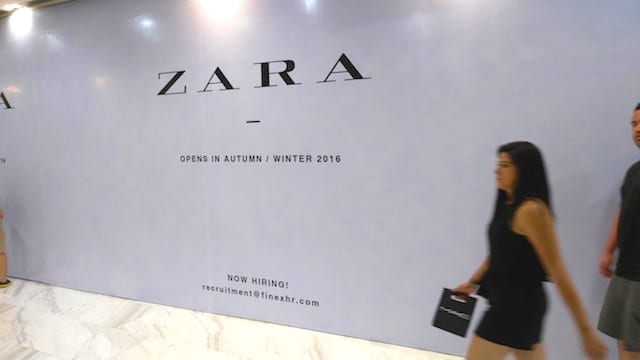
    Zara Vietnam’s flagship store is taking shape at Vincom shopping mall in Ho Chi Minh City, and is expected to open soon.

    The Spanish fast-fashion brand announced in May that it would expand to Vietnam this summer, setting its debut store’s opening date for this month. However, posters in the city say the store opening is next month. It is expected the store will have two storeys.

    Zara-Vietnam

    Fast-fashion brands are popular in Vietnam, and Zara has a huge customer base there. After ordering online and having items brought in from overseas, Vietnamese customers have been eagerly anticipating the arrival of its stores.

    However, the brand would need to look at its pricing. Vietnamese consumers have found that while some brands are considered economical in the West, once they enter Vietnam their prices double or even triple, with Mango and Topshop typical examples.

    Mango Mega store VN

    Zara is aiming to open up to 360 stores globally this year, and in Vietnam is sharing the market with other international fashion like Gap, Nine West and Ralph Lauren.

    Meanwhile, Mango is planning to open a men’s store in Vietnam, and H&M is said to be considering expansion in Vietnam.

  • Zara parent company boosted profit and sales

    Zara parent company boosted profit and sales

    Spanish clothes retailer Inditex, has reported its net profit for the first fiscal quarter of 2016 rose 6 per cent, after global sales lifted by 12 per cent.

    Inditex said profit for February through April was 554 million euros ($A843.61 million), up from 521 million euros for the same period last year.

    The company’s shares were up 2.7 per cent at 28.74 euros in Wednesday morning trading in Madrid.

    The company said sales reached 4.88 billion euros, a 12 per cent increase on the same period in 2015.

    Inditex says it opened 72 new stores in the period for a total of 7085 and added 11,900 jobs in the process. During the first quarter, the retailer expanded its reach to 90 markets, having opened inaugural stores in Aruba and Nicaragua. At the end of the first-quarter, the Group reported 7085 physical stores.

    Founded in 1975 by Amancio Ortega, Inditex operates eight store brands including Massimo Dutti, Bershka and Oysho.

  • Chinese sports brands back in the race

    Chinese sports brands back in the race

    A government-backed campaign to encourage healthy living is helping give Chinese sports brands traction again in the domestic consumer market.

    After three tough years with the slowing economy and over-expansion following the Beijing Olympics in 2008, the brands are ready to compete again, thanks to cutbacks in store networks and more choice in online sales channels.

    When Beijing was preparing to host the Olympics, sportswear companies began to expand aggressively, with leading brands adding nearly 1000 points-of-sale each every year between 2007 and 2011, according to Hong Kong brokerage and investment group CLSA analyst Dawei Feng.

    However, sales were undermined by cheap knock-offs and competition from expanding overseas fashion chains such as H&M, Uniqlo and Zara.

    Between 2012 and 2013, China’s biggest sports brand Anta closed 900 shops across the country. Also cutting stores from 8255 to 6133, Li Ning became profitable last year after three years of losses.

    Anta has been working with its stores on marketing, says Bloomberg Intelligence analyst Catherine Lim. It also started a children’s brand after China scrapped its one-child policy.

    Anta, which holds distribution rights to the Fila brand in China, is the official sportswear sponsor of the Chinese Olympic Committee.

    China’s five publicly traded sportswear companies have a combined market value of about $9.4 billion, or less than a 10th of Nike, the world’s largest sporting-goods maker.

  • How big brands can make online marketplaces work

    How big brands can make online marketplaces work

    Online marketplaces, those giant shopping sites like eBay and Amazon Marketplace, can be a mixed blessing for brands and merchants.

    Marketplaces offer retailers broad exposure to millions of consumers, as well as delivery, payment and other solutions. Still, most marketplaces leave merchants wanting in one very important aspect: brand control. While the platforms provide virtual shelf space for listing products, merchants are generally limited to one-size-fits-all templates for their online storefronts—thus restricting their ability to set themselves apart from rivals with brand-building presentations and content.

    Not all marketplaces are created equal, however. In China, where marketplaces are overwhelmingly favored by online shoppers, e-commerce leader Alibaba Group has been returning branding power to merchants through the company’s Tmall.com B2C marketplace.

    Tmall, which positions itself as China’s top online destination for domestic and foreign branded merchandise, has developed a suite of tools that allows merchants to customize their Tmall.com storefronts with the logos, fonts and colors for which they’re known the world over, as well as with videos, interactive features and other content. Moreover, merchants can combine these tools with Alibaba’s trove of data on shopping behavior to tailor their storefronts to individual consumers visiting their e-shops at any given moment.

    This approach gives merchants far more than a place on the internet to list and sell products. It offers them the ability to present their brands as effectively as they do on their company-run websites, boosting their opportunity to reach consumers among Alibaba’s 400-million-plus active buyers and build lasting customer relationships. Merchants “have total control,” said Paul Fu, the San Mateo, California-based head of Alibaba’s User Experience Design team.

    This is a significant departure from the “one webpage to serve them all” marketplace model. Tmall offers as many as 55,000 different storefront templates across about 30 different business sectors for merchants to choose from. Another 3,000 templates exist for product pages, and there are a thousand designs for marketing material such as e-mails and SMS alerts, according to Fu. If these packaged solutions don’t satisfy certain merchants, they can design their own right down to the page breaks and <p> tags, and then upload the code to Tmall.

    Major international brands have used this enhanced flexibility to build unique and engaging Tmall storefronts. For example, GoPro, the U.S.-based maker of wearable video cameras, produced a series of videos that appear on its storefront showing GoPro cameras being used in extreme situations, such as geologists staring into the mouth of a volcano or snowboarders doing double backflips as they race down a mountain.

    The Tmall storefronts of other household names such as Starbucks, L’Oreal, Maserati and Zara also offer fully branded experiences that experiences that mirror the look and feel of their corporate e-commerce sites, including multipage navigation according to product category and even full brand histories. Still others take the experience a step further in an attempt to boost the time consumers spend on their pages. Case in point: L’Oreal in the past has given consumers easy-to-follow guides and tips for using its beauty products.

    L’Oreal engaged consumers with hair-coloring tips posted on the company’s Tmall storefront.

    Fu says that Tmall storefronts are based on so-called “responsive” design, which means they look as good on mobile devices as they do on the web. But customization options for Tmall storefronts go even deeper.

    Using consumer data collected by Tmall, merchants can present not just personalized product recommendations based on shopping history to storefront visitors, they can also offer different homepages tailored to particular types of shoppers. For example, German personal-care brand Nivea displays three different storefronts on Tmall depending on whether a shopper is a first-time visitor, new buyer or loyal fan. First-time visitors are shown low-cost products that may tempt them to experiment with the brand. Fans, meanwhile, see sets of higher-value products bundled together as a way to boost their total purchase.

    Three different customers, three different mobile presentations. First-time visitors, new buyers and loyal fans all see products tailored specifically to them when they visit Nivea’s Tmall site.

    By making it possible for merchants to tag and manage their customers by attributes and personalize storefronts for each visitor, individual customers are exposed to highly relevant content, which drives higher conversion rates. Fu said after Nivea implemented personalized storefronts, “the data showed that the browsing conversion rate was improved by 70 percent and transactions increased by 150 percent—more than double the previous number of purchases,” he said. Browsing conversion is the rate at which shoppers click through to find out more about a product.

    Fu says Alibaba analyzes buyers based on five different behaviors: attention, interest, decision, action and sharing, all of which are part of the Tmall shopping cycle. A certain product may draw the attention of a shopper, which prompts him or her to click through to the seller’s store where they can learn more about the item. Then they decide whether or not to bookmark it or add it to their shopping cart; a purchase constitutes action. Sharing comes after, once a consumer tells a friend about their purchase or leaves a review on a merchant’s Tmall store.

    “We provide this capability for the seller to do these kinds of very sophisticated analyses,” Fu said. “Later, because we opened up this technology and data [to merchants], the seller can come up with their own model to do the analysis.”

    Still more tools are to come. Merchants currently log into a content-management system of sorts that lets them set up and manage their storefronts, including text, photos and slide show placement. They can also choose the products they want displayed as recommendations when a shopper is viewing, say, hand cream or razors or a sweater. Up next is a tool that will allow merchants to create banner advertisements on the fly, rather than turning to a designer to handle what is often a time-consuming task. That’s expected this quarter.

    Tmall also helps merchants synch their online stores with their bricks-and-mortar outlets. Fu said the goal is to make sure all points of sale are linked up, including mobile, desktop and offline. One key advantage for merchants to this so-called “omnichannel” approach is the ability to manage inventory across physical and virtual sales channels. Another is the ability to know a buyer’s location so that the nearest warehouse is used for shipping, which speeds up delivery.

    “All areas of the ecosystem are working together for merchants,” Fu said. “Before they had to figure this out on their own. But now we’ve come up with a system, and built the right tools to help them.”

    * Originally published by Alizila.com – the independent, but Alibaba Group-funded website of news about the Chinese eCommerce giant.

  • Dubai-based group behind Robinsons and Zara to refresh retail offerings

    Dubai-based group behind Robinsons and Zara to refresh retail offerings

    Dubai-based conglomerate Al-Futtaim Group is embarking on a slate of moves to refresh the offerings at its stable of retail brands here, such as household names Robinsons department store and the Marks & Spencer chain.

    The multi-faceted efforts to draw more shoppers are part of a drive by its Asia group chief executive, Mr Christophe Cann, who was appointed to the role in January to grow the company’s business in the region.

    “The strategy is to build a profitable long-term business, to bring new brands to the market and to keep the strength of the group which is quite diversified,” said Mr Cann, at the Robinsons store at The Heeren.

    The group’s diversified retail portfolio also includes sports brands such as Royal Sporting House, Reebok, and fashion labels such as Zara, Pull and Bear, and Massimo Dutti.

    For a start, it will inject $12 million to renovate Robinsons at Raffles City in phases over one year, starting in July. Upgrading plans are also afoot for Marks & Spencer stores at shopping malls – Parkway Parade, Paragon and Raffles City.

    Shoppers will also be able to take a pit stop at a new 1,000 sq ft cafe at the Marks & Spencer outlet at Wheelock Place in Orchard Road, set to open in the third quarter.

    “Having new concepts and new brands are ways to keep customers’ money in Singapore… We need to give more reasons for customers to visit us, to stay longer in the store,” said Singapore-based Mr Cann.

    The group is also adding more food and beverage offerings at Robinsons at The Heeren, with a new restaurant by chef and TV personality Angela May due to open on level two of the store next month.

    Mr Cann also flagged an upcoming outdoor F&B area at The Heeren – where T.G.I. Friday’s outlet used to be – to be connected to level two of Robinsons via a bridge. The F&B area will be up and running in the third quarter.

    Apart from culinary offerings, Al-Futtaim will be trying out new retail concepts, with the opening of a “sneakers bar” at Orchard Central later this year. The new store, spanning about 1,000 sq ft, will carry limited-edition footwear.

    Mr Cann added that the Royal Sporting House outlet at VivoCity will also be given a makeover and will open next month.

    “Sports is not just about products these days, it is about lifestyle. The new shop will look more fashionable and appeal to a younger crowd. We will also downsize on the number of brands, carrying only the best performing ones,” he said.

    This big revamp of its stores across various brands is expected to boost profitability.

    For example, Mr Cann said Robinsons, which has three outlets here – at The Heeren, Raffles City and Jem mall – booked a loss of “a few million dollars” last year, but is likely to break even this year; while its Marks & Spencer chain here is already profitable.

    Singapore is Al-Futtaim’s second- largest market in the region after Malaysia, followed by Thailand and Indonesia.

    Mr Cann said the company expects to invest around $80 million a year across the four markets to enhance its offerings.

  • CapitaLand China growth outpaces economy

    CapitaLand China growth outpaces economy

    Singapore-based shopping mall investment company CapitaLand Retail China Trust (CRCT) grew its income last year by 10.3 per cent to S$89.2 million ($63 million) from S$80.9 million.

    With China’s economy growing 6.9 per cent last year, the company’s retail sales drew 10.7 per cent of RMB30.1 trillion ($4.58 trillion), reports CRCTML chairman Victor Liew (CRCTML manages CRCT).

    “China’s slower growth is reflective of an economy undergoing transition, but it is expanding from a much larger base now and its growth is still considerably faster than those of most other economies,” says Liew. “CRCT’s family-oriented shopping malls are well-placed to benefit from China’s growing urban population and rising retail sales as domestic consumption becomes the country’s new growth engine.”

    It was the first time CapitaLand China’s gross revenue had crossed the RMB1-billion mark, says CRCTML CEO Tony Tan. “Portfolio occupancy remained high at 95.1 per cent  as at December 31, while rental reversion for the full year was 8.1 per cent.

    “Annual tenants’ sales increased 11.6 per cent and shopper traffic rose 1.8 per cent year-on-year.

    “We continually refresh our mall offerings to stay relevant to our shoppers’ evolving preferences and needs. For example, CapitaMall Xizhimen (pictured) brought in the popular Jing Ge Steamboat to increase the variety of its F&B offerings, while CapitaMall Qibao introduced a water park.

    “To improve sustainability and the shopping experience, CapitaMall Grand Canyon installed energy-saving LED lights in common areas and upgraded its car park with new flooring.

    “CapitaMall Wangjing is carrying out renovation work to rejuvenate its façade, and is on track to unveil its new look by June.

    “We will continue to strengthen our malls’ tenant mix and uplift the shopping experience through continual asset enhancement initiatives.”

    Gross revenue for the year increased RMB17.5 million, or 1.8 per cent, over the previous year. This was attributed mainly to rental growth from the multi-tenanted malls, partially offset by lower revenue fromCapitaMall Minzhongleyuan, which was impacted by road closure for the building of a subway line, and from CapitaMall Wuhu, where tenancy adjustments are being introduced to achieve stronger positioning and better trade mix.

    CRCT is the first China shopping mall real estate investment trust (REIT) in Singapore, with a portfolio of 10 malls. Listed in Singapore in 2006, its objective is to establish long-term investments in a diversified portfolio of real estate used primarily for retail in China, Hong Kong and Macau.

    A significant portion of CapitaLand China’s properties’ tenancies comprises major international and domestic retailers such as the Beijing Hualian Group, Carrefour and Wal-Mart. The anchor tenants are complemented by specialty brands such as BreadTalk, Innisfree, KFC, Nanjing Impressions, Nike,Sephora, Starbucks, Uniqlo, Watsons and Zara.