Author: Mei Ling Tan

  • Fashion shoppers seeking brands which reflect their values

    Fashion shoppers seeking brands which reflect their values

    Fashion shoppers will choose their preferred brands in the year ahead based on the beliefs and values they seek, not past loyalties.

    The Samsung Fashion Institute says consumers’ needs will be increasingly fragmented this year and brands are also expected to carry out sophisticated target strategies.

    The institute noted, in the same context, that the nature of the fashion industry is changing from goods to services.

    The changes come as consumers seek alternative consumption, shifting away from the traditional way of spending. The prime examples include H&M and Ganni clothing-rental services.

    The institute suggested that the industry should work on so-called “narrative branding” to shift its perspective toward consumers. The challenge for the industry will be to provide a reason to purchase from a particular brand and to have consumers continue to love the brand.

    “Now, consumers do not choose brands if they do not meet their respective beliefs even if they need them,” said Lim Ji-yeon, director of the Samsung Fashion Institute.

    One example of a reason sought by consumers was “sustainable fashion.” In fact, a platform that only collects sustainable fashion brands is continuing to emerge, targeting consumers who think about the environment.

    Furthermore, clothing-rental services and other clothing services are gaining popularity as more consumers accept clothing as a concept of sharing, not as a subject of ownership.

    “Companies that have failed to respond to the consumer-oriented market structure will not be able to produce results next year,” Lim said, adding this should be a year where companies stay more closely connected to consumers.
  • H&M unveils Chinese New Year collection

    H&M unveils Chinese New Year collection

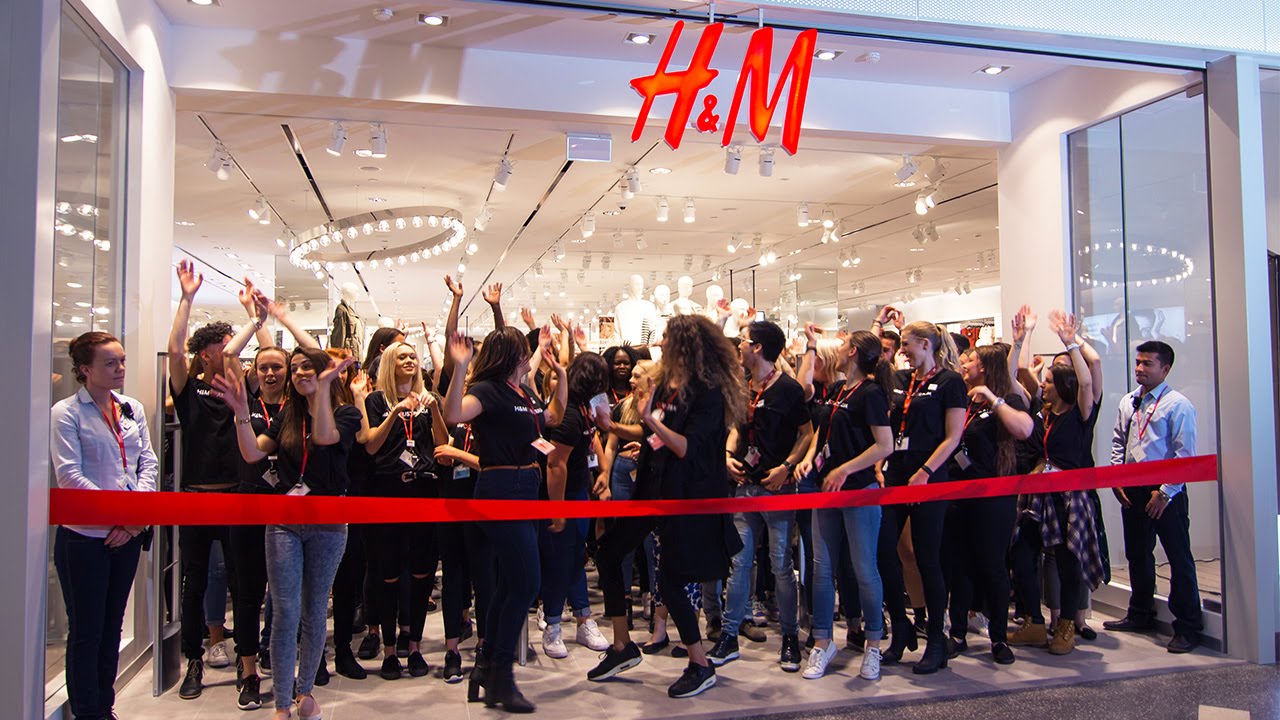
    A new H&M Chinese New Year collection has been launched, celebrating the Year of the Rat.

    The H&M Chinese New Year collection features more than 100 items including ladieswear, menswear and kidswear and special items featuring cartoon characters.

    Besides classic dresses, sweaters and wardrobe basics like denim and khaki items, the ladieswear range offer tops and accessories featuring Tom and Jerry characters and Minnie Mouse from Disney. A wide range of red and gold accessories is also included to finish off the outfit for Chinese New Year.

    Male customers can pick from quirky tees and printed hoodies for the new year festivities. In line with the athleisure trend, there is also a wide range of tracksuits and sporty accessories like bucket hats, beanies and belt bags for the fashionable go-getter. Mickey Mouse is featured in the collection together with Tom & Jerry, Mighty Mouse as well as The Itchy and Scratchy Show.

    The H&M Chinese New Year collection also features kid’s apparel and colorful prints featuring the auspicious animal of the year. There are also matching dresses from the Mini-Me collection for mums and daughters who love ‘twinning’.

  • Shinsegae department store sets sales record as foreigners splurge in Gangnam

    Shinsegae department store sets sales record as foreigners splurge in Gangnam

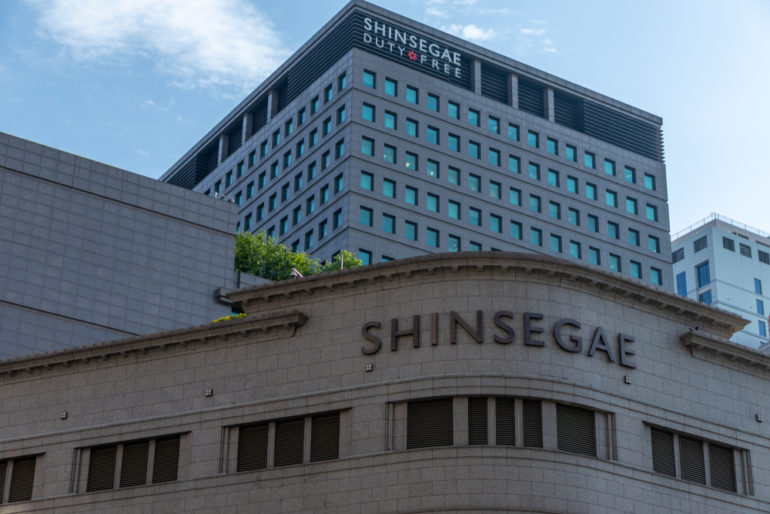
    Shinsegae Department Store, one of South Korea’s leading retailers, said Tuesday that its outlet in Gangnam, an affluent area in southern Seoul, reported 2 trillion won (US$1.7 billion) in accumulated sales last year.

    It marks the first time for a single-department store branch to achieve the 2 trillion won milestone, the company said.

    Lotte Department Store, another leading player, earlier said its branch in Myeongdong in downtown Seoul generated 1.8 trillion won in sales last year.

    Shinsegae attributed its stellar performance to increased visits by foreign shoppers as its Gangnam outlet is adjacent to a number of five-star hotels, including the JW Marriott Gangnam.

    Most of the top-buying foreign shoppers were from China, Taiwan and Russia, the company said.

    The store also underwent major remodeling in 2016, in a move to provide a better luxurious in-store shopping experience by organizing items based on themes rather than brands.

    The country’s three major players — Lotte, Hyundai and Shinsegae — account for about 80 percent of the sector’s sales in the country.

  • Carrefour acquires lunch delivery service Dejbox

    Carrefour acquires lunch delivery service Dejbox

    Supermarket giant Carrefour Group has acquired lunch delivery service, Dejbox, expanding its online grocery service to ready-to-eat meals and the B2E market.

    “This acquisition, which reflects Carrefour’s desire to become the leader in grocery e-commerce, is a strategic one,” Amelie Oudea-Castera, executive director customers, services and digital transformation at Carrefour, said. “It will give us the opportunity to expand our customer base to include employees of medium-sized, small and micro businesses and also invest in the fast-growing food delivery segment with an offering rooted in quality and affordability.”

    Dejbox was found by Adrien Verhack and Vincent Dupied in 2015 to provide food in an online canteen for employees. It offers lunch including fresh, cooked and seasonal dishes for €5.90 to €8.90 and it delivers the food to their workplace at no charge.

    Dejbox is an online and mobile app with menu offerings to cater to French employees working in the urban hinterland and doesn’t have much access to onsite dining service. It is operating in Lille, Lyon, Paris, Bordeaux, Nantes and Grenoble – delivering over 400,000 meals each month.

    Carrefour said the acquisition will allow Dejbox to expand its French operations faster into international markets and grow quickly into B2B services.

    “We made the strategic decision to join with Carrefour because we firmly believe it’s the best possible partner for helping us achieve our ambitious growth plans for Dejbox and for offering as many people as possible an online, affordable, sustainable and tasty alternative to a sandwich or a home-cooked meal,” Verhack and Dupied said.

  • Reliance Industries taking on Amazon in India

    Reliance Industries taking on Amazon in India

    Indian conglomerate Reliance Industries is moving to take on Amazon in India by founding a new digital retail platform.

    The firm, led by billionaire Mukesh Ambani, has of late been engaged in testing to refine its new online shopping portal JioMart, which is expected to list more than 50,000 grocery items. Select customers who pre-register have been offered free home delivery and no-questions-asked return policy.

    The service will initially only operate within three neighborhoods in the vicinity of Mumbai, taking on both e-commerce market leaders within the territory, Amazon and Flipkart.

    Ambani has recently made several investments outside Reliance’s core industrial businesses, including telecommunications and retail acquisitions that are projected to account for 50 percent of the firm’s profits within a few years. He has previously spoken of ambitions to totally transform India’s unorganized retail market.

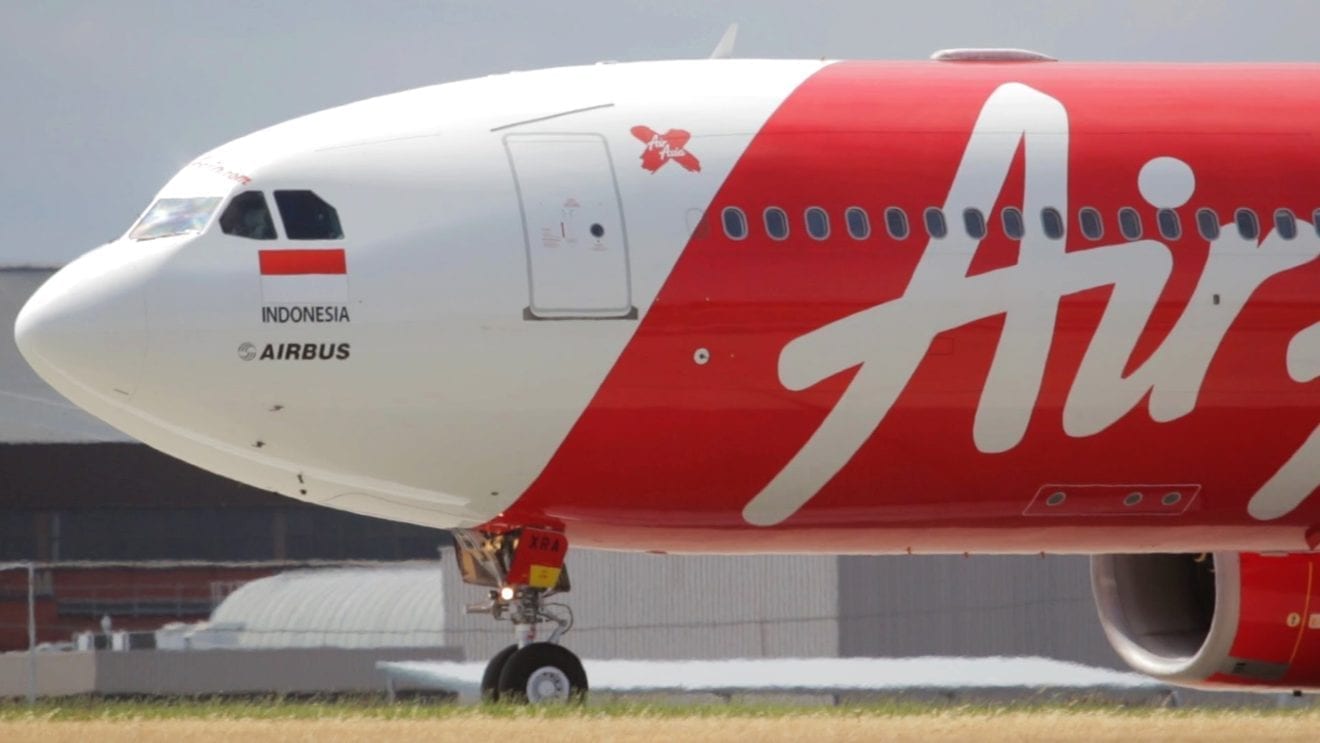
  • AirAsia adds more local and international flights

    AirAsia adds more local and international flights

    AirAsia said on Friday that it was increasing the frequency of flights in high demand domestic and international destinations.

    “We are pleased to welcome the new year with additional flights, offering guests more options when flying with us as they accomplish their travel goals this 2020,” Ricardo “Ricky” P. Isla, AirAsia Philippines chief executive officer, said in a statement.

    He said the move is in line with the low-cost carrier’s vision of allowing its guests to tick-off more destinations from their travel bucket list.

    “Our adjustments are well guided by data, and I am very optimistic about the tourism boost this will bring to our country in the summer months,” he added.

    AirAsia Philippines operates more than 500 weekly domestic and international flights from its hubs in Manila, Clark, Cebu and Kalibo.

    It said guests can book now for routes, some of which will have more frequencies starting on March 29, 2020.

    Among the flights that will have increased frequencies are those from Clark to Iloilo and vice-versa, which will have daily flights. Flights from Cebu to Kuala Lumpur, Malaysia and vice-versa will increase to four times a week.

    Starting on March 29, the airline will have daily flights between Cebu and Puerto Princesa. Flights from Clark to Tacloban and vice-versa, which will be four times a week.

    AirAsia operates in Malaysia, Indonesia, Thailand, the Philippines, India and Japan. Its services include hotels, holidays, activities and online shopping, as well as integrated logistics and digital financial services.

  • HSBC Cuts ATM Services After Vandalization

    HSBC Cuts ATM Services After Vandalization

    HSBC will suspend overnight ATM services at 19 clusters in Hong Kong as a means of avoiding damages following reported vandalism against the lender perceived to be complicit in anti-protestor activities.

    The 19 clusters were pinpointed due to their closeness to popular locations for pro-democracy activities. These locations will be closed from 8 pm to 6 am on Fridays, weekends, the days before and on public holidays until further notice, according to an HSBC statement.

    This follows multiple acts of vandalism against the bank on New Year’s Day and Christmas Eve, reportedly by black-clad anti-government proponents. Most notably was damage done to the famous pair of lions that guard HSBC’s headquarters, after they were doused in flammable liquid and set alight. The bank subsequently closed two branches and seven ATM clusters.

    Whilst attacks against banks have been largely limited to Chinese state-owned lenders, the latest acts of vandalism against HSBC are widely believed to be due to perceived links between the London-headquartered financial giant and pro-Beijing efforts to stifle dissent. Such accusations were made following local police’s decision to freeze around HK$70 million ($9 million) of funds used to support the anti-government movement in Hong Kong. The account owner, Spark Alliance HK, is a renowned anti-government group set up in 2016 to support protestors.

    HSBC has repeatedly denied political involvement and recently said it was «saddened and disappointed by the acts of vandalism at its Mong Kok branch, which included graffiti that read «revenge for Spark Alliance.

    According to HSBC, its decision to comply with police instructions was not politically motivated but falls in line with global regulatory standards.

    We understand there is concern about the account closure. We closed the account in November following fund transfer instructions from the customer as the account was not being used for its stated purpose,» the bank said in a statement, according to a report.

    In December, we received notification from the enforcement agency regarding the handling of its account balance. As an international bank, the decision to close the account was in accordance with global regulatory standards. Global regulators require banks to perform due diligence reviews on customer accounts regularly.

  • UOB Investment Arms Sign Up To UN-Supported Principles

    UOB Investment Arms Sign Up To UN-Supported Principles

    United Overseas Bank Limited (UOB) announced that its investment management subsidiaries are now signatories of the United Nations (UN)-supported Principles for Responsible Investment (PRI), signaling its commitment to responsible investing.

    UOB Asset Management (UOBAM), UOB Venture Management (UOBVM) and UOB Global Capital LLC (UOBGC) are now signatories of the United Nations (UN)-supported Principles for Responsible Investment (PRI), making UOB the first Singapore bank to have its investment companies sign up for the PRI.

    The bank said that the move signals its commitment to responsible investing, integrating environmental, social and governance (ESG) considerations into its investment policies, processes and practices, and its objective to develop sustainable investment solutions for clients.

    We use a structured risk management approach to creating sustainable, long-term returns for them (the investors). We will continue to enhance our ESG evaluation process by tapping fundamental analysis and technology, such as the use of artificial intelligence, and engage our portfolio companies to help improve their ESG practices, said Thio Boon Kiat, Group CEO of UOBAM in a media statement on Monday.

    UOBAM, UOBVM, and UOBGC are principally third-party fund management companies. «By investing in training our people on relevant regulatory, industry and product trends and developments, we can also offer more ESG-focused funds that will align to the UN Sustainable Development Goals,» Thio added.

    The UN-supported PRI is an international network of investors working together to put the six Principles for Responsible Investment into practice. By upholding the Principles, UOB will incorporate ESG issues into its investment analysis and decision-making processes, amongst other practices.

    Sustaining growth responsibly is a key pillar of UOB’s sustainability strategy. As such, we consider and manage the ESG risks, challenges, impact, and opportunities in all that we do, including our investing activities, said Eric Lim, Head of UOB Group Finance and the Chairperson of the Bank’s ESG Committee, in the same media release.

    Besides incorporating ESG issues, the bank also act on the following:

    • Be active owners and incorporate ESG considerations into its ownership policies and practices
    • Seek appropriate disclosure on ESG issues by the entities in which it invests
    • Promote the acceptance and implementation of the Principles within the investment industry
    • Work to enhance its effectiveness in implementing the Principles; and
    • Report on the activities and progress of its investment firms towards implementing the Principles

    As at the end of September 2019, there were more than 2,600 PRI signatories globally, representing US$89 trillion of assets under management. In Asia, the number of signatories increased by 23 percent in the 12 months prior, with a total of 26 signatories in Singapore.

    UOB Asset Management UOB Asset Management (UOBAM) is a wholly-owned subsidiary of United Overseas Bank Limited that was established in 1986. It currently manages 54 unit trusts in Singapore and is one of the largest unit trust managers in terms of assets under management. As of 30 November 2019, UOBAM and our subsidiaries manage about S$36.2 billion (US$26.4 billion) in clients’ assets.

  • Cold Stone Creamery Singapore to shut down by month’s end

    Cold Stone Creamery Singapore to shut down by month’s end

    Ice-cream chain Cold Stone Creamery will close all three of its stores in Singapore at the end of this month.

    Cold Stone Creamery Singapore operates three stores, located at Hill V2, VivoCity and Waterway Point. The brand has operated in the city for the last 10 years.

    The local operator of the brand is Refinery Concepts, the restaurant and lifestyle-food arm of Far East Organization, which operates 14 businesses in the city, including Dean & Deluca. Oriole Coffee & Bar, Cin Cin and Fat Cow.

    To mark the closure, Cold Stone Creamery Singapore will offer discounts and free branded merchandise to customers to “thank them” for support during the decade.

    The US-founded brand continues to operate in other Asian markets, including Thailand, Japan, South Korea and China.

  • 6ixty8ight opens first store in Mongolia as China expansion ramps up

    6ixty8ight opens first store in Mongolia as China expansion ramps up

    Hong Kong lingerie brand 6ixty8ight has launched its first outlet in Mongolia and says it aims to open 16 more outlets in China this month.

    Located in Hohhot, the Mongolia 6ixty8eight store offers the latest trends in lingerie, homewear, loungewear, casualwear and accessories.

    The lingerie label has been growing significantly since its first China store opened in Beijing, with 16 new stores opening there this month.

    Last month, 6ixty8igtht opened its flagship stores on Lazada serving Singapore, Malaysia, Thailand and the Philippines. The brand is already making another new move to launch on another online platform, Shopee, this month.

    Founded in 2002, 6ixty8ight is one of Southeast Asia’s fastest-growing fashion brands, with more than 200 stores now trading across Greater China, South Korea, Singapore and Malaysia.

  • Hong Kong Post to open 80 more iPostal stations for online shoppers

    Hong Kong Post to open 80 more iPostal stations for online shoppers

    Hong Kong Post will roll out more than one new iPostal station every week this year, to boost services to online shoppers.

    The company will build 20 iPostal stations in the first quarter of this year and more than 80 by the end of the year, which will take the iPostal station network to more than 120.

    Hong Kong Post created iPostal stations as delivery address for online shoppers to have purchase delivered to a secure location to avoid missing parcels through not being at home during delivery attempts.

    Two new iPostal stations open tomorrow (January 7) in Oi Tung Estate and Siu Sai Wan Plaza, taking the network to 23.

    Senders now can set new iPostal station as the delivery address for their SmartPost, Local Parcel and Local CourierPost items through the EC-Ship platform, while recipients can set any of these stations as the default pick-up point for their items with a Mail Collection Number.

  • Miniso Philippines opens its 100th store

    Miniso Philippines opens its 100th store

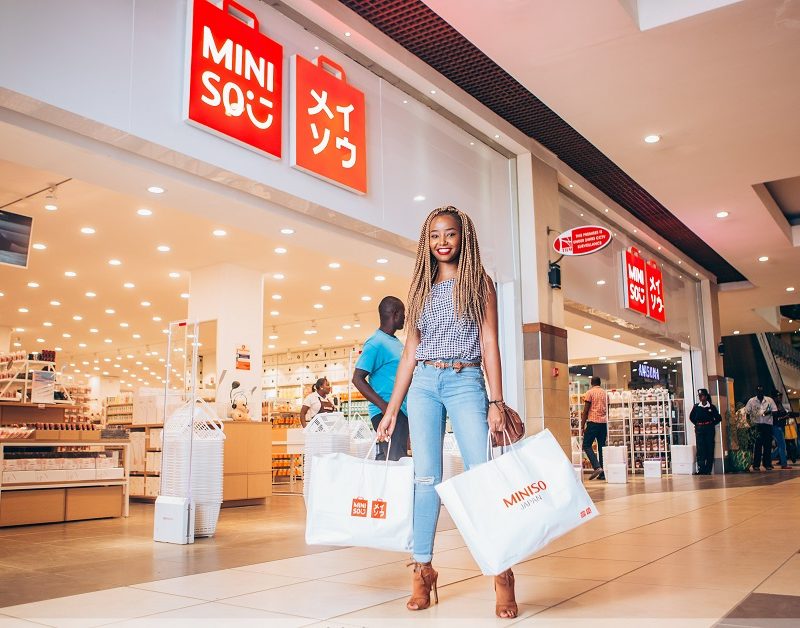
    Miniso Philippines has opened a new store at Estancia Mall, marking its 100th store.

    To celebrate the launch, a Japanese Kagami Biraki ceremony was led by Miniso president Michael Hong.

    The Chinese discount merchandise chain’s new store features lifestyle products including electronics, health and beauty lines, fashion accessories, seasonal products, food and beverages. Miniso Philippines’ 100th store also offered gifts during the holiday season, including holiday mugs, pastel-coloured pouches, and tumblers.

    Miniso operates 4000 stores in more than 90 countries and regions including the US, Canada, Russia, Singapore, the UAE, Korea, Malaysia, Hong Kong, Vietnam and Macau.

  • Mumuso looking for rapid expansion in India

    Mumuso looking for rapid expansion in India

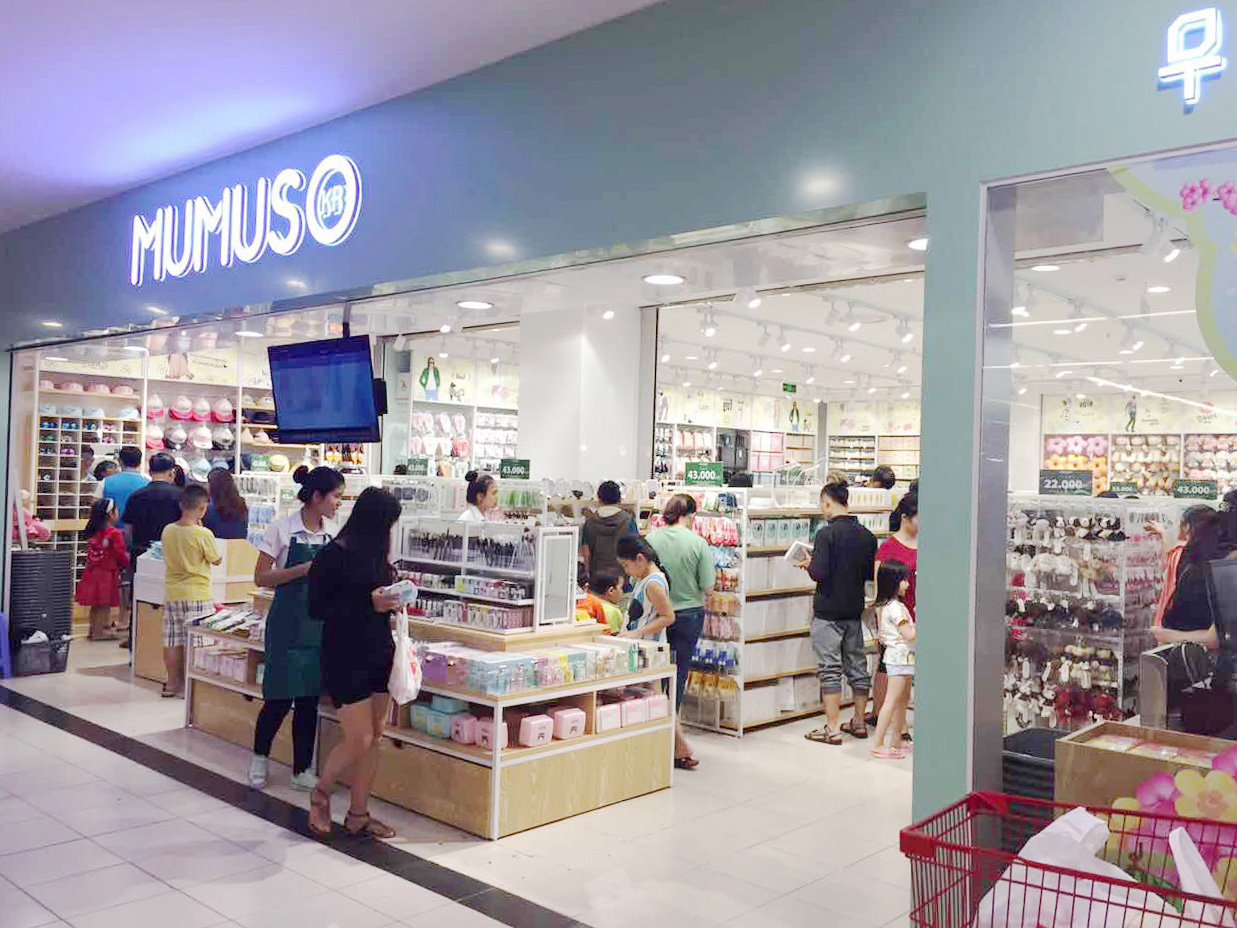
    Discount Chinese merchandise chain Mumuso is set to expand in India.

    The brand intends to launch outlets throughout the territory and is currently seeking potential franchise partners. It has already opened more than 30 locations in India at a rate of two per month since launching there.

    “Mumuso is eyeing at the Indian market aggressively,” said a statement released by the firm, “with new stores in different parts of the country”.

    Beyond its range of “Korean-inspired lifestyle products”, Mumuso is now looking at moving into the food-and-beverage sector.

    “I have been studying the retail market very closely,” said Mumuso India director Manoj Agarwal. “Indian retail market is huge. When it comes to lifestyle products, India has seen a sharp rise in the demand in the recent years. Our expansion strategy is to set up outlets all over India along with entering the e-commerce market as online shopping has seen a big boost in India in recent years. Mumuso, unlike distributorship, franchises will have more profit and direct access under B2C Format.”

  • Luckin Coffee stronger than Starbucks in China

    Luckin Coffee stronger than Starbucks in China

    Luckin Coffee has now become the largest coffee chain in China, surpassing Starbucks in terms of number of locations.

    The firm has launched 4500 outlets within the Chinese territory, around 200 more than its Seattle-headquartered competitor. The brand soared past Starbucks late last year and has rapidly multiplied its footprint in the market backed by strong investment from supporters such as BlackRock.

    The firm focuses primarily on the coffee delivery and pickup business, and so stores are typically smaller in size than Starbucks locations and some are without seating. Starbucks itself has responded to the challenge by entering into a partnership with Alibaba to offer a more robust delivery solution.

    Many of Luckin’s new locations are in areas not currently served by Starbucks.

  • BNP Paribas Launches Electronic FX Trading in Singapore

    BNP Paribas Launches Electronic FX Trading in Singapore

    BNP Paribas announced its plans to launch an electronic FX pricing and trading engine in Singapore in a move to further improve efficiency and liquidity in the city-state’s market.

    The new offering will include 50 currencies in spot, forwards, swaps, non-deliverable forwards (NDFs) and options, as well as commodities e-trading for both precious and base metals. According to BNP Paribas’ Southeast Asia head of global markets, Christophe Jobert, the engine intends to improve liquidity, price discovery and the speed of execution.

    Singapore is a key trading center for us in Asia Pacific, where we are committed to investing for growth,» he added. «In Southeast Asia, we have seen our e-FX trading volumes grow by double-digits year-on-year.

    The bank underlined that the move to launch the new FX trading and pricing engine was part of a broader plan to develop Singapore as «Asia Pacific’s FX trading hub» with support from the city-state’s regulator.

    BNP Paribas’s decision to launch its e-FX pricing and trading engine in Singapore will be an added boost to Singapore and Asia’s FX market, said Gillian Tan, executive director, financial markets development department at the Monetary Authority of Singapore.

    The engine seeks to enhance clients’ trading experiences with improved latency and pricing and will provide more efficient price discovery and improved liquidity in the Asian trading hours for clients in the Asia-Pacific, and support global follow-the-sun execution of FX trades.

    The engine’s roll-out coincides with the launch of BNP Paribas’ single dealer platform, «Cortex LIVE», which will offer Singapore clients access to a real-time digital trading assistant alongside real-time market intelligence driven by artificial intelligence and natural language processing.

    With the delivery of both the e-FX engine and Cortex LIVE in Singapore, clients here will benefit from an unrivaled combination of real-time feedback, quicker and more intelligent trade execution, greater transparency and enhanced controls,» said Rawad Khodr, APAC regional head of G10 FX spot trading, global markets at BNP Paribas.