Author: Mei Ling Tan

  • Luxury cellphone Vertu returns to Vietnam

    Luxury cellphone Vertu returns to Vietnam

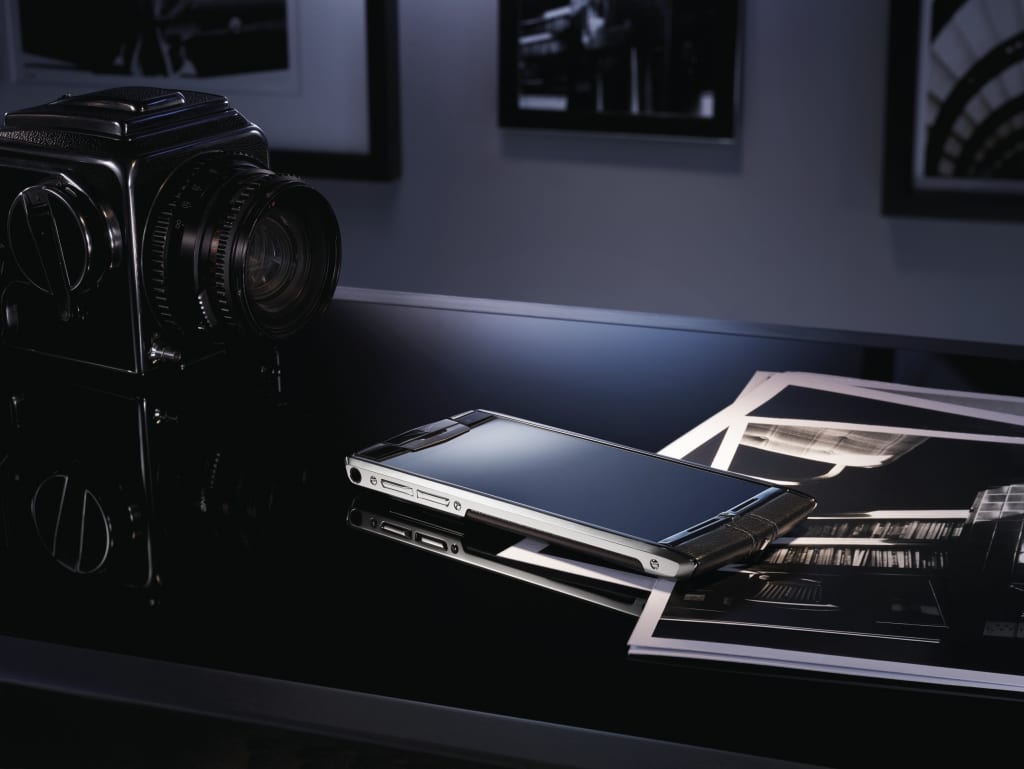
    After a two-year hiatus, British luxury phone maker Vertu has announced resumption of sales at its Ho Chi Minh City store next month. Vertu Vietnam, a local unit of the phone maker, said genuine Vertu phones will once again be sold in Vietnam, first from an District 1 outlet in Ho Chi Minh City in October, then a Hanoi outlet the following month.

    Vertu luxury cell phones had been sold in Vietnam since 2006 by electronics distributor FPT Trading, formerly known as FPT Telecom Products Distribution Co., Ltd., through three outlets in Vietnam. In late 2017, the stores closed after Vertu ceased production in the U.K.

    The company had filed for bankruptcy in its home country, having racked up debts of some £138 million, but its business was still thriving in Vietnam.

    A representative of FPT Trading said that when Vertu’s U.K. factory was shut down, customers in Vietnam were still ordering its super-luxury phones.

    Vertu will now distribute its phones through Vertu Vietnam, a Hanoi headquartered company established in May 2019.

    Before Vertu announced its return to Vietnam, traders had observed that demand for Vertu handsets in the country had never died down.

    “Normally, we rarely see Vertu phones, but in events or places with lots of rich people, you can find 80-90 percent of them using them. For them, the latest technology is not a top priority. They use Vertu because of the phone’s anti-tapping protection features, the brand name and the fact it is crafted from luxury materials,” said Nguyen Phi Dung, a dealer in luxury hand-carried Vertu phones.

    Models that cost between VND100–150 million ($4,300 – $6,450) used to be the most popular, but customers have even bought handsets costing VND500 million to over VND1 billion ($21,500 – $43,000), Dung added.

    Vertu was founded by Finnish phone-maker Nokia in 1998, but changed hands several times later. In 2012, it was sold to Swedish investment corporation EQT; and in 2015 to Hong-Kong based investment fund Godin Holdings.

    In March 2017, Vertu was sold to Baferton Ltd., owned by Turkish businessman Hakan Uzan. However, just four months later, Uzan had to close Vertu’s U.K. factories, having failed to save it from bankruptcy.

    However, in October last year, Vertu made an unexpected return to China with a new Aster P, priced at $5,167 for black and white models, and $14,146 for its yellow model.

  • Facebook, the 800-pound gorilla homegrown Vietnamese social media

    Facebook, the 800-pound gorilla homegrown Vietnamese social media

    Vietnam got its latest in a long line of social networks Tuesday but doubts remain about the viability of homegrown players in a Facebook-dominated country.

    Lotus belongs to media company Vietnam Communications Corporation (VCCorp), which has invested VND700 billion ($30.2 million) in it and is seeking to raise another VND500 billion ($21.6 million).

    VCCorp hopes to have four million regular users within a year and partner with 500 content creators in various areas.

    Many Vietnamese social networks have made their debut this year after Minister of Information and Communications Nguyen Manh Hung said the country needs to have its own social media, which should garner at least 60 million accounts and 60-70 percent of the country’s social network pie by 2022.

    In February Nhat Viet Manufacturing and Investment company, which makes metal tools, launched VietNamTa, which is said to have an almost identical interface as Facebook. But it loads slower and there are also concerns about security.

    In June tourism-oriented social network Hahalolo debuted, and it seeks to have two billion users within five years and list on Nasdaq in the U.S.

    In July Gapo was launched after getting VND500 billion ($21.6 million) from investment firm G-Capital. The developers aim to pay users who contribute attractive content, and claimed to have reached two million users this month out of a target of 50 million by 2021.

    The Ministry of Information and Communications said 436 social networks had been licensed as of last year, but many have failed to attract a reasonable number of people and few survived for more than a year.

    Go.vn, which debuted nine years ago, promised to usurp Facebook’s position within six months with five million users. Its founders aimed for a 40-50 percent share of Vietnam’s social network traffic by 2015, but it is now no longer active.

    Others such as Zingme, Tamtay.vn and Yume.vn have followed the same path.

    Competing with Facebook appears to be a bridge too far for local players. Tran Anh Dung, CEO and founder of digital content startup MOG, said it would be virtually impossible for Vietnamese social networks to surpass Facebook unless the government makes specific policy changes to incentivize them.

    Niche markets could offer them opportunities, but they are not distinguishing themselves enough, he said.

    “Some players are trying to be different but I’m not sure if they are special enough to attract users.”

    Another challenge is resources. If a social network does not get a big infusion of funds in the beginning, it could be fatal, he added.

    Vietnam ranks seventh in the world in number of Facebook users with 58 million, or 75 percent of the population aged 13 or more, according to a report released in July by U.K. advertising agency We Are Social.

    An average Vietnamese uses social media for two hours and 23 minutes a day, same as the global average, according to market research firm GlobalWebIndex.

  • Go-Viet revolving door sees new general manager quit after five months

    Go-Viet revolving door sees new general manager quit after five months

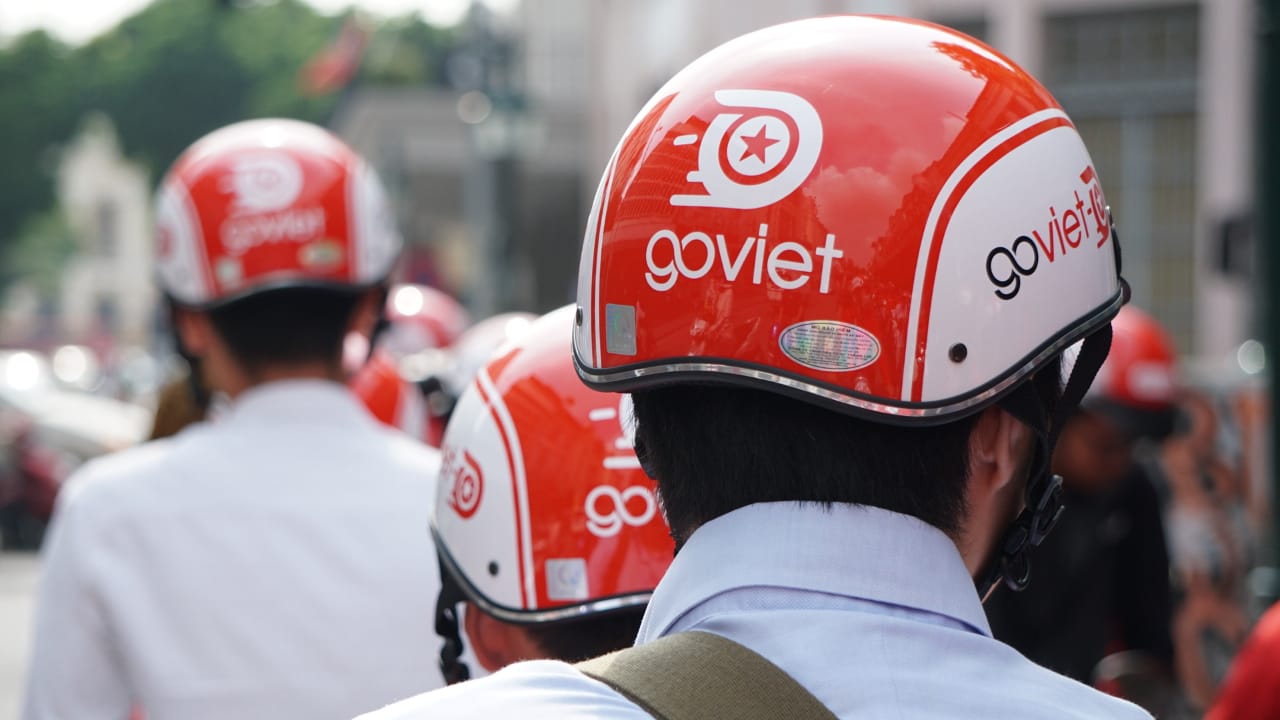
    Le Diep Kieu Trang has become the second top honcho to leave ride-hailing firm Go-Viet in less than a year.

    Making the announcement Wednesday, Go-Viet said that Trang, also known as Christy Le, had decided to choose her own career path and the company “regretted it.”

    However, the company did not reveal the exact time that Trang is leaving.

    “After five months at the company, Christy has decided to take a different path. We always work hard to find a mutually agreeable way forward, but were unable to do so in this instance,” Go-Viet said in a release.

    The company made no mention of her replacement.

    Trang was appointed general manager of Go-Viet last April. She said her new job “was unique and interesting.”

    In an interview with KrASIA, a technology business media site based in Singapore earlier this month, Trang expressed her ambition to bring the platform to all Vietnamese consumers.

    This is the second leadership change for Go-Viet in less than a year. Her predecessor, Nguyen Vu Duc left last March along with deputy general director Nguyen Bao Linh.

    Their resignation came amidst increasing competition in Vietnam’s ride-hailing market, with current leader Grab on an expansion spree and new players like Be Group fighting hard for a bigger share of the pie.

    According to a report by market research firm ABI Research, Go-Viet has 10.3 percent of the ride-hailing market in the country, compared to Grab’s 72.9 percent.

    Go-Viet, an affiliate of Indonesian Go-Jek Group, has said it has completed millions of trips since it was launched in September last year. The company offers transport and food delivery services.

    Trang had became the director of Facebook’s operations in Vietnam in March last year and resigned from the position in December, citing “family reasons.”

  • Audi recalls imported cars with brake faults

    Audi recalls imported cars with brake faults

    Audi Vietnam has announced a recall program to inspect and replace faulty main brake cylinders on 21 Audi Q5 crossovers.

    Distributors of the German car in Vietnam will recall the Audi Q5 Sport 2.0 TFSI Quattro and Q5 Design 2.0 TFSI Quattro models, made between July 2018 and March 2019 and imported as completely built units (CBU) into Vietnam.

    Due to an error in making the main hydraulic brake cylinder, brake oil could leak after prolonged use, damaging the brake system and increasing accident risks, said Vietnam Register, the agency under the Ministry of Transport that is in charge of registering vehicles, in a statement.

    However, Audi said the emergency braking function of the vehicles’ electronic parking brakes is not affected, and that so far, Audi has not recorded any accident related to the above problem.

    The recall and inspection program will take place until June 10, 2020.

    Audi opened its first dealership in Ho Chi Minh City in 2008, and now possesses three dealerships, the other two in Hanoi and Da Nang.

  • Sharp considers suing Vietnam’s Asanzo

    Sharp considers suing Vietnam’s Asanzo

    Sharp Electronics Vietnam is considering suing Asanzo for allegedly counterfeiting evidence to prove it owns technology that actually belongs to the Japanese brand.

    The subsidiary of electronics giant Sharp said this in a statement Thursday after Asanzo said earlier this week that it has a business partnership with a company called Sharp-Roxy Hong Kong, a business alliance between Sharp and Roxy Electronic Company Ltd.

    However, Sharp Vietnam says the Sharp-Roxy Hong Kong business alliance was terminated on October 31, 2016, therefore it would be impossible for Sharp-Roxy Hong Kong to issue a partnership document to Asanzo on September 12, 2019.

    “It is obvious that the document introduced by Asanzo in their press conference on Tuesday is counterfeit,” Sharp Vietnam’s statement said.

    This action seriously damages the Sharp brand, and it is currently exploring the possibility of legal action against Asanzo, it added.

    An Asanzo release has responded that it was “surprised” by Sharp’s statement.

    Asanzo chairman Pham Van Tam told VnExpress that the document in question was sent to Asanzo by a Chinese partner who is a tier one supplier to Sharp-Roxy Hong Kong.

    “We are working with the Chinese partner and Sharp Electronics Vietnam on this matter and will inform the press later,” Tam said.

    Asanzo, a Ho Chi Minh City-based home appliances maker that dominates the rural market, is being investigated for importing components from China and replacing “made in China” stickers with Vietnamese ones.

    The investigation, which has been going on for three months, came after local newspaper Tuoi Tre reported in June that the company did not manufacture any of the components for its products and imported everything from China.

    Asanzo has countered that it imports about 70 percent of components from China and makes other parts, like TV plastic cases and remote controls, in Vietnam.

    Asanzo, founded in 2013, has the fourth largest market share in Vietnam’s TV market. It has also expanded into the refrigeration, consumer electronics, home appliances, and smartphone segments.

    In just three years, it accounted for 70 percent of the TV market in rural areas and 16 percent nationwide.

  • South Korean firm to invest $700 mln towards cashless payment in Vietnam

    South Korean firm to invest $700 mln towards cashless payment in Vietnam

    Financial solutions firm Alliex will invest over $700 million to build shared Point of Sales (POS) across Vietnam. Alliex plans to install a total of 600,000 shared POS devices in Vietnam over the next five years, its director Park Byounggun told Deputy Prime Minister Vuong Dinh Hue at a meeting on Friday.

    The company, along with local partners, will build and operate this shared system, and continue to add new features on the POS devices such as QR code, contactless payment, and biometrics in line with regulations, Byounggun said.

    The shared POS system will help local authorities cut down cash in circulation and transaction costs, combat tax losses and speed up payment transactions in a safe and efficient manner, helping the government’s efforts to transform Vietnam into a cashless society, he added.

    Alliex has also signed collaboration contracts with private lender Sacombank and the state-owned VietinBank to roll out the POS system in Vietnam.

    Electronic payments in the country increased by 22 percent in 2017 to $6.14 billion, according to Statista, a local market research firm. The figure is projected to rise to $12.33 billion by 2022.

    Economists have said that the potential for cashless payments in Vietnam is huge due to a growing middle class and rapidly improving telecom infrastructure. The Vietnamese government targets to make 90 percent of all transactions cashless by 2020.

    However, for now, the reliance on cash remains huge. About 80 percent of Vietnamese prefer to use cash for daily transactions, according to the Ministry of Industry and Trade.

  • First 5G network broadcasts in Vietnam

    First 5G network broadcasts in Vietnam

    Telecom giant Viettel broadcast its first 5G network Saturday from its network of 5G base stations in Ho Chi Minh City.

    “The official broadcast of 5G in Ho Chi Minh City is an important milestone in Viettel’s strategy to make Vietnam one of the first countries in the world to commercialize 5G services,” Viettel deputy director Tao Duc Thang said in a statement.

    The 10 stations will be used by Viettel, the nation’s largest telecom firm, to comprehensively check and assess its 5G service before launching it commercially next year.

    Military-run Viettel installed the first 5G station in Hanoi early this year and made the first 5G phone call in May. It was the first firm in the country to receive permission to trial 5G services in January, followed by MobiFone.

    Last November, Information and Communication Minister Nguyen Manh Hung said at a conference that Vietnam should test 5G in 2019 and ensure nationwide coverage by 2020.

    “Vietnam should be one of the first countries to launch the network, at least in Hanoi and HCMC,” he had said. The country had been one of the last in Southeast Asia to roll out 4G services.

    5G is said to offer speeds 100 times faster than 4G, primarily used for smartphones and other similar devices. 5G is also expected to support new applications like remote medical procedures and autonomous driving.

  • Vietjet Air among global leaders in revenue from ancillary services

    Vietjet Air among global leaders in revenue from ancillary services

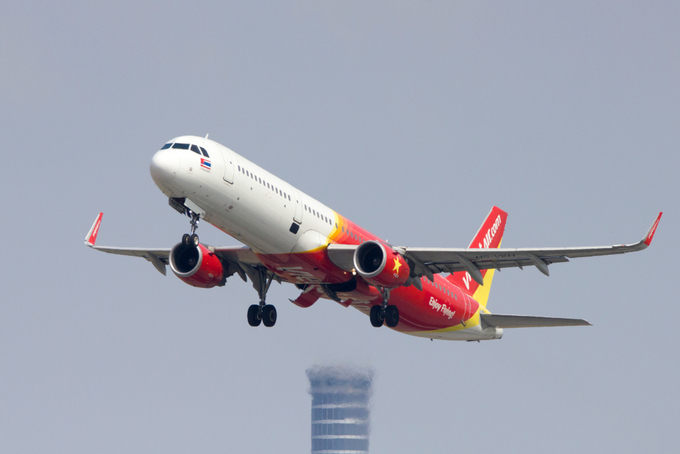
    Vietjet Air ranks 12th in the world among airlines in terms of ancillary services as a percentage of total revenues.

    The budget airline’s income from ancillary services such as on-flight food and souvenirs was $338.2 million in 2018, or 23.5 percent of total revenues, according to the CarTrawler Ancillary Revenue Yearbook recently released by U.S. consultancy IdeaWorks Company.

    Low-cost carrier VivaAerobus of Mexico topped the list with its ancillary earnings making up of 47.6 percent of its revenues, followed by the U.S.’s- Spirit Airlines (44.9 percent and Frontier Airlines (42.8 percent).

    IdeaWorks listed statistics for 76 airlines that disclosed revenues from selling frequent flyer points to partners, fees from passengers choosing seats, commissions from hotel bookings and other such sources. The study found that the carriers earned almost $52.7 billion in ancillary revenues last year.

    For budget carriers, ancillary revenue is a decisive factor in success when its profit margin reaches over 90 percent.

    Vietjet aims to become one of the top five airlines in the world in terms of ancillary revenues. The carrier, owned by billionaire Nguyen Thi Phuong Thao, has the largest domestic market share of 44 percent.

  • Imported car sales soar despite efforts to tighten imports

    Imported car sales soar despite efforts to tighten imports

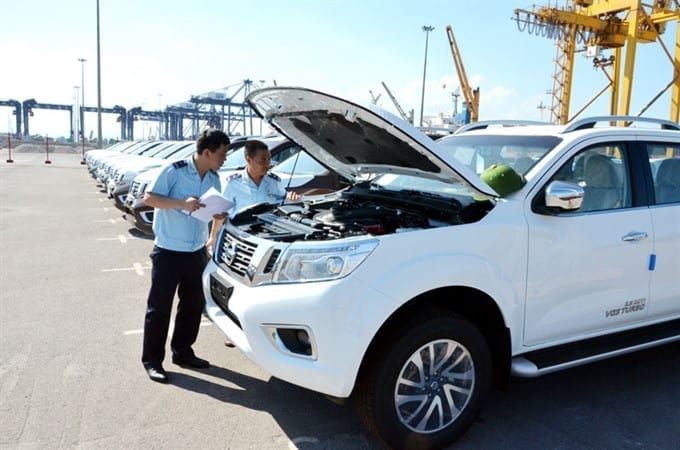
    Consumption of imported cars has skyrocketed while that of locally-assembled ones is falling despite efforts last year to tighten imports.

    From January to August, sales of imported cars rose 178 percent year-on-year to 82,800 units, while that of locally-assembled vehicles dropped 14 percent to 119,700 units, according to the Vietnam Automobile Manufacturers’ Association (VAMA).

    The number of imported vehicles with nine seats or less in the period almost quadrupled to over 71,000, according to Vietnam Customs.

    However, the high increase in imports this year has to do with a plunge last year because of a government decree that introduced tougher conditions for car importers, requiring them to provide certain certificates to ensure quality and countries of origin. This had led to a decline of 20 percent from 2017.

    Imports started to regain traction in the second half of last year when businesses were able to meet those requirements.

    Vietnam is considering removing special consumption tax on car parts produced locally to boost local manufacturing. Some businesses are shifting their production of high-demand vehicles to the country.

    As Vietnam sees rising demand among people to switch from motorbikes to cars alongside an increase in the country’s per capita income, annual car sales could more than triple in the next five years to reach a million in 2025, according to the Ministry of Finance.

    Vietnam imported 95,900 automobiles in January-August, up 3.2 times year-on-year, 86 percent of these from Thailand and Indonesia, according to Vietnam Customs.

  • Cebu Pacific launches new inflight menu

    Cebu Pacific launches new inflight menu

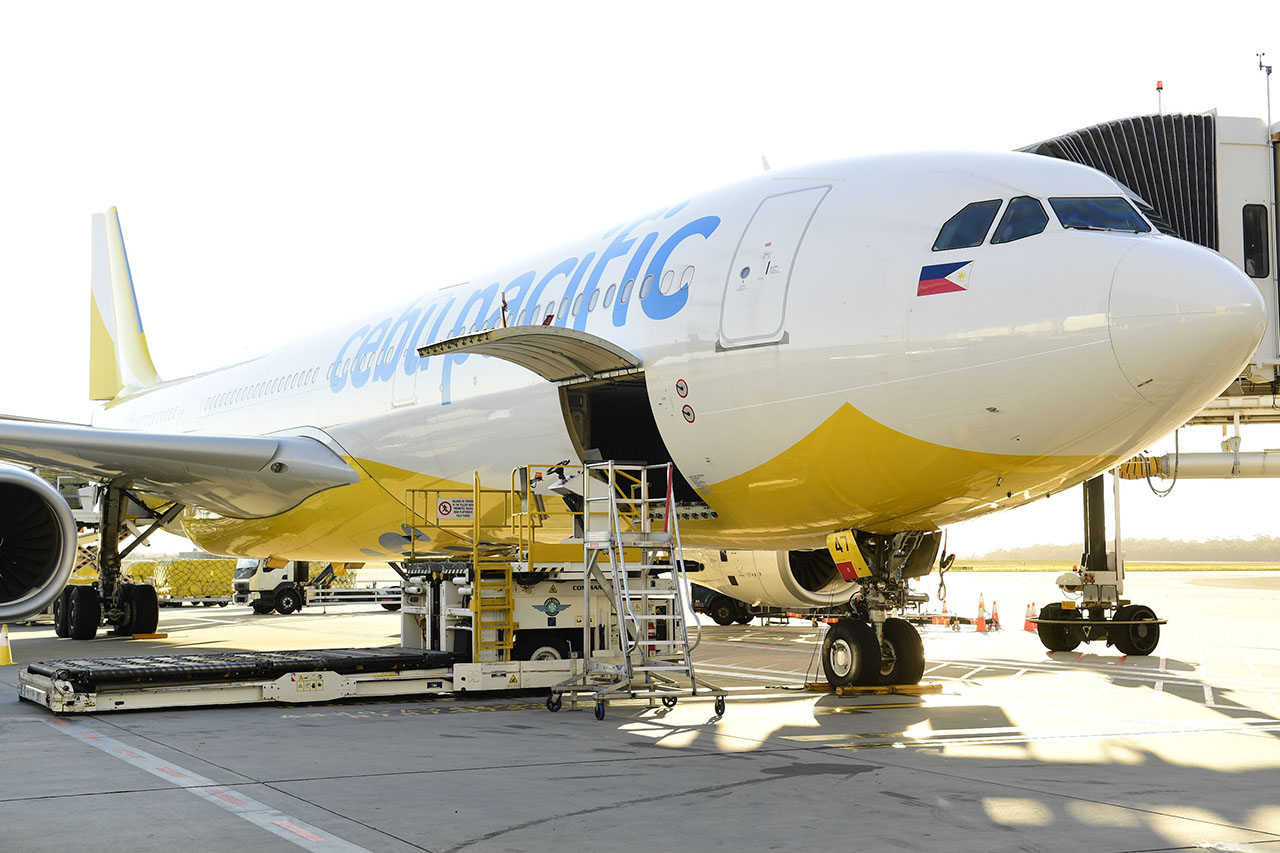
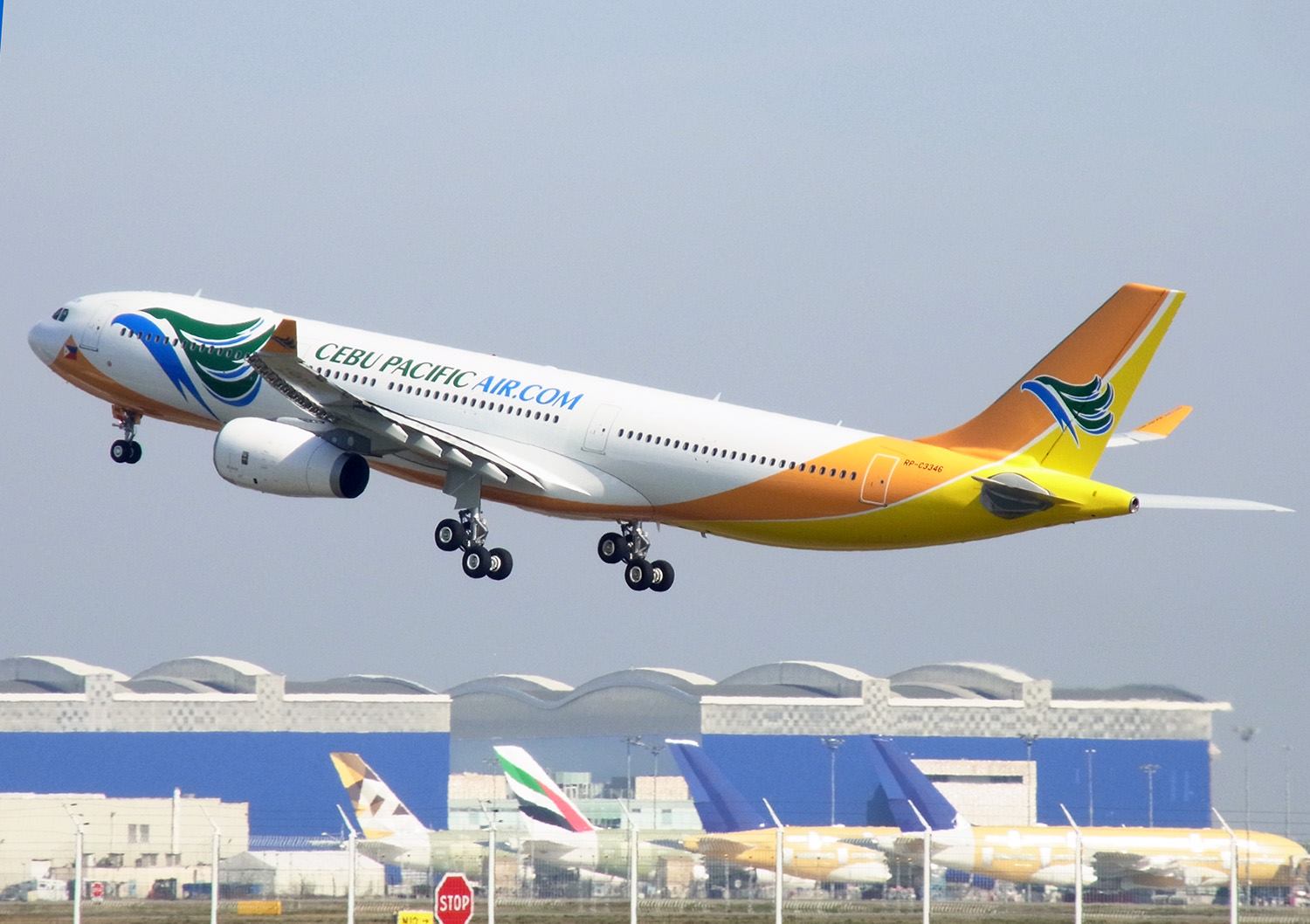
    Cebu Pacific is launching a new selection of inflight meals for purchase starting October this year.

    The new meals include a Singaporean dish (Hainanese Chicken Rice shown above), Filipino cuisine, and a vegetarian option.

    “As every Cebu Pacific flight is a journey to or from home, we have designed this refreshed inflight menu to bring a feeling of comfort in the form of simple meals and familiar tastes,” said JB Bueno, director for inflight catering and sales at Cebu Pacific.

    Below are some of the meals passengers traveling with the airline can buy starting next month:

    Roasted Chicken Sandwich (toasted panini bread with roasted chicken, sautéed spinach, and grated cheddar cheese with a garlic aioli spread).

    Lechon Paksiw (slices of roasted suckling pig stewed in a blend of vinegar, sugar, and spices, served with white rice).

    Other meals include the following:

    • Pinoy Spaghetti
    • Beef Salpicao
    • Chicken Yakisoba
    • Crab Salad Sandwich

    In addition to being available for purchase on flight, passengers can also pre-order the meals before the flight, according to Cebu Pacific. The carrier also added that the meals come with information on nutrition to cater to health-conscious travelers flying with Cebu Pacific.

  • Samsung arm increases ownership in Vietnam IT firm

    Samsung arm increases ownership in Vietnam IT firm

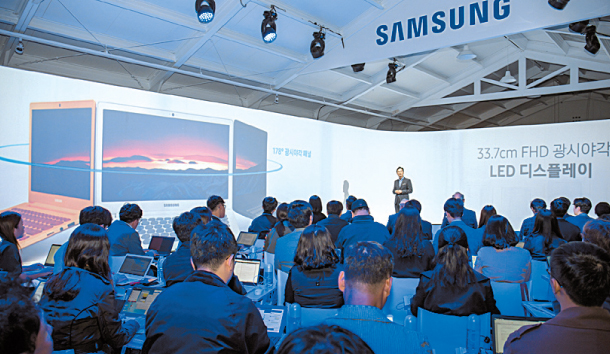
    South Korea’s Samsung SDS has bought a five- percent stake on the market in leading IT services provider CMC Corporation.

    Its combined 30 percent stake now, after buying a 25 percent stake comprising newly issued shares last month, is reportedly worth over $40 million.

    CMC said it would use most of the proceeds for developing Internet of things (IOT) and artificial intelligence (AI) technologies with Samsung SDS, the systems development subsidiary of Samsung Electronics.

    CMC Chairman and CEO Nguyen Trung Chinh said this commitment from Samsung would propel CMC into the global league in the next five years and double its overseas sales to more than 30 percent of total sales by 2023.

    CMC also aims to integrate its IT systems with Samsung SDS’s and use IOT and AI to automate production lines, a model that would be implemented first in Vietnam before being exported to other markets, he said.

    Samsung SDS had announced in late July it would buy a 25 percent stake in CMC through a private placement, which it hoped would accelerate its foray into Vietnam’s fledgling cloud market and other markets in Southeast Asia.

    Samsung Electronics has two smartphone factories in the northern provinces of Bac Ninh and Thai Nguyen, which produce more than 150 million units a year, or half of Samsung’s all global sales.

    It also has a home appliances factory in Ho Chi Minh City. Last year Samsung products accounted for over $60 billion of Vietnam’s exports, or around 25 percent of its total.

    Founded in 1993, CMC is one of Vietnam’s largest IT services companies with revenues of VND5.23 trillion ($224 million) in 2018.

    The Hanoi company has eight subsidiaries and 3,000 employees, and it works mainly in system integration, software development, cloud computing, and IT infrastructure management.

    The strategic partnership would also help CMC’s goal of reaching $1 billion in sales by 2023, Chinh said.

  • Cebu Pacific holding ‘9.9’ promo fare sale

    Cebu Pacific holding ‘9.9’ promo fare sale

    Cebu Pacific is holding another seat sale from Sept. 9 to 10. The airline did not specify fares but said new destinations will become available every 8 hours starting midnight Sept. 9.

    From 12 a.m. to 8 a.m. all local destinations except Batanes and Marinduque will be on offer.

    From 8 a.m. to 4 p.m. Cebu Pacific will offer promo fares to Japan, Korea, China, Taiwan, Hong Kong and Macau.

    Promo fares to ASEAN destinations, Dubai and Australia will be offered from 4 p.m. to 12 a.m.

    The fares will be valid for travel from April 1 to Aug. 31 next year.

  • Apple TV getting tvOS 13 update

    Apple TV getting tvOS 13 update

    It’s not just iPhone users that are getting something new this week, but Apple TV owners as well. The new tvOS 13 is now rolling out to Apple TVs around the world, so prepare to check out a handful of nifty new features and improvements, especially if you like to play games.

    One of the most important changes included in the update, multi-user support lets Apple TV owners create multiple profiles that can be customized to provide layouts and recommendations that are relevant for each person using these profiles.

    Moreover, a new home screen is now available for Apple TV users, which accommodates full-screen video previews, a picture-in-picture feature, and a Control Center. Now, as far as the gaming improvements go, tvOS 13 brings Apple Arcade support, but it will also allow the use of Sony’s PlayStation 4 and Microsoft’s Xbox One controllers.

    Also, the Cupertino-based company added Sign in with Apple support, which lets you sign in with your Apple ID rather than requiring to create a username and password. Last but not least, the update adds some under the sea screensavers that were made in partnership with BBC National History Unit.

  • New Benelli Motorcycle Launch Details Disclosed

    New Benelli Motorcycle Launch Details Disclosed

    Benelli India is all set to launch a new motorcycle in India towards the end of October 2019. We believe that it could be the Imperiale 400. At the launch of the Leoncino 500, the company had confirmed that it will be launching three new products by the end of 2019 which were TRK 250, Leoncino and the Imperiale 400. We believe that it is going to be the Imperiale 400, which will be launched in October 2019. The Imperiale 400 will go up against Jawa and the Royal Enfield Classic 350.

    What’s interesting to know is that the Benelli Imperiale 400 will see a lot more local content going into it than the TRK 502 and the Leoncino, which should help keep the prices competitive. While the company did not confirm the percentage of local content on the cruiser, we should get a fair idea on the same at the time of launch. The local assembly will help the Imperiale 400 stay accessible to bigger customer base with a price around the ₹ 2-2.5 lakh (ex-showroom) mark. It may not undercut the locally manufactured Royal Enfield Classic 350 or the Jawa at this price point, but certainly will be a compelling alternative.

    The Benelli 400 gets a 373.5 cc single-cylinder engine with fuel injection that churns out 19 bhp at 5,500 rpm and 28 Nm of peak torque at 3,500 rpm. The motor is paired to a 5-speed gearbox. The bike uses a double-cradle steel tube frame underneath and is suspended by telescopic forks upfront and dual shock absorbers at the rear. The vintage-looking cruiser comes with disc brakes at either end with dual-channel ABS as standard. The bike has a kerb weight of 200 kg and a fuel tank capacity of 12 litres.

  • Honda To Cease Diesel Vehicle Sales In Europe By 2021

    Honda To Cease Diesel Vehicle Sales In Europe By 2021

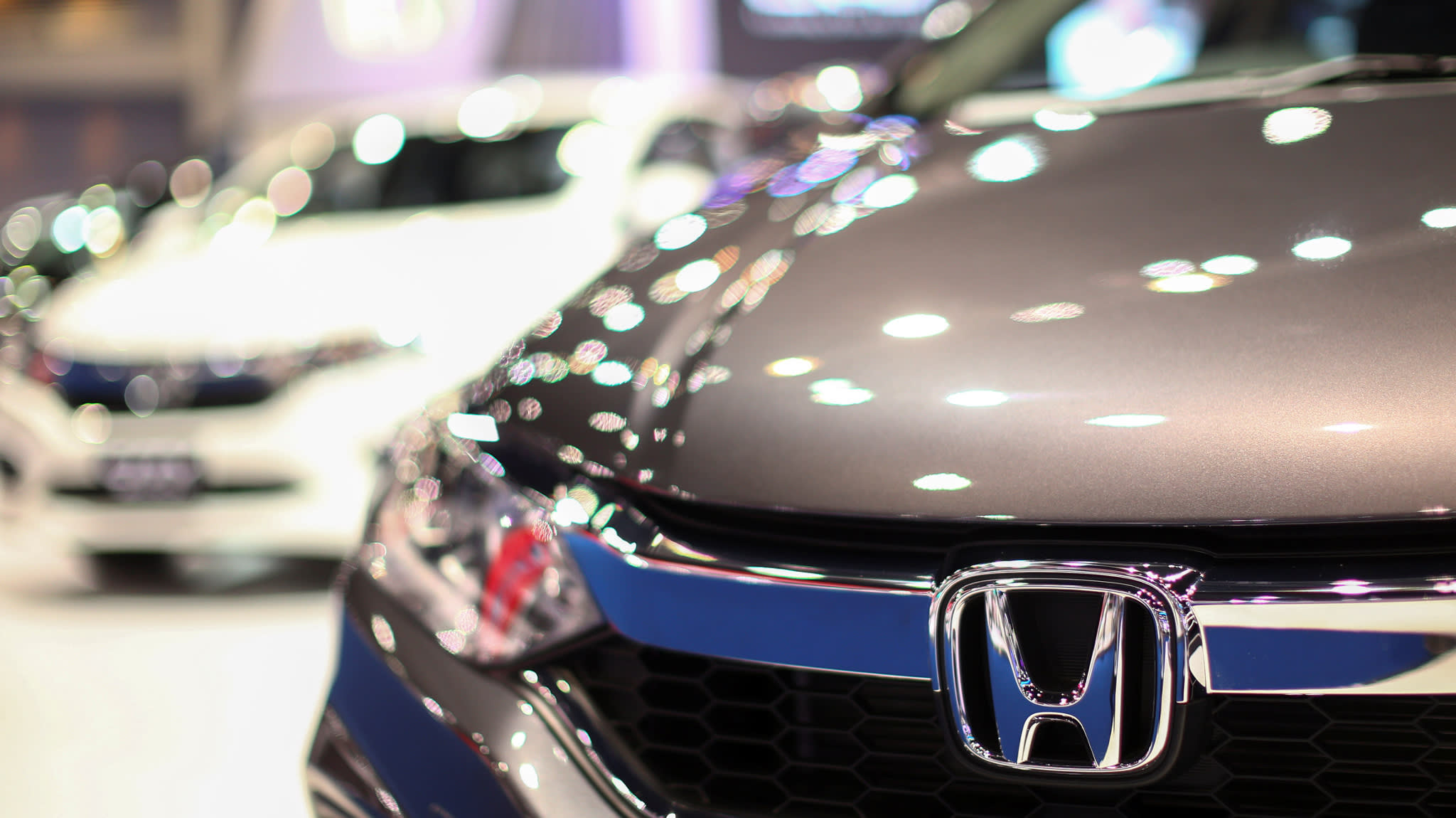
    Honda Motor said it would phase out all diesel cars by 2021 in favor of models with electric propulsion systems, as the Japanese automaker moves to electrify all of its European cars by 2025.

    Honda is the latest automaker cutting production of diesel cars to meet stringent global emissions regulations. The plan is part of its long-term goal to make electric cars, including all battery-electric vehicles, to account for two-thirds of its line ups by 2030 from less than 10% now.

    By next year, according to European Union emission targets, CO2 must be cut to 95 gram per km for 95% of cars from the current 120.5 gram average, a figure that has increased of late as consumers spurn fuel-efficient diesels and embrace SUVs. All new cars in the EU must be compliant in 2021.

    For Honda, declining demand for diesel vehicles and tougher emissions regulations have clouded its manufacturing prospects in Europe.

    Honda said in February it would close its only British car plant in 2021 with the loss of up to 3,500 jobs.

    Japan’s No. 3 automaker has said it would cut the number of car model variations to a third of current offerings by 2025, reducing global production costs by 10% and redirecting those savings toward advanced research and development