Author: Mei Ling Tan

  • Thinkware dash cams opens flagship store in Singapore

    Thinkware dash cams opens flagship store in Singapore

    Dash cam firm Thinkware is opening a flagship store in Singapore.

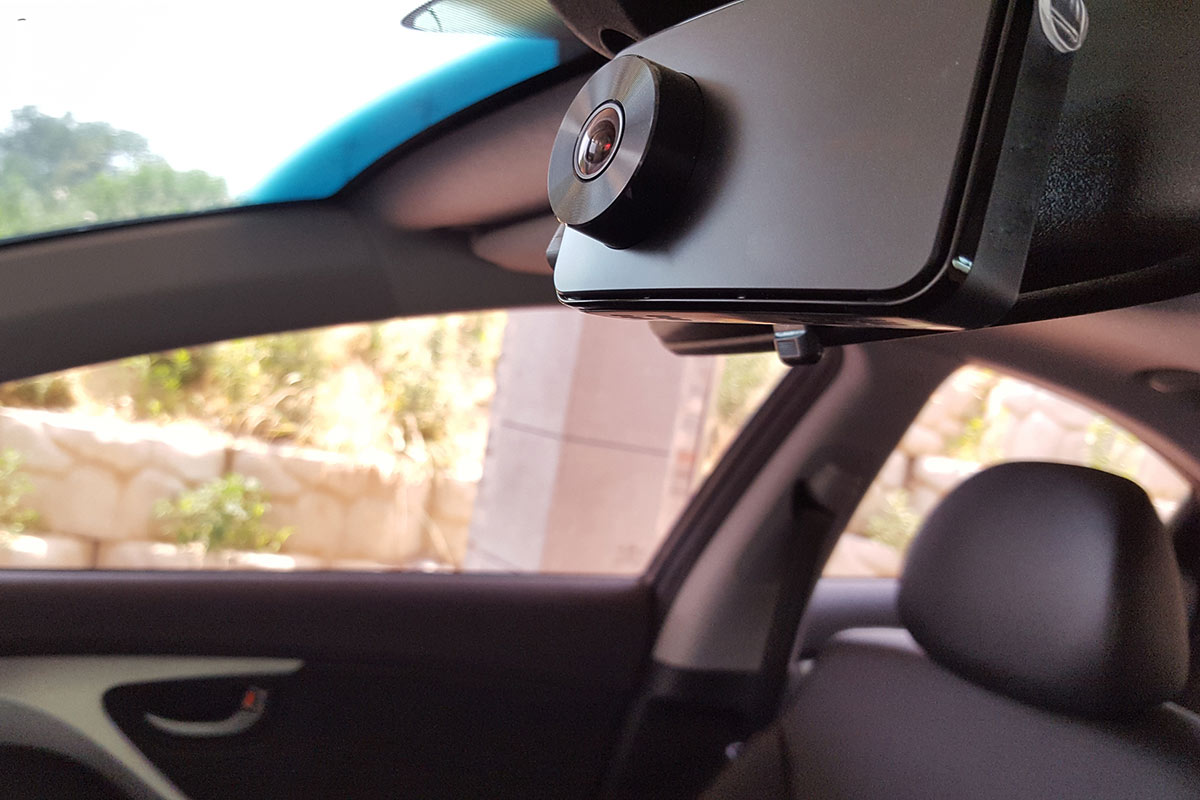
    The Thinkware Singapore store will provide a suite of services including troubleshooting, warranty services, dash cam maintenance and repairs. In addition to after-sales services, Thinkware will also exhibit its top dash cams at the venue – including the X700 and latest U1000 models that feature the firm’s Cat-M1 Internet of Things technology and Thinkware Cloud. Customers will also be able to access other enhanced recording and supplementary smart car technologies such as alarm systems and Apple carplay head units, among others.

    The Serangoon North Ave launch comes at a time when the company is on its international business expansion phase within the automotive industry.

    “Thinkware has long been a trusted name in dash cam technology and we believe that Singapore is an ideal market with dash cams steadily growing in popularity amidst advancements in connectivity, recording quality and improved vehicle safety,” said Thinkware Singapore MD Kenneth Low. “We are excited to bring the very first Thinkware premium store to Singapore and look forward to serving our customers.”

    Thinkware is the highest selling dash camera company in the competitive Korean market and its devices are available across 800 cities worldwide.

  • Webjet earnings taking a hit from Thomas Cook bankruptcy

    Webjet earnings taking a hit from Thomas Cook bankruptcy

    Digital travel business Webjet is set to feel the pinch of the collapse of British travel company Thomas Cook.

    The online company, which manages the hotel bookings for Thomas Cook’s customers visiting Europe, said it will be impacted by a loss of total transaction value (TTV) in FY20 from Thomas Cook’s demise.

    Webjet has advised that it expected TTV from Thomas Cook to be in the range of $150 million to $200 million (A$221.4 million to A$295.18 million) in FY 2020.

    This is expected to reduce its earnings before interest, tax, depreciation and amortisation (EBITDA) growth this year. An additional $27 million to $33 million of EBITDA was expected in FY 2020, but the impact of Thomas Cook entering liquidation is expected to reduce this guidance by up to $7 million.

    The online travel agent also said Thomas Cook owed it approximately $43.7 million.

    Webjet said, however, that the impairment of any unpaid receivables will be treated as a one-off expense to the income statement and that there will be no material adverse impact on the company’s liquidity because any write-off will be absorbed by existing cash reserves which stood at $211.4 million as of June 30 plus its undrawn debt facilities.

    The online retailer said there will be “no impact on the more than 3,000 hotel contracts Webjet acquired from Thomas Cook in August 2016, which are wholly owned by WebBeds and available for sale to all WebBeds customers.”

    The company added the vast majority of these contracts are currently sold at full margin to non-Thomas Cook customers and have been a key driver of the profitable growth of their European business over the last three years.

    The travel retailer also said there is no change expected to its other expected FY20 earnings drivers indicated in the FY19 results announcement.

    The embattled travel company Thomas Cook has collapsed after last-minute negotiations aimed at saving the firm failed.

  • Sunglass Hut underpaid employees

    Sunglass Hut underpaid employees

    Sunglass Hut underpaid hundreds of its part-time workers by about $2.3 million over more than five years.

    Luxottica Retail Australia Pty Ltd, trading as Sunglass Hut, has avoided prosecution by the Fair Work Ombudsman after entering a court-enforceable undertaking to repay the cash and agreeing to a $50,000 “contrition” payment.

    Between 2010 and 2016, Sunglass Hut failed to reach an agreement with part-time workers as required by the General Retail Industry Award.

    As a result, the company failed to pay $2,294,496 in overtime rates for work performed outside regular hours, to 620 employees at 253 stores across the country.

    Fair Work Ombudsman Sandra Parker said the undertaking was appropriate as the company had committed to overhauling workplace practices and rectifying all underpayments.

    “Sunglass Hut breached workplace laws and their conduct falls short of lawful obligations to their employees, and community expectations,” Ms Parker said.

    Sunglass Hut has already back-paid $1,485,590 to 457 staff, with $815,391 outstanding.

    As a gesture of contrition, Sunglass Hut must also hand over $50,000 to the National Association of Community Legal Centres.

    “This matter highlights that if employers incorrectly apply award conditions, it can have extensive and expensive consequences across the business for years to come,” Ms Parker said in a statement.

    “This outcome should also serve as a warning to all businesses that they need to actively check that they are paying their staff correctly.”

    Sunglass Hut must call in external auditors to check pay and conditions for workers every year until the undertaking ends in 2022.

    Luxottica must also issue a letter of apology to each of the affected workers.

    The company has been contacted for comment.

  • H&M opening fourth retail store in Auckland

    H&M opening fourth retail store in Auckland

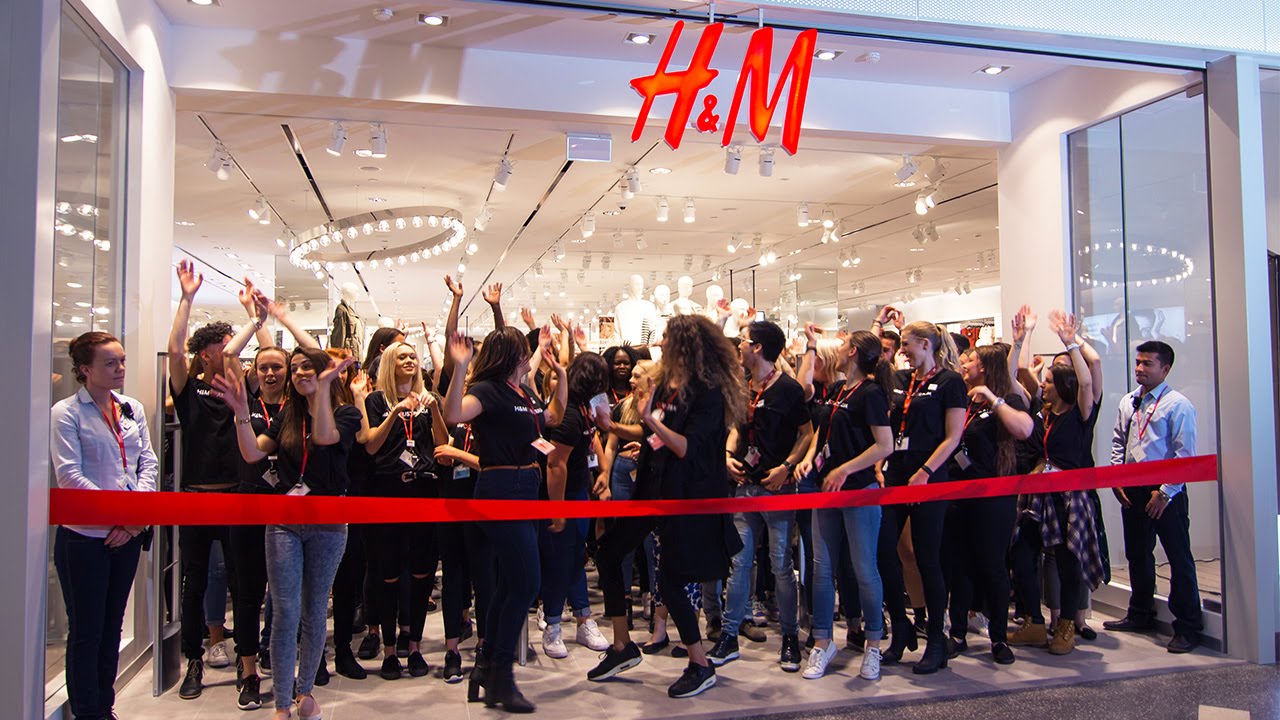
    Swedish fashion giant H&M announced it will open its fourth store in Auckland at Westfield Newmarket on December 12.

    The 2300sqm store, the retailer’s ninth store in New Zealand, will have two levels and will feature a range of apparel and accessories for men, women, youth, kids and baby, as well as the retailer’s home concept.

    “We are thrilled to be a part of the much-anticipated Westfield Newmarket.” said Daniel Lattemann, Country Sales manager for H&M New Zealand.

    Lettemann said they are also delighted to be able to finally offer a second Auckland location for their H&M home concept.

    “We have seen such a demand since launching the concept in our Commercial Bay store last year,” he said.

    According to H&M, recruitment for approximately 50 employees is underway.

    The fashion retailer, which entered the New Zealand market in 2016, now has seven stores nationwide located in Sylvia Park, Commercial Bay, and Botany Town Centre in Auckland, The Crossing in Christchurch, Queensgate in Wellington, Tauranga Crossing, and Chartwell Shopping Centre in Hamilton.

    The recently announced store opening is the eighth and is set to open in Westfield Riccarton on November 7, 2019.

  • Amazon selling refurbished products in Australia

    Amazon selling refurbished products in Australia

    Amazon Australia has expanded the reach of its marketplace, now offering refurbished products through certified sellers under its ‘Renewed’ program.

    Products sold through this program will have a six-month selling partner-backed warranty and will be inspected and tested by suppliers to ensure they look and work as new.

    “Renewed provides Australian customers with great discounts on the good as new products, paired with the reassurance of a six-month warranty, and the convenience of having it delivered to their door,” Amazon Australia country manager Matt Furlong said.

    “Aussie shoppers are savvy, and we hope that Renewed gives them another way to get the products they want for an even better price.”

    Renewed products will be available across mobile phones, computers, tablets, headphones, and wireless speaker, with more categories to come soon. Certified resellers currently include Apple, Samsung, Microsoft, Lenovo, HP and Dell.

    Australian marketplace Kogan also offers refurbished products, though also offers a grading system to signify the item’s condition – from grade A to grade C.

    Grade A refers to a product that is in near-new condition, while grades B and C show further use and degradation.

    While Renewed products at present do not present this information on the store page, Amazon notes the refurbishment process typically includes a full diagnostic test, replacement of any defective parts, a thorough cleaning and inspection process, and repackaging by the seller or refurbisher.

    A growing economy

    According to Ahmad Elhawli, founder of sports marketplace Sportsfinda, the used goods industry is a $34 billion industry.

    “It used to be [these products] would sit at home or collect dust, nowadays they’re living in a sharing economy – it’s a lot more acceptable to share things with others or purchase products that were used by others,” Elhawli said.

    Swinburne University’s lecturer of marketing Dr. Jason Pallant said that, while this is still a relatively small chunk of the overall market, demand for second-hand and refurbished goods is growing.

    “Similar to general retail, online has facilitated this type of shopping, allowing consumers to find an expanded range of products whenever and wherever they choose,” Pallant said.

    However, unlike a more traditional marketplace offering, Amazon’s stricter control over how these goods are certified could lead to less discounting, meaning less incentive for consumers to shop refurbished.

    “On the surface, this provides some apparent benefits to consumers as Amazon are promising to tightly check the quality of both products and sellers, as well as offering warranties on certain items,” Pallant said.

    “However, these securities come at a price. Stricter requirements on sellers will likely be passed on to buyers through higher prices than might be found through other systems.”

    Why conscious consumers buy refurbished

    While buying new products typically comes with peace-of-mind, buying refurbished tends to not only come at a lower price point, but also at a lower impact environmentally – decreasing demand for manufacturing new products unnecessarily, as well as the effects of electronic waste.

    “Considering the speed at which new products are created, and the amount of waste this creates, it is good to see businesses of various kinds working into the idea of the circular economy, and trying to help products be reused and recycled,” Pallant said.

    According to the United Nations Environment Programme, humans produce as much as 50 million tonnes of e-waste per year, with only 20 percent of this recycled – the remaining 80 percent ending up in landfills to potentially contaminate soil and groundwater.

    “As consumers become more environmentally conscious, these types of initiatives are positive steps,” Pallant said.

  • Indian pharmacy MedPlus new openings in Mumbai

    Indian pharmacy MedPlus new openings in Mumbai

    Indian pharmacy retail chain MedPlus is preparing to launch in Mumbai.

    The firm, which already has around 1700 locations predominantly in South India, plans to open 100 stores annually in the new territory. A hundred of its current locations are run as franchises.

    “In Mumbai, we will be setting up our own stores,” said MedPlus founder and CEO Madhukar Gangadi.

    The brand’s stores are serviced by hub warehouses linked via digital technologies to optimise supply-chain management.

    Department of Industrial Policy and Promotion data suggests that the Indian pharmacy retail sector is worth roughly US$18 billion, and should reach $50 billion by 2025. There are around 850,000 retail pharmacies in the country, only 6000 of which are structured pharmacy stores.

    “The combined market share of the big four e-pharmacies isn’t more than 2.4 per cent,” said Gangadi, “and that is on top of basically losing money like crazy, because they don’t have any value proposition … Now they have started talking about omnichannel; we are already omnichannel.”

    The firm raised around US$28.25 million from Wipro Chairman Azim Premji’s family office PremjiInvest last April.

  • All 7-Eleven Philippines stores now sell Bitcoin

    All 7-Eleven Philippines stores now sell Bitcoin

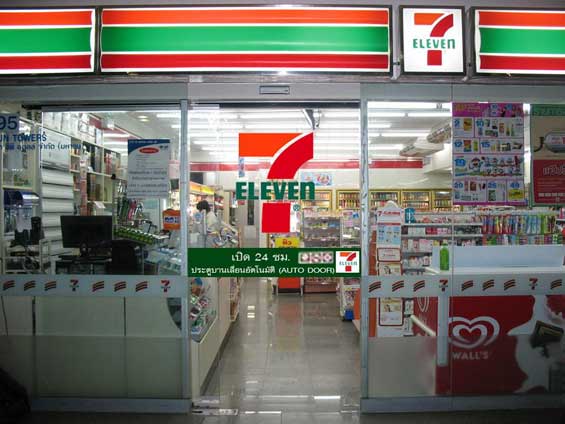
    Bitcoin purchasers can now buy the cryptocurrency in all 7-Eleven Philippines stores.

    The move has been introduced by Cryptocurrency investment app Abra in partnership with ECPay payments firm, making the coin available in more than 6000 locations in the territory. The purpose of the new strategy is to simplify access to Bitcoin investment.

    “Using new digital tools that open up financial access shouldn’t be hard,” said a spokesperson for the firm to Cointelegraph, “and they shouldn’t be complicated. Moving cash to crypto and other digital assets should be simple and fast. That’s why we are really excited to announce our new partnership.”

    Bitcoin purchase is being made available under the “Bills Payment” option at Cliqq ECPay kiosks in stores, or use the mobile app.

  • Lush opens the world’s first language-free concept store in Japan

    Lush opens the world’s first language-free concept store in Japan

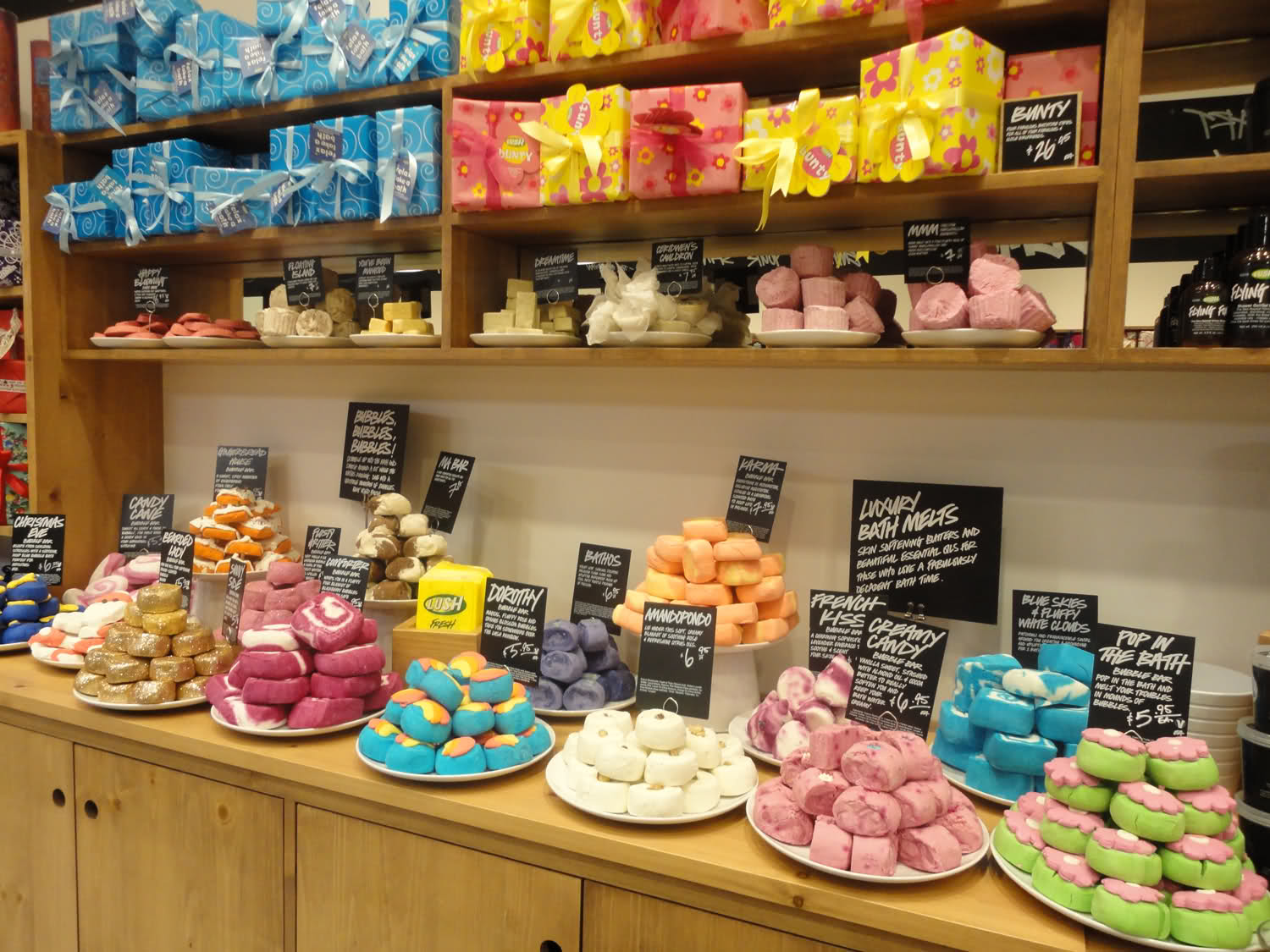
    Foreign Lush customers in Japan can now shop without language barriers as the brand launches the first language-free concept store in Shinjuku district.

    By using AI technology, the UK cosmetics retailer helps its customers enjoy their retail experience without words as they use digital functions, including interactive walls and app-controlled lighting, to locate and choose their favorite products.

    “Shinjuku represents the ultimate version of what we want from a shop. Importantly, it was the first time our tech warriors and brand and shop design teams collaborated to create a retail space in a digital age,” said Adam Goswell, tech R&D manager at Lush.

    Besides being its first language-free concept store, Lush Shinjuk

  • Fumihiko Sano Studio creates cedar-lined Dandelion Chocolate cafe

    Fumihiko Sano Studio creates cedar-lined Dandelion Chocolate cafe

    A Dandelion Chocolate boutique has launched in a century-old house in Kyoto, Japan.

    Dandelion Chocolate is a bean-to-bar craft chocolatier that operates small-scale locations throughout the US and Japan.

    The San Francisco brand hired Fumihiko Sano Studio to create the 200sqm outlet’s design, which was shortlisted for this year’s Dezeen Awards. The two-storey interior in the heritage timber-framed property features a cacao bar serving alcoholic drinks paired with chocolate, a retail store and a traditional courtyard.

    “Considering the parallels between craft chocolate and cedar, both require authentic craftsmanship and carefully selected natural ingredients – so I made the decision to place cedar at the centre of materials used for this project,” said Tokyo architect Fumihiko Sano in an interview with Dezeen. “Cedarwood is also one of the main materials of Japanese architecture.”

    “It is my pleasure to give a new purpose to a building that has stood there for more than one hundred years. May it thrive for another hundred, full of new memories.”

  • Three innovations Asian retailers are prioritising for next year

    Three innovations Asian retailers are prioritising for next year

    New innovative approaches are required for retailers to continue to meet the lofty expectations of today’s connected consumers. Inside Retail’s Top 50 innovative retail leaders ranking is testament to the progress that is being made in Hong Kong. But what does the picture look like for retailers elsewhere in Asia?

    Tofugear has just published its annual Asia Digital Transformation Report, in which 150 Asian retail leaders and executives across the region were surveyed on their innovation plans and motivations. In particular, retailers were asked which customer-facing technologies they were prioritising for next year.

    The good news for shoppers in Asia is that retailers are focusing on innovations that will help enhance the customer experience and offer increased convenience. While technologies such as drone deliveries and in-store robots might generate bigger headlines, these are not (yet) very scalable and their impact on the overall experience is limited.

    So what then are the top three investment priorities for retailers operating in Asia?

    1. Scan-and-go technology using mobile apps

    Gone are the days of using scanning guns in grocery stores. When it comes to scan-and-go technology, retailers are now looking to leverage the device that most people carry around in their pockets: their mobile phone.

    Through mobile native apps, shoppers are able to scan products on their phones as they go around a store. It is clearly a more economical alternative than investing in unmanned store technology and also does not alienate consumers that still value being served by a human.

    These days, scan-and-go does not need to be restricted to supermarkets – it can be relevant in sectors such as fashion as well. Research from Tofugear has shown that the next generation of consumers have a ‘do it yourself’ mindset and are actively seeking out retailers that allow them to take control of the shopping experience.

    2. Same-day deliveries

    In the age of having takeaway food delivered within 30 minutes through apps like Food Panda and Deliveroo, the fulfillment speeds offered by many retailers are not cutting it anymore. Indeed, research by Tofugear has found that slow shipping is a major frustration for a third of Asian consumers.

    It is therefore perhaps not surprising that same-day deliveries are now such a pressing issue for retailers. However, this might be a bigger priority in some markets than others.

    Hong Kong is arguably behind the curve when it comes to fulfillment speeds. Meanwhile, countries like Japan are already accustomed to high demand for same-day deliveries, prompting Amazon to recently set up its own network of Uber-like delivery drivers there to support its ‘Prime Now’ offer.

    3. In-store shoppable screens 

    Being ‘omnichannel’ is about so much more than opening a click-and-collect area in your store. It means empowering shoppers to get their hands on products through any way they desire. Without of stock items being one of the biggest pain points when shopping in stores, it seems a no brainer to launch in-store shoppable screens that allow customers to order from other stores or from the online channel for home delivery.

    To launch these screens, retailers need to be fairly advanced in their digital transformation journeys. They need to have real-time insight into their stock positions across all channels, which then allows each store to effectively become an order and fulfillment hub.

  • Breitling unveils new shop at K11 Musea in Hong Kong

    Breitling unveils new shop at K11 Musea in Hong Kong

    Swiss luxury watchmaker Breitling has unveiled a new concept boutique at K11 Musea, featuring a “modern retro loft style”.

    Occupying a 620sqft space in the new shopping centre, the Breitling boutique features an industrial loft-style concept which the brand says is inspired by a mid-20th-century heritage building and adding modern-retro elements, including Breitling’s neon logo from the 1940s and 1950s.

    “Opening our boutique in the K11 Musea underscores the importance of the market in Hong Kong for our brand. Our new approach blends contemporary design with inspiration from our rich heritage and longstanding ties to aviation,”  said Georges Kem, CEO at Breitling.

    “We think it is perfect to launch our new concept store here since K11 Musea is built upon a rich cultural history in the city; its innovative vision and sophistication for exclusivity and bespoke products coincides with the values of our brand.”

  • Goldwin opens first overseas store in San Francisco

    Goldwin opens first overseas store in San Francisco

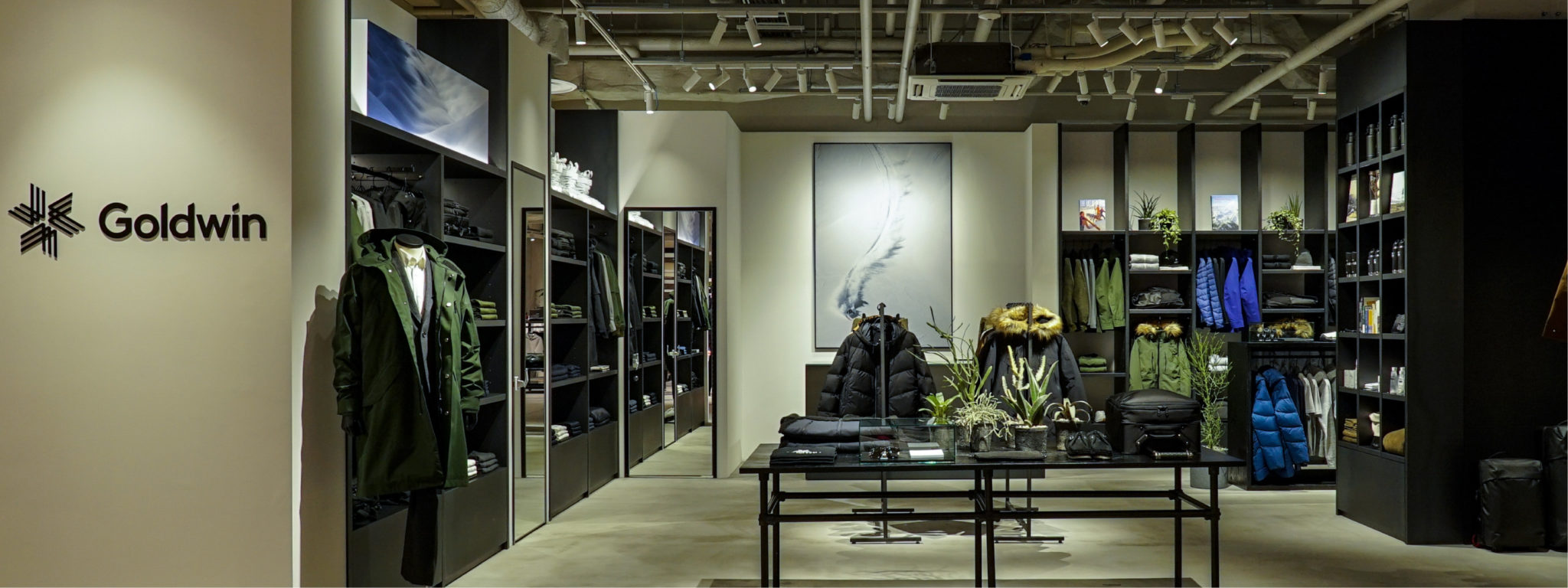
    Japanese outdoor apparel brand Goldwin plans to launch its first international outlet in San Francisco, California this November.

    “American outdoor enthusiasts expect the highest quality technical apparel and we are confident that Goldwin will deliver a head-to-toe range that will raise the bar for skiers, hikers, climbers and other athletes who test themselves in the outdoors,” said Gen Arai, GM at Godwin.

    “Most American outdoor enthusiasts are just learning about Goldwin so with the new store location we are looking to provide a unique retail experience that connects urban city life with nature and adventure.”

    The Japanese brand will also launch the latest Fall 2019 collection with signature garments on its website and through selected retail channels in North America next month.

    Founded in 1951 as a manufacturer of knit fabric, Goldwin now specialises in lifestyle products and premium sportswear, including ski apparel.

  • Disney+ goes up for pre-order in the US with no special discounts

    Disney+ goes up for pre-order in the US with no special discounts

    If you remain undecided between retaining your Netflix and chill rights and giving a newcomer to the increasingly crowded video streaming market a shot to impress you, it might be a good idea to think and act fast. At least if you’re considering becoming an early Disney+ adopter.

    While the high-profile service owned by The Walt Disney Company is still scheduled to start streaming for the masses on November 12, you can already pre-order either a monthly or yearly subscription in the US. Unfortunately, both options appear to be available at their regular prices, so it’s unclear why one would want to rush and pay $6.99 or $69.99 in advance… apart from scoring bragging rights.

    Then again, those are already significantly lower rates than what Netflix is typically charging for a similar albeit richer product. As reported in a European pilot program, the Disney+ library is far from impressive for the time being, including a limited number of Disney, Pixar, Marvel, Star Wars, and National Geographic titles.

    ut the list is expected to grow at a solid pace with new original feature films like “Lady and the Tramp” and “Noelle” this holiday season, highly anticipated series like “WandaVision”, “Loki”, and “The Falcon and the Winter Soldier” in the next couple of years, as well as various exclusive documentaries and “short-form content.”

    Ultimately, you’ll have to decide for yourselves if a decent start and a bunch of big promises will be enough to make you turn your back on the likes of Netflix, HBO, and Hulu. Of course, you can also bundle Disney+ with Hulu and ESPN+ for the insanely affordable monthly rate of $12.99, but that special offer is actually not available during the pre-order period of the new streaming service Apple will try to challenge at an even lower price point.

  • Yahoo launches new Mail app for Android and iOS

    Yahoo launches new Mail app for Android and iOS

    Yahoo is desperately trying to become relevant once again. We’re not sure how many people still own a Yahoo email account, but it looks like the company has just unveiled a brand new logo and a new Yahoo Mail app.

    The new app is available for Android and iOS users starting today and brings some important changes over the previous one. First off, it will allow users to customize their push notification to highlight the type of mail they want to be alerted of, as well as personalize the Yahoo Mail inbox with custom color themes and sounds.

    The new Yahoo Mail app comes with a new view that lets users access all their attachments, including travel documents, tickets, photos, and essential files. There’s another view for subscriptions that allows users to browse shopping emails and unsubscribe from any newsletter with a single tap directly within the app.

    Also, you’ll now have three separate types of deal that you can view in different tabs: Deals View, Location View (iOS only) and Grocery View. Finally, the app will highlight timely updates like package tracking, travel info, or a deal that’s close to expiring (iOS only).

    If you still trust Yahoo to keep your emails, you can now download the new Mail app for iPhone and Android via App Store and Google Play.

  • Waze is getting Google Assistant support in the US

    Waze is getting Google Assistant support in the US

    Google Assistant support is coming to Waze, which means you’ll be able to use voice commands while navigating to your destination. The new feature is rolling out starting today and should become available to all English-speaking Android users in the United States in the next few days.

    Waze users can now say “Hey Google” within the app to access the Assistant. It will let them make a calendar appointment, play music, make calls, or find a coffee shop nearby, without having to leave the Waze navigation screen.

    If you don’t see Google Assistant when you open Waze, simply tap the mic or head to the Google Assistant settings in Voice & Sound. In the next window, tap “Enable now” to start using Google Assistant in Waze.

    Here are some of the voice commands that you can use in Waze once Google Assistant becomes available:

    • Hey Google, navigate home
    • Hey Google, navigate to a coffee shop
    • Hey Google, find gas stations
    • Hey Google, report traffic
    • Hey Google, what’s my ETA?
    • Hey Google, show alternative routes
    • Hey Google, show directions
    • Hey Google, allow/avoid tolls

    Waze hasn’t mentioned anything about the availability of Google Assistant outside of the United States, nor whether or not non-English speaking users will get it.