Author: Mei Ling Tan

  • DBS Expands Transaction Banking

    DBS Expands Transaction Banking

    As trade flows around Asia are reconfigured amid an ongoing trade war, the bank is seeing brisk business in growth markets, and plans to grow its global transaction services business there.

    DBS is on track to achieve its five-year target of quadrupling its cash management business by 2020, one year ahead of time, said John Laurens, the bank’s group head of global transaction services (GTS) said.

    According to Laurens, China’s slowing economic growth and falling commodity prices have resulted in trade finance having a lower share of trade finance revenues – going from 70 percent to 30 percent in the past five years. However, cash management has conversely become the business’ main growth driver, now contributing to 70 percent of revenue, with a compound annual growth rate (CAGR) of 39 percent from 2015 to 2018.

    Overall, revenue for DBS’ global transaction banking business grew from S$1.59 billion ($1.16 billion) to S$2.45 billion during the same period, a CAGR of 15 percent.

    Laurens said the bank has plans to grow its GTS revenue in Vietnam and the Greater Bay Area by 30 percent and 55 percent respectively over the next five years, and will also ramp up its digital capabilities by tripling its tech investments in cash management solutions in Vietnam.

    Transaction banking will become one of the most fast-moving, technologically advanced aspect of banking – this is a good place to be, he said.

  • AirAsia’s BigPay Launches International Remittance Services

    AirAsia’s BigPay Launches International Remittance Services

    BigPay, the financial services venture by Malaysian low-cost carrier AirAsia, has announced the fixed-rate international remittance services across Southeast Asia.

    BigPay is rolling out cross-border transfers for its users to Singapore, Thailand, Indonesia and the Philippines. Such transfers can be done using its mobile application, and will be charged at a fixed rate for each corridor at competitive exchange rates, with no hidden fees or charges, the firm said in a press release.

    Technology can dramatically reduce the cost of remittance and we want to make it easy for people to move money abroad – whether it is sending money to family, friends or other overseas payments – without having to pay exorbitant exchange rates and transfer fees,» said CEO and co-founder Chris Davison.

    Davidson added that financial inclusion is a cornerstone of BigPay, and offering low-cost and accessible money transfers is part of its strategy to address this.

    BigPay was launched in 2018 by AirAsia as an e-wallet, hoping to leverage the low-cost carrier’s dominance in regional air travel in Southeast Asia. It promised to reduce the cost of air travel, including the cost of foreign transactions when traveling. A key differentiator is that it waives markups on foreign exchange, and other transactional fees charged by traditional debit and credit cards.

    Operating on a challenger bank model, BigPay has also tied up with MasterCard, which provides users access to 35 million merchants globally, and will soon venture into offering loans.

    BigPay has more than 750,000 users as of July 2019, and its transactional volume has been growing 20 percent month-on-month, which also said that BigPay plans to launch in Singapore by year-end.

  • ANZ Appoints International Head of Sustainable Finance

    ANZ Appoints International Head of Sustainable Finance

    Australia and New Zealand Banking Group appointed a new international head of sustainable finance, as demand for ESG-related funding continues to grow especially in Asia.

    Stella Saris was appointed to the Singapore-based role reporting to Nick Halkas, head of infrastructure, export and sustainable finance – international in the city-state; and to Katherine Tapley, head of sustainable finance in Sydney.

    Saris was most recently a director of resources, energy and infrastructure at the ANZ, where she first joined in 2004. Saris boasts a wealth experience in private-public partnerships in the Asia Pacific region including in Australia, Singapore, Indonesia and Papua New Guinea in both advisory and lending capacity.

    Sustainable finance continues to grow as investors build greater awareness about ESG-related risks, such as climate change. According to global ESG research firm Sustainalytics, social and sustainability bond issuances totaled nearly $59 billion in 2018, highlighting Asia as a growth driver for social assets due to greater flexibility for decision making amongst treasurers in the region.

  • What you need to know about ecommerce in Asia

    What you need to know about ecommerce in Asia

    eCommerce is a rapidly expanding market in Asia, with a growth rate in revenue of approximately 10.7% per annum according to Statista. This is largely down to the expansion of the middle classes in the region as well as strong economic gains in China. The region also sees some of the highest mobile penetration rates on the planet, giving them easy access to online shopping opportunities. Each market has its own nuances, however, and it is important to know what these are if your store is to have an edge. This article highlights some of the major factors that eCommerce operators in the region will need to take into consideration.

    The rise of mobile-commerce in Asia

    Southeast Asia has the 2nd highest mobile connectivity in the world at 129% (more than 100% because some people have multiple subscriptions). In comparison, even the United States has mobile connectivity of 105%.  Both e-commerce and mobile-commerce are rising in Asia and the sector sees more and more brands entering the markets, trying to compete against the major platforms in the regions such as Lazada, Alibaba, Taobao, Ebay or Amazon.

    In Asia, three markets are rising at the moment, according to We Are Social but note that Indonesia is also one of the fastest growing one.

    • China:
      • Mobile Connectivity = 109%.
      • Mobile Users = 54%.
      • eCommerce Value = 1.003 billion USD.
      • eCommerce Growth Rate = 1.7% per annum.
    • Thailand:
      • Mobile Connectivity = 133%.
      • Mobile Users = 79%.
      • eCommerce Value = 37.5 million USD.
      • eCommerce Growth Rate = 6.5% per annum.
    • The Philippines:
      • Mobile Connectivity = 116%.
      • Mobile Users = 67%.
      • eCommerce Value = 47.30 million USD.
      • eCommerce Growth rate = 3.5% per annum.

    With these statistics in mind, it makes sense to ensure that your eCommerce store is geared up for use on mobile devices. Some of the best ways to achieve this include:

    • Ensuring it is optimised for mobile and responsive design is the way to go.
    • Make the navigation menu easy to use and offer search and browse options.
    • Provide image zooming capability.
    • Streamline the checkout process for mobile purposes.
    • Make sure CTAs are located in areas that are easy to reach.

    Social media habits in Asia

    Social media usage can also have quite an impact on eCommerce. Southeast Asia sees a lot of social media use, with around 34% of the population logging in regularly.

    Thailand, in particular, sees heavy social media use, with around 57% of the population logging in daily. Thais also use social media a great deal when it comes to online shopping, with approximately 40% of all eCommerce sales coming through a social media platform. This is worth approximately 5 Billion USD.

    In China, many eCommerce stores use WeChat to acquire and retain customers. The social media app has more than 1 billion users and acts as a focal point for marketing in the country. This is also largely down to the many features that the app offers that help eCommerce stores to communicate with and service their customers.

    eCommerce stores in the region also tend to utilize key opinion leader (KOLs) whenever they get the chance. KOLs on social media have huge audiences in Asia. These are experts, even celebrities, that are known to be an authority in their field. Having your products or your store endorsed by the right KOL can generate an instant and significant boom in sales.

    Such is the importance of social media for eCommerce stores in the region, that some 95% of eCommerce store owners in Thailand consider social media to be an important, even essential, platform. To help store owners cope with the large numbers of people using social media, many have incorporated sophisticated chatbots. Not only can this help to process customer service enquiries, but they can also even help to process payments.

    Search engines in China

    Something else that eCommerce store owners need to take into consideration is that some countries tend to use different search engines than others. This is especially the case in China.

    For example, while Google is the predominant search engine throughout much of the world, it only holds a share of around 3.2% in China. Baidu is the dominant search engine here, holding approximately 77% of the market and that’s something to take into consideration if you plan to make e-commerce SEO the main focus to drive traffic to your e- platform in China.

    This is significant because there are differences between how each search engine operates, perhaps the most significant being that Baidu is not particularly effective when it comes to English language searches.

    This means you will need a Chinese language version of your store. Other differences between Google and Baidu include:

    • Hosting: Google provides equal standing for websites regardless of where they are hosted. Baidu, however, gives priority for those hosted in China. If you wish to enter the Chinese eCommerce market, you will need to select your host accordingly.
    • Domain Name: While Baidu does not seem to give a priority to .cn websites, using such extension will be an asset to give confidence to your targets.
    • Backlinks: Both Google and Baidu place a lot of value in quality, relevant backlinks. Baidu, however, gives priority to backlinks on Chinese sites.
    • Keyword Density: Keyword stuffing is likely to lead to penalties from Google. Baidu is less stringent on a high keyword density, however, that might bother your visitors so it’s not advised to use that trick.
    • Ranking Time: Listing on Google will often take weeks. For Baidu, it takes even longer. This is largely down to the Chinese government’s stricter policies.

    While the eCommerce sector in Southeast Asia is vast, there are also many vendors, making it very competitive. This means that, in order to be successful, eCommerce store owners will need to adapt to the market they are operating in. This includes taking advantage of promotion opportunities such as QR codes that are also very popular in the region.

    Also follow some of the advice above, and you are well on your way to becoming a serious contender in the Southeast Asian eCommerce sector.
  • BigPay introduces international money transfers

    BigPay introduces international money transfers

     BigPay, an ASEAN-focused fintech company, has launched international remittance services enabling users to send money directly from Malaysia to bank accounts in Singapore, Thailand, Indonesia and the Philippines, with no hidden fees or extra charges.

    BigPay is pioneering digital remittance through its mobile application, offering a seamless experience with instant money transfers. Users can deposit funds into BigPay through their bank cards or via bank transfer.

    In line with BigPay’s mission to deliver fair and transparent financial services, international remittances will be offered to customers at a fixed fee per corridor with competitive exchange rates. This is the first wave of BigPay’s international remittance rollout, with additional corridors to be announced in the near future.

    “We’re focused on democratising financial services in ASEAN, so it’s an exciting moment for us to be able to offer Malaysians a cheaper and better alternative to remit money,” said Chris Davison, CEO and Co-Founder, BigPay.

    “Technology can dramatically reduce the cost of remittance and we want to make it easy for people to move money abroad – whether it is sending money to family, friends or other overseas payments – without having to pay exorbitant exchange rates and transfer fees. Approximately US$25 billion is lost globally per year through remittance fees and with BigPay we can change that. Financial inclusion is a cornerstone of BigPay and offering low-cost, accessible money transfers is part of that strategy.”

    BigPay is also one of the first fintechs in Malaysia to receive approval from Bank Negara Malaysia to use eKYC (electronic Know Your Customer) for remittance. This allows BigPay’s customers to submit all documents electronically within th

  • Trend Micro Finds IoT Is a Hot Topic in Cybercriminal Underground

    Trend Micro Finds IoT Is a Hot Topic in Cybercriminal Underground

     Trend Micro Incorporated, a global leader in cybersecurity solutions, today released new research detailing a fast-growing market for IoT attacks. Cybercriminals from around the world are actively discussing how to compromise connected devices, and how to leverage these devices for moneymaking schemes.

    Trend Micro Research analyzed forums in the Russian, Portuguese, English, Arabic, and Spanish language-based underground markets to determine how cybercriminals are abusing and monetizing connected devices. The results reveal that the most advanced criminal markets are Russian- and Portuguese-speaking forums, in which financially driven attacks are most prominent. In these forums, cybercriminal activity is focused on selling access to compromised devices – mainly routers, webcams and printers – so they can be leveraged for attacks.

    “We’ve lifted the lid on the IoT threat landscape to find that cybercriminals are well on their way to creating a thriving marketplace for certain IoT-based attacks and services,” said Steve Quane, executive vice president of network defense and hybrid cloud security for Trend Micro. “Criminals follow the money – always. The IoT market will continue to grow, especially with landscape changes like 5G. While IoT attacks are still in their infancy, we also found criminals discussing how to leverage industrial equipment for the same gain. Enterprises must be ready to protect their Industry 4.0 environments.”

    According to Trend Micro’s findings, most conversations and active monetization schemes are focused on consumer devices. However, discussions on how to discover and compromise connected industrial machinery are also occurring, especially the vital programmable logic controllers (PLCs) used to control large-scale manufacturing equipment. The most likely business plan to monetize attacks against these industrial devices involves digital extortion attacks that threaten production downtime.

    Additionally, the report predicts an increase in IoT attack toolkits targeting a broader range of consumer devices, such as virtual reality devices. The opportunities for attackers will also multiply as more devices are connected to the internet, driven by 5G implementations.

    Trend Micro urges manufacturers to partner with IoT security experts to mitigate cyber-related risks from the design phase. End users and integrators should also gain visibility and control over connected devices to be aware of and curb their cyber risk.

  • Hong Kong’s Tsui Wah launches second Singapore outlet

    Hong Kong’s Tsui Wah launches second Singapore outlet

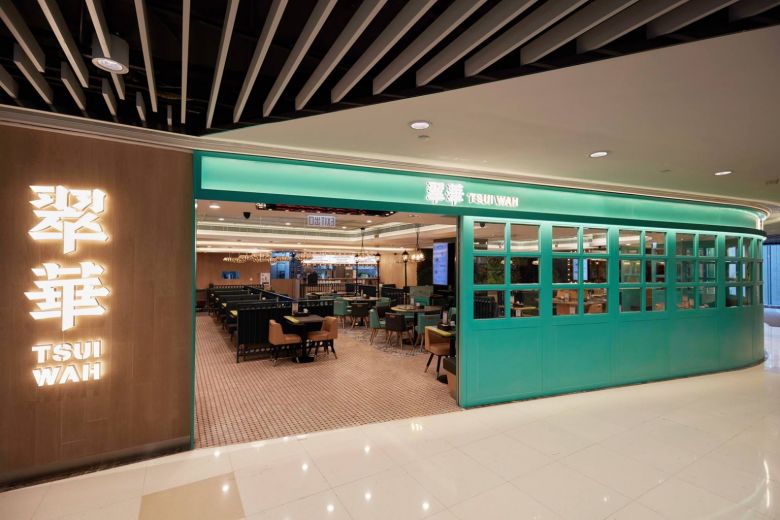
    F&B firm Jumbo Group has opened the second Singapore outlet of its Tsui Wah restaurant at The Heeren.

    The locations are the brand’s sole Tsui Wah venues outside of greater China, with the new 4800sqft Tsui Wah Orchard Road restaurant opening around 15 months after the first Singapore store at Clarke Quay. The second location has 192 seats across its alfresco and indoor dining areas.

    The new Tsui Wah Orchard Road venue has been established for strategic reasons given its easy accessibility on the island’s main shopping street.

  • India’s Max Fashion opens 300th store

    India’s Max Fashion opens 300th store

    Max Fashion has launched a new outlet in India, marking its 300-store milestone.

    Max Fashion VP retail operations Sumit Ghildiyal said that the launch of the 300th Max Fashion store was just the beginning, as they were focused on achieving more milestones.

    “This is a huge landmark for us launching our 300th store, and we believe the market is ideal for our brand, which sets the newest styles and trends,” said the brand’s territory head of the Andhra Pradesh & Telangana regions Prashant Paul.

    “Max Fashion is the only brand that works on an eight-season cycle, which is as quick as 45 days per season, thus curating an unimaginable number of styles annually, which is unmatched by any fashion player in the world.”

    The 300th Max Fashion store launch ceremony was inaugurated by famous Telugu actress Lavanya Tripathi.

    Max Fashion has witnessed a significant growth since its first store opened in 2006. The fashion company serves approximately 100 million customers across the country, using the tagline “Anytime – Anywhere”.

  • Sa Sa in rent discussions with landlords

    Sa Sa in rent discussions with landlords

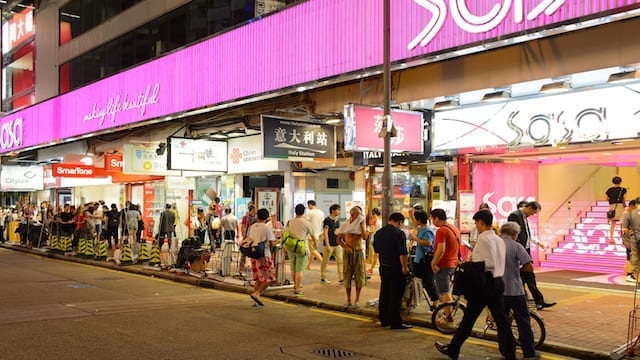
    Hong Kong beauty retailer Sa Sa is in discussion with landlords over rent reductions and will reduce staff as it tries to address falling sales.

    In a profit warning, Sa Sa chairman and CEO Simon Kwok said August was its weakest month, with sales down by 32 per cent in Hong Kong and Macau. That was the month when more than 1000 flights were cancelled after protestors crowded Hong Kong International Airport. Subsequent international publicity led to many inbound travellers cancelling their flights, resulting in 851,000 fewer passengers passing through the airport during August.

    Kwok said the group’s sales performance remained “very weak” in September with turnover from September 1 to 15 down by about 14 per cent month on month, and by 29 per cent on a year-on-year basis.

    Sales in Hong Kong for the five months to August 31 declined by about 15 per cent and in Macau by 17 per cent.

    Kwok said that while the group has sufficient cash on hand to meet current business needs at this point, it was adopting a prudent finance management approach with proactive implementation of a number of cost-control initiatives, including negotiating for rental reduction with landlords.

    Other measures include reducing operational expenses such as staffing and general administration overheads.

    “The group has also been launching more promotional campaigns with attractive discounts to boost sales and lower the inventory level to reduce holding costs and preserve cash,” he said in the profit warning.

    “At the same time, the group continues to review market conditions and close down low-efficiency stores to optimise the store network and adjust product mix and promotion strategies to stimulate sales.”

    The group is preparing to launch a WeChat mini-program to enable frontline salespersons to continuously interact with customers and sell products via the online platform without the need for the customers to visit physical stores.

    In the six months to September last year, Sa Sa reported a profit of HK$202.9 million. This year’s interim results will be released on November 30.

    “The group believes that its agility will retain its core competency, lead the group through this difficult time and lay a solid foundation for the development of new retail model in the future,” Kwok said.

    The protests, now into the 16th week, did not get all the blame for the declining sales.

    “The main reason for the group’s performance decline is the weak sales performance in its core markets in Hong Kong,” he said. “The sales performance was hit by the decline of visitor arrivals from Mainland China to Hong Kong, as well as weaker consumer sentiment, caused by continuous social incidents in Hong Kong, increasing tension of Sino-US trade war and the Renminbi depreciation.”

  • Rihanna holds makeup workshop in Korea

    Rihanna holds makeup workshop in Korea

    Fenty Beauty has partnered with Lotte Duty-Free to organize its ‘Fenty Beauty Artistry & Beauty Talk with Rihanna’ workshop at Lotte World Tower last week.

    The beauty class was followed by an evening launch party hosted by Shinsegae Duty-Free at their store.

    Rihanna and two other global makeup artists, Priscilla Ono, and Hector Espinal, shared their beauty techniques and favorite ways of using Fenty products.

    The Barbadian singer also disclosed the manufacturing process of Fenty Beauty products and how she was inspired to start her own beauty brand after years in the music industry.

    The makeup class ended with the announcement of the new collection, which includes Diamond Bomb II All-Over Diamond Veil in ‘Holo At Me’ and Liquid Diamond Bomb called ‘Rollin Ice’.

    Seoul is the second city to host the Fenty Beauty Artistry & Beauty Talk with Rihanna after Dubai.

  • JD expands into social etail

    JD expands into social etail

    Chinese internet services giant JD has launched a social e-commerce platform named Jingxi, providing discounts on team purchases to target users in small to medium-sized cities in China.

    The business model, which invites buyers to share deals with friends to score significant discounts, emulates those of rivals Pinduoduo and Juhuansuan.

    “We’re going to diversify and enrich our WeChat ecosystem and provide a new model to attract lower-tier cities, especially female users and low-income users,” said JD Retail CEO Lei Xu about the new Jingxi platform.

    “We’ll continue to enhance our user experiences and also gain more potential customers from third to six-tier cities,” added JD.com chairman and CEO Richard Liu.

  • Off-White launches new store opening at Windows flagship

    Off-White launches new store opening at Windows flagship

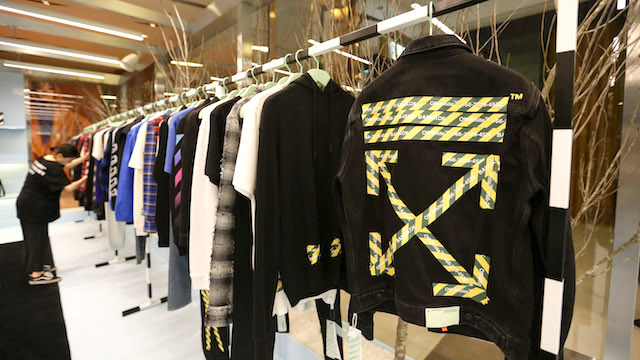
    Off-White has opened a new space at the brand’s “Windows” flagship location in Singapore‘s Orchard Road.

    The new Off-White space launched swiftly after the brand announced a new opening in Las Vegas.

    The space will be completely dedicated to Virgil Abloh‘s Off-White womenswear collections and will feature luxurious interiors decked out in pink hues. It is designed with pink herringbone-patterned, fluted wooden walls paired with a pink marble floor. Brass decor is featured to add warmth to the store.

    Clothing at the new Off-White space is displayed on bronze shelves, and metal cage silhouette chairs are matched with marble tables with cage legs, fitting into the outlet’s theme. The changing room is fitted with draping pink velvet curtains, bright lights, and infinity mirrors.

    Other key highlights include minimalist plant pots made of smooth metal and rounded tables for displaying bags.


  • OnTheList launched in Shanghai

    OnTheList launched in Shanghai

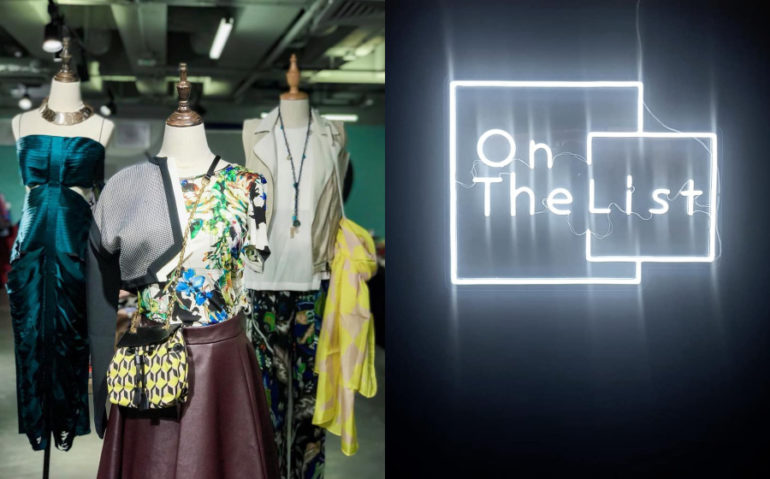
    Hong Kong flash-sale pioneer OnTheList will hold its first Shanghai event this week.

    Co-founder & CFO Diego Dultzin Lacoste says the flash sale will be conducted for fashion distributor ImagineX and feature the brands Club Monaco and Juicy Couture. Products will be discounted by up to 80 per cent and 90 per cent respectively.

    OnTheList turned three in January and during that time has expanded from running short-term sales in pop-up spaces to having its own permanent store in Hong Kong’s Central, adding online sales in Hong Kong and expanding into Singapore and Taiwan.

    Earlier this year, Lacoste confirmed the company was looking to start offline sales in other markets including Malaysia, Thailand and Australia.

    “For [these] markets, we plan to roll out next year. As we work very closely with the brands who are our most important partners, we will likely open first in the markets where the brands have the most immediate needs,” he said.

    The Shanghai event runs from Thursday through to Saturday at Garden Square on Beijing Road.

  • First Wolfgang Puck Kitchen opening in in Hong Kong

    First Wolfgang Puck Kitchen opening in in Hong Kong

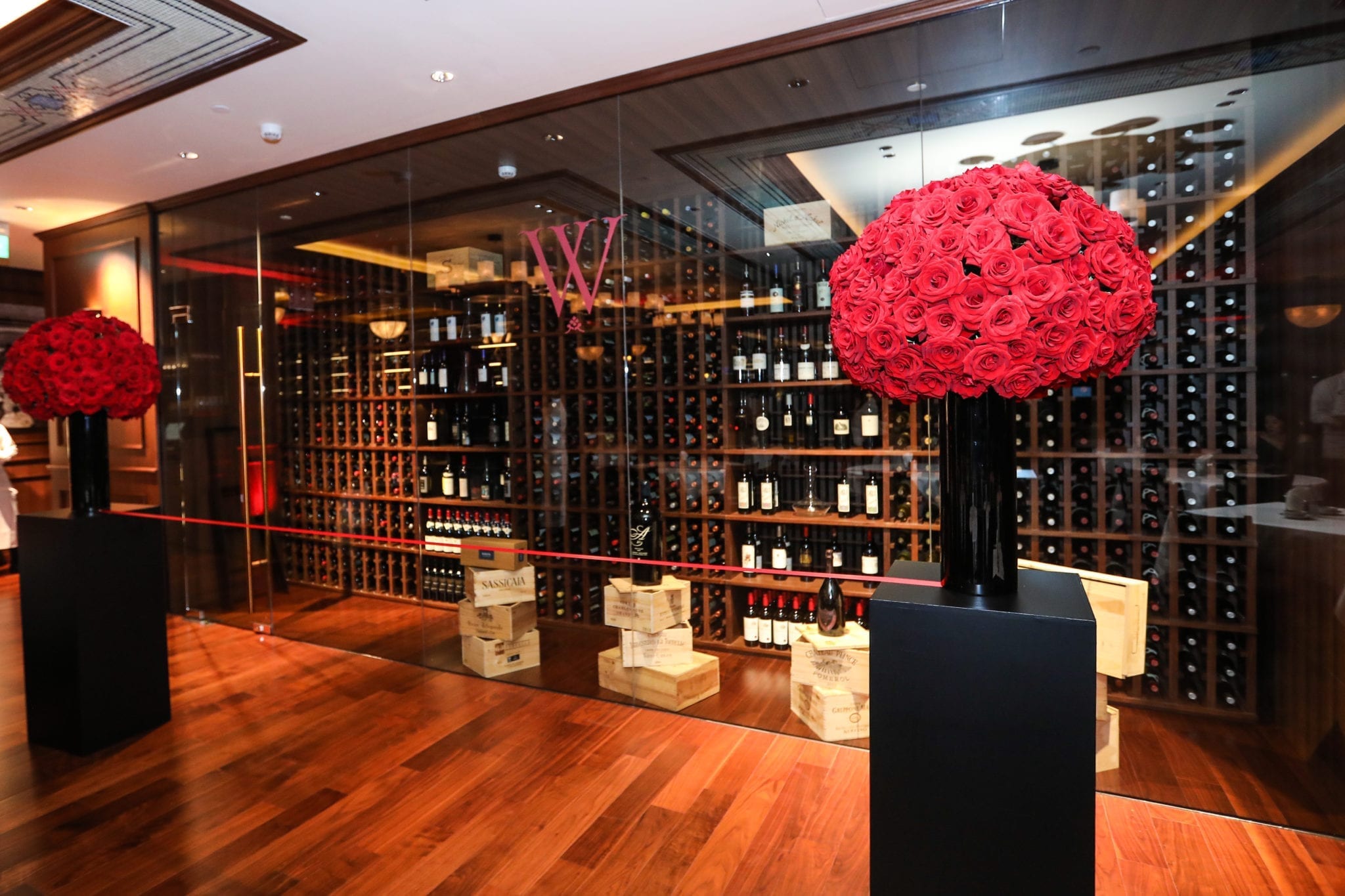
    The first Wolfgang Puck Kitchen in Hong Kong has opened its doors.

    The founder of popular Hollywood eatery Spago is steadily rolling out a network of fast-casual dining concepts across the US and more recently internationally, with outlets in Singapore and Sydney.

    This month he has opened Wolfgang Puck Kitchen on level 5 of the arrivals hall of Terminal 1 at Hong Kong International Airport. A grand opening is planned for October 9.

    The restaurant, in collaboration with Lagardere Travel Retail, features a grab-and-go collection for consuming on the plane, as well as booths and bar seating, serving breakfasts, pizzas, salads, burgers and other fast-casual fare, all influenced by California cuisine.

    The Wolfgang Puck Kitchen in Hong Kong will trade daily from 6.30am to 12.30am.

    The Austrian-born chef’s Wolfgang Puck Kitchen brand now has more than 50 outlets, located in airports, casinos, universities and amusement parks. He also owns the high-end steakhouse Cut, has authored multiple books and is a part-time actor.

  • Impossible Burger launches in Southern California

    Impossible Burger launches in Southern California

    The Impossible Burger has made its worldwide debut in grocery stores at all 27 outlets of Gelson’s Markets in Southern California.

    Gelson’s Impossible Burger launch is the first time that the general public has been able to buy and experience the plant-based meat burger at home. The Impossible Burger is on menus in more than 17,000 restaurants.

    “Three years ago we introduced plant-based meat to top chefs in America’s most important restaurants, said Impossible Foods’ CEO and founder Dr. Patrick O. Brown. “They consistently told us that the Impossible Burger blew them away. We can’t wait for home cooks to experience the magic – whether using Impossible Burger in their family favorites or inventing new recipes that go viral.”

    Throughout the fourth quarter and early next year, Impossible Foods will expand its retail presence by launching the Impossible Burger in industry-leading grocery stores in key regions. Following the Gelson’s Impossible Burger launch, Impossible Foods will release the product in additional grocery stores later this month, when the Impossible Burger makes its East Coast debut.

    As the leading food-tech startup scales up production and capacity – both at its own plant in Oakland, California, and with leading food co-manufacturer OSI Group – it will accelerate its retail push.

    “Our first step into retail is a watershed moment in Impossible Foods’ history,” said Impossible Foods’ senior VP Nick Halla, who oversees the company’s retail expansion. “We’re thrilled and humbled that our launch partners for this limited release are homegrown, beloved grocery stores with cult followings in their regions.”