Author: Mei Ling Tan

  • Nike planning to sell off Hurley surfwear brand

    Nike planning to sell off Hurley surfwear brand

    Nike is considering the sale of its Hurley surfwear brand, according to a Reuters report.

    A general downturn in the sector has pushed other industry players within the space into significant difficulties, including rival brand Quiksilver – which filed for bankruptcy in 2015. Nike’s potential sale of its Hurley brand is reportedly likely to be a reaction to the same trends and an indication that the surfwear segment is not showing signs of recovery.

    “The surf/skate market has been soft,” said NPD Group VP and senior industry adviser of sports Matt Powell. “Hurley has not been a growth story for some time.”

    Nike’s potential sales price for the brand has not been disclosed.

  • L’Oreal and Shopee partner to launch AI(R) powered beauty tools

    L’Oreal and Shopee partner to launch AI(R) powered beauty tools

    Shopee, the leading e-commerce platform in Southeast Asia and Taiwan has teamed up with L’Oréal the world leader in beauty and skincare to roll out artificial intelligence (AI) and augmented reality (AR) powered tools on Shopee’s platform. The joint partnership demonstrates both Shopee’s and L’Oréal’s commitment to continuously innovate and power Southeast Asia’s beauty and skincare categories into the future, and to provide shoppers a convenient and personalised online shopping experience. The AI and AR powered tools will also benefit millions of users across Southeast Asia, especially digitally-savvy millennials who are drawn to innovation, creativity and a sense of self-discovery.

    With L’Oréal’s AI and AR powered tools, Shopee BeautyCam by ModiFace and the Effaclar Spotscan by La Roche-Posay, Shopee users are able to digitally try on different shades of L’Oréal’s lipsticks as well as receive personalised advice on the best L’Oréal skincare treatments to tackle acne. Users only need Shopee’s app and a front-facing camera on a mobile device to access these tools. The partnership also sees L’Oréal tapping into Shopee’s key interactive entertainment features such as Shopee LIVE and Shopee Slice to deepen consumer engagement.

    Ian Ho, Regional Managing Director, Shopee said, “We are excited to partner L’Oréal to bring these AI and AR powered tools to our platform. This partnership demonstrates our joint commitment to transform Southeast Asia’s beauty and skincare market with innovation and technology. With more consumers purchasing their beauty and skincare essentials with Shopee, we are confident that shoppers will enjoy a more personalised and seamless shopping experience with these digital innovation tools.”

    With more consumers entrusting mobile self-diagnostic tools to help uncover what best suits them,  the digital innovation tools, Shopee BeautyCam and Effaclar Spotscan on Shopee, will help consumers better understand their individual beauty and skincare needs as they shop online. With more than 95% of Shopee’s transactions occurring on mobile across the region, the partnership promises shoppers a seamless mobile shopping experience, from the use of L’Oréal’s mobile AI and AR powered tools to discover products, to delivering the products right to their doorstep. The launch of these digital innovation tools is done in collaboration with both of L’Oréal’s make-up and skincare divisions.

    The Shopee BeautyCam employs AR simulation to allow Shopee users to try different shades of make-up, resulting in photo-realistic results in the form of a video or a selfie. To achieve this, ModiFace by L’Oréal uses AI-enabled shade calibration, AI-powered analysis of information provided by makeup brands, as well as images and descriptions available on social media. The Shopee BeautyCam will launch on Shopee Singapore during L’Oréal’s campaign, ‘International Lipstick Day’, from 27 to 29 July and in conjunction with International Lipstick Day on 29 July. Shopee users will be able to try the feature first with L’Oréal lipsticks. The proprietary technology will eventually be extended across other L’Oréal make-up products in the future across Southeast Asia.

    L’Oréal’s other AI-powered digital innovation tool, Effaclar Spotscan, harnesses artificial intelligence technology to offer users instant, personalised and professional acne analyses. Users are awarded an acne score and are given a personalised Effaclar routine with specific skin care tips to best tackle their acne spots. Featured during selected campaigns, the tool was launched in conjunction with other in-app activations such as in-app dermatologist consultations. Effaclar Spotscan was launched successfully on Shopee Singapore in March this year, and will be incorporated in the upcoming L’Oréal campaign, ‘Your Best Skin Yet’, from 12 to 15 August.

    Ninell Sobiecka, Vice President, Active Cosmetics Division, APAC said, “We are pleased to partner Shopee to make our first acne diagnostics tool, the Effaclar Spotscan by La Roche-Posay, available to users across Southeast Asia. This AI-powered tool helps users make more educated skin care choices based on their own unique skin type, all in the comfort of their own homes with the Shopee app. Together with Shopee, we are committed to empowering users and making lives better with innovative technology.”

    Chris Driver, Commercial General Manager, Consumer Products Division, APAC adds, “We are thrilled to partner Shopee to bring the Shopee BeautyCam by ModiFace to millions of users across the region and to reinvent the beauty industry. This technological innovation gives consumers the freedom and creativity to explore L’Oréal’s wide array of lipsticks and helps users learn more about which lipstick suits them best. All done within Shopee’s app, this provides users a convenient, effective and simple way to discover more make-up products as they make their next make-up purchase online.”Coupled with L’Oréal’s digital innovation tools, the partnership sees L’Oréal tapping into Shopee’s key interactive entertainment features such as Shopee LIVE, Shopee’s in-app live streaming feature, and Shopee Slice, a popular in-app game, to deepen engagement with consumers for a more personalised online retail experience. Through this, Shopee and L’Oréal are able to provide users higher entertainment value and benefits, as they learn more about L’Oréal’s extensive array of products, digital innovation tools, as well as make-up and skincare tips.

    All L’Oréal make-up and skincare products can be found via their respective official stores on Shopee, under Shopee Mall, which offers 15-days free returns, 100% authenticity, and free shipping.

    Download the Shopee app for free on the App Store or Google Play Store.

  • Google makes a subtle but important change to the Search app

    Google makes a subtle but important change to the Search app

    A look at the updated version of the Google Search app reveals that Google is phasing out its Voice Search feature in favor of the Google Assistant. Voice Search could be found in the Google Search app and on the app’s widget. The iconic microphone icon, when tapped, would allow the user to verbally request a search. But now, Google wants its virtual digital assistant to take over all voice searches.

    A subtle change can be found in the Google Search app (aka the Google app) in version 10.24 or 10.28 beta. The microphone icon once found on the right-hand side of the search bar has been replaced with the Google Assistant icon. In addition, the old search bar included the words “Say Hey Google” while the updated version now reads “Ask any question.”

    Google Assistant is at the heart of the Google ecosystem. It is considered to be the best digital assistant among the top four, a group that also includes Amazon’s Alexa, Apple’s Siri and Microsoft’s Cortana. According to Google, there are now over 1 million actions that Google Assistant can handle. And with Assistant available on all of the Google Home smart speakers and the Nest Hub smart displays, replacing Voice Search with Google Assistant is a way for the company to bring all of its apps and devices in sync with each other.

    Google hasn’t finished rolling this update out to everyone yet, but it is easy to check to see if it has hit your phone. Simply open the Google Search app and check out which icon is in the search bar.

    The first virtual assistant found on a smartphone was Siri, which debuted with the Apple iPhone 4s on October 4, 2011. Apple had acquired the technology when it purchased Siri Inc. in 2010. At the time, Siri was a concierge app in the Apple App Store and its developers planned to offer it for Android and BlackBerry devices. Even though Apple had a head start in this space, some of the company’s former employees said last year that Apple lost its vision for Siri the day after it was first introduced on the iPhone 4s; that was the day that Steve Jobs died.

    Meanwhile, several tests have shown that Google Assistant recognizes questions and gives appropriate responses better than Siri. An extensive test was conducted last year of the four major digital assistants by venture capital firm Loup Ventures and its analyst Gene Munster. The test showed that Google Assistant answered correctly or performed the correct actions better than its rivals in all five categories that were being tested (Local, Commerce, Navigation, Information and Command). Siri finished last in three of the categories and only got 12% of navigation queries correctly. Alexa finished second in four of the categories while Cortana finished third in three of the classifications.

    The aforementioned test was conducted on smart speakers. So a few months later, Loup put the assistants through the paces again, but this time it used different smartphones. Google Assistant on a Pixel XL understood all 800 of the questions asked. Siri misunderstood 11 queries while Alexa and Cortana missed 13 and 19, respectively. Google Assistant won four out of the five categories (Local, Commerce, Navigation and Information) while finishing second in one of them. Siri placed second in four categories, topping Google Assistant in Command. Alexa was all over the place with a second-place finish (Information), three third-place finishes (Local-tie, Commerce, Information, Command) and wound up last in one category (Navigation). Cortana was ranked last in three categories (Commerce, Information, Command), and finished third twice (Local-tie, Navigation).

  • NomadX adds more provision shops

    NomadX adds more provision shops

    Multi-label concept store NomadX has updated and expanded its space, adding new stores.  Technology has also been rolled out: along with a touchscreen directory, interactive screens and “game stations” that help customers to find their style, there are mirrors that offer automated store assistance. Customers can also scan the product QR code to add any products to their digital cart for purchases.

    Among the new brands at NomadX is The Lucky Shop (by Zha Huo Dian), a boutique offering ‘old-school’ and vintage fashion for men and women.

    Another is a faux ‘supermarket’ M*Art which displays apparel and accessories in neon-pink repurposed refrigerators.

    Other newcomers include homegrown fashion and accessories brands Qlothe, The Sophia Label, Ans.ein and Studio Emoi. Mrphy’s home decor range and French beauty company Melvita are making their Singapore debut there.

    More brands will be popping up at the store, including sustainable-swimwear label August Society, Pleatation and Love SG.

  • Original DOOM game now available on Android and iOS

    Original DOOM game now available on Android and iOS

    Back in 1993, a little game called DOOM developed by a small studio called id Software set the gaming world on fire. About 25 years later, Bethesda decided to release classic DOOM titles to new platforms, including Xbox One, PlayStation 4, Nintendo Switch, Android, and iOS.

    While DOOM, DOOM II and DOOM 3 are now available for download for Nintendo Switch, Xbox One and PlayStation 4, only the first two are hitting Android and iOS devices. If you want to try them out, you can download them from the Google Play Store and App Store, respectively, for $5.

    The original game, DOOM comes with all the content released back in 1993, and the fourth expansion Thy Flesh Consumed. The re-release of DOOM II includes the Master Levels, 20 additional levels made by the community and curated by the developers.

    Although the classic DOOM game has been available on iOS since 2009, this is the first time both games are ported to Android and, of course, the first time DOOM II hits iOS devices. There’s one small issue though, you’ll need to log into a Bethesda account to play the games. If you don’t have an account yet, you’ll have to create one. The BehesdaNet login requirement was included for the Slayers Club with the purpose of rewarding members for playing the classic DOOM games.

    However, Bethesda said that the login should be optional and that it’s working on changing the requirement to optional right now.

  • Apple Card expected to be launched in August

    Apple Card expected to be launched in August

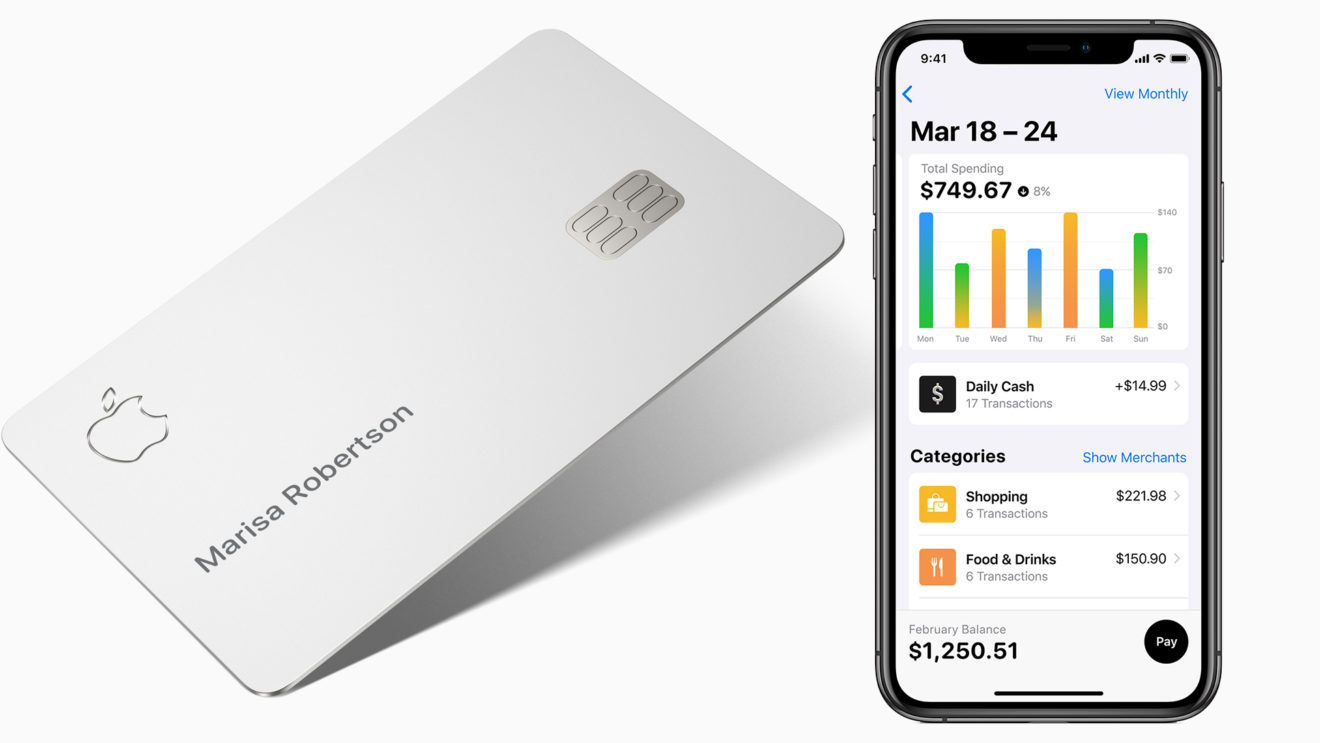
    When Apple announced its card back in March, the company said it will be available at some point this “summer,” but didn’t commit to a certain date. Now that Apple added support for Apple Card in the latest iOS 12.4 update, we can expect the card to be made available very soon.

    Apple and Goldman Sachs Group have reached an agreement for the launch of the Apple Card in the first half of August, a person familiar with both companies claims.

    According to people familiar with the matter, the Apple Card was a complex project that “involved the mixing of two very different corporate cultures as the companies split up responsibilities for the project and worked together on the new technology.”

    To use the new Apple Card, iPhone users will have to sign up for the card using the Wallet app, which has been recently added support for this specific feature.

    It’s worth mentioning that the Apple Card uses a cash-back rewards structure instead of points, which means users will get 1% on purchases made with the physical card, 2% for Apple Pay transactions and 3% for purchases of Apple products and services.

    Keep in mind that while the Apple Card has been designed to be used mainly via Apple Pay, the Cupertino-based company said users will be offered physical cards for merchants that don’t accept Apple Pay.

  • Samsung may launch new Galaxy Buds color to match the Note 10

    Samsung may launch new Galaxy Buds color to match the Note 10

    We’re less than two weeks away from Samsung’s big Galaxy Note 10 reveal, but information about the phone continue to pour in. But the Galaxy Note 10 might not be the only new product Samsung plans to reveal next month. The South Korean company is expected to introduce a brand new tablet, the Galaxy Tab S6, and a new set of accessories to go with its new flagship smartphone.

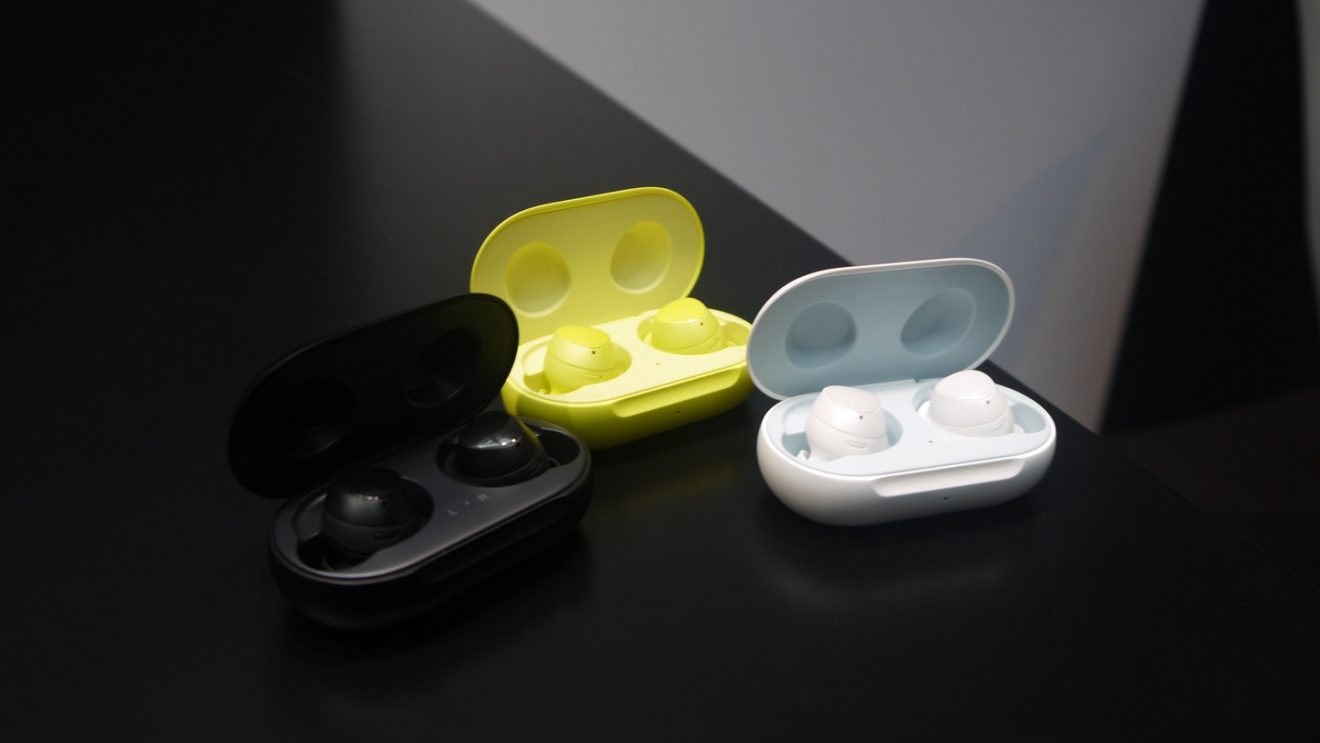
    A new pair of Galaxy Buds will be unveiled along with the Samsung Galaxy Note 10 on August 7. Unfortunately, these are not a new model, but a different color of the current model.

    The new Samsung Galaxy Buds earphones will match the Galaxy Note 10/10+ color, which is called “Aura Glow.” Both the buds and the carrying case will have the same white-silver color to match the Galaxy Note 10/10+.

    As far as price goes, these will cost the same as the original model that was launched back in April: €150/$150. It’s yet unclear whether or not they will be offered for free as an incentive for those who pre-order the Galaxy Note 10/10+, but we’ll most likely find out more about that on August 7.

    In the same piece of news, the same report claims Samsung plans to launch a few new in-ear headphones with AKG branding, created especially for the Galaxy Note 10/10+. The so-called Samsung ANC Wired Headphones will connect via USB Type-C port to the Note 10/10+ and will feature Active Noise Canceling technology for a low price. There will at least one other new pair AKG-branded headphones unveiled next month along with the Galaxy Note 10/10+, but that’s about all we know for now.

  • Trump says Apple will soon announce plans to build a new apple factory in Texas

    Trump says Apple will soon announce plans to build a new apple factory in Texas

    Stop us if you’ve heard this before. President Donald Trump said that Apple will follow his wishes by opening a U.S. factory in Texas. The president’s comments were made the same day that he disseminated a tweet saying that he would not grant the tech giant a waiver that would prevent it from having to pay import taxes on parts for the Mac Pro imported from China. Trump also pointed out that if Apple made the parts in the states, it wouldn’t face tariffs on them. While Apple designs its products in the U.S., many of them are actually manufactured in China. Even though there is a “truce” in the trade war between the U.S. and China, the already announced tariffs remain in place.

    You might remember that in July 2017, Trump said that he was told by Apple CEO Tim Cook that the company was building “three big plants, beautiful plants.” The only problem with that comment was that it was not true. Apple later denied that any such conversation took place and said that it certainly did not have plans to build any factories in the U.S.

    Trump has had a love-hate relationship with Apple, calling for a boycott of the company back in February 2016. Apple had refused a court order to unlock the iPhone 5c that belonged to San Bernardino shooter Syed Farook. Apple refused to do so because it would have required that the company develop a special operating system for the government; Apple was afraid that the software could get into the wrong hands making all iPhones vulnerable to getting hacked. Trump threatened to stop using his iPhone and said that he would use a Samsung handset until Apple gave the FBI what it wanted. An unnamed Apple executive responded by saying, “Trump’s call for (an) Apple boycott puts the company in standing with other good people he has criticized.”

    In June of 2018, The New York Times reported that Trump had promised Cook that the iPhone would not be subject to any tariffs. Economist and Trump advisor Peter Navarro denied that this promise was made. And while Apple’s most important product has not yet been hit with tariffs, if the current truce doesn’t hold up, the next tier of products from China to receive an import tax is said to include smartphones like the iPhone. According to Morgan Stanley analyst Katy Huberty, tariffs could add $160 to the price of the iPhone XR. That would raise the retail price of the 64GB model from $749 to $909. Last month, Apple tried to warn the president that tariffs on the iPhone could damage the U.S. economy.

    Some of you might be surprised to learn that the tariffs are actually an import tax paid by consumers. In May, President Trump incorrectly tweeted that “tariffs are NOW being paid to the United States by China of 25% on Billions of Dollars worth of goods and services. These massive payments go directly to the Treasury of the U.S.” Either Trump doesn’t know how tariffs work, or the president purposely tried to mislead the country. China does not pay one cent of the tariffs. They are taxes paid by U.S. corporations that can eat them, or pass them along to U.S. consumers by raising prices. Apple, to its credit, has eaten the tariffs imposed on certain iPhone and iPad cases in order to keep the cost to consumers the same. This lowers Apple’s profit margin on those products. So if a tariff is imposed on the iPhone, either Apple will be negatively impacted, or U.S. consumers will be in the form of higher prices for the device.

    Meanwhile, we wouldn’t be holding our breath waiting for Apple to announce a new plant in Texas. It is likely to be found next to the three non-existent factories that Trump said Apple was going to build two years ago.

  • Tesla To Soon Get Netflix, YouTube Streaming Support

    Tesla To Soon Get Netflix, YouTube Streaming Support

    Tesla CEO Elon Musk has confirmed that people would be soon able to stream videos on digital platforms like Netflix and YouTube in parked Tesla electric vehicles. “Ability to stream YouTube and Netflix when car is stopped coming to your Tesla soon! Has an amazingly immersive, cinematic feel due to the comfy seats & surround sound audio,” Musk wrote on his Twitter handle.

    “When full self-driving is approved by regulators, we will enable video while moving,” he added.

    The desire to allow drivers and passengers to watch video is not a total surprise – Musk noted at E3 that the ability to watch YouTube was coming, The Verge said.

    Tesla has already unveiled games that drivers can play on the displays in their cars. The games also only work when the car is stationary so that the player can use the steering wheel as a controller.

    On Friday, the company announced that chess game is also coming to the Tesla Arcade.

    But there are huge concerns that come along with such features.

    Test vehicles are required to have a driver behind the wheel to take over in case something goes wrong, and even as self-driving technology improves, it’s hard to imagine that going away completely, the report said.

    In March 2017, an Uber self-driving car crashed into pedestrian in Arizona as the driver was watching The Voice on content streaming platform Hulu and lost track of the road.

  • Singapore retail store rents ease in second quarter

    Singapore retail store rents ease in second quarter

    Central Singapore retail rents eased by 1.5 percent in the second quarter of this year, according to data from the Urban Redevelopment Authority.

    That followed a smaller quarter-on-quarter decline of 0.2 percent in the three months to March 31.

    At the end of the June quarter, there were 320,000sqm of space in the pipeline, down from 364,000sqm three months earlier.

    Singapore retail space occupied by tenants rose by 74,000sqm in the quarter, more than reversing a 14,000sqm decline in the prior period.

    That contributed to a fall in the vacancy rate across the city from 8.7 percent to 7.7 percent.

    Singapore retail rents ease in second quarter

  • Musee flagship in Beijing Designed by Studio8

    Musee flagship in Beijing Designed by Studio8

    Shanghai design and development studio Studio8 has recently completed the design of Musee’s flagship store in Beijing.

    A store for consignment luxury goods, Musee delivers an open platform for luxury accessories – a point that inspired the designers to create a flexible space with “soft boundaries” and a diverse colour palette.

    The firm’s “soft boundary” design leaves no clear boundaries in the functional division of the entire retail space for Musee, which is translated into two main features: the mobile multi-functional counters and the central consignment room.

    “Every accessory that people possess is an abstract object that serves a certain function or purpose,” said principal designer Shirley Dong. “This changes when people place more importance and value on the object, whether through the brand, colour, material, or handcrafting process. Luxury goods then become time travellers, with an ever-increasing value and preciousness while still maintaining their initial presence.”

    The idea of enriching the significance of an accessory stands behind the concept of Musee’s new flagship store, where shopping is envisaged as an unconventional experience that allows customers to know more about the item they are buying and re-evaluate it with the support of professional consultants.

  • Apple Music trial may shrink from three months to just one

    Apple Music trial may shrink from three months to just one

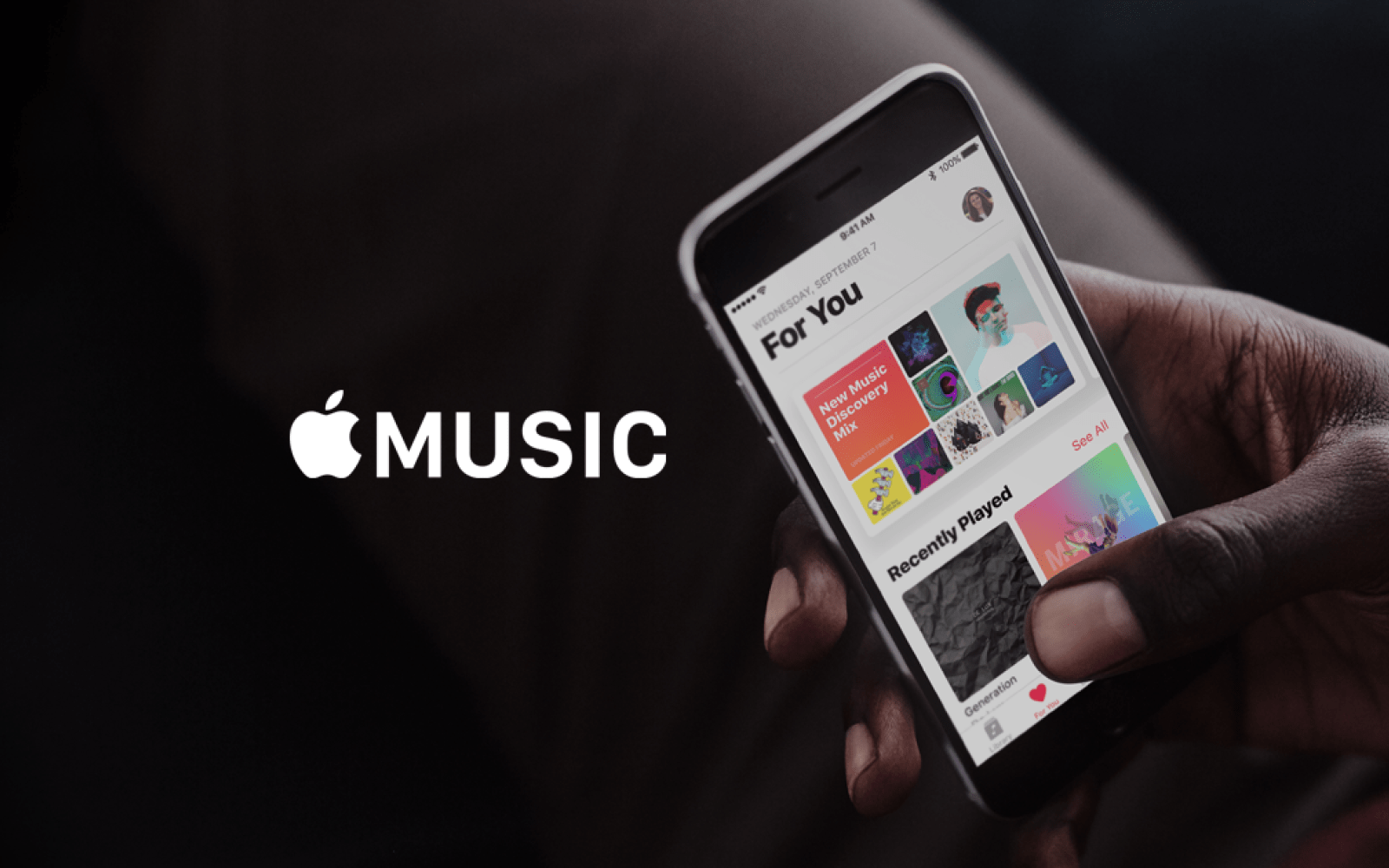
    One way for music streaming services to expand their subscribers base is through trials. Offering their services for free for a limited is a great way to convince potential subscribers whether or not a service suits their needs.

    Apple is one of the not so many companies that offer a generous 3-month trial to those who want to try out its music streaming service. However, the situation might change.

    A new banner published on Apple’s page for accessories offers a one month free trial of Apple Music instead of the standard three-month free trial. It doesn’t look like this is a mistake, but it’s possible that Apple will start offering 1-month trials in addition to the usual 3-month trials.

    If you click on the banner, you will get the prompt for a three-month free trial in iTunes, so that’s encouraging. Also, Apple hasn’t yet officialized the move on the Apple Music website, so it remains to be seen whether or not this a mistake or the company plans to change the duration of its Apple Music trial.

  • CapitaLand Malaysia Mall Trust profits down

    CapitaLand Malaysia Mall Trust profits down

    Introducing fresh retail concepts and organizing more shopper-centric initiatives weren’t enough to prevent a 5.7 percent fall in net property income (NPI) for CapitaLand Malaysia Mall Trust (CMMT) in the first half of this year.

    CapitaLand Malaysia Mall REIT Management (CMRM), which manages the trust, (US$25 million) for the period, down from 110.4 million ($26.8 million).

    The company said Gurney Plaza, East Coast Mall and Tropicana City Office Tower turned in stronger performances that partially mitigated lower contributions from the Klang

    Valley shopping malls Sungei Wang, 3 Damansara and The Mines.

    But David Wong, CMRM’s chairman, was positive about the trust’s future prospects despite the decline.

    “Amid a challenging operating environment, we are optimistic that the underlying strength of CMMT’s portfolio of quality malls will continue to deliver sustainable income distributions for unitholders in the long term.

    “We continue to reinforce our efforts in strengthening the appeal of CMMT malls through proactively managing lease renewals, introducing fresh retail concepts and organizing more shopper-centric initiatives.”

    Low Peck Chen, CMRM’s CEO, said during the first half of the year Gurney Plaza and East Coast Mall continued their steady performance to chart year-on-year revenue growth.

    “Our Klang Valley malls remain affected by the growing supply of retail space. Sungei Wang and The Mines were further impacted by downtime from asset enhancement works and vacancies.

    “The Jumpa lifestyle zone in Sungei Wang is on track to open by end-September. The new retail concepts at Jumpa will complement the existing offerings in the Bukit Bintang- Kuala Lumpur City Centre shopping belt and help to revitalize and boost the appeal of Sungei Wang,” she said.

    “For The Mines and 3 Damansara, we are focusing on strengthening their tenant mix in key trade categories to enhance their positioning as necessity shopping malls.”

  • Lagardere travel business post strong growth driven by China

    Lagardere travel business post strong growth driven by China

    French-headquartered Lagardere says its travel retail business achieved a 15.8-per-cent increase in consolidated sales in the first half-year.

    Like-for-like sales were up 6.5 percent, the difference attributable to a €134 million positive impact resulting from the acquisition of HBF and of Smullers in the Netherlands, and to a €26 million positive foreign exchange impact.

    Earnings before interest and tax for the travel retail division rose 12 percent to €46 million.

    In the Asia-Pacific region, sales grew 6.5 percent, largely driven by organic growth in China.

    Consolidated group revenue, incorporating the company’ publishing, sports and entertainment business activities, grew by 6.7 per cent on a like-for-like basis, to €3.612 billion.

    Group recurring earnings before tax and interest came in at €153 million for first-half, up from €139 million a year earlier, owing mainly to business growth at Lagardere Travel Retail and a busy sporting calendar for Lagardere Sports and Entertainment.

  • Jollibee bought The Coffee Bean & Tea Leaf

    Jollibee bought The Coffee Bean & Tea Leaf

    Philippine restaurant operator Jollibee Foods is to buy US cafe brand The Coffee Bean & Tea Leaf outright for US$350 million.

    The acquisition is Jollibee’s largest to date, and will involve a $100 million investment in a new Singaporean holding firm to handle the process, constituting an 80 percent equity of the business. The $250 million balance is to be regarded as an advance to the firm, which will issue preferred shares within six to nine months to repay it. The takeover will be financed initially through a bridge loan.

    The remaining 20 percent equity in the new firm will be taken by members of the family operating Jollibee partner Viet Thai International Joint Stock Company, which runs the Highlands Coffee and Pho 24 franchises, primarily within Vietnam.

    An IPO for the new holding company is expected to be made within three-to-five years.

    The Coffee Bean & Tea Leaf is owned by California-based International Coffee and Tea. It recorded revenue of $313 million last year, however, analysts estimate it lost about $21 million.

    “The deal will bring international business’ contribution to 36 percent of worldwide sales and will bring Jollibee closer to its vision to be one of the top five restaurant companies in the world in terms of market capitalization,” said Jollibee Foods Corporation chairman Tan Caktiong.

    “Our priority is to accelerate the growth of The Coffee Bean & Tea Leaf brand particularly in Asia, by strengthening its brand development, marketing, and franchise support system.”

    The Coffee Bean & Tea Leaf operated 1189 locations as of the end of last year, around a third of which are in Southeast Asia.