Author: Mei Ling Tan

  • Renault Cuts Revenue Goal After Weaker First Half

    Renault Cuts Revenue Goal After Weaker First Half

    Renault warned that revenue may decline this year, scrapping a previous goal, after first-half profit was hit by weakening car demand and an earnings collapse at alliance partner Nissan in the wake of the Carlos Ghosn scandal.

    Net income slumped by more than half to 970 million euros ($1.08 billion) in January-June as revenue fell 6.4% to 28.05 billion, the French carmaker said on Friday. Operating profit also dropped by 13.6% to 1.654 billion euros.

    “Given the degradation in demand, the group now expects 2019 revenues to be close to last year’s,” Renault predicted – abandoning an earlier pledge to increase revenue before currency effects.

    A broad-based downturn has rattled the sector, prompting profit warnings and compounding challenges for Renault and Nissan as they struggle to turn the page on the Ghosn era. Their former alliance boss is now awaiting trial in Japan on financial misconduct he denies.

    Renault’s bottom line was hit by an 826 million-euro drop in earnings from its 43.4%-owned alliance partner. Nissan is cutting 12,500 jobs globally after an earnings collapse that it is keen to blame on Ghosn’s leadership.

    But Renault’s own performance – reflected an operating margin that declined to 5.9% from 6.4% – contrasts less favourably with domestic rival PSA Group. The Peugeot maker defied the downturn with a record 8.7% profit margin unveiled on Wednesday.

    Renault blamed falling sales in France, as well as Turkey and Argentina, for a 7.7% revenue drop at its core automotive business – whose profit margin slid to 4% from 4.5%.

    Operating free cash flow also suffered, coming in at a negative 716 million euros as investment jumped by 742 million euros to 2.91 billion euros. The company nonetheless reiterated pledges to deliver positive full-year cash flow and a margin close to 6 percent.

  • Nissan India Lays Off Over 1710 Employees As Part Of Global Exercise

    Nissan India Lays Off Over 1710 Employees As Part Of Global Exercise

    Japanese auto giant Nissan announced earlier this week that it will downsize its workforce globally by firing 12,500 employees. This includes the manufacturer’s India operations as well. A report by ETAuto now states that over 1700 employees from the Indian subsidiary will be axed from the company, contributing 13.68 per cent to the total job cuts. However, Nissan India has clarified that the downsizing process has been completed in India and was a part of the 2018-19 financial year.

    Back in September 2018, Nissan India had announced the Employee Voluntary Separation Scheme for its employees and this was part of the global downsizing exercise, according to the company. The manufacturer did say at the time that it was letting go manpower from its manufacturing vertical, where the need was less and instead would be looking to hire people for expanding the R&D efforts. carandbike reached out to Nissan for a quote on the layoffs but the manufacturer offered “no comments” on the matter.

    As part of the global downsizing or right-sizing exercise in FY2018-19, Nissan laid off over 1420 employees in the US, over 1000 employees from Mexico, 830 in Indonesia and about 880 employees from its two manufacturing facilities in Japan, according to the data provided by the company. That’s about 6400 employees being fired in the first phase of layoffs, while the company will further reduce its direct workforce by over 6100 personnel across six additional sites between FY2020-FY2022.

    The massive restructuring plan comes amidst a massive fall for the Japanese carmaker volumes and profits. The company’s profits plunged 98.5 per cent to 1.6 billion yen ($14.80 million) for the first quarter of FY2019-20, it’s worst since the loss in the March 2008 quarter during the global recession. Moreover, an ageing product portfolio, slowdown in several key markets including Japan, the US and China have further added to the company’s woes.

    Announcing the layoffs at the Quarterly Results press conference this week, Nissan – Chief Executive Hiroto Saikawa said that it was mainly targeting sites where the brand made investments to produce compact cars as part of the Power 88 plan. The plan was implemented globally in 2011 to revive sales that saw Nissan introduce 51 new car models with focused efforts to increase presence in emerging markets like India and Russia. The automaker also revived the Datsun brand as its new entry-level car brand to take on big wigs like Maruti Suzuki. However, Datsun barely managed to make a dent in the volume-friendly small car segment, which turned out to be big disappointment for the manufacturer. Apart from the workforce, Nissan will also axe its low performing products to realign costs and this includes a number of compact cars, possibly including those sold with the Datsun badge.

    That said, India still remains a key market for Nissan. The carmaker has massively invested in its Oragadam-based facility along with partner Renault and still exports a major chunk of its production from the country. The alliance has collectively invested over ₹ 45 billion over the past seven years and the plant has an installed production capacity of 450,000 units per annum. The company currently holds a 0.75 per cent market share in India.

  • Tata Motors To Launch Three New Models In India By 2021

    Tata Motors To Launch Three New Models In India By 2021

    The imminent one, of course, will be the Altroz premium hatchback which was unveiled at the 2019 Geneva Motor Show and is slated to be launched this year, close to the festive season. The H7X or Buzzard which is the seven-seater version of the Harrier was also unveiled at the Geneva Motor

    Show this year and has been spotted testing several times in India. Tata Motors is planning to launch the H7X in India in the first quarter of 2020. The H2X or the Hornbill subcompact SUV which will be the youngest one to adorn this design language will follow the cycle and is expected to be launched in the last quarter of the calendar year 2020. The H2X is still in its concept stage and is expected to be introduced to the market in 2021.

    All of them will also be exported to foreign markets alongside being on sale in India. Other than these all-new models, the Tiago hatchback, Tigor subcompact sedan and Nexon subcompact SUV are also due for a facelift. The facelifted models will also be inspired by the Impact 2.0 design and get similar design cues. The Tiago and Tigor facelifts are already in works and will go on sale this year while the Nexon is expected to get a facelift next year, given the product’s lifecycle.

    The company says that the design ethos are categorized under the 3 Ex’s and 3 In’s which reflects on the exterior and interior design respectively. The exterior design features have an integral part in deciding the proportions, surfaces and details of the Harrier and also of all the other upcoming models based on the IMPACT 2.0 design language while the interior aspects have helped making the cabin spacious, plush and ergonomically usable.

    The IMPACT design philosophy is also up to the task when talking safety and the Nexon is definitely the best example, being the first and only made-in-India cars to have bagged five stars in the Glocal NCAP crash test. Tata Motors claims that the Harrier along with upcoming products will take the safety legacy ahead accompanied by several safety features.

  • Elon Musk’s Boring Co. Raises $120 Million In First Outside Investment

    Elon Musk’s Boring Co. Raises $120 Million In First Outside Investment

    Elon Musk’s Boring Co. has raised its first outside investment to fund the development of tunnel-based transportation systems. The company authorized the sale of $120 million in stock, according to a securities filing that was obtained by the Prime Unicorn Index, a company that tracks the performance of private U.S. companies, and reviewed by Bloomberg News. The investment is in addition to the $113 million the company raised last year.

    “We are delighted to be an investor in Boring,” said Steve Jurvetson, a venture capitalist with Future Ventures and a director on the boards of Musk’s Tesla Inc. and Space Exploration Technologies Corp. “Boring is a great example of the disruptive playbook we look for.”

    The investment values the company at about $920 million after the new cash injection, according to a Boring Co. spokesman. The chief investors in the round were 8VC, Vy Capital, Craft Ventures, Valor Capital and DFJ.

    Boring’s best-known funding efforts involve less traditional methods including the sale of hats and flamethrowers, which raised $1 million and $10 million, respectively, for the business.

    In May, Boring won its first commercial transportation contract, a $48.7 million mile-long project to shuttle visitors around the Las Vegas Convention Center. The project will provide an important test of whether it can really dig more cheaply than competitors and navigate the government bureaucracy involved in municipal projects.

    Boring Co. has also built a test tunnel near its headquarters in Hawthorne, California. A hoped-for tunnel in Los Angeles was scuttled after opposition from neighborhood groups. In Chicago, a proposed tunnel’s future is in doubt due to the departure of its biggest supporter, former Mayor Rahm Emanuel. A potential project connecting Washington D.C. and Baltimore is in the environmental review process.

    Jurvetson said Boring latest investment was its first big fundraising effort beyond tapping into money from Musk and company insiders.

    Jurvetson, 52, is a long-time friend of Musk’s who has invested early in his companies, including Tesla and SpaceX. Formerly a venture capitalist at DFJ, he resigned from the firm in November 2017 amid allegations of harassment that he has denied. He returned to Tesla’s board from a leave of absence in April.

    “The four-largest tunnel companies in the U.S. were founded in the 1800s,” Jurvetson said. “Like the automotive and aerospace sectors, they haven’t faced a disruptive new entrant in their management’s collective life-time.”

  • Sonos just the start of Ikea’s investment in smart home

    Sonos just the start of Ikea’s investment in smart home

    Ikea Australia is previewing its highly anticipated collaboration with Sonos in its Tempe store, ahead of the national launch of the Symfonisk range in September.

    The range, which includes a table lamp and bookshelf with built-in connected speakers, is just the start of Ikea’s push into the smart home space, the retailer said in a statement circulated on Friday.

    “Ikea sees great potential in the smart home business,” Ikea Australia spokesperson Mark Mitchinson said in a statement.

    “We strive to make solutions for life at home by integrating technology into our home furnishing offer that is easy to use and affordable, thereby making smart home technology accessible to many people.”

    Mitchinson said there will be additional launches, enabling people to build onto their smart home solution in the years to come.

    The Symfonisk range, which Ikea first announced in a video in January, will be available in-store and online from September 27.

    Designed in collaboration with US smart speaker company Sonos, the range aims to “democratize music and sound in the home”, the retailer said in a statement.

    “Sound enhances our life at home and the collaboration will enable many more people to create an atmosphere in the home with great design and sound,” Mitchinson said.

    The range includes a table lamp with a built-in speaker, which Ikea said will help de-clutter homes by eliminating cords. Priced at $269, the lamp-speaker partly springs from the idea of a fireplace, the retailer said – one single piece that spreads warm light as well as sound.

    It also includes a wi-fi bookshelf speaker priced at $149, which can double as a shelf that holds up to 3kg with the bracket. It can also be attached to almost any kitchen rail, the retailer said.

    Both products are compatible with Sonos’ own product range and can be steered through the Sonos app.

    They can also be steered via the Ikea Home Smart app, which is part of the retailer’s range of connected products, from speakers and charging pads to bulbs and light panels. The products are newly categorized under the collective name ‘Home Smart’, and share the common goal of saving customers time, money and energy.

    Customers can experience Ikea’s new Symfonisk range and take part in immersive experiences at the retailer’s Tempe store in Sydney from yesterday, July 25, through to August 4.

  • Singapore Telcom Debuts Mobile Payment in Japan

    Singapore Telcom Debuts Mobile Payment in Japan

    Singtel launches its cross-border mobile payment capabilities in Japan, joining a handful of sectors outside of finance making a run at market share in the payments business.

    Singtel’s VIA, cross-border mobile payment alliance in Asia, debuts first in Tokyo’s Haneda Airport before expanding to the rest of the city and beyond in popular tourist locations such as Osaka, Kyoto, and Hokkaido. NETTERS is the participating network enabling payments.

    The VIA network enables tourists from Singapore (mobile wallet: Dash) and Thailand (mobile wallet: AIS Global Pay) to make payments in Japan using QR code in the local currency at a «competitive rate», the release said.

    In Southeast Asia, digital payments are gaining widespread acceptance and fast replacing cash as the preferred transaction mode,» said Arthur Lang, CEO of Singtel’s International Group, adding that announcements of more wallets joining would be made in the coming months.

    This is a big step in further bridging the digital economies of Japan and Southeast Asia, facilitating travel for our customers and connecting Japanese merchants to more consumers, he added.

  • Little Damage Opens in Singapore

    Little Damage Opens in Singapore

    Los Angeles ice cream shop Little Damage has launched in Singapore with a second outlet already in planning.

    Decked out in black-and-white checkered prints, the first outlet at Wheelock Place mainly caters to takeaways. The walls are decorated with neon phrases seen in its LA outlet, such as “I Like Love You” and “Cute But Psycho, But Cute” for photo ops.

    A second outlet will be opened by the end of this year. Stores also sell goods including tumblers and bags, with plans to add apparel soon.

    Little Damage has been brought to Singapore by Caerus Holding, which also operates other F&B local franchises, including cake boutique Lady M.

  • Yuja Wang shows up in new Rimowa brand campaign

    Yuja Wang shows up in new Rimowa brand campaign

    Rimowa is unveiling a film on renowned pianist Yuja Wang as part of its ‘Never Still’ global integrated campaign.

    Following the launch of last year’s first international integrated brand campaign that marked its 120th anniversary, LVMH-owned Rimowa is continuing its conversation on purposeful travel with three films featuring intimate portraits of well-known friends of the brand. The select cast conveys the belief that mastery is a never-ending journey, and that no one builds a legacy by standing still.

    While the campaign echoes the ethos set forth by Rimowa’s first global brand campaign, this second look focuses on “the hardships of the road, both real and metaphorical, and the resilience and drive required to endure and thrive”.

    Basketball legend LeBron James, artistic director Dior Men’s and fashion designer Kim Jones, and Beijing-born concert pianist Yuja Wang all share an intimate view into their lives on the go, telling how constant challenge drives them toward success. The series is shot across four countries by three different directors who worked closely with each individual icon to put together an emotionally insightful, personal and visually distinct expression of their particular journey.

    The global integrated brand campaign will be featured across paid and owned social and digital channels, Air France, British Airways, and Cathay Pacific in-flight entertainment, select cinemas in the US and Europe, airports in New York, Los Angeles, London, Paris, Nice, Shanghai and Hong Kong, and OOH in key cities like New York, Los Angeles, Paris, London, Hong Kong, Seoul and Tokyo. The campaign will also feature retail activations and exclusive limited-edition stickers.

    Created in partnership between Anomaly in Berlin and Rimowa’s internal creative team, the campaign will be activated globally with special emphasis on the brand’s seven key markets – USA, China, HK, Japan, Germany, UK, and France.

  • Citi Asia Execution Services Head Joins From JPMAM

    Citi Asia Execution Services Head Joins From JPMAM

    Citi hires J.P. Morgan Asset Management’s former Americas head of trading to run its Asia Pacific execution business. Curt Engler has been named as Citi’s Asia Pacific (APAC) Head of Execution Services. A key focus under his leadership will be to ensure Citi’s franchise continues to embrace the latest technology to meet the changing needs of clients.

    Curt’s market knowledge of operating in the world’s largest equity market and the market infrastructure changes he has worked through will be invaluable for Citi and our clients as Asian markets continue to evolve rapidly, said Richard Heyes, Head of Equities, Asia Pacific, in a media statement on Thursday.

    Curt, who has worked in financial markets for over 20 years – joins from J.P. Morgan Asset Management (JPAM) in New York, where he was Head of Trading for the Americas. Prior to JP Morgan Asset Management Curt was a trader and analyst at Blackrock, in the Quantitative Equity Group.

    At J.P. Morgan Asset Management since 2010, Curt was responsible for the daily activity of the trading desk and oversaw the trading operations of over $250 billion in assets under management. He also led the build-out of trading technology to support significantly increased levels of automation and the usage of analytics to improve execution performance.

    Based in Hong Kong, Curt will be responsible for Citi’s regional execution business. where he will be responsible for Citi’s cash execution business that spans 12 markets across the region.

    «Asia-Pacific is a key market for our global equities business and I am confident this addition to the strong bench will support further growth with clients across the region,» said Dan Keegan, Global co-head of Equities.

  • Volkswagen Second-Quarter Operating Profit Up 30% As SUV Push Pays Off

    Volkswagen Second-Quarter Operating Profit Up 30% As SUV Push Pays Off

    Volkswagen Group shares rose 2 percent after the carmaker posted a 30 percent rise in second-quarter operating profit despite a drop in vehicle sales as rising demand for sports utility vehicles and premium brands boosted margins. Volkswagen bucked a trend of falling demand for passenger cars by launching a range of higher-margin sports utility vehicles at a time when demand for sedans is falling. Daimler, Aston Martin, and supplier Continental warned on profits this week. “Very solid and clean set of numbers, marginally ahead of consensus,” Jefferies analyst Philippe Houchois said about Volkswagen’s earnings in a note on Thursday.

    The Wolfsburg, Germany-based company’s operating profit rose to 5.13 billion euros ($5.71 billion), up from 3.94 billion euros in the second quarter last year. It was boosted by the absence of a diesel charge VW booked in the year-earlier period.

    Volkswagen reiterated it expects vehicle deliveries in 2019 to exceed a prior-year figure and for revenue in the passenger cars and commercial vehicles divisions to grow at least 5%.

    VW said it continues to expect an operating return on sales in the passenger cars area and the group of between 6.5% and 7.5%. It reiterated that after special items, it expects the operating return on sales to be at the lower end of the expected range for the group and the passenger cars business area.

    Peugeot said on Wednesday it had delivered an operating margin of 8.7 percent in the first half of 2019, without releasing a more detailed breakdown of quarterly results.

    By contrast, Volkswagen Group’s operating return on sales rose to 7.2% in the first half, up from 6.8% in the year-earlier period.

  • DBS Inks Sustainability-Linked Loan in Indonesia

    DBS Inks Sustainability-Linked Loan in Indonesia

    The export financing sustainability-linked loan is the first of its kind in Indonesia. DBS Bank Indonesia has signed a sustainability-linked export financing loan with wooden door manufacturer PT Sumatera Timberindo Industry (STI), the bank said in a press release on Wednesday.

    DBS said the loan is evaluated based on a target of obtaining timber and raw materials from sources certified by the Forest Stewardship Council (FSC). Its interest rate will be reduced for each shipment of raw material that has an FSC certification that the raw material is responsibly sourced.

    STI is a FSC-certified company focused on responsible sourcing, manufacturing and exporting of sustainable-certified products. According to director Hidayat Ang, STI’s synergies with DBS in advancing sustainability support the company’s long-term growth and empower the local community to do good for the environment.

  • Tim Ho Wan to launch in Texas

    Tim Ho Wan to launch in Texas

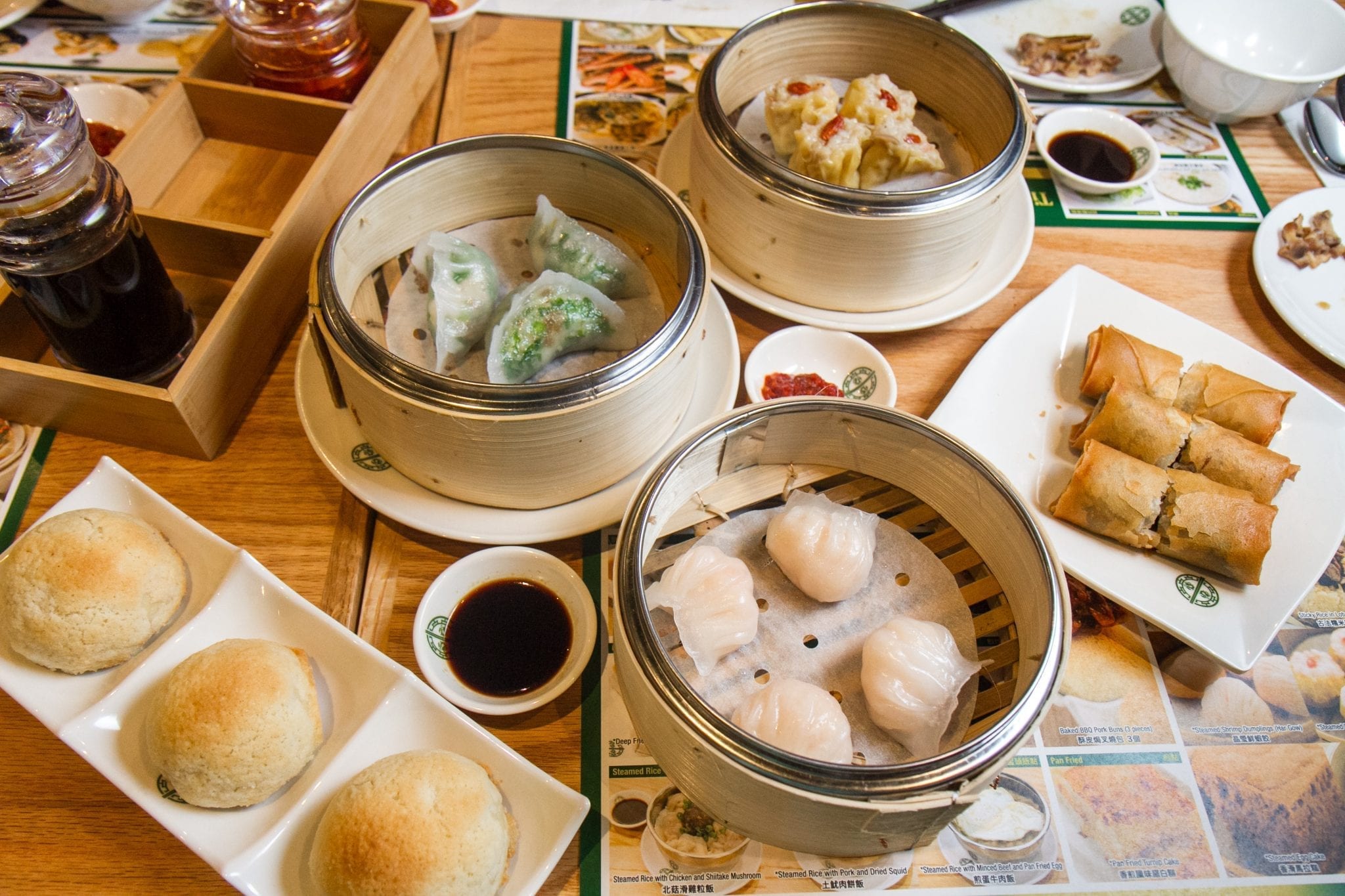
    Dim sum restaurant brand Tim Ho Wan is launching its first Texas location at NewQuest Property’s Katy Grand development.

    The new Katy store is the group’s fourth US location and is expected to open later this year or early 2020. The lease for the 5160sqft outlet has been signed, with plans to include a Zen garden, bringing total leasing of the first of two buildings for Phase 2 of the Katy Grand development to 100 percent.

    Other tenants at the complex are to include 85°C Bakery & Cafe, Kura’s Revolving Sushi Bar and Kinokuniya Books.

  • Michelin Guide Singapore 2019 to be Released in September

    Michelin Guide Singapore 2019 to be Released in September

    Michelin is proud to announce that the star selection of the Michelin Guide Singapore 2019 will be officially revealed on 17 September 2019 at the historically rich Capella Singapore.

    The selected establishments will be recognized at the star-studded Michelin Guide Singapore 2019 Star Revelation and Gala Dinner. The evening’s exquisite six-course dinner will be created by internationally renowned chefs from Michelin-starred establishments around the world.

    The roster of chefs this year includes names that gastronomes will be familiar with, including:

    • Guillaume Galliot (Caprice, 3 Michelin stars, Michelin Guide Hong Kong Macau 2019)
    • Kelvin Au Yeung (Jade Dragon, 3 Michelin stars, Michelin Guide Hong Kong Macau 2019)
    • Sebastien Lepinoy (Les Amis, 2 Michelin stars, Michelin Guide Singapore 2018)
    • Joshua Brown and Greg Bess (CUT by Wolfgang Puck at Marina Bay Sands, 1 Michelin star, Michelin Guide Singapore 2018)
    • Beppe de Vito (Braci, 1 Michelin star, Michelin Guide Singapore 2018)
    • Arisara ‘Paper’ Chongphanitkul (Saawaan, 1 Michelin star, Michelin Guide Bangkok, Phuket Phang-Nga 2019)

    Bringing together their expertise gained in the varied culinary regions of Europe and Asia, the chefs will be presenting a six-course dinner, with each chef showcasing the cuisine that they specialize in. Including French, Italian and Cantonese cuisine, the dishes will be served with an impeccable selection of wines.

    This year’s gala will reflect a trend seen across the world, sustainability, which is also in alignment with one of the Michelin Group’s key commitments: Sustainable Mobility. The company envisions a circular economy to preserve the planet’s resources by reducing, reusing, renewing and recycling the materials needed to produce the Company’s products and services, to avoid leaving a lasting environmental impact.

    To make this possible, one of its visions for the next 30 years is for its tires to incorporate up to 80 percent sustainable materials and for 100 percent of end-of-life tires to be recycled or reused as fuel.

    Fittingly, this year’s gala dinner is themed «Kitchens of Progression», signifying a shift towards sustainable dining and culinary practices. Chefs involved in the preparation are implored to procure ingredients from trusted suppliers and organizations that practice ethical and sustainable farming and be mindful about reducing food wastage – Michelin aims to make this a move in the culinary world, in line with another aspect of its business.

  • Maybank Debuts Wealth Offering in Philippines

    Maybank Debuts Wealth Offering in Philippines

    Maybank launches its first a private wealth management arm in the Philippines, in the midst of trending interest from financial institutions to tap into the nation’s business potential. The bank will open the branch in Makati City in Manilla, which will add to the 67 centers it has in the ASEAN (Association of Southeast Asian Nations) bloc. The «Maybank Premier» brand will be deployed to target high net worth individuals with wealth advisory solutions.

    The bank is projecting continued growth in the region and expects its clients to benefit from the bank’s robust ASEAN connectivity according to its group chief strategy officer and chief executive of the international business Michael Foong.

    The Philippines has been in the spotlight in recent times due to growing interest from others to tap into its market for its financial sector potential across various segments.

    Earlier this week, Pru Life UK was reportedly expected to launch a standalone asset management firm in the country. And also in the same week, the nation completed its first blockchain-based remittance from Singapore’s OCBC.

    This wealth management launch is in line with the bank’s focus to continue to develop our group wealth management franchise to capitalize on the region’s growth trajectory, and the Philippines is one of the fastest-growing economies in the Association of Southeast Asian Nations (ASEAN) with a burgeoning middle class, said John Chong, group chief executive of Maybank.

  • 108 Matcha Saro opens first store in Singapore

    108 Matcha Saro opens first store in Singapore

    Japanese cafe chain 108 Matcha Saro is opening its first Southeast Asian store, at Singapore’s Suntec City shopping center.

    Set to open tomorrow (July 26), the take-away concept store will be designed to resemble a traditional ancient Japanese teahouse, located in the basement of the shopping center.

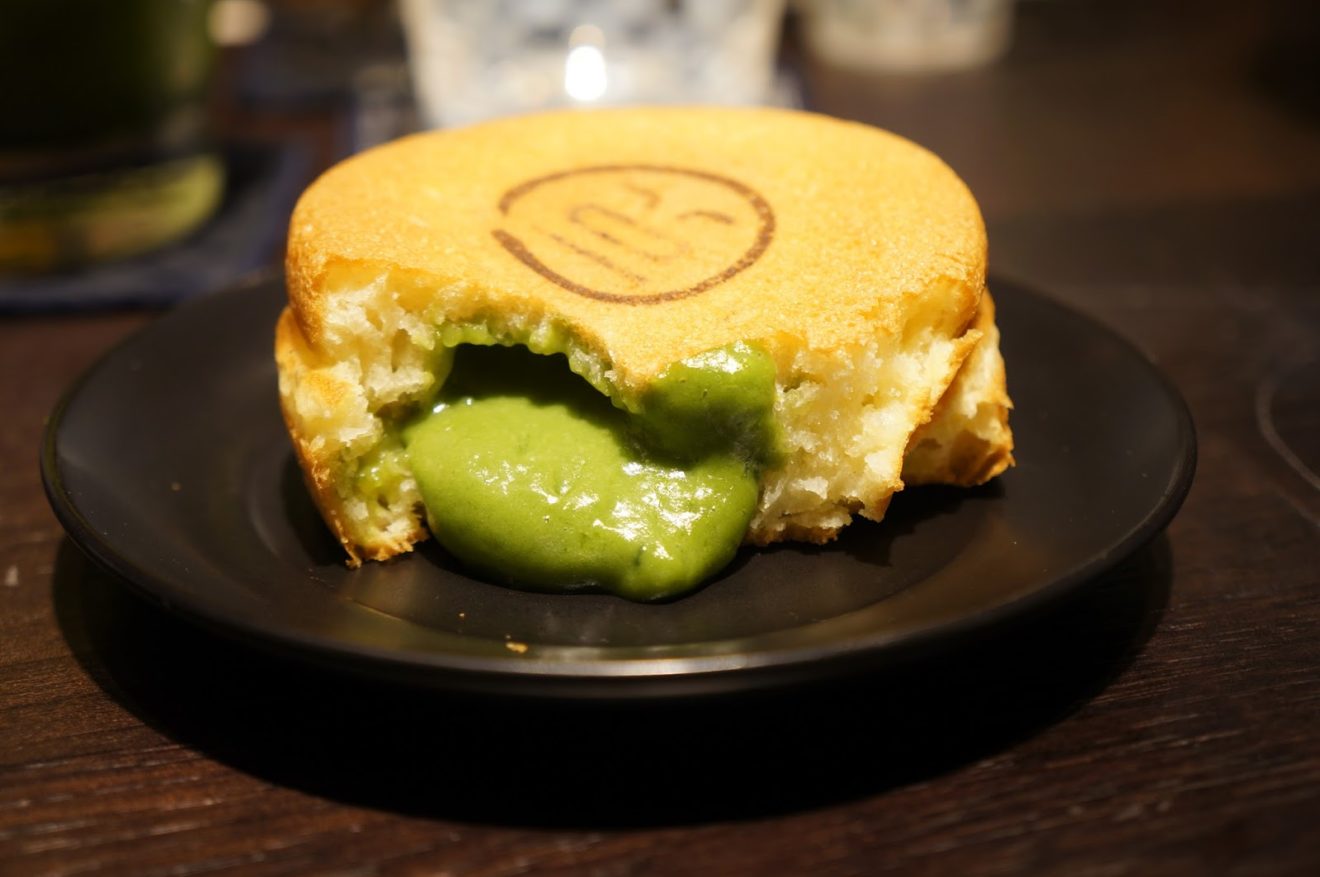
    The 108 Matcha Saro stores in Japan feature four different live stations where passers-by can watch staff making Warabi-mochi or Obanyaki, whisking Matcha and assembling Parfaits and Soft Serves.

    Founded in 2014, 108 Matcha Saro has four stores in Japan, and another four in Taiwan.