Author: Mei Ling Tan

  • Apple AirPlay 2 and HomeKit support arrives for LG

    Apple AirPlay 2 and HomeKit support arrives for LG

    Two months after Samsung announced that many of its smart TVs are getting AirPlay 2 support, LG made the same move. If you own one of the newest LG smart TVs, you’ll be happy to know that AirPlay 2 support is now available for you.

    Alongside AirPlay 2, LG announced that HomeKit is now supported on its smart TVs as well. Both new features will be available through a firmware update for 2019 LG OLED TVs, NanoCell TVs and UHS TVs with ThinQ AI capability.

    If you don’t know what’s AirPlay 2, here is a quick rundown of what you’ll be able to do with it if you have a compatible LG smart TV in your home. First off, you can stream content, including Dolby Vision titles, from iPhone, iPad, and Mac directly to your TV set.

    Secondly, you’ll be able to stream your favorite movies and TV shows from the Apple TV app and other video apps, as well as photos, directly on your LG AI TV. Apple Podcasts, Apple Music and music from your library or other streaming services are also playable through your LG AI TV and other speakers compatible with AirPlay 2, all in sync.

    On the other hand, HomeKit lets users control their smart home with the Home app or via Siri on their Apple devices. Simply install the Home app on your LG AI TV, and you’ll be able to access basic TV functions such as power, volume, and source. Your compatible LG TV can also be added to scenes or automation along with other HomeKit accessories.

    According to LG, Apple AirPlay 2 and HomeKit support will be rolled out to LG OLED and NanoCell TVs in more than 140 countries starting this week, with the update continuing over the weeks to follow.

  • Thai AirAsia ready for travel growth

    Thai AirAsia ready for travel growth

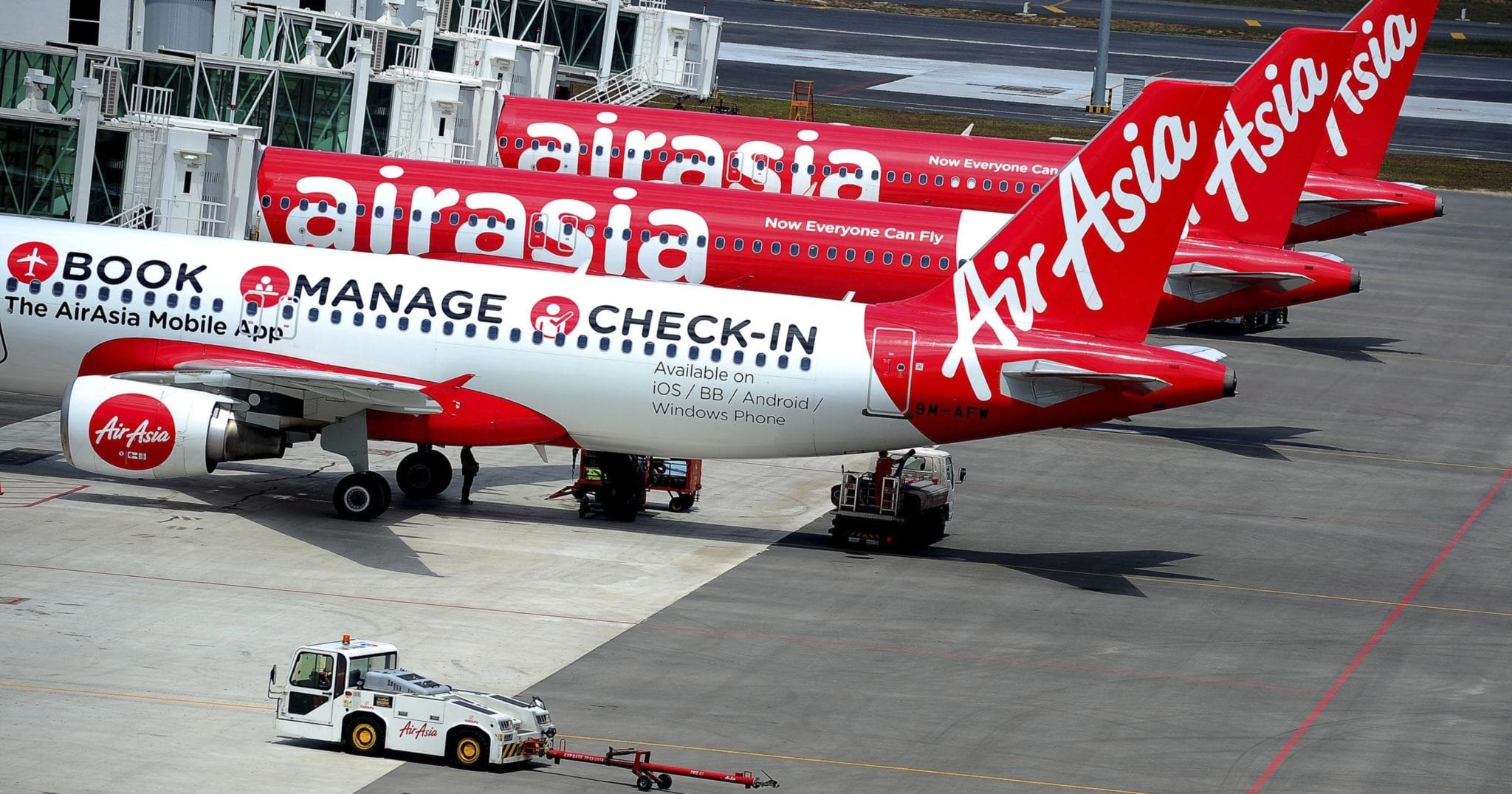
    Thai AirAsia and Thai AirAsia X’s businesses are expected to grow as projected this year, with passengers surpassing 23 million.

    Santisuk Klongchaiya, chief executive of Thai AirAsia, said passengers in the first half this year tallied 11.4 million, with a load factor at 87%. Passenger volume for the full year is expected to reach 23.2 million as planned, 5% growth, with a load factor of 85-86%.

    He said the most urgent issue for the airline is to regain trust from Chinese tourists after the fatal boat accident last year. The baht appreciation has also affected the Chinese market.

    Mr Santisuk said the airline plans to talk with the Tourism Authority of Thailand about creating a special campaign for the Chinese market. Thai AirAsia is also considering opening new routes in South Asia, such as Hyderabad, India and Kathmandu, Nepal, later this year. The airline plans to welcome two more Airbus A321 jets by the end of this year to replace retired aircraft, bringing Thai AirAsia’s fleet to 63.

    Nadda Buranasiri, chief executive of AirAsia X group and Thai AirAsia X, said the fleet for Thai AirAsia X will expand from nine to 14 as part of the plan to create a network in North Asia before moving to other regions.

    Thai AirAsia X, which operates long-haul routes, carried 1.5 million passengers in the first six months.

    Passenger numbers for the full year are projected at 3 million, with a load factor of 85%.

    There are some new routes planned in North Asia or Australia, and more frequencies expected to be added, said Mr Nadda.

    The airline has put off plans to add other long-haul routes to assess market demand after adding four flights a week on the new Airbus A330neo to Brisbane, Australia.

    Thai AirAsia and Thai AirAsia X are budget airlines partially owned by Malaysia’s AirAsia Group Berhad.

    Yesterday, Teleport (formerly known as Redcargo Logistics), a fully owned subsidiary air cargo company under AirAsia Group Berhad, signed a memorandum of understanding with Triple i Logistics to set up a joint venture company, Teleport Thailand.

    The new venture will start services at the beginning of next year.

    Pete Chareonwongsak, chief executive of Teleport, said it offers seamless same-day delivery in e-commerce for both domestic and 140 other destinations in the airline’s network, covering Asia and Australia, with cargo capacity from the 270 aircraft held by AirAsia and affiliated carriers.

    “Utilisation of the airline’s belly cargo is only 15%. We plan to use the remaining capacity to benefit small business operators, aiming to utilise cargo capacity of up to 50% within five years,” he said.

    The partnership will offer a new logistics business model differing from traditional airport-to-airport cargo movement, said Tipp Dalal, chief executive of Triple i Logistics.

  • Piaggio India To Deliver 30 Hopper Vehicles To Jodhpur Nagar Nigam

    Piaggio India To Deliver 30 Hopper Vehicles To Jodhpur Nagar Nigam

    Piaggio India has announced that it will be delivering 30 hopper vehicles to Jodhpur Nagar Nigam for waste collection. The small commercial vehicles manufacturer has said that it will deliver a mix of Ape’ Xtra LDX (three-wheeler) and Porter (four-wheeler) range of vehicles to the City’s Municipal Corporations. These vehicles will essentially be used for collecting door to door garbage from few wards in Jodhpur. The 1st batch of the 3W hopper vehicles was handed over to the officials of Jodhpur Nagar Nigam by Pankaj Jain, Dealer Sushila Auto, Jodhpur.

    Speaking on the occasion, Malind Kapur, Sr. VP of Marketing Piaggio Vehicles said, “We are extremely happy to partner with Jodhpur Nagar Nigam to provide our hopper vehicles. We are glad that the Jodhpur Municipal authority gave us this opportunity. At Piaggio, we are committed to providing best in class offerings to our customers. Ape’ Xtra LDX offers better payload carrying capacity, with excellent mileage and Porter has compact dimensions, great load capacity and best in class fuel efficiency. Piaggio understands the needs of its customer and hence the vehicles are designed in a manner where the customer can customize the product to suit specific applications. ”

    Piaggio says that these special-purpose Ape’ Xtra LDX and Porter vehicles have been designed to collect both wet and dry waste, and these hopper vehicles will be used in municipal ward numbers 12, 17, 18 and 19. The Municipal Corporation has already started using the first set of vehicles that were delivered to them. One hopper vehicle is used to collect garbage from 800 houses that are located in a single ward.

    Commenting on the new order for Jodhpur Nagar Nigam, Saju Nair, EVP & Head of the Commercial Vehicle Business, Piaggio India said, “Our special purpose vehicles are well designed and can be used by various government organizations for the Swachh Bharat mission. We are happy to partner with Jodhpur Nagar Nigam and with this PPP (Public-Private Partnership) we want to create awareness towards a cleaner and greener Jodhpur. We are looking forward to a meaningful and long-lasting partnership with Jodhpur Nagar Nigam.”

  • Thailand’s Dohome launches compact ToGo Store chain

    Thailand’s Dohome launches compact ToGo Store chain

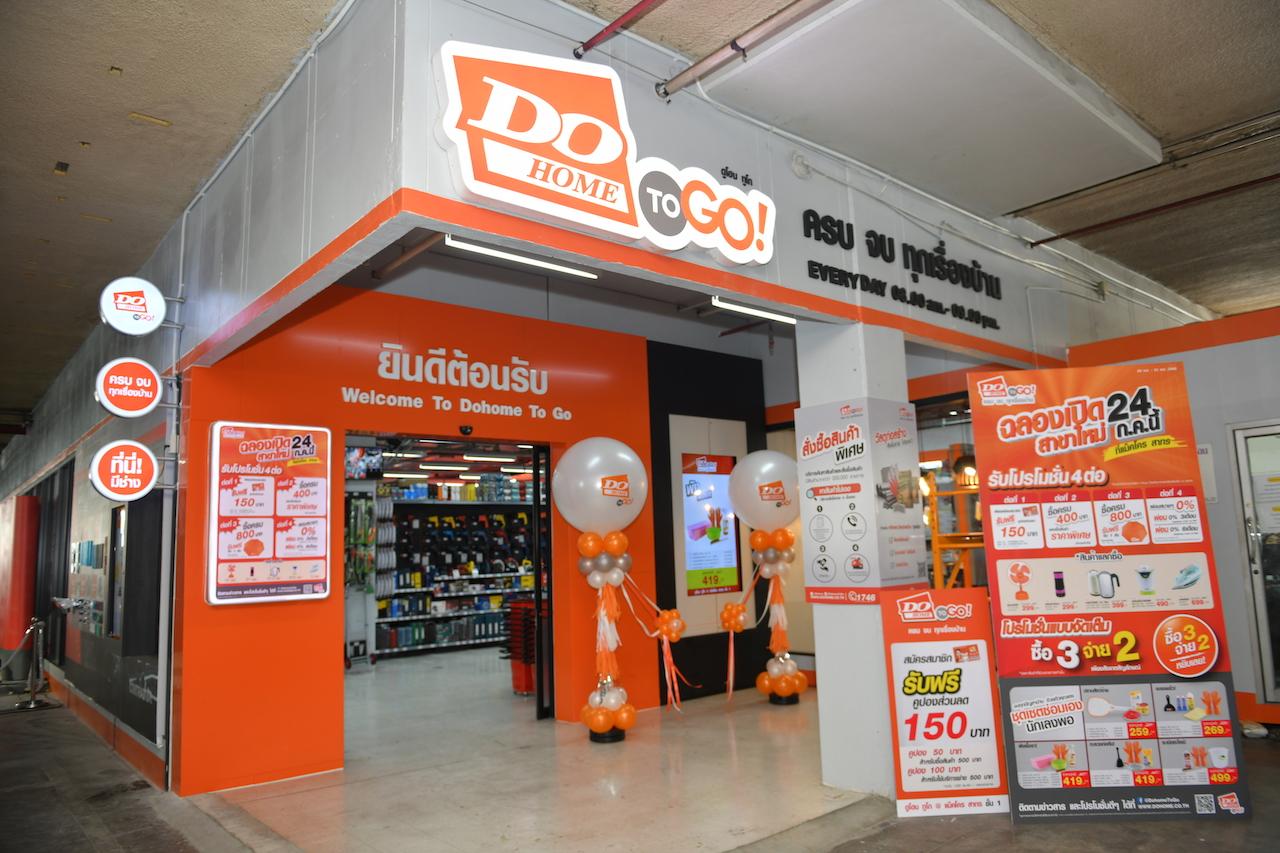
    Thai construction materials and home renovation equipment retailer Dohome is set to expand within the territory by an additional 90 branches by the end of next year.

    The move, partially in response to strong demand from DIY consumers, will introduce the firm’s Dohome ToGo brand with a smaller store format of 300–1000sqm.

    “Do-it-yourself is a rising trend,” said COO Puthada Teravetchakarn. “People want to renovate or repair the home by themselves if they can. It is very easy to use Google or YouTube to find out how to repair something or what materials should be used.”

    The firm is currently seeking suitable locations at department stores, supermarkets and hypermarkets for the new small-concept format, with a budget of up to THB2 million (US$64,650) per branch. The stores will stock around 10,000 SKUs, compared to more than 135,000 SKUs at its nine regular branches.

    “We will survey people living within a radius of three kilometers of proposed locations to ensure demand,” said Puthada. “We will review each month which items are best sellers and revise the selection.”

    Ten new Dohome ToGo branches will open this year, including two locations that have already launched in Bangkok.

    Dohome is in the midst of an IPO, offering 465.04 million shares at THB7.80 each, with a trading opening on August 6.

  • Singtel Makes Foray Into Insurance Market

    Singtel Makes Foray Into Insurance Market

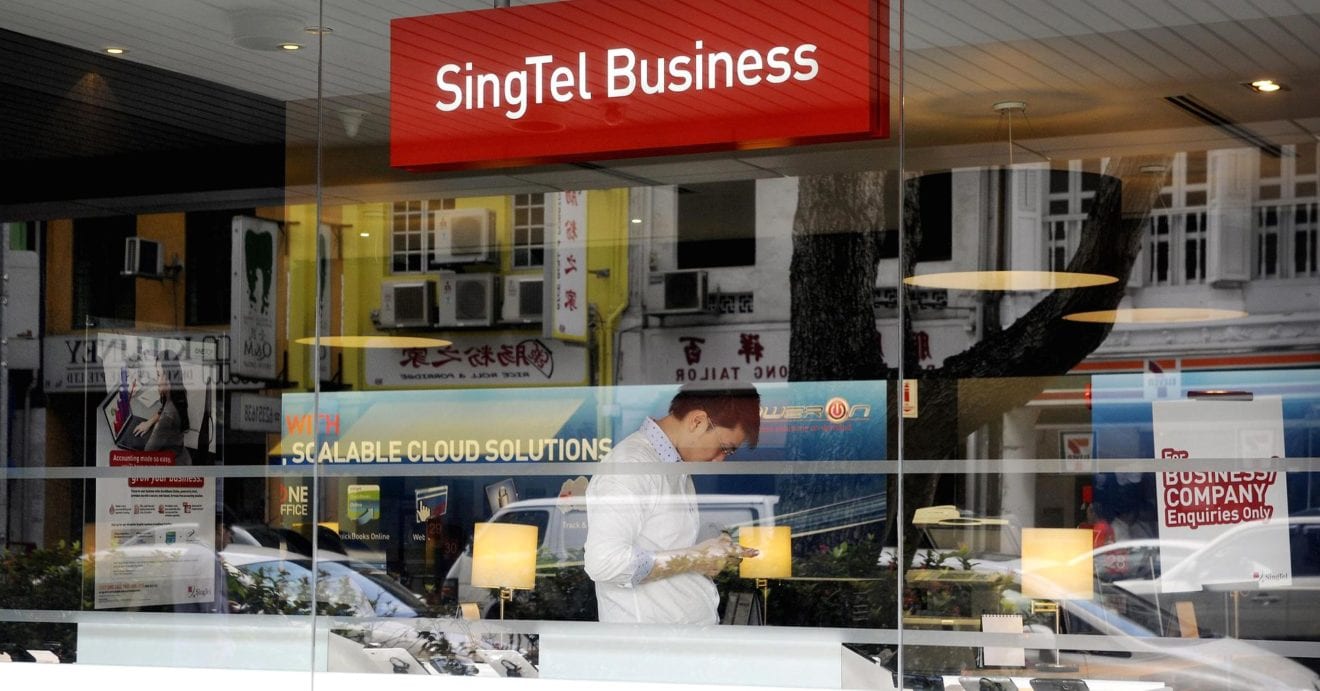
    Singtel announced its first foray into the insurance market on Thursday, introducing Singapore’s first prepaid data plan and Dash mobile remittance service that comes with personal insurance cover.

    Singapore’s dominant telco provider will be offering customers of its prepaid data plan and users of Dash mobile remittance service insurance cover that is provided by NTUC Income (Income), with premiums paid for by Singtel.

    As many of our prepaid and Dash mobile remittance customers are the sole breadwinners in their families, income stability and protection from financial loss are among their topmost concerns. By working with Income to remove price barriers and simplify the sign-up process, we want to make insurance accessible for all, enabling our customers to protect their loved ones, by simply topping up their data or remitting money back home, said Yuen Kuan Moon, CEO of Consumer Singapore at Singtel in a media statement.

    Prepaid customers who purchase a 30-day 50MB Protect data plan worth S$2 or do a S$20 prepaid top-up will be entitled to an insurance policy that provides coverage for 30 days. The coverage provides a range of benefits, including lump-sum payouts in the event of loss of employment due to hospitalization, as well as permanent disability and accidental death.

    The plan also offers daily cash benefits for each day of hospitalization and a one-off get-well benefit, together with mobile data to ensure that the beneficiary can stay connected with his or her loved ones, according to Singtel’s web page. Dash customers who remit at least S$100 will qualify for Free 30-Day Dash Protect, an insurance policy that offers lump-sum payouts in the event of permanent disability and accidental death – a first in the remittance market.

    Currently, the Singapore telco company provides mobile connectivity to more than 60 percent of foreign workers in Singapore, including S Pass workers (mid-level skilled staff), foreign domestic workers and migrant workers which number about 1.171 million in Singapore. Dash mobile remittance volumes have been growing steadily, doubling in the quarter ended June 2019 from a year ago.

  • Philipp Plein opens second Bangkok Store

    Philipp Plein opens second Bangkok Store

    Fashion label Philipp Plein has launched its second location in Thailand.

    The new Bangkok store at IconSiam Mall follows the brand’s first outlet in Phuket, which opened in 2016. The opening is in line with Philipp Plein’s general expansion plans in the region, with a store having just opened in Singapore and another to follow in the Philippines later this year.

    The Bangkok store’s shopfront is designed in black marble featuring a giant Swarovski crystal skull.

    The store also displays a Murano skull chandelier, hexagonal tables and metallic displays.

  • Nissan’s Q1 Profit Drops By 98.5%

    Nissan’s Q1 Profit Drops By 98.5%

    Nissan Motor Co unveiled its biggest restructuring plan in a decade, axing nearly a tenth of its workforce and flagging possible plant closures to rein in costs that ballooned when Carlos Ghosn was CEO.

    The cuts announced on Thursday followed a collapse in Nissan’s quarterly profit, highlighting how a crisis – brought about by sluggish sales and rising costs – is deepening at Japan’s No. 2 automaker in the wake of a financial misconduct scandal over Ghosn. Ghosn has denied the charges.

    The dismal quarter will pile pressure on Chief Executive Hiroto Saikawa, who has been tasked with shoring up the automaker’s performance at a time when the industry is struggling worldwide.

    China’s slowing economy, further depressed by a trade war with the United States, has hit demand, even as American consumer confidence has faltered.

    Tougher emission regulation has taken a the toll on diesel-car sales in Europe, and an increase in electric vehicle sales and ride-sharing has worsened a drop in sales at the world’s biggest carmakers.

    Ford Motor Co, the second-largest U.S. automaker, is also cutting 12,000 jobs and closing plants, while Daimler, Aston Martin and supplier Continental warned on profits this week.

    Nissan will reduce at least 12,500 positions globally by March 2023 – its deepest job cuts since 2009 – and slash production capacity, mainly of compact cars at underutilized plants abroad. The move will shrink its product line-up by about 10%, Saikawa said,

    The maker of the Rogue SUV crossover and the tiny, low-cost Datsun Redi-Go, had 138,000 employees as of March 2018.

    “We are mainly targeting sites where we made investments to produce compact cars under the Power 88 plan,” Saikawa told reporters at a briefing at Nissan headquarters, referring to an aggressive growth strategy spearheaded by Ghosn in 2011 to grab 8% global market share and an 8% operating margin.

    Nissan’s job cuts expand on redundancies initially announced in May, which affected eight facilities including in Spain – where trucks and vans are made – and Indonesia, where the March subcompact hatchback and Datsun models are manufactured.

    Nissan also produces compact car models at facilities including in Mexico, Russia, France, and Thailand.

    Roughly half the announced job cuts so far have cost the company around 40 billion yen, and further layoffs could cost about the same, chief financial officer Hiroshi Karube said.

    Years of heavy discounting and fleet sales, particularly in the United States, has left Nissan with a cheapened brand image and low vehicle resale values, and also hit profits.

    Nissan’s first-quarter operating profit plunged 98.5% to 1.6 billion yen ($14.80 million), its worst performance since a loss in the March 2008 quarter.

    “Profitability is very poor at the moment,” Saikawa said, but added that the company was pushing to achieve its revenue target of 14.5 trillion yen and operating margin of 6% through the end of fiscal 2022.

    The automaker said global vehicle production will fall 10% through the year to March 2023 while global sales till then will increase modestly to 6.0 million units annually from the current 5.5 million.

    The company maintained its profit forecast of 230 billion yen for the year ending March 2020, a 28% drop from last year and its weakest in more than a decade.

  • Singapore Investors Upbeat About Local Economy

    Singapore Investors Upbeat About Local Economy

    Asian investors (60 percent) are among the world’s most optimistic about the economic outlook, ranking behind only Latin America (77 percent). Despite ongoing concerns about a global trade war, six in 10 Singaporean high net worth investors remain optimistic about the outlook for the local market, while Asia ranks second globally (60 percent) in terms of economic optimism, according to the latest quarterly UBS Investor Sentiment survey, released today.

    A large majority (67 percent) of Asian respondents said a diversified approach to investing was how they expected to manage ongoing risks. According to the bank, Singapore respondents were particularly interested in opportunities in sustainable investing (53 percent), yield or income generation (56 percent) and thematic investing such as medtech, fintech (49 percent).

    Global sentiment improved in the last quarter, with the share of investors planning to invest more growing to 46 percent, up from 42 percent, while the share of investors optimistic about the global economy remaining unchanged at 51 percent.

    The survey, which polled more than 3,800 wealthy investors and entrepreneurs in 17 countries between June 3–July 6, shows Singapore investors cited the global trade war, cybersecurity and market volatility (all 53 percent) as their top concerns.

    Among Asian investors, the top concerns were the global trade war (47 percent), the country’s long term competitiveness (43 percent) and cybersecurity (43 percent).

  • The Nokia 8.2 could land later this year with a pop-out camera system

    The Nokia 8.2 could land later this year with a pop-out camera system

    It’s been almost eight months since HMD Global first introduced the Nokia 8.1 to the world and that means a successor shouldn’t be too far away. According to MySmartPrice, the company is actively developing the smartphone right now and, if everything goes to plan, it could introduce some rather drastic changes.

    After fully embracing the notch on last year’s model, HMD Global reportedly has plans to ditch the controversial design feature in favor of one that’s slightly less intrusive. Specifically, the Nokia 8.2 will apparently represent the company’s first smartphone with a pop-out camera system. This will house a new 32-megapixel selfie camera and ultimately remove the need for any kind of notch or cut-out on the display, thus creating an all-screen design.
    In regards to the smartphone’s internal characteristics, today’s report points towards the presence of 8GB of RAM and 256GB of storage as standard. The Nokia 8.2’s processor wasn’t mentioned but previous leaks suggest a Snapdragon 700 series chip could make the cut alongside support for next-generation wireless networks in an attempt to produce a cheaper 5G device.
    Accompanying all of this will reportedly be stock Android 10 Q straight out of the box as part of the Android One program. The final version of this software is on track for release in mid-August which suggests HMD Global’s next Nokia-branded smartphone probably won’t arrive until September at the very earliest.
  • Apple spends $1 billion to buy most of Intel’s smartphone modem chip business

    Apple spends $1 billion to buy most of Intel’s smartphone modem chip business

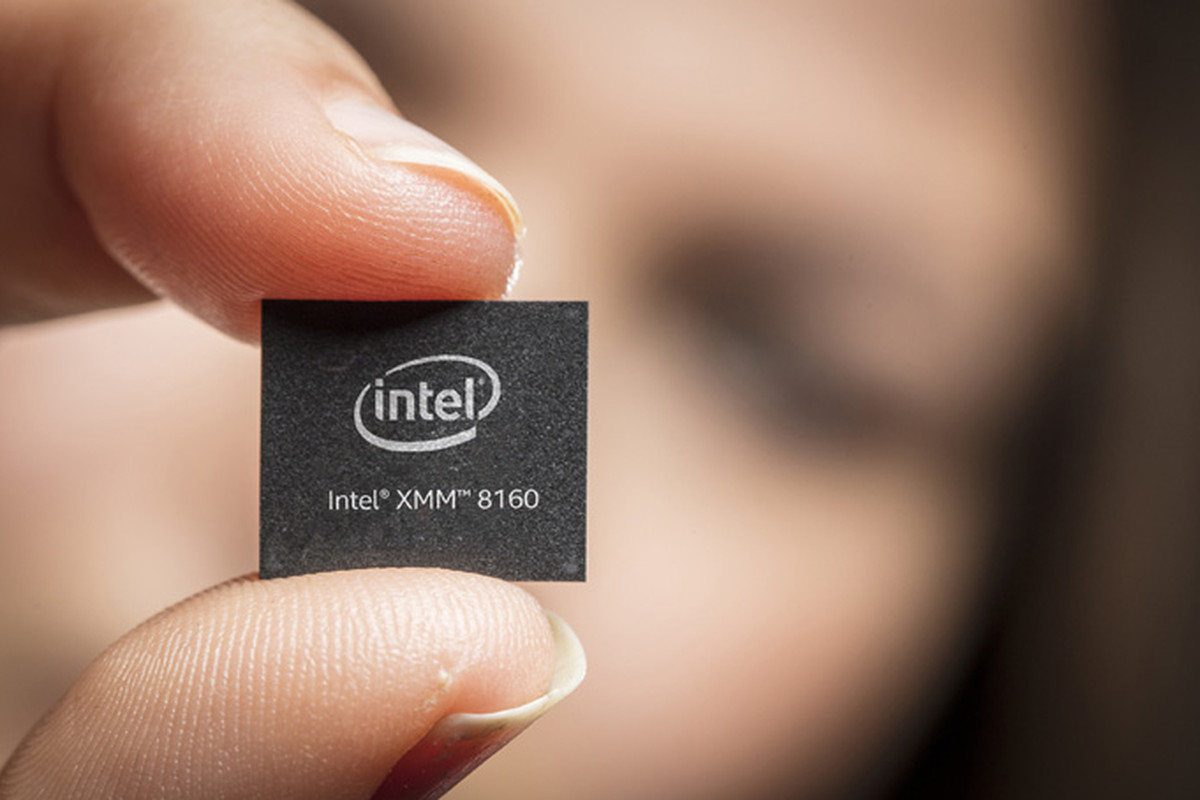
    Apple announced that it has agreed to purchase the majority of Intel’s smartphone modem chip business in a transaction that is being valued at $1 billion. Besides the patents, equipment, and leases that will move from the chipmaker to Apple, 2,200 Intel employees will now work for the iPhone manufacturer. The deal is expected to close in the fourth quarter and goes a long way toward helping Apple design and manufacture its own modem chips. Intel will still have the right to produce modem chips for PCs, IoT and self-driving cars.

    The 2018 iPhones all exclusively use Intel’s 4G LTE modem chips and Intel was originally slated to deliver a 5G modem chip to Apple in time for use with the 2020 iPhones. But a settlement between Apple and Qualcomm announced last April allowed both companies to bury the hatchet and end a feud that had kept Apple from sourcing Qualcomm’s 5G modem chips. Apple paid an undisclosed amount of money to Qualcomm, rumored to be $4.5 billion, in exchange for a six-year licensing pact (with an option for two additional years) and a multi-year chip supply agreement. So starting next year we should see a Qualcomm 5G modem chip inside the iPhone models that support the next generation of wireless connectivity. Based on the early rumors, that would be the 5.4-inch iPhone 12 and 6.7-inch iPhone 12 Max.

    Even though Intel said that it would ship its 5G modem chip in time for use inside the 2020 iPhones, it appeared that Apple didn’t fully trust Intel’s design. In February, there was talk about Apple designing its own 5G modem chip and it shifted around personnel in an effort to get the ball rolling on this project. All that Apple seemingly needed was a reliable supplier to get it from 2020 to 2022 or 2023 when the first Apple-designed 5G modem chip could start rolling off the assembly lines. That might have been the impetus behind Apple’s settlement with Qualcomm.
    But with the purchase of the majority of Intel’s smartphone modem chip business, Apple will soon be able to control its own destiny in terms of obtaining this key component. The 2019 iPhones will continue to use Intel’s 4G LTE modem chips; these units will ship before Apple and Intel close on the transaction.
    The bottom line is that even with this purchase, there is still a good chance that Apple relies on Qualcomm to supply it with 5G modem chips for the next few years. But this deal has to make the brass in Cupertino feel relieved. Things were looking desperate at times for Apple. Back in January, during the FTC v. Qualcomm trial, Apple supply chain executive Tony Blevins admitted that the company had talks with Samsung and MediaTek about working out a supply agreement for 5G modem chips.
    The $1 billion price paid by Apple makes this deal one of the most expensive purchases in Apple’s history. The most amount of money that Apple has paid to buy a company is the $3 billion it shelled out for Beats Audio back in 2014.
  • AirAsia enters logistics JV for Thailand

    AirAsia enters logistics JV for Thailand

    Airasia indirect wholly-owned subsidiary Teleport Everywhere Pte Ltd has proposed a joint venture with Triple i Logistics Public Company Ltd to provide logistics services to Thai AirAsia Co Ltd (TAA) and Thai AirAsia X

    AirAsia said in a filing with the stock exchange that a memorandum of understanding was signed between the four parties, whereby Teleport and Triple I would establish a partnership in Thailand as a general cargo sales agent for the airlines.

    According to the statement, Teleport is a cargo and logistics services provider while Triple i is a total logistics integrator with 27 years of experience in the international forwarding and logistics industry

    “The MOU aligns with Teleport’s mission to move goods and e-commerce seamlessly throughout Southeast Asia, taking full advantage of AirAsia Group’s network of more than 100 cities and 10,000 weekly flights across Asia Pacific.

    “In particular, it allows Teleport to integrate the rights to the cargo capacity in Thailand for TAA and TAX with the wider AirAsia Group’s network,” it said.

  • Asendia selects Tigers for B2C fulfilment in Australia to support newOceania product

    Asendia selects Tigers for B2C fulfilment in Australia to support newOceania product

    Tigers has been selected as the local logistics partner to support the launch of Asendia Oceania and provide a regional footprint for B2C and omnichannel fulfilment solutions in Australia.

    Hong Kong-based Tigers has an extensive warehousing network across Australia in Perth, Adelaide, Melbourne, and Sydney, with a focus on B2C vertical markets.

    Headquarted in Bern, Switzerland, Asendia is specialised in e-commerce and mail solutions, and is expanding across Australia and New Zealand with the launch of the Asendia Oceania subsidiary.

    “E-commerce fulfilment and international cross-border products continue to be a major focus for Tigers across the Asia-Pacific region, and builds on our cooperation across the USA into Europe, Russia, and Asia,” said Andrew Jillings, Chief Executive Officer, Tigers.

    “Partnering with Asendia as it launches Asendia Oceania across Australia and New Zealand is an exciting moment that reflects Tigers’ ongoing global growth, and our support for the logistics and supply chain industry as it evolves through digitisation and e-commerce.”

    Asendia is rolling out a global expansion plan and offers a range of digital, logistics, and delivery services as the market for B2C cross-border e-commerce services continues to grow.

    “The launch of Asendia Oceania is an exciting new milestone for Asendia in the Asia-Pacific region,” said Lionel Berthe, Head of Asia-Pacific, Asendia.

    “It’s another sign of our commitment to growth in the region, and partnering with a global logistics player with strong capacities and experience in Australia such as Tigers is a key differentiator for cross border end-to-end services.“

    Tigers and Asendia are planning further supply chain optimisation in the coming months by utilising their global network of offices and facilities in China, Hong Kong, Malaysia, Singapore, and the UK.

    Tigers recently joined Asendia Oceania at the Online Retailer Conference and Expo in Sydney.

  • Alceon rolling out Lego stores across Australia

    Alceon rolling out Lego stores across Australia

    Alceon Group on Wednesday revealed plans to significantly expand the footprint of Lego stores in Australia.

    New stores are set to open in New South Wales, Victoria and Queensland over the coming months, with South Australia and Western Australia to follow in 2020.

    A store is also set to open in Westfield Newmarket in New Zealand later this year.

    Alceon, which holds the rights to Lego-certified stores in Australia and New Zealand, opened the first standalone Lego store in Westfield Bondi Junction in March, which executive director Richard Facioni said has “captured the imagination of all generations”.

    The store is centered on providing interactive experiences, with a pick-a-brick wall, build-your-own-minifigure stations and play tables, where kids can assemble their own creations.

    The store has benefited from the growing popularity of the Lego brand in the region, thanks to the arrival of the top-rated Lego Masters reality show, Facioni said.

    Alceon plans to capitalise on this momentum, with the first new store to open in Broadway Sydney in late 2019.

    The company said it has secured prime positioning on Level 2 of one of Australia’s highest performing shopping centers. The store, like the Bondi Junction location, will feature exclusive, customized design elements and brick-built symbols.

    “The introduction of further LEGO Certified Stores in key locations will
    accelerate the reach of this leading global retail concept, as we build on the excitement and emotion intrinsic to the iconic LEGO brand,” Facioni said in a statement about the expansion.

    Alceon Group is an investment firm that is one of the biggest retail companies in Australia, following its acquisition of Specialty Fashion Group’s Katies, Millers, Autograph, Crossroads and Millers brands, James Packer’s Pretty Girl Fashion group and Pumpkin Patch.

    The company also has a controlling stake in Noni B and recently acquired a stake in ethical fashion brand Ginger & Smart.

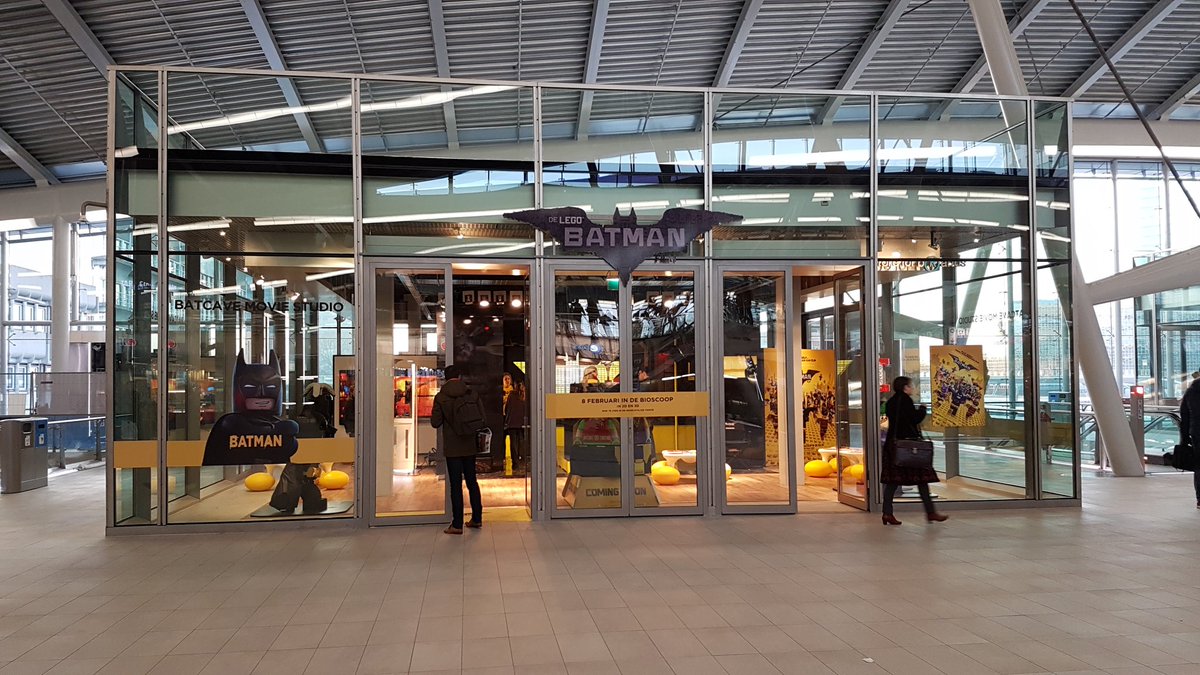
  • Batman pop-up store at The One marks 80th anniversary

    Batman pop-up store at The One marks 80th anniversary

    Comics label DC and Warner Bros Consumer Products are marking the 80th anniversary of Batman with an interactive exhibit at The One shopping complex in Tsim Sha Tsui.

    The Batman pop-up store offers a sneak peek into the Batman universe going all the way back to his first appearance. Selected Batman comic book covers are being reprinted through modern screen-printing technologies in restoring the comic book aesthetics of different eras.

    Sculptor Keo W. has created a series of 1:1 scale Batman figures based on the most iconic Batman looks in animations, movies and video games, some of which are being shown in Asia for the first time.

    Nearly 100 Batman collectibles are included to present a curated experience to the public. A range of creative merchandise includes some items that are launching in Hong Kong for the first time, such as Batman luminous basketballs and chess games.

    The Batman pop-up store is part of a year-long global celebration showcasing the “World’s Greatest Detective” that includes live events, fan celebrations and exclusive branded products.

  • Teavana Bar and Kiosk open in Hong Kong this week

    Teavana Bar and Kiosk open in Hong Kong this week

    Three years after making its Hong Kong debut, Starbucks’ Teavana brand is opening two new outlets this week.

    A Teavana Bar opens today inside Starbucks’ revamped store at APM in Kwun Tong, the brand’s first bar in Kowloon.

    The Kwun Tong bar features an open design allowing customers to watch their beverages being made by employees.

    The Teavana Bar is lined with white 3D tiles and copper accents that trace the outline of hibiscus flowers, coffee and tea leaves and botanicals, shining through an arched opening in a terracotta-toned facade.

    Meanwhile, Hong Kong’s first Teavana Kiosk opens at Starbucks’ ISquare outlet tomorrow (July 25). The new retail model offers a grab-and-go service. Designed with a grey terrazzo bar adorned with rose gold accent, set against a pink wall, the decor is aimed at shifting customers “out of work mode” even if only for a quick break.