Author: Mei Ling Tan

  • Anello opens at Changi, Singapore

    Anello opens at Changi, Singapore

    Japanese backpack and accessories brand Anello has opened its first Singapore store, at Jewel Changi.

    Targeting Singapore residents and visitors alike, the 625sqft store offers a wide selection of designs as well as exclusive and limited-edition collections specifically for the Singapore market.

    From July 23 to 29, to mark its opening, Anello Jewel Changi will be offering a 50-per-cent discount for any second item purchased

    Founded in 2015, Anello – which means “ring” in Italian – is known for its minimalist, chic designs.

    The brand now has stores in China, Myanmar, Philippines, Singapore, Taiwan, Thailand, and Vietnam.

  • Outlook for iOS update finally brings iCloud support

    Outlook for iOS update finally brings iCloud support

    Besides the usual monthly Office mobile updates that Microsoft reveals at the beginning of each month, the company releases additional updates that usually include bug fixes or minor improvements to already existing features.

    However, the latest Outlook for iOS update brings a completely new feature that will work with other apps like SharePoint, Google Drive, and Dropbox. Support for iCloud is now being added to Outlook on iOS devices, a long-overdue feature that will allow users to find specific files.

    Working alongside OneDrive, SharePoint, Google Drive, Dropbox and Box, Outlook for iOS lets those who own account on any of those services to easily find, attach or preview files, a more than welcome improvement that many people have been asked for months.

    The latest update adds some bug fixes and improvements as well, in addition to iCloud support, so expect your Outlook app to perform slightly better after the update.

  • Large queues for Sephora store opening

    Large queues for Sephora store opening

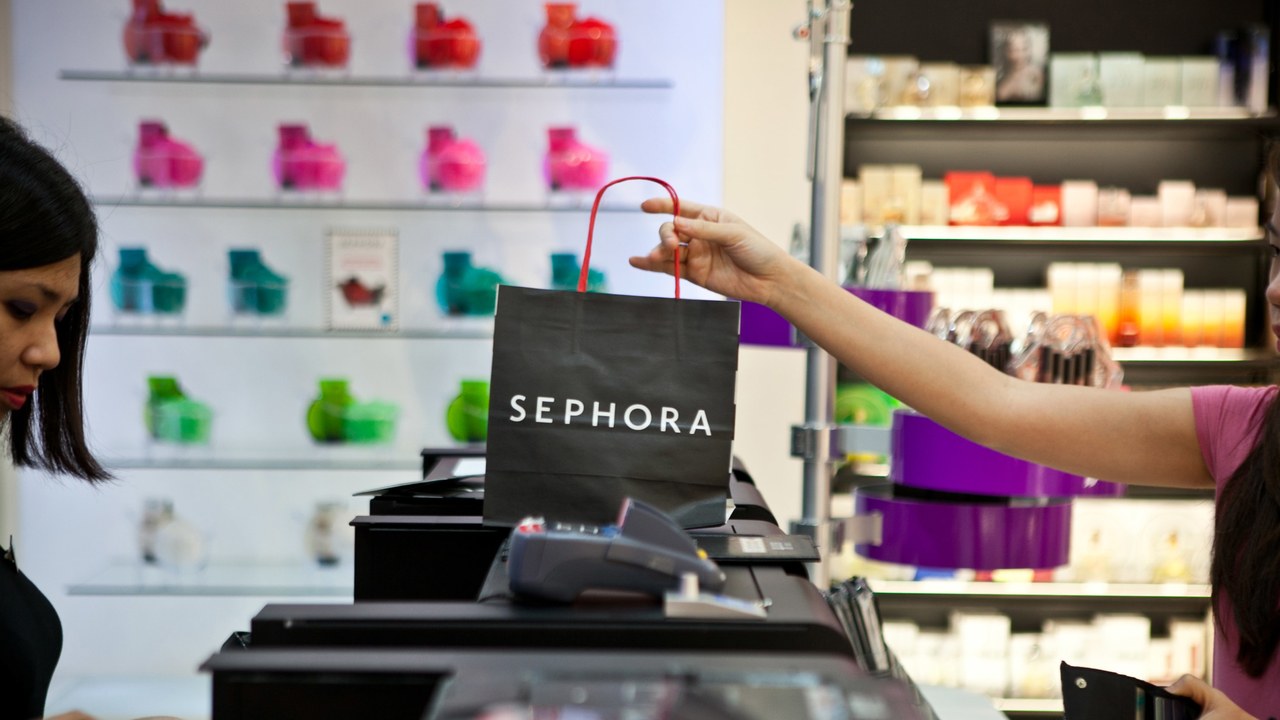
    After much anticipation, Sephora’s first New Zealand store opened last weekend on Queen Street in Auckland, with hundreds of Kiwis lining up for the launch.

    Many would-be beauty-buyers camped out overnight to ensure they were the first into the store, which officially opened at 7am on Saturday, July 20.

    Sephora spent an estimated $5 million to fit out the store, which was announced in early May after months of speculation.

    The launch is part of a larger expansion into the Asia-Pacific region, which will see the make-up retailer set up shop in Hong Kong and Korea.

    “We believe that New Zealand will be a key market in building Sephora as the most loved beauty community in Asia, and the world,” said president of Sephora Asia Benjamin Vuchot.

    “This expansion to a new market will allow Sephora to continue to amplify global beauty trends locally, elevate what our clients expect of the in-store experience and bring fresh, digital touch points to the retail environment to create a virtual, client-centric cycle.”

    In the lead-up to launch, Sephora toured the country in a “Beauty Bus”, giving remote customers a chance to trial its products before the local offering officially went online.

    However, not everyone was pleased with the launch. The New Zealand Maori Council called for the Government to investigate the cosmetics company after they were “caught dumping hundreds and thousands of waste paper products embedded with cosmetic chemicals down the drains”.

    “And all, according to a spokesperson for Sephora New Zealand, with the permission of the Auckland Council,” New Zealand Maori Council executive director Matthew Tukaki said.

    “As Maori we consider ourselves as protectors of our whenua and our water ways and I will be damned if I am going to standby and allow Auckland City Council to grant a license for this company to dump their waste directly into our system.”

  • La Belle Couture launches E-commerce Platform in Singapore

    La Belle Couture launches E-commerce Platform in Singapore

    Wedding supplies specialist La Belle Couture has launched a Singapore online bridal store.

    The store offers more than 50 designs of wedding dresses, along with wedding styling props and decorations.

    The new store launched with the newest gowns from the label’s Simplicity collection.

    A curated selection of lightweight gowns with detailed craftsmanship, featuring trending design elements such as lace detailing, illusion necklines and blush hues. More designs will be continue to be added to the collection.

    After visiting the online store, brides can visit their boutique on Tanjong Pagar Road so that stylists can assist them in perfecting their look.

    “We also observed that more and more brides are leaning towards a la carte options where they have more freedom of choice when it comes to choosing their makeup artists, photographers, etc,” said Teo Peiru, MD of La Belle Couture Weddings.

    Along with its wedding dresses, La Belle Couture launched a curated selection of wedding decorations for rent, from its partner Rosette Designs & Co.

  • Tim Draper and Alex Mashinsky’s Message for Singapore at World Blockchain Summit

    Tim Draper and Alex Mashinsky’s Message for Singapore at World Blockchain Summit

    In line with the Singapore Government’s strategy to adopt Blockchain technologies to revolutionize its Public and Private Sector, World Blockchain Summit opened to a packed house at the Marina Bay Sands on Thursday. For the second time in Singapore, World Blockchain Summit was strategically curated by Trescon to stimulate coherent innovation narratives around blockchain and cryptocurrencies. The summit featured keynotes from pioneers such as Tim Draper and Alex Mashinsky.

    Singapore’s conducive regulatory environment that is giving impetus to the rise in ICOs has made the small island nation an ideal launch pad for ICO startups.

    “This is the beginning of one of the most amazing sociological changes in the history of the world. We are in for one of the biggest transformation moments and it is happening in the next five to ten years. If you are issuing an ICO, this is your moment, this is the trillion and ten trillion dollar industries that you are going after.” said Tim Draper, in his powerful keynote message to Singapore.

    The 13th global edition of World Blockchain Summit was designed to address specific areas for discussions such as the legal and regulatory landscape in Asia, the outlook on blockchain and cryptocurrencies for 2020, and the role of banks in the new digital ecosystem, to name a few.

    One of the most important pioneers and innovators of modern business, Alex Mashinsky or more commonly known as the Godfather of VoIP, said in his keynote, “Cryptocurrencies, blockchain and decentralization is a revolution. It is the fourth system that is here to replace what’s not working for 7 billion people that cannot rise to the middle-class.”

    Future1Exchange, a digital crypto exchange based in Estonia, announced that Herbert Sim, widely referred to as ‘The Bitcoin Man’, about his induction into Future1Exchange as an investor and growth advisor.

    Home to the third-largest ICO market, Singapore is one of the most attractive destinations for fundraising. Trescon’s dedicated pitch competition for startups in the future-tech space, the Startup Grand Slam provided a platform for over 20 startups from around the world to pitch their ideas in front of global investors that included, Vanessa Koh, CTO of GBCI Ventures, Singapore; Herbert Sim, Founder of The Bitcoin Man, Singapore and Kevin Soltani, Founder & President of GIMA Group, California Blockchain Alliance, United States, among others. AgUnity, a global technology platform working towards connecting 1+ billion people without access to basic services was selected as winner of Startup Grand Slam by the jury members and GLBrain was selected as runner-up.

    World Blockchain Summit, Singapore edition was supported by Headline Sponsor, eBank Technology; Platinum Sponsor; Kanerika; Gold Sponsor, ACO, Bronze Partner, Organic Farm City; Pitch Partners, Capitual and Astrome

    Exhibitors included: Labuan IBFC; icte.io; Bitcrore; MDxBlocks; Beldex Exchange; AgUnity; F4map; indieOn; GLBrain; Fortunesoft IT Innovations; Minddeft


  • Skechers in Singapore opens Southeast Asia’s largest store yet

    Skechers in Singapore opens Southeast Asia’s largest store yet

    Skechers in Singapore has opened the brand’s largest experience store in Southeast Asia, at  Jewel Changi airport.

    The 5000sqft duplex store’s interior has been designed with an overall modern and sleek look, achieved through the use of bright lighting and cement panels.

    On opening day, more than 2500 shoppers and 250 invited guests were at the store to participate in activities including a fashion and dance showcase.

    “For the past 10 years, Skechers has been evolving and improving ourselves in terms of retail shopping,” said Vincent Leung, president of Skechers Southeast Asia.

    “Our clear direction is to create a wonderful customer shopping experience, with Brand Experience Stores in China, Hong Kong, and now our very first in Southeast Asia right here at Jewel Changi Airport.”

    A staircase between Levels 1 and 2 features a colourful wall mural designed by Diplomat, a group of young budding Singapore artists, adding energetic hip-hop and street-cred elements to the space.

    There is also a photo zone on Level 2, where visitors can take selfies with a fun photo-wall.

    Another highlight of the Skechers in Singapore store exclusive to Jewel is a customisation zone, where one can personalise selected Skechers shoes or apparel with embroidery or heat press.

    Guests of the opening were able to make their own customised pouch, choosing motifs to create a unique souvenir of the event.

  • Chatime creates Instagrammable 3D-painted walls in Japan stores

    Chatime creates Instagrammable 3D-painted walls in Japan stores

    Taiwanese shaken ice-tea brand Chatime has incorporated large areas of 3D-painted walls into the interior design of the tea shops in a move to target female customers who enjoy taking photos in its Japanese stores.

    The vivid 3D-painted walls were created by local Japanese designers for people to check in on social media.

    The themes and styles vary between outlets. The strategy, which follows the trend to take pictures with bubble tea for social check-ins, has seen customers spending more time queuing for a picture than for a cup of bubble tea.

    In a similar move, Chatime has launched limited products with visually appealing packages to encourage instagram posting.

    Chatime is now the fastest-growing brand in its category within the territory, with three stores opening every two months. Its shop in Shibuya 109 has regularly reported daily sales of 1000 cups. The firm’s shop in Osaka’s Shinsaibashi District has now become the brand’s top store globally in terms of sales, retailing more than 2000 cups per day.

    Chatimed expects to expand to 35 outlets within Japan by the end of this year.

  • Buyers line up for troubled Jack Wills

    Buyers line up for troubled Jack Wills

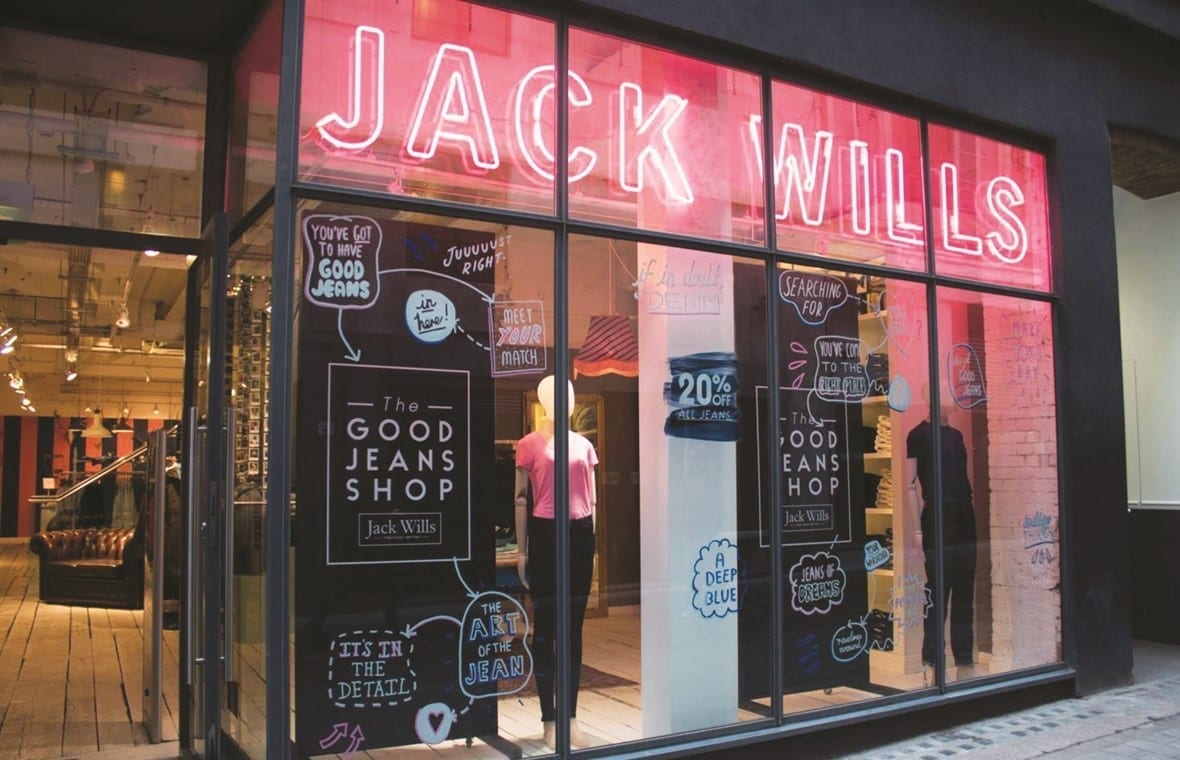
    Prospective suitors are lining up to bid for troubled fashion retailer Jack Wills.  Among those on the list are Marquee Brands – the parent of Ben Sherman – Sports Direct and Philip Day, who owns Edinburgh Woollen Mill and who recently took a controlling interest in distressed women’s-wear retailer Bonmarche.

    Among other prospective buyers identified by Retail Gazette as in “the early stages of assessing a possible offer” for Jack Wills are Crew Clothing, restructuring firm Hilco and investment firm Alteri.

    BlueGem began canvassing for prospective buyers for Jack Wills early this month after engaging advisory firm KPMG to prepare a review of the business’ prospects. According to companies office records, Jack Wills lost £29.3 million for the year to January 31 last year, and a £28 million cash injection from BlueGem in January this year has been almost exhausted.

    BlueGem has said it would retain a minority stake in the business, which it clearly still believes in.

    “The current investors believe the business can benefit from being part of a larger platform and would welcome the opportunity to retain a minority stake, which allows them to realise value from their investment to date,” the KPMG document reads.

  • Samsung brings new messaging feature, more AR Emoji options to Galaxy S9/S9+

    Samsung brings new messaging feature, more AR Emoji options to Galaxy S9/S9+

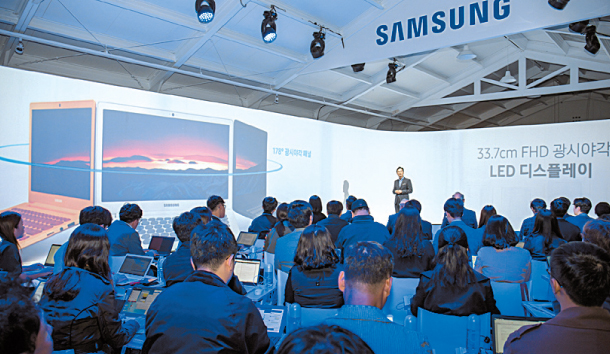
    More than a year after the release of the Galaxy S9/S9+, Samsung continues to bring new features and important improvements to its last year flagship. The month of July comes with one new feature aimed at Samsung fans and more customization options for AR Emoji.

    These changes come in addition to the July security patch, which is now rolling out to Galaxy S9 and S9+ devices across the world. The update weighs in at 533MB and includes a new feature – Call and Message Continuity. Call and Message Continuity is meant for customers who own not just a Samsung smartphone, but a tablet as well.

    With the new feature, those using Galaxy tablets will be able to accept calls and read their messages from their slate as long as they are logged in to the same Samsung account as their Galaxy phone. The new feature uses either Wi-Fi or mobile data connection, so your phone doesn’t have to be close by to be able to take calls from the tablet. You can find the new feature in the Connections menu.

    Furthermore, the latest update brings the Galaxy S9/S9+ closer to the newest Galaxy S10 series by adding a couple of new customization options for AR Emoji. Also, the UI has been updated to be cleaner and easier to use.

    For the time being, the update is only available in Germany, but Exynos-powered Galaxy S9/S9+ units all over the world should get it as well in the coming weeks.

  • Ikea Malaysia to open in new Batu Kawan mall

    Ikea Malaysia to open in new Batu Kawan mall

    Ikea Malaysia is preparing to open the first phase of a shopping centre linked directly to its blue-box home furnishing store in Batu Kawan, Northern Malaysia.

    With around 20 tenancies, the new retail destination is aiming to bring a vibrant new mix of brands to the growing Aspen Vision City. The retail extension will open at the end of the year, with 85 per cent of the space now already leased to tenants including Sports Direct, Project Rock, 7-Eleven and Harvey Norman.

    Taking up 50,000sqft, Harvey Norman is taking its concept of a flagship superstore outside the Klang Valley for the first time.

    “We are grateful for the relationships we have built with long-term partners like Harvey Norman. Together, we can live up to our mission of creating vibrant meeting places for the many people – going beyond just shopping,” said Ikea Southeast Asia MD Christian Rojkjaer.

    Five Ikea stores in the region are anchors for shopping centres.

    “We look for tenants that meet the needs of the people in our community,” explained Ikea Southeast Asia mixed-use director Christian Olofsson. “In the four months since we opened Ikea Batu Kawan, we have seen that Penangites often visit on lunch breaks and during dinner time. So, we will focus on bringing in F&B outlets and convenient grab-and-go services. We also see the opportunity for other leisure, entertainment and sporting retailers to serve the growing township of Batu Kawan.”

    The integrated retail component to Ikea Batu Kawan is part of the master plan for Aspen Vision City, a joint-venture of Ikea Southeast Asia and Aspen Group.

    “Ikea is a major catalyst, attracting other businesses that want to be part of a modern and intelligent township of the future,” said Aspen Group president & group CEO Dato’ Murly Manokharan. “We want to create a convenient destination that is at the heart of a walkable community where people can work, shop, dine, study, and create positive memories together with their loved ones.”

  • AirAsia ordered to pay at least $9.9 million to Malaysia Airports

    AirAsia ordered to pay at least $9.9 million to Malaysia Airports

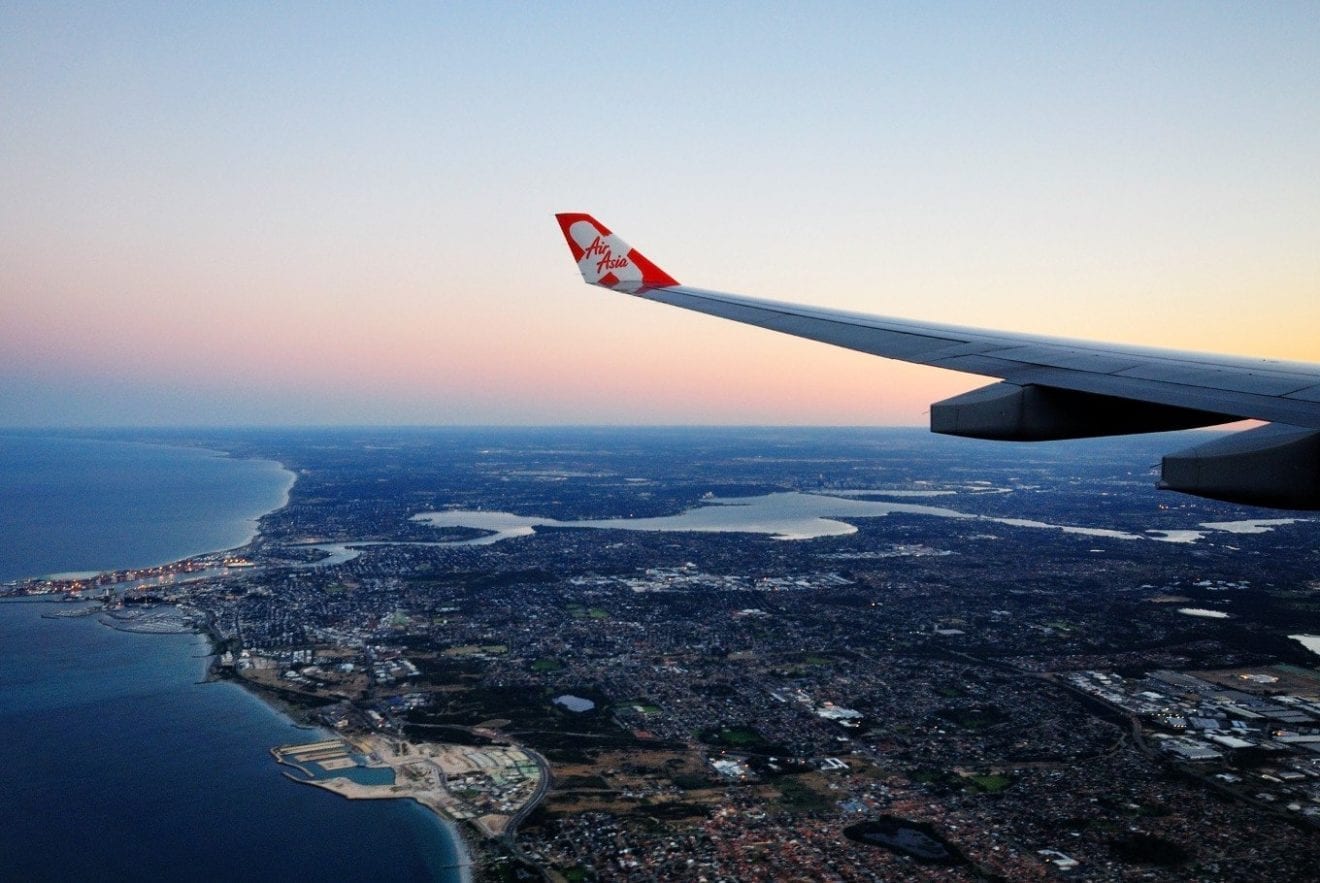
    The Malaysian High Court in Kuala Lumpur has ordered AirAsia and AirAsia X to pay operator Malaysian Airport Sepang (MA Sepang) MYR40.73 million ($9.9 million) in unpaid passenger service charges after ruling in favor of the national airport operator.

    The LCC was also ordered to pay MYR972,381 and MYR24,000 for late payment and lawsuit fees, respectively.

    In retaliation, AirAsia Group CEO Tony Fernandes took to Twitter and posted photos of beehives at the airport, as well as uneven parking aprons at Kuala Lumpur International Airport (KLIA) Terminal 2, known as KLIA2. Since moving to KLIA2 in 2014, AirAsia has been very unsatisfied with terminal design and facilities.

    MA Sepang, a subsidiary of Malaysia Airports Holdings Bhd (MAHB) first sued AirAsia and AirAsia X in December 2018 for unpaid passenger service charges after the former raised the charges from MYR50 to MYR73. AirAsia refused to charge its passengers the increased rate as it said the facilities at KLIA2 were sub-standard. The LCC later countersued MAHB in January 2019 for losses and damages incurred by both airlines because of operational disruptions at KLIA2.

    The High Court also dismissed AirAsia’s appeal against the Malaysian Aviation Commission for failing to mediate the issue between the two parties, as regulations stipulate.

    “We will continue to fight the battle on behalf of all Malaysians and travelers to Malaysia,” Fernandes said in his posts, adding he hopes MAHB will act like a partner.

  • Mainland China retail sales surge in June

    Mainland China retail sales surge in June

    Motor vehicles and the 6.18 shopping festival spurred a healthy increase in Mainland China retail sales in June.

    Official government figures show a 9.8 per cent year-on-year increase for the month, higher than the 8.6 per cent of May and 8.4 per cent for the first half year.

    Summer Wang, an equity analyst at Jefferies, said auto sales surged due to deep discounts on older models ahead of stricter State VI emission standards which took effect on July 1, and the 6.18 Shopping Festival  which drove cosmetics, jewellery and appliance sales. Small-ticket items like food and daily goods also outperformed.

    Urban Mainland China retail sales grew 9.8 per cent, ahead of the 8.3 per cent year-to-date figure, reaching RMB2.896 trillion (US$421 billion) in June, while rural retail sales grew by 10.1 per cent, ahead of 9.1 per cent for the half year.

    Cosmetics sales grew by 22.5 per cent, cars by 17.2 per cent and daily goods by 12.3 per cent.

    “We believe the beauty category is continuing to benefit from functional premiumisation, as consumers – both women and metrosexual men – are willing to pay a premium for a tangible improvement in appearance,” said Wang.

    “Most discretionary categories saw improvement as well, including gold and jewellery (up 7.8 per cent), home appliances (up 7.7 per cent) and apparel and footwear (up 5.2 per cent).”

    By channel, online retail goods sales kept momentum with a robust 21.6 per cent year-on-year growth during the first half of the year, accounting for 19.6 per cent of Mainland China retail sales.

  • Apple’s Tim Cook has a clear replacement

    Apple’s Tim Cook has a clear replacement

    August 24th marks eight years since Steve Jobs stepped down as CEO of Apple and Tim Cook assumed the position’s full responsibilities. The company has since more than doubled its market value and sold products to millions of customers across the globe. But with growth now slowing, Bloomberg suggests a clear successor to Tim Cook has begun emerging, even though the latter is unlikely to step down anytime soon Chief Design Officer Jony Ive was often considered to be the most important person at Apple after Tim Cook. But following the announcement last month that he was departing the company to start up.

    a design studio, this position appears to have been filled by Chief Operating Officer Jeff Williams who is currently seen as the perfect Tim Cook replacement. Speaking on the condition of anonymity, many current and former colleagues described Williams as a “modest, disciplined, demanding leader in the current CEO’s style.” Since taking over the role of COO – a title once held by Tim Cook – he has prioritized operational efficiency and worked closely with suppliers across the globe. Williams has also adopted a more hands-on role when it comes to product development and schedules weekly reviews for future products to track progress and brief CEO Cook of developments. These meetings are officially called New Product Reviews but some employees now call them “Jeff Reviews.”

    The COO, just like Cook, is very good at watching and listing to other employees. He has built up the reputation of being soft-spoken but when required, Williams isn’t afraid of asking sharp questions or insisting on further improvements until Apple’s standards are met. This is especially the case when it comes to the design teams. Williams “comes from the operations side, and the metrics being applied there often have very little meaning in design.” Because of this, he isn’t always as understanding when things aren’t up to scratch, although colleagues say he doesn’t quite have the temper of Steve Jobs. Back when Apple was developing AirPods, the executive purposely continued wearing wired EarPods until he was happy with the fit of their wireless counterparts to get his point across rather than creating a storm inside the company.

    Williams currently overseers Apple’s entire supply chain, fitness and health research and app development, AppleCare customer support, and the development of all hardware products including the next-gen iPhones. Before taking over as COO, however, Williams primary focus was the first Apple Watch which quickly became his biggest test at the company. Mere months before the original’s release in April 2015, some employees testing the wearable began reporting allergic reactions to the type of nickel Apple had used. This is a common issue in the watch industry but Williams chose to scrap the thousands of devices that had already been produced in favor of restarting production from scratch with a different metal.

    Around this time, the now-COO also had to deal with another issue regarding the company’s Taptic Engine. The feature, which was a priority for Williams and allowed the Watch to vibrate more quietly than the counterpart used inside phones, was prone to corrosion which ultimately led to long-term failure. Instead of shipping the wearables, Williams decided to gift the affected models to employees and fix the issue ahead of release.

    The move led to delays and made the Apple Watch difficult to find shortly after launch. Nevertheless, it avoided potentially defective units hitting shelves and was ultimately the right move for consumers.

    Over the past few years, Apple has completely transformed the way it operates with the help of Tim Cook. Product design used to be the priority but the company’s operations team now appears to be running the show and influencing every other department. According to a former senior Apple executive, Jeff Williams is “the closest thing at the company to Tim Cook, and you’ll get more of that. If you think Cook is doing a good job, then it’s a good choice.” Another person who knows him said, “Jeff is 95% operations and 5% product.”

    This strategy has worked incredibly well for the company over the past few years but, with growth slowing, many now wonder if it’s sustainable. Michael Gartenberg, a former Apple marketing executive, believes “one doesn’t necessarily need a visionary as CEO of Apple as long as there’s a visionary in the company that the CEO can work with. had Jony Ive. The question is, with Ive gone, who is the visionary at the company that can guide the next big thing?”

  • Apple reportedly is close to buying Intel’s modem chip business

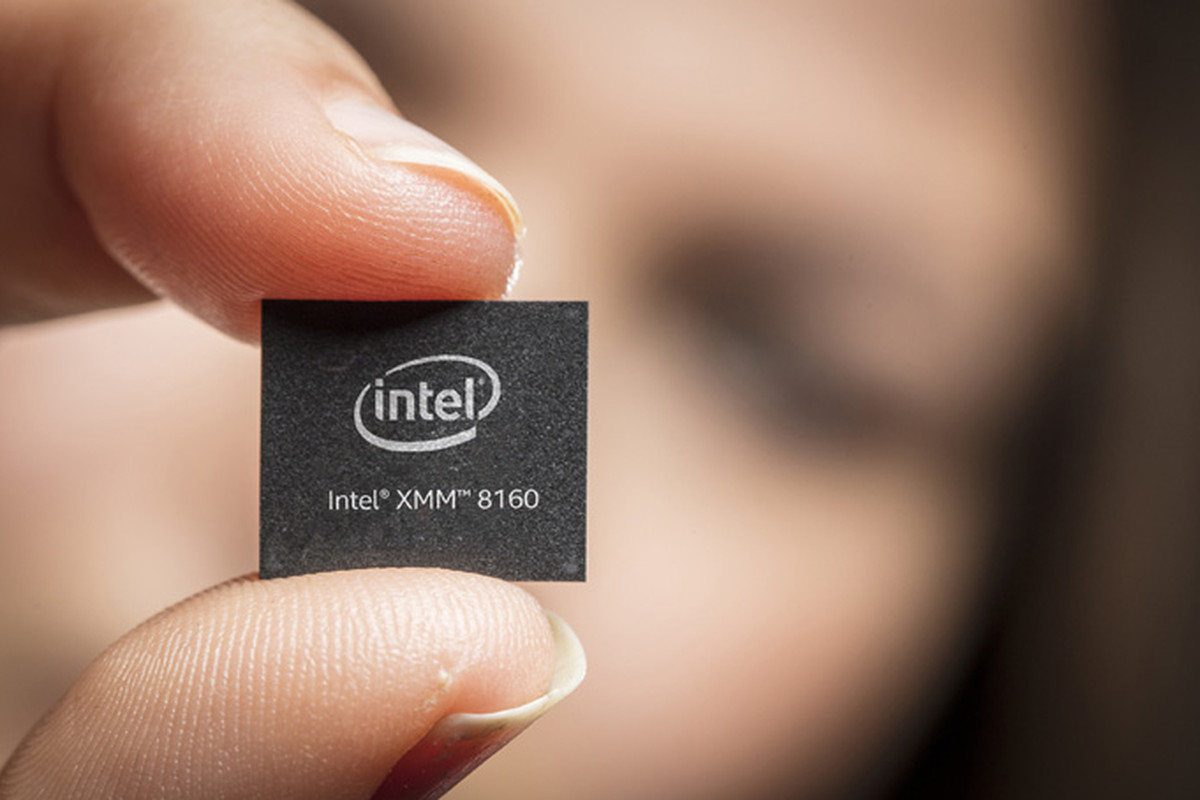
    Apple reportedly is close to buying Intel’s modem chip business

    By April of this year, Apple was desperate. It was embroiled in a fight with Qualcomm that was playing out in numerous lawsuits including one that was taking place in San Diego with billions of dollars at stake. With Qualcomm apparently unwilling to sell it 5G modem chips, Apple was relying on Intel, the company that supplied it with the 4G LTE modem chips used on the 2018 iPhones. But there were questions about whether Intel could deliver a 5G modem chip in time for Apple to release a 5G iPhone by 2020.

    On April 7th, Intel said that it would be able to supply Apple with its 5G modem chip in time for the first 5G iPhone to be launched next year. But just nine days later, while closing arguments were taking place during the trial in San Diego, a blockbuster announcement was made; Apple agreed to pay Qualcomm an undisclosed amount (believed to be $4.5 billion) and in return Qualcomm gave Apple a six-year license (with an option for two additional years) and a multi-year chip supply agreement. All lawsuits were dropped. Intel could see which way the wind was blowing and later that same day, the chipmaker announced that it was quitting the 5G smartphone modem business. And last month, the rumors started about Apple buying Intel’s smartphone modem business. Such an acquisition, if completed, would help Apple achieve its goal of producing its own modem chips.

    The talks between Apple and Intel have heated up to the point where they are now classified as “advanced.” The deal, said to be valued at $1 billion or more, could be announced as soon as next week. This would be a big transaction for Apple as the company usually makes small purchases. For example, in 2012 Apple bought biometrics firm AuthenTec for $356 million and Touch ID debuted a year later on the iPhone 5s. In 2015, Apple paid a reported $20 million for imaging firm LinX. The acquisition helped Apple immediately step up its camera game.  The most money that Apple has ever shelled out to buy another company was the $3 billion it spent to buy Beats Audio in 2014. While most of these deals had almost immediate payoffs for Apple, even with Intel’s smartphone modem chip business, it might not be until 2022 or 2023 before Apple is able to be self-sufficient in this area.

    Apple has been hiring engineers, including some from Intel, and plans on opening an office in San Diego with 1,200 employees. If a deal is reached, Intel will be getting rid of a business that has been losing $1 billion a year. And while it will no longer be producing chips for smartphones, it will still work on 5G based components for other devices. Meanwhile, Apple is looking to move in-house as much of the iPhone’s supply chain as possible. Last year it spent $600 million to purchase facilities and engineers from Dialog Semiconductors so that it could start producing internally the battery-management chips that it had been buying from Dialog in the past.

    While Apple appears to have this deal locked up, when Intel first announced that it was exiting the business, it received indications of interest from other companies. Should Apple and Intel fail to come to an agreement, another buyer could step in to take Apple’s place. Meanwhile, investors rightly regard this as potentially bad news for Qualcomm. When the story broke after the 4 pm EDT close of the NYSE, Qualcomm’s shares dropped 1.8% to $74.55.

    If Apple ends up buying Intel’s smartphone modem chip business, it can easily afford it. After accounting for debt, Apple had $113 billion of cash available as of March 30th when its fiscal second-quarter came to an end.

  • Singapore’s CapitaLand Mall Trust boosts property revenue

    Singapore’s CapitaLand Mall Trust boosts property revenue

    CapitaLand Mall Trust (CMT), has achieved net property income (NPI) of S$273.3 million for the half year to June 30.

    That represents a 10-per-cent increase on the same period last year, boosted by the 100-per-cent contribution of Westgate, of which the trust acquired the balance 70 per cent interest during the fourth quarter of last financial year.

    Tony Tan, CEO of CapitaLand Mall Trust Management Limited (CMTML), which manages CMT, said the trust would receive a further boost from the second half of this year from the opening of the new Funan mall on June 28.

    “The contributions from Westgate and Funan are expected to anchor CMT’s steady financial performance while we embark on the rejuvenation of Lot One Shoppers’ Mall starting from the third quarter of 2019,” said Tan.

    “Proposed works include expanding the footprint of the public library to enhance the mall’s community focus and reformatting the cinema to house smaller screens that better serve moviegoers’ demands for variety.”

    Tan said that against a backdrop of a slowing Singapore economy, the trust remains cautious in its outlook.

    “Competition for the consumer wallet is expected to stay keen with the progressive opening of new malls, although the supply of new retail space is projected to taper off from 2020. As a proactive REIT manager, we will continue to review our portfolio for possibilities to create value through acquisition and development opportunities.”

    For the second quarter, CMT’s gross revenue and NPI rose 10.6 per cent and 10.2 per cent respectively year-on-year. The improvement in gross revenue was mainly due to the completion of the acquisition of the Westgate stake on November 1, which contributed $18.4 million to gross revenue. Funan’s reopening on 28 June 2019, after a three-year redevelopment, contributed $900,000 to the total gross revenue of the group. The increase was partially offset by lower gross revenue from Sembawang Shopping Centre, which was divested on June 18 last year.

    CMT owns and invests in 15 shopping malls, primarily in Singapore: Tampines Mall, Junction 8, Funan, IMM Building, Plaza Singapura, Bugis Junction, JCube, Raffles City Singapore (40-per-cent interest), Lot One Shoppers’ Mall, 90 out of 91 strata lots in Bukit Panjang Plaza, The Atrium@Orchard, Clarke Quay, Bugis+, Bedok Mall and Westgate. As at June 30, CMT owned 12.3 per cent of CapitaLand Retail China Trust.