Author: Mei Ling Tan

  • Toyota, BYD Team Up To Develop Battery EVs

    Toyota, BYD Team Up To Develop Battery EVs

    Toyota Motor said it would develop battery electric vehicles (EVs) and batteries with BYD Co Ltd, in a sign it was ramping up partnerships with Chinese players as planned to build affordable EVs for the world’s top auto market. In a joint statement, Toyota and the Chinese electric automaker said on Friday that they would develop sedans and sport utility vehicles, which would then be sold under the Toyota brand in China before 2025.

    Earlier this week, Toyota announced it was teaming up with China’s Contemporary Amerex Technology Co Ltd (CATL) to supply and develop batteries for lower-emission vehicles.

    Widely considered a late comer in embracing battery EVs versus rivals including Nissan, Toyota had flagged in June that it aimed to get half of its global sales from EVs, including gasoline hybrids, by 2025, five years ahead of schedule.But to meet this accelerated timeline, Toyota, Japan’s top automaker, would need more-than-expected batteries, prompting it to look beyond Panasonic Corp, its long-time partner in battery development, to secure supply.

    These measures come amid a breakneck growth in the zero-emission vehicle market, with tighter global emissions regulations expected to shift even more drivers away from gasoline engine vehicles in the coming decades. In China, Toyota is planning to launch its first battery EV, a version of its C-HR/IZOA compact crossover, next year.

  • Aston Martin’s Biggest Investor Offers To Buy Another 3% Stake

    Aston Martin’s Biggest Investor Offers To Buy Another 3% Stake

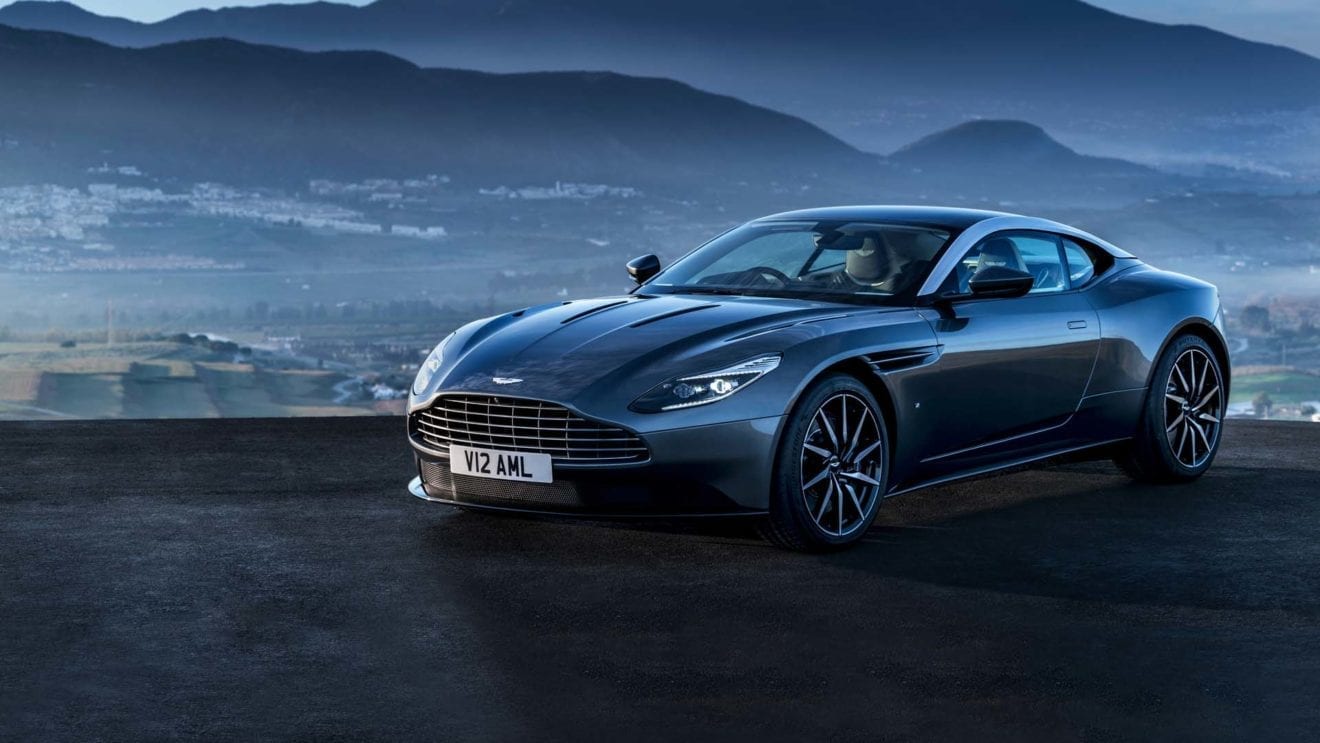
    The biggest investor in Aston Martin offered on Friday to buy another 3 per cent stake in the luxury carmaker, whose shares have slumped since listing last year. Strategic European Investment Group, part of the Italian private equity group Invest industrial, already owns 31 per cent of Aston Martin. It only wants to buy a maximum 3 per cent more, but has to make an offer to all shareholders due to its already large holding. It confirmed it is offering to pay 10 pounds ($12.53) per share.

    Aston Martin has struggled since it listed in October last year. Its shares, down 21 per cent so far this year, closed Thursday at 963 pence, valuing the business at 2.18 billion pounds.

    The company’s recent results have been hit by a need to invest more in its manufacturing plants and expand its vehicle offering, leading to higher costs.

  • Hyundai Mobis Builds Camera System To Replace Vehicle Side Mirrors

    Hyundai Mobis Builds Camera System To Replace Vehicle Side Mirrors

    South Korea’s largest auto parts maker Hyundai Mobis on Sunday said it has developed a camera monitoring system that will replace side-view mirrors in next-generation vehicles. With the advanced sensor technology, Hyundai Mobis has joined a couple of global future mobility developers and it aims to export the technology to carmakers, Yonhap news agency reported.

    Three high-performance camera sensors inside the vehicle will not only increase driving safety by significantly reducing blind spots, and but also improve fuel efficiency as side-view mirrors will be hidden inside the car, Hyundai Mobis said in a statement.

    “The paradigm shift to the future car is demanding both functional and design upgrades of all core components, which have been taken for granted until today,” Vice President Gregory Baratoff in charge of autonomous vehicle development at Hyundai Mobis said in the statement.

    The company will not only develop element technologies, like sensors and solutions based on them, but also the core parts portfolio that it has already secured in accordance with the future car era, he said.

  • Bali bakery Starter Lab to open in Singapore

    Bali bakery Starter Lab to open in Singapore

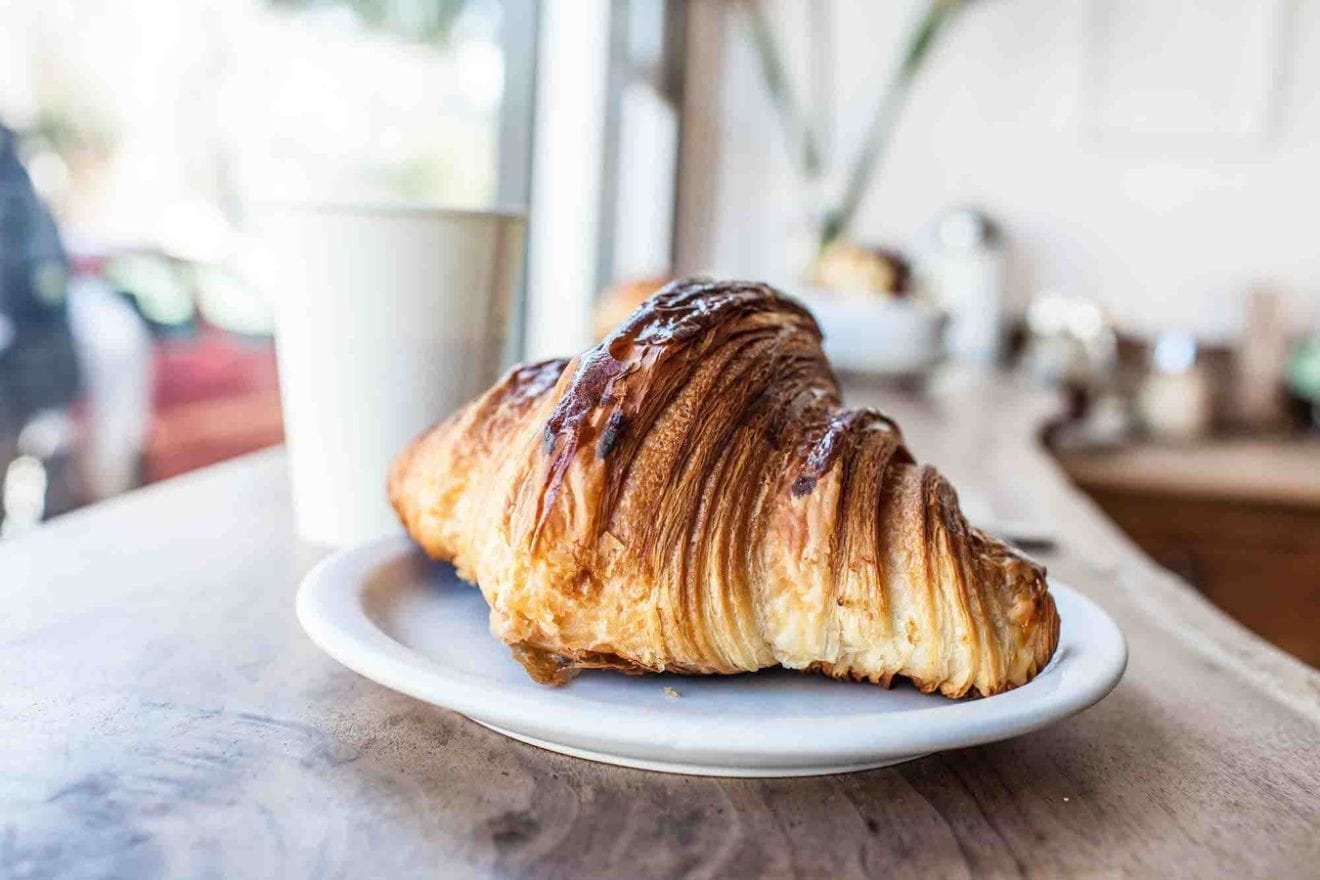
    Bali-based bakery Starter Lab is opening its first overseas branch in Singapore.

    Located at 721 Havelock Road, Singapore’s Starter Lab will be able to host up to 35 people around a communal table and bars, offering take-away coffee and bread.

    Its menu is expected to feature seven types of sourdough loaves each day, and flavours such as Rosemary Lemon and Sea Salt Sourdough, Garlic Confit & Parmesan, as well as Salted Egg & Curry Leaf.

    There will also be sandwiches and pastries on the menu, banana bread, scones and cookies.

    Starter Lab has already launched pop-ups in Singapore, including at Camp Kilo Charcoal Club.

    Founded by Emerson Manibo, who worked at NYC’s three Michelin-starred restaurant Per Se, Della Fattoria and Tartine Bakery, Starter Lab is famous for its American-style sourdough bread.

  • Positive outlook for Singapore retail leasing sector

    Positive outlook for Singapore retail leasing sector

    Ongoing investment-sale activity for malls suggests a positive outlook for the Singapore retail leasing sector, reports Edmund Tie & Company – especially for properties well connected to public transport and offering experiential and activity-based retail options.

    In a report Q2 2019 Real Estate Times for the Singapore market, the property company projects islandwide rental growth will be mixed, ranging from a 2 per cent decline to a 2 per cent increase this year. The low supply pipeline from next year onwards is likely to provide some underlying support to occupancy rates and rental levels.

    Investment market 

    For the second consecutive quarter, investment transaction value (of properties valued above S$100 million) jumped more than 52 per cent quarter on quarter with two transactions totalling $961 million. The largest sale was Chinatown Point for $520 million to a foreign institutional investor.

    The net supply of space fell by about 78 per cent as fewer projects were completed. As such, islandwide occupancy declined slightly by 0.4 percentage points to 90.1 per cent in the first quarter, however, the opening of Funan mall with 325,000sqft net lettable area – with 95 per cent of space pre-leased – is not expected to significantly impact occupancy rates in the second quarter.

    Rental rates 

    Singapore retail leasing rates across the different market segments remained largely flat, as occupancy rates remained high for malls located in prime positions. Upper-storey retail in the Orchard Road/Scotts Road area likely fell slightly due to weakened tourist spending, while the prime malls in the suburban areas continue to attract major brand retailers and new-to-market brands.

    The net demand and supply for retail spaces in suburban areas slowed in the first quarter, with the occupancy rate down marginally.  Prime-located malls with easy transportation access and a diverse and well-managed tenant mix continued to perform relatively well.

    New openings included Cafe Amazon outlets at Jewel Changi and Jurong Point Shopping Centre, and Xing Fu Tang (a Taiwanese bubble tea chain) opened a permanent store at Century Square in the second quarter.

    New space supply pipeline 

    From the third quarter of this year through to 2022, some 1.1 million sqft of retail space is expected to come onstream, with the majority of that to be completed in the second half of this year. The largest will be the Paya Lebar Quarter mall of about 313,000sqft.

    The average annual pipeline of known projects from next year through to 2022 is less than 150,000sqft, which is substantially below the three- and five-year average.

  • SMCP launched Sandro on Farfetch

    SMCP launched Sandro on Farfetch

    Fashion group SMCP is to launch its Sandro brand on Farfetch. The Chinese-controlled, French-based affordable luxury retailer says the 13 million-plus clients per month around the world that Farfetch attracts will be an ideal partner to enable Sandro to address a wider, premium customer base.

    “We are delighted with this new partnership with one of the major digital players of the luxury sector,” said Sandro CEO Isabelle Allouch.  “We are convinced that having our products on Farfetch will contribute to Sandro’s digital expansion across the globe, positioning it as a high-end luxury brand and enhancing its worldwide visibility and awareness.”

    She said the partnership marks a key milestone in the global roll-out of SMCP’s digital strategy, bringing together online and offline shopping.

    “It perfectly complements the group’s growing digital presence alongside the successful global deployment of our own websites, and further diversifies its digital sales channels, enabling the group to reach more than 190 countries across the world.”

    The partnership comes just three months after the announcement of a landmark partnership with JD.

  • Taiwan’s Crowd-pleasing KiKi Noodle Bar Launching in Hong Kong at IFC Mall

    Taiwan’s Crowd-pleasing KiKi Noodle Bar Launching in Hong Kong at IFC Mall

    Taiwan’s famed KiKi Noodle Bar (KiKi Tea) is launching in Hong Kong in late-July at ifc Mall in Central. In collaboration with renowned Hong Kong hospitality group Lai Sun Dining, the brand expands internationally to Hong Kong following last year’s phenomenal successful debut in Taipei – endorsed by celebrities including superstar actress Shu Qi.

    The Hong Kong flagship also opens hot-on-the-heels of a Shanghai branch last month.

    International expansion of dedicated KiKi Noodle Bar (KiKi Tea)branches builds on the Hong Kong success story of the brand’s iconic sun-dried KiKi Noodles, handmade from just flour and water, popular for being 100% natural and healthy, and authentic Taiwanese tea and bubbles sensation KiKi Tea.

    To celebrate the Hong Kong launch, Michelin three-starred Chef Albert Au Kwok Keung has created two exclusive KiKi noodle dishes complementing the brand’s menu of signature dishes and KiKi teas.

    Chef Au’s adaptation of KiKi’s popular sun-dried, handmade noodles is showcased with KiKi Meat Dumpling Mixed Noodles, Scallion Oil; and classic Chinese favourite, Abalone and Fish Maw Noodles in Chicken Soup.

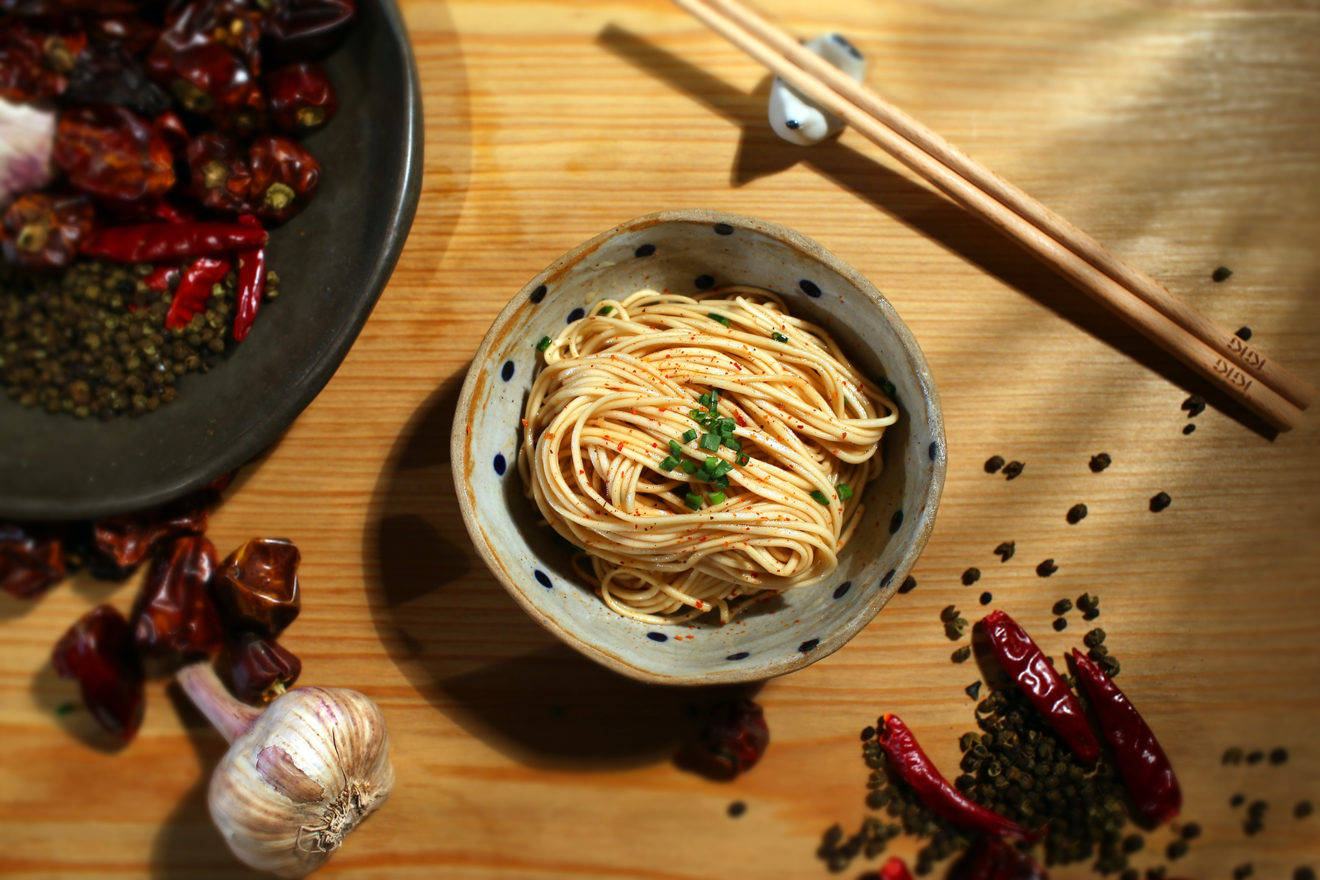
    Signature dishes at KiKi Noodle Bar (KiKi Tea) meanwhile include ‘instagrammable’ crowd-pleaser Stir-fried Minced Pork Mixed Noodles with Chive Flowers and Fermented Black Bean, with black beans sprinkled atop to mimic fly heads, mixed with crunching chive flowers, chili and savoury stir-fried minced pork; Sichuan Spicy Tofu Noodles in Soup, Duck Blood and Sliced Pork packing a punch of spice; and comforting classic KiKi Dan Dan Noodles.

    Complementing dishes is a KiKi Tea menu of bubble-teas brewed from a traditional Taiwanese recipe, headlined by classic favourites such as refreshing Pineapple Green Teapresso; and Winter Melon Tea, pairing with Sichuan-pepper-flavoured “pearls” and fluffy cream mousse.

    To celebrate the ifc Mall opening, new tea specialties to beat the summer heat are also to be unveiled. Peach Oolong Tea topped with Mango Cream Mousse and Coconut Jelly is made with signature Taiwanese Irwin mango, for distinct sweetness and refreshing taste; and Winter Melon Tea, Aiyu Jelly and Coconut Jelly  is inspired by Taiwan’s favourite summer cooler, winter melon tea.

    The sweet craze extends to classic tea-style desserts including Earl Grey Chiffon Cake with Brown Sugar Pearls and Chestnut Mont Blanc. 

    KiKi Noodle Bar (KiKi Tea) seats 32 over around 700 sq ft on Podium Level Two of ifc Mall. Interior design is in neutral and rustic colour for a sense of Zen courtyard minimalism as a restful haven in the heart of Central.  Communal oak tables foster a sense of warmth encouraging customer interaction.

    A pre-opening promotion is launched at KiKi Tea @ Sun’s Bazaar at Pacific Place mall offers diners spending at least HK$500 vouchers worth HK$50 to spend at the new KiKi Noodle Bar (KiKi Tea) at ifc Mall.

  • Beiersdorf’s Best-Selling Brands Record Over 300% YoY Sales Growth on Shopee

    Beiersdorf’s Best-Selling Brands Record Over 300% YoY Sales Growth on Shopee

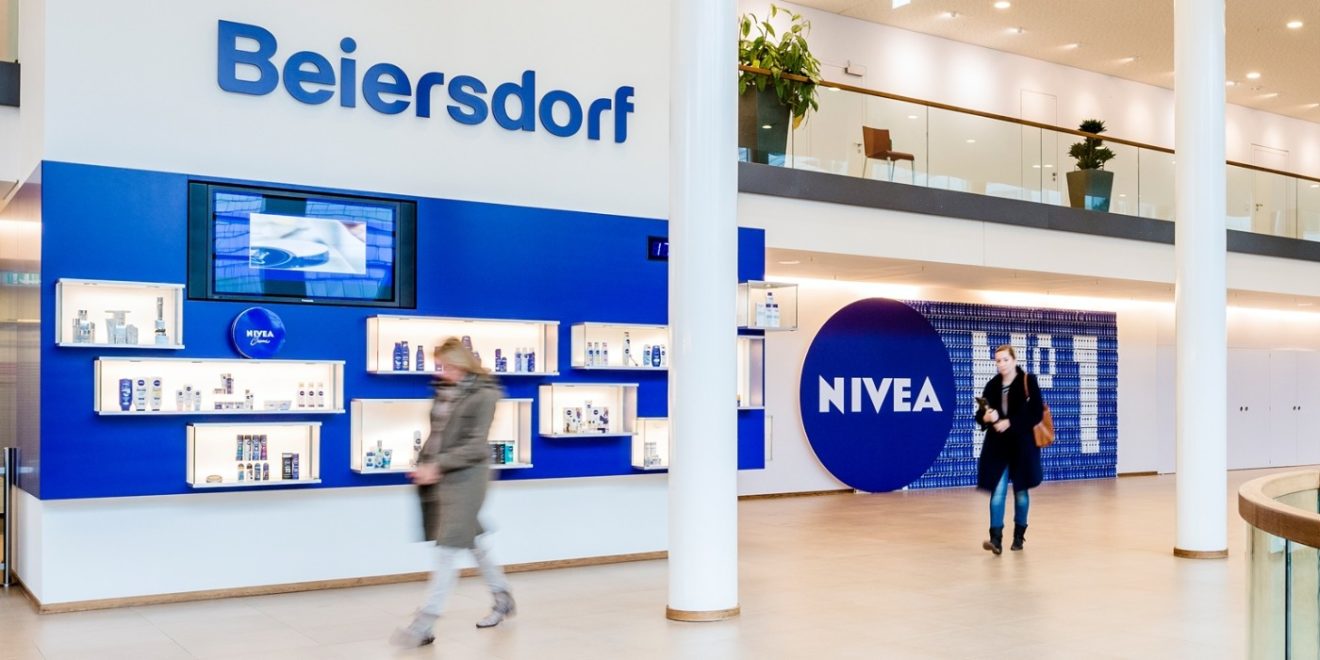
    Shopee, the leading e-commerce platform in Southeast Asia and Taiwan and Beiersdorf, a global skin care company, cement their long-term regional partnership with the launch of a brand new campaign, ‘Win the Day with NIVEA and EUCERIN’, engaging close to over 200 million users across the region.

    This comes on the back of Beiersdorf’s 1st anniversary with Shopee. Sales of Beiersdorf’s top brands, NIVEA and EUCERIN, across Southeast Asia increased by more than 300% year-on-year, demonstrating Beiersdorf’s successful foray into e-commerce and Shopee’s commitment to deliver the best outcomes for brands.

    Cornelius Becker, Managing Director of Beiersdorf South East Asia said, “The past year with Shopee has been a resounding success. We have seen a significant boost in sales and our partnership with Shopee has helped to strengthen our overall online presence as well as reach out to new consumer segments. With that, I am happy to announce our new campaign ‘Win the Day with NIVEA and EUCERIN’, providing customers easy access to our most-loved products.”

    A champion in empowering brands and sellers across Southeast Asia, Shopee provides Beiersdorf key operational and marketing solutions to drive sales and bolster consumer engagement. This includes exclusive in-app branding to boost brand image and visibility, as well as in-app consumer games to give shoppers an entertaining online shopping experience.

    “Our continued partnership with Beiersdorf is a demonstration of our commitment to bring consumers the quality products they seek, and to elevate the user experience through exciting and meaningful features. Such partnerships are vital to us as consumers today increasingly look towards online platforms such as Shopee to access their favourite brands and products,” said Ian Ho, Regional Managing Director, Shopee.

    The campaign, “Win the Day with NIVEA and EUCERIN”, aims to help consumers, especially the younger consumer segment, kick-start a daily skin care regime to help protect their skin against various problems and to ultimately boost one’s confidence. Consumers are able to purchase a wide variety of products including moisturisers, face cleansers and deodorants. Highlights of the campaign include:

    • Discounts and Promotions: Enjoy 25% off all NIVEA, EUCERIN and Hansaplast products. Get $5 off $25 and $8 off $40 vouchers.
    • Daily Prize Giveaways: Free travel size NIVEA Professional Micellar Water (125ml) with every purchase
    • Skincare Pro-Tips: Look forward to daily skincare pro-tips, great for those new to a skincare routine or for anyone who simply wants to know how to take better care of their skin.

    All NIVEA and EUCERIN products can be found via the Beiersdorf Official Store on Shopee, under Shopee Mall, which offers 15-days free returns, 100% authenticity, and free shipping on orders over $25.

  • Lenovo Experience Store opens in Singapore

    Lenovo Experience Store opens in Singapore

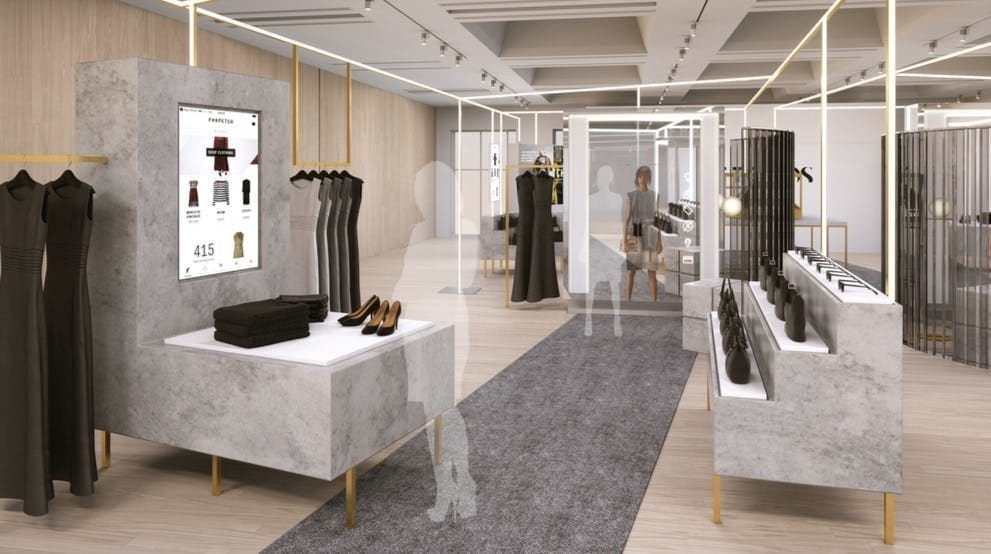
    Lenovo has opened an Experience Store opens at Singapore’s Funan mall, offering an online-to-offline experience.

    The 4500sqft store has dedicated areas for product showcases, workshops and pop-up events.

    “The opening of our new flagship store, together with the launch of the four new devices, embodies our Intelligent Transformation strategy to bring a new experience to our customers in Singapore,” said Eddie Ang, Lenovo Singapore’s country GM.

    “We hope this Lenovo Experience Store will be a platform, where we can continue to build meaningful relationships with our customers and provide them with new and engaging ways to experience our brand.”

    Smart Retail is applied by using solutions to track footfall analytics and optimization. The data captured can map areas frequented by customers and calculate the average amount of time spent at each. This can help in planning the positioning of store employees to provide assistance.

    In-store cameras and product webcams that capture facial expressions will help in understanding customer preferences and their reactions to the various products. Analyzing the data can also showcase demographic trends among customers and assist stores to push targeted content that is relevant.

    Self-service kiosks will be available in-store to drive automation and free up employees to provide personalized services, where required.

    Products are also tagged with radio-frequency identification tags, supplying store employees with inventory information right at their fingertips through their hand-held tablets.

  • Lotte Duty Free online sales up

    Lotte Duty Free online sales up

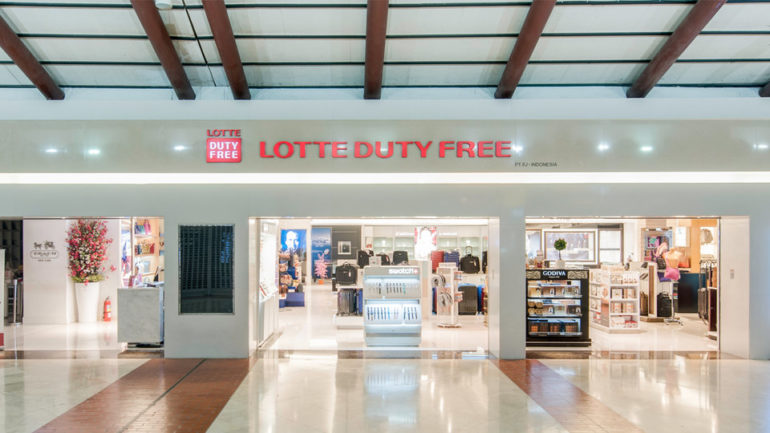
    Online store sales at Lotte Duty Free (LDF) increased by 49 percent year on year to KRW1.4 trillion (US$1.85 billion) during the first half of this year.

    The firm is targeting total online sales of KRW2.9 trillion ($2.46 billion) by the end of the year, following around KRW2 trillion in sales last year – an increase of 46.3 percent over 2017 results. It welcomes an average of 5.4 million active users per month on its retail platform and is on track to take in 30 percent of its total revenues from online sales within five years.

    LDF’s online store offers roughly 87,000 products from almost 2000 brands, around 324 of which are Korean-industry-exclusives such as Filorga, Eve Lom, S. Maria Novella, Barbour, Dr. Martens, Crocs, Joseph&Stacey, Primage, and Lucky Chouette.

    According to the firm, it is the only online duty free operator supporting four languages – Korean, English, Japanese, and Chinese (both simplified and traditional). The addition of traditional Chinese characters in September last year contributed to a 291 percent boost from countries using the character set, including Taiwan, Singapore and Hong Kong.

    The online platform has recently introduced several measures to improve its online services. It monitors real-time congestion levels at its Incheon Airport pick-up counters and has recently relaxed conditions for online VIP membership. The firm has also been conspicuously targeting a younger market with partnerships with other online platforms – supermarket Market Kurly and fashion retailer W Concept – popular with that demographic. Lotte also markets throughout its subsidiary platforms via other Lotte-branded online services.

  • Hong Kong protests affect Richemont sales

    Hong Kong protests affect Richemont sales

    Protests in Hong Kong have likely contributed to an unexpected drop in revenues for Richemont sales in a key luxury market.

    The Cartier timepiece brand owner saw a 2-per-cent drop in sales in the last quarter and experienced a 3.9-per-cent fall in its stock price.

    The effect has not been across the board within the luxury sector: competitors Burberry and Swatch announced positive results for the period, although Swatch did also note the impact on sales following the highly publicized protests.

    Part of the difference in results lies in a recent inventory glut for Richemont over the past two-to-three years, compelling the firm to buy back unsold products from the market. According to the firm, the measured distribution tactics are intended to make its products scarcer, and that its new watches will be released in the next quarter.

    Shipments of Swiss watches to Hong Kong dropped 27 percent in June, averaging 6.6 percent for the first half. The decline corresponds with a general drop in Swiss watch exports, which fell 11 percent in June, partially set off by a boom in the mainland Chinese luxury industry, shifting sales away from Hong Kong where margins are typically higher due to lower taxes.

    Boosted sales on the mainland did help Richemont post a 9-per-cent rise in comparable revenue for the quarter to June 30, offsetting the effect of the Hong Kong protests.

  • Apple is working hard to avoid iPhone 12 leaks next year

    Apple is working hard to avoid iPhone 12 leaks next year

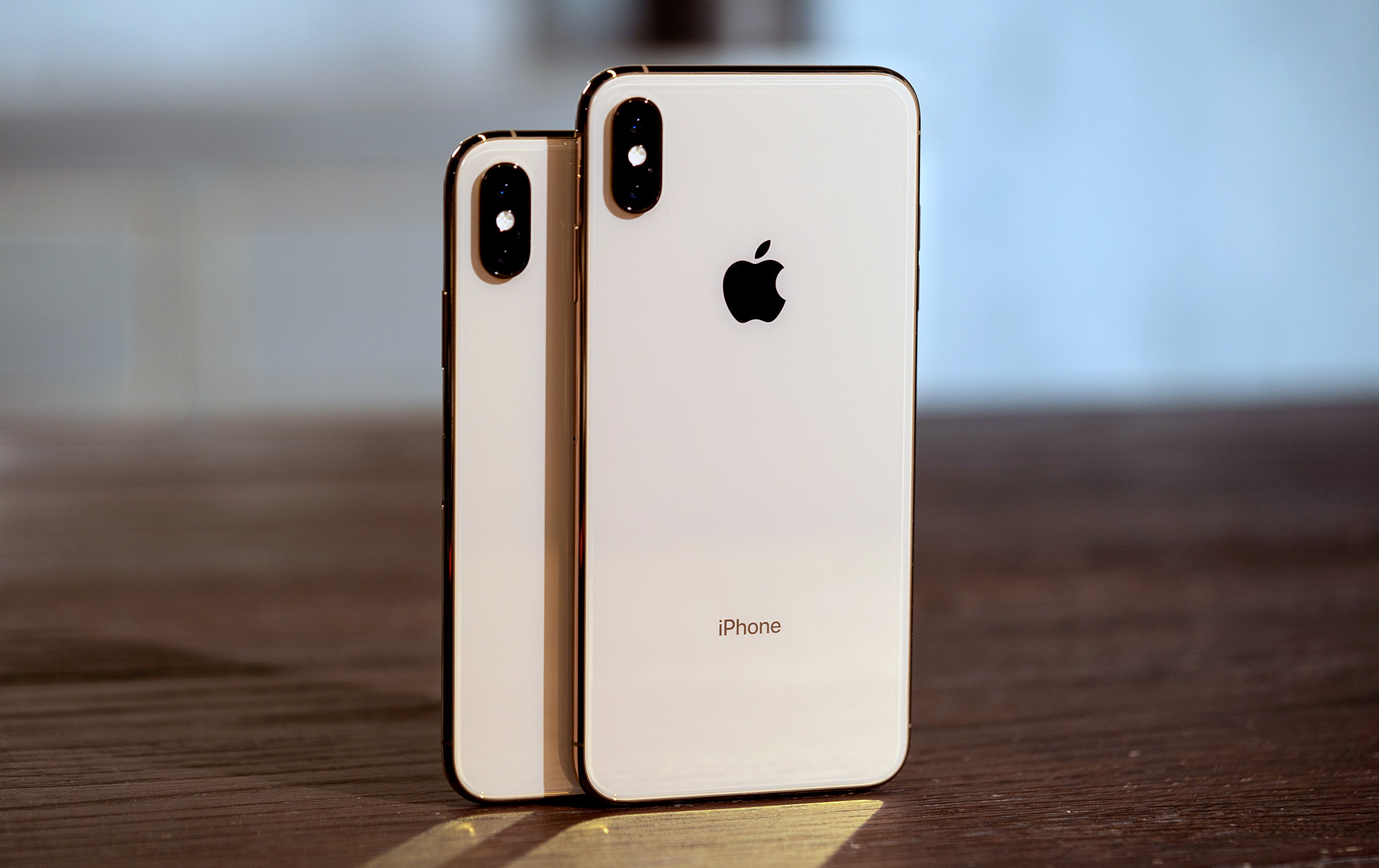
    Some companies embrace leaks completely while others use them as a marketing tool. Apple, on the other hand, belongs to a separate group of entities which absolutely hates leaks and ultimately takes them very seriously. Now, according to a report by The Information, the Silicon Valley-based brand is ready to move its leak prevention measures to the next level.

    Although Apple has always taken leaks very seriously, things took a drastic turn six years ago in the summer of 2013. Just months before the iPhone 5c’s official debut, thousands of shells for the smartphone were stolen out of a Chinese factory by an employee. The latter was helped by a security guard who helped him avoid security cameras while he drove a large truck out of the building.

    The incident apparently forced Apple to buy back a whopping 19,000 stolen iPhone 5c enclosures in a bid to avoid a stream of leaks. This wasn’t enough, however, as the components soon appeared online and revealed the smartphone’s design in the process.

    As a direct result of it all, Apple created the New Product Security Team soon after. Referred to more commonly as NPS, the team of people monitors security at Apple’s global suppliers and ultimately tries to put a stop to leaks, something it has done pretty successfully. In 2014, the company reported 387 stolen iPhone enclosures but this number quickly dropped to 57 the following year and then to just four in 2016. In one instance, NPS uncovered an attempt by factory employees to build a tunnel and smuggle out components.

    In recent years, more leaks have originated from inside Apple’s Cupertino headquarters than from international suppliers. This has allowed the company to reduce the size of its NPS team slightly and instead subcontract some of the work to others. Nevertheless, Apple is now facing an entirely different issue.

    As Apple and other companies have gradually gained more control over physical component leaks, electronic leaks have become noticeably more frequent. Schematics and CAD-based render often provide a glimpse at upcoming smartphones months ahead of their debut, but things undoubtedly reached a new peak for Apple this year.

    Just four months after the iPhone XS was released and a whopping eight months ahead of the next iPhone’s announcement, tipster Steve Hemmerstoffer got his hands on files which showcased both the iPhone 11 and a separate prototype. The flagship’s design is yet to be confirmed officially but the leak is undoubtedly one of Apple’s biggest and most premature yet.

    In light of this, Apple has now shifted resources to preventing digital leaks. It has a team inside its headquarters leading the efforts but has also set out a number of guidelines for suppliers which it refines whenever necessary. For example, physically separate computer networks must be operated by suppliers at all times. Additionally, CAD files are present within a secure, additional network which is present within the first. Apple also watermarks all files to discourage screenshots. Other measures include the ban of all public email services and third-party cloud services such as Google Enterprise and Dropbox.

    In the event that a leak was to occur, the supplier responsible for it must reimburse the company to the tune of $25 million and cover any costs related to the investigation. Because of this, certain suppliers have introduced upgraded security equipment including facial recognition cameras, new security cameras, and extra security guards. Interestingly enough, though, Foxconn’s current contract with Apple means it can’t be fined.
  • East Creative expands further into APAC with investment

    East Creative expands further into APAC with investment

    Australia-based Fusion Group has taken a majority stake in the Tokyo and Hong Kong based brand and communications Agency, Eat Creative.

    The Tokyo-based agency will become part of the Fusion group expanding its capabilities and reach across the APAC region.

    Founded in Tokyo 2000 by Alison Jambert, Ayako Chujo and Steve Martin, Eat provides consultation and creative strategy for global companies looking to engage in the Japanese and broader Asian markets, as well as Japanese brands looking to communicate more effectively on the International stage.

    “The growth of Asian economies is phenomenal, and there has never been a greater need for brands to communicate their stories creatively and intelligently cross market and cross culture. We’re excited about our relationship with Fusion, which will allow us to expand the range of services we can provide our clients, wherever they are based in the region.” said founder and ECD Steve Martin.

    Fusion group has enjoyed 14 years of solid growth and today combines 10 leading agencies with global reach and procurement capabilities. With its ambition to transform the retail experience, the group’s services range from strategic intelligence, brand consultation and creative strategy to localised marketing solutions and execution. Today’s announcement brings Fusion another step closer to providing a consolidated service offering for businesses across the APAC region. “We’re excited to have Eat join the Fusion family. Broadening our international reach ensures we are always at the forefront of global retail trends and that our clients receive the benefits of an exceptionally diverse and innovative team who can think locally, yet scale across the region” said Simon Norman, CEO and founder of Fusion.

    The Eat directors will maintain their current roles within Eat as well as taking on leadership positions within the group, reporting directly to CEO Simon Norman, and contribute to the Fusion’s regional expansion. Eat Creative retained Hong Kong based SI Partners as advisors on the transaction.

  • Porsche To Use Holoride’s Virtual Reality Tech To Keep Rear Passengers Entertained

    Porsche To Use Holoride’s Virtual Reality Tech To Keep Rear Passengers Entertained

    Porsche has collaborated with Munich-based entertainment firm Holoride to come out with a special Virtual Reality (VR) based entertainment device for rear passengers. Recently unveiled at the Start-up Autobahn Expo Day, the immersive virtual entertainment tech uses a VR headset with sensors, which is paired to the vehicle so that its content can be adapted to the car’s driving movements in real-time. With this new tech, the German luxury and sports carmaker is trying to show what entertainment could be like in the future for the backseat passenger in a Porsche.

    How this device essentially works is, suppose the car is being driven around the curve, the virtual vehicle that the passenger is traveling in, let’s say, for example, a space shuttle, will also change direction. The company says that this results in a highly immersive experience, which significantly reduces the symptoms of motion sickness. Although still in prototype stage, Porsche says In future, the system will also, for example, be able to evaluate navigation data to adapt the length of a VR game to the calculated duration of the journey. This technology can be used to integrate other entertainment services such as watching a film or even virtual conferences, the applications are many. Also, as Holoroid has an open platform approach, car manufacturers and content producers can customize the content to adapt to driving time, motion, and context.

    Nils Wollny, CEO of Holoride founded the entertainment tech start-up at the end of 2018 with his partners, Marcus Kuhne and Daniel Profendiner. Using the Start-up Autobahn platform, the up-and-coming company has now shown that their “holoride” software works seamlessly with manufacturers’ vehicle data for motion-synchronized, real-time generation of virtual reality (VR) and cross-reality (XR) content.

    Porsche will have the new VR technology on display and to experience at the upcoming Frankfurt Motor Show, from September 20, 2019. Under the motto “Next Visions. Change the Game – Create tomorrow”, Porsche is inviting innovators and partners to the motor show to discuss the future of mobility.

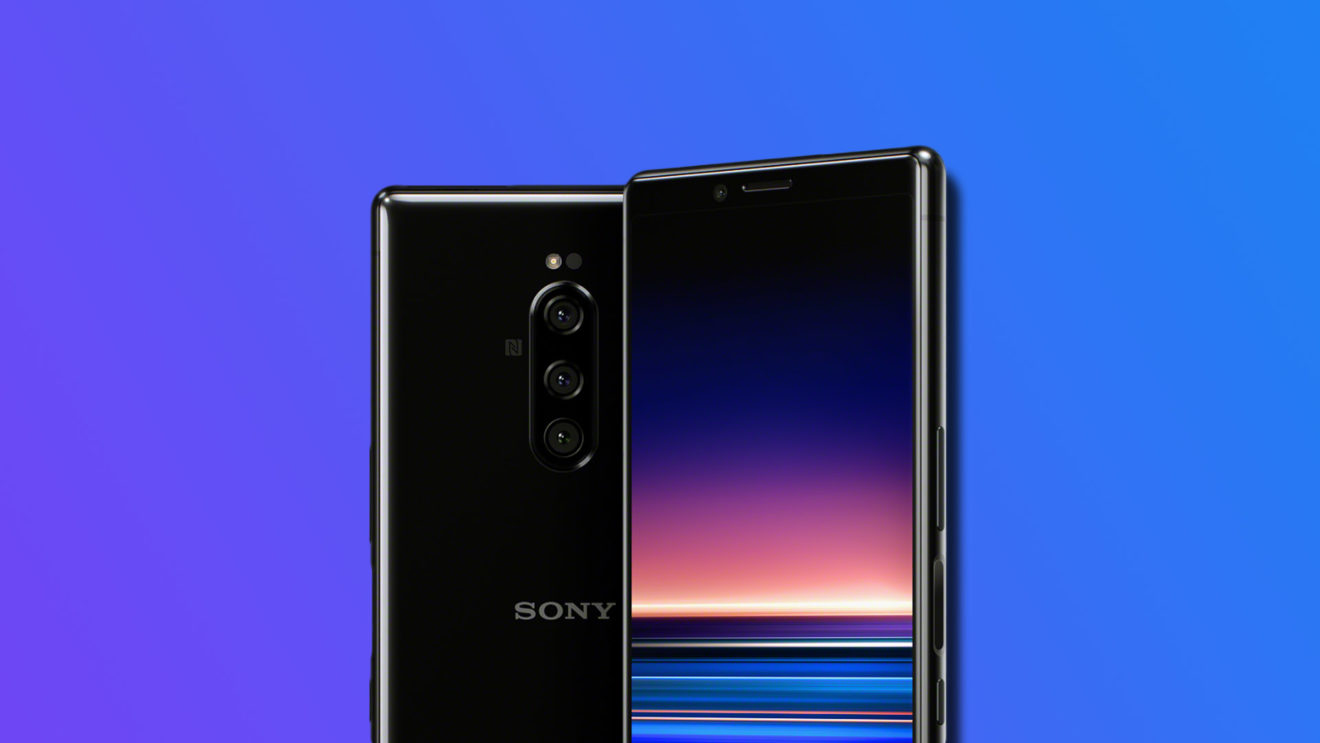
  • The Sony Xperia 1R could launch as the world’s first 5K phone

    The Sony Xperia 1R could launch as the world’s first 5K phone

    Sony announced the Xperia Z5 Premium in September 2015 as the world’s first 4K smartphone. It followed the achievement up with the Xperia 1 this February which debuted with the world’s first 4K HDR OLED display. Now, reports suggest Sony could be preparing the world’s first phone with a 5K panel.

    As indicated by a new user agent profile, an upcoming Sony smartphone with the model number J8220 sports a 21:9 display with a massive 5K (5040 x 2160p) resolution. The current-gen Xperia 1, for comparison, boasts a 4K (3080 x 1664) front panel that ultimately offers 70% less total pixels.

    The device in question appears to be the Xperia 2 which was rendered months ago. But according to leaked information, it won’t be sold under that name. Sony plans to market the phone as an upgraded, more compact version of the Xperia 1 dubbed the Xperia 1R. The latter will reportedly use a slightly smaller 6.1-inch display rather than the 6.5-inch panel featured on the current model. This, combined with the higher resolution, means Sony’s Xperia 1R should offer an incredible pixel density of 899 pixels-per-inch. For reference, the Xperia 1 offers a density of 643ppi and even HTC’s Vive Pro VR headset only offers 615ppi.

    The Sony Xperia 1R’s display could very easily be considered overkill if the company’s simply aiming to achieve a more impressive spec sheet. But with VR continuing to grow and Sony itself being very invested in the market through its PlayStation brand, it’s certainly possible the company has some VR-focused gaming implementations up its sleeves to help justify the higher resolution.

    Despite having potentially one of the best smartphone display around, Sony needs to fit its Xperia 1R with a high-end processor to make it truly worthy of the ‘flagship’ title. The standard Xperia 1 features Qualcomm’s Snapdragon 855 which makes it the most logical choice for its follow up. However, if Sony’s next smartphone does include some VR-focused features, perhaps the Snapdragon 855 Plus will be chosen instead.

    Qualcomm’s latest chip was announced earlier this week and will be first used inside the Asus ROG Phone 2. It promises to “raise gaming to the next level” with the help of a 15% increase in Adreno 640 GPU performance and a slight clock speed bump from 2.84GHz to 2.96GHz. As standard, the chip is coupled with a 4G LTE modem, but if manufacturers wish to do so, a separate 5G modem can be added.

    Paired with the processor should be a minimum of 6GB of RAM and 128GB of storage, although an upgrade to 8GB of RAM and 256GB of storage certainly wouldn’t be surprising. Curiously, previous leaks have pointed towards the presence of a tiny 3,200mAh battery inside the Xperia 1R. This is far from confirmed yet but it would certainly be disappointing considering the poor battery life results it’ll likely create as a result of the high-resolution display.

    The Sony Xperia 1R is expected to go official in early September at IFA 2019 in Berlin. If the company’s previous releases are anything to go by, Xperia 1R pre-orders are unlikely to kick off until the end of the month before a release in early October.

    Sony could surprise everybody by shortening the time between announcement and release in a bid to beat Apple’s iPhone 11 series to market and attempt to steal some of Samsung’s Galaxy Note 10 sales. But considering the Japanese brand appears to have been carving out its niche in the market, this is unlikely to happen.