Author: Mei Ling Tan

  • Fast-food chain Jollibee Plans China Rollout

    Fast-food chain Jollibee Plans China Rollout

    Filipino fast food chain Jollibee may open its first location in China within the next five years.

    The firm already has a presence in the territory, where it operates the Dunkin’ Donuts franchise. It also operates eight stores in Hong Kong.

    JFC president and CEO Ernesto Tanmantiong told that the firm is currently looking for a location where there is a high Filipino population, with a view to attracting the local market afterwards.

    “We build the base and slowly cross over to the mainstream market, which is the local market,” said Tanmantiong. “We have done that successfully in Hong Kong and in Singapore.”

    The firm took legal action against a copycat restaurant in China, JoyRulBee, earlier this year.

    Jollibee will open its first store in Rome and Spain shortly while exploring other markets.

  • Decathlon Vietnam opens it’s Very first Store

    Decathlon Vietnam opens it’s Very first Store

    Decathlon Vietnam has opened its first store, at Vincom Mega Mall Royal City in Hanoi. Located on level B1, the store spans 4300sqm, offering more than 14,000 items covering 70 sports for all levels of player.

    Prices meet the market for local customers, such as a VND63,000 (US$3) backpack, or a US$10 tennis racquet.

    Customers can also test products designed for activities like hiking, jogging or basketball at the store before making a purchase.

    “We want our customers to feel satisfied when choosing Decathlon,” said Manu Pirenne, Decathlon Vietnam’s Hanoi CEO.

    “We are willing to exchange to new products or refund if our customers are not satisfied, within six months. Decathlon also has an at least two-year warranty on all products.”

    The second store which spans 2600sqm will be opened in Ho Chi Minh City on May 25, at Aeon Tan Phu.

    Decathlon Vietnam launched as an online-only store, with several Collect Points located in Ho Chi Minh City and Hanoi.

    To cut the prices, the company has set up its factory in Thai Binh province, and partnered with more than 100 retailers and brands.

    Established in 1976, the France-based sports retailer now has 1513 stores in 53 countries.

    It opened the largest store in Singapore earlier this year.

  • Sagara launches online Store Concept

    Sagara launches online Store Concept

    Tableware firm Sagara Inc has opened a global website after setting up a retail store in New York to market its environmentally conscious tableware for children.

    The firm’s Reale brand, made from a new bioplastic raw material blended with native Japanese bamboo, is being made available for the first time across North America, including the US and Canada.

    The company is scheduled to launch business-to-business and business-to-customer online sales in the territory next month, starting with sales through major department stores as well as retail outlets, online shops and other venues across North America dealing in baby and kid goods, interior products, gifts and other items.

    Sagara embarked on developing Reale in 2014 and started selling the tableware in Japan in November 2016. As of March this year, the brand is on sale in Taiwan, Mainland China and Australia.

    More than 20,000 Reale sets in total have been shipped up to this month. Its designs are inspired by traditional silverware in Europe and the US.

  • Cloud Services Growth to Amazon profit

    Cloud Services Growth to Amazon profit

    Amazon profit surged 118 per cent during the first quarter of this year, from US$1.6 billion to $3.56 billion.

    Operating income during the March quarter reached $4.4 billion, compared to $1.9 billion the same time last year. The increases come off the back of a 17-per-cent growth in sales to $59.7.

    While the company grew its North American operating income over the period to $2.28 billion, its international division reduced its loss from $622 million last year to a more modest $90 million this year.

    Research firm eMarketer estimates that Amazon holds about 47 per cent of the US e-commerce market, which is set to grow 20 per cent to $282.5 billion this year.

    EMarketer principal analyst Andrew Lipsman said the quarter was fuelled by the strength of Amazon’s cloud and advertising business, which continues to inflate the company’s margins.

    “While AWS’s momentum continues unabated and is clearly the bigger driver of this profit story at the moment, the advertising flywheel now appears to be in full effect for Amazon and will only be a bigger part of the growth story over the near term,” Lipsman said.

    Amazon’s AWS segment saw net sales grow 40 per cent year-on-year, from $5.4 billion to almost $7.7 billion, contributing $2.2 billion to the company’s quarterly income.

    Looking ahead, Amazon expects second-quarter sales to land between $59.5 and $63.5 billion, representing an annual growth of between 13 and 20 per cent.

  • India’s Quikr Acquires Zefo marketplace

    India’s Quikr Acquires Zefo marketplace

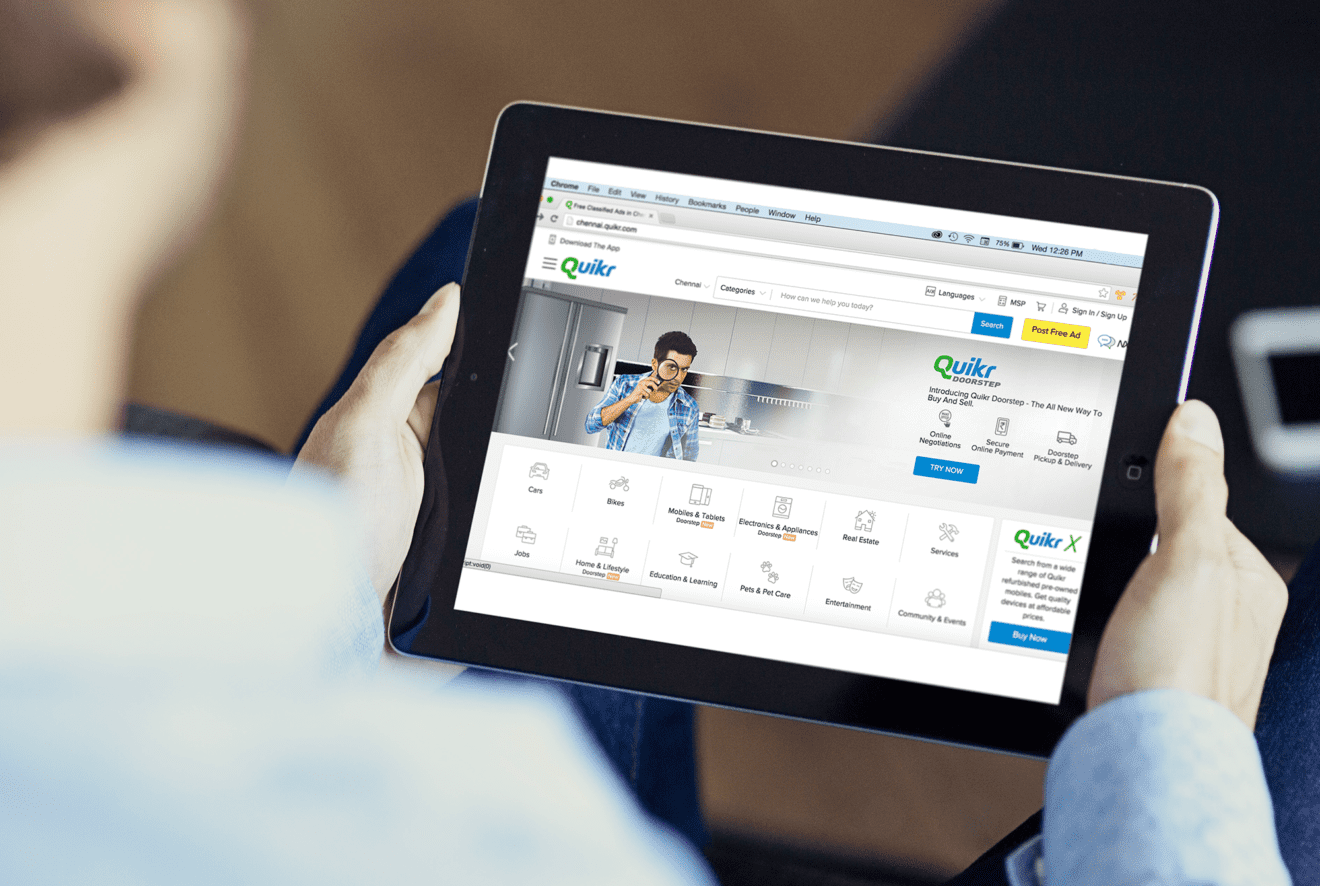
    Indian online classifieds site Quikr has bought refurbished goods marketplace Zefo, headquartered in Bangalore.

    The acquisition allows an exit strategy for Zefo’s current investors, including Sequoia Capital, and gives Quikr a pathway to expand and strengthen its pre-owned product range.

    Zefo, has a portfolio of more than 10,000 products in four cities, including Bengaluru, Mysore, Delhi NCR and Mumbai.

    “With Quikr and Zefo as a combined entity, we will be able to offer a broader selection of products at even more competitive prices along with as strong a focus on quality,” said Quikr founder and CEO Pranay Chulet.

    “With this transaction, the capabilities we have built and the offerings we have honed can now be offered to Quikr’s large customer base,” said Zefo CEO Rohit Ramasubramanian.

  • Flight Centre drops guidance

    Flight Centre drops guidance

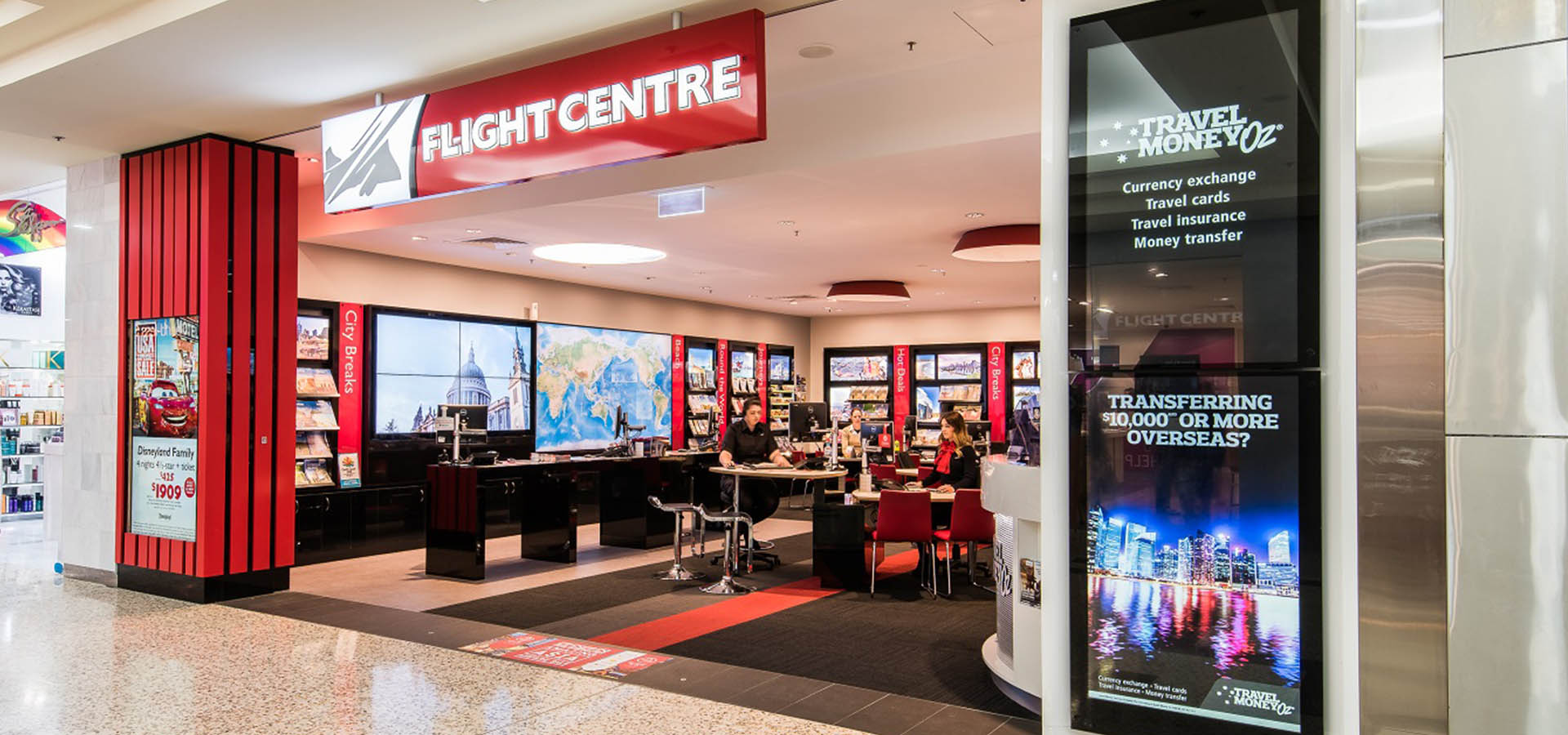
    Travel specialist retailer Flight Centre has amended its previously stated profit guidance for the remainder of the 2019 financial year after poor conditions in Australia’s leisure market impacted its performance.

    The group now expects to see a profit of between $335 million and $360 million for the 12 months to June 30, 2019, below the $390 million to $420 million range it put forward last October.

    The $347.5 million mid-point in this range represents a 10 per cent decline on the $384.7 million earned during FY18.

    The news pushed shares in the travel retailer down 12 per cent, falling to $38.73 per share.

    “Our FY19 results will highlight the challenges we are addressing in Australia but will also underline two of our great strengths – our emergence as a world leader in corporate travel and our changing earnings profile,” Flight Centre managing director Graham Turner said.

    “While we expect Australian leisure results to improve as short-term operational improvement plans gain traction and as longer-term transformational strategies are implemented, we also expect these trends to continue.”

    Turner noted the business is on track to earn record profits in its US and UK businesses, with the US poised to become the second largest segment after Australia, and more than half of the group’s profit to be generated internationally for the first time.

    He also outlined Flight Centre’s strategy to counter the declining leisure market – namely a three-pronged focus on mass, premium, and youth travel.

    Additionally, an accelerated expansion into newer models outside of its traditional bricks-and-mortar offering will sit at the centre of the brand’s plans globally.

    Investing in corporate travel, such as through its recent acquisition of the Upside Travel Company, has the potential to disrupt traditional players in the large and fragmented SME market.

    “Short-term results will be below our initial expectations and there is further work to be done, but there are also some promising signs for the future,” Turner said.

    “Out strong growth trajectory in both corporate and global travel is evident and we are implementing solid plans to address issues in the Australian leisure business in both the near and longer term.”


  • Google Assistant brings its bedtime stories to Smartphones

    Google Assistant brings its bedtime stories to Smartphones

    One of the major Google Assistant features aimed at children, the ability to tell them stories, made its way to Google Home smart speakers about two years ago. Starting this weekend, the so-called Tell Me a Story feature, which is available in English, will be coming to Android and iOS phones in the US, UK, Canada, Australia and India.

    To activate the feature, simply say “Hey Google, tell me a story,” but you can also use the “Hey Google, tell me a bedtime story” if you want to get your kids ready for bed. Before you’ll be able to do that, make sure that you have the latest version of Google Play Books for Android or iOS installed.

    In addition to being able to listen to bedtime stories, families in the United States will be given access to a feature called read along, which is available on all Google Home smart speakers, including Home, Mini, Max, and Hub. Thanks to this feature, your bedtime stories will be more immersive since Google Assistant will add sound effects as you read select Disney Little Golden Books aloud, such as Coco, The Three Little Pigs, Alice in Wonderland, and many more.

    If you want to use read along, you’ll have to use a different command: “Hey Google, let’s read along.” You’ll also be able to ask Google Assistant to read an audiobook on Google Play by saying “Hey Google,” and you’ll hear a free sample if you don’t already own the audiobook.

    Keep in mind that audiobooks are available on Google Assistant in English in the US, Australia, Canada and Great Britain, in addition to German and Japanese.

  • Amazon doubles Quarterly Profit

    Amazon doubles Quarterly Profit

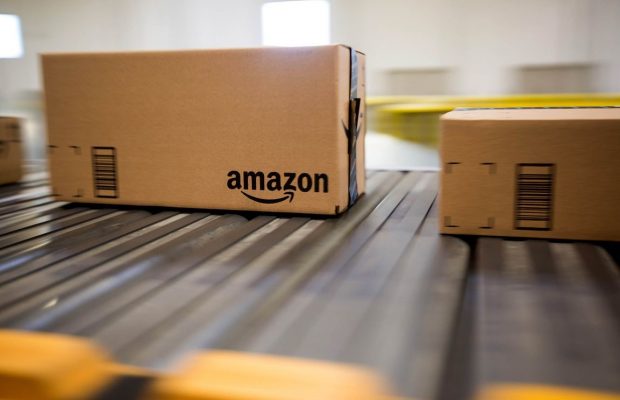
    Global online marketplace Amazon has grown its net income 118 per cent during the first quarter of 2019, from US$1.6 billion to US$3.56 billion ($2.28 billion to $5.07 billion).

    The three months to March 31 2019 also delivered operating income of US$4.4 billion ($6.27 billion), compared to US$1.9 billion ($2.7 billion) the year prior. These increases come off the back of a 17 per cent growth in sales to US$59.7 billion ($85.09 billion).

    However, while the company grew its North American operating income over the period to US$2.28 billion ($3.25 billion), its international performance led to a US$90 million loss ($128.2 million) – though this can be positively compared to the same period last year, during which Amazon’s international business lost US$622 million ($886.5 million).

    Research firm eMarketer estimates that Amazon holds almost half of the US e-commerce market, which is set to grow 20 per cent to US$282.5 billion ($402.6 billion).

    EMarketer principal analyst Andrew Lipsman said the quarter was fuelled by the strength of Amazon’s cloud and advertising business, which continues to inflate the company’s margins.

    “While AWS’s momentum continues unabated and is clearly the bigger driver of this profit story at the moment, the advertising flywheel now appears to be in full effect for Amazon and will only be a bigger part of the growth story over the near term,” Lipsman said.

    Amazon’s AWS segment saw net sales grow 40 per cent year-on-year, from $5.4 billion to almost US$7.7 billion ($7.7 billion to $10.97 billion), contributing US$2.2 billion ($3.14 billion) in income to the business’ quarterly results.

    Looking ahead, Amazon notes it expects second quarter sales to land between US$59.5 and US$63.5 billion ($84.8 and $90.5 billion) – an annual growth of between 13 and 20 per cent.

    The business is leaving room for its operating income to decline over the period, however, expecting between US$2.6 and US$3.6 billion ($3.7 and $5.1 billion) – compared to the US$3 billion ($4.28 billion) earned in the second quarter of 2018.

  • Xiaomi India plans 10,000 New Stores

    Xiaomi India plans 10,000 New Stores

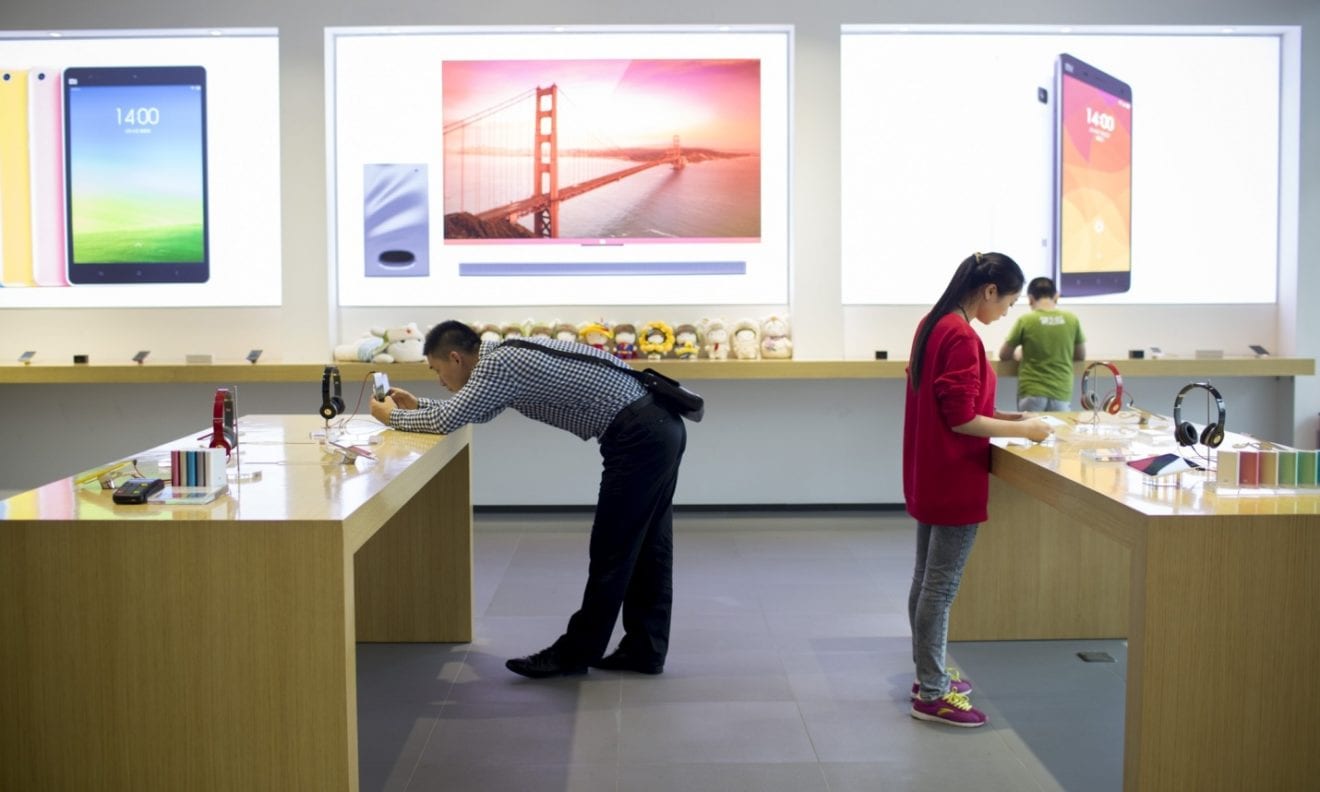
    Xiaomi India will open 10,000 outlets in a bid to lock down its dominance over Samsung in the territory.

    The Chinese-headquartered company also announced last week that it expects 50 per cent of its business to be generated by trading offline by the end of this year.

    “About two years ago, we realised that while we had a 50 per cent share in online sales, our offline presence was negligible,” said Xiaomi VP and MD Manu Jain. “That’s when we started our offline expansion.”

    The firm opened in India as an online-only brand about five years ago. Its new “Mi Studio” retail format will join Xiaomi’s more than 6000 existing outlets in other categories, including Mi Homes, Mi Preferred Partners and Mi Stores.

    The firm opened 500 outlets in one day in India last October.

    Xiaomi is already ahead of Samsung in smartphone sales, with a 28.9 per cent share as of December last year, compared with Samsung’s 18.7 per cent.

    “Mi Studios aim to offer premium brand experience in 50 top cities,” said Jain. “This format is an optimised version of Mi Homes replicating the same design and displaying modern, minimalist interiors.”

    Two of the new 400–600sqft Mi Studios outlets have already been set up in Bengaluru and Mumbai.

    Xiaomi has also recently entered the Romanian market with a new flagship Mi Store in Bucharest. The Mega Mall Bucharest outlet sells the full range of Xiaomi products, including smartphones, headsets, electric scooters, and home appliances.

  • Google Earth Timelapse Finally arrives on Mobile

    Google Earth Timelapse Finally arrives on Mobile

    The zoomable time-lapse video feature that allows Google Earth users to see how the planet’s surface has changed in the last 35 years, Google Earth Timelapse is now available on mobile. The Mountain View company has just announced it has released a new update that adds two additional years of imagery, as well as mobile support and visual improvements to make exploring more user-friendly.

    Besides being able to see how various parts of the Earth have changed in the last 35 years, Google Earth Timelapse allows more in-dept geospatial analysis since it includes more than 15 million satellite images coming from the US Geological Suvey/NASA Landsat and European Sentinel programs.

    Naturally, Google Earth Timelapse is available tablets as well, not just on smartphones. Apparently, mobile browsers would disable the ability to autoplay videos, which is absolutely mandatory for Timelapse. However, Chrome and Firefox have reinstated support for autoplay (sound muted), which is why Google was able to add mobile support with the latest update.

    Along with support for mobile, Google also added the new Material Design to Timelapse, which features simple, clean lines and clear focal ares to make is easier for usersd to navigate Google Earth Timelapse’s huge imagery database. Also, a new “Maps Mode” toggle is now available for mobile users to enable them to navigate the map using Google Maps.

  • Forever 21 China Closes Down Online Stores

    Forever 21 China Closes Down Online Stores

    Fashion retailer Forever 21 will close its Chinese e-commerce website amist indications of possible physical store closures to come.

    While an April 25 notice on the brand’s home page confirms the e-commerce shutdown, the retailer has declined to issue any official comments, despite the confirmed shuttering of one physical outlet and major discount sales reportedly underway in other stores. It has been operating in the territory since 2011.

    Tmall and JD have released statements indicating that the fashion retailer will cease trading on their platforms from today onward.

    The brand’s last remaining store in Taiwan closed last month, while stores in other markets have reportedly been closing down as well, including France. Forever 21’s multi-storey flagship in Hong Kong closed in 2016, with the space being taken over by Victoria’s Secret. It opened a smaller store on Mong Kok in its place.

    A report in Retail Dive suggested that the possible withdrawal accords with a slowing retail environment within China for international goods, pointing to the withdrawal of Amazon from the territory after investing in the market for 15 years.

    “Overall this is a big and tough market to compete for non-Chinese brands, given strong domestic competition and unique consumer demands,” said China practice lead at global public policy consultancy Access Partnership Xiaomeng Lu. “Domestic e-commerce giants such as Alibaba, JD.com, and Pinduoduo compete fiercely against each other as well as edge out smaller brands.

    “Chinese customers are used to shopping on apps, expect low-cost same-day shipping, and tend to have little brand loyalty.”

    The report also quotes Euromonitor International analyst Arianna Zhai as commenting “Alibaba and JD alone have taken about 70 per cent market share. The strong presence and different strategic positions of both e-commerce retailers leave limited room for others.”

    “The reasons for the shutdown of operations are unclear, but it is likely that Forever 21 has struggled to cut through in what is an increasingly competitive market,” said GlobalData Retail MD Neil Saunders. “Although the Chinese retail market is still growing strongly and offers enormous potential, the proliferation of Western and indigenous brands means it can be hard to stand out from the crowd. There are also concerns that activity is slowing down, although growth remains well above that available in Western markets.”

  • Google launches its health-tracking app For Iphones

    Google launches its health-tracking app For Iphones

    Google Fit, the health-tracking app that made its debut on Android four years ago, has now been released on iOS. The app has gone through multiple overhauls since its launch back in 2014, but the last major update released last year made it extremely simply to use.

    Starting today, iOS users will be able to track their Heart Points and Move Minutes, the best way to build smarter, healthier habits throughout the day. Google Fit awards users so-called Move Minutes and Heart Points the more they move and the more intensely they move. Based on the scores, you’ll be closer to reach the recommended amount of weekly physical activity and reap the health benefits.

    It’s purely motivational, but very helpful if you’re trying to exercise but don’t find the courage to do it regularly. More importantly, Google Fit allows users to track their progress throughout the day using various apps.

    For example, app connected to Apple Health, such as Sleep Cycle, Nike Run Club and Headspace, can be synced with Google Fit to offer a more holistic view of your health. You’ll also be able to see how many Heart Points and Move Minutes you earn through other activities.

    Moreover, if own an Apple Watch as well, Google Fit will keep track of all your workout sessions too. Just don’t forget to check the app’s journal to see what you need to do to sleep better and get more active. You can download Google Fit for iOS right now via the App Store.

  • Microsoft does something Unexpected

    Microsoft does something Unexpected

    You didn’t have to be a techie, a fan boy or wealthy investor to enjoy the two-horse race last year between Apple and Amazon. Both companies were neck and neck in a race to be the first publicly traded U.S. firm to reach a trillion dollar valuation. Last August 2nd, Apple hit the milestone first, followed by Amazon almost exactly one month later. And that’s why it was such a surprise when Microsoft finished 2018 as the most valuable public company in the U.S.

    Even though Microsoft finished on top as last year ended, it was the beneficiary of a sharp market correction that took Apple and Amazon down 32% and 27% from their 2018 highs, respectively. But the software giant had never actually joined Apple and Amazon in the trillion dollar club; that is, until today. A positive earnings report released by the gang in Redmond after the market closed last night has propelled the stock sharply higher. This morning, Microsoft’s shares reached a high of $131.37 and at that point, the company was worth $1.007 trillion dollars.

    Microsoft investors have taken some profits, allowing the stock to drift back to $129.64 as we write this. That takes the company under the $1 trillion mark but doesn’t remove the accomplishment from the history books. Meanwhile, Apple and Amazon’s shares have recovered enough from last winter’s drubbing to make another run at a $1 trillion valuation. Apple, which reports earnings next week, is currently worth close to $975 billion. Amazon reports earnings later today and is currently worth $944 billion.

    While some might say that Microsoft has failed miserably in the mobile industry with Windows Mobile and Windows Phone, others might point out the success it has had with the Surface Pro high-end tablets. And more importantly for Microsoft, it owns a slew of Android-related patents that bring in a huge sum of money every year.

  • First 5G Apple iPad Pro won’t arrive Soon

    First 5G Apple iPad Pro won’t arrive Soon

    Most of the talk about Apple and 5G revolves around the iPhone. Now that the settlement with Qualcomm has apparently resulted in a multi-year deal that supplies Apple with 5G modem chips (neither side has discussed this officially), we can expect Apple to launch a 5G iPhone by next year. But what about the Apple iPad? After all, the Wi-Fi + Cellular version of the iOS-powered tablet can connect to a wireless carrier’s 4G LTE network.

    The answer to that question comes from TF International’s reliable Apple analyst Ming-Chi Kuo as cited by the Economic Daily News. According to his report, Kuo expects to see the first 5G iPad shipped no earlier than 2021. Meanwhile, the analyst says that two new iPad Pro models will be in mass production during the fourth quarter of this year to the first quarter of 2020. The units will have the same 11-inch and 12.9-inch screen sizes that the current model’s sport, but will not offer support for 5G connectivity.

    Besides adding 5G modem chips to the iPad Pro in 2021 or later, Kuo expects Apple to employ an LCP (liquid crystal polymer) soft board at the same time. This will reduce signal loss and improve networking performance. Kuo says that because the iPad Pro is used as a business productivity tool and for entertainment, the slate needs to offer better connectivity than the iPhone. The new soft board will allow Apple to attach the iPad Pro’s antennas to the motherboard, improving the user experience of the device. The report adds that Murata will be one of the companies supplying Apple with the LCP soft board. The firm already supplies soft boards to Apple for the iPhone.

    The most recent versions of the iPad Pro, launched late last year, featured a big change in the design of the tablet. Gone was the home button and Touch ID, replaced with a TrueDepth Camera and Face ID (which works regardless of how the tablet is being held). The bezels are thinner resulting in an edge-to-edge Liquid Retina (LCD) display. Using magnets, the second generation Apple Pencil can stick to the side of the tablet and charge up at the same time. Measuring only 5.9mm high, the latest iPad Pro models are sleek and thin.

    As we passed along to you the other day, there are rumors that Apple will add mouse and trackpad support for the iPad Pro with iOS 13. This could help some see the iPad Pro as a legitimate laptop replacement (Apple notes that the iPad Pro is faster than 92% of “portable PCs”). Apple’s high-end tablet line competes with Microsoft’s Surface Pro in the premium tablet niche, but the latter has the advantage of running on Windows 10 and supporting the wireless Surface Mobile Mouse that connects via Bluetooth.

    It is interesting that in the discussions about 5G, the tablet market has been overlooked. The next generation of wireless connectivity will bring data speeds as fast as 10 times that achieved on 4G LTE networks. With the faster speeds, movies that take minutes to download now will load in seconds. It also will bring about new innovations, services, and businesses that we can’t even imagine right now. For example, when 4G LTE service became widespread, it led to the creation of the ride-sharing industry and the two multi-billion dollar companies that are leaders in the industry (Uber and Lyft). 5G networks will also help cars drive by themselves as the Internet of Things becomes the Internet of Many More Things.

  • FamilyMart Japan investing in New Labour Technology

    FamilyMart Japan investing in New Labour Technology

    Japanese convenience store FamilyMart Holdings is preparing to invest ¥25 billion (US$223 million) on labour-saving technologies.

    The firm will partner with tech firm Panasonic to introduce self check-out, digital displays and other similar devices which automate procedures traditionally undertaken by staff.

    The investment is intended to serve the brand’s franchisees who have been burdened with high labour costs in order to keep stores open around the clock.

    Both FamilyMart and its larger competitor 7-Eleven have felt pressured to let go of their 24-hour store policies in the face of a tightening labour market.

    They are also looking at other ways to ease the financial burden on franchisees.