Author: Mei Ling Tan

  • NZ dollar slides Again

    NZ dollar slides Again

    The New Zealand dollar has fallen slightly against the US dollar Tuesday, trading at 66.70 US cents at 0750 in Wellington from 66.79 US cents at 1700 yesterday. The trade-weighted index was at 72.71 points from 72.82.

    The local currency was at 94.46 Australian cents from 94.85 and was at 51.54 British pence from 51.63.

    The kiwi was at 59.60 euro cents from 59.85, at 74.45 Japanese yen from 74.53 and at 4.4897 Chinese yuan from 4.4938.

  • Oaktree and Alceon acquire Decor and Willow brands

    Oaktree and Alceon acquire Decor and Willow brands

    Investment companies Oaktree Capital Management and Alceon Group have made a move into homewares with their acquisition of Marlin Management Services (Marlin Brands), a wholesaler whose portfolio includes Decor and Willow, among other leading kitchen and home brands.

    Oaktree and Alceon own a number of iconic Australian apparel brands, including Billabong and Quiksilver (Oaktree), and Noni B (Alceon).

    Marlin Brands owns the more than 60-year-old Decor brand, which makes reusable plastic containers, the more than 100-year-old Willow brand, which makes jugs, coolers and rubbish bins, and the Albi brand, which supplies more than 3000 retailers with home and kitchen products, fashion accessories and jewellery.

    Marlin also owns Independence Studios, a giftware and toy brand, and Pacific Optics, which distributes general merchandise such as sunglasses, hats and phone accessories to petrol and convenience stores.

    The acquisition will see Oaktree and Alceon focus on growing Marlin Brands’ online and international sales.

    “We are excited about the next phase of growth under Oaktree and Alceon’s stewardship,” Greg Kerr, chief executive of Marlin Brands, said.

    The companies’ growth strategy entails growing Decor and Willow’s international operations, particularly its penetration into the US market, and further growing the company’s direct-to-consumer sales through online marketplaces. Marlin Brands already has more than 2600 SKUs listed on Amazon.

    “Together our strategy is to accelerate Marlin Brands’ growth via supply chain transformation and cater to an omnichannel approach to ensure our consumers can be consistently delighted by Marlin’s products in Australia and increasingly internationally,” Kerr said.

    In a statement released on Monday, the investment companies highlighted their expertise in optimising group logistics, warehousing and supply chain management, and branded wholesale and direct-to-consumer sales, as key factors that will enable them to grow the newly acquired business.

    Marlin Brands currently serves more than 18,000 retailers throughout Australia and New Zealand, with more than $260 million of annual revenue.

    Coast2Coast Capital, the South African investment company that owns Marlin Brands, put the wholesaler up for sale last September after abandoning plans for an initial public offering.

  • Klasse14 Store opens in Japan

    Klasse14 Store opens in Japan

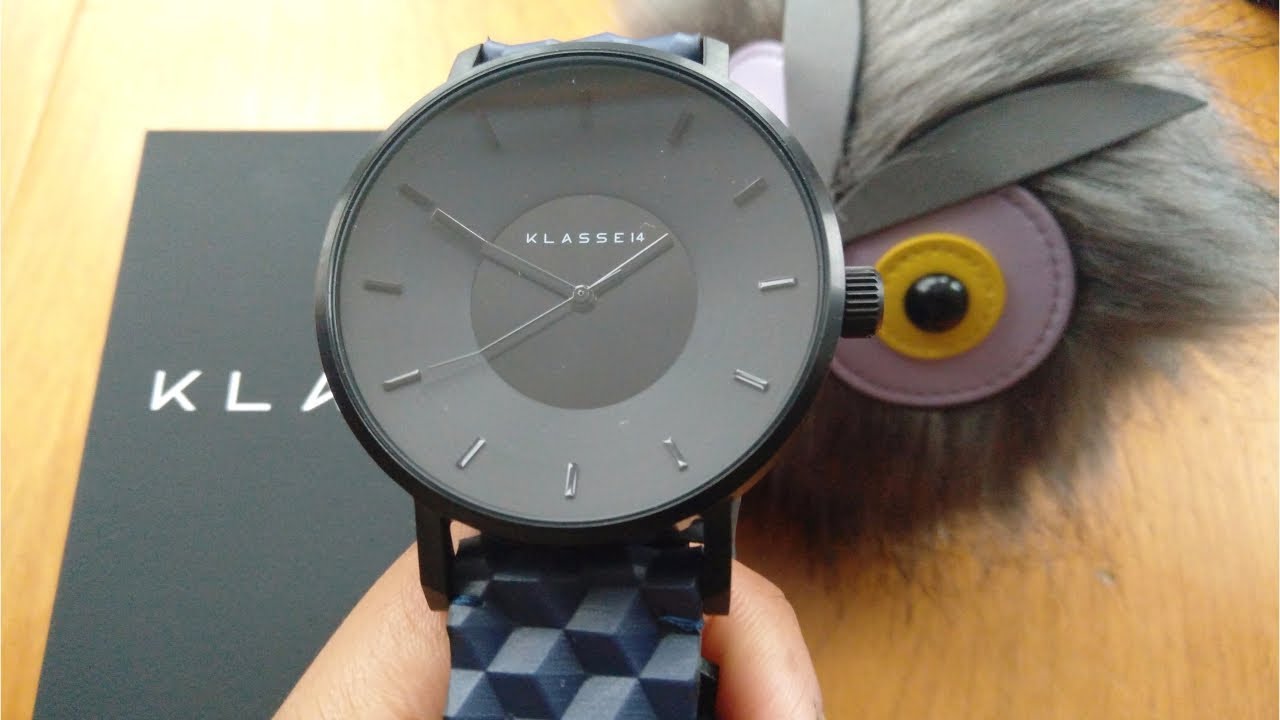
    Timepiece maker Klasse14 has opened a flagship store in Shibuya, Tokyo.

    The new flagship joins the brand’s more than 350 points of sale in Tokyo, with a design representing the brand’s new minimalist, urbanised creative direction with black, white and wooden motifs.

    The brand has established markets throughout Asia, Australia, and the US via e-commerce sales and hundreds of points of sale and kiosks with its retail partners. Its momentum is largely driven by millennial fans spreading information about the brand online.

    Admirers of the brand are expecting a number of brand activation events to be held later this year.

  • Four Bidders shortlisted in Metro China sale

    Four Bidders shortlisted in Metro China sale

    Germany’s Metro has shortlisted four prospective bidders for its China business, including two of Mainland China’s largest retail groups.

    The Metro China sale has been in planning since last September, with formal bids invited in March as the German retail giant looks to quit the challenging market.

    Metro AG has invited Suning Holdings, Yonghui Superstores, Wumart stores and Meicai to submit bids before a deadline of late May, early June. Some of the bids may be lodged in partnership with private equity investors.

    Meicai is an unexpected inclusion in the shortlist. A local startup that acts as a conduit between farmers and restaurants, Meicai was founded by Liu Chuanjun, a local entrepreneur in 2014. According to a Bloomberg News report last October, the startup last year raised at least $600 million in a funding round led by Tiger Global Management and Hillhouse Capital, which would have valued the business then at about $7 billion.

    The Metro China sale is expected to net the Germany owner about $1.5 billion. The cash-and-carry business has 95 stores and reported $3 billion last financial year.

  • China Helps Hermes to Recover

    China Helps Hermes to Recover

    Hermes sales soared 13 per cent last quarter after an especially strong performance across Asia.

    The French high-fashion luxury-goods manufacturer achieved consolidated revenue for the first quarter of €1.610 billion (US$1.796 billion). While all regions recorded sustained growth during the period, Chinese sales drove double-digit growth throughout Asia excluding Japan.

    According to the firm, the group benefited from store extensions completed last year, in particular on the Shanghai IFC as well as Singapore Marina Bay Sands and its new store in Phuket Floresta, Thailand, which opened last month.

    “Driven by the success of its collections among all its customers,” said the group’s executive chairman Axel Dumas, “Hermes achieved an acceleration of its sales over the first quarter, which shows the continuation of a dynamic trend, particularly in China.”

    Hermes launched a new digital platform in China last October that is being rolled out across Asia.

  • Sephora Hong Kong plans Eight More Store Openings

    Sephora Hong Kong plans Eight More Store Openings

    Sephora Hong Kong has confirmed not one, but eight stores in its return to brick-and-mortar retailing in the territory – but shoppers will have to wait until August for the first outlet to open.

    As previously reported, the LVMH-owned chain will open a 4200sqft store in IFC Mall after a 10-year absence from the city.

    In an announcement confirming its plans, Sephora Hong Kong says it will open a second store at Windsor House in Causeway Bay in the fourth quarter of this year and expand its online offer.  Six more stores will follow over a three-year timeframe, their locations as yet not revealed.

    In a statement, Benjamin Vuchot, president of Sephora Asia, said the company currently operates in 12 countries and during the next three years sees its retail presence expanding by almost 50 per cent across Asia.

    “Hong Kong, being strategically located in the Greater Bay Area, allows us to meet the growing demands from Hong Kong consumers, as well as tourists from Mainland China and Southeast Asia,” he said.

    “We believe that Hong Kong will be a key market … giving Sephora the opportunity to amplify global beauty trends locally, elevate the in-store retail experience and to bring in digital touch points within the brick-and-mortar format to create a virtuous customer centric cycle.”

    Sephora said the retail landscape in Hong Kong has changed significantly over the 10 years since Sephora last had a store there.

    “Conventional retail with a physical presence has proven higher chances of winning in a market with strong digital development. Moreover, the re-launch of Sephora brings to Hong Kong’s department store-focused retail landscape a much-needed prestige retail chain for an authentic omni-channel experience,” the statement said.

    Sephora Hong Kong plans to make beauty “more personalised, fun and interactive” upon its return, allowing customers “the freedom to experience products that work for them, learn tips and tricks, as well as to have access to unbiased beauty services from beauty advisors”.

    The company plans more than 40 brands of cosmetics exclusive to Sephora stores in the city, along with its own in-house label Sephora Collection. It has promised to include local Hong Kong brands in its offer as well, over time.

    Digital innovation will play an integral role in Sephora’s traditional retail experience, with vending machines to be located in stores to support the Beauty Pass loyalty program, an app powered by member insights to drive seamless customer service, a digital skincare consultation for immediate and accurate recommendations, and the opportunity to go online to book in-store makeovers.

  • 5G spending undeterred by economic downturn

    5G spending undeterred by economic downturn

    Fitch Ratings says telecom operators will continue putting money and resources on 5G investments over the intermediate term, even though revenue may materialize gradually.

    The agency attributes this to “fairly resilient top lines and the flexibility to reduce operating costs, or even dividends before capex, if necessary. This should not have negative credit implications due to substantial cash flow and balanced capital allocation for most issuers.”

    Wireless investment, particularly related to the densification of the network, continues to be an area of emphasis for telecom companies due to the strong demand for 4G LTE capacity for rapidly growing data services and to position networks for 5G’s arrival.

    5G is a strategic priority for the sector due to the internet of things growth and the highly competitive and evolving competitor landscape.

    Upgrades to networks are required to support increased speed and connectivity, and to maintain and grow market share.

    Fitch said the company anticipates that the path for 5G adoption will be more evolutionary than revolutionary. Network deployment must be completed and customers will need to assess the added benefit and cost of next generation technology.

    The ratings agency anticipates over 4 billion 5G subscriptions globally by 2028, representing around 45% of the global total.

  • Durasport Singapore opens Doors at Jewel Changi

    Durasport Singapore opens Doors at Jewel Changi

    Ultra-performance brand Durasport has opened a store at Jewel Changi.

    Designed by architecture and interiors firm Ministry of Design (MOD), the store resembles a futuristic research and development lab environment.

    The store is tailored to sports enthusiasts who want to try out sportswear and equipment in simulated environments before buying them.

    Designed to attract ultra-performance athletes and sporting enthusiasts, the store features four hands-on experiential zones. These zones allow cyclists, skiers, climbers and triathletes to sample and test the high performance sportswear and equipment before they purchase them, and is facilitated by five simulators.

    These include a ski simulator, an indoor climbing-wall with a rotating surface, a Magic Mirror that allows customers to virtually try on ski clothing, a swim bench for testing the flexibility of wetsuits, and cycling trainer rollers, which can simulate various slope gradients and cycling experiences.

    A customised flexible display-system made up of shelves, racks or holders that clip in and out of notched display walls and incorporate an integrated LED lighting system, allows the brand to showcase its varied merchandise.

    The facade is made up of a steel frame with a chevron pattern that is designed to point towards the central entrance, conveying a sense of motion, whilst the logo is based on an X.

    “We adopted an X symbol for the logo, to represent the catalyst at the beginning of any experiment, reminiscent of the two arrows coming together like an X at the store entrance,” MOD told.

    The range of products sold in the store was co-curated by Ministry Of Design and the client. It includes the world’s first graphene bicycle by UK company Dassi, the world’s lightest folding bicycle by fellow UK company Hummingbird, and heat-mouldable custom-made cycling shoes by Italian brand DL Killer.

  • China Unicom brings 9 investors to IoV subsidiary

    China Unicom brings 9 investors to IoV subsidiary

    China Unicom said a group of automobile OEMs have invested in its Internet of Vehicle (IoV) unit China Unicom Smart Connection Technology.

    Nine strategic investors, including major automobile companies FAW, Guangzhou Automobile Group and Dongfeng Motor Group, among others have picked up a combined 31.2% in Smart Connection Technology.

    The financial terms of the transaction were not disclosed.

    Following the introduction of strategic investors, Unicom now directly owns 68.8% of shares in the IoV unit, the Chinese telco said in a company statement.

    The divestment of stakes is part of the 5G business strategy of Unicom, which aims to launch commercial 5G services in 2020.

    Unicom said the new investors have strong strategic synergy with Smart Connection Technology in fields such as automobile manufacturing, industrial internet, technology and resources, and capital investment.

    The tie-up will enable Smart Connection Technology to secure better industry resources and competitive advantages to provide connected vehicle and service operation solutions and tap the business opportunities brought by 5G, the company added.

    Smart Connection Technology, established in 2015, provides services to major automobile OEMs in both domestic and international markets. According to Unicom, Smart Connection Technology has an over 70% share of the IoV market in China.

  • SKT to help broadcasters create 5G livestream system

    SKT to help broadcasters create 5G livestream system

    SK Telecom has signed agreements with South Korea’s top three terrestrial broadcasters to develop new media solutions and business models based on 5G technology.

    The operator has signed memoranda of understanding with Seoul Broadcasting System (SBS), Korean Broadcasting System (KBS) and Munhwa Broadcasting Corporation (MBC) to jointly develop a 5G-based 4K ultra high definition live broadcasting system and test the system at sports games and other events.

    SK Telecom also plans to work with each broadcaster to develop 5G-based content and explore joint opportunities in digital advertising, augmented reality and hologram technology.

    In January, SK Telecom entered an agreement with US broadcaster Sinclair Broadcast Group to establish a joint venture to lead development of next-generation broadcasting solutions in the US.

    The operator has also just revealed plans to merge its broadband subsidiary and South Korea’s largest pay TV provider SK Broadband with the market’s second largest player t-broad to create a media company with around 8 million subscribers.

    Separately, SK Telecom announced it has signed a memorandum of understanding with Yonsei University Health System to introduce the first 5G powered digital hospital.

    The companies have agreed to develop a 5G network and specialized 5G-based solutions for the Yongin Severance Hospital, which is scheduled to open in February next year and so will be built from the ground up to support 5G solutions.

    SK Telecom will provide its AI speaker NUGU to allow patients with physical difficulties to control their beds, lighting and TVs with their voice, or call for assistance in case of emergencies. The hospital will also offer 5G-powered augmented reality indoor navigation and a hologram solution for remote visits to patients in isolation wards.

    Other solutions being planned or considered include quantum cryptography for advanced cybersecurity, as well as facial recognition for contact-free biometric access control for buildings and other rooms.

  • China Telecom formally signs Philippines JV agreement

    China Telecom formally signs Philippines JV agreement

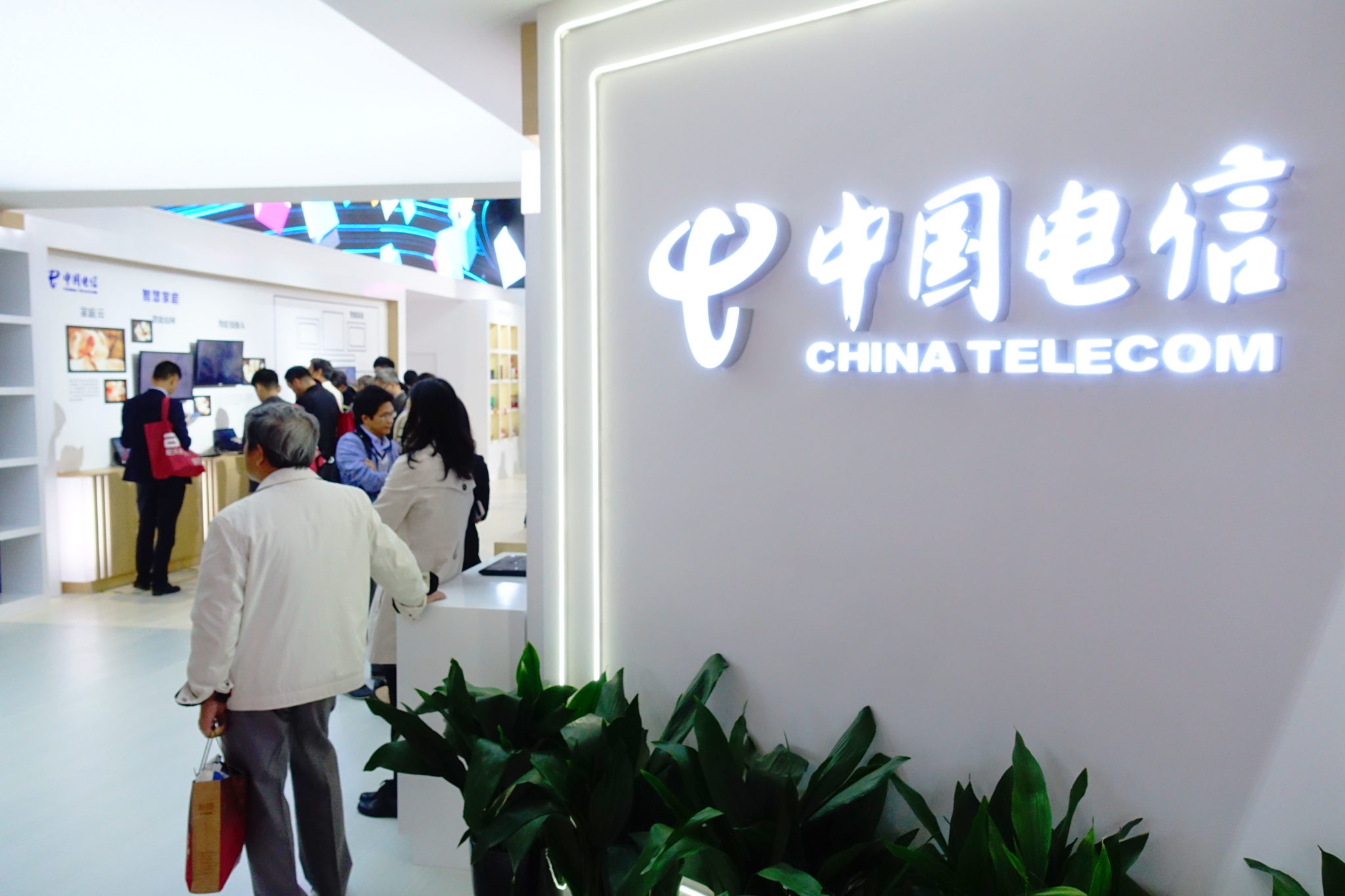
    China Telecom has formally signed the agreement to create Mislatel, the joint venture that will become the Philippines’ third mobile operator, committing to invest $5.4 billion in the venture.

    The agreement with local conglomerate Udenna Corporation was signed last week in Beijing.

    China Telecom teamed up with Udenna Corporation, consisting of businesses owned by local tycoon Dennis Uy, to jointly submit an application in the Philippines’ new major player selection process in 2018.

    A company owned by Uy, also known as Mislatel, was granted a congressional telecommunications franchise in 1998, and the joint venture plans to use this franchise to operate.

    The joint venture’s entry in the market had the support of president Rodrigo Dutertre, but doubts were raised over the validity of this franchise due to Mislatel’s failure to launch services within the required window. But in February, the Philippines’ senate approved the transfer of the franchise to the joint venture.

    But due to delays receiving the required approvals to operate, Mislatel last week revealed plans to postpone its planned launch date from late 2020 to early 2021.

  • Stefano Ricci opens Doors at The Shoppes

    Stefano Ricci opens Doors at The Shoppes

    Italian menswear Stefano Ricci has opened a boutique at The Shoppes at Marina Bay Sands. The 150sqm store presents the brand’s menswear range, SR Home collection, and leather goods such as belts, bags, wallets and shoes.

    The maison’s made-to-measure service is available upon appointment.

    “We are proud to unveil our new boutique location in Singapore, still within the distinguished Shoppes at Marina Bay Sands,” said Niccolo Ricci, Stefano Ricci CEO.

    “This is an expression of our brand’s presence on an international level, and from here the highest forms of Italian craftsmanship are available to our esteemed and refined clients in the city.”

    Founded in 1972, Stefano Ricci now has more than 65 mono-brand boutiques worldwide, selling menswear-suits, dress shirts, jeans, casual wear, and leather goods.

    The brand’s offer has expanded with the SR Home collection, featuring porcelain and crystal dinner services, silverware, furnishing accessories, linens and leather home accessories.

  • Pazzion footwear launches cafe concept

    Pazzion footwear launches cafe concept

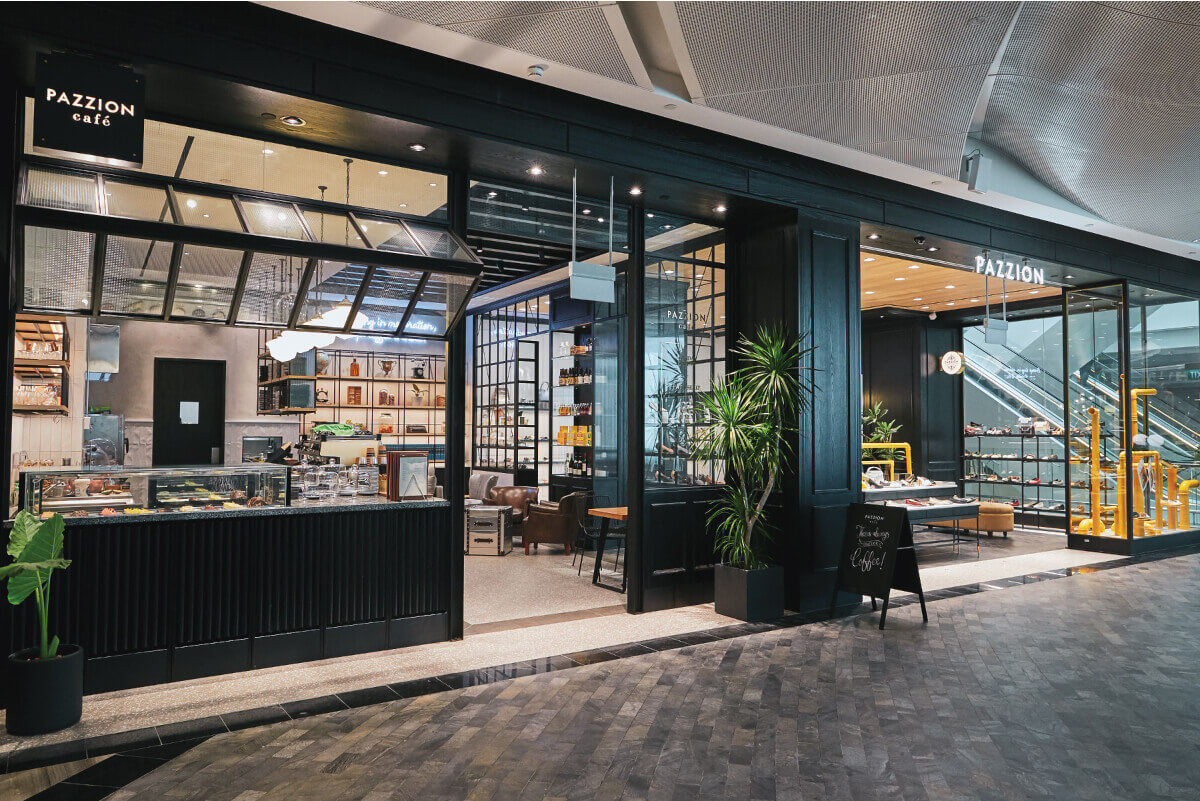
    Footwear retailer Pazzion has unveiled a cafe concept at Jewel Changi.

    Located next to the Pazzion boutique, the 45-seat Pazzion Cafe is designed in monochromatic tones of black and white, peppered with grey and gold, and vintage-style pendant lights.

    A feature wall with an inset shelving unit displays vintage-looking props, including a typewriter, telephone and metal globe, making the cafe an Instagram-worthy spot.

    More seating is arranged outside, overlooking the Rain Vortex.

    “Pazzion cafe provides our customers with a much-needed cosy spot to rest their feet while enjoying our specially curated menu and a cup of coffee,” said Tom Ng, Pazzion’s founder.

    Established in 2002, Pazzion has stores in Brunei, Cambodia, China, Indonesia, Japan, Malaysia, Thailand and Vietnam.

  • Honestbee running out of Funds

    Honestbee running out of Funds

    Innovative startup runs out of cash; suspends Hong Kong and Thai operations. Honestbee is freezing operations in Hong Kong and Thailand and laying off staff as it urgently seeks investment to stave off collapse.

    According to an in-depth, citing multiple industry sources, the Singapore-headquartered food-delivery business turned innovative food-and-grocery retailer has nearly run out of money and is unlikely to be able to pay staff this month.

    “From talking to several former and current staff, Honestbee is laying off employees, it has a range of suppliers who are owed money, it has “paused” its business in the Philippines, it has closed R&D centers in Vietnam and India, it isn’t going to make payroll in some markets and a range of executives have quit the firm in recent months,”.

    However, the potential for the sale or rescue of the business is high. The company has held talks with Grab and its rival GoJek over the potential acquisition of all or part of the business.

    Honestbee was founded four years ago. Its core business concept is using store pickers to shop for groceries at various food retailers, with orders completed on apps and shipped by delivery staff to consumers. It operates in Hong Kong, Taiwan, Thailand, Indonesia, the Philippines, Malaysia and Japan, as well as its home market. In suburban Singapore it has opened a technology-run physical retail store listed this month as one of the world’s ‘must-see’ stores.

    Honestbee’s dire predicament is the result of high marketing costs faced by most online startups in Asia: building critical mass takes massive investment in digital marketing, discounting and – especially in the case of delivery apps – recruitment.

    We have been shown financials for the company from last December which showed revenue of S$2.5 million (US$1.8 million) and a loss of $6.5 million on transactions totalling $12.5 million.

    About 80 per cent of the company’s revenue comes from Singapore, Taiwan and the Philippines.

    Honestbee issued a statement earlier this month attempting to put a positive spin on its perils, saying the decision to “temporarily” suspend its food verticals in Hong Kong and Thailand followed a strategic review of the company’s business, so it could “simplify what we do and how we do it to better meet what our consumers want”.

    The company said 6 per cent of its global staff would be laid off.

    “The status of Honestbee in the remaining markets remain unchanged as we evaluate and we will continue to operate and contribute to Honestbee Pte Ltd.”

    In addition to the layoffs announced, senior management have already left the company in the Philippines, Japan and Indonesia.

  • Walmart trials new Online Store Format

    Walmart trials new Online Store Format

    Supermarket retailer Walmart has launched a new technology called Intelligent Retail Lab (IRL) that allows it to monitor its physical stores more efficiently and keep costs under control.

    The retail giant is testing this new technology, which includes artificial intelligence-enabled cameras, interactive displays and a massive data centre, in its 50,000-square-foot neighborhood market grocery store in Levittown, New York.

    According to IRL CEO Mike Hanrahan, the location is one of Walmart’s busiest stores and has more than 30,000 items and this allows them to test out the new technology concept in a real-world environment.

    “We’ve got 50,000 square feet of real retail space. The scope of what we can do operationally is so exciting,” Hanrahan said.

    IRL is set up to gather information about what’s happening inside the store through an array of sensors, cameras and processors. It has a combination of cameras and real-time analytics that will automatically trigger out-of-stock notifications to internal apps that alert associates when to re-stock, detect the products on the shelf and compare the quantities, among others.

    Hanrahan said the first thing this equipment will help the team focus on is product inventory and availability. In short, the team will use real-time information to explore efficiencies that will allow associates to know more precisely when to restock products, so items are available on shelves when they’re needed.

    “Customers can be confident about products being there, about the freshness of produce and meat. Those are the types of things that AI can really help with,” Hanrahan said.

    Walmart said with its new IRL technology, customers can trust that the products they need will be available during the times they shop.