Author: Mei Ling Tan

  • Vietnam’s exports to Japan increase rapidly in Q1

    Vietnam’s exports to Japan increase rapidly in Q1

    Elimination of many tariff lines for goods under the CPTPP has helped Vietnam’s exports to Japan increase sharply in the first quarter of this year, according to the General Department of Customs.

    Vietnam’s export value to Japan in the first quarter surged 6.7 per cent year on year to US$4.6 billion, the general department said. Việt Nam became one of three markets gaining an export value in the billions of US dollars to Japan, after the US and China.

    In March 2019 alone, the export value to Japan reached $1.7 billion, a sharp increase of 62.3 per cent month on month and a surge of 2.7 per cent year on year.

    The strong growth in Vietnam’s export value to Japan was attributed to the Comprehensive and Progressive Agreement for Trans-Pacific Partnership (CPTPP). According to this agreement, Japan for the first time has pledged to completely eliminate tariffs for the majority of Việt Nam’s agricultural and seafood products exported to this market.

    That meant Japan immediately abolished 86 per cent of tariff lines, equivalent to 93.6 per cent of Việt Nam’s export value to Japan, and then this figure will increase to 90 per cent of tariff lines within five years.

    On the other hand, the Việt Nam-Japan and ASEAN-Japan free trade agreements have created advantages in tariffs for some of Việt Nam’s seafood products exported to Japan.

    About 62.5 per cent of Vietnam’s total goods items exported to Japan in the first quarter gained strong growth compared to the same period last year, according to the general department.

    The major export products to Japan included textiles (export value of about $900 million), means of transport and spare parts ($630 million), machinery and equipment ($450 million) and seafood products ($306 million).

    Especially, the fertiliser exports to this market had a sudden growth in the first quarter of 2019 to 8,126 tonnes, earning $3.7 million. The exports rose up by five times in volume and about 11 times in value year on year.

    In addition, Vietnam saw strong growth in exports of some goods to Japan in the first quarter, including chemical products (up 70 per cent), animal feed and raw materials (up 56.8 per cent), ore and minerals (up 52 per cent), all kinds of steel (up 49 per cent) and plastic materials (up 43 per cent).

    Meanwhile, Japan sharply reduced imports of cassava and cassava products from Vietnam, with a reduction of 99.6 per cent in volume and 98.5 per cent in value over the same period, despite the average export price of cassava surging by 3.3 times to $886 per tonne.

    In 2018, Vietnam’s goods export value to Japan reached more than $18.8 billion. Textiles and garments accounted for the largest proportion with over 20 per cent of the total export value. Meanwhile, seafood, furniture and footwear respectively hold 7.4 per cent, 6.1 per cent and 4.5 per cent.

  • New Financial Institution Launched in Singapore

    New Financial Institution Launched in Singapore

    A news Singapore-based firm, formed by home-grown industry veterans, targets financial technology, regulatory technology, infrastructure, and sustainability-driven enterprises. Licensed by the Monetary Authority of Singapore (MAS), Vanda Global Capital, formed by home-grown industry veterans, is focused on grooming high potentials in the technology vertical, and in impact-driven companies reflecting environmental, social and governance causes.

    The firm targets financial technology, regulatory technology, infrastructure, and sustainability-driven enterprises. Vanda prioritizes and emphasizes unwavering support of Singapore-based initiatives, congruent with Singapore’s vision of establishing the nation as a leading fintech hub, the company said on Tuesday.

    At the helm of Vanda is its CEO, Low Wei Ling, a banking and finance industry veteran of over 25 years of experience and with a solid track record in internationally acclaimed investment banking, asset management, universal and private banking business franchises.

    She serves the MAS Banking Advisory Group and was awarded the International Outstanding Young Private Banker of the Year for exemplary leadership globally. She is a judge of the MAS Global Hackcelerator & Fintech Awards.

    Vanda Global Capital’s leadership management team also includes industry visionaries like Richard Eu Yee Ming of Eu Yan Sang International and Wong Joo Seng of Spark Systems and co-founder of M-DAQ.

    As Co-Founder and Executive Director of the Board of Vanda Global Capital, Eu Yee Ming, who holds a Law Degree from University of London, was a merchant banker, stockbroker, venture capitalist and is also the Non-Executive Chairman of Eu Yan Sang International, a healthcare company that focuses on traditional Chinese medicine (TCM) with annual revenues of over S$300 million.

    Co-Founder & Non-Executive Director of the Board of Vanda Global Capital, Wong Joo Seng is a banking and finance veteran and a venture partner of Vickers Venture Partners. He is founding CEO of GK Goh Financial Services, the derivative trading subsidiary of GK Goh Holdings, and also co-founder of M-DAQ and the company’s founding Chairman.

  • Vietnam Airlines approved for listing on HoSE

    Vietnam Airlines approved for listing on HoSE

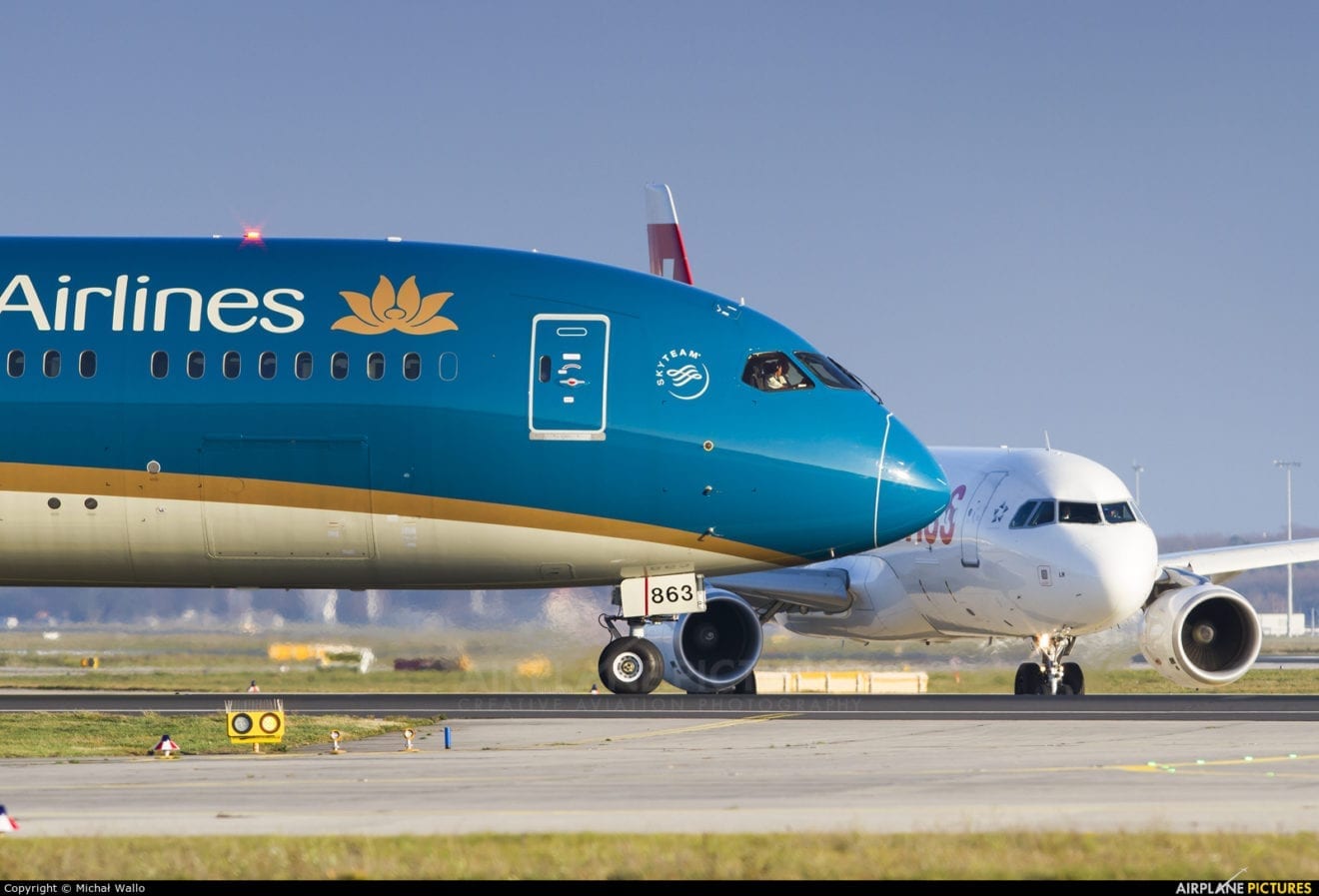
    The national carrier Vietnam Airlines (UPCoM: HVN) has gained approval of the Hồ Chí Minh Stock Exchange (HoSE) to list its 1.4 billion shares on the southern bourse.

    The company will move to HoSE from the Unlisted Public Company Market (UPCoM) and the stock ticket will remain as HVN.

    The company’s market value on HoSE is approved at VNĐ14 trillion (US$602 million).

    Vietnam Airlines planned to switch to HoSE from UPCoM in 2018, but the decline of the stock market in the second half of 2018 made the firm delay its plan until now.

    The national carrier sold 49 million shares, equal to 3.48 per cent of the total, for VNĐ1.09 trillion at the initial public offering (IPO) in November 2014.

    In 2016, the Japanese aviation firm ANA Holdings bought 8.8 per cent of Vietnam Airlines’ capital for $108 million.

    In 2018, Vietnam Airlines posted a record-high revenue of VNĐ96.8 trillion, up 17 per cent year on year.

    Its pre-tax profit for 2018 rose 34 per cent year on year to VNĐ3.24 trillion.

    Vietnam Airlines shares on UPCoM have increased by nearly a quarter since the end of last year, ending Tuesday at VNĐ41,200 per share.

    The private-equity new-age carrier Vietjet is now the only aviation firm that lists shares on the stock market with the market value of $3 billion.

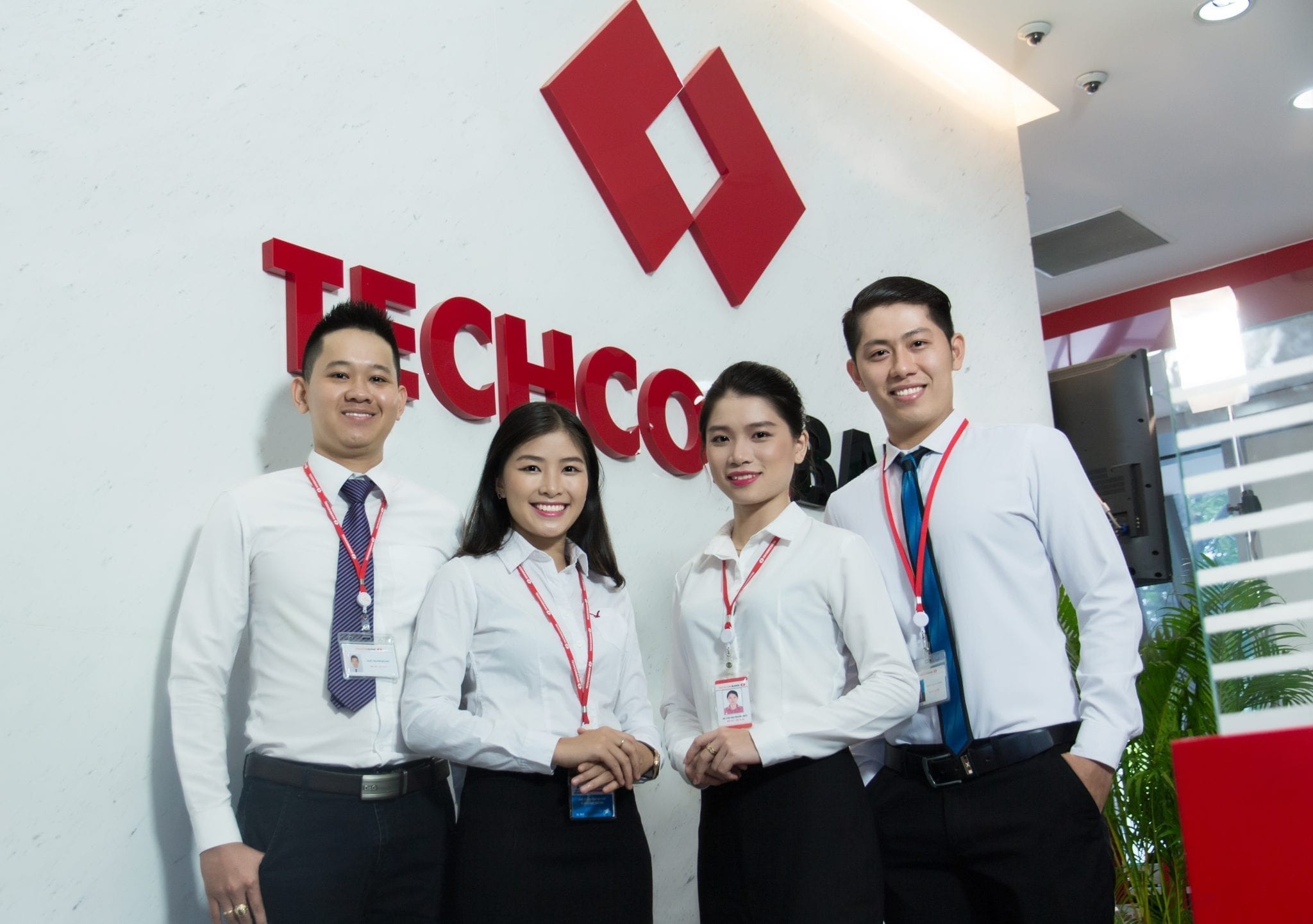
  • Techcombank targets US$504.3 million in pre-tax profit

    Techcombank targets US$504.3 million in pre-tax profit

    Techcombank has targeted a pre-tax profit of more than VNĐ11.7 trillion (US$504.3 million) in 2019, representing a 10 per cent year-on-year increase.

    The target was approved at its annual shareholders’ meeting held in Hà Nội last week.

    It also planned to increase its total assets by 17 per cent to VNĐ375.8 trillion this year while holding outstanding loans at VNĐ245.4 trillion, up 32 per cent from last year. Its bad debts would be limited to less than 2.5 per cent in 2019.

    In 2018, Techcombank achieved high business results. Its pre-tax profit was up 32.7 per cent from the previous year at more than VNĐ10.6 trillion.

    These helped the bank achieve return on average assets (ROAA) of 2.9 per cent and return on average equity (RAE) of 21.5 per cent.

    Nguyễn Lê Quốc Anh, Techcombank’s CEO, said the two criteria had not only been among the highest among banks in Việt Nam but also surpassed big scale banks in India and Thailand.

    In addition, Techcombank successfully mobilised capital to raise its capital adequacy ratio (CAR) to 14.3 per cent, much higher than the level stipulated by the State Bank of Vietnam as well as the minimum level according to Basel II.

    Techcombank was among the few commercial banks last year which were assigned higher credit growth limits of 18 per cent with priority given to those who met Basel II’s capital safety and risk management standards ahead of schedule.

    “The bank plans to grow revenue by 20-30 per cent a year and retain 20 per cent of profit. In order to increase revenue, instead of growing debt balance, the bank would focus on raising fees (expected to account for 50 per cent of the total revenue),” Anh said.

    He added that Techcombank always focused on controlling credit growth from the central bank to ensure sustainable growth of the economy.

    Anh said Techcombank was among the banks to have successfully resolved bad debt. All of its debts were sold to VAMC and totally resolved two years ago. It had also well controlled credit quality by its strict risk warning and management system.

    With its profits listed in the top three banks in the country’s banking system in 2018, Techcombank’s shareholders agreed to continue to retain earnings to invest in creating growth momentum in the future.
    Hồ Hùng Anh, the bank’s chairman, said the bank wanted to retain profit to strengthen its equity and ensure the requirements of the central bank and Basel II are met.

    At the meeting, shareholders also approved a plan to issue 10 million shares under the Employee Stock Ownership Plan (ESOP) programme at a price of VNĐ10,000 to increase its charter capital to more than VNĐ35 trillion.
    The bank said it would focus on growth contributed by service fees thank to implementing a modern banking transaction system for corporate customers and improving their experiences through online payments and life insurance products.

    In addition, it would develop new solutions in house lending, car lending, credit and payments to meet increasing demands of customers.

    Anh added the bank would start construction of two new buildings on Lý Thường Kiệt Street (Hà Nội) and Lê Duẩn (HCM City) this year. The two buildings are expected to become operational in 2021.

    Hồ Hùng Anh was re-elected to the position of chairman of Techcombank’s board of directors for the third consecutive term.

    Other members include Nguyễn Đăng Quang, Nguyễn Thiều Quang Nguyễn Cảnh Sơn, Đỗ Tuấn Anh, Lee Boon Huat, Saurabh Narayan Agarwal and Nguyễn Nhân Nghĩa.

    The new management board would continue to implement its customer-centric strategy, invest in technology to develop a digital foundation and big data while improving risk management to reach high ratings with prestigious ratings organisations.

  • Habeco forecasts profit to drop a third to 10-year low

    Habeco forecasts profit to drop a third to 10-year low

    The Hà Nội Beer-Alcohol-Beverage JSC (Habeco) has forecast its post-tax profit will fall 36 per cent year-on-year to VNĐ310 billion (US$13.3 million) in 2019, the lowest in 10 years.

    The announcement will be reported at the firm’s annual shareholder.

    Other topics that will be brought up at the meeting include the projection of total production, total revenue and dividend payouts.

    In 2019, total production is projected at 438 million litres, including 434.5 million litres of beer and 3.6 million litres of mineral water.

    Total revenue for 2019 is predicted to reach VNĐ8.27 trillion and pre-tax profit is expected to touch VNĐ384.5 billion.

    The company will also ask shareholders to pass a 10 per cent dividend payout for 2019.

    According to the company’s board of directors, the beer industry has gradually approached its break-even point with annual growth rate of 5 per cent.

    Habeco’s sales volume in the north and central regions in 2018 fell 3 per cent year-on-year. The company has also encountered strong competition from other firms such as the Saigon Beer-Alcohol-Beverage JSC (Sabeco) and Heineken Vietnam.

    In addition, increases to the special consumption tax and production costs had also hit home.

    In 2019, the board of directors will keep restructuring the company and developing local retailers in the central and southern regions.

    The company will strive to maintain its market share in the traditional markets in the northern and northern coastal regions.

    In 2018, Habeco recorded VNĐ484 billion in total post-tax profit, down 26.4 per cent year-on-year. It plans to pay a 8 per cent dividend for 2018.

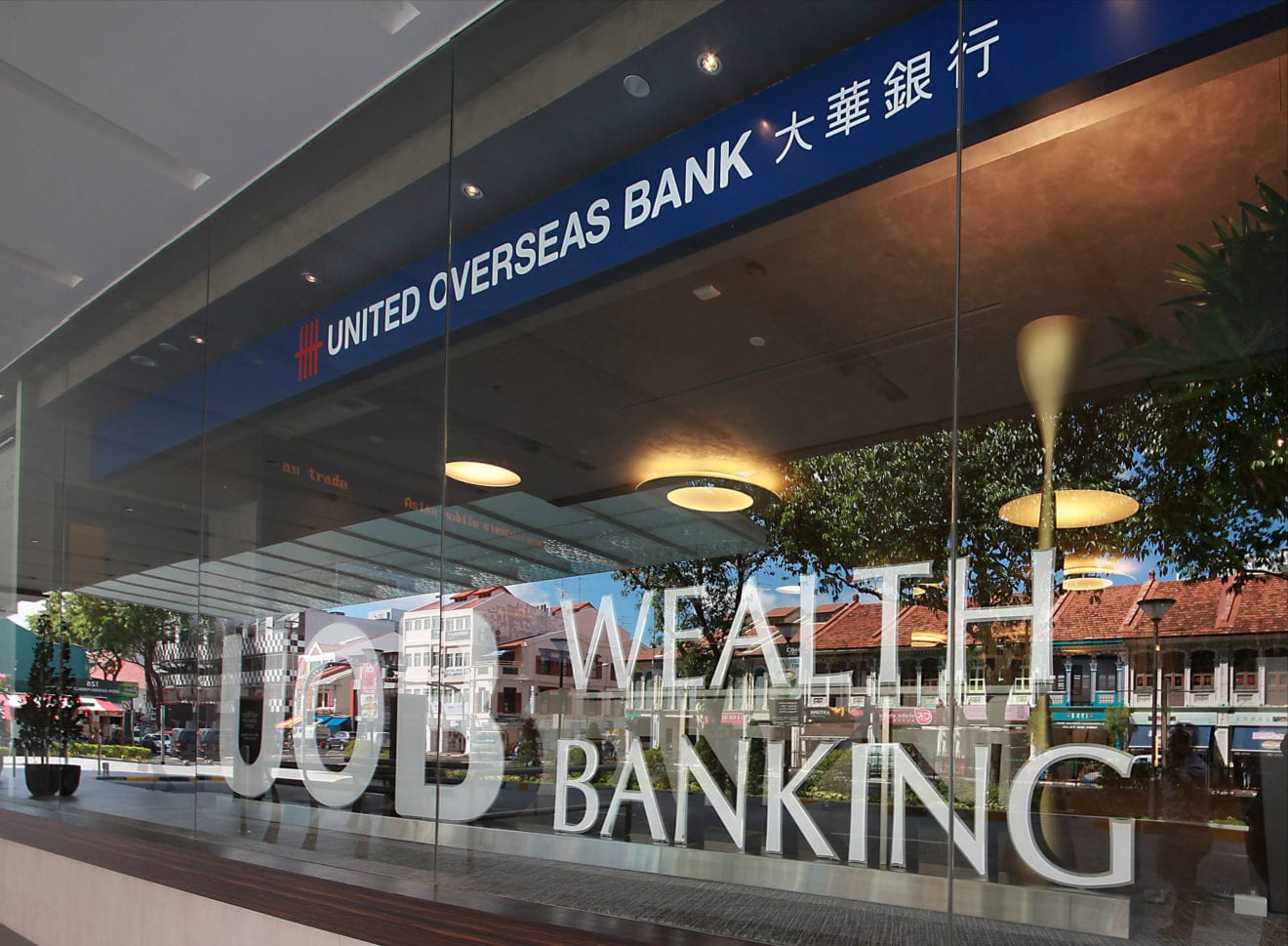
  • UOB Partners Local E-commerce Platform To Mine Opportunities

    UOB Partners Local E-commerce Platform To Mine Opportunities

    United Overseas Bank has partnered with a popular e-commerce platform to build ecosystem partnerships. This follows a string of partnerships announced with other high profile online platforms.  United Overseas Bank (UOB) announced a regional alliance with local e-commerce platform Qoo10 on Monday, complementing the bank’s efforts to help small businesses seize opportunities in the digital economy. Qoo10, with more than three million buyers, is the top e-commerce platform in Singapore.

    «Our alliance with Qoo10 enables us to extend our touchpoints to provide small businesses with the financing they need directly on the e-commerce site, helping them to take advantage of opportunities quickly as they arise,» said Lawrence Loh, Head of Group Business Banking at UOB.

    In January this year, Qoo10 launched QuuBe, a blockchain-based e-commerce platform which already has more than two million products on the marketplace. Through the alliance, Qoo10 will be able to tap UOB’s holistic suite of financial solutions to help consumers and merchants buy and sell products more easily on both the Qoo10 and QuuBe platforms.

    «Partnering established and trusted allies such as UOB enables us to empower our merchants and customers with readily accessible solutions that provide greater financial flexibility in running a business or making purchases,» says Ku Young Bae, CEO of Qoo10.

  • Cardboard cafe opens in Mumbai

    Cardboard cafe opens in Mumbai

    An entire cafe has been built out of corrugated cardboard in Mumbai, India by local architectural studio Nudes, according to a report in Dezeen.

    In an attempt to demonstrate its versatility, every structure in the cardboard cafe outside the core frame is made from recycled, biodegradable materials, including the furniture. The features were constructed by compiling numerous layers of the cardboard, which was then sculpted into shape. Some furniture in the cardboard cafe, including high chairs for children, are built in segments that can be assembled at will.

    According to Dezeen, the cardboard “is also an insulating material that absorbs sound well in a noisy cafe environment.”

    “Building with cardboard meant constant exploration and inquiry into material performance,” said a Nudes spokesperson. “The table tops are impregnated with wax treatment to prevent water absorption and facilitate ease of maintenance.

    “We are hoping that this space evolves into a vibrant hub for dialogue and conversation on the role of design, material & technology in protecting the earth’s resources towards a sustainable future.”

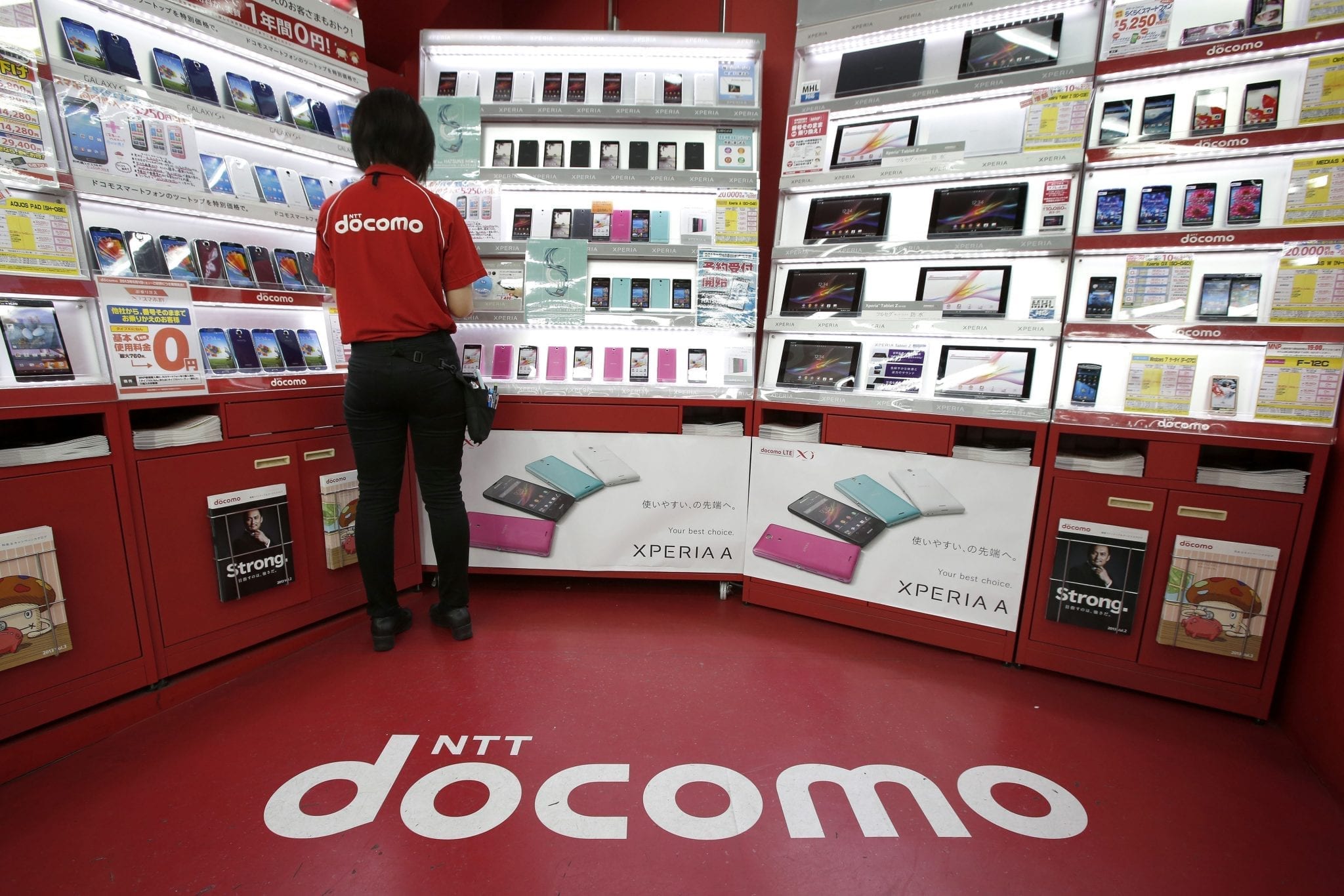
  • Docomo to cut mobile rates by up to 40%

    Docomo to cut mobile rates by up to 40%

    Japan’s NTT Docomo has announced a new simplified mobile service fee structure that the operator says will reduce mobile charges by between 20% and 40%.

    The operator plans to completely separate handset and service fees and unify voice, SMS and data charges in response to criticism that its existing plans have been too complicated and hard to understand.

    The new plans are divided into two categories – a “Gigalight” plan which will charge based on data consumed, and a flat rate “Gigaho” plan for heavy data users.

    Docomo also plans to start offering family discounts of 500 yen ($4.46) per month for contracts covering two family members, and 1,000 yen per month for contracts with three or more members.

    Docomo’s new fee structure is also a response to pressure from the Japanese government on operators to reduce mobile service fees to bring them in line with prices in comparable markets.

    The operator expects that the new fee structure could reduce its income by as much as 400 billion yen ($3.6 billion) per year.

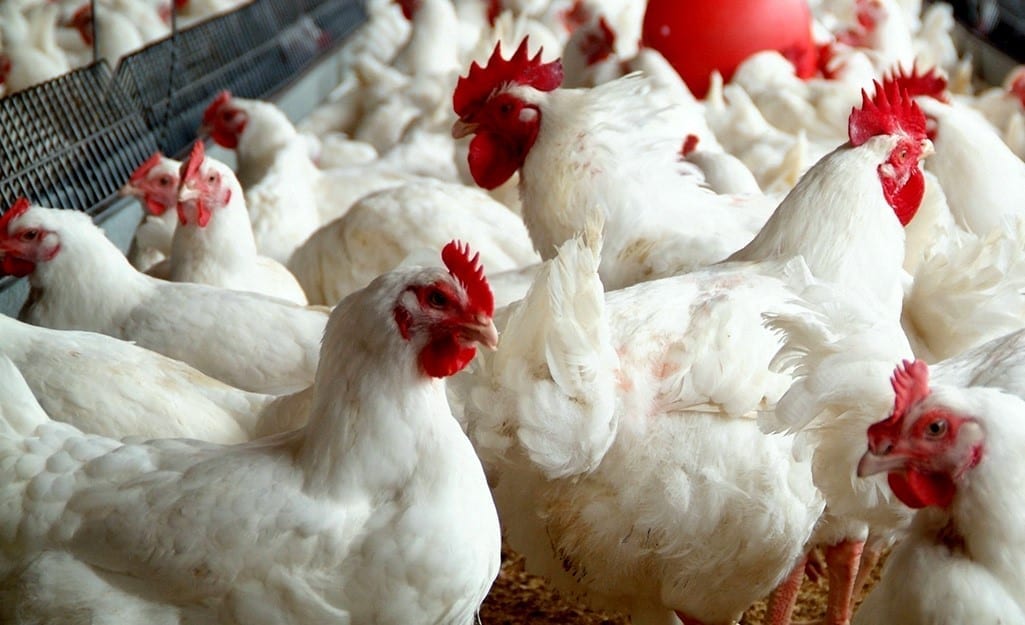
  • Vietnam Poultry industry needed to further develop

    Vietnam Poultry industry needed to further develop

    Vietnam needed to promote the development of it’s poultry industry due to rising demand for eggs and meat in the domestic and global markets. Experts made the comments at a meeting organised by the Ministry of Agriculture and Rural Development (MARD) in Hà Nội on April 12.

    Deputy Minister of Agriculture and Rural Development Phùng Đức Tiến said it was necessary to focus on production to meet quality standards at home and abroad.

    This would create favourable conditions for domestic poultry products to meet hygiene and safety standards in export markets such as Japan, Republic of Korea (RoK) and some ASEAN countries, Tiến said.

    It would also help local businesses expand their production scale and export to potential markets including China and the Philippines, he said.

    However, experts said the industry needed a strategy to increase other processed poultry products including processed chicken and duck and other products processed from eggs.

    They said this year, localities should draw up support policies for farmers, owners and enterprises to invest in poultry development.

    Deputy Head of MARD’s Animal Husbandry Department Nguyễn Văn Trọng said Vietnam held huge potential for poultry production because of domestic high demand with a population of nearly 100 million, excluding export demand.

    According to Trọng, output had increased to 1 million tonnes of meat and 11 billion eggs.

    Current trends in consumption of animal products show that pork accounts for 65 per cent of Vietnamese meals while chicken is just 20 per cent, therefore, the domestic poultry industry needs to enhance chicken farming for domestic consumption and export.

    Nguyễn Quang Hiếu, deputy general director of De Heus Co, Ltd, said to boost exports, the industry should build safe areas free from disease and have mechanisms to protect livestock farms, ensuring quality standards of export markets.

    According to the ministry, joining international organisations as well as bilateral, multilateral and free trade agreements would help domestic poultry production meet domestic consumption and export demands.

    The average consumption for the average person is 89 eggs per year while the figure is 125-340 eggs in Thailand and Indonesia and 404 in Israel.

    In addition, the domestic confectionery and processed food industry was also developing an increasing demand for eggs.

    Global production in 2019 was expected to increase by 3 per cent compared to 2018 to reach 98.4 million tonnes, marking the strongest growth rate over the past five years mainly due to rising demand in China. That was a great opportunity for the nation to promote poultry meat and egg exports, according to the ministry.

    The poultry production industry was applying scientific and technological advances in production to improve quality of products and competitiveness.

    However, there was an imbalance between supply and demand because there were small scale farms with high production costs and risk of disease.

  • AuMake in trading halt

    AuMake in trading halt

    Shares in daigou-focused retailer AuMake have been placed in a trading halt pending an announcement on an acquisition and related capital-raising.

    The company, which last month extended its bricks-and-mortar presence beyond Sydney, has requested the halt be lifted before the open of markets on Wednesday April 17, or when its anticipated announcement is released to the market.

    AuMake sells Australian skin care, supplements and milk formula to Chinese tourists and personal exporters.

    It has 17 stores across Sydney, Brisbane, and Auckland and is aiming for a bigger bite of the $2 billion cross-border commerce market.

    In February the company announced it had halved its losses after more than doubling its sales in the space of a year, with its internal sales forecast upgraded 30 to 40 per cent in March after it flagged the expansion of its stores.

  • DBS Partners Sinosure for BRI Projects

    DBS Partners Sinosure for BRI Projects

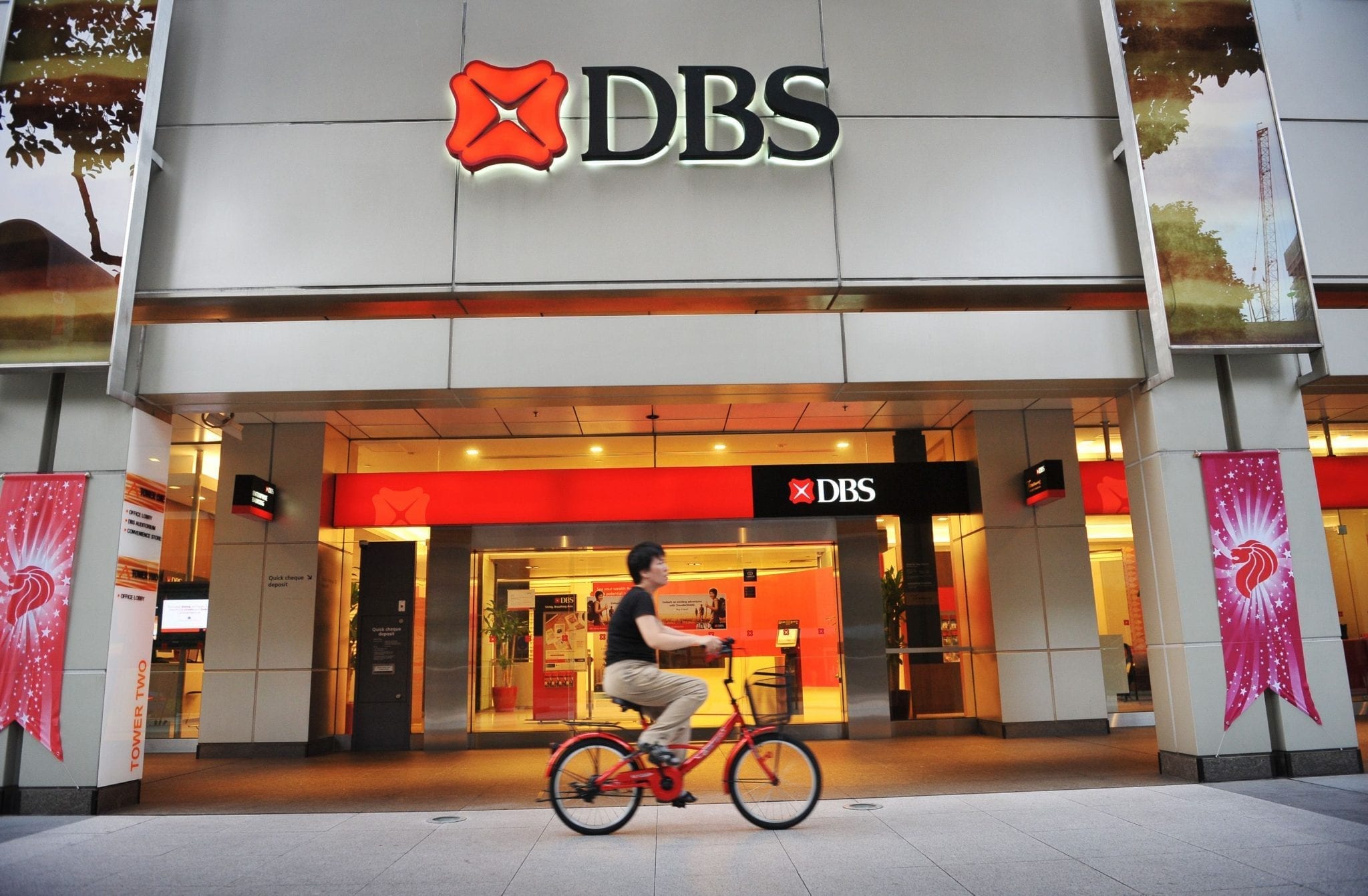
    DBS Group has signed a cooperation agreement with China Export & Credit Insurance Corporation, adding to the list of banks that are partnering Sinosure for projects under the Belt Road Initiative.

    DBS Group Holdings on Monday announced that it has partnered with Sinosure, the only state-funded Export Credit Agency conducting export credit insurance business in the People’s Republic of China. It joins OCBC Bank, who last week announced a similar partnership agreement.

    «Through signing the cooperation agreement with Sinosure, we will strengthen our partnership and increase the depth of our business with mainland China by facilitating project finance, and investment and trade opportunities especially with partners in ASEAN. We look forward to helping companies capitalize on the numerous business opportunities offered under BRI,» said DBS Singapore Country Head Shee Tse Koon.

    Under the cooperation agreement, DBS and Sinosure will collaborate on projects under the Belt and Road Initiative, especially those from ASEAN, by leveraging each other’s strengths in trade and investments and in-market experience.

    Sinosure will provide credit insurance for DBS’ mid and long-term financing activities for projects in the fields of marine engineering, infrastructure construction, energy, chemicals and textiles, aerospace, as well as services and technology.

  • China raids Ericsson after license fee complaints

    China raids Ericsson after license fee complaints

    Last Friday, Chinese investigators raided Ericsson’s offices in Beijing after receiving complaints about the licensing fees that Ericsson charges phone makers.

    Amid the background of increased global tension over Chinese vendors’ 5G technology being banned by the US and other countries, officials from China’s State Administration for Market Regulation (SAMR) are looking into Ericsson’s patent licensing practices after receiving complaints.

    In an email to FierceTelecom, an Ericsson spokesman confirmed that the company was under investigation by SAMR.

    “Ericsson can confirm that the Chinese SAMR has formally initiated an investigation due to complaints against Ericsson’s IPR licensing practices in China. Ericsson is fully cooperating with the investigation and will refrain from further comments while it is ongoing.

    “At Ericsson, we license our industry leading patent portfolio on FRAND (Fair, Reasonable and Non-Discriminatory) terms and conditions and have always been committed to these FRAND principles.”

    Last month Ericsson claimed to have 49,000 patents, while Huawei counted 87,805 in its 2018 annual report.

    The Wall Street Journal said that roughly 20 SAMR officers raided Ericsson’s Beijing offices on Friday. Earlier this year, Chinese mobile phone makers complained about Ericsson’s licensing practices. Chinese media reports implied that licensing fees paid to Ericsson would increase with the rollout of 5G technologies and services.

    China’s People’s Posts and Telecommunications News said in an online report that Chinese smartphone vendors were concerned that Ericsson would impose 5G patent fees on top of the current fees for 3G and 4G technologies.

    China-based Huawei is battling Apple as the world’s second-largest smartphone maker behind Samsung.

    Last month, Huawei filed a lawsuit against the US government challenging a recently passed law that bans federal agencies from buying Huawei products.

    Huawei was the top vendor globally in the wireless packet core (WPC) market last year while rivals Ericsson and Nokia rounded out the top-three spots. A February report by Dell’Oro said that Huawei was the largest global equipment service provider last year with more than a 30% market share.

  • Investor Groups Attack UBS

    Investor Groups Attack UBS

    UBS faces pressure from shareholders ahead of an investor meeting next month. The opposition centers around a nearly $12 million windfall for CEO Sergio Ermotti and a prolonged French legal tussle.

    UBS’ investor meeting on May 2 promises to be a heated one: U.S. investor group ISS is recommending shareholders deny UBS’ management and board for 2018 a so-called dispensation, which is a peculiarity of Swiss securities law which exempts managers from liability for their actions.
    The move adds to opposition to UBS’ pay practices from Glass Lewis, which last week said it will oppose the Swiss bank’s compensation report. Geneva-based Ethos views the 73.3 million Swiss franc ($73.1 million) bonus pool for UBS’ top 13 executives as inappropriate given the poor performance of the Swiss bank’s stock last year.

    CEO Sergio Ermotti is taking home 11.9 million francs in so-called realized compensation after contingent capital instruments that UBS gave him in 2012 matured. At the helm since 2011, Ermotti is Europe’s best-paid banking CEO. His bonus for 2018 is 4.5 times his salary (the metric is capped at 5 times his yearly salary). In contrast to Glass Lewis and Ethos, ISS said UBS’ pay practices by and large reflect those of the wider financial industry.

    The wealth manager has justified the pay with the fact that UBS’ net profit rose 12 percent on the year, its capital is solid, and it bought back 750 million francs worth of its own shares last year. Ethos criticized that shareholders suffered a nearly one-third drop in the value of their shares during that time.

    From 2016 until last year, shareholders sucked up a more than 28 percent tumble, far more dramatic than the 1.8 percent fall in the wider banking sector, Ethos said. «Ethos believes that UBS must introduce a performance target taking into account the relative performance of the bank’s share price», said the group, which holds sway with many of Switzerland’s weighty pension fund voters.

    The «nay» from ISS on releasing board and management for 2018 is purely pre-emptive, the shareholder advocate said – it is the first time since the financial crisis that shareholders have mounted opposition against top executives.

    ISS issued the recommendation in view of UBS’ long-running French criminal troubles, where the bank was recently hit with a 4.5 billion euro ($5 billion) fine (the bank shredded the decision and faces at least another two years of appeals process). The shareholder group said the move would simplify any potential legal steps against members of the C-suite later. Ermotti and chief lawyer Markus Diethelm are the architects of a pugnacious legal strategy in France.

  • Citibank Singapore to Instantly Approve Debt Consolidation Plan

    Citibank Singapore to Instantly Approve Debt Consolidation Plan

    Citibank Singapore announced that it is the first bank in Singapore to introduce instant in-principle approval for debt consolidation plans. Customers applying online for Citibank Singapore’s debt consolidation plan will receive an immediate indication of their application status, as the bank is the first in Singapore to offer eligible customers instant in-principle approval.

    «The ability to grant instant in-principle approval resolves a key customer pain point by giving customers a better sense of their application’s eventual outcome, even before they go through the effort of gathering their financial documents and sending them to the bank,» said Vikas Kumar, Head of Cards and Personal Loans at Citibank Singapore, in a media statement.

    This new capability, which will be launched on Tuesday, enhances convenience for prospective customers who previously had to wait for up to three days for a decision after the bank receives their applications through email or post.

    Upon receiving a debt consolidation application, the bank will access the customer’s credit report through its API integration with Credit Bureau Singapore. The customer’s credit situation is assessed through a fully automated process, enabling the bank to grant instant in-principle approval for eligible individuals.

    Customers can then submit their supporting documents – which are required by industry regulations – consisting of their various credit statements from different financial institutions, income records, and proofs of identification. The bank will also proactively reach out to customers should they need assistance after receiving their in-principle approval.

    Debt consolidation plans were introduced by Singapore’s financial institutions in January 2017 to help borrowers reduce their debt over time. Debt consolidation plans consolidate a borrower’s existing unsecured credit balances across various institutions under a single entity and offer effective interest rates that are lower than card and credit line rates.

    Customers on debt consolidation plans will have lower monthly repayments as compared to the total individual payments a customer incurs, and the benefit of making repayments to a single bank. Customers of Citibank Singapore can choose a loan tenure of up to seven years and will receive a credit card with a limit of one month’s income.

  • Only 31% Of Consumers In Asia Pacific Trust Organizations Protection to Personal Data

    Only 31% Of Consumers In Asia Pacific Trust Organizations Protection to Personal Data

    Microsoft today released the findings from a new study, Understanding Consumer Trust in Digital Services in Asia Pacific. Conducted in partnership with IDC Asia/Pacific, the study revealed that less than one-third (31%) of consumers believed that their personal data will be treated in a trustworthy manner by organizations offering digital services

    The study, which was conducted with nearly 6,400 consumers across 14 markets in Asia Pacific, also uncovered the following findings:

    • Nearly 40% of consumers in the region have had their trust compromised when using digital services;
    • Consumers feel that all five elements of trust – privacy, security, reliability, ethics, and compliance – are almost equally important to them;
    • Consumers have the highest expectations of trust from financial serviceshealthcare and education sectors;
    • Only 5% of consumers prefer to transact with an organization that offers a cheaper but less trusted digital platform, while 61% will recommend a trusted digital service to others even if the cost is higher; and
    • Consumers feel that governments followed by technology companies should take the lead in building trust.