Author: Mei Ling Tan

  • Microsoft said to be prepping its own AirPods challenger

    Microsoft said to be prepping its own AirPods challenger

    We know that Amazon is working on a pair of wireless earbuds that are supposed to offer better sound at a cheaper cost than Apple’s very popular AirPods. Now, according to Thurrott, it appears that Microsoft will also take a shot at Apple’s AirPods with its own wireless earbuds that could be named Surface Buds. This information comes from sources familiar with the company’s plans. Just as Apple’s AirPods come with Siri integration, and Amazon’s earbuds will be equipped with the Alexa virtual assistant, the Surface Buds will feature Cortana.

    The project has the code name of Morrison, possibly named after the late Jim Morrison who was the lead singer for The Doors. This won’t be the first set of earbuds to be released by the company. Back when Microsoft sold its Zune music player (its Apple iPod competitor), it sold wired earbuds as an accessory for users of the device. Besides being equipped with Cortana, the Surface Buds are expected to feature noise cancellation and technology that will allow users to more easily read content from their phones. We would expect the product to be compatible with both Android and iOS devices.

    If Microsoft is on the ball, it will have the Surface Buds available in time for the holiday shopping season. Besides Apple’s AirPods and Amazon’s upcoming earbuds, Microsoft will also be competing with the recently launched Samsung Galaxy Buds.

  • Jio raising $3.89b for tower unit spinoff:

    Jio raising $3.89b for tower unit spinoff:

    The fiber network unit Reliance Jio Infocomm is reportedly planning to raise around 270 billion rupees ($3.89 billion) in syndicated loans to help expand the newly created infrastructure business.

    Jio Digital Fiber plans to use the proceeds to expand its business and allow it to serve external customers from the telecom, ISP, power and other sectors.

    Reliance Jio is spinning off its fiber business as well as its tower business into standalone subsidiaries in an attempt to monetize the assets. The tower business is being spun out into Reliance Jio Infratel.

    Reliance Jio received approval for the demerger plan from the National Company Law Tribunal last month.

    Meanwhile Reliance Jio has reportedly also crossed the 300 million subscriber mark after just two and a half years in operation, putting it close to second-placed rival Bharti Airtel, which has around 340.3 million customers.

    According to Indian media, it took Airtel 19 years to pass the 300 million subscriber mark. If Reliance Jio continues its trajectory, it will knock former market leader Airtel into third place. The 2018 merger between Vodafone India and Idea Cellular created the current market leader Vodafone Idea, which has over 400 million customers.

  • Facebook Messenger dark mode now Available

    Facebook Messenger dark mode now Available

    Facebook has been widely testing Messenger’s dark mode for about a month now, and while the feature might have been available for everyone, you couldn’t enable it from the settings menu.

    The only way to enable dark mode in Messenger was to send a crescent moon emoji in any chat, an Easter Egg activation available on both Android and iOS platforms.

    Starting today, Facebook is making it easier for everyone to enable and disable the dark mode in Messenger by adding a toggle in the Settings menu. To activate the feature, simply tap your profile photo in Messenger to access settings and toggle dark mode to switch the chat from white to dark.

    According to Facebook, the new dark mode for Messenger should provide lower brightness while maintaining the same contrast and vibrancy. The new feature should also remove the glare from the phone for use in low light situations, which should allow users to take advantage of Messenger regardless of where they are.

    Facebook mentions that the dark mode is already available globally in Messenger settings, although some users may have to wait a few more days for the new feature to arrive.

  • India To Be Lead Market For Third Generation Renault Duster

    India To Be Lead Market For Third Generation Renault Duster

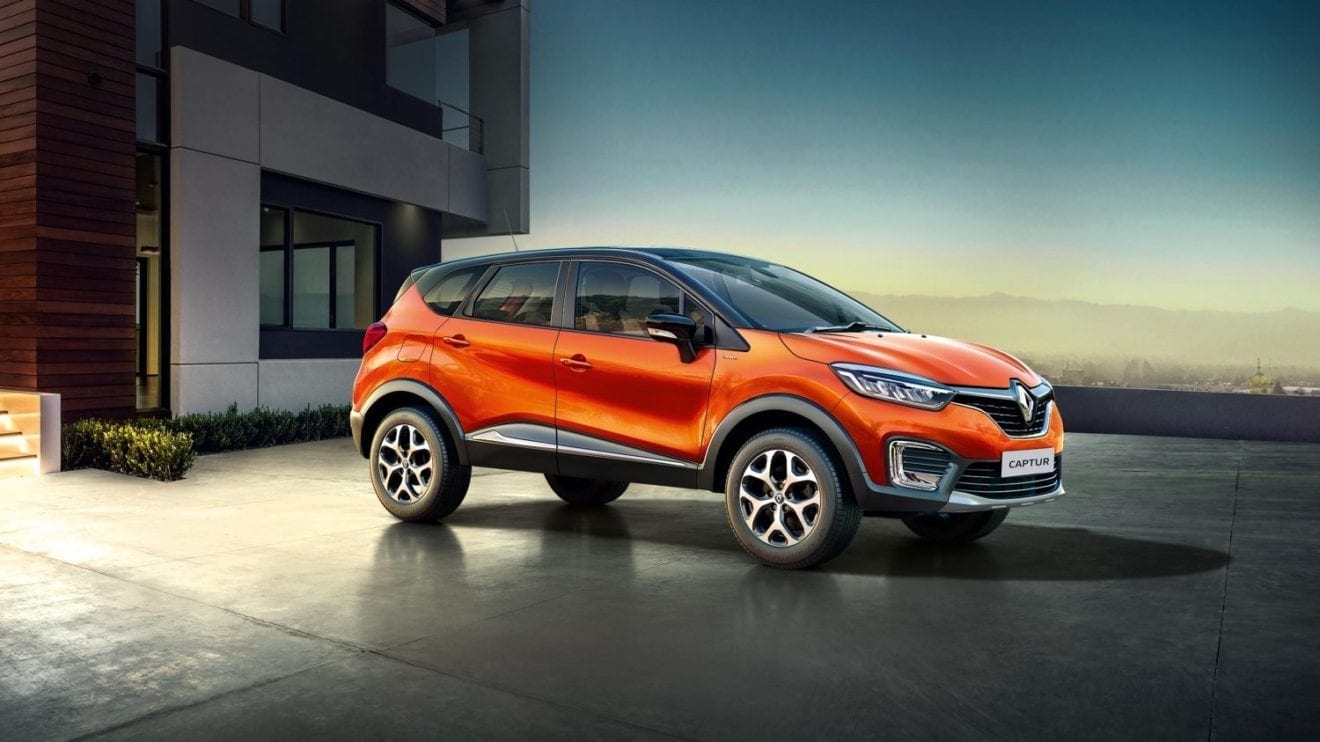
    The second generation of the Renault Duster will not be coming to India. After months of speculation, we can now confirm this news. But its not curtains for the popular brand in the country. After all the Renault Duster has sold almost 200,000 units in India since it debuted in 2012. Sources close to the development at the company’s global headquarters in France have told carandbike that India is likely to be the lead market for the development of the third generation Duster.

    So far it is Eastern Europe that has played as the led market since the Duster is a Dacia product – Renault’s Romanian subsidiary. But given the regulatory changes and electrification that most European markets will switch to, the Duster’s next generation is likely to be more relevant to India and Latin America. Given India’s frugal cost base, and Renault’s investments in R&D in India, the 3rd generation Renault Duster will therefore be designed and engineered primarily in India.

    So in the meanwhile, Renault will be giving the current Duster another massive update and facelift. This will cover styling and equipment. After all the Duster remains a very powerful nameplate and popular car in India. It has won several accolades, including our 2013 Car of the Year award too. It takes on the likes of the Hyundai Creta and Mahindra Scorpio. It will now need the aforementioned updates even more urgently, since the segment will get even more competition with the Kia SP /Trazor and MG Hector also entering the space. Expect the facelift to launch before Diwali this year.

  • Hulu now valued at $15 billion

    Hulu now valued at $15 billion

    Hulu is now valued at $15 billion following the company’s repurchase of a 9.5% stake owned by AT&T.  The telecommunications giant received $1.43 billion for its stake in the video streamer. Before the deal was announced, entertainment giant Disney owned 60% of Hulu via a joint venture. Comcast’s NBC Universal unit owns 30% of Hulu. Both Disney and Comcast will decide how to split up the chunk of equity that was just bought from AT&T.

    AT&T acquired the 9.5% ownership of Hulu when it purchased Time Warner last year. The company said that it plans on using the proceeds of the sale to pay down some of the $176.5 billion in debt on its books as of the end of last year. Because the deal did not require regulatory approval, it has already closed. Based on the price paid for AT&T’s 9.5% stake in Hulu, the latter has risen in valuation from $5.8 billion in 2016 to $15 billion. During the same time period, Hulu competitor Netflix has seen its value explode from $41 billion to $152 billion. Disney expects Hulu to turn a profit by 2023, and have 40 million to 60 million subscribers by fiscal 2024.

    “Warner Media will remain a valued partner to Hulu for years to come as we offer customers the best of TV, live and on demand, all in one place.”-Randy Freer, Chief Executive Officer, Hulu.

    Even though Disney owns a majority of Hulu, it’s not stopping the company from launching Disney+ this coming November. Priced at $6.99 per month, the service will feature 500 films from the Disney library along with 7,000 episodes of television shows from the Disney Channel and some original programming.

  • Google Pay update brings Gmail integration

    Google Pay update brings Gmail integration

    Google is trying to build an entire ecosystem that will allow users to access any important information from just about every Google app. Gmail has been integrated with many other Google apps, but other developers noticed the benefits and added integration with the email app.

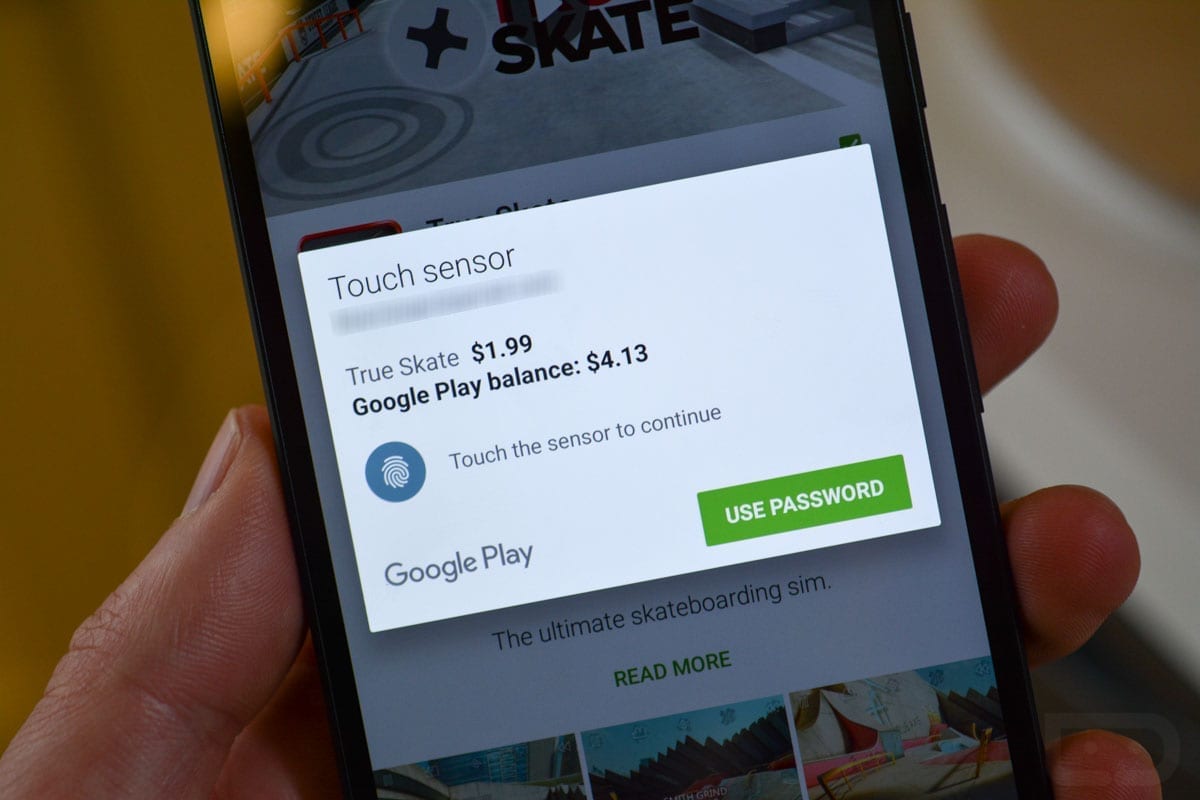
    The newest app that benefits from Gmail integration is Google Pay, which doesn’t come as a surprise since the changes were spotted a few months ago. Now Google Pay has been updated with Gmail importing, which means that the mobile payment app will browse through your emails and add the relevant information to its system.

    For example, whenever you receive loyalty cards, movie tickets, and boarding passes in the Gmail inbox, they will be automatically added in Google Pay. Keep in mind though that if you delete the email containing the information, it will disappear from Google Pay as well.

    The improvement makes it easier to access loyalty cards, tickets, and more without having to go through your emails every time you want to know something about them. It’s also easier to find coupons and boarding passes that are being sent to your Gmail inbox and make use of them.

    It’s worth mentioning that the new Gmail import feature is disabled by default, so you’ll have to enable it in Google Pay by heading to Settings / General / Gmail Imports and using the toggle available after the latest update.

  • Vietnam, Ericsson open IoT Innovation Hub

    Vietnam, Ericsson open IoT Innovation Hub

    The Vietnamese government has launched the first IoT Innovation Hub in the nation, in collaboration with Ericsson.

    The new center aims to provide a platform for IoT research and development, as well as commercial startups and IoT-related education.

    It will allow mobile operators, businesses, students, researchers and startups to develop and test IoT applications, and support the commercialization of IoT-based products.

    At an opening ceremony for the new Innovation hub, Vietnam’s Ministry of Science and Technology signed collaboration agreements with state-owned operators Viettel and VNPT, as well as a number of local universities, to support the operation and development of the center.

    Also at the event, Ericsson president of Vietnam, Myanmar Cambodia and Laos Denis Brunetti said the establishment of the center will help promote collaboration with Vietnam and Sweden in building initial platforms for innovation activities in Vietnam.

  • Toyota Sells Electric Vehicle Technology To Chinese Startup Singulato

    Toyota Sells Electric Vehicle Technology To Chinese Startup Singulato

    Toyota Motor Corp has agreed to sell electric car technology to Singulato, its first deal with a Chinese electric vehicle startup, allowing the fledgling firm to speed up development of a planned mini EV.

    In return, Toyota will have preferential rights to purchase green-car credits that Singulato will generate under China’s new quota system for all-electric and plug-in hybrid vehicles.

    It will also gain a bird’s-eye view into how Chinese EV startups operate and the strategies they pursue in a fast-changing marketplace, said Singulato Chief Executive Shen Haiyin and two sources at the Japanese automaker.

    “With electrification, autonomous driving and car-sharing shaking up the industry, old ways need to be re-examined,” one of the Toyota sources said, declining to be identified as he was not authorized to speak on the matter.

    “We have a century’s lead in automotive technology, but we also need to be humble enough to learn from newcomers.”

    Singulato will acquire a license to use the design of Toyota’s eQ – a battery electric microcar. The deal is due to be announced on Tuesday at the Shanghai auto show, where Singulato will unveil a concept car based on the eQ.

    Singulato plans to redesign the car, tailoring it to local tastes to come up with a model by early 2021 that is more affordable and offers a longer driving range.

    “This deal gives us a way to save on time and costs to develop a reliable car and focus on what we excel in,” Shen told Reuters.

    Financial terms are not expected to be disclosed. A Singulato source said the startup agreed to pay “several tens of millions of dollars” for eQ’s design.

    Toyota said it was taking various measures to accelerate its business in China, a key market, but it would not comment on specific steps.

    The agreement is a vote of confidence by Toyota in Singulato’s prospects, said Shen. Founded in 2014 and backed by Intel Corp and Japanese trading house Itochu Corp, Singulato is one of at least 50 Chinese EV startups seeking to survive in a competitive market.

    It plans to sell its first self-developed battery electric car called the iS6 this year, competing with models from rival startups like Nio and WM Motor as well as those from global automakers.

    Singulato’s version of the eQ will be a so-called connected car offering young buyers a host of entertainment, safety and navigation features. The car, which will be called the iC3, will also feature some self-driving technology.

    Toyota sold about 100 eQ cars in 2012 and then discontinued it due to concerns over the limits of EVs, including their high price tags, short driving range and long charge time. But Singulato believes technological advances, especially in batteries, have made the car much more marketable.

    Shen said the iC3 should be able to go as far as 250-300 km (160-190 miles) on a single full charge and will be priced around 100,000 yuan ($15,000). Singulato aims to sell 200,000 units over five years.

    According to the two Toyota sources, the deal is part of efforts to share more technology with China as the Japanese automaker seeks more growth in the world’s largest auto market by beefing up manufacturing capacity and distribution channels.

    The green-car credits will also come in handy.

    Keen to combat smog, jump-start its own auto industry and lower reliance on imported oil, China is aggressively pursuing the adoption of electric cars. Under a production quota system taking effect this year, automakers are required to produce and sell a certain number of new-energy vehicles in proportion to their overall sales volume.

    A carmaker that fails to achieve its quotas will have to acquire NEV points from an automaker with surplus credits or face penalties.

    Toyota has said that initially it won’t be able to meet its quotas without buying credits from others. It has also agreed to produce and help sell a car for GAC Motor, a joint venture partner, to generate credits.

    According to the Toyota sources, the deal with Singulato has already yielded intriguing glimpses into the thinking of Chinese EV startups and their non-traditional approach to engineering.

    One such example was Singulato’s idea to look at linking headlights with satellite, cellular network location data and the driver’s planned trip. That could help turn the headlights along the driver’s route for enhanced visibility and driving safety.

    It might not something Toyota would consider but as an idea, “it was eye-opening,” one of the sources said.
  • Tinder beats Netflix to become the top-grossing non-game app

    Tinder beats Netflix to become the top-grossing non-game app

    Dating app Tinder has beaten Netflix and it is now the top-grossing non-game app on the iOS App Store, according to intelligence firm Sensor Tower.

    Tinder’s revenue soared by 40% in the first quarter of 2019 to reach $260.7 million, up from $183 million from the same period last year, while Netflix’s numbers went down from $255.7 million to $216.3 million.

    But there is a reason for that: Netflix itself stopped paying the so-called “Apple tax”, a 15% cut on all in-app purchases that go through Apple’s systems, and since December of 2018, all new Netflix subscriptions are handled outside of iOS. Apple traditionally charges companies a 30% cut of their subscription revenue for the first year and then drops that number to 15%, but Netflix is said to have had a special deal with the 15% rate available on day 1. Even those 15%, however, workout to a massive amount when you look at the numbers. At an estimated annual revenue of around $850 million, 15% would amount to around $130 million.

    Netflix pulling out of the App Store subscription program (it had already pulled out of a similar program on Android earlier) is basically a reaction to those huge amounts of money that it had to pay to Apple, which provided only the platform. And of course, this move has allowed Netflix to keep more of its revenue to itself.

    At the same time Tinder’s popularity has continued growing and the company has managed to overcome Netflix as the top grossing app.

    Interestingly, if you look at the general picture of things, you see that the majority of the top grossing, non-game apps in this first quarter of 2019 all had something to do with streaming, either for music or for video. Those apps include Tencent Video (a video streaming service popular in Asia), YouTube, Pandora and YouKu (Chinese YouTube alternative).

    And if you look at just the top downloads, you see that messengers at among the most popular ones: WhatsApp, Messenger, TikTok, Facebook, Instagram, and others.

    Considering these numbers it really is no surprise to see Apple shift to a portfolio of streaming services of its own. The newly announced Apple TV+ is coming this fall and will open a new world of Apple-original movies and shows headlined by an Oprah show and a bunch of Hollywood honchos, plus it will offer streaming from services such as HBO or Showtime. And then you have Apple Arcade, a brand new gaming service focused on quality releases that do not have pay-to-win written all over them.

  • ZTE, China Mobile, Ericsson conduct 5G-4G VoLTE call

    ZTE, China Mobile, Ericsson conduct 5G-4G VoLTE call

    ZTE, the Guangzhou branch of China Mobile and Ericsson have announced a joint demonstration of a VoLTE voice and video call between 5G and 4G smartphones.

    The successful call, completed at the end of March, utilized non-standalone 5G networks provided by different vendors, as well as China Mobile Guangzhou’s existing 4G network.

    It used ZTE’s 5G and 4G smartphones for the VoLTE voice and video call, as well as network equipment from the two vendors.

    Guangzhou is one of five 5G pilot cities for China Mobile, which is investing the most heavily in 5G among China’s big three mobile operators.

  • Lack of clarity will stump 5G growth

    Lack of clarity will stump 5G growth

    As the first commercial deployments of 5G start to appear, the stage is set for consumers finally to find out what the powerful next-generation mobile standard promises can bring: an ambitious and far-reaching technological advance that transforms virtually all aspects of human activity—how we experience life, conduct business, create goods, and build societies.

    That’s the theory and the hope.

    For many in the industry 5G will set the stage for incredible change. However with standards are still being rolled out, it remains a confusing landscape, with varied and sometimes conflicting interpretations of what 5G is and what to expect from it.

    This confusion is impacting not just consumers but also complicating the industry’s ability to measure itself against a standard set of 5G expectations and requirements.

    To optimize short-term and long-term 5G adoption, it is imperative that clarity regarding what 5G is and when each capability will be available is established for both consumers and the ecosystem. To that end, IHS Markit follows the official 3GPP definition of 5G but also believes that this description needs to be understood within the context of everyday experience and concepts.

    According to the IHS Markit whitepaper, The promise and potential of 5G, 5G will improve existing services and enable new use cases, such as driverless cars, immersive entertainment, zero-delay virtual reality, uninterrupted video and no-latency gaming. On the industrial front, 5G will be key to expanding and realizing the full promise of the internet of things (IoT), with the technology’s impact to be felt in smart homes, smart cities and smart industries.

    “The marketplace implicitly understands 5G represents an unprecedented growth opportunity, with the initial smartphone rollout set to generate record shipment volumes,” said Francis Sideco, vice president at IHS Markit. “However, fewer people understand the iterative nature of major technology rollouts such as the one we are going through now with 5G—a process involving multiple major updates that will add new capabilities in the coming years. With each of these updates having the potential to significantly disrupt the market’s competitive dynamics, it’s critical for companies to clearly understand the implications of each rollout or risk falling behind the competition.”

    New 5G technical standards will eventually enable the creation of applications that could open new opportunities, inform new business models and transform everyday life for multiple industries and billions of users throughout the world.

    However, many of these capabilities won’t be available in initial 5G rollouts, but instead will arrive in subsequent releases of the standard to be implemented over the next few years. Each of the releases will deliver new challenges and opportunities not only for the wireless industry but also every industry for which the new use cases are envisioned. To fully realize the potential of these opportunities, competitors will need to understand and capitalize on new capabilities even before they are fully introduced.

    The 5G standard’s next release is already on the horizon, with the expected introduction of Release 16 in late 2019. The upcoming release will deliver highly desirable enhancements, including far greater reliability and peak data rates of 20 Gbps downlink and 10 Gbps uplink.

    “This next phase of implementation and rollout will trigger a race among mobile network operators to meet and take advantage of these performance enhancements. The winners of this race are likely to gain a competitive advantage as they gear up for the next wave of growth,” Sideco said.

    Future revisions will spur similar competitive battles, as 5G adds major new capabilities and expands into other markets beyond mobile communications, such as mission-critical applications and massive internet of things (IoT) deployments.

    “For companies throughout the technology supply chain—from network operators, to smartphone brands, to industrial and automotive device manufacturers and electronics suppliers—it will become increasingly important to understand the changes brought by each phase of the 5G deployment and to be ready to capitalize on the latest capabilities to gain a competitive advantage,” concludes Sideco.

  • Retail spend on AI services to Multiply by 2023

    Retail spend on AI services to Multiply by 2023

    Global spending by retailers on AI services will reach US$12 billion by 2023, according to Juniper Research.

    That figure is more than three times the amount expected to be spent this year, of $3.6 billion and represents investment by more than 325,000 retailers expected to adopt the technology during the next four years.

    According to Juniper Research’s report, AI in Retail: Segment Analysis, Vendor Positioning & Market Forecasts 2019-2023, AI use by retailers will unlock efficiencies across back office operations. Advanced analytics employed in functions such as demand forecasting and automated marketing will make retailers more agile and improve margins.

    Juniper forecasts that retailers will face an AI adoption race, where AI-equipped retailers, which have adopted systems as early movers, will displace slower moving retailers, offering superior service at optimised price points.

    Demand forecasting crucial

    The use of machine learning in demand forecasting will prove to be a key market for AI vendors, with associated service revenues reaching $3 billion by 2023, up from $760 million in 2019.

    Juniper Research says demand forecasting will be essential to enable an effective omnichannel experience and drive higher margins.

    “With the rise of collect-in-store and one-off events such as Black Friday, understanding demand and supply chains is more crucial than ever with AI playing the central role,” said research author Nick Maynard.

    The research also found that smart checkouts, largely powered by AI technologies such as computer vision, will have a strong future in the convenience area; leading to annual transaction volumes of more than 1.4 billion by 2023, compared with just 42 million this year.

    While Amazon is currently highly visible with its Go model, China will be the biggest driver of future growth. This reflects the rapidly growing Chinese market, as well as the backlash Amazon has had recently due to its cashless model.

    Juniper Research provides research and analytical services to the global hi-tech communications sector, providing consultancy, analyst reports and industry commentary.

  • Marks & Spencer Singapore store opens at Jewel Changi

    Marks & Spencer Singapore store opens at Jewel Changi

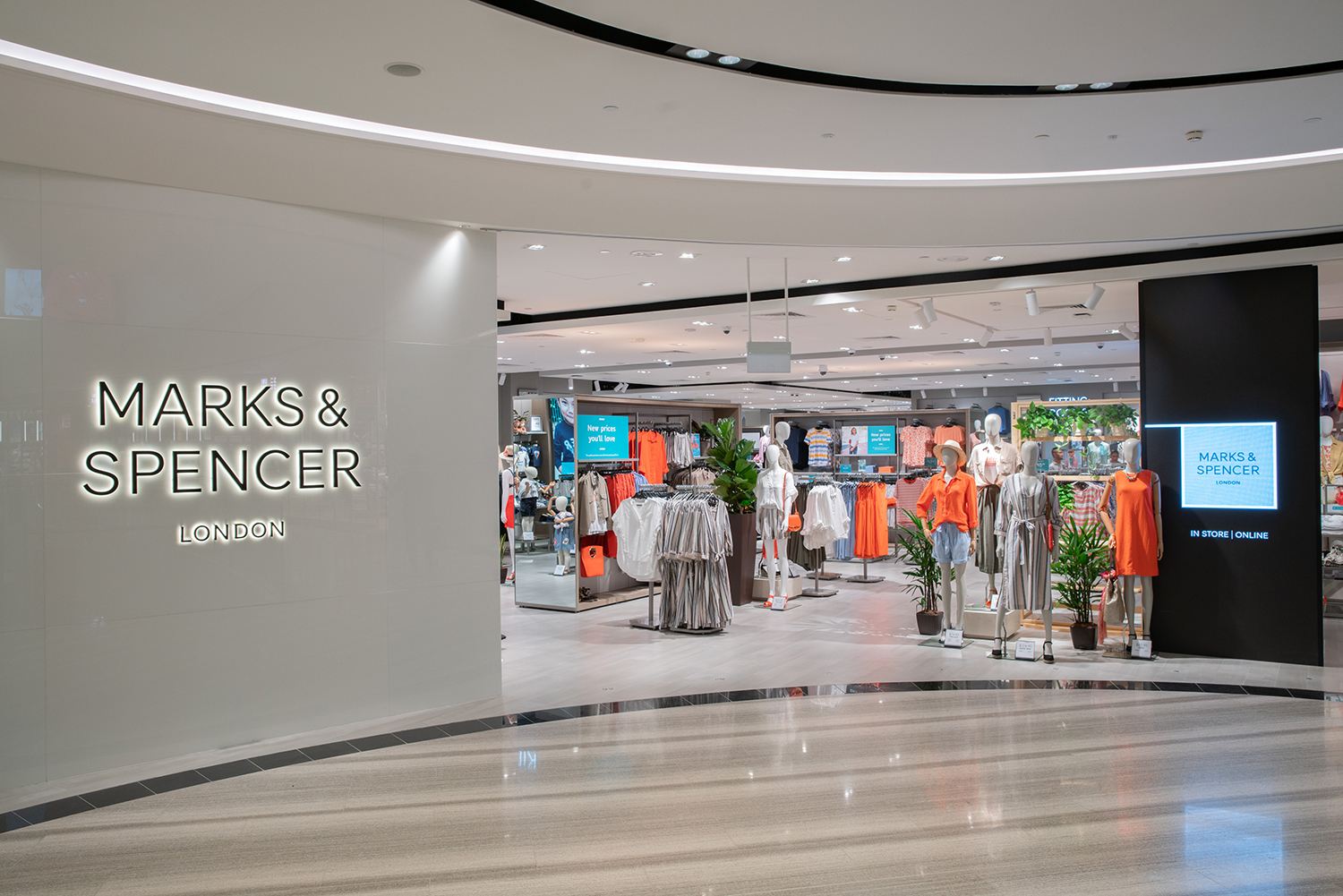
    Marks & Spencer Singapore will open its Jewel Changi store this Wednesday.

    The 13,000sqft space offers M&S’s clothing and accessories across womenswear, menswear, lingerie and kidswear.

    The store also features Food Hall which will include nearly 3000 lines of food and drinks, including international award-winning wines.

    Customers can expect a variety of chilled food and drinks including fresh sandwiches, prepared salads, fruit and vegetables, meat and dairy, prepared meals, inspired by world cuisines.

    The new store also features an M&S in-store bakery, selling coffee-to-go and patisserie goods.

    “Our new store at Jewel Changi Airport will combine the best of our clothing collections and high-quality food with an inspiring shopping environment and exceptional customer service, offering a truly special experience,” said Christine Choi, Marks & Spencer Asia CEO.

    A new feature of the Jewel Changi store will be unique name badges for staff which bear ‘Singlish’ taglines such as ‘I am Stylo Milo, ‘I am Tok Kong’, and a few other variations embracing local culture.

    From April 17 to June 11, shoppers can enjoy special offers including lucky draws and free M&S cooler bags.

  • Rebecca Feng buys LK Bennett

    Rebecca Feng buys LK Bennett

    UK-based affordable-luxury fashion-brand LK Bennett has been sold to its Chinese franchise partner Rebecca Feng.

    Rebecca Feng, who operates the label’s business in China under a franchise agreement, competed with several interested buyers following the fashion retailer’s entry into administration last month, including founder Linda Bennett.

    The purchase reportedly places stores in Britain and Ireland in some danger of closure, which could affect up to 500 staff. It will also involve a review of the firm’s operations in Europe and the US, which filed bankruptcy proceedings earlier this month. The firm has some 200 locations globally.

    The brand was founded by Bennett in 1990 with the vision of bringing “a bit of Bond Street luxury to the High Street”. Initially known for its signature ‘kitten heels’ favoured by celebrities, the label grew to become a destination for feminine footwear. Ready-to-wear collections were introduced in 1998 establishing LK Bennett as a fashion house offering complete wardrobe solutions for all occasions.

    All of the label’s collections are designed in house with a theme that combines signature detailing with strong colours, distinctive prints and a flattering fit.

  • Oysho Singapore opens first store in Singapore

    Oysho Singapore opens first store in Singapore

    Oysho Singapore is opening its first store this week, at Jewel Changi.

    The Spanish fashion label’s debut Singapore store spans 220sqm, and features a warm atmosphere, fitted out with materials such as wood and metal, combined with new furnishings.

    The store stocks products from all the brand’s categories, including sleepwear, lingerie, gym wear, beachwear, footwear, sportswear and accessories. Prices range from $7.90 to $299.

    The Oysho Sport range features garments suited to boxing, surfing, skiing and trekking. With a commitment to technical innovation, the brand’s garments include lines featuring aloe vera microcapsules, compression fabrics for muscle recovery, and Sensil Innergy Nylon 6.6 fabric which Oysho says enhances physical performance.