Author: Mei Ling Tan

  • Tmall Reinforces Go-to Platform Status for Product Debuts

    Tmall Reinforces Go-to Platform Status for Product Debuts

    Alibaba Group’s Tmall today announced it will launch a dedicated gateway for customers to discover new products through the Taobao mobile app, looking to cement its position as the “go-to” platform for such launches.

    From Wednesday, customers clicking on the “Tmall” icon in their Taobao app will be directed to the “Tmall New Products” channel, which includes a full array of new features, such as Tmall’s “Most Sought-after New Items,” “The Next New Things,” “Limited Editions” and “New Flagships.” Working with brands and key opinion leaders, the channel will provide customers with in-depth information and recommendations on new products.

    Tmall has long been an effective platform for showcasing new products, a one-stop shop for consumers to find the hottest new items online, and a creative, experiential channel to interact with and learn more about new products.

    The new channel for product launches is powered by Tmall’s already impressive suite of marketing tools, such as “Hey Box” and the Tmall Innovation Center (TMIC). In the past year, 82% of new products tailored by TMIC became a top-three “hot” item in its category within 30 days of launch. TMIC has also reduced the product development cycle by half, to an average of nine months.

  • More Food, Snacks and Drinks for Less with Mastercard

    More Food, Snacks and Drinks for Less with Mastercard

     Shopping for your daily needs such as fresh food, snacks and beverages can be turned into fun and rewarding experiences! Pay with your mobile phones or devices and make every trip to the supermarket enjoyable with these exclusive offers and discounts with Mastercard!

    Every Saturday and Sunday from April 20 to June 30, 2019, Mastercard cardholders can enjoy a HK$40 instant discount for every single transaction of HK$500 when paying via Apple Pay, Google Pay or Samsung Pay linked with a Mastercard card at Wellcome Supermarket, Market Place by Jasons, 3hreesixty, Oliver’s The Delicatessen, Jasons .Food & Living and Jasons ichiba.

    Spend less and enjoy more when shopping with Mastercard!

  • Indians bought 50% more 4G devices in 2018 says CMR

    Indians bought 50% more 4G devices in 2018 says CMR

    The latest CMR report, the Annual 4G LTE Devices India Market Review Report 2018, revealed that Indian consumers purchased 50% more 4G LTE devices in 2018 year-on-year, with shipments surpassing 200 million units. 4G devices include mobile phones, tablets and data cards. In 2018, 4G devices had a 64% market share.

    While 4G LTE enabled mobile device shipments crossed 60%, the 4G LTE tablets accounted for 44% of the total tablet shipments. 4G LTE contributed for 100% of the data cards shipped in calendar 2018.

    “4G is enabling Indians everywhere to raise above their social and economic challenges and connect with new possibilities. The 4G device penetration in India continues to gain traction, with 4G mobile phone and 4G tablet shipments on the rise. Reliance Jio Infocomm has been the X-factor,” said Prabhu Ram, head – Industry Intelligence Group (IIG), CMR.

    During the year, LYF led in the 4G LTE mobile handset segment with 33% market share, while Lenovo dominated the 4G LTE tablet market with 40% market share. LYF is the only Indian brand in the leaderboard shipping 4G LTE mobile handsets.

    Narinder Kumar, lead analyst-IIG, CMR, predicts 4G adoption will continue in CY2019 driven by 4G feature phones and bundled offerings at the entry level contributing to growth in 4G device shipments. Video and music streaming will fuel this 4G growth. “Over the long run, we anticipate 4G to play a major role in smart cities, and especially smart homes,” said Kumar.

    CMR analysts see 4G continuing to dominate the Indian market until 2024. That said, 5G should see a spike in adoption in India by 2023. CMR anticipates a modest spike for 5G by 2023, with CMR internal estimates pointing to 5G smartphone shipments in India to top 140M by 2025.

    “At CMR, our internal research estimates point to the 5G enabled devices contributing to 3% of the total smartphone shipments by 2021, and potentially reaching 16% by 2025. The course of 5G in India will be driven by how Jio plays its cards,” added Prabhu.

  • Cebu Pacific receives highest ranking for safety

    Cebu Pacific receives highest ranking for safety

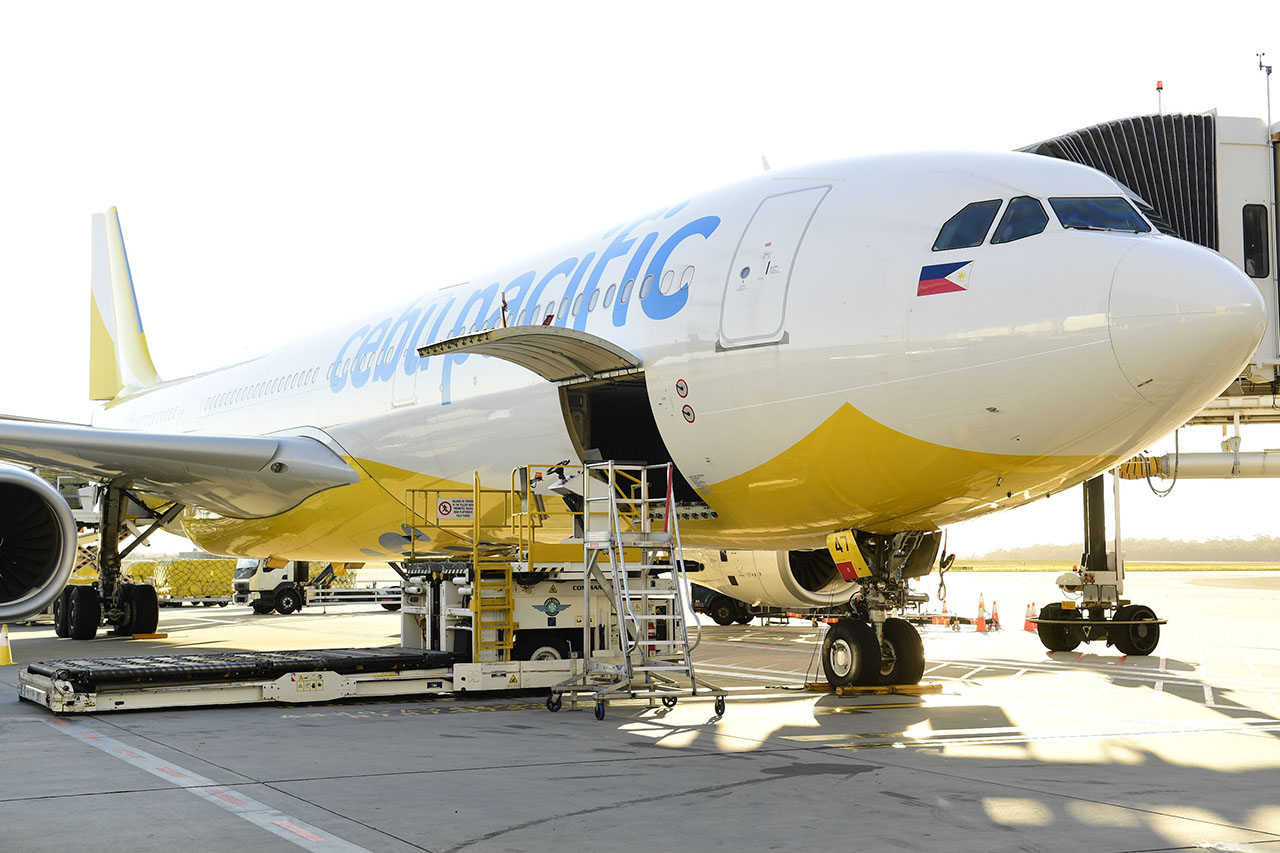
    Cebu Pacific has now achieved the highest ranking for safety with 7-stars from the world’s only safety and product rating agency AirlineRatings.com

    After careful evaluation and feedback from the airline and aviation industry AirlineRatings.com has upgraded its seven-star safety rating system to give more importance to IOSA and this move elevates Cebu Pacific up to 7-stars – the highest ranking.

    IOSA – the International Air Transport Association Operation Safety Audit – was first introduced in 2003 to curb the disturbing trend in airline accidents that could be attributed to simple processes and maintenance programs.

    Since it was introduced airlines that have completed IOSA have up to a four-fold safer safety record than airlines that do not do the audit.

    In 2017, the all accident rate for airlines on the IOSA registry was nearly four times better than that of non-IOSA airlines (0.56 vs. 2.17 accidents per million flights) and it was nearly three times better over the 2012-16 period.

    Of significant importance to Airlineratings.com is that the audit is done every two years and covers over 1060 parameters.

    AirlineRatings.com now awards an airline that has completed IOSA three stars.

    AirlineRatings.com Editor-in-Chief Geoffrey Thomas congratulated Cebu Pacific on this achievement.

    “Cebu Pacific has become a major part of the fabric of life in the Philippines bringing affordable travel to most,” said Thomas.

    “The airline has a very modern fleet and operationally is now up there with the best.”

    “That is great news for the traveling public,” said Thomas.

    The rating agency has reduced the stars allocated for ICAO compliance from two to one.

    The International Civil Aviation Organization (ICAO) was created to promote the safe and orderly development of international civil aviation throughout the world.

    It sets standards and regulations necessary for aviation safety, security, efficiency, and regularity, as well as for aviation environmental protection.

    It has 8 audit parameters that pertain to safety and they are; Legislation, Organization, Licensing, Operations, Airworthiness, Accident Investigation, Air Navigation Service and Aerodromes.

    If the country meets between 6 and 8 of the audits one star is awarded to the airline. Five secures 1/2 star. However, if any of the criteria are below the average by less than 5 percent it is considered a pass. If the country only meets up to four criteria no star is given.

    The other main criteria are; Is the airline on the European Union (EU) Blacklist; has it a fatality free record for the past 10 years and is the airline FAA (USA) endorsed?

    Cebu Pacific commenced services in March 1996, initially only domestic operations but launched international operations in November 2001.

    It now flies to 64 tourist/business destinations within Asia and operates 67 mainly Airbus aircraft

    Cebu was the first local airline to introduce e-ticketing, prepaid excess baggage and seat selection in the Philippines.

  • Qualtrics Research Reveals the Business Impact of Responding to Customer Feedback

    Qualtrics Research Reveals the Business Impact of Responding to Customer Feedback

    Qualtrics, the leader in experience management (XM), today launched research revealing the extent to which Singaporean businesses are responding to customer feedback and the subsequent impact on business outcomes.

    The Qualtrics State of Customer Feedback report – which surveyed 500 consumers – found that 42 per cent of Singaporean respondents said while organisations had acknowledged feedback they had failed to act upon it. Ten per cent said they were ignored entirely. This means just under half of customer feedback is being actioned in Singapore, with 48 per cent of respondents saying changes had been made based on their feedback.

    A failure to act on insights and address negative experiences has an adverse effect on loyalty, according to the Qualtrics study. Unresolved negative experience mean 84 per cent of consumers are less likely to buy again. When the experience is resolved however, 54 per cent of respondents are more likely to purchase again.

    “Through these findings Qualtrics aims to demonstrate the importance of acting upon feedback, and best practices for doing so across platforms and demographics. Organisations can engage with customers on their terms, interact with them when and where it suits them, and get straight to the issues that matter using dynamic data collection tools that adapt intelligently to feedback in real-time. Inspired by the insights, companies can not only react to feedback but also take actions to deliver a better experience next time.,” said Foo Mao Gen, Head of Southeast Asia, Qualtrics.

    First Impressions Count

    Findings emphasise the importance of making a positive first-impression on consumers, with respondents more likely to share a negative experience (58 per cent) than a positive one (26 per cent) following the first engagement. Males were also found to be more likely (35 per cent) to submit negative feedback compared to females (25 per cent).

    Positive experiences with employees also leads to more feedback being shared. Three in ten (30 per cent) of respondents said they would share feedback following a positive engagement, compared to 15 per cent who said a bad experience prompted feedback. Additionally, positive employee feedback is given over two times as much as negative employee feedback.

    Know How to Respond Across Channels

    The speed at which customers expect responses vary depending on the feedback channel used. Overall, 80 per cent of consumers want feedback within 24 hours – with just under two-thirds (62 per cent) saying it is received within this timeframe.

    With social media being entwined into consumers’ lifestyles today, it has emerged as a popular tool for customers to provide feedback. LinkedIn and Instagram should be consumers’ preferred feedback channel as this is where brands are most likely to respond within a 24-hour time frame (90 per cent and 77 per cent respectively).Facebook was found to be the least likely platform to respond within 24 hours (69 per cent). However, this is likely down to the sheer volume of feedback through the platform.

    Away from social media, email is the preferred option among consumers for sharing positive (39 per cent) and negative (40 per cent) feedback. Online reviews are also a popular platform for positive feedback, with 28 per cent opting for this platform. When it comes to sharing negative feedback, phones are the preferred platform after email (18 per cent).

    “Customers’ expectations for the time organisations take to respond to their feedback largely differ by industry. This could be due to preconceptions about the service standards of the industry and also, the value of the product and service, as evidenced by 87 per cent and 85 per cent of consumers expecting phone service providers and airlines respectively to respond within 24 hours, while only 70 per cent expecting the same from government agencies,” added Foo.

  • Cebu Pacific is Recruiting New Cabin Crew

    Cebu Pacific is Recruiting New Cabin Crew

    One of the Philippines fastest growing airlines, Cebu Pacific is currently recruiting new cabin crew in c, Bacolod, Pampanga and Davao.  Cebu Pacific is aiming to fly more than 200 million passengers by 2020 and currently serves 36 domestic and 26 international destinations across Asia, Australia, the Middle East, and the USA.

    The airline says 2019 will be a year of major expansion as it plans to take delivery of 12 brand new aircraft including Airbus A321neo, five A320s and a regional ATR 72-600.  “2019 is the year we accelerate growth. On average, we will be receiving one brand-new aircraft per month which we can use to increase capacity in key markets or even launch new routes,” explained Lance Gokongwei, the airline’s chief executive.

    Interested candidates will already need to have the right to live and work in the Philippines, as well as the ability to speak and write in both English and Filipino.  Female candidates must be at least 5’3″ tall, while male candidates must a minimum of 5’7″ tall.

    Candidates in Bacolod, Pampanga and Davao can apply via the official Cebu Pacific careers website, while those in Manila can either submit an online application or attend an Open Day.

    Walk-in screenings are taking place every day between Monday and Friday from 9:00am to 11:00am Cebu Pacific Building, along Domestic Road, Pasay City.  Candidates must attend in full business attire and have a copy of their updated resume/CV.

    Cebu Pacific has also made headlines recently after it offered the opportunity for 16 lucky candidates to undergo a “study now, pay later, zero-interest” pilot training program to become fully fledged commercial pilots with guaranteed employment with the airline.

    Here’s how Cebu Pacific describes the opportunity:

    “The Cebu Pacific Cadet Pilot Program is open to all Filipino citizens who are college graduates who are proficient in English. There are no preferred college degrees, and applicants need only have an average grade of at least 70% or its equivalent in subjects related to Math, Physics and English.”

    “The program entails 52 weeks of week integrated flight training, theory and education at Flight Training Adelaide (FTA) in Australia. They will undergo learning modules, train in a flight simulator and then on to an actual aircraft. Successful candidates will receive Diplomas of Aviation for Commercial Pilot License – Aeroplane, Instrument Rating, and for Pilot in Command. They will also undergo an additional four weeks of training to obtain a Pilot’s License under the Civil Aviation Authority of the Philippines.”

    “CEB cadet-pilots need not worry about expenses related to the flight training, as the airline will shoulder the costs first—including a stipend, and amortize the payment for the course while they are employed. The entire program will be financed by Cebu Pacific, and successful cadet-pilots who enter the CEB corps of pilots will reimburse the cost of the program through salary deduction over a maximum of ten years at zero-interest.”

  • UOB Lends For Largest Logistics Parks In Japan

    UOB Lends For Largest Logistics Parks In Japan

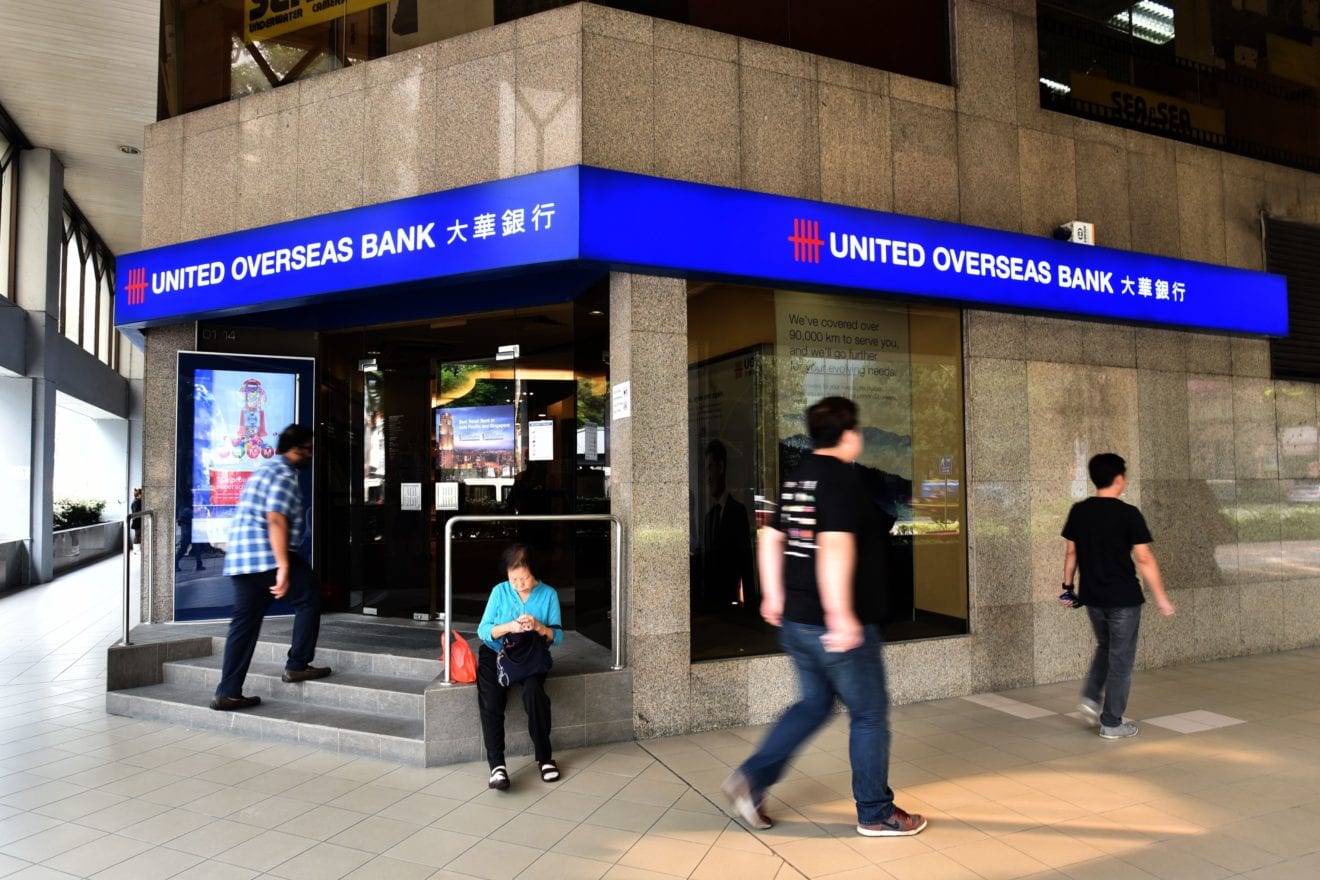
    United Overseas Bank has provided a financing facility for a real estate platform to acquire prime Tokyo Bay land with the purpose of building one of the largest master-planned logistics parks in the country.

    The Singapore bank on Tuesday announced that its Tokyo branch has signed an agreement to provide a non-recourse $179 million (20 billion yen) financing facility to ESR’s entities so that the real estate developer can acquire land in Yokohama, Kanagawa Prefecture, Japan. Last month, ESR announced that it has bought land in Yokohama for the purpose of building one of the largest master-planned logistics parks in Japan.

    «Through harnessing our product expertise and the strengths of our established regional network, we are committed to helping ESR expand its presence in the Asia Pacific. We look forward to extending our support to include cash and risk management solutions to assist ESR in optimizing its cross-border business operations and cash flow,» said Lim Lay Wah, Head of Global Financial Institutions Group, UOB, in a media statement.

    The transaction marks the first collaboration between UOB and real estate platform ESR in Japan, both companies said. ESR Sachiura TMKs are the onshore entities incorporated in Japan for the purpose of developing the ESR Yokohama Distribution Centre (ESR Yokohama DC) project, one of the largest master-planned logistics parks in the country.

    «With the support of UOB and other leading institutional investors, we are set to build ESR Yokohama DC as a flagship development not only for ESR’s growing network of best-in-class facilities but also for the burgeoning Japanese logistics property market,» said Stuart Gibson, co-CEO of ESR.

    Located within the Greater Tokyo Bay area with swift access to Tokyo’s central business district and major logistics infrastructure, ESR Yokohama DC will initially comprise two modern, four-story logistics facilities incorporating ESR’s human-centric design and state-of-the-art building specifications.

    With a total gross floor area of 393,226 sqm out of a total buildable area of over 700,000 sqm on site, the project is expected to be one of the largest multi-phased logistics parks currently under development in Japan in both size and value. The total investment for the first phase development is estimated to be more than $1 billion.

    In addition to the loan from UOB, ESR will use the equity investments from its capital partners, including Equity International and a major US pension fund, to fund the land acquisition. ESR is the largest Asia-Pacific focused logistics real estate platform by gross floor area (GFA) and by the value of the assets owned directly and by the funds and investment vehicles it manages.

    Cofounded by its senior management team and Warburg Pincus, ESR and the funds and investment vehicles it manages are backed by preeminent investors including APG, SK Holdings, JD.com, CLSA, Goldman Sachs, CPPIB, Ping An and Allianz Real Estate.

  • Credit growth limited at 15% for best banks in 2019

    Credit growth limited at 15% for best banks in 2019

    HÀ NỘI The State Bank of Vietnam (SBV) has assigned a credit growth limit to each commercial bank in 2019, with priority given to those who met Basel II’s capital safety and risk management standards ahead of schedule.

    According to the current regulation, the SBV sets a credit growth limit for the entire year for each bank – depending on its health – to ensure the credit growth target of the entire banking system during the year (14 per cent for 2019).

    This year, the highest credit growth limit of 15 per cent was assigned to the group of banks which met the Basel II’s standards earlier than the SBV’s deadline of 2020. The remaining banks, meanwhile, were allocated a lower rate of below 12 per cent.

    Last year, most banks were assigned higher credit growth limits, ranging from 14 per cent to 16 per cent.

    The credit growth target of the entire banking system and of each bank has tended to slow in the past two years. Experts attributed the slowdown to the SBV’s policy changes. Previously, due to the underdevelopment of the local stock market, banks, which should act only as intermediaries in the monetary market, had to function to fund medium- and long-term capital for the economy.

    However, the SBV has tried to gradually change the role of banks so as to make them fund only short-term capital for the economy through the provision of working capital loans for businesses and households.

    To make the change, the SBV required banks to lower the ratio of short-term funds for medium and long-term loans from 45 per cent in 2018 to 40 per cent since early this year.

    Experts have also agreed with the credit growth slowdown, saying it was necessary to improve banks’ credit quality and risk management.

    Nguyễn Xuân Thành from Fulbright University Vietnam said currently, the pressure on credit growth to support economic growth was not so high, so the allocation of a credit limit to each bank depending on its health was reasonable. Accordingly, banks should only boost credit in case of good control of risks, in order to ensure sustainable growth.

    To offset the revenue reduction from lending activities, banks said they plan to increase profits through cutting operating costs and promoting digital services.

    Đỗ Minh Phú, chairman of TPBank, said digital banking would play a major role in reducing operating costs and increasing the cost-to-income ratio (CIR) efficiency, contributing to improving the bank’s profits this year.

    Phú said the biggest costs in banking operations were the costs of network investment and development, along with the costs for personnel, which could be solved by the application of digital banking. Attracting customers to non-credit services and service fee collection was also becoming a trend.

    Sharing the same view, Nghiêm Xuân Thành, chairman of Vietcombank, said that 2019 would be the year of digital banking for Vietcombank. In the past three years, the bank had focused on investment and implementation of a new core banking system to boost service development and shift the revenue structure instead of relying heavily on credit.

    Developing digital banking combined with retail banking in a potential market of 95 million with a high percentage of young people means commercial banks were quickly accumulating a customer base and large payment needs, Thành said.

    The focus on digital banking combined with retail banking has also helped some banks, like Vietcombank, Techcombank and HDBank, increase their number of individual customers rapidly in recent years, which has also contributed to raising the banks’ current account savings accounts (CASA) significantly.

    Reports showed some banks last year raised CASA to 28-30 per cent in the total structure of deposits. The large proportion of low-interest rate deposits has helped banks reduce mobilisation and operating costs, increasing profits and improving marginal interest in lending.

  • Facebook could combine two important parts

    Facebook could combine two important parts

    Facebook is split into so many products these days that it’s hard to keep track to everything the social app has to offer if you’re not a hardcore user. News Feed, Stories, Messenger are just some of the features that Facebook has made available to users throughout the years.

    The reason Facebook split its app into so many pieces is quite simple: monetization. Well, it appears that the social giant has found a way to make even more money by combining, rather than dividing, two of these features: News Feed and Stories.

    The changes spotted by software engineer Jane Manchun Wong indicates that Facebook is testing a new format that will combine News Feed and Stories into a one swipeable, hybrid carousel.

    It will allow standard feed posts and ads to be placed inside Stories in the same carousel so that users would be tempted to swipe through them more often than not, which translates in more views and better monetization of content.

    The GIF posted by Jane shows how a user seamlessly switches between a News Feed story and a Stories video, inside the hybrid carousel. The feature has been discovered in the Android version of Facebook, but if the company does indeed plan to make it available, it will be present on all supported platforms.

  • Sephora heads to Seoul, Korea

    Sephora heads to Seoul, Korea

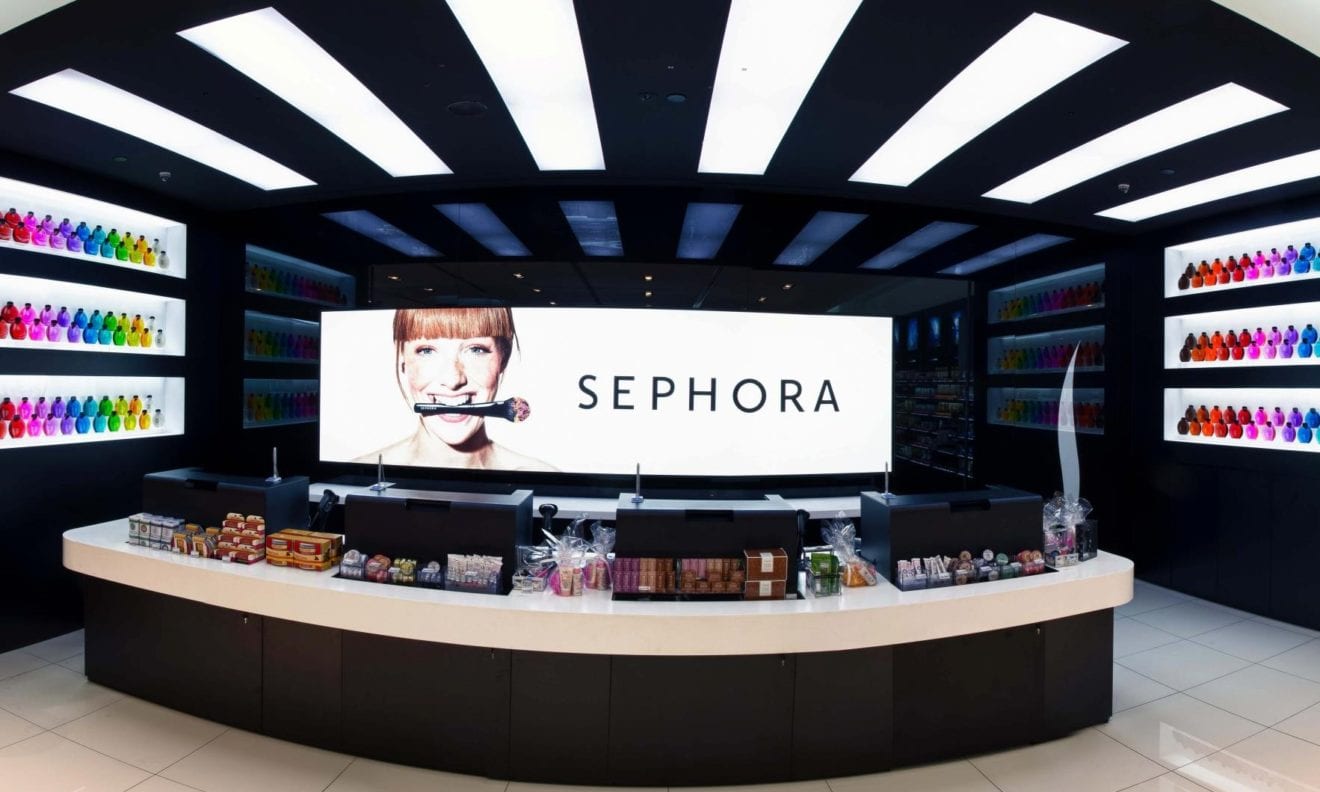
    LVMH-owned cosmetics retailer Sephora will launch its first outlet in South Korea this October.

    The first Sephora South Korea retail space will take up 547sqft in Gangnam, featuring hundreds of brands as well as home-brand products under the Sephora label.

    “Sephora will contribute to expanding the local beauty market by proposing a new standard,” said Sephora Korea CEO Kim Dong-ju.

    The Sephora South Korea store will be the first of six planned to be trading by next year, along with an online store.

    Sephora operates more than 3000 outlets worldwide and has a strong presence in Asia. It also plans to make a return to Hong Kong soon, opening in space at IFC mall.

  • Cebu Pacific Expands Horizons to Australia

    Cebu Pacific Expands Horizons to Australia

    Australian cities such as Perth and Cairns, as well as destinations in Japan and India, are on the radar for Philippines budget carrier Cebu Pacific as it expands its fleet of Airbus A321neos. Cebu, which already flies direct to Sydney and Melbourne from Manila, is stepping up its re-fleeting program and took delivery of the first of 32 A321neos at the end of January.

    It expects at least five more of the longer-range, fuel-efficient planes during 2019 to support its expansion plans.

    Cebu is known for packing seats into its bigger Airbus A330s and has followed that strategy with the smaller plane.

    The budget carrier has opted for the Airbus Cabin Flex fuselage modifications to give the A321neo 236 ergonomically-designed Recaro seats, slightly below the 244-seat Airbus maximum.

    It expects and Pratt & Whitney  GTF-powered planes to achieve a 20 percent savings in fuel costs as well as other advantages such as a significantly reduced noise footprint and lower maintenance requirements.

    The January delivery brought the total size of its fleet to 72 aircraft, including 43 Airbus A320s and A321s, eight A330s and 20 ATR turboprops.

    While the airline also has mid- and long-term plans for widebody aircraft, its primary focus is currently on the neos.  It is looking to grow its fleet to 83 aircraft in 2022, with 27 of those neos.

    “This year, we’re taking in 12 new aircraft, (the) bulk of it will be the A321neo,’’ Cebu vice president Lance Gokongwei told AirlineRatings.

    “We are continuously studying new routes and destinations, especially with the A321neo that has Northern Japan, India, and other cities in Australia like Perth and Cairns within its capabilities, but plans are not concrete for now.

    “While the A321neo will give us the capability to possibly service a direct route from the Philippines to Perth, we will make announcements on new routes and destinations in due time.”

    Cebu is the Philippines’ biggest carrier by passengers carried and claims a roughly 50 percent market share in terms of domestic travel and cargo.

    Competitor Philippine Airlines (PAL) is also expanding and received a boost in January when Japan’s All Nippon Airways announced it would invest $US95 million to a 9.5 percent stake in the Filipino carrier. PAL is already using the A321neo to service Brisbane.

    However, Cebu is unfazed by the deal and Gokongwei says it is good for the Philippines aviation industry.

    Gokongwei said the two had been partners for many years, including on code-sharing flights, and the investment was something Cebu had factored into its strategy.

    The low-cost carrier was also looking at tapping opportunities in Japan after establishing an office there in 2018.

    “As for the Philippines, we firmly believe that despite the massive growth in Philippine aviation over the past 20 years, there is still much room for expansion,” Gokongwei said.

    “Less than 50 percent of the Philippine population have traveled via air, as compared with Malaysia or Singapore.

    “People here are used to taking the bus and the boat–whereas air travel can be exponentially convenient and not as expensive as it used to be.”

    The airline executive sais there was still “much room”’ to develop Clark International Airport, the former US air base, as a secondary domestic hub.

    “There is also strong demand for inbound flights from North Asia into Cebu, which we have turned into our beach hub as we fly to key island destinations from there, ‘ he added.

    A key to Cebu’s low-cost model is the ability to offer fares that are up to 40 percent lower than those of its competitors, partly through its investment in new and more efficient aircraft and technology.

    But it isn’t all smooth sailing: net income for the airline’s first nine months of 2018 fell 36 percent to 2.78 billion pesos as it grappled with higher fuel costs and a weakening currency.

    “Despite challenges brought on by volatile fuel prices and the foreign exchange of the Philippine Peso, Cebu Pacific has managed to keep sound fundamentals,’’ Gokongwei said.

    “Revenues have been growing by 12 percent annually for the past eight years and we have maintained healthy operating margins.”


  • Apple is spending Millions on new Games for Arcade

    Apple is spending Millions on new Games for Arcade

    Last month, Apple Arcade was unveiled. Set to launch this fall, the service will offer subscribers access to over 100 “groundbreaking” new games. The Arcade will be available on all Apple devices including the iPhone, iPad and the Mac. And the only cost will be the monthly subscription fee; there are no in-game extras that Arcade members will have to shell out for. Besides allowing a family with up to six members to share, a whole new family of accessories certified MFi (made for iPhone, iPad), such as game controllers, will make playing games on an iOS device much easier.

    With iPhone sales struggling, the company is looking to take advantage of the large number of active units (nearly 1 billion at last count) by selling owners of these handsets subscription services such as Apple Music, Apple News+, Apple TV+ and Apple Arcade. Apple is looking to double its services revenue from the $25 billion it collected in 2017 to the $50 billion it hopes to garner next year. For the fiscal first quarter of 2019, the period covering October through December of last year, Apple grossed nearly $11 billion from its services unit, putting it on track to meet its goal for fiscal 2020.

    Apple has budgeted more than $500 million this year to spend on games for Arcade. In other words, the company is spending millions of dollars on each game. Will there be a payoff for the company after it keeps cutting such large checks? Global banking giant HSBC believes so. The firm’s analysts see Apple Arcade grossing $370 million next year, overtaking Apple TV+ by 2022 with $2.7 billion in sales, and generating $4.5 billion in revenue by 2024. In that year, HSBC expects Apple TV+ to bring in $4.1 billion in revenue, while Apple News+ takes in approximately $2.7 billion.

    To help generate business for Arcade, Apple is offering incentives to developers who are willing to give the new service exclusivity on new games for a few months. That would keep popular titles off of other platforms, including the Google Play Store, for a period of time. Apple is hoping that this will lead to developers debuting their games on Arcade first, which was a pattern seen years ago when App Store users spent much more money on games than Android users. Now, with Android’s huge global market share, new games are apt to launch on both platforms at the same time.

    The $500 million Apple has reportedly budgeted for Arcade is half the $1 billion it originally expected to lay out for Apple TV+. Games already announced for Arcade include one based on Sega’s popular Sonic the Hedgehog character. Subscribers will also be able to select titles from Cartoon Network and Lego. There will even be a new version of Frogger available. Independent developers, who have proven themselves with games listed on the App Store, have received larger than normal advances from Apple to deliver new titles for Arcade.

    HSBC forecasts that Apple Arcade will have 29 million subscribers by 2024, paying $12.99 a month for the service. But that is only an estimate. Only time will tell whether Apple has made the right move by laying out half a billion dollars for new, unproven games for its service. And if Arcade ends up being a big money maker for Apple, competition will surely follow. Still, Apple will have the advantage of plucking apples from the low hanging trees. Those are the nearly one billion owners of an active iPhone who will be receptive to Apple’s marketing of Arcade.

  • Australian dollar slightly up again

    Australian dollar slightly up again

    The Australian dollar has dipped slightly, buying 71.70 US cents from 71.69 US cents on Monday.

    On Monday morning, the dollar was buying 71.71 US cents from 71.61 US cents on Friday.

    Last Friday morning, the local currency has fallen, buying 71.25 US cents from 71.61 US cents on Thursday.

    It had flatlined near a six-week peak as losses on Asian share markets chilled risk sentiment somewhat.

  • 2020 Mercedes-Benz GLS Photos Leaked

    2020 Mercedes-Benz GLS Photos Leaked

    Official photographs of the new-generation Mercedes-Benz GLS SUV have been leaked ahead of its global debut at the 2019 New York Auto Show. The SUV will be manufactured at Mercedes’ plant in Alabama and will be launched in India sometime next year. As far as looks are concerned, the new GLS SUV sports a less aggressive design with fewer character lines. The front end still looks muscular with the creases on the bonnet and a new grille.

    The new GLS also comes with a set of new LED headlamps with integrated LED daytime running lamps. The bumper is also new and appears to come with large intakes on either end with an airdam and skid plate at the centre. What is also new is the fact that the new-gen SUV does not get the flared wheel arches from the outgoing model. While the silhouette remains more or less similar, the new-gen GLS gets cool looking slim LED tail-lamps, making for a classier look at the rear.

    From the sides, the SUV certainly looks bigger than ever with the additional claddings on the wheel arches, sportier alloy wheels and few other minor tweaks. Under the hood, the GLS is likely to get the same in-line six and V8 powertrains too which is seen in the S-Class including the GLS 600 which is likely to wear the ‘Maybach’ badge. Moreover, there will be also a 63 AMG version which will get a 4.0-litre, twin-turbo, V8 engine which is likely to belt out over 600 bhp.

    As far as interior is concerned, the overall design looks to be inspired by the GLE, with the same MBUX infotainment system, same steering wheel and the same design of the AC vents as well. We expect the GLS to be the true blue luxury barge as before and offer excellent comfort for third row passengers as well.

  • Primark opens world’s largest fashion store

    Primark opens world’s largest fashion store

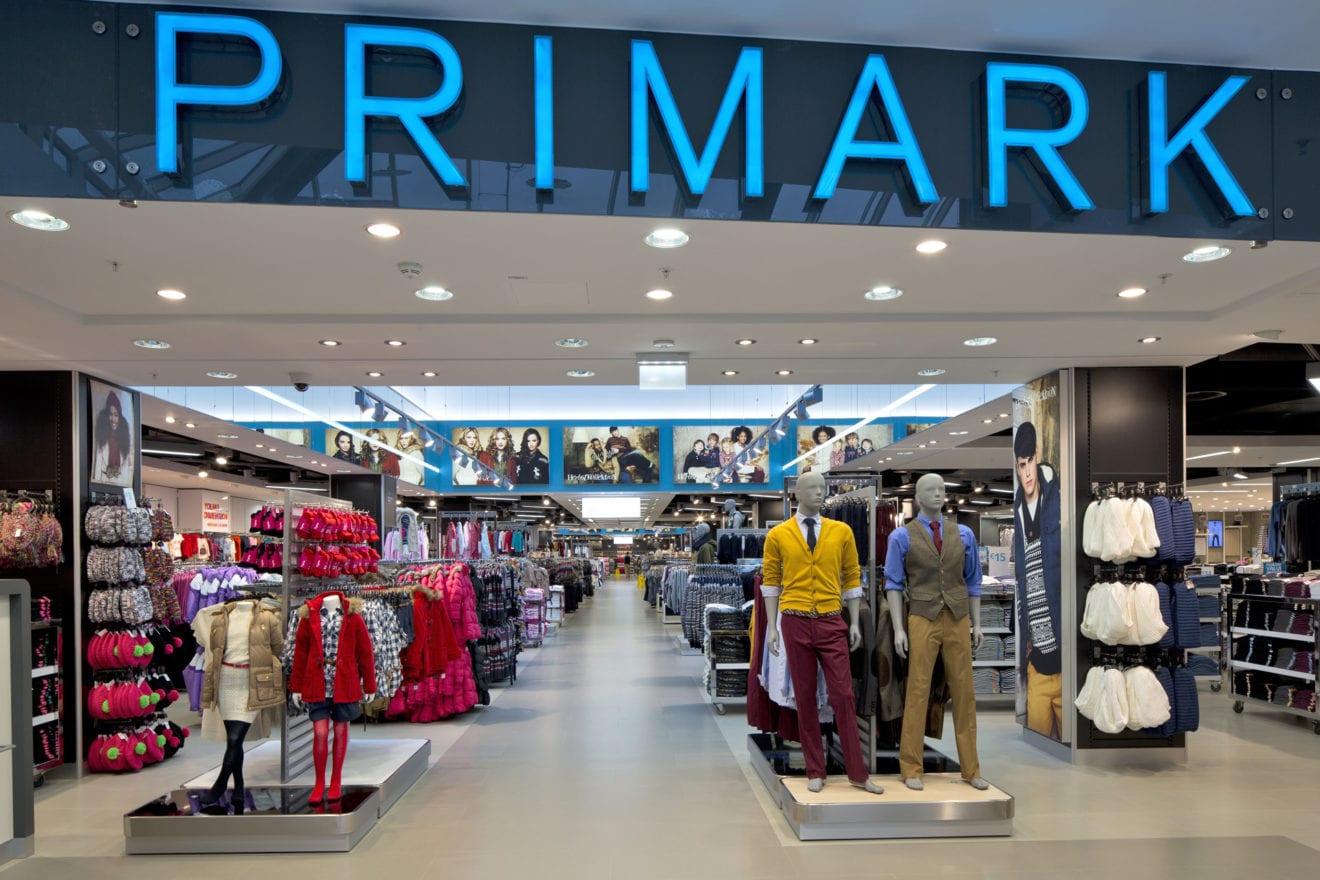
    Primark has launched the world’s largest fashion store in Birmingham, the UK. The 160,100sqft store is built over five stories and has been officially recognised by Guinness as the largest fashion store in the world. It has effectively taken over the former Pavilion shopping centre in the city’s downtown heart.

    The entire building is given over to Primark’s ranges and includes several in-store shops, a custom lab for personalised goods, and three dining options including a Disney-themed cafe and the first own-brand Primark cafe.

    Primark’s store design director Sanjay Dihman told that the combination of food-and-beverage offers will attract footfall, along with the new store design and the sheer scale of the store.

    “People will be intrigued by that, and also personalisation, barbers and the beauty studio make it whole collection of different offers that will attract footfall.”

    The store, believed to have cost £70 million to construct, also contains a Duck and Dry salon, a Duck and File Xpress nail boutique, and Joe Mills barber shop.

    The Irish retailer launched in 1969, entering the US market in 2015 where it plans to expand beyond its current nine outlets.