Author: Mei Ling Tan

  • MV Agusta F4 Claudio Limited Edition Model Unveiled

    MV Agusta F4 Claudio Limited Edition Model Unveiled

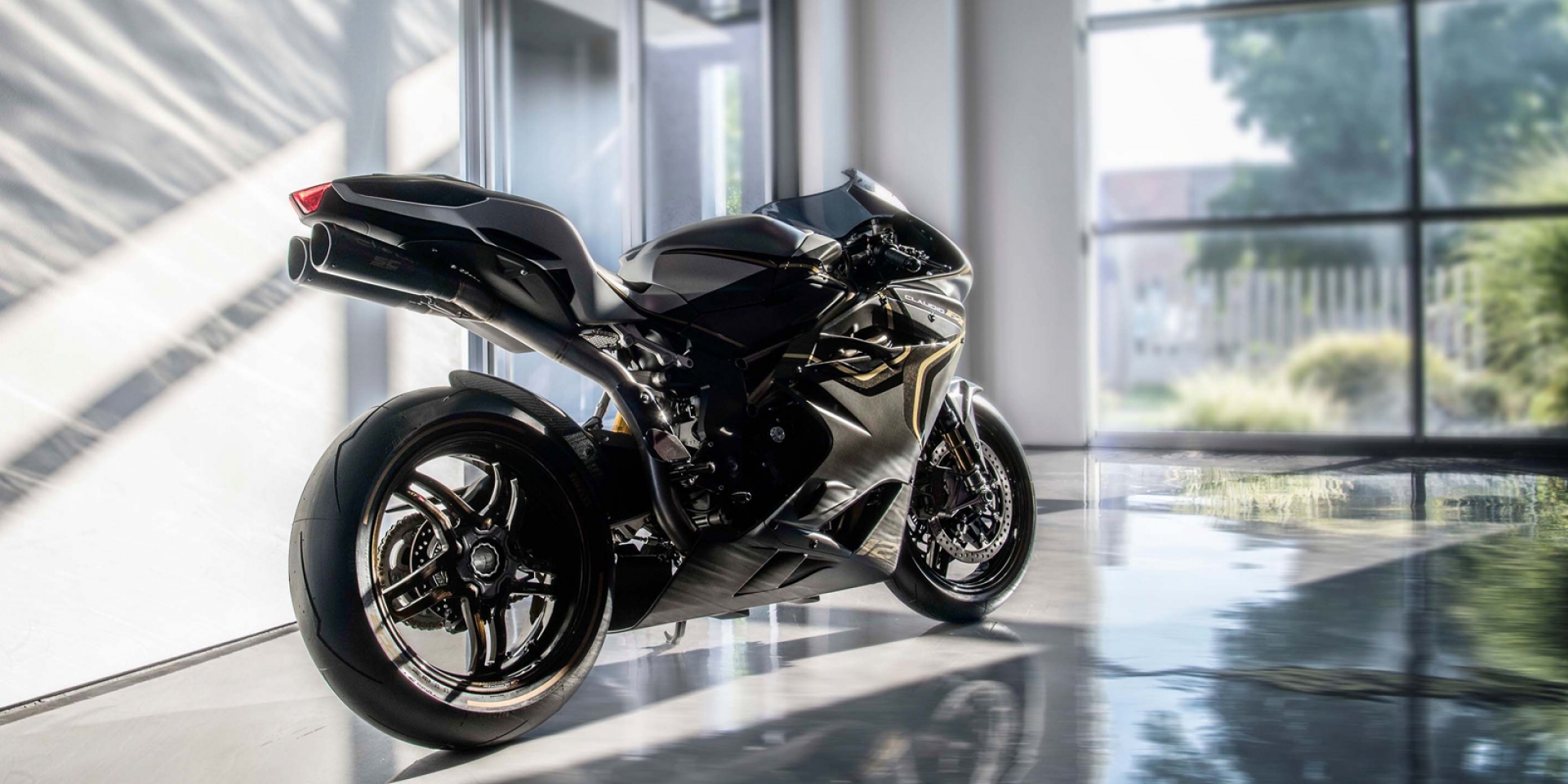
    The MV Agusta F4 Claudio pays homage to Claudio Castiglioni, the man credited with reviving the MV Agusta brand in the 1990s. Claudio played a huge role in the Italian motorcycle industry, and in the successes of brands like Ducati, Cagiva and Husqvarna over the decades. But it’s his time with MV Agusta for which he’s best known and celebrated for. Under his leadership, MV Agusta was revived producing the F4 750 superbike, designed by Massimo Tamburini. And that bike became the basis for a range of new high-end machines, including the Brutale and the F3. The current F4 is set to be replaced by an all-new model to cope with new emission regulations, and as a last hurrah, a final special edition model honouring Claudio Castiglioni has been unveiled.

    The MV Agusta F4 Claudio, as it’s called, is a proper limited edition model with all the high-end components and equipment befitting a homage model. The technical base of the model is taken from the MV Agusta F4 RC, and shares many of the features seen on the MV Agusta model that competes in the World Superbike Championship. The engine has titanium connecting rods and the crankshaft has been specifically designed and balanced, and the combustion chamber has radially-set valves. With the bike set-up for track, maximum power is rated at 212 bhp, kicking in at 13,450 rpm, with a peak torque of 115 Nm at 9,300 rpm. With the standard road-legal set up, maximum power still touches 205 bhp.

    The F4 Claudio sports dual exit titanium SC-Project racing exhaust system with a dedicated control unit. There’s a wide range of electronics with four maps on offer, which can be selected instantaneously via the racing push-buttons. The braking system includes Brembo Stilema 4-piston Monobloc radial calipers gripping twin 320 mm front discs, and top-spec Ohlins shock absorbers are said to provide maximum performance on both road and track.

    A lot of carbon fibre has been used to keep the bike’s weight low, including a full carbon fibre fairing and lightweight carbon wheels. Titanium has also been used in the bolts and screws, with CNC-machined aluminium alloys used extensively on functional components such as the triple clamp, height-adjustable footpegs, brake and clutch levers, and brake fluid reservoir plugs and filler cap. The ‘Claudio’ is limited to just 200 bikes, and price is expected to be exclusive, with a probable announcement at the EICMA show in Milan next month.

  • New 2018 Hyundai Santro Launched In India

    New 2018 Hyundai Santro Launched In India

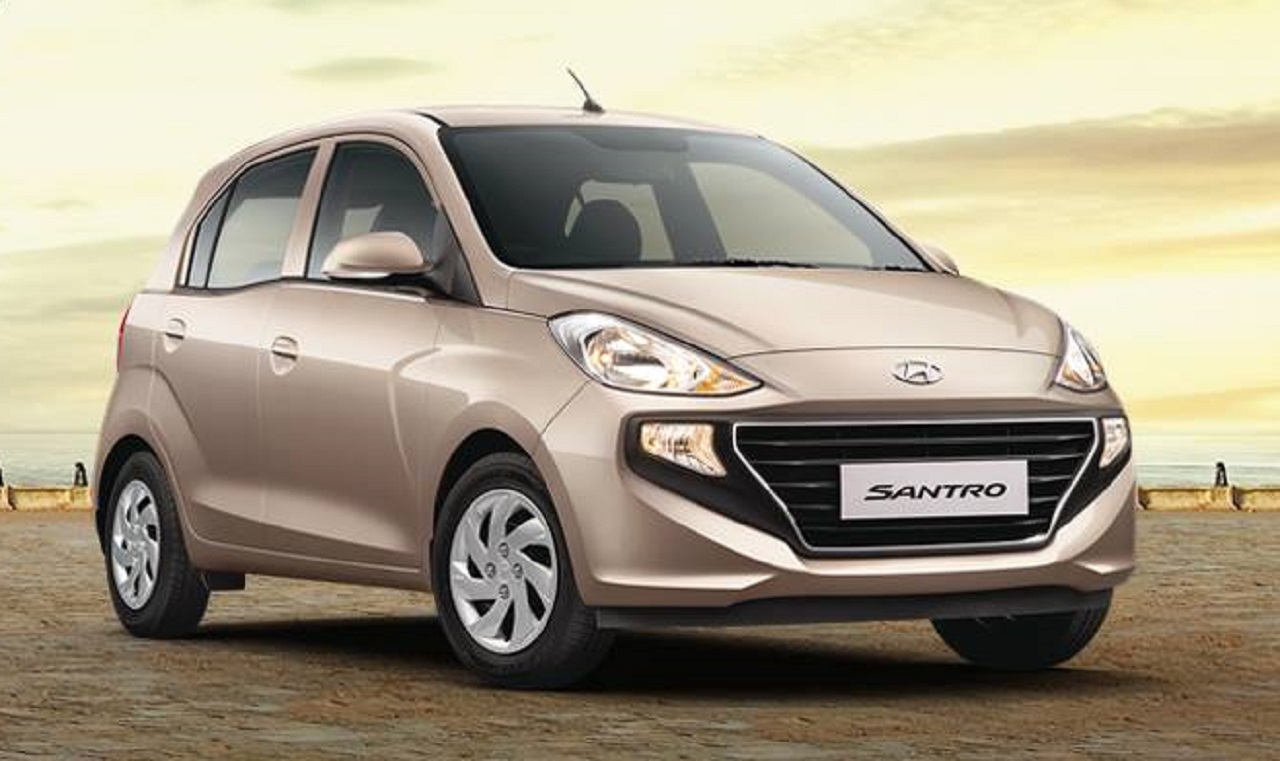
    Hyundai India has launched the all-new 2018 Hyundai Santro in India at a starting price of Rs 3.89 lakh. The new Santro will be available in five variants for the petrol manual version while the petrol automatic and the CNG manual versions gets two variants each. The new Hyundai Santro Prices for the petrol manual range from Rs 3.89-5.45 lakh while the ones for the petrol automatic AMT range from Rs 5.18-5.46 lakh. The new 2018 Hyundai Santro CNG is priced at Rs 5.23-5.64 lakh. The new Hyundai Santro will take on the likes of the Maruti Suzuki Celerio, the Tata Tiago and the Renault Kwid 1-litre apart from the likes of the Maruti Suzuki Wagon R, a new version of which will be launched very soon. The new Hyundai Santro will be slotted in between the Hyundai Eon and the Hyundai Grand i10. Here is a detailed table with all the prices below.

    The Hyundai Santro will be powered by a 1.1-litre, 4-cylinder, naturally aspirated engine, which makes 69 bhp of peak power and 99 Nm of peak torque when powered by petrol. The petrol engine is mated to a 5-speed manual or a new 5-speed AMT gearbox that has been developed by Hyundai in-house. The petrol engine, in both manual and AMT guise are fuel efficient and the Hyundai Santro Mileage is 20.3 kmpl.

    Hyundai Santro Price In India
    Variant Price (ex-showroom, Delhi)
    Santro D-Lite ₹ 3,89,900
    Santro Era ₹ 4,24,900
    Santro Magna ₹ 4,57,900
    Santro Magna AMT ₹ 5,18,900
    Santro Magna CNG ₹ 5,23,900
    Santro Sportz ₹ 4,99,900
    Santro Sportz AMT ₹ 5,46,900
    Santro Sportz CNG ₹ 5,64,900
    Santro Asta ₹ 5,45,900

    There is also a new Hyundai Santro CNG version on offer straight from the factory that makes 59 bhp of peak power and 84 Nm of peak torque. The engine is mated to a 8 kg CNG tank that is mounted in the boot of the Hyundai Santro. The new CNG version of the new Hyundai Santro will offer 30.48 km/kg of fuel economy on CNG fuel. The CNG version also gets duel ECUs to provide a seamless switch between petrol and CNG along with a matrix injector and a filter valve for better performance and more safety respectively.

    The Hyundai Santro gets five variants i.e. D-Lite, Era, Magna, Sportz and the top of the line Asta. The car is available in seven colour options ranging from a bright blue, red or green to the more sombre whites, greys and golds. The new Santro gets no alloy wheels, LED daytime running lights or projector headlamps abut it does get 14-inch wheels as standard along with a set of silver wheelcaps on the higher spec versions while the lower variants will get plain silver wheels with small wheel-hub covers.

    The overall design on the new Santro is quite contemporary. Athough Hyundai claims that the Santro is a tall-boy design, the design is actually a great blend of the conventional Santro tall-boy look and a very typical entry level hatchback. The new Santro also gets a flat back with two mid-set tail lamps. The tail lamps too are conventional and not LED versions. The Santro is also much larger than its predecessor measuring in at 3610 mm in length, 1645 mm in width and 1560 mm in height. The wheelbase on the new Santro is now at 2400 mm and it does offer best in class rear legspace.

    On the inside, the new Hyundai Santro offers a range of features like a 7-inch touchscreen infotainment system that offers mirrolink and Bluetooth connectivity. The infotainment system also offers the likes of Apple CarPlay aad Android Auto. The new Hyundai Santro also gets rear AC vents – another first in class feature, but does not get climate control. The new Hyundai Santro will also offer a single driver side airbag as standard on all models but will offer a secondary passenger side airbag only on the Asta model. While all variants of th Hyundai Santo will get a beige and grey interior, the Diana Green version in the Asta model will get an all-black interior along with colour matched interior trim and colour matched green seatbelts.

    Hyundai Santro Engine Specifications

    Hyundai Santro Petrol CNG
    Engine 1.1-litre petrol 1.1-litre petrol + CNG
    Max Power 68 bhp @ 5500 rpm 58 bhp @ 5500 rpm
    Max Torque 99 Nm @ 4500 rpm 84 Nm @ 4500 rpm
    Transmission 5-Speed MT/AMT 5-Speed MT
    Fuel Efficiency 20.3 kmpl 30.48 km/kg

    Speaking at the world premiere of the all new Hyundai Santro, Mr. Y K Koo, MD & CEO, Hyundai India said, “Today is a Historic moment as we announce the world premiere of the all new Santro. The Hyundai Santro is an iconic and legendary brand in India that has won the hearts of millions of customers for last two decades. The magic of Santro continues with The all new Santro receiving overwhelming response in less than two weeks.”

    The all-new 2018 Hyundai Santro has already received over 23,500 bookings in just 12 days even before individuals had the chance to see the new car in the metal. Although these bookings were exclusively available online, bookings at dealerships have also officially begun today. The introductory pricing will only be applicable for the first 50,000 customers. Considering the fact that Hyundai will only be making about 10,000 units of the new Santro every month, expect waiting periods of a few weeks to follow. Currently, over 30 per cent of all bookings for the new 2018 Hyundai Santro are for the AMT model.

  • Fiat Chrysler Sells Magneti Marelli For $7.1 Billion

    Fiat Chrysler Sells Magneti Marelli For $7.1 Billion

    Fiat Chrysler Automobiles has announced that it has entered into a definitive agreement to sell its automotive components business Magneti Marelli S.p.A. to CK Holdings Co., Ltd, a holding company of Calsonic Kansei Corporation. Following the closing of the Transaction, CK Holdings will be renamed as Magneti Marelli CK Holdings. The combined businesses of Calsonic Kansei and Magneti Marelli will create the world’s 7th largest global independent automotive components supplier based on total revenues.

    The agreement represents a transaction value of 6.2 billion Euros ($7.1 billion). The Transaction is expected to close in the first half of 2019 and is subject to regulatory approvals and other customary closing conditions. The new entity will operate out of nearly 200 facilities and R&D centres across Europe, Japan, the Americas, and Asia Pacific.

    FCA has also agreed to a multi-year supply agreement that will further strengthen a mutually beneficial relationship for both Magneti Marelli and FCA’s expanding model range and which will sustain Magneti Marelli’s Italian business operations, positioning it strongly for continued growth and success in the future. The combined company will be led by Beda Bolzenius, currently CEO of Calsonic Kansei, based in Japan. Ermanno Ferrari, CEO of Magneti Marelli, will join the Magneti Marelli CK Holdings board.

    Mike Manley, CEO of FCA, said: “Having carefully examined a range of options to enable Magneti Marelli to express its full potential in the next phase of its development, this combination with Calsonic Kansei has emerged as an ideal opportunity to accelerate Magneti Marelli’s future growth for the benefit of its customers and its outstanding people. The combined business will continue to be among FCA’s most important business partners and we would like to see that relationship grow even further in the future. The transaction also recognises the full strategic value of Magneti Marelli and is another important step in our relentless focus on value creation.”

  • DHL Express recognized as APAC Employer in 2018 by Aon Hewitt

    DHL Express recognized as APAC Employer in 2018 by Aon Hewitt

    DHL Express, the world’s leading international express services provider, has been named Asia Pacific Best Employer 2018 by Aon Hewitt, the global talent, retirement and health solutions business of Aon plc. This is the fifth time DHL Express has won this award in the region, since 2013. This accolade is conferred to companies which have won Aon Hewitt awards in at least three countries across the region, and DHL has exceeded this expectation by winning Best Employer in India, Malaysia, Philippines, Singapore and Thailand.

    Ken Lee, CEO, DHL Express Asia Pacific said, “It is an honor to be recognized as a leading employer and an excellent workplace in Asia Pacific again. This award is a huge win for the region because it is strong proof that we have been successful in building positive relationships with our employees, who are such vital assets to the success of our organization. As we aim to remain Employer of Choice, employee engagement continues to be our top priority and we are committed to sustained investment in our employees to help them realize their full potential.”

    Based on a comprehensive study, nominated companies were thoroughly assessed by an independent external committee based on three types of sources: employee opinion survey, human resources practices, and CEO questionnaire and interview. According to Aon Hewitt, DHL Express has demonstrated and achieved consistently high performance in key areas of Employee Engagement, Compelling Employer Brand, Effective Leadership and High Performance Culture across the region. Additionally, employee perception indicates that DHL Express excels in critical execution enablers including infrastructure and technology that drive productivity and encourage collaboration, and openness to diversity in the environment.

    DHL Express’ continuous investment in talent growth, including its Certified International Specialist (CIS) and Certified International Manager (CIM) programs has trained over 60,000 employees in Asia Pacific as of 2017. Employees are trained on the company strategy, and fundamentals of international and management skills such as ensuring respect and results while interacting with colleagues.

    In addition to the CIS and CIM programs, DHL Express regularly organizes activities that celebrate and recognize employees’ dedication and cultivate employee engagements at all levels. These include initiatives such as ‘Staff Appreciation Week’ and ‘Employee of the Year’. Most recently in August 2018, DHL Express held its DHL AsiaCup in Singapore — the annual employee football and cheerleading event involving more than 1,000 employees, to rally teams across the region to build an even stronger employee network and celebrate their successes.

    First conducted in Asia in 2001, Aon Hewitt’s Best Employers study aims to recognize companies that have a real competitive advantage by investing in its people, and to explore the winning attributes of a workplace of choice.

  • Philip Morris International Launches Healthier Alternatives for Smokers

    Philip Morris International Launches Healthier Alternatives for Smokers

    In its passion and drive to provide better choices to people who smoke, Philip Morris International Inc. (“PMI”), the global leader in smoke-free innovation and science, has launched the next generation of IQOS. The new IQOS 3 and IQOS 3 MULTI integrate extensive consumer insights and feedback to improve design and user experience while maintaining signature taste, sensory attributes and ritual—all underpinned by strong scientific substantiation. The new versions aim to further encourage a growing number of smokers to switch, to the benefit of their health, public health and, ultimately, society.

    The new iterations were launched in Tokyo, Japan—the country considered the birthplace of IQOS. The iconic brand offers the best in taste and satisfaction in the category, and almost 6 million adult smokers have already quit cigarettes—with more than half of those in Japan.

    “Our dream was to create a better alternative for smokers, and IQOS has made this dream a reality; it’s a revolution for the 1.1 billion people who smoke,” said André Calantzopoulos, PMI’s chief executive officer. “IQOS 3 and IQOS 3 MULTI deliver significant improvement and innovation and mark another step toward convincing all men and women who would otherwise continue to smoke to switch to smoke-free alternatives. IQOS consumers know that this product changes many things in their lives—we thank them, and we thank Japan for leading this positive change.

    Behind every development at PMI is robust science. Its scientific assessment program is based on longstanding practices of the pharmaceutical industry and is in line with U.S. Food and Drug Administration (FDA) guidance. IQOS produces an aerosol that contains on average 90 percent lower levels of harmful chemicals than cigarette smoke. The totality of PMI’s preclinical and clinical evidence indicates that switching completely to IQOS presents less risk of harm than continued smoking. Evidence also shows that IQOS does not negatively affect indoor air quality. On average, 70 to 80 percent of IQOS users have quit cigarettes, which makes IQOS the most compelling smoke-free alternative today.

    PMI has filed a Modified Risk Tobacco Product Application (MRTPA) for IQOS with the U.S. FDA, but the U.S. FDA has not yet completed its review of our data. IQOS is not for sale in the United States.

  • The sharp rise of Pinduoduo – What is the secret?

    The sharp rise of Pinduoduo – What is the secret?

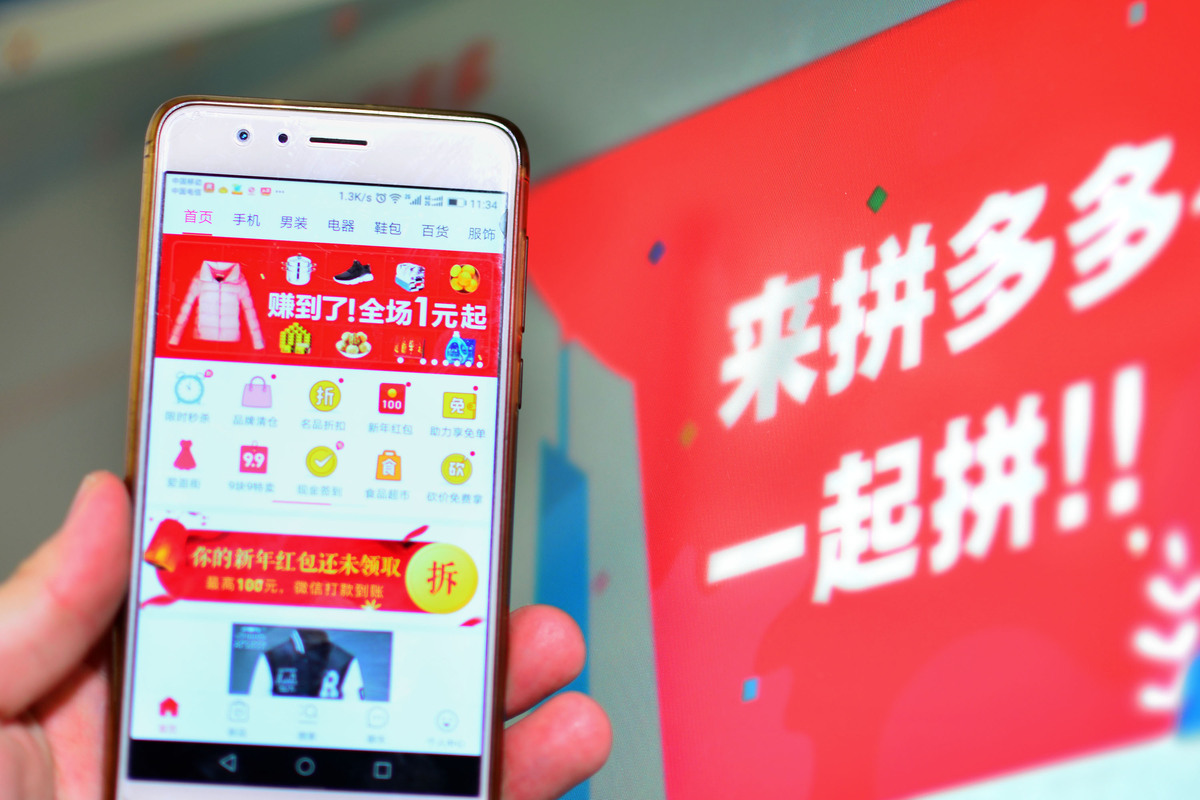
    Pinduoduo, also known as PDD, founded by the Ex-Googler Colin Huang, is currently the fastest growing app in the history of the Chinese Internet and the leading Chinese App for social e-commerce. Pinduoduo is reported to have raised a US$3 billion investment round led by Tencent Holdings, at a valuation of US$15 billion. A significant point here is the collaboration with Tecent’s WeChat app (The Chinese analogy to WhatsApp), which plays the most significant role in the functionality of the app and the way it works.

    The app has a list of techniques to push the users share it with their friends and to keep them actively using it after. Pinduodo allows users to participate in-group buying deals with their friends, mostly via Wechat. Pinduoduo can be described best with the words, viral, quick, addictive, attractive, and convenient. Also, probably the most contemporary version to online shopping, bringing into integration the most powerful tools of nowadays communication- messaging and group chats.

    The app, often used through WeChat messaging service, offers merchandise at times 20 percent cheaper than market price by letting consumers buy directly from manufacturers, cutting out middlemen, advertising and acquisition costs. Huang and his developers also used their experience to add gaming elements to the shopping experience, offering coupons and rewards.

    At the end of December 2017, PDD had more than 156.5 million users. PDD gives people a different experience than at traditional e-commerce sites like Amazon.com or Alibaba. PDD is like a digital version of shopping at the mall with friends.

    The strongest asset of PDD is that it is doing extremely well in small cities. Most of the users are price-sensitive women above 40 years old, living in small cities in China. Which gives us a clear picture – frequent purchases for the whole family.

    Pinduoduo has got a few main features:

    1. Group Buying. In order to get discounted price, find a friend to join the group buy deal.
    2. Free products. If you get enough new users to follow the Pinduoduo Official Account, install the App and sign up via WeChat login.
    3. Buy it now coupons. Unlike other coupons in China, PDD offers coupons for two hours only. Which means the user has to take action immediately.
    4. “Bargain” with friends. Each time a friend volunteers to help you “bargain”, the price decreases a bit. You can even succeed getting the product free.
    5. Get cash rewards for inviting friends.
    6. Use of lotteries. Invite friends to join within a specific period of time and win the product for less than 10% of the cost.
    7. Automatic payment. PDD uses automatic WeChat payments. After allowing “password-less payments” by default at the end of your first purchase, you will not have to enter your password anymore and you will be able to pay with one-click payments.

    Pinduoduo has a strong asset over other online retailers and it is in offering cheap deals. To maximize this, Pinduoduo makes the best out of its own users. You may ask how? Very simple, to get the best bargains, users have to invite more buyers, which helps the company maintain the low prices.

    What are the reasons for the fast growth?

    The first point to highlight is the “social shopping” that PDD offers. WeChat has a monthly active user base of over 1 billion. It allows purchases as a group through which users can receive a group discount for purchasing as a group. Users get a product link that they can share with their WeChat friends. The will of users to get a good deal, it is what makes them want to share the app, with as many as possible people. In 2016, when people did not think it was impossible to exponentially grow user traffic, Pinduoduo accumulated one hundred million users through the above method.

    The second smart move of Colin Huang, the Founder of Pinduoduo is the fact that he knew that he must know his market. To understand Pinduoduo, we must understand the users behind Pinduoduo. Comparing Pinduoduo and JD.com’s user distribution, we see that 65% of Pinduoduo users are from third tier cities or more rural areas, while half of JD.com users come from first plus second tier cities, and half from the rest of China. Pinduoduo has achieved unprecedented growth by targeting the low-income population who are also new internet users with its value game.

    Last but not least key move of Huang was giving more profit for the merchants.  Pinduoduo attracts merchants by charging zero fees for selling on their platform. Advertising is achieved through users sharing to social media. As the number of Pinduoduo users grows, the app has formed an ecosystem of user-generated product promotion, allowing merchants to reach the 300 million users directly. By this, satisfying the survival needs of the mid-tail merchants. Colin Huang gave the small merchant a dream opportunity to grow big. And stories such as “Girl born after 1980 achieves 5 million yuan in sales after four months on Pinduoduo”, and “Selling 260 million packs of napkins in two years with three cents of profit per pack” began to appear on the news.

    Along with that, Huang does not compromise on the quality and makes sure that users know that the rapid rise of PDD is not accidental. After some users being dissatisfied with the poor quality, speed of delivery, inconsistencies between product and photo, and failure to receive refunds after waiting for a long time. To address these problems, a customer protection fund was set up by PDD. It helps consumers deal with after-sales disputes and claims. By this focusing on maintaining returning customers and not one time excitement, that will be the end of the customers’ interaction, with the app.

  • Skechers achieves record third quarter 2018 sales

    Skechers achieves record third quarter 2018 sales

    Skechers USA, a global footwear leader, has announced financial results for the third quarter ended September 30, 2018. “Achieving record third quarter sales is a notable accomplishment given the strength of our third quarter 2017 sales,” began Robert Greenberg, Chief Executive Officer, Skechers.

    Greenberg added, “Both our domestic and international businesses grew, and we remained the leader in walking, work, casual lifestyle and sandals footwear in the United States. We experienced strong product successes across multiple divisions around the world, which was evident by our double-digit growth in both our international wholesale and worldwide Company-owned retail businesses. Skechers D’Lites, our heritage chunky style that has seen great success over the last two years in Asia, is now an in demand style across North America and Europe, and is poised for growth in South America, India and the Middle East. Through Skechers D’Lites, we are reaching a younger, more fashion-savvy audience, and getting press—from Marie Claire and Elle to HypeBae and Highsnobiety—and social media influencers are embracing this signature look. Further, we are seeing renewed acceptance of this chunky style by men. Our core footwear categories for men, women, work and golf are also performing well. We are achieving this growth with the right product mix combined with a balanced approach to marketing spend. As we continue to invest in our international infrastructure, we believe there is significant opportunity to grow our brand further through both wholesale, and Company-owned and third-party retail stores, which now stand at 2,802 locations worldwide. We’re looking forward to fourth quarter growth across both our domestic and international channels and a new annual sales record.”

    “As we near the close of 2018, we believe the direction of our business is on target with our record sales in the third quarter, continued international growth and strong gross margins,” stated David Weinberg, Chief Operating Officer of Skechers.

    Weinberg added, “With three record sales quarters in 2018 and brand acceptance around the globe, we achieved a new record for the first nine months of US$ 3.56 billion, an 11.5 percent increase over last year. In the third quarter, our international distributor business returned to growth, increasing 11.6 percent over the same period last year, and combined with our international joint venture and subsidiary business, our total international wholesale sales increased 11.8 percent for the period. International wholesale along with international retail now represents 55.5 percent of our total business. We expect our business in the United States—both wholesale and retail—to grow in the fourth quarter. We remain committed to efficiently and profitably growing our global footwear business.”

    Sales grew 7.5 percent as a result of an 11.8 percent increase in the Company’s international wholesale business, and a 10.6 percent increase in its Company-owned global retail business. Its domestic wholesale business decreased 3.0 percent. The Company’s total international business grew 12.5 percent and its total domestic business grew 1.8 percent. Third quarter comparable same store sales in Company-owned retail stores worldwide increased 1.9 percent, including an increase of 3.0 percent in the United States offset by a decrease of 0.8 percent in its international stores.

    Gross margins slightly increased as higher domestic margins from improved retail pricing and product mix were partially offset by the impact of negative foreign currency exchange rates.

    SG&A expenses increased 9.5 percent in the quarter. Selling expenses increased by 0.7 percent, but improved 50 basis points as a percentage of sales from 8.2 percent to 7.7 percent for the third quarter 2018. The US$ 37.8 million increase in general and administrative expenses was primarily the result of the Company’s continued commitment to build its international brand presence and direct-to-consumer channels. General and administrative expenses in China grew US$ 7.5 million to support continued expansion, including preparation for next month’s Single’s Day, and US$ 13.3 million associated with operating 58 additional company-owned Skechers stores worldwide, of which 13 opened in the third quarter. General and administrative expenses also included US$ 11.1 million related to corporate and domestic operations, of which US$ 4.8 million was for increased domestic warehouse and distribution costs.

    Earnings from operations increased US$ 7.4 million, or 6.4 percent.

    Net earnings were US$ 90.7 million and diluted earnings per share were US$ 0.58. In the third quarter, the company’s income tax rate was 13.7 percent reflecting its continued assessment of the impact of the recently enacted tax reform legislation. As a comparison, the company’s income tax rate for the three months ended September 30, 2017 was 9.4 percent.

    Sales grew 11.5 percent as a result of an 18.9 percent increase in the company’s international wholesale business, and a 13.7 percent increase in its company-owned global retail business. For the nine-month period, its domestic wholesale business was essentially flat compared to the same prior year period. The company’s combined international wholesale and retail business grew 19.7 percent and its combined domestic wholesale and retail business increased by 3.4 percent.

    Gross margins increased due to strength in the Company’s international wholesale and Company-owned international retail businesses.

    SG&A expenses increased 17.3 percent. This increase was due to an additional US$ 176.3 million in general and administrative expenses. Selling expenses increased by US$ 25.3 million.

    Earnings from operations increased US$ 26.9 million, or 8.2 percent.

    Net earnings were $253.7 million and diluted earnings per share were US$ 1.62. For the nine months, the company’s income tax rate was 13.0 percent. As a comparison, the company’s income tax rate for the nine months ending September 30, 2017 was 12.9 percent.

    For the fourth quarter of 2018, the company believes it will achieve sales in the range of US$ 1.100 billion to US$ 1.125 billion, and diluted earnings per share of US$ 0.20 to US$ 0.25. The guidance is based on expected growth in each of the company’s three segments. The company now expects its effective tax rate to be between 13 and 15 percent, which implies a fourth quarter tax rate of between 17 and 20 percent.

  • Louis Philippe unveils new retail identity at Banjara Hills India

    Louis Philippe unveils new retail identity at Banjara Hills India

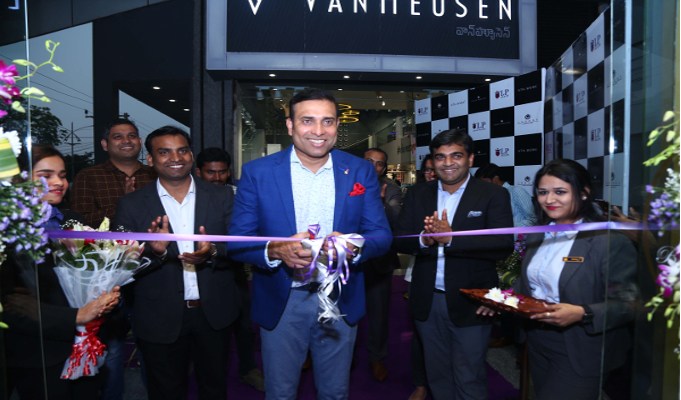
    Louis Philippe, India’s leading premium menswear brand from Aditya Birla Fashion and Retail Ltd, has launched the new retail identity at Banjara Hills. The new identity celebrates ‘The Crest’ which is a symbol of craftsmanship and excellence. The sprawling 4,000 sq.ft. store at Banjara Hills, Hyderabad was unveiled by India’s ace cricketer V.V.S Laxman.

    Speaking on the occasion, Farida Kaliyadan, COO, Louis Philippe said, “We are delighted to introduce the new retail identity for the brand. Louis Philippe is focused on delivering value through superior craftsmanship, diverse product portfolio and an unmatched retail experience. At present we have 17 stores across Hyderabad and Telangana.”

    The revamped outlet houses a wide range of formals, casuals, denims, suits and blazers, and accessories.

    As part of launch promotions, Louis Philippe will be giving the two highest billers a chance to win an Apple iPad. That’s not all, the other customers who participate and stand an opportunity to win PVR gift vouchers, ties, pocket squares, LP gift vouchers.

  • Vietnam fruits, vegetables struggle to enter overseas market

    Vietnam fruits, vegetables struggle to enter overseas market

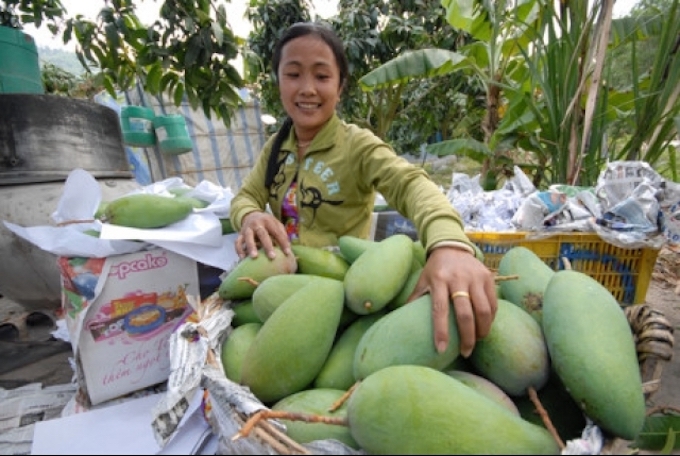
    Vietnamese fruit and vegetable exporters are struggling with many countries increasing quality standards for them. Dragon fruit, which accounts for 40 percent of Vietnam’s fruit and vegetable exports in value, is facing the biggest challenge as China, which used to buy 80-90 percent of Vietnam’s dragon fruit mainly through border gates, has tightened the import through the channel.

    The importer has also improved standards on quarantine and food safety and origin tracking to Vietnamese fruits, including dragon fruits.

    Facing the difficulties, many traders have recently stopped buying the fruit in some major growing regions.

    As a result, prices of the fruit have plummeted. Recently farmers in Binh Thuan Province said that prices are down 90 percent to VND1,500-2,000 ($0.06-0.08) per kilogram.

    Vietnam’s dragon fruit exports might see more pain since China may reduce purchases after expanding its own cultivation, warned by industry insiders.

    Vietnam’s Plant Protection Department said China has planted dragon fruit on 20,000 hectares in places such as Guangxi and Hainan.

    The department said this area would increase to 30,000 hectares next year.

    Chili, which accounts for a third of Vietnam’s total vegetable export value, is struggling in the Malaysian market.

    Malaysia is among the three largest buyers of chili from Vietnam along with South Korea and China.

    But it announced to cease licensing the import of chili from Vietnam from September 14 after detecting excessive residues of plant protection products in chili shipments.

    Together with dragon fruits and chilli, papaya has struggled to enter overseas market.

    The South Korean Ministry of Food and Drug Safety has informed Vietnam’s Plant Protection Department that it discovered genetically modified papaya in shipments from Vietnam.

    South Korea does not allow entry of genetically modified organism (GMO) products.

    A spokesperson for a large papaya exporter in southern Long An Province said that farmers knew about this policy, and some GMO fruits went into the consignments despite their efforts to prevent it.

    It is working with farmers to grow non-GMO fruits, the spokesperson added.

    Nguyen Quoc Vong, a researcher in the GMO fruit industry, said the trend in developed countries is to consume non-GMO products.

    He warned that Vietnam would be shut out of high-end markets if it exports GMO products since food safety standards around the world are rising.

    “Our competitors like Thailand do not grow GMO produce, so they will have an advantage in high-end markets where we cannot compete,” he said.

    Vietnam earned $3 billion from fruit and vegetable exports in the first nine months of this year, up 15.2 percent over the same period last year, according to the General Statistics Office.

  • Korean companies in China becoming less optimistic

    Korean companies in China becoming less optimistic

    Korean companies operating in China are less optimistic about business conditions in the fourth quarter of this year, as the Chinese economy is cooling amid a trade spat with the United States, a survey showed Sunday. According to the Korea Institute for Industrial Economics and Trade (KIET), its business survey index (BSI) stood at 103 for the October-December period, down 12 points from the previous quarter.

    A BSI reading above 100 means optimists outnumber pessimists. The BSI for the sales outlook was also still over 100, but came in at 117, down 8 from a quarter ago.

    By sector, electronics, electric and retail were more pessimistic about the fourth quarter, while automaking and textiles remained bullish over business conditions in China.

    Last week, China reported its weakest quarterly growth since the first quarter of 2009, during the global financial crisis.

  • Johnnie Walker Manila pop up opens

    Johnnie Walker Manila pop up opens

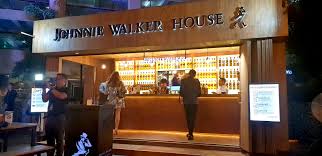
    Scotch whisky brand Johnnie Walker has opened a pop-up store in Bonifacio Global City. The first Johnnie Walker pop up in the Philippines, it follows permanent Johnnie Walker Houses in cities including Singapore, Beijing, Chengdu, Shanghai and Seoul.

    Like the Houses, the Johnnie Walker Manila pop up is designed to immerse customers in the history, provenance, and pioneering spirit of the brand, resembling part lifestyle space and part museum and showcasing the brand’s heritage.

    The Johnnie Walker Manila pop up is located at Burgos Park. Centrestage inside is a ‘highball bar’ where guests can order various Johnnie Walker vintages, blends and cocktails.

    The space doubles as an event space, hosting ‘Johnnie Weekends’ for fans of the brand and exhibitions or shows by photographers, musicians and other artists, guest appearances by celebrated cocktail specialists, and even quiz nights.

    The Johnnie Walker Manila pop up is open from 5pm to 2am on Tuesday through Saturday until October 25, before it is relocated to other locations in Metro Manila, including Greenbelt 3 from November 18 to December 28.

    A more permanent Johnnie Walker House is under consideration for Manila.

  • An Overview of E-commerce in South East Asian Countries

    An Overview of E-commerce in South East Asian Countries

    Electric commerce or e-commerce is the activity of buying and selling online. Typical e-commerce transaction includes purchase of online books, music purchase and purchase and sales of many other items.  Three known major areas of e-commerce include online retailing, electric market and online auction. Technologies such as mobile commerce, internet market, electronic funds transfer, and electronic data interchange (EDI), online transaction process and many others.

    The practice of e-commerce in Southeast Asia started during the dot.com era in the 90’s just like in many parts of the world. The dot.com era refers to the period where companies started using doing for most of their businesses on the internet, usually through a website that uses the popular domain “.com”. During the dot com era southeastern Asia mainly purchased items from American and European companies that would be delivered in their countries. During this era companies with electronic commerce had shown great prospect with their fast growth and promising profits. Companies’ stock prices skyrocketed and Asia was pretty happy because the rise had resulted to a bubbling economy through electronic commerce.

    Asia then began to attract nearly half of the total capital inflow from developing countries appealing them with high interest rates. Countries like Malaysia, Singapore, Thailand and Indonesia experienced an increase in their GDP rates. Around the year 2000, the e-commerce market was mainly involved in a business to business (B2B) transaction due to customers mistrust after going through the 1997’s financial crises and the bubble burst in southeast Asia – bubble burst is often identified only in retrospect once a sudden drop in price has occurred – The burst is usually profitable for buyers and not sellers. In the 90’s a lot came up as hindrances to the upspring of electronic commerce

    – In those days, aside mistrust e-companies had other issues of which Southeast Asian countries were also affected. As a result of its structural shortcomings, a much more diverse range of payment solutions have become common in the region. The average internet penetration around southeastern Asia with the exception of Singapore was 38% while leading countries have an internet penetration of 70-80%, this made cash on delivery offered by 80% of the players in both Vietnam and Philippines, though bank transfer is another very popular payment method across the SEA. With each of the countries having 94%, 86% and 79% of merchants in Indonesia, Vietnam and Thailand respectively offering it.

    – In addition to a lack of uniformity in payment methods, there is also significant market fragmentation the Southeast Asian consumers have so many platforms to choose for their daily need.

    – Culture also was an inhibiting factor –the influence of Traditions in the Asian region overtime had made people have low trust in bank system and electronic payment, for example; credit card owners and other means used in payment other than in cash is small – government in those times pushed for a cashless policy in their society by trying to implement laws to suit online transactions.

    – Fraud and high level of corruption was another setback to the growth of electronic commerce in the region.

    The prospects and thrive; the battle for supremacy

    The gold rush in the online ecommerce of the as left traditional offline retailers in the Asia region like Thailand and Indonesia scramble for an online business move.

    Over the years until this day the massive growth in e-commerce around southeastern Asian has attracted big name investors into the region. In 2016 the release of the Google Temasek SEA Economy spotlight highlighted Southeast Asia as the world’s fastest growing internet region.  With an existing internet user of 260M which was projected to grow to 480m users by 2020. In the research they predicted that southeast Asia’s internet economy will grow to 200B by 2025 and that $40 – 50bn in investment will be required over a decade to achieve that goal, fast tracking to 2017 they observed that the southeast Asia’s internet user base continues to grow rapidly. there will be 330m monthly active internet users by end of 2017 adding over 70m new users since 2015 13% CAGR.  They estimate that Southeast Asia’s internet economy will reach $50b in 2017, meaning it will Grow at a rate of 27% CAGR outpacing their 20% 10year CAGR projection.

    Asia as a continent had an increase in of around 4.5  billion in the GMV ( gross  merchandise value ) of first hand goods and has had a 41% compound annual growth rate ( CAGR ) in the past couple of years- 2015 to 2017- as given by Google –Temasek’s economy southeastern spotlight 2017 report. The Temasek report went further to predict that CAGR will rise from $5.5bn of 2015 to $88bn by 2026. 2017 witnessed events which proved high results are expected from the e-market in southeastern Asia.  The explosive growth in E commerce as lured china’s two e-commerce giants Alibaba and sd.com to the southeast online market. Amazon much awaited  recent entrance into the E-market of a southeastern nation ( Singapore to be specific) to fast track its online market expansion in southeast Asia also proved there was an attractive raw material in the cyber space of the region.

    The record breaking 1billion dollar sales of shares of Lazadas to Alibaba with alibaba also putting its grip on Tokopedia; arguably a future competitor in Indonesia. The resilience of another China based heavy weight company; Tencent. Tencent has also kicked start investments in companies like SEA (previously Garena) predominantly a gaming powerhouse that runs Shopee, Go-jek, Traveloka, Tiki.nn and Pomelo. The US based KKR  in a bid not to be left out of this massive growth phase through emerald media put US$65million into e-commerce arms dealer Acommerce. This trends of acquiring more shares and grabbing more local companies across the Asian borders by these online giants  is expected in coming years as all stated above points to the fact that the riches in online space of these Asian nations is worth risking for.

    Currently, predictions have given that the home based Asian companies will have to pick sides with either of or stand their ground against the foreign forces from both the western and eastern part of the world.  Predictions went further  to specify that  foreign based companies like Alibaba, Amazon and Tencent is  likely to have a bloodbath battle for the monopoly of the regions  electronic commerce  or share the  Asian online customers, some term this head to head of the western state and eastern state as the clash of the online titans.  It is hope that this clash will result to a much needed gold-shed To Help in the growth of the developing region

    Joe Tsai, Alibaba vice chairman, in speaking with Retail News was quoted as saying “is there a land grab right now for these kind of assets? I think in the land grab they [Tencent] are following us. They are seeing that we have positioned ourselves very well, and they are sort of playing a catch up game. So what we want to do is to work with local entrepreneurs. ”

    Experienced, grown and growing

    Marc woo, Google head of ecommerce , travel and financial services was quoted to have said “Asia pacific (APAC) accounted for 40% of global ecommerce sales in the 1st quarter in 2017, but vast majority of those sales went to larger or more mature markets in the region, particularly china, but also japan, Australia, South Korea, and India. That leaves Southeast Asia as the next frontier for ecommerce in the region.  “

    A steady increase in the advantages of electronic commerce in the region resulted to a 50% growth last year and now totals 200 million individuals across southeastern Asian’s top six economies. The southeastern Asian nation Singapore takes a top spot in Asia with an average of 14.04 sessions per person per year visiting amazon.com. It is rumored and expected that by the end of the year the ecommerce companies should erect physical stores in their resident southeastern nations. This will make a great boost in the economy of this regions.  This huge development in ecommerce have led southeast Asian governments to launch a bid to introduce taxes on ecommerce sales as they look to claim their dollar-and-cents take from one of their most promising engine towards  economic and  financial buoyancy.

    This though might increase the cost price of goods and services offered by the online companies but cannot override nor underestimate its advantage as compared to import and shipping processes. Taxing online sales will align practice with those of world leading countries. It puts online retailers on a leveled playing ground with brick-and-mortar counterpart. This growing market has also initiated an online network process between the Chinese and the Asian region as Alibaba is working to set up a digital free-trade zone in Malaysia and has signed a memorandum of understanding with the government of the Asian country and the authorities of china to simplify cross-border trade between the two regions.

    If this deal falls through under the current government of china a long term mutual profit making relationship is expected to last for a very long time between the Asian nations and the Chinese government  giving that  the china parliament are rumored to have kick started plans in keeping their president more longer in office than usual.  The critical factors responsible or observed to needed for the spontaneous growth of ecommerce in the southeastern region of the continent are

    • A growing middle class – knowing that the middle class contains the highest number of mobile phone users and also the highest number of common goods purchasing.
    • Rapidly expanding internet access are positive indicators for fast paced e commerce growth in coming years. Internet access needs to be at its best for the effective running of electric commerce in a state

    The middle class population of the Asian region is expected to reach a 400million in 2020 from its 190 million of 2012, according to Nielsen project.

    Internet access in the region as not only being expanding at a high pace but has also improved strongly over the years like stated in the research of Google Temasek SEA economy spotlight report stated above.

    The electric commerce has also shown to be of disadvantage though not significant as compared to the many fruit yielded by the online market.

    • The desire for local business owners and the nation’s mobile phone user population to switch online results to more cases of fraud because this system isn’t used to them.
    • Competition between locals and foreigners which should encourage an healthy business environment is not observed as the big guns will slowly silently phase out the local brands
    • The preference of foreign products to locally made products by locals isn’t favorable for the country’s economy.
    • Owing to the creation of a good relationship with certain world leading countries, good tides with others could be altered.
    • If not properly monitored, foreign companies might have a full grip of the southeastern nation economy.

    One major benefit that has been observed to have taken the front line in the advantage of electronic commerce in the southeastern Asian region is the quest for each nation to outperform each other. Especially between Thailand, Vietnam and Indonesia, this healthy beef has led to varying developments in these nations as none wants to be left behind in the development and modernization of their country. These alongside the introduction of big time investors, the rise in economy growth, job creation in nations, strengthening diplomatic tides and many other advantages.

    Stakeholders and experts have advised to government of these Asian nations to support the region to grow by fixing reasonable tax levies in other not to discourage foreign and local investors, encourage a competitive market, improve online network and provide adequate education to ease communication with foreign partners. With the huge wealth emanating from the electric commerce sector, if properly managed these nations can get a massive boost in their nations wealth and reputation. The potentials possessed to build a nations revenue by employing electric commerce cannot and should not be undermined.
     

  • Bvlgari’s cinema themed pop-up at Singapore’s ION Orchard mall

    Bvlgari’s cinema themed pop-up at Singapore’s ION Orchard mall

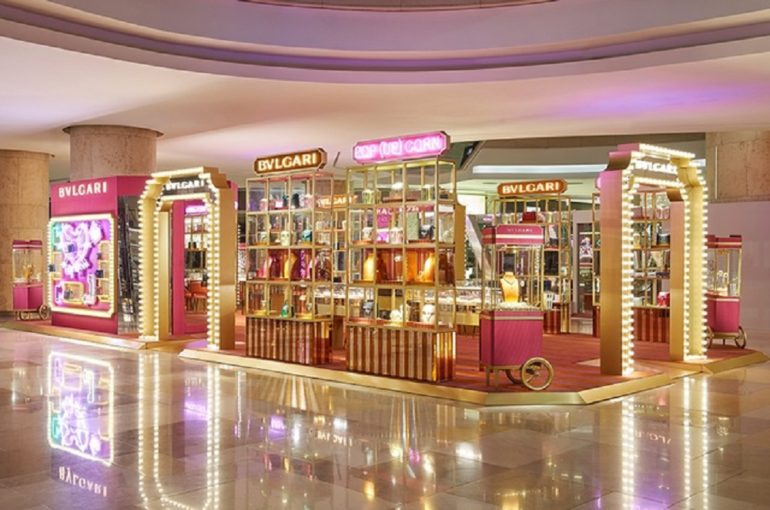
    High-end Italian jewellery house Bvlgari has opened a pop-up retail place this month in Singapore. Located on level one of the ION Orchard mall, the “Pop (Up) Corn” shop is decked out in saccharine pink and blinking neon lights and takes inspiration from 60s Italian theatre.

    It is also a mini-reproduction of the Italian luxury brand’s Via Condotti boutique in Rome where Hollywood icons such as Audrey Hepburn and Elizabeth Taylor would shop when in town.

    Inside, the pop-up offers limited-edition Bvlgari handbags including Serpenti and Divas Dream bags in calfskin leather, as well as sparkling jewellery pieces and watches.

    The standout piece is the limited-edition matching set of a Bvlgari-Bvlgari necklace and bracelet in rose gold, which is an ION Orchard exclusive. Not to mention a series of cinema-themed objects such as glitzy popcorn boxes, rectangular ticket stubs and dazzling neon lights.

    The Pop (Up) Corn store is open now until December 31.

    The new pop-up serves as a precursor to the official store opening in ION Orchard from Bvlgari in December, joining the store in Marina Bay.

    It’s not the first time Bvlgari has opened a pop-up store in a key capital city.

    In 2017, Bvlgari opened a pop-up store inside France’s Galeries Lafayette department store on boulevard Haussmann in Paris.

    Bvlgari operates flagship stores in most Asian cities including Singapore, Taipei, Shanghai, Beijing, Hong Kong and Macau.

    Founded in 1884 in Rome Sotirios Voulgaris, Bvlgari is now majority-owned by French luxury conglomerate LVMH Group.

    For the first-quarter 2018, LVMH’s watches and jewellery category, which Bvlgari is a part of, witnessed 8% growth in revenue terms and 14% organic growth in the category, totaling 9.5 billion euros. Overall revenues tipped 33 billion euros for the three months ending September 30.

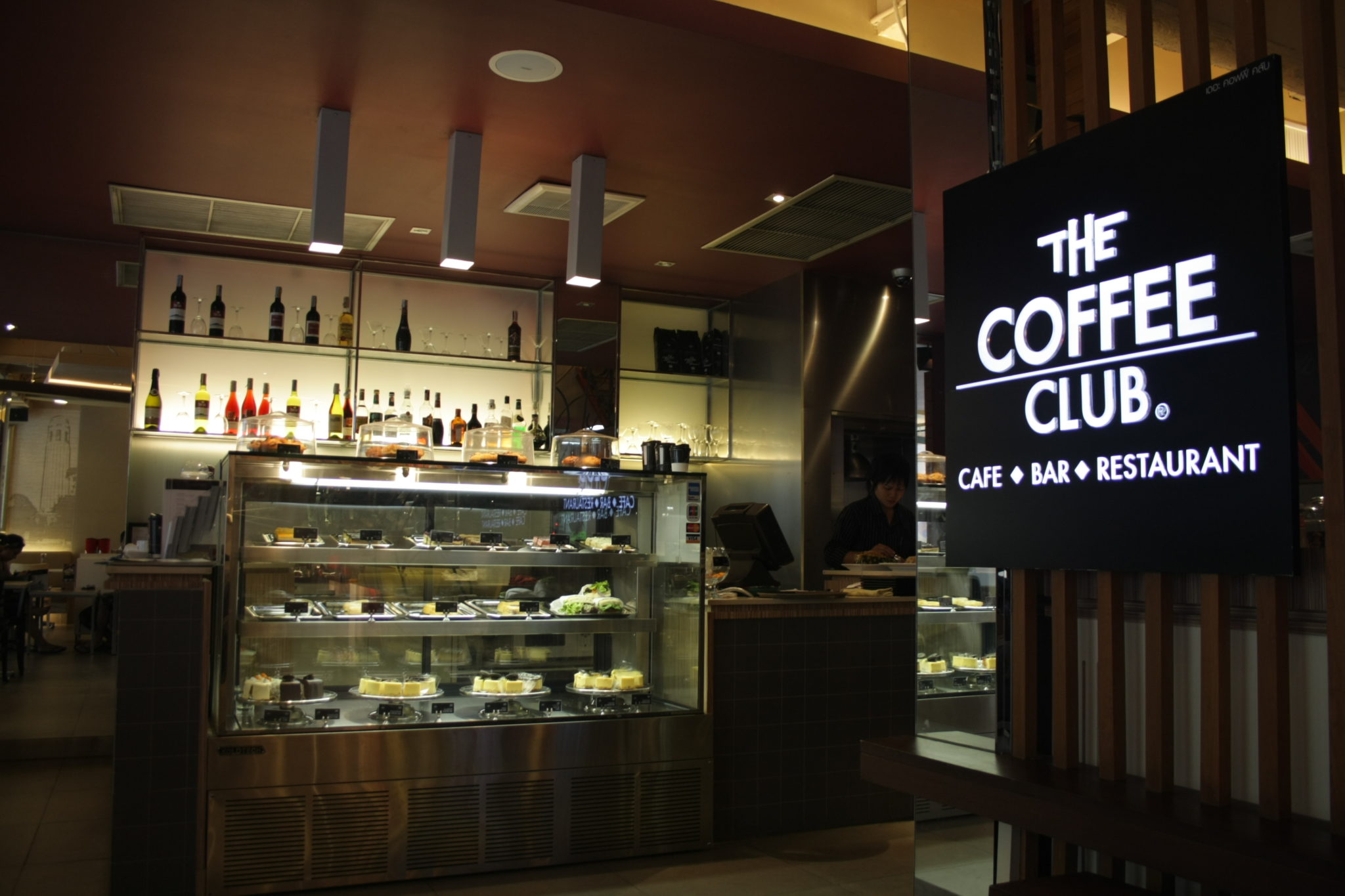
  • Minor takes The Coffee Club to Vietnam

    Minor takes The Coffee Club to Vietnam

    Vietnam Investment Group (VI Group) has signed a master franchise agreement with Minor International’s subsidiary Minor Food to bring The Coffee Club to Vietnam. Under the joint venture, VI and Minor plan to open 100 The Coffee Club outlets over the next five years.

    “With the flourishing coffee market and favourable macro trend, we are very optimistic about the opportunity to strengthen our presence in the country and grow The Coffee Club brand nationwide,” said Paul Kenny, CEO at Minor Food.

    According to Chaiyapat Paitoon, deputy chief financial officer and strategic planning for Minor International, restaurant businesses show strong potential in Vietnam because people “want a wider variety of cuisines, paving the way for foreign players to come in and offer different choices in addition to traditional, local and street food”.

    “The Coffee Club offers a distinctive restaurant experience with great selections of food and beverages menus, excellent coffee and a welcoming relaxed atmosphere enriching the contemporary lifestyles of the Vietnamese consumers,” said David Do, VI Group MD.

    The joint venture plans to open 20 The Coffee Club restaurants next year.

    Minor is no stranger to Vietnam’s F&B market. It first established its restaurant footprint there  in 2009 launching three casual-dining restaurant brands, including The Pizza Company, Swensen’s and Thai Express. It now has 83 outlets nationwide across those brands, 60 of them under the Pizza Company banner.

    Apart from The Coffee Club, Minor is also looking for opportunities to launch other restaurant brands into Vietnam at a later stage.

    Opening its first store in Brisbane in 1989, The Coffee Club claims to have become Australia’s largest home-grown cafe group with more than 400 outlets throughout Australia, New Zealand, the Maldives, Seychelles, Thailand, Indonesia and the UAE. Thai-headquartered Minor International owns 50 per cent of The Coffee Club.

    Analysis: Fit for Vietnam?

    Entering Vietnam market means The Coffee Club is competing with fast-growing coffee chains like local operators The Coffee House and Highlands, and international chains such as Starbucks and The Coffee Bean and Tea Leaf, the latter of which has struggled to gain critical mass in the market and several months ago closed its flagship in downtown Ho Chi Minh City. Fellow Australian restaurant chain The Hog’s Breath Cafe also gave up last year after about seven years in the market.

    If The Coffee Club’s Vietnam outlets follow the Australian format, they will focus more on lunches, brunches and dinners than coffee as their name might suggest, although it does serve coffee on site and for takeaway.

    The company faces challenges in sourcing ingredients, many of which will come from offshore, and finding real estate at an affordable price. Those two factors combined will create price pressure for the brand, despite the affordability of labour in Vietnam.

  • Some Insights about Central Group – Thailand

    Some Insights about Central Group – Thailand

    The Central Group, first opened as a small family-run shop by Mr. Chirathivat, in the city of Bangkok during the early 1950s. Expanded later on in 1956 by his son, Smarit Chirathivat, establishing the first Central Department Store in Bangkok.  They were the first to import international cosmetic brands; the first to focus on impeccable customer services; and the first to implement innovative marketing communications.

    One of the smartest tactics of the Central Group is that its work consists of a variety of diverse investments in various corporations, each of which has become the leader in the retail, property development, brand management, hospitality and food and beverage industries. What brings complimentary businesses to the Central Group and strengthen their position in the marketplace, both domestically and internationally.

    Central Group Operational Highlights:

    • 2016 Total Sales – US$ 10.4 billion
    • 2016 Investment – US$ 1.2 billion
    • Store Network – More than 4,400 locations/branches
    • Employees – Over 80,000 employees

    The last two years of 2016 and 2017 were significant for Central Group with the following changes:

    2016:

    1. Central Group and Nguyen Kim Group officially announced the acquisition of Big C Vietnam.
    2. Took over Zalora Thailand and Vietnam.

    2017:

    1. Launched Park Hyatt Bangkok Hotel
    2. Launched Rinascente Rome
    3. Central Group and JD.com form a joint Venture.
    4. Launch of Tops Plaza.

    Central Group is counting on online growth to help drive sales. The company first announced its $500 million joint venture with JD in September, teaming up with China’s second-largest e-commerce operator. Central Group announced a new strategy in March 2018, a strategy called “New Central, New E-conomy” with which Central is aiming to become the first Market Leader in Digi-Lifestyle Platform. The company is aiming to become the first Market Leader in Digi-Lifestyle Platform.

    Along with this strategy, the company also partnered with leading global companies to strengthen its business and has developed people and communities to grow sustainably with Central Group.

    According to the Executive Chairman and CEO of Central Group, Tos Chirathivat, the three strategic Foundations used by Central Group to operate its business for many years are:

    1. Be Retail Leader in Lifestyle and Services.
    2. Expand Businesses beyond Thailand.
    3. Strengthen Businesses by Merger & Acquisition.

    This strategy has served Central Group for years and helped achieve a significant average growth of 11% over the last five years from 2013-2017, while the revenue mix of 2017 beaks down to 72% in Thailand, 15% in Europe and 13% in Vietnam.

    For continued strong growth, Central Group President Yol Phokasub has emphasized a new 5-year strategy for 2018- 2022 to make a New Central, New E-conomy. The group will be the first Digi-Lifestyle Platform leader in Thailand delivering superior customer experiences to inspire lifetime loyalty. The Digi-Lifestyle Platform will be developed as a best in class common e-Commerce platform across businesses, as well as assisting the creation of new businesses through three Building Blocks:

    1. Data: Put all extended data from all business units into a Data lake on the Cloud to create a single view of customer for deep insight into customer behaviour, able to give a superior experience to customers.
      2. Loyalty & Personalized experience: Through The1 New Lifestyle Platform to tighten customer relationships, which are more deeply personalized.
      3. Omni channel Platform: Developing Central Group’s businesses with a true Omni channel Platform to seamlessly connect offline and online shopping, anywhere, any time.

    Central Group has also formed a joint venture with Chinese e-commerce giant JD.Com to establish JD Central. The new Marketplace at JD.co.th is a new shopping channel for Central Group’s customers to facilitate Digi-Lifestyle platform more quickly and comprehensively. The website JD.th.com will be ready to provide service in May, as a platform to bring Thai products and SMEs to the World.

    To develop the Digi-Lifestyle platform, Central Group gives priority to four main components to and achieve the target of the New Central:

    1. Alliance: Central Group has partnered with world-leading companies such as Dusit Thani, JD.com, Hongkong Bank, Ikea and many other leading partners in the near future.
      2. Technology: Central Group aims to become a top Technology Company, led by technology in every aspect to serve customers and stimulate the national economy.
      3. People: Central Group is the largest job creator in Thailand, generating over-220,000 jobs including over 700 disabled people. The company promotes talent and ability to fuel its digital ambitions. Leadership and culture are rebooted with programs like Life Reimagined to support “No Hierarchy”, Coaching and Reverse Coaching, where ambition never sleeps, creating inspiration and good experiences at work, and redesigning workspaces for work-life harmony to thrive.
      4. Community: Central Group gives priority to Creating Shared Value (CSV) under the project CENTRAL Tham that has four main pillars of people, communities, Environment, Peace and culture.

    This year, the company has a sales target of 397,308 MB, representing growth of 14% on 2017, and plans investment of 47,500 MB (27.8% growth from 2017), to expand investment in both Thailand and overseas. The company will develop its new business model to meet every customer demand, with plans to open new shopping malls and hotels.
    Central Group has also achieved success with strategic partnerships with world class partners who have trusted Central Group, such as Dusit Thani with the mixed-use project on Rama IV Road and JD.com.

    The plan of expansion of the Central Group for the next five is mainly concentrated around expansion of the business locally, and globally with a high focus on Europe.

    In recent years, Central opened and acquired new operations in Indonesia, Vietnam and Malaysia. Among the most important activities currently ongoing in Southeast Asia within the business of Central Group is their recent joint venture with JD. Which is not only a major merging for the market but also a notable change as the two giants are focusing on the e-commerce world. JD is China’s leading  e-commerce operator. Central Group is the number one retail brand in Thailand. Its subsidiaries own shopping malls, department stores, hotels, supermarkets and restaurants. The partnership will deliver a new online shopping platform JD.co.th.

    Central Group will open multiple flagship stores on the platform. The partnership with JD is intended to help Central Group compete in Southeast Asia’s booming e-commerce market and also open business opportunities in China.