Author: Mei Ling Tan

  • Maison Kitsuné Targets $100 Million in Sales from Its Expansion Plan

    Maison Kitsuné Targets $100 Million in Sales from Its Expansion Plan

    Parisian ready-to-wear label Maison Kitsune has announced plans to expand in Asia. The firm is targeting €100 million in sales with an ambitious store rollout in the region, as well as establishing a genderless label and branded hotel in Bali. It already operates 16 stores in Paris, the US, Japan and Hong Kong, with a product line carried at 400 additional stockists.

    On Friday, Maison Kitsune will open its first flagship and cafe in Seoul, partnering with South Korean conglomerate Samsung. Next year, the brand will open in Indonesia and greater China, where it plans to open more than 50 stores within the next four years.

    Japanese fashion group Stripe International took a minority stake in the company two years ago, helping the firm achieve €40 million (US$46 million) in sales last year.

    Co-founder Gildas Loaec says the company is at a turning point.

    “We have a good momentum and a lot of followers; we want to expand our growth further. Within the next five years we aim to generate €100 million in annual revenue.”

  • EU pushes for approval of trade agreement with Vietnam

    EU pushes for approval of trade agreement with Vietnam

    The European Commission submitted for approval on Wednesday a free trade agreement with Vietnam. The E.U.-Vietnam trade and investment agreements will need approval from the E.U.’s 28 members and from the European Parliament.

    The parties have agreed a related accord to promote democracy and human rights, including commitments, dialogue and possible sanctions. E.U. Trade Commissioner Cecilia Malmstrom said no one denied there were human rights problems in Vietnam.

    “We are talking openly about this with our Vietnamese counterparts and the trade agreement will not make Vietnam a fully fledged democracy overnight. It is one tool in the toolbox that we have in relations with Vietnam and other countries,” she said.

    The European Union will sign a trade deal on Friday with Singapore, another member of the Association of Southeast Asian Nations (ASEAN), and is in talks with Indonesia.

    It is unclear whether the European Parliament, which is expected to debate and vote on the Singapore agreement as well as the E.U.-Japan free trade deal, will have time to pass the Vietnam accord before E.U. elections in May.

    The trade deal would eliminate 99 percent of all tariffs, although some staged over a time period and some, notably agricultural products, limited by quotas.

    Vietnam, for example, would cut its duty on E.U. car imports from 78 percent to zero over 10 years and for wines and spirits, from around 50 percent, over seven years. E.U. companies would also be able to bid for Vietnamese public contracts.

    In return, the European Union would take seven years to eliminate its duties on certain Vietnamese products, such as its major textiles, clothing and footwear exports.

    Vietnam has pledged to protect 169 European food and drinks products, such as champagne or Parmigiano Reggiano cheese, meaning such names could only be used for E.U. imports.

    The agreement includes a chapter on sustainable development, such as implementing international standards on labour rights and the Paris climate accord.

  • 50,000 Units Of The Honda Amaze Sold In 5 Months

    50,000 Units Of The Honda Amaze Sold In 5 Months

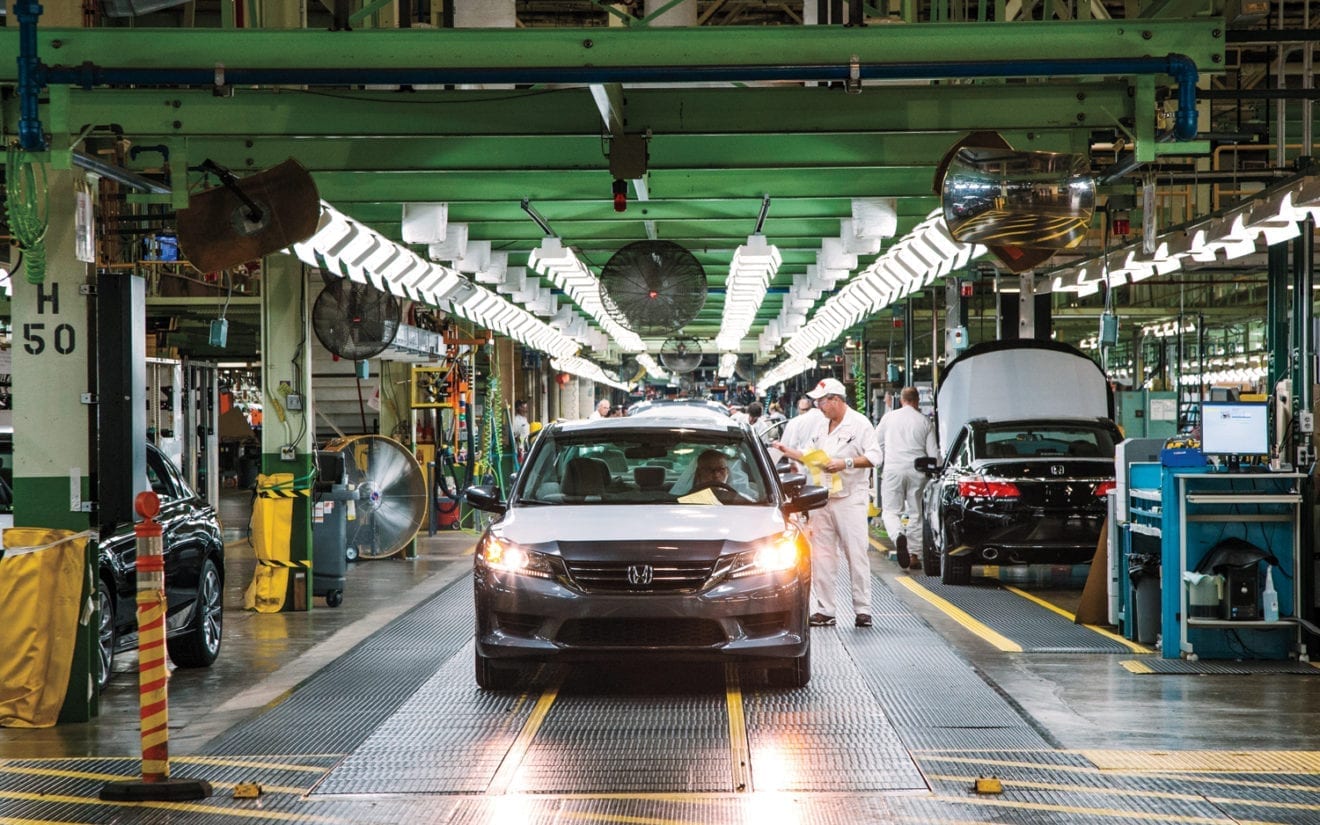
    Honda Cars India Ltd today announced that the all new Amaze has crossed the 50,000 sales mark in just 5 months since its launch in mid May 2018. The Honda Amaze currently contributes to 50 per cent of the total HCIL sales during April -Sept 2018. This is fastest 50,000 sales number recorded by any new model launched by Honda in India. The company says that the Amaze attracted more than 20 per cent first time buyers, while the car has been well received across markets with 40 per cent sales coming from Tier 1 cities and 30 per cent each from Tier 2 and Tier 3 cities.

    Makoto Hyoda, Director, Sales and Marketing, Honda Cars India Ltd said, “The overall concept of All New Amaze was to develop a one-class-above sedan for Indian family use that exceeds the expectations of customers in the compact sedan segment. The response to the car with 50,000 sales in 5 months is overwhelming. The advanced CVT technology has found very strong acceptance among customers with 30% of Amaze customers opting for automatic variants in petrol and diesel.”
    The new Amaze takes on the very popular Maruti Suzuki Swift Dzire and has impressed us by winning the comparison test. The Honda Amaze is completely different as compared to the first generation. While the design is a little conservative, buyers might appreciate the balanced look the new car has. While you do get features like daytime running lights or 15-inch alloy wheels on the top of the line variant, the Amaze loses out on the likes of LED headlamps or even projector headlamps. Diamond cut alloy wheels like the one on the City could have made it a nicer package too.

    On the interior though, the new Honda Amaze is much nicer as compared to its predecessor. It now gets a larger 7-inch touchscreen infotainment system, called Digipad-2 with both Apple Carplay and Android Auto. It also gets a start-stop button, automatic climate control and as we mentioned earlier, the CVT variants get paddle shifters too. There is also more space in the cabin as compared to earlier and that is mainly due to a longer wheelbase. The new Honda Amaze also gets a fold-down central armrest for the rear passengers and rear AC vents.

    Under the hood, the petrol-powered Honda Amaze gets a 1.2-litre, 4-cylinder, naturally aspirated engine that makes 89 bhp of peak power and 110 Nm of peak torque. The engine is mated to either a 5-speed manual gearbox or a 7-step CVT automatic. The CVT also gets paddle shifters – a first-in-class feature in this segment. Fuel economy ratings for the petrol manual are at 19.5 kmpl while the CVT petrol is rated at 19 kmpl according to ARAI test figures.

  • Tigerair receives most complaints for sixth year in a row

    Tigerair receives most complaints for sixth year in a row

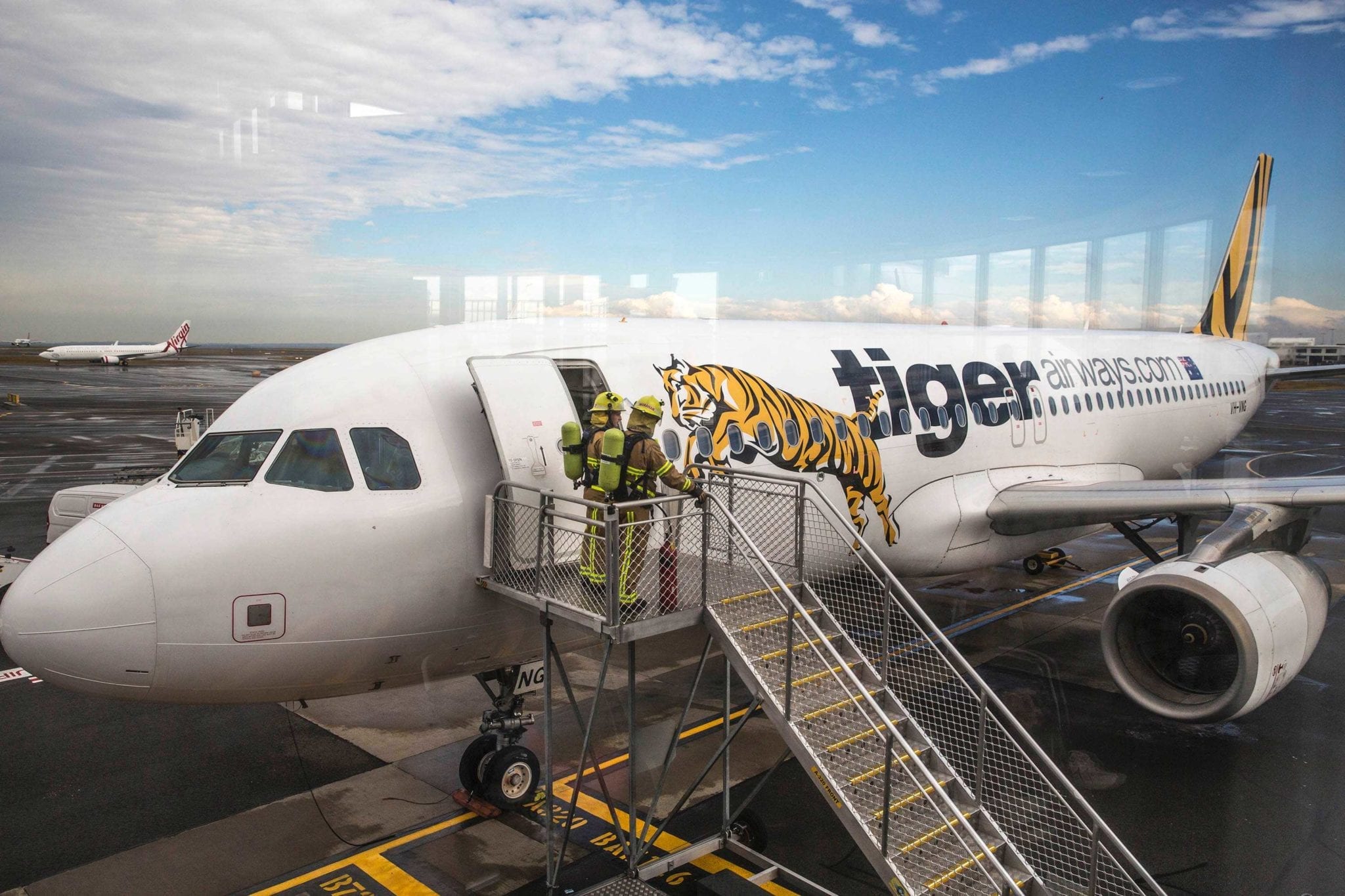
    For the sixth year, Tigerair has scored the dubious title of being the most complained about airline in Australia. The recent data by the Airline Customer Advocate, from January to December 2017, which has gone largely unreported, revealed the low-cost carrier had the highest rate of complaints in relation to flight cancellations or delays — with an average of two complaints for every 100,000 passengers.

    Overall, the most common complaints among Australian domestic carriers related to flight cancellations (28 per cent), refund requests (26 per cent), baggage services (11 per cent), loyalty and frequent flyer programs (10 per cent) and fees or charges (7 per cent).

    The annual report revealed a total of 1253 complaints out of more than 77 million passengers were received in 2017, which was up 17.15 per cent on the previous year. 

    Tigerair also received the highest complaints in relation to refund requests — with an average of 1.54 complaints for every 100,000 passengers.

    A Tigerair spokeswoman said the airline was committed to delivering a safe and reliable service to its customers.

    “In aviation there are times when things go wrong for reasons outside of our control and we recognise that the way we handle such disruptions is an important part of the customer experience,” the spokeswoman said.

    Virgin Australia was next with 0.42 complaints relating to refund requests, followed by Jetstar with 0.36, Qantas with 0.31 and Regional Express with 0.24.

    Virgin Australia fared the worst when it came to complaints about baggage services, receiving an average of 0.24 for every 100,000 customers, It was followed by Jetstar and Tigerair with 0.17, Qantas with 0.14 and Regional Express with 0.08.

    Of the three airlines that offer frequent flyer or loyalty programs, such as Qantas, Virgin Australia and Jetstar, the most complaints were lodged against Qantas. Airline Intelligence Research managing director and former Qantas chief economist Dr Tony Webber said he wasn’t surprised that cancellations and delays were the biggest gripes among passengers. 

    “Tigerair are on really strict turnaround times given that they’re a smaller and low-cost carrier,” Dr Webber told.

    “This means that they’re just as strict on refunds because the ability for passengers to buy a cheap fare means that they don’t get a refund.”

    Dr Peter Bruce, airline operations expert at Swinburne University, said some airlines outsource their baggage handling to third-party services. 

    “Areas of improvement could definitely include better engagement with these services to create more efficiency,” Dr Bruce told.

    Monash University’s Professor Greg Bamber, who has researched airline performance in Australia and overseas for more than 15 years, said complaints needed to be handled better by low-cost carriers. 

    “Passengers aren’t being dealt with appropriately as they’re usually put through to a call centre which is usually in another country,” Professor Bamber told.

    Passengers are usually left to wait on hold, in some cases more than an hour, he said.

    “Low-cost carriers need to step up and handle complaints more appropriately, especially when it comes to cancellations which can be extremely frustrating.”

    A Virgin Australia spokeswoman said the airline continually reviewed its complaint-handling practices to facilitate a responsive and positive experience for its customers and to ensure it was complying with its legal obligations.

    A Jetstar spokesman said the airline still had areas to work on, but was pleased to see a reduction in the number of complaints in a number of key areas including delays and cancellations, refund requests and fees or charges.

  • Audi’s Electric SUV Faces Four Week Delay Due to Software Issues

    Audi’s Electric SUV Faces Four Week Delay Due to Software Issues

    Audi’s first electric sport utility vehicle (SUV) will hit showrooms four weeks later than planned because of a software development issue, a spokesman for the German luxury car brand said on Sunday. The spokesman said Audi’s e-tron midsize SUV faced delay because the carmaker needs new regulatory clearance for a piece of software that was modified during the development process.

    Audi staged a global launch of the e-tron in San Francisco last month as part of its effort to expand the market for premium electric vehicles and grab a share from California-based Tesla, which has had the niche largely to itself.

    The e-tron delays were first reported by German newspaper Bild am Sonntag, citing sources close to the company. The paper said delivery could be delayed by several months. The paper also said Audi was locked in price negotiations with LG Chem, the South-Korean supplier of batteries for its electric vehicles, which wants to increase prices by about 10 percent because of high demand.

    LG Chem supplies electric vehicle batteries for Audi, its parent Volkswagen and Daimler. An LG Chem official declined to comment on the report, citing the confidentiality of its relationship with a client. The Audi spokesman also declined to comment on price negotiations with LG Chem.

  • Airasia To Launch Colombo-Bangkok Direct Flights Soon

    Airasia To Launch Colombo-Bangkok Direct Flights Soon

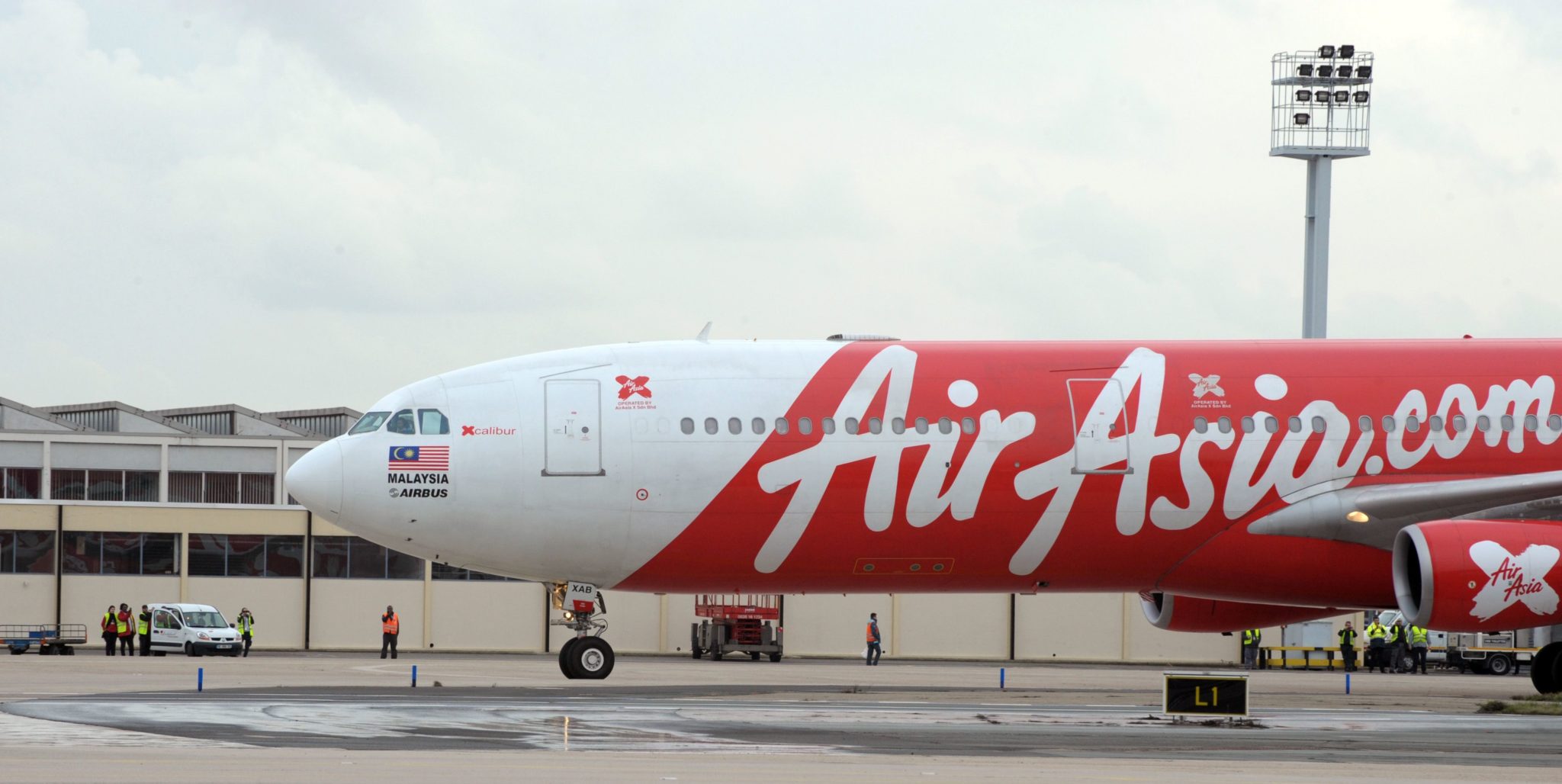
    AirAsia will launch four-time weekly direct flights between Colombo and Bangkok from December 14, with a special promotional fare, an airline press release said. Operated by Thai AirAsia (flight code FD), this direct route to Bangkok in Thailand will be the airline group’s second connection from Colombo’s Bandaranaike International Airport which includes direct route to Kuala Lumpur, Malaysia (flight code AK).

    Santisuk Klongchaiya, Chief Executive Officer of Thai AirAsia said, “Sri Lanka has always been a promising destination for AirAsia as we have connected the country to a wider network via Kuala Lumpur for nearly a decade. To This time we are relaunching the flight from Colombo to Bangkok to provide the people of Sri Lanka with even greater connectivity that comes with attractive low fares to create more demand. We are strongly confident that our return to the market will stimulate travel appetite and demonstrate our commitment to generating more traffic to Sri Lanka to fuel tourism and economic growth for the country. Sri Lanka is such a hidden gem in South Asia with undiscovered potential. We therefore have high expectation for a healthy market reception for this new route.”

    Thai AirAsia operates the widest network in domestic Thailand and offers several international connections to other prominent cities in Asia. Travellers from Sri Lanka who wish to explore beyond Bangkok can enjoy a convenient Fly-Thru service with just a single-time baggage check-in from Colombo and make a brief transit in Bangkok to continue seamlessly to other destinations in Thailand and beyond. Sri Lankan travellers can take advantage of the convenient flight schedule that gives them more time to spend abroad by arriving in Bangkok in the early morning and depart in the evening.

  • Converge ICT Solutions launches all fiber network

    Converge ICT Solutions launches all fiber network

    Huawei has provided its Agile WAN Solution to the Philippines’ Converge ICT Solutions to support the operator’s goal of rolling out the Philippines’ first pure end-to-end fiber network.

    Converge, which started as a HFC-based cable TV operator, has deployed an extensive all fiber network covering Central Luzon, the Philippines’ Capital Region and South Luzon.

    The company has licenses to operate fixed networks, fiber optics, cable TV, enterprise private lines, fixed broadband, and wireless broadband services.

    The company is expanding on its MAN service market in Metro Manila with high speed optical services, and has been seeking a solution to deliver a reliable, high capacity and elastic network.

    Huawei recommended its Agile WAN Solution for the deployment. Huawei has mostly built Converge’s entire network, from its DWDM backbone and MPLS core through to the MAN and down to the access network.

    Converge COO Jesus Romero said the network upgrade will support the company’s future plans to expand into services such as FTTH, enterprise data services, data center services, cloud services, and smart city services nationwide.

    “Early on we felt we needed a network that was reliable, scalable, cost-effective, and allowed us to easily implement new products and services, and we are very pleased that we were able to, in fact, get that with Huawei,” he said.

    “Huawei has been responsive in terms of support. In terms of pricing, they remain competitive, and they help us a lot with strategy planning, what to do next, and where to go – which is one key area where we feel we should continue and expand cooperation.”

  • What To Expect from the 2018 Hyundai Santro

    What To Expect from the 2018 Hyundai Santro

    Hyundai is all set to launch the new Santro in the country on October 23 and we’ve already told you a lot about the car. The Santro badge is making a comeback into the country and it’s opportune that the new hatchback comes at the same time as the 20th anniversary of the Santro badge in the country. The Hyundai Santro has enjoyed a lot of success in the country and the company would want to add to the popularity of the car with the launch of the all new model. The Santro continues to carry the tall boy stance that it always had and that brings in a lot of tech which adds to the appeal of the car.

    The company has already received an overwhelming response for the Santro as it has already received more than 14,000 bookings for the car till date. The new Santro will also only come with a set of steel 14-inch wheels with wheel covers and there are no alloy wheels on offer – even on the top of the line Asta variant. Although we can’t show you what the car looks like just yet, we have spent a fair amount of time in the car and we told you all about it in our first drive report

    The 2018 Hyundai Santro is likely to come in 4 variants – Era, Magna, Asta and Sportz. We expect the Sportz and the Asta model to get a 7-inch touchscreen infotainment setup that will support Bluetooth, mirror link and inbuilt navigation. More importantly though, the infotainment setup will also – for the first time in class – support Apple CarPlay and Android Auto.

    The Santro will replace the Eon in the company’s line-up in India and will be the company’s entry level hatchback in the country. This will see it take on cars like the Maruti Suzuki Celerio, Renault Kwid, Tata Tiago among others and this means that the pricing will be around the ₹ 4 lakh bracket. However, it is very likely that the company will undercut its rivals and the base variant will be closer to the ₹ 3.85 lakh mark. The introductory prices are applicable on the first 50,000 units and Hyundai has made sure that there’ll be no changes in the prices for the first 50,000 customers.

    The 2018 Hyundai Santro has grown in dimensions. It’s 45 mm longer now and has a wheelbase of 3610 mm. The company claims that it is a tall-boy design as the Santro has always been, but the overall angular proportions will deceive that at the first glance. On the outside, expect nothing more than what you get in an entry segment car. Essentially, fancy fitments like LED DRLs and alloy wheels won’t be offered on the Santro. It will have halogen headlamps as standard and the Santro will ride on 14-inch steel wheels.

    Hyundai is offering the Santro with a 1.1-litre, four-cylinder petrol engine. The engine develops 68 bhp and 99 Nm of peak torque and will be mated to a five-speed gearbox as standard. Though, the Santro will be the first Hyundai to get the option of an AMT gearbox. There will be also a CNG option on offer where the engine will develop 59 bhp and deliver a fuel economy of 20.3 kmpl.

  • OnApp launches upgraded cloud management platform

    OnApp launches upgraded cloud management platform

    UK-based cloud platform software company OnApp has launched version 6.0 of its OnApp cloud management platform for telcos and MSPs.

    OnApp 6.0 includes a new version of OnApp accelerator, which boasts an up to 100% performance improvement for websites hosted in OnApp clouds.

    The new version also introduces buckets,  a combined role-based access control and billing engine designed to give cloud service providers flexibility in how they package and price cloud services.

    Other features include new SDN capabilities, enhanced cloud workload import, notification and automation features and support for the VMware vCenter suite.

    “OnApp makes cloud easy for telcos, MSPs and other service providers who have struggled to make cloud profitable – either because of the cost and complexity of building and managing their own open source clouds, or because of the commercial limitations of reselling hyperscale clouds like AWS,” OnApp chief commercial officer Tim Meredith said.

    “The new version of OnApp makes it even easier to build a cloud with OnApp, integrate cloud billing models with your existing billing systems and processes, and get to market fast with your own accelerated cloud services.”

  • ‘Inevitable’ growth of Vietnam’s consumer lending market attracts newcomers

    ‘Inevitable’ growth of Vietnam’s consumer lending market attracts newcomers

    Early this month, EVN Finance, a subsidiary of national power utility, Vietnam Electricity, launched a consumer lending program called Easy Credit in Ho Chi Minh City. Customers with a monthly minimum income of VND4.5 million ($194) in five southern localities – Ho Chi Minh City, Dong Nai, Binh Duong, Long An and Vung Tau – are eligible to borrow cash from the program.

    Eligible customers can take loans of VND10-90 million ($432-3,882) with payback periods of 6-60 months.

    EVN Finance is one of many finance institutions looking to cash in on the growth in consumer lending, which had a value of over $5 billion at the end of last year, according to the National Financial Supervisory Commission (NFSC).

    SHB Finance and VietCredit Finance Company have also introduced similar credit schemes.

    Some banks and foreign investors have announced plans to set up consumer finance divisions to increase their market shares in the sector.

    Orient Commercial Bank (OCB) is planning to set up a subsidiary with a capital of around VND500 billion ($21.7 million) or acquire an existing finance company in the market.

    In June, SeABank acquired the subsidiary of Vietnam Posts and Telecommunications Group (VNPT), Posts and Telecommunications Finance Company, for VND710 billion ($30.87 million).

    In addition to the Vietnamese banks, foreign investors are also eyeing this market. Early this year, Korea’s Shinhan Financial Group bought Prudential’s consumer finance unit for $151 million.

    Industry insiders say more companies are coming in because of increasing demand in Vietnam for consumer lending services. NFSC statistics show consumer lending surged 50.2 percent and 65 percent in 2016 and 2017, respectively.

    The commission attributed the surge to a high demand for housing, arising from a young population and increasing urbanization.

    Kalidas Ghose, CEO of financial firm FE Credit, said that while consumer lending has developed rapidly in recent years, the market has vast room to grow.

    He said the potential for exploiting the market is still large since consumer lending is an inevitable trend across the globe.

    The share of consumer lending in Vietnam’s total outstanding loans is only about 11.4 percent, while the figure in developed countries is between 40-50 percent, Ghose added.

  • KT secures $26.5m smart meter project in Uzbekistan

    KT secures $26.5m smart meter project in Uzbekistan

    South Korean telco KT has signed a 30 billion won ($26.5 million) contract with state-run power electricity supplier Uzbekenergo to install smart meters in Uzbekistan. Under the deal, KT will install smart meters in 360,000 households throughout the central Asian country over the next two years. KT has made its foray into Uzbekistan’s energy sector since it secured a 120 billion won deal ($106 million) with Uzbekenergo to provide its smart energy meters in 2015.

    The company so far installed its smart meters in 1 million Uzbek households throughout the three provinces of Samarkand, Jizzakh and Bukhara as a result of the first contract.

    Smart meters are electronic devices that record electricity consumption and have a two-way, real-time communication feature between the power company and its customers.

    With the smart energy meters, Uzbek households can monitor their real-time power usage and view online billing, enabling them to use electricity in a more efficient and effective way, KT said in a statement.

    Following the deal with Uzbekenergo, KT said it hopes to expand its smart meter business to the energy sectors in other Eurasian countries.

    “This project shows KT’s success in building trust in Uzbekistan with our technological excellence,” said Yoon Kyoung-Lim, head of KT’s global business office.

  • China Unicom more than doubles nine-month profit

    China Unicom more than doubles nine-month profit

    China Unicom has revealed it expects to report a more than doubling of its profit for the first nine months of the year, despite facing significant pressure on mobile service revenues. The operator’s unaudited results show a 116.6% increase in net profit for the first three quarters of 2018 to 8.87 billion yuan ($1.28 billion).

    Mobile service revenue grew an estimated 7.2% year-on-year to 125.42 billion yuan, despite the company’s ongoing implementation of a national policy requiring operators to upgrade network speeds while reducing tariffs for customers.

    The nation’s operators have agreed to reduce the cost of mobile data services by at least 30% by the end of the year.

    China Unicom also stopped charging domestic data roaming fees from July in response to another government directive. Roaming fees for domestic long distance calls were abolished last year.

    In a statement to the Hong Kong Stock Exchange, China Unicom said it was able to mitigate these pressures on its mobile revenues by optimizing tariff packages and more heavily promoting large data bundles to its customers.

    Fixed line revenues are meanwhile expected to have grown 5.2% year-on-year to 73.22 billion yuan.

    China Unicom’s profit for the nine month period also includes a 1.47 billion yuan influx resulting from an increase in its share of the profit from tower infrastructure joint venture China Tower following its public listing and new share issuance.

    The company added that it is anticipating a seasonal increase in competition during the fourth quarter, but it has strategic plans in place to cope with any challenges.

  • AirAsia to launch start Manila-Shenzhen direct flights in December

    AirAsia to launch start Manila-Shenzhen direct flights in December

    AirAsia said Monday it would fly direct between Manila and the Chinese city of Shenzhen, dubbed Asia’s answer to Silicon Valley, starting December 1.

    The low cost carrier started its Cebu-Shenzhen flights last April. Without direct flights, travelers had to travel to Hong Kong or Beijing before reaching Shenzhen.

    “China is an important market for us and we are looking to expand our network further and connect Filipino travelers to new and exciting business and leisure cities,” said AirAsia Philippines CEO Dexter Comendador.

    Telecommunications companies Huawei and ZTE are headquartered in the southern Chinese city.

    AirAsia will fly direct to Shenzhen every Tuesday, Thursday, Friday and Saturday. Direct flights from Cebu to Shenzhen are also on Tuesday, Thursday, Friday and Saturday.

  • Dialog Axiata launches VoWiFi

    Dialog Axiata launches VoWiFi

    Sri Lanka’s Dialog Axiata has launched what it says is the nation’s first voice over Wi-Fi calling service. The operator’s VoWiFi service does not require a third party app to be installed and allows calls to be received over Wi-Fi as if they were standard incoming calls. Dialog Axiata is offering five Huawei smartphones that support the VoWiFi service, and plans to extend it to other VoWiFi supported handsets from Samsung, Apple and other vendors in the near future.

    “Dialog is committed to delivering the latest in technology and connectivity to all Sri Lankans, and VoWiFi is another key step in offering next generation solutions to our customers,” Dialog Axiata CTO Pradeep De Almeida said.

    “We started this journey by enhancing the infrastructure in our network and migrating to a new state-of-the-art core network. For our customers, this means a better experience through greater agility and flexibility.”

  • Rebranding for luxury resale site Vestiaire Collective

    Rebranding for luxury resale site Vestiaire Collective

    Vestiaire Collective is refreshing its image as the luxury resale site looks to grow sales in Europe and Asia. The branding changes involve a new, black-and-white logo, that will feature on updated packaging. Vestiaire Collective is also launching a campaign which promotes resale as a modern alternative for the luxury and sustainability-conscious consumer. It will roll out in Europe and Asia Pacific spanning television, print, digital and social media.

    Vestiaire Collective’s new look comes after a US$62 million funding round last year, which the company is using to expand internationally. The past 18 months have seen the company enter Asia, open logistics hubs in France and Hong Kong. This month the company is opening a new head office in Paris, on the back of 100 new hires in 2018.

    “It will allow us to speak to a wider audience,” said chief marketing officer and vice president for EMEA Ceanne Fernandes-Wong of using traditional forms of advertising — including black cabs in London and television in France — alongside digital.

    “Resale is not new, it’s not niche, and we want to bring that education that resale is chic and cool… and bring people who would otherwise say, ‘it’s luxury and not for me.’”

    However, Vestiaire Collective faces increased competition from other players in the luxury resale market, which is on track to hit $6 billion in global sales this year, according to Bain.

    Competitors have piled into the space in recent years, including ThredUp, Poshmark and Grailed. The biggest is TheRealReal, which opened its first permanent retail and consignment space in New York in November 2018, after hosting a pop-up a year earlier, and has raised $173 million funding.

    “We want to extend the category in the right way,” said chief operating officer Olivier Marcheteau. “There is €250 billion worth of luxury product sold every year — we’ve probably only scratched that surface.”