Author: Mei Ling Tan

  • Specialized Bicycle opened first store in Philippines

    Specialized Bicycle opened first store in Philippines

    Bicycle brand Specialized has opened the first of three stores planned for the Philippines. The first Specialized Manila store is trading now at SM by the Bay at the Mall of Asia in Pasay City.  More are planned for Quezon City and Pasig by the end of this year. More will follow in other cities from next year.

    Billed as “a bicycle brand made for riders by riders”, the 44-year-old company describes the stores as “a cyclist’s haven”.

    “We want to serve the riders where they are, and at the same time make it convenient for them to get that one-stop bike shop experience,” said Ritchie Santayana, customer development director of Gruppo Innovare Corp, the local distributor of the brand.

    Specialized makes bicycles for triathletes and sports people as well as enthusiasts of cycling as a means of maintaining fitness

    The Specialized Manila stores will stock technically advanced models including the trail bike Stumpjumper, e-mountain bikes Turbo Levo and Kenevo, the fast road bike the Venge; and the lightweight Tarmac racing bike.

  • SK Group continues to focus on social value

    SK Group continues to focus on social value

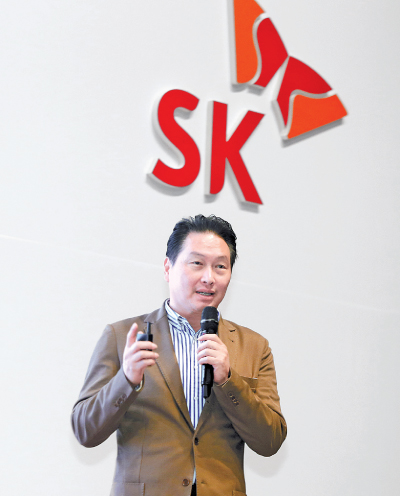
    SK Group is reevaluating its business models in a bid to ensure that all of its affiliates create social value along with economic value. SK Chairman Chey Tae-won and the heads of all SK affiliates discussed ways to renew their business models so that doing business leads to increasing benefits for the public as well as SK shareholders and employees during a three-day meeting on Jeju Island that ended Friday.

    “Creating social value is a way to earn strong trust from our customers and society,” Chey said. “By social value, I mean increasing the benefits of all stakeholders in our business including our customers, shareholders and employees.”

    Chey then ordered the chief executives to think over whether there was any part of their business that they are tricked into believing is sustainable.

    “Rethinking business models that you believe are sustainable is the beginning of a deep change that we are trying to accomplish,” the chairman added.

    SK has been making small steps into realizing Chey’s vision from earlier this year. The group’s oil refining arm SK Energy opened up the idle space at its gas stations so a logistics start-up can move in and use the space as storage.

    However, many other SK affiliates still need to come up with ideas to create social value.

    To renew business models, the CEOs agreed that sharing data and resources between SK affiliates is crucial. The heads also said that all members of SK should be a part of the movement for the vision to materialize.

    The chief executives first decided to improve human resources management policies and the research and development system. Details of the discussion weren’t revealed, but Chey ordered the chief executives to rethink the work environment for employees and to bolster R&D capabilities.

    As SK has businesses in a range of industries, the group is also thinking about business convergence among affiliates.

  • More brands join anti-fur movement

    More brands join anti-fur movement

    Among the investors who snapped up shares in luxury e-commerce marketplace Farfetch after its September IPO was one buyer with little interest in operating profits or projected revenue. People for the Ethical Treatment of Animals pounced on shares in the newly public company so it could make its case directly to ban fur sales on the platform. They needn’t have bothered.

    Farfetch quietly committed to going fur free in May, inserting a promise in the terms and conditions section of its website to stop selling items made with fur by the end of next year.

    Farfetch joins a growing list of luxury brands and retailers turning their backs on animal fur.

    Within the past 18 months, Yoox Net-a-Porter, GucciMichael Kors, Versace, Furla, Burberry and DVF have all announced anti-fur policies, while this year’s September London Fashion Week became the first of the major fashion weeks not to show any fur on the catwalk.

    Within the luxury space, the balance has tilted against fur.

    In the 1980s, fur was synonymous with luxury, representing a status symbol for many women.

    The global fur trade is valued at $40 billion, but today fur is central to the image — and revenue — of only a handful of major brands.

    Meanwhile, anti-fur messaging is being amplified by social media and a millennial customer base that is paying closer attention to the values represented by the products they buy.

    For brands like Gucci, the goodwill generated by banning fur outweighs the sacrifice of a few million dollars in sales of fur-trimmed loafers.

    “[It’s about] being more modern in our thinking and our approach to business and how we talk and engage with our consumer and our community of women,” Sandra Campos, chief executive at DVF, said of the decision earlier this month to stop using fur, exotic skins, mohair and angora in upcoming collections.

    “No one really wanted to associate the brand with [fur]. We don’t need real fur to have a status symbol anymore.”

    The anti-fur movement has ebbed and flowed for decades.

    Calvin Klein stopped using fur in 1994, the same year Peta ran a campaign featuring supermodels including Naomi Campbell and Christy Turlington, who claimed they would “rather go naked than wear fur.”

    Ralph LaurenTommy Hilfiger and Selfridges barred fur in the mid-2000s.

    More recently, Hugo Boss joined the no-fur list in 2015, followed by Armani the following year.

    Gucci kicked off the latest wave of brands announcing fur bans in October 2017.

    Winning over luxury’s hottest brand was a coup for animal-rights activists who had been targeting specific companies for almost a decade via a mix of behind-the-scenes talk and public protest.

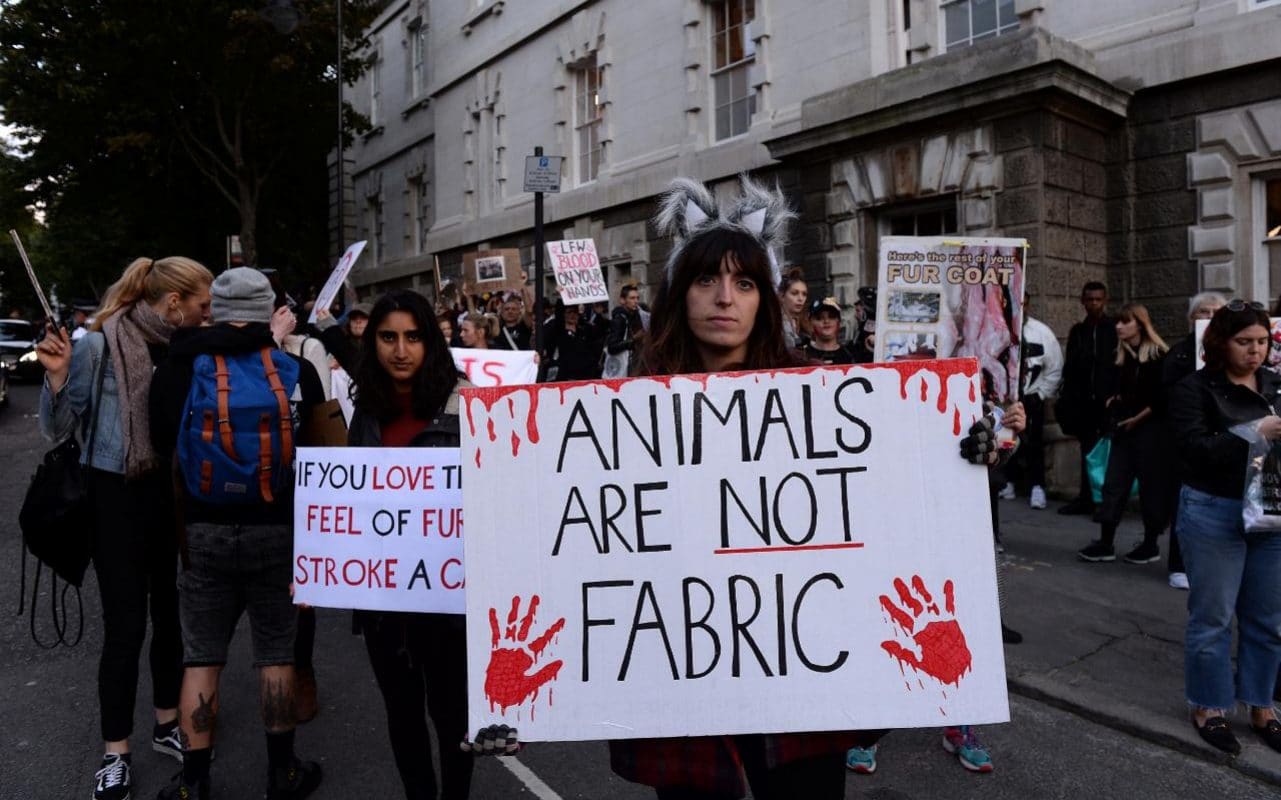
    In July 2017, more than 20 animal rights activists heckled Michael Kors during a speech, while in September 2017, Burberry’s London Fashion Week show was disrupted by about 250 anti-fur protesters.

    Michael Kors agreed to ban fur in December, Burberry last month.

    The rise of social media has provided the general public with a direct line of communication to companies and a platform for opinions and protest, making it harder for brands to ignore targeted activism.

    It’s also given animal rights organisations a platform for mobilising consumers into action.

    The global fur industry is fighting back, launching its own campaign making the case for fur as a natural, sustainable product that is better for the environment than alternatives, which are often made from plastic.

    One recent campaign featured Fendi and Oscar de la Renta, among other brands.

    “Brands are under huge pressure to respond to social media and avoid any controversy,” says Mark Oaten, chief executive of the IFF.

    “Even in a five year period that has changed … the fear of reputational damage is increased at the moment.”

    Studies show activism is impacting purchasing decisions.

    Prior to announcing its fur-free policy last June, Yoox Net-a-Porter surveyed 24,000 customers: 72 percent said social or environmental considerations drove their purchasing decisions at least some of the time, while 58 percent said having more information about the ethics and sustainability of a product would influence their shopping choices.

    Indeed, the idea of what luxury means to consumers today has evolved.

    “It’s become synonymous with social responsibility and innovation,” said PJ Smith, fashion director at the Humane Society US.

    “Companies that want to position themselves as corporate social responsibility leaders are seeing the marketing potential of going fur free, especially with new luxury consumers.”

    For a brand like Michael Kors or Burberry, going fur free won’t have much impact on the bottom line, while providing a marketing boost.

    For DVF, fur was “a very minimal percentage” of the overall business, said Campos.

    “It wasn’t something we relied on heavily at all,” she said. “It made sense for us to walk away from it in total.”

    Similarly, Gucci’s decision to bet on animal rights activism wasn’t much of a trade-off, as the brand sold only €10 million ($12 million) in fur products last year, less than 0.2 percent of revenue.

    Gucci’s Instagram post announcing the news was among the brand’s top performing posts at the time of the announcement, amassing 179,524 likes.

    Even brands that still use fur are acknowledging shifting attitudes.

    Fendi, which started as a furrier in 1925, rebranded its Couture Week show this past July as haute couture, rather than the haute fourrure description it used in recent seasons.

    And while fur was still present in the label’s Spring 2019 collection, it was less prominent than in past seasons.

    Prada, too, has been decreasing its use of fur.

    Recently the brand has come under pressure as a result of a targeted campaign spearheaded by the Fur Free Alliance, a coalition of 40 animal rights groups.

    According to the company, thousands of e-mails demanding it bans animal fur have been sent to the Prada Group and personal addresses of employees.

    However, the company has not announced plans to stop using fur.

    “We believe it is important to stress that all the advertising campaigns of the Group’s brands, together with the fashion shows and displays in the shop windows, have not been presenting these products for some time, in order to discourage demand from consumers,” the Italian house said in a statement.


  • Vietnam’s per capita GDP long way away from 2020 target

    Vietnam’s per capita GDP long way away from 2020 target

    Vietnam’s GDP per capita is set to increase this year, but its 2020 target of $3,200-3,500 looks distant. Minister of Planning and Investment Nguyen Chi Dung said at a National Assembly meeting Monday that if Vietnam’s GDP increases by 6.7 percent this year, per capita GDP will reach $2,540, up $155, or 6.1 percent year-on-year, and 1.21 times that of 2015.

    However, the number is still far away from the country’s target of $3,200-3,500 by 2020, he conceded.

    According to World Bank Group statistics, Vietnam’s GDP per capita in 2017 is $2,343. The figure for Singapore is $57,714, Malaysia ($9,945), Thailand ($6,594), the Philippines ($2,989) and Myanmar ($1,298).

    Minister Dung estimated that Vietnam’s GDP would grow by 6.57 percent on average in the 2016-2018 period, meeting the National’s Assembly target of 6.5-6.7 percent growth.

    However, he expressed concerns about the increasing number of businesses that stopped operations in the first nine months of this year.

    While 96,610 new businesses opened, 73,100 closed, up 48 percent year-on-year.

    These figures worried government officials at the meeting. Vu Hong Thanh, Chairman of the National Assembly’s Economic Committee, said that the goal of having one million businesses by 2020 will be “difficult to achieve.”

    Last year Vietnam had over 560,000 active businesses, up 11 percent year-on-year, according to the General Statistics Office.

    But in another meeting last week, Deputy Prime Minster Vuong Dinh Hue said that the goal “is full of challenges, but achievable.”

    Hue said that how strong these businesses are and how much they can contribute to the economy is more important.

    “The government aims to practically improve the business environment by not imposing more conditions,” he said.

    In the first nine months this year, Vietnam’s GDP grew by 6.98 percent, the highest nine-month growth rate since 2011. The economy grew by 6.81 percent last year, the highest rate in a decade.

  • UK fashion retailer New Look to exit China

    UK fashion retailer New Look to exit China

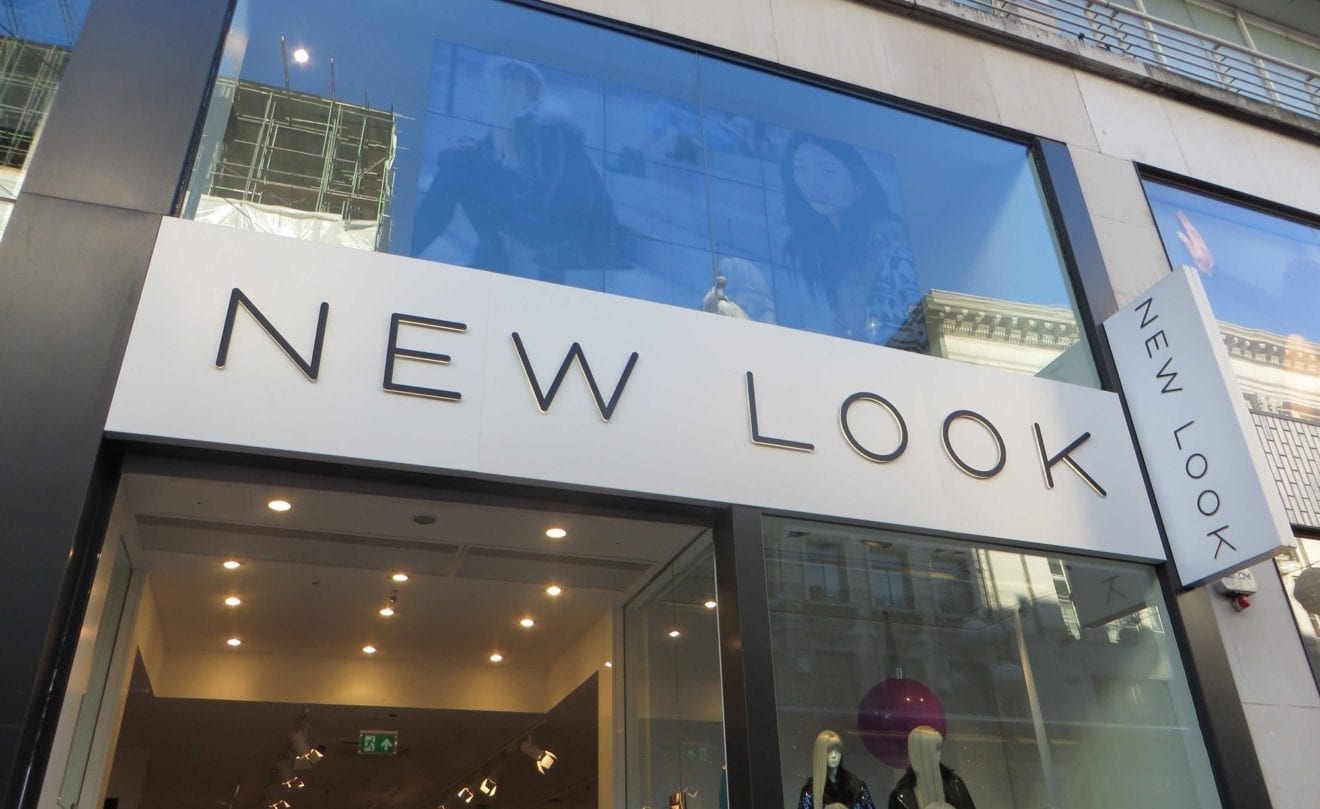
    Embattled UK fashion retailer New Look is to quite China, closing some 130 remaining stores. The move follows a strategic review of the China business announced back in June, when the company put the brakes on an ambitious 450-store rollout plan after opening just 148.

    New Look has appointed property specialist CBRE to find new tenants for the 130 remaining stores in the country.

    In March, South African-owned New Look signed a Company Voluntary Arrangement with its creditors and landlords in the UK allowing 60 stores there to be closed. Chairman Alistair McGeorge at the time cast doubt on the future of the China plans announced by former CEO Anders Kristiansen.

    New Look’s China exit comes two months after rival chain Topshop terminated a franchise agreement with local partner Shangpin “by mutual agreement”.

  • Beauty brand 3INA launches in Hong Kong

    Beauty brand 3INA launches in Hong Kong

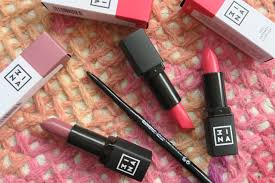
    Beauty brand 3INA, following its success in the  Chinese platform Xiaohongshu, launched in Hong Kong yesterday. Since the 3INA customer is the Millennial, the digital platforms have been a large part of the brand’s marketing and selling strategy. Social media and influencers have been key to its success.

    Launched in 2016 by Eve and Pablo Rivera, the very first 3ina makeup store was opened in London in February last year. Offering professional grade European-made cosmetics at an accessible price tag, 450 products across six categories, and trend-savvy products launching every four weeks, the British beauty brand was an instant hit.

    Hong Kong people will enjoy 3INA colorful mood at its first flagship store in T.O.P This is Our Place in Mong Kok with an assortment of over 700 products.

    3INA already has 27 stores in over nine countries around the world, including Australia, Belarus, Greece, Italy, India, Malta, Spain, South Africa, UK, and now Singapore.

  • KT’s Kids’ Land is now available on the move

    KT’s Kids’ Land is now available on the move

    KT’s Kids’ Land will soon be available on the move, as the mobile carrier tries to take on YouTube Kids by moving its popular child-friendly content service to smartphones.
    Kids’ Land, which launched in May on KT’s internet-protocol TVs, is now used by 3.6 million customers, according to KT. By creating a mobile app that is connected with the IPTV, the carrier said that kids will now be able to enjoy their favorite content anywhere they want.

    New content was also been added to the service, now upgraded to Kids’ Land 2.0, on Tuesday. While most of the content on the original Kids’ Land was for children, the new version comes with new videos dedicated to parenting, made for KT in cooperation with Dr. Oh Eun-young, a famous figure in the field of child care in Korea.

    Oh’s content will cover 10 big topics in parenting, spanning about 50 video clips, so that parents can easily learn how to behave with their children in specific situations, like when they won’t sleep.

    “There is so much, in fact, too much information on parenting that parents these days can’t really tell between reliable content and those that are not,” Oh said. “KT’s platform offers curated and reliable content that parents can always turn to.”

    Kang In-sik, vice president of the media content department at KT, said KT will be working to provide more original content to beat competition from other platform providers like YouTube. KT is currently contacting experts to make videos specifically targeting infants as well as the elderly and those hoping to learn a new language.

    The new Kids’ Land app will be ad-free and filter out harmful content for children.

  • Nazir Razak steps down as CIMB chairman, succeeded by Mohd Nasir Ahmad

    Nazir Razak steps down as CIMB chairman, succeeded by Mohd Nasir Ahmad

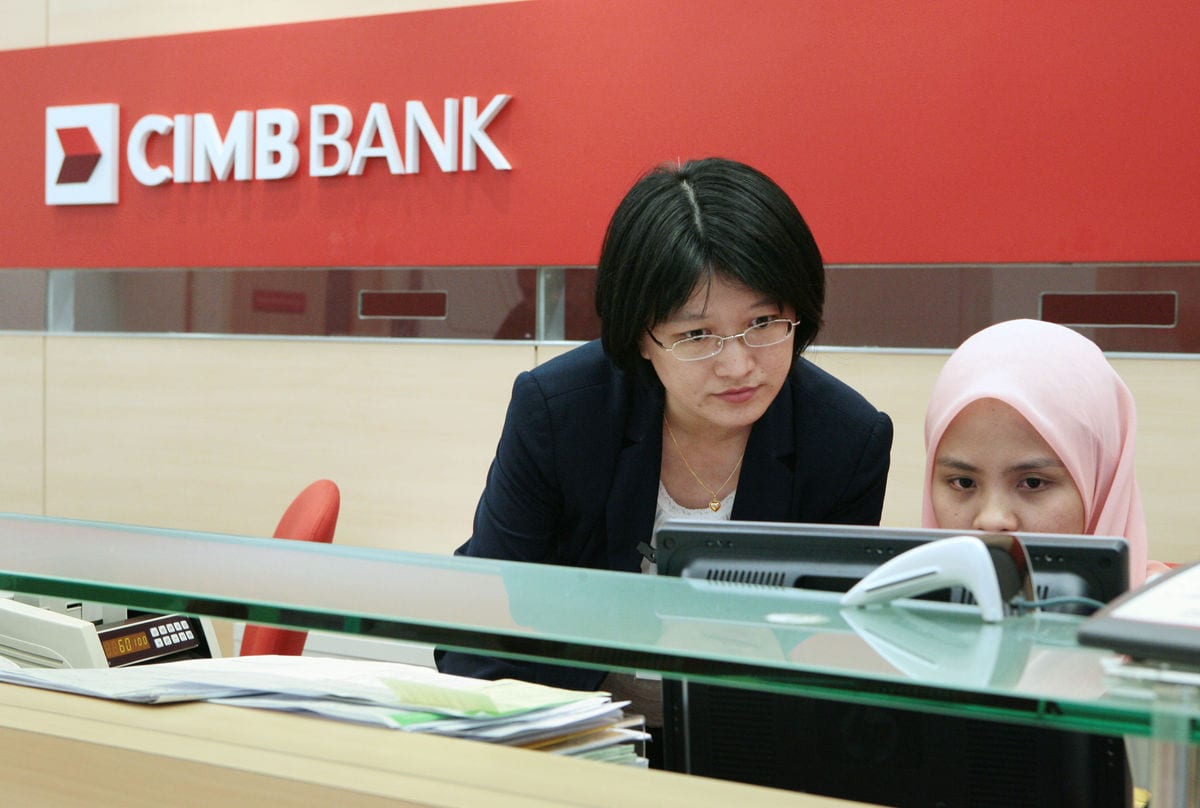
    CIMB Group Holdings Bhd has received Bank Negara Malaysia’s approval for the appointment of Datuk Mohd Nasir Ahmad as the group chairman effective tomorrow. He will succeed Datuk Seri Nazir Razak, who is stepping down last week.

    On Sept 24, Nazir announced his intention to retire from his position as the group chairman and all other positions within the CIMB group of companies by year-end.

    Nazir had served CIMB for 29 years since 1989, including as group CEO for 15 years and as group chairman since 2014. Under his leadership, CIMB grew from a fledgling corporate finance franchise into a top Malaysian investment bank, and was later transformed into a leading universal bank in Asean.

    Meanwhile, Mohd Nasir has been a member of the group’s board of directors (BOD) since 2015, and its senior independent director since April 2016.

    As part of this appointment, he will relinquish his positions as senior independent director and chairman of the audit committee. However, he will remain as a member of the group BOD’s audit committee, risk committee and group nomination & remuneration committee.

    Mohd Nasir is a chartered accountant by training and a fellow of the Association of Chartered Certified Accountants (ACCA), UK. He is also a council member of the ACCA Global Council. He has 39 years of corporate experience through companies such as Tenaga Nasional Bhd, including in CEO positions at Syarikat Permodalan Kebangsaan Bhd and Perbadanan Usahawan Nasional Bhd. He is the group chairman of Media Prima Bhd, as well as an independent director of CIMB Bank Bhd, SIRIM Bhd and Sistem Televisyen Malaysia Bhd.

    “I am delighted that following the Sept 24 announcement of my intention to retire, the board has been able to appoint my successor quickly from within the group board, and someone capable of taking over immediately. I am, therefore, relinquishing all my positions in the CIMB group with effect from today. Naturally, I will make myself available to assist the new chairman in any way to ensure a smooth transition,” Nazir said in a statement on Mohd Nasir’s appointment.

    CIMB group’s BOD and chairperson of group nomination & remuneration committee Teoh Su Yin said Mohd Nasir’s substantial corporate experience in various capacities and leadership roles, coupled with his three-year directorship on the CIMB group board, will provide valuable guidance and continuity during this time of transition and CIMB’s continued evolution.

    “The board looks forward to his stewardship as the group shapes its next mid-term growth strategy. The board would also like to record its appreciation to Nazir under whose tenure CIMB grew and became a leading Asean financial institution, and we wish him all the very best for the future.”

    CIMB group CEO Tengku Zafrul Aziz said the group looks forward to being guided by Mohd Nasir as it starts executing its next mid-term growth plan in 2019, which will focus on, among others, the people, customers, digital and sustainability.

  • ZALORA nabs Myntra CMO Gunjan Soni as new CEO

    ZALORA nabs Myntra CMO Gunjan Soni as new CEO

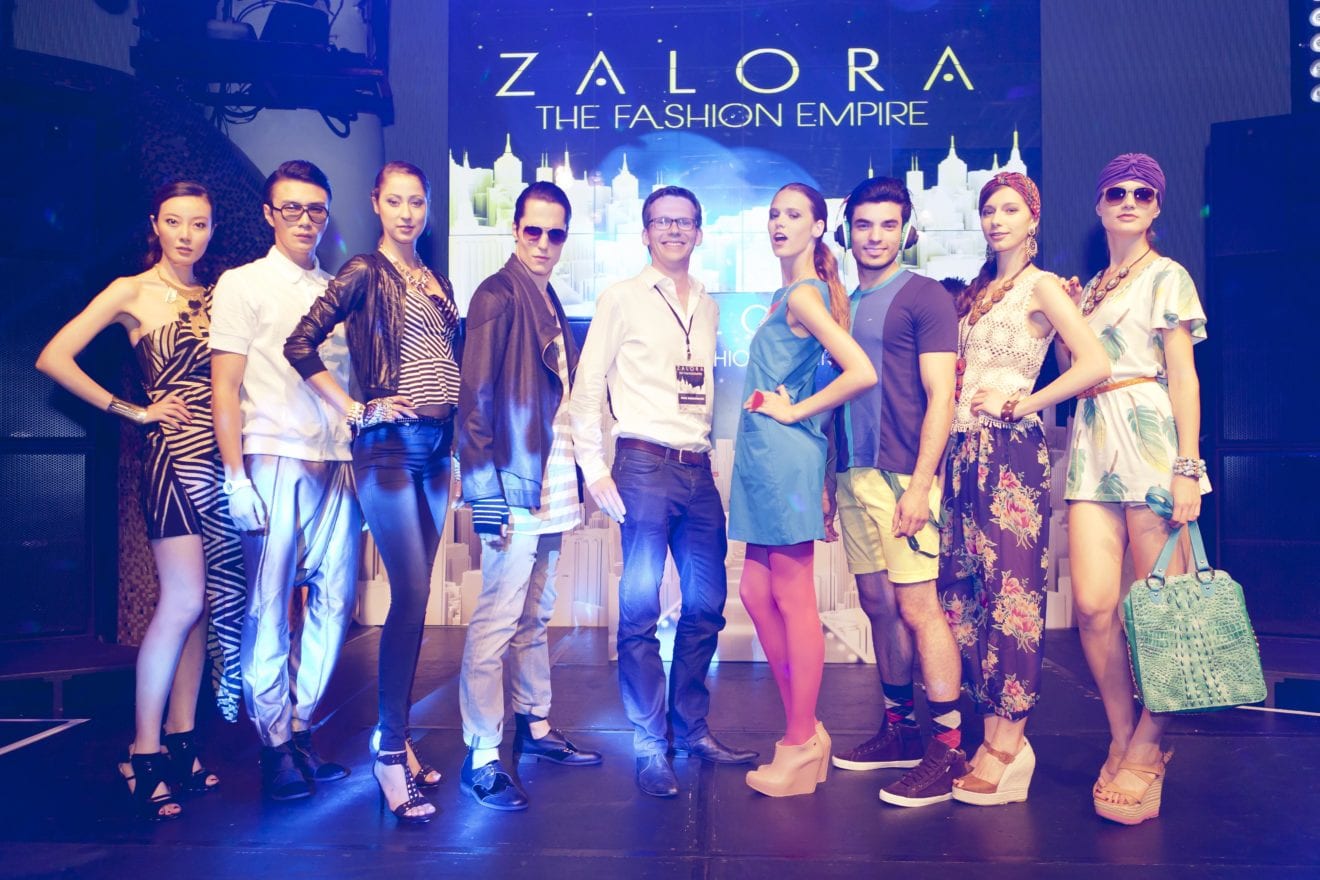
    Global Fashion Group has chosen the head of Jabong India as the new Zalora CEO. Gunjan Soni will over the helm of the Southeast Asian e-commerce portal early next year after she completes her combined tenure as chief marketing officer with India’s largest fashion e-commerce business, Myntra, and the Jabong role.

    Soni has more than 13 years of leadership experience in marketing, strategy and operations and a passion for building new-age consumer businesses.

    “It is truly a huge privilege to lead Zalora, which is already the leading fashion and sports destination, at a time when Southeast Asian markets are poised for increasing fashion and e-commerce consumption,” she said in a statement.

    “When I see Zalora, I see a company with limitless potential and ability to shape the future of fashion commerce in one of the most exciting markets globally. This makes it both exciting and humbling to take on this role.”

    At Myntra, Soni was instrumental in positioning the brand as a leader in fashion and lifestyle and leading the turnaround of the Jabong business post acquisition.

    Prior to joining Myntra, the next Zalora CEO was executive VP for strategy & CEO office with Star India. She also spent a large part of her career at McKinsey where she was a partner, working across multiple consumer sectors and geographies including the UK, Singapore and Bhutan.

    She is a recognised leader in business having featured in Spencer Stuart-Economic Times young leaders 40 under 40 list, Fortune India 40 under 40, and named one of the most influential women leaders in media.

    Patrick Schmidt, Co-CEO of Global Fashion Group, Soni’s experience in leading operations, strategy and marketing in fashion e-commerce and her strong leadership skills will be instrumental in strengthening Zalora’s position as market leader in Southeast Asia’s e-fashion space.

    “She has a deep and broad understanding of the complexities of e-commerce and has contributed to building one of the world’s biggest fashion e-commerce companies.”

  • Tod’s chairman denies rumours about a possible sale

    Tod’s chairman denies rumours about a possible sale

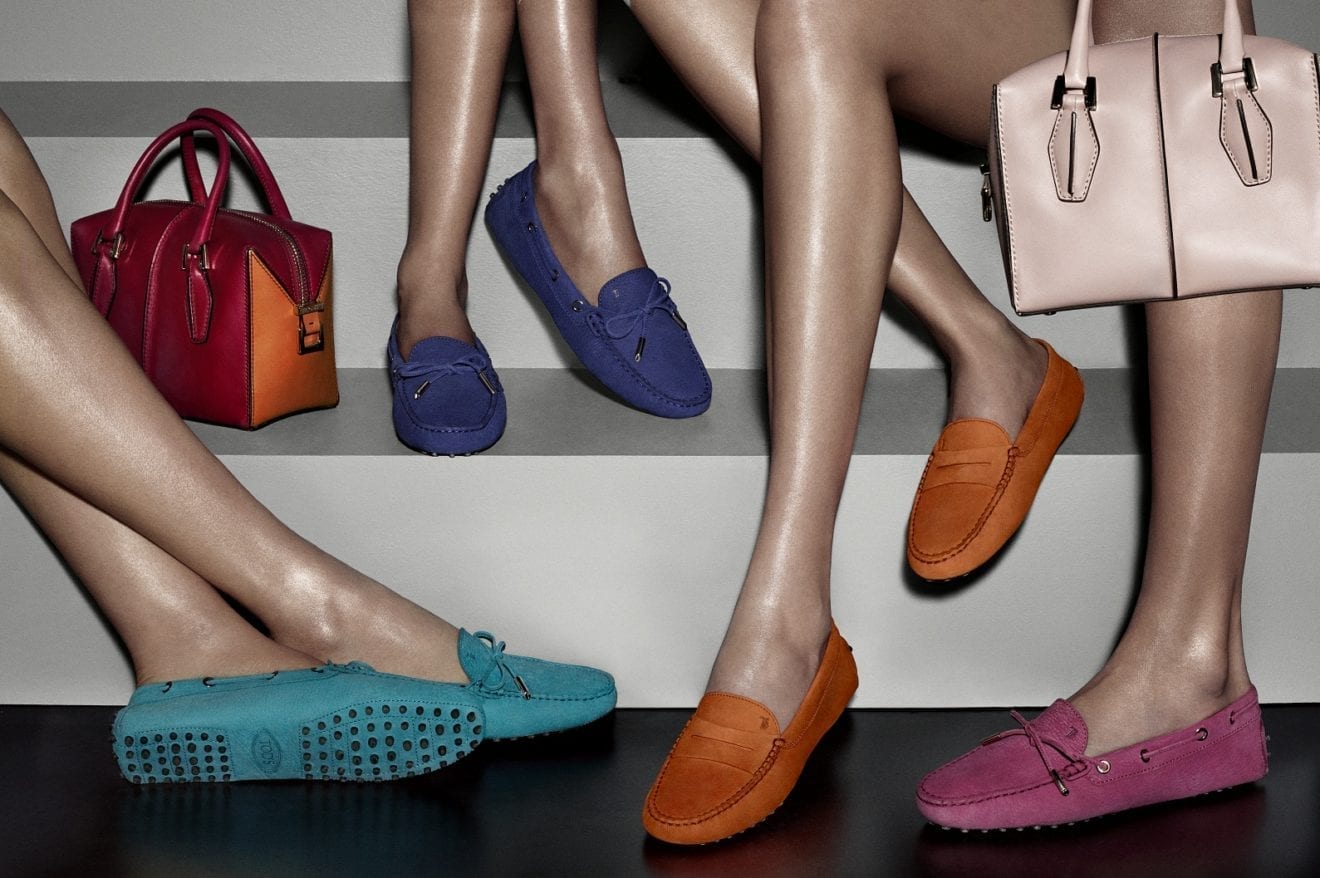
    Speaking at the 2018 Milano Fashion Global Summit, Tod’s Chairman and CEO Diego Della Valle denied rumours surrounding a possible sale of the Tod’s group, reports WWD. The report quoted Della Valle saying: “This rumor is a “recurring” one, but “if we really had to do an operation, it would be to buy, not to sell. “We are preparing the company for the next 10 years, when we will surely be attentive to new consumers, but carefully avoiding going overboard in chasing trends. We must not lose sight of who we are,” he added.

    Speculations followed after an Italian newspaper reported on Monday that Della Valle’s reorganization of the family’s holding companies may be an indication to a future sale of the group.

    The Della Valle family currently owns majority 60 percent of the Tod’s group through two separate holding companies – the Di.Vi. Finanziaria vehicle and the Diego Della Valle & C.

    For the first six months, Tod’s reported a 2.8 percent decline in its net profit to 33.7 million euros, while sales decreased 1.3 percent to 477 million euros compared to 483 million euros in the first half of the previous year but increased 1.8 percent at constant exchange.

  • Vietnam becomes less competitive on global index

    Vietnam becomes less competitive on global index

    Vietnam has fallen three places on the competitiveness index from last year, a new World Economic Forum report says. The country was ranked 74th in last year’s global competitiveness index, but fell three places to 77th this year, according to a WEF report released Wednesday.

    The 2018 Global Competitiveness Index 4.0 report said that Vietnam’s overall competitiveness score of 58.1 was lower than the world average of 60.

    The report defines competitiveness as the set of institutions, policies and factors that determine the level of productivity.

    It added that Vietnam scored highest in the factors of health (81 points, ranked 68th), macro-economic stability (75 points, 64th) and market size (71 points, 29th).

    The report ranked Vietnam 102nd among 140 countries in terms of product market and 101st in business dynamism.

    The product market index components include the extent of market dominance, competition in services and trade tariffs.

    Vietnam’s innovation capability was the weakest among twelve factors used in determining the competitiveness index, at just 33 points, ranked 82nd.

    The country’s adoption of information and communication technology (ICT) had the second-lowest score of 43 points, ranked 43.

    The report added that globalization has contributed to reducing global poverty and inequality between countries. It cited Vietnam as an example, saying the U.S.-Vietnam bilateral trade has helped reduce poverty by increasing wage premiums in export sectors.

    The trade pact also reallocated Vietnamese labor from agriculture to manufacturing, stimulating enterprise job growth, it said.

    The report also cited Vietnam as an example of one of the fastest growing economies in the East Asia and Pacific (EAP), which is the fastest-growing region in the world, accounting for one-third of global growth last year.

    Vietnam, along with Cambodia, China, Laos and the Philippines, had a growth of over 6 percent last year, it added.

    The EAP also contributed three countries/territories to the world’s most competitive economies: Singapore (scored 83.5, ranked 2nd), Japan (82.5, 5th) and Hong Kong (82.3, 7th).

    The U.S. topped the ranking with a score of 85.6 thanks to vibrant entrepreneurial culture and high scores in the labor market and the financial system.

  • JD.com expands logistics services to include parcel delivery

    JD.com expands logistics services to include parcel delivery

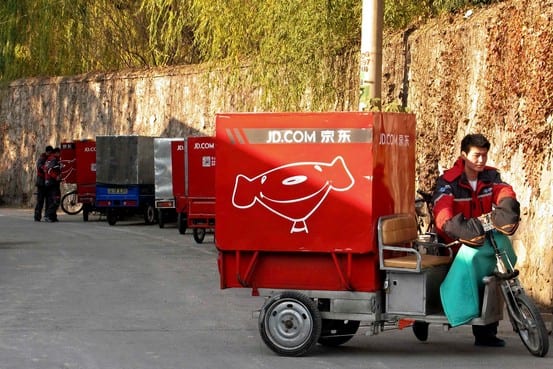
    Chinese e-commerce company JD is opening its logistics network up to consumers to send parcels around the country, marking the first entry by an e-commerce company into the parcel delivery business. The new JD parcel delivery service announced enables users of the company’s app in Beijing, Shanghai and Guangzhou to send items intra-city and throughout Mainland China, using the same fast and reliable delivery service JD offers with online purchases. The company, which will expand the program to include high-value items like luxury products and high-end consumer electronics, as well as more diverse options based on delivery timing, aims to eventually make residential and business deliveries for shippers from anywhere to anywhere within Mainland China in the future.

    JD is the only large-scale e-commerce company in the world to operate a nationwide in-house logistics network, down to the last mile. The company says its network, powered by its proprietary supply chain management technology, is able to deliver more than 90 per cent of orders same- or next-day, and reaches 99 per cent of China’s population.

    The new JD parcel delivery service includes a range of competitively priced options, including same-day delivery between different cities; same-day intra-city delivery; standard next-day or two-day delivery and next-day delivery between cities.

    “Depending on the delivery option chosen, packages may be sent by high-speed rail or air,” the company said in a statement. “Individual shippers can use the same JD app they use for shopping to schedule a pickup by one of JD’s full-time logistics staff, and have a parcel delivered thousands of miles away at the speed they choose. They will even be able to select JD’s luxury ‘white glove’ delivery service if they want to make the delivery extra special.”

    Zhenhui Wang, CEO of JD Logistics says the JD parcel delivery service marks the next step in leveraging the nationwide logistics network that JD has built over the past decade, to expand the range of services offered to its customers.

    “JD is known throughout China for the fastest and most reliable delivery, and we are confident that users will appreciate the convenience of this new service.”

    The program has already begun user trials with multiple ways for customers to request pickups. In addition to the JD app, shippers can request pickups on a JD Delivery mini program in WeChat, China’s largest social network operated by JD’s partner Tencent, and a JD “Delivery Team” WeChat account.

    JD unveiled the parcel delivery service at its 2018 Global Smart Supply Chain Summit held in Beijing today. Other initiatives announced at the summit – part of JD’s Global Smart Supply Chain Network Strategy – include JD’s smart warehouse management system initiative, an expansion of the company’s green initiatives, and the formation of a new energy union with 20 industry partners.

  • Samsung opens its incubation

    Samsung opens its incubation

    Samsung Electronics is opening up its internal incubating program, C-Lab, to young entrepreneurs from outside the company, and it plans to help 300 of them over the next five years. It will incubate 200 internal start-up projects during the same period, bringing the total to 500 by 2023. Expanding support to start-ups is part of Samsung’s massive 180-trillion-won ($158-billion) investment plan announced in August.

    “There were lessons learnt during our last six years running C-Lab inside the company, so we suggested sharing our experience and know-how externally as a way to contribute to solving the problem of youth unemployment,” said Lee Jai-il, vice president of the company’s Creativity & Innovation Center, at a press event held Thursday at Samsung’s R&D center inside Seoul National University.

    Started as an internal program to encourage young staff to freely suggest new ideas, C-Lab has produced substantial results.

    Of a total 230 ideas suggested to C-Lab, 78 eventually became a Samsung product or service while 36 people who had those ideas quit their jobs to establish start-ups of their own.

    Some went as far as to set up offices in Silicon Valley or show their products at the Consumer Electronics Show.

    “Another thing I noticed working with 200 C-Lab teams is that there is a type of person more suited than others to do innovative work,” said Lee. “When it comes to realizing their own idea, these people have a tendency to completely immerse themselves in that task and I believe these are the type of people that will lead this country’s future.”

    Opening the one-year program up to outsiders, Samsung will select 20 external teams every year, mainly in their early stages.

    It already has chosen 15 teams this year and they are working inside the R&D center, which the company built in partnership with Seoul National University last November.

    The center looks more a co-working space, not the typical feel for an office at Samsung, which has a reputation for a hierarchical and inflexible corporate culture.

    Several groups were having discussions inside meeting rooms while smaller groups of three to four worked on laptops on random tables in open spaces.

    The building also has a space equipped with 3-D printers and laser cutters to create prototypes.

    There’s a cafeteria that serves three meals a day on the fourth floor, and across from that is a meeting space that offers a wide view of trees in the campus.

    A Samsung staffer said they tried to create “a soft and cozy space fit for young start-ups.”

    All the facilities in the building are offered for free for a year to C-Lab teams. Other advantages include financial support of up to 100 million won and mentoring from various experts from Samsung.

    “What I’m looking forward to, even more than the infrastructure and financial support, is the possibility to find collaboration points with existing Samsung services or businesses and possibly find new service ideas we couldn’t think of before,” said Jinu Kim, CEO of the mobile app Liner, which is one of the 15 external C-Lab teams.

  • Dada-JD Daojia, Carrefour to collaborate online

    Dada-JD Daojia, Carrefour to collaborate online

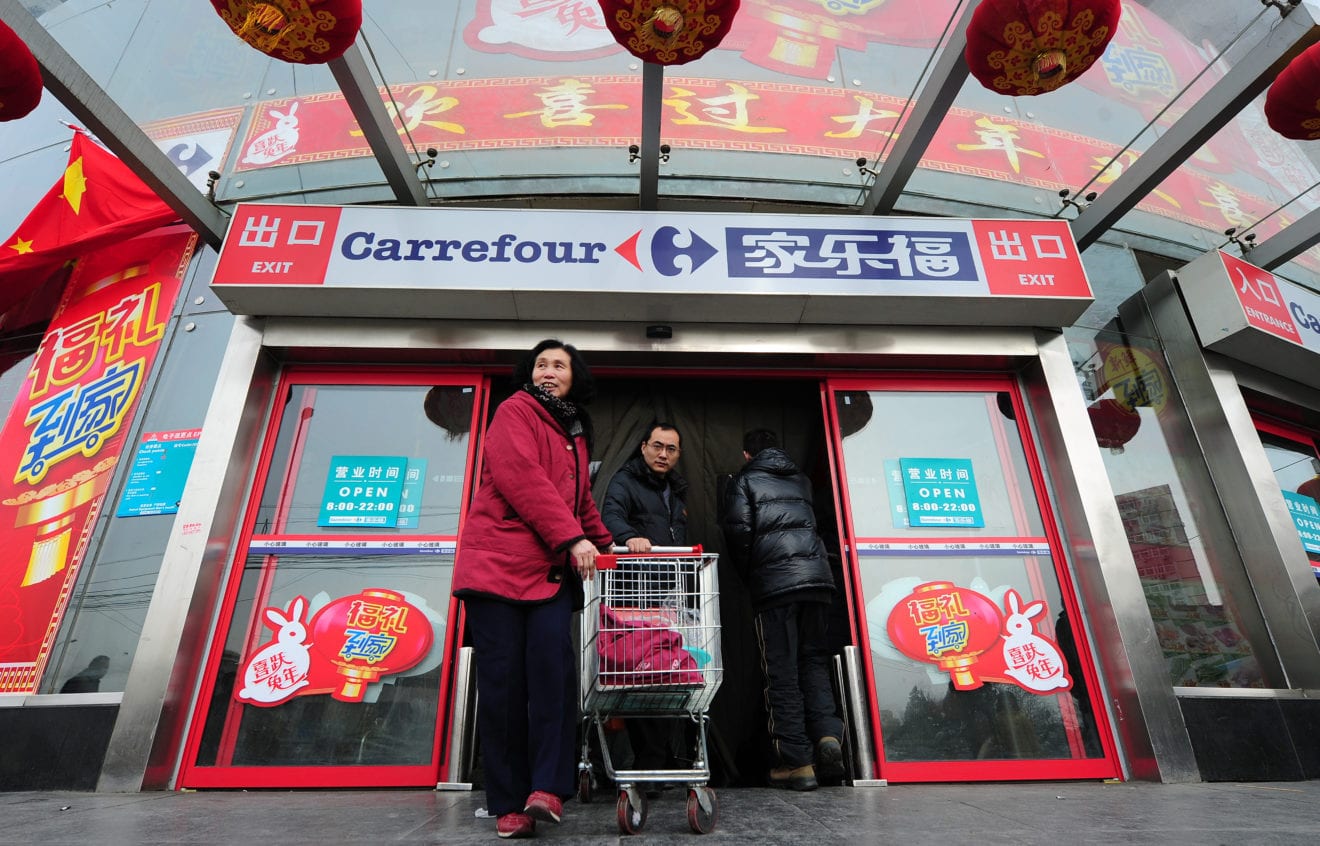
    Chinese online grocery and delivery firm Dada-JD Daojia is partnering with French hypermarket chain Carrefour. The collaboration, which involves listing Carrefour China stores on the Dada-JD platform, has already resulted in a 720 per cent increase in the chain’s online sales compared with the month previous. Some 4000 Carrefour products are available to be traded on the platform.

    So far, 158 Carrefour stores are listed on Dada-JD, with plans being to have 200 listed by the end of the year.

    Dada-JD Daojia offers two distinct services, the “Dada” on-demand logistics platform (which covers 400 major Chinese cities) and the “JD Daojia” e-commerce platform that has more than 50 million users. It has collaborated with Walmart since 2016 as well as other chain supermarkets.

  • US-China trade spat will exert exchange rate pressure on Vietnam

    US-China trade spat will exert exchange rate pressure on Vietnam

    If US-China trade tensions drag on, Vietnam will still see good growth but face strong exchange rate pressures exerted by two major currencies. After GDP growth reached 6.98 percent in the first 9 months of 2018, the highest in the past 8 years, it is relatively clear that the Government will reach its 6.7 percent growth target by the end of the year. Only a 6.11 percent growth in the fourth quarter to meet this objective.

    Usually, the fourth quarter will have the highest quarterly GDP of the year, thanks to the rise in exports, production and consumption. Consequently, some experts are optimistic that this quarter’s growth is likely to exceed the third quarter (6.88 percent) to bring GDP in 2018 to 6.9 – 7 percent as predicted by major international financial institutions.

    In its forecast, HSBC Vietnam made a rather safe prediction that GDP growth in 2019 would stand at 6.7 percent, equivalent to the bank’s forecast of growth for this year.

    In line with this, GDP per capita is expected to improve from $2,321 in 2017 to $2,734 next year. However, inflation will rise to 4.2 percent, the bank said.

    “The US economy is seeing strong growth, but the global economy is in decline and stagnating. However, while other countries in the region are showing signs of decline, Vietnam remains an exception,” said Pham Hong Hai, CEO of HSBC Vietnam at the ‘Infrastructure Outlook 2018’ conference last week.

    The International Monetary Fund (IMF) has lowered its forecast for global economic growth in 2018 and 2019 due to the escalating trade war. In a recent development, President Donald Trump has reiterated his threat to impose tariffs on another $267 billion in Chinese goods, which comes on top of the $200 billion in goods he has already targeted earlier this year.

    “Vietnamese companies, with the exception of the rubber industry, are increasing their capacity to export to the U.S. while the capacity of Chinese companies is decreasing,” said Hai on prospects for 2018.

    “Moreover, FDI will remain the main driver of growth as investors are likely to prioritise targeting Vietnam as opposed to other economies in the region.

    “Investors have traditionally preferred China, but now they are paying more attention to Vietnam because of its free trade agreements (FTAs),” he said.

    Although the outlook for 2019 is positive, the U.S.-China trade war still creates an unstable global economic environment. Vietnam has been trapped between the two major currencies, which both have extensive trade ties, economists said.

    At the end of September, the U.S. Federal Open Market Committee (FOMC) raised the refinancing rate by 0.25 percent to 2.25 percent. This is the third interest rate hike this year, and another is scheduled to happen before the end of 2018.

    This has led to an appreciation in the dollar, higher prices on imports into Vietnam, higher input costs and more pressure on exchange and interest rates.

    Meanwhile, the yuan is likely to continue to depreciate if tensions drag out, aimed at limiting the damage done from the effect U.S. tariffs have on the price of Chinese goods. With export turnover to China reaching $35.5 billion, accounting for 17 percent of Vietnam’s export turnover last year, exports in general will likely suffer.

    Vietnam also lies in the top 5 countries in the crosshairs of the U.S.’ protectionist policies given Vietnam’s high trade surplus with the U.S.

    However, experts believe it is highly unlikely for Trump to launch a trade war against the country as Vietnam is willing to be flexible. Recent announcements from Prime Minister Nguyen Xuan Phuc also indicated that Vietnam is very willing to welcome investors as well as consume more goods from the U.S.

    “We are also excited to know how you plan to do business or expand in Vietnam,” the Prime Minister declared in front of 40 leading U.S. firms in New York last September.

    As the fourth quarter has just commenced, there are still many variables yet to be ascertained to make predictions for next year. Even the U.S.-China trade war with its global economic implications, is unpredictable, not to mention other risks not associated with the trade war itself.

    “Vietnam has a great outlook, but the risk lies mainly in public debt. However, public debt has been falling. In addition, CPI at 4 percent or higher is also a risk for 2019,” Hai of HSBC noted.

    In the medium and long term, the future of Vietnam’s economy, according to specialists, remains a big question. HSBC offers two scenarios by 2030. The first is optimistic, predicting growth of over 8 percent while the other sees GDP growth deceleration to a level below 4 percent.

    According to Hai, the final outcome will depend on Vietnam’s ability to solve challenges in such issues as policy, productivity and infrastructure.

    “We are looking forward to Government reforms because we are in the Industry 4.0 era,” he added.