Author: Mei Ling Tan

  • Hanoi, HCMC among 20 most expensive cities in Southeast Asia

    Hanoi, HCMC among 20 most expensive cities in Southeast Asia

    A new index puts Hanoi 13th and HCMC 15th on the list of 20 most expensive Southeast Asian cities. The new Cost of Living Index for the region has been compiled by Numbeo.com, the world’s largest database of user contributed data about cities and countries worldwide. According to Numbeo, a person spends on average $447.25 a month in Hanoi exclusive of rent. For a four-person family, this figure would be $1,601. Hanoi’s cost of living ranks 316th among 440 cities in the world.

    Meanwhile, in HCMC, the average monthly expense for a single person excluding rent is $434.94, and $1,562 for a family of four. HCMC ranks 320th out of 440 cities in the world, and is 61.50 percent less expensive than New York.

    This year, Singapore, Southeast Asia’s biggest business hub, remains the most expensive city in the region. The city-state is immediately followed by Bangkok of Thailand. Yangon in Myanmar is in third place, a surprise as the city did not even make the top 30 in mid-2018.

    Many Southeast Asian capitals are featured in the list, with Phnom Penh of Cambodia ranked fifth, Jakarta of Indonesia, 11th, and Manila of the Philippines, 14th.

    Numbeo says that its survey has taken into account several factors including house rents, cost of eating out, and purchasing power needed to live a comfortable life to come with a cost of living index for 20 major cities in Southeast Asia.

  • Looking at Omnichannel presence in India: IKEA

    Looking at Omnichannel presence in India: IKEA

    Swedish home furnishings major IKEA Thursday said it plans to have an Omnichannel presence in India going forward, reiterating its long-term commitment to the country. Last year, the company opened its first store in Hyderabad, spread over 13 acres of land and has a built up area of 4 lakh sq.ft. “We are long term committed to India. We are planning to have omni-channel presence here. We will have three formats — big stores, online and smaller stores here,” Peter Betzel, CEO, IKEA India said.

    According to a report, the presence in three formats is to bring the customers closer, he added. The Hyderabad store is the first of 25 such outlets planned to be set up in India by 2025.

    The company will be opening big stores in India, starting with a store in Mumbai this year, followed by one in Bengaluru in spring-2021 and then in Delhi-NCR, Betzel said.

    However, he did not provide any timeline for the opening of the store in Delhi.

    IKEA will have its online presence in Mumbai and will also expand smaller stores category there, he added.

    When asked how the company plans to fund the expansion, Betzel said: “It will be through our own money.”

    In 2013, IKEA received nod from the government to invest Rs 10,500 crore in single-brand retail out of which it had invested Rs 4,500 crore in its different ongoing projects in India.

    IKEA has been present in India for 30 years, sourcing many different products for IKEA stores worldwide.

  • Nestle India plans up to 3-dozen product launches in 2019, eyes higher exports

    Nestle India plans up to 3-dozen product launches in 2019, eyes higher exports

    FMCG major Nestle India has lined up nearly two-three dozen products that it plans to launch in calender year 2019 across categories in the country to drive its aggressive growth plans, Chairman and Managing Director Suresh Narayanan said.

    According to a report, the company, whose 6 percent revenues come from exports, is now looking to tap more overseas markets by targeting countries with higher Indian diaspora such as SAARC and South East Asia.

    “In 2018, our core brands have performed well…We look forward for greater acceleration as we go forward….We have two-three dozen projects (products) in pipeline for launch in 2019. These products are across categories,” Narayanan said.

    Reiterating the company’s focus on the Indian market, he said, “As an organisation the one clarion call that we are working to is that we are in the business of growth to thrive and not to survive…It is not a survival mode that we look at the opportunity in India or the opportunity for growth..but a thriving mode.”

    While the domestic market has been driving its growth, Narayanan said Nestle India would now look at expanding its export basket.

    The company is looking at tapping overseas market with higher Indian diaspora such as SAARC and South East Asia to expand its exports, he added.

    Commenting on fake news on nutrition, Narayanan said it was affecting choices and lives of people.

    Therefore, Nestle India in partnership with Google, using a chatbot mechanism, will launch a personalised information dissemination website called ‘Ask Nestle’, he added.

    “Ask Nestle seeks to be a reliable and anchor platform for nutrition and lifestyle information for customers. India is the only market where this website is being launched,” he was further said.

    When asked if the company will in future also link Ask Nestle with its own e-commerce website for selling its products, he said it is a possibility.

    “…Going forward it could morph into something bigger in terms of linking up with our own e-commerce intentions, if at all it happens. But today it is only for information sharing, dissemination and helping,” he said.

    When asked if there has been any impact on sales of Maggi noodles after Supreme Court revived government’s case in the National Consumer Disputes Redressal Commission (NCDRC) against Nestle India seeking damages of Rs 640 crore for alleged unfair trade practices, false labelling and misleading advertisements, Narayanan said “No”.

    When asked if the company is looking for manufacturing capacity expansion, he said: “…This is a question that is coming up with active consultation. That exercise is on but I can not share more at this stage”.

    Typically, our approach is to augment (capacity) at our existing factories, but it does not rule out a new manufacturing facility, Narayanan said.

    Nestle India, at present, has eight factories across the country.

    The company also did not rule out evaluating inorganic growth in the country and said it may consider it if any opportunity arises.

  • Palm oil prices to remain steady in 2019: MPOC

    Palm oil prices to remain steady in 2019: MPOC

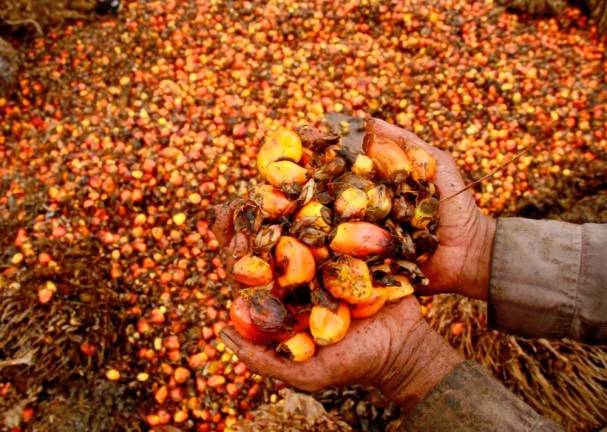
    Malaysian palm oil prices are set to hold steady in 2019 at an average of RM2,303 a tonne, according to estimates by the Malaysian Palm Oil Council (MPOC), while global output of the tropical oil is expected to rise by 3 million tonnes. “Global palm oil production is projected to be 72 million tonnes, with Malaysia and Indonesia as leading producers,“ the MPOC said in an online conference presentation.

    Rising production could cap recent price gains for palm oil, which has been recovering after touching a 3-year low last November at RM1,940 a tonne.

    Benchmark palm oil was trading at RM2,281 a tonne. The tropical oil averaged RM2,308 last year, according to Refinitiv Eikon data.

    MPOC, Malaysia’s key marketing agency for palm oil, also estimated that Malaysian output would rise to 20.2 million tonnes in 2019 and pegged Indonesian production at 42.8 million tonnes.

    Malaysia produced 19.5 million tonnes of palm oil last year, while Indonesia’s 2018 output stood at 42 million tonnes, based on estimates by the Indonesia Palm Oil Association.

    Malaysian palm oil output is expected to rise as newly replanted areas start to mature, but the increase will be marginal due to ageing trees and a possible El Nino in 2019 that will curb production, the MPOC said in its presentation.

    “Indonesian production is forecast to reach a record high of 42.8 million tonnes in 2019 due to improving weather conditions as well as newly maturing areas,“ it added.

    Palm oil exports in 2019 are also expected to increase in 2019, in line with an expected rise in demand from key importer India due to its declining domestic oilseed production.

    “India is expected to increase its (vegetable oil) imports by 500,000 tonnes, reaching 15.15 million tonnes, out of which palm oil will account about 10 million tonnes,“ said the MPOC presentation.

    Industry regulator the Malaysian Palm Oil Board forecast Malaysia’s a slight rise in production to 20.3 million tonnes this year due to favourable weather conditions and an expansion in oil palm matured area, according to an online presentation.

    It estimated Malaysia’s 2019 exports at 17.2 million tonnes, up from 16.5 million tonnes last year, due to “expected stronger palm oil demand from major markets.”

  • AirAsia opening restaurant based on its in-flight menu

    AirAsia opening restaurant based on its in-flight menu

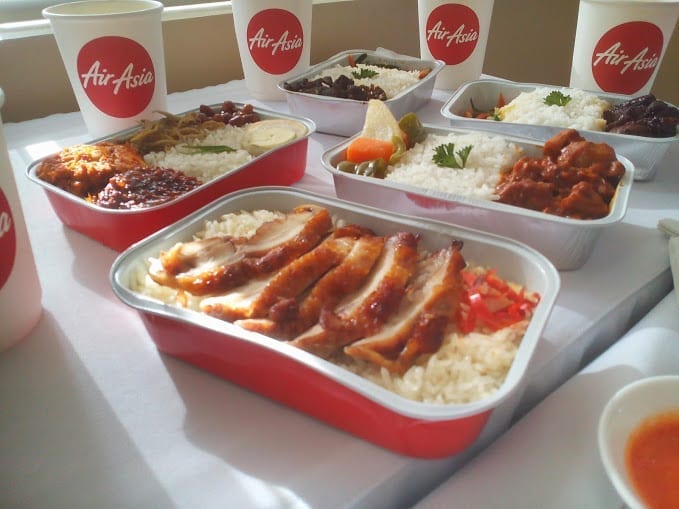
    Low-cost carrier AirAsia may launch restaurants serving its Santan “gourmet” in-flight menu on the ground. The proposal was revealed by AirAsia Group CEO Tony Fernandes while promoting his recent autobiography in an interview with US talk show host Larry King. “I think our food is fantastic,” said Fernandes in response to a question from the audience. “We believe in it so much we’re going to start a fast-food restaurant out of it.”

    But Fernandes gave no more details away about the plan, such as where the restaurants might be located or whether he favoured airport locations or city centres.

    News that AirAsia may launch restaurants on the ground may come as a surprise to travellers, but Fernandes has previously spun off new business concepts from the airline’s business model including a short-lived budget hotel chain where occupants paid extra for features such as air conditioning, towels and amenities, and a bus service connecting Kuala Lumpur Airport with downtown.

    AirAsia also made news recently for its new chatbot Ava (AirAsia Virtual Allstar) which, along with a new look for the firm’s website and mobile app, are designed to deliver a more seamless and user-friendly experience to customers.

    Fernandes has also indicated the airline will place increased focus on the Indonesian and Philippines markets in the near future.

  • SPAR India to partner Himachal Pradesh in promoting fresh sourcing and manufacturing

    SPAR India to partner Himachal Pradesh in promoting fresh sourcing and manufacturing

    As part of ‘The Global Investors Meet’ in Dharamshala, Himachal Pradesh on June 10-11, 2019, which will have the CII as key national partner, a road show was organized in Bangalore recently that saw senior leaders from various industries participate in the event. SPAR was one such participant at the show as a representative of the retail industry.

    At the event, SPAR India’s MD & CEO Rajeev Krishnan and Solai Shakthivel, Senior Vice President – Buying and Merchandising Foods, had the opportunity for a one-on-one interaction with the Chief Minister of Himachal Pradesh Jai Ram Thakur and Industry minister Bikram Singh.

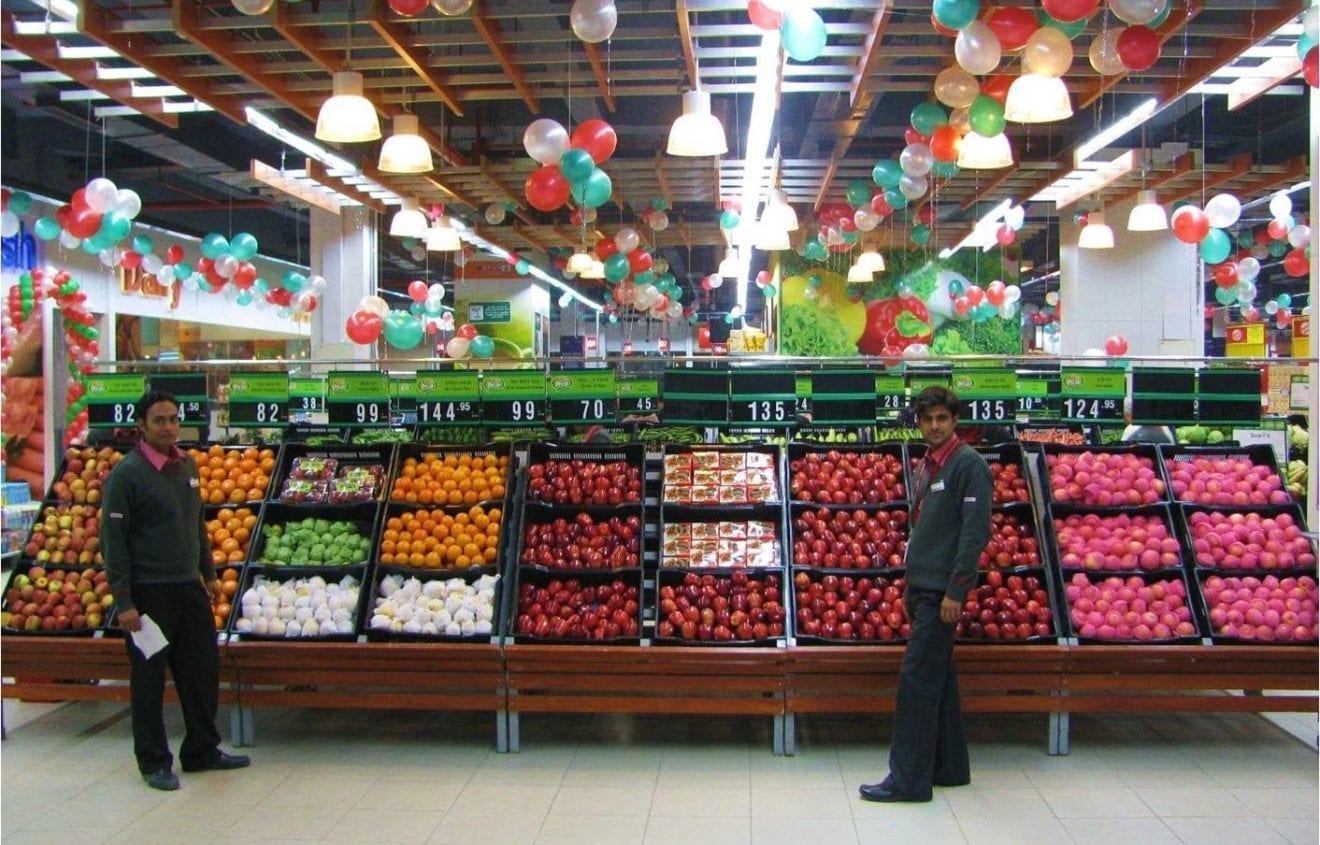
    Himachal Pradesh, known as the ‘Fruit bowl of India’, is famous for its manufacturing and SME development. With its ideal weather conditions, there are different varieties of fruits and vegetables grown in Himachal Pradesh. The state is famed for its abundance of crisp, juicy apples as well as for its pears, peaches, plums, grapes, apricots, mangoes, strawberries and citrus fruits.

    SPAR India offers a variety of fresh produce to its customers, which are mainly sourced from Himachal Pradesh. These include apples, green peas, oranges, honey, organic produce, among other products.

    According to Krishnan, “SPAR India is committed to continue building strong farm to fork relationships. We will be working jointly with the State on sourcing and developing our private label products – soaps, handicrafts, etc which, in turn, will support the growth of SMEs.”

    In its endeavour to continue making a difference in the lives of farmers, customers and communities, SPAR wants to be a strong partner to Himachal Pradesh in promoting fresh sourcing, manufacturing and tourism in the coming years.

  • Belgian Waffle Co expands to Southeast Asia

    Belgian Waffle Co expands to Southeast Asia

    Indian-headquartered Belgian Waffle Co has partnered with VF Franchise Consulting to expand into Southeast Asia. The chain is operated under small kiosk and cafe models, and is best known for its waffle sandwiches. “The Belgian Waffle Co has seen exponential growth in India in less than three years with unprecedented success,” said Shrey Aggarwal, cofounder of The Belgian Waffle Co.

    “Our vision is to be a Global Player in the QSR segment, being recognised for dessert offerings and our values of affordability, quality and simplicity.”

    Founded in 2015, Belgian Waffle Co now has more than 200 outlets in 55 cities in India, Nepal and Dubai.

    “We are delighted about partnering with The Belgian Waffle Co as the company seeks to expand further into Southeast Asia,” said Sean T Ngo, CEO of VF Franchise Consulting.

    “Belgian waffles have universal appeal amongst Asians and non-Asians alike. They have taken a fork-and-knife approach to eating waffles and turned the industry upside down into a fast, on-the-go food for people who enjoy delicious-tasting breakfasts, snacks and desserts and a business that offers potential fast returns.”

  • Hyundai to focus on customization

    Hyundai to focus on customization

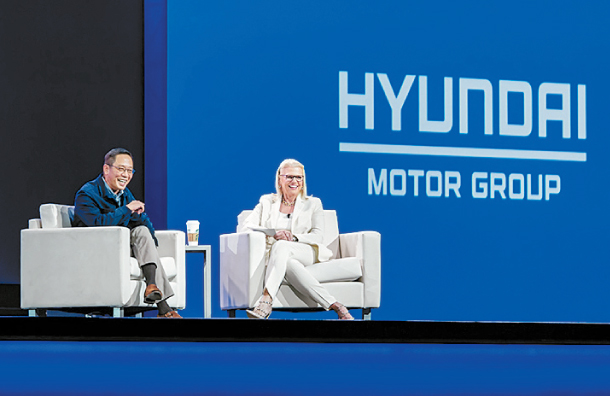
    The chief of Hyundai Motor’s financial affiliates outlined the units’ digital strategy and future vision at IBM’s largest annual conference that ran through Friday in San Francisco. Chung Tae-yong, who heads Hyundai Card, Hyundai Capital and Hyundai Commercial, said that finely-tuning customization will take center stage in Hyundai’s approach to serving financial services’ clients.

    “The existing concept of market customization is irrelevant to the current business environment,” said the CEO, whose English name is Ted Chung, during a session with Ginni Rometty, CEO of IBM.

    “Customization should not be based on widely-held assumptions, like young people might love zombie movies or older people won’t listen to hip-hop music,” Chung said, “If one likes candy, that is just it.”

    He went on to note that Hyundai Card holds a wide range of information that points to clients’ daily lives, preferences and hobbies and that the new services under development will be tailored using that data.

    Chung also cited Buddy, an AI-based chatbot for customer service using machine learning technology from IBM’s Watson.

    “It’s almost impossible to fully understand or memorize the benefits, limits, or conditions of a finance product,” he said.

    “So we introduced IBM Watson and it became a very powerful tool to help our employees and helped us to lower our employee turnover rate to less than 10 percent.”

  • HSBC pre-tax profit up 16% at US$19.9 bn in 2018

    HSBC pre-tax profit up 16% at US$19.9 bn in 2018

    Banking giant HSBC said on Tuesday that pre-tax profit rose 16% to US$19.9 billion last year with growth across its global businesses despite a “challenging external environment in the fourth quarter”. The results capped the first full year at the helm of the Asia-focused bank for chief executive officer John Flint, who has vowed growth while keeping a lid on costs as trade tensions between the United States and China rumble.

    However, earnings in the last three months of 2018 came in below expectations as Washington’s trade war began to bite globally and hammered the stock markets, especially in Hong Kong and China.

    Adjusted pretax profit fell one percent to US$3.39 billion in October-December, missing the US$4.4 billion consensus average by Bloomberg Newsderived from estimates compiled by the bank.

    Global markets adjusted revenue was down US$202 million to US$1.1 billion over the same period, while wealth management dropped 18%, also to US$1.1 billion.

    Overall the year saw strong growth for HSBC with net profit ballooning 30%to US$12.6 billion while adjusted pre-tax profit rose three percent to US$21.7 billion.

    The bank had to lay off tens of thousands of staff as part of a wide-ranging overhaul that also saw it sell its Brazil operations in 2015.

    But it showed a healthy doubling of profits by 2017, a year that also saw it nominate Mark Tucker as chairman, breaking a longstanding tradition of appointing insiders to the post.

    In a statement attached to Tuesday’s earnings, Tucker and Flint said the bank was prepared to weather fallout from both a possible deterioration in the trade talks between Washington and Beijing and Britain’s impending departure from the EU.

    “The fundamentals for growth in Asia remain strong in spite of a softer regional economic outlook,“ Tucker said in a statement attached to the annual report.

    “The system of global trade remains subject to political pressure, and differences between China and the US will likely continue to inform sentiment in 2019,“ he added.

    With Brexit looming, HSBC followed the other major British financial giants in ring-fencing its UK bank.

    “We continue to prepare for the UK’s departure from the EU” Flint said, adding its operations in France “gives us a major advantage in this regard”

  • Smaller duty-free alcohol allowance and GST relief for overseas shopping

    Smaller duty-free alcohol allowance and GST relief for overseas shopping

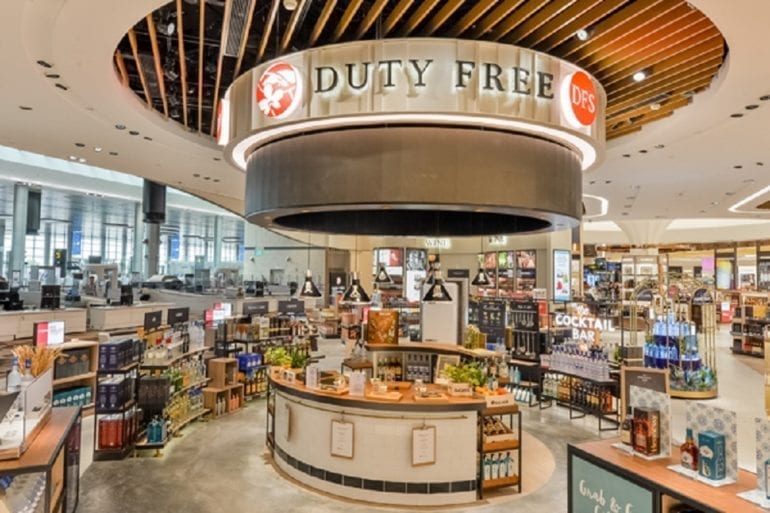
    From midnight tonight, Singapore duty-free allowances will be cut by about a third for returning travellers. Other allowances have also been reduced. Travellers staying outside of Singapore for fewer than 48 hours will be liable for 7 per cent GST on items bought overseas worth more than SG$100 – down from the previous threshold of $150. For travellers outside the country for a period longer than 48 hours, the $600 threshold will similarly be lowered, to $500.

    The changes were announced yesterday by Finance Minister Heng Swee Keat as part of the nation’s new Budget. From April 1, the alcohol concession will also be lowered from three litres of wine or beer to two litres. The spirits cap remains at one litre.

    According to the Inland Revenue Authority of Singapore and Singapore Customs, the cuts to Singapore duty-free allowances are designed to support the city state’s existing tax intake in the face of increasing international travel.

    Returning travellers are required to declare taxable items on arrival, and have been advised to keep purchase receipts to assist in calculating any taxes due. Advance declaration and payment is available via the Customs @ SG mobile app or web portal. Failure to declare or a false declaration can incur a fine of $10,000 as well as up to a year in prison.

  • Vietnam targets $10 bln seafood export

    Vietnam targets $10 bln seafood export

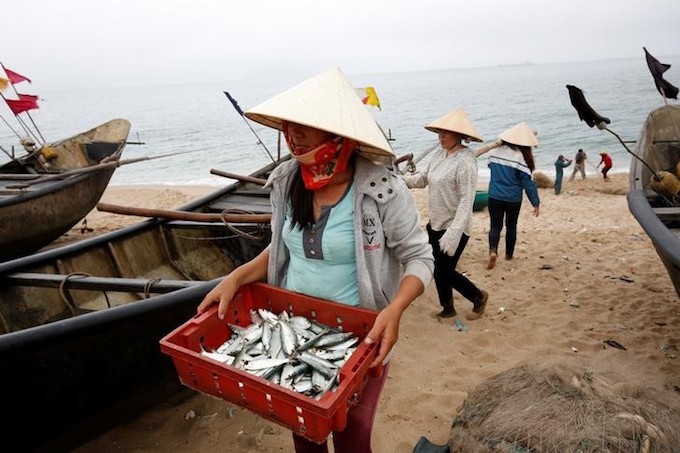
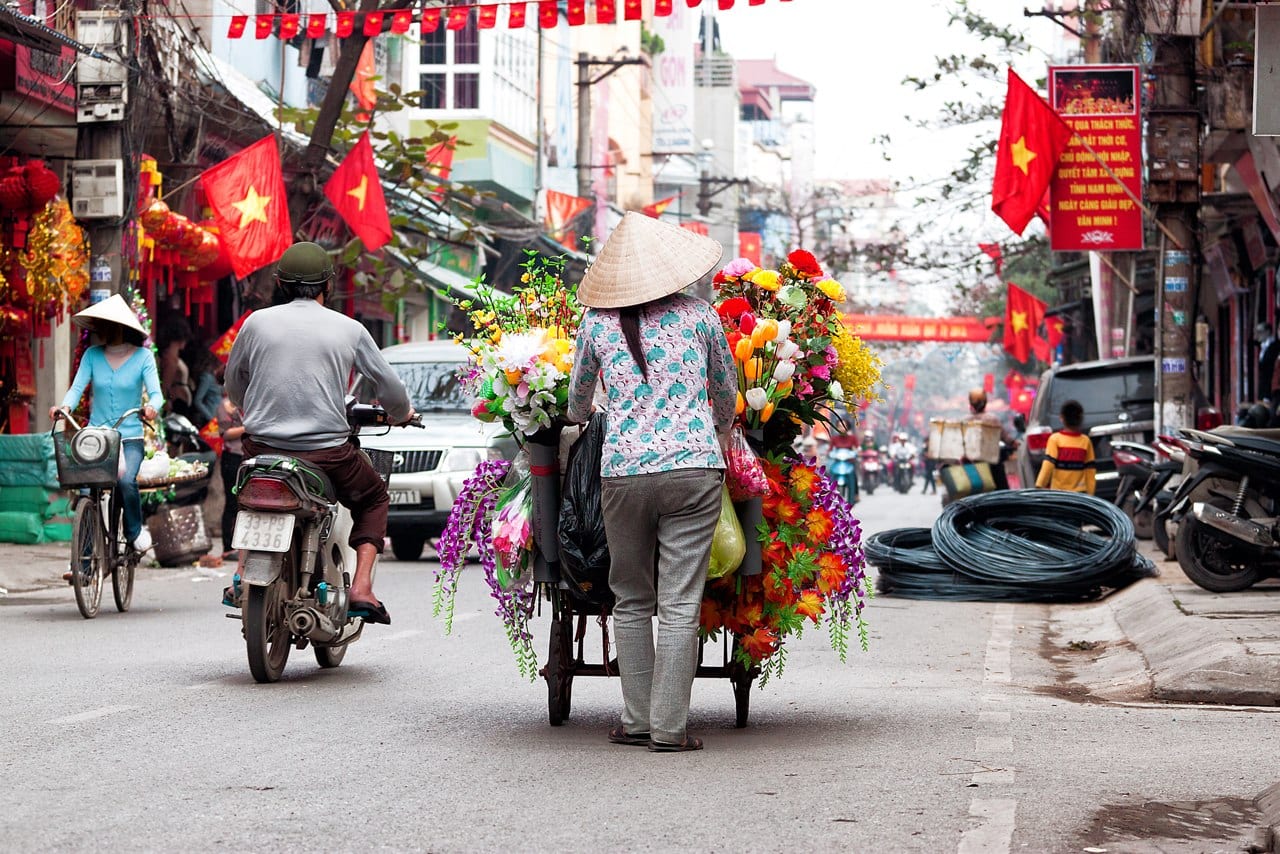
    Vietnam hopes to export $10 billion worth of seafood this year, meeting its 2020 goal a year early. The Vietnam Association of Seafood Exporters and Producers (VASEP) said at a recent conference it would include $4.2 billion worth of shrimp, $2.3 billion worth of pangasius fish and the rest from other products. Minister of Agriculture and Rural Development Nguyen Xuan Cuong said the $10 billion target is high but achievable since Vietnamese seafood is liked in international markets.

    VASEP president Ngo Van Ich said shrimp exported to the U.S. is expected to face a lower anti-dumping tariff this year.

    Vietnam’s recent accession to the Comprehensive and Progressive Agreement for Trans-Pacific Partnership would also help increase exports, he said.

    But there are also challenges.

    Truong Dinh Hoe, VASEP general secretary, said the country faces difficulties like shrinking catches and intense competition from other exporting countries.

    A major hurdle is the ‘yellow card’ restriction slapped by the European Union since 2017 for illegal fishing.

    The European Commission has said it would ban seafood imports from Vietnam unless it does more to tackle illegal fishing by Vietnamese vessels in other countries’ territories.

    After an evaluation done last May the European Commission said it would consider lifting the yellow card in 2019.

    Vietnam ranks among the top ten seafood producers in the world, according to the U.N. Food and Agriculture Organization.

    Last year its exports were worth $9 billion against a target of $9.5 billion.

  • Air purifier sales shoot up as fine dust worries shoppers

    Air purifier sales shoot up as fine dust worries shoppers

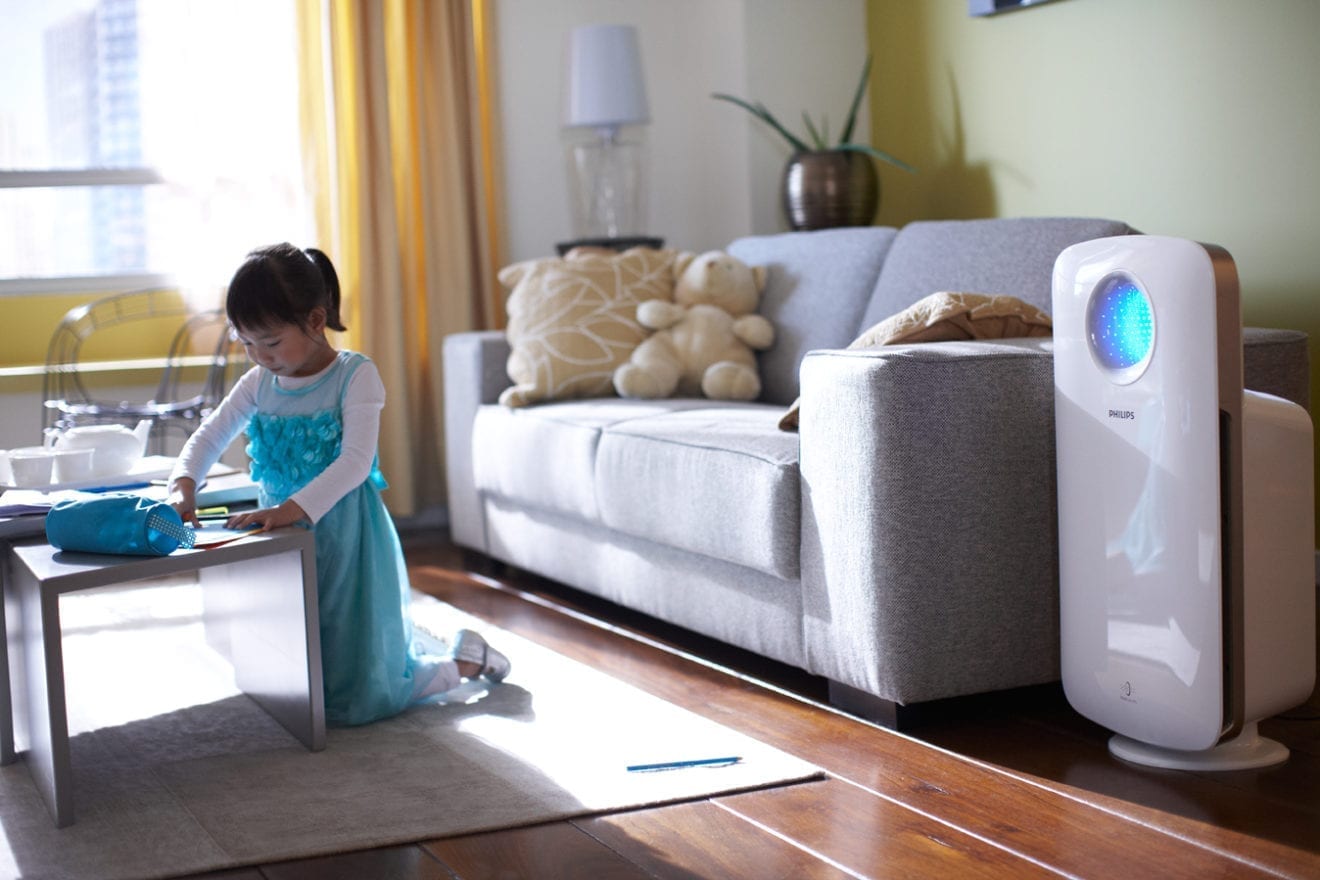
    Korea’s air purifier market has tripled since 2016 thanks to worsening fine-dust pollution levels and growing health concerns. Last year, Koreans bought 1.8 million air purifiers worth around 760 billion won ($676 million), according to market researcher GfK. In 2016, Koreans only purchased 698,000 purifiers for 220 billion won. The research company noted that, unlike previous years, consumers began buying purifiers year-round from 2018.

    The demand for purifiers was highest in March and April last year, when 260,000 and 290,000 appliances were sold. Spring is traditionally the high season for purifiers when pollution from fine dust and yellow dust – dust carried from the deserts of Mongolia and China – is at its worst.

    Throughout the rest of the year excluding August to October, over 180,000 purifiers were bought every month in 2018. In the late summer months, when air quality is usually better, around 50,000 purifiers were still purchased every month. In 2016 by contrast, purifier sales only exceeded 100,000 in April. Sales were considerably lower in other months, with August seeing only 15,000 sales.

    The average purifier price has also increased as consumers are willing to pay more for products that not only do the job, but do it well.

    Various factors like operation method, filter capacity and noise levels played a big role in purifier purchasing. The appliance’s coverage was also an important concern as consumers looked for purifiers that can clean the air in all corners of the home.

    Given the growing popularity of high-end purifiers with advanced functions and technology, the average price of a purifier came to 420,000 won last year, 30 percent higher than the 310,000 won average in 2016, according to GfK.

    The strong demand for purifiers in Korea has made the domestic market very attractive to foreign makers as well. While Korean manufacturers like Samsung and LG Electronics have traditionally been the most popular, overseas brands that offer innovative designs and advanced technology are now making gains.

    Sweden’s Electrolux and Japan’s Balmuda both chose to premier their newest purifiers in Korea last week.

    Electrolux, known for its cordless and robotic vacuum cleaners, launched the “Pure A9,” marketing the product as tested and designed to suit the needs of Korean consumers. The purifier, starting from 749,000 won, has wheels and a handle for improved mobility and is capable of removing 99.98 percent of particles one-eighth the size of ultra fine dust.

    Balmuda CEO Gen Terao introduced his company’s “The Pure” air purifier himself at a press briefing in Seoul last week, calling the Korean purifier market 10 times larger than Japan’s. The Pure, priced at 749,000 won, allows users to see how much dust is being sucked in at the mouth of the product.

  • Japanese fund buys Vietnamese fashion chain Elise

    Japanese fund buys Vietnamese fashion chain Elise

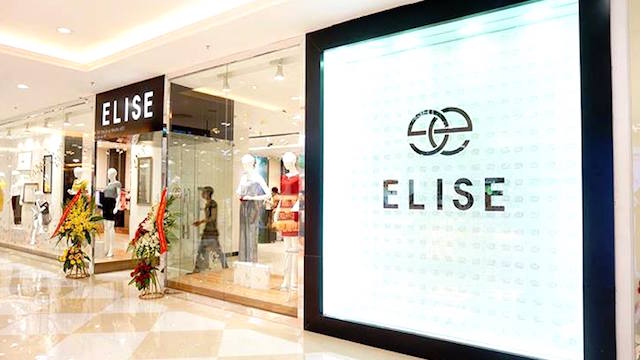
    Japanese investment fund Advantage Partners (AP) is to buy Vietnamese fashion brand Elise and its affiliate companies. This transaction marks AP’s first foray into Vietnam. Going forward, AP will focus on accelerating Elise’s growth, using its experience in women’s fashion investments in other markets. Founded in 2011, Elise is a leading Vietnamese fashion label targeting women aged 20-45. It currently operates 95 stores across the country.

    Last year, Elise was reported to have been acquired by Uniqlo parent Fast Retailing however, the Japanese group has since denied the move.

    Advantage Partners is a private investment firm with asset platforms in Asia, and offices in Tokyo, Hong Kong, Singapore and Shanghai.

  • Hotels in rural Vietnam struggle to recruit staff

    Hotels in rural Vietnam struggle to recruit staff

    Vietnam’s Con Dao Islands businesses are unable to hire staff despite flourishing tourism, with people preferring to work on the mainland. Almost a week after Tet, Vietnam’s longest holiday of the year, resorts and hotels in Con Dao, a 16-island archipelago off the country’s southern coast, are looking to hire hundreds of employees for various positions including managers, waitresses and tour guides.

    The Poulo Condor Resort on the island is looking for 33 new employees for 14 positions, while the Saigon Con Dao Resort and the Six Senses Con Dao Resort are looking for seven new staff each.

    Phuong Ly, head of recruitment at Saigon Con Dao Resort, said that more resorts and hotels are being built on the island but there are few experienced staff available to work in them.

    “The local authority does provide training courses, but not many participate. Most staff are young people, so they jump between jobs very often.”

    Smaller businesses are also looking for people. A café on Pham Van Dong Street is looking for 32 staff, offering bonuses, meals, accommodation, social insurance and annual travel to the mainland.

    Thuy, owner of a local seafood restaurant, said businesses start looking for staff in March when tourists start arriving in large number.

    “But this year, many businesses are already short-staffed so we are already searching for people as the number of tourists has been rising. Last year, a tour guide could earn up to VND30 million ($1,296) a month during peak season.”

    Con Dao is 180 kilometers away from the shores of southern Ba Ria- Vung Tau Province, and accessible by air and boat.

    Industry insiders said that attracting people from mainland to Con Dao to work is a challenging task given the long distance from the shores while most people don’t want lower income jobs like serving in restaurants, driving taxis or guiding tours.

    The high cost of living on the island is another reason that people prefer to work on the mainland, they said.

    Con Dao served as prison islands for political prisoners during the French colonial era, and in later years the Saigon regime imprisoned opponents of the regime in the infamous cells known as the “tiger cages”.

    The old prison buildings are still standing and are open to the public as is a small museum tracing Con Dao’s history.

    Con Dao also boasts pristine natural beauty with forested hills, sandy beaches and extensive coral reefs.

    Last year, Con Dao welcomed over 286,000 tourists, up 17.31 percent from 2017.

  • Struggling furniture retailer Otsuka Kagu forms tie-up with Yamada Denki

    Struggling furniture retailer Otsuka Kagu forms tie-up with Yamada Denki

    Struggling Japanese furniture retailer Otsuka Kagu has entered a partnership with electronics retailer Yamada Denki. The two firms have pledged to exchange sales knowledge in their respective industries as well as explore potential corporate sales opportunities. Otsuka Kagu will also sell 13.11 million new shares at ¥290.11 in an effort to raise ¥3.8 billion (US$34.39) in fresh capital. Funds will be earmarked for warehouse automation and optimising stores for e-commerce.

    Otsuka Kagu lost ¥3.24 billion ($29.32 million) last year, its third consecutive year of net losses.

    The company attracted attention over the past decade for its high-profile leadership struggle between brand founder Katsuhisa Otsuka and his eldest daughter Kumiko Otsuka, with their competing visions for the brand’s way forward.