Author: Mei Ling Tan

  • SK Holdings to invest $31 mn in U.S. fashion brand Rails

    SK Holdings to invest $31 mn in U.S. fashion brand Rails

    South Korean firm SK Holdings is planning to invest KRW35 billion (US$31 million) into the contemporary fashion brand Rails.

    The investment, which will be channeled through its American investment subsidiary Plutus Capital, will finance its acquisition of 3160 shares in the Los Angeles brand. Rails is known for its high-quality blouses and is considered one of the country’s fastest growing fashion labels.

    SK Holdings has recently broadened its portfolio to shift focus to its investment strategy. It has invested into a range of industry sectors, including a $60 million shareholding in two North American clothing brands last year. Half of the firm’s $1.5 trillion spending last year was invested offshore. It has also invested heavily in ride-sharing platforms both in Southeast Asia and the US.

  • New US interest rate to exert pressure on Vietnam’s inflation goal

    New US interest rate to exert pressure on Vietnam’s inflation goal

    The recent increase in U.S. interest rate will generate pressure on the Vietnamese dong and make inflation target hard to meet, experts warn.

    The U.S. Federal Reserve lifted interest rates for the third time this year by a quarter of a percentage point to a range of 2.00 percent to 2.25 percent on Wednesday, foreseeing another rate hike in December.

    Economist Nguyen Tri Hieu said this increase will pressure the USD-VND exchange rate, as the dollar strengthens further over the dong.

    Local banks will push their interest rates up to prevent their customers from exchanging local currency to the U.S. dollar, he said.

    Imports will be priced higher in VND, pushing the consumer price index (CPI) higher, Hieu said.

    “It is very likely that CPI will surpass the country’s goal of 4 percent for the year,” he added.

    Echoing Hieu, HSBC country head of global markets Ngo Dang Khoa said that the U.S. interest rate moves will create challenges for Vietnam’s economy as the inflation rate is closely approaching the government’s limit.

    The weakened VND can also lower capital flow from foreign investors as they might not be confident in making further investments, Khoa said.

    It can also slow down the equitization (privatization) of state-owned enterprises as changes in the dong’s value will affect the stock market, he noted.

    “For local businesses, higher interest rates will increase capital expenditures, which will have a direct impact on their profit.”

    But Khoa said he believes there are also opportunities for Vietnam to increase exports to the U.S. as spending and demand for investment in the U.S. will rise with the new interest rate.

    Between January and September this year, Vietnam’s GDP grew by 6.98, the highest nine-month growth rate in eight years. Inflation for this period was 3.57 percent, according to the General Statistics Office.

  • KFC Myanmar to open 70 more stores

    KFC Myanmar to open 70 more stores

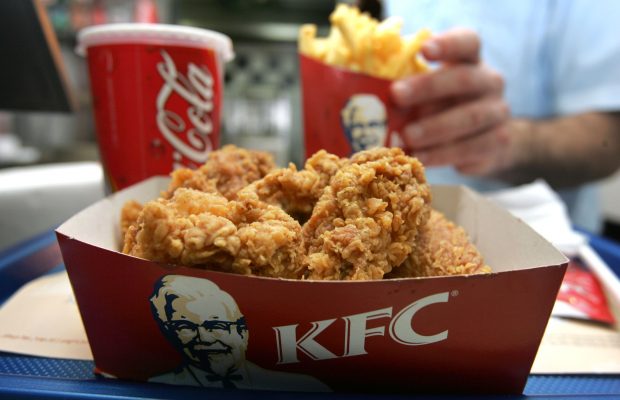
    KFC Myanmar plans to expand into new territories as locals embrace the fast-food concept.

    Two recent openings in Monywa and Pyay have brought the number of KFC outlets in Myanmar to 26 across six regions, only eight of which are outside Yangon. The local franchisee, Singapore-listed Yoma Strategic, has indicated plans to open 70 stores throughout the country by its 2023–2024 financial year.

    Yoma CEO Melvyn Pun said KFC Myanmar has experienced “better-than-expected performance” in its new stores, highlighting the potential to expand beyond Yangon.

    “Due to rising disposable incomes, greater connectivity and economic development, we are seeing a rise in consumer spending in food and beverage, not just in Yangon but also in other towns and cities.”

    Yoma also has partnerships with whisky brand Pernod Ricard and German wholesaler Metro Group. It is targeting a portfolio of six brands and more than 125 locations in Myanmar within five years.

  • Shinsegae’s Emart to bring its fancy PK Market store to LA next year

    Shinsegae’s Emart to bring its fancy PK Market store to LA next year

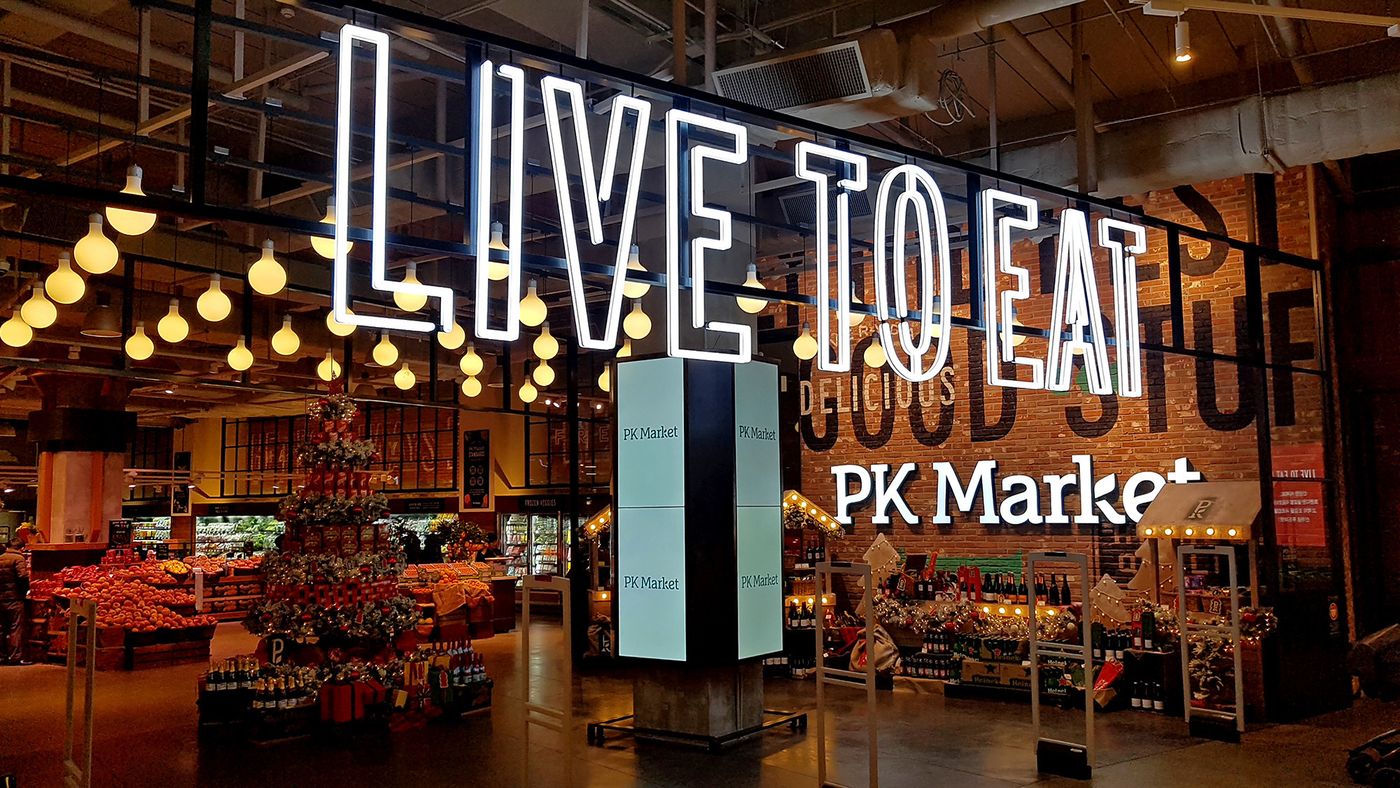
    Discount chain Emart will launch its PK Market grocery store chain in downtown Los Angeles in the second half of next year.

    This is Emart’s first expansion into the U.S. market.

    The company said that it signed a 10-year contract on a 4,803-square-meter (1.18-acre) space inside LA Jewelry Mart, which is located in the Jewelry District of Downtown Los Angeles.

    “As the rent contract was signed, we’re now able to further embark on procedures to plan for our business in the United States,” Emart said in a statement.

    During the contract period, Emart will occupy three floors of the six-floor building. PK Market will take up the basement and second floors, while the third floor is planned to be used as an office for the local discount chain.

    This red-brick structure was built in 1916 and was first used to house the Ville de Paris department store. In the building’s early days, the neighborhood was the city’s commercial center and had one of the largest jewelry districts in the United States.

    Downtown Los Angeles lost its shine in recent decades compared to other areas of the city, but development projects in the area have increased lately as more people and proprietors are getting interested in the charm of the old district.

    Emart said it approved of the location, considering that there are a number of ongoing developments that will transform the area once they are completed.

    “The building itself sits inside the Historic Core where the city office is, near South Park and the Financial District – it’s a part of town that has quite a floating population,” the company said.

    Emart’s plan to take its brick-and-mortar business to the United States – a rare move for a Korean retailer – was unveiled in March by Shinsegae Vice President Chung Yong-jin. Chung said the U.S. version of PK Market will present a wide array of Asian foods, including Korean products.

    PK Market currently has branches in the Starfield malls in Hanam and Goyang, Gyeonggi. It is built around a “grocerant” concept, in which restaurants, food stalls and a high-end grocery store coexist in one space.

    Emart added that, while the concept will remain the same, the name PK Market may be changed for the U.S. market.

  • David Beckham introduces first made-in-Vietnam cars

    David Beckham introduces first made-in-Vietnam cars

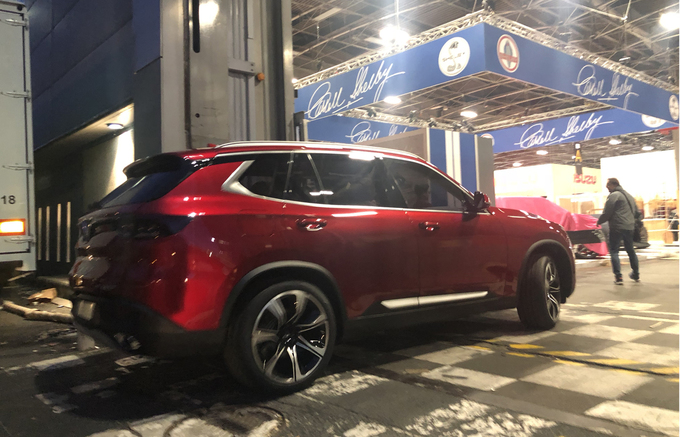
    Former Manchester United football star David Beckham introduced the first made-in-Vietnam cars in Paris on Tuesday.

    VinFast, a unit of Vietnam’s largest conglomerate Vingroup, invited Beckham to attend the opening of its new cars at the Paris Motor Show in France.

    Beckham is also known for his collection of rare, valuable cars including an Aston Martin V8 and a Porsche 911 Cabrio.

    His fame as a car connoisseur was a major factor in VinFast choosing to invite Beckham to appear on stage with its new cars, the seven-seater SUV and the four-Sedan, a source said.

    Beckham will also share his first-hand experience driving these cars, the source added.

    VinFast plans to up its to produce 250,000 cars annually in the next five years or so, equivalent to 92 percent of all the cars sold in Vietnam last year, according to Vietnam Automobile Manufacturers’ Association (VAMA) data.VinFast is set to become Vietnam’s first full-fledged domestic car manufacturer when its first models hit the streets next August.

  • JD.com e-commerce joint venture launches officially in Thailand

    JD.com e-commerce joint venture launches officially in Thailand

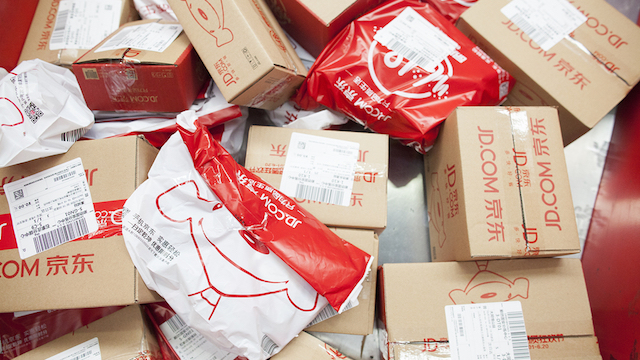
    The JD Thai JV with Central Group has been formally launched this week under the brand JD Central.

    “Our partnership with Central Group – a one-of-a-kind union between China’s biggest retailer and Thailand’s strongest retail player – will provide Thai customers with a truly world-class e-commerce experience and guarantee 100 per cent product authenticity,” said Vincent Yang, CEO at JD Central.

    The new online platform officially debuts today, September 28, and will further extend JD’s footprint in the Southeast Asia region, which already includes an established e-commerce platform in Indonesia and a strategic investment in Tiki, Vietnam’s leading B2C e-commerce business.

    Central Group, Thailand’s largest retail conglomerate, offers JD instant critical mass through customer loyalty program and brand recognition, as well as merchandise. The site has been in testing mode since June 18, offering both direct sales and marketplace models. Pre-launch sales were described as having “exceeded expectations”.

    The JD Thai JV site includes categories for electronics, digital products, fashion, home appliances, books and music through to groceries, cosmetics, toiletries, beverages and processed foods.

    During the pre-launch phase, about 80 per cent of shopper accessed the site via phones, with FMCG products, mobile phones and fashion the most popular items purchased. Products from Chinese companies have proved especially popular, with leading brands including Xiaomi, Huawei, OnePlus and Lenovo.

    Yang said the JD Thai JV will “transform the local market and unlock the boundless consumer potential of the nation’s large population, with the ultimate goal of becoming the most trusted brand in Thailand”.

  • Chanel Acquires Orlebar Brown

    Chanel Acquires Orlebar Brown

    Luxury brand Chanel has bought high-end menswear label Orlebar Brown, with plans to expand the label in Asia and North America.

    The British brand, which specialises in men’s swimwear and board shorts, was bought from founder Adam Brown, the Piper investment fund and minority shareholders for an undisclosed price.

    Orlebar Brown was launched as an online business in 2007 before evolving into a multichannel business. The acquisition is seen as delivering Chanel two primary advantages: expertise in a successful digital platform and a comfortable fit with the women’s swimwear and lingerie brand Eres, which Chanel bought in 1996.

    “Besides the fact that we share the same values and the same approach towards quality and know-how, this acquisition offers an ideal opportunity for synergies between Orlebar Brown and Eres,” Chanel’s global CFO Philippe Blondiaux said in a statement.

    Brown will remain creative director of Orlebar Brown and Paul Donoghue as CEO.

    Orlebar Brown currently has 24 directly owned stores in 11 countries, and is stocked by more than 250 multibrand retailers.

  • Michael Kors is now Capri Holdings

    Michael Kors is now Capri Holdings

    Michael Kors is just the latest company to announce its intention to change its name, following a precedent set by a number of the country’s most famous brands. Most frequently, a name change reflects a shift in strategy.

    Michael Kors said it will change its name to Capri Holdings, inspired by an “iconic, glamorous and luxury destination” island.

    The move comes as the company announced plans to buy the Gianni Versace fashion house for $2.1 billion.

    The new name reflects the company’s efforts to move further into luxury and away from the more affordable handbags for which it has long been known.

    The company, which will keep the Michael Kors brand, made its first step in this direction when it bought shoe brand Jimmy Choo for $1.2 billion last year. But the Versace deal provides it with a launching pad to a more exclusive European luxury market.

  • Alibaba invests in clothes sharing platform Ycloset

    Alibaba invests in clothes sharing platform Ycloset

    Alibaba has invested an undisclosed figure in Chinese garment-sharing platform YCloset.

    The site’s strategic fundraising round that secured the Alibaba funding will be used to expand its data analysis functions and physical operations centres.

    The Beijing-based service allows users to rent clothes and accessories for a monthly subscription fee. It has more than 15 million registered users and provides a range of subscription plans and options to purchase garments.

    YCloset CEO Liu Mengyuan said wearing fashionable clothes will “always top the agenda of almost every woman”.

    “Compared with buying items in a store, clothes rental services will allow women to update their looks more frequently and wear more dresses that they could not afford to buy.”

    He added that the company will cooperate with a number of e-commerce platforms including Xianyu, Taobao, Tmall and Alipay.

    Alibaba Innovation Ventures was among the investors who raised $50 million for YCloset last year in a series C fundraising round.

  • Vietnamese firms should see Industry 4.0 as a business opportunity: VCCI

    Vietnamese firms should see Industry 4.0 as a business opportunity: VCCI

    The Vietnam Chamber of Commerce and Industry has high hopes that Industry 4.0 will open more doors and opportunities for Vietnamese companies.

    On September 29, the chamber (VCCI) partnered with Vietnam Solomon Technology Company Ltd., to hold a conference in Hanoi, to heighten awareness among local companies about the inevitable transformation to Industry 4.0.

    VCCI deputy chairman Hoang Quang Phong said that finding effective ways to run businesses should be an ongoing discussion for both business owners and regulators in Vietnam.

    He said the fourth industrial revolution will have strong impacts on many industries including manufacturing, automation, transportation, finance, education, healthcare and agriculture.

    Phong believes that artificial intelligence and other technologies will provide a platform for businesses to improve productivity, innovate new products and services, reduce raw material consumption and costs to meet consumer demands.

    New technologies for automation and artificial intelligence were introduced at the conference for businesses to gain an overview of an innovative, sustainable industry in the future.

    For instance, Vietnam, Solomon introduced AccuPick, a technology that can identify complex shapes of an object with high precision in a very short amount of time.

    Solomon also introduced the Delco Eco Farm, and other artificial intelligence based business ideas at the event.The company said AccuPick can be used in automotive, mechanics, food and other industries to boost productivity.

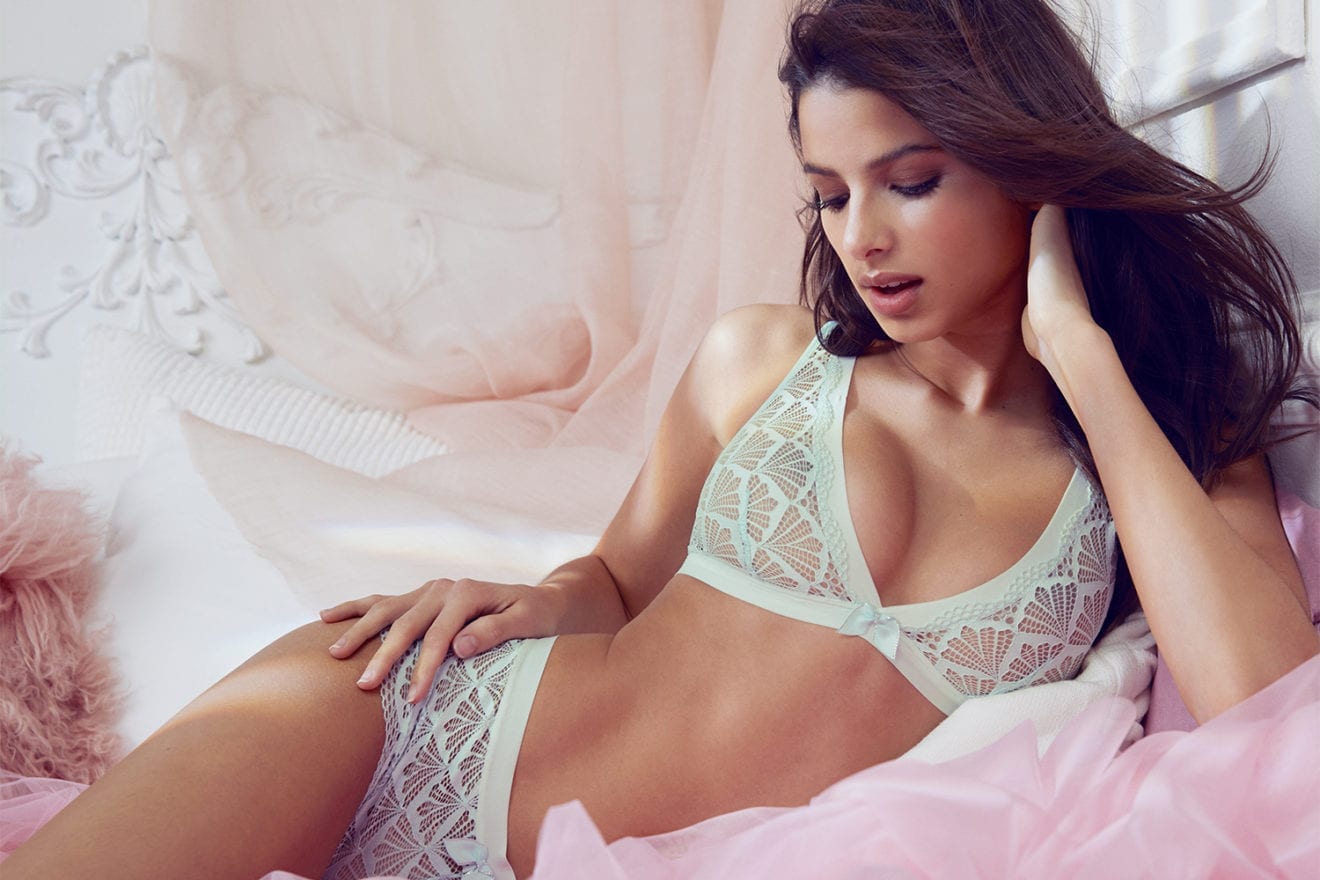
  • Adore Me Announces its Launch in China

    Adore Me Announces its Launch in China

    US lingerie brand Adore Me has announced its expansion into China.

    The online brand, which currently delivers throughout the US, will be offering its full range on the Chinese market via interactive livestreams and the global shopping platform ShopShops. The move follows a hundredfold growth in revenue since first launching in 2012.

    Adore Me founder and CEO Morgan Hermand-Waiche said the company has been experiencing a growing demand from Chinese shoppers, so it was exciting to be able to make its products available to them online.

    “We’re introducing innovation and affordable, fast-fashion intimates to even more women around the world.”

    Lingerie brand Adore Me retails bras, panties, lingerie, sleepwear, loungewear, and activewear.

  • The changing face of today’s beauty industry

    The changing face of today’s beauty industry

    Younger consumers, those between ages 18 and 24, are one of the driving forces behind the beauty market’s growth, according to Fashionbi’s new “Beauty Market Trend” report. Celebrity brands, natural beauty, personalization and gender-bending products are also becoming more popular among beauty buyers.

    “There are many experiments in the field of the ‘smart and tech beauty’ products,” said Yana Bushmeleva, chief operating officer at Fashionbi, Milan. “Another interesting trend is the customized beauty when the customer can literally create a perfect product for his or her skin type.”

    Personality-driven products

    For decades, luxury beauty brands have enlisted actresses, singers and models to star in their advertising campaigns. Today, however, celebrities have the agency and the following to launch their own beauty lines, sometimes with the help of more traditional industry players.

    Created by frequent luxury collaborator Rihanna, Fenty Beauty launched following months of anticipation and two years of research and development in September 2017. The line of color cosmetics, including a staggering 40 shades of foundation, was developed in partnership with LVMH-owned Kendo, the company behind Bite Beauty and Marc Jacobs Beauty.

    Available exclusively at retailers Sephora and Harvey Nichols, as well as Fenty Beauty’s ecommerce site, stock flew off the shelves as women gravitated toward the brands’s inclusive message and merchandising.

    Other successful celebrity brands include Kylie Jenner’s Kylie Cosmetics, which made $420 million in 18 months, and sister Kim Kardashian West’s KKW Beauty, which earned an estimated $14 million on its launch day

    Model Miranda Kerr’s Kora Organics has a focus on eco-friendly beauty, and actress and singer Lady Gaga is expected to introduce her own makeup line next year.

    “Not all the beauty brands rely on celebrity endorsement,” Ms. Bushmeleva said. “There are also those which diversify the risks, [like in] Dior’s case, some makeup and skincare products are promoted by Bella Hadid, some by Natalie Portman and some have no celebrity endorsement.

    “Those brands which believe that the celebrity endorsement is crucial for the marketing campaigns should choose the person who is ‘new’ to the market, which means is not involved in the promotion of the competitive brand or doesn’t have its own line,” she said.

    Other makeup brands are collaborating with fashion houses for limited collections.

    A Balmain x L’Oreal capsule collection was released in late 2017, and included a dozen shades developed by Balmain’s creative director Olivier Rousteing with the cosmetics maker’s team.

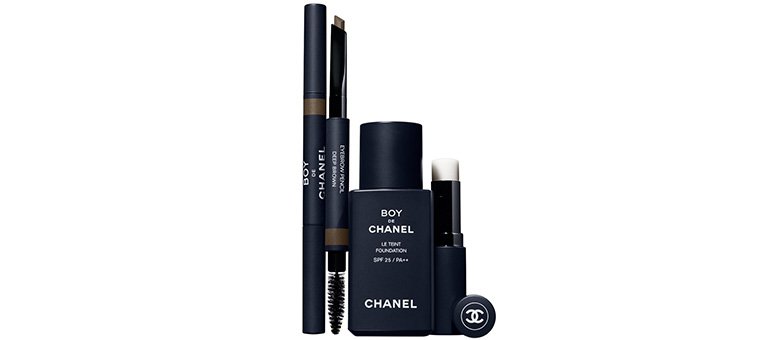
    Men are also buying more makeup products than before, and luxury brands are looking to capitalize on the trend.

    This trend is becoming more popular in Asia especially, and French fashion label Chanel is getting in on the ground floor with its first men’s makeup line. The collection will be comprised of three products, including an eyebrow pencil, lip balm and tinted moisturizer.

    It launched in South Korea on Sept. 1, but will branch to ecommerce starting in November, where everyone can purchase.

    Keeping it clean

    The majority of cosmetics executives believe that health-inspired beauty along with personalization and digital engagement will be driving themes in the industry this year.

    According to a survey by Euromonitor, skin health is a major factor within the beauty-manufacturing world today with an increase in brands creating topical probiotics. More than half of beauty execs believe that health in beauty, digital and personalization are the most important aspects of successful launches.

    Beauty brand Lancôme expanded its bespoke skin tone matching service within the United States in 2016. The brand’s Le Teint Particulier Custom Made Makeup uses digital readings of a client’s face to create a specially blended foundation at the counter.

    Eco-friendly personal care products comprise cosmetics that are organic, farm-to-face or cruelty-free.

    A report from Perfect 365 found that a significant portion of Western consumers condemn the testing of beauty products on animals and will reject brands that do so. Nearly 50 percent said they would be happy if their state in the U.S. banned animal testing and nearly a quarter said they regularly use PETA’s Web site to see if a brand tests on animals before they buy it.

    While Western consumers tend to reject beauty products tested on animals, China still requires such trials, putting luxury beauty brands in an awkward position (see story).

    Clean beauty is becoming another key word within the personal care industry as sustainability and wellness take over in all aspects of retail, and luxury retailers are some of the first to take it on.

    Consumers are more concerned than ever in regards to harmful chemicals in any product, but the beauty consumers as well as the luxury consumer are some of the most keen to these issues.

    “There are a few possible ways for luxury brands to embrace clean beauty,” Ms. Bushmeleva said. “Either to launch a new ‘green’ beauty brand, launch a special line under the current brand or through the acquisition of the existing company.”
  • WeChat Pay embarks on first mall partnership in Singapore

    WeChat Pay embarks on first mall partnership in Singapore

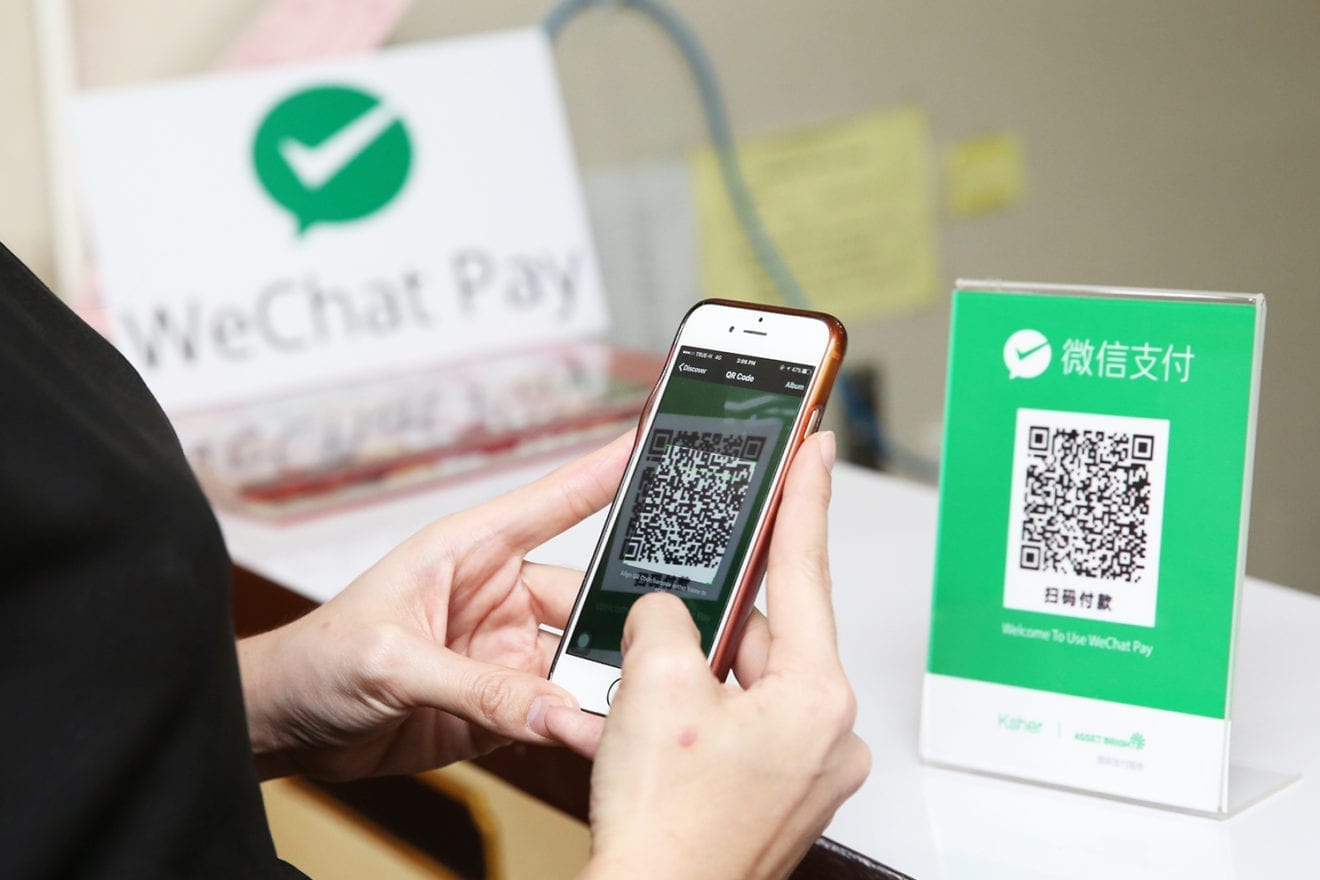
    Mobile payment platform WeChat Pay has announced its first mall partner in Singapore.

    WeChat Pay is rolling out cashless payment services across retail and F&B outlets in the popular Bugis Junction and Bugis+ malls, centrally located in Singapore’s Civic and Cultural District.

    GM Ivy Ang said the malls are particularly popular with young Chinese tourists. “Together with WeChat Pay, we will offer exclusive campaigns tailored for young Chinese travellers in Singapore. As we head into the Golden Week holidays and end-of-year festivities, we will continue to offer customised promotions and targeted campaigns to WeChat users through its many communication platforms and marketing channels, so our shoppers enjoy a rewarding shopping experience,” she said.

    “In this digital age, where we see more and more shoppers going cashless. Partnering with WeChat Pay is thus a very relevant initiative,” she added.

    Grace Yin, WeChat Pay’s director of overseas operation added: “The Bugis arts, culture, and entertainment district is especially popular with young Chinese tourists, which makes Bugis Junction and Bugis+ ideal to mark WeChat Pay’s first mall partnership in Singapore.”

    With the launch, Bugis Junction and Bugis+ will be the first malls in Singapore to accept WeChat Pay as a mobile payment platform across its wide range of commercial offerings. To celebrate the introduction of the new payment platform, the mall is hosting exclusive offers for shoppers to get rewarded with virtual money packets and receive cashback coupons.

    WeChat Pay is one of the leading mobile payment solutions in China. It is currently available in over 40 countries and regions across the world in 13 currencies and has more than 800 million monthly active users.

  • Korea Sale Festa kicked off last week

    Korea Sale Festa kicked off last week

    The Korea Sale Festa beginning Sept. 28 will fail to fulfill its aim of boosting consumption and helping small- and medium-sized enterprises (SMEs), as a growing number of retailers and consumers have turned away from the government-initiated discount event.

    Since 2016, the government has hosted the Korean version of Black Friday to stimulate domestic consumption.

    However, consumers have pointed out low discount rates and the poor quality of products sold during the event.

    Retailers have also complained about the ineffectiveness of the event. “Department stores and discount chains regularly hold discount events, so their sales do not grow significantly during the Korea Sale Festa,” a retail industry official said.

    Amid the growing criticism, the government even cut the budget for the event and its duration.

    According to Rep. Yoon Han-hong of the main opposition Liberty Korea Party, the Ministry of Trade, Industry and Energy will spend 3.45 billion won (US$3 million) on the Korea Sale Festa this year, down from 5.1 billion won last year.

    In particular, the budget for traditional markets and SMEs decreased to 1.3 billion won from 2.77 billion won, while that for the promotion of the event is 2.15 billion won, down from 2.32 billion won.

    Most of the 2.15 billion won has been used to cast SHINee’s Choi Min-ho as spokes-model for the Korea Sale Festa, and entertainers who will perform on the eve of the event. They include Red Velvet, EXO, NCT 127 and several other singers and comedians.

    The length of the Korea Sale Festa has also been shortened to 10 days this year from 34 days last year.

    Given that the event will be held after the peak shopping season of the Chuseok holidays, SMEs and vendors at traditional markets will face difficulties in boosting sales.

    Against this backdrop, the number of companies participating decreased to 231 this year from 446 last year, as a growing number of retailers, hotels and restaurants declined to offer discounts.

    “Despite the recent slump in domestic consumption, the trade ministry does not pay any attention to the Korea Sale Festa, as it focuses only on the shutting down of nuclear power plants,” Yoon said. “The government should come up with measures to boost consumption and support SMEs.”

    The ministry decided to spend 2 billion won on the Korea Sale Festa next year, down 1.45 billion won from this year. Some observers expect the Moon Jae-in administration will move to abolish the event initiated by the previous Park Geun-hye administration.

  • Vietnam warned it is planning too many airport

    Vietnam warned it is planning too many airport

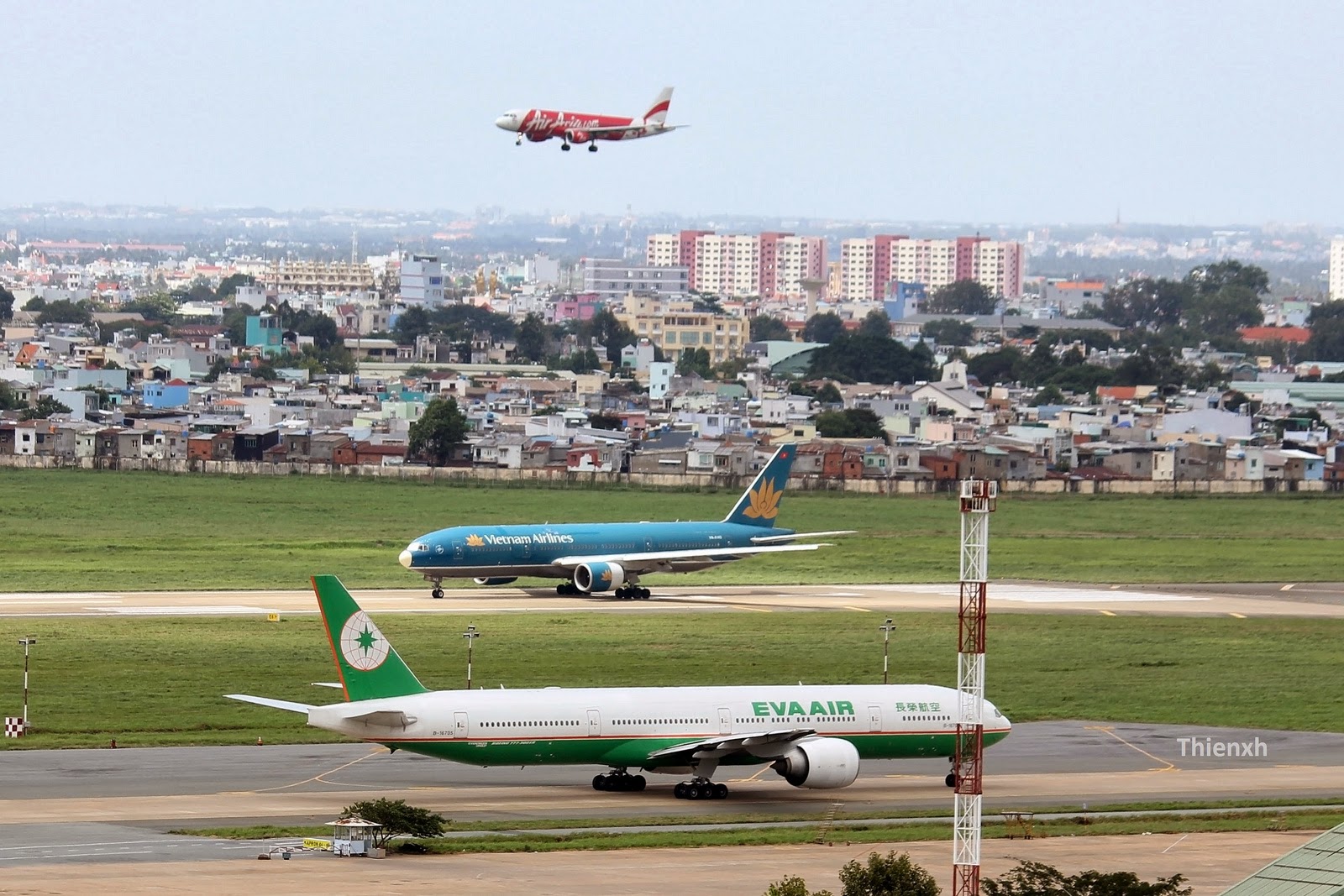
    Vietnamese provinces are proposing new airports without realizing that the country is already overloaded with these facilities, experts say.

    Authorities in the southern Ba Ria-Vung Tau province have been working with private firm Ho Tram Ltd. on constructing a civilian airport.

    The airport, estimated to cost VND4.2 trillion ($193.6 million), will cover 250 hectares (618 acres) with a runway of 2,400 meters. It will be invested in by Ho Tram, the investor of the Grand Ho Tram Strip resort nearby.

    The province had previously proposed another airport to serve military and cargo purposes, which is estimated to cost $1 billion.

    These two airports would be just 30 kilometers away from each other.

    Meanwhile, Ba Ria-Vung Tau already has an airport on Con Dao Island in operation and the mega Long Thanh International Airport being planned in southern Dong Nai Province is just 40 kilometers away.

    In July, the northern province of Lao Cai proposed that an airport built near Sa Pa, one of Vietnam’s top tourist attractions, for both civilian and military purposes.

    Provincial authorities estimated investment for the airport at over VND5.7 trillion ($246 million).

    Apart from the Noi Bai International Airport in Hanoi, the northern region is already set to get another one, the Van Don International Airport near Ha Long Bay, this December.

    Experts are concerned that Vietnam is building too many airports without carefully evaluating their necessity.

    ‘Airport race’

    Dr. Nguyen Thien Tong, former faculty head of aeronautical engineering at the Ho Chi Minh City University of Technology, said that there is an “airport race” in the country.

    “If every province in the country had an airport, things would be chaotic,” he said.

    It’s not necessary to have two new airports in Ba Ria-Vung Tau, as the province does not have a large number of tourists, Tong added.

    Echoing Tong, Ngo Viet Nam Son, an architect who participated in designing the Ninoy Aquino International Airport Terminal in the Philippines, said that the province should only have one helicopter airport.

    “It would be much more efficient if money is spent on building an expressway which connects Ba Ria-Vung Tau and HCMC,” Son said.

    Speaking of the proposed airport near Sa Pa, Tong said that roads should be the focus of this area, not airports.

    “There needs to be a very large number of tourists influx to result in profits for an airport, otherwise it would be a waste,” he said.

    Investing in roads in this area will allow different vehicles to travel to multiple destinations in the north, serving the majority of the population, Tong added.

    Son was concerned about the distance from the airport to Sa Pa town, which is about 100 kilometers away, a distance too long to attract tourists.

    Traveling from the airport to Sa Pa town will take two hours with that distance, the same time tourists have to spend for flight procedures, he noted.

    As travelling from Hanoi to Sapa now takes just five hours via expressway, roads should be the main focus of the area, not airports, Son said.