Author: Mei Ling Tan

  • Kakao to spin off e-commerce unit for expansion

    Kakao to spin off e-commerce unit for expansion

    South Korean mobile messaging platform Kakao is spinning off its e-commerce unit for further expansion.

    The new organisation will be Kakao’s largest spin-off, worth about KRW510.3 billion (US$458.6 million) by December. It will take over the operation of the Kakao Gifts, Shopping, Kakao Style and Kakao Farmer services.

    Kakao has also made plans to acquire global e-commerce firms and has expressed being open to securing additional funds through its spin-off.

    A spokesperson for the company said: “We are indeed open to securing additional investments after the process is completed. But at the moment we do not have any specific plans.”

    Kakao’s e-commerce business is weak in comparison with industry leader Naver, achieving only one seventh of the sales of its competitor. Its messenger service, conversely, remains dominant in its market.

  • Zara Opens Its First Concept Fashion Store in Shanghai

    Zara Opens Its First Concept Fashion Store in Shanghai

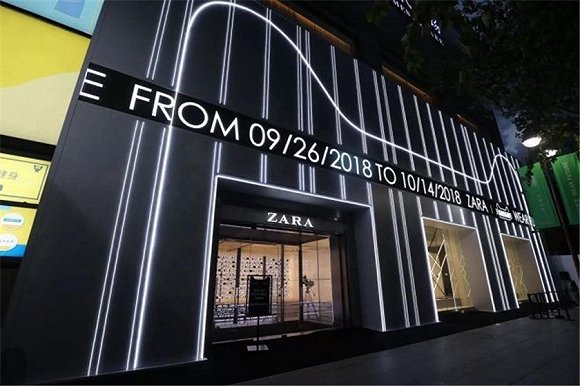
    Fast-fashion retailer Inditex has opened its first Zara China concept store, in Shanghai’s CBD.

    The store features digital services provided in collaboration with Alibaba’s Tmall platform to allow customers to buy limited-edition items via their mobile phone. Visitors can scan product barcodes to signal an attendant to bring clothes to a fitting room, and then make a digital payment if they decide to purchase.

    Following lacklustre earnings last year, Zara is refocusing on digitisation, O2O services and social influencers to reach its target demographic.

    Zara China was launched in 2006 and now operates more than 180 stores. China is home to Inditex’s second largest retail network after its home territory of Spain.

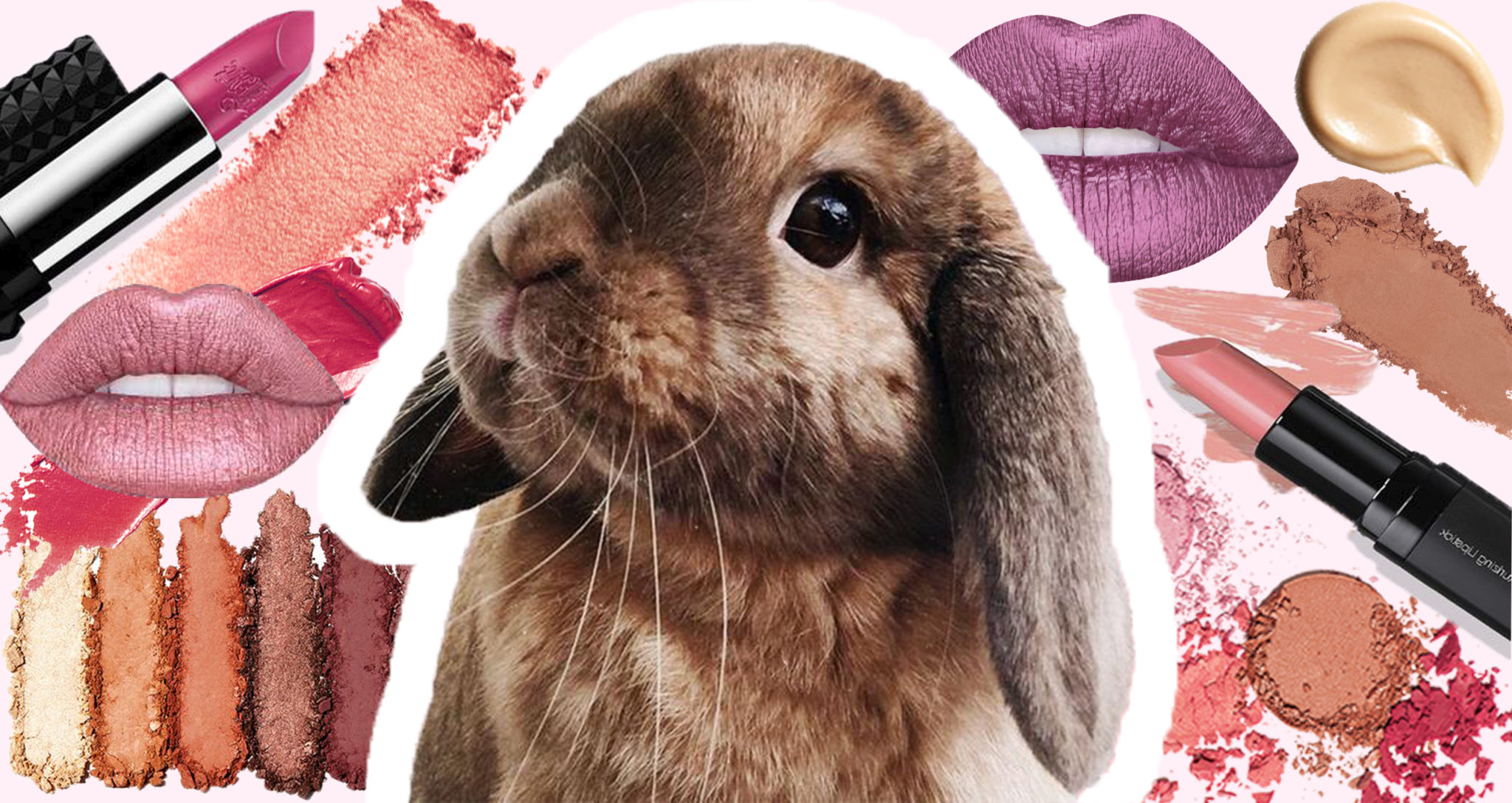
  • Is it the end of cosmetics testing on animals for China?

    Is it the end of cosmetics testing on animals for China?

    It has been little more than a year since French cosmetics firm NARS’ controversial decision to sell its make-up in China caused a major rift in the global cruelty-free beauty scene.

    Fans of the brand and animal-lovers may soon be able to make peace. China is mooting a change in its policy of testing cosmetics on animals which could pave the way for cruelty-free brands to tap into the country’s US$33 billion cosmetics market.

    China’s National Institute for Food and Drug Control (NIFDC) recently issued a statement about its commitment to overhauling testing in the cosmetics industry and exploring viable alternatives to animal tests that are commonly used in countries where the practice is banned. The NIFDC emphasised that research, development, and the standardisation of testing methods that don’t use animals are its top priorities.

    Animal-protection organisations have been working closely with Chinese stakeholders to replace animal testing – which, for cosmetics alone, requires the use of an estimated 500,000 animals per year around the world – with more modern and predictive technologies.

    Notable progress has been made in recent months.

    Troy Seidle, vice-president of research and toxicology for Humane Society International, said that the recent NIFDC statement, published on its official WeChat account last week, is particularly promising.

    “It would be the first time the authority has publicised its view towards cosmetic alternatives with a future strategy so clearly articulated,” Seidle says. “Chinese authorities and stakeholders are actively working to embrace validated alternatives to strengthen international regulatory alignment and trade in the cosmetic sector.”

    China’s cosmetics testing laws require all foreign cosmetics products to be tested on animals before they can be sold in the country. In 2014, China began to soften its stance, allowing domestic cosmetic brands to sell products not for “special use” (make-up, skincare, and fragrances) without the need to test them on animals, but only so long as they adhered to strict standards and a list of pre-approved and tested ingredients. This also applied to foreign cosmetics brand that chose to manufacture products in China for sale locally.

    However, the 2014 rule change was not enough to convince organisations campaigning for cruelty-free cosmetics that selling in China was acceptable. They objected because companies that manufacture in China still face a risk that animals could be harmed via post-market testing – under which brands can have products taken off the shelves and tested on animals.

    In 2017, Nudestix was taken off the cruelty-free brands list of animal welfare website Cruelty-Free Kitty after the UK brand announced it would be producing its products domestically and selling in China.

    “Even though Nudestix does not test on animals, and has successfully bypassed any required pre-market animal testing in China, this is not enough for a “cruelty-free” claim,” Cruelty-Free Kitty author Suzana Rose wrote in a blog post last month. “Any brand that sells cosmetics in physical stores in China can potentially have their products taken down from the shelves and tested on animals.”

    Mette Knudsen, CEO of KnudsenCRC, a Shanghai-based consultancy that helps companies seeking to sell in China, wanted to help brands understand just how serious the risk was of cosmetics companies encountering these post-market tests, as they remain the “biggest barrier” to receiving cruelty-free certification.

    Usually, the post-market tests take place in response to a consumer complaint, though research commissioned by consultants Reach24H found that some Chinese municipal governments would sometimes implement mandatory post-market testing.

    Through research and talks with Chinese officials, laboratories, and UK charity Cruelty-Free International, KnudsenCRC determined that post-market testing rarely involved animals. This is because animal testing is expensive – it costs five to 10 times more than other safety assessments – and also time-consuming, taking about three months to complete.

    “If you have a product with a safety risk on the shelves, you obviously don’t have three months to see if it poses a safety risk or not; you have to react immediately,” Knudsen said.

    SEE ALSO : Makeup brand Nudestix enters China

    KnudsenCRC is teaming up with Cruelty-Free International on a pilot project designed to help cosmetics brands ensure no animal testing has occurred throughout their supply chain, and is working closely with authorities in Shanghai to eliminate the risk of post-market tests.

    “Although we have a lot of assurance from the Shanghai authorities,” Knudsen says, “it’s important to have the pilot because we need to be able to say this is a route we can recommend.” Knudsen says that many brands have already expressed interest and sent in applications for the pilot. Five brands will take part in the first stage of the project, due for completion in early spring 2019.

    It could take years to implement a complete shift away from cosmetics testing using animals. But some milestones towards ending the practice have already been attained.

    The Institute for In Vitro Sciences, a globally recognised organisation working to advance non-animal testing methods in China, announced this year that a lab it was working with in Hangzhou had officially adopted a test on artificial skin. The NIFDC has also adopted alternative tests for skin corrosion and eye irritation, as well as phytotoxicity (testing on plants), with more alternative methods to be introduced in the near future.

    “A crucial first step toward transitioning to non-animal testing approaches for cosmetics in China is for the national authority responsible for this sector to officially recognise the validated test methods as acceptable,” Seidle says. “Until this happens, companies and labs have little incentive to invest money or time to establish the infrastructures and competency necessary to carry out these tests on a regular basis, or for the industry as a whole to commission such tests within China.”

    There is pressure to move quickly. The 28-nation European Union became the first region to ban cosmetic testing on animals in 2013, prompting other countries to follow suit; and the California State Assembly has just passed a bill that will make it illegal for make-up or personal care brands tested on animals, or including ingredients that have been tested on animals, to be sold in the state. If the California governor signs the bill, the law could go into effect as soon as 2020.

    China faces a juggling act on consumer safety. Given numerous food and drug scandals in recent years, safety clearly remains the government’s top priority.

    “To balance consumer safety at a time when the market is developing at 500 kilometres an hour is a very difficult task. Getting the industry up to cruelty-free standards is not something they do overnight,” Knudsen says. “I’d say the minute they can make absolutely sure that consumer safety is not in danger, obviously they would allow these alternative methods.”

    It’s not just the government that is showing movement on the matter. A new generation of Chinese consumers is demanding higher levels of social responsibility from brands – the same consumers who lavish cash on their pets as if they were their children.

    “This is where the speed at which China is moving is a very good illustration because in just 10 years, pets are everywhere. It’s a completely new mindset,” Knudsen says. “Pets have definitely spurred an interest in everything in regards to cruelty-free. This is where you see a deeper and sincere interest in not harming animals.”

    Animal-rights organisations and beauty brands such as Lush have taken the opportunity to educate consumers about cruelty-free practices to inspire more ethical choices. Humane Society International provided funding to the Dalian Vshine Animal Protection Association in China to carry out an extensive public awareness campaign, as part of the organisation’s global #BeCrueltyFree effort. Its initiatives included a lecture tour of 50 universities in 34 provinces, awareness videos on animal testing and alternative technologies screened at shopping centres.

    While there are no official channels for purchasing cruelty-free products in China, such brands already have a presence on direct-to-consumer commerce platforms like Taobao and WeChat.

    There’s also little doubt that there are conscious Chinese shoppers seeking out animal-friendly beauty products through travel abroad as they become more educated about their options.

  • Nestle Malaysia CEO Alois Hofbauer to be replaced soon

    Nestle Malaysia CEO Alois Hofbauer to be replaced soon

    Alois Hofbauer will be stepping down as Nestle (Malaysia) Bhd CEO effective Nov 30.

    Nestle said in a statement that Hofbauer’s departure is to pursue other interests outside the group.

    Hofbauer will be succeeded by Juan Aranols, currently CFO for the Nestle Group’s Zone Asia, Oceania nd Sub-Saharan Africa (Zone AOA).

    Aranols joined the Nestle Group in 1990 as an auditor for Nestle Spain. In his 28 years with the company, he has held roles of increasing responsibility across a number of different markets in Europe and Latin America.

    He has worked for the last six years at Nestle Global Headquarters, first as global group controller and since 2015 in his current role as CFO and member of the senior management team for Zone AOA.

    “Nestle Malaysia is a company with a long history and great future prospects. I am both humbled and excited to be given the opportunity to take this organisation forward, building on the strong foundations laid by my predecessor and his team,” said Aranols of his new appointment.

    Meanwhile, Hofbauer has been Nestle Malaysia CEO for the last five-and-a-half years.

    “I am proud that my team and I have established Nestle Malaysia as one of the top performing companies on the Bursa Malaysia. We reignited growth and achieved solid results year after year. I am confident that this success will continue, and I wish Juan all the best in his new role,” said Hofbauer.

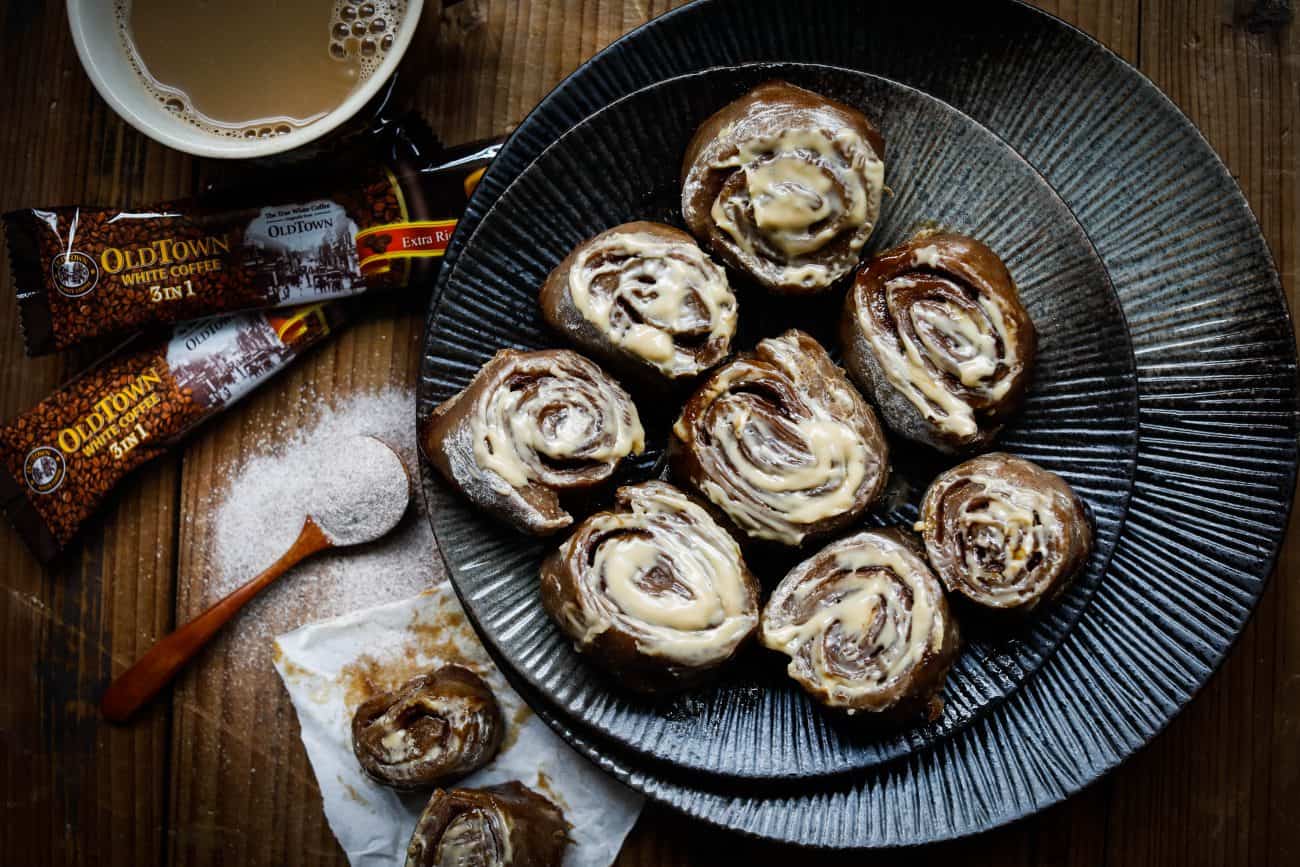
  • Oldtown White Coffee opens new concept store at Suntec City

    Oldtown White Coffee opens new concept store at Suntec City

    Malaysian cafe chain Oldtown White Coffee has launched a concept store at Suntec City Mall.

    The venue opened last month and features a facial-recognition feature as part of its ordering system. Seating 88 guests, Oldtown Suntec City offers exclusive local menu items and new coffee flavours, including popcorn and coconut lattes.

    Oldtown White Coffee is Malaysia’s largest white coffee chain and operates more than 250 outlets throughout Southeast Asia. It has established outlets in China and Indonesia, and has recently expanded into Vietnam and Cambodia.

  • Experts on the fence over first made-in-Vietnam cars

    Experts on the fence over first made-in-Vietnam cars

    Several experts and industry insiders are advising caution over judging carmaker Vinfast too highly, too soon.

    VinFast, a unit of Vingroup JSC (VIC.HM), Vietnam’s largest business conglomerate, officially showcased its first two vehicles: the LUX A2.0 sedan and the LUX SA2.0 SUV at the Paris Motor Show on Tuesday.

    The new carmaker impressed everyone by doing this just one year after kicking off production in northern Hai Phong City. It received much praise for completing design and development of its models, as well as putting together a production line at an astonishing pace.

    Supporters pointed to the company’s ‘daring’ strategy of gaining a head start by taking a shortcut, by signing agreements with a strong list of global partners.

    The company uses Siemens’ plant construction expertise; BMW’s intellectual property; Pininfarina’s design; and Bosch for hardware, software and service solutions.

    Experts say that VinFast’s car falls into the mid-luxury segment. Automobile expert Le Anh believes the sedan can sell for VND1.4 billion ($60,869) and the SUV for VND1.8 billion ($78,260).

    However, amidst all the praise and euphoria, many people have advised caution in assessing VinFast’s progress.

    An expert with many years of experience in the luxury car sector in Hanoi said: “Initial images and figures do not say much about the product line’s final performance. The commercial version of the models have not even been completed yet.”

    “The fact that VinFast could develop the models so quickly is easy to understand given that it has bought most of the required technology, designs and engineering from other carmakers,” the expert said.

    This observation matches that of Bill Russo, head of Shanghai-based consultancy Automobility Ltd and a former Chrysler executive.

    “The key question is why the world needs yet another car brand in an era when hardware is commoditising. The fact that they have outsourced design and manufacturing and are relying on foreign R&D tells me they are following a traditional path that may not be competitive in an era of digital mobility services,” Russo said.

    Meanwhile, a former Vietnamese engineer who has worked for Volkswagen in Germany for many years, said Vietnamese people have the right to be proud at the birth of a new Vietnamese brand.

    “But what comes next? Quality, reliability and price are the real problems that VinFast needs to overcome when approaching customers,” he added.

    Bui Sinh, who has many years of experience with other luxury car brands, said that there were no grounds to trust the two new models.

    “The information provided is one-dimensional, and there is no actual car to verify these claims. Only when we know the car works, should we move on to analyse the quality of the car and the calibre of its technology.”

    Sinh also pointed out that if VinFast were to position the first two models in the luxury car market segment, ‘national pride’ would just form part of the brand, and have little effect in the actual selling.  For wealthy customers used to driving luxury or mid-luxury vehicles, patriotism cannot replace actual function, he said.

    Other experts have also said people should be careful in assessing VinFast’s progress. Previously, two other automobile makers in Vietnam– state-owned VEAM Motor and private venture Vinaxuki– have flopped.

    Bui Ngoc Huyen, chairman of Vinaxuki, which tried to produce a domestic car but ceased production just before its first car was to be officially released in 2012, said VinGroup’s deep pockets would help, but warned that building a brand takes time.

    “You have to move from producing small and cheap cars to luxury ones,” he said. “It will take several years for a new carmaker to fine tune its products and win the confidence of consumers. It will take between 10 and 20 years.”

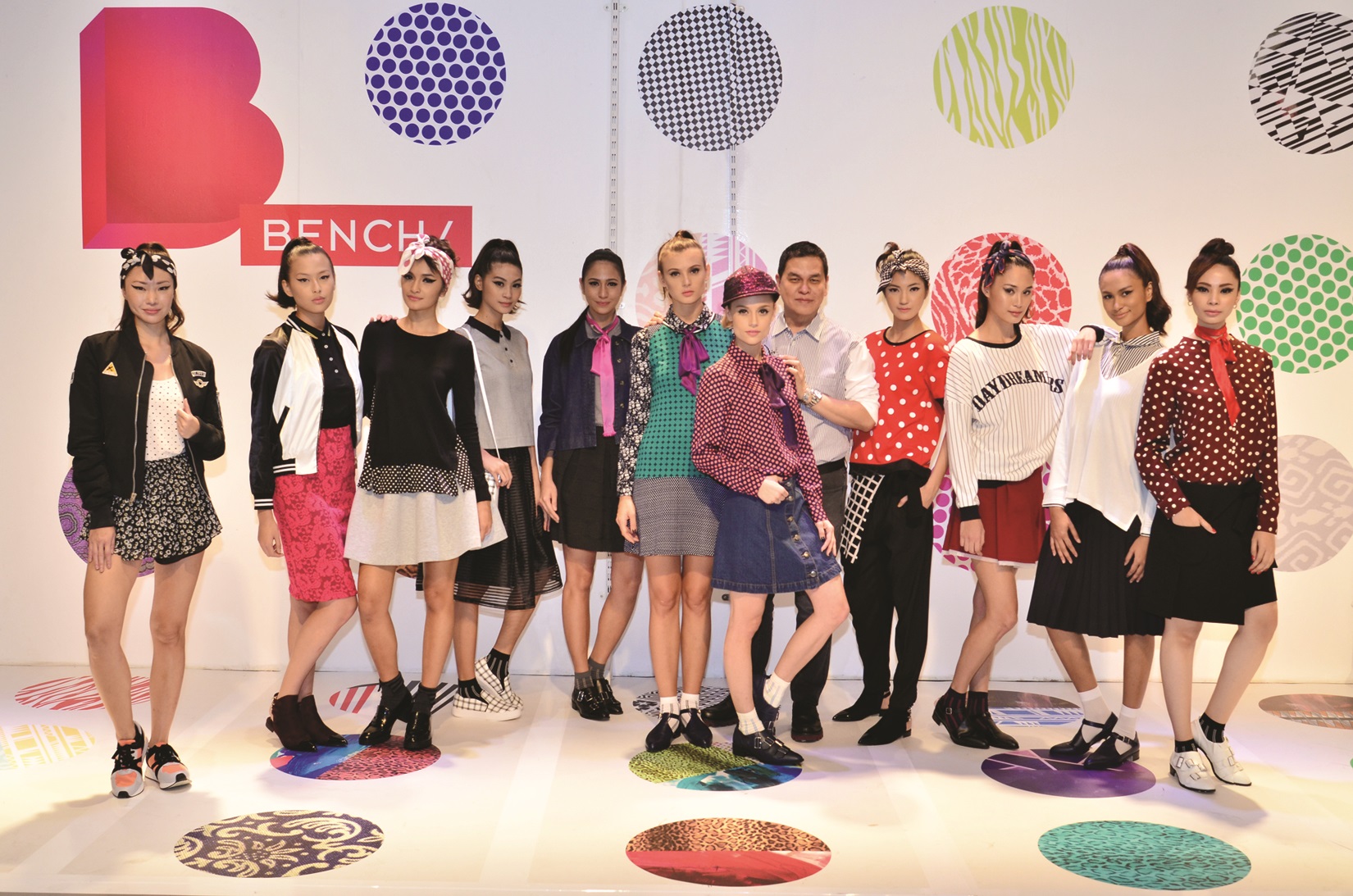
  • Filipino brand Bench opens in Dubai

    Filipino brand Bench opens in Dubai

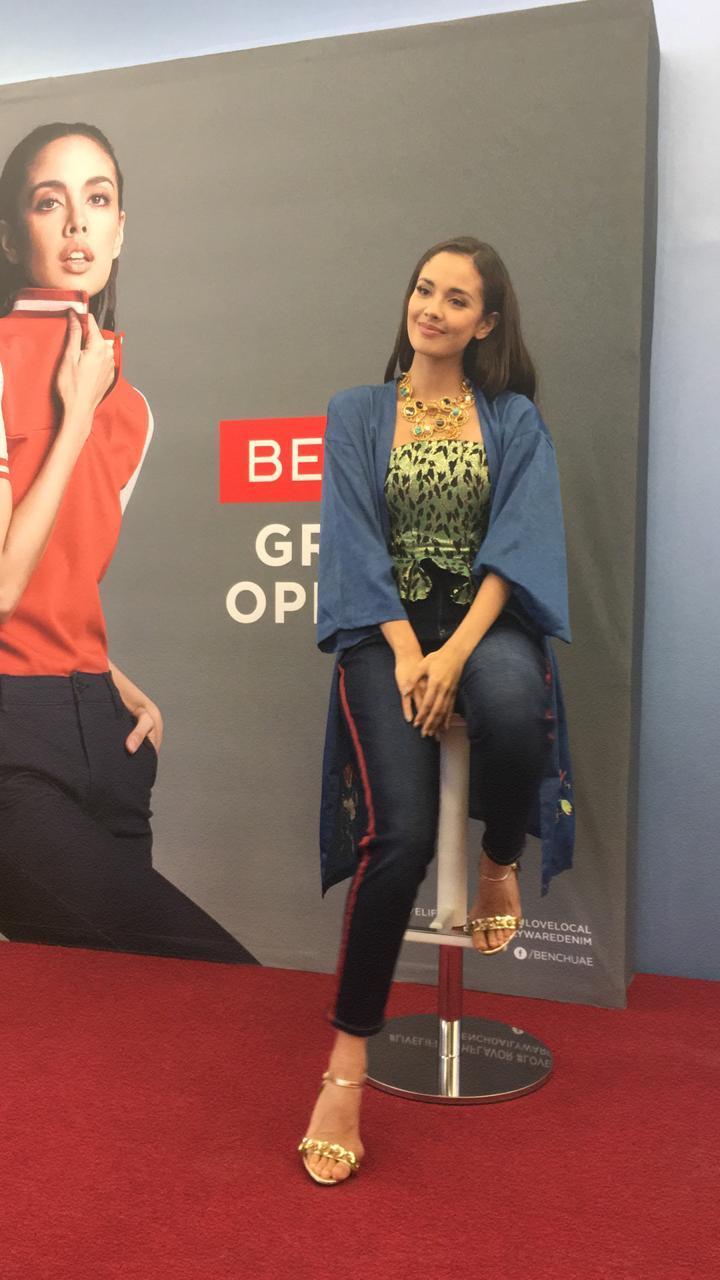
    Philippine apparel brand Bench has opened in BurJuman, Dubai.

    The 1179sqft store offers women’s and men’s clothing and undergarments, perfumes and other products. The brand says it has been conspicuously welcomed by the Filipino community resident in Dubai.

    Bench has grown from its earliest incarnation as a t-shirt store in the late 1980s into an international clothing and lifestyle brand with numerous celebrity endorsements. The brand’s worldwide network of sales points includes the US, Middle East and China.

  • Millennials’ love for luxury brands focuses on two brands

    Millennials’ love for luxury brands focuses on two brands

    Millennials feel better about their future earnings than older consumers and spend more on luxury goods.

    That’s according to a survey of more than 3,000 consumers across China, Europe and the US by UBS Group AG. Eighteen to 35 year olds have contributed 85 percent to growth in the luxury market last year and will represent 45 percent of total high-end spending by 2025, according to the report published Friday.

    Gucci and Louis Vuitton are millennials’ favourite brands, according to the survey and social-media data analysed by UBS.

    While the intent to buy online is higher in the age group than among older consumers, physical stores continue to feature highly among preferred places to shop.

    Chinese millennials, a major driving force behind sales growth, allocate about 20 percent of discretionary income to purchasing luxury goods, a similar share as older generations.

    Nearly 70 percent of Chinese Millennials expect their personal financial situation to improve in the next 12 months, compared to 65 percent of Chinese respondents aged 35 or more.

    That is good news for companies selling luxury goods, considering Millennials drove 85 percent of the sector’s growth last year. In fact, luxury fashion labels which have been performing well lately have a high percentage of sales from Millennials.

    For example, UBS estimates 65 percent of Saint Laurent’s revenues to have come from this age group in 2017, while Gucci’s Millennial sales were estimated in 50 percent. Louis Vuittonobtained approximately 33 percent of its profits from consumers aged 21-37, as claimed by UBS.

    Younger people in Italy and the US have higher spending budgets than their elders, according to the report.

  • Korea’s rice burger franchisees fight back

    Korea’s rice burger franchisees fight back

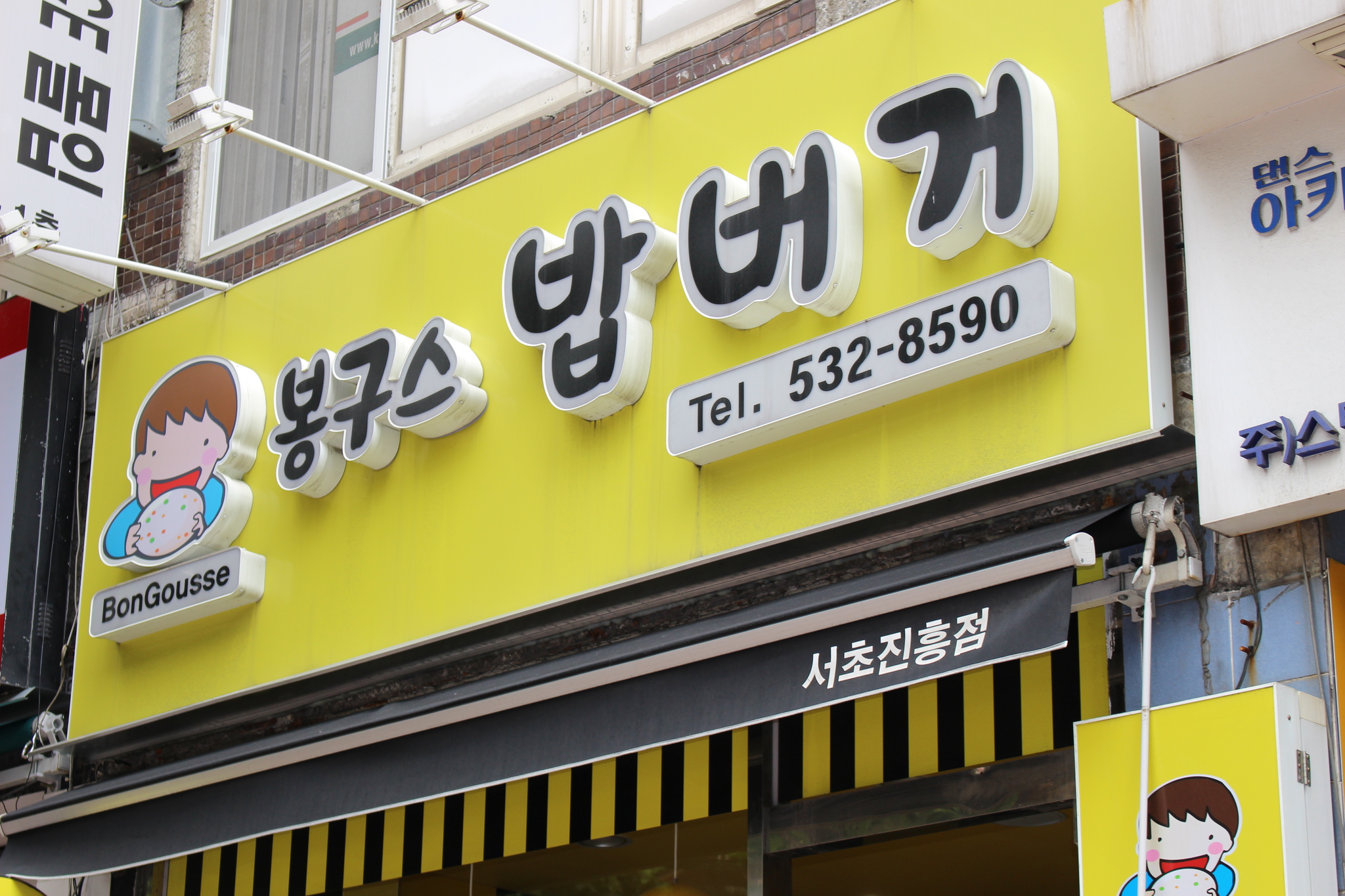
    BonGousse Rice Burger, which was acquired Tuesday by chain Nene Chicken, is receiving fierce criticism from franchisees for failing to inform them of the deal.

    The rice burger chain was established in 2010. The brand rose to fame thanks to its popularity among students, but entered a steep downfall last year when CEO and founder Oh Se-rin was convicted of drug use.

    BonGousse franchisees claim they were never informed about the merger by headquarters beforehand and only learned about it after the deal between the companies were finalized last month. According to local news outlets, the association of BonGousse franchisees reported the headquarters to the Fair Trade Commission saying that the deal violated contracts with franchisees.

    Franchisees are set to meet with BonGousse headquarters to receive details on the acquisition on Thursday.

    “We’re in the process of expanding our business with our expertise in the chicken business and franchise operation,” Nene Chicken said in a statement. “We plan to create synergy with the acquired company based on our experience in the franchise business and quality control.”

    BonGousse Rice Burger started out as a street food stall that sold rice balls made in the form of a hamburger. The business took off by establishing restaurants near schools and universities, and the number of branches reached a peak of 1,000 in 2015.

    Oh also gained attention and fame as a young entrepreneur, and made many media appearances to encourage entrepreneurship among students. A college dropout, Oh was only 25 when he started BonGousse in front of a high school in Suwon, Gyeonggi.

    Oh was found to have taken drugs with three women at a hotel in Seoul in May 2015. He was also found to have used methamphetamines three times with close associates in 2016 at a hotel and at his home. He was sentenced to a year and a half in prison and three years of probation. His conviction in August 2017 tainted the brand’s image and dragged down sales by 30 percent, according to BonGousse franchisees.

    In October, a group of around 300 BonGousse franchisees sued Oh and BonGousse headquarters for damages. They said that, after the conviction, the company modified contract terms in a way that increased advertising costs for franchisees while reducing headquarters’ costs.

  • Amazon, Alibaba seek Vietnamese sellers

    Amazon, Alibaba seek Vietnamese sellers

    E-commerce giants Amazon and Alibaba are looking to sign up more Vietnamese sellers for their online marketplace.

    U.S.-owned Amazon last month collaborated with the Vietnam E-commerce Association (VECOM) to organize a workshop called Selling Globally on Amazon in Hanoi and Ho Chi Minh City.

    The events attracted over 2,000 people each.

    Since March Amazon has been partnering with VECOM to host a number of training courses and workshops for sellers.

    It has launched a website and an official Facebook fanpage in Vietnamese to connect with individuals and businesses who want to sell their products on its network.

    Park Joonmo, CEO of Amazon Global Selling Korea and Southeast Asia, said there is an increasing number of Vietnamese sellers on Amazon, including manufacturers, brand owners and startups.

    They have started selling globally through Amazon to reach millions of potential customers all over the world, he said in a statement.

    Around 200 Vietnamese businesses are selling on Amazon, according to the Ministry of Industry and Trade.

    Experts said this number could rise greatly since Vietnam is a major exporter of items such as agriculture produce, foods and furniture.

    China’s Alibaba has also been looking for Vietnamese sellers on its AliExpress website since July.

    AliExpress executive Yang Ninh said Vietnam is one of the most diverse manufacturers in the world, and its growth makes it an important destination for Alibaba.

    AliExpress wants to open the door for Vietnam to over 200 markets around the world, he added.

    Vietnam’s e-commerce market grew by 25 percent last year, according to VECOM, which forecasts this rate to continue until 2020.

  • Tencent, Hillhouse back MINISO

    Tencent, Hillhouse back MINISO

    Tencent and Hillhouse Capital have invested RMB1 billion (US$146 million) into fast-growing Chinese discount retailer Miniso.

    Founded just five years ago, Miniso has already grown to more than 3000 stores worldwide using what it describes as a “high quality, low price” philosophy.

    Three years ago, the China-headquartered retailer which pretends to be Japanese in its brand positioning and marketing, made its first foray abroad. One in three of its stores are now in overseas cities in 70 countries and markets, including Hong Kong, Singapore, Japan, Vietnam, Taiwan, Macau, India, South Korea, North Korea, Indonesia, Malaysia and the Philippines.

    In a statement, Miniso said the strategic investment from Tencent and Hillhouse Capital will enhance cooperation in big data analysis, smart outlets, intelligent retail and digital operations, among other areas.

    “The investment of Tencent and Hillhouse Capital will help the future development of Miniso by improving its ability in terms of information technology, capital operation, corporate governance, etc. The investment will also expand its layout in the field of intelligent retail and accelerate overseas market expansion, so as to help Miniso achieve its medium-term strategic goals.”

    That goal is to have 10,000 stores trading in 100 countries with RMB 100 billion in sales by 2022.

  • Malaysia Airlines, Jet Airways expand codeshare agreement

    Malaysia Airlines, Jet Airways expand codeshare agreement

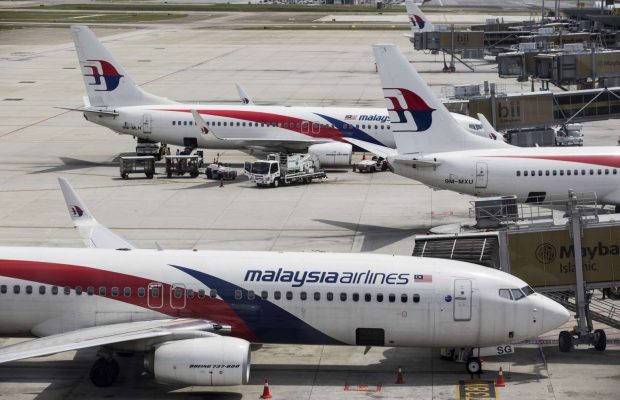
    Malaysia Airlines and Jet Airways have expanded their codeshare agreement to offer consumers a wider network of destinations effective Sept 24.

    Malaysia Airlines said in a statement that the wider network covers new routes with departures from Mumbai and Hyderabad to cities in India as well as Southeast Asia destinations including Hong Kong, Bangkok and Singapore.

    The agreement is an extension from existing codeshare with Malaysia Airlines on Malaysia Airlines routes from Kuala Lumpur to Mumbai, Bangalore, Hyderabad, Delhi and Chennai.

    “We are delighted to announce the codeshare expansion with Jet Airways to broaden our global reach into India, the third largest market in the aviation industry. Together with Jet Airways, we will be offering seamless connectivity to fast growing cities in India including Aurangabad, Dabolim (Goa), Ahmedabad, Kochi and Kolkata,” said Malaysia Airlines’ chief revenue officer Ignatius Ong.

    “This codeshare agreement serves as an important element towards Malaysia Airlines’ proposition of being the preferred way to fly to, from and around Malaysia,” he said.

    Malaysia Airlines’ codeshare on Jet Airways services include flights from Hyderabad to Bangalore as well as flights from Mumbai to Ahmedabad, Aurangabad, Bangalore, Chennai, Delhi, Goa, Hyderabad, Jaipur, Kochi and Kolkata.

    Meanwhile, Jet Airways codeshare on Malaysia Airlines services include flights from Kuala Lumpur to Bangkok, Hong Kong and Singapore.

  • Keppel in joint venture for first commercial development in India

    Keppel in joint venture for first commercial development in India

    Keppel Land, the property subsidiary of Singaporean conglomerate Keppel Corporation, is in a partnership to develop its first commercial property in India.

    The group has acquired a well-located 3.09ha site from Metro Cash & Carry India in Yeshwanthpur through a majority 51:49 joint venture with Indian property developer Puravankara.

    The total consideration of INR 4.05 billion (US$81 million) includes the cost of $16 million for the construction of a 160,000sqft retail/office complex. The total development cost, including the land, is $207.4 million.

    Yeshwanthpur is 5km northwest of central Bangalore, one of the primary hubs for the technology industry in India. The area is among the largest and fastest-growing office markets in the country.

  • Monica Vinader opens in New Town Plaza Mall

    Monica Vinader opens in New Town Plaza Mall

    Monica Vinader is pursuing its expansion into the great city of Hong Kong with the opening of its third store this September.

    Famous for its versatile styling, and loved for its encouragement of women to self-gift, and to give to each other, the British jewellery brand chose the exclusive New Town Plaza mall as location for its latest store.

    Renowned for instantly wearable and contemporary designs, Monica Vinader is a favourite amongst A-list names such as the Duchess of Cambridge, Olivia Palermo and Emma Watson.

    The store is an opportunity for Monica Vinader to bring everyday fine jewellery to more women across China, whilst expanding their presence in Hong Kong.

    Being only 30 minutes away from China, the New Town Plaza mall is a prime destination for Chinese day visitors, while also servicing over 3.69 million residents in Hong Kong’s new territories.

  • Lotte prepares for verdict on chairman

    Lotte prepares for verdict on chairman

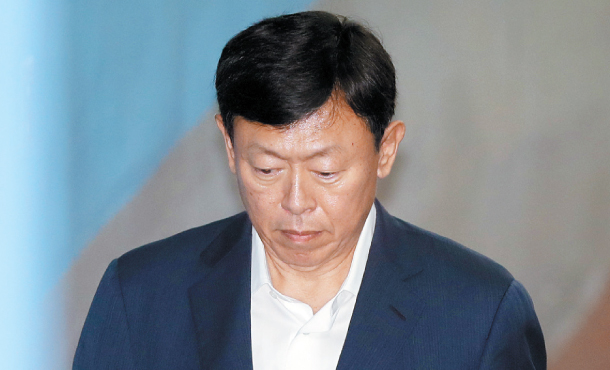
    Lotte Group Chairman Shin Dong-bin is due to receive his appeals court sentence tomorrow. The leader of Korea’s largest retail conglomerate is facing up to 14 years in jail.

    Shin has already served eight months of the 30-month sentence he received over charges of bribing former President Park Geun-hye to curry favor during her administration.

    Prosecutors requested a 14-year sentence for the Lotte Group chairman to the appeals court in August.

    Lotte employees last month submitted a petition that Shin be released on the grounds that the absence of the 62-year-old chairman is hurting Lotte’s business. Major business decisions have been on hold since Shin has been imprisoned, and recruitment and investment has been scaled back tremendously.

    The ruling tomorrow is expected to have major implications for Lotte, and potentially the Korean economy as well. Lotte, with a net worth valued at over 100 trillion won ($89.4 billion) and annual revenue of 90 trillion won, is Korea’s fifth-largest conglomerate.

    A chairman’s downfall

    On Feb. 13, Shin was put in jail after the Seoul Central District Court found him guilty of bribing former President Park in return for a business deal. According to prosecutors, he offered 7 billion won to a nonprofit foundation controlled by Park’s close friend Choi Soon-sil to score a license it needed to operate its duty-free business in Seoul.

    Lotte’s official stance, however, is that Shin and the company are simply victims of Park’s abuse of power. Shin offered the 7 billion won in May 2016, after Lotte had failed twice in 2015 to obtain approval to continue its duty-free operations in Seoul for the following year.

    In July 2017, the Board of Audit and Inspection found that the Korea Customs Service, which oversees the assessment of duty-free businesses, manipulated evaluation scores to disqualify Lotte. Lotte’s original score far exceeded those of the companies that obtained approval instead.

    “Like other businesses that had given money to Park [and her friend] after private meetings with her, Lotte was not giving out bribes, but paying a sort of ‘quasi-tax,’” said a Lotte spokesman.

    Frozen in time

    For the past eight months of Shin’s absence, Lotte Group has been wary of making major decisions on investment and recruitment.

    The conglomerate invested 879.1 billion won in its retail business during the first half of this year, a 20 percent decline from last year. Lotte also hit the brakes on hiring. It only hired some 2,300 new employees this year, whereas it had recruited between 12,000 and 13,000 new workers in other years.

    The conglomerate has also put some 10 trillion won worth of domestic and overseas investment and merger and acquisition plans on an indefinite hiatus. Projects on hold include large-scale oil complexes in Indonesia and Louisiana and acquiring Vietnamese confectionary, retail and hotel businesses.

    Shin’s imprisonment came as a complete surprise in February. Shin, then the chairman of the Korea Ski Association, had scheduled a dinner meeting with international ski authorities for the day following the first court ruling.

    “As we didn’t expect Shin’s imprisonment, we hadn’t made any provisions for such a development,” said a Lotte spokesman on Sunday. “Shin left a huge vacuum in Lotte’s management. Now, all of Lotte Group is paying careful attention to the appeals court ruling.”

    Though Lotte is far from being the only Korean conglomerate to see its leader go to jail, it is rare for companies to hold off on all major management decisions throughout their imprisonment.

    “Lotte’s dependence on Shin was especially high, especially because of the unique situation we have with Lotte in Japan,” said a Lotte spokesman.

    Shin played an instrumental role in helping Lotte grow to its present size. He led the acquisition of the home shopping and electronics retail businesses that became Lotte Homeshopping and Lotte Hi-mart. Shin also strengthened Lotte Chemical by purchasing Samsung’s chemical division for just 3 trillion won.

    In 2015, Shin also emerged as the sole leader of both Lotte’s Korean and Japanese businesses after ousting his own father – who founded Lotte in 1948 in Japan before expanding to Korea in 1967 – as well as older brother from the management of Lotte Holdings. The Tokyo-based holding company holds major stakes in Lotte’s Korean businesses.

    “After the Shin brothers’ power struggle [where Shin fought over the succession of the conglomerate with his older brother Shin Dong-joo], Lotte faced public scrutiny. This revealed the conglomerates’ backward management practices, including [the complex] cross-shareholding [control], which drew the attention of the prosecutors’ office,” said an industry source.

    Although Shin may have caused problems for management in the past, the consensus among Lotte employees is that only Shin can improve the conglomerate’s organizational structure.

    In recent years, Shin pushed for greater transparency and the separation of Lotte’s Japanese and Korean businesses. He also tried to remove cross-shareholding ties by merging Lotte subsidiaries under Lotte Corporation, a new Korean holding company. Cross-shareholding occurs when publicly traded companies own shares in each other, leading to double counting of equity and distorted assessment of the companies’ value.

    “Firms like Amazon are pushing the global retail industry towards new levels of competition,” said Park Ju-young, who teaches entrepreneurship and business at Soongsil University. “Because of its status as Korea’s largest retail conglomerate, Lotte’s defensive approach to management may eventually lead to economic loss for the country.”

    Loyal supporters

    Law authorities confirmed Monday that Lotte union members submitted a petition on Sept. 10 to the judge in charge of the case to free Shin for the upcoming appeals court sentence.

    According to the Seoul High Court, which is overseeing the case, the petition was signed by 19 people, including Lotte trade union members representing Lotte Shopping, Lotte Property & Development and Lotte World, as well as high-ranking officials from the Korean Federation of Tourist & Service Industry Worker’s Union.

    “Lotte did not gain any unlawful profit from handing out bribes to former President Park, and is instead a victim [of the Park administration],” read the 3-page-long petition. “When Lotte provided its golf course in Seongju, North Gyeongsang, as the grounds for the installation of the anti-missile system Thaad upon coercion from Park, China retaliated by closing down Lotte stores.”

    Lotte union members said they decided to submit a petition after hearing that prosecutors had recommended a 14-year sentence for Shin in late August.

    “We are not trying to persuade the judge that Shin is innocent,” said Kang Suk-yun, head of Lotte’s labor union. “But we believe that our plea for clemency does not contradict the sentiment of the Korean people, when the entire Korean economy, not just Lotte, is doing poorly.”