Author: Mei Ling Tan

  • Vietnam’s biggest carriers see higher profits

    Vietnam’s biggest carriers see higher profits

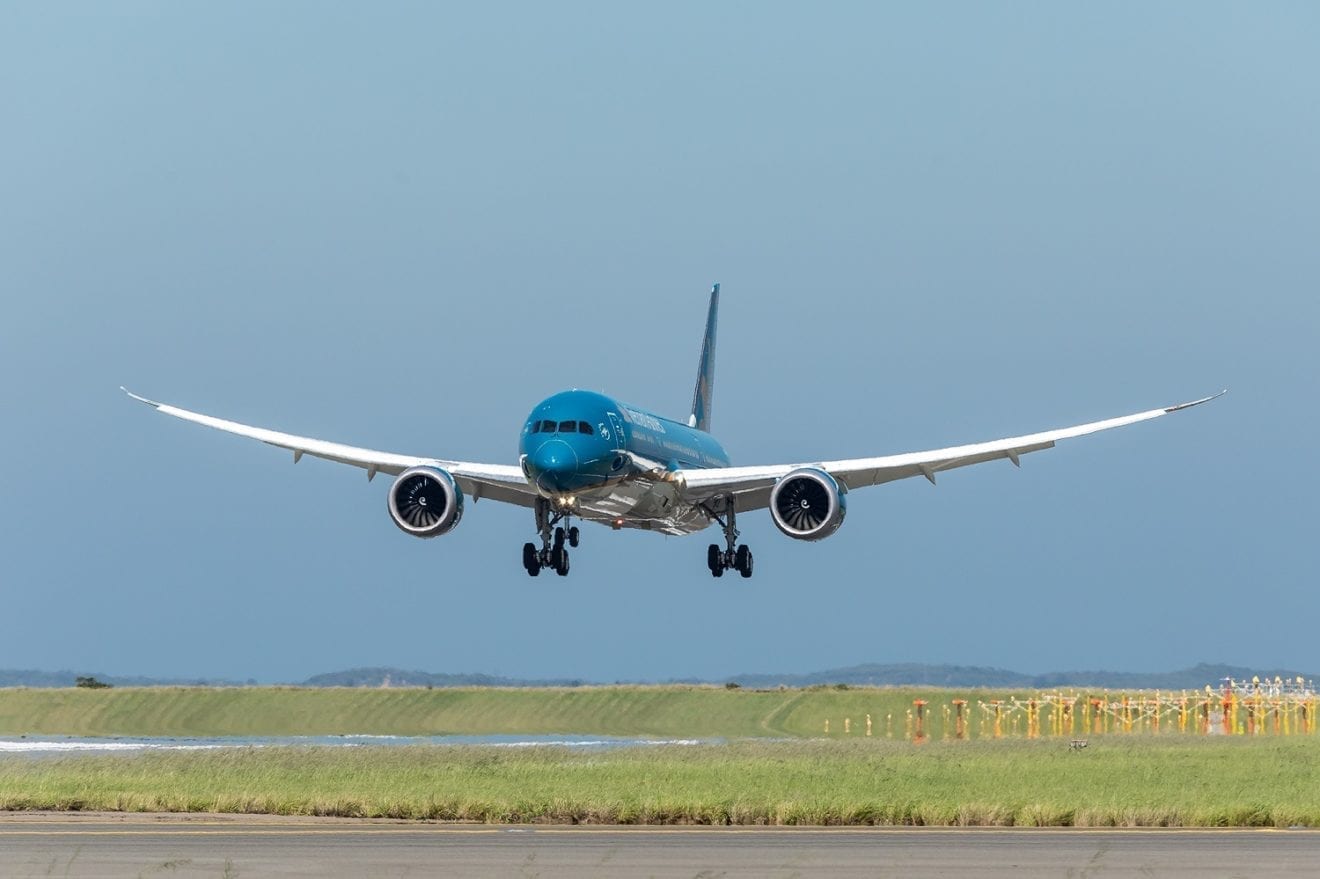
    VietJet plans to add routes to more countries while Vietnam Airlines reports high number of passengers. Vietnam’s two biggest airlines reported strong growth in domestic and international markets on Thursday, fuelling profits and talk of expansion plans.

    VietJet, the biggest private airline in the Southeast Asian nation, said it was adding routes to Japan, India and Australia as part of its strategy to become a global airline.

    Hanoi-based VietJet currently operates 38 domestic and 44 international routes. VietJet added 17 new aircraft last year to boost its fleet to 51 planes.

    VietJet said on Thursday it expected pre-tax profit to rise to VND5.8 trillion this year, up 9.4 percent from 2017. It also targeted a 20.5 percent rise in revenue to VND50.97 trillion from a year earlier.

    Its state-owned rival, Vietnam Airlines, said on Thursday its pre-tax profit jumped 71 percent in the first quarter as growth on domestic and international routes exceeded its forecasts.

    Pre-tax profit during the January-March quarter rose to VND1.46 trillion ($64.13 million), the airline said in a statement, up from 854 billion dong in the same period a year earlier.

    Vietnam Airlines said it carried five million passengers in the quarter, up five percent from the same period last year.

    “Demand remains high in Northeast Asian markets (Japan, South Korea), together with the implementation of market-driven solutions in the condition of high fuel prices,” the airline said, adding it will take delivery of its 12th Airbus A350 in the second quarter.

    Vietnam Airlines could launch non-stop flights to the United States in 2019, Chief Executive Officer Duong Tri Thanh said in February, but it would struggle to be profitable on U.S. routes due to the lack of business travellers.

  • Hawaiki Cable deployment nearly complete

    Hawaiki Cable deployment nearly complete

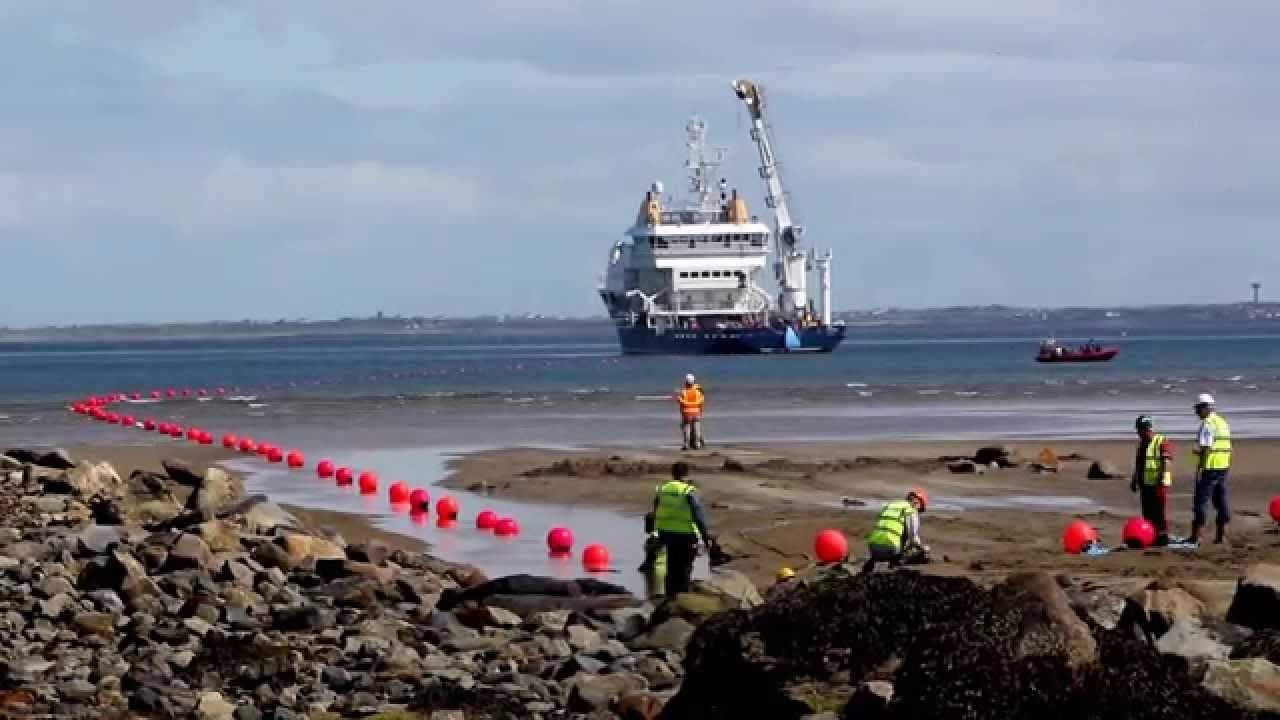
    The Hawaiki cable is nearly complete, according to the company and TE Subcom. Each of the cable landings is complete, the final splice has been made, and final testing will begin shortly. That puts them on track to officially bring the cable online next month.

    The 15,000km Hawaiki cable Cable System will connect Oregon with Australia and New Zealand, making stops in American Samoa and Hawaii along the way. There are also stubbed branch units for New Caledonia, Fiji, and Tonga for the future.

    The system’s theoretical capacity is 43Tbps, which will add significantly to that which is available on the direct route down under. It has taken many years and iterations by those involved to make it happen.


  • South Korea to hold 5G auction June 15

    South Korea to hold 5G auction June 15

    The South Korean government has announced plans to hold an auction for 3.5-GHz and 28-GHz 5G spectrum on June 15.

    The government has also decided to go with its first proposed option of distributing the spectrum evenly among the nation’s three operators – SK Telecom, KT and LG U+ – rather than allocating the largest portion of spectrum to the highest bidder.

    Likewise, the government plans to limit bid amounts to stop the auction from being overly competitive and burdening the winners with high spectrum costs.

    With the move, the ICT ministry hopes to set the stage for the commercialization of 5G technology in South Korea.

    South Korean operators are expected to be among the earliest adopters of 5G technology. Currently KT has announced plans to launch commercial 5G services in March, and is expected to be the first South Korean operator to go live with the technology. But both KT and LG U+ have significant 5G rollout plans of their own. The operators already trialed 5G during the recent PyeongChang Winter Olympics.

  • Clarks Kids teams with Avengers

    Clarks Kids teams with Avengers

    Global shoe brand Clarks has stepped out of its usual comfort zone with a range inspired by Marvel’s movie Avengers: Infinity War.

    The Clarks Kids range is described as “an exclusive multi-gender collection” (Yes, we are still wondering how many genders kids relate to, also) that “celebrates strength in unity”.

    Avengers Infinity War launched worldwide on April 27 and is set to be one of the year’s top-grossing movies.

    The Clarks Kids line was released on Friday.

    “Like every kid on the planet, the Avengers all have very different and distinct identities,” explains Jason Beckley, Clarks chief brand officer. “When they join forces, their strengths combine, and they become Earth’s mightiest team of heroes.”

    Beckley says the campaign – Greater Together – aims to encourage kids to celebrate their strengths and abilities and to stand together as one: “empowering them to be fearless, to believe in themselves, and always to support each other through strength in unity”.

    “Kids have the power to change the world. In our view, they are all superheroes. So, what better way to celebrate that than joining forces with Marvel.

    “We follow science and data to support the tradition of putting growing feet in safe hands. Combine that with collaborated passion, imagination and expertise, and you get an innovative footwear collection that provides kids with the freedom to be their true selves.”

  • Moncler thrives in Hong Kong

    Moncler thrives in Hong Kong

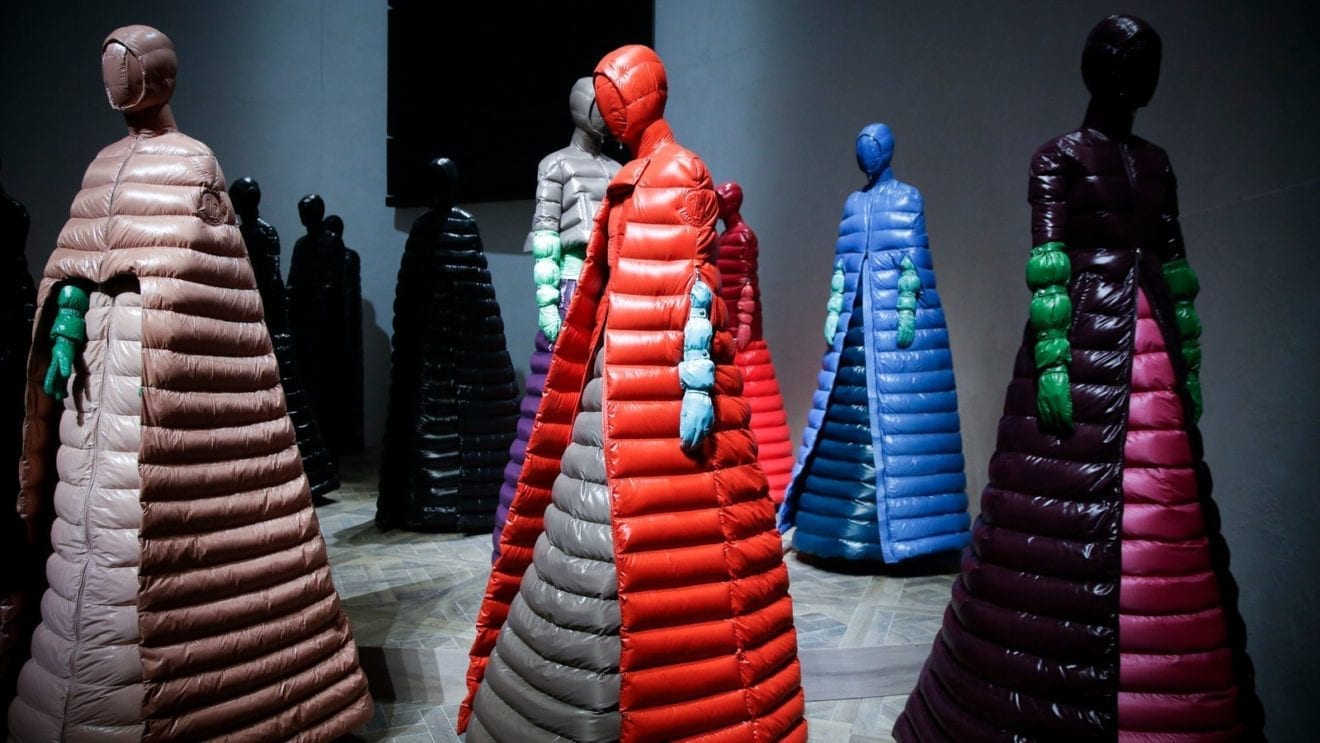
    Hong Kong and China were the fastest-growing markets globally for edgy Italian outdoor-wear brand Moncler in the first quarter of this year.

    In every market in which the company operates, it achieved double-digit growth, even when unfavourable currency exchange rates in some were taken into account. Sales in Asia and other markets outside Europe and the Americas, rose 39 per cent at constant exchange rates, the highest growth rate of any region, reaching €146.4 million (US$175.1 million).

    Within Asia, according to Moncler’s chairman and CEO Remo Ruffini, “China’s mainland and Hong Kong largely outperformed the growth of the region”.

    Worldwide, Moncler’s sales rose 28 per cent at constant exchange rates, to €332 million. Retail revenue rose 35 per cent and wholesale revenue by 9 per cent.

    Ruffini attributes the success to the Moncler Genius project – a creative hub, which has “reimagined Moncler’s soul by going beyond the season’s concept”.

    “The idea for this was born from a desire to seek innovative forms of expression, to constantly dialogue with the clients, fuelled by a new digital approach. Each collection will be singularly dropped, starting from June 14 with Moncler Fragment Hiroshi Fujiwara, followed by all the others on a monthly basis”.

  • Embrace your individuality with Schwarzkopf

    Embrace your individuality with Schwarzkopf

    For 120 years, Schwarzkopf is a name synonymous with quality, reliability, expertise and innovation in the hair care, colour and styling industry. Schwarzkopf runway is the birthplace of many styling trends throughout the years. This year, the brand takes a step away from conventional beauty stereotypes and embraces diversity and individual expressions of style, fashion and beauty.

    The #createyourstyle campaign embraces individual styles and urges users to have the confidence to wear your favourite style in the best way. Or even, a non-styled; wake up hair style that says “So what? It’s me and I love it”. In this context, Schwarzkopf sets the stage for a clean and healthy head of hair with ever reliable products such as the Schwarzkopf Extra Care Hydro Collagen Shampoo, Schwarzkopf Extra Care Hydro Collagen Conditioner and Schwarzkopf Extra Care Hydro Collagen Express Repair Spray. The rest is all up to you. The possibilities are endless, really!

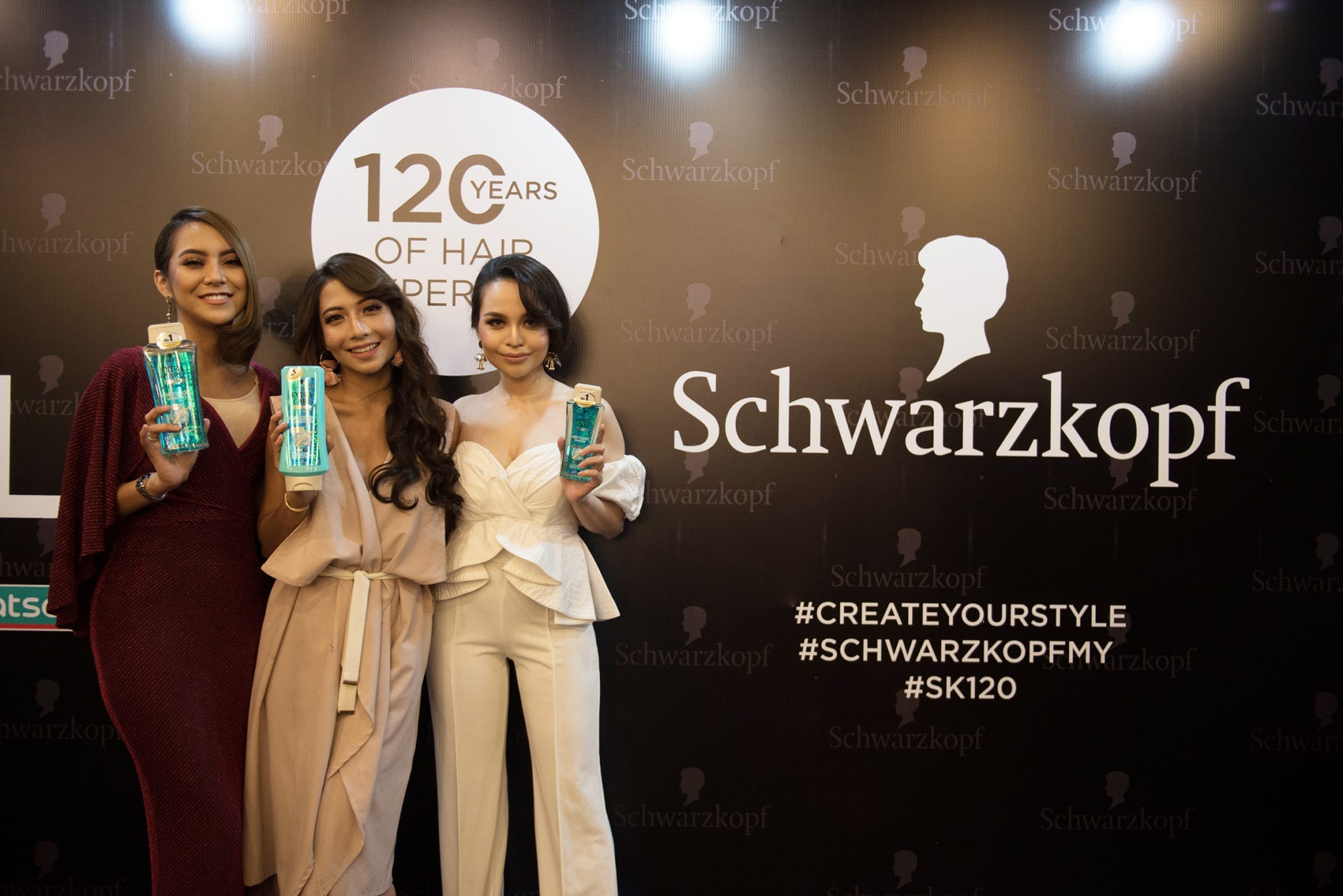
    At the launch event held in Talent Lounge, 3 top Malaysia influencers got to flaunt their favourite styles and share personal stories about their hairstyle of choice

    Sharifah Eleen Al-Baity loves wearing her hair in loose, carefree styles that are easy to achieve and reflects her wanderlust and free-spirit.

    Local celebrity, Mawar Rashid, is a fan of simple, elegant hair styles. “A timeless hairstyle is very flattering and looks good at any angle; perfect for someone who needs to be photo-ready at any moment.” said Rashid during the event.

    Emma Shazleen, mother of three young boys is a big fan of the high bun. The self-professed petite lady favours the look as it is practical, yet high fashion. Not to mention, it adds some height to her 5-foot frame!

    With the help of Schwarzkopf’s hair care and styling products, the ladies got to achieve the best version of their favourite hair styles.

    “With hair that is well taken care of, it is so much easier to style your hair however you want. We are honoured to be able to deliver attainable products with the reliability and quality synonymous with the Schwarzkopf brand that everyone can enjoy. Our Extra Care Hydro Collagen range has Hyaluronic Acid and Collagen complex that infuses moisture deep into the hair and locks it in for longer, so that your hair can look shinier and feel softer in whatever style you chose to rock!” said Mr. Sam Wong, General Manager of Vast Diversified, exclusive distributor for Schwarzkopf Hair Care Malaysia.

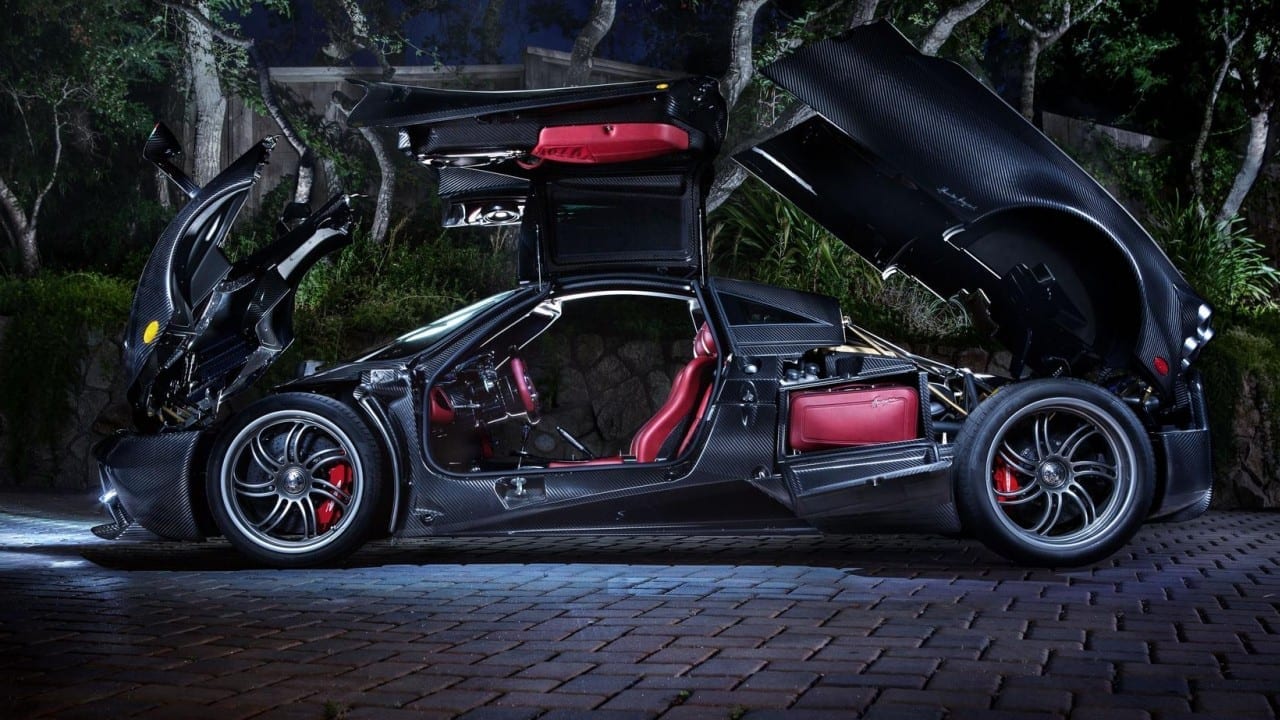
  • Vietnamese willing to Spend huge Amounts of Money on Super Cars

    Vietnamese willing to Spend huge Amounts of Money on Super Cars

    As many as  8,670 luxury cars of different kinds were sold in Vietnam in 2017, a decrease of 15 percent from 2016, according to one report. However, the amount of money spent on the cars was VND20 trillion.

    According to Choi Duk June, CEO of Mercedes Benz Vietnam, 150 Maybachs were delivered to Vietnamese buyers in 2017. The sales of Maybach in Vietnam are the highest in Southeast Asia.

    This is a luxury model of Mercedes-Benz with three versions in distribution in Vietnam, including Maybach S 400 priced at VND6.899 billion, Maybach S 500 VND10.999 billion and Maybach S 600 VND14.169 billion.

    When launching Maybach S 600 into the market in January 2015, Mercedes Benz then hoped it could sell 10 products a year. However, to its surprise, over 50 products were sold in the year.

    The figure was over 100 in 2016, and Vietnam remained the biggest buyer of Maybachs in 2017, leaving Indonesia, Thailand, Malaysia and Singapore far behind.

    It is estimated that over 300 Maybachs are rolling on Vietnam’s streets.

    The other luxury models also had very good sales. Over 500 S-Class products, priced at VND4-10 billion, were sold in 2017.

    However, the highest growth rate belonged to mid-end luxury models, priced at VND1.5-3 billion. A record number of 2,500 GLCs priced at VND1.939-2.209 billion was sold in 2017, placing GLC as one of the 15 best sellers in the market.

    The other luxury models which sold very well in 2017 included BMW’s Seri 3 and Seri 5, Audi’s A4 and Q5 and Lexus’ ES 250 and NX 200T.

    Car dealers in Vietnam say there is a switch in consumption from common products to mid-end products. A survey by Mercedes Benz found that car buyers tend to be younger.

    In 2014, the average age of car buyers was 42, while it was 39 in 2016 and 38 in 2017.

    Boston Consulting Group’s (BCG) survey showed that Vietnam is getting wealthy thanks to the strong rise of the middle class which has been growing more quickly than any other place in South East Asia.

    Those who have monthly income of $714 and more are classified as middle class. Vietnam expects to have 33 million middle class people by 2020.

    According to the Vietnam Automobile Manufacturers’ Association (VAMA), a total of 272,750 automobile units were sold in 2017, down 10 percent yearly.

  • Vietnam exempts import tax for Emirates Airline

    Vietnam exempts import tax for Emirates Airline

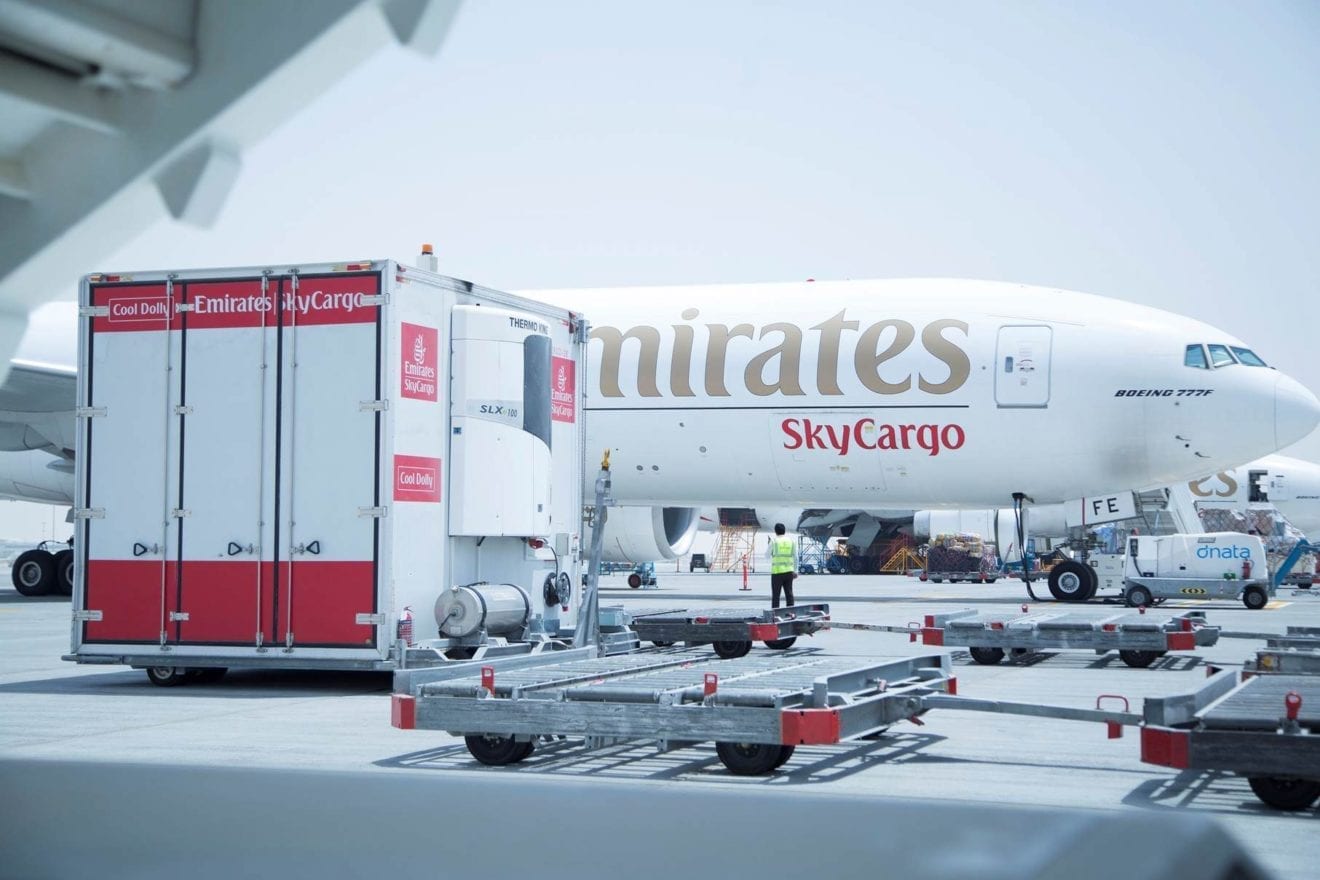
    Deputy Prime Minister Vuong Dinh Hue has agreed with the Ministry of Finance’s proposal to exempt tax on imported goods of Emirates Airline.

    Hue assigned the Ministry of Finance to implement the proposal and has instructed the customs forces to supervise and closely control the import and use of duty-free goods of the airline to ensure that they are used for right purposes and in line with the law.

    Under the direction of the Deputy PM, the import and use of duty-free goods by Emirates must be for the right purposes as described in Article 6 of the Agreement on Air Transport, signed between the Governments of Vietnam and the United Arab Emirates.

    It is the fifth airline to receive exemption from import tax. Previously, the Deputy PM had agree to exempt the tax for imported goods of Hong Kong Dragon, Cathay Pacific Airways, Federal Express Corporation and Japan Airlines.

  • Eataly eyes joint venture for further China expansion

    Eataly eyes joint venture for further China expansion

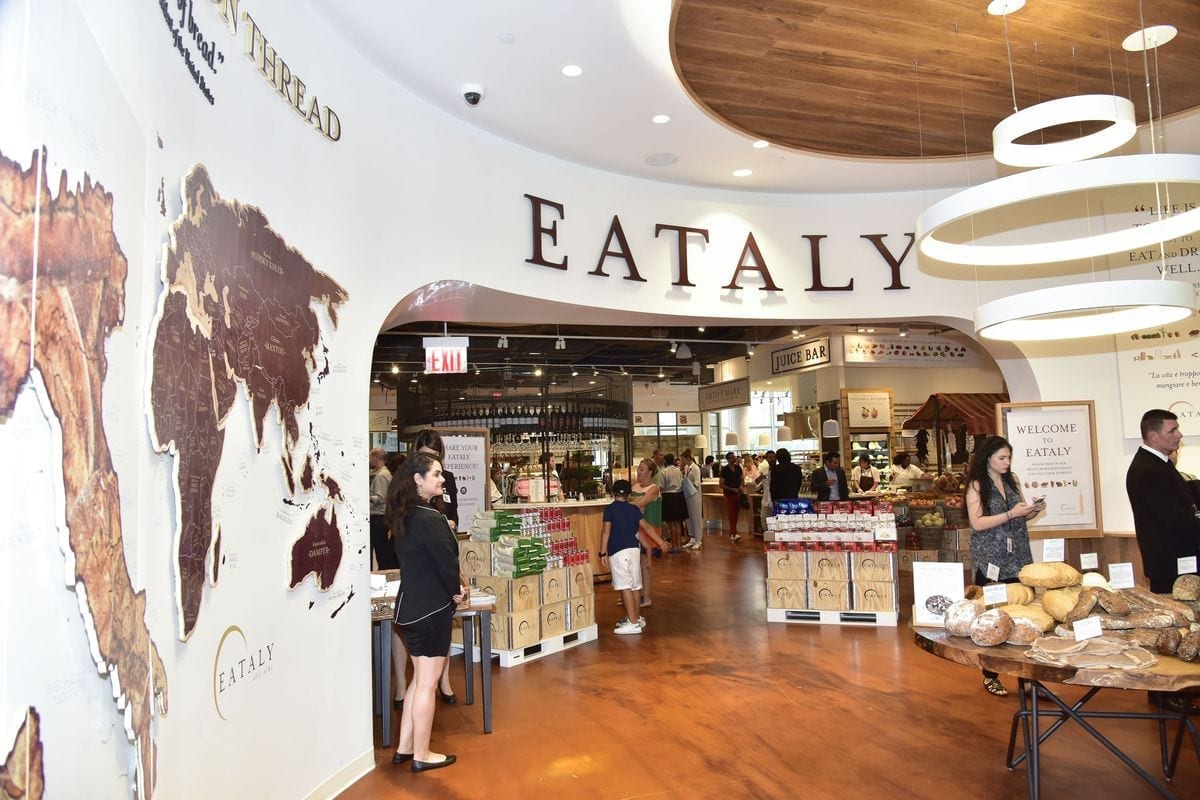
    Italy’s Eataly may form a JV with a Chinese partner, says chairman Andrea Guerra, but also plans to list about 30 per cent of its capital next year.

    It also plans to expand with outlets in Las Vegas, Toronto, Europe and the UAE. “In the long term, we aspire to reach 100 stores… and go beyond €1 billion in sales,” says Guerra.

    Eataly is an upmarket deli-cum-foodcourt concept with a focus on fresh, artisan foods.

    The company plans to increase revenue to €690-720 million in 2020 from €465 million last year. It is also targeting adjusted core profits of €60 to €65 million in 2020, from €25 million last year.

    Revenue of €50 million is expected this year, says Guerra.

  • Sales remains steady for Hermes

    Sales remains steady for Hermes

    Despite currency fluctuations knocking out €104 million (US$124.5 million) of revenue, Hermes International reports solid first-quarter sales with China again a hero.

    Excluding Japan, Asia achieved 16 per cent growth. Japan continued with outstanding growth of 8 per cent. In January, the group opened a Landmark Prince’s flagship store in Hong Kong.

    The French luxury fashion group’s consolidated revenue for the period amounted to € 1.3 billion, up 11 per cent at constant exchange rates and 3 per cent at current exchange rates with the strengthening of the euro.

    “This solid performance is the result of the well-balanced sales growth,” says executive chairman Axel Dumas. “It is particularly healthy as it is mainly based on an increase in volumes in the group’s stores.”

    Performance was driven by sound growth across all business lines, led by a 17 per cent jump in the ready-to-wear and accessories division. Perfumes also performed with 16 per cent growth.

    Meanwhile, Hermes Group finalised the sale of its former Galleria store on April 12, expected to generate a net capital gain of about €50 million.

  • New Zealand Consumer spending finished stronger in 2017

    New Zealand Consumer spending finished stronger in 2017

    Consumer spending growth accelerated to five per cent year-on-year in the three months to the end of December last year, with retail trade picking up momentum over the holidays, new National Australia Bank data has revealed.

    Up from three per cent growth y/y in the third quarter, NAB’s latest quarterly customer spending report, which measures around 2.7 million daily transactions through the bank’s facilities, has tracked spending increases across the entirety of metro and regional Australia.

    Retail trade increased 3.4 per cent y/y in Q417, up from 2.4 per cent in the third quarter, while accommodation and food services spending was 10.4 per cent, up 3 per cent.

    The Northern Territory was the strongest growth state for retail trade, up six per cent, offsetting a 0.6 per cent decline in Western Australia.

    Retail trade spending growth was 4.7 per cent in Victoria and 3.3 per cent in NSW. Across the entire economy Victoria was the strongest performer, while NSW and NT lagged.

    Average monthly customer spending during the quarter was up $166 to $2306 in metro areas and up by $104 to $2089 in regional areas.

  • HSBC’s big push into Asia

    HSBC’s big push into Asia

    HSBC’s adjusted pre-tax profit of $6,033m for the first quarter is in many senses disappointing. It was down 3% from a year earlier and fell short of analysts’ estimates. From an Asian perspective, however, HSBC’s Q1 financial results highlight the scope of its expansion in the region – growth which has also contributed to its rising cost base. If you’re thinking about applying to HSBC in Asia, here’s what its latest numbers tell us about jobs at the bank.

    Asia generated $4,756m in adjusted profit before tax in Q1, up 8% from a year earlier. By contrast, Europe’s contribution to profit fell 72% to $222m over the same period, while North America’s declined 16% to $438m. Asia now accounts for 79% of HSBC’s profit. This suggests that the firm is doubling down on its pivot to Asia (and to China in particular), a strategy that seeks to redeploy $100bn or more of assets into the region. HSBC announced the plans in 2015, adding that it would hire 4,000 staff in the Pearl River Delta region in southern China, although it still faces strong competition from local banks there.

    HSBC is hiring investment bankers in China…

    HSBC Qianhai Securities, the first joint-venture securities company in mainland China to be majority owned by a foreign bank, has been hiring in the first quarter. HSBC made “made strategic hires in our securities joint venture in mainland China”, group chief executive John Flint, said in a statement within the bank’s financial report, without elaborating. Qianhai, which was launched in December, already has licences to offer equity and debt sponsoring and underwriting, equity research and brokerage of locally-listed securities, and domestic and cross-border M&A advisory. First quarter investment in Qianhai contributed to rising costs at HSBC, Flint said.

    HSBC is hiring more technologists, product managers, developers and content producers as it expands its digital-banking team in Hong Kong, its main digital development centre alongside London. This expansion appears to have continued into Q1. Flint said in his statement that the bank has “invested to enhance our digital capabilities in all our global businesses”.

    HSBC’s Asian private bankers are getting more productive

    HSBC’s Global Private Banking division makes up just 2% of its profits globally, but it is expanding in Asia, particularly in Hong Kong. Revenue in the division increased by $45m or 10%, “mainly in Hong Kong, as higher investment revenue reflected increased client activity, and deposit revenue increased as we benefited from wider spreads”. Although HSBC’s report doesn’t reveal regional revenue or profit figures for GPB (or other divisions), it does disclose client assets. First-quarter AUM in Asia rose 18% year-on-year to $131bn. But while rivals – from UBS to UBP – have been aggressively hiring in the sector, HSBC’s headcount of relationship managers in Asia stayed static at 470 last year, according to Asian Private Banker. The AUM increase suggest that HSBC’s existing RMs are becoming more productive.

    The first quarter was also a fruitful one for RMs working in wealth management in Asia. Their unit (which serves clients who aren’t rich enough to use the private bank and is part of HSBC’s wider Retail Banking and Wealth Management division) saw its global income rise 27% year on year to $1,829m. The increase “was primarily in investment distribution, reflecting higher sales of retail securities and mutual funds in Asia, following increased investor confidence”.

    Like their counterparts at rival Asia-focused banks Standard Chartered and DBS, Asian transaction bankers performed well at HSBC in Q1. Revenue within the Commercial Banking division increased by $0.3bn or 10%, notably in global liquidity and cash management, as HSBC “benefited from wider deposit spreads in Hong Kong and mainland China”. Credit and lending revenue also increased in Hong Kong.

  • Rituals brand expands in Middle East and Asia with DFS

    Rituals brand expands in Middle East and Asia with DFS

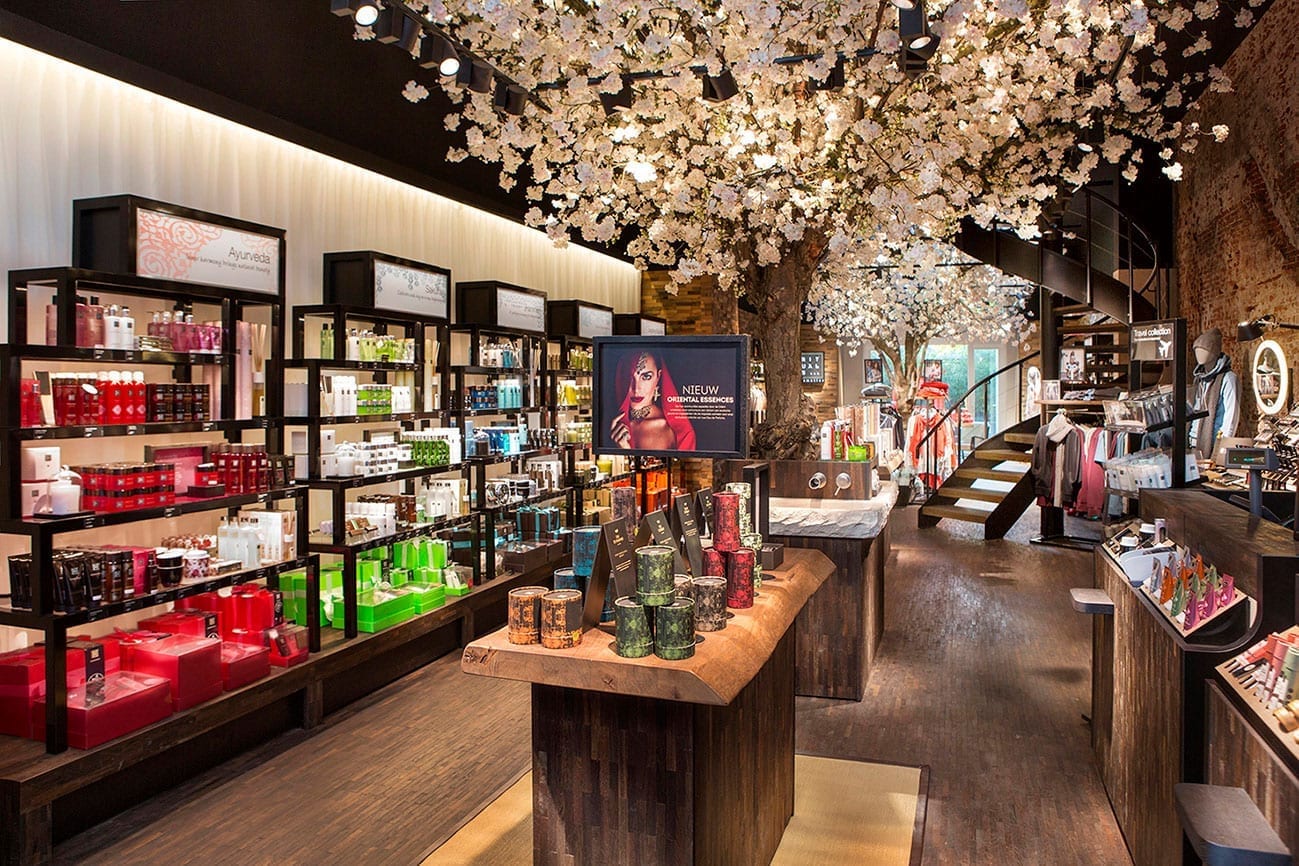
    Rituals, the British body and home products brand, has expanded its travel retail presence in the Middle East and entered the Asian market for the first time.

    The brand has opened a shop-in-shop at the DFS store in Abu Dhabi International Airport and commenced trading from a pop-up store at T Galleria by DFS, in Hong Kong’s Causeway Bay.

    The Abu Dhabi International Airport is Rituals’ seventh in the region

    The activation at Abu Dhabi is Rituals’ seventh in the Middle East territory, with stores in other countries including Oman, Dubai and Qatar.

    Rituals also revealed that the new Causeway Bay store in Hong Kong will be added to this year with the scheduled June opening of another pop-up in the country, also with DFS, at Sun Plaza in Canton Road.

    The new store in DFS’ Hong Kong, Canton Road T Galleria represents a major breakthrough in Asia Pacific for the brand

    The Rituals product line-up includes body and home products from its collections The Ritual of Sakura, The Ritual of Dao, The Ritual of Ayurveda and The Ritual of Happy Buddha. The brand also offers a range of travel exclusives and gift sets.

    Rituals Cosmetics Global Travel Retail Director Neil Ebbutt said: “Our presence in Dubai International airport with Dubai Duty Free and our shop-in-shop at DFS, Abu Dhabi International Airport are significant moves into the Middle East’s airport travel retail channel. And now our pop-up store at T Galleria by DFS in Hong Kong represents a major breakthrough for us in travel retail in Asia.”

    Rituals’ products are now available in travel-retail in almost 400 locations across 39 countries, including 10 standalone stores at airports around Europe.

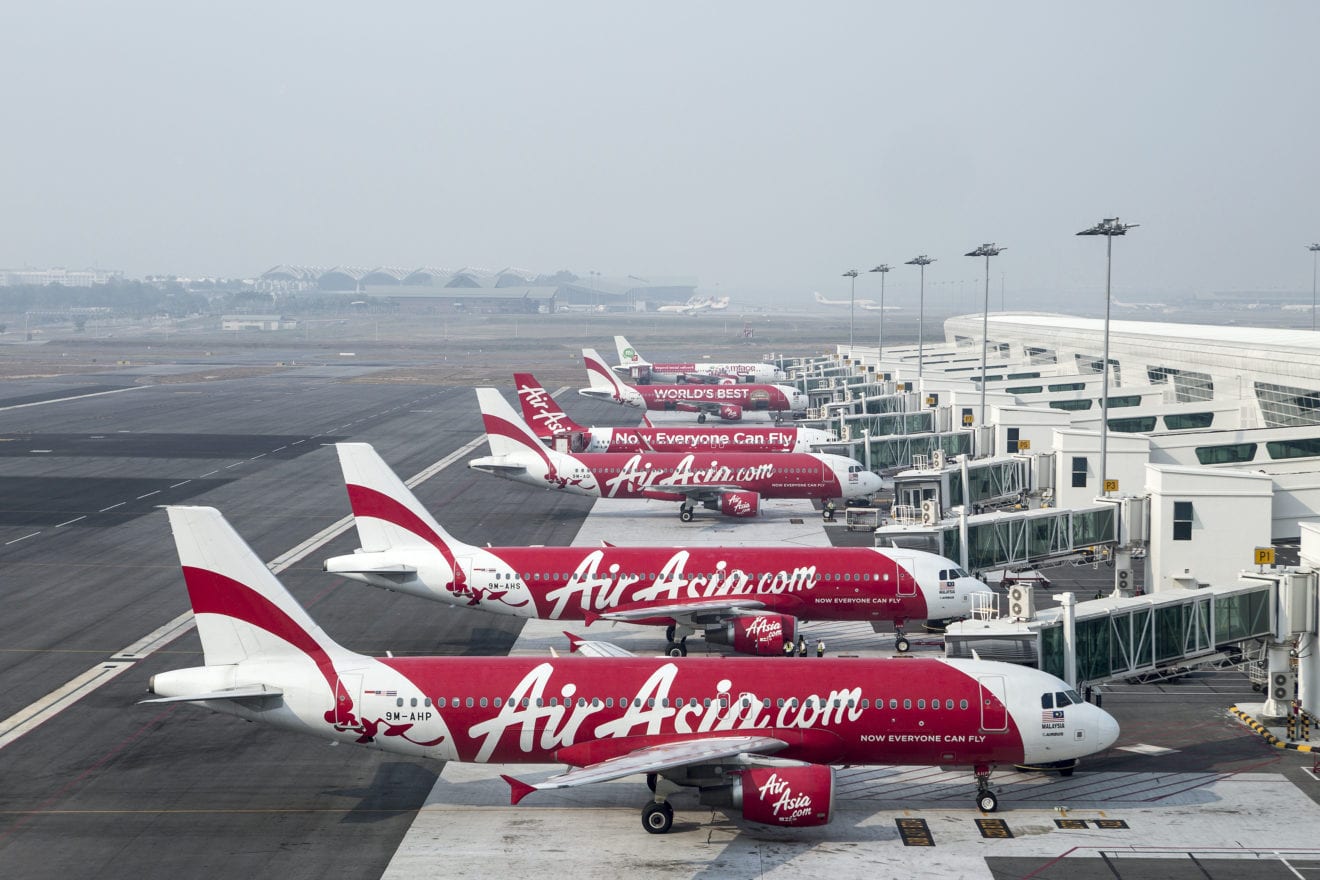
  • Eash Sundaram of JetBlue top choice for AirAsia India CEO

    Eash Sundaram of JetBlue top choice for AirAsia India CEO

    Eash Sundaram, chief technology officer of American airline JetBlue , has emerged a s a top contender for the corner room at at AirAsia India. Amar Abrol resigned on Wednesday as chief executive officer (CE0) of AirAsia India, a joint venture between the Tata’s and Malaysia’s AirAsia. Sundaram’s association with the Tata group is not new. He has closely worked with Tata Consultancy Services (TCS) on JetBlue’s digital initiatives earlier. A source said the Tata group was keen on hiring Sundaram for his international aviation experience at a time when AirAsia India was planning to fly abroad within a few months. “Sundaram’s hardcore aviation background is unlike that of the previous two CEOs (Abrol and Mittu Chandilya), the source added.

    The appointment of the new CEO has to be vetted by the boards of AirAsia India as well as Tata Sons. Tatas hold a majority stake in the airline.While the official reason given for Abrol’s resignation was his wish to spend more time with family in Malaysia, sources suggest that the Tata group had reservations over his way of functioning.

    “Tatas were not happy because the airline was losing money despite being a low-cost carrier,” said a person aware of the development. According to the Article of Association, Tata Sons has the right to appoint CEO of the company. So far, both CEOs of the airline were appointed by Tony Fernandes, group head of AirAsia. If Sundaram is appointed, it would indicate Tatas’ growing involvement with the operation of AirAsia India.

    Tata Sons and AirAsia India refused to comment on specific queries regarding reasons for Abrol’s resignation or any detail about his successor. While the airline managed to increase its fleet size and launch new routes, it could not break even. During inception of the airline, Fernandes had said the airline would break even in 12 months. According to numbers of 2016-17, the airline clocked a loss Rs 1.4 billion. It earned Rs 2.90 from flying one seat for one kilometer, against IndiGo’s Rs 3.40.

    Problems aggravated middle of last year after five senior executives raised objections regarding Abrol’s way of functioning. I R Srinivas (head of human resources) Navdeep Lamba (head of security), Vidhu Nair (head of ancillary and cargo), Nantha Kumar (head of engineering), and G Sampath (director of engineering) ultimately resigned but not before ensuring an enquiry into the matter. Abrol was backed by the AirAsia promoter Fernandes. Abrol, in his previous role, was CEO of Tune Money — a Fernandes-owned financial services company.

    Due to the growing tension, Tatas refused to invest money in the form of equity if things did not change. According to regulatory filings, the promoters invested Rs 1 billion only in March, 18 months after the last round of funding. In this period, Tata Sons invested more than Rs 6 billion in its other airline venture Vistara. In the past too, there have been differences among the AirAsia India board members over the choice of senior level executives, a former official said.

    Exchange of emails shows that in 2015, Bharat Vasani, then chief legal counsel of Tata Sons and a former director at the AirAsia India board, raised objections to the selection of at least two senior executives. The objection was on the ground that executives were being hired without sufficient corporate experience. “Tatas will now put a man with sufficient global experience in aviation to handle things at AirAsia. Hope things turn around,” another source said.

  • MyRepublic gets $52m funding injection

    MyRepublic gets $52m funding injection

    Singapore-based ISP MyRepublic has secured a S$70 million ($51.9 million) investment to pursue further regional expansion and establish MVNO operations.

    The investment from the Makara Innovation Fund will be used to expand the company’s geographical footprint and further develop its platform, MyRepublic CEO Malcolm Rodrigues said.

    “We have been developing our proprietary cloud platform for the past five years, which has enabled us to deploy a single operational platform across countries and break industry records by turning EBITDA-positive within two years of entering each new market,” he said.

    “The investment will supercharge the platform’s development, support our aggressive growth path to expand our regional footprint within a record-breaking timeframe and deliver an even wider range of services.”

    Possible new markets include Malaysia, Philippines, Vietnam, Myanmar, Thailand, Cambodia and Sri Lanka, he said.

    As part of this expansion drive, the company is pursuing launching MVNO operations in each of its four current operating markets – Singapore, Australia, Indonesia and New Zealand.

    MyRepublic had initially been planning to commence MVNO services in Singapore only by the end of this year, but due to its expanded ambitions launch plans will be held over to the first quarter of 2018.

    MyRepublic is meanwhile targeting MVNO launches in Australia and Indonesia by the middle of next year.