Author: Mei Ling Tan

  • No baggage theft by staff of Cebu Pacific

    No baggage theft by staff of Cebu Pacific

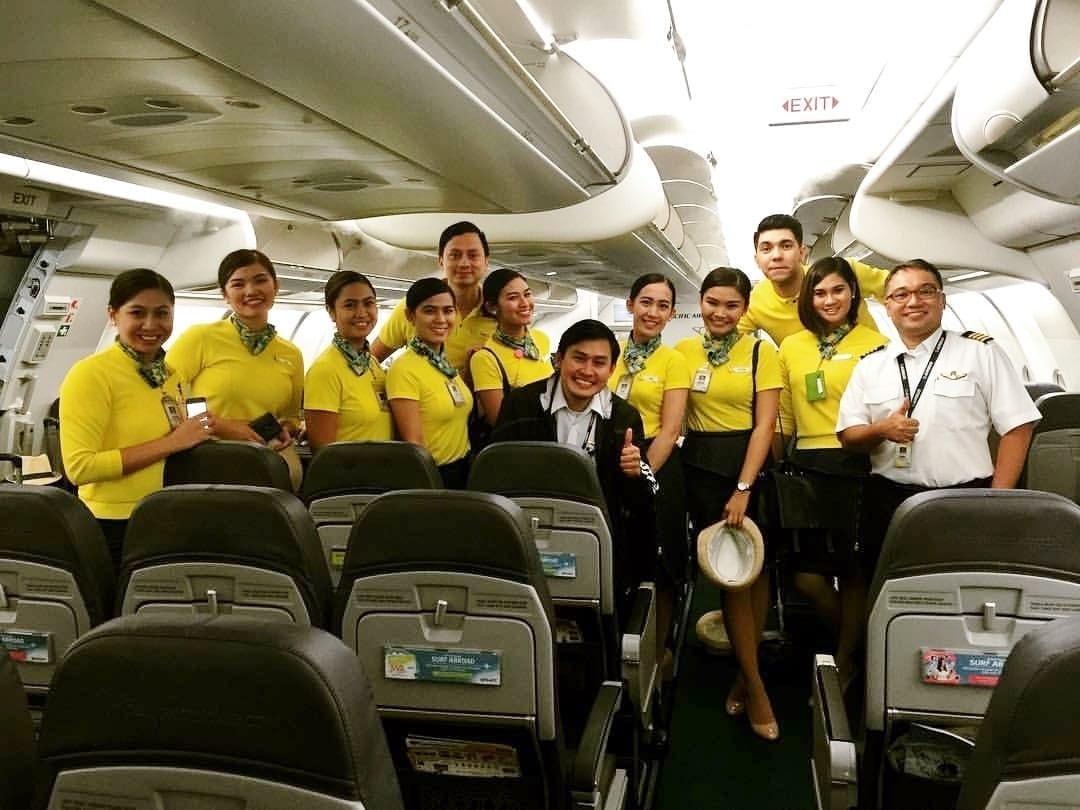
    Budget airline Cebu Pacific has cleared its staff of any wrongdoing in the alleged pilferage incident on its 5J 113 flight.

    Airline authorities conducted its own investigation on the matter and ruled that its staff could not be held liable for negligence or any criminal activities over the reported lost valuables of a female passenger.

    In a statement issued on Tuesday, Cebu Pacific said the package of the woman who flew from Hong Kong to Manila last Sunday was not tampered with while it was with the said airline.

    “After a thorough investigation, which included inquiries with the ground staff, viewing body cam and fixed CCTV footage, we found that there were no discrepancies nor indications of tampering in the baggage of the concerned passenger under the care and custody of Cebu Pacific,” the company said.

    All of the reports and footage would be submitted to the Manila International Airport Authority, Cebu Pacific said.

    Last Sunday, a video of a woman complaining after seeing her package opened and valuable items lost at the baggage carousel went viral on Facebook.

    According to a previous statement from Cebu Pacific, the female passenger flew with a different airline from London en route to Hong Kong, before boarding their plane to Manila.

    “CCTV security footage showed that the baggage container arrived (in) Manila intact, with the passenger’s baggage inside,” the company said.  “CCTV footage further showed ground personnel loading the baggage on the carousel with the lock still in place.”

  • Korean telcos object to universal fare plan

    Korean telcos object to universal fare plan

    South Korean operators are protesting the government’s proposed introduction of a “universal fare plan” that would require the market’s top operator to provide a low-cost plan to help households reduce mobile costs.

    The government is planning to revise the Telecommunications Business Act to require the top ranked operator to offer a plan including 200 minutes of voice calls and 1GB of data for around 20,000 won ($19).

    While the regulation would technically only impact incumbent SK Telecom, rivals KT and LG U+ have complained they would have no choice but to release similar plans to remain competitive.

    The three operators are protesting the government’s plans on the basis that it could be devastating to their profitability – SK Telecom estimates that operating profits for the three companies could be reduced by up to 60% as a result of the move – and that it imposes too much state intervention into their businesses.

    This would be coming at a time when operators will need to make huge investments in 5G infrastructure to support their goals of launching 5G services in early 2019.

    Government and SK Telecom officials failed to reach a consensus during a meeting to discuss the proposed change by the Regulatory Reform Committee late last month, the report states. The committee plans to hold a new meeting next week to continue the discussion.

    Under the proposal, the universal fare plan would be revised every two years. But SK Telecom has argued that the plan would effectively force operators not to conduct marketing activities and eliminate the incentive to compete with each other.

  • MyRepublic signs MVNO agreement with StarHub

    MyRepublic signs MVNO agreement with StarHub

    Singapore fiber ISP MyRepublic has formed an MVNO agreement with StarHub to support its intention of launching mobile services.

    The agreement will allow MyRepublic to provide mobile services despite failing to win the auction for Singapore’s fourth telco license.

    Announcing the agreement, MyRepublic said it was encouraged to continue with its mobile ambitions by the strong response to a request for registrations of interest during its HetNet Mobility Trial in Jurong.

    We made a promise and we want to stand by that promise,” Myrepublic CEO Malcolm Rodrigues said.

    “We promised that MyRepublic would bring a better kind of mobile service to Singapore, and we believe we can still do that. And we definitely want to thank our friends and supporters for believing in us.”

    The company has been building an MVNO platform in the cloud in advance of the launch of mobile services.

    MyRepublic has revealed plans to target its mobile services at younger and more technology savvy Singaporeans. The company said it plans to launch the services “very soon.”

    MyRepublic has also previously announced plans to pursue MVNO operations across its other operating markets of Australia, Indonesia and New Zealand.

  • Huawei Marine, EGS launch PEACE project marine survey

    Huawei Marine, EGS launch PEACE project marine survey

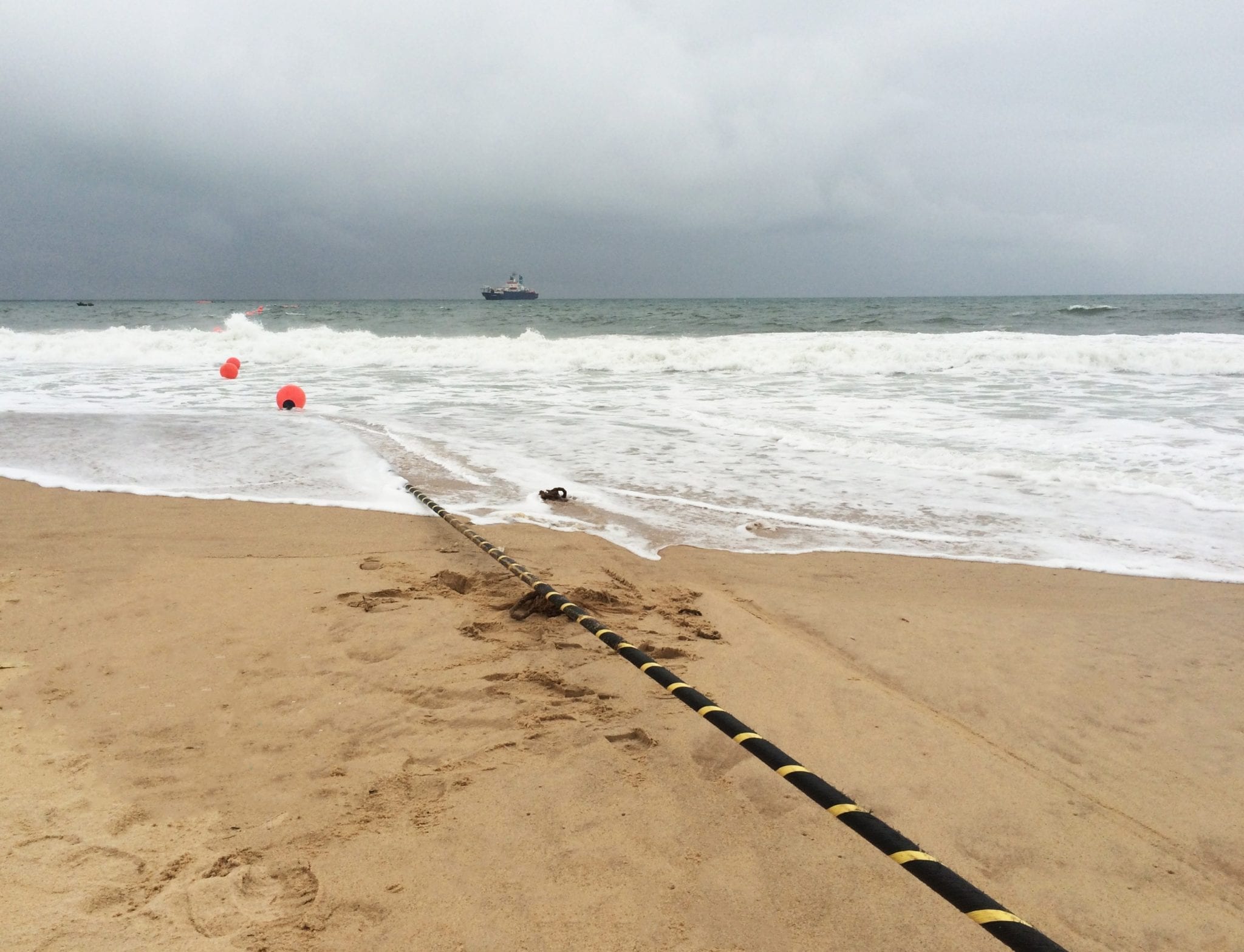
    Huawei Marine announced Wednesday that the marine survey for the Pakistan East Africa Cable Express (PEACE) submarine cable, which connects South Asia with East Africa, is now underway.

    The PEACE submarine cable system will connect Pakistan, Djibouti, Kenya, Egypt, and other countries along the Red Sea with a total system length of 8,800km.

    Huawei Marine said it is working with its long-term partner EGS Ltd. to conduct a hydrographic and geophysical survey of the seabed along the planned cable route.

    According to Huawei Marine, EGS’ specialized survey vessel the RV Ridley Thomas, has arrived in the region to commence offshore survey operations.

    The PEACE project, signed in November 2017 between Huawei Marine and Tropical Science, is expected to be delivered in the fourth quarter of 2019.

    Zhang Hongxiang, project director for Huawei Marine, said the cable system, which is  based on 200G WDM technology, will support the rapid development of the East African regional economy and facilitate connectivity between Asia, Africa and Europe.

  • CJ Logistics to launch Asia-Europe overland parcel delivery service

    CJ Logistics to launch Asia-Europe overland parcel delivery service

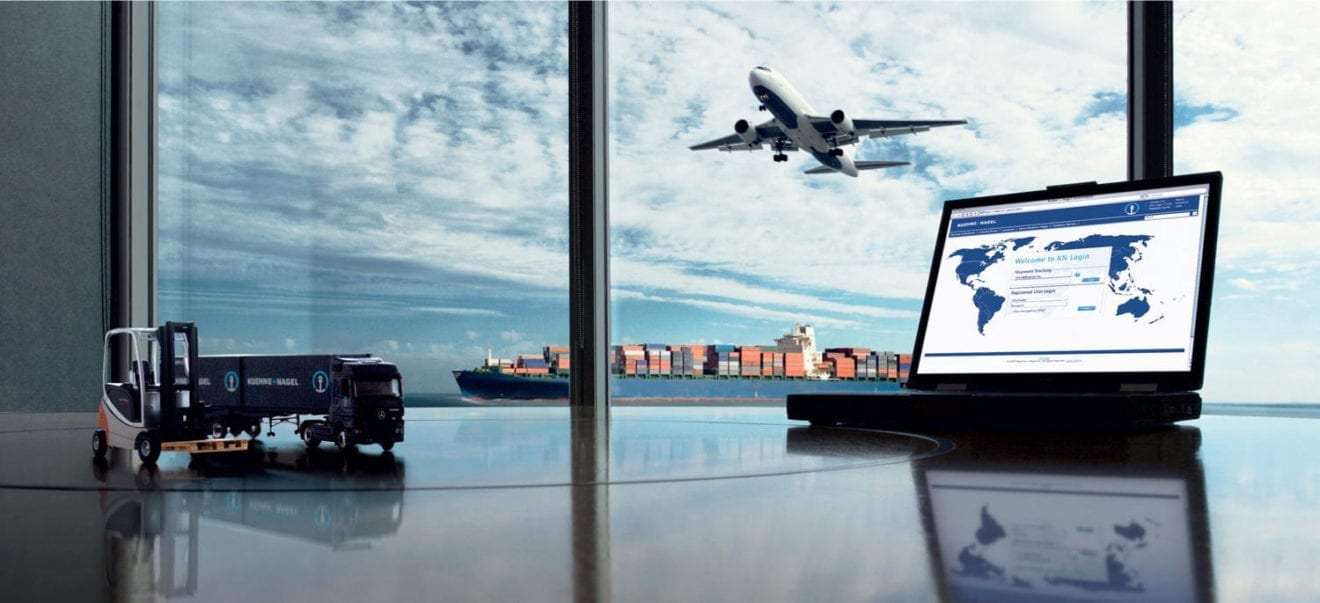
    South Korea’s top courier CJ Logistics Corp. will start a door-to-door overland parcel delivery service from China to Europe via railways and trucks.

    The company said it will start the Eurasia Bridge Service that uses both Trans China Railway trains and trucks to deliver containers directly from China to clients’ manufacturing plants and logistics centers in Europe.

    The service will use the train route connecting Chengdu, China to Lodz, Poland and Nuremberg, Germany then to Tilburg, the Netherlands. After containers arrive at each station, trucks will deliver cargos to final destinations located within 400 kilometers from the train stations.

    It is the first time for a courier company to offer a door-to-door parcel delivery service via trains and trucks in a route connecting Asia and Europe, according to CJ Logistics.

    For its new courier service, the Korean firm will be working with Rail Transportation Service Broker GmbH (RTSB), which operates railway services across Europe and the Commonwealth of Independent States (CIS) region.

    By using the Trans China Railway, the freight charge between Europe and Asia would drop to one-fifth of air shipping. It also would take only a third of the time needed for ship freight, said CJ Logistics. The company plans to increase its courier service routes from Asia to Europe to 52 and the reverse routes to 74. It also aims to expand its courier service to connect 30 major European cities and 24 Asian countries in the future.

  • High air freight costs for Vietnamese fruit exporters

    High air freight costs for Vietnamese fruit exporters

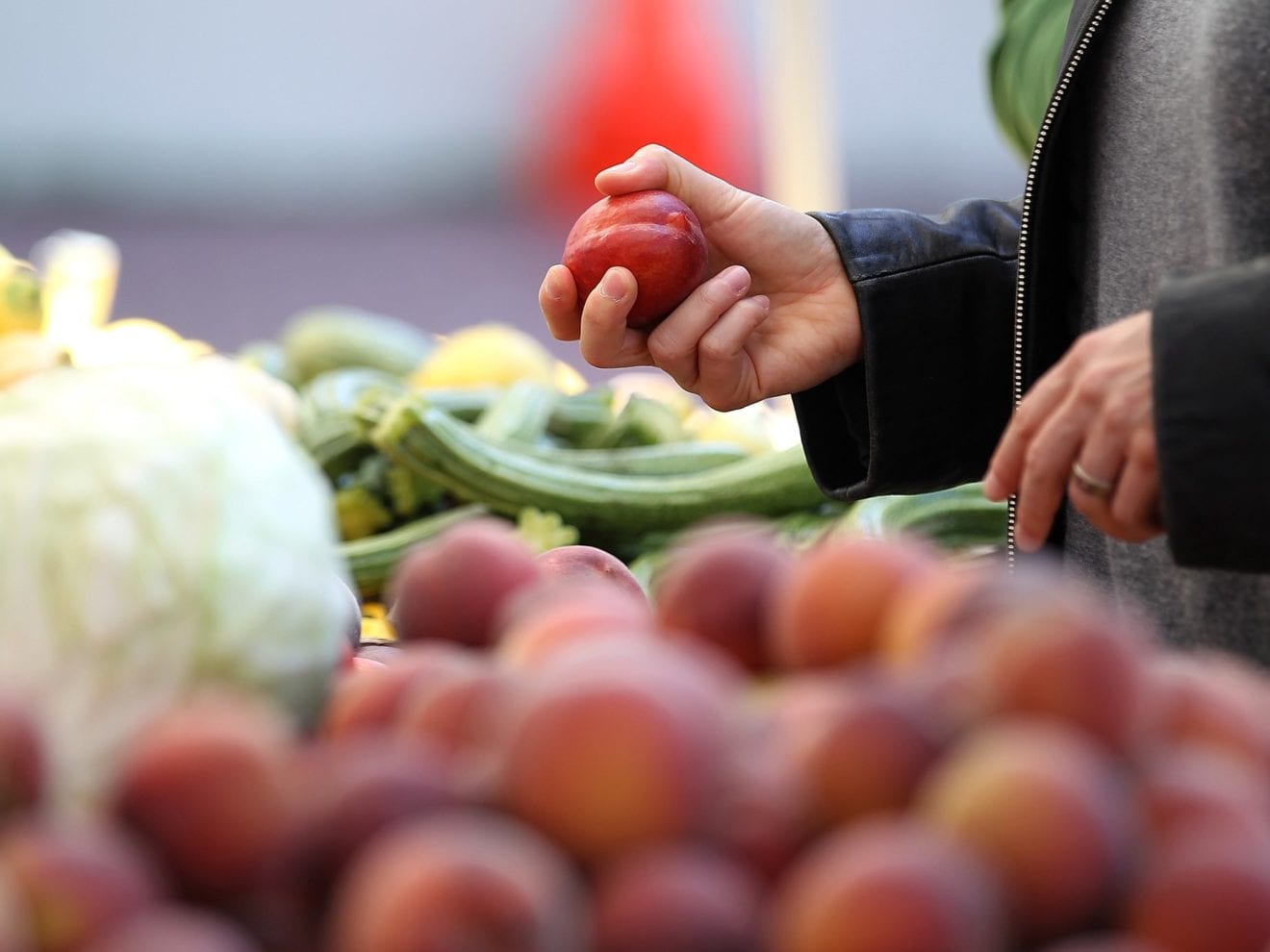
    The shipping fee per kilogram of fruit can be three times higher than the price at farmer’s garden. Vietnamese fruit exporters are struggling to stay competitive due to high air freight costs compared to other countries.

    Fruit exports from Vietnam to European countries are subject to a $3.2 per kilogram shipping fee, 44 percent higher than Thailand’s at $1.8, Dam Quang Thang, CEO of Agrice VN, told. Thang’s company is exporting mango, longan, dragon fruit and lychee at a cost up to three times higher than their price at farmer’s garden.

    Exports to Shanghai, China are also facing high air freight fee of $1.8 per kilogram, while the cost is $2.6 from Vietnam to Australia, Thang said.

    As fruits are preferred to be consumed fresh, shipping by sea is not appropriate as the long duration can rotten the produce. However, high air freight costs are pushing up prices of Vietnamese agricultural products overseas, said Ta Duc Minh, Vietnam’s commercial counsellor in Japan at an agriculture conference in February.

    In Japan, Vietnamese mango is priced higher than that of Ecuador and Thailand, even though the distance from Vietnam to Japan is shorter compared to those countries, Minh said.

    Additionally, promotion of agricultural trade is also facing many difficulties due to the increase of protectionism in countries such as the U.S., China, Japan and the European Union, said Tran Van Cong, deputy director of the Department of Agricultural Product Processing and Marketing under the Ministry of Agriculture and Rural Development.

    Negotiations to open foreign markets to Vietnamese agricultural products are difficult and usually take five to seven years to complete. Competition is increasingly fierce in terms of price, quality, design and food safety, Cong said.

    Vietnam’s agriculture products export turnover reached $36.3 billion last year. This year, the country plans to reach $40.5 billion.

  • Gap looks to Old Navy to gear up sales numbers

    Gap looks to Old Navy to gear up sales numbers

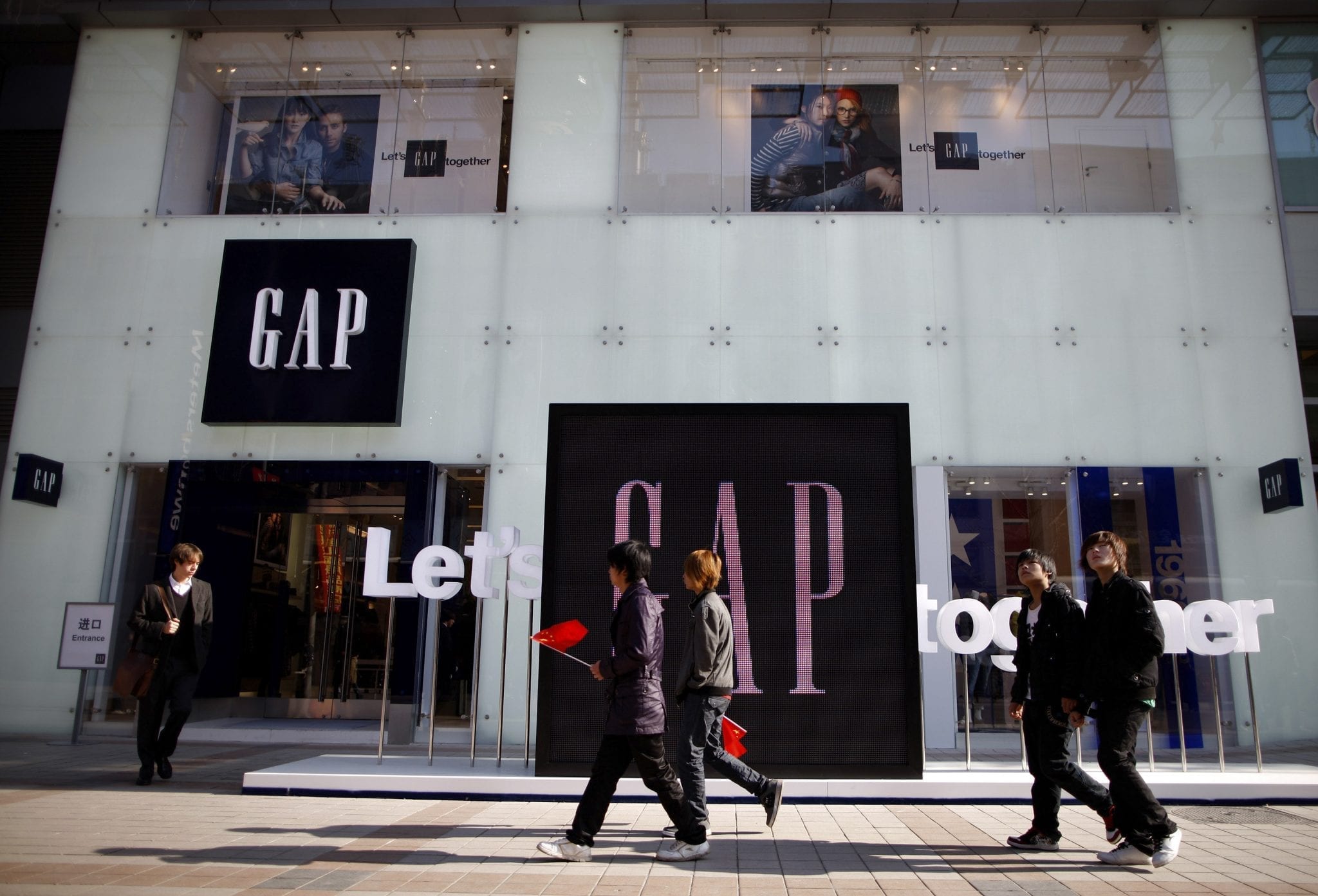
    Gap is ramping up its roll-out of Old Navy stores as the budget brand drives growth for the embattled US apparel giant.

    Gap Inc says it will open 60 new stores this year in the US, Canada and Mexico – twice the number of new stores it opened last year. It will refurbish a further 150 stores, upgrading fitting rooms, bathrooms and checkout facilities.

    The new focus on Old Navy, revealed last September, comes at the same time about 200 underperforming Banana Republic and Gap-bannered shops will be closed. Over a three-year timeframe, Gap Inc plans to open about 270 new Old Navy and Athleta stores, leaving a net network growth of 70 shops.

    Old Navy sales rose 9 per cent in the last quarter, on top of a 5 per cent rise a year earlier. Gap expects Old navy to reach US$10 billion in annual sales within the next few years, and its athleisure brand Athleta, to reach the $1 billion threshold.

    Analyst Retail Dive observes that while Gap store sales are showing signs of stabilising, lower-priced Old Navy has been hitting a stride that the flagship banner has failed to do for years now”.

    “Old Navy is the jewel in the portfolio,” added Ray Hartjen, director of marketing at RetailNext.

    “Shoppers have shown their preference for value across the board, and off-price retail has been one of the few consistent bright spots for the industry the last several years,” he said. “Moreover, Old Navy repeatedly resonates with its loyal core shopper, season after season, with its merchandise assortment.”

  • Roxy to co-develop with SkyCity project

    Roxy to co-develop with SkyCity project

    Airport Authority Hong Kong has awarded Roxy Limited the right to design, develop and manage the SkyCity project at Hong Kong International Airport (HKIA).

    It will be the largest integrated retail, dining and entertainment development in the colony.

    Roxy is a wholly owned subsidiary of New World Development Company, while the project itself is regarded as a crucial part of the overall long-term development of HKIA. The award follows an open tender exercise that attracted bids from local and international developers and retail companies.

    Next to HKIA’s passenger terminals, the development is scheduled to open in phases from 2023 to 2027. It will have a maximum gross floor area of 350,000sqm, with retail, dining and entertainment for visitors and local residents of all ages.

    SkyCity covers about 25ha at the airport, which served 72.9 million passengers in the past year. Passenger traffic is projected to rise to more than 100 million by 2030 with the completion of a three-runway system.

    SkyCity will also tap into the potential of the Tuen Mun-Chek Lap Kok Link and Hong Kong-Zhuhai-Macao Bridge, embracing the Pearl River Delta.

  • Stars launched a third Milky & Sunny Restaurant

    Stars launched a third Milky & Sunny Restaurant

    Celebrity siblings Maxene and Elmo Magalona have opened a Milky & Sunny restaurant near their home network ABS-CBN in Quezon City.

    “This is actually our third branch,” says Elmo. “The first one was in Kapitolyo and the other in Pangalawa near Greenbelt.”

    Maxene says it was their mother’s idea that they invest in something worthwhile they love. “We love going out to eat as a family.”

    A breakfast and brunch restaurant, Milky & Sunny is on the ground floor of The Ignacia Place in Mother Ignacia. It also serves lunches, dinners and coffee.

  • Shopee Philippines assigns a new brand ambassador

    Shopee Philippines assigns a new brand ambassador

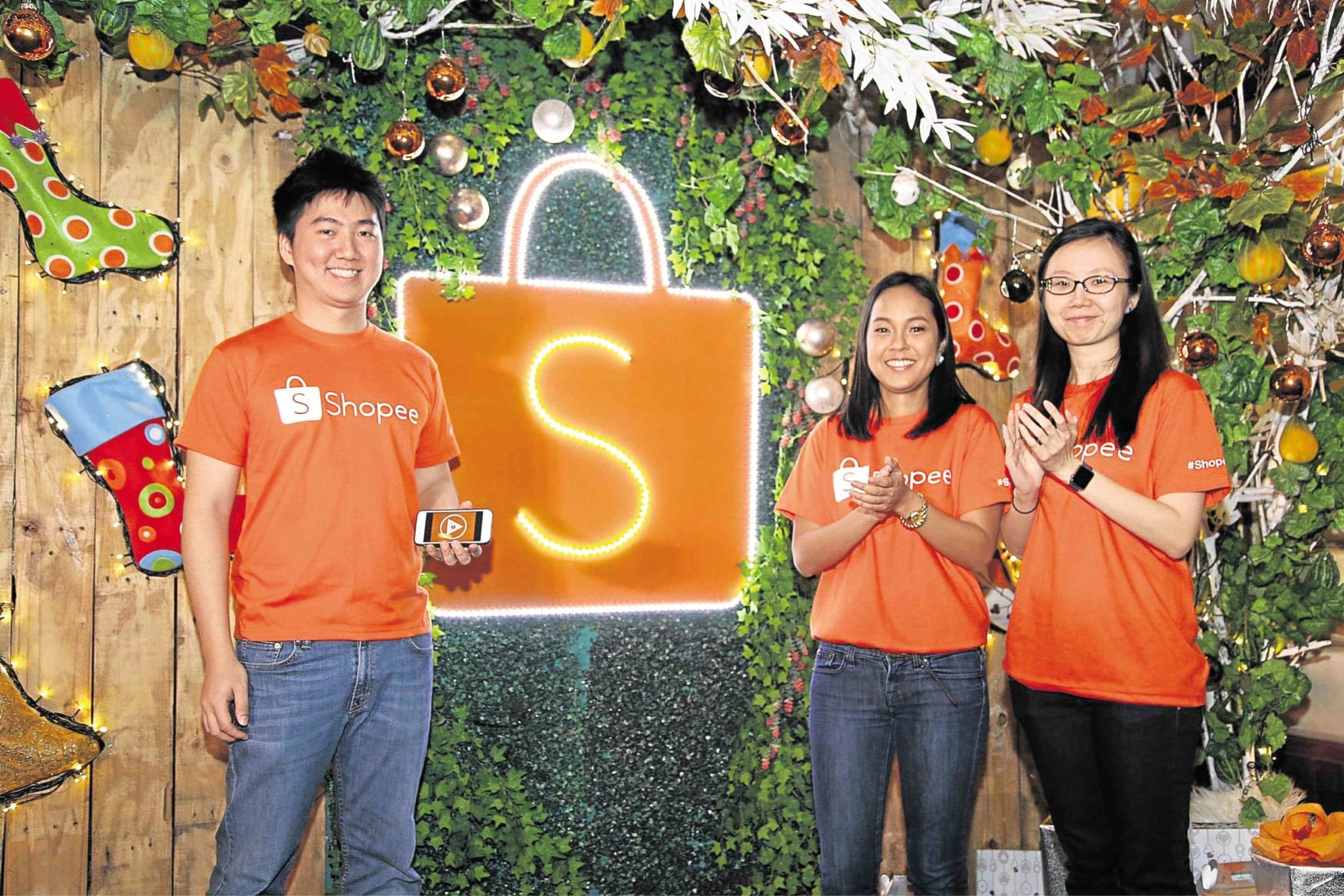
    E-commerce platform Shopee Philippines has appointed Filipina-Australian superstar Anne Curtis as its first brand ambassador, timed to coincide with its 5.5 Shopee Super Sale.

    Running until May 5, the sale offers discounts of up to 90 per cent on thousands of products, as well as daily flash sales.

    Shopee COO Terence Pang says Curtis will star in the platform’s first-ever television commercial.

    The 5.5 Shopee Super Sale is the lead-up to the mega 24-hour shopping fiesta on May 5, which will have special deals, daily in-app vouchers and surprises, as well as discounts of up to 90 per cent. There will also be giveaways of Shopee merchandise autographed by Anne Curtis.

    Exclusive deals will be offered from new Shopee Mall brands including Aveeno, Coca-Cola, Coleman, Colgate-Palmolive, Equal, Faber-Castell, Nescafe, Samsung and Unilever.

    Curtis has also launched her own cosmetics line on Shopee via BLK Cosmetics, and has been giving away limited-edition autographed mirrors to qualifying customers.

  • Online retail sales growth stagnates in Philippines

    Online retail sales growth stagnates in Philippines

    The Philippines is lagging behind its neighbours in online retail sales growth, says a new report.

    Despite having the second-largest population of Southeast Asia, the Philippines has turned in the lowest B2C e-commerce sales growth figures, according to Research & Markets’ Philippines B2C E-Commerce Market 2018 report.

    Among hurdles to overcome to foster growth in the online retail sector are comparatively low internet use, few credit card holders and restricted consumer confidence in online shopping.

    Online retail sales in the Philippines are expected to rise at a double-digit rate for the next few years even in the face of challenges, says the report. An increasing share of the large population is connecting to the internet, many though mobile devices.

    M-commerce is contributing to the rise in online retail, with mobile making up about three-quarters of connections to e-commerce websites. The Philippine government has done its part to help expand online retail sales by aiming to create a favourable administrative environment.

    Leading online merchants in the Philippines include Lazada and Shopee, both with headquarters in Singapore. Local companies Ayala Group and JG Summit are expanding their online presence.

  • Most Yum payments via mobile now

    Most Yum payments via mobile now

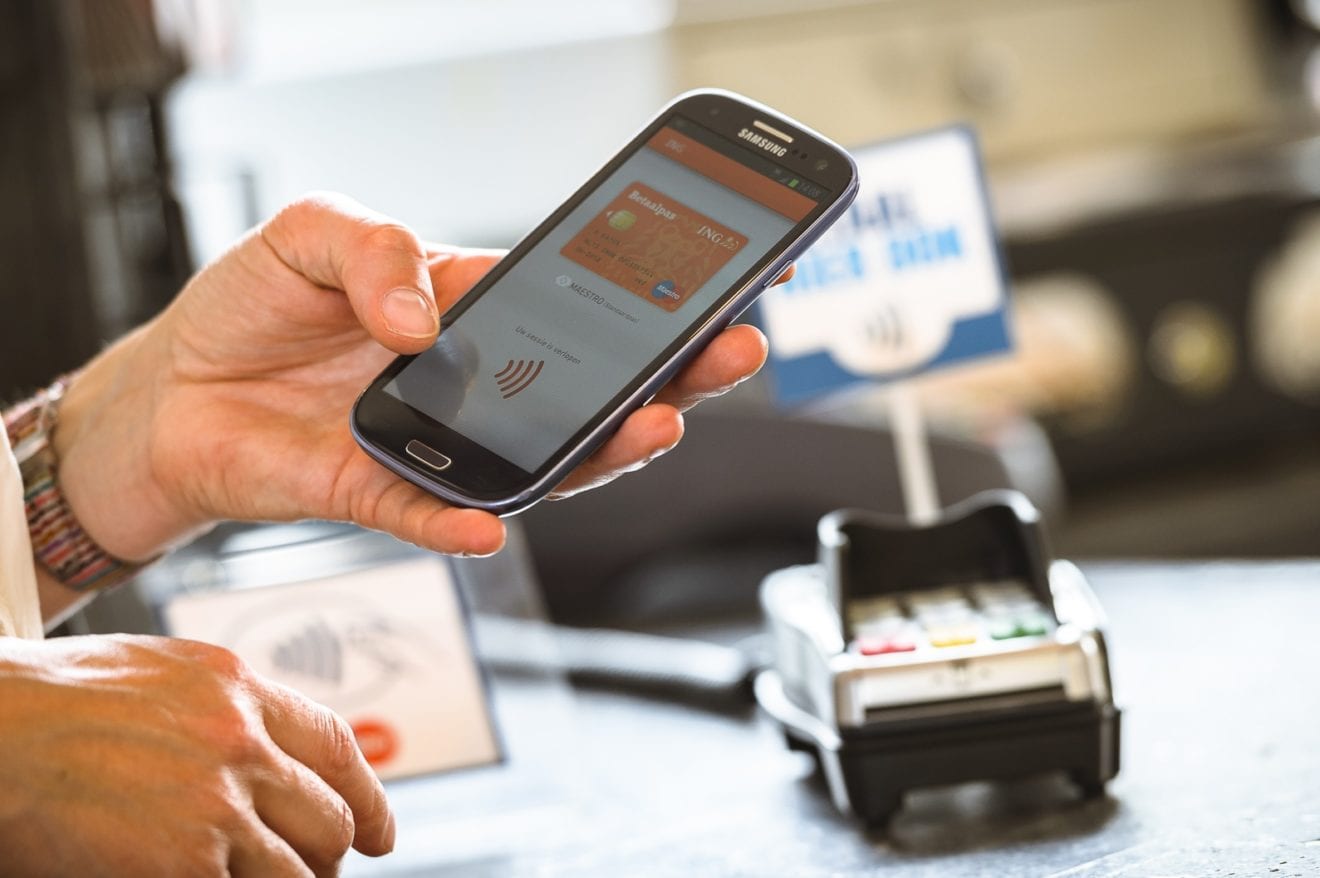
    Mobile payments accounted for 56 per cent of Yum China Holdings first-quarter sales, up from 31 per cent 12 months earlier.

    Unaudited results for the period show the fast-food giant’s total revenues grew 15 per cent year over year to US$2.2 billion (6 per cent if foreign currency translation excluded). Total system sales grew 6 per cent, with 9 per cent growth at KFC partially offset by 1 per cent decline at Pizza Hut, excluding foreign exchange.

    Same-store sales grew 3 per cent, with an increase of 5 per cent at KFC partially offset by a 5 per cent drop at Pizza Hut, excluding foreign exchange.

    Restaurant margin was 17.9 per cent, compared with 20.4 per cent in the previous year.

    Operating profit grew 33 per cent to $395 million, while net income grew 41 per cent to $288 million.

    During the quarter, the company completed the acquisition of an extra 36 per cent equity interest in an unconsolidated affiliate, Wuxi KFC, for cash consideration of about $98 million, taking its stake to 83 per cent.

    Also during the quarter the group opened 203 restaurants, taking its total store count to 8112 across more than 1200 cities.

    Online delivery contributed 16 per cent to company sales, up from 13 per cent 12 months earlier. Delivery services are now available in 970 cities, up from 700.

    At the end of March, the KFC loyalty program had more than 120 million members while that for Pizza Hut had about 40 million members.

  • FavePay reaches 2 million customers

    FavePay reaches 2 million customers

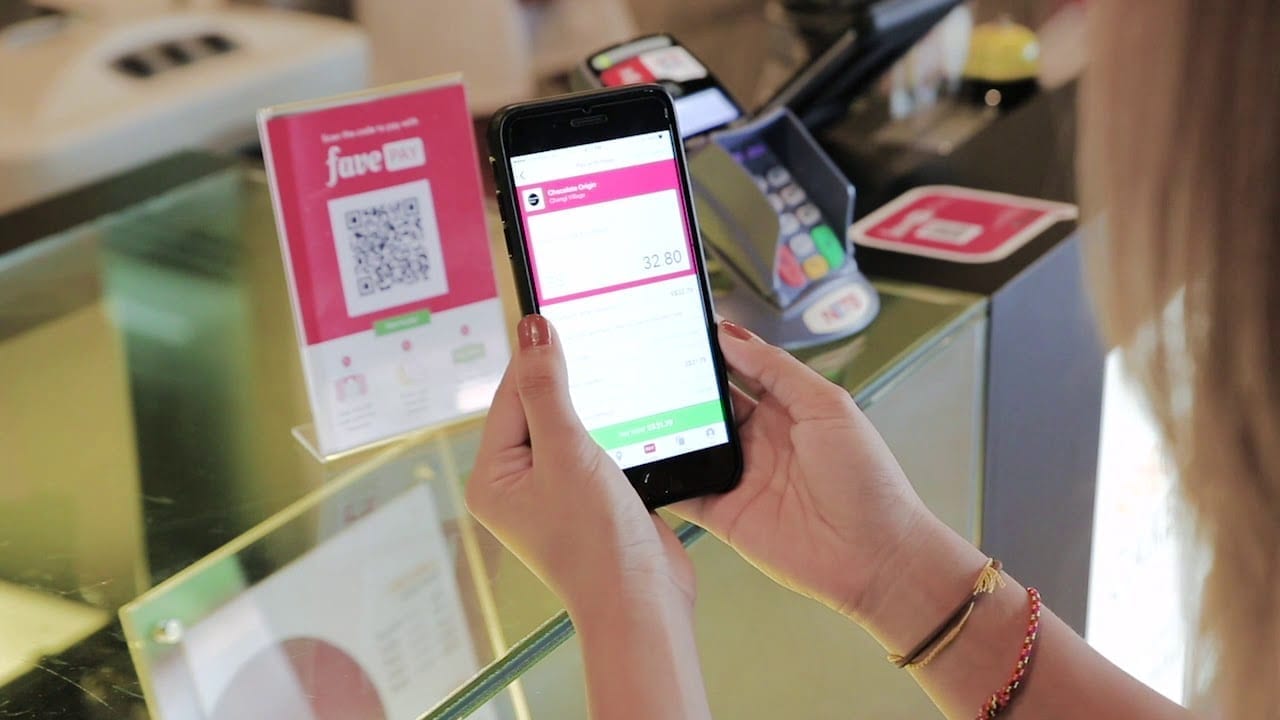
    Just eight months since its launch, mobile payment platform FavePay is now operational in more than 10 cities in three countries across Southeast Asia.

    FavePay aggregates multiple payment options from popular credit and debit cards such as Visa, MasterCard and American Express. With mobile-wallet providers coming on board soon, the platform simplifies what to retailers can seem a fragmented payments landscape.

    FavePay says it processed more than US$10 million in the first three months of this year – double the value of the preceding quarter – and it now has 2 million customers using its service at retail stores and restaurants, including Food Republic.

    Besides its payment-by-mobile functionality, FavePay can offer its customers discounts and cashback offers within the app.

    “With US$32 billion in mobile payments projected in Southeast Asia by 2021, we are excited to help build this cashless ecosystem together with other financial technology partners and banks to achieve the vision of a cashless Southeast Asia in the coming years,” says Fave founder Joel Neoh.

    “We are highly complementary to the mobile payment ecosystem by opening up immediate payment acceptance to thousands of restaurants and retail stores. We allow offline businesses to easily attract mobile customers and drive repeat visits, delivering a seamless experience that tech-savvy consumers across the board are looking for.”

    FavePay business partners include Subway Singapore, Tung Lok Group, Food Republic, Famous Amos, Haagen-Dazs, Starbucks Malaysia and Circle K Malaysia.

    “After looking at various cashless payment options available, we decided to partner with FavePay because of its established track record, extensive user database of over 2 million users and its robust technical architecture and speed of implementation,” says Raphael Chan, Subway Singapore’s country director. “Because of FavePay’s cashback function, Subway now has a fast and effective way to launch its consumer reward and retention program, at scale and quickly, too.”

  • Asia Pacific gives a punch to Estee Lauder’s results

    Asia Pacific gives a punch to Estee Lauder’s results

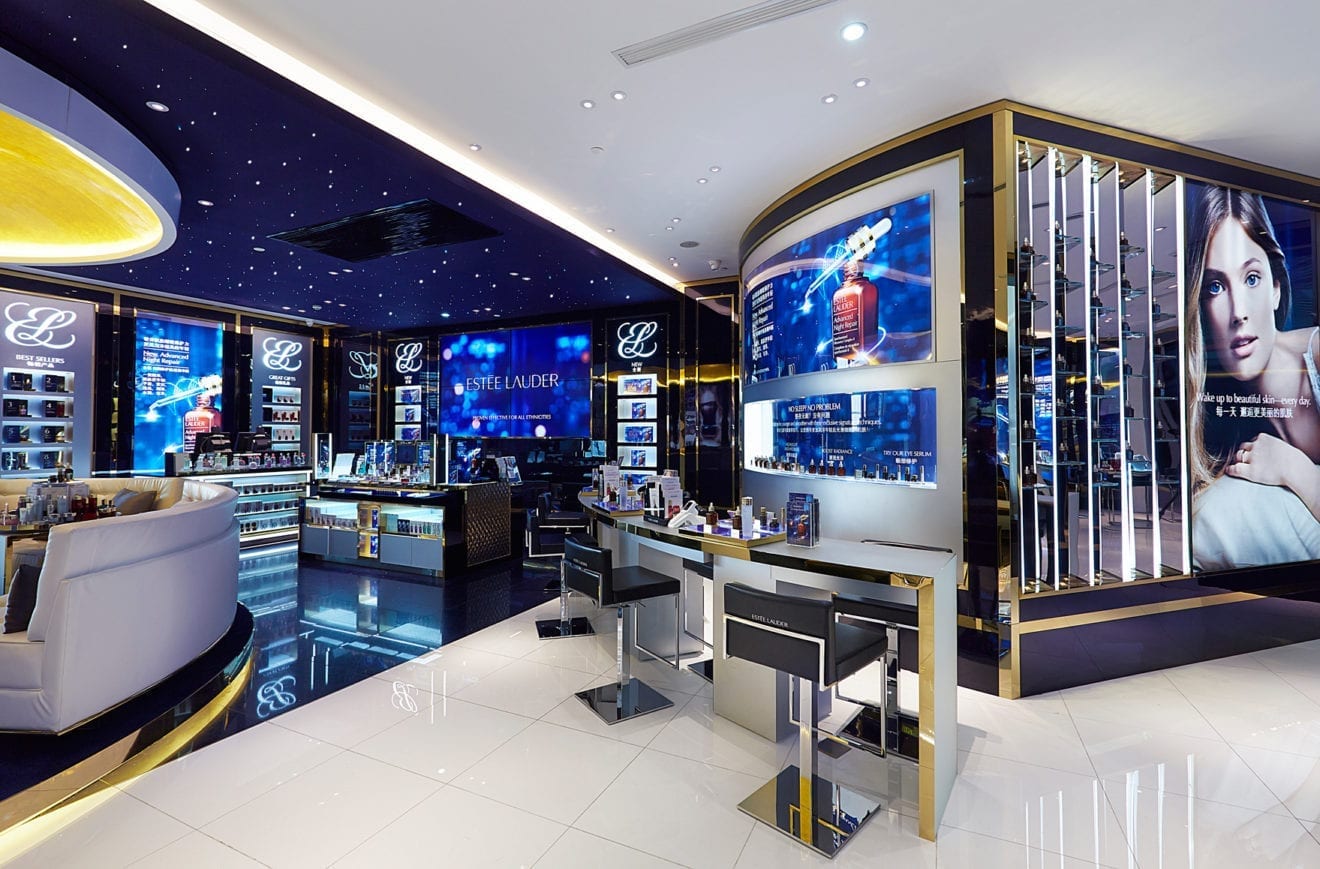
    Cosmetics giant Estee Lauder says strong sales in Asia underpinned a solid 18 per cent increase in sales in the latest quarter, from US$2.86 billion to $3.37 billion.

    Net earnings surged 25 per cent to $372 million as Asian consumers gravitated towards more expensive brands in the company’s portfolio, especially Tom Ford and La Mer.

    The company said all of its brands showed sales growth in Asia, with China, Hong Kong, Taiwan and the Philippines the strongest-performing markets.

    Fabrizio Freda, president and CEO said the company expects “an outstanding fiscal year”.

    “Many areas of our business that contributed to our strong first-half results continued to thrive in our third quarter. Among our multiple engines of growth, travel retail, online and Asia again were standouts, and we experienced strong momentum in other high growth channels and markets.”

  • BreadTalk Group to broaden brand mixes

    BreadTalk Group to broaden brand mixes

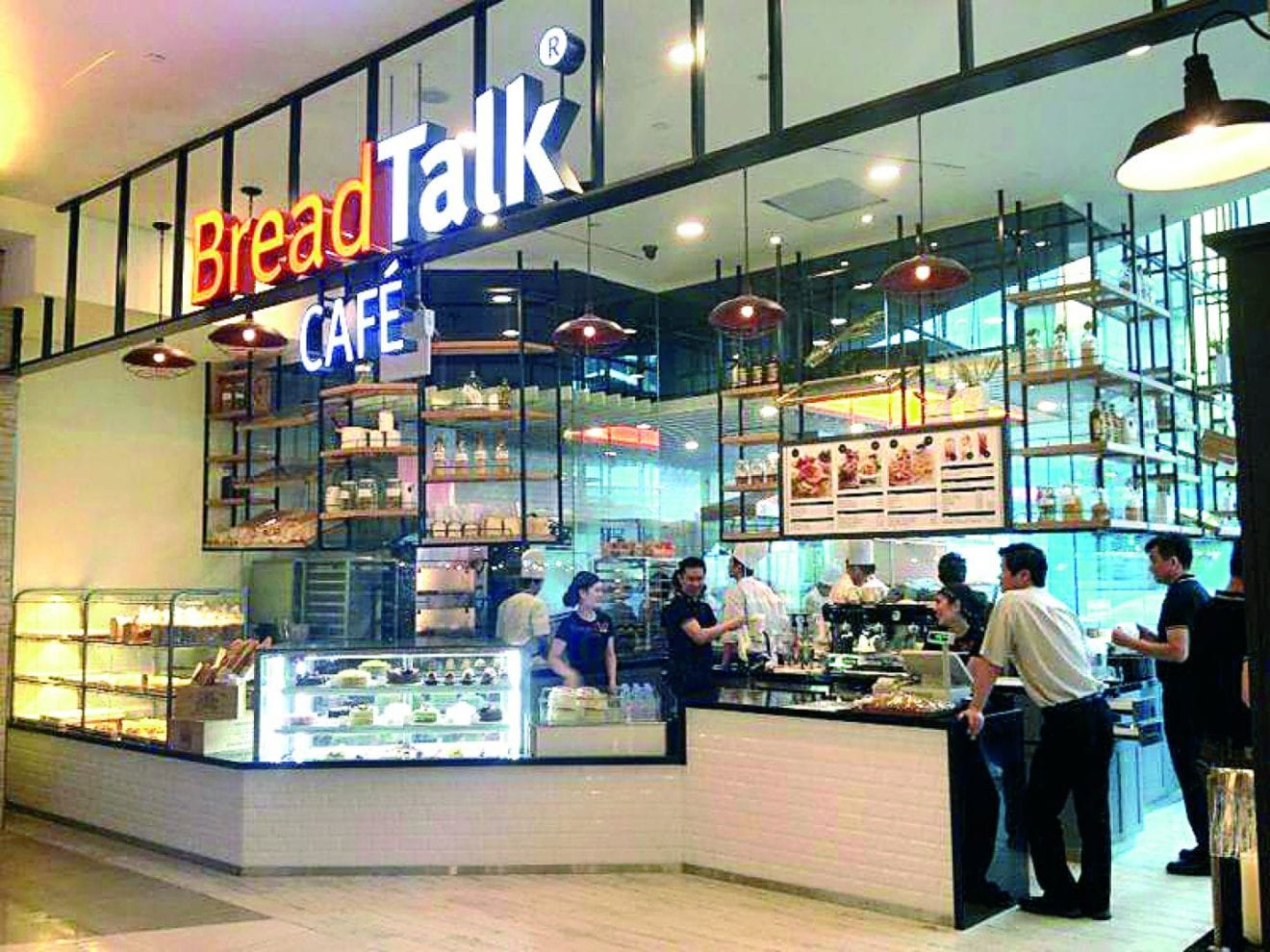
    Diminished returns from BreadTalk Group’s bakeries in Hong Kong and Mainland China saw the division’s sales slip 4.5 per cent in the first quarter of this year.

    However, group revenue rose 0.5 per cent to S$148.5 million (US$111.55 million) as other divisions compensated. And on a like-for-like basis, BreadTalk’s core food and beverage business posted an increase in net profit of 89.4 per cent, from $1.6 million to $2.9 million.

    “This was attained through the group’s continual focus on pursuing sustainable growth and eliminating underperforming assets which improved earning quality,” explained chairman Dr George Quek.

    “We will continue to identify new growth opportunities through joint-venture partnerships and invest in talent development. Through higher operational efficiencies, we remain well positioned to pilot through a challenging food and beverage retail landscape this year,” he said.

    During the quarter, the group brought forward the closure of eight bakery outlets in China and one Food Atrium outlet in Hangzhou. At the end of the quarter, BreadTalk had 254 Chinese franchise outlets across 28 cities compared with 278 outlets across 36 cities the same time a year earlier.

    Quek said during the rest of this year, BreadTalk will continue to diversify its business mix and portfolio, while remaining agile in managing underachieving stores, introducing new Direct-Owned Restaurant (DOR) concepts for its Food Atrium division, and take brands such as Song Fa Bak Kut Teh into China.

    Restaurant expansion

    BreadTalk’s restaurant division’s revenue rose 6.2 per cent to $36.9 million with the addition of three more outlets – one in Singapore and two in Thailand. Pre-tax earnings improved  by 24.4 per cent to $8.7 million despite higher staff and administrative costs in the lead-up to the opening of its first Din Tai Fung outlet in the UK, scheduled for the final quarter of this year.

    The new 4orth Food Concepts business achieved revenue of $2.7 million during the quarter.

    It now comprises five So Ramen outlets in Singapore and one Song Fa Bak Kut Teh (“Song Fa”) outlet in Shanghai, China.

    Taiwan foray

    In March, BreadTalk entered into a joint venture agreement with Taiwanese brand, Wu Pao Chun Bakery to take its products into four Mainland China cities: Beijing, Shanghai, Shenzhen and Guangzhou. There are further plans to expand the joint venture into Singapore and Hong Kong.

    March also saw the debut of BreadTalk Group’s Toast Box brand into Indonesia following a JV with Pura Indah Berkat.

    BreadTalk now has close to 1000 retail stores spread across 17 countries and territories, its brand portfolio comprising BreadTalk, Toast Box, Food Republic, Din Tai Fung, Bread Society, Thye Moh Chan, The Icing Room and So. The group owns bakery outlets in Singapore, China, Malaysia, Hong Kong and Thailand as well as franchised bakery outlets across Asia and the Middle East. It also owns and operates the world-renowned Din Tai Fung restaurants in Singapore and Thailand, as well as the Food Republic food atria in Singapore, China, Taiwan, Hong Kong and Malaysia.