Author: Mei Ling Tan

  • Ikea eyes new stores in Tokyo, Osaka

    Ikea eyes new stores in Tokyo, Osaka

    Ikea Japan says it plans to expand its store network into city centres after the success of its  large-format stores in outskirt locations.

    Ikea Japan K.K. president Helene von Reis said in an interview that the company will open “many shops in Tokyo” given the city’s size.

    “Then we will move into Osaka. We have to start first and understand how this works in Tokyo.”

    She had earlier said during a press briefing that Ikea Japan was working hard to find the right sites in Tokyo. “Hopefully I will be able to give you some good news before this year is over.”

    Ikea Japan’s strategy to head downtown is a contrast to its European experience where it has decided to close smaller city stores after an unsuccessful trial.

    Von Reis said the company recognised customer preferences are changing.

    “Consumers are demanding accessibility and the value of time. It is also a fact that young people don’t have cars. That’s also a global [phenomenon].”

    She said the company believes there is a lot of growth potential for the home furnishings market in Japan.

  • Decathlon moves ahead with its US market return, plans first ‘full-scale’ store

    Decathlon moves ahead with its US market return, plans first ‘full-scale’ store

    Sports retailer Decathlon will open its first full-scale store in the US in the second quarter of next year, located in a former Toys R Us space.

    The 47,000sqft store will be located in Emeryville, in the San Francisco Bay area, California.

    In April, Decathlon opened a ‘lab store’ in Market Street, downtown San Francisco as a test platform. That store was just one-sixth the size of the new superstore and features 50 sports.

    “We strategically chose to open a smaller-scale store in the city before expanding to this larger retail center in order to better understand the needs of local sports enthusiasts and develop our interconnected retail and online experience,” said Decathlon US CEO Michel d’Humieres.

    “Our future store in Emeryville will feature more than 100 different sports and allow our customers to find everything they need to ‘get in the game’ in one stop, with plenty of opportunities to discover and try out new sports,” said d’Humieres. “Through this fun, interactive retail center, we are working to build a community around Decathlon in the Bay Area similar to what we’ve accomplished abroad.

    “Since our launch, we’ve had an enthusiastic response to our store and have developed a thriving relationship with the community, and we’ve decided it’s time to introduce the US to our first full-service Decathlon store environment.”

    In August, Decathlon launched an e-commerce platform for US customers and reportedly plans to open more full-range stores in other states.

    French-headquartered Decathlon operates more than 1400 stores in 42 international markets.

  • Foot Locker is coming to HK

    Foot Locker is coming to HK

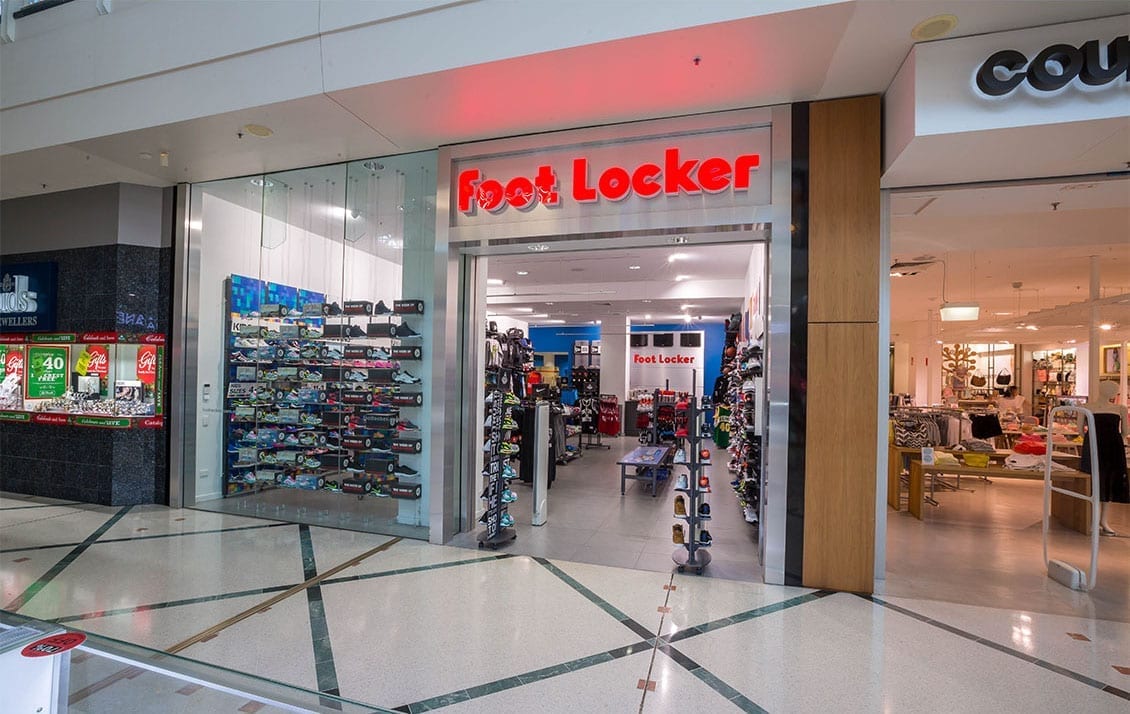
    The US sneakers and apparel giant Foot Locker is coming to Hong Kong.

    The brand will be hosting an event the 19 of this month for the exclusive launch of its new store in TST.

    Located in Yue Hwa International Building, 1 Kowloon Park Dr, Tsim Sha Tsui , you cannot miss the billboard when walking by.

    Stay tuned for more info regarding the official store opening.

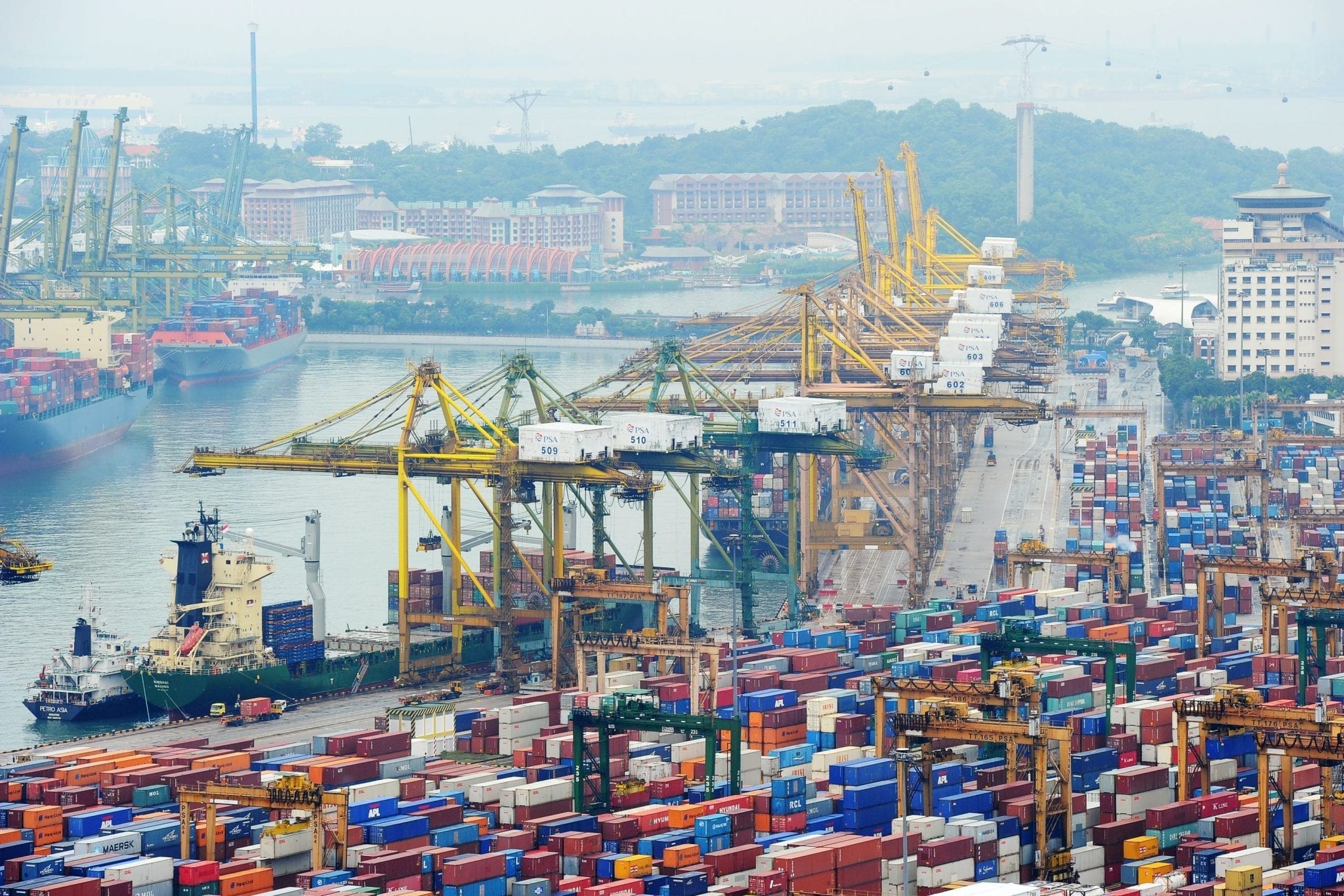
  • Vietnam posts surprise $2.2 bln trade surplus in August

    Vietnam posts surprise $2.2 bln trade surplus in August

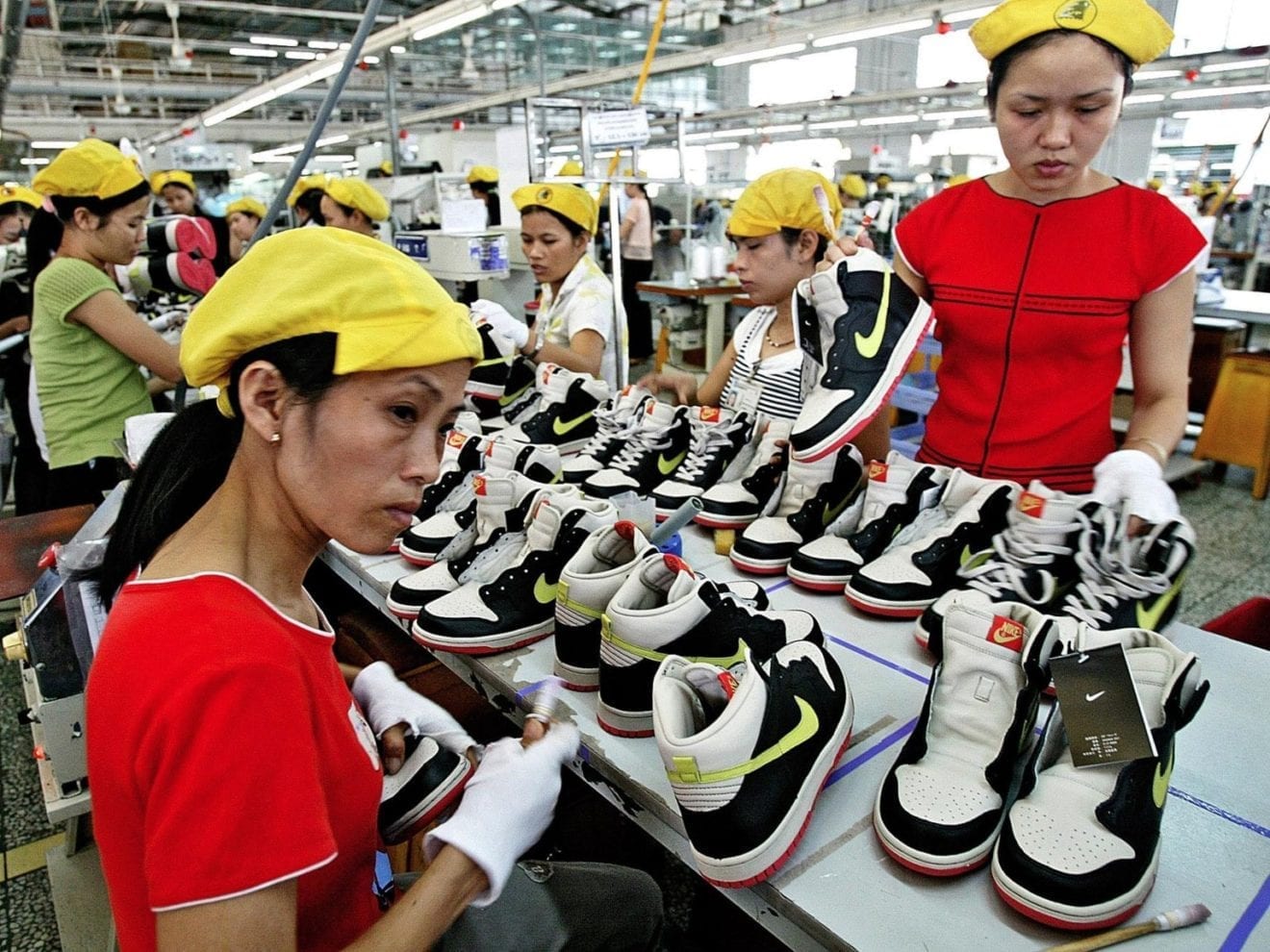
    Strong growth in telephone and textile exports helped Vietnam post a $2.2 billion trade surplus in August, according to customs data.

    The August surplus even surpassed Vietnam’s $2.1-billion surplus for all of last year, and was a positive signal for economic growth, which is expected to beat the government’s forecast of 6.7-percent target for 2018.

    Exports in August rose 15.6 percent from a month earlier to $23.48 billion, while imports rose 1.6 percent to $21.28 billion, the customs department said on its website.

    Exports in January-August rose 16.7 percent annually to $158.4 billion, led by shipments in smartphones, garments and electronic home appliances, and were on track to outperform the government’s full-year target for a 7-8 percent increase.

    Vietnam, the largest producer of smartphones for Samsung Electronics, shipped $45 billion worth of telephones and spare parts in the eight-month period, up 32 percent annually, easily outstripping the government’s estimate of $30.9 billion, the report showed.

    Textile, garments, electronic and computer exports also rose strongly in the first eight months with a combined value of $52 billion, also much higher than the government’s estimate of $37.9 billion, official data showed.

    Exports of steel and ingots jumped 55 percent in the eight-month period to $3.1 billion, higher than the government’s estimate of $2.9 billion.

    The United States has slapped steel import duties on steel products from Vietnam that originated in China, to deter Vietnam from being used for transhipment by China to avoid U.S. tariffs.

    Eight-month imports were up 12.4 percent at $153.7 billion, producing a trade surplus $4.69 billion, the report showed.

  • Ganko oyaji furniture maker to open first store in Hong Kong

    Ganko oyaji furniture maker to open first store in Hong Kong

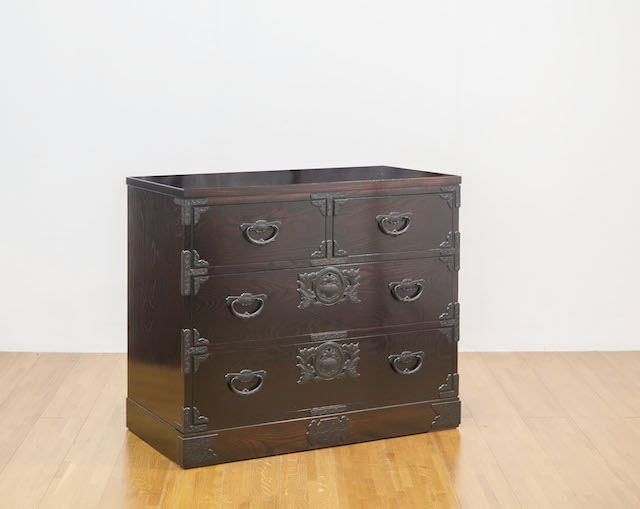
    Japanese handmade furniture brand Gankooyaji has opened a store in Kowloon, Hong Kong.

    Gankooyaji was founded in 1971 by Yasuhiro Ohara. The name translates to “a stubborn father”, which offers a hint to the brand’s mission of using only old-growth wood from century-old trees and making furniture by hand.

    The new Hong Kong store, located on the 8th floor of the Kam Hon Industrial Building, on Wang Chiu Road, is divided into eight themed zones displaying furniture sorted according to the use of materials and production techniques.

    Ohara believes that in a modern city like Hong Kong, with an emphasis on mechanisation and quick results, the quality of life and the beauty of tradition are easily sacrificed in a fast-paced lifestyle.

    “Extraordinary traditional craftsmanship of furniture making will eventually phase out due to mechanisation,” he says.

    “The traditional skills of woodworking is at risk of dying out despite its high value of preservation. My mission is to safeguard the heritage of woodworking and create high-quality furniture that last for generations, and at the same time introduce the beauty of Japanese traditional craftsmanship to Hong Kong people.”

    Ohara worked in a chain department store for mass-produced furniture before he started his own business.

    Gankooyaji insists on following the spirit of traditional Japanese craftsmanship, from the selection and processing of wood, to the connection techniques and paint lacquer. Ohara travelled all over Japan searching for talented traditional craftsmen, inviting them to produce high-quality furniture for the brand.

    Gankooyaji has branches in Mito City and Tsukuba City of Ibaraki Prefecture, Japan. It is also sold in Singapore.


  • Pepsi India to install plastic crushing machines across Maharashtra

    Pepsi India to install plastic crushing machines across Maharashtra

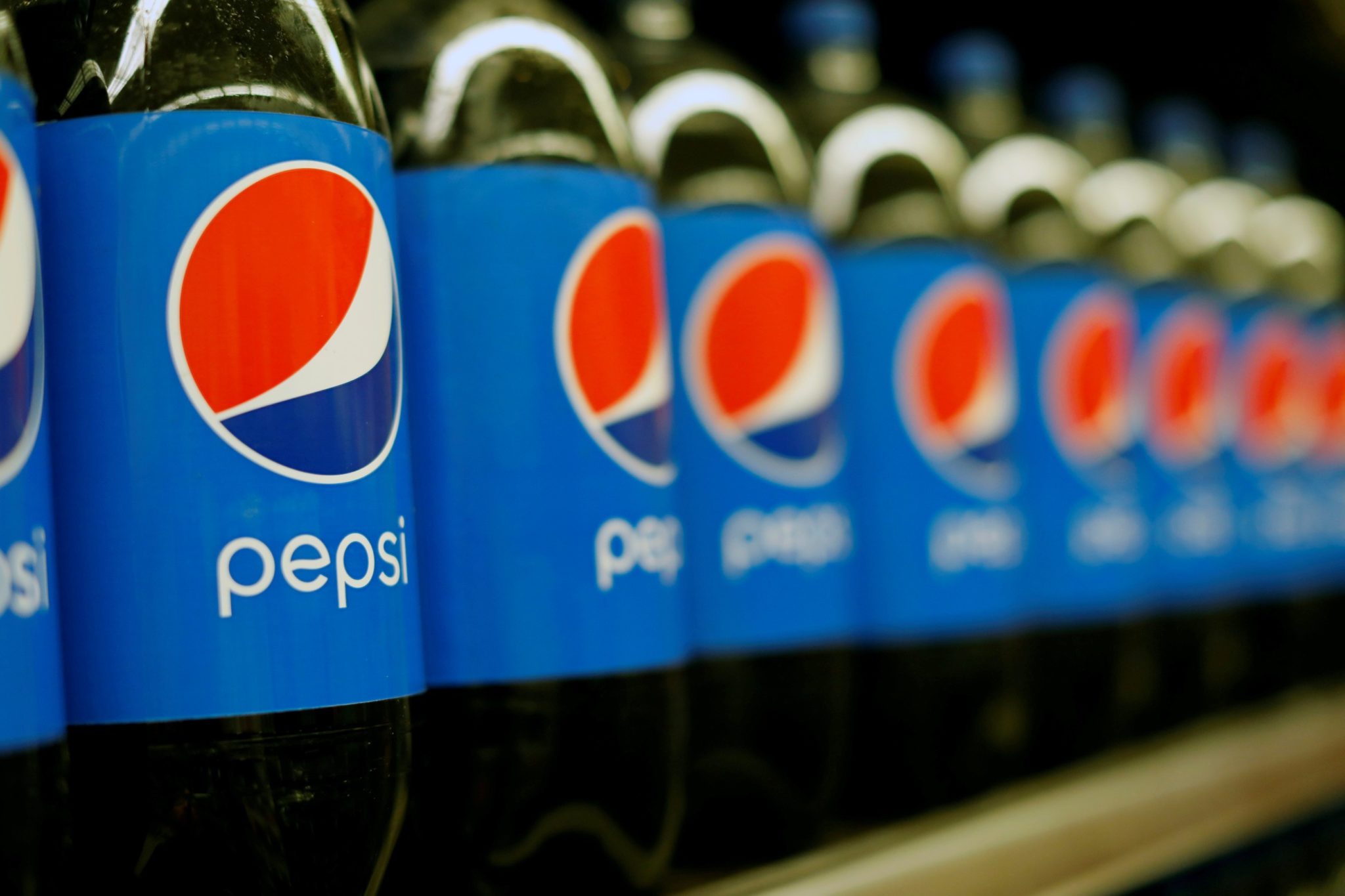
    Food and beverages firm PepsiCo India is planning to install reverse vending machines to crush PET plastic bottles in all the 36 districts of the state over the next two years as part of its plastic waste management initiative, a top executive said.

    According to a report: It aims to collect, segregate and recycle 6,500 tonnes of PET bottles in the state in the first year through this initiative.

    “We plan to roll out this (plastic waste management) initiative to all the 36 districts of the state over the next two years,” Neelima Dwivedi, Vice President, Pepsi-Co India said.

    In a meeting with chief minister Devendra Fadnavis in Nagpur in July, PepsiCo India’s president Ahmed ElSheikh had said the company is committed to the government’s vision and focus on addressing the issue of plastic waste in a sustainable manner.

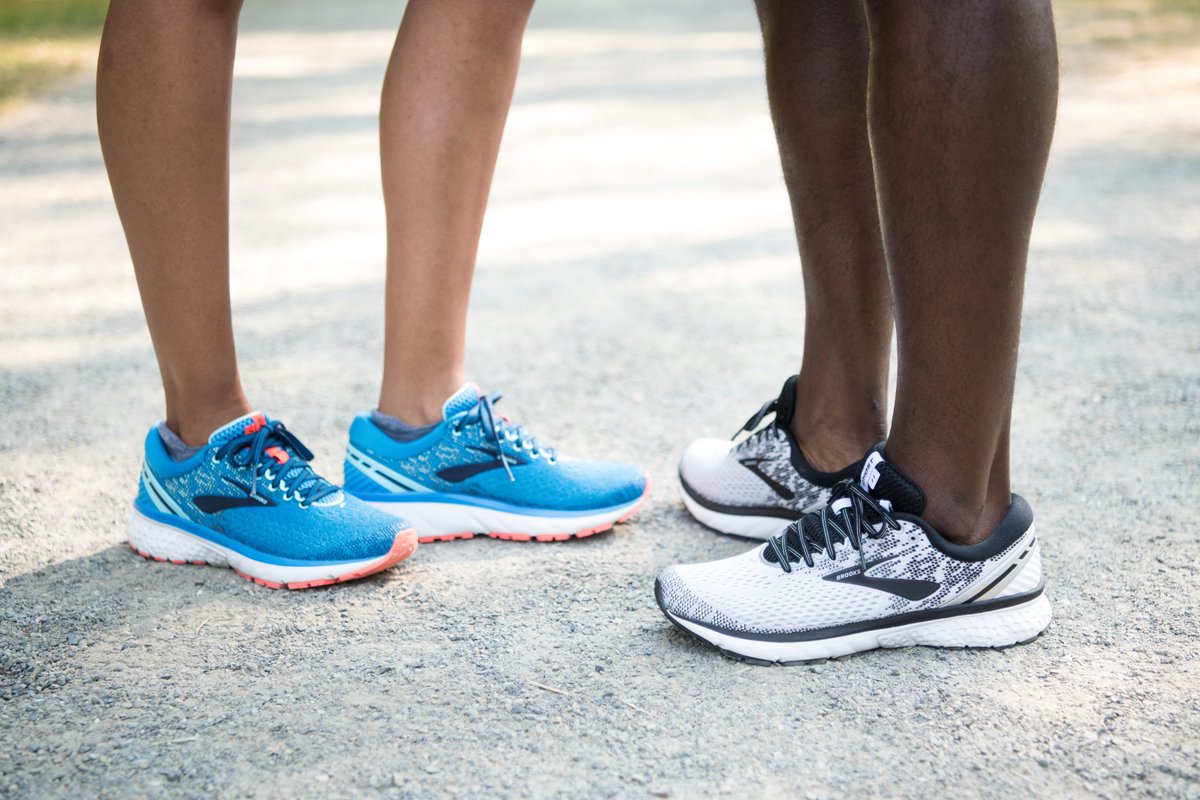
  • Brooks Running arrives in South Korea

    Brooks Running arrives in South Korea

    South Korean fashion retailing group Samsung C&T has announced plans to sell Brooks Running products under exclusive contract.

    The Seattle-based sports apparel label occupies a large share of the American running gear market and is one of the top three running labels globally, with operations in more than 50 countries.

    The company expects to lead the local running market with its expertise and technology to match the growing wellness trend and number of runners in the country, according to an official spokesperson.

    The brand’s five-level flagship store will open in the fashionable district of Gangnam in southern Seoul.

  • Indonesia Raises Import Taxes on 1,000-Plus Goods to Support Rupiah

    Indonesia Raises Import Taxes on 1,000-Plus Goods to Support Rupiah

    Indonesia will raise import taxes on more than 1,000 goods, ranging from cosmetics to cars, as part of measures aimed at cutting imports and supporting a weak rupiah, Finance Minister Sri Mulyani Indrawati said on Wednesday (03/09).

    The import tax will be raised to up to 10 percent on 1,147 mostly consumer goods, from an existing 2.5 percent to 7.5 percent, effective next week, Sri Mulyani said in a news briefing.

    “We want to be alert, but we also want to be selective. These are unusual times, so we are carrying out measures that we wouldn’t do during normal times,” Sri Mulyani said.

    The rupiah dropped to its weakest level since the 1998 Asian financial crisis this week, closing at 14,930 per dollar on Wednesday. Stocks tumbled the most in nearly two years and bond prices also fell.

    The battered currency has been one of emerging Asia’s worst performers as investors dump assets as US rates rise and amid fear of contagion from crises in Argentina and Turkey.

    Tariffs will be kept at 2.5 percent for raw materials used by the manufacturing industry because of the important role in domestic production, Indrawati said.

    Consumer goods such as ceramics, audio speakers and swimwear will have a 7.5 percent import tax applied. Products that can be made domestically ranging from soap and shampoo to kitchen appliances will be taxed at 10 percent.

    Luxury cars will also be taxed at 10 percent, while Industry Minister Airlangga Hartarto said the import of cars with engine capacity of 3,000 cc and above will be stopped.

    “This is a good chance for local producers to penetrate our own domestic market that is usually filled with imported goods,” Sri Mulyani said.

    Trade Minister Enggartiasto Lukita said the higher taxes did not breach free trade rules set by the World Trade Organization because importers can offset the tariffs on their tax liabilities.

    Government data showed goods covered by the taxes were worth $5 billion in the first eight months of this year and $6.6 billion throughout 2017.

    The government will also relax rules on coal, palm oil and rattan exports, Enggartiasto said, without providing details.

    It is unclear whether importers would pass on the higher tariffs to consumers, though Enggartiasto predicted the impact on inflation would be minimal.

    Some manufacturers relying on imported raw materials are already feeling the impact from the rupiah’s slump.

    Unilever Indonesia director Sancoyo Antarikso said his company had adjusted some prices in August and was reviewing costs to preserve profitability, growth and support brands.

    Agus Nurudin, managing director of market researcher Nielsen Indonesia, expects the price of food containing dairy, soy, beef and wheat to rise if the rupiah falls further.

  • India is Hyundai’s land of opportunity

    India is Hyundai’s land of opportunity

    Hyundai Motor is still working hard to woo Indian consumers as the world’s second-most populous country emerges as one of the fastest growing markets in the global auto industry.

    Hyundai Motor Vice Chairman Chung Eui-sun made a speech at the first Move Global Mobility Summit on Thursday, presenting the automaker’s plan to pursue future mobility and its dedication to the Indian market.

    The summit is a two-day state-run event taking place in New Delhi under the theme “Shared, Connected and Zero Emissions Mobility.” More than 1,200 attendees, including the CEOs of auto giants and start-ups, will participate in discussions centering on future mobility.

    “Hyundai Motor will actively pursue to become a smart mobility solution provider from a manufacturer,” Chung said in his speech.

    “I am certain that innovation in mobility will improve not only people’s lives but also improve environment and energy issues at the same time. It will also act as a means to connect the urban with the suburban and a person with another person,” he added.

    Chung also unveiled plans to launch a total of four eco-friendly vehicles in India in the near future, three of which will be electric models and the fourth a hydrogen-powered Nexo.

    Hyundai Motor, the world’s fifth-largest automaker, has seen huge potential in India’s auto market for some time.

    India is currently the world’s fourth-largest auto market, posting a year-on-year sales growth rate of 9.5 percent according to 2017 market data.

    Hyundai Motor established its Indian office in 1996 and has been using the regional office as an export hub, sending cars made there to more than 90 countries.

    Hyundai Motor is currently the No. 2 player in India. It sold some 320,000 units this year as of July, posting a year-on-year growth rate of 7.5 percent. The i20 hatchback and small SUV Creta are the most popular models.

    Most recently, the automaker has made a hefty investment in local car-sharing start-up Revv.

    Hyundai’s smaller affiliate Kia Motors belatedly entered the Indian market in 2017 by starting the construction of a local factory with a $1.3 billion investment. It will start sales of its models from next year.

    At the forum, Hyundai Motor summed up its strategies in pursuing future mobility with three keywords – clean mobility, freedom in mobility and connected mobility.

    “India has been taking significant steps toward the future it has long dreamt of,” Chung said. “[The country] will play a leading role not only in the manufacturing industry but also in ICT in the face of the fourth industrial revolution as well,” he added.

    According to Hyundai Motor, Chung attended a tea meeting with Indian Prime Minister Narendra Modi and 50 other global companies CEOs after making the speech on Thursday.

    The CEOs of Maruti Suzuki, Mahindra & Mahindra, Tata, Toyota, Ford, Mercedes-Benz, Uber and SoftBank all attended the summit.

  • Shinsegae opens Show&Tell stores for men

    Shinsegae opens Show&Tell stores for men

    South Korean retail conglomerate Shinsegae has launched a lifestyle editorial shop for men.

    The “Show&Tell” store opened in two Shinsegae locations; one at the Starfield luxury shopping complex in Hanam, and the other as an outlet in Yeoju city.

    Described as “providing a new playground for men,” Show&Tell displays a range of local and foreign brands priced to attract consumers to visit offline malls.

    Shinsegae has recently introduced giant luxury and leisure shopping malls locally and a discount chain store in Japan.

  • Astra Sets Up Joint Venture With Hong Kong’s WeLab to Provide Loans to Indonesians

    Astra Sets Up Joint Venture With Hong Kong’s WeLab to Provide Loans to Indonesians

    Diversified Indonesian conglomerate Astra International has established a joint venture with Hong Kong-based technology company WeLab to provide financial products and loans to unbanked people, the company announced on Thursday (06/09).

    “We hope to expand our digital portfolio, while we also aim to further encourage financial inclusion in Indonesia. We continue to seek partners with the industry’s leading companies. We believe WeLab is at the forefront of fintech innovation.

    Through this partnership, we want to offer innovative solutions to provide benefits to consumers throughout Indonesia,” Astra International director Suparno Djasmin said in a statement.

    Astra subsidiary Sedaya Multi Investama and WeLab established a joint venture, Astra WeLab Digital Arta (AWDA), to give unbanked people access to loans.

    The joint venture, which uses big data analysis to better assess customers’ financial profiles, will offer loan products for retail consumers that can be accessed by smartphone, while also providing financial solutions to corporate customers.

    AWDA will launch its mobile application, Maucash, in the third quarter of this year to allow customers to apply for loans anytime and anywhere.

    The new entity sees massive potential in Indonesia’s fintech industry and seeks to capture the untapped potential.

    Supported by rapid growth in the adoption of smartphones, Indonesia recorded a 7.9 percent year-on-year increase in the number of internet users to 143.26 million last year, according to the Indonesian Internet Service Providers Association (APJII).

    An APJII survey showed that about 44.16 percent of respondents use smartphones to access the internet, while 30.28 percent do so with both computers and mobile phones and the remainder use computers only.

    “We believe our advanced technology, combined with Astra’s operational experience in the Indonesian market, can provide new experiences for consumers in Indonesia,” said Simon Loong, WeLab founder and chief executive.

    WeLab, founded in 2013, operates Woalaidai, one of the largest mobile credit delivery platforms in China. It also operates WeLend, an online loan platform in Hong Kong.

    The company also partners with traditional financial institutions that utilize WeLab technology to offer fintech-based solutions to their customers.

  • Japan top investor in Vietnam, has interests in multiple sectors

    Japan top investor in Vietnam, has interests in multiple sectors

    Japan is the biggest foreign investor in Vietnam in terms of pledged investment capital in January-August.

    In the first eight months of this year, pledged investment from Japanese companies reached $7 billion, nearly 29 percent of the total foreign investment that came from 97 countries and territories, according to the Ministry of Planning and Investment.

    Japanese investors back multiple projects across sectors, including agriculture, consumer goods, finance, and real estate. Their investments range from millions to billions of dollars.

    For instance, Japan’s Sumitomo and Vietnam’s private firm BRG signed a deal earlier this year to develop a $4.14 billion smart city project in Hanoi’s Dong Anh District.

    They hope to commence work on the first phase of the 272-hectares project late this year.

    Up to 70 percent of Japanese firms in Vietnam plan to expand their business in the country, as most of them believe that revenue will continue to increase, according to a recent survey by the Japan External Trade Organization (JETRO).

    Over 65 percent of surveyed firms said they have been profitable in Vietnam.

    Japan was the fourth largest trading partner of Vietnam last year, with a total turnover of almost $34 billion, up 13.8 percent from 2016, according to Vietnam Customs.

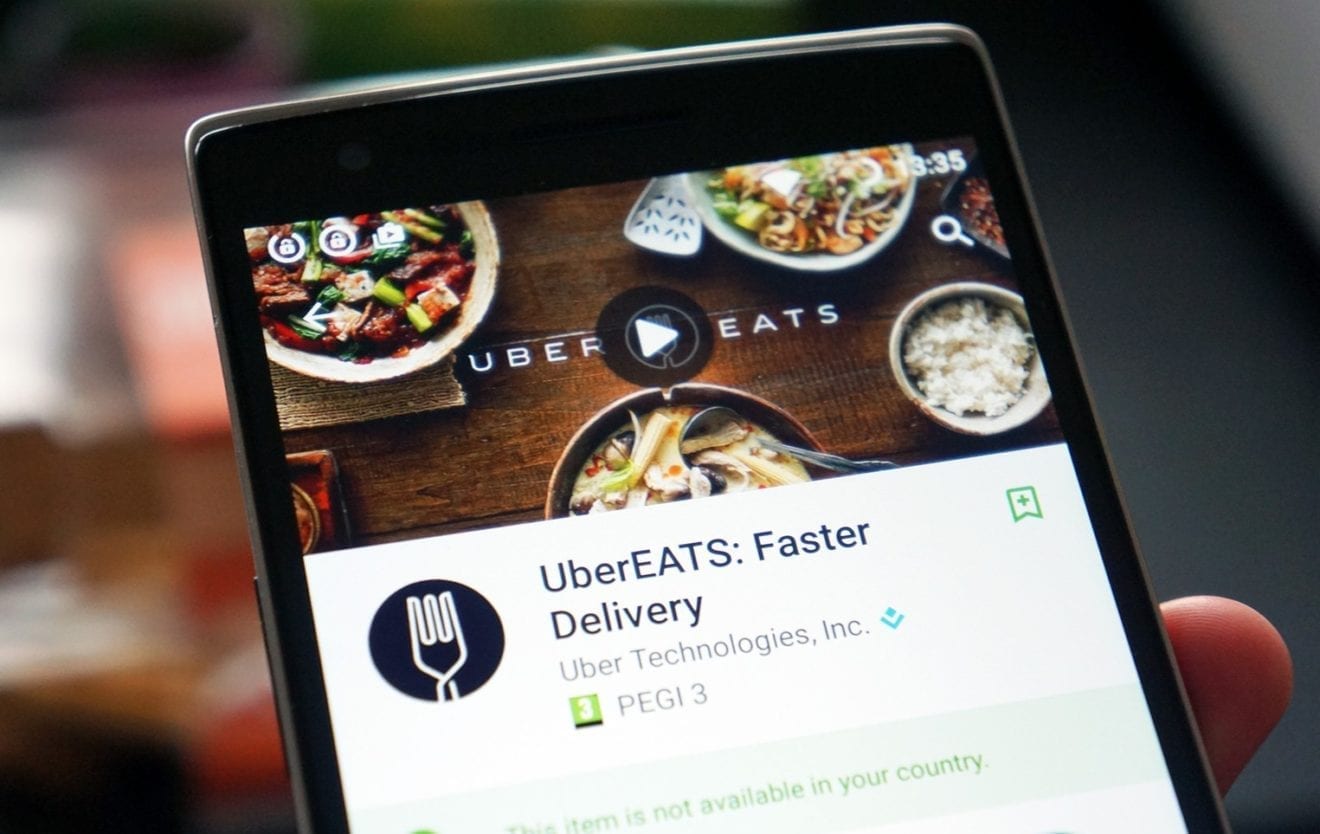
  • Uber Eats aims to boost presence with CJ deal

    Uber Eats aims to boost presence with CJ deal

    U.S. food delivery app Uber Eats said Wednesday that it has signed a partnership with Korean food service company CJ Foodville in the latest move to boost its presence in the country’s growing food delivery market.

    Uber Eats said major CJ Foodville brands, such as VIPS, Cheiljemyunso, The Place and Juice Solution, would be easily accessible through its app in Seoul, a heavily populated city with a population of some 10 million.

    Eight out of 10 Koreans use smartphones, and they increasingly order popular food items through mobile apps.

    “We are excited about our partnership with CJ Foodville, the national representative food service brand, bringing its diverse selection to our customers,” Jean-Marc Serayssol, head of Asia sales at Uber Eats, said of the deal signed last Tuesday. “With this partnership, Uber Eats customers can now order CJ Foodville brands at the simple tap of a button, and Uber Eats will continue to expand to provide our services anytime, anywhere.”

    The food franchise unit of Korean food and entertainment conglomerate CJ Group has about 1,500 franchises across Korea and nearly 400 franchise stores in seven countries, including the United States, China and Vietnam. CJ Foodville is planning to reinforce the collaboration with Uber Eats overseas.

    Uber Eats, a food delivery service app run by ride-sharing pioneer Uber Technologies, began its business in Korea in August last year and currently has more than 1,500 local restaurant partners in Seoul.

    Uber Eats did not disclose its share in Korea’s estimated 12 trillion won ($10.7 billion) food delivery app market dominated by homegrown apps, such as YoGiYo and Baedal Minjok.

    Uber Eats is part of Uber’s attempt to expand its presence in Korea, where the company’s flagship ride-sharing service, Uber X, was banned in 2015 because it conflicted with the local transportation law.

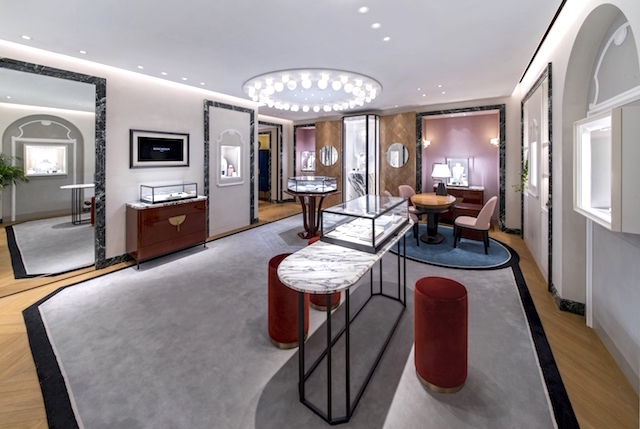
  • Two new-format Maison Boucheron stores opens in HK

    Two new-format Maison Boucheron stores opens in HK

    Heritage jewellery design house Maison Boucheron has opened two new boutiques in Hong Kong.

    The boutiques, located at Pacific Place and Admiralty and IFC mall in Central, showcase a Parisian design ethic that recalls the historical Boucheron Hotel Particulier on the French capital’s Place Vendome. The Pacific Place boutique features a personal one-on-one experience in a dedicated VIP room.

    The openings further strengthen the presence of Boucheron in greater China as it celebrates its 160th anniversary this year. They represent the first steps in the brand’s expansion in the region, with more new boutiques marked for Hong Kong, Macau, Shanghai and Beijing. There are currently more than 55 Boucheron boutiques across the world.

  • Retailers acknowledge the new paradigm shift in consumer behavior

    Retailers acknowledge the new paradigm shift in consumer behavior

    Indian retail is coming to terms with the digital disruption that is converging the online and offline retailers to explore customer insights using artificial intelligence in the new landscape for retail that is set to usher.

    At the two-day conclave of India Retail Forum 2018 that concluded today, experts across the spectrum deliberated on the affluence index and retail potential in the country and the tectonic shift in changing space allocation at shopping malls towards food and entertainment as online takes precedence in shopping.

    With the advent of the online shopping, malls are getting reconfigured with food and beverage along with entertainment now allocating for up to 40 percent for the space compared to 15-17 percent in the past few years, said Ashutosh Limaye, Director & Head, Consulting Services, ANAROCK Property Consultants.

    Mobile penetration on the other hand has boosted online shopping with lower cash on delivery and more through payment gateways. Moreover, with messaging on the rise, the internet linked mobile usage is set to reshape the retail business with mobile moving from being a mere technology to consumer behavior.

    “By 2020 mobile will drive the majority of all sales but 90 percent plus of these sales will still occur in stores,” said Prateek Sinha, Industry Manager, Retail & E-commerce, Facebook India.

    Further, mobile is increasingly reshaping the retail business with 2.2 hours per day mobile usage per young adult and 80 percent users using net on their mobile while watching TV, he said.

    Over the past four years, share of e-commerce transaction over mobile has rose to 29 percent from 7 percent while Cash on Delivery has declined to 16 percent from 31 percent.

    “Decreasing data prices and a ubiquitous mobile penetration is driving the always online consumer with attractive online deals and discounts,” said Anurag Mathur, Partner & Leader – Consumer Goods & Retail, PwC Strategy.

    Amid the rising online shopping fueled by internet and mobile penetration, the digital disruption has impacted the brick and mortar retail malls, that had seen record supply and absorption in 2011.

    Since then there has been a rationalization of supply in recent years. However, the future looks promising with healthy supply pipeline and robust absorption going forward, said Shajai Jacob, Director and Head, Marketing, JLL India.

    The two-day conclave also gave indications about increasing amicable relationships between offline and online players with global retail giants like Walmart, Amazon, IKEA showing interest in the Indian growth story.