Author: Mei Ling Tan

  • Tencent decides to launch its first Asean data center in Cyberjaya

    Tencent decides to launch its first Asean data center in Cyberjaya

    Tencent Holdings Limited, a China based investment holding firm, and Tourism Malaysia are planning to jointly set up a data center in Cyberjaya, Malaysia. Sources claim that the strategic move is a part of the Smart Tourism 4.0 program launched recently in Malaysia. Under the new project, Tencent is expected to use the reproduction of its earlier digital ecosystem model.

    Datuk Siew Ka Wei, the chairman of Tourism Malaysia, has stated that the group has decided to establish an incubation unit in Cyberjaya in association with the regional partner. He further added that the initiative will include not only retail firms but also airliners and myriad other players across the transport sector.

    Experts are of the opinion that this smart tourism initiative will make notable contributions towards the economic growth of Malaysia considering that 8 million tourist arrivals are expected in Malaysia from China over the next two years. As per a key official of Tourism Malaysia, startups with innovative, fresh ideas will benefit commendably from the smart tourism initiative.

    If reports are to be believed, the initiative is forecast to be live in the second half of this year. The program will help the Malaysian Tourism Promotion Board to promote the growth of tourism industry in the country.

    Malaysia Smart Tourism 4.0 program encompasses the development of approximately 40 videos, each spanning over five minutes. These videos display exceptional holiday experiences in the country, including resorts, gastronomy, heritage, beaches, soft adventure tourism, history, and culture. It is likely that Tencent will declare the establishment of the data center in Cyberjaya by the end of the month, thereby becoming the first organization to provide services for the entire Asian region.

    It has been speculated that the Chinese retail conglomerate will support the expansion of Malaysian businesses across the China market by providing them with new technology. In return, Tourism Malaysia will offer substantial facilities to Tencent for its business growth across the country.

  • Circle International Inks Cross-Border Payment Deal With Lakala

    Circle International Inks Cross-Border Payment Deal With Lakala

    Circle International Holdings, the Australian payments company, announced news on Monday (April 30) of a new strategic partnership with payment gateway company Lakala.

    In a press release, Circle International said the partnership will enable it to facilitate cross-border payments between Malaysia and China. The company noted that cross-border transactions involving China within the eCommerce market were valued at $1 trillion. Lakala is China’s only non-bank institution, which Circle International said offers online, offline, personal and corporate services and had a trading volume of 1 trillion renminbi. Additionally, Circle International said Lakala is one of China’s top three companies in the offline settlement market.

    “This will contribute positively to our Group revenue in 2019, and the tie-up will allow for increased monetization opportunities from China and the creation of a complete marketplace within its proprietary Business Circle mobile application,” said CEO Dato’ Brian Tan in the press release. “Circle International’s self-developed Business Circle mobile application has a tremendous following in China and other Chinese-speaking markets. The English version of Business Circle was launched recently as part of its regional plans to penetrate into new markets, including Australia.”

    The executive said that through the partnership, Circle International can leverage Lakala’s strength in eCommerce and integrated payment solutions to enable eCommerce services for its Business Circle users, particularly those from China.

    “Via Lakala, both consumers and merchants can buy and sell products and services through Business Circle,” the executive noted.

    The company said the partnership is part of several strategic initiatives it has been undergoing to power its penetration into the mobile wallet and payment gateway industry. Most recently, it launched its Circle VISA Premium Card, which is exclusive for Business Circle users — rewarding them with incentives, discounts and promotions.

    “It’s about creating a complete payment ecosystem for consumers and merchants to leverage on. While the Circle VISA Premium Card was our first step into FinTech, we continue to expand our product lines for our members. E-commerce complements our existing revenue streams as a regional content owner and digital advertising player,” the CEO said in the press release.

  • Starbucks Plans To Step Up Digital Marketing Efforts

    Starbucks Plans To Step Up Digital Marketing Efforts

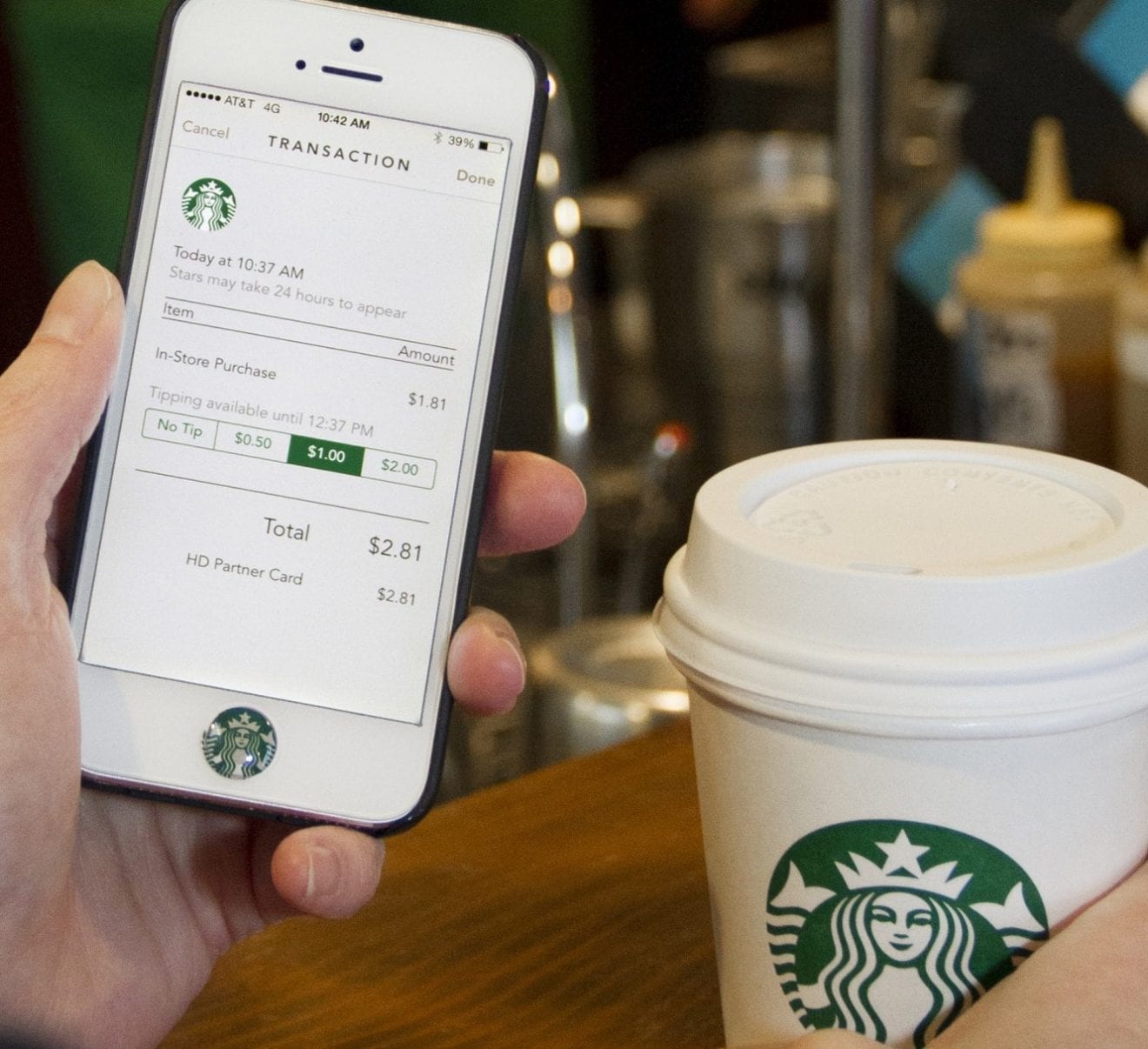
    The coffee chain added 1.6 million new U.S. members to its Starbucks rewards program. In addition, Starbucks discovered that members of Starbucks rewards were buying more: Over the quarter, their spend increased to 39 percent of U.S. company-operated sales.

    Beyond its loyalty program, Starbucks noted that customers were taking advantage of opportunities to skip the counter: Mobile Order & Pay represented 12 percent of U.S. company-operated transactions during the quarter.

    Overall, Starbucks also saw growth in comparable store sales in both the U.S. and abroad. Global comparable store sales rose by 2 percent, essentially in line with analysts’ estimates of 1.9 percent. Americas and U.S. comp store sales also increased 2 percent, while China comp store sales rose at the slightly higher rate of 4 percent.

    In terms of financials, Starbucks reported better-than-expected sales: The coffee chain beat revenue estimates by $100 million, with revenues of $6 billion, and met analysts’ earnings estimates at $0.53 per share. Starbucks President and CEO Kevin Johnson said the company reported solid results for the quarter.

    “Starbucks Q2 of fiscal 2018 represented another quarter of record financial results, highlighted by accelerating momentum across our Americas business — particularly in the U.S. — continued strong performance in China and our strongest comp growth in Japan in five quarters,” Johnson said in a press release.

    Digital Expansion

    One of Starbucks’ key priorities is to expand its digital interactions with customers.

    “Establishing digital relationships with many more customers represents a significant growth opportunity, as we have proven that a direct communications channel combined with personalization enhances the customer experience and drives customer engagement,” Johnson said during the call.

    To expand its digital relationships, Starbucks is implementing new ways to attract digitally registered customers beyond the rewards program. For example, the coffee chain is offering its Mobile Order & Pay to all customers and leveraging Wi-Fi sign-ins at its brick-and-mortar stores. In addition, Starbucks is reinventing Frappuccino Happy Hour through the use of single-use digital coupons. Johnson said these efforts are already yielding results and will generate a few million more registered users by the year’s end.

    This difference is driving a shift in Starbucks’ marketing strategy. In the past, Starbucks has offered a drumbeat of promotional offers that have not necessarily led to sustained sales. For example, the company offered a Frappuccino Happy Hour to all of its customers over a short period of time. But that strategy didn’t work: The deal didn’t improve sales of other drinks in 2017. The promotion saw “a lower-than-expected lift in non-discounted Frappuccino beverages following Happy Hour,” Chief Financial Officer Scott Maw explained on a July 2017 conference call.

    As a result, the company is taking a new approach. Starbucks’ updated program will sign customers up for direct digital relationships and promote a variety of beverages throughout the year. In essence, the goal behind the shift is to transition from a short-term, one-and-done approach for promotions to more sustained marketing efforts. Through this strategy, the company is expanding its digital reach beyond its loyal rewards members to connect with as many non-rewards customers as possible. Starbucks can now personalize its communications to customers while also gaining direct access to them.

    China Expansion

    Starbucks already has 3,200 company-operated stores in 141 cities across Mainland China, but the coffee chain anticipates a larger potential market there.

    “The opportunities for Starbucks in China, which are significant, are growing along with the size and scale of our business,” Johnson said on the call.

    To that end, the company is holding a China Investor Tour. Of course, the company is no stranger to China: It’s been in the Chinese market for 20 years. According to Johnson, the middle-class population in China stands around 600 million people, which could provide an expanded market for the company.

    “No Western company or brand is better positioned to benefit from the rapidly expanding Chinese middle class than Starbucks,” Johnson said.

  • Maybank Indonesia’s Q1 top line rises 3.6 pct

    Maybank Indonesia’s Q1 top line rises 3.6 pct

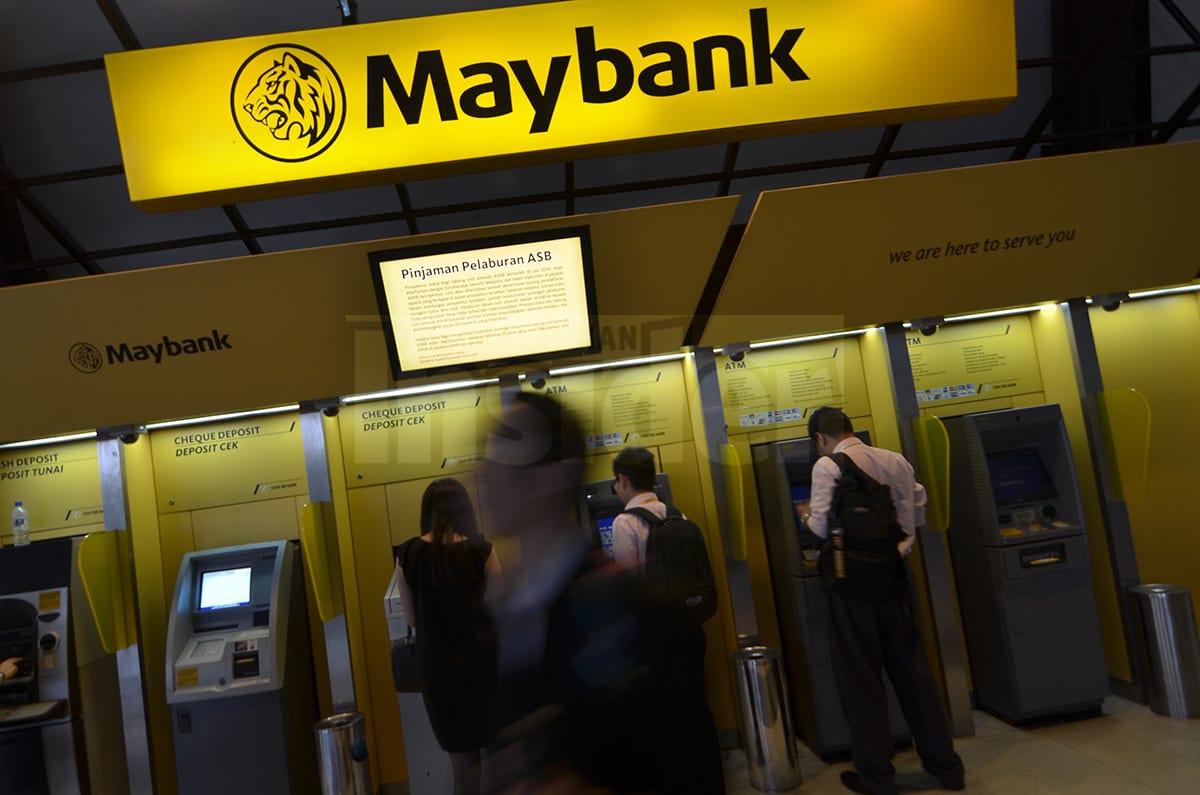
    PT Bank Maybank Indonesia Tbk (Maybank Indonesia) today reported that its operating income after provisions increased to 682 billion rupiah for the first quarter ended March 31, 2018 compared with 633.9 billion rupiah recorded in the previous corresponding period.

    In a statement, Maybank Indonesia said its profit after tax and minority Interest (PATAMI) stood at 463.1 billion rupiah for Q1, slightly lower than the 490.1 billion rupiah recorded in the same quarter a year ago.

    Gross operating income rose 3.6 per cent to 2.5 trillion rupiah for the three months.

    Maybank Indonesia said its operating income after provisions increased by 7.6 per cent and the bank’s top line grew 3.6 per cent supported by continued improvement in operational efficiency in line with its Strategic Cost Management Programme, as well as fee based income expansion, improvement in provisioning levels, growth in Sharia business and improvement in subsidiaries.

    Sharia Banking continued to record strong performance in the first three months of 2018 with total assets increasing by 25.7 per cent to 27.1 trillion rupiah, making up 15.4 per cent of the itss total assets.

    Total financing rose 41.6 per cent from 14.3 trillion rupiah as of March 2017 to 20.2 trillion rupiah as of March 2018, while its total deposits grew 44.1 per cent to 17.5 trillion rupiah from 12.1 trillion rupiah.

    It said Non Performing Financing improved significantly to 3.2 per cent as of March 2018 compared with 4.6 per cent in the previous year.

    The bank recorded a moderate loans growth of 2.2 per cent to 122.5 trillion rupiah as at March 31, 2018 from 119.9 trillion rupiah the previous year.

    Global Banking loans recorded growth of 6.2 per cent to 27.6 trillion rupiah as of March 2018 from 26 trillion rupiah as of March 2017.

    Maybank Indonesia said its customer deposits grew by 2.7 percent year-on-year with current accounts growing strongly at 27.3 per cent year-on-year, lifting the CASA (current account savings account) ratio to 39.7 per cent.

    On March 15, 2018, the bank also issued Shelf Registered Bonds II Bank Maybank Indonesia Tranche II Year 2018 amounting to 645.5 billion rupiah to support its business expansion.

    Maybank Indonesia has maintained its robust liquidity profile with its loan-to-deposit ratio remaining at a healthy level of 85.6 per cent and liquidity coverage ratio at 176.4 per cent as of March 2018, far in excess of the mandatory minimum of 90 per cent.

    Maybank Indonesia president director Taswin Zakaria said the bank will continue to grow its assets selectively to ensure sound asset quality going forward.

    “Our Global Banking continues to be the leading contributor to our assets growth.

    “The Sharia First strategy adopted by the Bank since 2014 continues to deliver impressive results.

    “However, we expect our CFS (Community Financial Services) portfolio to gradually strengthen in the coming quarters as we see opportunities in the retail and small medium enterprise segments.

    “This will be further underpinned by our recent initiative in transforming our retail business model,” he said.

    Maybank Group president and chief executive officer Datuk Abdul Farid Alias said the first quarter results demonstrate Maybank Indonesia’s resilience in growing its revenue despite the increasingly competitive market in the country.

    “The bank has firmly embedded sustainable business development strategies which cover retail transformation, digital banking enhancement, culture transformation as well as asset quality selection which will ensure continued value creation for all our stakeholders.

    “The outlook for the medium term remains challenging; but we are optimistic that we can manage the risks and ensure steady growth of our business in the coming quarters,” said Farid.

  • Hotels share golden sparkle with Airbnb

    Hotels share golden sparkle with Airbnb

    Room rates in hotels and guest houses during the Labour Day “mini Golden Week” are not as expensive in comparison to past figures due to competition from Airbnb listings.

    Hong Kong had a busy weekend ahead of tomorrow’s Labour Day and saw a 9 percent rise in the number of mainland visitors on Saturday compared to last year.

    Tourist Guest Houses Federation of Hong Kong chairman Sam Lau Kung-shing said rooms in guest houses were fully booked at the weekend. But they did not increase rates due to keen competition from Airbnb listings.

    “Rooms were fully booked for April 28 to May 1, but booking rates will drop to 60 to 70 percent on May 2 as people leave and go back to work on May 3,” Lau said

    Although occupancy rates remain high, Lau said Airbnb listings have taken business away from the guest-house industry, especially when it comes to foreign visitors.

    He said room rates in guest houses were priced between HK$300 and HK$700, similar to last year.

    “If there is no Airbnb, rooms can be charged at a higher price as the supply falls short of demand,” he said.

    “But now people can book their rooms at any time, which means prices cannot be set too high. It is more competitive and since people now have more choices, they don’t have to rush to book a room.”

    A search on the Airbnb website showed that most rooms in urban areas from yesterday to Labour Day were booked.

    Only a few rooms with higher rates – above HK$1,400 – remained available. Among the listings was a seaview room near Causeway Bay at HK$1,997 a night.

    Michael Li Hon-shing, executive director of the Federation of Hong Kong Hotel Owners, said rates in a low-end hotel can be as cheap as HK$400 on May 1, while a room in a four-star hotel can be priced at HK$600.

    He said mainlanders visited Hong Kong from Friday and many left yesterday. He expects the occupancy rate on Labour Day to be about 80 percent.

    But hotels still had a busy weekend with room occupancy rates hitting 90 percent, similar to last year. Room rates were about HK$1,300 to HK$1,400 a night in a three-star or four-star hotel.

    Li said Airbnb has had an impact as its website says it has 5,000 listings.

    He said Airbnb has been operating illegally and urged the government to take action.

    The holiday started yesterday and runs until tomorrow, but travelers came across the border a day earlier on Saturday.

    Travel Industry Council executive director Alice Chan Cheung Lok-yee said an average of 180 to 200 mainland tours a day are expected to come to Hong Kong during the three-day Labour Day holiday period, slightly up from nearly 180 tours a day last year. Tourism sector lawmaker Yiu Si-wing also believes that the number of individual travelers from the mainland will increase by some eight to 10 percent in comparison to last year’s Labour Day holiday.

    He said a three-day holiday is not long enough for visitors, so many of them will opt to travel to other cities in the mainland, or to Hong Kong or Macau.

    Yiu also said a strong yuan has encouraged mainland tourists to shop in Hong Kong and retail sales have improved over the past 10 months.

    He believes businesses specializing in luxury goods, medicine, cosmetic products and other necessities will see a rise in sales.

    “Mainland tourists have faith in these goods and some of them are imported goods, so they will buy in bulk,” Yiu said.

  • Rodenstock to introduce new Porsche Design products

    Rodenstock to introduce new Porsche Design products

    Rodenstock, the German manufacturer of ophthalmic lenses and spectacles frames, will be introducing products from Porsche Design’s sunglasses range at this year’s TFWA Asia Pacific Exhibition & Conference in Singapore.

    The company has secured a licensing agreement to sell some of the top pieces from Porsche Design’s eyewear collections in travel-retail, as it looks to build its business in the Asia Pacific region.

    These include Porsche Design’s P-8479 model, a classic sunglasses design featuring an ultra-light titanium frame and high-quality shield lenses.

    Rodenstock will also be introducing several other brand new models from Porsche Design to the Asia Pacific travel-retail market for the first time including the Iconic Laser Cut P-8663 with a 100% titanium frame and cut-outs in the side areas of the middle section, an exclusive model from the 911 series. As with all models, the characteristic Porsche Design logo is engraved in the titanium temples by means of a special laser technique.

    Also being introduced is the Ti-Namic, which has the striking shape of titanium temples, reflecting the side air intakes of sports cars; made possible through a modern 3D pressing process.

    Finally, travel-retail buyers will get the chance to view a new Porsche Design limited special edition “40Y” of its P-8478 model, created for Porsche Design Eyeware’s 40th anniversary and featuring a gold-coloured nose bridge and four pairs of interchangeable lenses in blue gradient, brown, olive/silver mirrored and mercury/silver mirrored.

    Rodenstock Head of Travel Retail Petra Eckhardt-Koestler said: “We are absolutely thrilled to have become a member of TFWA and to be exhibiting at the TFWA Asia Pacific show for the first time this year.

    “It is a clear demonstration to our customers of our commitment to building our travel-retail presence both in this region and globally. We very much look forward to meeting our existing and new clients in Singapore.”

  • Kipling announces global organisational changes

    Kipling announces global organisational changes

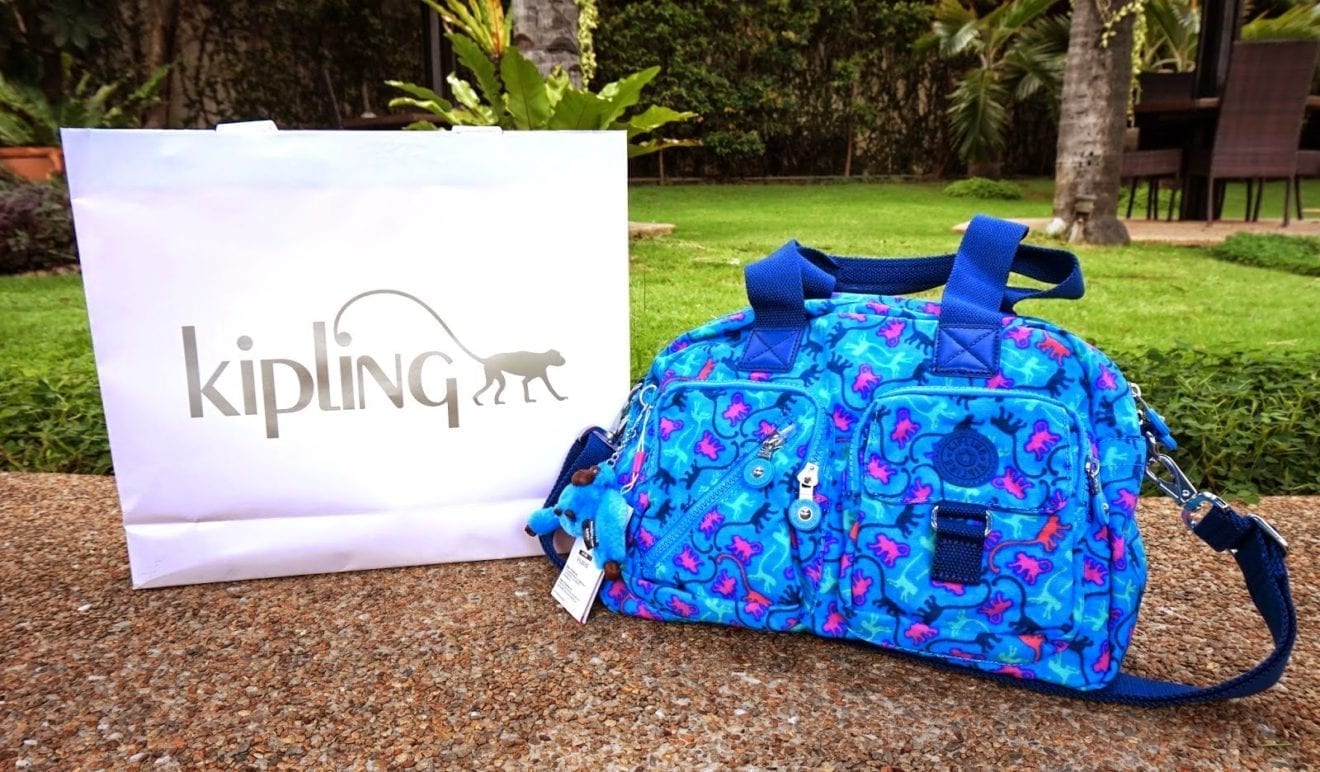
    VF Corporation-owned Kipling has announced several key global organisational changes.

    Vera Breuer has been appointed as Global President. She succeeds Richard Macey who retired earlier this year after 18 years at the company.

    Breuer reports to VF Group President EMEA Martino Scabbia Guerrini and is based at the VF office in Bornem, Belgium.

    Breuer is accountable for delivering brand strategies and helping to define Kipling’s long-term vision. She also will manage the brand’s asset creation through product, design and marketing, and help to pursue Kipling’s five-year plans and global P&L targets.

    Breuer has a successful track record of managing luxury brands for L’Oréal and has spent the majority of her career in Asia. Most recently, she was General Manager South Asia for The Body Shop. Breuer previously worked in Hong Kong and Germany where she gained relevant international experience managing major businesses.

    Olivier Gay, who joined Kipling in 2016 as Vice President Sales and Retail for Europe, Middle East and Africa, has been promoted to VP & General Manager Kipling EMEA. In his role, Gay is responsible for delivering Kipling’s strategy and P&L for EMEA and setting up the brand’s short-term and long-term strategy for the region.

    Gay has over 17 years’ experience in the luxury business and held several positions at Cartier.

    International Sales Manager Distributors & Travel Retail Thomas Falcy has been promoted to Sales Director Global Travel Retail & Distributors EMEA, effective 1 May. He will report to Vera Breuer for global travel retail and Olivier Gay for the EMEA distributor business.

    “The main focus for managing our travel retail business globally will be presenting the brand consistently across the globe. Defining and implementing a go-to market strategy with a global product assortment and marketing support in all travel retail touch points will allow us to further build strong relationships with global key accounts,” said Kipling.

    Wolfe has worked for high-profile brands such as Tumi, Kate Spade and Coach

    Wolfe will lead Kipling’s Global Product and Design teams, supporting the Kipling brand in identifying ongoing and seasonal product directions, innovation opportunities and new capabilities for markets. She will play a key bridging role across merchandising, sourcing, design and development.

    Prior to joining Kipling, Wolfe worked for her own accessories brand, which she started two years ago. Before that she had a 15-year career at Tumi New York, most recently as Vice President, Product Development and Design. Wolfe has also held positions at Kate Spade and Coach, and has extensive experience in design and development across the globe.

  • Increasing Chinese wealth helps drive luxury auto sales growth

    Increasing Chinese wealth helps drive luxury auto sales growth

    Almost half of the automotive sales growth in China this year has come from luxury brands, driven by consumers’ increasing household wealth and consumer confidence.

    According to a report from Scotiabank, in March global automotive sales were up 1.2 percent over the previous year, with China one of the key forces behind this growth. As the Asian market becomes increasingly important to luxury auto brands, OEMs are set to benefit from newly eased regulations in China.

    “China now accounts for close to 30 percent of global luxury auto sales, up from 20 percent in 2012,” said Carlos Gomes, senior economist and auto industry specialist at Scotiabank, Toronto. “As wealth continues to increase in China this share will advance further.”

    Accelerating sales
    Chinese auto sales grew 3 percent in January and February, and growth picked up in March, with a 5.1 percent increase.

    Luxury cars made up half of the year-to-date growth in China. Scotiabank notes that this rise in luxury sales is the greatest seen in China since the government began its anti-corruption campaign.

    Over the past few years, the government’s communist party has been working to curb conspicuous spending, in an attempt to fight corruption in politics.

    As part of the campaign, China’s Finance Ministry implemented a 10 percent import tax on the highest priced automobiles entering the country. The tax affects vehicles retailing for at least 1.3 million yuan, or $205,000 at current exchange.

    As of 2012, China represented 20 percent of the total volumes for the top six premium marques. Today, Chinese consumers make up 30 percent of these brands’ businesses.

    Whereas these brands saw an average volume growth of 15 percent in 2016 and 2017 in China, in the first three months of this year, their year-over-year volumes rose 25 percent.

    The top six marques are projected to have their sales exceed 2.7 million cars this year. This would more than double the number sold just five years ago.

    By 2020, the luxury car industry in China is likely to become the world’s largest. The country is leading the way in the breakaway from reliance on dealerships.

    According to L2, while ultra-luxury auto brands such as Ferrari have a better handle on exclusivity and high-end image, standard high-end automakers are more accessible and have a better grasp on digital performance in China.

    L2’s research in its “China: Luxury Auto” report shows that more than 50 percent of luxury auto brands are available on China’s top retail Web site Tmall. Their presence on the ecommerce site beats out luxury fashion and jewelry brands.

    Along with China, auto sales around the world picked up in March due to growth in emerging markets and a 6.5 percent volume increase in the United States. Scotiabank attributes this to growing wages and incomes.

    “Luxury sales in China are up about 23 percent so far this year, lifting global luxury volumes by about 7 percent year-over-year through March,” Mr. Gomes said. “The key driver of these gains is ongoing increases in household wealth, which is being driven by strengthening global economic growth.

    “As long as that trend persists, luxury volumes will  outperform,” he said. “We expect the global economy to expand 3.8 percent in 2018 and 3.7 percent in 2019. If global GDP slows significantly from our current forecast, luxury volumes would slow as well.”

    Auto outlook
    Foreign automakers are set to benefit from some recently announced regulation changes in China.

    One of the changes relates to the 50:50 rule, which prevented automakers from owning more than half of their Chinese operations. At the time the regulation was implemented in 1994, it was intended to help local businesses by forcing OEMs to enter joint ventures.

    China is rolling this back, allowing automakers to have more ownership over their Chinese sales.

    The nation is also lifting its 25 percent tariffs on foreign cars.

    Tesla’s Elon Musk had complained about the import duties on Twitter, saying that having a 25 percent tax compared to the import duty of 2.5 percent for the United States was similar to “competing in an Olympic race wearing lead shoes.”

    The United States is currently at risk of a trade war with China following President Trump’s announcement of tariffs on steel and aluminum in March. Since then, each side has imposed new tariffs on different goods, escalating the disagreement.

    “The announcement that China will reduce import tariffs from the current 25 percent ‘as soon as possible’ is likely to have most significant near-term impact for luxury automakers,” Scotiabank’s Mr. Gomes said. “For example, tariff reduction will improve the affordability of imported luxury models, spurring even stronger sales going forward.”


  • Standard Chartered launches bold new brand campaign

    Standard Chartered launches bold new brand campaign

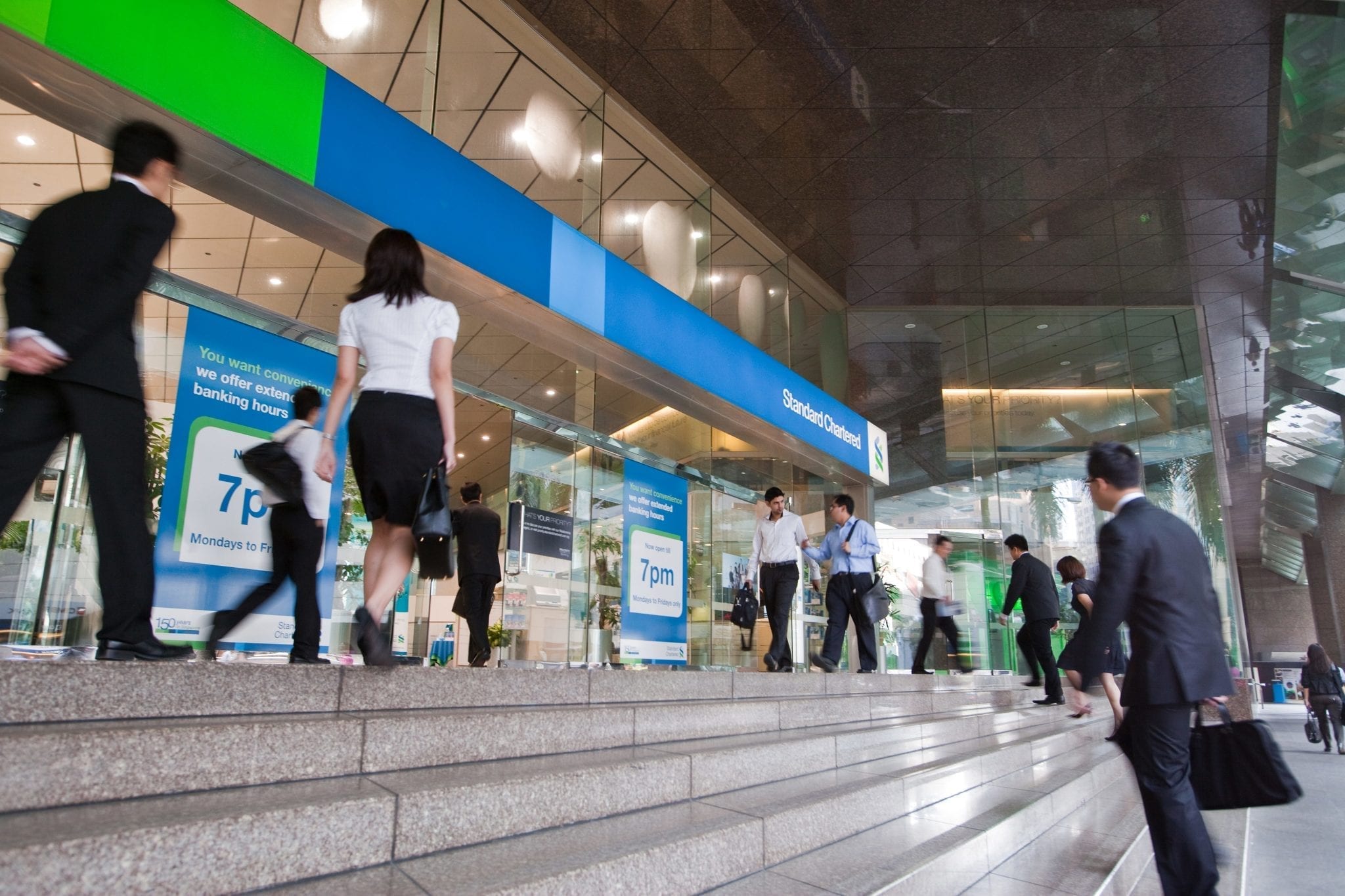
    Launched in 2010, StanChart’s ‘Here for good’ campaign showed how a bank could be a force for good by promoting economic activity that has a positive social impact. The new campaign retains the original brand promise but sharpens the bank’s focus on how banks can help tackle some of the problems that stand in the way of global prosperity and commerce.

    Behind the ‘Good enough will never change the world’ campaign is an 18 month deep-dive into the values underpinning Standard Chartered and ‘Here for good’. The project included hundreds of client interviews and collected inputs and values of our 85,000 staff.

    The campaign showcases a series of inspirational short films featuring people who accomplished extraordinary things because they wouldn’t settle for ‘good enough’. Directed by award-winning film-maker Asif Kapadia, the launch video stars Jamaican sprinter and Olympic champion Usain Bolt.

    “I always say ‘never think limits’ and ‘anything is possible’.  It is not enough to dream big – you need to push through barriers to realise your dreams,” said Usain Bolt. “When you have an end goal in mind and you’re passionate about it, you can find the will and the strength to break through boundaries and achieve that goal.”

    Follow-up videos will tell stories of how companies and clients overcame obstacles to deliver stronger performance or make a difference in emerging markets across Africa, Asia and the Middle East.

    “What is really exciting about the next chapter in ‘Here for good’ is that it’s deeply rooted in the Bank’s clients, employees and history” said Emma Sheller, Global Head, Brand and Marketing. “It’s also about being in tune with what’s happening in the world. We set the bar high with ‘Here for good’. Now we are setting it higher with ‘Good enough will never change the world’.”

    The campaign kicked off on 30 April in Hong Kong, Korea, Singapore, Taiwan and the United Kingdom. It will roll out in 2018 in phases across the rest of the Bank’s footprint.

  • Volkswagen launches SOL electric brand in China

    Volkswagen launches SOL electric brand in China

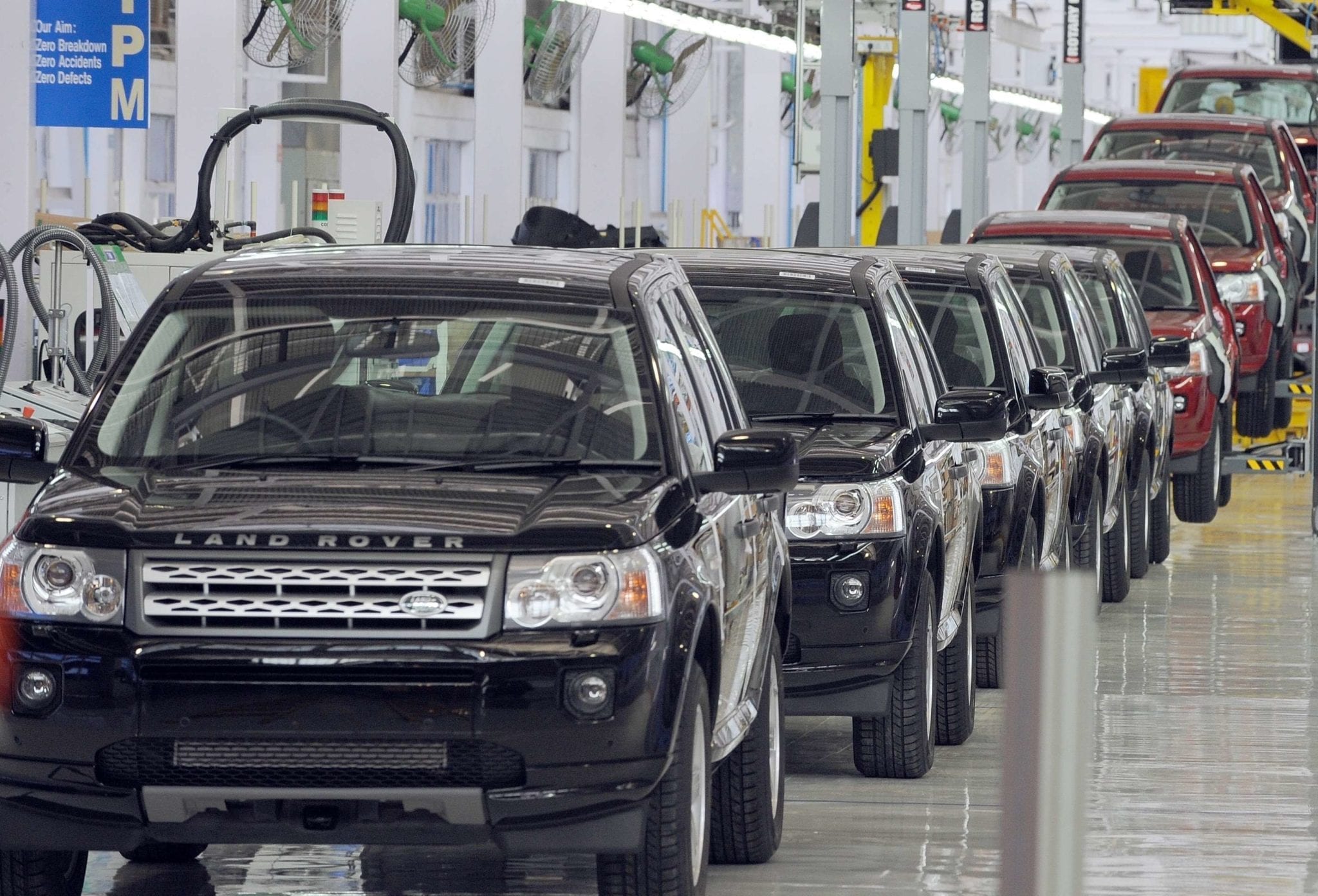
    Volkswagen has just launched the SOL brand for electric vehicles and the first product born out of the collaboration is an SUV called the E20X. VW has collaborated with China’s Anhui Jianghuai Automobile Group Corp (JAC). In fact, the E20X is almost identical to another JAC product.

    Volkswagen has provided any specific details on the car yet but it has been mentioned that the car will travel almost 300km on a single charge. The SOL E20X also will include artificial intelligence and intelligent connectivity, according to VW. In the future, VW, JAC, and Zhejiang Tmall Technology Company will collaborate to create a new retail model as well.

    VW did not provide specific details on the SOL brand’s launch, but Chinese consumers should first see the brand and its E20X later this year.

  • Go Travel to showcase new Memory Dreamer pillow

    Go Travel to showcase new Memory Dreamer pillow

    Go Travel is to showcase its new Memory Dreamer travel pillow at the upcoming TFWA Singapore show. The new pillow combines deluxe memory foam with an elasticated front closure for an individual fit.

    Its design is gradually tapered at the rear allowing the head to slope gently backwards.

    In addition to the three standard colours (blue, navy and grey) in the international range, the new design will be launched in eight additional colours in Singapore. These range from neon coral to citrus hues of orange, lemon and lime, jewel tones of ruby red, turquoise and purple.

    DELUXE MEMORY FOAM

    Designed with a deluxe memory foam which has increased sensitivity to respond instantly to the head’s weight and warmth, the Memory Dreamer moulds to the contours of the neck and chin for fully-structured, 360-degree support.

    According to Go Travel, which exhibited in Singapore for the first time last year, the pillow is perfect for long-haul travel and always returns to its original shape after use.

    The company said: “Following feedback from Go Travel’s debut at the show, the team identified the desire for more vibrant colour-ways and has responded with the introduction of eight additional colour options on this model.”

  • Unilever rides market shifts

    Unilever rides market shifts

    UNILEVER Thailand said it aims to boost people’s livelihoods while pursuing growth in the Thai market and reducing environmental impacts under a strategy it hails as 2022 Growing Together. Robert Candelino, head of Unilever Thailand, said that outlook for the consumer market in Thailand is tough.

    “I think the consumer market is desperate for new excitement and more energy I think there are so many changes happening that have never been before in history This includes in media, retail, consumer habits, buying preferences, demography and society – colliding all at once,” Candelino said

    “This is why it’s important to have a purpose at the core to go through this storm and to understand what you stand for in your values, the people you hire, the type of initiatives and what principally we want to do as a company”

    He said that the dynamic of the Thai economy is changing rapidly.

    “We (Unilever) as a business need to change continuously We have now lots of new and exciting channels – traditional retail shops, substantial big modern trade, online and social networks – to serve people and to improve the lives of Thais every day,” said Candelino

    He said that the biggest challenge today is probably the transformation of retail and that of consumer behaviour.

    “We’ve had a model that’s been there for 30-40 years You get in the car or get on the train, and then go to the store and buy your items, putting in the basket You pay for it, then you leave and go home That model served all of us well for decades and that model is now being challenged,” he said “It’s still there but it’s changing Convenient channels, proximity channels, mom and pop shops, they’re all becoming more and more relevant as part of people’s lives

    “All of these changes in retail and the behaviour of people mean that, as a consumer products company, our job is to meet people where they need and want us to be at the end of phone, at the end of a computer terminal, or a local shop or at the doorstep one hour after they ordered from us We need to be everywhere We understand this ecosystem, and people deserve to be more demanding That’s what happening and, as a consequence, everyone needs to change”

    He said that globally, Unilever has succeeded in integrating the principle of sustainable living into the company’s business practices since 2010.

    Unilever’s Sustainable Living brands deliver over 60 per cent of the company’s total growth, and grew more than 50 per cent faster than the rest of the business in 2016, Candelino said

    “These outcomes demonstrate that Unilever has become more competitive by integrating sustainability into our business,” he said “In Thailand, Unilever is ranked as the market leader in seven major product segments including laundry detergents, hair cleansing products, skin cleansing products, detergents, Jok rice porridge products, and ice cream and skin care.

    “We are proud of the fact that 99 per cent of 24.7 million households in Thailand make a purchase from Unilever’s product portfolio, with a repeat-buy rate of over 99 per cent, and that our consumers use our products three times a day”

    Candelino said that with the company’s high household penetration of its consumer products, it aims to expand the pie with the introduction of new benefits, new platforms, new businesses and new itemsSuch methods will help expanding the market universe, he said.

    To aid this effort, Unilever has implemented what it calls the 3Ps – for purpose, people and performance. Unilever aims to offer consumers improved well-being on a daily basis The Unilever Sustainable Living Plan (USLP) applies to ll Unilever employees and contributes to the company’s business practices to drive business growth while supporting communities Unilever is also committed to reducing its environmental footprint and increasing its positive social impacts, the chief executive said.

    lPeople: Unilever’s employees are encouraged to pass on greater value to customers by providing them with excellent value from the company’s portfolio of products “As our customers benefit, it is important that everyone is motivated and happy in their work environment,” Candelino said.

    lPerformance: By building innovation in each product segment to meet the requirements of consumers through the company’s sustainable livelihood policy and improving the purpose and capacities of employees, Unilever is confidant of increased growth in each of the targeted product segments while delivering products that contribute to better livelihoods for consumers, Candelino said.

  • Security Bank focuses on digitalization

    Security Bank focuses on digitalization

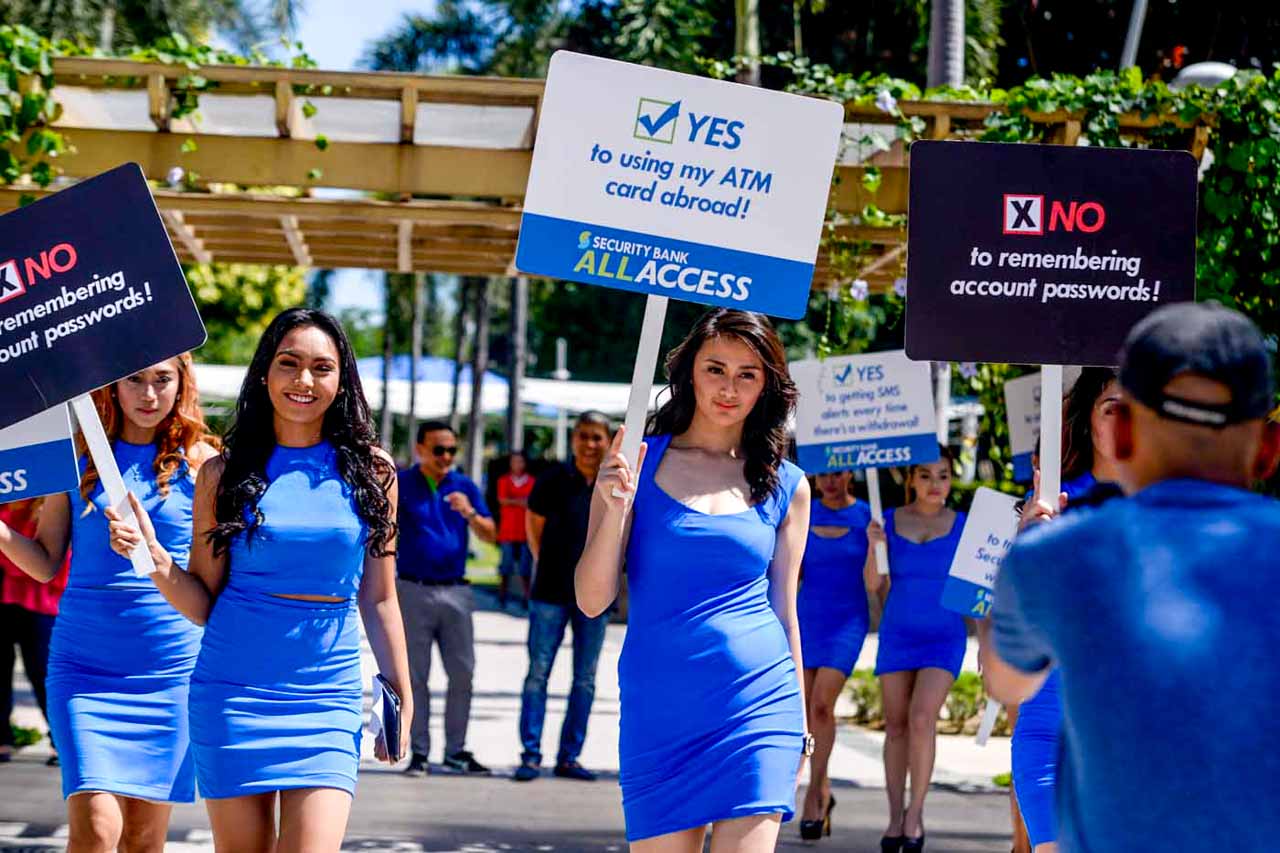
    During the annual stockholders’ meeting of Security Bank Corporation (PSE: SECB) on Tuesday, 24 April 2018, the following were elected to the Security Bank Board: incumbent directors Diana P. Aguilar, Philip T. Ang (independent), Anastasia Y. Dy, Frederick Y. Dy, Takayoshi Futae, Joseph R. Higdon (independent), James JK Hung (independent), Ramon R. Jimenez, Jr. (independent), Jikyeong Kang (independent), Napoleon L. Nazareno (independent), Takahiro Onishi, Alfonso L. Salcedo, Jr., Rafael F. Simpao, Jr. and Alberto S. Villarosa, and new director Cirilo P. Noel. During the organizational Board meeting, key appointments were for Frederick Y. Dy as Chairman Emeritus, Alberto S. Villarosa as Chairman, Anastasia Y. Dy as Vice Chairman, and Alfonso L. Salcedo, Jr. as President and Chief Executive Officer.

    In his report on 2017 operations, President and CEO Mr. Alfonso L. Salcedo, Jr. highlighted Security Bank’s 20% earnings growth that resulted in a record-high net income of Php 10.26 billion, versus industry’s 7% earnings growth. In the last five years, Security Bank’s net income grew by a compounded annual growth rate of 20% versus industry’s 3%. The Bank’s revenue growth in 2017 was 20% versus industry’s 11%. Net interest income growth was 22% versus industry’s 17%, while non-interest income growth was 15% versus industry’s 5% decrease. The Bank’s return on shareholders’ equity was 10.2% versus industry’s 9.96%. The Bank’s Core Equity Tier 1 and Total Capital Adequacy ratios of 15.5% and 17.7%, respectively, are among the highest in the industry and well above the minimum regulatory requirements. Total assets grew 9% to Php 757 billion. In the past five years, Security Bank’s total assets grew by a compounded annual growth rate of 21%, versus industry’s 11%.

    Also highlighted was Security Bank’s healthy loan portfolio growth of 28% versus industry’s 19%. The Bank’s loan growth was driven by corporate loans which increased 25%, middle market loans which grew 24%, and consumer loans which expanded 49%. In the past five years, Security Bank’s loan portfolio grew by a compounded annual growth rate of 22% versus industry’s 18%. The Bank’s three customer segments grew by compounded annual growth rates of 18% for corporate loans, 20% for middle market loans, and 63% for retail loans. Retail loans as a percent of total loans increased to 16% at year-end 2017 from 13% in 2016. Security Bank now has a full slate of consumer loan products consisting of home, auto, credit card, personal and small business loans. Asset quality remained healthy with net non-performing loan ratio at 0.02%, a decrease from 0.17% in 2016, and lower than industry’s 0.47%. NPL cover increased to 239%, versus industry’s 150%. Deposit growth was 19%, faster than industry’s 12%. In the last five years, Security Bank’s deposits grew by a compounded annual growth rate of 19% versus industry’s 12%. The Bank added 12 new branches in 2017, bringing its network to 302 branches. Its ATM network has grown from 622 to 713.

    Security Bank maintained its cost-to-income ratio at an efficient 49.8% compared to industry’s 63.3%, even as the Bank continued to invest heavily in information technology, digitalization, people and branches. Mr. Salcedo stated that these investments are designed to transform the Bank’s infrastructure and way of doing business, and ensure that the Bank stays relevant to shifting customer needs in a fast-changing banking and technology landscape. Security Bank continues to be focused on its medium-term strategic goals which are to regain industry-leading ROE, continue growth momentum to build its retail banking business as the third business pillar, and transform the Bank’s infrastructure to support its growth aspirations and deliver its BetterBanking promise. Key to this transformation is the digitalization of its customer acquisition and servicing channels and operational processes. In 2017, Security Bank increased cash dividends to Php 3.00 per share from Php 2.00 in prior years.

    Highlighted in the President’s report were the major awards that Security Bank received, most recently as The Best Retail Bank in the Philippines for 2018 by The Asian Banker and Best Bank in the Philippines by Global Finance. Mr. Salcedo stated that the execution and results of Security Bank’s retail banking strategy led to the major breakthrough award as The Best Retail Bank in the Philippines for 2018. In 2017, Security Bank was named Best Bank in the Philippines by Alpha Southeast Asia; Best Bank for SMEs in the Philippines by Asiamoney; and Best Digital Bank in the Philippines by Capital Finance International of London. The Bank also received awards for management excellence, industrial peace and harmony, corporate banking and treasury, brand marketing, product innovation, investor relations, and corporate social responsibility.

  • DBS shares shoot past S$30 on 21% surge in Q1 earnings

    DBS shares shoot past S$30 on 21% surge in Q1 earnings

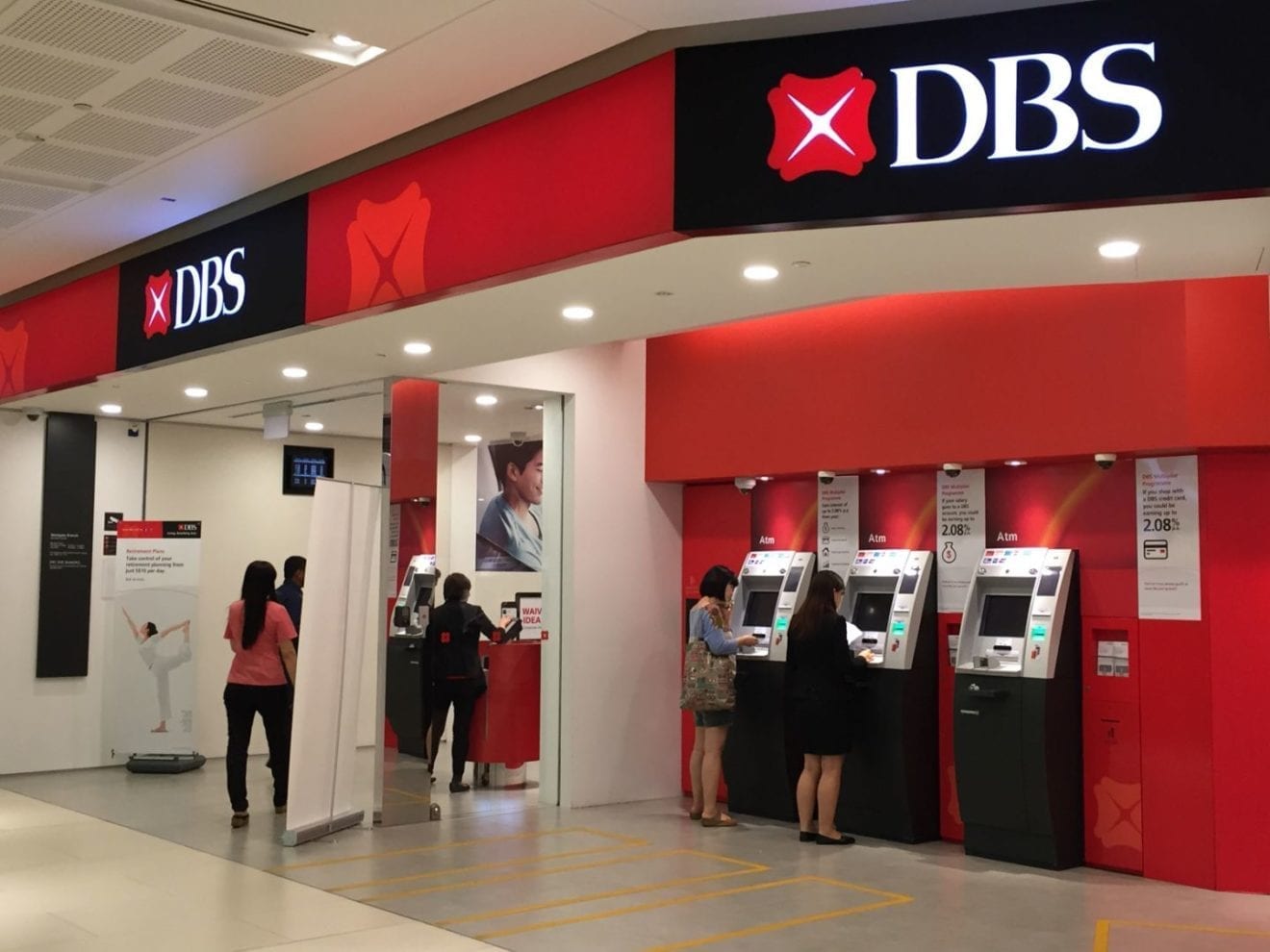
    DBS shares crossed S$30 for the first time after it sparked a surge in bank stocks on Monday with sparkling Q1 results. South-east Asia’s biggest bank group announced before market hours that earnings for the first quarter rose 21 per cent to S$1.5 billion as it benefited from higher interest rates and loans growth as well as a property sale gain in Hong Kong.

    The first of the three local banks to report Q1 results, DBS exceeded expectations. Analysts polled by Bloomberg had forecast S$1.4 billion in net profit for the three months ended March 31. The stock surged 2.8 per cent to close at S$30.84.

    Chief executive Piyush Gupta, speaking at the bank’s results briefing, said he expects “a fairly strong year for DBS” as the global growth momentum is still robust and “the opportunities that we see are continuing to stay for us.”

    Loans expanded 13 per cent, or S$39 billion in constant-currency terms to S$328 billion from growth across trade, corporate and consumer loans, including S$9 billion from the consolidation of the retail and wealth management business of ANZ.

    Income and loans growth from small and medium enterprises (SME) has been strong but it was slow for the bank’s large corporate customers, he said.

    Corporate income in Q1 was flat while SME income rose 9 per cent.

    Full-year loan growth guidance maintained at 8 per cent, said Mr Gupta.

    Net interest margin (NIM) – defined as difference between interest income generated and the amount of interest paid to its lenders including depositors – rose nine basis points from a year ago to 1.83 per cent from higher Singapore dollar as well as US and Hong Kong dollar interest rates.

    DBS is on track for full year NIM of at least 1.85 per cent and may even exceed that by one to 2 basis points if there are three more US Federal Reserve rate hikes and there is pass through to local Sibor/SOR rates, said Mr Gupta. The 3-month Sibor or Singapore interbank offered rate which is the benchmark for housing loans has risen to 1.5 per cent from 1 per cent last June. Three-month SOR or swap offer rate – used to price commercial loans is even higher, at 1.6 per cent from last June’s low of 0.6 per cent.

    Mr Gupta said he wouldn’t be surprised if there are even four rate hikes by the US Fed this year.

    Net fee and commission income rose 12 per cent to S$744 million, led by higher bancassurance and unit trust sales. Card fees rose from higher credit card and debit card transactions as well as the consolidation of the retail and wealth management business acquired from ANZ.

    Consumer and wealth management income rose 17 per cent to S$1.4 billion. Wealth management income went up a strong 28 per cent while retail was up 8 per cent. Assets under management gained 22 per cent to S$208 billion, with S$22 billion from ANZ.

    Home loan market share remains at 31 per cent and SGD savings market share is 52 per cent. New home loan sales was S$2.5 billion in Q1.

    Other non-interest income swelled 25 per cent to S$488 million. There was a S$86 million gain from the sale of a Hong Kong property. Net trading income was also higher, partially offset by a fall in net income from investment securities.

    Expenses increased 12 per cent to S$1.4 billion. Excluding the consolidation of ANZ and a non-recurring item, underlying expenses were 6 per cent higher. Non performing assets (NPA) fell 4 per cent from the previous quarter while the non performing loan (NPL) rate eased to 1.6 per cent from 1.7 per cent. NPL ratio was 1.4 per cent in Q1 2017.

    Mr Gupta said asset quality is “looking very good” with new NPA formation of S$195 million at 4-year low. Return on equity (ROE) was 13.1 per cent, the highest in a decade. ROE was 11.1 per cent a year ago. Mr Gupta said he expects full year ROE to be at 12.5 per cent.

    Along with DBS, UOB, which is announcing its results on Thursday, rose S$0.70, or 2.38 per cent, to S$30.14, while OCBC went up S$0.15, or 1.1 per cent to S$13.80.

  • YAANA Corporate Challenge Announced for September in Thailand

    YAANA Corporate Challenge Announced for September in Thailand

    Companies across Asia are being invited to join the 2nd YAANA Corporate Challenge, which will take place in Chiang Mai, Thailand, 21-23 September 2018.

    The 2-day/3-night corporate networking event has been designed for business people interested in environmental best practice. By day, the participants ride bicycles to see the best of northern Thailand scenery. Participation in the bike rides raises funds for Operation Smile Thailand. The charity pays for operations for Thai children to fix debilitating deformities such as cleft lip.

    Evenings in Chiang Mai will feature relaxed activities such as a cocktail reception and dinner to replenish calories burnt by day. The Friday evening dinner will feature a guest speaker. The closing dinner on Sunday night will take place at an iconic location in Chiang Mai city.

    The annual cycle ride was conceived by responsible tourism investor, YAANA Ventures. Khiri Travel and cycle trip specialists, Grasshopper Adventures, will handle logistics. YAANA is leading the sign-up and fundraising component.

    “It is not a cycle race,” says Mark Remijan, CFO of YAANA Ventures. “Far from it. Our priority is corporate networking and fundraising based on sustainability and conservation themes. It’s also about health, enjoying amazing scenery, and raising funds that will enhance young people’s lives.”

    Only a moderate amount of fitness is required. The bike ride element will offer two options: 140kms or 100kms over two days. This comes with full back up support van and plenty of good food and refreshments along the way.

    Last year the male and female riders in the YAANA Corporate Challenge raised US$25,000 for Operation Smile. They are targeting around US$40,000 this year.

    The funds will be used to pay for operations, after care and speech therapy for Thai children born with facial deformities. Kind-hearted companies can sign up teams of one to three riders depending on their sponsorship package: platinum (three riders for THB175,000/US$5,600), gold (two riders for THB125,000/US$4,000), or silver (a single rider at THB75,000/US$2,400).

    Packages include bikes with full technical support, accommodation, corporate branding, apparel, meals, souvenirs, publicity for participating brands, and more.

    The inaugural YAANA Corporate Challenge bike ride took place in coastal central Vietnam in September 2017. Companies interested in participating this year can view the Vietnam clip as a guide to what to expect in Chiang Mai.

    The YAANA Corporate Challenge is open to business leaders from any sector, says Willem Niemeijer, CEO of YAANA Ventures.

    “Participants from any industry can join,” says Niemeijer. “They should be passionate about people and planet as well as profits – and ready to get in the saddle to enjoy great scenery by day, and the exchange of ideas in the evening.”