Author: Mei Ling Tan

  • FWC gives new Coles deal a tick

    FWC gives new Coles deal a tick

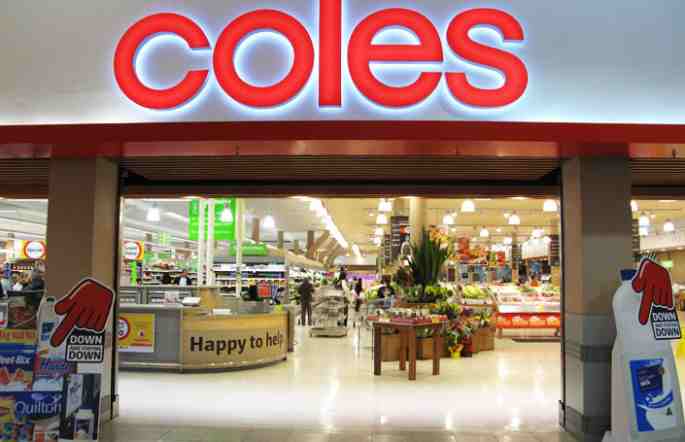
    The Fair Work Commission has signed off on Coles’ new enterprise agreement, bringing an end to a three-year fight over the pay and conditions of more than 80,000 workers.

    FWC deputy president Val Gostencnik yesterday approved the contentious agreement after workers voted in favor of the deal in February.

    Coles was forced to draft a new enterprise agreement after its 2014 deal with the SDA was found by the full bench of the FWC to have failed the Better Off Overall Test (BOOT).

    SDA national secretary Gerard Dwyer said the new agreement was an “excellent outcome for Coles workers” that would deliver a pay rise for all workers and improved penalty rates.

    “With wage growth at historic lows across Australia, we’re pleased this new agreement has been approved and will deliver a July increase to Coles workers and pay rises for all over the life of the agreement,” he said.

    The agreement delivers higher wage rates than the Award and locks in conditions such as voluntary work on public holidays and flexible rostering provisions.

    Casual employees will also have the right to request to convert to full or part time work if they have worked a pattern of hours over a twelve-month period, subject to conditions.

    Retail and Fast Food Workers Union  (RAFFWU) John Cullinan had opposed the agreement, arguing that it traded away too many conditions, but nevertheless said its approval was a step in the right direction for Coles workers.

    “It’s taken three years but now we’re there … a landmark new agreement, the first major agreement in retail that restores penalty rates, shift rates, casual loadings and other conditions,” Cullinan said.

    “We fought every step of the way, even over the last few weeks we were still fighting to get the best deal.”

    RAFFWU said that the new deal will deliver many workers with a 20 per cent increase in pay.

  • Kanmo Retail Group Digitises Retail Game with Capillary Technologies

    Kanmo Retail Group Digitises Retail Game with Capillary Technologies

    Capillary Technologies, a leader in omnichannel engagement and commerce solutions, has been locked in as the omnichannel partner for Kanmo Retail Group, which manages a portfolio of more than 70 brands across Indonesia, including Mothercare, Karen Millen, Coach, Justice and T.M. Lewin.Capillary will play a strategic role in supporting Kanmo Retail Group’s mission to provide outstanding retail experiences to customers through designing and powering the technology that enables the business to seamlessly connect online and offline customer journeys.

    As the Indonesian market charges towards digitising traditional retail stores and taking on an omnichannel approach, Kanmo Retail Group recognises the growing need to build a truly omnichannel system that puts their customers at the centre of everything they do.

    “Kanmo Retail Group caught on early to the fact that Indonesia is undergoing a digital boom. However, to truly yield results from our omnichannel strategy, we have to look beyond just engaging our customers through offline and online means. We have to take into consideration all customer touchpoints across our various brands and integrate them seamlessly onto a single platform,” said Bhavin Patel, Group Omnichannel Director at Kanmo Retail Group said.

    “Not only does Capillary helps to integrate all our existing systems and merge them into a single, omnichannel experience platform, they also provide us with the flexibility of scaling and easily deploying the solution accordingly. Additionally, the advanced AI-based reporting and actionable insights engine enabled us to analyse data across channels which in turn provide us business insights and allowing us to improve our campaigns,” Patel added. “All these made Capillary the perfect choice for us.”

    Capillary Vice President and Business Head for Asia Pacific, Abhijeet Vijayvergiya commented on Capillary’s partnership with Kanmo Retail Group, “We are excited to be working with Kanmo Retail Group and empowering their digital journey. With a passionate team at Capillary accompanied with Kanmo Group’s futuristic vision, we look forward to seeing a long-term and rewarding partnership.”Kanmo Retail Group is currently using the following solutions from Capillary Technologies:

    • Capillary’s Loyalty+ and Insights+

    Kanmo Retail Group will be able to build an omnichannel loyalty programme that ensures customers can continue their seamless journey across all Kanmo brands. At the backend, all Kanmo brands will now have a 360° single, unified view of their consumers across channels and have access to in-depth actionable insights and recommendations for the next critical interaction.

    • Capillary’s Order Management System

    As part of Anywhere Commerce+, this feature allows Kanmo Retail Group to integrate all their inventory in the backend with all the orders that have been placed. With a single view of orders and inventory, Kanmo store employees can easily assist customers with omnichannel experiences such as placing orders from the store that can either be picked up from any store of their choice or be delivered to their homes. It would also help Kanmo Group increase efficiency and reduce errors in fulfilment across their omnichannel operations.

    In Southeast Asia, Capillary is working with 14 million customers and has 14 hundred stores active on its platform, including Mitra10, Bata, Caring Pharmacy, TungLok Group and McDonald’s. Fresh off a US$20m funding round led by blue chip investors Warburg Pincus and Sequoia Capital, Capillary also plans to use some of the new funds in strengthening its presence in Southeast Asia, including Indonesia, after achieving a threefold growth in the region.

  • Huawei details latest HK partner programs

    Huawei details latest HK partner programs

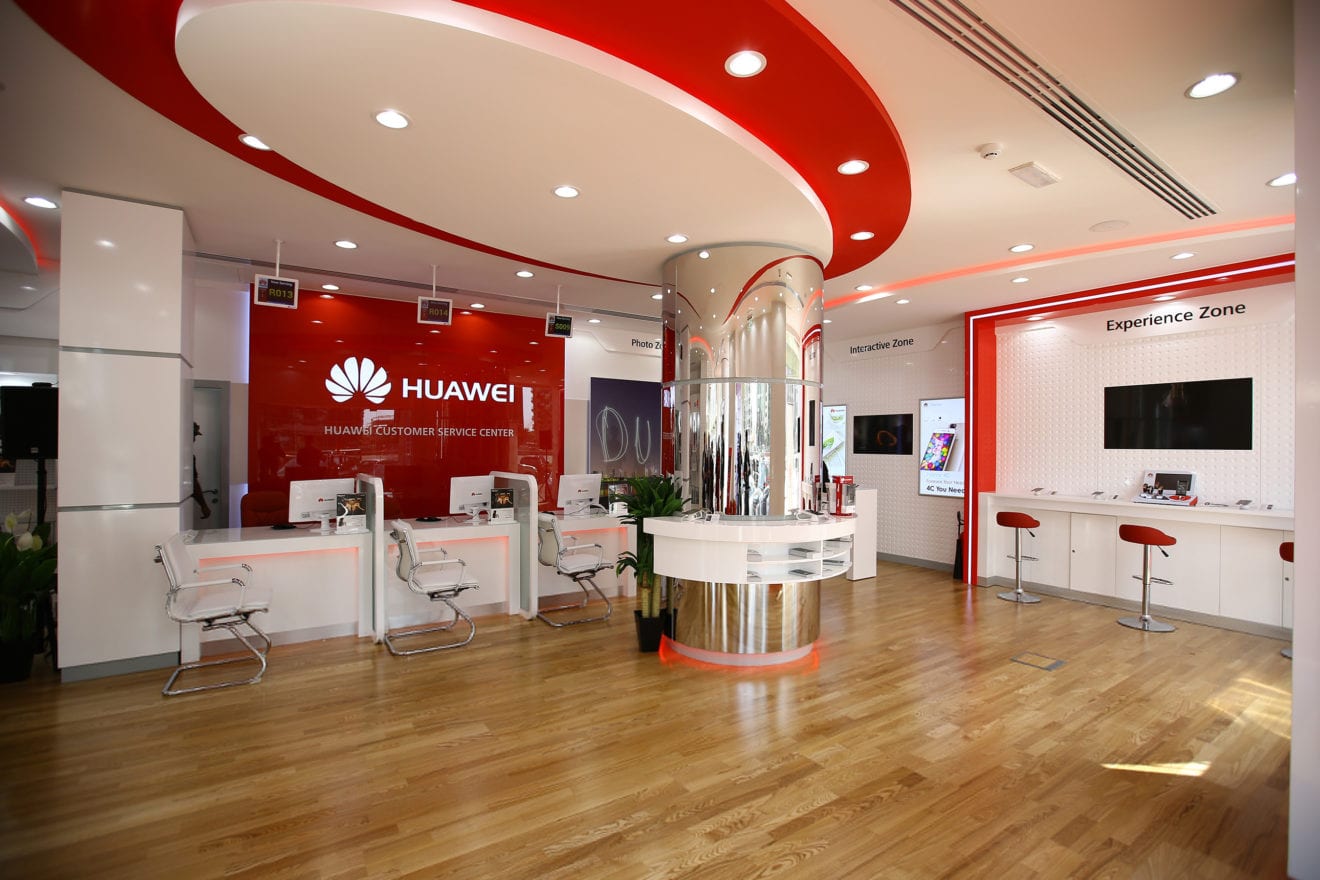
    Huawei has unveiled its latest partner programs and strategic digitalization plans at the Huawei Enterprise Partner Summit 2018 in Hong Kong.

    The Chinese ICT infrastructure provider’s partner programs in Hong Kong will be focused on business development in fintech, smart city, healthcare, and large enterprises.

    Huawei meanwhile plans to deploy 20 open labs worldwide to develop solutions catered to local needs, as the company seeks evolve its partner ecosystem to explore new opportunities for continued digital transformation.

    “Huawei embraces digital transformation with its ‘platform and ecosystem; strategy and we strive to integrate the cloud, pipe, and device, in order to build an open, flexible, secure and full-stack ICT platform,” Huawei Hong Kong managing director for enterprise Steven Pan said.

    “Huawei has established a public cloud node in Hong Kong to provide customers with hybrid cloud offerings under a unified architecture, API, and set of service, including more than 60 solutions for different vertical sectors and more than 100 IaaS and PaaS services.”

    At the summit, Huawei also a announced the winners of its Partner Summit awards for 2017.

    Best Distributor was awarded to Karin Electronic Supplies, Best Value Added Partner went to China Comservice (HK), Best Innovation Solution Partner went to PCCW Solutions and Best Industry Solution Partner was awarded to IT Channel (Asia).

    Meanwhile BoardWare Information System won Best Performance Excellence Partner, HKTwon Best Commercial Partner and Automated Systems Holdings was named Best Solution Partner and Best Certified Services Partner.

  • Telkomsel can do a much better Customer Support Job!

    Telkomsel can do a much better Customer Support Job!

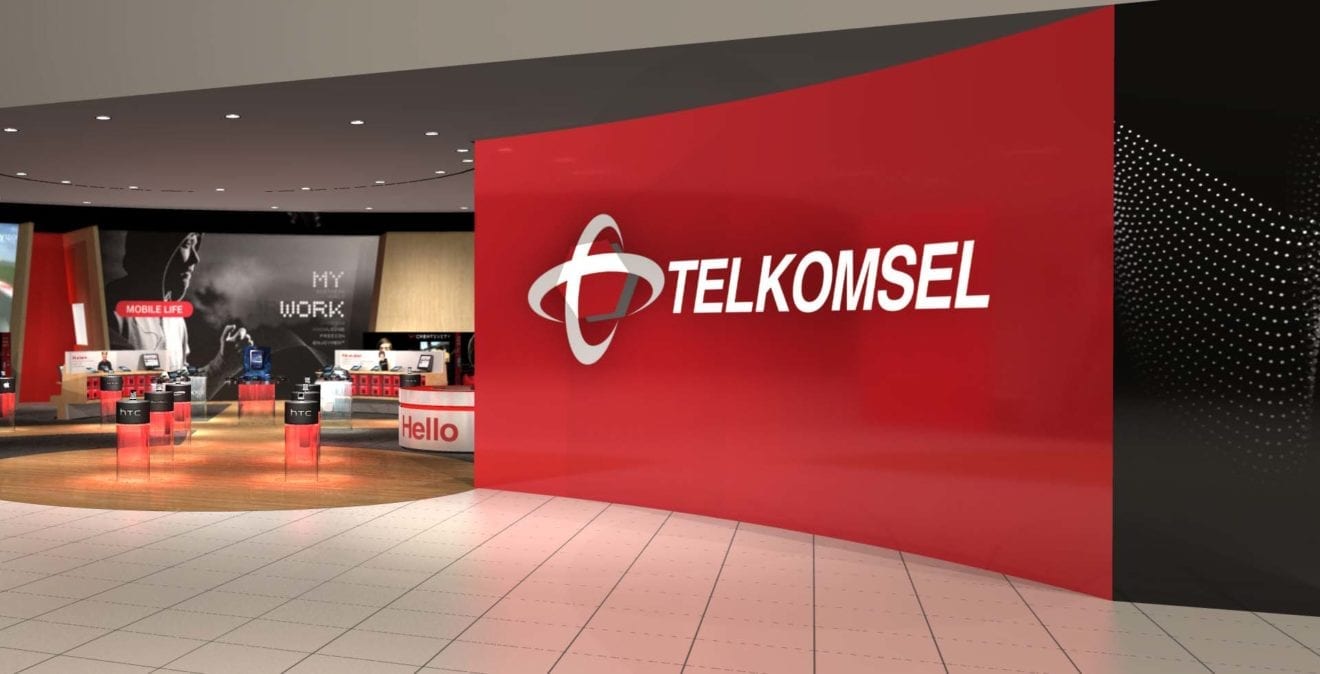
    Indonesia’s telecom companies must vastly improve their customer service, the regulator has warned, after revealing that some providers had deliberately made their service worse in 2017. The likes of Telkomsel, Indosat and XL “dominate the list of worst-rated companies for customer service — behind even banks”.

    13 per cent of mobile customers experience “poor service”, according to Which?, the consumer rights company. “The fact that the telecoms industry is so far behind should be a concern for us all” Previously. Indonesia’s mobile users have long complained they do not get the service they pay for, with speed failing to match advertised promises or patchy mobile connections. Ou survey shows that some telecom companies had deliberately downgraded their service levels during 2017.

    Telkomsel was the worst offender, taking seven minutes and 27 seconds to pick up the phone to customers, driving more than a fifth of people to give up before connecting. When connected, XL scored higher in terms of handling its complaints than Indosat and Telkomsel. It’s time for telecom operatios in Indonesia to wake up, craft new procedure and finally cope with their promises. Subscribers are tired of unwanted bulk advertising, long waiting queues and to speak with an operator who literally can do nothing for them.

    Telkomsel recently has a lot of issues with increased amounts of support calls due to the new law to register sim cards in Indonesia and how to execute this ; no one was available for a proper explanation. Telkomsel reported a loss in customers of 0,6-1% during the last month.

  • Tigerair has the most delayed flights of any airline

    Tigerair has the most delayed flights of any airline

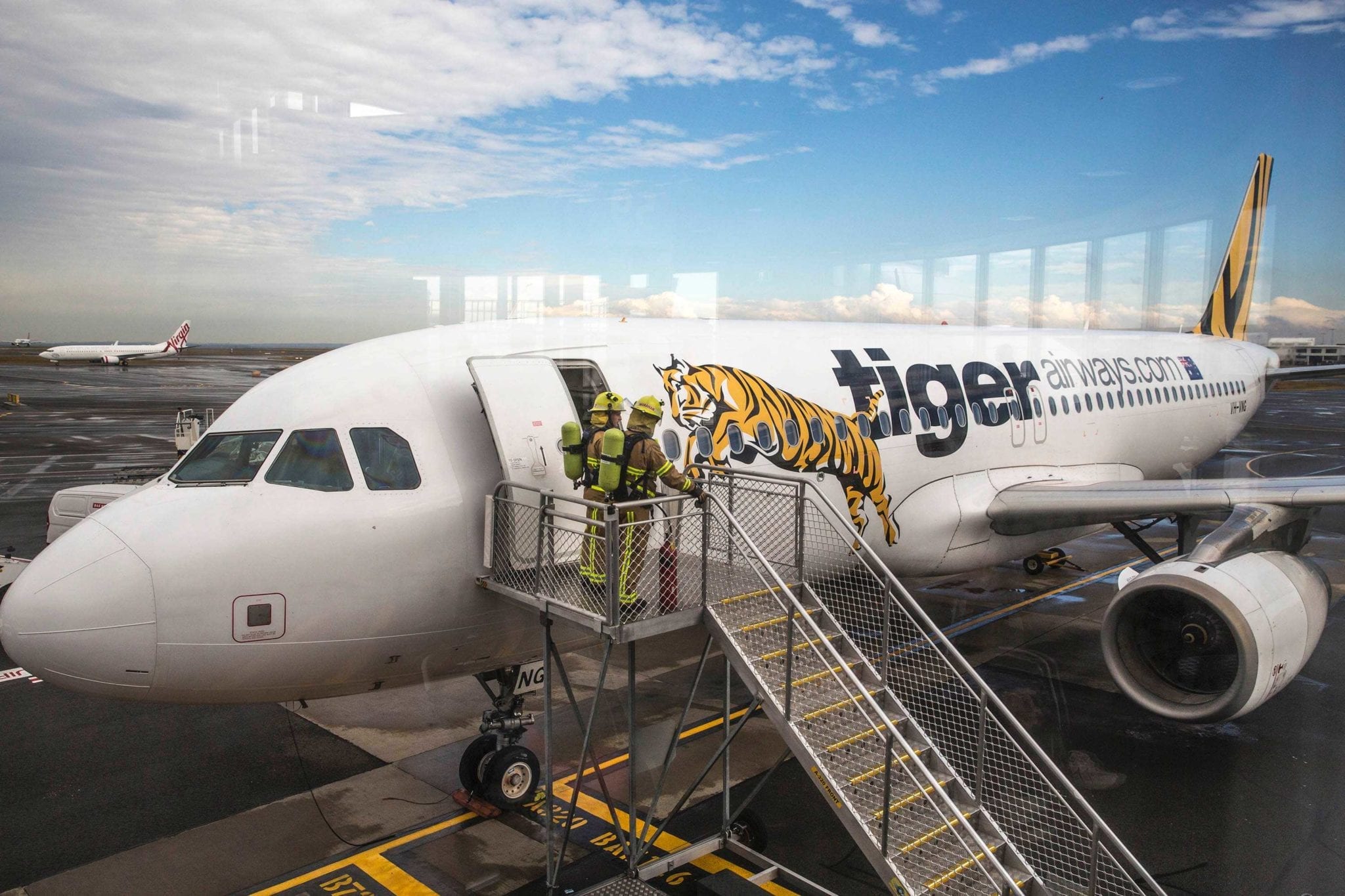
    Delayed and cancelled flights are on the rise, leading to calls for Australian passengers to be ‘better compensated’. Tigerair has the most delayed flights, followed by Jetstar, Virgin and Qantas, data from the Bureau of Infrastructure, Transport and Regional Economics shows.

    Only 71.4 per cent of Tigerair flights arrived on time, compared to 77.2 per cent for Jetstar, 83.4 for Virgin Australia and 84.7 for Qantas, the report revealed. Delayed and cancelled flights are on the rise, leading to calls for Australian passengers to be ‘better compensated’ Only 71.4 per cent of Tigerair flights arrived on time, compared to 77.2 per cent for Jetstar, 83.4 for Virgin Australia and 84.7 for Qantas, the report revealed.

    The average on-time arrivals across all airlines was 82 per cent and 1.9 per cent of all flights were cancelled.

    This represented an increase of delayed flights and cancellations compared to previous years.  QantasLink had the highest rate of cancellations in 2017, following by Tigerair and Virgin Australia Regional Airlines.

    The highest rate of cancellations was 6.2 per cent on the Sydney-Hamilton Island route, followed by Hamilton-Island to Sydney at 6.1 per cent and Melbourne to Hamilton Island at 5.2 per cent.

    The average on-time arrivals across all airlines was 82 per cent and 1.9 per cent of all flights was cancelled

    Choice spokeswoman Stefanie Menzies told Australian airlines are ‘flying below the radar’ on consumer protection.

    ‘Compensation should be fair and standardised, no matter what airline you’re on or what the customer service agent decides you deserve on the day,’ she told the publication.

    ‘Airlines should take responsibility for their own mistakes instead of making passengers pay for a delay.’

  • Shake Shack opens next week in Hong Kong

    Shake Shack opens next week in Hong Kong

    Shake Shack Hong Kong makes its debut on Tuesday at IFC mall in Central. With panoramic views of Victoria Harbour, the eatery will be able to seat more than 46 guests. As a modern “roadside” burger stand that began as a hot-dog cart in New York’s Madison Square Park, Shake Shack has gained a global following for its Flat-top Dogs with all-natural beef and no hormones and antibiotics, served on a non-GMO Martin’s Potato Roll.

    As well as the New York City brand’s classics of burgers, hot dogs and fries, Hong Kong Shack will serve localised menu items like milk tea shake (vanilla custard blended with black tea), French toast (with vanilla custard, peanut-butter sauce and banana, topped with maple sugar), the Heart & Tart of Central (vanilla custard, egg tart and strawberry puree) and That’s My Jam (vanilla custard, mango/passion fruit jam, raspberries and crumbled shortbread).

    Its crinkle-cut fries can be served plain or with a special blend of American and cheddar cheese sauce.

    Hong Kong Shack customers will also be offered the classic ShackBurger, a cheeseburger made from premium whole-muscle cuts of Angus beef, topped with lettuce, tomato and house-made ShackSauce. A meat-free option is the ’Shroom Burger, a crisp-fried portobello mushroom filled with melted muenster and cheddar cheese, topped with lettuce, tomato and ShackSauce.

    Brooklyn Brewery makes an exclusive ShackMeister Ale for Shake Shack, and as well as this the Hong Kong outlet will include beers by Gweilo, Heroes, HK Yau, Moonzen and Young Master. Wine is served by the glass, including Shack Red and Shack White from Gotham Project Winery in the US.

    To mark the eatery’s opening in Hong Kong, the first 100 people in line when doors open on Tuesday will be given a pair of Shake Shack sunglasses. And as part of Shake Shack’s mission to Stand for Something Good, the outlet will donate 5 per cent of sales to ChickenSoup Foundation, a non-profit that seeks to empower at-risk children in Hong Kong.

    Shake Shack has more than 90 locations in 19 US states and more than 50 international locations including Dubai, Istanbul, London, Moscow, Seoul and Tokyo.

  • Octopus Card integrates with Samsung Pay

    Octopus Card integrates with Samsung Pay

    The ubiquitous Octopus Card has been digitally integrated into the Samsung Pay network, allowing consumers to securely pay and travel by simply tapping their smartphones against an Octopus acceptance reader for payment or even door access.

    Consumers will be able to easily register their credit card details with Samsung Pay, providing one more option to top up their digital Octopus cards when necessary.

    It’s a major leap forward for the Octopus Card which has previously worked purely as a  stored value system, and for online e-payments.

    Originally designed as a contactless smart card for using public transport, the card has grown into the most popular cashless payment system in Hong Kong, accepted by convenience stores and even Starbucks. There are now more than 80,000 touch-points in Hong Kong, including stores, recreational facilities, vending machines, and self-service kiosks and more than 34.5 million active Octopus Cards and O! ePay accounts in use. Some 14.5 million transactions amounting to more than HK$200 million are made every day.

    Smart Octopus in Samsung Pay uses Gemalto’s Trusted Service Hub technology to securely digitise Octopus Cards into Samsung Pay, including the transfer of the balance and any associated loyalty programs.

    Sunny Cheung, CEO of Octopus Holdings, said the partnership has enabled Octopus to be among the first contactless smart card payment system operators in the world to allow customers to pay via their smartphones.

    “We believe this service will resonate well with consumers seeking a payment method that is hassle-free and safe to use, providing them with more payment methods to choose from.”

    “Smart Octopus in Samsung Pay delivers a convenient yet secure payment option for consumers in Hong Kong, and helps the city realise its vision of transforming into a cashless society,” said Michael Au, senior VP banking and payment in Asia with Gemalto.

    Smart Octopus in Samsung Pay is currently compatible with Samsung Galaxy Note8, S8+, S8, S9, S9+, A8+ and C Pro series including C5 Pro, C7 Pro and C9 Pro models.

  • Facebook fighting a war against clickbaiting posts

    Facebook fighting a war against clickbaiting posts

    Facebook will this week begin demoting news feed posts from people and pages that use clickbaiting to get greater reach.

    In what it describes as an effort to promote more meaningful and authentic conversations on the platform, Facebook staff have detected different types of clickbaiting – or in social media lingo, “engagement baiting” – to show spammy and sensational content less on the news feed. But the clampdown will exclude posts that ask people for help, advice, or recommendations.

    Facebook warns that business pages and publishers that use engagement baiting will get less engagement, and more significant drops in reach if they repeatedly use the tactic.

    As a result, pages should continue to focus on posting relevant and meaningful stories that do not use engagement bait tactics.

    To learn more about clickbaiting and how to avoid using it on Facebook guidelines.

  • Profit skyrockets for TSL Hong Kong

    Profit skyrockets for TSL Hong Kong

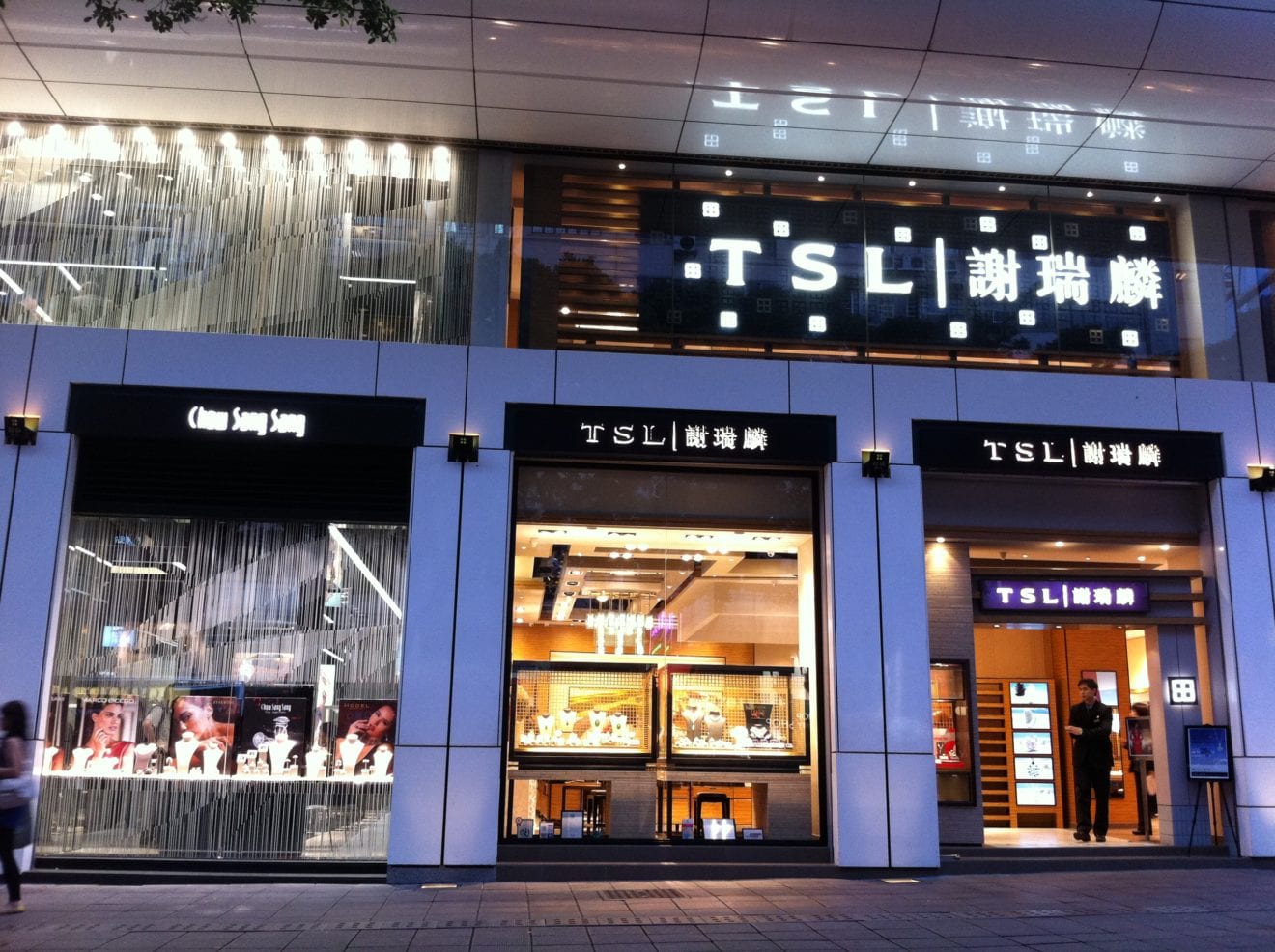
    Favourable business conditions plus cost-saving measures were cited as the reason when the company announced its second interim results for the period, reviewed by its audit committee. Also contributing to the 100.9 per cent increase to HK$46.6 million was the growth in tourist numbers into Hong Kong and Macau.

    The company says this was an encouraging and a welcome relief to the region’s entire retail industry following a downward trend for many years. “Driven by a relatively favourable consumption sentiment across all the festive seasons, the average sales per invoice improved resulting in a year-on-year increase in the revenue of our Hong Kong retail business.”

    This, together with the steady performance of the group’s other retail businesses in Mainland China, Malaysia and on its e-commerce platform, saw overall performance stay in line with expectations.

    Consolidated turnover for the period increased by 11.8 per cent to $3.8 billion.

    Cautious approach

    TSL says it has started to benefit from its cautious approach to expansion in Hong Kong and Macau over the past few years. This, together with the rise in tourism, improved consumption sentiment and enhanced product range, has resulted in sales turnover rising 10.3 per cent with stable same-store sales overall.

    “Accounting for 39.3 per cent of the group’s total turnover, our retail business in Mainland China continues to play a vital role as the group’s growth engine,” says the company. With the shift away from department stores to shopping malls, TSL is optimising its retail network accordingly. It is hoping this will improve same-store sales figures, which have continued to slip 3 per cent.

    Its retail network on the mainland grew by 50 stores to 380, including 187 franchised outlets.

    Sales on the group’s major e-commerce platforms surged by more than 20 per cent from last year.

    In Malaysia, TSL had an “encouraging boost” of 37.5 per cent in sales, reinforcing its belief in the market after many years.

  • Cebu Pacific targets 12% passenger growth with A321 deliveries

    Cebu Pacific targets 12% passenger growth with A321 deliveries

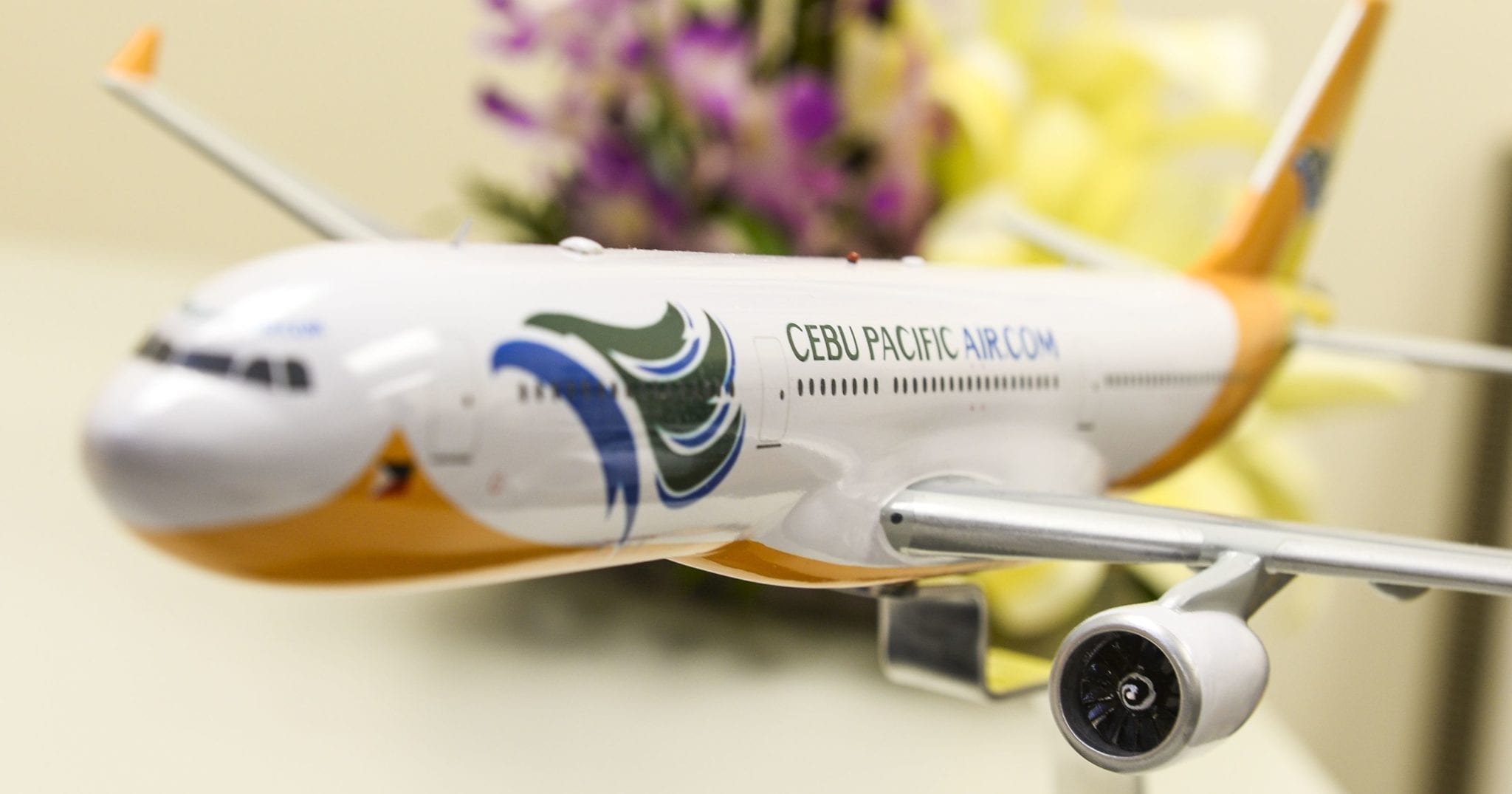
    Cebu Pacific is targeting for passenger numbers to hit 22 million in 2018, a 12% increase from the year before.

    Last year, the Philippine low-cost carrier handled 19.7 million passengers, a 3% year-on-year increase, largely driven by an 8% growth in the number of international passengers. Performance was strong in its key markets of Sydney, Dubai, Hong Kong, Tokyo Narita, Taipei, and Seoul.

    “To reach our goal of flying 22 million passengers this year, we remain committed to offering a compelling route network where we can meet rising demand and sustain our year-round low fare proposition,” says JR Mantaring, the airline’s vice-president for corporate affairs.

    He adds that despite the higher fuel price, the weakening of the Philippine peso against the US dollar, security concerns and travel advisories, the carrier has “remained relatively resilient”.

    This year, the carrier is scheduled to add seven A321s from March through September, before its first Pratt & Whitney PW1100G-powered A321neo is delivered in November. These large narrowbodies will add capacity and also free up some A330s that are used on short-haul services to go further afield.

    Two of these A321s have already been delivered, while another three are scheduled to arrive “in the coming days”.

    Last year, operating profit slipped 17.3% to Ps10.1 billion ($194 million), as the growth in expenses outpaced that of revenue. Net profit fell 18.9% to Ps7.91 billion.

  • Amazon’s profit doubles

    Amazon’s profit doubles

    Amazon has reported a 43 per cent increase in net sales in the first quarter to US$51 billion, compared with $35.7 billion in the first quarter 2017, topping analysts’ expectations of $49.8 billion and boosting its share price 6 per cent in extended trading.

    Excluding the $1.6 billion favourable impact from year-over-year changes in foreign exchange rates throughout the quarter, the e-commerce giant’s revenue increased 39 per cent compared with first quarter 2017.

    The results were driven by Amazon’s profitable cloud computing business, strong advertising sales and better-than-expected retail performance, particularly in the US, where the acquisition of Whole Foods boosted sales in that segment 46 per cent year-on-year to $30.7 billion in the quarter, according to Brian Olsavsky, Amazon’s chief financial officer, on a call with analysts.

    The company could see further gains from its US retail business, after announcing Thursday that it plans to increase the annual price of Prime memberships from $99 to $119 in May. Amazon CEO Jeff Bezos recently revealed there are more than 100 million Prime members worldwide.

    The e-commerce giant increased its operating cash flow 4 per cent to $18.2 billion for the trailing twelve months, compared with $17.5 billion for the trailing twelve months ended March 31, 2017.

    Operating income increased 92 per cent to $1.9 billion in the first quarter, compared with operating income of $1 billion in first quarter 2017. And net income was $1.6 billion in the first quarter, or $3.27 per diluted share, compared with net income of $724 million, or $1.48 per diluted share, in first quarter 2017.

    Looking ahead, the retail giant expects net sales in the current quarter to be between $51 billion and $54 billion, which would be 34 to 42 per cent higher than net sales in the second quarter 2017. This guidance anticipates a favorable impact of approximately $1.2 billion or 320 basis points from foreign exchange rates.

    Operating income is expected to be between $1.1 billion and $1.9 billion, compared with $628 million in second quarter 2017, assuming, among other things, that no additional business acquisitions, investments, restructurings, or legal settlements are concluded.
  • DFS and Bally To Launch Exclusive New Galaxy Sneaker for Men and Woman

    DFS and Bally To Launch Exclusive New Galaxy Sneaker for Men and Woman

    DFS Group, the world’s leading luxury travel retailer, and Swiss luxury brand Bally are bringing back classic 1980s design with the launch of the new DFS x Bally Galaxy sneaker for men and women.

    A replica of one of Bally’s most iconic products, the new Galaxy is the company’s lightest sneaker yet. Available in two versions, a maroon for men and a blush derivation for women, both pay tribute to Bally’s origins in elevated sportswear, mixing luxury suede and leather detailing with a more breathable canvas and a new sporty treaded sole that provides greater traction.

    “At DFS, newness and innovation are hallmarks of our approach to delighting our customers. We are thrilled to be partnering with Bally on this exciting rendition of the Galaxy sneaker, and to introduce yet another product to our customers that is available only at DFS stores worldwide,” said Sibylle Scherer, DFS President Merchandising and Consumer Marketing.

    “Born in 1983 and recently relaunched, Bally’s Galaxy remains as modern and stylish as ever, whether you’re hitting the track or walking the city streets. We are delighted to be partnering with DFS to share this iconic sneaker with a whole new generation of Bally lovers,” said Frédéric de Narp, CEO Bally Group.

    The Galaxy is part of Bally’s Retro Sneaker Collection, a re-release of some of the company’s most iconic sneaker styles from the past four decades. The new collection includes four replicas of the most successful lace ups, from hip-hop era classics to tennis shoes and sporty runners.

    DFS and Bally will officially launch the new Galaxy sneaker on Saturday May 12 at T Galleria by DFS, Macau, City of Dreams. Following its release, the sneaker will be available exclusively at T Galleria by DFS stores worldwide.

  • Telenor & QMobile collaborate to bring Pakistan’s most affordable 4G Smartphone

    Telenor & QMobile collaborate to bring Pakistan’s most affordable 4G Smartphone

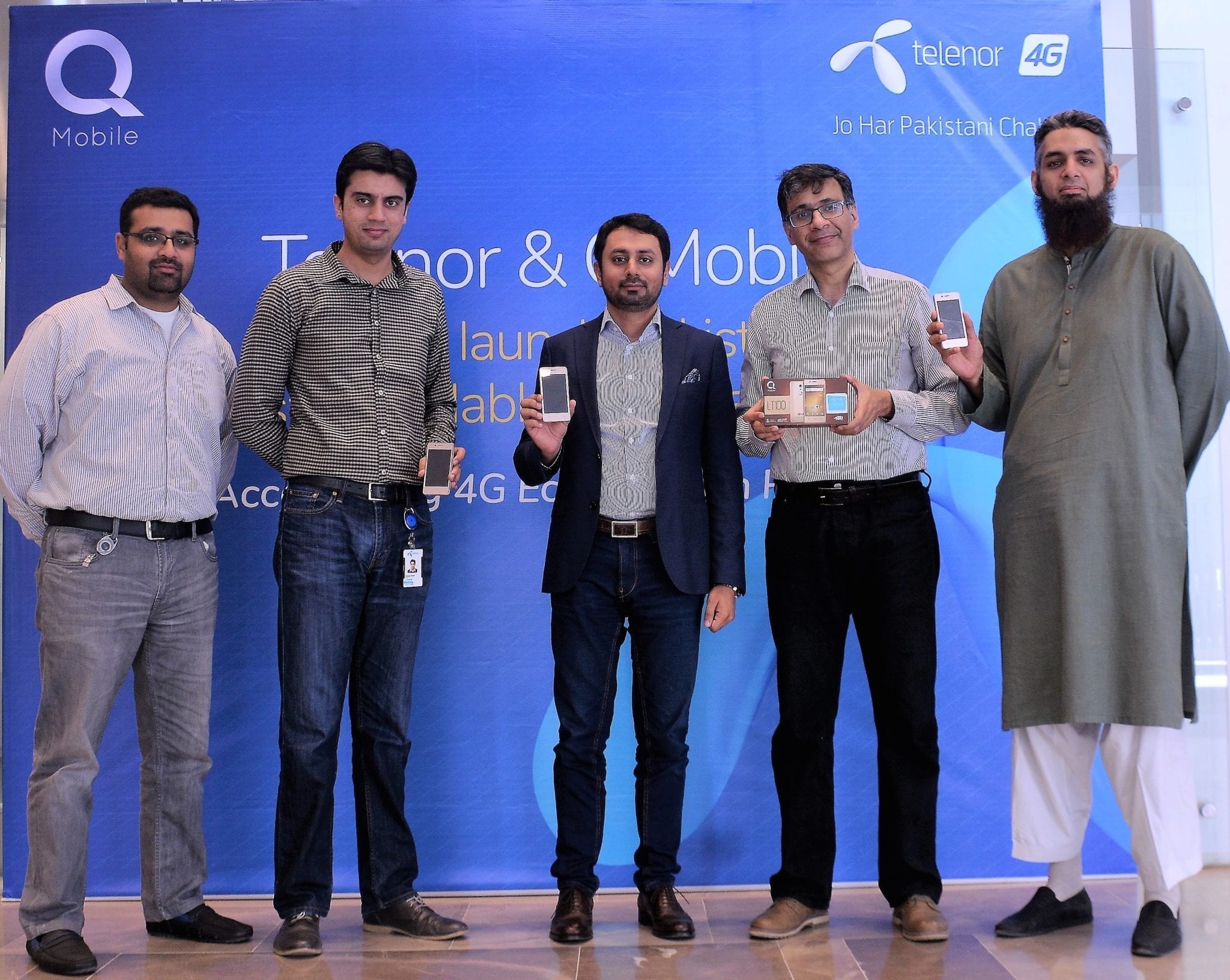
    With an ambition to better connect Pakistan and empower the Pakistani society, Telenor Pakistan, country’s foremost telecom and digital services provider, and QMobile have entered into the next phase of their long-standing collaboration ushering in a new era of 4G ecosystem development through the introduction of LT-100, an LTE-enabled low-cost smartphone. Telenor Pakistan and QMobile had previously joined hands to enable all QMobile 4G phones with Telenor 850 MHz band, and launch new LT (LTE capable) mass market appeal series in 2017.

    The partnership entails both parties working together to develop and promote a robust digital ecosystem in Pakistan where industry’s best digital products and services are served to their mutual customer base. LT-100, a stylish and powerful smartphone delivers on customer expectations of up-to-date specifications, great design, and an attractive price of PKR 6,150. The smartphone comes with a great value combination with 3 Months Free Telenor Pakistan Bundle which includes 1GB/month data and PKR 100 balance/month.

    “We are delighted to enter the next phase of our partnership with QMobile as part of our unrelenting efforts to boost the country’s digital ecosystem which Telenor Pakistan continues to lead,” said Bilal Kazmi, Chief Marketing Officer, Telenor Pakistan. “Since the beginning, we have pursued a two-pronged strategy to develop and promote the digital ecosystem in Pakistan to enhance the mobile broadband outreach and experience while making supporting hardware affordable for the masses. We hope that this partnership will help us achieve our mutual digital inclusion goals faster and in a more effective manner,” he added.

    “The partnership seems natural as both QMobile and Telenor Pakistan share the ambition to empower the Pakistani society to equip our customers with the tools to keep up with today’s fast-paced digital world,” said Zeeshan Akhtar, Chairman and CEO, QMobile. “As we strive to build and promote a strong smartphone ecosystem in the country, together, QMobile and Telenor Pakistan will make technology and internet services more affordable and accessible for the masses.”

    LT-100 comes preloaded with My Telenor App, providing Telenor Pakistan customers unparalleled self-service experience and complete control over their mobile usage and bundle needs. The device will be available across Pakistan at all major mobile markets and retail shops, supported by an extensive communication campaign. Some of the key features of LT-100 include 4G-enabled all-band capability, dual SIM, Android 7.0, 4-inch screen, 8GB ROM with 1 GB RAM, and 5MP back and 2 MP front cameras.

  • Utilities Providers Select SAP Software to Drive Convenience and Personalization for Customers

    Utilities Providers Select SAP Software to Drive Convenience and Personalization for Customers

    SAP today announced that more providers are choosing SAP Hybris solutions for utilities to stay ahead of the industry, support generation of new revenue and increase profits. Integration of the SAP Hybris solution into SAP S/4HANA, utilities billing capabilities and industry-specific capabilities of the SAP Customer Relationship Management application are helping providers deliver expert advice and bundled services with relevant offers.

    SAP Hybris Customers Reimagine Engagement Opportunities

    The utilities industry is experiencing a period of rapid transformation, with competition on the rise and reregulation, decarbonization and decentralization transforming expectations. As a result, utilities need to offer more than their core energy service. According to a recent IDC survey (“Energy End Consumer Survey”), engagement within the utilities industry remains a challenge. The survey found that:

    • 52 percent of consumers contact their energy supplier less than once a year
    • 51 percent note that self-service engagement channels “never” work properly
    • 52 percent of utility consumers do not understand what they are paying for

    With SAP Hybris solutions, utility providers are able to analyze data quickly and create a 360-degree view of their customers so that they can sell innovative, turnkey solutions and services in real time to increase their revenue stream.

    Companies who have recently selected SAP software include the following:

    EneRa in Germany is at the helm of digital transformation, combining new technology with business trends such as the sharing economy. Subsidized by the government as a research project, EneRa implemented the SAP Hybris Revenue Cloud solution and SAP Cloud Platform with machine learning capabilities to build a solution for collecting its customers’ compute power to use in times of overproduction by renewable energy to transform electric power into actual results of machine learning algorithms. Universities and companies can access these CO2-neutral distributed data centers for machine learning, which are similar to supercomputers.

    “With SAP Hybris solutions for utilities we have been able to take advantage of next-generation technology to reduce waste through renewable resources,” said Christian Arnold, managing director, EneRa, EWE. “With machine learning capabilities, we have been able to harness excess energy to deliver an entirely new product and deliver added value through our CO2-neutral data centers.”

    REWAG needed a simple-to-implement, user-friendly solution to structure its customer and sales information in one place. Its sales teams required mobile online and offline access so they could access and enter data on the go at customer sites. After implementing the SAP Hybris Cloud for Customer solution in only 50 days, REWAG was able to get a clearer, more utility-focused view of customers, speeding sales and helping REWAG serve its customers through tight integration with its SAP-based utilities capabilities.

    Jemena owns and operates a diverse portfolio of energy and water transportation assets in Australia supplying millions of households and businesses with essential services every day. Jemena has deployed SAP Hybris Cloud for Customer in just eight weeks to deliver a single customer view to staff in the office and the field.

    TXU Energy is the largest electricity provider in Texas with 1.7 million customers. After introducing new products such as Web-controlled thermostats and home and HVAC system service warranties, TXU integrated SAP Hybris Billing into its existing solution to consolidate billing for all energy- and non-energy-related services.

    Dynamic Offerings to Build New Revenue Streams

    “SAP Hybris solutions are providing a foundation for utilities companies to look at their business through a new lens,” said Matthias Goehler, senior vice president, head of SAP Hybris industries. “By eliminating the guess work from customer data, supporting dynamic pricing models and facilitating omnichannel engagement, we’ve helped companies push the boundaries of what’s possible within the utilities space by building new revenue streams and opening the door to a more competitive marketplace.”

    SAP has been recognized for its industry-leading solution for 12 consecutive years in the Gartner Magic Quadrant for Utilities Customer Information Systems. Additionally, SAP is a Leader in the IDC MarketScape: Worldwide Subscription Relationship Management 2017 Vendor Assessment.
  • Vietjet reports a year of success with high growth and more international routes in 2018

    Vietjet reports a year of success with high growth and more international routes in 2018

    Vietjet yesterday reported a year of success at the Annual General Shareholders Meeting (AGM) 2018 of Vietjet Aviation Joint Stock Company (HoSE: VJC – HOSE), with 91.74% shareholders in attendance and high approval ratings for all issues raised at the AGM.

    According to the report presented by Vietjet Managing Director, Luu Duc Khanh, who spoke on behalf of the Board of Management, the company enjoyed a successful year across all categories.

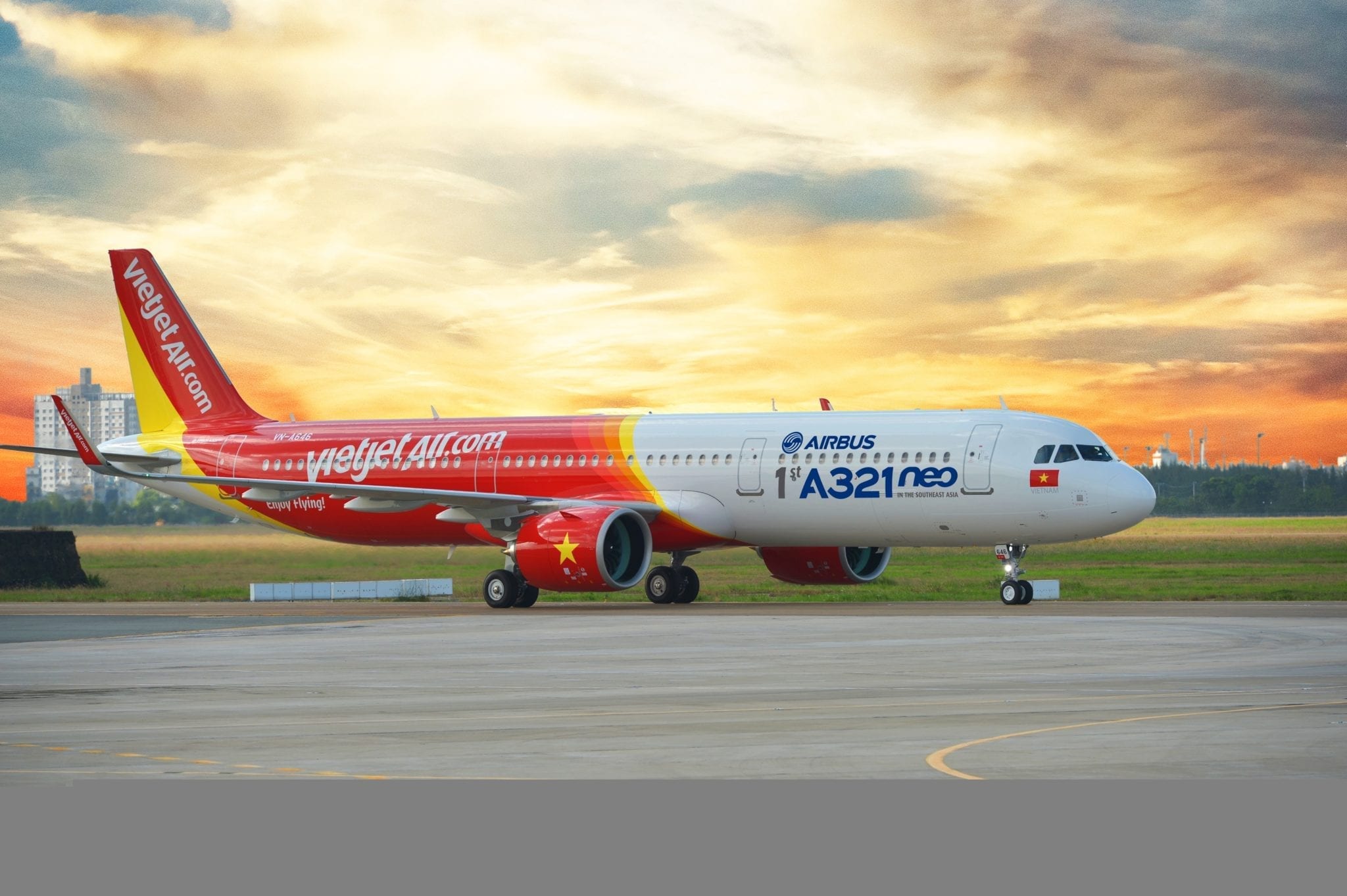
    Specifically, Vietjet received 17 aircraft, including the first A321 Neo in Southeast Asia. By continually saving costs efficiently and effectively, Vietjet has maintained the most efficient operating costs in the region. Indicators for operation safety and ground operation were also among the highest in the region. The airline’s technical reliability reached 99.66%, the highest level among the Airbus’ A320/321 fleet worldwide.

    To continue its expansion of domestic routes as well as penetrating the markets in the North Asia region, up until the end of 2017, Vietjet operated 38 domestic routes and 44 international routes connecting major cities in a part of the world that is home to more than half of the world’s population. In 2017, the company operated 98,805 safe flights, transporting 17.11 million passengers, a 22% increase over 2016.

    Besides increasing the volume of international passengers and the number of international charter flights, ancillary services also grew in proportion to the number of flights. At the AGM, Vietjet also announced that the airline had surpassed its financial targets. According to the audited and consolidated financial statements of 2017, revenue stood at VND42,303 billion (US$1.92 billion), after-tax profit stood at VND5,073 billion (US$230.59 million), with increases of 54% and 73% respectively over 2016. Earnings per share reached VND11,356 (US$0.52).

    On February 28, 2017, Vietjet listed its shares on the Ho Chi Minh City Stock Exchange (HoSE) with the Board of Directors’ total commitment in applying international standards in corporate governance, management and information transparency.

    On the back of these positive business results, the Board of Directors proposed and received approval from the shareholders to increase the dividend payment of 2017 from 50% to 60%. Accordingly, the company advanced a 30% dividend payment in cash and will pay a cash dividend of 10% on May 25. Vietjet will pay a further dividend of 20% by shares.

    In 2018, the company has set a target to reach VND50,970 billion (US$2.24 billion) in revenue and VND5,800 billion (US$254.75 million) in profit, with increases of 20.5% and 10% respectively compared to those of 2017. The Board of Directors also submitted a proposal to the shareholders to increase the dividend payment of 2018 to 50%.

    The aviation market of Vietnam and the region is expected to continue growing strongly in 2018, especially as the economy is forecast to achieve the highest GDP growth ever, and the government is promoting tourism as a key economic sector that will attract millions of tourists to Vietnam. With its expanding fleet and increasing number of new international routes to destinations in countries such as Japan, India and Australia, Vietjet is on its way to becoming a multi-national airline with a global vision and competitive abilities.