Author: Mei Ling Tan

  • Candystud Factory: The New Valentino Popup Store in Beijing

    Candystud Factory: The New Valentino Popup Store in Beijing

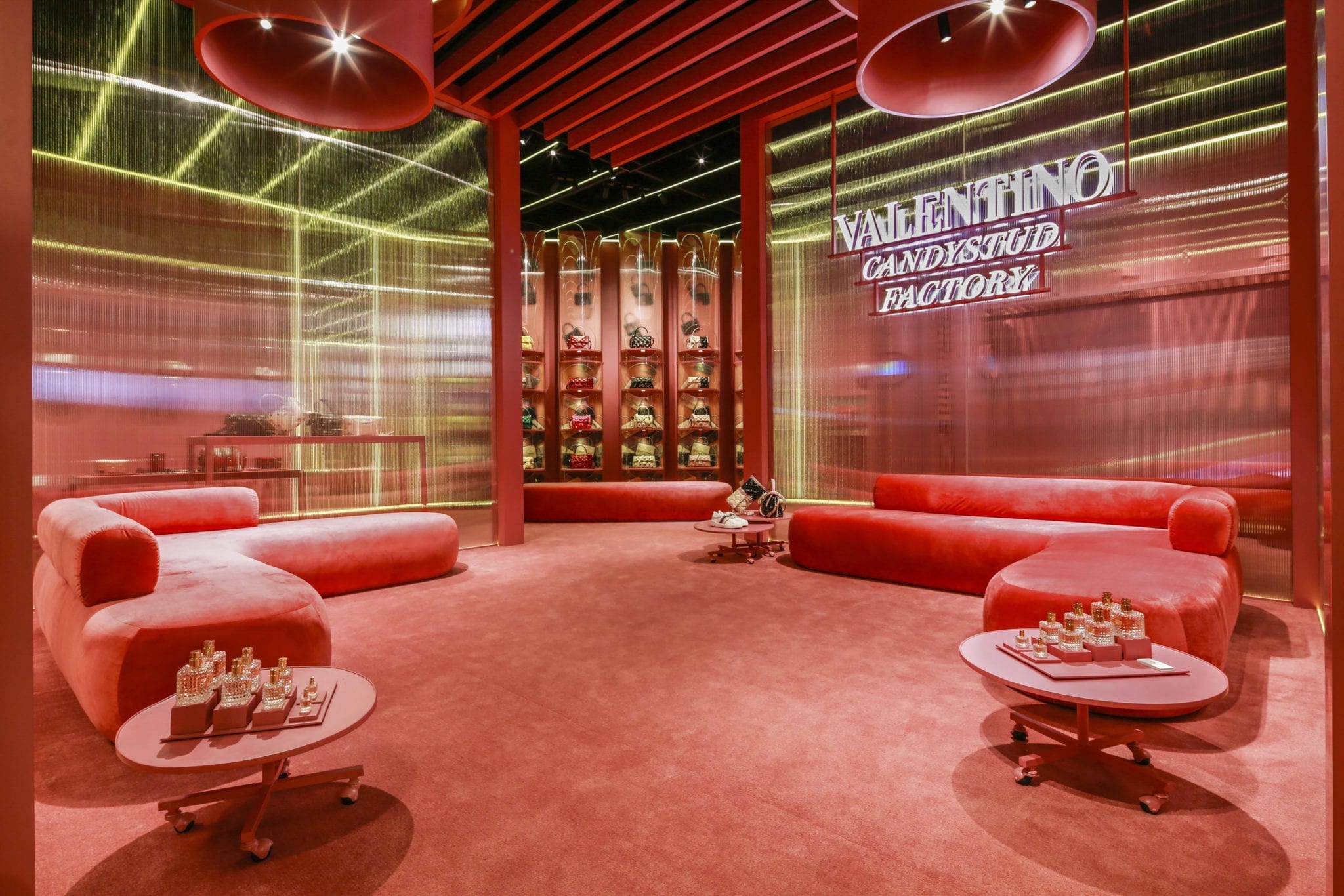
    Candystud Factory. A handbag factory just like a candy factory. Pink, entertaining, imaginary.

    Valentino will open a Pop Up store in the young and dynamic Sanlitun neighborhood in Beijing that creates a cinematographic atmosphere of a handbag f actory.

    The pop up s tore will open on the 26 th of April 2018 and will run until the 17 th of May 2018.

    For this occasion, two new limited edition Candystud bags will be pr esented.

    Fun, spherical, in the spirit of frivolity, Candystud is a small object of high craftsmanship the blends the excellence and the savoir faire of Maison Valentino with a new desire of pleasure and of joie de vivre. The Candystud Pop Up store translates this idea in a shopping and amusing experience.

    One enters is a colored and ethereal world to discover the beauty and the allure of the Valentino items together with the humanity and the e xcellence of those that cr eated them.

    The Candystud Factory collection also includes four new exclusive sneakers and a series of exclusive small leather goods such as iPhone c overs, mirror bags and charms.

    #CandyStudFactory

  • bKash and Ant Financial in strategic partnership to promote financial inclusion for the unbanked in Bangladesh

    bKash and Ant Financial in strategic partnership to promote financial inclusion for the unbanked in Bangladesh

    The leading mobile financial services provider of Bangladesh, bKash Limited (“bKash”) and Ant Financial Services Group (“Ant Financial”), operator of Alipay, today announced a strategic partnership to promote financial inclusion for the unbanked and underbanked communities in Bangladesh. The partnership involves Ant Financial investing into bKash and increasing its technological capabilities, allowing it to provide greater convenience and security in mobile financial services throughout Bangladesh.

    Established in 2010 by founding shareholders, BRAC Bank Limited and Money in Motion LLC, bKash is running a network of more than 180,000 agents throughout urban and rural areas of Bangladesh with over 30 million registered accounts.

    “Along with its investment, Alipay brings the best payment technologies built by thousands of engineers and the knowledge of applying those technologies to economies like China which went through a massive transformation in recent years. Such track record makes Ant Financial a fitting partner for bKash since Bangladesh too has a large population of 160 million and an economy that is advancing rapidly. This investment opens many new opportunities for bKash and demonstrates the confidence a world-class player is placing in Bangladesh,”said Kamal Quadir, Chief Executive Officer of bKash.

    “Ant Financial and bKash share similar goals, in that we want to bring equal opportunities to everyone here in Bangladesh. bKash can tap on the experience Alipay has built over the last decade serving 800 million users together with our strategic partners worldwide. As part of Ant Financial’s global strategy, we are keen to share our technology know-how with partners like bKash, who has successfully brought financial services to the largely unbanked population in Bangladesh. bKash is managed by a strong team with deep local knowledge and execution capabilities. We are confident, together with bKash, we can bring highly secure and inclusive financial services to address the needs of local people and small businesses here,” said Eric Jing, Executive Chairman and Chief Executive Officer of Ant Financial.

    “bKash, a company taking financial services to the doorsteps of millions of unbanked people in Bangladesh, will benefit immensely from this landmark partnership with Ant Financial. It will help bKash significantly step up its activities in changing and positively impacting on the lives of millions,” said Selim R. F. Hussain, Managing Director and CEO of BRAC Bank.

    bKash and Ant Financial were both named in Fortune Change The World 2017 list, a recognition given to companies that have had a positive social impact through activities that are part of their core business strategy.

    International Finance Corporation (IFC) and the Bill & Melinda Gates Foundation have been shareholders in bKash, since 2013 and 2014 respectively.

  • UnPackt Singapore offers package-free groceries

    UnPackt Singapore offers package-free groceries

    Singapore is about to have its first zero-waste grocery store, UnPackt. It will sell its goods without any packaging, encouraging customers to take along their own containers.

    In self-serve gravity bins to reduce food waste, dried food and cleaning supplies will go on sale first, with plans to introduce fresh fruit and vegetables when sales volumes pick up. Goods will be priced lower than regularly as they are free of packaging.

    The store will also run a recycling scheme offering donated containers for customers who visit the store without their own. Reusable containers can also be bought.

    Co-founded by former business executives Florence Tay and Jeff Lam, UnPackt is a social enterprise that aims to spread the zero-waste message and make packaging-free shopping more accessible in Singapore. The store will hire staff from two disadvantaged groups, seniors and single parents.

    Tay had the idea for the store while exploring how to cut back on plastic waste. She was particularly looking at how to buy food in small quantities to reduce food waste. A survey she ran this month gave her confidence that Singaporean shoppers will support a zero-waste store.

    On Jalan Kuras, in the commuter district of Ang Mo Kio, Unpackt will open early next month. An online version will be introduced later.

    Singaporeans consume at a rate that would need four Earths to support them, using an average of 13 plastic bags a day per person, reports Eco-Business. Last year the island produced more than 800 million kilograms of plastic waste, with only 6 per cent being recycled.

  • CEVA Logistics opens a new hub in Malaysia

    CEVA Logistics opens a new hub in Malaysia

    CEVA Logistics, one of the world’s largest supply chain management companies, has officially opened a new multi-user facility in Penang, Malaysia. Situated within the Bayan Lepas Free Industrial Zone Phase IV, the 70,000 sq ft facility is only 10 minutes away from the Penang International Airport and 10 minutes from the Penang Bridge, connecting the island to mainland Malaysia.

    This new multi-user warehouse delivers cost efficiency and flexibility through an optimized layout design and improved infrastructure to serve our customers. It includes a combination of temperature-controlled and ambient storage space, conducive and modern office space for in-plant customers, advanced materials handling equipment, advanced RF warehouse management system and Customs stationed on-site to facilitate on-time clearance.  This is also an integrated hub that will house under one roof CEVA’s contract logistics and freight management teams for Malaysia as well as its global supply chain solutions control tower teams who support its 24×7 largest customers globally.

    “CEVA continues to invest in its customer needs in Malaysia, this new facility which has doubled our footprint in Penang will continue to support our growth needs and positions us for future expansion in the market. With its strategic location in the northern part of Malaysia, coupled with the air cargo hub at Bayan Lepas airport, it aims to cater to a wide range of logistics and warehousing services and  offer even greater value and benefits to our customers, ” says CEVA’s Elaine Low, Executive Vice President, South East Asia.

  • Esprit to quit Causeway Bay flagship Store

    Esprit to quit Causeway Bay flagship Store

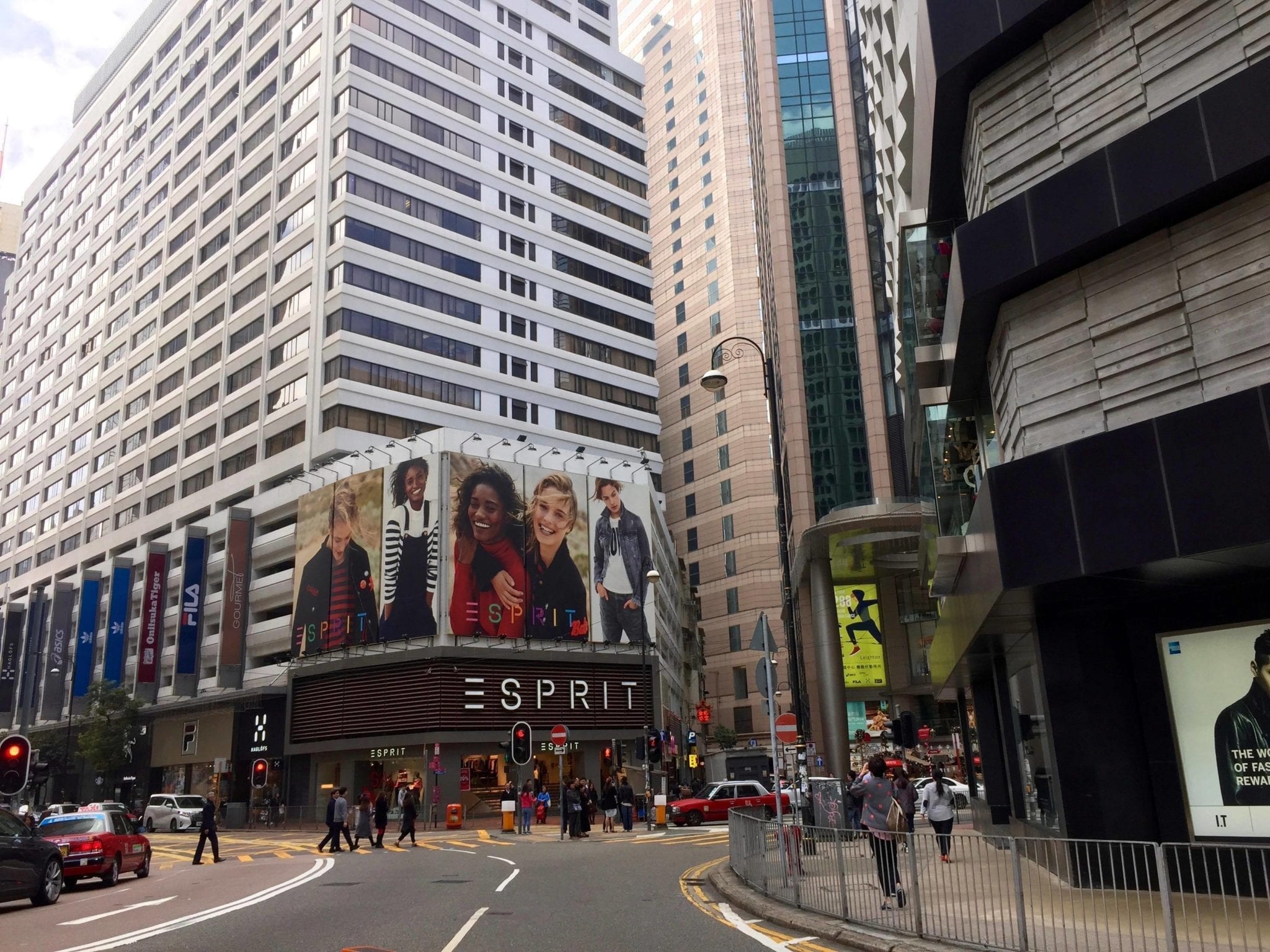
    Hong Kong-listed fashion brand Esprit Holdings will not renew the lease for its flagship store in Causeway Bay, local media reports.

    Expiring in June, the lease for the 7000sqft (650sqm) store in Leighton Centre has cost Esprit about HK$2 million (US$254,862) a month since 2014.

    Esprit chairman Raymond Or says cost saving is not the sole reason for the move. The company also considers location and size as factors. “A large store might not bring about good results,” he told Apple Daily.

    JLL national director of research Cathie Chung says Esprit may be shifting its location strategy to be more mall-focused with a smaller shop size, reports Mingtiandi. “Compared to street shops, shopping malls tend to have a more balanced trade mix and guaranteed foot traffic, so it is more likely for Esprit to enjoy spillover benefit from complementary tenants. Promotion activities by malls can also attract shoppers.”

    Hysan, which owns the commercial complex where Esprit has been leasing two units, has been marketing the property to potential tenants at the same rate, reports say.

    Shop rents in Causeway Bay in the past quarter have dropped 53 per cent from their peak in the fourth quarter of 2014, says Chung who describes the owners’ stance as “rather soft”, allowing for rent negotiations.

    Fashion brand Twist last month leased a two-storey shop in East Point Road in Causeway Bay for 56 per cent less than the $1.1 million monthly rent the previous tenant had been paying, while Russell Street, once the most expensive retail destination in the world, has also seen rent cuts. Swatch Group last week, for example, was able to renew its lease for a street-front shop at a rate about a third lower than the $1 million a month specified when it first signed three years ago.

    Meanwhile, Esprit had a net loss of $954 million in the second half of last year. CEO Jose Manuel Martinez said the results were below expectation because of weaker sales at its stores because of a drop in customer traffic.

  • Uji-En brings you to Japan

    Uji-En brings you to Japan

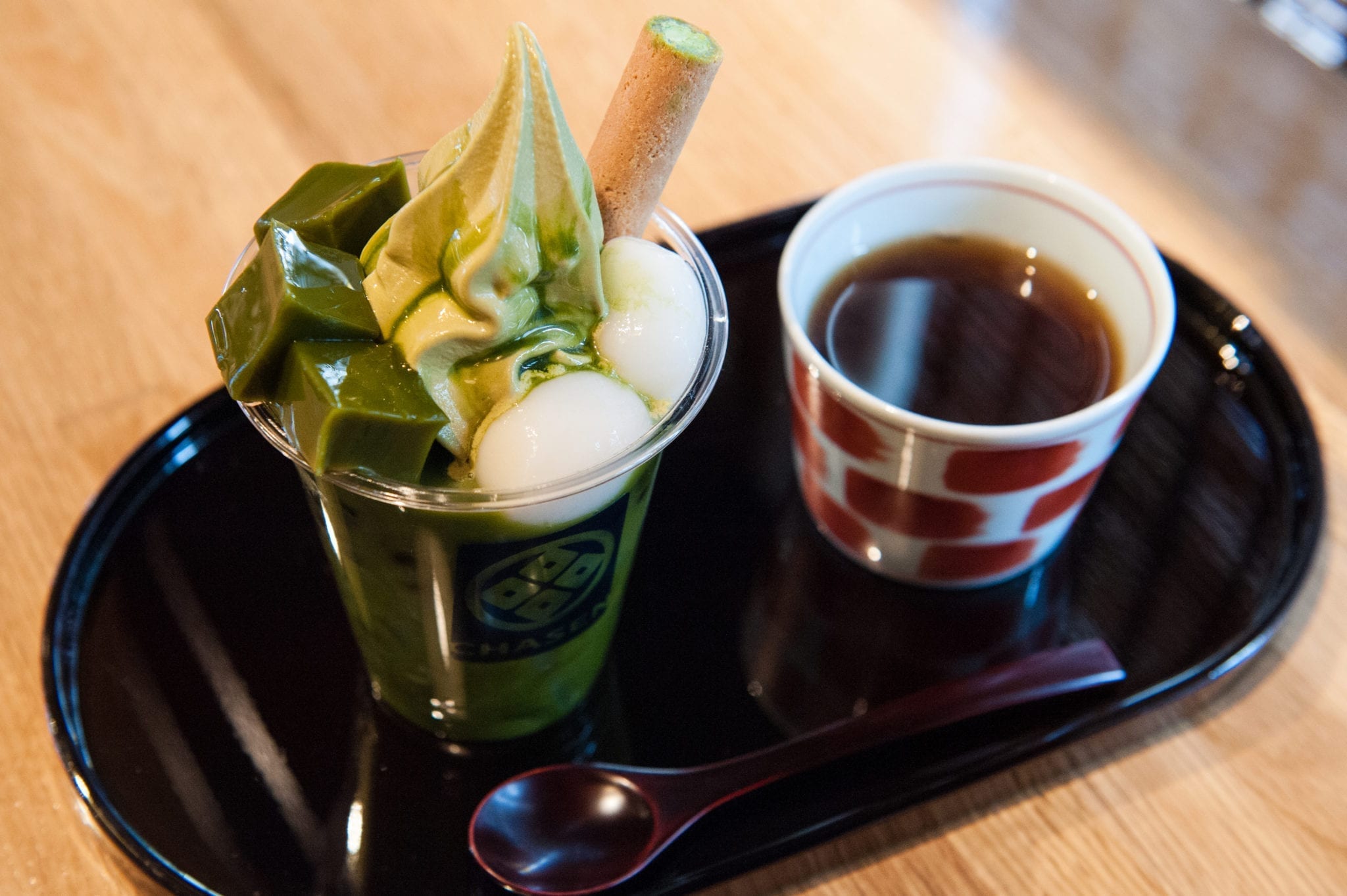
    Harbour City is home to the first international flagship of a Kyoto-founded tea brand that has set its eyes on international expansion. Uji-En is a Japanese green-tea brand with a history dating back nearly 150 years. It decided in the late 1990s to expand its packaged-tea business by opening cafes in its home market.

    More than 20 stores have been opened, including two in Mainland China. As they are trading well, the company decided last year to expand into Hong Kong as the next stepping stone in a grander global plan.

    Head Architecture and Design Limited was appointed by the Shigemura family, founders of Uji-En and their Hong Kong partner to create a younger feel for the brand’s first cafe in Hong Kong, which would also provide a template for further stores to be rolled out across greater China. That design has just won a Silver Award in the new retail concepts category of the ICSC China Shopping Centre and Retail Awards announced in Shanghai last week.

    The Kowloon retail space would merge a cafe, a takeaway area and a retail space stocked with teapots, cups, bowls and accessories along with brightly coloured packages of teas and snack foods for home use or gifting.

    “The brief was to evolve a typically traditional, conservative Japanese brand into something more youthful that would appeal to millennials and engage with people who enjoy green-tea and matcha products, but might not know of the Uji-En brand and its history,” says Head Architecture and Design co-founder Mike Atkin, who was lead designer on the project.

    Austerity and trust

    “So the finished design had to convey a sense of austerity and trust, yet appeal to a younger demographic seeking a modern, trendy destination for relaxing and dining.”

    Uji-En was founded in Kyoto in 1869, so it has a rich heritage and high brand recall in Japan. But abroad it is something of a hidden gem. Atkin’s challenge was to create a modern, appealing destination while still acknowledging the brand’s rich heritage.

    Members of the Head Architecture and Design team visited traditional Japanese tea houses in Osaka and Kyoto, and spent time observing tea-focused cafes closer to home.

    “We looked at cafes in Hong Kong shopping centres, looking to see which venues were typically busier than others, and which were the most successful in drawing shopper dwell-time. We knew the product was a strong offer, especially given the brand’s long success; our role was to create an environment that made that product hero and placed it firmly on the radar of contemporary consumers,” says Atkin

    “Our design was inspired by a traditional wood-framed Japanese tea house, using a mixture of light and dark timbers and liberal doses of matcha green. The resulting design is a bright, open, engaging retail space unlike anything in its category.”

    Footprint challenge

    Another challenge for Atkin was the store’s footprint – an L-shaped 1200sqft space bordering three sides of an atrium in the Harbour City shopping centre, bisected by an escalator well and with a partially open plan. The answer was to provide a Grab & Go counter and product display in the smaller space, with a 24-seat cafe and retail space occupying the rest of the area. This has the spinoff advantage of splitting the takeaway customers buying ice cream or drinks from those dining in, creating a more relaxed dining setting

    Built around an open void under a transparent glass ceiling, the space is filled with natural light during the daytime. A mixture of coloured and opaque glass separates the cafe interior from the mall corridor to provide a sense of privacy for diners, yet ensure natural light continues to flow through both spaces.

    Given the green-tea focus of the cafe concept, it is not surprising the design incorporates a lot of green.

    Emotional connection

    “The shades of green are designed to create an emotional connection between customer and the core green-tea product,” says Atkin. “And the contrast of the green with natural timber reflects the natural, clean properties of the brand and the teas.”

    To evoke the varied shades of drying tea and fields with gardens of trees and bamboo, Atkin’s team introduced vertical panels of mixed green glass, mimicking the zen Japanese model. Tea chests and matcha-green textured paint hark back to the history and core product of the company.

    “One strong element of the existing Japanese branding is the graphics, developed by Hirosuke Watanuki in the early 1990s. These are beautifully crafted, playful elements we wanted to integrate and build on in the new design. Tea, the core product of Uji-En, is represented by the female figure of Okame for matcha tea and Hyotokko (the fire man) for Hoji Cha tea.”

    While Uji-En does not reveal its trading figures, queues are often been seen outside the store at weekends. But the biggest testimony to the success of the store’s design is that many elements will feature in upcoming stores as they open in Hong Kong and on the mainland.
  • World’s First Boeing 787-10 Arrives with Singapore Airlines

    World’s First Boeing 787-10 Arrives with Singapore Airlines

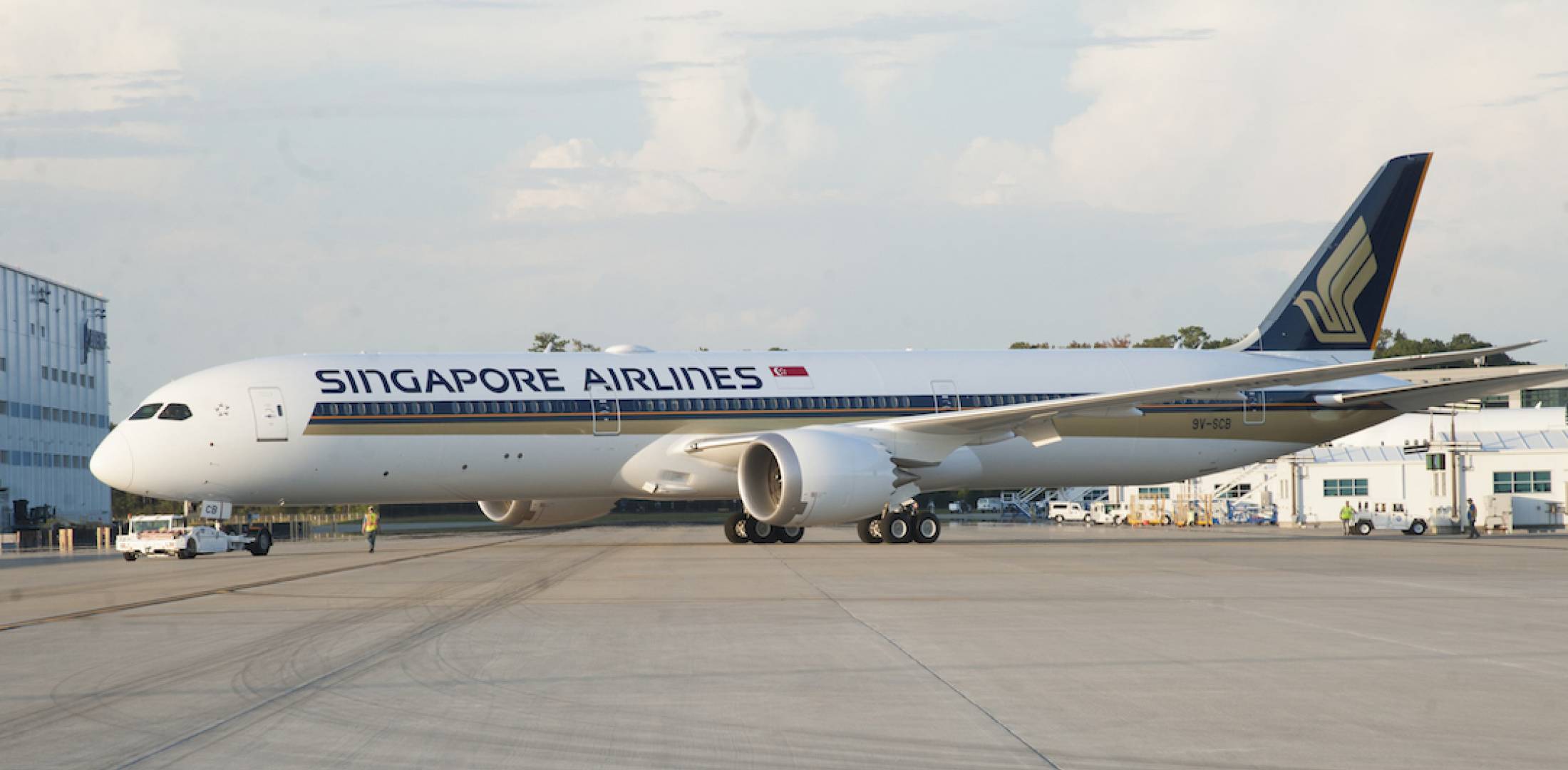
    Singapore Airlines welcomed the world’s first 787-10 aircraft as it arrived in Singapore from Boeing’s production facility in North Charleston, South Carolina.

    The newest variant of Boeing’s Dreamliner family of aircraft was received at an arrival ceremony at Changi Airport graced by Singapore’s Coordinating Minister for Infrastructure and Minister for Transport, Mr Khaw Boon Wan, together with beneficiaries from the Association for Persons with Special Needs (APSN) Katong School and other invited guests.

    Guests who attended the event also had the opportunity to witness the unveiling of SIA’s next generation regional cabin products, which will be fitted on the new 787-10s. They include all-new Business Class seats which recline into fully-flat beds.

    “The 787-10 is designed with the latest in technological innovations and SIA is proud to be the launch customer for this newest and largest variant of Boeing’s Dreamliner family,” said Singapore Airlines CEO, Mr Goh Choon Phong, who travelled on the delivery flight from North Charleston.

    “With the unveiling of our new regional cabin products, today’s milestones represent Singapore Airlines’ commitment and dedication to providing our customers with a premium travel experience like no other.”

    SIA’s 787-10s will be used on flights up to eight hours and will commence scheduled service between Singapore and both Osaka and Perth in May 2018, with more destinations to be added as additional aircraft are received. Prior to these services, the aircraft will be operated on select services to Bangkok and Kuala Lumpur for crew training purposes.

  • India generated the highest growth rate in Asia-Pacific

    India generated the highest growth rate in Asia-Pacific

    In January, passenger traffic across Asia-Pacific recorded a +4.4% increase whereas the Middle East reported a small reduction of -0.4% compared to the same period last year. This month’s traffic was largely distorted by the later timing of Chinese New Year (CNY) compared to last year, resulting in slower growth in many countries for the month.

    India generated the highest growth rate in the Asia-Pacific region at approximately +15% in January, backed by robust domestic demand. India’s domestic sector has experienced a period of high growth since 2015 and continued to have strong momentum. Among the top 10 airports driving domestic passenger traffic volume in January seven came from India. Led by: Delhi (DEL) +12.6%, Bangalore (BLR) +19.8% and Hyderabad (HYD) +24.8%.

    The shifting timing of CNY has resulted in China’s growth slowed to approximately +2% in January. The busiest airports in the country all reported small decline or marginal increase for the month: Beijing (PEK) -0.4%, Shanghai Pudong (PVG) +0.3%, Guangzhou (CAN) +0.7%.  Passenger traffic is expected to rebound significantly for China in February 2018.

    Elsewhere in the region, vibrant international passenger travels benefited a number of markets in driving volume increase for the month. Top runners were: Seoul Incheon (ICN) +8.2%, Kuala Lumpur (KUL) +4.9%, and Bangkok Don Mueang (DMK) +7.4%.

  • HKBN to strengthen data protection measures

    HKBN to strengthen data protection measures

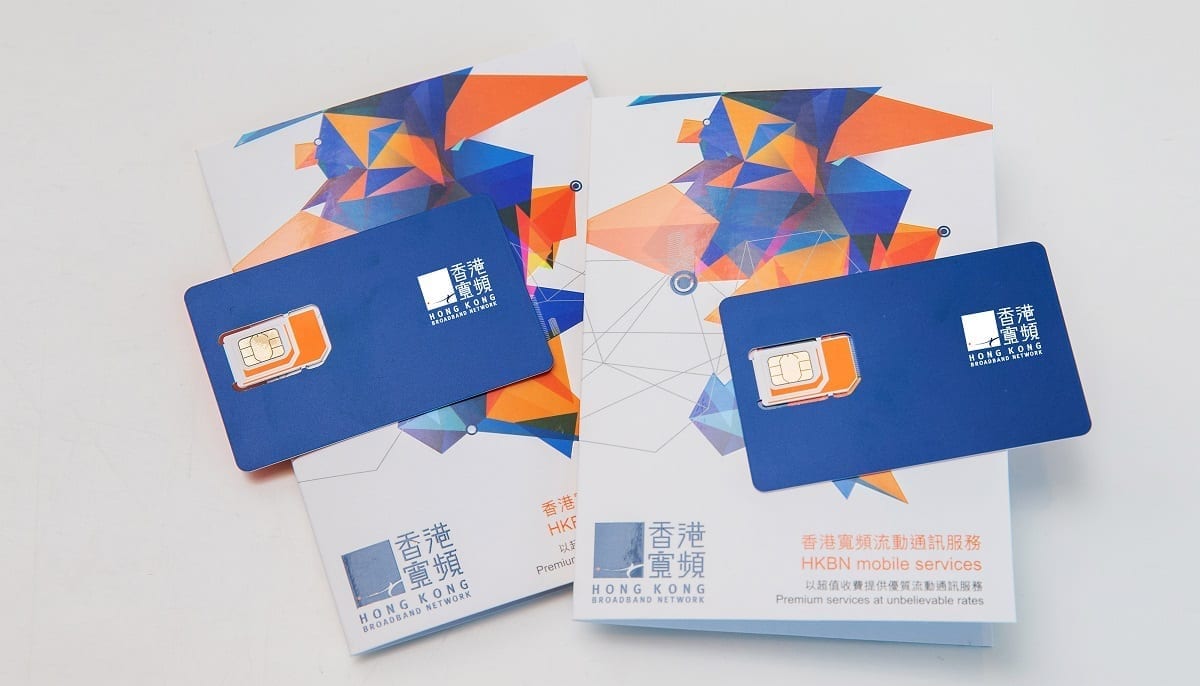
    Hong Kong Broadband Network (HKBN) has promised to implement new data protection measures for its customer data in the next three months in response to a targeted cyberattack discovered last week.

    Under the new measures, all personal information of customers whose accounts have been closed will be kept for six months, instead of seven years, and will subsequently be deleted from the company’s database.

    Furthermore, HKBN would modify the way its stores the data of existing customers. Hong Kong ID card numbers would be randomly removed, as well as the digit in brackets. For credit card numbers, the company would delete the seventh to 12th digits.

    “Keeping only partial but not all of the most sensitive data like credit card number and Hong Kong ID card number gives peace of mind to our customers,” said William Yeung, co-owner and CEO, HKBN.

    For new customers, their full identity card number and credit card number would be collected only to support service activation, number porting and bank payment application. Once these procedures have been completed, part of the said two numbers would also be deleted from the HKBN system.

    Yeung said the new policy would make the information less attractive to hackers, adding that the company is taking decisive actions beyond the industry’s common practices.

    The new data protection measures would be implemented after they cleared with the relevant government departments.

    The targeted cyberattack, discovered on April 16, involved the hacking of an inactive customer database containing the information of some 380,000 customer and service applicant records of HKBN fixed and IDD services as of 2012, which represents about 11% of the company’s 3.6 million customer records.

    The information in the database includes names, home addresses, email addresses, telephone numbers and HKID card numbers. It also contains information of some 43,000 credit card information as of 2012.

    HKBN had reported the incident to the Hong Kong Police and the Office of the Privacy Commissioner for Personal Data. Investigation into the incident is on-going.

    “No conclusion of the incident investigation is available yet, but we’ve already identified the areas that we will definitely address to enhance data security protection such as introducing multi-factor authentication, stepping up encryption, putting up additional layers of cyber defenses on top of our existing protections, and burgeoning resources to expand the information security team,” Yeung said.

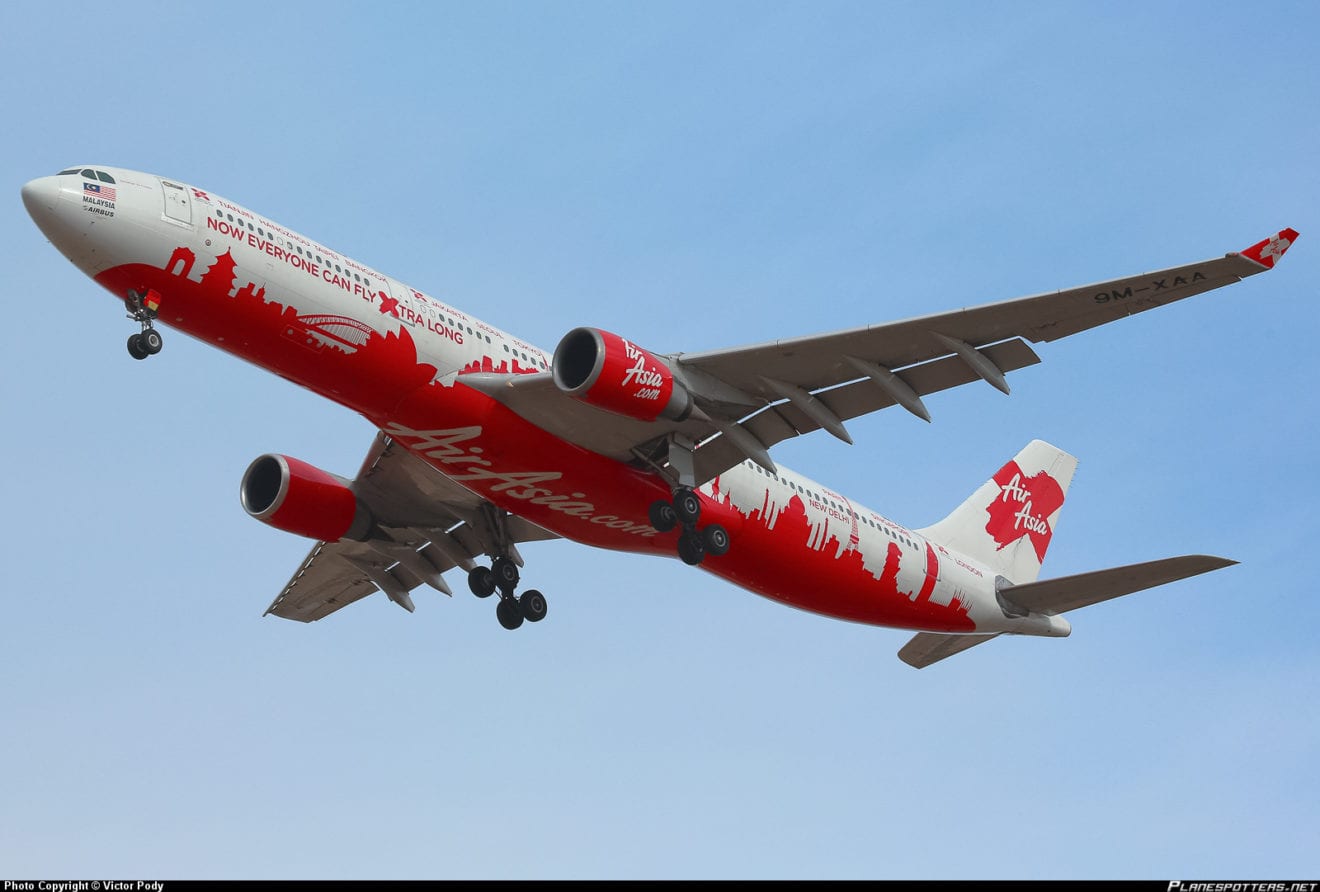
  • AirAsia X’s 1Q passenger traffic up 13%

    AirAsia X’s 1Q passenger traffic up 13%

    AirAsia X Bhd (AAX) carried 13% more passengers to 1.59 million in the first quarter of 2018 (1Q18) from 1.4 million a year ago on the back of increased capacity as the airline catered to increased travel demand arising from the festive seasons and school holidays during the period.

    In a statement today, AAX said its capacity for 1Q18 increased 14% year-on-year (y-o-y), while passenger load factor remained static at 84%. Its available seat per kilometer and revenue passenger kilometres grew 10% and 9% respectively.

    “In the month of February, AAX Malaysia rotated some capacity from Australia to the Asian market, while we continue to build our brand in Australia.

    “The airline also increased its flight frequencies to Hangzhou and Taipei, further strengthening the North Asia market. AAX Malaysia began flying to Maldives and Jaipur in February,” it added.

    The fleet size of AAX Malaysia stood at 22 Airbus A330s as at end-March 2018.

    On the associates, AAX said its Thai unit carried 19% more passengers to 503,259 in 1Q18 from 423,404 passengers in 1Q17. Passenger load factor was unchanged at 94%.

    “No additional aircraft was added into AAX Thailand during the quarter under review. Hence, its fleet size at the end of March 2018 remained at six aircraft,” it added.

    AAX Indonesia, meanwhile, carried 124,874 passengers in 1Q18, up more than 100% y-o-y, and posted a load factor of 72%.

    AAX Indonesia’s fleet size stood at two aircraft, bringing AAX Group’s total fleet to 30 A330s.

    AAX shares closed 0.5 sen or 1.33% higher at 38 sen today, with 7.62 million shares done, bringing it a market capitalisation of RM1.57 billion.

  • Macau to include 5G in technology-neutral licenses

    Macau to include 5G in technology-neutral licenses

    The Macau SAR government does not plan to have a separate license for 5G services, and will instead include 5G in its planned new technology neutral licenses for mobile service providers.

    The director of Macau’s Post and Telecommunication Bureau Derby Lau Wai Meng told that its proposed new communications convergence legislation will include 5G.

    The new legislation would replace Macau’s current basic telecommunication law as well as by-laws governing the various telecoms licenses that have been allocated in the city.

    In addition, the regulator has prepared changes aimed to provide infrastructure support for operators pursuing 5G deployments and redefined some service standards, with the goal of providing more favorable conditions for 5G operators.

    According to the report, the new changes will give more powers for operators to deploy 5G as well as more powers to the government to supervise these deployments.

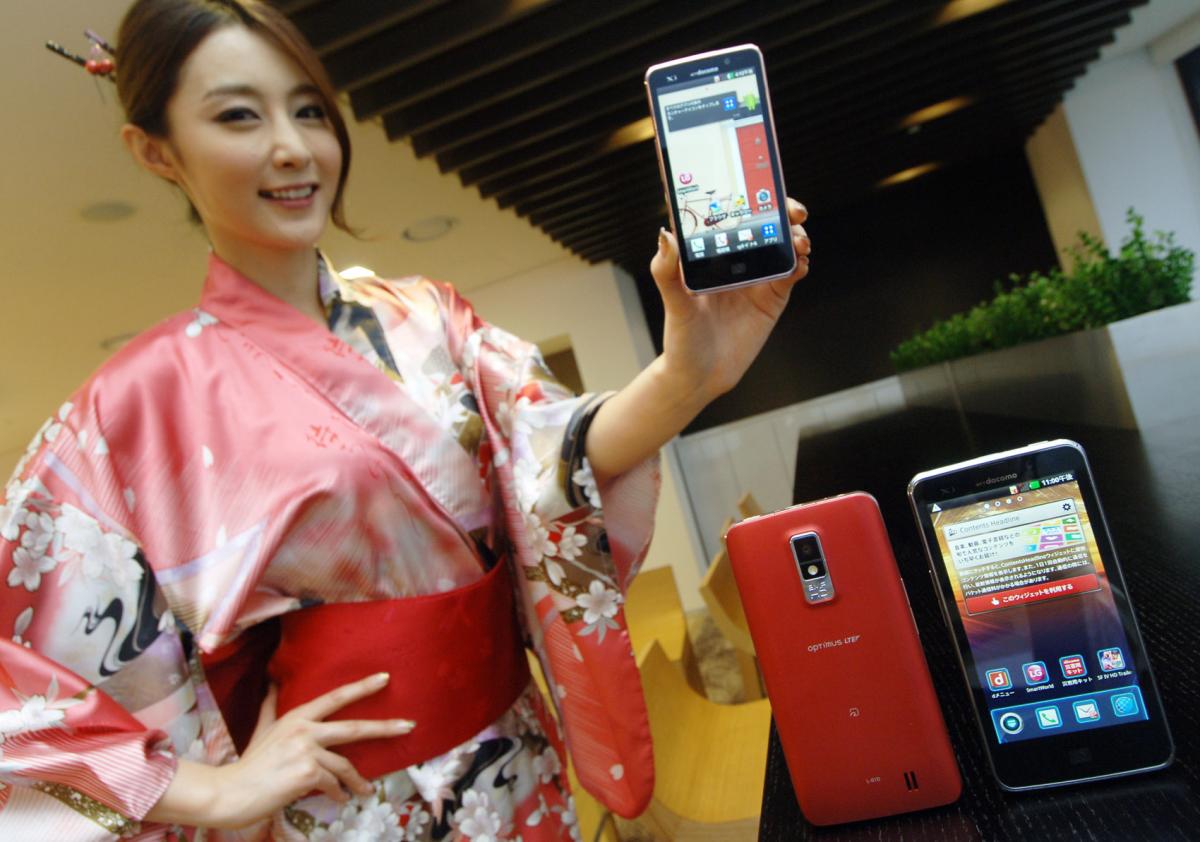
  • Docomo, Nokia testing 5G NR in 90-GHz band

    Docomo, Nokia testing 5G NR in 90-GHz band

    Japan’s NTT Docomo and Nokia are performing joint 5G technology trials using extremely high frequency 90-GHz millimeter wave (mmWave) spectrum.

    At the Brooklyn 5G Summit in New York this week, the companies are demonstrating the use of a Nokia Bell Labs-developed compact mmWave phased-array antenna system using an integrated circuit solution in the 90-GHz frequency band.

    The demonstration aims to show how using 5G new radio enhancements at higher mmWave bands can manage radio complexity while enabling greater bandwidth.

    Meanwhile using a larger number of antenna elements at higher frequency bands can minimize path loss to enable coverage similar to that found in lower mmWave bands, Nokia said.

    The companies also conducted a joint demonstration to show how dynamic offloading relocation in a 5G core will enable the low-latency networks required to support time critical mobile broadband applications such as automation and augmented reality.

    Nokia and Docomo have pledged to continue to test these technologies at Docomo’s research lab at the Yokosuka Research Park in Japan.

    “These demonstrations at the Brooklyn 5G Summit build on a long collaboration with Nokia,” Docomo CTO Hiroshi Nakamura said.

    “Working together, we want to accelerate the evolution of 5G technologies especially towards pioneering higher frequency bands such as 90 GHz.”

  • Philippines AirAsia adds capital connection

    Philippines AirAsia adds capital connection

    Philippines AirAsia launched a new link between Manila (MNL) and Bangkok Don Mueang (DMK) on 22 April. The 2,200-kilometre connection will link the capital cities of the Philippines and Thailand with daily flights operated by A320s. There is no direct competition, but schedules show that multiple carriers (including Philippine Airlines and Thai Airways) will operate a combined 46 weekly flights from Manila to Bangkok Suvarnabhumi during the week commencing 24 April. “AirAsia is a product of Asean (Association of Southeast Asian Nations) and we are so proud to be part of this region we call home,” said Dexter Comendador, CEO Philippines AirAsia.

    “We are the only airline that carries “I love Asean” painted on our aircraft including the ASEAN logo. AirAsia loves Asean is a commitment to help bridge communities and economies as we move toward even greater integration and mutual understanding.” Kajorndet Apichartrakul, Director, Tourism Authority of Thailand, said: “We want to bring people across the Asean region closer together and further expand our Asean footprint to serve more and more communities. We have 100% load for this inaugural flight and we hope to do more inter-Asean routes to serve every Filipino traveller’s needs and enable them to connect, do business and build socio-economic ties with neighbouring economies.”

  • International Digital Music Distribution Company – ABC DIGITAL – to start operations in India

    International Digital Music Distribution Company – ABC DIGITAL – to start operations in India

    ABC Digital, an international music distributor with HQ in London, UK is now entering the Indian market, to promote & distribute music.

    Established in 1965 in the UK, ‘ABC’ is a pioneering brand associated to the South Asian Music Industry. ‘ABC Music Shop’ was well known as the UK’s first Indian Record store based in Southall, London, and was appointed as official distributor for Indian record labels such as Saregama, T-Series & Venus. In 2006, the store was selected as an expert curator for Nokia’s Music Recommender Service, which sparked ABC’s interest in the digital space & in 2008, ABC Digital was formed. The new branch licensed content from over 60 British-Asian Record Labels within 6 months directly to Apple iTunes.

    ABC Digital aggregates & distributes content from areas of India, UK, Pakistan, USA & Canada and is currently distributing music on all major web & mobile stores like Apple Music, Google, Amazon, YouTube, Spotify, Saavn & Gaana to name a few.

    The beginning of their operations in India will see big partnerships happening with mobile operators for distribution of full length tracks, CRBTs and other mobile entertainment related products.

    “ABC Digital’s content library boasts having over 50k songs, which over the past 10 years have consistently featured in the top 10 World Genre charts on platforms like iTunes, Spotify & Saavn. We are also consistently increasing our content portfolio and expanding our services to include publishing & marketing initiatives as well as expanding distribution reach to all leading digital services” says Gautam Puri, CEO & Founder of ABC Digital.

    Artists in their portfolio include the likes of Diljit Dosanjh, Panjabi MC, Imr

  • World Franchise Associates Signs Exclusive Agreement with T BUN Bun & Bubble Tea for International Expansion

    World Franchise Associates Signs Exclusive Agreement with T BUN Bun & Bubble Tea for International Expansion

    World Franchise Associates has announced the signing of an agreement to exclusively represent T BUN Bun & Bubble Tea for international development opportunities with a focus on Asia and the Middle East.

    T Bun is one of the fastest growing franchises in South Korea. The brand started in 2017, opening 8 shops in South Korea and 1 shop in Perth, Australia. T BUN is planning an aggressive rollout of 20-30 new stores in South Korea over the next 12 months along with 3 new stores in Australia. T BUN is also planning to expand its business to Southeast Asia, the Middle East North Africa (MENA) region, Canada, The United Kingdom and other international markets over the next 2 years.

    Jonathan Kwon, Managing Director of T BUN said, “With support from World Franchise Associates we are currently speaking to candidates about opportunities to become our exclusive master franchisees and area developers in many international markets. An exclusive T BUN master franchisee or area developer would be granted the rights for a specific country or territory and would be expected to develop a reasonable and competitive number of T BUN outlets in that country/territory over an initial 10-year development term, starting initially with company owned T BUN outlets and thereafter via sub-franchising.”

    T BUN offers both doughnuts and baked goods, and beverages. It’s signature beverage, authentic Taiwanese Milk Tea, also called bubble tea or boba tea, is a cold drink which originated from Taiwan in the early 80s. There are more than 300 kinds of milk tea sold in Taiwan.  The tea is noted as being good for health, and customers range from kids to old generations.

    Troy Franklin, Chief Operating Officer, World Franchise Associates – Southeast Asia, said, “We are excited about partnering with T BUN, a world-class concept and product.  As one of the fastest growing franchises in South Korea, T BUN represents an appealing investment for both kiosks and small cafes providing investors with attractive profit margins and dedicated support for international franchisees.”

    T BUN provides franchisees with wide-ranging training and support including:

    • Comprehensive training program, operations manual, performance monitoring tools and reporting templates.
    • Access to continuous innovation, research and development.
    • Access to high quality raw materials and ingredients.
    • Consultation and advice leading up to the market launch, during the initial opening and ongoing including in-market support.