Author: Mei Ling Tan

  • Nike loses another one,  fourth executive in a week

    Nike loses another one, fourth executive in a week

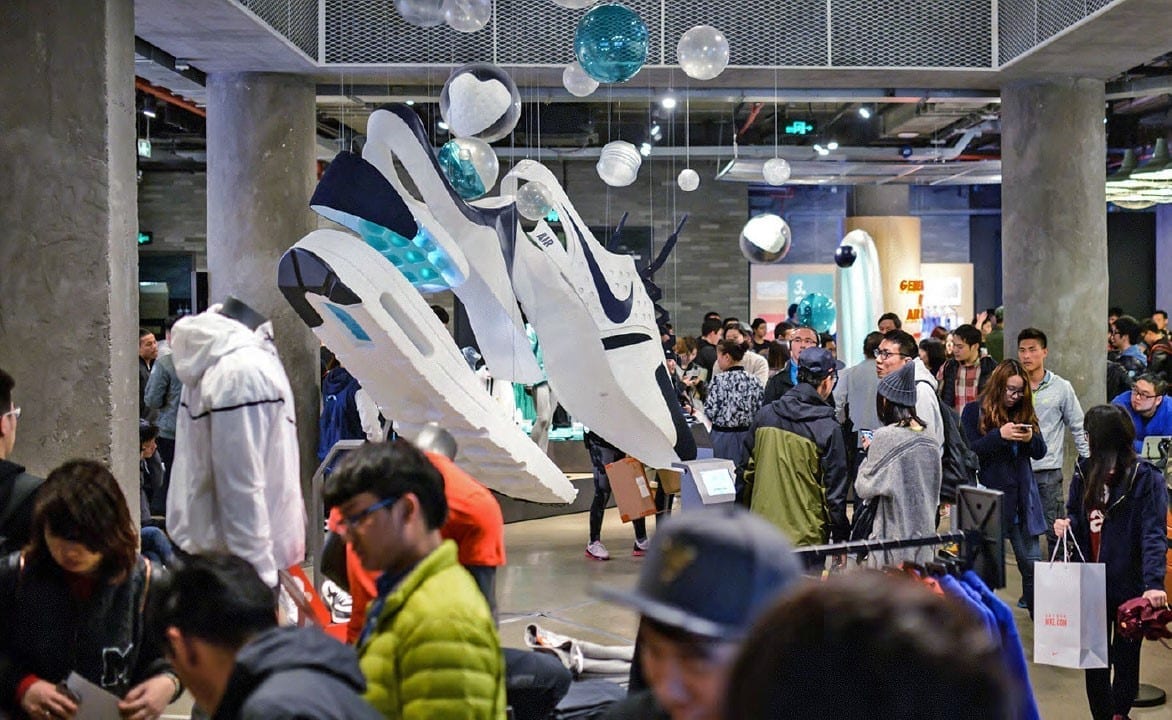
    Nike’s vice president of footwear Greg Thompson will be the fourth executive to leave the sneaker giant in a week, joining a growing chorus of other vice presidents that have taken their leave recently amid a corporate culture shake-up.

    Thompson, who has been with the company for decades, follows VP of diversity and inclusion Antoine Andrews out the door, as well as longtime employees VP of global digital brand marketing innovation Daniel Tawiah and senior brand director for Nike Basketball Vikrant Singh.

    Only last month Nike announced the departure of two other senior executives, brand president Trevor Edwards and general manager of global categories Jayme Martin, in two consecutive days.

    Martin’s departure came after a report in the Wall Street Journal alleged that he had been involved in inappropriate conduct.

    It comes amid an investigation into workplace conduct at Nike under chief executive Mark Parker and the implementation of a new human resources strategy designed to better promote diversity.

    Earlier this month Nike’s human resources chief Monique Matheson issued a company memo conceding that the company had “failed” in promoting and hiring women and minorities to senior level positions within the company.

    “While we’ve spoken about this many times, and tried different ways to achieve change, we have failed to gain traction,”  the memo read.

    “Our hiring and promotion decisions are not changing senior-level representation as quickly as we have wanted.

    Currently only 29 per cent of Nike’s vice presidents are women while in the US only 16 per cent are people of colour.

    Nike will now renew its efforts to address this disparity with immediate effect, Matheson said.

    Nike has more than 70,000 employees worldwide and several hundred vice presidents.

  • Castelbajac Taiwan planning its third store

    Castelbajac Taiwan planning its third store

    Korean golf-wear brand Castelbajac Taiwan plans to open its third store within the next two months.

    The brand also plans 20 more stores over the next five years.

    The company hopes to make Taiwan a springboard into other new markets across the region.

    “The Taiwanese market would serve as the gateway to expand further into the new countries including Hong Kong, Vietnam and China,” an official from the company said.

    In order to enhance its image as an upscale brand, Castelbajac will open stores only within department stores.

    Castelbajac entered Taiwan in March, with the first store at Taipei’s Pacific Sogo Department Store and the second at Hanshin Department Store in Kaohsiung.

  • Luxba Group selected as the new partner for Sergio Rossi

    Luxba Group selected as the new partner for Sergio Rossi

    A new strategic partnership with brand management company Luxba Group will help Sergio Rossi open franchise stores across China.

    Following a full relaunch, the Italian women’s luxury shoe company has also signed an agreement with Hong Kong billionaire entrepreneur Adrian Chen to help achieve growth in China.

    Sergio Rossi last year closed its 10 franchise stores in China it had opened with another distributor. In changing partners, it hopes to make a “solid relaunch” in the country.

    “We chose a partner with the resources, experience and a vision in line with ours to help us go further,” says Sergio Rossi CEO Riccardo Sciutto. “The Luxba Group, with Adrian’s network, makes for such a partnership.”

    Details of the agreement have not been disclosed.

    Cheng, who is also executive director of jewellery manufacturer/retailer Chow Tai Fook Jewellery Group, six months ago launched C Ventures with the aim of creating a stable of brands and digital platforms specifically aimed at millennials and generation Z, a target market for Sergio Rossi. Already the venture has attracted brands like Disquared2 and Moschino.

  • DHL Vietnam appoints Drew Duncan as Managing Director

    DHL Vietnam appoints Drew Duncan as Managing Director

    DHL Supply Chain, the global market leader for contract logistics solutions, today announced the appointment of Drew Duncan as Managing Director of DHL Supply Chain Vietnam. In his new role, Drew will manage the strategic development of DHL Supply Chain Vietnam, steering growth in warehouse management, transportation management and value added supply chain services.

    Drew has more than 13 years’ experience in the logistics industry and has spent six years with DHL Supply Chain Thailand. Prior to this appointment, Drew was the Vice President — Retail, managing a combined workforce of over 6,000 personnel, 30 distribution centers and a fleet in excess of 3,000 vehicles. Drew is a pioneering leader of change, and has employed many globally tested supply chain innovations in our local operations, yielding significant improvements in cost and service for our customers.

    Kevin Burrell, CEO, DHL Supply Chain Thailand Cluster (Thailand, Vietnam, Cambodia and Myanmar), said: “Vietnam’s economy is growing rapidly, and this dynamic environment demands a leader who drives constant improvement across all areas of our business. We are pleased to announce the appointment of Drew Duncan as Managing Director of our operations in Vietnam. Having worked in Southeast Asia for half of his career, Drew has a keen understanding of regional and local culture. With his illustrious track record and rich experience working within DHL, we are confident of fulfilling our promise of being the leading enabler for our customers in the country and contributing to improving our consumers’ daily lives. We have huge ambitions for our business in Vietnam, and look forward to capitalizing new opportunities under Drew’s stewardship”.

    DHL aims to provide a one-stop service for logistics supply chain integration to global standards, supporting local and international customers in various sectors — Retail, Consumer, Technology, Automotive, Life Sciences, Chemical, Engineering and Manufacturing. Its diverse expertise enables speedy operational set-up for customers from all sectors using DHL’s multi-user warehouses and transport networks. DHL Supply Chain sees a real opportunity in Vietnam to help its customers grow successfully and constantly improve safety, quality and cost management through innovation and market differentiated services.

  • Shiseido recently started buying up tech start-ups

    Shiseido recently started buying up tech start-ups

    Japanese personal care company Shiseido has started buying up tech companies as a gambit to cater to a younger generation of buyers.

    Shiseido last year sold ¥1 trillion (US$9.3 billion) worth of beauty products last year, mostly in traditional stores. However, CEO Masahiko Uotani says consumers in their teens and 20s often prefer to shop online, which is why the brand is seeking to invest in expertise in such technologies as artificial intelligence and augmented reality.

    Uotani’s ambition is to help shoppers replicate online the experience of trying on cosmetics in a store, and use data from smart devices to create personalised make-up for customers.

    He says the younger generation does not often go into stores. “The way they buy, the way they share their excitement with their friends, is completely different from older generations.”

    Shiseido has already acquired for an undisclosed sum of the R&D team and other assets of Olivo Laboratories, a US start-up specialising in artificial skin technology, and earlier bought MatchCo, a California start-up that develops software customers can use with their smartphones to create customised foundation products matching their skin tones.

    Another acquisition has been Giaran, a startup that develops AI technology.

  • Watch inspires Tag Heuer’s Ginza Store

    Watch inspires Tag Heuer’s Ginza Store

    In a world-first concept, every aspect of the store is modular from the digital façade and displays to the decor. It offers customers immersion in the brand universe with its omni-channel buying experience.

    A highlight are the iTags, the brand’s connected displays. With just a few clicks on an iPad built into the display, the customer can browse watch models. When they make a choice, the watches, on a pivoting support, are instantly lit up on the display. Customers can also transfer their selection to a mobile device, allowing them to extend their experience outside of the store through linking into My Tag Heuer.

    Customers have total independence with a host of options, such as online ordeing with instore pick-up or a more comprehensive introduction to the piece in a traditional store on the second floor. The Tag Heuer sales team, connected to the iTag via a watch, know directly if a customer wishes to try on a particular model.

    American model Bella Hadid and Kabuki actor Shido Nakamura together broke open the lid of a sake barrel as part of the traditional opening ceremony for the Tokyo boutique.

  • AirAsia to launch new flights from Bagdogra

    AirAsia to launch new flights from Bagdogra

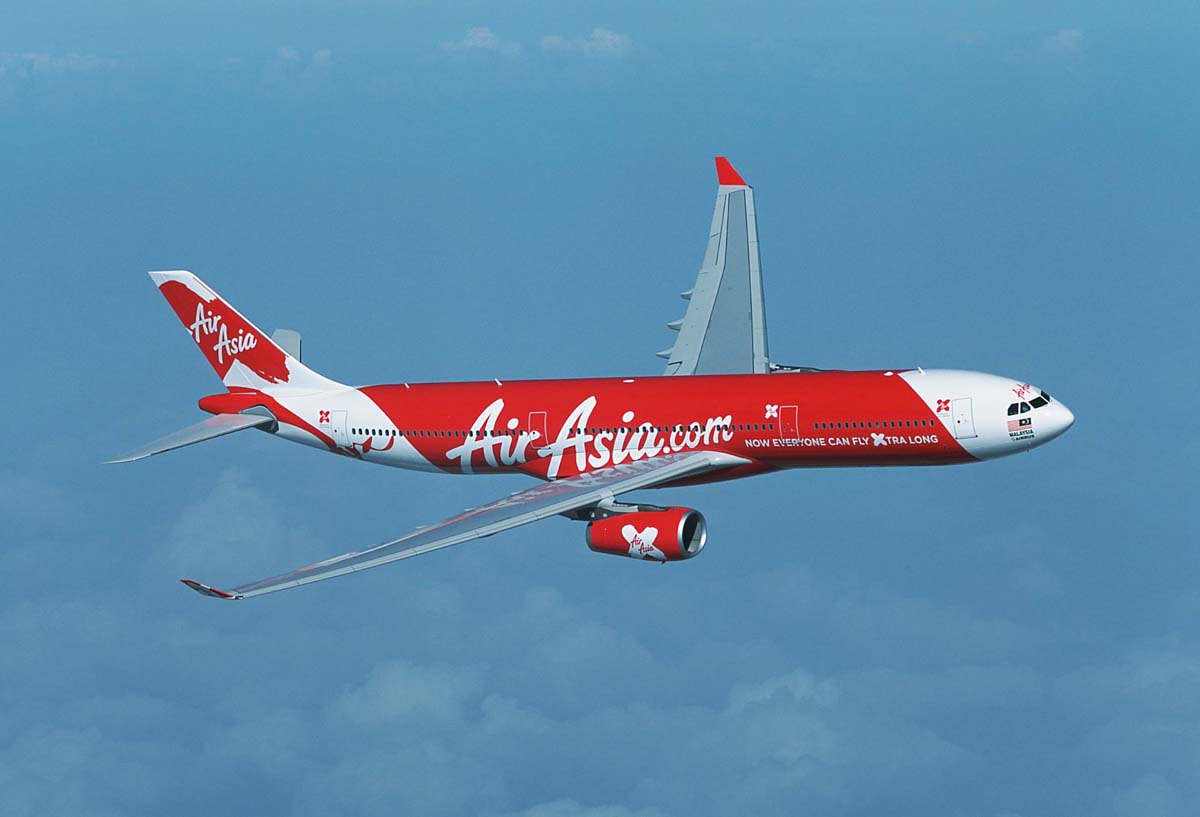
    AirAsia India will launch two new daily flights from Bagdogra – one linking Calcutta in the morning and the other connecting Delhi in the evening – from May.

    “AirAsia India will launch a flight to Delhi in the evening from May 1 and a service to Calcutta in mornings from May 11. The flights would largely help passengers who intend to reach here from Calcutta in the morning and reach Delhi late in the evening,” said Rakesh Sahay, the Bagdogra airport director.

    The new flights were announced after the Instrumental Landing System (ILS) was commissioned at Bagdogra on March 29.

    The authorities have also started bringing in additional CISF personnel to ensure that the airport functions for 16 hours a day, that is from 6am to 10pm.

    As of now, the last flight leaves Bagdogra at 6.25pm and it is bound for Delhi. The new flight by AirAsia India will leave Delhi at 4pm and reach Bagdogra at 6.15pm. In the return direction, it will take off at 6.45pm and land at Delhi at 9.20pm.

    The first flight from Calcutta lands at 11.45am and the first service to the Bengal capital takes off at 12.30pm.

  • Docomo trials 5G for remote healthcare

    Docomo trials 5G for remote healthcare

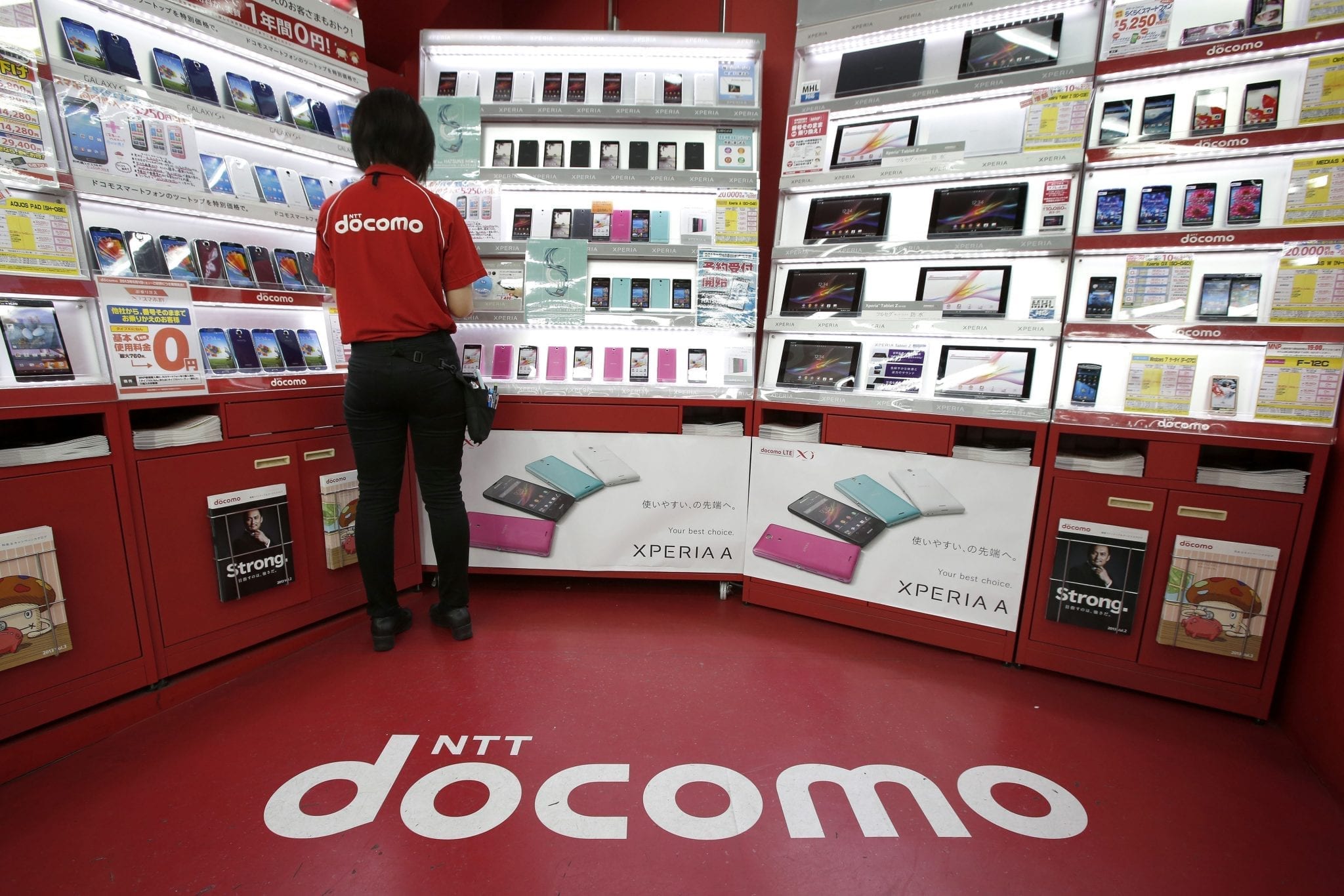
    Japan’s NTT Docomo has completed a trial involving the use of 5G technology to conduct remote medical examinations.

    The trial in the sparsely populated Wakayama Prefecture used base station equipment provided by NEC.

    It was conducted in collaboration with the Wakayama Prefectural Government and Wakayama Medical University and hosted by Japan’s Ministry of Internal Affairs and Communications (MIC).

    The Wakayama Prefecture has previously established  a remote medical support internet based video conferencing system to connect 13 prefectural medical institutions and Wakayama Medical University, allowing doctors to receive advice from specialists, even in towns in mountainous areas.

    But the system has frequently met with problems including unclear images and transmission delays due to the underlying internet infrastructure.

    The trial marks an attempt to overcome these issues. It involves the deployment of a fiber cable to establish a remote medical examination service by using 5G to connect Wakayama Medical University and the Hidakagawa Kokuho Kawakami Clinic about 30 km from the university.

    An NEC base station supporting the 28-GHz band and meeting 5G specifications was deployed to enable real-time sharing of images taken by a 4K close-up camera, as well as HD echocardiographic video and MRI images.

    The trial demonstrated that using HD large-screen monitors and high-capacity data transmission it is possible for remote doctors to view the condition of a patient in minute detail, and to communicate more intimately with patients compared to the use of standard videoconferencing equipment.

    “Ultra-high-speed 5G communications are often associated with the entertainment industry. However, these trials showed us that 5G can play a role in solving social issues, such as reducing regional disparities in the delivery of health care,” NTT Docomo senior research engineer for 5G radio access network research Jun Mashino said.

    “We plan to create new business models and value by continuing to take advantage of 5G technologies in collaboration with ICT vendors, and a wide variety of companies and organizations in the near future.”

  • Mastercard expands Indian research facility

    Mastercard expands Indian research facility

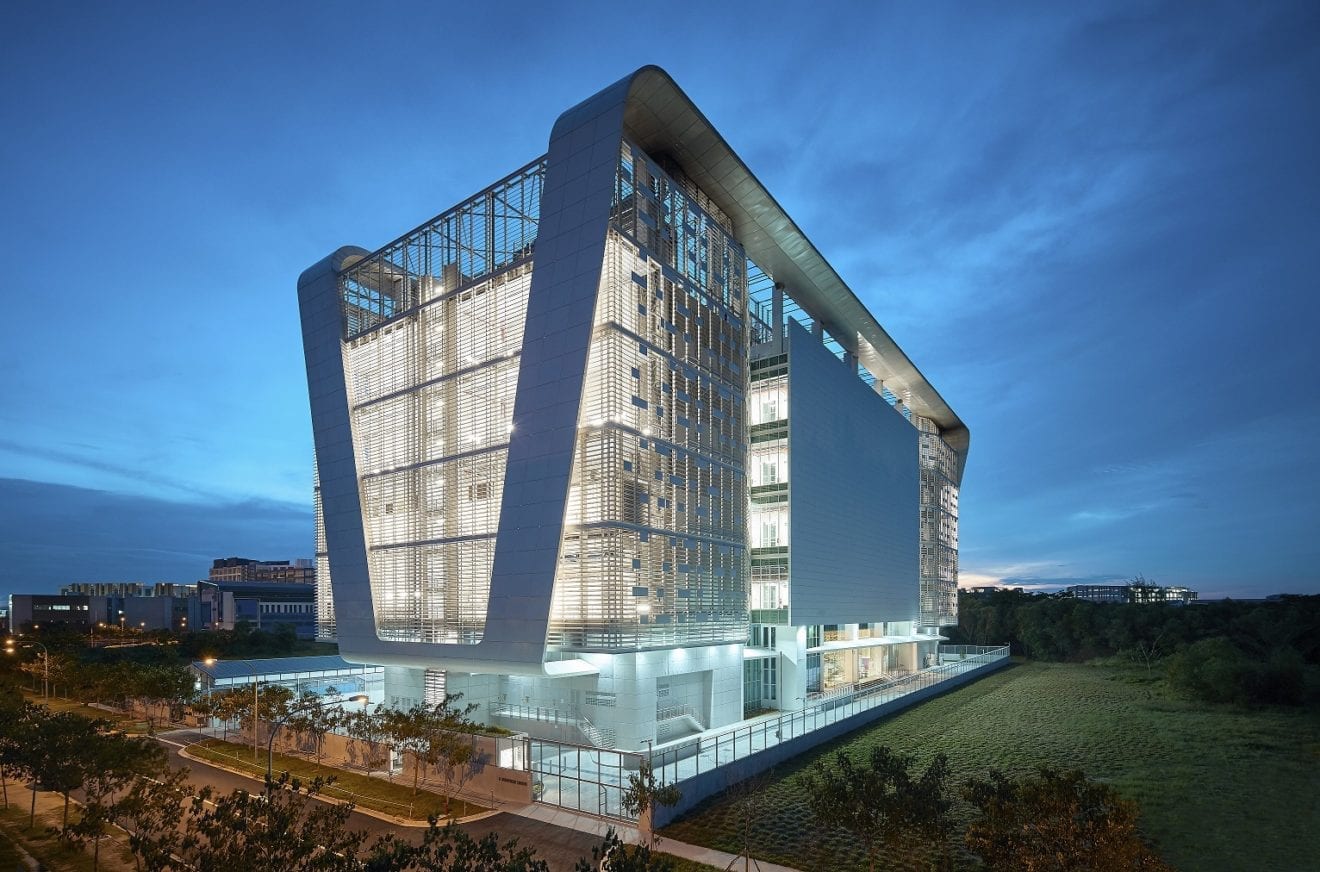
    Mastercard has opened its upgraded technology center in Vadodara, India as part of the company’s support of the government’s initiative to enhance India’s digital capabilities.

    Spread across 65,000 square feet, the state-of-the art facility will serve as a collaboration center for more than 700 employees.

    Mastercard’s Vadodara Centre is part of the company’s vision to build a world beyond cash in India and beyond. Over the past few years, it has contributed to the “Make in India” and “Digital India” campaigns.

    In 2017, Mastercard collaborated with the Indian government to launch Bharat QR, an application that provides local, small and medium enterprises with a low-cost way to accept digital payments from any type of mobile phone.

    Ari Sarker, co-president, Asia Pacific, Mastercard said, “With its incredible pool of talent and opportunities for digitization, India is a strategic market and innovation hub for Mastercard. The expansion of our Technology Centre in Vadodara is an extension of our undertaking to drive the next level of growth and support the government’s agenda to shape a digital future and less-cash society in the market.”

    “Every day, our teams are working relentlessly to deliver real-world technology that breaks down barriers and makes people’s everyday lives easier, more efficient and secure,” said Ed McLaughlin, president, Operations and Technology, Mastercard. “That’s what makes this office so important.  Our Vadodara team is crucial to the next generation digital services and solutions Mastercard will implement across the world.”

  • Google Singapore goes online

    Google Singapore goes online

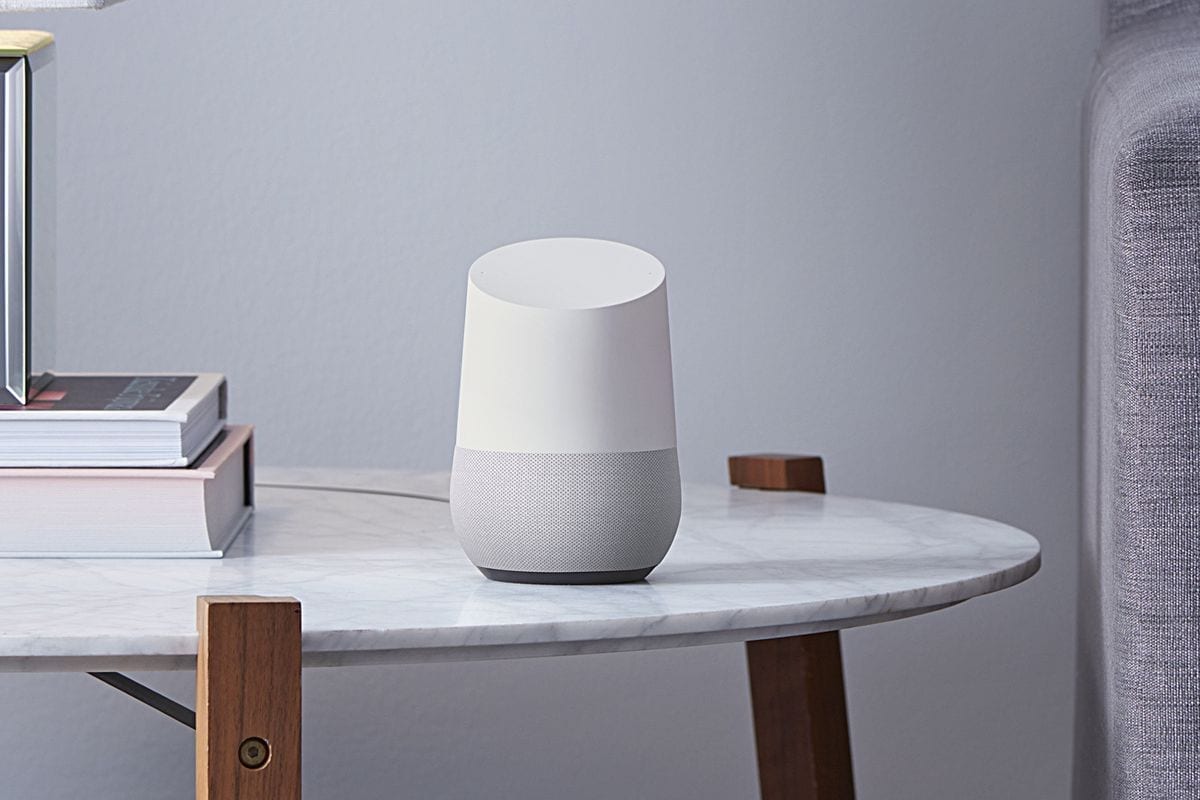
    After launching its online store, Google Singapore has introduced its smart speaker Google Home.

    It has taken the technology 16 months to reach SouthEast Asia, and alongside the Google Home Mini the speaker will be sold through retail stores such as Challenger, Courts and StarHub, as well as online from tomorrow.

    There is no word on when the newer Google Home Max will be made available, reports CNet, nor if Google Home will be rolled out elsewhere in Southeast Asia. However, it was launched in India last week and in Japan late last year.

    Singapore’s version of the speaker will support Singlish, and have access to local services such as public transportation chatbot Bus Uncle.

    Google has also enabled multi-user support for Singapore, and will be able to deliver personalised schedules or music based on who is asking.

    “We’re seeing a transition from a mobile-first world to an AI-first world,” says Google VP of product management Rishi Chandra. “We’re looking to reinvent all of our products to make it more natural to use them, and we think voice is going to be a big part of that. Voice can fundamentally change how you interact with computers.”

    He says Home has been designed around Google’s privacy framework. “We want to be transparent and give user control.”

    User data across all Google platforms, including Search and Home, can be managed on a single backend, enabling users to easily view and delete their information.

  • Telin Singapore enters partnership with SGIX

    Telin Singapore enters partnership with SGIX

    Telin Singapore has teamed up with the Singapore Internet Exchange (SGIX) to enhance internet connectivity for business customers.

    Under the agreement, SGIX has set up a PoP within the Telin-3 data center to provide low latency internet peering services to customers using the data center.

    Telin Singapore, a wholly-owned subsidiary of Indonesia’s PT Telkom, operates Singapore’s only Uptime Institute Tier-IV certified data center.

    Telin-3 is operated on a carrier neutral basis and has been designed to support growing demand for reliable and secure interconnectivity among customers operating in Singapore.

    Carrier-neutral internet exchange service SGIX was meanwhile established by key players from Singapore’s infocomm industry and has the support of regulator IMDA. The company offers internet peering services to customers including ISPs, CDN providers, cloud service providers and carriers.

    “We’re delighted to come on-board SGIX. With the ever-increasing business demand for higher bandwidth and better performance, this partnership will enhance Telin-3’s suite of services and value-add to its world-class facilities,” Telin Singapore CEO  Andreuw Th. A.F said.

  • AirAsia adds flights and extends fixed fare period for GE14

    AirAsia adds flights and extends fixed fare period for GE14

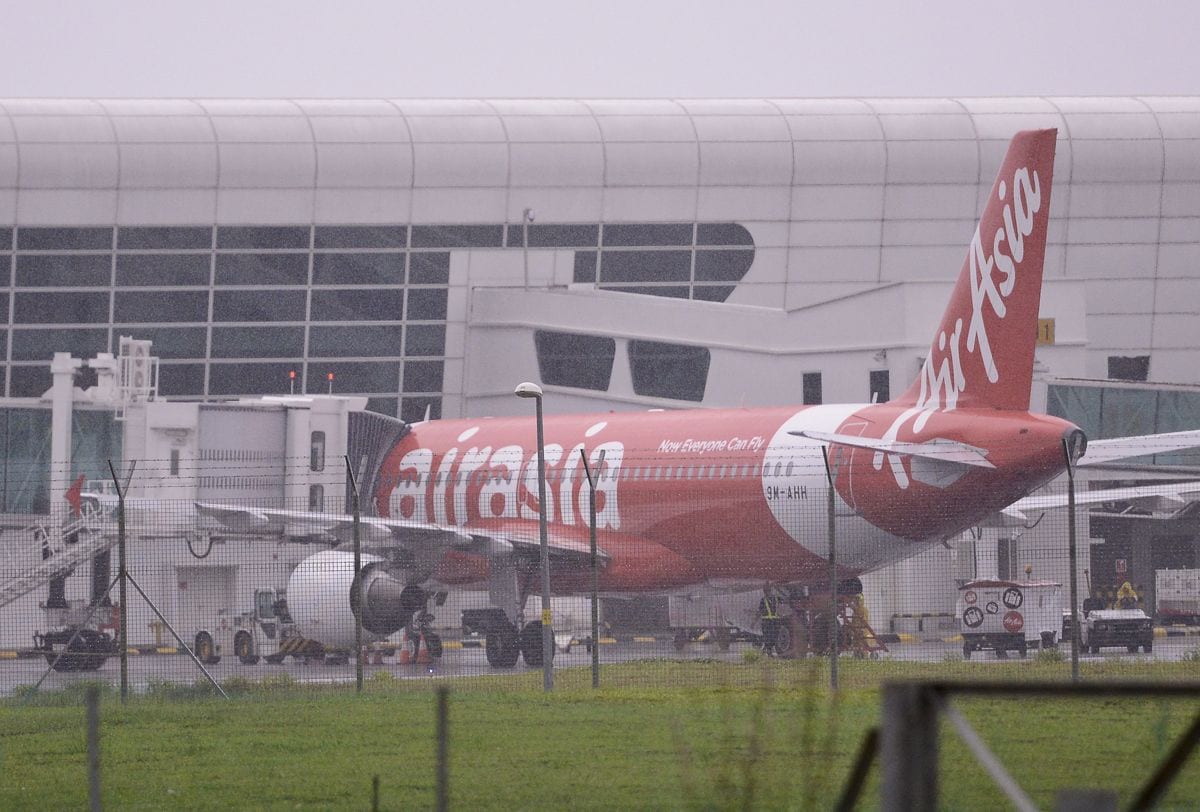
    AirAsia will be adding capacity on selected domestic routes due to increased demand for flights during the polling period.

    “To accommodate this demand, the original May 8-10, 2018 travel period for our fixed fares will also be extended to include May 7, 2018,” the low-cost carrier said in a statement Thursday.

    From May 7-10, AirAsia will operate 120 additional flights, including 20 utilising 377-seat Airbus A330 aircraft.

    One-way fares during this period remain fixed at RM99* for routes within Peninsular Malaysia, RM129* for routes between Peninsular Malaysia and Sarawak, and RM199* for routes between Peninsular Malaysia and Sabah, for new bookings only and subject to availability.

  • Huawei chief downplays 5G expectations

    Huawei chief downplays 5G expectations

    Eric Xu, rotating chairman of Huawei, has downplayed the expectations on 5G, warning that consumers will not likely see a fundamental difference between 5G and 4G.

    “Over the last couple years the entire industry, especially governments around the world, regards 5G too high, as if it’s a digital infrastructure for everything, Xu told attendees at Huawei’s Analyst Summit in Shenzhen on Tuesday.

    He said Huawei did have expectations on 5G, but they were not as big as some people might think. “[5G]It’s just a natural evolution of technology, from 2G to 3G to 4G, and now 5G,” he said. “If you look across the entire portfolio of Huawei business, 5G is just one product.”

    “We’re going to have 5G, but you don’t have a fundamental difference between 5G and 4G… you don’t’ have a material difference between 4G and 5G.” he said

    For the average consumer, he noted, they would only perceive a difference in speed.

    He pointed out that the full 3GPP Release 15 – which is expected in June this year – will only address part of future use cases for 5G, which is the enhanced mobile broadband for consumers. Only until 2019 will the industry have full 5G-compliant standards that cover massive connectivity and lower latency.

    Xu said the current 4G infrastructure is “pretty robust” and good enough to support most use cases and he doesn’t see many clear use cases or applications which can only be supported with 5G.

    That said, Xu is not expecting 5G to be used for nationwide coverage, at least to begin with. Instead, he expects 5G to be used for specific, more localized deployments where there is a need for increased speed and bandwidth.

    However, he noted, this doesn’t mean it’s not worth investing in 5G. “If you’re not investing in 5G, your customers won’t invest in your 4G,” Xu said.

    “It’s the same case for telecoms operators. They are driven by competition, if one telco in the market says, ‘I have 5G-enabled services,’ the other service providers will have to launch 5G, for marketing and branding reasons.”

    Xu said Huawei will continue to be committed in 5G investment and the company’s progress in this area is quite “encouraging.”

    “By the second half of this year we will launch end to end 5G solution to cater our operators customers who do have requirements for 5G. And we are going to launch 5G-capable smartphones in the third quarter of next year.”

  • M1 reports flat profit for 1Q18

    M1 reports flat profit for 1Q18

    Singapore’s M1 has reported flat profit for the first quarter despite a 3% year-on-year increase in service revenue.

    The operator’s net profit stayed stable year-on-year at S$34.8 million ($26.5 million), but this represented an 8.3% increase compared to the previous quarter.

    Service revenue meanwhile grew 3% year-on-year to S$184.7 million, driven by higher fixed and postpaid mobile revenue. But overall operating revenue grew just 0.5% year-on-year and fell 15.8% sequentially to S$254.1 million.

    Fixed service revenue was up a strong 13.9% compared to the same quarter a year ago to S$31.9 million, with M1 adding 5,000 fiber customers to take its total base to 194,000.

    By contrast, mobile revenue increased just 2.6% over the same period, and total mobile subscribers decreased by 2.6% to 1.99 million.

    Mobile data grew to account for 61.3% of mobile service revenue, up from 54% a year ago, with average postpaid smartphone data usage reaching 4.5GB per month.

    Despite the lackluster results, M1 CEO Karen Kooi said the operator is in a position to pursue new growth opportunities looking ahead.

    “We will continue to strengthen our telco core with enhanced value propositions and customer experience,” she said.

    “With our scaled up ICT and digital capabilities, we are well placed to capture the growth opportunities in the Corporate and Government segment driven by corporate digital transformation and Smart Nation initiatives.”

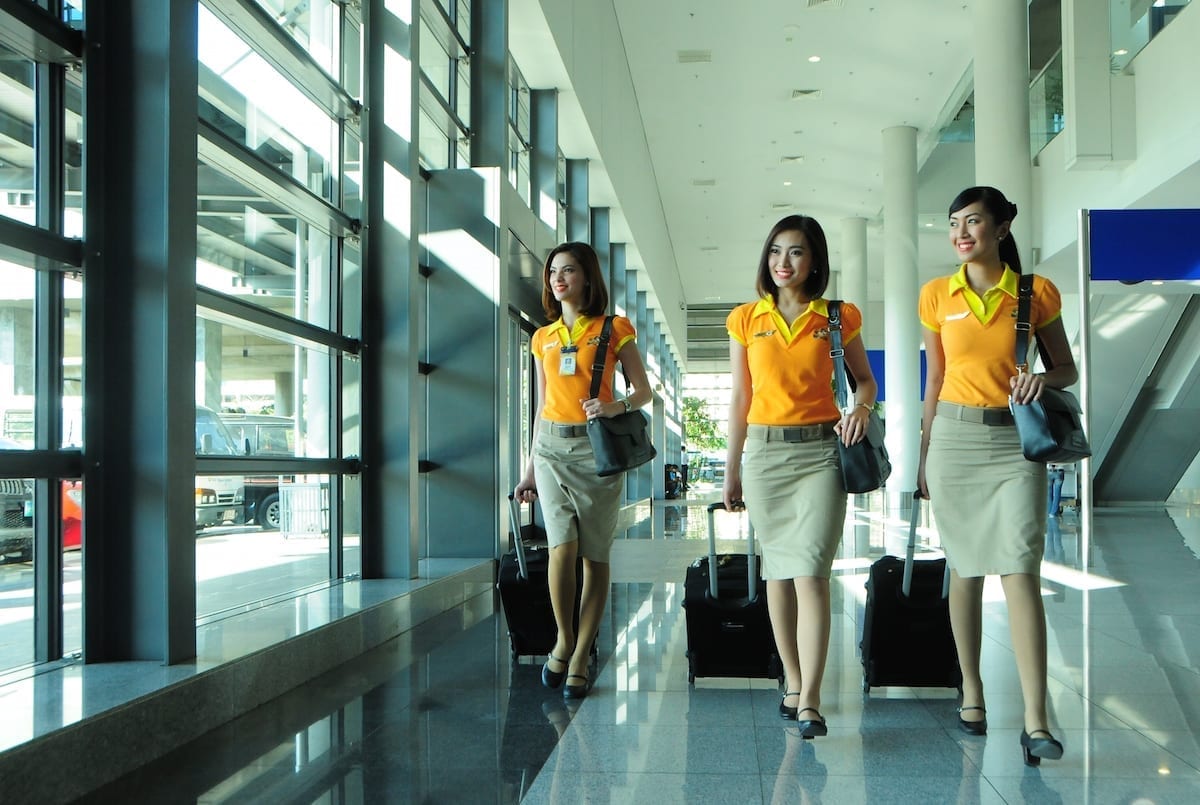
  • Cebu Pacific Less Profitable in 2017

    Cebu Pacific Less Profitable in 2017

    Cebu Air operator of the country’s largest carrier Cebu Pacific, said net income in 2017 dropped by 18.9 percent to P7.91 billion from P9.75 billion in 2016 due to higher fuel prices and operating expenses.

    Operating expenses swelled by 16.6 percent to P57.90 billion in 2017 from the P49.65 billion recorded in the previous year.

    “The increase was primarily due to the rise in fuel prices in 2017 coupled with the weakening of the Philippine Peso against the US Dollar,” the company said in a disclosure.

    Cebu Air Inc is the parent company of airline brands Cebu Pacific and Cebgo.

    Cebu Air said that the Philippine peso ended 2017 at an average of P50.40 per US dollar compared to the previous year’s P47.50 per US dollar.

    “The growth in the airline’s seat capacity from the acquisition of new aircraft also contributed to the increase in expenses,” Cebu Air added.

    The airline company said revenues went up by 9.9 percent from P61.90 billion in 2016 to P68.03 billion in 2017, as passenger revenues increased by 7.2 percent to P49.931 billion.

    “This was mainly attributable to the 3.2 percent growth in passenger volume to 19.7 million from 19.1 million last year, driven by the increase in number of flights by 3.6 percent in 2017 as the Group added more aircraft to its fleet,” the company said.

    Cargo revenues reached P4.60 billion, increasing by 29.2 percent from the previous year, while ancillary revenues went up by 14.9 percent to P13.49 billion.