Author: Mei Ling Tan

  • Samsung to debut MicroLED TVs this year

    Samsung to debut MicroLED TVs this year

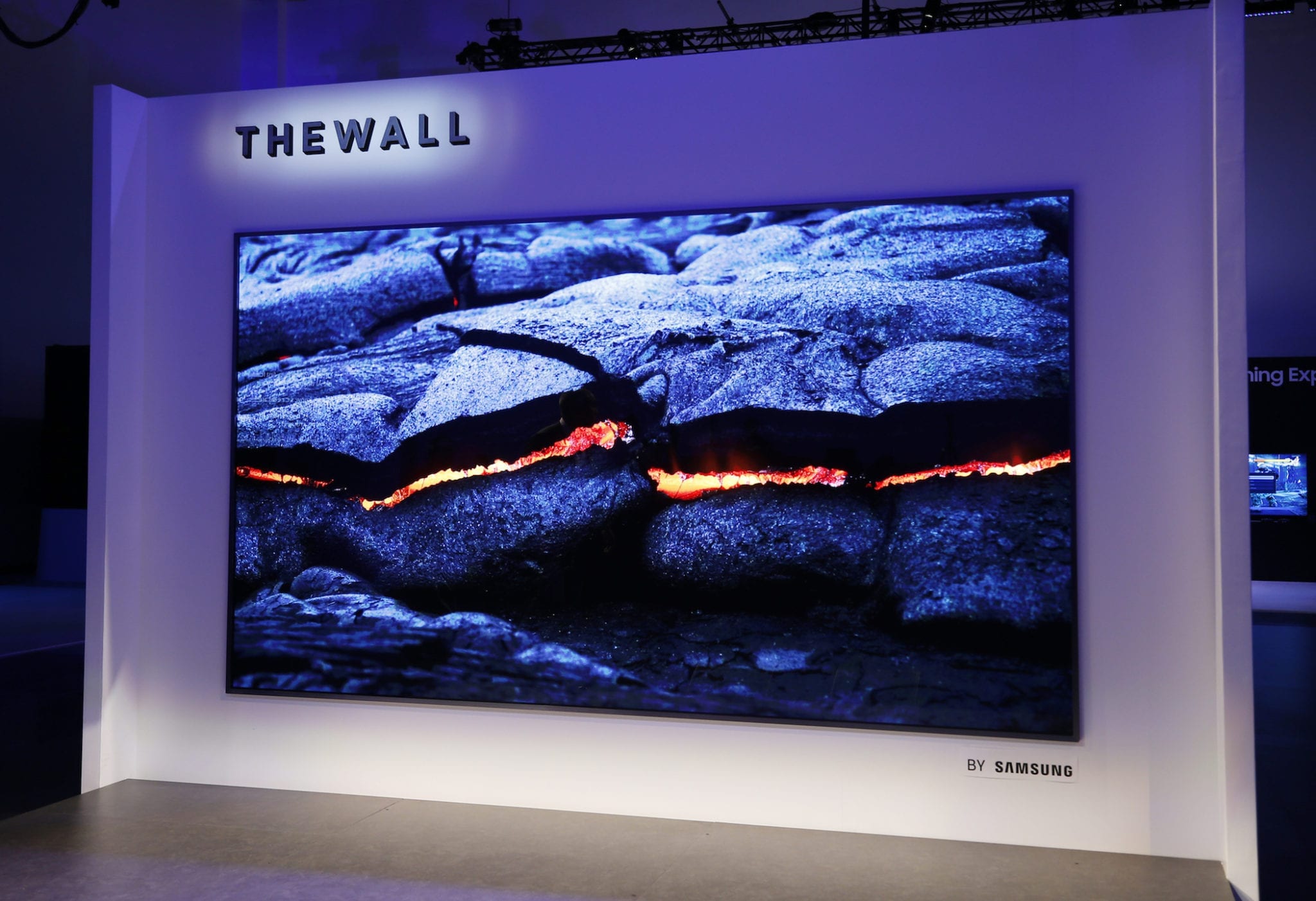
    Samsung Electronics will launch televisions using MicroLED next-generation display technology by the end of the year, with price tags that could reach $300,000.

    Samsung will be able to work flexibly with customers on screen size, thanks to the modular design of its MicroLED panels, design chief Lee Don-tae told.

    Although details have not been settled, the TVs due out this year could be even larger than the 88-inchers leading Samsung’s current lineup. Samsung plans to market them as a high-end offering in the U.S. and the Middle East, and as a potential replacement for computer projectors.

    MicroLED, which uses massive numbers of tiny light-emitting diodes per screen, is seen as the next big thing in display technology. Unlike LCD and many OLED TVs on the market, it does not rely on color filters, using elements that emit red, green and blue light instead. It is also believed to offer better images with a wider viewing angle. Competition is already heating up. Apple has begun developing its own MicroLED displays, according to American reports.

    Samsung itself has pulled out of OLED TVs, which take their name from the organic LEDs they employ. But the company remains critical of rivals’ products, most of which use white OLEDs simply as a light source rather than to produce color. Samsung employs OLEDs that emit their own colors in smartphone displays that it makes.

    Meanwhile, the LG group has emerged as a key player in displays based on white OLEDs. In addition to using them in its own TVs, it is also now supplying the panels to 13 TV manufacturers, including Sony.

    OLED TVs are rapidly becoming a fixture in luxury markets. The global market for them nearly quintupled between 2015 and 2017 to roughly 1.33 million units, according to Euromonitor International. Samsung is struggling to remain a leading player in high-end TVs with its lack of OLED models and wants to gain a head start in next-generation MicroLEDs.
  • Sales starts to pickup for China Dongxiang

    Sales starts to pickup for China Dongxiang

    First-quarter growth has been reported by sportswear company China Dongxiang Group, which owns all rights to the Kappa brand in China, Macau and Japan.

    Same-store sales, excluding the Kappa Kids and Japan businesses, achieved “mid-to-high” single-digit growth year on year, while the retail performance saw high single-digit growth.

    “The retail performance of Kappa stores for the overall offline platform is recovering,” says executive director/CEO/president Zhang Zhiyong.

    The group designs, develops, markets and wholesales branded sportswear in China.

  • Alcheme Skincare ready continue with increased funding

    Alcheme Skincare ready continue with increased funding

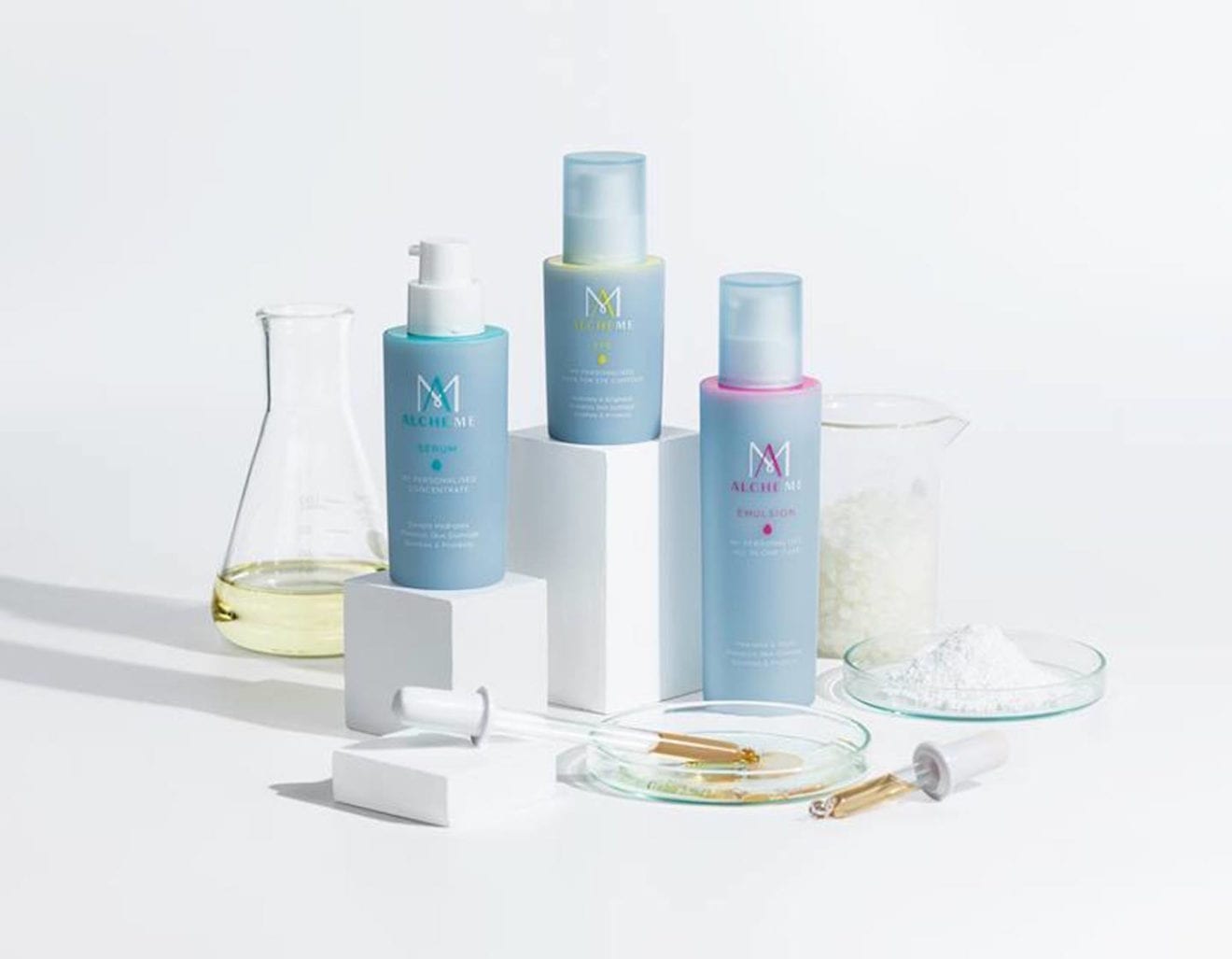
    Start-up Alcheme Skincare has closed its seed-funding round and says it is set to launch its disruptive model next month.

    It will use facial-recognition technology to provide “personalised” skincare products, say co-founders Tuyen Lamy and Constance Mandefield.

    Without disclosing the amount raised, CEO Lamy says said the funds will be used for product development, marketing, market expansion in Southeast Asia, and the establishment of an R&D and production laboratory.

    Both Lamy and Mandefield have a decade’s worth of experience in the skincare industry. They were inspired to develop their own line of products during their tenure at a global beauty brand.

    Using facial-recognition technology will provide an objective and scientific assessment of skin, say the co-founders. Data will be interpreted by proprietary algorithms in tandem with cloud-based technologies and open-sourced platforms.

    “The results are then interpreted and paired with active ingredients that not only address a customer’s specific requirements but also help provide an improved and enhanced complexion,” says Alcheme.

    Its point of difference stems from its direct-to-consumer business model, with its skincare products being customised, made-to-order and delivered to each customer.

    “Achieving perfect skin is not about making the most expensive or the most complicated choice, but about making the right choice,” says Lamy.

    Mandefield, Alcheme’s COO, says that insights from investment firm DSG Consumer Partners, which led the seed-funding round, “will help us strengthen our offerings and drive our expansion plans.”

    Based in Singapore, DSG Consumer Partners has a focus on consumer businesses in Southeast Asia and India.

  • LuxLexicon launches offline flagship store to attract customers

    LuxLexicon launches offline flagship store to attract customers

    In a switch from business online, handbag reseller LuxLexicon has unveiled its first flagship store at The Centrepoint.

    Founder Florence Low describes her company as the largest purveyor of Hermes Birkins and Kellys outside Hermes stores in Singapore, and a leader in authenticated luxury consignments for Hermes.

    Previously Low ran a boutique custom-publishing business and a luxury flash-sale e-commerce website before starting to sell Hermes handbags via her Instagram account @luxlexicon in 2016. She sold 1500 Hermes handbags through LuxLexicon last year, with the biggest sale being a new Himalayan Birkin 30 handbag fetching nearly $130,000.

    “Just as cars and timepieces are status symbols for men, handbags are seen to be the status symbols for women,” says Low. “Of all the handbag brands, the Hermes appeal is very strong because women everywhere recognise that these handbags make for good investments. They appreciate in value over time and are highly liquid when one decides to sell.”

    Her flagship store has more than 300 pieces in stock, while her clientele ranges from female professionals and socialites in their 30s to 50s, to men who buy them as gifts.

    While LuxLexicon continues selling online, but has done away with private viewings, Low believes a physical showroom will enable customers to interact with her so they can feel comfortable making a purchase.

    “When it comes to selling luxury goods, nothing beats seeing my customers in person before they make a purchase. It is hard for someone to part with a five-digit figure based on pictures alone. For that reason, the store is meant to offer buyers the chance to assess an item in person before buying it.”

  • Nike’s head of diversity steps down in New Zealand

    Nike’s head of diversity steps down in New Zealand

    Antoine Andrews, Nike Inc’s vice president of diversity and inclusion, has resigned just weeks after the announcement of broad changes to the company’s HR policies.

    Nike confirmed the departure, but declined to comment on the circumstances behind Andrews’ departure.

    Andrews is the third high profile departure within a month, coming shortly after Nike conceded it had “failed” in promoting and hiring women and other minorities to senior-level positions within the business and would renew its efforts to address this disparity “with immediate effect.”

    “While we’ve spoken about this many times, and tried different ways to achieve change, we have failed to gain traction,” said Nike’s human resources chief Monique Matheson.

    “Our hiring and promotion decisions are not changing senior-level representation as quickly as we have wanted.”

    The departure comes just weeks after the president of Nike Trevor Edwards resigned, followed shortly by Jayme Martin, vice president and general manager of global categories.

    Nike, during Edwards’ exit, had flagged “conduct inconsistent with Nike’s core values and against our code of conduct,” though there were no direct allegations of misconduct against Edwards.

    Of Nike’s ‘several hundred’ vice president’s only 29 percent are women while in the US only 16 percent are people of colour.

    Andrews joined Nike in 2015, prior to which he was the director of global diversity and inclusion for Symantec.

  • JD Sports Australia to expand logistics capabilities

    JD Sports Australia to expand logistics capabilities

    British sports fashion retailer JD Sports has issued a vote of confidence in its fledgling Australian operation, revealing that it is expanding its local logistics capabilities to facilitate “anticipated future growth”.

    Delivering its financial results for the 53 weeks ended 3 February in the UK on Tuesday, JD’s executive chairman Peter Cowgill said work to bolster its fulfilment in Australia was ongoing and that initial trading from its first five stores Down Under was “encouraging”.

    “Our initial performance in these markets [including Malaysia] is encouraging and it has given us the confidence to investigate options in other territories,” Cowgill said.

    “A smaller scale project to expand our logistics capabilities in Australia to facilitate anticipated further growth, both in stores and online, of the JD fascia is also ongoing,” he said.

    The comments come just a week after JD’s local arm, which is being shepherded by Rebel founder Hilton Seskin, announced three new stores (bringing its total to 9), one of which is already open in Macquarie, Sydney.

    JD has worked with the local veteran on slowly laying the bedrock for its Australian expansion over the last few years, launching about a year ago.

    As of 3 February JD had 12 stores in Asia Pacific and 52 stores across other businesses in the region, such as Glue in Australia.

    The listed British business does not separate its sales figures from individual markets outside of the UK, but revenue from operations outside of its home market and Europe increased by 46.6 per cent to £31.5 million (AUD$58.01m) during the year.

    Record profit

    Group-wide JD reported a record increase in its before tax profit for the year, up 24 per cent to £294.5 million (AUD$524.32m).

    Group revenue was up by 33 per cent to £3.16 billion (AUD$5.82bn) on the back of 187 store openings, including a net increase of 70 stores in the UK and Europe alone. The business has 1237 locations globally.

    Cowgill said he had been “very encouraged” by the result, which brings total profit growth since 2015 to more than 200 per cent.

    “The investments we have made over a number of years in developing our multichannel proposition and driving improved buying, merchandising and retail discipline have ultimately led to the creation of a world class sports fashion business which combines the best of physical and digital retail on an increasingly global scale,” he said.

    We are very encouraged by the progress that we are making internationally, and we continue to look for further opportunities to bring our dynamic multichannel proposition to new markets around the world with the support of our key brands”

    JD is currently finalising a yet-to-be-approved deal to purchase American footwear chain The Finish Line for $558 million, a move that will supercharge its expansion into the US.

    JD provided no specific outlook, but said it is satisfied with its progress and remains confident about the prospects for the current financial year.

  • Amazon Australia unveils new Echo product

    Amazon Australia unveils new Echo product

    A week after showcasing Alexa to over 10 thousand local industry members, Amazon has moved to further expand its voice capabilities in Australia, making its latest Echo product available for pre-order.

    Echo Spot differs to Amazon’s other Echo products in that it has a small screen, enabling the voice assistant to display corresponding graphics to its various functions.

    It comes as Amazon embarks on a national marketing push for Alexa in Australia, including outdoor and digital assets.

    Pre-orders begin on 26 April and will set customers back $199, more expensive than the $149 base echo product, but less expensive than the $229 Echo Plus.

    The Spot features many of the same features that Amazon’s other Echo products do, including access to the 15,000 local ‘skills’ (applications) available through Amazon and other third parties.

    “Echo Spot combines the popular small design of Echo Dot with the added benefit of a display, and the features you love about Alexa into a stylish and compact device,” said Sylvia Ding, Alexa Australia and New Zealand Country Manager. “See the weather, watch video news briefings, glance at your alarm clock, make video calls, and more—we think customers in Australia will find lots of places for Echo Spot in their homes.”

    Amazon is hoping that Alexa will be a cornerstone of its Australian ambitions, helping to complete the closed loop model that’s made it so successful in its other markets such as the United States.

    Yesterday in the states Amazon chief Jeff Bezos took the company’s next step towards increasing Amazon’s presence in American living rooms, inking a deal with Best Buy to retail Amazon’s range of smart TVs in stores.

  • Priceline books slow down beauty sales

    Priceline books slow down beauty sales

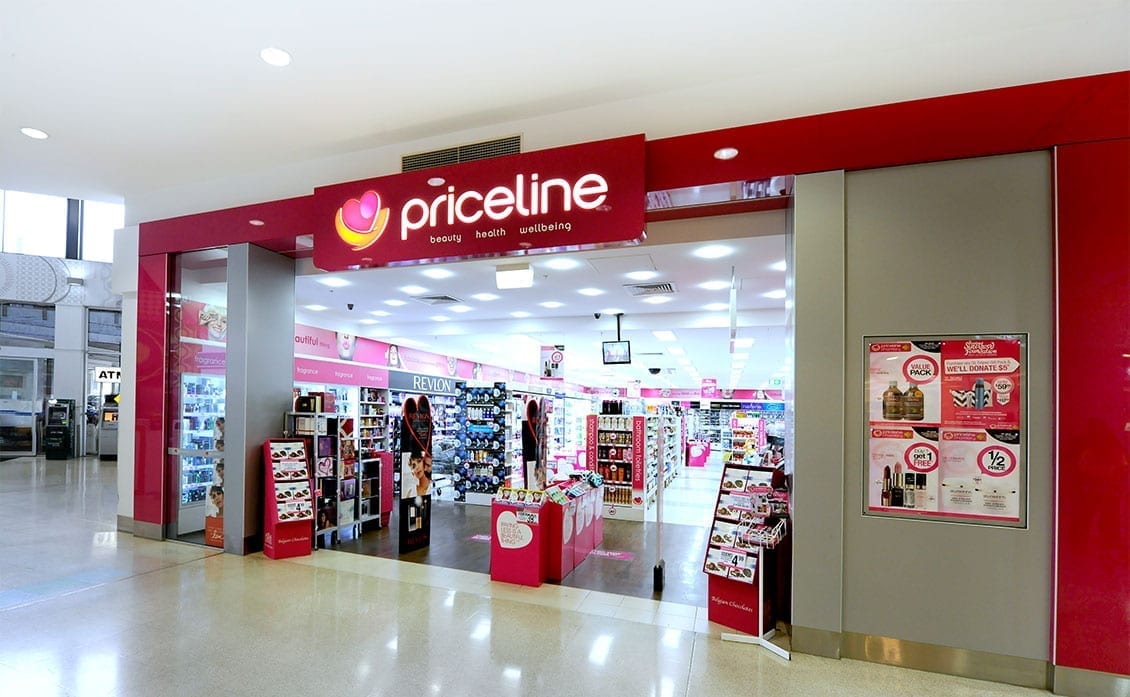
    Priceline owner Australian Pharmaceutical Industries’ half-year net profit has fallen by 14.4 per cent to $24.9 million on lacklustre retail sales from its retail pharmacy network.

    Underlying net profit after tax, excluding $1.8 million of restructuring and strategic growth costs, was down 8 per cent on the prior corresponding period to $26.8 million, slightly ahead of API’s January guidance.

    Underlying earnings before interest and tax (EBIT) declined by 8 per cent to $44.6 million in the six months to February 28, constrained by a .3 per cent decline in top line revenue to $2.009 billion.

    The company said that a continuation of difficult trading conditions in the health and beauty market hampered its Priceline network, which booked a 1.7 per cent decline in comparable store sales and a .3 per cent decline in retail register sales.

    Sales growth in dispensary and OTC health products offset declines in discretionary beauty products, with total network sales, which include dispensary, up 2.1 per cent.

    “We have refined our tactical sales activity, which is now more targeted and responsive to changes in the increasingly competitive market,” API chief executive and managing director Richard Vincent said.

    “Despite the combination of consumer sentiment being challenging for the foreseeable future and increased competition, the strength of our combined marketing assets, particularly our Sister Club loyalty program, continues to be the primary source of sales growth.”

    Vincent said he anticipates a continuation in difficult trading conditions in the second half, but that Priceline will focus on cost out opportunities to improve earnings for the full-year.

    API expects its underlying FY18 result to be marginally higher than FY17, providing trading conditions do not deteriorate further.

    There were 466 stores trading in the Priceline network at the end of the half-year, an increase of 16 during the half.

    Vincent said Priceline’s pipeline of potential pharmacy partners remains “robust” but maintained his view that “unrealistic rental demands” were putting a damper on store expansion.

    API’s pharmacy distribution network experienced stronger growth than Priceline, increasing underlying sales by 9.8 per cent on the prior corresponding period.

  • Lazada Singapore celebrating 6th birthday

    Lazada Singapore celebrating 6th birthday

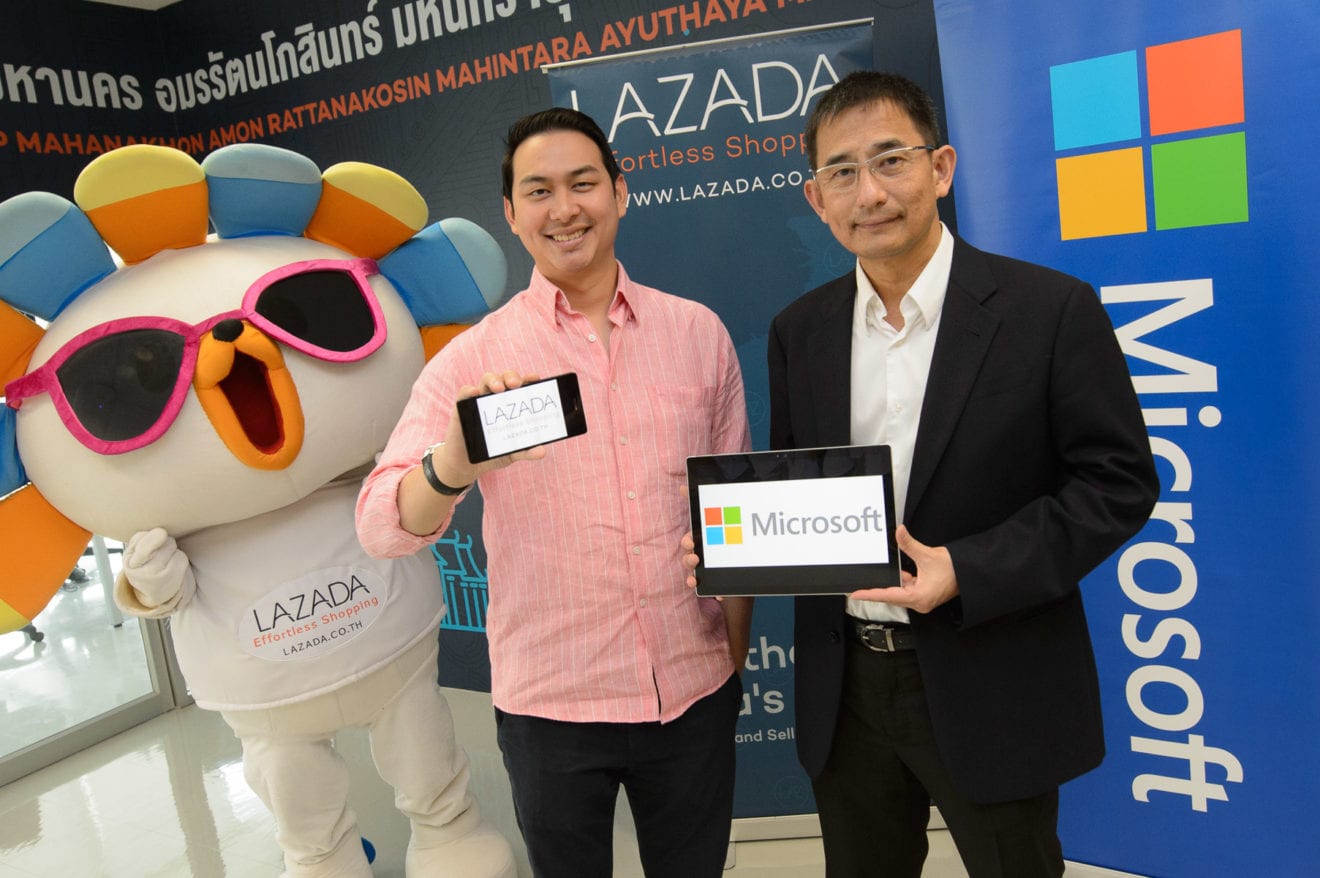
    Online market Lazada Singapore has marked its sixth anniversary with a festival at Plaza Singapura in a lead-up to its online birthday sale, starting next Tuesday.

    Crowds attended the weekend festival which offered surprise boxes and activities at Lazada brand and seller booths. Queues formed four hours before the event opened, with more than 550 people lined up on Sunday morning.

    Lazada sold more than 2000 surprise boxes across the two and a half days in less than two hours each day. Shoppers were also able to score discounts of up to 80 per cent on flash deals available only at the event.

    A 5m-high Super Surprise Box held up to 6000 freebies worth $120,000, available for shoppers spending at least $25 at either Plaza Singapura or on the Lazada app. Shoppers had only six seconds to grab a freebie from the box, echoing the “fastest fingers first” at last year’s Lazada Online Revolution Sale, where several brands sold out all 200 units of their surprise boxes in less than seven seconds.

    Partnering with CapitaLand, Lazada aimed to recreate the online shopping experience and ensure a clear link promoting an omnichannel shopping experience. This included QR codes at brand booths linking directly to their official stores on Lazada, as well as encouraging shoppers to buy at Plaza Singapura to qualify for a gift from the Super Surprise Box.

    All the freebies were claimed. These included Philips irons, Laneige serums, whey supplements, milk formulas and Jamie Oliver kitchenware.

    During the festival, Plaza Singapura had a fivefold increase in foot traffic.

    An innovation for the celebration is Shakin’ Deals, which encourages Lazada app users to shake their phones at midday and 9pm to win vouchers worth up to $120 to be used at the upcoming birthday sale.

    “Our daily app usage spiked by 37 per cent from the same time last month, and on Sunday we generated the highest app interaction we’ve seen all month,” says Lazada Singapore CEO/head of new retail Alexis Lanternier.

  • CapitaLand Mall Trust divests Sembawang Shopping Centre for S$248.0 million

    CapitaLand Mall Trust divests Sembawang Shopping Centre for S$248.0 million

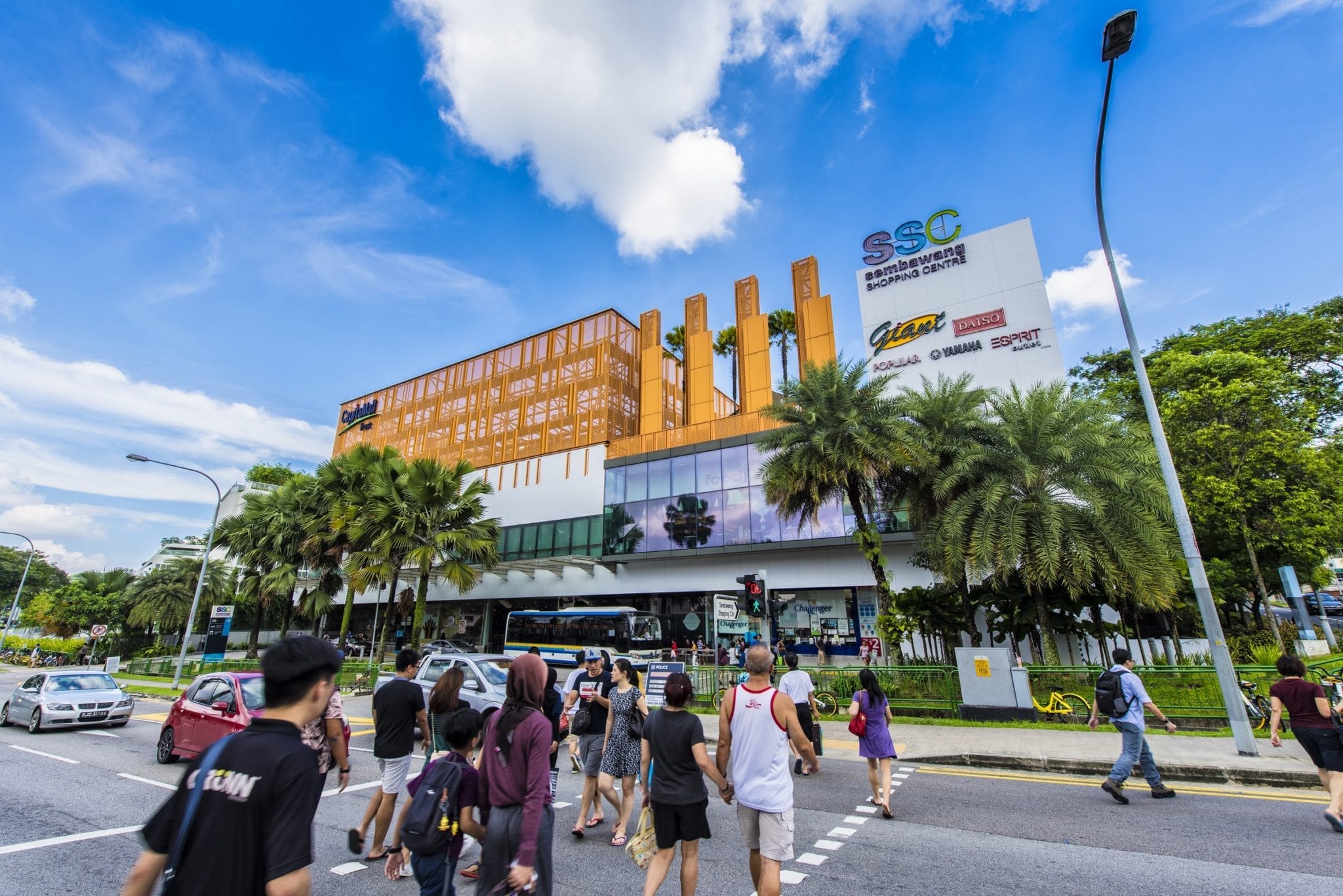
    CapitaLand Mall Trust Management Limited (CMTML), the manager of CapitaLand Mall Trust (CMT), announced today that CMT, through its trustee HSBC Institutional Trust Services (Singapore) Limited, has entered into an agreement to sell Sembawang Shopping Centre to a joint venture between Lian Beng Group Ltd and Apricot Capital Pte. Ltd. for S$248.0 million.

    Based on the latest independent valuation, Sembawang Shopping Centre was valued at S$126.0 million as at 31 December 2017. The divestment is expected to generate net proceeds of about S$245.6 million and a net gain of about S$119.6 million when the transaction is completed by June 2018.

    Mr Tony Tan, CEO of CMTML, said: “The divestment of Sembawang Shopping Centre is in line with our portfolio management strategy of maximising returns for our unitholders. By unlocking the value of Sembawang Shopping Centre at this stage, it will realise the optimal value for CMT’s unitholders. As the mall accounts for only about 1% of CMT’s total asset value, its sale will have minimal impact on CMT’s financial performance and distribution per unit. The net proceeds from the divestment will further enhance and strengthen CMT’s financial flexibility.”

    Upon completion of this transaction, CMT’s portfolio will comprise 15 properties located in suburban areas and downtown core of Singapore. They are Tampines Mall, Junction 8, Funan, IMM Building, Plaza Singapura, Bugis Junction, JCube, Raffles City Singapore, Lot One Shoppers’ Mall, Bukit Panjang Plaza, The Atrium@Orchard, Clarke Quay, Bugis+, Westgate and Bedok Mall.

    Located along Sembawang Road, Sembawang Shopping Centre reopened to shoppers in 2008 following CMT’s acquisition in 2005. It comprises four levels of retail space – three levels above ground and one basement level – with a net lettable area of 143,631 square feet. The mall registered a committed occupancy of 99.4% as at 31 December 2017. Its major tenants include Giant, Yamaha Music School, Food Junction and Daiso Japan.

  • Walmart kicks off with redesigned e-commerce platform

    Walmart kicks off with redesigned e-commerce platform

    The world’s largest retailer Walmart has unveiled a complete redesign of its North American e-commerce platform to deliver a more local and personalised experience for shoppers.

    The new website, which is now live, sports a completely redesigned look and feel, as well as several new features, including specialty shopping experiences.

    The move comes after Walmart disappointed the market in February with a slowdown in its e-commerce growth to 23 per cent in the fourth quarter, down from 50 per cent in the prior quarter.

    The retail giant is forecasting a further 40 per cent increase in its e-commerce sales in fiscal 19.

    Walmart’s president and chief executive of US e-commerce Marc Lore oversaw the changes and said that personalisation was a key focus for the retail giant, with new sections introduced that showcase top-selling items based on a customer’s location.

    “The majority of the homepage will be personalised in some way,” Lore said in a post about the new site.

    There will be an area of the site dedicated to customers’ local store profiles, which will provide product availability information.

    Specialty shopping experiences have also been introduced, an area of the site dedicated to a specific category, designed to emulate a specialty retail shopping experience.

    “Customers shopping for groceries and household essentials want to quickly re-buy what they always purchase, while those looking for a new couch want to be inspired while browsing the different options,” Lore said.

    “We want each category to feel like you are shopping a specialty store and we plan to build out these specialty experiences for other categories starting later this year.”

    A home specialty experience has already been launched, while a destination for fashion is on the way.

    Advertising has also changed, providing Walmart’s suppliers with the ability to “better tell their stories” on the website within “seamlessly integrated” ads.

  • Olivia Burton launched a concept store in Ion Orchard

    Olivia Burton launched a concept store in Ion Orchard

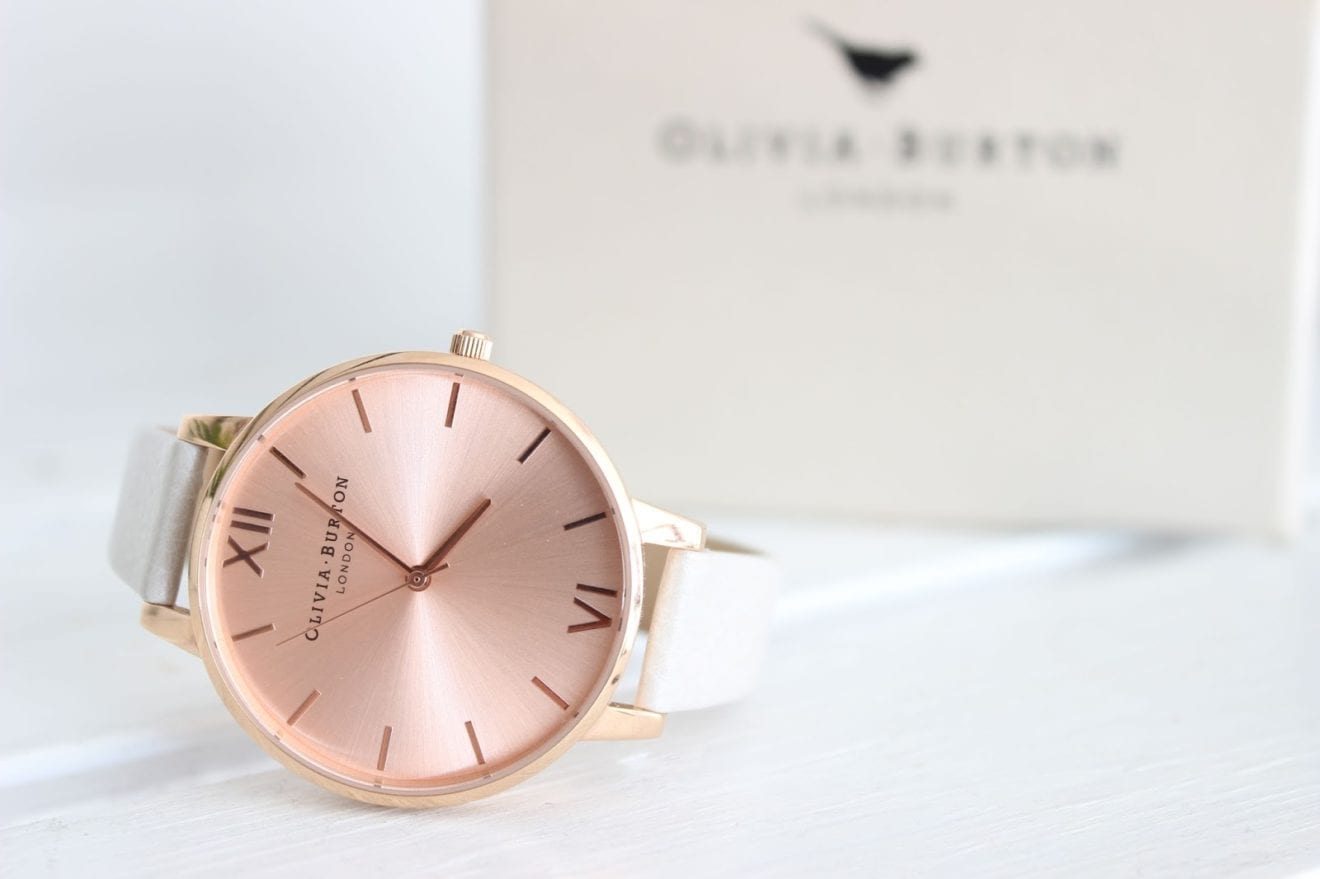
    British accessories brand Olivia Burton, together with Asian retail specialist Norbreeze Group, has launched a concept store in Ion Orchard.

    For the first time in Singapore, the brand’s fashion jewellery collection and personalisation services are being offered at the flagship store. Its signature vintage-inspired watches have been available in Singapore since October.

    Olivia Burton was founded by best friends Lesa Bennett and Jemma Fennings in 2012 and named after Bennett’s great aunt. Its London studio creates detailed watches and jewellery inspired by nature.

    Norbreeze Group co-founder Anne Trads Juel Sauerberg describes Olivia Burton’s accessories as “fashionable and affordable luxury”.

    To celebrate its opening, the store will host experiential activities on Saturday. Guests and customers will be able to create floral crowns and be offered floral cupcakes. The first 20 shoppers will each receive limited-edition exclusive merchandise.

  • Hera Singapore plans more boutique stores

    Hera Singapore plans more boutique stores

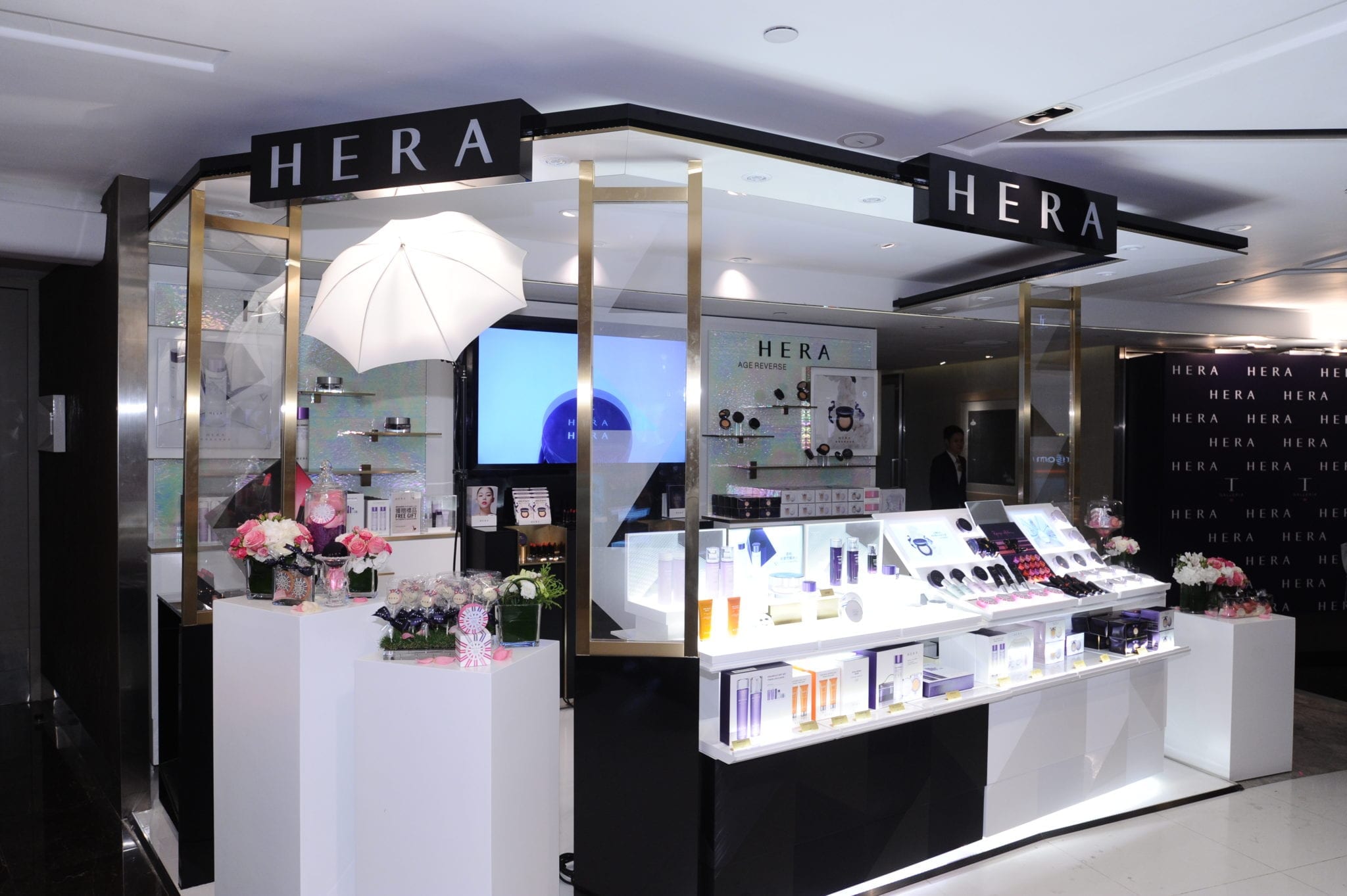
    Korean cosmetics brand Hera Singapore will officially launch at Takashimaya Department Store on May 10.

    And the brand will also open a standalone boutique store within the second half of this year.

    Hera’s parent company Amorepacific considers Singapore a strategically important market for international expansion, due to consumers’ strong demand for global brands and their interest in trends.

    Hera  launched in China, its first overseas market, in 2016.

    Amorepacific also plans to bring its haircare brand Amos to Singapore this year.

  • True Move told to consider compensation over data leak

    True Move told to consider compensation over data leak

    Thai telecoms regulator NBTC has instructed mobile operator True Move H to assess the impact of its recent personal data leak and offer compensation to any affected customers.

    The regulator also plans to conduct a formal investigation into the incident and consider imposing punishments, and issue a letter demanding that mobile operators take appropriate steps to prevent similar breaches in the future.

    A security researcher recently revealed that the identity documents of up to 45,736 customers of True subsidiary iTrueMart had been exposed by being stored in a publicly-accessible Amazon S3 data bucket. The company also took more than a month to finally make the cache of files private.

    Researcher Niall Merrigan discovered the cache by scanning certificate transparency logs created when someone creates a new security certificate.

    Yet True Move H and parent True Corp are continuing to characterize the action as a data breach. A True Corp executive told that the company is considering taking legal action for hacking the data from the system, stating that he used “special tools to access data which he has no right to get into.”

    But a cloud expert noted that because the default setting for the AWS S3 service is private, True had to have intentionally set the data to public.

  • Kathmandu raises $50 million

    Kathmandu raises $50 million

    Kathmandu Holdings will take up the full oversubscription in a share purchase plan, raising $50 million to help fund its purchase of US footwear supplier Oboz Footwear.

    The Christchurch-based company on Wednesday said it accepted $2 million in oversubscriptions for its share purchase plan, taking total subscriptions to $10m.

    That’s on top of $40m raised from institutional investors in a placement.

    Shares were sold in both offers at $2.16 apiece, a 10 per cent discount to where the shares traded before the announcement.

    The shares fell 0.4 per cent to $2.55 today.

    “We are delighted with the extent of support, both for our institutional placement last month and for the share purchase plan, and the affirmation by our shareholders of our growth plans for the business,” chair David Kirk said in a statement.

    “The board would like to thank all those shareholders who participated in the SPP for their continuing support of Kathmandu.”

    The capital injection will be used to help pay for the US$60m upfront purchase of Oboz, which Kathmandu pursued to expand its presence in the North American outdoor market.

    If the acquisition meets certain earnings targets in calendar 2018, Kathmandu will pay up to US$15m more.

    Some 1516 Kathmandu shareholders of its 3514 investors sought to participate in the share purchase plan, offering $14.5m, meaning their offers will be scaled.

    Briscoe Group, which made a failed takeover bid in 2015 when it built up a 19.8 per cent stake, participated in both the institutional placement and share purchase plan.