Author: Mei Ling Tan

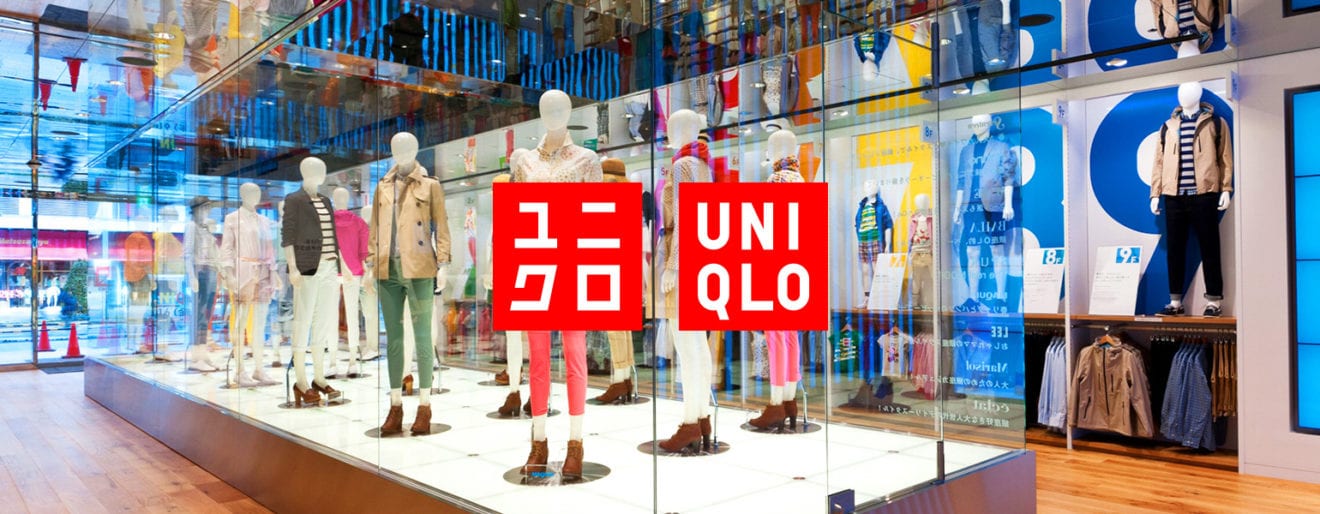
  • Uniqlo takes on H&M in its home market Sweden

    Uniqlo takes on H&M in its home market Sweden

    Fast Retailing, the world’s third largest apparel company behind the brand Uniqlo, threw down the gauntlet against world number two Hennes & Mauritz on Friday, opening its first store in H&M’s home market of Sweden, as it makes further inroads in Europe.

    “This is a big step toward becoming a global brand,” Chairman and CEO Tadashi Yanai said. He usually spends his summer in Hawaii through the end of August but this year he has been in Stockholm to prepare for the store opening.

    More than 1,000 people lined up at the store in Sweden’s capital. “I was impressed with the variety of items anyone can wear regardless of age,” said a 20-year old college student who bought a sweater.

    The store highlights Fast Retailing’s clear focus on Europe of late. The company last fall opened its first store in Spain, the home of world number one clothier Inditex, known for its Zara brand.

    Uniqlo generates only 4% of its global sales in Europe. And Fast Retailing has had a bitter experience in the region. It opened its first overseas store in the U.K. back in 2001 riding a boom for fleece clothing and quickly increased the U.K. store count to over 20, only to shutter 16 locations in 2003 due to continued losses.

    “We were arrogant and took the challenge lightly,” Yanai said in retrospect.

    Fast Retailing has since cultivated its European presence steadily, making its debut in Germany in 2014. But the store count in Europe was a mere 75 at the end of July.

    Three quarters of the 2,057 Uniqlo stores are in Japan, China, Hong Kong and Taiwan. And 186 are in South Korea.

    The company is expected to log sales of over 2 trillion yen ($17.9 billion) in the year ending August. Much of Uniqlo’s revenue is concentrated in Asia.

    Given the similar body types and climates in the neighboring markets, it is more efficient for Fast Retailing to put in resources there than in Europe.

    But establishing a solid presence in Europe, the fashion capital of the world, is a vital step for Fast Retailing to enter a new stage of growth.

    Fast Retailing is confident of its offerings, including the quick dry and heat retention features. But the challenge is to have people in Europe exposed to Uniqlo clothes so they can pick up and feel the clothes in person.

    Uniqlo found a powerful supporter in this endeavor: the tennis legend Roger Federer. The Swiss athlete has become a Uniqlo brand ambassador and sported the Uniqlo logo on his match wear in the Wimbledon tournament in July, switching from Nike.

    Fast Retailing has also collaborated with Finnish design house Marimekko — known for its dot designs on women’s apparel — and former Hermes designer Christophe Lemaire to develop new products.

    The business landscape presents an opportunity for Fast Retailing to make it big in Europe. Although Inditex has performed well, H&M’s sales have declined as consumers increasingly feel that the design and quality do not measure up to the price.

    Uniqlo disrupted the apparel industry back in the 1990s by mass-producing clothes through contractors abroad and selling products in its own stores. The new approach pushed the company to surpass traditional apparel makers that sell their offerings at department stores.

    But as it moves ahead in the digital age of today, there is no guarantee for success, amid competition not only from the big rivals but also from new players like direct-to-consumer brands — sold exclusively online and thus saving costs by skipping physical stores.

    British brand boohoo is one example that has undergone rapid growth. In the year ended February, the operating company logged sales growth of 97% on the year to 579 million pounds ($673 million). And in Japan, a new business model is forming in the apparel industry as services that match amateurs with sewing professionals allow virtually anyone to open an apparel business. One-of-a-kind items made in small volumes may gain traction in this environment.
  • L Brands slides as sales slumps for Pink lingerie

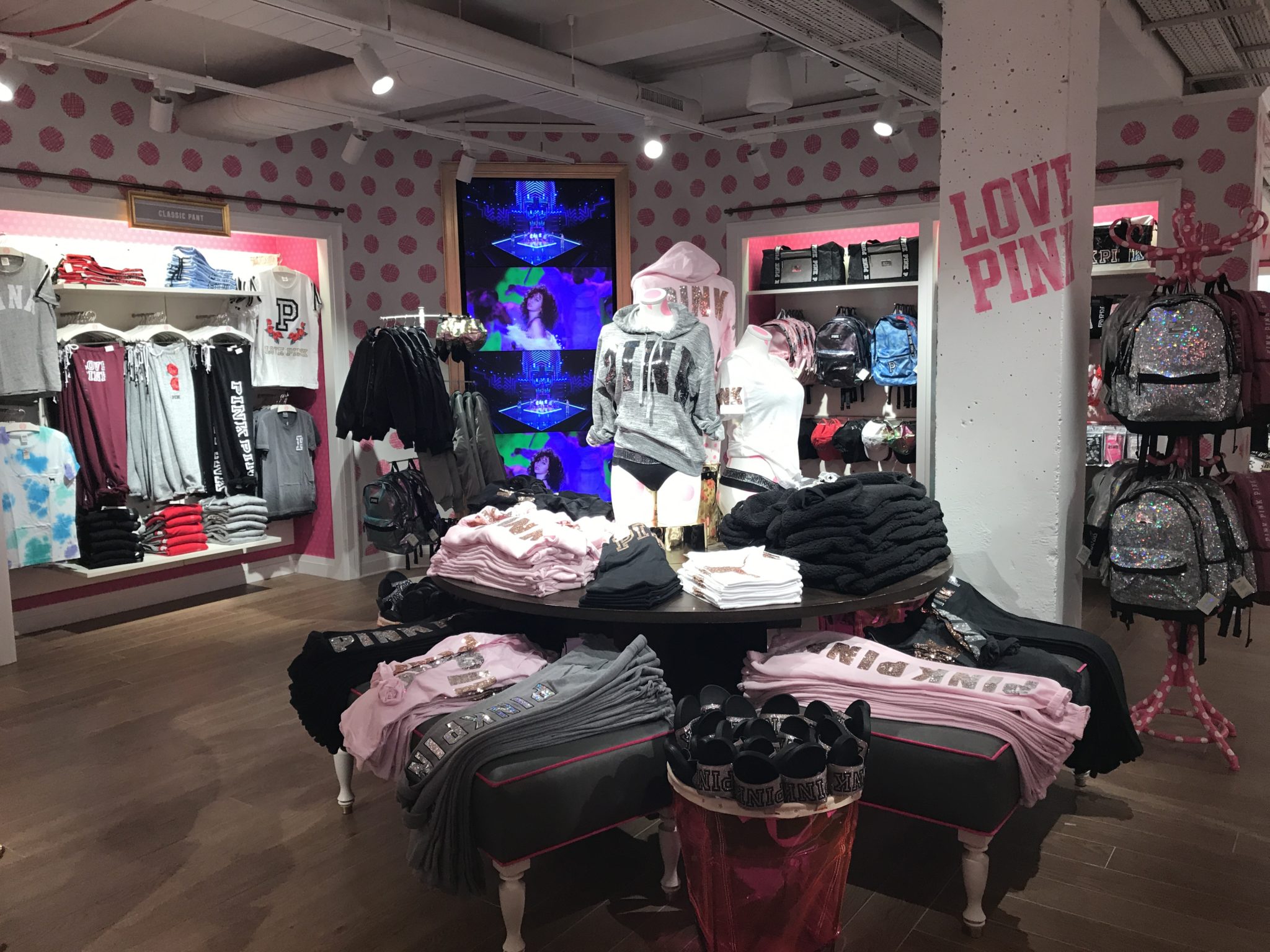
    L Brands slides as sales slumps for Pink lingerie

    L Brands, parent of Victoria’s Secret, Pink, La Senza and Bath & Body Works, has reported a drop in sales and earnings for the second quarter.

    Teen-focused diffusion-brand Pink, now a US$3 billion business which achieved $12 billion in sales last year, is suffering from decline in its core US market, where it seems exposed to rival brands like American Eagle’s Aerie and the Adore Me and ThirdLove.

    The company confirmed in an earnings call that Pink’s same-store sales declined by a vague mid-single digits during the quarter to August 4, adding to challenges the company has with its flagship Victoria’s Secret brand, where same-store sales declined 1 per cent. Bath & Body Works restored some respectability to the company’s figures, with sales up 10 per cent.

    Pink CEO Denise Landman announced her retirement after the results were released, and will be replaced on October 1 by Bath & Body Works president for merchandising and product development, Amy Hauk.

    L Brands executives deny that Pink is losing touch with its customers.

    “I do not think nor do I think anyone in this room believes that Pink has lost its ability to connect with customers and drive excitement in our core constituency,” said Landman during an earnings call.

    L Brands’ reported net sales of US$2.984 billion for the quarter to August, down from $2.755 billion in the same period last year. The group’s comparable sales increased by 3 per cent overall. Second-quarter operating income was $228.1 million compared to $300.9 million last year, and net income was $99 million compared to $138.9 million last year.

    After blaming Pink for reducing the company’s full-year earnings guidance, management watched as L Brands’ share price fell to its lowest point since 2011.

    Addressing her retirement, Landman said she felt “incredibly fortunate” to have been part of the brand since its inception and for her nearly 20 years with L Brands.

    “It’s been a privilege to lead and be surrounded by such incredible talent, thinking and creativity. It inspires me every day. I have great respect for Amy and know that I will be leaving the business in good hands.”

    Leslie H Wexner, chairman and CEO of L Brands, said: “Denise has always been a curious student of the business, focused on the customer and driven by her entrepreneurial spirit. Her contagious passion for the brand has built a true “Pink Nation” experience among college-age women and created one of the fastest growing specialty retailers of all time.

    “Amy too is a master merchant with deep knowledge and capabilities. She is well-equipped to lead the Pink team.

    She has a track record of accurately identifying what’s next in the market, is curious and action oriented. She leads with pace and energy. Since joining Bath & Body Works 10 years ago, she has built a solid, talented merchant team which is well prepared to continue the momentum in the business.”

    L Brands operates 3076 company-owned specialty stores in the US, Canada, the UK and greater China, and its brands are sold in more than 800 additional franchised locations worldwide.

  • Foot Locker revealed Asia expansion plan

    Foot Locker revealed Asia expansion plan

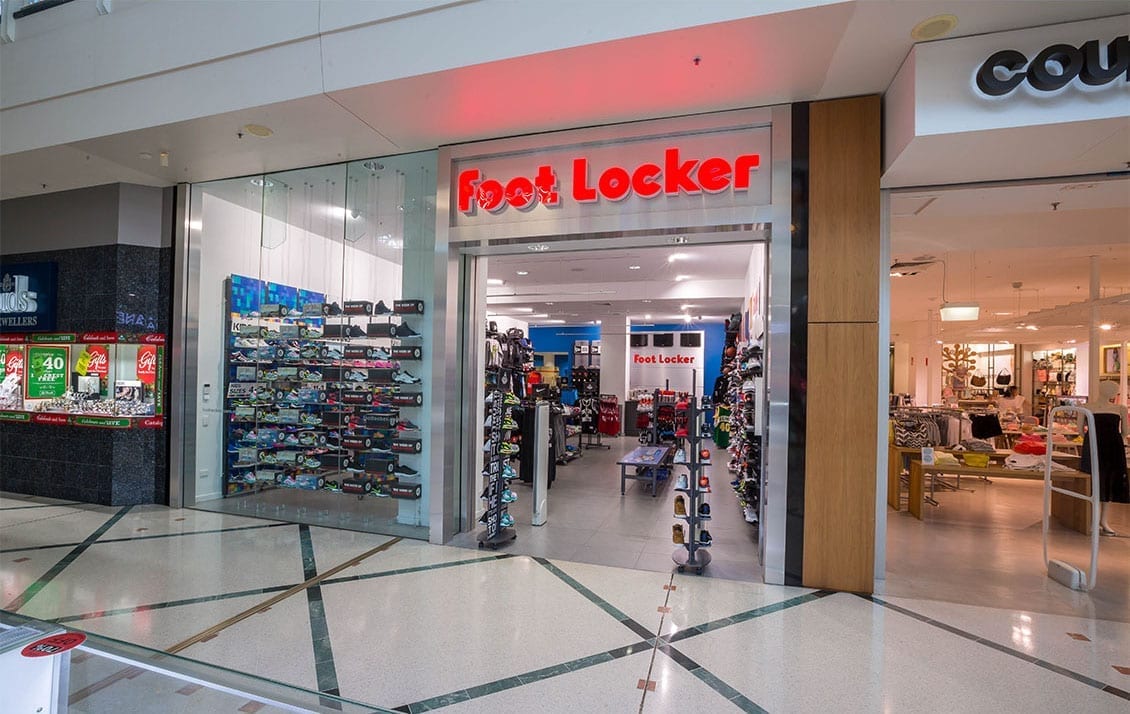
    New York-based athletic retailer Foot Locker has announced plans to expand into Asia.

    The Foot Locker Asia ambition was laid out in the group’s second quarter report, which showed a US$88 million net income compared $51 million takings for the same period the year previous.

    However, poor store traffic throughout the period contributed to the firm’s moves to close poor-performing outlets. The company is on track to closing 120 stores, while still aiming to open 25 new stores in high-potential areas, while preparing plans for its Foot Locker Asia expansion.

    Foot Locker executive VP and CFO Lauren Peters said: “For the full year we are on track to open 45 new doors, including our expansion into Malaysia, Hong Kong and Singapore.”

    CEO Richard Johnson announced that during the third quarter, the company’s first ‘power store’ is slated to open in Kowloon, Hong Kong,ong with two more stores in Singapore.

    “We will round out the year with the opening of our first location in Kuala Lumpur, Malaysia during the fourth quarter.”

    An analysis featured on thestreet.com noted that Foot Locker’s expansion into the world’s most populous market indicates that retail might be a growth area for the firm to take advantage of a growing fondness for athletic footwear across Asia.

  • Galaxy watches go on sale this week

    Galaxy watches go on sale this week

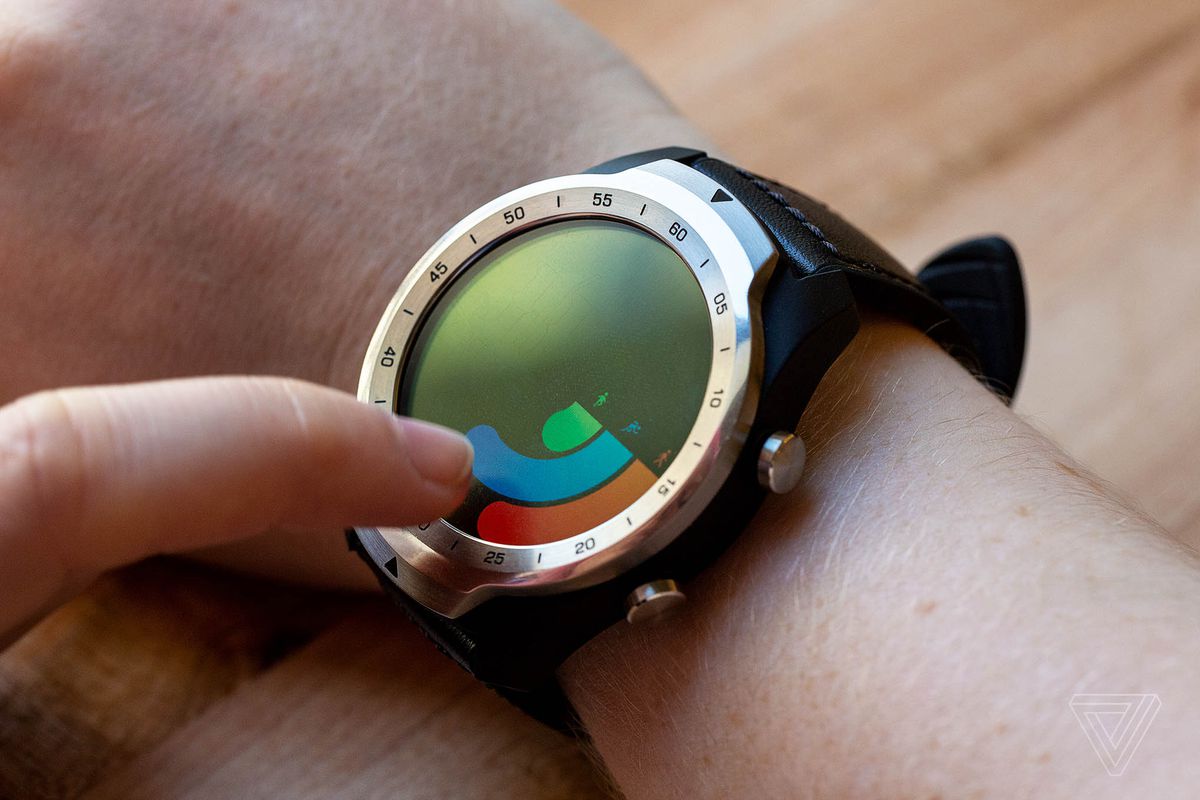
    Samsung Electronics’ new smart watches will go on sale today.

    Out of two new Galaxy Watch models, one works through a connection to a smartphone via Bluetooth. Its sales start today. The second, which operates totally independently via phone networks, will be available for purchase on Friday.

    Each type of smart watch, the fifth series from Samsung since 2013, comes in two sizes — 42 millimeters in diameter and 46 millimeters. The smaller model comes in either midnight black or rose gold, while the larger model comes in silver.

    The new watches were unveiled at a so-called unpacked event for Galaxy Note9 phablets in New York on Aug. 9. They are the first smart watches from Samsung that have lost the “Gear” brand name. Samsung is now the world’s third-largest wearable producer after Apple and Fitbit.

    The Galaxy Watch has been designed to automatically track the time spent and calories consumed on six types of exercise including walking, running and biking. Users may designate 33 more types of physical exercise, the largest number available for any smart watches on the market. The watch can keep track of users’ stress levels through a heart rate sensor and encourages users to breathe deeply to lower the stress level through notifications.

    The watch also syncs with the health application of a Galaxy smartphone.

    Samsung said the biggest improvement in the Galaxy Watch is its long battery life, ending the hassle of having to charge the watch every day. A 46-millimeter Galaxy Watch can run for 80 hours, or more than three days, at a minimum on a single charging and a 42-milimeter model can run 45 hours at the minimum. The LTE-enabled Galaxy Watch can receive or make phone calls without being tethered to a smartphone. But the watch can be used on the same account used for an owner’s smartphone and via the same phone number.

    Prices of the Bluetooth-enabled models start from 339,900 won ($305) and the LTE-enabled models from 379,500 won. They can be bought from Samsung online or at Samsung Digital Plaza stores nationwide, mobile carrier stores, department stores and discount chains.

  • Travelon will open first standalone store in Philippines

    Travelon will open first standalone store in Philippines

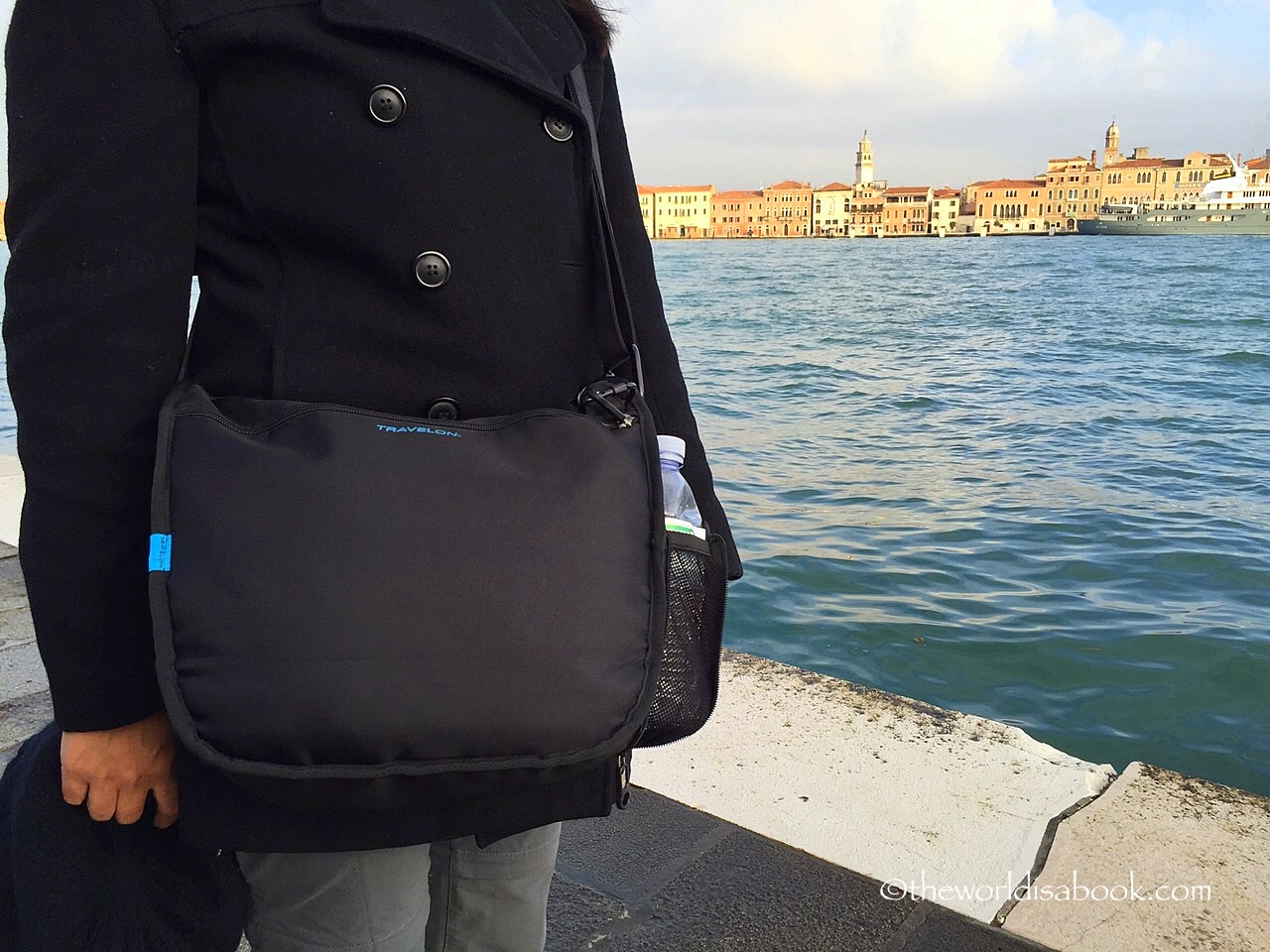
    Chicago-based travel product retailer Travelon has opened its first standalone store in the world – in the Philippines.

    The brand specialises in anti-theft luggage – bags with straps that cannot be cut, slash-proof materials, locking zips and even RFID-blocking technology.

    The brand has been represented in the Philippines by Primer Group since 2011, with the store opening last week at SM Megamall in Mandaluyong City.

    “We felt there was a market here for Travelon products,” said Travelon founder Don Godshaw in an interview. “With traffic here forcing a lot of people to commute to go to their destinations, it is very reassuring to know that your valuables are safe inside secured bags like what we offer.

    “This is apart from the fact that Filipinos, too, love to travel to different places, be it locally or abroad. You see, when thieves steal your things, they are also stealing memories so you really have to guard against that,” Godshaw said.

    The decision to open a standalone store in the Philippines was influenced by having a good local partner. More stores may follow.

    Travelon’s products are sold in about 60 countries, including Singapore, Thailand, and the UK, through department stores and retailers of luggage and travel goods.

  • Indonesians Show Enthusiasm for 2018 Asian Games

    Indonesians Show Enthusiasm for 2018 Asian Games

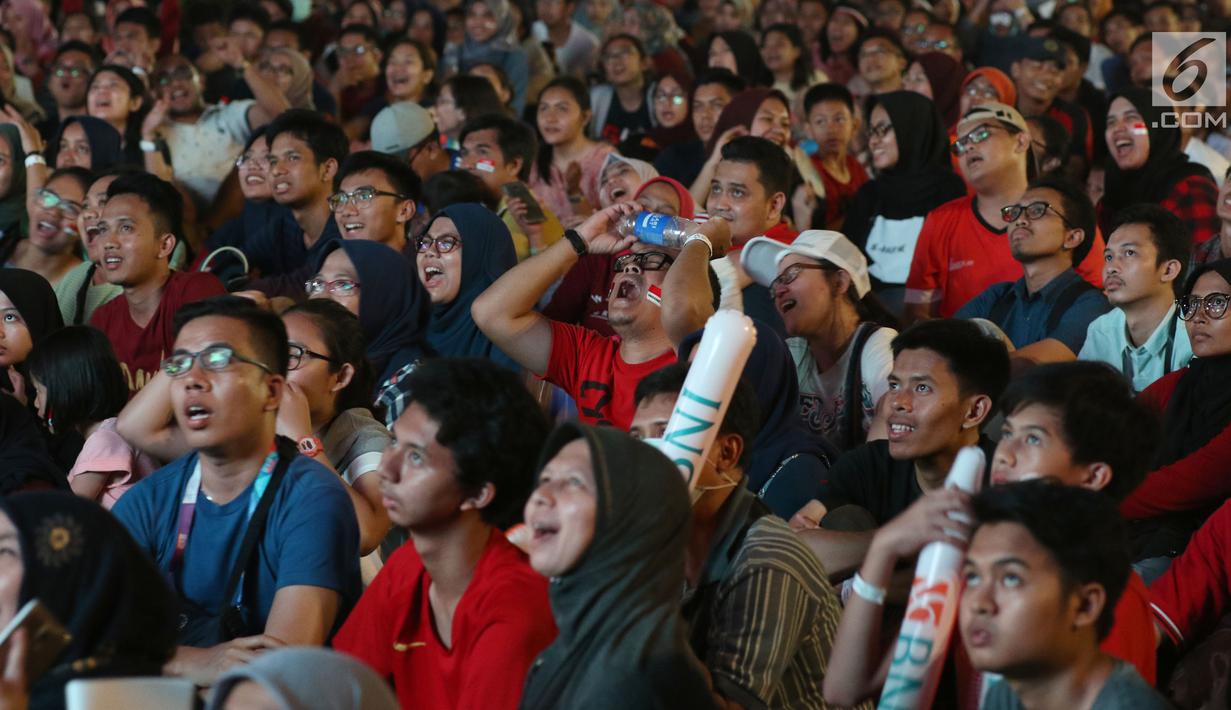
    The 2018 Asian Games captured the attention of many Indonesians, who are currently glued to their television screens to watch matches, or flock to sports venues to catch a glimpse of their heroes.

    The live television broadcast of the opening ceremony in Jakarta on Aug. 18 was watched by 14 percent of the country’s total viewership, according to Nielsen Indonesia.

    The extravagant show, broadcast between 7 p.m. and 9:30 p.m., was watched by 57 percent of all viewers – mostly middle-aged women – who had their televisions on at that time.

    Broadcasts of Asian Games matches, particularly those involving Indonesian athletes, also consistently score high ratings.

    The football match between Indonesia and Laos at Patriot Chandrabhaga Stadium in Bekasi, West Java, on Aug. 17, was watched by 9.1 percent of Indonesia’s total viewership, or 37 percent or viewers who were watching television at the time, Nielsen said.

    In comparison, Indonesian soap operas, or sinetron, which usually dominate television ratings, only attract between 4 percent and 5 percent of the total viewership.

    Matches in the badminton mean’s team final between Indonesia and China last week drew 7.9 percent of the total viewership, Nielsen said.

    “The national pride of the Indonesian audience is also reflected in their enthusiasm to watch every sports match at the Asian Games,” Nielsen Indonesia marketing communication director Miladine Lubis said in a statement on Thursday (24/08).

    Nielsen conducted the survey using data collected by its Peoplemeter devices, installed in more than 2,200 households in 11 cities, that automatically record what programs people watch.

    Indonesians’ enthusiasm for the event can also be seen at the various sports venues in the host cities, Jakarta and Palembang, South Sumatra.

    This enthusiasm can is also reflected in long queues at the official 2018 Asian Games merchandise store at Gelora Bung Karno Stadium in Jakarta. The store sells copies of the Asian Games mascots, known as Kaka, Bhin-Bhin and Atung, for between Rp 70,000 and Rp 5 million ($4.80-$340), in addition to commemorative coins and replica medals.

    Tickets for Asian Games events are regularly completely sold out, with some enthusiasts often queuing for more than eight hours to purchase tickets for matches in some of the more popular sports in Indonesia, such as badminton, football and volleyball.

    Heavy traffic congestion was also reported on the Jakarta-Cikampek Toll Road ahead of Friday’s quarterfinal football match between Indonesia and Wibawa Mukti Stadium in East Cikarang, Bekasi, due to residents flocking to the area to show their support for the national team.

  • Celcom Axiata appoints Idham Nawawi as new CEO

    Celcom Axiata appoints Idham Nawawi as new CEO

    Celcom Axiata Bhd has appointed Mohamad Idham Nawawi (pix) as its new CEO effective Sept 1, taking over the reins from Michael Kuehner whose tenure ends on Aug 31.

    The group said in a statement that the succession is part of the original plan two years ago to appoint an internal talent for its next phase of transformation and Idham was appointed following a thorough selection process.

    “As an internal talent with excellent management and operational experience within the group, as well as a member of the Celcom board, Idham is already well versed in Celcom’s strategic directions, operations and challenges. The board is confident Idham will be able to move quickly and efficiently to execute on the next phase of transformation,” it said.

    Idham has been with the group since 2012 and is currently the group chief corporate officer, responsible for regulatory management, corporate communications and sustainability, corporate affairs and government relations for the group. He also manages the group CEO’s office and the Axiata programme and governance office.

    Idham led the transformation programme office for Axiata 2.0 from 2012 to 2015, which was the impetus of Axiata’s expansion beyond its core mobile business into new digital services and tower business.

    As interim COO for Axiata Digital Services during its start-up phase in 2014, he was also instrumental in establishing the RM100 million Axiata Digital Innovation Fund targeted at developing Malaysian digital entrepreneurs.

    Idham has served as member of the board of directors in Axiata’s mobile operating companies in Malaysia, Cambodia, Bangladesh and Pakistan, and several Axiata Digital Services companies.

    Prior to joining Axiata, Idham was COO of Packet-One Networks (P1). He was previously head of strategy for Axis Telekom Indonesia and general manager at Maxis Communications Bhd, and had spent his early career with IBM Malaysia and Carl Zeis Inc in the USA.

    “We are pleased to welcome Idham as Celcom CEO. With his vast leadership and notable accomplishments in many roles, I am confident he will lead Celcom to the next level of transformation into a digital world as well as to pursue our profitable growth strategy. His decades of industry experience and familiarity of Celcom, being already a board member, will certainly help him to move quickly in the transition,” said Celcom chairman and Axiata president and group CEO Tan Sri Jamaludin Ibrahim.

    “At the same time, on behalf of the board of directors of Celcom and all of us, I would also like to take this opportunity to extend our gratitude to Michael for his immense contributions and for positioning Celcom solidly for the great opportunities ahead. We wish him all the best in his future endeavors,” he added.

    Kuehner, who took over from Datuk Seri Shazalli Ramly in September 2016, was previously the CEO of Robi Axiata Ltd in Bangladesh from 2009 till 2013.

    The group said his core strategy to provide the best customer experience in the industry saw Celcom achieve significant improvements in many areas in products and services, network quality and coverage especially in the deployment of 4G, sales and distribution as well as digitisation.

  • Singapore tourist spends less

    Singapore tourist spends less

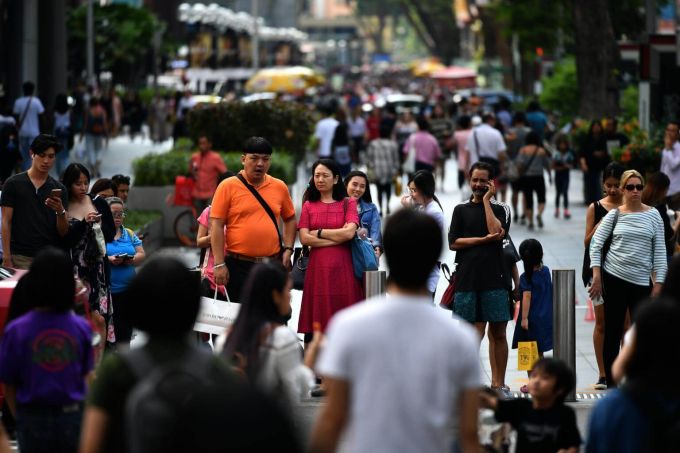
    Singapore tourist spending has dipped by half a percent, despite a 7.3 per cent boost in arrivals.

    According to the Singapore Tourism Board, about 4.6 million visitors arrived in the city state in the first quarter of this year – but they spent less on shopping and accommodation. Their total collective spend was about S$6.7 billion.

    According to the government data, tourist spending on shopping declined 9 per cent, with accommodation spending down 13 per cent and food and beverage down by 16 per cent.

    Instead of spending in shops, hotels and eateries, tourists splurged on sightseeing, gambling and entertainment, collectively up by 6 per cent.

    China, Indonesia and India were Singapore’s largest source of visitors and spending during the quarter.

  • Vietnamese men world’s top alcohol consumers

    Vietnamese men world’s top alcohol consumers

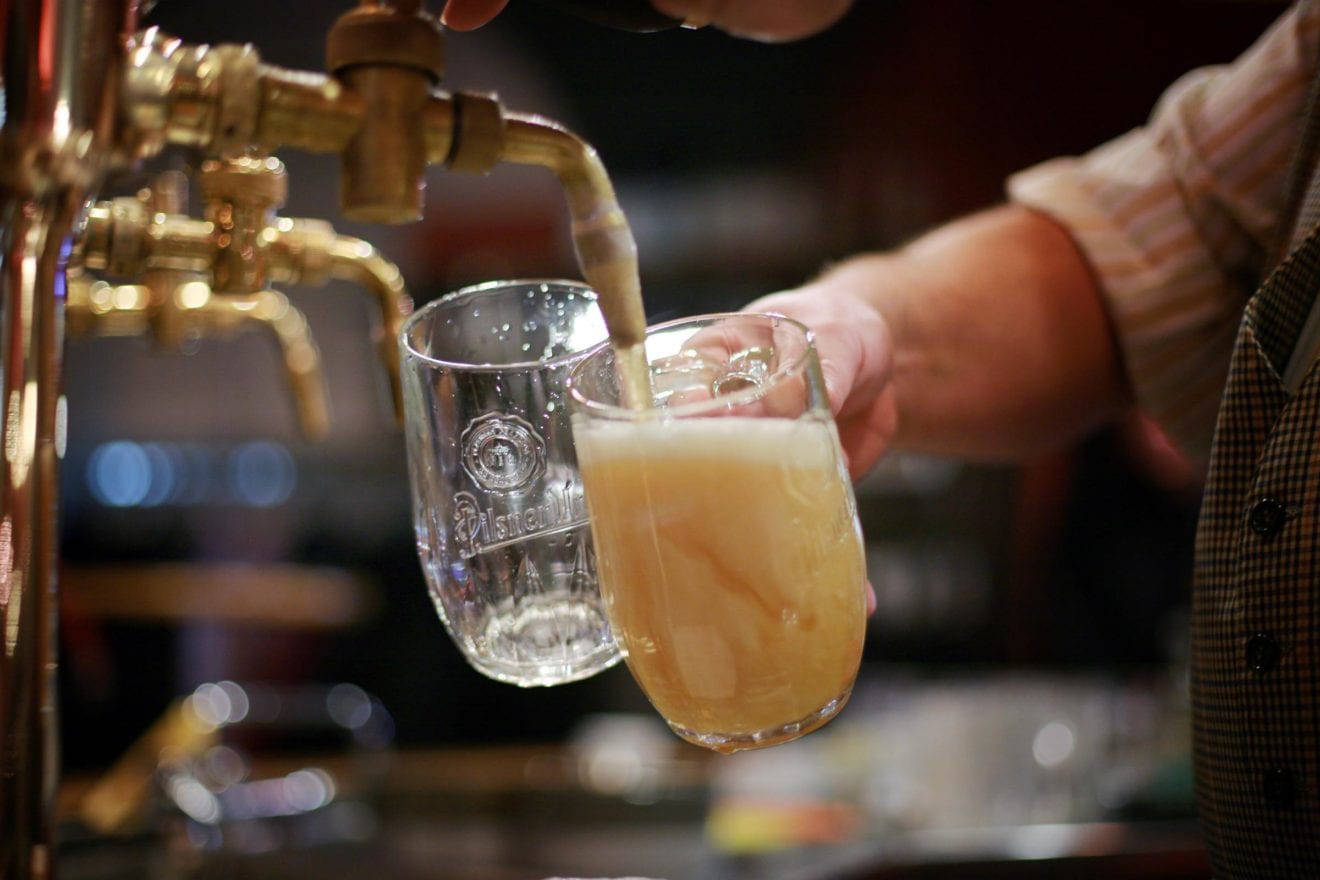
    Vietnamese men drink over five standard drinks a day on average, according to the 2016 Global Burden of Disease Study.

    A standard drink contains 10 grams of alcohol.

    Balkan countries and Portugal are the others that have the same level of consumption, according to the report, which uses data from 592 studies on the risk of alcohol use done between 1990 and 2016.

    In contrast, Vietnamese women are among the smallest consumers of alcoholic drinks in the world with less than one standard drink a day, the report said.

    While 40 to 59.9 percent of Vietnamese men drink alcohol, which is the global median, only 19.9 percent of women do so, it added.

    Earlier this month the World Health Organization (WHO) said the high consumption of beer and alcohol in Vietnam was imposing a heavy burden on the country in the form of non-contagious diseases.

    A Vietnamese adult above 15 years of age drinks 8.3 liters of pure alcohol per year on average, much higher than in China (7.2 liters), Cambodia (6.7), the Philippines (6.6) and Singapore (2), according to WHO.

    The country spends $3.4 billion on alcohol each year, or 3 percent of the government’s revenues, according to official data.

    The local market, which is growing steadily at 5 percent a year, is dominated by four strong companies, Sabeco, Habeco, Heineken, and Hue Brewery (owned by Carlsberg), which accounted for 90 percent of the beer market last year.

  • Online boosted 361 Degrees sales growth

    Online boosted 361 Degrees sales growth

    Sportswear retailer 361 Degrees International believes sponsorships of the Asia Games in Indonesia this month, and a focus on e-commerce are helping it attract younger customers.

    The Hong Kong-listed, Mainland China retailer of sports apparel, says sales increased 7.8 per cent in the first half year to RMB2.798 billion (US$411 million), with profit attributable to shareholders up 5.3 per cent to RMB335 million.

    361 Degrees sponsored the debut of esports as a demonstration sport at the Jakarta Palembang Asian Games and has a broader involvement in the fast-growing market.

    “As the youngest leading sports brand in China, 361 Degrees has been committed to establishing a youthful brand image,” said chairman Ding Huihuang.

    In the first half of this year, 361 Degrees launched sportswear and accessories products jointly with QG Club, a mainland esports championship team.

    “In the future, the group will promote the 361 Degrees brand among esports customers, cooperate with more esports teams, increase the esports product lineup, explore multiple sales modes such as physical store sales, and add an esports zone on e-commerce platforms to approach younger generation with the esports and blaze a trail for attracting young generation consumers,” he said.

    Meanwhile, 361 Degrees’ e-commerce business increased by 185.5 per cent to RMB328.9 million, representing 10.9 per cent of the group’s turnover in the first half of this year, compared with just 4.1 per cent in the same period last year.

    In the second half of this year, the group says it plans to continue to optimise its sales network and strengthen cooperation with e-commerce platforms such as Tmall, JD and Vipshop to promote the combination of online and offline sales channels.

  • Rado new Suria KLCC boutique open door

    Rado new Suria KLCC boutique open door

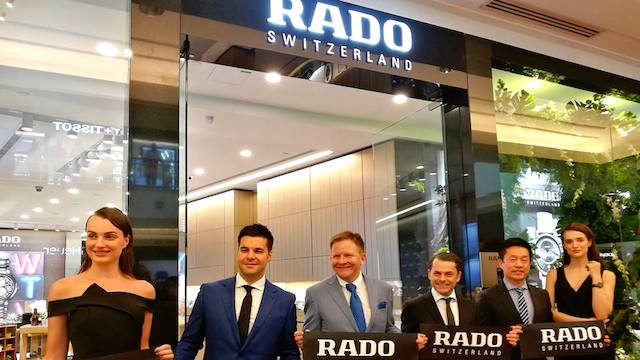
    Swiss watchmaker Rado has launched a new boutique at Suria KLCC.

    The brand’s largest store in Malaysia, the store’s layout represents Rado’s latest minimal design concepts contrasted with textured and handcrafted materials. Rado is generally known for its use of unusual materials to create exceptionally durable watches.

    The store is exclusively hosting the brand’s new True Thinline Nature collection, designed in collaboration with Italian historical garden organisation Grandi Giardini Italiani.

    The store’s star-studded launch function featured a fashion show and a showcase of the brand’s latest collections, focusing on Rado’s theme for the year The Elements of Time.

  • Indonesia to Unveil Higher Import Tariffs Soon Amid Push to Aid Rupiah

    Indonesia to Unveil Higher Import Tariffs Soon Amid Push to Aid Rupiah

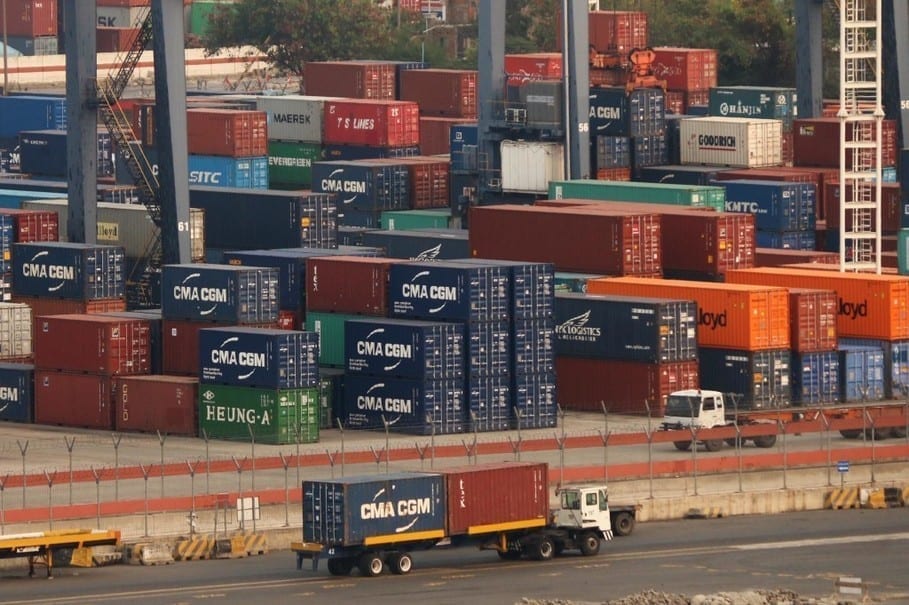
    Indonesia will release a list of goods subject to higher import taxes in the next few weeks, ministers said on Friday (24/08), part of efforts to shrink a widening current account deficit and curb pressure on its shaky currency.

    The rupiah on Friday slipped to 14,660 to the dollar, its weakest level since October 2015.

    A central bank official on Thursday blamed the rupiah’s drop on high demand for dollars by local importers. But the currency has also been caught up in a flight from emerging market assets as US interest rates rise and worries about global trade fights increase.

    Indonesia’s July trade deficit was the biggest in five years and the second-quarter current account deficit, at 3 percent of gross domestic product, was the largest in nearly four years.

    “We are reviewing 900 imported commodities to see the domestic industry’s capability in producing them,” Finance Minister Sri Mulyani Indrawati told a news conference with other ministries and Bank Indonesia (BI).

    Indrawati previously said the government would impose a 7.5 percent tariff on about 500 imported goods that can be locally made.

    Southeast Asia’s largest economy currently applies a 2.5 percent import tax on a vast range of products for registered importers, but it charges 7.5 percent for unregistered importers.

    Suahasil Nazara, head of the finance ministry’s fiscal policy office, said the government was rethinking the tariff difference between registered and unregistered importers.

    “We will hike the import tariffs from the current rates to give a signal, ‘let’s use domestic production,’ ” Nazara said.

    Trade Minister Enggartiasto Lukita said the measures to contain imports should not disrupt investment because the list would not include raw materials for production.

    A senior government official told the list, which is not finalised, will focus on semi-durable and perishable goods, including consumer goods used by hotels and restaurants.

    Stabilising the rupiah has been a top priority for the government and BI. The central bank has raised interest rates four times by a total of 125 basis points since mid-May.

    BI governor Perry Warjiyo said the central bank continues to intervene in the FX and bond markets to defend the currency.

    The government’s measures to control imports also include delaying some infrastructure projects and forcing a greater use of biodiesel.

  • Lotte Duty Free takes over Australia and NZ stores ownership

    Lotte Duty Free takes over Australia and NZ stores ownership

    Lotte Duty Free has bought a change of outlets in Australia and New Zealand from local operator JR Duty Free.

    The four Australian stories are in airports in Brisbane, Darwin and Canberra and in downtown Melbourne, while the New Zealand store is at Wellington airport.

    JR Duty Free reportedly operates seven stores in Oceania and five shops in Israel. Its revenue last year was US$617 million.

    Financial details of the deal were not revealed.

    Lotte Duty Free believes growing numbers of Chinese tourists into Oceania offer an opportunity to grow its business in the two markets.

    The South Korean company has been steadily enlarging its global footprint since 2012, expanding into Vietnam, Japan, Thailand, Indonesia and the US.

  • CIMB Bank Philippines teams up with G-Xchange for marketing of financial products

    CIMB Bank Philippines teams up with G-Xchange for marketing of financial products

    CIMB Bank Philippines Inc has signed a memorandum of agreement with G-Xchange, Inc (GXI) for the purpose of creating and marketing financial products on the latter’s digital platform in the Philippines.

    In a filing with Bursa Malaysia, CIMB Group Holdings Bhd said the agreement will be effective for three years from the signing date.

    CIMB Bank Philippines is a foreign bank branch of CIMB Bank Bhd, a 99.99% subsidiary of CIMB Group Sdn Bhd, which in turn is a wholly owned subsidiary of CIMB Group Holdings.

    GXI is a wholly owned subsidiary of Globe Fintech Innovations, Inc, which in turn is owned by Ant Financial, Ayala Corporation and Globe Telecom.

    CIMB Group Holdings’ share price rose 0.67% or 4 sen to close at RM5.98 with 8.52 million shares traded on Friday.

  • India fastest growing market for Uber Eats globally

    India fastest growing market for Uber Eats globally

    US-based Uber said India is the fastest growing market for its food delivery platform Uber Eats and the service is being rapidly expanded to cover more Indian cities.

    Uber had launched Uber Eats in India in May last year and recently expanded the service to five more Indian cities — Tiruchirappalli, Surat, Nashik, Ludhiana and Mysore — to now cover 28 cities.

    “India continues to be the fastest growing market for Uber Eats in the Asia Pacific region and globally. As urbanisation picks up in the country, we look for opportunities to take our service to newer cities and expand our network, especially in tier II cities, which we believe, offer tremendous potential for the food tech industry,” Bhavik Rathod, Head of Uber Eats India said in a statement.

    While the company did not disclose specific numbers, it said the number of orders on its platform has “more than quadrupled” in the last three months and recorded nearly 50 percent month-on-month growth.

    Interestingly, Vijayawada and Madurai were the first two cities where Uber Eats was launched before the rides service. Uber CEO Dara Khosrowshahi had recently said the company is “deliberately investing” in products like Uber Eats and “high-potential” markets in the Middle East and India, even though its losses widened year-on-year in the June 2018 quarter.

    According to a report: Globally, the Uber Eats business is growing 200 percent per year and has a US $6 billion run rate. Uber Eats was started in 2014 as a small delivery pilot in Los Angeles and was later launched as a separate mobile app in Toronto in December 2015. In India, Uber Eats competes with the likes of Zomato and Swiggy as well as FoodPanda, which is owned by Uber’s rival, Ola.