Author: Mei Ling Tan

  • Philippines franchise business matching event planned next month

    Philippines franchise business matching event planned next month

    The latest Philippines franchise business matching event is scheduled for Manila in May.

    Organised by VF Franchise Consulting on May 14 at the Philippines Chamber of Commerce and Industry, the event will showcase leading international franchise brands from the US, Hong Kong, Singapore, Taiwan and Japan.

    Executives from Little Caesars, Presotea, First Code Academy, The Edge Learning Centre Sureclean, Mennya Kokoro, and Pronto, will attend to meet with potential franchisees and investors.

    “These franchise brands represent a broad spectrum of segments, including food and beverage, education, and services,” said VF Franchise Consulting CEO Sean T Ngo.

    “The Philippines has nearly 95 million people and one of the fastest growing GDP per capita in Asia. US News recently ranked the Philippines as the number one country for investment based on a survey of more than 6000 business decision makers. The franchising sector in Philippines is also the largest in ASEAN, with more than 2000 franchise systems, and is expected to grow by 10-15 per cent each year for the next five years,” said Ngo.

    Franchise sales in the Philippines contribute about 25 per cent of all retail sales and added more than 1.5 million jobs to the Philippines economy.

    “We have had fantastic meetings last year in Manila, and look forward to even better meetings this year given the broader spectrum of franchises in food and beverage, education and services.”

    F&B franchises

    Bill Schreiber, VP of international development with Little Caesars says pizza is widely accepted in the Philippines.

    “When you look at the number of restaurants that exist in the market, it shows how much the people of the Philippines love pizza. After doing research on the market, Little Caesar’s strongly believes that our pizza has a place in the market and we know from other countries that we do business in, that our hot and ready product offers all of our customers great convenience, quality and value.

    “When customers realise that they can get a high quality pizza in their hands in one minute or less, they realise how convenient that is. We are proud to be able to bring our great tasting pizza to the Philippines.”

    According to Jackson Kah, Presotea’s international franchise manager, Filipinos have the same sweet-tooth habits like other Asian country and bubble milk tea is definitely a preference.

    “With Presotea entering the Filipino market, we will be able to fulfill the craving for bubble milk tea with healthier, brew-to-order, teas for the more sophisticated tea drinkers.”

    This year’s business matching will also include franchises from Japan: Mennya Kokoro and Pronto. Mennya Kokoro is known for its no-soup, dry-ramen noodle dishes that are hugely popular in Japan and has recently been franchised in Indonesia and Thailand. Pronto, also hailing from Japan, is an Italian-themed cafe and bar concept with a diverse menu of fusion Italian and Japanese dishes. There are currently more than 300 Pronto units in Japan and it has recently been franchised to Shanghai, China.

    Education opportunities

    The Philippine franchise business matching event will also include brands outside food.  Asian consumers are continuing to invest in education for children between the ages of four and 18.

    Michelle Sun, CEO and founder of First Code Academy, says that since her company launched in 2013, it has grown to be the leading K-12 coding education brand in Asia with a presence in six different cities in the region.

    “We continue to see great potential for coding education regionally. The Philippines has a rapidly growing technology sector, driven by government initiatives, and has one of the highest penetration rates of social media regionally. There is a lot of opportunity to fill the gap in Stem education for its future generation.”

    Duc Luu, CEO of The Edge, adds: “The Edge sees the rising trend in education industry in the Philippines, especially in the market of test preparation. Over the last 10 years, we have proven to students and parents that we provide the best experience in Asia to help students enroll in the best universities in the US and the UK.”

    Another company to participate is Sureclean. Its CEO and founder Alvin Tan says the World Bank projects the Philippines to remain the fastest-growing economy in Asean – which means the need for good quality hygiene in various premises such as schools, hospitals, offices and residences will also grow.

    “With a tried-and-proven business system with evergreen demand, training and marketing support, Sureclean’s franchise program is an ideal opportunity to tap into this fast growing economy.”
  • Australian brands named and shamed

    Australian brands named and shamed

    A host of non-governmental organisations and unions have accused prominent Australian retailers of refusing to sign an updated version of the 2013 Rana Plaza accord on the eve of the fifth anniversary of the Bangladesh building collapse.

    Oxfam Australia, Baptist World Aid, the Australian Council of Trade Unions and others are urging Australian brands to sign the 2018 version of the safety accord before the original 2013 agreement expires next month.

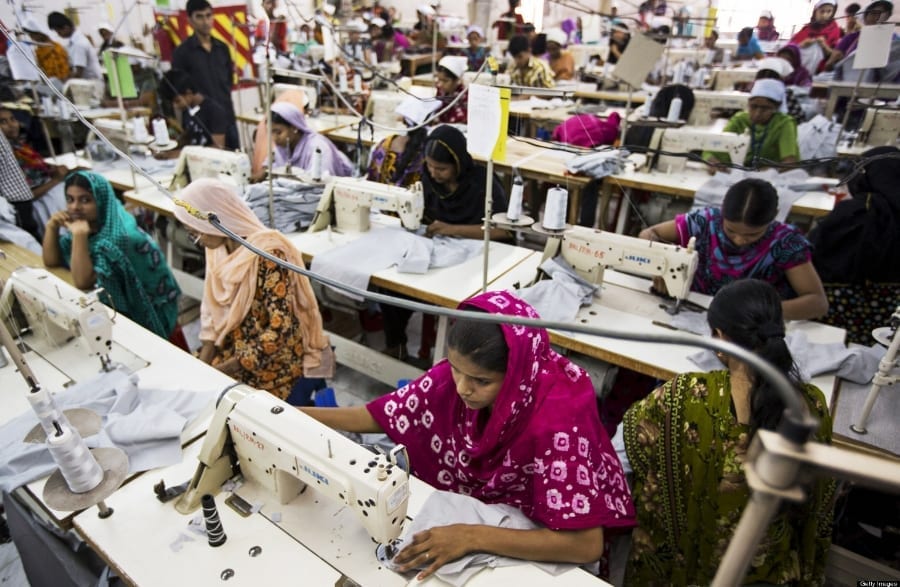
    The 2013 document, struck in partnership with more than 200 brands in the wake of the Rana Plaza Building collapse, which killed more than 1100 workers in Bangladesh, outlines standards and commitments to improving conditions for garment factory workers.

    The group said 2013 signatories such as Noni-B, Workwear Group and Licensing Essentials were “dragging their feet” and had not yet signed the new agreement, while those who had not signed the 2013 accord, such as Myer, Just Group, Best and Less and Country Road, had not yet committed to the updated agreement either.

    “Signing the Accord is about ensuring the absolute basics in the rights of more than two million garment workers – more than 70 per cent of whom are women – in Bangladesh,” Oxfam Austraia’s chief executive Helen Szoke said.

    A variety of retailers have already signed the updated agreement, including Kmart, Big W, Cotton On, Specialty Fashion Group and APG and Co.

    Globally Swedish fashion giant H&M, PVH Brands, Arcadia Group and Aldi are all already signatories.

    The new agreement maintains key features of the 2013 accord, such as independent safety inspections and the institution of remediation programs for workers, while extending safety committee and training initiatives to all factories covered.

    There are also new provisions in the legally binding accord related to freedom of association rights.

    Rob Wayss, executive director and acting chief safety inspector of the accord said that the agreement builds on the fundamental elements outlined in the 2013 accord.

    “The new agreement demonstrates that international brands and global trade unions recognise the positive impact of the Accord and the need for the Accord to continue its work in Bangladesh to ensure that factories are made safe and stay safe,” he said.

    Aussie brands failing the grade

    Last week Baptist World Aid released its annual ethical fashion report, which found that only a small minority of Australian retailers are making the ethical grade when it comes to their supply chains.

    Some brands, such as Decjuba have opted not to participate and were given F scores.

    Decjuba has been the subject of an email blast by Baptist World Aid in the days following the release on the report, but the brand has defended its ethical veracity, saying that BWA’s report reflects its own philosophy.

    “We appreciate the intentions of the Baptist World Aid Guide, but also recognise it as an unregulated survey driven by the Baptist World Aid Organisation’s own set of beliefs,” the company said last week.

    Others such as A scorer Cotton On Group have embraced the report and have worked towards improving their score.

    “We know that our responsibility goes far beyond selling clothes and we endeavour to use our size and scale of operations to have a positive impact on people, communities and the planet,” Cotton On Group’s risk and sustainability general manager James Hubbard said.

  • Boardriders appoints new Billabong management

    Boardriders appoints new Billabong management

    BillabongBillabong International’s new owner Boardriders Inc is clearing the decks, appointing 17 new senior leaders that will oversee a turnaround of the company’s ailing global operations.

    Under the changes Billabong’s chief executive Neil Fiske will depart, alongside CFO Jim Howell, general counsel Tracey Wood, HR chief Mara Pagotto and GSM Operations GM Paul Burdekin.

    Boardriders chief executive Dave Tanner announced the management shake up over the weekend, appointing the parent company’s president, Greg Healy to lead the Asia Pacific arm of the business, which includes Australian operations for the Billabong, Element, RVCA, Von Zipper and Xcel brands.

    Healy will also serve on Billabong’s new board alongside Shannan North, who will also step in as Billabong’s global president of retail strategy.

    Former Bebe stores finance principal financial officer Joseph Scirocco has come on as chief financial officer, while Boardriders COO Julie Ott will also serve as operations chief for Billabong International.

    The appointments are effective 24 April, the day that the transaction of Billabong finalises.

    Tanner said the leadership team combines seasoned boardriders talent and expertise from outside of the organisation.

    This team will lead the integration of two great companies, creating the world’s leading action sports company. I am particularly excited to announce the elevations of Greg Healy and Shannan North, who bring significant industry experience and will be instrumental in leading our global growth with their new Board responsibilities,” he said.

    “We want to thank Neil Fiske, Peter Myers, Tracey Wood, Jim Howell, Mara Pagotto, Paul Burdekin and the Billabong Board of Directors for their dedication to the success of Billabong, its people and heritage,” Tanner added.

    Full list of Billabong appointments

      • Greg Healy, Global President, President APAC, Board of Directors responsibilities.
      • Shannan North, Global President, Billabong and Retail Strategy, Board of Directors responsibilities.
      • Joe Scirocco, Chief Financial Officer.
      • Thomas Chambolle, President EMEA.
      • Jean Louis Rodrigues, General Manager Wholesale EMEA.Nate Smith, President Americas.
      • Dan Levine, Chief Brand Officer.
      • Garry Wall, Global General Manager Quiksilver.
      • Emilie Souvras, Global General Manager Roxy.
      • Mike Jensen, Global General Manager DC Shoes.
      • Kevin Meehan, Global General Manager RVCA.
      • David Brooks, Global General Manager Element.
      • Ilene Eskenazi, Chief Human Resources Officer and Global General Counsel.
      • Julie Ott, Chief Operating Officer.
      • Mike Yerkes, Chief Logistics Officer.
      • Nico Foulet, Chief Information Officer.
      • Sonia Lapinsky, Chief Integration Officer.
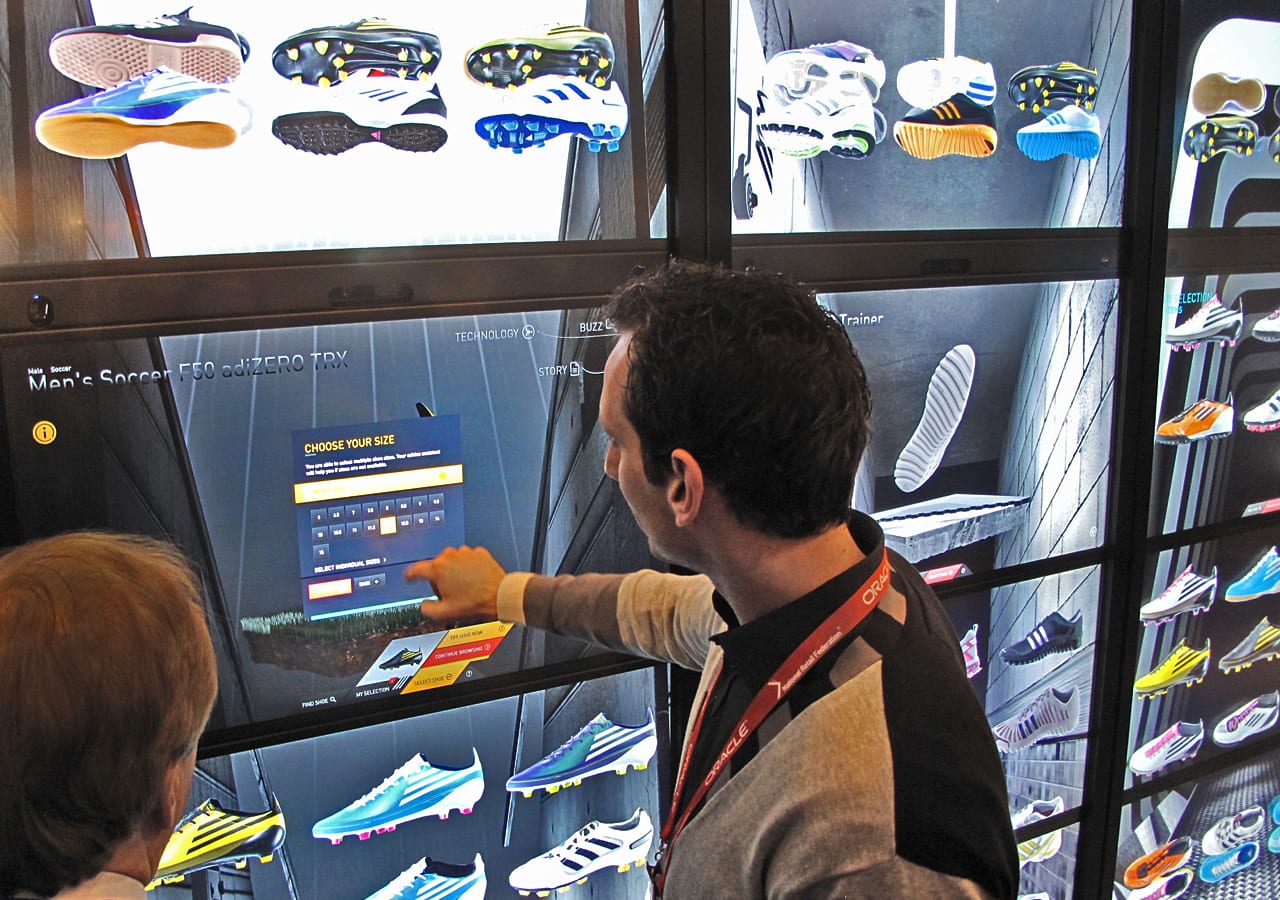
  • Adidas draws local expansion with new partner signup

    Adidas draws local expansion with new partner signup

    Global sportswear brand Adidas has signed on a second franchise partner in Australia as it looks to expand its mono-branded retail footprint locally.

    Atomic Group, which is owned by Sportsco managing director Tom Kiing, will be entrusted with the brand and will look to “quickly build up” adidas’ local store network, which is currently made up of around 28 locations nationwide.

    Adidas has a withstanding partnership with Sports Power owner Zorich Group, who will continue to distribute the brand exclusively in South Australia.

    Adidas Pacific’s general manager Steve Castledine said Atomic were the “ideal partner”, and that he was confident Atomic would provide a strong understanding of the local market.

    “After a comprehensive search, we believe we have found an excellent partner in Atomic Group to further extend the reach of our brand to more consumers in Australia,” he said.

    Australian consumers love the adidas brand and we’re excited to partner with Tom and Atomic Group to deliver our unique brand experience to more centres around Australia.”

    Kiing, who has stocked adidas products in Sportsco stores for 30 years, said there’s an “immense” opportunity to expand the sportswear brand’s presence in Australia.

    “Leveraging our current infrastructure and knowledge in retail, our people, systems and leasing knowledge, we see an immense opportunity to work with adidas in partnership to quickly build up the adidas store network within Australia,” he said.

    “We believe that ultimately the Australian consumer will benefit from having more points of presence of this iconic brand and its products within the Australian marketplace.”

  • Time goes by for Apple Watch-exclusive

    Time goes by for Apple Watch-exclusive

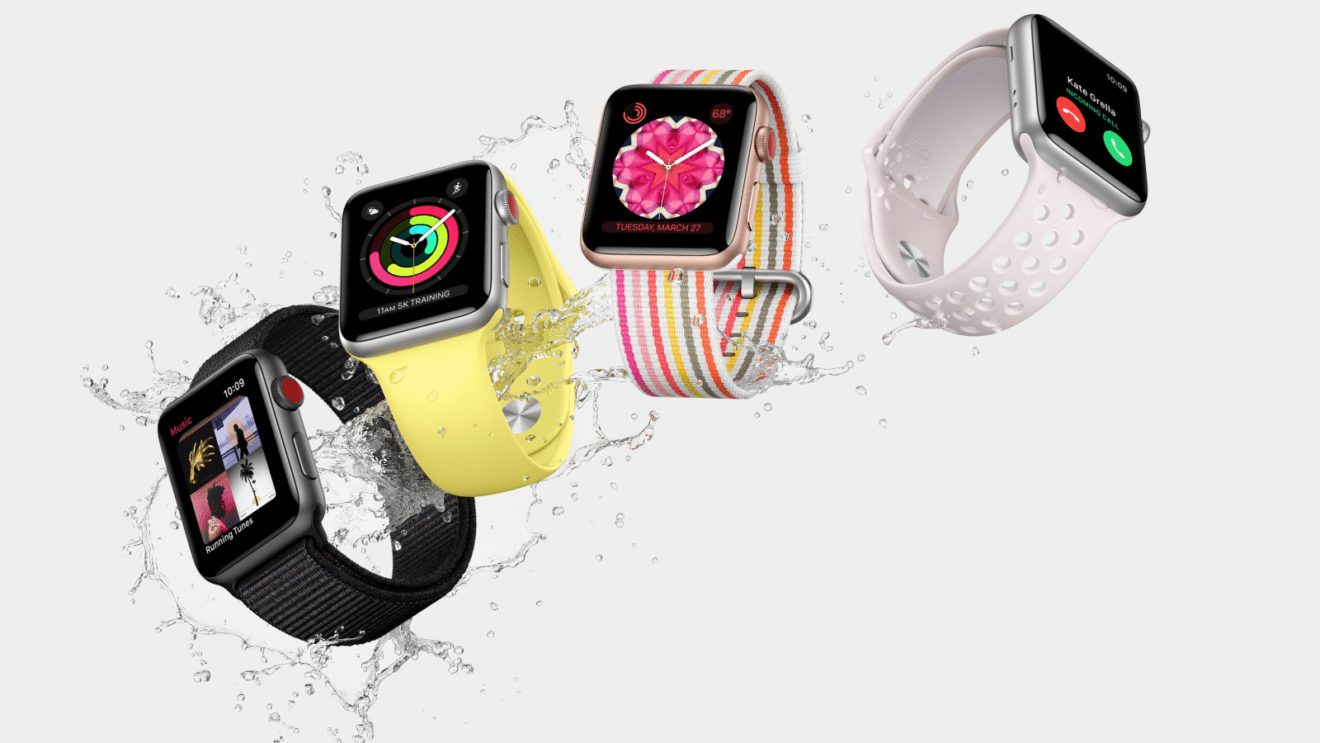
    Time has run out for Japan’s Apple Watch-exclusive store.

    Inside Shinjuku’s Isetan department store, it is one of three pop-ups the tech titan built when launching the wearable in 2015. Its last day will be May 13.

    Apple shut down the other two pop-ups, in London and Paris, early last year. The Tokyo one closes a month after a fully fledged Apple Store opened opposite Isetan.

    According to 9to5mac and Gizmodo Japan, the shop has held a fire sale on Isetan’s website to sell its remaining Apple Watch Edition devices at prices as low as $700 (the 18-karat gold watches sold for at least US$10,000 and as much as US$17,000 when they first became available).

  • SoftBank to phase out PHS services

    SoftBank to phase out PHS services

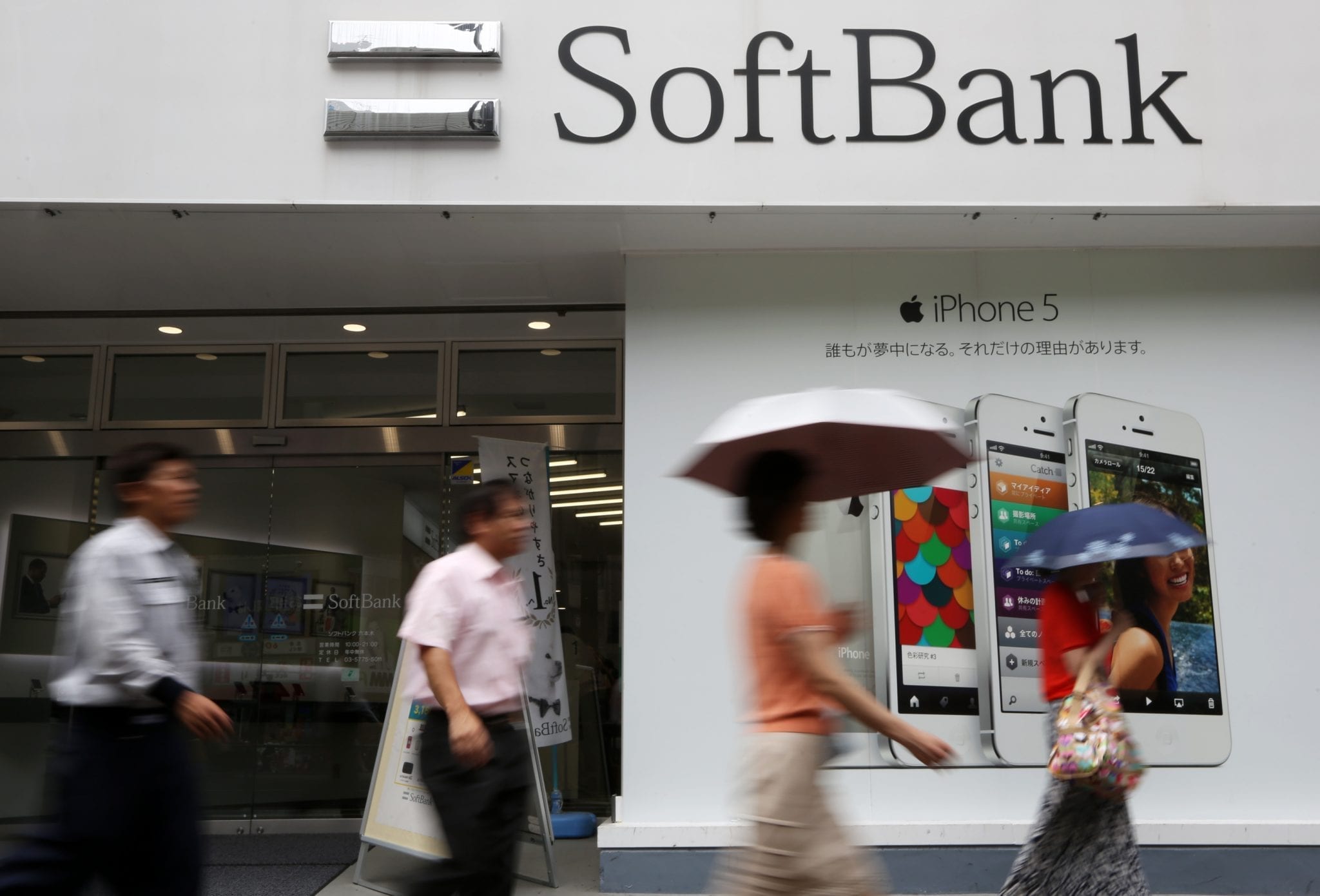
    Japan’s SoftBank has revealed plans to stop providing personal handphone services (PHS) for general users from mid-2020.

    SoftBank stopped accepting new contracts for individual PHS services in March and will phase out existing services for general users from July 2020.

    SoftBank is the only operator in Japan to still be providing services based on the Japanese-developed PHS standard.

    The company has been selling PHS handsets using its Ymobile budget brand.

    SoftBank will also stop providing new PHS contracts for inter-device communications, such as for vending machines and marking units, from March next year, but will continue services for existing users.

    The PHS standard was originally developed by NTT Laboratory in 1989, and services first launched in Japan in 1995.

  • 5G devices to save smartphone makers

    5G devices to save smartphone makers

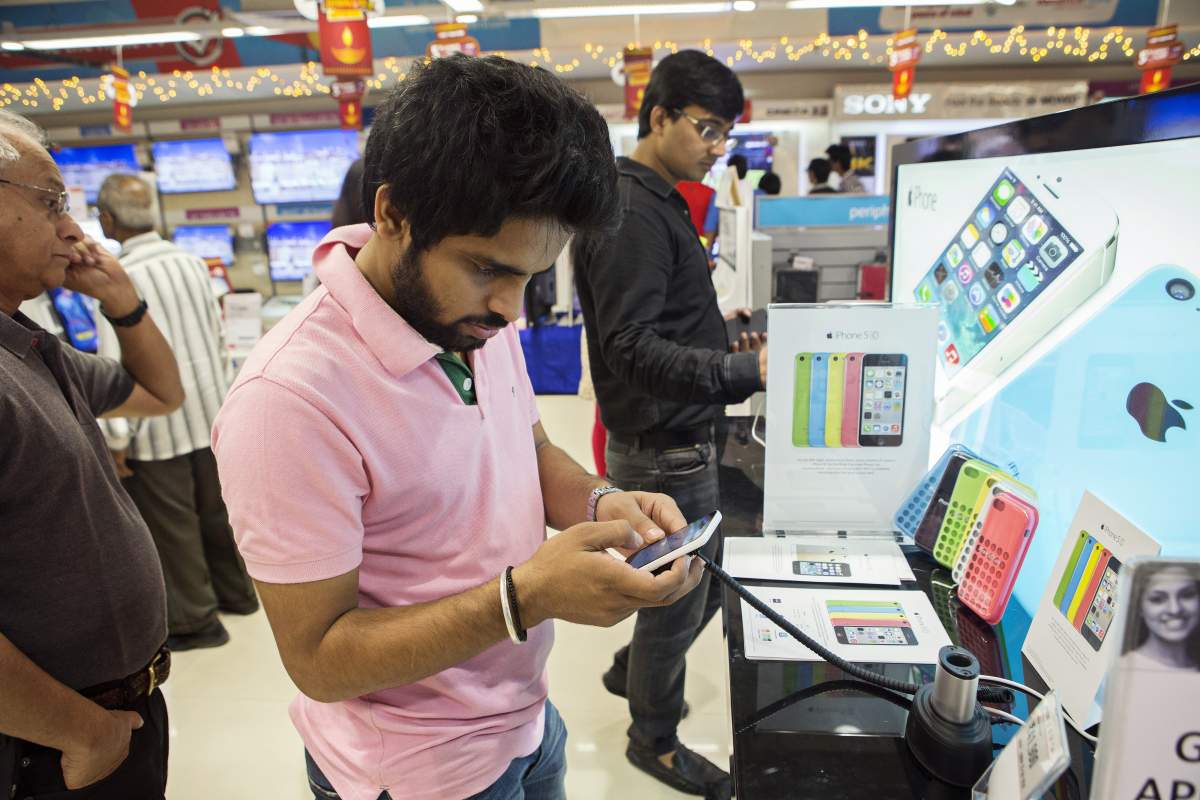
    Global demand for smartphones will continue to be slow until 2022 when 2.02 billion phones are forecasts to be sold. The telecom industry is banking on 5G devices to reignite sales, but momentum will only begin from 2021. CCS Insight expects over 600 million 5G-enabled mobile phones will be sold in 2022.

    With new smartphones offering little more than an incremental update on previous models, the research firm fears that demand is unlikely to grow significantly for the next few years. Marina Koytcheva, CSS Insight VP adds, “Consumers in mature markets have been underwhelmed by the latest crop of flagship smartphones. Price hikes for top-end devices, with some of the latest and greatest devices hitting $1,000, have certainly not helped, and it’s little surprise more customers have decided they might as well stick with the device they already own.”

    Koytcheva notes that it’s not all doom and gloom [US and European markets]: “Although mature markets are suffering, there’s still growth potential in Africa, the emerging markets of Asia-Pacific, and India.

    CCS Insight believes the balance between developed and emerging markets will remain relatively stable, resulting in the global market for mobile phones edging up very slightly over the next five years, eventually delivering sales of more than 2 billion units in 2022.

    CCS Insight also believes that manufacturers are increasingly looking to 5G technology to reignite growth in mature markets. “The arrival of 5G handsets offers a glimmer of hope for embattled smartphone makers. They’re betting that this new, faster technology will give consumers a reason to upgrade their phones,” Koytcheva comments.

    She cautions, however, that phone-makers will have to be patient as they wait for this next wave of upgrade activity. “Although we expect the first 5G smartphones will hit the market in 2019, really significant demand won’t start until 2021, eventually having a positive impact in 2022, when we expect over 600 million 5G phones will be sold, accounting for 31% of the global market.”

    CCS Insight also notes that while advanced markets are focused on the transition to 5G, consumers in emerging markets are taking up smartphones more slowly than previously expected. Koytcheva comments, “The rising cost of components for entry-level smartphones and the arrival of affordable feature phones that support 4G networks mean that many people who otherwise might have bought their first smartphone are sticking with a feature phone for now”.

    CCS Insight’s research indicates that the trend is most prominent in India, but is also evident in other emerging markets. As a result, the research company believes smartphones will account for less than half of all mobile phones sold in India, emerging markets in Asia-Pacific and Africa in 2018.

    Koytcheva is optimistic: “Although the next couple of years are going to be tough, we’re certain that the shift to smartphones in emerging markets hasn’t evaporated — it’s merely been delayed. This year worldwide sales of smartphones will top 1.8 billion units by 2022.”

  • StarHub ends HFC rollout

    StarHub ends HFC rollout

    Singapore’s StarHub has announced that it will cease further rollout of its hybrid fiber coaxial (HFC) network to new residential and commercial buildings in the city state starting from next month.

    In a statement, StarHub said it will deliver its broadband, pay TV and fixed voice services over the Nationwide Broadband Network (NBN) or via its own fiber infrastructure for customers moving into new buildings that obtain “Temporary Occupation Permit” status after April 30.

    StarHub had 458,000 pay TV and 467,000 broadband customers by the end of 2017.

    Chong Siew Loong, chief technology officer at StarHub, said the telco has been steadily expanding its own fiber infrastructure in the past few years and “a significant number” of its customers already moved to fiber networks.

    “StarHub’s own fiber optic network today connects key commercial developments directly, providing companies with diversity in broadband internet access,” Chong said. “Where it is economically viable, we will expand our fiber optic network to connect more commercial buildings to serve customers.”

    Chong said StarHub will continue to help the rest [of its customers] to get their homes and offices onto fiber, adding that the company is currently reviewing its options for the existing HFC infrastructure and will inform them in due course.

    Offering Google Home with bundled plans

    Separately, StarHub has introduced new plans bundling its fixed voice, pay TV and broadband services with Google Home and Home Mini. The launch comes as StarHub said it has become Google’s exclusive telco retail partner for Google Home in Singapore.

    Starting from April 20, StarHub said, the Home Mini will be available free for customers who sign up for its new hubbing plan, dubbed HomeHub Plus, for S$68.8 ($52.20) each month. The  plan bundles four services including 1Gbps fiber home broadband, up to 77 channels on fiber TV, home phone line and mobile broadband.

    HomeHub Plus customers can choose to upgrade to the larger Google Home for S$120, StarHub said, adding that they can buy Wemo Switch smart plug at S$59 each to “augment the smart home experience”. With hands-free help from the Google Assistant, these plugs can be used to control lights and home appliances using simple voice commands.

    StarHub is also selling the Google voice-enabled speakers at a discount for existing or new customers who sign up for StarHub’s mobile, pay TV or broadband service.

    The operator will also give out a free Google Home for enterprise customers who subscribe to StarHub’s 1Gbps or 500Mbps business broadband plans starting May 1.

    The announcements came on the same day that StarHub appointed Peter Kaliaropoulos as its next chief executive officer.

  • Samsung Reveals Smarter Integration with Built-in Appliances at EuroCucina 2018

    Samsung Reveals Smarter Integration with Built-in Appliances at EuroCucina 2018

    In its debut exhibition at the biennial EuroCucina 2018, Samsung Electronics showcased its full range of premium built-in appliances that bring benefits to consumers through cutting-edge designs and heightened connectivity. The event took place at the Salone del Mobile, Milan, April 17-22, where more than 300,000 visitors were expected to attend.

    Last year Samsung’s European home appliances business grew five times faster than the market. As a result of this momentum, Samsung participated in EuroCucina 2018, a showcase for new trends, designs and technologies for European kitchens.

    The European built-in market is worth $18.5 billion annually, accounting for 40% of the global built-in market. Samsung’s premium built-in appliances, equipped with and IoT technology, are positioned at the center of the market. The opportunity to experience the kitchen of the future at the Samsung booth attracted the attention of many visitors at the exhibition.

    Consumer-Led Innovations

    Samsung displayed its full built-in product lineup at EuroCucina. The range included its Twin Cooling Plus™ technology refrigerator, Virtual Flame™ cooktop and Waterwall™ dishwasher. The company also unveiled the new Dual Cook Flex™ oven at the event.

    The Dual Cook Flex™ zone highlighted how the oven can adapt to the needs of its users. Its innovative Dual Cook technology, for example, allows independent access to the upper oven compartment without compromising on cooking performance in the lower compartment. With research indicating that European oven users are cooking multiple dishes simultaneously three times a week on average, the oven’s Dual Cook system allows users to set different temperatures and time settings for each compartment, giving them greater control over simultaneous cooking.

    Dual Cook Flex™ offers a range of IoT features. Consumers can remotely preheat, monitor and control the oven from anywhere with the SmartThings app. What’s more, the Cooking Guide makes setting recommendations based on ingredients and type of food being prepared.

    The booth also demonstrated how Samsung’s industry-first innovations in the home appliance market provide a seamless experience and make a real difference in the kitchen. Samsung’s Twin Cooling Plus™ technology, which independently controls the refrigerator and freezer, was showcased in a transparent display to best illustrate how the system works. There were also zones exhibiting the Virtual Flame™ cooktop, an induction stove that mimics the appearance of flames to provide more intuitive visual control over the heat, and the WaterWall™ dishwasher that delivers remarkable cleaning results with a streaming wall of water.

    Seamless Kitchen Connectivity

    As people spend more of their time at home in the kitchen, and the space fulfills more roles than ever before, smart technology has become increasingly more important. Yet digitization of the kitchen has been slower than other key spaces of the home.

    In addition to exhibiting the IoT capabilities of the Dual Cook Flex™ oven, Samsung demonstrated the seamless connectivity of key home IoT products at EuroCucina 2018.

    On display was the latest generation of Family Hub integrated with SmartThings, Samsung’s IoT platform, which offers seamless connectivity between any IoT device using one app and a single cloud that manages all your devices. The smart refrigerator provides a center point for connecting all devices in the home, and is equipped with features such as Bixby, Meal Planner, Shopping List and Recipes to enhance your smart cooking experience.

    Recent strides towards connectivity and innovation have resulted in 90 percent of Samsung products, including smartphones and TVs, being IoT-applicable. Thanks to the company’s collaborative efforts based on the Open Connectivity Foundation, the SmartThings ecosystem is operable and compatible with even more devices and brands.

    “We are fully committed to ensuring that all our products are not only IoT ready, but also intelligent by 2020,” said HS Kim, President and CEO of Samsung’s Consumer Electronics Business, at the press conference on April 18th.

    Stylish Built-in Design

    With premium designs such as Samsung’s black stainless-steel built-in packages, the exhibit modeled the streamlined look of the modern kitchen, which couples elegant design with intelligent technology.

    Based on a philosophy of thoughtful design, today’s kitchen embraces simplicity, timelessness and an aesthetic that emphasizes minimalism while maximizing usability. This “Flat Design” favors clean lines, hidden displays and seamless integration. Samsung’s built-in appliances, such as its premium flat design refrigerators, have a precision engineered flat face which sits flush to the counter front.

    Samsung Electronics acquired the luxury US built-in brand ‘Dacor’ in 2016 and has worked with various other partners, such as Nolte in Germany, and Scabolini and Benetakuchine in Italy to increase the competitiveness of premium built-in appliances as part of the company’s commitment to ‘bring the kitchen to life’. As well as displaying the ‘Dacor Modernist Collection’, Samsung also collaborated with numerous European luxury brands such as Nolte at this exhibition. Amongst these designs, the Dacor built-in refrigerator, which imbues a sense of luxury with its porcelain inside, has attracted significant attention.

    Integrating smart technology with appliances and pursuing further innovations will transform the way we cook and interact in the kitchen, as Samsung aims to provide a more seamless, connected experience throughout the home.

  • AirAsia rides on big data analytics

    AirAsia rides on big data analytics

    The airline that made flying more affordable for Malaysians since 2001 is now looking to up its game by using big data analytics to mine data on 80 million unique passengers at its disposal, to personalise and anticipate travelling patterns for marketing purposes.

    “We have a database of about 80 million unique individuals. We know where they like to fly to, or when they like to fly during the year, or how many holidays they take maybe during the year.

    “Now, the marketing side has already started employing data analytics there, to actually start targeting certain portions of passengers on specific dates or specific periods of the year that they go on holiday,” AirAsia Bhd CEO Riad Asmat told last week.

    “We can be more specific and will go further, not now but at one point, where maybe we can offer you as an individual, your preferred destination on the right date … and say we will give you a nice package at a discounted rate and all that,” he added.

    On data protection, Riad gave an assurance that the data trove is one of its most important assets which, as a “very responsible organisation”, the company is very protective of at all times and use responsibly.

    “We don’t share our information with any other parties but ourselves. If you notice what we are doing is we bring expertise inhouse. We employ people and bring in expertise,” he explained.

    Riad said while the airline is utilising its current resources, it is also on a continuous lookout for expertise and new technology.

    Besides marketing and ticket purchases, digitalisation has enabled AirAsia to improve operational efficiency, through the use of data in features such as live reporting and operations review from the previous day, made available to the team on a daily basis.

    This, according to Riad, enables the team to identify and tackle challenges and come up with preventive measures.

    “The airline bit is the traditional bit but it will be 100 times enhanced with digitalisation,” he quipped.

  • ZTE calls US export ban “unacceptable”

    ZTE calls US export ban “unacceptable”

    ZTE has objected to the imposition of a seven-year ban on importing any US components as part of the ongoing fallout over allegations that the company violated US sanctions by selling equipment with US components to Iran and North Korea.

    In a statement, ZTE said it is “unacceptable” that the US Department of Commerce’s Bureau of Industry and Security has imposed the most severe penalty on the company even before the completion of the investigation of facts.

    The Department of Commerce last week activated a seven year prohibition on US companies exporting products to ZTE.

    The prohibition had been imposed in March last year, when ZTE agreed to pay $892.3 million to settle the US investigation into the sanctions case. The ban, as well as a $300 million additional penalty, were suspended for a seven-year period as long as ZTE complied with the requirements of the settlement agreement.

    But the Department of Commerce has now imposed this ban after accusing ZTE of making false statements during settlement negotiations and the probationary period relating to disciplinary actions the vendor claimed it was taking on senior employees embroiled in the sanctions case.

    The action has been taken on the grounds that ZTE did not reduce bonuses offered to the employees or issue them letters of reprimand in a timely manner.

    But the company said this ignores the disciplinary action that has been taken and the fact that the company has engaged a prestigious US law firm to conduct an independent investigations.

    “The Denial Order will not only severely impact the survival and development of ZTE, but will also cause damages to all partners of ZTE including a large number of US companies,” ZTE said.

    “In any case, ZTE will not give up its efforts to resolve the issue through communication, and we are also determined, if necessary, to take judicial measures to protect the legal rights and interests of our company, our employees and our shareholders, and to fulfill obligations and take responsibilities to our global customers, end-users, partners and suppliers.”

    The department’s decision comes in the wake of the recent ban on US government departments buying devices and equipment from fellow Chinese vendor Huawei.

    At the Huawei Analysts Summit in Shenzhen last week, Huawei rotating chariman Eric Xu appeared to acknowledge that the company has been largely locked out of the US market.

    ”For Huawei, we still focus on doing our own things well. No matter what difficulties we encounter, we can only survive and thrive by doing our own business well and serving our customers better,” he said.

    “There are things we cannot change its course, and it’s better not to put it on top of your mind. In this way, we have more energy and time to serve our customers, and to build better products to meet the needs of our customers. In some cases, just let it go and we’ll feel at ease.”

    The timing of the two decisions have spurred speculation that Huawei and ZTE may have been casualties in the ongoing trade war between the US and China, which has also led to the imposition of tariffs on the importation of multiple categories of products.

    There has also been speculation that China may be retaliating by holding out on providing US chipmaker Qualcomm with regulatory approval to acquire NXP Semiconductors.

  • Ericsson recovering but still posts Q1 loss

    Ericsson recovering but still posts Q1 loss

    Ericsson has reported its sixth straight quarterly net loss for the first quarter, but the vendor significantly improved its performance year-on-year.

    Ericsson posted a net loss of around 700 million kronor ($82.7 million), but this compared to a loss of 10 billion kronor in the first quarter of 2017.

    The vendor’s operating loss was meanwhile reduced to 300 million kronor from 11.3 billion kronor.

    Revenue for the quarter fell 9% year-on-year to 43.4 billion kronor, but adjusted for currency fluctuations revenue fell just 2%.

    Gross margins meanwhile improved significantly to 34.2%, from 15.7% a year earlier and 21.6% during Q4.

    During the quarter, Ericsson also cut its global workforce by a further 3,000 jobs, to take the number of positions eliminated since July up to 18,000.

    Ericsson CEO Börje Ekholm said the results indicate that the vendor is making strong progress with its ongoing turnaround program. To date the annual run-rate effect of the cost reduction program is around 8.5 billion kronor, he said, which compares to a target of 10 billion kronor for mid-2018.

    “We have continued to execute on our focused business strategy creating solutions that help our customers improve their business. Our efforts to improve efficiency in service delivery and common costs are starting to pay off,” he said.

    “The improvements in the quarter are encouraging. However, more work remains to be done. We have confidence in the strategic direction laid out and remain fully committed to our long-term targets.”

  • AirAsia Planning Cryptocurrency-Based Rewards Program

    AirAsia Planning Cryptocurrency-Based Rewards Program

    Malaysian low-cost airline AirAsia is launching a cryptocurrency-based rewards program.

    AirAsia chief executive Tony Fernandes told that its frequent-flyer rewards program is being converted into a cryptocurrency platform called BigCoin. The move is part of a broader effort to improve the airline’s digital services and move the company toward a cashless system.

    In the Nikkei article published Thursday, Fernandes described a system in which customers could buy seats, in-flight meals, seat upgrades and other services using BigCoin, in addition to existing fiat currency options.

    Most notably, he told Nikkei Asian Review that he sees AirAsia launching an initial coin offering (ICO) at some point. While Fernandes did not provide a firm timeline, the article says the token could be offered within the next three to six months.

    No details have been released yet on whether AirAsia is developing its own blockchain or utilizing an existing platform.

    Other airlines have looking at blockchain as a possible rewards program model in recent months.

    Singapore Airlines announced last month that it was planning to launch a private blockchain for its own frequent-flyer program, thought it did not specifically state it would be developing its own cryptocurrency.

    However, Singapore Airlines did note it had successfully concluded a proof-of-concept trial with KPMG and Microsoft, and a fuller implementation of the system could see the airline working with merchants to enable customers to spend their miles at various stores or restaurants.

  • Massive Power switch in Celcom Planet deal

    Massive Power switch in Celcom Planet deal

    Malaysian investment holding company PUC will invest RM90 million (US$23 million) in Celcom Planet (CPSB), which owns and runs e-commerce platform 11Street Malaysia.

    PUC, which provides integrated media, e-commerce and technology services, says the deal will give it management control of 11Street Malaysia.

    Meanwhile, CPSB claims to be one of the largest e-commerce companies in Malaysia.

    It is a JV between Axiata Digital Services and Korean-owned SK Planet Global Holdings

    “The investment paves the way for the company to increase potential revenue streams in advertising and media, and financial services from the synergistic collaboration for the company and its subsidiaries,” PUC says in a Bursa Malaysia filing.

    As part of the terms of the deal, PUC will have the right to nominate and appoint the CEO and chief marketing officer of 11Street Malaysia.

    For last year, 11Street Malaysia recorded a GMV of about RM427 million, selling more than 13 million products from 40,000-plus sellers.

  • Blackstone and Sky Internasional CEO Aldi Sky Wungkana Reported for Tax Fraud and Scam

    Blackstone and Sky Internasional CEO Aldi Sky Wungkana Reported for Tax Fraud and Scam

    Blackstone Indonesia and Sky Internasional a self-claimed digital strategic marketing agency in Indonesia with premium services in interactive communications, digital strategy, brand identity, social media and online advertising are to be considered as digital fraud masterminds solely to enrich themselves with personal benefits and to fund their luxury lifestyles. 

    The last few days we already reported about this gentlemen. A self-esteemed CEO of both companies has an explanation for everything, but not for all above topics we’re writing up ; also not even why the money of the company is wired without tax straight into an employees bank account.

    He is now searched by the police for a variety of criminal cases such as digital fraud, tax evasion, misuse of company assets as well as contract fraud. This gentlemen has gathered a long list of criminal activities the last few years. Many companies have lost money which he spend in expensive cars, diamond rings and acting as a superstars in the many clubs Jakarta hosts.

    Aldi Sky Wungkana, and Felix Valentino are using a variety of business cards with different phone numbers ; after another criminal event they switch the phone of and start using other numbers ; they use fake social media profiles and connect with different social profiles. They are leading a double life.

    This has come to an end now Retail News has listed all cases, connected all impacted companies and reported this with the police.