Author: Mei Ling Tan

  • New CEO boosted 7-Eleven Malaysia profit

    New CEO boosted 7-Eleven Malaysia profit

    7-Eleven Malaysia says its net profit surged 29.4 per cent in the latest quarter as internal reorganisation began to pay off. Net sales inched up by just 0.4 per cent during the same time.

    Incoming CEO Colin Harvey – into the role just two weeks – said while the result was satisfying there is still room for improvement on key metrics.

    “I am confident that a strategy roadmap focussed on strengthening the key areas of assortment, supply chain, operational excellence, store base, and digitally enabling the organisation will bear fruit in terms of financial performance, and overall customer shopping experience,” he said.

    Revenue for the quarter reached RM557.6 million (US$135 million) on the back of new stores and improved consumer promotion strategies. Post-tax profit reached RM13.1 million, up (US$3.17 million).

    Revenue for the first half reached RM1.09 billion, 1.4 per cent against the same time last year, while post-tax profit was up 21.6 per cent to RM3.9 million.

    The company’s board expects trading conditions during the next quarter to improve, with anticipated heightened consumer sentiment. “We expect to see further improvements in the next quarter by pursuing our core strategy pillars of operations excellence, cost management and commercial innovation.”

    At the end of the second half, 7-Eleven Malaysia operated 2241 stores.

  • How blockchain is disrupting fashion

    How blockchain is disrupting fashion

    One of the most cutting-edge development is the incorporation of blockchain technology. Blockchain is a global online database that anyone with an internet connection can use, but it doesn’t belong to anyone.

    Block What?

    A blockchain is a distributed database maintaining a constantly-growing list of data records secured from tampering and revision. The data are recorded in a blocks structure, with each block holding batches of individual transactions. Meaning the database is secure, open, auditable and what makes it unique is that it runs without a single centralized operator. The defining feature of a blockchain is that it cannot be modified by any party, it is coded in the way that prevents fudging the data, whether that data is bitcoin quantities or the origin of a piece of clothing. That means information can be transmitted through huge networks, such as supply chains, and can be added to by users on those networks without compromising on security.

    Conceived in 2008, it is mostly used in the banking sector for the moment, because the technology easily helps tracing transactions and it happens to be the main technical innovation of the bitcoin. The idea was to create a decentralized digital property that keeps track of who owns what. Today it is not bitcoin, but blockchain that everyone is buzzing about.

    Blockchain Meets Fashion

    A few months ago, blockchain made its fashion debut during Shanghai Fashion Week. Babyghost, a young Chinese-New York label, teamed up with BitSE, a company specialized in blockchain, and VeChain, an anti-counterfeiting application to showcase its Spring and Summer 2017 collection. VeChain is a cloud product management solution integrated with blockchain technology that puts unique IDs on the blockchain and can verify if an item is genuine or not. So the collection could be verified on the blockchain to fulfill a bunch of possibilities: anti-counterfeiting, supply chain management, asset management and client experiences. The result of this union is called FashTech, where a clothing collection canbe verified on the blockchain through Near field communication or by scanning the QR code on the label. A person’s phone communicates with the small VeChain chip embedded inside the clothing which then tells its ‘story’ to the consumer. VeChain can be programmed with photographs, videos and even personalized information such as to whom it was purchased for and why.

    Blockchain Is Use At Shanghai Fashion Week

    Blockchain is based on a simple idea, but built upon a complex technological framework. Its goal is to establish trust, accountability and transparency while streamlining business processes. Blockchain relates to fashion in different ways.

    Intellectual Property

    The most immediate and obvious use of blockchain in fashion is to verify the originality of a garment. Microchips utilizing blockchain can tell a customer with complete certainty whether a piece of cloth is genuine or an imitation, whether it was stolen, where it was made, and the item’s general history. All this information is accessible via smartphone. With revenues around US$ 600 billion per year, counterfeiting hurts brands and consumers alike.

    Supply Chain and Transparency

    Blockchain could conceivably tell a customer not only where an item was made, but who it was made by, the conditions they worked in, and how much they were paid. Shoppers could have immediate access to information such as composition of an item’s fabric, where the cotton was grown, which polyester compounds are used, what chemicals have been used for bleaching and so on. Blockchain technology has the ability to garner greater trust and brand loyalty throughout the product lifecycle.

    Especially in the fashion community, supply transparency has been a major concern. The Fashion Revolution began a campaign to show ‘who made my clothes’. The movement is humanizing a manufacturing process that we forget is still controlled by human hands. Blockchains can bring transparency to supply chains and on the governmental level, let them request information from
    even distant suppliers.

    History has shown that centralizing data into the hands of one single party doesn’t work for transparency: having a single party able to control what is seen creates bias, even when it is a third party, and cannot be totally disinterested whilst being incentivized enough to maintain the system, without being vulnerable to bribery, social engineering or targeted hacking. Even without mentioning if the party is the brand itself, or the biggest actor in the supply chain, making a major conflict of interest. Blockchains will entirely change the game for certifying, tracking and tracing the origin of goods.

    Customer Experience

    It’s the dawn of a new era in fashion, in which customers interact with their clothes on a profound and meaningful way. Blockchain therefore is storytelling and brands can do that actually fairly easily and merge it with Social Media.

    By looking beyond sustainability to production, and getting consumers to understand the layers of complexity involved in bringing a product to market, the blockchain can help move the mentality away from throwing products into landfill and instead appreciating the value of items. Over a third of garments purchased find their way into landfill sites or are otherwise disposed of within just one year. The Internet is the digital medium of information, and blockchain is the digital medium of value. We cannot predict the future, but undoubtedly, blockchain is a technology that is worth getting to know, as it may very well spark a revolution across various industries. It is estimated that until 2025 up to 70 percent of all global markets will depend on blockchain, directly or indirectly. A huge potential will be the so called ‘Smart Contracts’, these are automatically executed agreements, with no human intervention. As one of the unfolding technologies, blockchain is empowering fashion brands to take a lead towards greater transparency. By educating consumers via the product journey, it is going to redefine the meaning of fashion by including elements like honesty and real transparency.

  • Vietnam set to surpass socio-economic targets

    Vietnam set to surpass socio-economic targets

    Vietnam might exceed several annual socio-economic development targets set by the parliament, PM Nguyen Xuan Phuc said Thursday.

    The government’s assessment is that eight of 12 targets assigned by the National Assembly, the national legislature, will be surpassed while the other four are achievable, the Prime Minister said in Hanoi.

    The government projects that the economy will expand by more than the targeted 6.7 percent, state collections will exceed the target by 3-5 percent, inflation will stay under 4 percent and public debt will be lower than last year.

    The country’s public debt will likely reach 63.92 percent of GDP, or VND3,530 trillion ($151 billion) by the end of this year, says a recent report submitted to the PM by the Ministry of Planning and Investment.

    Meanwhile, the Consumer Price Index (CPI) in August is 0.45 percent up against July and 3.98 percent up against August last year, according to the General Statistics Office.

    The average CPI for the first eight months was 3.52 percent higher than the same period last year.

    The country posted a trade surplus of $2.8 billion in the first eight months.

    During this period, the index for industrial production rose 11.2 percent, with the manufacturing-processing sector growing 13.3 percent.

    Retail sales for this period is estimated at VND2.15 trillion ($92.4 million), up 11.7 percent year-on-year.

    Of this total, sales of food and foodstuff increased year-on-year by 12.8 percent, garments by 12.3 percent, home appliances by 11.6 percent, cultural and educational items by 10.8 percent, and vehicles by 10.7 percent.

    In June, the World Bank said Vietnam’s economy might expand by 6.8 percent this year, revising up its previous forecast of 6.5 percent in April.

    The bank explained its upward revision on better prospects for the expansion of agriculture and production for exports and continued inflow of foreign direct investment thanks to bright economic prospects.

    If the actual growth rate matches projections, it will be the same as last year, which was the highest in a decade, it said.

    In the first quarter this year, the economy expanded 7.38 percent, also a 10-year record, thanks to strong growth in agriculture, industry-construction and service sectors.

  • Okashi Land to launch self-service c-store

    Okashi Land to launch self-service c-store

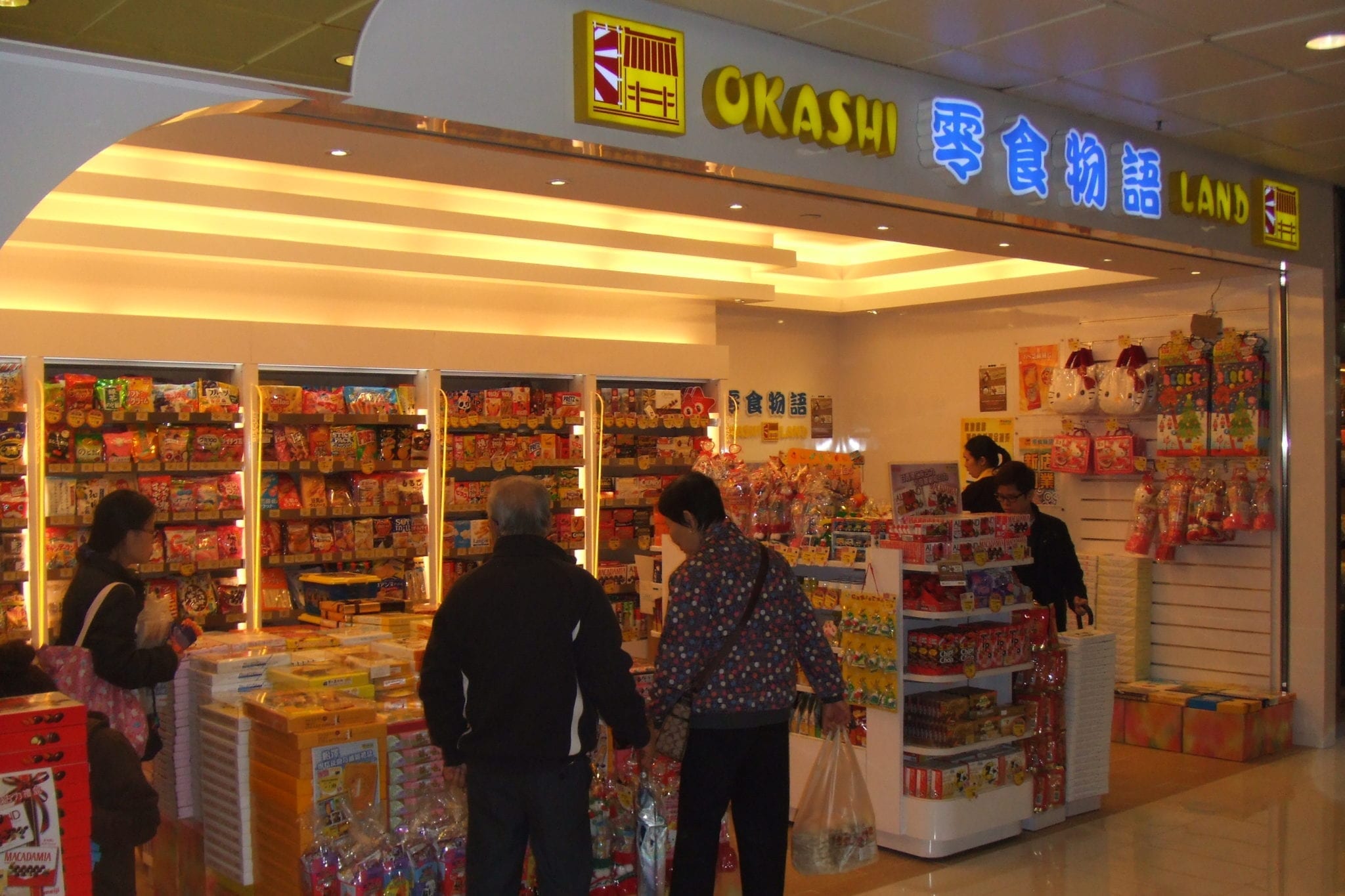
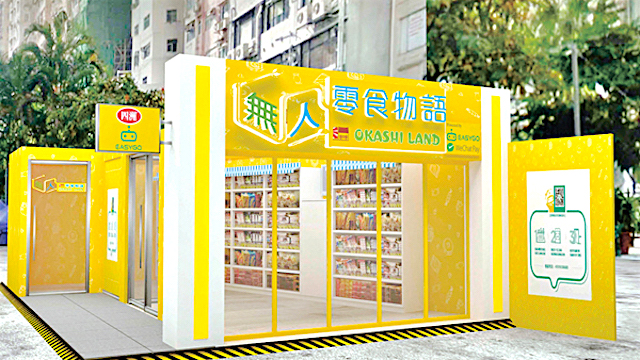
    Japanese snack store Okashi Land is planning to open a self-service outlet in Mong Kok.

    The unmanned store, which opens on September 5 in Gala Place, has been undertaken in partnership with Guangzhou unmanned convenience-store startup EasyGo.

    It will stock more than 100 products marked with radio-frequency IDs. Customers will be able to make their purchases via automatic deductions from their digital wallets.


    Chairman of Okashi Land’s parent company Four Seas Mercantile Holdings Stephen Tai said unmanned stores and digital payments have become the main trend of the retail industry.

    “The company set up Unmanned Okashi Land in the hope of better business and it will bring convenient services for Hong Kong customers.”

  • Jubilant FoodWorks Limited India appoints Kapil Grover as Chief Marketing Officer of Domino’s Pizza

    Jubilant FoodWorks Limited India appoints Kapil Grover as Chief Marketing Officer of Domino’s Pizza

    Jubilant FoodWorks Limited, one of the largest food service companies in the country, announced the appointment of Kapil Grover as Chief Marketing Officer of Domino’s Pizza. He brings with him a rich experience of 18 years and will be responsible for leading the marketing strategy for the brand.

    peaking on the announcement Pratik Pota, CEO and Whole-time Director, Jubilant FoodWorks Limited said, “We are delighted to welcome Kapil to the Domino’s family. Kapil is a seasoned marketing professional with a proven track record of building brands and driving consumer relevant innovations. We are confident that Kapil will use his immense experience to deepen Domino’s connect with its customers and to drive growth”.

    The newly appointed Chief Marketing Officer- Domino’s Pizza, Kapil Grover said, “I am delighted to be a part of Domino’s Pizza, the most loved pizza brand in India. The new role presents an exciting opportunity to lead the brand’s endeavours to create a great pizza experience for the customers, strengthen the core delivery proposition and further expand its market share. I look forward to contributing significantly to its ongoing growth journey.”

    Grover took over his new responsibility from July 2018. He was earlier associated with Burger King India as Chief Marketing Officer and have also worked with KFC India, Radico Khaitan and Luxor Writing Instruments in his past stints.

  • PepsiCo India Beverages head Vipul Prakash resigns

    PepsiCo India Beverages head Vipul Prakash resigns

    PepsiCo said its head of beverages Vipul Prakash has quit the company to pursue an entrepreneurial opportunity outside the company.

    The company announced appointment of another PepsiCo stalwart Vishal Kaul, who recently re-joined the India team, to replace Prakash.

    “Vipul Prakash, Senior Vice President, Beverages Category, India Region has decided to pursue an entrepreneurial opportunity outside PepsiCo. He will be completing 20 years of his career journey with us and leaves a strong legacy,” the company said in a statement.

    Kaul will take over the leadership of the Beverage Category, in addition to leading the transformation agenda for India, with immediate effect, it said.

    PepsiCo expressed confidence that Kaul will bring his creative and commercial expertise to take the beverage category to the next level.

    Vipul joined PepsiCo in November 1998 in India, where he held positions in marketing and franchise. Since then, he has had stints at the sector, global and India region in various capacities. He has led brand strategy for the firm’s most iconic and loved brands like Mountain Dew, 7Up, Pepsi and Mirinda across geographies.

    “He has been an excellent mentor and coach to our talent across the system. His heart bleeds blue, and he will continue to be our ambassador. We will truly miss him!,” the statement said.

    PepsiCo India Chairman & CEO Ahmed ElSheikh said the company has built a very strong talent pipeline by giving people a mix of different critical experiences in India and internationally.

    “We are pleased to have Vishal Kaul take on the role of Vice President for the Beverage Category. Prior to his last role outside the company, Vishal had a long stint with PepsiCo in leadership roles across various geographies. “He takes the baton from Vipul Prakash, who has taken an entrepreneurial opportunity outside PepsiCo after a successful stint of 20 years with the Company. We will miss him and we wish Vipul all the very best for his future endeavours,” he said.

    Kaul, Vice President Beverage Category and Transformation, PepsiCo India, said it was an honour and privilege to lead PepsiCo to the next stage of growth and evolution of the beverage category.

    “The expansion of our portfolio to include healthier options, new packaging choices, and new ways of connecting with consumers is incredibly exciting,” he said.

  • American Eagle Outfitters Positive Reports Driven by Aerie

    American Eagle Outfitters Positive Reports Driven by Aerie

    One year ago, American Eagle Outfitters sales were flat – and it exited the Singapore market.

    Now the US apparel brand has reported a 14 per cent year-on-year increase in sales in its second quarter to US$965 million, with same-store sales up 9 per cent. New income rose 6.2 per cent to $60.3 million.

    Alas, that wasn’t enough to satisfy shareholders, the company’s stock price falling 8 per cent after the company reduced its projections for the third quarter.

    Aerie, the company’s spinoff lingerie brand targeting young women aged 15 to 22, delivered a 27 per cent increase in sales, the parent brand a more humble 7 per cent.

    The company does not separate out e-commerce sales, but it did say in an earnings release that sales growth online was continuing at a “double-digit pace”.

    Eagle CEO Jay Schottenstein said American Eagle Outfitters sales growth was boosted by the revamp of flagship stores and those of its Aerie brand (which was launched in 2006). Higher customer conversion rates, higher average transaction sales and increased foot traffic, including at mall stores, showed the initiative was working.

    Aerie’s growth has inspired management to open between 50 and 80 stores in the US and selected overseas markets now planned over the next two years. It is also eyeing offshore opportunities for its namesake brand.

  • Stocks, Forex, cryptocurrency, futures&options – Fantastic show like nowhere!

    Stocks, Forex, cryptocurrency, futures&options – Fantastic show like nowhere!

    Traders Fair & Gala night – financial event for traders and investors, which is going to take place in Vietnam on the 24th of November 2018 (Windsor Plaza Hotel, Saigon). The best trading experts, companies, money brokers and banks from all over the world are going to share out their experience and to find out new up-to-date information about cryptocurrency, forex, stocks, futures and options markets. Also Traders Fair & Gala night is going to be full of educational programs and entertainment.  To register online now for free, you should visit https://vietnam.tradersfair.com

    Traders Fair & Gala night, Vietnam is attracting the world of traders to one place during one day.  This is the confluence of favorable conditions in one system, which brings profit to its participants. The leaders of the industry are going to come together in one place and to have an exchange of knowledge and experience. No doubt you need expertize and capital to work in the stocks, futures, options and forex markets as it will become the initial ticket to the world of big trade. Participants who have capital while entering the market become investors. And you may be a part of this fabulous event! Educational speeches from top speakers, entertainments, live shows, music and incredible prizes included in the agenda.

    Traders Fair & Gala night – Vietnam is organized by FINEXPO, which is the largest company organizing financial and trading events, fairs, expos and shows worldwide since 2002. List of its projects seems quite long. Here you can find Financial Expo, Traders Fair, Traders Awards, Forex & Money Expo, Forex Expo Awards, Money Fair, Investor Expo, Golf Expo, Banking Expo, Online Trading Expo, etc. Over 30000 traders, investors and financial advisors and more than 3 000 financial companies and brokers from Forex, stock, option, bond crypto money and forward markets from all around the world have been connected by FINEXPO. The positive feedback from participants is the best prove of effective and successful work done by FINEXPO.

    Traders Fair & Gala night is sponsored by leading brands such as Australian Forex Marketplace (Grand sponsor), FIBOGroup (Silver sponsor), RPNPay, OlympTrade. To say more the organizers of event offer you different variants of recommended accommodation, so you can focus on agenda and don’t lose you time, thinking about accommodation and everything.

    You are welcome to visit https://vietnam.tradersfair.com to find out more information about Traders Fair & Gala night.

    Telegram https://t.me/tradersfair

    Facebook https://www.facebook.com/TradersFair/

    #tradersfair  #tradersfair2018  #tradersfairvietnam


  • 7-Eleven Malaysia Q2 net profit up 29.4%

    7-Eleven Malaysia Q2 net profit up 29.4%

    7-Eleven Malaysia Holdings Bhd reported a 29.4% rise in net profit to RM13.13 million for the second quarter ended June 30 compared with RM10.15 million in the previous corresponding period, driven by higher gross profit margin.

    Its revenue rose marginally by 0.4% to RM557.63 million from RM555.21 million, thanks to growth in new stores and better consumer promotion activity.

    Gross profit improved by 2.2% or RM4 million to RM183 million compared with the corresponding quarter in the previous year, mainly attributed to the rise in revenue and improvement in gross margin by 0.6% points.

    Most categories saw higher gross profit margins.

    “I am personally excited to have joined the business just over two weeks ago, and I am confident that a strategy roadmap focused on strengthening the key areas of assortment, supply chain, operational excellence, store base, and digitally enabling the organisation will bear fruit in terms of financial performance, and overall customer shopping experience. I look forward to the challenges ahead in ensuring that 7-Eleven Malaysia remains the customers first choice convenience store”, CEO Colin Harvey said in a statement today.

    For the first half of 2018, 7-Eleven’s net profit expanded 21.5% to RM22.07 million from RM18.16 million on the back of a 1.4% increase in revenue to RM1.09 billion from RM1.08 billion.

    The group said in a filing with the stock exchange that it foresees the trading conditions for the next quarter to improve with anticipated heightened consumer sentiment.

    “We expect to see further improvements in the next quarter by pursuing our core strategy pillars of operations excellence, cost management and commercial innovation.”

  • Tokyo Tokyo launches new store concept

    Tokyo Tokyo launches new store concept

    Japanese fast-food chain Tokyo Tokyo has launched a new store concept in the Philippines.

    The revision overturns the previous casual brand image, presenting a more authentic cultural atmosphere to the chain’s restaurants.

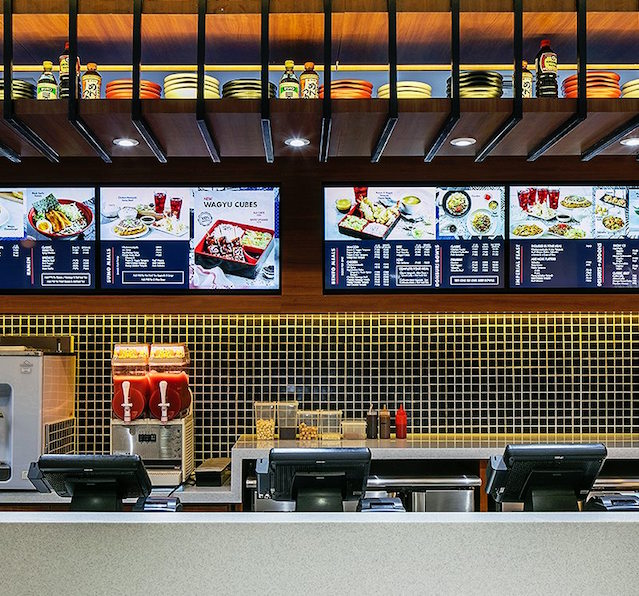
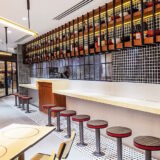
    The Tokyo Tokyo Philippine flagship was launched in Trinoma mall, and features influences from Japanese fusuma screens, anime and street-culture dining.

    The launch coincided with the introduction of new menu items available only at the Trinoma restaurant.

    The brand will renovate all 60 Tokyo Tokyo locations throughout the country.

    View the gallery below for pictures (4 images) :

  • GEO X HBX launches in HK

    GEO X HBX launches in HK

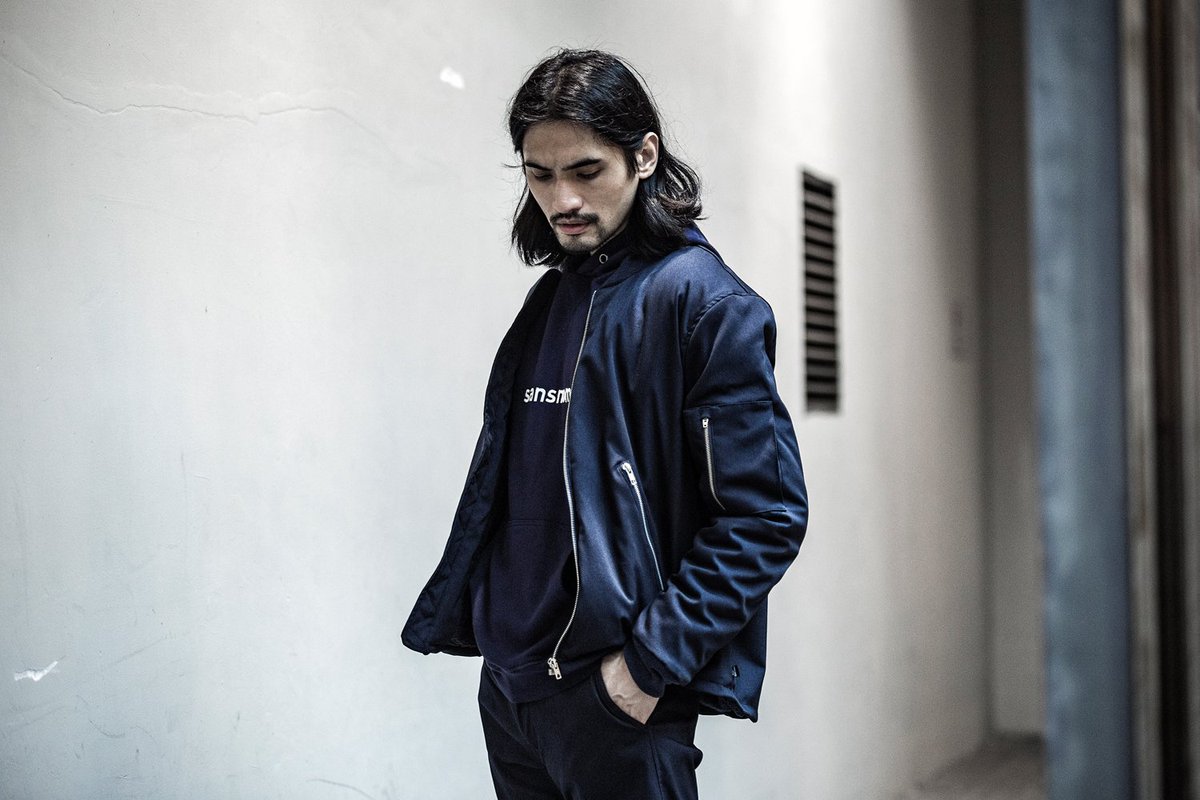
    First launched as a merchandise project by London based designer in 2016, Geo Owen is very well known for his album art, tour merchandising, and prints for Kanye’s coveted YEEZY Season One.

    After years of experience, Geo Owen has now created GEO, a Ready-To-Wear label that is inspired by the study and understanding of the human and physical geography, locally and internationally.

    The aesthetic of the graphics and configuration of the garments across each collection are the outcome of developing individual case studies.

    GEO is now landing in HK with an exclusive collection designed for HBX, Collection Three, which focuses on the composition of the geographical area that the designer live in and the people surrounded by on a day-to-day basis.

    Arriving with the main line is a collection created exclusively for HBX’s online and retail space in Landmark, Central.

    The official launch is August 25, and Geo Owen will be in town.

  • Emart24 opens swanky cafes overlooking Han river Korea

    Emart24 opens swanky cafes overlooking Han river Korea

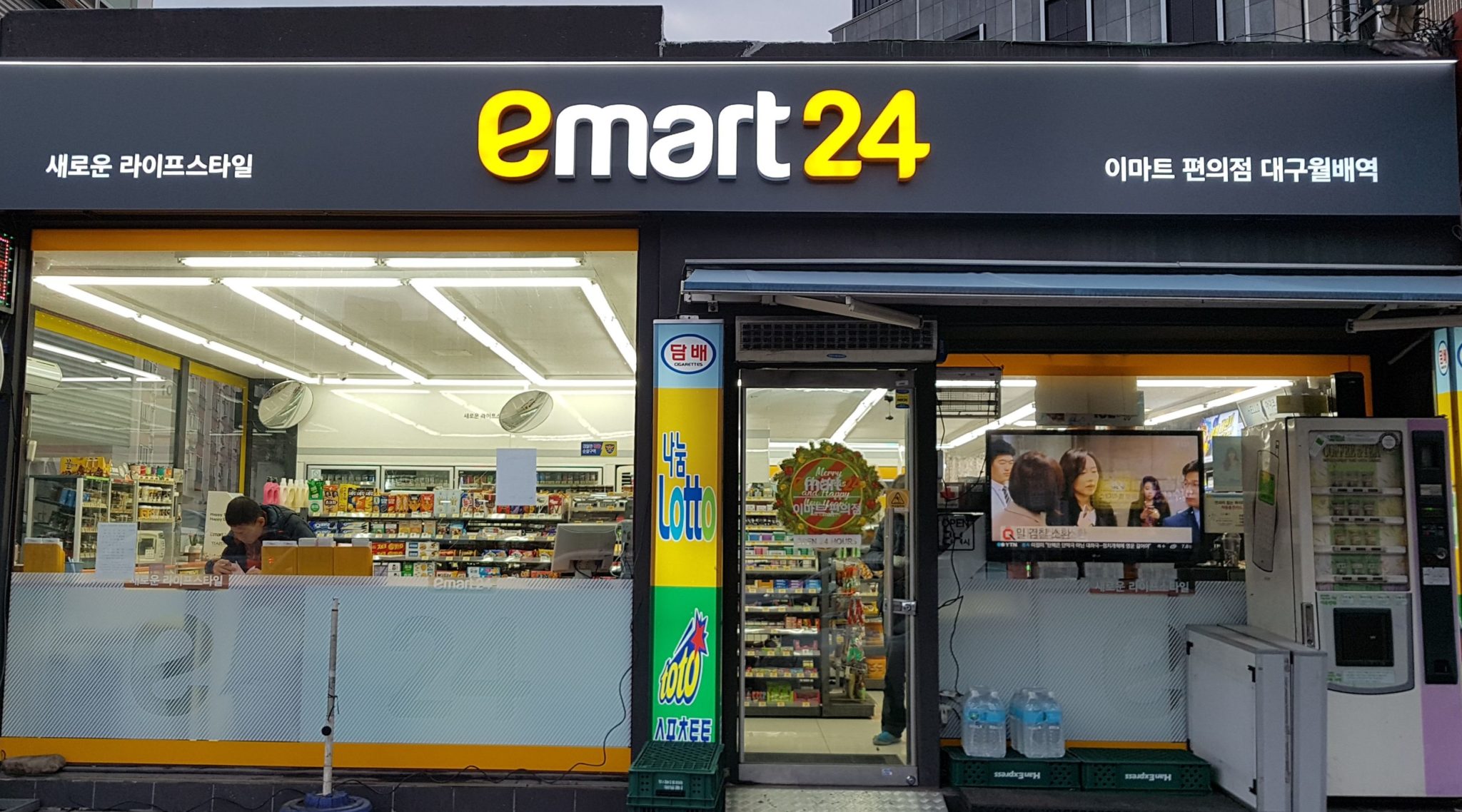
    Convenience store Emart24 is hoping to entice visitors to stay awhile at its two new shops overlooking the Han River that open this Friday.

    The multi-level stores will each host a bookstore and cafe that will offer beer on tap.

    Emart24 is taking over the spaces from two existing observatory cafes which face each other at the south end of Dongjak Bridge. Both spots are known for offering great sunset and nighttime views.

    On the bridge’s western side, the cafe’s view includes N Seoul Tower, while the cafe on the east side looks toward the Moonlight Rainbow Fountain at Banpo Bridge.

    Each Emart24 will have five floors: a cafe and snack zone on the first and second floor, a small bookshop and lounge on the third and fourth and an outdoor rooftop on the fifth.

    “The new operations were aimed to look more like a cafe in order to break through the perception people have about convenience stores and make them into a cultural space,” said Emart24 in a statement released Wednesday.

    True to this concept, Emart24 will only offer one-fifth as many products at the Han River shops as its normal branches. However, it will offer a wider variety of desserts, like cake, puddings and macarons. Baristas will also serve up coffee at the cafe.

    Riverside drinkers will find two beers made from the craft brewery Devil’s Door, run by Emart24’s parent company Shinsegae, as well as Heineken draft beer. Wine options are set to be added in the future.

    The Gureum and Noeul Cafes that Emart24 is taking over are two of eight observatory cafes on the Han River. These cafes were part of an initiative by the Seoul Metropolitan Government to develop cultural and tourism infrastructure on the banks of the Han back in 2009. The sites were rented out by the city and made into coffee shops or restaurants, but not all of the operations were successful.

    An Emart24 spokesman said the company won a three-year contract for Gureum and Noeul, the two largest observatory cafes by the Han River.

    “The company sees it more like an experiment rather than a profitable revenue source,” said the spokesman. “We thought if we make it into a cultural space where people can casually stop by without an entrance fee, more people and foreigners would want to come.”

    The bookstore on the third and fourth floors will offer around 800 titles. Every quarter, local publishing house Munhak Dongnae will curate a new selection.

  • US’s Papa John to try Central Asian market

    US’s Papa John to try Central Asian market

    US pizza giant Papa John’s International has continued its Central Asian expansion, opening its first restaurant in Kazakhstan.

    The Kazakhstan Papa John’s is located in the capital city of Almaty and opened its doors this week. Papa John’s is now in 46 countries and territories around the globe.

    Master franchisee PJ Western plans to open 16 Kazakhstan Papa John’s restaurants. PJ Western currently operates 181 Papa John’s in Russia, Belarus, Kyrgyzstan and Poland, and will continue to expand in Eastern Europe and into Central Asia. A second restaurant in Almaty is scheduled to open in October.

    “We believe that our passion for better ingredients will transfer well to Almaty and beyond and our new customers will love our quality pizza,” said Christopher Wynne, co-owner and CEO of PJ Western.

    The company is Papa John’s largest international franchisee with more than 180 restaurants.

    Papa John’s International is looking for potential franchisees in Paris, Belgium and Denmark.

  • Expert investigation says BMW software to blame in fire incident

    Expert investigation says BMW software to blame in fire incident

    An investigation by the Korea Consumer Association (KCA) concluded that the spate of BMW fires that left Korea in a state of panic over the summer was the fault of the engine control unit (ECU) software, not the hardware issue that the German carmaker has maintained.

    The KCA claim that BMW updated the ECU software to make an engine part, called the bypass valve, open at higher temperatures, leading to higher engine performance and better fuel efficiency but also to a higher risk of fire.

    “An update in the ECU to enhance the car’s performance and fuel efficiency is not wrong by itself,” said Lee Ho-geun, an automotive engineering professor at Daeduk University who is leading the investigation team at the KCA, at a press briefing Tuesday.

    “But the fact that the carmaker didn’t fortify other parts to make them endure higher temperatures, leading to engine fires which put consumers’ lives at risk, is wrong,” Lee added.

    The KCA’s investigative team comprising of experts in the auto industry and law carried out a separate investigation into two BMW vehicles manufactured before August 2011 that are not subject to recalls and four recall-subjected cars.

    The team said that the bypass valve for recall-subjected vehicles opened while in operation, while that of vehicles not subject for recall didn’t open at all while in operation.

    According to Lee, a bypass valve in a diesel engine is generally supposed to be closed in order to block gas that’s hotter than 500 degrees Celsius (932 degrees Fahrenheit) from entering the intake manifold in the engine. It usually opens when the coolant’s temperature is lower than 50 to 60 degrees Celsius.

    “Bypass valve operation is controlled by the ECU,” said Lee. “If a vehicle opens the bypass valve while driving – causing a high possibility of a fire breaking out – it means BMW set the software to behave that way.”

    BMW Korea has persistently claimed that the cause of the fire is a hardware issue in the exhaust gas recirculation (EGR) cooler and valve. The ongoing recall process also includes replacing the two parts and cleaning the EGR pipe.

    The KCA investigative team said it is nothing but a temporary fix.

    “It will reduce the number of fires until the car gets that much accumulated sediment inside the pipe,” said Choi Younh-suk, a professor of smart automotive engineering at Sun Moon University at the briefing.

    According to Koo Bon-seung, an attorney at Heon Law, who is in charge of handling legal issues for the team, a total of 1,784 BMW owners have applied for a class-action lawsuit against BMW with Heon.

    Each owner will seek 15 million won ($13,547) in compensation.

    “As this case involves compensation worth 15 billion won in total, we are going to seek the provisional attachment of BMW Korea headquarters in central Seoul as well as the BMW Driving Center in Incheon and other logistics centers as well,” Koo said.

    Meanwhile, BMW Korea Chairman Kim Hyo-joon said he will look into the option of suspending sales of affected cars in Korea at a hearing held at the National Assembly on Tuesday.

    Kim said he feels shame for selling such defective vehicles in Korea and said he will take responsibility.

    Kim reiterated that the issue derives from a defect in the vehicles and not from the driving habits of Korean consumers.

    Earlier this month, BMW spokesman Jochen Frey came under fire for blaming Korean driving habits and traffic conditions for the fires in an interview with Chinese media. BMW Korea instantly refuted the comment, saying it was a translation error.

  • Cafe Amazon makes debut in Middle Eastern

    Cafe Amazon makes debut in Middle Eastern

    The launch of the Cafe Amazon Muscat store, in partnership with Oman Oil Marketing, will help PTT to study local market preferences for coffee, food, decor and atmosphere before making expansion plans.

    PTT currently operates 2557 branches of Cafe Amazon, most of them located in Thailand and run out of petrol stations.

    The brand has been subject to considerable expansion over the past four years in business, and now has a presence in Japan, Myanmar, Laos, Cambodia and the Philippines, as well as the new Cafe Amazon Muscat. Plans are underway to launch in Mainland China later this year.

    PTT is aiming to reach 4000 outlets by 2023, with branches in 14 countries.