Author: Mei Ling Tan

  • KDDI, Nokia trial eMBMS for connected vehicles

    KDDI, Nokia trial eMBMS for connected vehicles

    Japan’s KDDI and Nokia have completed trials of LTE connected vehicle applications including the first vehicle based LTE broadcast trial.

    During a trial on the island of Hokkaido, the companies implemented evolved multimedia broadcast multicast service (eMBMS) technology for two in-vehicle applications.

    These included vehicle-to-network-to-vehicle connectivity, allowing cars to stay in constant contact with a Nokia-based multi-access edge computing (MEC) platform, sending real-time location, direction and speed data to roadside sensors.

    The proof of concept allows drivers to alert the application and allow information to be distributed to other vehicles using eMBMS.

    In addition, eMBMS was applied in a network real-time kinematic (network RTK) trial of LTE for enhance fully automated in-vehicle navigation, demonstrating how eMBMS could more cost-efficiently use existing geo-location systems to communicate to many vehicles in real-time.

    The companies said the trials are a step towards preparing the car industry for the introduction of 5G-based automated vehicles.

    “We are pleased to work with Nokia to demonstrate our leadership in the delivery of mobile networks for IoT and connected car communications,” added Munefumi Tsurusawa, general manager of the connected vehicle technology department and KDDI’s technical planning division.

    “This is an important trial showing how the automotive industry can leverage cellular technology to enhance safety of connect vehicles on the roads.”

  • China edges ahead in 5G race

    China edges ahead in 5G race

    China has edged slightly ahead of both South Korea and the US in the race to deploy 5G, according to a new report by Analysys Mason.

    China leads the world in 5G readiness, followed by South Korea, the US and Japan in that order, according to the report, which was commissioned by US-based trade organization for the wireless industry CTIA .

    The countries were ranked based on nations’ respective 5G spectrum and infrastructure policies as well as commercial plans by their respective wireless sectors.

    The report found that all three major Chinese operators have committed to specific 5G launch dates. The government has also committed to providing at least 100 MHz of mid-band spectrum and 2,000 MHz of high-band spectrum for each operator.

    In South Korea, the government is soon expected to free up a combined 1300 MHz of both mid-band 3.5-GHz and high-band 28-GHz spectrum, with an additional 2 GHz of high-band spectrum capable of being utilized for 5G.

    While all major US wireless providers are trialing 5G technologies and a number have committed to small-scale fixed wireless 5G launches by the end of the year, the country has yet to announce plan to allocate mid-band spectrum exclusively for mobile by the end of 2020.

    “The United States will not get a second chance to win the global 5G race,” CTIA president and CEO Meredith Attwell Baker said.

    “Today’s research highlights the importance of policymaker action in 2018 to reform local zoning rules and unlock access to mid-band spectrum as part of a broader spectrum pipeline plan. I’m optimistic we will leapfrog China because key leaders in the Administration, on Capitol Hill, and at the FCC are focused on the reforms needed to win the race.”

    In Japan, wireless providers are investing in 5G testing and regulators have committed to releasing mid- and high-band spectrum by early 2019.

  • We need to look beyond the dollars and assets to value Amazon, Facebook correct

    We need to look beyond the dollars and assets to value Amazon, Facebook correct

    Investors and business people usually value companies based on the balance of assets and debts at the end of a financial year. But our research found they should be valuing their employees’ ability to innovate while using their existing physical assets.

    This is what actually creates value for our economy. For example manufacturing, an example of using assets to create value, is on the decline in Australia. Contrast this to services, using the skills of employees, which are increasing.

    We came up with a modified way to predict the value of companies, removing the emphasis on assets and instead using measures of spending on research and development and copyrights.

    We tested this revised model with accounting data from companies in countries like China, Malaysia, Russia, South Africa and Turkey. We also tested it with companies in more developed countries like Australia, Austria, Netherlands, Singapore and Sweden.

    Research and development was positively associated with return on assets in Australia, Austria, the Netherlands, Singapore, Sweden, China, South Africa and Turkey, according to the model. This means that companies in these developed and emerging economies use their resources more efficiently because of their investments in research and development and copyrights.

    For some of the biggest technology companies like Amazon and Facebook, the unique combination of their people, their invented systems and processes, and their physical presence creates value for the company and their investors.

    If we can improve how we predict potential economic value, we can help companies and our economy to grow and become more efficient.

    Traditional accounting methods

    Today, the traditional accounting system has lost its relevance, because many of the resources companies use to do business cannot be owned and become an asset.

    Traditionally companies calculate how much they own (assets) and subtract how much they owe (liabilities). The remaining amount, or book value, is what the company is worth.

    But people are a key resource in any company, yet companies do not own people. The wages paid to them are an expense, but their value cannot be recorded in the company’s accounts.

    Similarly, accounting rules state that most research and development is expensed when it occurs, meaning it is counted as a cost immediately. The problem is that investments in people and research and development may not pay off until the future.

    What this means for long-term investments

    Amazon, for example, is spending billions of dollars on research and development. This would involve spending money on intangible resources such as copyrights, market research, branding and designing systems and processes. It will also invest in marketing to potential customers, training staff and hiring managers.

    According to current accounting rules, most of these costs are treated as expenses now. It is only physical assets such as buildings, computers, furniture and equipment that are counted as a cost over time.

    However, Amazon’s investment in its new distribution network is likely to reap significant returns in the future. The fact that accounting reports analyse the past year, six months or quarter, shows how accounting is too focused on the short term. In the long term, Amazon is actually worth about 25 times more than accounting suggests.

    Because investors are interested in the future returns from their investments, not what was spent in the past, the stock market values most modern companies at several times their book value. This makes modern accounting even less relevant in explaining economic value.

    A new approach

    Our research found that to understand how economic value is created, you need to look at what businesses are spending on long term resources such as research and development and copyright and treat it as an investment, rather than a cost.

    Even if a company is not making a profit because it is investing in research and development in the short term, this does not mean it is not capable of making money in the long term.

    Many companies like Amazon never made a profit in their early years as they burned cash to create their foothold in the market. But their investors were convinced these companies would create economic value by way of profits and increased share prices in the future.

    If we look beyond the book value of companies, we can truly understand how they create economic value.

  • Bensimon Japan opens its first concept store

    Bensimon Japan opens its first concept store

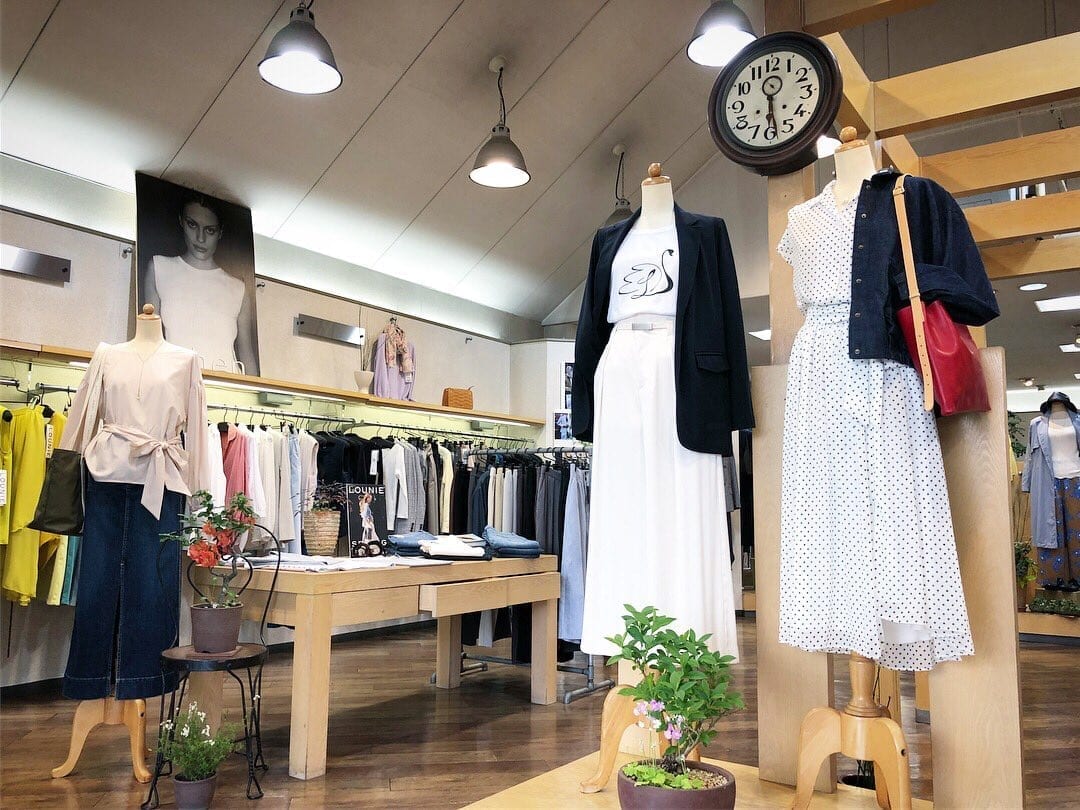
    Bensimon Japan has opened a concept store in Tokyo, the fourth international outlet for the French label.

    Launched with its two local partners, Itochu and Look, the unconventional store in the Daikanyama district covers about 100sqm on several floors and conceived as a little house dedicated to the French art of living and to the label’s love of colour.

    Bensimon says the same concept may be replicated in other prime Japanese shopping locations, with a second opening already being planned, reports Fashion Network.

    In the longer term, the label is also thinking about China.

    Meanwhile, Bensimon has taken on a new designer, Geraldine Dufour, who debut with the label’s latest autumn/winter collection.

    “I’ve worked with the same designer for 15 years so we didn’t want a comprehensive overhaul,” says co-founder/creative director Serge Bensimon. “However, we needed a fresh take on our ready-to-wear and accessories collections, to try to appeal to a younger clientele.”

    “Currently, our customers are mature, modern women,” says Dufour. “We want to broaden our target market, first with women in their early 40s, then with the next generations. We want to be able to appeal to mothers and their daughters.”

    By recalibrating the womenswear range, Bensimon is seeking to bolster its expansion, notably driven by Rudy Achache, the first GM appointed by the two founder brothers, Serge and Yves Bensimon, nearly two years ago.

    Bensimon has about 50 stores, most of them in France.

  • OCBC Bank first in Singapore to enable instant digital card issuance and provisioning on Apple Pay

    OCBC Bank first in Singapore to enable instant digital card issuance and provisioning on Apple Pay

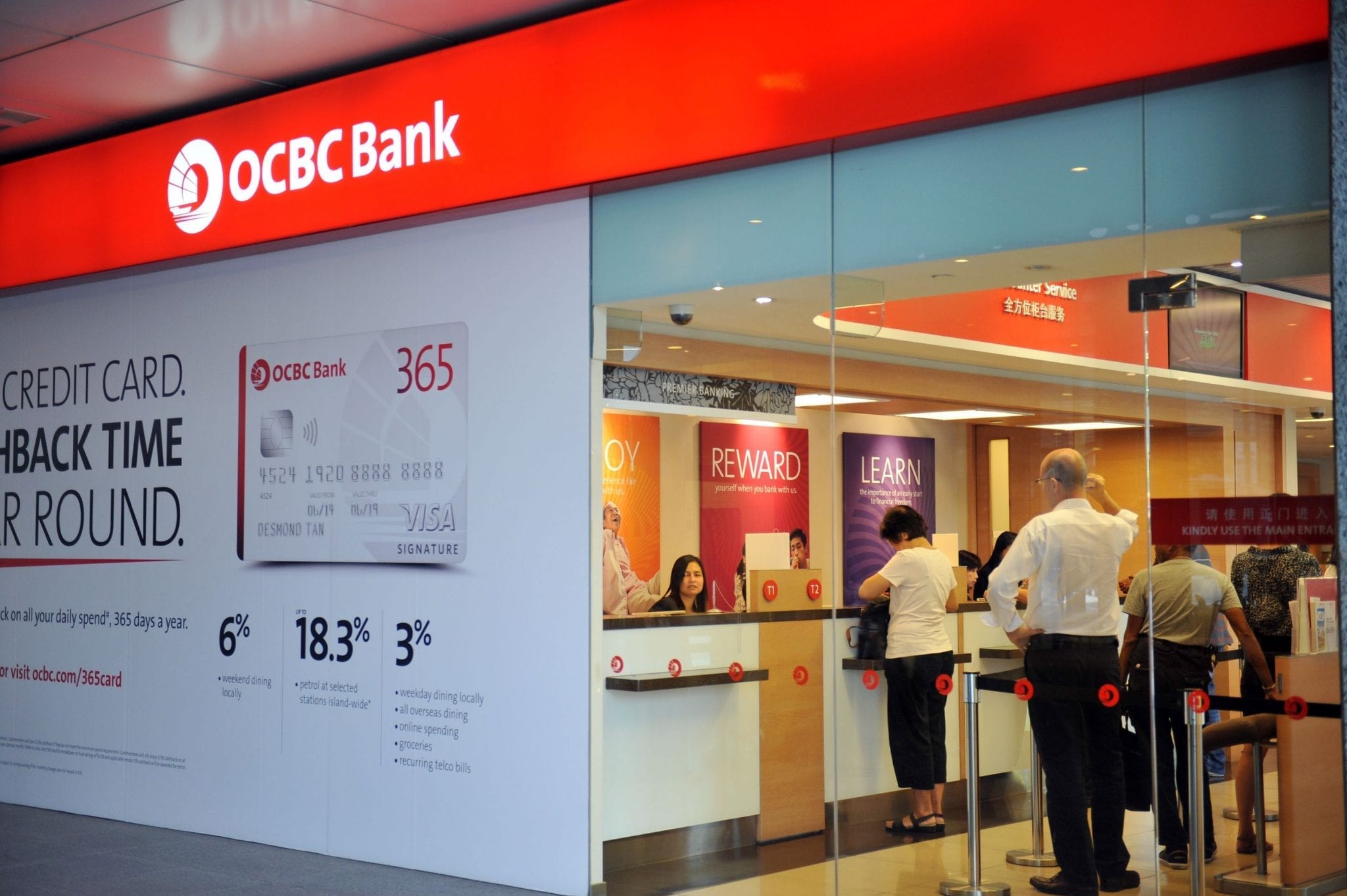
    OCBC Bank customers have a new, speedy way of resolving a common issue when shopping or dining: Not having the right credit card to enjoy the best discount, rebate or reward.

    Since last month, OCBC Bank became the first bank to enable customers to transact at merchants that accept Apple Pay within minutes of applying for a new VISA credit or debit card. Any OCBC Bank customer – even if you do not yet own an OCBC Bank card – can apply for a card online and have your application approved almost immediately. There is no need to then wait for the physical plastic to arrive in your mailbox: The card can be accessed and provisioned (that is, added to) Apple Pay instantly via the OCBC Mobile Banking app.

    VISA cards make up almost 80 per cent of the OCBC Bank cards currently provisioned to Apple Pay. Instant provisioning of cards for use with Apple Pay has been enabled for OCBC Bank VISA credit cards – including the 365, FRANK, Voyage, Robinsons Group, Plus! VISA and NTUC Plus! cards – as well as the Yes! debit card.

    Mr Aditya Gupta, OCBC Bank’s Head of E-Business Singapore, said: “This is the new digital – instant, embedded and frictionless access to banking products and services. Our customers can now receive their new card digitally and provision it to their Apple Wallet to start paying with it straight away – all from within our mobile banking app and within a few minutes. We believe this is a huge level-up in customer experience and will further accelerate our digital card applications and cashless payments market leadership drive.”

    Leader in payments and digital banking

    OCBC Bank is one of the top credit card issuers in Singapore and the market leader in contactless payments; one in every two VISA contactless transactions, including Apple Pay, is made with an OCBC Bank card. Monthly mobile wallet payments have doubled since 2016, while the number of credit cards provisioned to mobile wallets has increased sevenfold. 60 per cent of OCBC Bank cards provisioned to mobile wallets are on Apple Pay. Mobile wallet usage is especially popular for lifestyle transactions including groceries, transport such as private hire cars, food deliveries and fast food.

    Mr Vincent Tan, OCBC Bank’s Head of Credit Cards, said: “When we first introduced mobile payments to our customers in 2016, the future of payments looked exciting then – and it has definitely proven itself to be so. One in every two VISA contactless transactions is made with an OCBC Bank card so we have clear leadership in the mobile and contactless payment space. More OCBC customers, even those who are not currently our cardholders, can now benefit from our suite of credit cards within minutes of applying for one. With our instant digital card issuance, they can immediately provision their new cards to Apple Pay via our mobile banking app, and start to enjoy our cards’ rewards and rebates.”

    OCBC Bank has constantly worked towards making banking seamless and embedded in our customers’ natural behaviour and interactions. OCBC Bank led the way in Singapore in launching voice-powered conversational banking for retail customers in February 2018, which allows customers to ask Siri to check their bank balances, credit card overview and make e-payments. It was the first bank in Singapore to introduce biometric authentication to access bank account details with OCBC OneTouch in March 2015, and OCBC OneLook in November 2017 on the OCBC Mobile Banking app, leveraging fingerprint and facial recognition technology. OCBC Bank then offered customers the convenience of banking on their wrist, launching its mobile banking app for Apple Watch in March 2016. In November 2016, OCBC Bank enhanced its OCBC Pay Anyone e-payments service by enabling customers to send money via OCBC Pay Anyone directly within Apple’s iMessage on iPhones, and via any app on Android devices using the OCBC Keyboard in August 2017.

  • Hyundai group under pressure from U.S. activist hedge fund with $1 billion stake

    Hyundai group under pressure from U.S. activist hedge fund with $1 billion stake

    A unit of U.S. activist hedge fund Elliott Management revealed on Wednesday that it holds more than $1 billion worth of shares in key affiliates of South Korea’s Hyundai Motor Group and called for more rapid reform of the auto giant’s governance.

    It is Elliott’s latest challenge to South Korea’s family-run conglomerates after it forced Samsung Electronics to increase shareholder returns in 2017, and comes amid a government campaign to boost investors’ power in a country where shareholder activism is rare.

    Elliott Advisors called for a “more detailed roadmap” as to how Hyundai Motor Group will “improve corporate governance, optimize balance sheets, and enhance capital returns” at Hyundai Mobis, Hyundai Motor and Kia Motors.

    The fund did not provide a breakdown of its stakes in Hyundai’s three affiliates but its over $1 billion worth of shares account for around 1.5 percent of the total market value of the three firms.

    Hyundai Mobis shares jumped as much as 6.1 percent to their highest since Jan. 25 in the wake of the announcement. Hyundai Motor rose 4.9 percent, its highest in three weeks, while Kia Motors gained 3.8 percent in morning trade in Seoul. Hyundai Glovis shares rose as much as 4.8 percent.

    “I see Elliott’s call as positive, as it should enhance shareholder value,” said Kim Sung-soo, a fund manager at LS Asset Management.

    “Elliott has declared war against Hyundai but it has not made detailed demands, so further discussions need to be seen.”

    Auto-to-steel giant Hyundai Motor Group announced a plan last week to streamline its complex ownership structure as it responds to calls from the government and investors for greater transparency and better governance at family-controlled conglomerates.

    But worries that the plan would benefit the parent group’s controlling family ahead of investors have hit the share prices of group companies such as parts supplier Hyundai Mobis.

    While Elliott said it was pleased that Hyundai Motor Group had taken a first step toward reform, it added in a statement that “more needs to be done to benefit the companies and stakeholders”.

    “Elliott looks forward to engaging with management and other stakeholders directly on these issues, and to offering recommendations regarding the proposed plan,” the hedge fund said.

    Hyundai Motor Group responded that it was “confident” its restructuring plan would enhance shareholder value, and promised to communicate with investors at home and abroad.

    Last year, South Korea’s new antitrust chief told Reuters he had been in talks with Hyundai Motor Group about unwinding its circular shareholdings, which critics say give too much power to the controlling family at the expense of shareholders.

    Under Hyundai’s plan, Hyundai Mobis is to spin off its domestic module and after-service parts businesses and merge them with logistics affiliate Hyundai Glovis, which is personally backed by Hyundai’s controlling Chung family.

    But some investors complained that Mobis could be giving away the most profitable part of its business too cheaply.

    The plan is yet to be approved by shareholders.

    After the merger, Group Chairman Chung Mong-koo and his son Chung Eui-sun, who is vice-chairman, will buy stakes in Mobis held by other affiliates Kia Motors, Glovis and Hyundai Steel .

    The group has not announced when the family members would buy the Mobis stakes.

    Elliott’s intervention is another headache for Hyundai, which is already struggling with slowing sales in China and the United States and Seoul’s diplomatic row with Beijing last year.

  • Welden handbags flies high in China

    Welden handbags flies high in China

    Sandy Friesen’s small and young handmade handbag company Welden generated nearly US$300,000 in gross merchandise volume during a two-day live-streaming event in China.

    On Alibaba’s C2C marketplace Taobao, the campaign was the New York brand’s first foray into China. It became an instant hit, attracting 808,000 views and 4.06 million likes on the first day.

    By the end of the two days, Welden had sold nearly 1000 bags priced from $195 to $595, with a combined 1.7 million livestream views.

    Friesen says the success of Welden’s China debut far surpassed her expectations. The Welden co-founder says China had not been on her company’s radar until only few months before the campaign.

    “We were a US brand that had been trying to expand to Canada. We’ve been really just going with what we know. It’s truly amazing this has happened so quickly.”

    Friesen started Welden in 2015, its designs being easily recognisable by their signature hexagon weave.

  • Celebrations at Opening of a New T Galleria by DFS, Sydney

    Celebrations at Opening of a New T Galleria by DFS, Sydney

    DFS Group, the world’s leading luxury travel retailer, has officially opened its newly renovated T Galleria by DFS, Sydney on George Street in Sydney’s Central Business District. A gala celebration was attended by more than 400 VIPs, customers, travel and hotel partners, and luxury brand representatives.

    The event included a spectacular performance by the Sydney Dance Company, an exclusive shopping experience for customers with DFS’ leading luxury brands, and an appearance by acclaimed British artist Boyarde, who also hosted a VIP customer workshop.

    “Our newly renovated four-storey T Galleria by DFS, Sydney store is truly exceptional, and the opening event was a great opportunity to showcase what DFS does best, combining unique personalization and artistic design with the very best quality products,” said Robert Calzadilla, DFS Managing Director, Australia, New Zealand, Cambodia, Myanmar, and Vietnam. “DFS is always committed to finding new ways to surprise and delight our loyal traveling customers, and there is something for everyone to discover at T Galleria by DFS, Sydney.”

    Located in the heart of the historic precinct of The Rocks for 29 years, T Galleria by DFS, Sydney is the city’s only downtown duty-free destination, just steps away from the famous Sydney Opera House and Harbour Bridge.

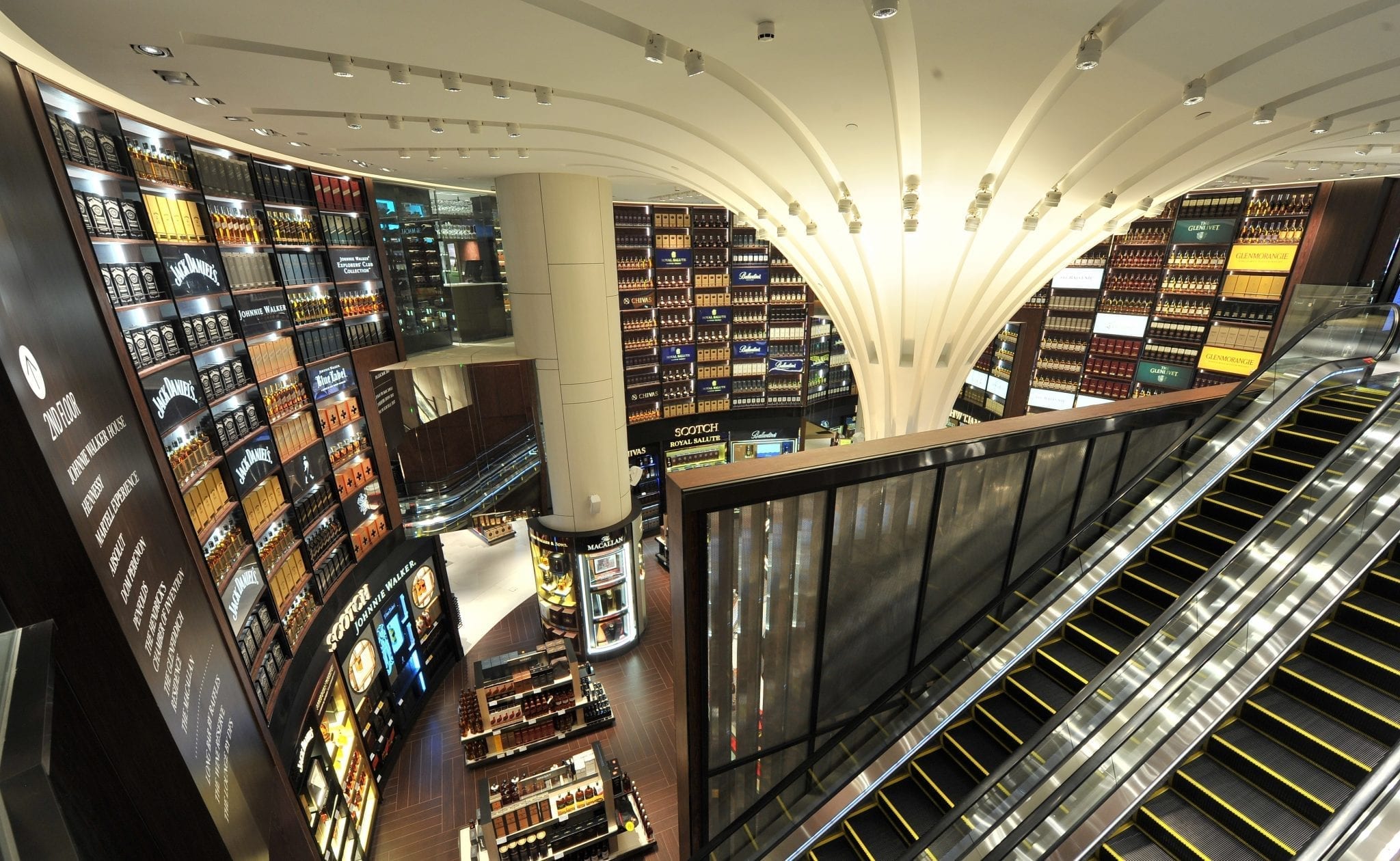
    Spanning over 70,000 square feet, the store features more than 150 of the world’s most desirable brands and is a one-stop retail paradise that entices customers with its stylish layout and carefully curated collections. It showcases an extensive selection of products across DFS’ five pillars of luxury: Wines and Spirits, Beauty and Fragrances, Watches and Jewelry, Fashion and Accessories, and Food and Gifts, with many items available exclusively at T Galleria by DFS, Sydney, such as the Michael Kors x DFS collection and Tiffany & Co.’s Keys.

    With its double-height ceiling and black-and-white checkered flooring, Watch World on the third floor is the ultimate in retail elegance as befitting the 57 luxury watch brands that are showcased here. More than 20 of the world’s most prestigious and iconic sunglasses brands are also available on the third floor, ensuring that travelers can find their perfect holiday look. Beauty and fragrance lovers are well catered for on the fourth floor with some of the beauty world’s biggest color and beauty brands.

    The refurbishment of T Galleria by DFS, Sydney began in August 2016 under the direction of Australian design company PMDL, which was also responsible for the design of T Galleria by DFS, Macau, City of Dreams, and T Galleria by DFS, Angkor.

  • Nike reveals Fabjacks collaboration

    Nike reveals Fabjacks collaboration

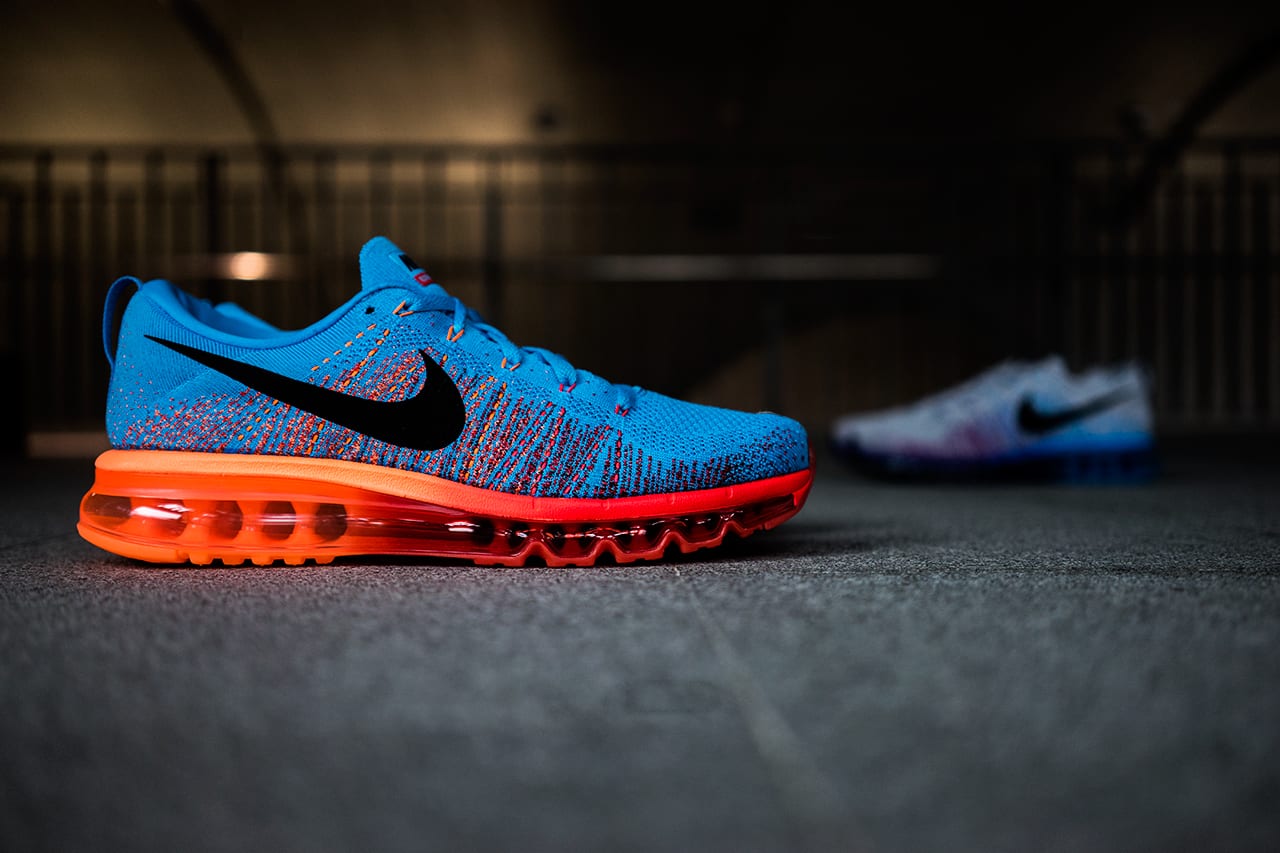
    Nike continues the Free RN’s “Free Expression” artist series with Shanghai-based Hong Kong artist Ton Mak, better known as Fabjacks.

    Following Korean artist Novo’s DIY-take on Free RN, Flabjacks opts for a more vibrant approach with a rainbow-like range of hues, alongside her trademark friendly creatures.

    Ton began creating characters and narratives after graduating from University College London as an anthropology student. Tying together her love for art, ethnography and storytelling as Flabjacks, her work spans art toys, paintings, large sculptures and international artist collaborations.

    The Free Expression series asks artists “what it means to be free in the cities in which they live”, and for Mak it is Shanghai’s flaws that make the city special. “Like wildflowers, it is bright and constantly growing and changing.”

    The Flabjacks x Nike Free RN series is available at select Nike retailers and Nike.com in both men’s and women’s sizes.

  • Nissan, partner eye early 2020s robotaxi rollout

    Nissan, partner eye early 2020s robotaxi rollout

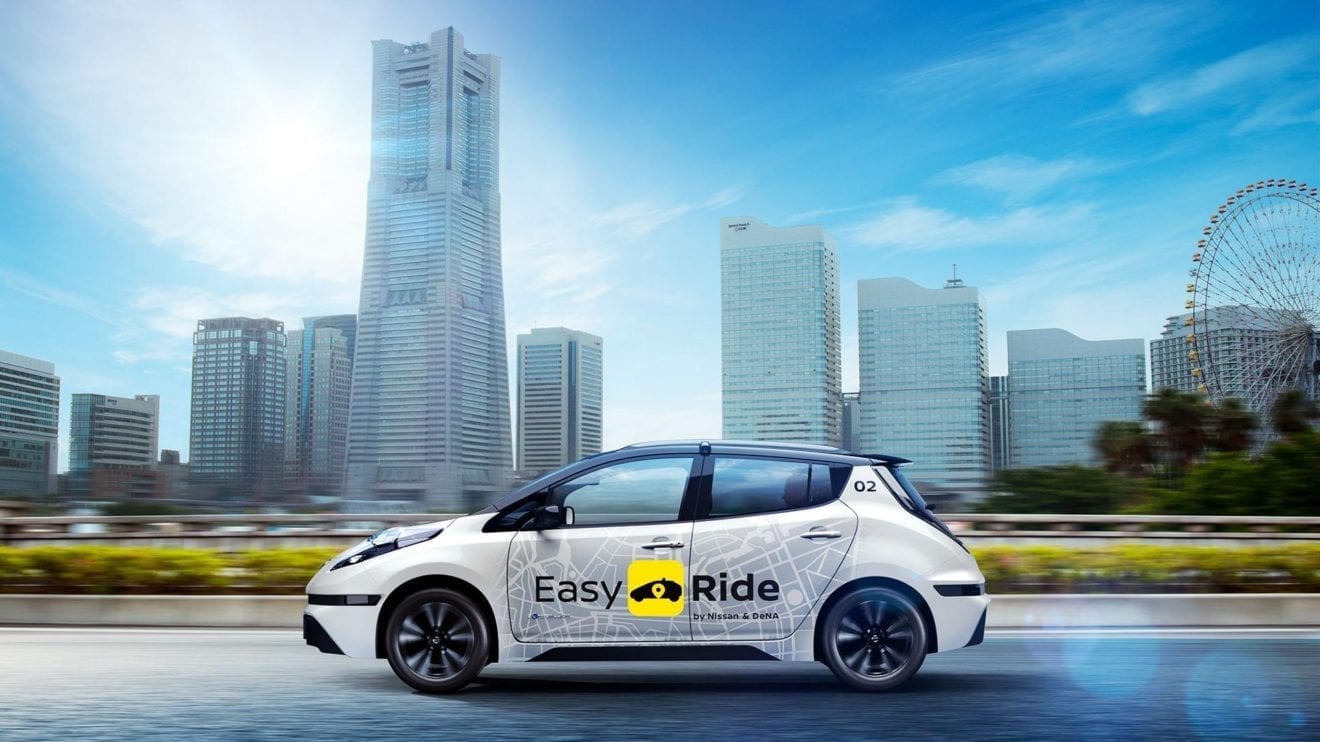
    Nissan is deepening collaboration with a Japanese mobile gaming and communications giant to develop self-driving taxis.

    Nissan wants the partnership to lift it ahead of its rivals in the nascent vehicle mobility services segment. But when it comes to realizing self-driving taxis that can pick up and drop off customers automatically on public roads without a glitch, the automaker acknowledges there is still a long way to go.

    Last month, Nissan Motor Co. and online tech company DeNA Co. field-tested Easy Ride robotaxis, involving some 300 participants.

    “This represents a big step toward enhancing self-driving cars and the mobility service operation system from the stage of just presenting a conceptual image,” Nissan CEO Hiroto Saikawa said during the launch. “This will help advance our business in offering a new mobility service for many customers in a variety of scenes.”

    The robotaxis are based on a modified Nissan Leaf electric vehicle. For their field testing, they traveled about two miles on a preset city route from Nissan’s headquarters in Yokohama to a nearby commercial facility.

    Collaborative effort

    Using a DeNA-designed smartphone app, users could hail a taxi by selecting a pickup time slot and specifying which of a list of preset destinations they wanted. A tablet computer installed inside the vehicle notified the passenger about recommended events in the area.

    Discount coupons for restaurants affiliated with Easy Ride were sent to the user’s smartphone.

    Such an online user experience could not have been possible without the help of DeNA, Nissan officials said.

    “Efficient and effective collaboration with partners who have expertise in their respective fields are the key to remaining competitive in the future,” Saikawa said. DeNA CEO Isao Moriyasu stressed that his company wants to bring innovation to the transportation system as a mobility service provider.

    The companies plan to introduce their robotaxi service commercially in the early 2020s. But they must resolve technical details before introducing a fully autonomous mobility service in a heavily congested urban environment.

    Easy Ride uses Seamless Autonomous Mobility, developed by Nissan from NASA technology, for its fleet operation system. That system allows vehicles to make decisions in unpredictable situations with the combined support of in-vehicle artificial intelligence and humans, according to Nissan. There will be a control center where people monitor Easy Ride fleets.

    Unexpected situations

    But technology challenges remain. Among them: perfecting the robotaxi’s ability to judge where it is most appropriate for loading and unloading passengers. Unexpected complications, such as road construction or a line of parked cars on the roadside, for example, wouldn’t faze a human driver. But altering behavior to accommodate unusual circumstances doesn’t come easily to an AI-powered, sensor-directed taxi without the aid of remote monitoring by humans at the control center.

    At a media test ride in mid-February, an Easy Ride vehicle unexpectedly stopped its self-driving mode just as it was about to get moving when a pedestrian walked in front of it. As a result, another test vehicle was brought in and the procedures had to be repeated.

    Nissan expected such glitches to occur during the field test, and is looking to incorporate the experiences into its development.

    Kazuhiro Doi, a global director of Nissan’s research division, admitted that the experiment was challenging, even in Yokohama’s waterfront area, with its wide streets and relatively light traffic.

    “Self-driving while trying to avoid so many parked cars is actually difficult,” Doi said of the research. “GPS signals are weak or cut off due to high-rise buildings. I thought it would be easy at first, but it has proven to be more challenging.”

  • Urban Indonesians consumed more non-animal sources of protein

    Urban Indonesians consumed more non-animal sources of protein

    It seems the widespread move away from meat is not only happening in Europe or the US, but also here in Asia Pacific. New research from global market intelligence agency Mintel reveals that as many as two in five (39%) urban Indonesians and one in three (34%) urban Thais consumed more non-animal sources of protein (eg plant, dairy, grains) in 2017, compared to the previous year.

    While still in early stages, this trend has also infiltrated meat-loving Australia. Indeed, 16% of urban Australians said they avoided or intended to avoid red meat in 2017, while one in five (19%) consumed more non-animal sources of protein. Of those who avoided or planned to avoid red meat, half (51%) said that they believe it was healthier if they did so.

    Michelle Teodoro, Global Food Science and Nutrition Analyst, at Mintel said:

    “Traditional agriculture is unable to meet the protein needs of the world. The current levels of demand for meat supplies globally, and the relative growth of meat production on this scale will have a significant, negative impact on the environment. At the same time, more and more consumers are moving away from meat and looking towards alternative sources of protein instead, offering some relief and creating new opportunities in the global consumer marketplace.”

    “Pressure on the natural environment is forcing consumers and companies to rethink what they take and make. Meanwhile, new technologies are redefining how we create and use food and drink. While developments that engineer rather than harvest food and drink staples, such as laboratory-grown meat, have grabbed headlines, the resulting products are still years away from mass commercial availability. This showcases the potential for more innovative, sustainable and alternative protein sources. The world is changing and food scientists have a big role to play in the future of food. Companies and brands should be looking across industries for inspiration and opportunities for collaboration with scientists and food engineers,” Teodoro added.

    Mintel research shows that one in four (24%) urban Indonesians planned to follow a plant-based/vegetarian diet in 2017, while 61% of urban Thais and over half (54%) of urban Australians planned to eat more vegetables/fruits. Furthermore, nutritious or health-related reasons (56%) are the top factor influencing urban Thai consumers when choosing food or drink products to buy.

    “With high animal protein intake associated with health concerns, any reduction in consumption will have positive health outcomes. Today’s consumers are also starting to include more vegetables and fruits in their diets, or adopting plant-based or vegetarian diets, given the numerous health benefits that come along with them. Along with a shift to plant and lab-based proteins, the world’s reliance on factory-farmed animals will also be reduced—contributing to animal welfare globally,” Teodoro continued.

    This is all reflected in Mintel Trend ‘Hungry Planet’ which discusses how consumer purchasing decisions are being influenced by issues surrounding sustainability and ethics, as well as Mintel Trend ‘Bannedwagon’ which details how consumers are focusing on ingredients and production methods, embracing once-niche ways of living and eating.

    Delon Wang, Trends Manager, Asia Pacific, at Mintel concluded:

    “Moving forward, we will see aspects of environmentalism penetrate various lifestyle goals. With the mantra ‘you are what you eat’ top of mind today, consumers are assessing their lifestyle, everyday purchases and surroundings. Additionally, the idea of inclusivity and accepting niche lifestyles of global consumers has popularised, to a certain extent. We are seeing more understanding about unique diets and living habits, creating new guidelines to live as the benefits are exhorted.”

  • No new buyer found yet for Aussie Farmers Direct

    No new buyer found yet for Aussie Farmers Direct

    The administrators of Aussie Farmers Direct have recommended that the company be wound up after failing to find a buyer for the business ahead of a second creditors meeting later this week.

    Owing $86.7 million, Stay in Bed Milk & Bread (traded as Aussie Farmers Direct) is expected to yield only $3.4 million in realisable value, leaving creditors $69.2 million out of pocket, KordaMentha administrators Craig Shepard and Leanne Chesser said.

    Recoverable assets include a database of around 100,000 customers, the sale of which is currently being finalised with interested parties.

    In the months leading up to SIBMB and sister business The General Store (TGS) falling into administration management had attempted to secure a buyer, but despite three parties expressing interest in February they were unable to secure a deal.

    Founders Jordan Muir and William Scott had even considered a public float in mid-2017 to secure additional capital for the loss-making business, which burned through $70 million in private investment over four years.

    The final death knell for the business came after the investors behind AFD’s holding company withdrew financial support in March following unsuccessful attempts to restructure the business into a profitable operation, leaving the company losing around $500,000 per week without a backer.

    In addition to the loss of investment, administrators added that the food, grocery and meal kit delivery business’ strategy was overly focused on sales growth driving unsustainable investment in expensive systems such as IT and logistics infrastructure.

    Administrators also agreed with the view of management that it was ultimately unable to compete with Coles and Woolworths.

    SIBMB had been booking losses for several years prior to its collapse, which worsened from a $10.9 million loss in FY15 to a $21.3 million loss in FY17.

    TGS was initially making a small profit, but by FY17 booked losses of $627,000.

    A second meeting of creditors will be held in Melbourne on Thursday 19 April, at which time the process of formally shutting down the remnants of the business is expected to progress.

  • Amazon now claims a third of all online sales in the UK

    Amazon now claims a third of all online sales in the UK

    Amazon accounted for £4 of every £100 spent in the UK last year and is now the fifth biggest retail business in the market, topping some of its highest profile department stores, GlobalData analysis has found.

    Increasing its retail revenue by an estimated 22.5 per cent in the UK last year, Amazon is outpacing wider online market growth of 8.4 per cent by a factor of 2.6 and now accounts for more than a third (33.5 per cent) of all spending online.

    As the fifth largest player in the market now it is only topped by Tesco, Sainsbury’s Asda and Morrisons.

    It is bigger than the likes of John Lewis, Marks & Spencer, Aldi, Alliance Boots and Dixons Carphone.

    “Amazon is soaring up the ranks of UK retail with the online behemoth only held off the top spot by the big four grocers in 2017,” GlobalData’s senior retail analyst Sofie Willmott said.

    Globaldata

    “Its dominance in the retail market considering it primarily sells non-essential items in comparison to the grocers who benefit from selling indispensable, everyday goods, and that it does not have any physical stores in the UK, is evidence of how Amazon has continually innovated and succeeded in meeting consumer needs, in terms of both product range and shopping experience.’’

    Amazon is this year celebrating its 20th year in the UK, one of its biggest markets outside of the US and the growing point from which it has embarked on its broader European expansion over the last decade.

  • Restaurant Brands’ profit spikes on further expansion

    Restaurant Brands’ profit spikes on further expansion

    Restaurant Brands has unveiled a 36 per cent increase in its full year profit to NZ$35.5 million on strength in its home market of New Zealand and expansion of its KFC network in Australia.

    Top line sales increased by 49 per cent to NZ$740 million in the 52 weeks to February 26, while combined earnings across the company’s portfolio were up 41.5 per cent to NZ$121.9 million.

    RBD owns a network of KFC stores in Australia and NZ, as well as Pizza Hut and Taco bell stores in Hawaii and Starbucks and Carl’s Jr. stores in NZ.

    KFC Australia, which now operates across 61 stores, booked a 50.9 per cent increase in sales on the acquisition of an additional 18 outlets, while earnings were up 42.1 per cent to NZ$20.2 million.

    Sales in NZ were up 6.3 per cent to NZ$446.8 million, driven by KFC New Zealand, which saw earnings increase by 7.4 per cent to NZ$66 million.

    RBD expects at least a 10 per cent increase in profits next year, revealing that it will look to further expand its KFC business in Australia and New Zealand while also possibly investing in KFC stores in Hawaii and the US.

    The business recently acquired a network of 82 Taco Bell and Pizza Hut stores in Hawaii, which contributed $68.3 million in sales for the year, buoying confidence for a possible expansion of the brands into New Zealand.

    “The full effects of two major acquisitions is evident in this year’s financial results with sales almost doubling over the last two years,” RBD said in an ASX release.

    “From a sound, established position in both the Australian and US (Hawaii) markets the company now has significant scope to expand further in both these geographies through acquisition, store refurbishments and organic growth.”

    Operating cash flows were up NZ$19.9 million for the year while net cash outflows spiked to $173.3 million, reflecting the impact of its Hawaii and Australian acquisitions.

    “The company is not anticipating any significant changes in the economic and competitive environment or unusual costs in the new financial year. With a consistent performance from the existing store network and the full year effect of additional stores acquires in Australia in the second half of the 2018 financial year,” RBD said.

  • Robots the future of customer service?

    Robots the future of customer service?

    When consumers walk through physical aisles of a supermarket or browse online catalogues these days, it is easy to overlook a vital and emerging trend – robots in retail.

    Robotics play a crucial role in cultivating a holistic retail experience for consumers in ways that have not been seen or thought of before. In warehouses, robots boost productivity and speed up the shipping of goods to stores and customers. Robots have also been drafted in stores, ready to serve customers with efficient inventory management. As the role of robotics in retail advances, we will see the same increase in speed and efficiency apply to the shopping experience as it has for industrial applications.

    Robots are making a timely appearance in the retail landscape as businesses today face pressure from multiple angles. Besides facing intense competition, they are also having to cater to a business environment that is being turned topsy-turvy as e-commerce grows.

    Consumer preference is also going through rapid transformation as shoppers become accustomed to e-commerce experiences that allow for cross-site comparisons, competitive prices and the convenience of shopping anytime, anywhere as they are connected via a computer or mobile device.

    The retail industry stands to gain as a whole with the entrance of robotics technology. Robots are being deployed, both in e-commerce businesses and brick-and-mortar establishments, to enhance efficiency and strengthen logistical and operational functions. Indirectly, this should translate to improved service levels and shopping experiences, and perhaps even lower costs.

    Workers in the retail industry too stand to benefit as robots can take on menial, mundane or dangerous tasks, freeing them up for knowledge-driven work.

    “Can.I.Help.You.Mdm?… Beep”

    Robots in retail can take on frontline, customer-facing roles too. As artificial intelligence capabilities grow, robots are emerging from beyond behind-the-scenes operations. Retailers have started to accommodate in-store robot assistants, able to direct traffic and perform important roles such as inventory management, freeing staff to handle more complex tasks.

    One such retailer is Walmart, which has installed robots into 50 of its stores across the US. These robots cruise along supermarket aisles checking shelves for items that need to be restocked, as well as merchandise that is misplaced or incorrectly priced. This vital information is then communicated to store staff who take necessary action. Equipped with cameras, these robots scan shelves three times faster than humans and are more accurate in picking irregularities. The engagement of robots is a pivotal component of Walmart’s plan to boost efficiency and accessibility of shoppers.

    Warehouses and delivery: hardwired for efficiency

    To satisfy today’s customer expectations of receiving goods faster, and with low or no delivery charges, retailers must develop an effective logistics system. Robots can help ease the pressure on retailers by improving logistical functions that are otherwise time-consuming. One example is how automation and robotics are used in smart warehouses to move large volumes of items through storage systems in a quick and reliable fashion, while still monitoring the exact location of each item at all times.

    Global retail stalwart Amazon built its success on automating its warehouse operations while maintaining its top-10 status in the ranks of the biggest employers. Fuelled by the support of the 55,000 robots employed last year, Amazon offered quicker deliveries at lower costs and led the retail industry in sales growth.

    Closer to home, robots have progressively proven themselves at Alibaba. The company recently introduced ‘Steel Soldiers’, a film about human and robots fighting shoulder-to-shoulder together. Its renowned smart warehouse is laden with sensor-charged robots who perform 70 per cent of tasks and can each carry up to 500kg of goods.

    Its competitor JD.com has also started using robots for the transportation of goods within 20km. Using robots has reduced JD’s unit delivery cost by 80 per cent and it’s fully automated sorting centre handles 9000 online shopping orders per hour – an operation previously performed by 180 human sorters.

    Alibaba and JD are testament to the idea that robotics can add value to shoppers by reducing delivery costs and speeding up logistical processes, even if they never meet them.