Author: Mei Ling Tan

  • PAL readies nonstop flights to New York, India

    PAL readies nonstop flights to New York, India

     Philippine Airlines (PAL) will mount nonstop flights to New York and India as well as boost its operations in Davao, Cebu, and Clark in Pampanga, as the flag carrier expects the arrival of 21 new planes by 2019.

    PAL, the country’s only 4-star airline, will have 15 new aircraft within the year, and another 6 planes in 2019, to mount more long-haul flights.

    “We are no longer just a Manila-centric airline,” PAL president and chief operating office Jaime Bautista said in a statement.

    New routes and increased flight frequencies will be introduced, as the flag carrier is set to receive 5 additional Next-Generation Bombardier Q400s and 6 new Airbus A321neos starting in May, along with 4 Airbus A350-900 trans-oceanic aircraft starting in June. 

    “Our new aircraft and our new hubs are a winning combination that will help expand our market reach both domestically and worldwide. This is imperative for a global airline, and we must sustain and build on our hard-won 4-star rating,” Bautista said.

    He added that introducing new routes to India is the airline’s response to the call of Tourism Secretary Wanda Teo for a direct link to the country – a potentially rich source of future tourists for the Philippines.

    PAL’s expansion in 2018 also includes the following new routes:

    • Manila to New York (John F. Kennedy Airport), nonstop flights beginning October 28
    • Manila to New Delhi and Mumbai (Bombay) in India, nonstop flights by last quarter of 2018
    • Manila to Sapporo (Chitose) in Japan’s northernmost island of Hokkaido, by last quarter of 2018
    • Davao to Siargao, 4 flights per week since March 25

    Bautista said PAL also plans to add more flights between Cebu and Siargao, Davao and Tagbilaran, Davao and Clark, Cebu and Bangkok, Cagayan de Oro and Clark, Cebu and Busuanga, Clark and Busuanga, as well as Cebu and Clark.

    The airline will also add frequencies from Manila going to Dumaguete, Cagayan de Oro, Iloilo, Cebu, Puerto Princesa, and Bacolod, starting in April or May. 

    100 planes by 2020

    PAL is also planning to launch international routes directly from the Davao International Airport to Bangkok or a point in Japan.

    The flag carrier flies to 16 domestic and 7 international destinations from Cebu, 14 domestic and one international from Clark, 6 domestic from Davao, as well as one international from Tagbilaran.

    “Comprehensive marketing and sales studies are ongoing for the introduction of new destinations in Europe and the US mainland, including Chicago and Seattle,” PAL said.

    Aircraft expected to join the PAL fleet in 2019 include two more Next-Generation Q400s, two A350s, and two more A321neos.

    “Our current fleet of 85 aircraft is already the largest in the Philippines,” Bautista said.

    “We are aiming for 100 aircraft by 2020, which places us in the category of a major carrier. But we are not merely adding more planes, we are constantly upgrading the cabins, seats, amenities, inflight entertainment, and technology,” he added.

    The airline’s fleet upgrade will continue until 2024, as it aims to become a 5-star airline. PAL is the country’s first and only 4-star airline, joining the ranks of 42 other carriers, like British Airways, Emirates, KLM, and Japan Airlines. 

  • Huawei completes 5G NSA core network test

    Huawei completes 5G NSA core network test

    Huawei said it has become the first vendor to pass China’s 5G Non-Standalone (NSA) core network test, which constitutes an important part of the country’s 5G R&D trials for operators that hope to deploy 5G commercial networks early and quickly.

    The test, which covers key core network technologies and service processes, was part of the third phase trial organized by the IMT-2020 Promotion Group and conducted at the Beijing lab of the China Academy of Information and Communications Technology (CAICT).

    The test is based on the commercial 5G core network solution released by Huawei at the Mobile World Congress 2018. Technologies tested include: gateway selection in control and user plane separation (CUPS) architecture, 5G ultra-high bandwidth, dual-connection to LTE and new radio (NR), independent billing for 5G NR, and terminal access management.

    The key service processes include: terminal registration, service requests, mobility management, and session management.

    China’s three major carriers – China Mobile, China Telecom and China Unicom – as well as the network technology workgroup of the CAICT were involved in the network test, Huawei said.

    As of year-end 2017, Huawei had built 15 pre-commercial 5G core sites around the globe.

  • UPS announces new innovations to Marketplace Shipping solution

    UPS announces new innovations to Marketplace Shipping solution

    Earlier this week, UPS heralded the most recent additions to its Marketplace Shipping offering, which it described as a technology solution that enables merchants to view, process, and ship orders from various e-commerce marketplaces and online stores through a single online interface.

    UPS introduced marketplace shipping four years ago to provide customers with a simple option for getting their sold orders into the hands of their buyers, a company spokeswoman told. UPS Marketplace Shipping has been live on UPS.com since January of 2014 but has not been formally publicized by the company until this week.

    “UPS recognized the growth trends in e-commerce third-party marketplaces for small business owners and wanted to provide an easy, low cost solution to help them manage and ship their online orders,” she said. “UPS has always been focused on helping our customer grow their business on both a domestic and global platform. This is why we launched UPS marketplace shipping in 11 countries.”

    The two new additions to UPS Marketplace, the 19th and 20th companies involved with the offering, are Houzz, a popular site for home remodeling, design and purchasing of related products, and Pricefalls Marketplace, an online retail marketplace offering a wide variety of goods, with Magento, an open source e-commerce platform, added late last year. UPS said it expects to continue adding additional marketplaces, which will further facilitate the ease of shipping and selling on multiple sites.

    Marketplace Shipping benefits online sellers by saving time in their order processing, reducing cost from eliminating the need to purchase third- party software programs and benefiting from what the UPS spokeswoman called a “vast array of service options,” including reliable time-guaranteed deliveries and enhanced visibility tools that come from using the UPS network.

    In terms of how Marketplace Shipping works, the spokeswoman explained that customers that have created online stores on any of the 20 platforms supported by Marketplace Shipping, simply register their online stores with UPS marketplace shipping to view, edit and ship their packages.

    “It as simple as 1,2,3…Connect, view and ship,” she said.

    Prior to the introduction of Marketplace Shipping, online sellers had to copy and paste address information from their online buyers shopping cart into UPS shipping systems.

    “UPS marketplace shipping was designed to automate this process by automatically pulling in the buyer’s shipping address and then uploading tracking numbers back to the shopping carts once the orders are shipped,” the spokeswoman said.

    Michele Cooper, senior manager of customer technology marketing, UPS  said in a statement that smart sellers know they have to be on multiple marketplaces to reach the most customers, but juggling transactions from an ever-increasing number of sales sites can get complex.

    “UPS Marketplace Shipping is designed to address that pain point,” she said. “UPS Marketplace Shipping is an innovative solution for businesses seeking a tool to offer customizable shipping services in the rapidly-growing world of e-commerce.”

  • True customers’ identity records exposed in data leak

    True customers’ identity records exposed in data leak

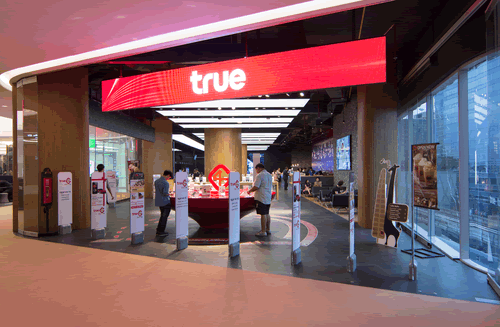
    Thailand’s True Corp has fixed a data leak involving the exposure of identity records on up to around 45,000 of its customers.

    Security researcher Niall Merrigan discovered personal data on customers of True Corp’s e-commerce subsidiary iTrueMart (now WeMall) stored in a public-facing Amazon S3 bucket in March.

    The 32GB data cache included 45,736 files, consisting mainly of JPG and PDF scans of identity documents including scanned ID cards, drivers licenses and possibly passports.

    In a blog post, Merrigan said he informed True Corp’s mobile unit True Move H about the breach on March 10, but the company took no action until he went to the media in early April. The files were finally made private on April 12.

    Merrigan indicated that True Corp seems to be misrepresenting the incident as a hack, but there was no security on the data bucket and anybody could have found and downloaded all the files.

    Telecoms regulator NBTC is investigating the incident, and may impose penalties on True Corp for exposing customer information. The stored identity records may have been collected as part of the Thai government’s mandatory SIM registration scheme, which has already been a target of identity thieves and has been opposed by privacy advocates.

  • AirAsia X won’t buy “too expensive” Airbus A350

    AirAsia X won’t buy “too expensive” Airbus A350

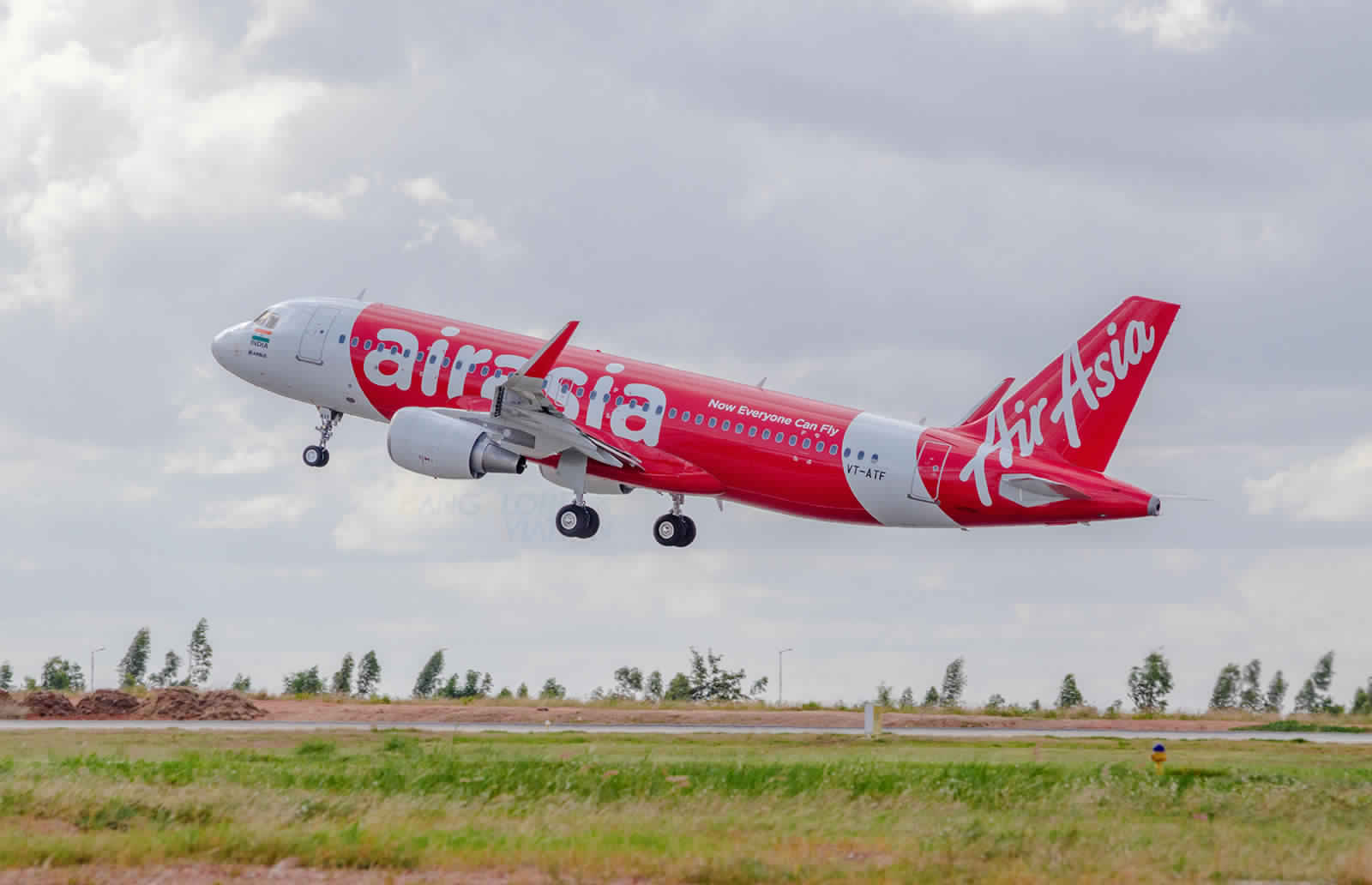
    AirAsia X group co-chief executive Tony Fernandes has thrown the carrier’s order for 10 Airbus A350-900s into doubt.

    Speaking in a Facebook video he says, “The A350 is not an aircraft we will buy. Too expensive. Fares would go up.”

    AirAsia X is understood to have been eyeing an order for additional A350s or Boeing 787s to complement its fleet of A330-300s, and 66 on-order A330-900s.

    Its 10 A350-900s on order are scheduled to start delivering in 2019, Flight Fleets Analyzer shows.

    In the same video, however, Fernandes also appeared to throw cold water on a return to flying to London, saying that there were “no plans” to resume services to the UK capital.

    His comments appear to contradict comments from carrier’s head of network and regulatory Venggatarao Niadu, who recently indicated that the carrier would look to expand its network to Europe and the United States “in about 2019”.

    AirAsia X previously flew from Kuala Lumpur to London and Paris using A340s, but those routes were dropped in 2012.

    Airbus indicates that an A350-900 costs around $317 million at list prices.

  • Asia fastens L’Oreal first-quarter sales

    Asia fastens L’Oreal first-quarter sales

    With dynamic markets in China and Hong Kong, Asia has driven L’Oreal first-quarter sales.

    Asia Pacific also shone among new markets for the French cosmetics company, where sales grew by 14.9 per cent overall.

    Chairman/CEO Jean-Paul Agon describes the return to strong growth in new markets, especially Asia Pacific, as the highlight of the first quarter.

    He says consumer aspirations for iconic brands remains just as strong in China, which again delivered an outstanding performance in the brand’s consumer products division.

    “Growth is being driven by northern Asia, thanks to the strong dynamism in China and Hong Kong where all the divisions are growing, with a strong performance by the major brands such as Lancome, Yves Saint Laurent and L’Oreal Paris, the number-one beauty brand in China.”

    In southern Asia, particularly India, the active cosmetics division’s skincare brands have been performing well.

    Asia Pacific posted growth of 21.1 per cent like-for-like and 10 per cent based on reported figures, with first-quarter sales reaching €1.8 billion.

    Again, the region drove acceleration for L’Oreal Luxe and active cosmetics with new markets seeing 14.9 per cent growth.

    Rapid increase

    E-commerce sales continue to increase rapidly, says L’Oreal, with 33.8 per cent growth to now account for 8.8 per cent of sales.

    Overall, the group’s sales grew 6.8 per cent like-for-like, or 7.4 per cent at constant exchange rates.

    Based on reported figures, sales reached €6.78 billion, down 1 per cent, excluding The Body Shop. The disposal of The Body Shop was completed in September. The group’s reported sales for the first quarter of last year included The Body Shop sales amounting to €197.2 million.

    For the first quarter, the consumer products division had growth of 2.6 per cent like-for-like but dropped 4.9 per cent based on reported figures. L’Oreal Paris has good momentum in China and India while maintaining strong growth in e-commerce.

    At the end of March, L’Oreal Luxe achieved growth of 14 per cent like-for-like and 4.4 per cent based on reported figures, driven strongly by Asia, especially China and Hong Kong, as well as by travel retail.

    The active cosmetics division began the year strongly with growth of 10.2 per cent like-for-like and 9.1 per cent based on reported figures. All zones contributed to growth, with “striking acceleration” in Asia.

    SkinCeuticals sales posted “outstanding” growth figures with sales doubling in Asia.

  • Vodafone New Zealand accused of misleading conduct

    Vodafone New Zealand accused of misleading conduct

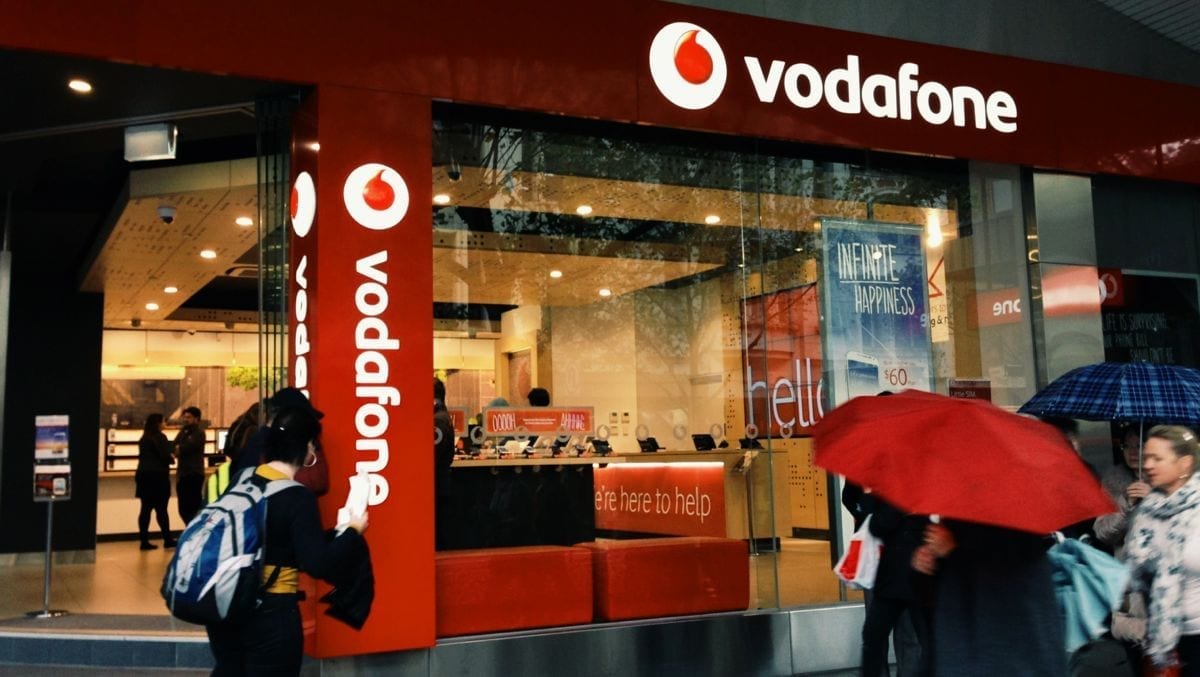
    New Zealand’s Commerce Commission has filed 27 charges against Vodafone New Zealand, accusing the operator of engaging in false and misleading conduct with its FibreX hybrid fibre coaxial (HFC) service.

    The charges filed in the Auckland District Court allege that Vodafone NZ has been misleading customers since October 2016 by using the name FibreX in advertising and marketing.

    The Commerce Commission alleges that by using the name FibreX Vodafone mislead customers into thinking that FibreX is a full fiber to the home service comparable to the services delivered over the state-subsidized Ultrafast Broadband (UFB) network.

    Vodafone NZ has announced it will defend the charges in court, and insisted it has been clear in its communications throughout the life of the service.

    New Zealand’s Advertising Standards Authority has already ruled that the company’s advertising of FibreX has not been misleading, and noted that customers are more interested in the speed their broadband service can provide than the technology behind it.

    “The single biggest pain point our customers are facing is fiber installation delays by local fibre companies, and FibreX offers an alternative for customers who want to avoid these delays while enjoying the benefits of ultra-fast broadband,” the company said in a statementhttps://news.vodafone.co.nz/article/vodafone-defend-fibrex-charges

    “For consumers wanting broadband services at the highest available speeds, FibreX represents an extremely competitive option. We are proud of being able to offer this over our own network and this is why we will stand up to the charges.”

  • Ikea Southeast Asia talks about copycats, culture and the new competition

    Ikea Southeast Asia talks about copycats, culture and the new competition

    Swedish furniture and homewares retailer Ikea faces some unique challenges – and opportunities – as it expands its footprint across Southeast Asia.

    Copycats in Vietnam; cultural differences between Asians and Europeans; competition from other Ikea franchises are all part of the puzzle for Ikea Southeast Asia (Ikano) as it makes its mark in Asia.

    Ikano is one of 10 Ikea franchises worldwide, but it is different in that it is owned by members of the retailer’s founding Kamprad family. But that family link does not mean it has any special perks.

    “We had to apply for the Philippines,” says Christian Rojkjaer, MD of Ikea Southeast Asia. “We also applied for Indonesia, but it was given to Jardine.”

    So Jardine, through its retail subsidiary Dairy Farm International, runs Ikea in Hong Kong, Indonesia and Taiwan. Ikano has the stores in Thailand Malaysia, Singapore and – coming soon – the Philippines.

    “I think is super healthy that the founding family still has some retail interest, hopefully to show the way and show how it should be done,” says Rojkjaer. “That being said, are we better than the other guys out there? We love to beat them, but they are very, very good as well.

    “We learn from each other, share our experiences … and we compete a bit to be the best, the most successful in terms of visitation and in lowest pricing reality – their study to have the best prices per category, the lowest prices. Ingrad Kamperft set this up in the 1980s in order to keep we retailers on our toes.”

    ‘Quite challenging’

    Asia is one of the few places in the world where Ikea is launching in developing markets, where incomes are lower than in more established regions like Europe, the US and Australia. Rojkjaer admits it has been “quite challenging”.

    “We want to be for the many in a country, but when we go into the Philippines, for a while it will be for a lot, but not for everybody. Then we will grow our presence and become more for the many, as we say. But, of course, not everybody in the Philippines can afford us today. But we will work on that and adapt our range and become better and better to become something for many more people.

    “That will certainly be the same in Vietnam, Myanmar, Laos, Cambodia. It is a challenge to be something for everybody. However, our range will fit a lot of people in all those countries from day one.”

    While integrating shopping malls with Ikea stores has proven successful in Europe, Ikano is the first franchise to try this in Asia-Pacific. Rojkjaer is sure it has not only been successful so far, but has actually been easier than developing malls in Europe.

    “In Asia we love the day out, we love the family time when the outing in itself is less practical. In Europe, you go out to buy something specific, whereas in Asia you go out to have a good time, have a cup of coffee, some food, and maybe you buy a little at the same time, but you go more often.”

    That is the philosophy behind the company’s newest, boldest mall development yet: the 1.1 million sqft Toppen centre being built in Tebrau, in the south Malaysian border city of Johor Bahru.

    Bigger and brighter

    After Mega Bangna in Bangkok and MyTown in Kuala Lumpur, Toppen promises to be bigger and brighter, with four floors of retail and an indoor/outdoor rooftop experience zone with cinemas, food and recreational space.

    “This destination … is not just about shopping, it’s about having a great time. We have air-conditioned walks, and maybe if you even just look the first four or five times you visit, on the sixth time you buy something. So we are not so hard on selling, selling, selling. We are much more focused on what it takes to have a great visit.

    “This means that maybe the tenant mix is a bit different from Europe: more food and beverage, more leisure and more education and tuition, that sort of stuff. If you visit Mega Bangna you’ll see we have come quite far on that offer. For instance, the children’s education is growing out of the shopping centre.”

    An extra building is under construction, connected to Mega Bangna purely to house education offerings such as music lessons, ceramics and art classes, language centres and the like.”

    Rojkjaer is targeting 6.5 million visitors to Toppen in its first full year of trading. Ikea Damansara in Kuala Lumpur achieves 6 million a year, ranking it among the 10 most-visited Ikea stores in the world. Little more than four months after opening in Johor Bahru, Ikea.

    Within reason

    Tebrau had surpassed 2.5 million shoppers, so given the store will have been trading about two years by the time Toppen is complete late next year, the target is well within reason.

    “We use Ikea to warm up the place, then we open up the centre,” one Ikea executive joked at a retailer event launching the leasing program in Johor Bahru last month.

    “Toppen is unique,” says Rojkjaer. “Nobody will ever, ever have an Ikea-anchored shopping centre in Johor Bahru, I can promise you. It’s not going to happen, because we are the owners of the Ikea brand.”

    And therein lies a key advantage for retailers considering taking space in the mall, Rojkjaer explained at the launch. “We are retailers just like you, which means we have more opportunities to understand you better than most, and we are doing our best to do so. And one way of doing that is that we are incredibly stubborn, not in terms of negotiations but in terms of making our destinations a success. They will be a success. They must be a success, because we don’t do that many of them.”

    Ikano plans to build only five or six – “seven at the absolute maximum” – Ikea-anchored shopping centres in Malaysia. Toppen will be the third and another is possible in Penang, in East Malaysia.

    Given the massive migration of shoppers from physical stores to online in most Asian markets, is building a mall on this scale a risk? Not at all, says Rojkjaer.

    “We are still human beings – a day out, a destination, is what shopping is all about. For years and year to come we will still go out to the cinema. For years and years to come, we will still go out to eat something together, because it is our human nature to do so. So this destination is much more than a shopping centre, it is a destination in itself.”

    And as a colleague commented during the launch event: “You can’t buy an ice cream after you’ve bought a sofa online.”

    Scouting exercise

    After establishing beacheads in Singapore, Malaysia and Thailand, the Philippines and Vietnam are the next markets on Ikea’s radar in Southeast Asia. Ikano already has the Philippines rights sewn up and will open its first store there next to Mall of Asia in Manila in 2020. Further stores will open in other parts of the country either attached to Ikano’s own centres or, where there are synergies, existing centres.

    Vietnam is at a much earlier stage of planning, with Ikea head-office executives heading to the country this month on a further scouting exercise before recommending locations and a timeline to head office in Sweden.

    “We are very cautious not to commit too much on time, but we are looking into the country,” says Rojkjaer. “How many Ikea stores can we have? Where should they be? Where could we create some great destinations for Ikea? And there must be a possibility for Ikea together with our shopping centre concept to go in there.

    “I think there is enough space for us without creating crazy competition with other mall players in the market. I think we could co-exist there. We don’t have to go in alone, solo, but it is more tempting to do so in Vietnam.”

    Singapore-based Rojkjaer says he “loves” Vietnam and is a frequent visitor with his family for holidays. His belief in the nation as a future market for Ikea has been fuelled by the Starbucks’ experience. “It seems like half of Ho Chi Minh City is drinking super-expensive coffee. The same with the gyms. They consume way more than their disposable income would suggest.

    “Our vision is to create a better everyday life for the many, and that’s why we have to argue the investment case to the Ikea family. They are saying, ‘But we are there for the many’.

    Copycats and potential customers

    While Ikea may not be there for the many upon launch there, to be there ‘for a lot’ we have to be there for some years.

    Many people will be potential Ikea customers, he believes. “We need to get in there and get going.”

    Ikea already sources products from Vietnam, its largest manufacturing source after China, with Thailand in third.

    Rojkjaer is aware of unauthorised vendors of Ikea products in Vietnam, but says they are not harming the brand for now.

    “I am actually not sure where they buy the products … not from us. Maybe they buy them from China. We have chosen not to pursue them, but when we start they will not exist any more. I mean, they can’t. We will set the pricing and we will beat them on pricing. We’ll be cheaper, more available, more accessible, much better than them.”

    As it expands across Asia, Ikea is working in markets with quite different levels of GDP and disposable incomes. So how does it create a pricing strategy to cover such diverse markets?

    “We price to market,” says Rojkjaer.

    “Of course, we know as any retailer that we must also be profitable, but we are okay to be priced to market with extremely low margins to get in. But loss-making companies middle and long term won’t work, so there is a limit to how long and how low we can go. But so far we have priced to market and been very successful.”

    Annual check

    With the giant Ikea store trading just across the bridge from Singapore, one might expect a lot of Singaporeans to take a trip across the border and avail themselves of cheaper prices for many goods. Rojkjaer says Ikea Tebrau is not trying to attract Singaporeans and he is unconcerned about any cannibalisation effect of the Singapore store. They have checked number plates in the carpark and found fewer than 5 per cent of shoppers are driving cars registered across the water.

    Prices do differ between the two cities, but not in the way one may think.

    “They are market based. Some will be more expensive, some will be cheaper. Some are based on higher import duties in Malaysia. Some are based on higher labour costs in Singapore. But most important of all, it’s bargain-basement prices. We must do this always. We must offer the lowest price we can.”

    Ikea Sweden executives travel to all franchised stores annually to check they have the lowest prices. And if Ikea Southeast Asia does not, “we have to show them an action plan of how to get there,” says Rojkjaer.

    “So, we have the cheapest table and we also have the more expensive, high-end products. We compete relatively high up as well. But we are probably not for the millionaires.”


  • Superdry Vietnam launching first Hanoi flagship store

    Superdry Vietnam launching first Hanoi flagship store

    Superdry Vietnam will open first flagship store on Saturday, at Hanoi’s Trang Tien Plaza.

    It will showcase the British fashion brand’s latest menswear, women’s and children’s casualwear, sportswear,  footwear, undergarments and accessories.

    For its Vietnam debut, Superdry will also introduce its latest perfume collection, Superdry SS18.

    On opening day, the first 100 customers will each be given a Superdry shirt.

    Superdry comes to Vietnam via Jaspal Group, which owns the Vietnam rights to such brands as CC Double, CPS Chaps, Lyn, Misty Mynx and Santas.

    Superdry has 515 locations in 46 countries.

  • Malaysia 4G service performance below global average

    Malaysia 4G service performance below global average

    The race for LTE dominance in Malaysia is still in its infancy as operators scramble to deliver consistent quality of service nationwide.

    Statista data points to smartphone penetration in Malaysia of 62.8% in 2017 with a forecast of 68.46% by 2022. Adoption is fueled by nationwide mobile connectivity with usage in areas such as mobile shopping, social media and general internet surfing according to market research firm GfK.

    “Shopping apps, especially, are also gaining popularity, paving the path for mobile payments. More consumers today are contributing to the growth of mobile commerce (m-commerce) in Malaysia, making payments through their mobile devices for retail items, airline tickets, and services such as Grab and Uber,” observed Stanley Kee, Managing Director for Southeast Asia, GfK.

    According to the EY report “Decoding the Malaysian digital DNA: from smart to savvy” 78% of surveyed Malaysians use of the technology has improved their communication with friends and family, albeit at the expense of sleep (25%).

    As more consumers turn to their smartphones to research new products or services (83%) or make purchases online rather than in person (38%), experience and speed will trump convenience as a metric for selecting the best service provider. That said, price remains an important factor in Malaysian buying psyche.

    With more operators defaulting to LTE or 4G as the solution to consumer’s appetite for connectivity, OpenSignal published a comparative study of the performance of the mobile operators in the country.

    Four years since Maxis launched the first LTE service in Klang Valley (January 2013), five operators now claim to offer 4G service although OpenSignal reported only two operators as having LTE availability scores higher than 75%. 4G services aren’t yet ubiquitous, but they’re getting there.

    “Yes held onto our 4G availability award with a score of 92.5%, but Unifi Mobile (the new brand name for Telekom Malaysia’s Webe) and Celcom demonstrated the biggest growth spurts in our availability results. Unifi’s 4G availability increased by 10 percentage points in six months, while Celcom’s score increased by more than 7 percentage points,” said Kevin Fitchard, Open Signal lead analyst.

    Maxis has extended its lead in 4G speed metric, averaging LTE downloads to 24.4Mbps. Celcom came in second with a 16.3Mbps LTE download average. But Malaysia’s other operators fell short of the global 4G average of 16.9Mbps. U Mobile and Unifi in particular are struggling to boost LTE speeds. Both scored below 10Mbps in OpenSignal test.

    Asked about the growing interest among operators for 5G service Fitchard took a pragmatic view saying: “Countries that are still building out their 4G networks and services like Malaysia will likely be occupied with that task for the next several years. But today 5G isn’t really an option for any operator globally, so everyone has to wait,” he concluded.

  • Unexpected revelation by H&M and Moschino

    Unexpected revelation by H&M and Moschino

    An Instagram call has revealed a designer collaboration by Swedish fast-fashion brand H&M and Moschino.

    Projected on digital screens at the Italian fashion brand’s annual party in Coachella, California, the Instagram conversation was between US model Gigi Hadid and her friend Jeremy Scott, creative director at Moschino.

    They discussed the release of the Moschino + H&M collection online and in selected H&M stores worldwide from 8 November.

    Hadid’s call and the news surprised guests at the event. The two friends were dressed in the first looks from the collection, designed by Scott for both women and men, as well as a full range of accessories and extra surprises.

    “It is the perfect collaboration for fashion right now, mixing together pop, street culture, logos and also glamour,” says H&M creative adviser Ann-Sofie Johansson. “Jeremy Scott is amazing – he knows how to have fun with fashion.”

    An innovative TV concept is being used for the collection’s campaign, enmeshing social and traditional media.

  • Siemens building global SD-WAN network

    Siemens building global SD-WAN network

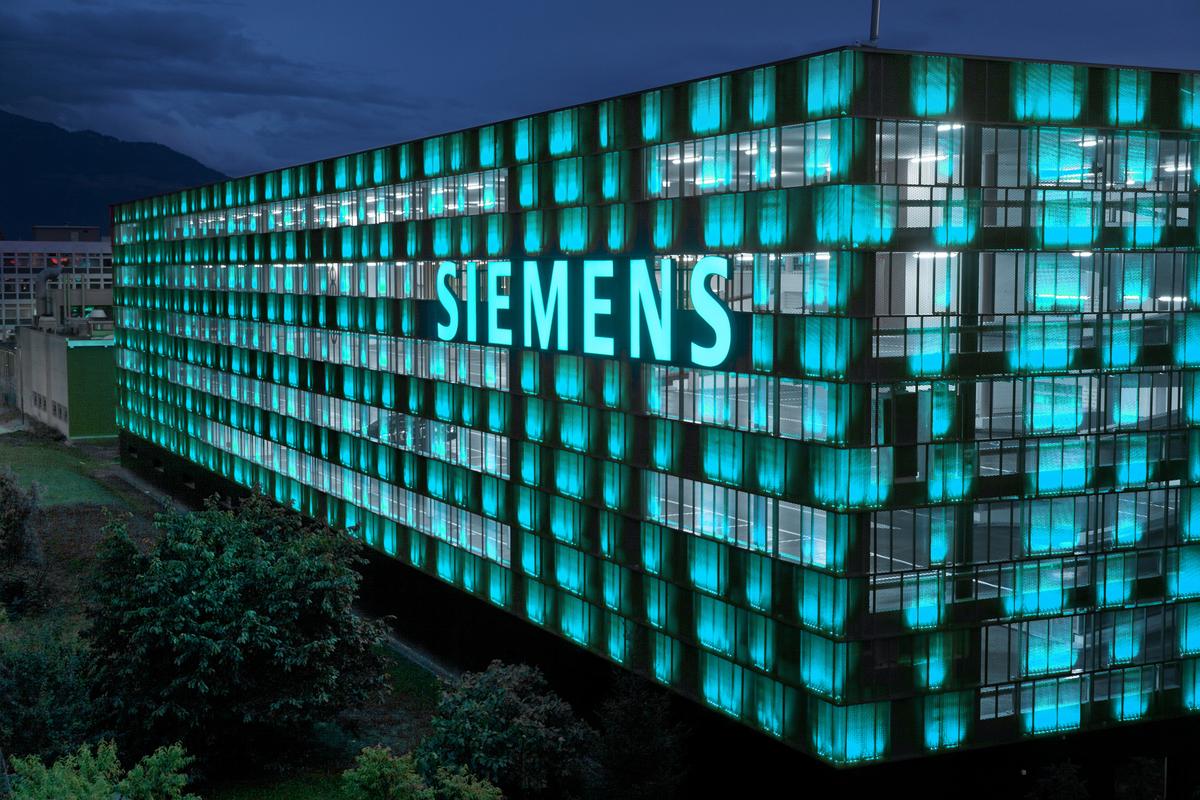
    Global electronics and electrical engineering company Siemens has engaged Orange Business Services to deploy a global “Siemens Digitalization Network” (SDN) built on an SD-WAN infrastructure, connecting 1,500 sites in 94 countries.

    The increased performance of its communications infrastructure will enable Siemens to take full advantage of further digitalization to improve its Industry 4.0 processes.

    Under this new six-year contract worth €240 million ($295.9 million), Orange Business Services will migrate Siemens’ entire global infrastructure to an SD-WAN network which will connect cloud applications as well as IoT devices.

    Consolidating network design and maintenance with one single provider will further reduce complexity and strengthen application performance and agility.

    “As a globally operating company with subsidiaries and divisions all over the world, we need a reliable and flexible communication network that is a critical business enabler and can evolve with our growing business,” Siemens head of IT infrastructure portfolio and strategy Frederik Janssen said.

    “We chose Orange Business Services because we see it as a prime partner with the ability to deliver seamless worldwide SD-WAN coverage with the highest degree of security standards – especially to protect against threats from the internet, quality of service, local support and an attractive price-performance ratio. We were also impressed by the flexibility and the service level Orange Business Services has been providing as a trusted partner to Siemens over the past several years.”

    Demands on the Siemens WAN have increased with virtual teams and teleworkers collaborating on global projects. Orange Business Services can meet Siemens’ needs by combining SD-WAN technology with cloud- and web-based services and solutions.

    With a single-point-of-contact service desk and local presence in 166 countries, Orange Business Services provides Siemens with managed network services in the 94 countries in which it operates. This builds on the long-standing cooperation and governance established throughout Siemens’ worldwide divisions and the headquarters in Munich.

  • Tmall Luxury Pavilion launches loyalty program

    Tmall Luxury Pavilion launches loyalty program

    The Tmall Luxury Pavilion has launched a New Retail-driven loyalty program allowing brands to create a personalised and seamless online-to-offline experience for customers.

    Launched in August, the Pavilion aims to deliver the same brand exclusivity and tailored shopping experience online for China’s high-end consumers they would expect at a brick-and-mortar store. Through the new Luxury Pavilion Club, customers will also have access to exclusive offers, celebrity events, flexible payment options, priority purchases and door-to-door returns.

    “This is the latest move from Alibaba to bring the online shopping experience to a new level with a premium touch,” Tmall fashion and luxury president Jessica Liu said at a launch ceremony in Shanghai.

    With nearly 50 brands, including Burberry, Givenchy, Hugo Boss, La Mer, Maserati, LVMH-owned Guerlain and Zenith, the Pavilion offers products ranging from apparel and beauty products to watches and luxury cars. According to Tmall’s latest figures, more than 100,000 shoppers on the Pavilion each spend more than RMB1 million (US$159,000) a year.

    All shoppers on the invitation-only Luxury Pavilion automatically become members of the new club. A premier option offers the most-exclusive offerings from the Pavilion as well as offline services, such as spa sessions at the Four Seasons in Shanghai courtesy of Guerlain or a personal shopping concierge.

    Nearly half of the luxury consumers on Alibaba’s e-commerce platforms were born after 1990 and account for more than 45 per cent of luxury purchases on the sites, says Tmall. A third of the shoppers on the Luxury Pavilion are in the same age group. Over the next three years, Tmall will focus on connecting luxury brands to this younger demographic and their rising buying power.

    “We want to better serve the 100 million consumers that form the ‘new middle class’ and help them move closer to the lifestyle of their dreams,” Tmall president Jet Jing said.

    One way Tmall plans to make those connections is through Alibaba’s digital-marketing capabilities. Its Uni Marketing platform uses analytics and insights from more than 500 million users to help brands find and engage with potential customers.

    Alibaba Group chief marketing officer Chris Tung said that 28 of the brands on the Pavilion had signed on to use the platform, through which they had reached an average of 6.5 million consumers. One brand reached 30 million users during one of its campaigns by using Uni Marketing.

  • KDDI sets up fund to boost 5G capabilities

    KDDI sets up fund to boost 5G capabilities

    Japan’s KDDI has teamed up with venture capital firm Global Brian to establish a new fund to support startups which can boost the operator’s capabilities in 5G and other technologies.

    The Japanese telco plans to invest 20 billion yen ($186 million) over the next five years via KDDI Open Innovation Fund 3 (KOIF3) in startups in areas such as AI, IoT and big data, which KDDI says will grow ever more crucial in the 5G era.

    The new fund will operate for 10 years and be managed by Global Brian, targeting startups “that hold promise for generating synergy with KDDI group companies in the coming 5G era,” KDDI says.

    The formation of the new fund, KDDI adds, is “in anticipation of the changes that will be brought about as 5G technology comes into widespread use”.

    KDDI and its group companies will use their networks, experience and knowledge to seek out promising venture firms in fields such as AI and IoT, the operator said, adding that there are already three programs being launched around AI, IoT and data marketing technologies.

    “The investment programs will also make it possible not just for KDDI but also for its group companies to proactively undertake joint development efforts with venture firms,” KDDI noted.

  • GM workers storm Korea CEO’s office after company holds back bonus

    GM workers storm Korea CEO’s office after company holds back bonus

    General Motors workers in South Korea forced their way into company executive offices, destroying and removing furniture, shortly after the automaker’s local unit told employees that there will be no bonuses due to a cash crisis.

    A video posted on YouTube showed about a dozen union members storming the CEO’s office in Incheon on Thursday, kicking and throwing chairs before removing a large desk.

    The union, whose representative could not be reached for comment, was protesting the company’s decision and urged the CEO to resign, according to GM Korea’s spokesman.

    Separately, the company confirmed in a statement what it called a “violent incident” at its executive offices that “resulted in significant damage to company property.”

    GM, which is seeking concessions from the union to revive its South Korean business after mounting losses, has proposed a $2.8 billion new investment plan and a $2.7 billion debt-for-equity swap to turn around the unit. After threatening to exit the country altogether earlier, the subsidiary last month said it intends to file for bankruptcy if the union fails to agree to a restructuring plan, putting pressure on employees and the government to help it stay afloat.

    The incident was reported to the police, the company said, adding that it will take legal action against the workers.

    Government reaction

    South Korea on Friday urged GM and the union to reach a wage deal swiftly, saying the government will be able to discuss support for the money-losing unit on condition of an agreement.

    The latest comments, made by the industry minister during a meeting with GM Korea’s CEO, came after the union’s protest over nixed bonuses.

    “Should the industrial conflict seen yesterday and today happen again, it will be difficult for (GM Korea) to gain public support and government support,” Paik Un-gyu, minister of trade, industry and energy, said in a statement.

    GM’s union accepted the company’s demand for a wage freeze and no bonuses for this year, but opposes a proposal to cut benefits as well as its plan to shut down the Gunsan plant.

    “We appreciate the ministry’s interest and encouragement,” a GM Korea spokesman said.