Author: Mei Ling Tan

  • Second flagship store for Lego Group China

    Second flagship store for Lego Group China

    Lego Group China has started building a flagship store at People’s Square, Shanghai.

    “Opening our second flagship store in China reconfirms our long-term commitment to the country,” says Lego China GM Jacob Kragh.

    Covering 585sqm over two floors inside Shanghai ShiMao Festival City, the store will feature the first Lego personalisation experience of its type in China, allowing guests of all ages to be creative and innovative with Lego bricks.

    Lego brand retail senior VP Claus Flyger Pejstrup says the aim is to give families an opportunity for quality time together above and beyond shopping.

    The new store, which follows the introduction of flagships at Shanghai Disneyland and Leicester Square in London is expected to create about 45 jobs. Recruitment start this month.

  • AirAsia opens Cebu-Shenzhen route on May 9

    AirAsia opens Cebu-Shenzhen route on May 9

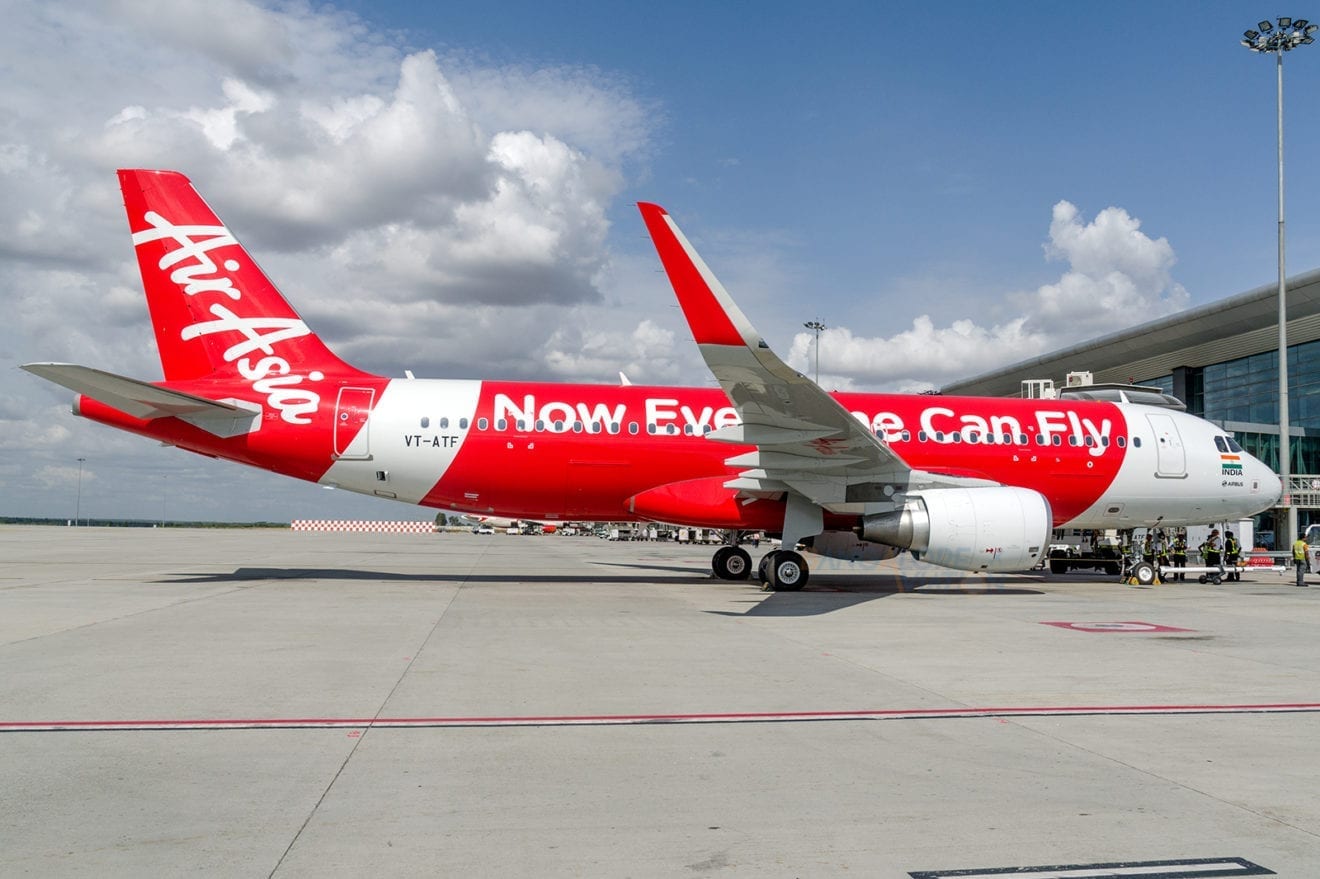
    Budget carrier Philippines AirAsia is enhancing its route with the introduction of a new one from Cebu to Shenzhen, China.

    Starting on May 9, AirAsia will fly daily directly between Cebu and Shenzhen, making that city its first Chinese destination out of the Queen City of the South.

    “The addition of our first China route from the Cebu hub enables us to further strengthen our network outside Metro Manila and open up new and exciting places to visit this summer,” Philippines AirAsia CEO Dexter Comendador said last Sunday.

    Shenzhen is located in the Pearl River Delta metropolitan area and is one of the major economic hubs of China.

    Known as “China’s Silicon Valley,” Shenzhen is home to some of the top start-up and tech businesses in the world, including the headquarters of popular global companies such as Huawei, BYD and ZTE.

    “Cebuano travelers would be delighted to experience Shenzhen’s modern metropolis and marvel at how the southern city that links Hong Kong to mainland China built the world’s largest electric bus fleet, massive malls, contemporary buildings and amusement parks,” Comendador said.

    AirAsia is strengthening its operations outside Metro Manila due to capacity constraints in the Ninoy Aquino International Airport.

    It has a fleet of 17 planes as of end-December. For 2018 it is expected to take delivery of five more jets, bringing its fleet to 22 planes by end-2018.

  • Singapore among top five destinations for IoT attacks

    Singapore among top five destinations for IoT attacks

    Singapore is in the top five destinations globally for IoT attacks, the latest installment of F5 Networks’ The Hunt for IoT series shows.

    The report, The Growth and Evolution of Thingbots Ensures Chaos, suggests the island nation has a sizable and vulnerable IoT deployment.

    The other destinations in the top five are United States, Spain, Italy, and Hungary. However, the top 5 destinations collectively only received 27% of China’s attacks; the other 73% were globally dispersed to countries that didn’t even account for more than 1% of the total attack volume.

    With 8.4 billion devices currently in use, and over 30 billion devices projected to be deployed by 2020, unprotected devices are a goldmine for hackers, as they find new ways to exploit numerous protocols beyond telnet (an underlying TCP/IP protocol for accessing remote computers) to ensure they capture as many vulnerable IoT devices as possible.

    Thingbots are botnets compromising of infected IoT devices which are typically unmanaged, providing a low likelihood of being discovered by their owner and remediated.

    Thingbots are capable of globally destructive attacks, and the worrying fact is that the security industry has only started discovering them with increasing frequency. Massive, well known thingbots such as Mirai and Persirai have been wreaking havoc around the world, and show no signs of slowing down.

    A new variant of the notorious Mirai malware is exploiting kit with ARC processors. Dubbed the Okiru, is the first capable of infecting devices powered by ARC CPUs which is responsible for running a variety of internet-connected products including cars, mobiles, TVs, cameras and more.

    In fact, despite broad awareness of their existence and threat, it is reported that Persirai infected IP cameras still exist all across Asia with the heaviest concentrations in Thailand, China, South Korea, Japan, Taiwan and Malaysia. There is even a website that collects the streaming footage from over 73,000 hacked IP cameras worldwide. These live feeds range from parking lots and store surveillance to the bedrooms of unknown individuals.

    While China, the US and Russia are clearly the top three attacking countries, the report suggests that because vulnerable IoT devices are deployed globally without bias, there is no standout IoT attack destination.

  • Global telcos form cybersecurity alliance

    Global telcos form cybersecurity alliance

    Singapore’s Singtel and Japan’s SoftBank have teamed up with UAE-based Etisalat and Spain’s Telefonica to create the first global telco security alliance.

    The new partnership is aimed at providing enterprises with access to a comprehensive portfolio of cyber security services.

    The alliance has a combined 1.2 billion customers with a presence in over 60 countries across APAC, Europe, the Middle East and the Americas, operate 22 security operations centers (SOCs) and employ more than 6,000 security experts.

    Under the agreement, the four operators will share network intelligence on cyber threats and support each other’s customers in allowing them to rapidly respond to cyber threats.

    The operators also plan to develop a joint technology roadmap for creating advanced cyber security applications for the IoT, and consider joint investments in new SOCs, cyber security platforms and startups.

    “We need swift and coordinated global responses to defend enterprises that operate across transnational borders as cyber threats are increasing in frequency, scale and sophistication,” Singtel CEO of global cybersecurity Art Wong said.

    “Singtel and its US-based subsidiary Trustwave are both well-established security leaders across the Asia Pacific, Europe and the Americas. The group’s resources, combined with those of its alliance partners, will provide a robust cyber security platform to protect our global customers, allowing them to thrive in the digital economy.”

    SoftBank head of cloud and cyber security Andrew Schwabecher added that “hackers have well-established and organized communities where they cooperate to produce cyber threats – it’s time that the world’s largest network of operators formed a global alliance to strengthen our defense against these attacks.”

  • DHL expands e-commerce fulfilment internationally

    DHL expands e-commerce fulfilment internationally

    DHL Parcel and DHL eCommerce are now offering online retailers a global solution for their e-commerce fulfilment needs with a global fulfilment platform and new fulfilment centers in the UK, Americas and South-east Asia.

    Today’s e-commerce market is placing aggressive demands on the retailer to provide fast fulfilment and delivery, and doing so without increasing costs. This is simply not possible for most merchants because they lack capital or the ability to manage the complexity.

    DHL has built a new IT platform that provides access to a network of fulfilment centres and is closely integrated with DHL’s shipping capabilities to allow our customers to meet their fulfilment and shipping requirements in a much more efficient fashion.

    DHL is investing in this platform as well as in expanding its fulfilment centres in key international markets, enabling retailers to reach their consumers worldwide.

    “Without seamless and reliable logistics processes, the current e-commerce boom would be inconceivable. The physical storage of ordered goods, their picking and packaging, the global shipping and delivery to the end-user’s front door or desired address – we now offer all of this in even more markets and from one single source,” says Jürgen Gerdes, CEO of the Post – eCommerce – Parcel division at Deutsche Post DHL Group.

    “By further internationalizing our fulfilment portfolio we will be able to do even more to help online retailers tap into new regions and benefit from the global e-commerce boom.”

    With existing fulfilment centres in the U.S., Mexico, Colombia, Hong Kong, India, Australia, Germany, and now in the United Kingdom and South-east Asia, DHL already covers major e-commerce markets with its own presence and will expand these further in the future.

    Situated near London on an area of about 6,500 square meters, the latest addition to the fulfilment network in the UK town of Radlett, offers great potential for same-day processing for the Greater London area due to the centre’s good transport links.

    Apart from the centre in Radlett, DHL is already working on the expansion of its fulfilment centres across other European markets, like the Netherlands, Poland or Switzerland.

    The new IT platform allows DHL to provide online retailers with access to all of these e-commerce regions from a single source. This ensures simple and secure data synchronization as well as an easy connection to new business locations or regions since a reintegration is no longer required.

    “Online retailers don’t have to look for new logistics partners any more if they want to expand their international reach,” Gerdes says.

    By directly integrating the new DHL solution into the webshop of the relevant retailer, the business can access different reporting options in real time and view current order data, for example, or the stock of individual products.

    More and more retailers and companies recognize the increasing importance of smooth fulfilment processes because traditional approaches that are aligned with individual sales channels have long since failed to satisfy the purchasing habits and expectations of modern consumers.

  • Nok Air touches down at Mae Hong Son

    Nok Air touches down at Mae Hong Son

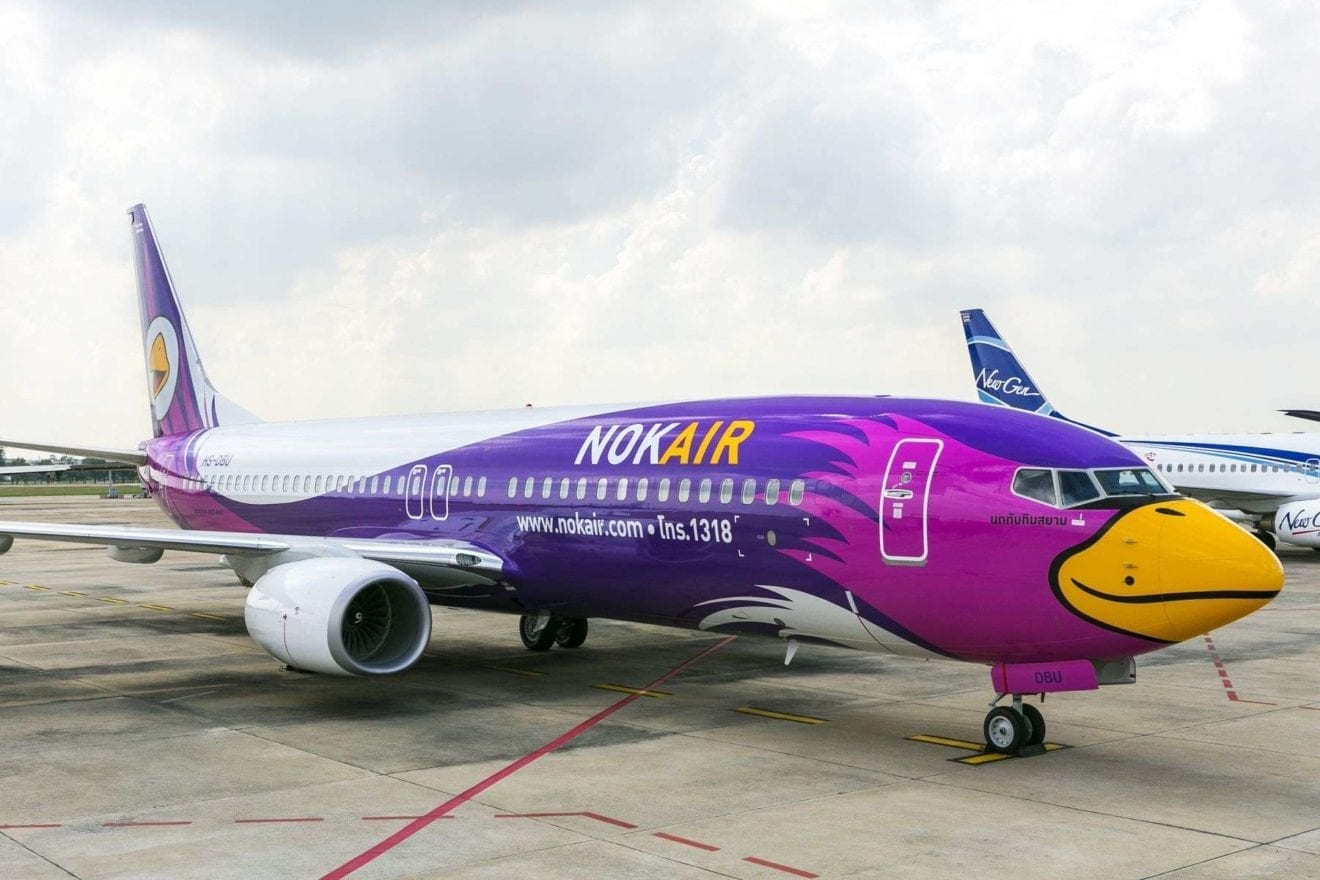
    Nok Air landed smoothly at Mae Hong Son Airport in a maiden flight that re-established the long-awaited direct air link between Bangkok and the northwestern city.

    The arrival of flight DD8214, operated by a 72-seat ATR72-500 turboprop, marks a new era for easy connection between the Thai capital and “the city of three mists.”

    Officiating the launch was Transport Minister Arkom Termpitthayapaisith, Mae Hong Son Governor Suebsak Aiamwijan, Nok Air CEO Mr. Piya Yodmani, Thai Airways International (THAI) Acting President Usanee Sangsingkeo and THAI Smile Acting Managing Director Chatchai Panyoo.

    The city was without direct service from Bangkok for decades mainly because of limited demand for both leisure and business travel.

    But with Nok Air’s newly-introduced services, at three flights a week, Mae Hong Son’s economy, particularly its high-potential tourism industry, will be given an impetus.

    The launch quickly responds to the Government’s recent directive to enhance access to the province whose economic and social development has been in greater focus, said Mr. Piya.

    The introduction was also made possible by cooperation extended by THAI and subsidiary THAI Smile which became code-share partners for the flight under the umbrella of THAI Group which the three carriers belong, he added.

    Subject to robust demand, Nok Air may step up the Bangkok-Mae Hong Son frequencies, now on Wednesday, Friday, and Sunday, on a daily basis, according to Mr. Piya.

    The ATR72-500 turboprop was chosen for the flights because it can operate on the shorter runway at Mae Hong Son airport.

    Mae Hong Son Governor Suebsak welcomed Nok Air’s decision to offer regular Bangkok-Mae Hong Son service for it would spur the province’s development, especially the tourism sector.

    “It would help spreading out tourism to the wider area of Mae Hong Son, rather just the current hotspot at Pai,” he noted.

    Last year, Mae Hong Son attracted 862,219 tourists with total spending of THB 4.17 billion.

    Nok Air CEO, Mr. Piya estimated Nok Air could bring in at least 20,000 tourists directly by air to the province this year.

    Access to Mae Hong Son by ground transport is a challenge, a mountain road that boasts 1,864 hairpin bends end-to-end.

    Nok Air will cover the distance from the Thai capital and Mae Hong Son in one hour and 50 minutes.

  • Nanda sells shares to L’Oreal

    Nanda sells shares to L’Oreal

    Korean fashion and cosmetics company Nanda has chosen L’Oreal as the preferred bidder for a 70 per cent stake, with the balance of shares staying in the hands of Nanda founder Kim So-hee.

    The French cosmetics giant is reportedly paying KRW400 billion (US$375 million) for the deal with the hopes of strengthening its presence in the Asian cosmetics market, especially China.

    Nanda late last year decided to sell the stake so it could expand further internationally.

    Founded in 2005 as an online retailer, Nanda now has physical stores in Korea, Hong Kong, Indonesia, Thailand and Tokyo with its clothing line StyleNanda and cosmetics line 3CE.

  • Priceza Indonesia data shows Ramadan boom

    Priceza Indonesia data shows Ramadan boom

    Ramadan month is the most popular time for online shopping in Indonesia, data from shopping search engine and price comparison platform Priceza Indonesia shows.

    Click rates increased by 26 per cent compared to the previous month, its figures show, while transaction values rose by as much as 16 per cent.

    Priceza Indonesia says this is in line with conventional shopping, where the turnover of traditional traders can double and even triple in some cases as Lebaran (Eid Al Fitr) approaches.

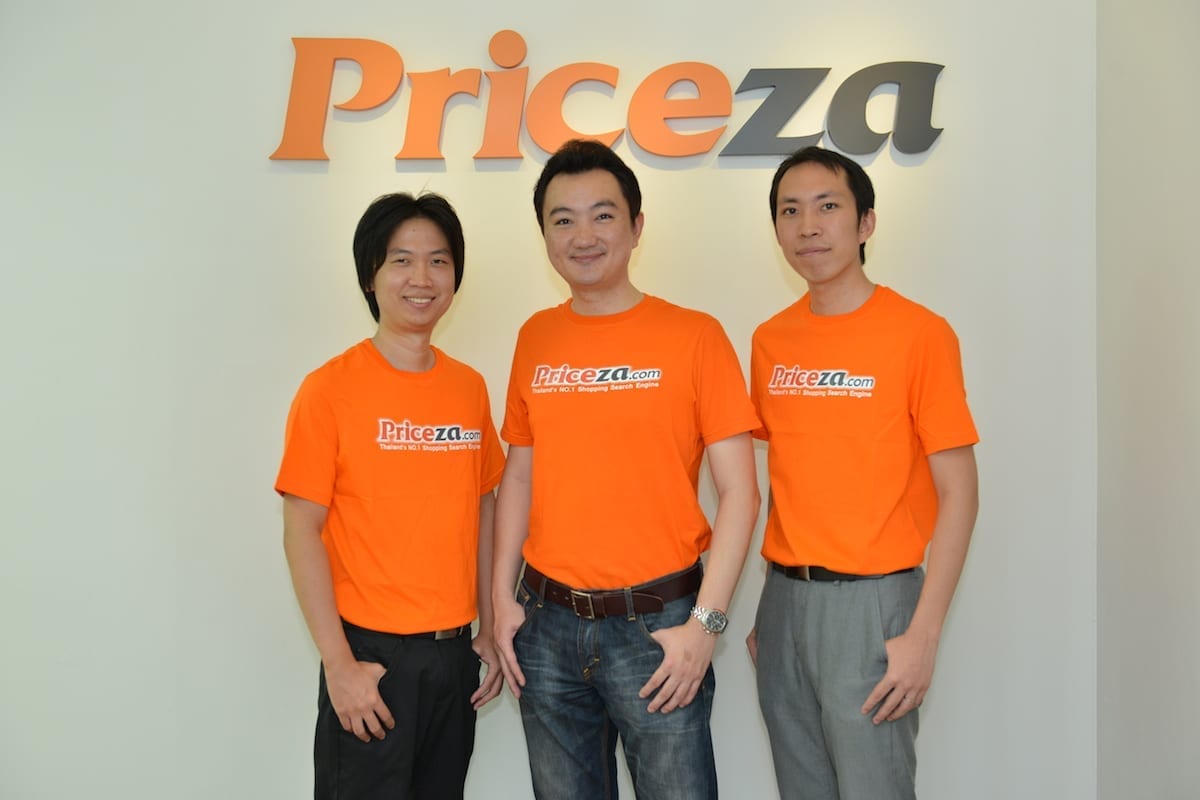
    During the Ramadan period to its peak on Lebaran day there was a “significant transaction boom”, says Priceza Indonesia co-founder/country head Bayu Irawan.

    “This means the traditional month of Ramadan is still going to be effective for e-commerce promotional programs.”

    Indonesian consumers tend to spend their time shopping online during the holiday, says Priceza Indonesia. Its data shows the top three categories during the month are fashion, electronics and smartphones.

    Priceza was established in Thailand in 2010, with the Indonesian offshoot starting in 2013 with nearly 4.5 million users a month. The platform is also active in Malaysia, Singapore, Philippines and Vietnam.

  • Nok Air to cut and reschedule flights to solve flight delay

    Nok Air to cut and reschedule flights to solve flight delay

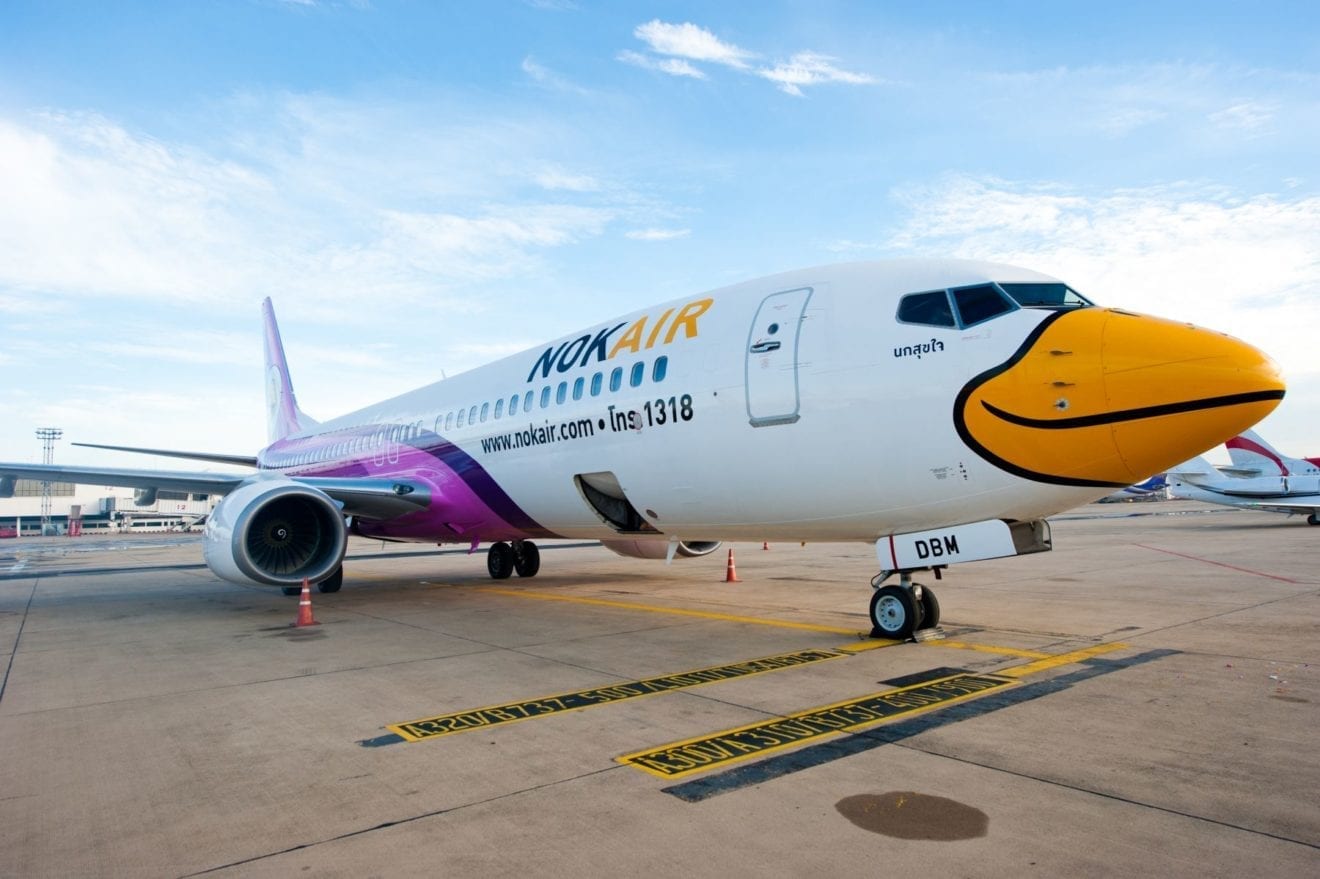
    Nok Air airliner has decided to reduce the number of its flights to avoid the problem of flight delay and, at the same time, has put on standby two planes to be brought in from U-tapao airport in case there is a problem of plane malfunctioning, said Nok Air CEO Piya Yodmanee.

    Noting that turbulent weather is another reason for several flight delays, he made clear that Nok Air would not allow its planes to leave the airport in case of turbulent weather for safety sake.

    Due to smoke problem from forest fires which usually takes place in the morning for flights in northern provinces, he said the airline would reschedule the morning flights for the routes to Tak, Lampang, Mae Hong Son and Loei to the afternoon.

    However, during the Songkran festival, two more flights for the four routes will be added each day to cater to the increasing demand of travelers, said Mr Piya.

    Starting May until September, Nok Air will reschedule the timetable of some flights during the dry season and to cut down five flights a day during the period.

    Nok Air management on Friday (March 30) met with senior officials of the Civil Aviation Authority of Thailand led by Mr Chula Sukmanop at the CAAT head office to discuss Nok Air’s frequent flight delays which have attracted a lot of criticisms from domestic travelers.

    Mr Chula said flight delays were caused by a number of factors, including turbulent weather and congested air traffic.  He said Nok Air agreed to train a group of its staff who will deal with passengers in case of flight delays and to put on standby two planes which will be put into service in case of emergency.

  • Vision Direct to open it’s first flagship store

    Vision Direct to open it’s first flagship store

    Vision Direct is pulling a Warby Parker. The local online glasses business on Thursday announced plans to open its first bricks-and-mortar store in Melbourne on 1 May.

    The 90-square-metre space on Bourke Street will be a one-stop-shop, offering access to designer eyewear at online prices, eye testing and examinations, as well as a showroom featuring visual and interactive displays.

    “The Vision Direct Optical Centre is a first of its kind for physical brand experience,” Vision Direct CEO and co-founder David Menning said.

    “The world-first centre will not only offer visual and interactive displays to deliver a more holistic, seamless and stress-free shopping experience, but also offer the best professional optometry advice, latest products, style trends and innovation,” he added.

    To launch the flagship store, the online retailer partnered with Melbourne-based Chester Eyeware, a family-run business known for offering free eye tests and luxury, quality frames.

    “Chester Eyewear share key values with Vision Direct when it comes to community support and expanding into online and offline channels, this was a perfect match,” Menning said, referring to Vision Direct’s buy-one-give-one initiative, which gives a pair of glasses to someone in need for every pair purchased.

    The world’s largest range of designer glasses online

    Vision Direct’s offline move comes 10 years after Menning and co-founders Doron Kalinko and Tony Zhuang started the business as an online-only retail outlet in 2008.

    By sourcing products from factories in Italy and having in-house optometrists create new prescription lenses to order, they were able to offer low prices on designer glasses brands.

    And by making delivery and returns quick, easy and transparent, they were able to convince customers to buy glasses online without trying them on first.

    Over the years, Vision Direct has continued to go from strength to strength, offering extras like a free 24-month warranty against manufacturers’ defects on sunglasses and glasses and a free three-month warranty on all contact lenses, as well as 3D virtual try-on tools to make it even easier for customers to pick out the right pair of frames online.

    Today, the site claims to have the largest range of designer eyeware online in the world, with more than 80,000 products on offer.

  • Mulberry looks into Australia

    Mulberry looks into Australia

    Luxury leather goods retailer Mulberry has flagged Australia as one of its next international targets and has inked a deal with Luxury Retail Group to help it oversee its local expansion.

    Three stores have already been leased, including a 244-metre squared corner site in Melbourne’s renowned Emporium centre, which will open in July and serve as a design concept.

    It will be the second run at the Australian market for the British business, which bought back its distribution rights from a previous partner last year and has been trading out of a single store on Sydney’s Pitt Street since 2010.

    Under its exclusive distribution deal with LRG that store will be closed, and new stores will be opened in Melbourne’s Chadstone shopping centre and Sydney’s Queen Victoria Building.

    “We are incredibly excited by this new partnership,” said LRG managing director, Nelson Mair. “And

    look forward to achieving strong growth results and new customer reach within the market.”

    Mair had previously signaled that LRG was looking for a new luxe brand to work with Down Under after selling back local distribution rights to Furla and Follie Follie Group in Australia last year, the business is also distributing Kering Group’s Balenciaga brand in Australia and owns online footwear retailer Sneakerboy.

    Mulberry, headquartered and publicly listed in the UK, already sells its range of menswear, womenswear, accessories and footwear in 24 other markets around the world, including China, South Korea, The United States and Japan.

    “I am pleased to announce our partnership with LRG in Australia. We look forward to seeing significant growth and opportunity for Mulberry in this market,” Mulberry chief executive Thierry Andretta said of the expansion in a statement.

    Mulberry’s long-term strategy is to define itself as a global luxe brand, but the company has fallen under a cloud in recent years, suffering an 80 per cent decline in profits since 2012 amid disruption within the global retail market.

    Andretta, who was appointed in 2015, has been working to improve the fortunes of the business by moving to a direct to customer model and last year oversaw the company’s first revenue increase in several years, increasing sales by 7.7 per cent to £168.1 million (AUD$308m).

    LRG said that additional store leases are already being considered for the brand in Australia, with the initial slate of stores to serve as an indication of how local customers respond to the business.

  • Levi Strauss Asia growth slows down

    Levi Strauss Asia growth slows down

    Levi Strauss Asia growth last quarter was solid – but well behind the US and Europe rates.

    Higher profit in all three regions reflects improved margins.

    Levi Strauss Asia sales were up 9 per cent compared to a 46 per cent rise in Europe and 14 per cent in the Americas. But operating income in Asia rose 13 per cent, while in Europe it surged 79 per cent and in the Americas by 23 per cent.

    “The momentum and growth trends we saw in the back half of last year not only continued but accelerated in the first quarter,” says president/CEO Chip Bergh. “Our results clearly show our strategies are working and that the incremental investments we are making in marketing, direct-to-consumer expansion and our more diversified portfolio are paying off.”

    Excluding favourable currency effects of US$10 million, net revenues in Asia grew 5 per cent, reflecting direct-to-consumer expansion and performance.

    Net revenues overall grew 22 per cent on a reported basis and 16 per cent excluding $55 million in favourable currency translation effects, driven by broad-based brand growth in all regions and channels.

    Direct-to-consumer revenues grew 24 per cent on the improved performance and an expansion of the company’s retail network, as well as e-commerce growth. The company had 56 more self-run stores at the end of the first quarter than 12 months earlier.

    Net income fell $79 million because of a $136 million provisional non-cash tax charge. Excluding this, adjusted net income was $117 million, nearly double last year’s $60 million.

    Gross margin for the first quarter was 54.9 per cent of revenues, compared with 51.2 per cent in the same quarter last year, reflecting the margin benefit from revenue growth in the direct-to-consumer channel and international business, lower product-sourcing costs and favourable currency exchange rates.

    Operating income of $174 million was up 61 per cent for the first quarter while operating margin increased to 13 per cent.

  • TrueMoney Vietnam wins payment services license

    TrueMoney Vietnam wins payment services license

    TrueMoney Vietnam has obtained an Intermediary Payment Services License from the State Bank of Vietnam to operate digital financial services in the market.

    The company, part of Thailand-based True Corporation’s payment services subsidiary Ascend Money, has secured approval to operate e-money, e-payment, wireless transfers, and payment gateway services.

    With the approval, Vietnam will be the second country in the region to launch TrueMoney Wallet after Thailand.

    Consumers in Vietnam are expected to be able to use TrueMoney Wallet to make online purchases, pay bills and top up their pre-paid mobile and gaming cards, as well as to transfer money from their bank accounts to the digital wallet and from their wallet to other wallets.

    Offline and online merchants will be able to use TrueMoney’s system as a payment gateway and companies will soon be able to disburse payroll to their employees via TrueMoney Wallet.

    TrueMoney has a network of over 5,000 agents across 40 provinces in Vietnam. Agents are small business owners who conduct financial services for customers, enabling the Vietnamese population to access services such as top-up and bill payment near their location.

    TrueMoney Vietnam aims to soon offer additional financial services such as loans and insurance in the second quarter of 2018.

    “Winning the license to operate digital financial services cements our presence in Vietnam, an important market for Ascend in our expansion throughout Southeast Asia,” Ascend Money president Tanyapong Thamavaranukupt said.

    “This means TrueMoney is now able to deploy a broad range of safe, affordable and convenient digital money solutions to Vietnam’s population of 90 million. In particular we hope to provide equal access to financial services for the unbanked.”

    Vietnam has one of the lowest banking penetration rates in the region, with only one third of the population having an account with a formal financial provider, compared to the regional average of 69%.

    “While Vietnam has the potential to surpass China in GDP growth by 2020, the country urgently needs to connect its people and businesses to financial services, to reap the benefits of inclusive growth. As Southeast Asia’s fastest growing mobile commerce market, as well as one of its largest unbanked populations, Vietnam poses a key opportunity for TrueMoney to innovate and scale,” Tanyapong continued.

    TrueMoney has e-money licenses to operate financial services in Thailand, Myanmar, Indonesia, Cambodia, Philippines, and Vietnam.

    Vietnam, along with the Philippines, Indonesia, and Myanmar, has been identified by the World Bank as among the top 25 countries to focus strategic efforts on financial inclusion. According to the World Bank, in 2014 Vietnam had the lowest credit card usage in Southeast Asiaand only 50% of the debit cards in circulation were in use.

    The Asian Development Bank estimates that bringing digital financial services to Southeast Asia’s unbanked population can boost the GDP of economies by as much as 6%.

  • Philippines smartphone shipments fall for first time

    Philippines smartphone shipments fall for first time

    Smartphone shipments in the Philippines have declined 7% to approximately 15 million units in 2017, according to IDC.

    The research firm’s latest Asia/Pacific Quarterly Mobile Phone Tracker and Asia/Pacific Quarterly Personal Computing Device Tracker also revealed that tablet shipments fell 30% year-over-year (YoY) to just 1 million units.

    Smartphone shipments recorded the first decline since its introduction into the local market as intense competition from top brands – such as Samsung, OPPO, and vivo – resulted in some vendors being ousted from the market.

    Tablets continued to decline as their significance in the market waned due to the lack of practical use cases and cannibalization by smartphones with larger screen sizes.

    According to IDC, Philippine users are shifting to handsets with higher specs and better features, going against the traditional observation of device users in the Philippines being among the more price-sensitive in Asia-Pacific.

    Jensen Ooi, Senior Market Analyst, Client Devices, IDC ASEAN noted that while end users will continue to consider specs as one of the important factors when purchasing their next smartphone, the next “wow” factor they will be looking out for are the features that enhance their experience.

    “In the short term, they would also consider the latest appealing features with the most relevant use cases, namely multiple cameras that enhance the photography and 18:9 screens that give a better viewing experience. These features were only limited to high-end flagship phones in the past but have become more commonly available in reasonably priced midrange (US$200<US$400) handsets as well now,” he added.

    On-device AI remains at this point.

    Despite this, the average selling price of smartphones in 2017 grew to $134, a 13% YoY increase with ultra low-end smartphones (<$100) holding the lion’s share of the market, accounting for 59% of all smartphones in 2017 compared with 67% in 2016. Meanwhile the combined share of low-end ($100-$199) and midrange ($200-$399) smartphones grew to 35% from 28% in 2016.

    Samsung and Chinese brands such as OPPO and vivo were the key driving brands that led to the growth of the low-end and midrange segments in 2017. “Heavy marketing campaigns and lucrative sales promoter incentives enabled these brands to strengthen their mindshare in the local market, increase their shipments, and grow their respective market shares,” Ooi said.

    “The assault of these brands affected the sales of some of the players, resulting in them reducing their supplies, which ultimately impacted overall smartphone shipments.”

    From a screen size perspective, phablets (5.5”-6.9”) recorded significant growth in recent years, accounting for about a quarter of smartphone shipments in 2017. “As mobile content continues to grow, smartphones have become the primary device for basic productivity and everyday media consumption, and this fuels the need for larger screens and higher specs,” Ooi added.

    The loser in this trend are slate tablets (7”-10.9”) which are seeing declining says because they cannot offer the same level of practicality that phablets provide.

    Trending in 2018

    The smartphone market in the Philippines is expected to rebound in 2018 as competition between popular brands, which will continue to strengthen their positions, and local and minor brands, which will continue to struggle to stay relevant, intensifies. “We expect smartphone vendors to continue shipping in more phablets and equipping their new models with enticing features, such as dual cameras, thin bezels, and on-device artificial intelligence,” Ooi concluded.

  • Duterte sets up third telco oversight committee

    Duterte sets up third telco oversight committee

    Philippines president Rodrigo Duterte has established an oversight committee to support his ongoing goal of attracting a third telco player into the market.

    The president has signed an administrative order establishing the committee, which will work to ensure that the entry of a new major player into the telecom market is undertaken in “an integrated and transparent manner.”

    The committee will consist of a representative from the department of ICT as a chairperson, from the department of finance as a vice-chair, from the Office of the Executive Secretary and from the National Security Adviser.

    It will be tasked with assisting regulator NTC with the formulation of terms of reference for the selection and assignment of radio frequencies to the proposed new player and oversee timely implementation of the third telco policy.

    The committee will also have the power to call on government agencies for assistance if needed.

    Duterte has been pushing for some time to introduce a third player to break the PLDT-Globe duopoly. The ICT department has previously indicated plans to hold a “beauty contest” selection process some time this year, and Duterte has been courting Chinese operators to take a minority interest in the proposed new player.

    But the government has missed its deadline of ensuring a third player was up and running by March, and has now moved this deadline until the end of June or July.