Author: Mei Ling Tan

  • Spar Continues Global Expansion with Entry in Sri Lanka

    Spar Continues Global Expansion with Entry in Sri Lanka

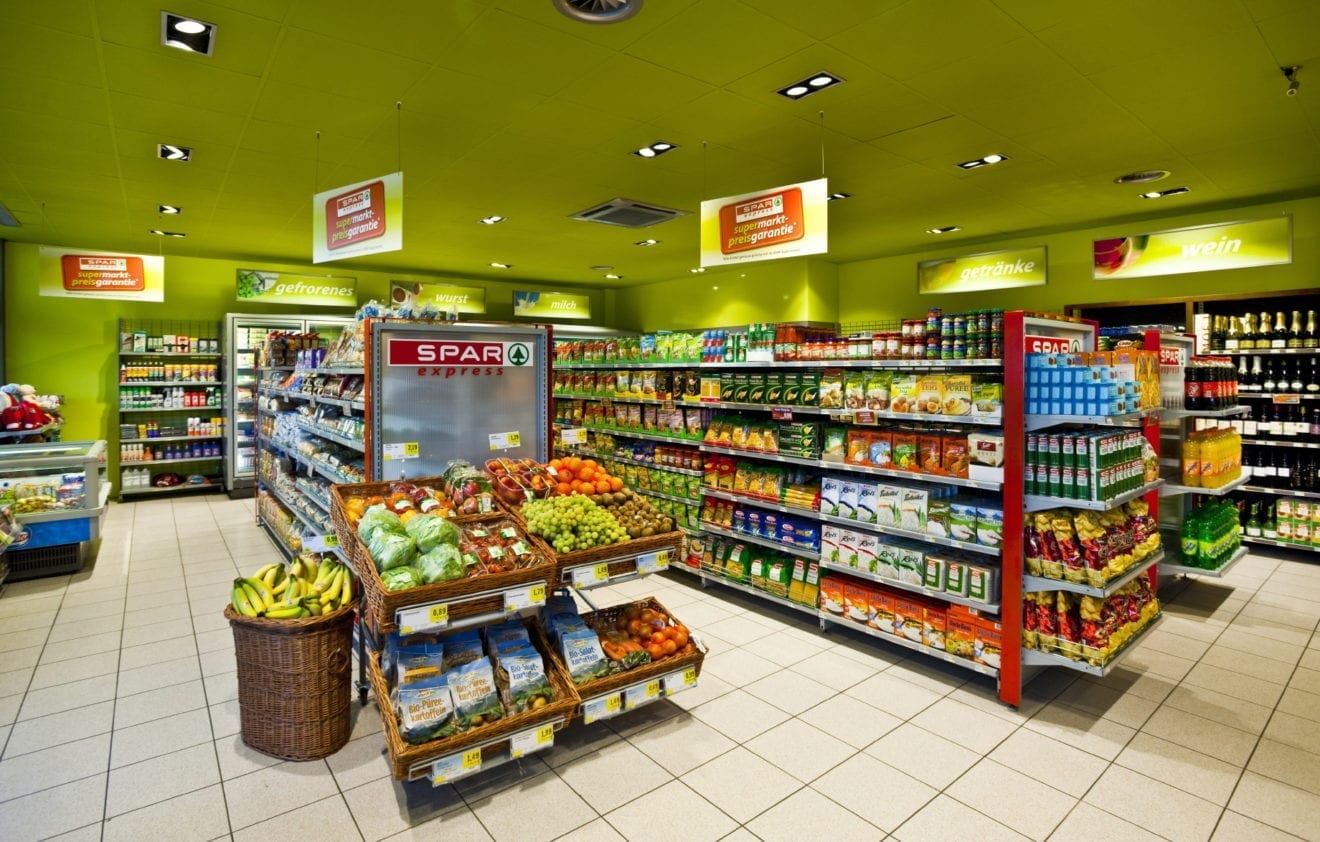
    SPAR International, the world’s largest food retail voluntary chain, is delighted to announce the brand’s entry into the Sri Lankan retail market. SPAR Sri Lanka (Pvt) Ltd, a partnership between SPAR South Africa and Ceylon Biscuits Limited has announced ambitious plans to open 50 new SPAR stores in Sri Lanka by 2023 primarily by developing independent SPAR retailers.

    With the opening of SPAR in Sri Lanka, SPAR International celebrates the launch of the brand in 6 countries across Asia and the 48th country worldwide. The newly established SPAR Sri Lanka benefits from the globally renowned SPAR Brand, providing shoppers with an international shopping experience adapted to local needs.

    The partnership was launched at an official opening of the first SPAR Supermarket in Colombo on the last week. The 1,000m2 SPAR Supermarket offers customers a great shopping experience with its emphasis on fresh foods, including a wide range of fruits and vegetables, fresh meat and an instore bakery. The development of the first SPAR neighborhood supermarket has been built on tried and tested international SPAR best practice setting the benchmark for future growth of the SPAR Brand in Sri Lanka. 

    The high-quality SPAR stores currently being developed will offer great value and a wide range of choice, with an emphasis on freshness and service. SPAR Sri Lanka will also be offering shoppers an extensive range of exclusive SPAR Own Brand products sourced both internationally and locally. 

    SPAR Sri Lanka has been able to utilize the global expertise of SPAR International and SPAR South Africa to support the extensive training of the new store colleagues over the past two months. 

    Tobias Wasmuht, Managing Director of SPAR International, said: “We are delighted to partner with Ceylon Biscuits Ltd. and to bring the SPAR Brand to this dynamic market. The distinct global but local SPAR approach will create excellent growth opportunities for Sri Lankan SPAR independent retailers. The opening of the first SPAR supermarket marks the beginning of a new, world class retail experience for consumers in Sri Lanka.” 

    Wayne Hodson, CEO of SPAR Sri Lanka, said “This is a very exciting period in the ever-changing food retail environment. Our mission is to develop and grow local, independent retailers, supporting them through the implementation of efficient supply chain management, stock procurement, promotional and marketing support, IT and retail leadership”.
     

  • UNIQLO Presents Doraemon UT Featuring  Works by Master Contemporary Artist Takashi Murakami

    UNIQLO Presents Doraemon UT Featuring Works by Master Contemporary Artist Takashi Murakami

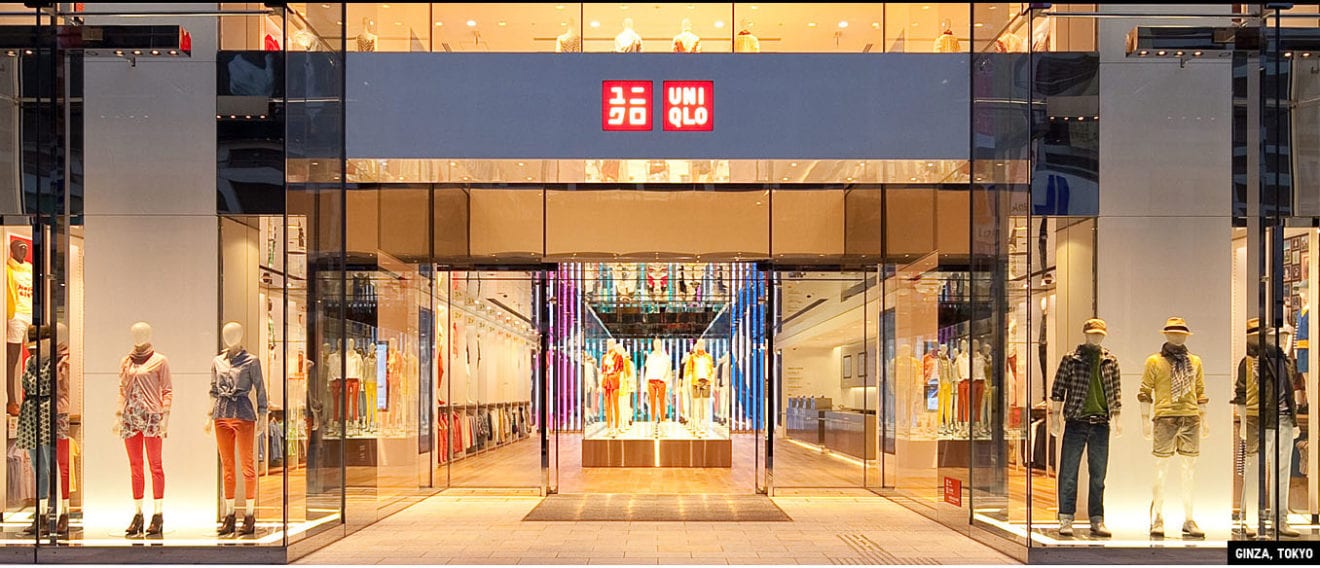
    UNIQLO T-shirt brand UT is launching “Doraemon UT” with designs featuring Doraemon, the animated character beloved throughout the world. This season’s Doraemon UT comprises two main designs, one incorporating artwork exhibited by artist Takashi Murakami at THE DORAEMON EXHIBITION TOKYO 2017, along with designs from the Doraemon comic. A total of 13 items will be available, including men’s and kids’ T-shirts, as well as a Doraemon plush toy with artwork by Mr. Murakami. The full collection will be available at UNIQLO Orchard Central (Global Flagship Store) and online from May 28 (Monday). Prices range from $14.90 for Kid’s Graphic Short Sleeve T-shirt to $49.90 for a Plush Toy.

    UT carefully selects cultural properties from around the world and creates new content from them. Depicting views of the world as art on the canvas of a T-shirt, UT allows wearers to express their individuality and values. This series features for the first time Doraemon artworks from renowned contemporary artist Takashi Murakami. UT continues to evolve as LifeWear that generates excitement and ensures everyone can find something to wear to express who they are.

    Doraemon as you’ve never seen him before

    The main visual for this special project is Murakami’s artwork, “Anna koto iina dekitara iina”, created for the Doraemon exhibition, incorporated into T-shirts and a plush toy. This colourful work featuring the main characters Doraemon and Nobita, Doraemon’s secret gadgets, and Murakami’s characteristic flowers, is now being expressed on the UT canvas. The special new line enables UT fans to enjoy Doraemon as they’ve never seen him before.

    The Doraemon UT lineup also includes T-shirts with designs from the Doraemon comic. The designs depict the world of Doraemon, including a humourous scene of Nobita begging for Doraemon’s help, and shirts printed with familiar secret gadgets such as the “Take-copter” and “Small Light”.


  • Hermes’ New H5 Version Goes Live at Hanoi Airport

    Hermes’ New H5 Version Goes Live at Hanoi Airport

    Hermes Logistics Technologies (HLT) has gone live with its new Cargo Management System (CMS) version, called Hermes 5 (H5), at ALS Cargo Terminal Co., Ltd (ALSC), Noi Bai International Airport in Hanoi, Vietnam.

    H5, which will be rolled out globally, future proofs Hermes’ CMS application by modernising its framework to allow for simpler integration with new technologies and opening up Hermes through APIs and new messaging channels.

    Additionally, the ability to run within any Cloud, private or public, makes H5 simpler to implement for Cloud ready customers.

    ALSC and its customers benefit from a faster and more controlled service, with hand-held device functionality, intelligent warehouse task steering and real-time Service Level Agreement (SLA) monitoring.

    “Our new version offers ALSC bespoke, pre-advice messaging between its hub and satellite warehouses to gain key task visibility and efficiencies in cargo transfer times,” said Yuval Baruch, Chief Executive Officer (CEO), Hermes Logistics Technologies.

    “In driving the ALSC implementation, the HLT team of cargo and technical experts provided on-site support to ALSC contributing to successfully getting the system live with a number of its customers.

    “The preparation and training towards this go-live, as well as working together shoulder to shoulder with the ALSC team during the go-live week, enabled ALSC to independently roll out its remaining airlines efficiently and on schedule, with remote support from Hermes.

    “We provided best-in-practice process framework for the handling of sensitive and special cargo, in addition to a wealth of Big Data that is used to effectively analyse and demonstrate the quality of service provision.”

    H5 is the latest version in a suite of Hermes’ applications and includes HERMES Cargo Management System (CMS), HERMES Hub Management System (HMS) and HERMES Business Intelligence (HBI).

    “With the vision of becoming the pioneering cargo handling terminal in the region, ALSC chose H5, the newest version of Hermes’ CMS,” said Le Thanh Binh, Deputy Director, ALS Cargo Terminal Co., Ltd.

    “Thanks to the support from Hermes, from business study to on-site and remote support, we have successfully implemented the new system for all of our customers.

    “The innovative design of H5 brings us a new experience in terms of service provision, performance control and user interaction.

    “We strongly believe that under the customer-oriented leadership of Mr. Yuval Baruch, HLT and Hermes 5 shall continuously be upgraded to offer a competitive advantage to our Terminal and bring more value to our Airline, Consignee and Shipper customers.”

    Hermes recently appointed Alexis Labonne as its new Chief Technology Officer to lead the Hermes team in rolling out H5.

  • GreyOrange appoints Dieter Berz-Voege as CEO of EMEA

    GreyOrange appoints Dieter Berz-Voege as CEO of EMEA

    Robotics and supply chain automation company, GreyOrange announced the appointment of Dieter Berz-Voege as Chief Executive Officer, EMEA (Europe, Middle East and Africa).

    “Dieter is a key addition to our leadership team as Europe is a major growth region for us,” said Samay Kohli, Co-Founder and Group CEO of GreyOrange. “His experience in successfully designing and implementing complex technology solutions across multiple geographies will contribute significantly as a member of the core team defining the global strategy for the expansion of GreyOrange. Having focused in the last three years on driving automation and machine learning to improve business productivity, he will help clients become more successful by applying the portfolio from GreyOrange.”

    Most recently Berz-Voege was founder and CEO of a premier cloud consulting partner Storm Reply after serving as Country Managing Director and Head of Strategy EMEA for Cognizant, one of the world’s leading professional services companies. In these roles he oversaw and grew complex solutions and technology businesses building international teams, acquiring and integrating companies, and forging strong partnerships.

    Berz-Voege and his team from GreyOrange in Hannover will be at Hall 16, Stand H03 on 23-27 April at CeMAT, the leading event for intralogistics and supply chain management where ‘Logistics 4.0 meets Industry 4.0’.

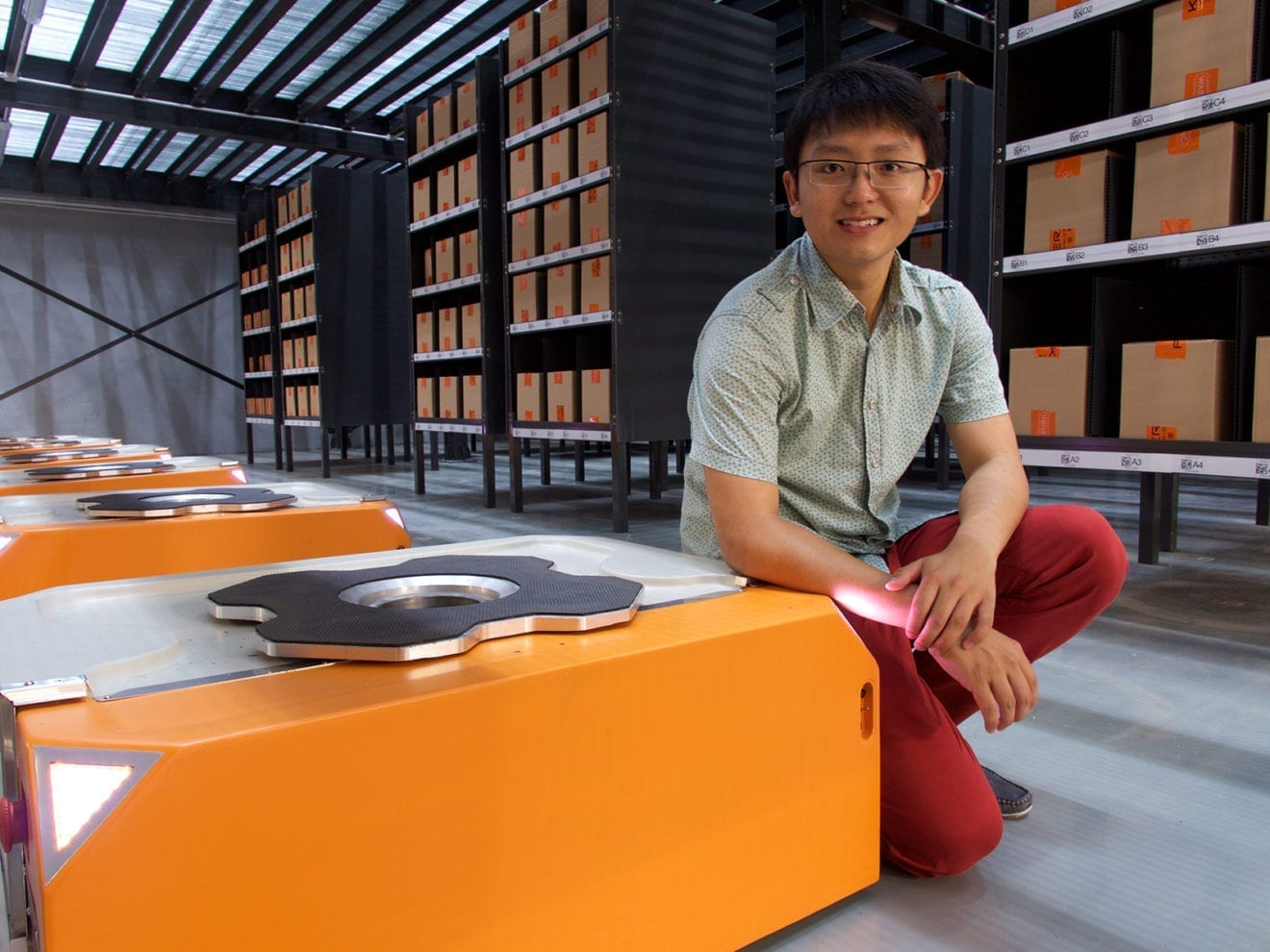
    At CeMAT, GreyOrange will highlight the expanded Butler range which was launched in March. Able to manage payloads from 100 to 1600 kgs (220 to 3500 lbs), the goods-to-person Butler robotics system automates inventory storage (putaway) and order fulfilment which lets warehouses run higher speed operations and boost efficiency. The Butler range is among the latest products for robotic logistics and has been deployed in distribution centers in Europe, Asia and the Americas for industries such as 3PL, FMCG, Retail and e-commerce.

    Berz-Voege added, “I was impressed with the advanced R&D at GreyOrange; and its unique strengths in combining hardware and Artificial Intelligence. GreyOrange has focused its innovations to address tough supply chain complexities, and have launched exciting new products such as the Butler XL and Butler PickPal recently. These solutions offer our customers a strong competitive advantage.”

  • AirAsia X Malaysia gets third IATA op safety audit

    AirAsia X Malaysia gets third IATA op safety audit

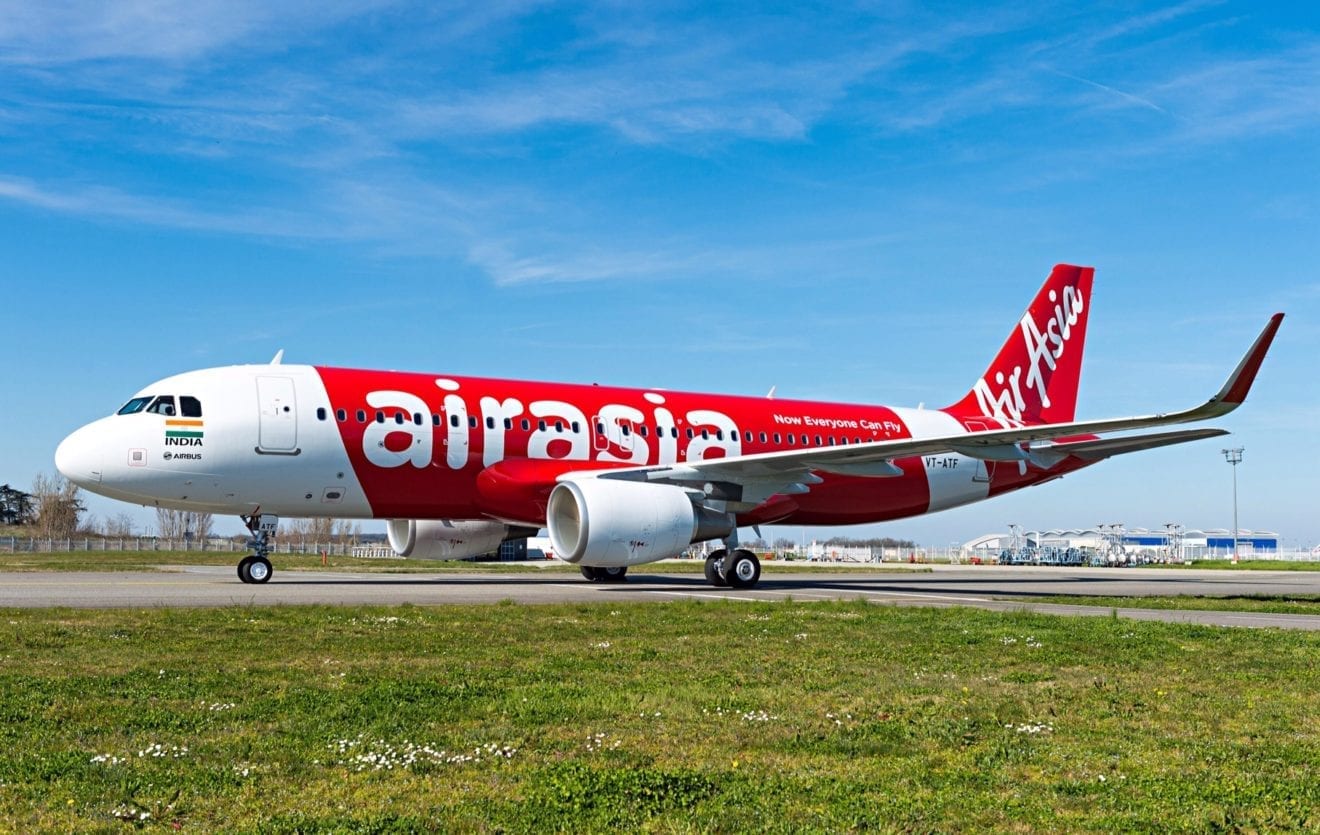
    AirAsia X Malaysia has received its third biennial IATA Operational Safety Audit (IOSA) registration. AirAsia X, which is the long-haul, low-cost affiliate carrier of the AirAsia.IOSA is an internationally recognised and accepted evaluation system designed to assess an airline’s operational management and control systems, and is regarded by the industry as the global benchmark for safety management.

    To qualify for the registration, AirAsia X Malaysia had to successfully complete an operational safety audit covering eight areas of operations: organisation and management system, flight operations, operational control and flight dispatch, aircraft engineering and maintenance, cabin operations, ground handling operations, cargo operations and security management.

    AirAsia X Malaysia CEO Benyamin Ismail said this third IOSA registration testified of its continuous commitment to maintaining the highest safety standards across its operations.

    “It was made possible by our dedicated Allstars who work tirelessly to ensure we comply with the most stringent safety standards in the industry. Safety is at the heart of everything we do and we will strive to not only meet regulatory requirements at all times but to surpass them,” he said.

    AirAsia X Malaysia joined the IOSA Registry on April 16, 2015, becoming the second airline in Malaysia to successfully pass the internationally recognised operational safety audit.

  • Alibaba Global Course Arrives in Singapore

    Alibaba Global Course Arrives in Singapore

    Alibaba Group continues its mission to enable global business transformation in the digital age with the expansion of the Alibaba Global Course (AGC) to Singapore for the first time. Singapore is the first stop of the global AGC calendar for 2018, with additional events planned for India, Australia, the United States, Mexico and in Europe later in the year.

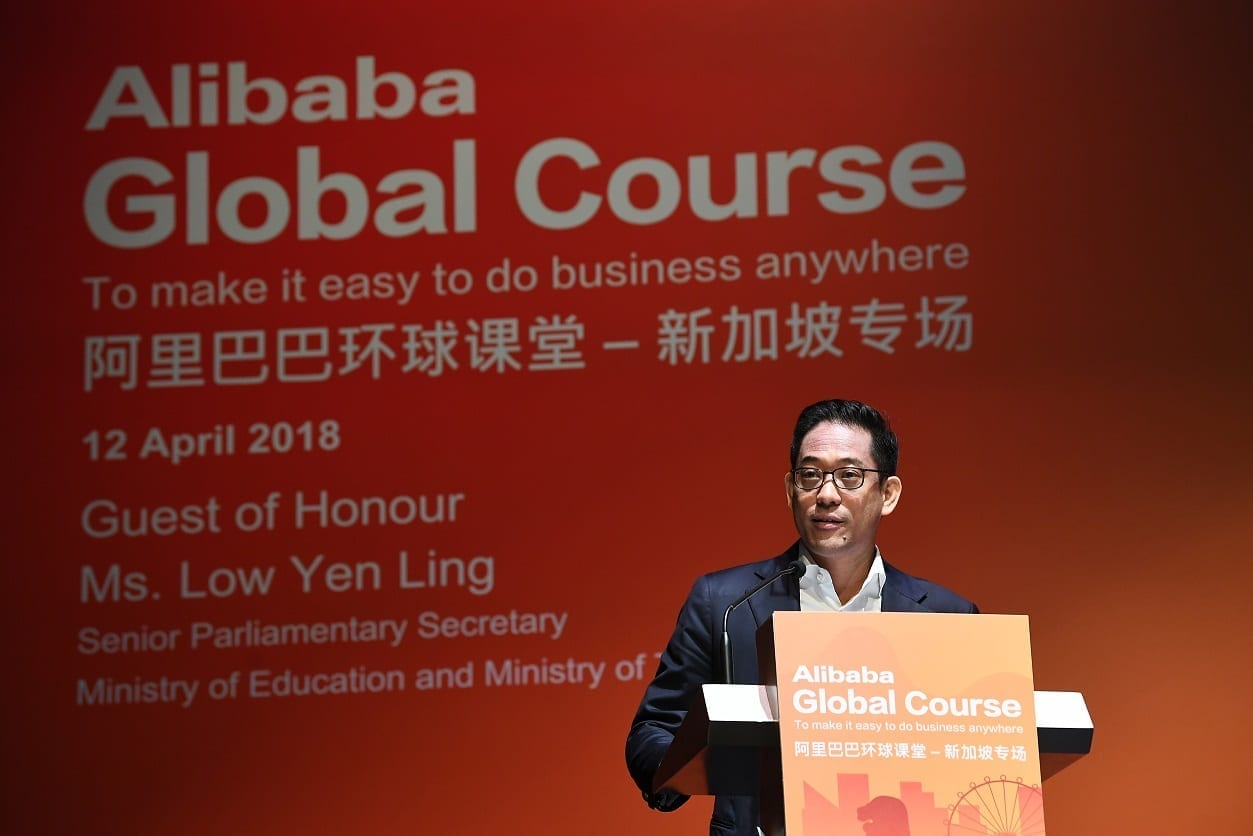
    The opening ceremony today was graced by Ms. Low Yen Ling, Senior Parliamentary Secretary, Ministry of Education and Ministry of Trade and Industry, in the presence of more than 2,000 attendees representing 600 SMEs and leading international companies.

    The AGC is a series of public lectures that aims to enhance the capabilities of merchants around the world through a better understanding of e-commerce and related trends. In Singapore, the AGC is offered by Alibaba Business School and organised by Taobao University in partnership with Nanyang Polytechnic’s Singapore Institute of Retail Studies (NYP-SIRS), SkillsFuture Singapore, National Trades Union Congress and StarHub. The Singapore leg of the AGC is the latest in a series of initiatives by Alibaba Group to empower local businesses and entrepreneurs to digitise and diversify their operations for the future.

    Helping SMEs to be Future-Ready

    “Our mission is to make it easy to do business anywhere and Singapore is integral towards realising this vision. We are delighted to be able to bring the Alibaba Global Course to Singapore for the first time and to share our key learnings from more than 18 years’ experience of reshaping the way people shop and conduct business,” said Brian Wong, Vice President of Alibaba Group, who shed light on Alibaba’s globalisation initiatives at the opening ceremony today.

    “SMEs form the majority of Singapore’s businesses and they are key to the city-state’s quest to be the hub of the future digital economy. We hope to continue partnering with local stakeholders and companies in this journey and navigate the exciting opportunities ahead together,” continued Wong.

    During the intensive one-day session, participants heard from leading minds from Taobao University and the Alibaba network, including the region’s foremost made-to-measure interior furniture design brand Suofeiya, China’s leading department store chain Intime Retail and enterprise data aggregator CBNData.

    Among other topics, the speakers shared best practices on innovating customer experience with AI and machine learning and on bringing the concept of “New Retail” to life, as well as insights into the next frontier in digital lifestyle and cross-border purchases by Chinese consumers and the opportunities for SMEs here.

    Taobao University and SIRS Extend Partnership

    During the AGC, Taobao University and NYP-SIRS also announced the extension of a partnership first signed in 2016, which has in the past two years rolled out a host of e-commerce training programmes from Taobao University to Singapore retailers.

    The 30-month renewal is geared towards beefing up the digital capability of local businesses and equipping them with knowledge of the latest industry developments. Under this agreement, Singapore-based businesses will also be able to access courses via a customised online learning platform developed by Taobao University for the first time. SMEs here can look forward to a more holistic learning experience with curated online courses tailored to the local business landscape and considerations, on top of other modules jointly offered by Taobao University and NYP-SIRS.

    “The maturity of businesses and the strong talent pool in Singapore means our training efforts here so far have been very well received,” said Lewis Lew, Vice President of Training College at Taobao University. “From opening up new business opportunities to improving productivity and operational capabilities by exploring consumer insights and new business models, we are confident that our initiatives will continue to complement the Singapore government’s goal for businesses here to be future-ready in a new era of competition and disruption.”

    Megan Ong, Director of NYP-SIRS, said: “NYP-SIRS was the first training provider in Singapore to partner Taobao University in 2016. Many of our participants thrived in their retail business after attending the cross-border e-commerce training programmes. NYP-SIRS is committed to continue working closely with local retailers to enable them to be future-ready. With the extension of this partnership with Taobao University, we look forward to continuing our effort to equip the local retail industry with the necessary skills and knowledge to successfully tap into the vast e-commerce global market.”

  • Singapore Airlines planning new first-class offering that will set industry standard

    Singapore Airlines planning new first-class offering that will set industry standard

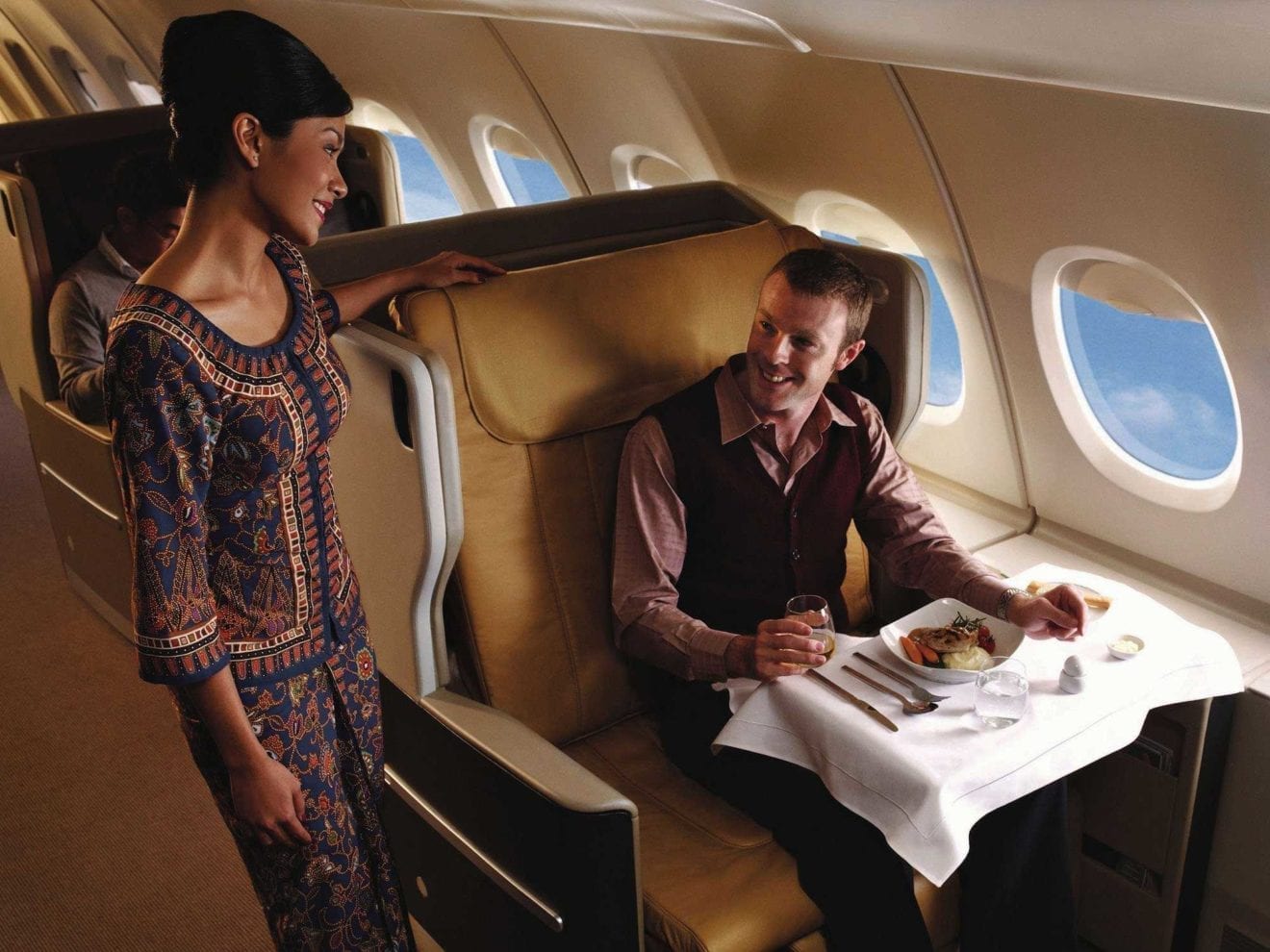
    Singapore Airlines is developing a first-class offering for its new Boeing 777-9 planes that the carrier’s chief promises will set an industry standard.

    The planes, 20 of which SIA has ordered, are due for delivery from the 2021/22 financial year.

    The new first-class offering is currently in the conceptualisation stage. Said the airline’s chief executive Goh Choon Phong: “We believe when we launch it, we will set an industry standard.”

    The Boeing 777-9 will replace SIA’s 777-300ER planes.

    Mr Goh said: “(SIA will) be going out to our consumers and customers to get better ideas about what it is they really want in the next quantum leap of service and product.”

    The plans are part of the airline’s strategy to woo customers with new seats and features, among other service and product enhancements.

    It launched new cabin products for the Airbus 380 late last year. New cabin products for Boeing’s latest Dreamliner variant, the 787-10, will debut on Wednesday (March 28), with the arrival of the plane in Singapore. SIA is the first airline to operate this model.

    Mr Goh was in the United States to collect the first of SIA’s order of 49 B787-10 planes on Sunday from the airplane maker’s Dreamliner production facility.

    Speaking to reporters in North Charleston, South Carolina, on Monday, Mr Goh also revealed that SIA is eyeing a third route on which to deploy a new ultra-long-range (ULR) aircraft it will receive in the second half of this year.

    This is in addition to the relaunch of non-stop flights to New York and Los Angeles with this new aircraft.

    When asked about plans for the new Airbus 350-900ULR – which SIA will be the first airline to operate – Mr Goh said there is potentially one more destination that the carrier has “firm plans” for. However, he declined to reveal what the destination could be.

    With the Airbus 350-900ULR – which SIA has ordered seven units of – the carrier will resume the 19-hour flights to New York and 14-hour trips to Los Angeles that it scrapped in 2013.

    The flights were started in 2004, but the 2008 financial crisis, coupled with rising fuel prices, made the routes unsustainable.

    United Airlines launched a Singapore-Los Angeles service last October, but SIA is undeterred.

    “We think that Los Angeles is a good market, and our customers continue to tell us that they would like to have direct flights to Los Angeles… It’s part of competition, we are not afraid of it,” Mr Goh said.

    During a wide-ranging interview on the SIA group’s strategy and market positioning, Mr Goh said the coming financial year will see significantly more growth for parent carrier SIA.

    From 2011 till 2015/2016, SIA was not growing a lot, because of the transition period when planes were retrofitted with premium economy products, leading to a reduction in seat count for aircraft, said Mr Goh.

    “At the same time, we were waiting for aircraft with the right capabilities, like fuel efficiency, for us to grow in a commercially viable manner.

    “So when the A-350s and 787s were available, that’s how you see that we are beginning to again get back to the growth phase for the parent carrier.”

  • Columbia Sportswear China under bid

    Columbia Sportswear China under bid

    Columbia Sportswear Company is moving to take over Columbia Sportswear China JV partner Swire Resources.

    The US brand holds a 60 per cent shareholding, and the acquisition is subject to conditions, including regulatory approval in China. The transaction is expected to be completed in January.
    Columbia president/CEO Tim Boyle says Swire Resources has been an exceptional partner “and we look forward to continuing our strong relationship in Hong Kong and Macau”.

    He says Columbia was pleased with the performance of the JV, formed in 2014. “We have positioned the Columbia brand for long-term sustained growth in the crucial Chinese market. The acquisition is consistent with our strategy to accelerate investment as a brand-led, consumer-first business in the areas of highest growth potential for our brands”.

    While the JV had an initial term of 20 years, there was a provision for the purchase or sale of the minority interest after the fifth year. Its sales in China last year totalled about US$168 million, generating low-teens operating margin.

    Future plans include continued investments in building the Columbia brand in China, as well as expansion of direct and dealer-run retail locations. “We also intend to maintain the management team, staff, dealers and distribution networks that have helped the Columbia brand flourish in China,” says Boyle.

    Jason Zhu will continue as GM of Columbia Sportswear Commercial (Shanghai) Company.

    At the end of last year, the JV ran 86 retail stores in China, and was selling through brand-specific e-commerce sites in China across multiple platforms. It has distribution relationships with about 50 wholesale dealers running about 750 retail locations.

    Swire Resources will continue as exclusive independent distributor of Columbia Sportswear in Hong Kong and Macau.

    Founded in Portland, Oregon, in 1938, Columbia is selling its brands in about 90 countries.

  • UPS Pulse: Asian online shoppers seem not to be happy

    UPS Pulse: Asian online shoppers seem not to be happy

    Nearly half of online shoppers in Asia are dissatisfied with the experience, according to the latest UPS Pulse of the Online Shopper study.

    With negativity from 43 per cent of Asian shoppers surveyed, they again emerged the least satisfied of shoppers internationally. The rate of 57 per cent satisfaction was actually an improvement on 2015, but of only 11 points, demonstrating the slow pace of change in addressing customer satisfaction, says the study.

    It notes that free shipping is still critical as online shoppers in Asia pay for shipping on an average of only 15 per cent of orders, the lowest percentage globally. To qualify for free shipping, 46 per cent of shoppers have added items to their cart. Moreover, about half of Asia online shoppers have abandoned a cart because of no delivery date being stipulated or delivery time being too long. The average delivery wait leading to cart abandonment was 11 days.

    Meanwhile, a convenient and transparent return policy increases sales and customer satisfaction, with 67 per cent of shoppers in Asia indicating that free shipping on returns is important.

    In its sixth year, the study reveals enduring constants as well as emerging trends across China, Hong Kong and Japan. Two key categories are Movers and Emergers.

    Movers: Consumers in Asia have become increasingly comfortable with shopping on smartphones, choosing ship-to-store, and buying from international retailers and small businesses. In fact, smartphone purchases are becoming the norm with 77 per cent of shoppers surveyed having placed orders by phone – the highest percentage globally – up from 55 per cent in 2015. This compares with only 48 per cent in the US.

    Ship-to-store is growing in popularity (with 37 per cent of shoppers using it in the past year and 59 per cent planning to use it even more this year). It can be a lucrative offering for retailers, says the report, as 60 per cent of Asia shoppers who used ship-to-store in the past year made extra purchases while in store. This trend is even stronger in China at 74 per cent.

    “One revealing finding is that Asia’s online shoppers are now buying from a more diverse set of retailers, ranging from major marketplaces to boutique shops, from domestic and foreign stores,” says UPS Asia Pacific VP of marketing Sylvie Van den Kerkhof. “This tells us is there is a viable opportunity and customer base for small businesses in Asia to expand internationally.”

    Promisingly, the research found that 55 per cent of online shoppers in Asia are embracing international retailers. Among those, 49 per cent ventured to overseas retailers because the brand or product was not available domestically, or the quality (39 per cent) or price (38 per cent) was better internationally.

    Hong Kong had most online shoppers buying internationally at 82 per cent, followed by China at 64 per cent. Meanwhile, only 21 per cent of Japanese shoppers did so.

  • Credit card spending rebounds in March

    Credit card spending rebounds in March

    New Zealand retail spending on electronic cards rebounded in March on the back of increased grocery and liquor spending.

    Seasonally adjusted total retail spending on credit and debit cards increased 1 per cent in March, Statistics New Zealand.

    Economists had expected a lift of 0.5 per cent, according to a Bloomberg poll. Core retail spending, excluding fuel and vehicles, rose 1.6 per cent.

    “Despite losing a trading day to Good Friday, retail card spending rose in March,” retail manager Sue Chapman said.

    “The rise was driven by an increase in spending on grocery and liquor retailing, rebounding from a fall in the previous month.”

    Ms Chapman said spending may have been lower in February due to two large storms that hit several parts of the country.

    Consumables spending, which covers grocery and liquor retailing, rose 2.9 per cent in March.

    Spending on durables – which includes hardware, furniture and appliances – lifted 1.2 per cent on the month while hospitality rose 1.4 per cent in March versus February.

    Apparel spending, however, fell 1.1 per cent on the month. Spending on vehicles fell 1.8 per cent and spending on fuel fell 0.5 per cent.

    Thursday’s figures show actual total retail spending climbed rose 6.0 per cent in March to $5.5 billion.

    Card-holders across all industries made 151 million transactions in the month. The average value of $49 was unchanged on the year and down from $50 in February.

    “Election-related uncertainty looks to be well behind us, with consumers voting with their wallets. We remain constructive on the outlook for consumer spending over 2018 and beyond,” said ASB senior economist Mark Smith.

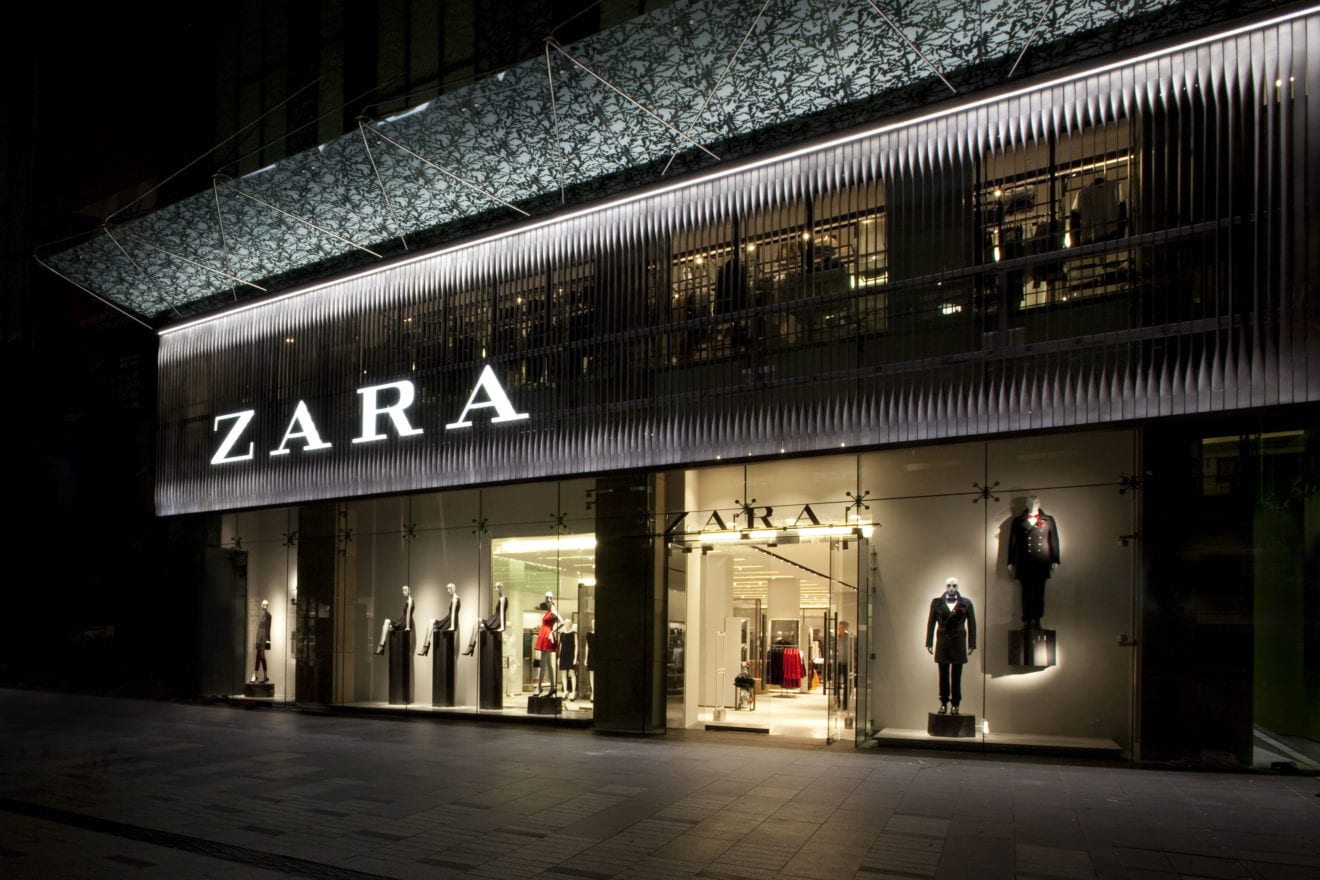
  • Zara Debuts Augmented Reality Retail Experience for Limited Time in Select Stores Worldwide

    Zara Debuts Augmented Reality Retail Experience for Limited Time in Select Stores Worldwide

    Zara will unveil an augmented reality experience running for two weeks in select stores worldwide. The innovative concept superimposes state-of-the-art technology on the retail environment, engaging customers both outside and inside the store to shop and to share like never before.

    This made-to-measure augmented reality is enabled on mobile devices via the Zara AR app. The activation plays out at three different sites: store windows, centrally-located podiums, and atop e-commerce boxes. When smartphones are positioned at the graphic signage, models Léa Julian and Fran Summers seemingly come to life as 7 to 12-second sequences in people’s screen displays. Incredibly realistic and proportioned according to each setting, they naturally pose, move around, and even speak while dressed in the SS18 Zara Studio Collection. All of their looks can be purchased instantly through a single touch on the Zara AR app, as well as in store.

    The experience will be highly visible from the street, with store windows appearing completely empty aside from bold signage encouraging people to access the Zara AR app. Downloading is easy: simply connect to the dedicated Wi-Fi network, or else by QR code, via iTunes and Google Play, or through the link on zara.com or the app. In addition to the shopping feature, a social media sharing feature invites people to take and send photos alongside the holograms, establishing a virtual connection that seems remarkably real. To maximize the limited-time experience, different sequences of new looks will be introduced after the first week.

    Zara Augmented Reality is the conception of Paris-based creative director, Ezra Petronio, who developed this high-quality experience and app with HOLOOH, a French company, in addition to research partner, INRIA (the French National Institute for computer science and applied mathematics). The 12 dynamic sequences were captured as holograms in a 170-square-metre studio involving 68 cameras, among the largest recording systems of its kind in the world. Petronio, who is also the co-founder of Self Service magazine, enhanced Issue 47 (September, 2017) with a shop-able augmented reality component.

    With augmented reality finding more and more real-world applications, the Zara experience demonstrates how innovation, inspiration and additive technology can reimagine conventional retail. Engaging in both the store environment and the app simultaneously, shoppers will discover ease of use alongside their sense of awe. Zara’s global reach brings the advanced renderings to a wide and inclusive public. In a sense, this exciting concept could not have been more natural for the retailer: as the dedicated branding makes clear, augmented reality has been within Z-AR-A all along.

  • Warnings of ‘online catastrophe’ in domain name industry

    Warnings of ‘online catastrophe’ in domain name industry

    A long-simmering dispute between the .au Domain Administration (auDA), the industry self-regulatory body tasked with managing the country’s top-level domain, and its members has erupted this week, with some members calling for the resignation of the organisation’s CEO, Cameron Boardman, and three directors.

    Jim Stewart, chief executive of digital marketing firm StewART Media and a signatory to the letter calling for Boardman’s resignation, said the situation has become untenable and demanded a special general meeting to discuss Boardman’s position.

    The auDA in recent months has held public hearings and received submissions on the development of an implementation process to add a direct registration option to Australia’s domain space. This would allow website owners to register a domain ending in .au, rather than .com.au, .net.au, .org.au and so on.

    However, some auDA members say the panel has failed to make a business case for direct registration, nor has it fully complied with its obligation to include a peak industry body representative on the review panel, despite repeated calls to do so.

    “Business has not been consulted on this at all,” Stewart told.

    “The auDA were meant to have a peak industry body rep on a panel going over the .au proposals, but they only appointed someone last month, after submissions closed.

    “And the person they appointed works for Canstar…you wouldn’t call Canstar a peak industry body,” he said.

    Weighing up the costs and benefits

    According to Stewart, the implementation of direct registration could result in businesses disappearing from Google searches, cybersquatters claiming desirable .au domains and holding them ransom, widespread confusion among consumers and internet users and potential security issues.

    “Most people don’t fully understand the implications. For instance, a competitor may secure your domain name without the dot com. When the changes come into effect, any company can register say commbank.au or bhpcom.au causing confusion and cybersecurity issues. If a company was able to register their name.au and just switched it on that would be a disaster, you would lose all your Google search traffic,” he said.

    “By switching your current domain name (for example ‘.com.au’ to ‘.au’) you’re effectively creating a new website.

    “This means you run the risk of disappearing from Google searches. Imagine if you were an Australian retailer, what would that do to your business?”

    Stewart said the benefits – shorter, more appealing and memorable domain names, according to the auDA – pale in comparison to the risks. He also questioned the need for the change, noting that more than 100 million .com domains have been registered, compared to only around three million .com.au domains.

    Panel member resigns

    A spokesperson for the auDA told Inside Retail the reform is intended to preserve the value of the .au domain and pointed out that countries like Canada, the UK and New Zealand all offer direct registration.

    “Currently, Australia is among only a minority of G20 nations that do not offer a direct registration option. There is a risk that […] .au could diminish in value and usefulness,” an auDA spokesperson said.

    The auDA also said the review panel has consulted with a range of industry representatives and that the views and interests of business are always a leading consideration.

    However, a member of the review panel, Luke Summers, owner of The Lucky Country, recently resigned his position, citing a lack of confidence in the panel’s ability to act in the best interest of the Australian internet community.

    “The size and composition of the panel is entirely inappropriate for a policy review of this scale and significance,” he wrote in a letter of resignation to the panel chair, John Swinson, on 7 April.

    “I am greatly concerned that the panel lacks objectivity, and that stakeholder feedback is being overwhelmingly overlooked in favour of personal views held by some panel members.

    “Many of the policy reforms being pushed for by the panel are in direct opposition to the majority of views expressed by stakeholders; and should these reforms be implemented, then a large number of stakeholders’ concerns will ultimately be realised.”

    Acting in whose interest?

    There are two types of auDA members: domain name holders, which include internet users the general public, and domain name industry participants, which include registry operators, registrars and resellers.

    According to Stewart, the push for direct registration is being driven by the industry participants to the detriment of the other members.

    A law firm acting on behalf of the auDA responded on Tuesday to the letter signed by Stewart, saying the auDA is currently considering the request for a special general meeting.

    The panel is due to present its findings to the auDA board by the end of this year.

  • Embracing body diversity, Asos invests in virtual fit tech

    Embracing body diversity, Asos invests in virtual fit tech

    Online fashion giant, Asos, is making it easier for consumers to see how items of clothing fit different body types and saving time and money on photography in the process.

    The retailer recently started working with Israeli tech startup Zeekit, which uses augmented reality (AR) to digitally ‘map’ the same item of clothing on various models using existing photographs of the item and models.

    A customer noticed the change while shopping on the site last month, eliciting a response from Asos that the new feature will be rolling out across the app soon.

    In a statement, Asos explained, “We’re always testing new technology that can make our customers’ experience even better.

    “In this case, we’re experimenting with AR to show product on different size models, so customers can get a better sense of how something might fit their body shape.”

    The race to solve the fit problem

    Fit is one of the biggest sticking points for online clothing retailers, which still by and large rely on size-8 models. With the average Australian woman being closer to a size 14, most consumers are left to guess how an item will fit and look in real life.

    A study by global research firm, IHL, pegs the annual cost of preventable returns at US$642.6 billion globally, and while it is difficult to pinpoint the average return rate for online purchases, (one analyst suggested 17-25 per cent is normal, it is decidedly higher than for items purchased in-store.

    Solving the fit – and return – problem becomes even more important for online retailers that offer free shipping, delivery and returns, which consumers have come to expect in the age of Amazon.

    A number of digital startups have sprung up in this space in recent years, such as Virtusize, which helps customers compare the measurements of an item they want to purchase with a garment they already own, and Fit.me and Metail, which let customers create 3D models to virtually ‘try on’ clothes.

    Asos struck a deal with Virtusize – which lacks a visualisation component – in 2013. The partnership with Zeekit crucially enables customers to also see how an item will fit.

    Zeekit differs from existing players, since it digitally maps garments onto the bodies of real models, not virtual avatars or faceless mannequins, which not only creates a more seamless shopping experience for customers, but also potentially saves Asos an enormous amount of time and money on photographing different size garments on different size models.

  • Prada to offer exclusive collection

    Prada to offer exclusive collection

    Luxury fashion brand, Prada, is launching an exclusive capsule collection on Mr Porter this month.

    Debuting on 25 April, the collection is Prada’s first menswear exclusive with an online retail partner.

    Prada Group strategic marketing director Stefano Cantino said the move is a sign of the brand’s digital evolution.

    “We strongly believe this partnership with one of the major menswear luxury e-tailers is strategically relevant to our digital transformation in today’s changing scenario, where we are making significant steps forward,” he said.

    The 32-piece collection draws from eras of bowling popularity – the 1950s and 1980s – and features camp-collar shirts in Hawaiian and pop-cartoon prints, madras, gingham checks and other nostalgia-inspired designs, with prices ranging from £260 ($475) to £2,450 ($4,479).

    Mr Porter’s managing director, Toby Bateman, said the aesthetic reflects the online retailer’s and Prada’s shared vision to bring a modern approach to classic menswear.

    “We are incredibly proud to be working with Prada on this special project and to be the first men’s online retailer to partner on an exclusive collection.

    “The retro themes of 1950s and 1980s menswear were an effortless inspiration for the campaign and content, and allowed us to easily meld the worlds of Mr Porter and Prada,” he said.

    The online retailer is launching an integrated global marketing campaign to promote the campaign across its social media, email, website and app platforms, culminating on 26 April with the publication of a short film in Mr Porter’s weekly style guide, and a bowling event in New York City.

    “We are extremely pleased to be part of this exclusive project in collaboration with Mr Porter that we consider being the perfect partner to communicate the values of the brand,” Cantino added.

    “Prada’s DNA is in fact about creating products which are really breakthrough that may at times surprise customers, while bringing ideas and ideals to life.”

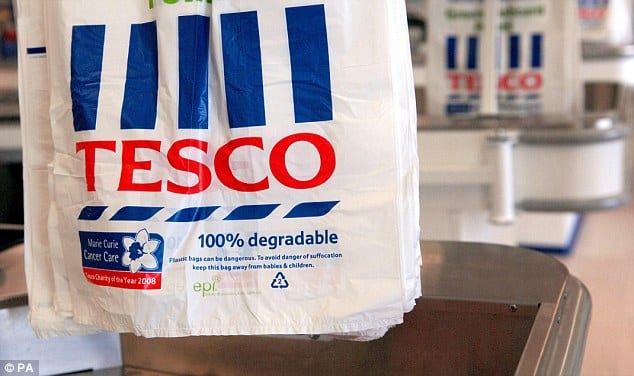
  • Tesco profits ups as turnaround kicks in

    Tesco profits ups as turnaround kicks in

    UK supermarket Tesco has managed to turnaround several years of lacklustre results, booking a pre-tax profit of £1.3 billion (AUD$2.38bn) for the year ended 24 February, up 795 per cent.

    The grocery giant’s shares jumped almost 6 per cent in the UK overnight on the figures, which included a 2.2 per cent increase in like-for-like sales in its home market and a 29.6 per cent reduction in net debt.

    “This has been another year of strong progress, with the ninth consecutive quarter of growth. More people are choosing to shop at Tesco and our brand is stronger, as customers recognise improvements in both quality and value,” Tesco chief executive Dave Lewis, who was appointed in 2014 to turnaround the business, said.

    “We have further improved profitability, with Group operating margin reaching 3.0% in the second half.  We are generating significant levels of cash and net debt is down by almost £6bn over the last three years.  All of this puts us firmly on track to deliver our medium-term ambitions and create long-term value for every stakeholder in Tesco.”

    There are now 260,000 more people shopping at Tesco, driving group revenue up by 2.3 per cent to £51 billion (AUD$93.18bn).

    Sales increases were booked in all Tesco’s operating region’s bar Asia, where LFL sales worsened over the year, decreasing by 14 per cent in the fourth quarter.

    The business has now completed its £3.7 billion (AUD$6.76bn) acquisition of wholesaler Booker and has begun improving its top line growth, leaving it on track to deliver at least £200 million (AUD$365m) in pre-tax synergies.

    “I am delighted to have completed our merger with Booker, and we are moving quickly to deliver synergies and access new growth, making the most of the complementary skills in our combined business,” Lewis said.

    Tesco reiterated its commitments set out in October 2016 to reduce costs by £1.5 billion (AUD$2.74bn) and generate an additional £6.3 billion (AUD$11.51bn) in retail cash from operations while also improving margins between 3.5 per cent and 4 per cent by 2019/20.

    Tesco’s operating margins increased by 57 basis points year-on-year to the year ended February 24 to 2.9 per cent.