Author: Mei Ling Tan

  • Blackstone and Sky Internasional Be Named as Masterminds of a Big Marketing Scam in Indonesia

    Blackstone Indonesia and Sky Internasional a self-claimed digital strategic marketing agency in Indonesia with premium services in interactive communications, digital strategy, brand identity, social media and online advertising are to be considered as digital fraud masterminds and to be the leaders of an organization with only one goal, to cheat clients solely to enrich themselves with personal benefits and to fund their luxury lifestyles. 

    Retail News received a lot of complaints from several Blackstone Indonesia customers, basically complaining about the same kind of practices. Retail News took the lead in this investigation and took a deeper dive into this matter. After seeing all proof we are committed to send out a warning to all startups and companies in Indonesia. Our advise is not to engage in any partnership with the two mentioned companies. It’s very likely you will lose money, time and efforts in the spiderweb these companies have build out.

    The “modus-operandi” is usually the same ; they issue invoices without tax and ask clients to wire money to a variety of bank accounts. All invoices appear to start with #1 for each clients and one of the bank accounts always coming back is from Aldino Ozky, Bank Central Asia with bank (BCA), Account No. 920000223. They use this bank account to wire company money to and to avoid paying taxes, neither issuing any tax receipts.

    After a company wires the first retainer, Blackstone shows you their digital dashboard which has all sorts of numbers on page views and impressions and gorgeous graphs. It looks like you’ll have access to loads of information about your marketing. Which in theory is a good idea… The only problem with every one of these fancy dashboards we’ve seen is they provide all sorts of information which is of no use to the business of client and they sell 0. While they charge you for a variety of things, simply to run out your budgets.

    Aldi Sky Wungkana, self-esteemed CEO of both companies has an explanation for everything, but not for all above topics we’re writing up ; also not even why the money of the company is wired without tax straight into an employees bank account. Big talker, 0 results.

    Felix Valentino is also a member of their league, he never picks up the phone when you try to call him ; uses fake whatsapp profiles and he’s to be considered as the the email writer to inform customers that their money is litterally gone. Done and dusted, simply call him the “excuse guy”.

    A random overview of what else they are practicing:

    # PPC fraud with high bounce rates and non-targeted traffic.

    # sending bot traffic to your website and charging high CPCs for this ;

    # buying FB engagement on non-legal websites and sending it over to your social media channels basically ruining everything you have build up ;

    # 0 to none connection with big newspapers, but charging the same rates to publish content on shitty websites claiming they offer premium PR services

    In regards to the proof of all statements made above, readers, the police and/or any other governemental institution can contact Retail News to received all proof. We have bundled all complaints from startups and customers. None of the phone numbers we called were available for any comments. Whatsapp groups dissolved and no response on email.

    A police case is about to be filed as well as a court case to stop these gentlemen from doing what they are doing. Companies are warned! The tax authorities received complaints as well and confirmed they have started an investigation.
  • La Chapelle group buys Naf Naf

    La Chapelle group buys Naf Naf

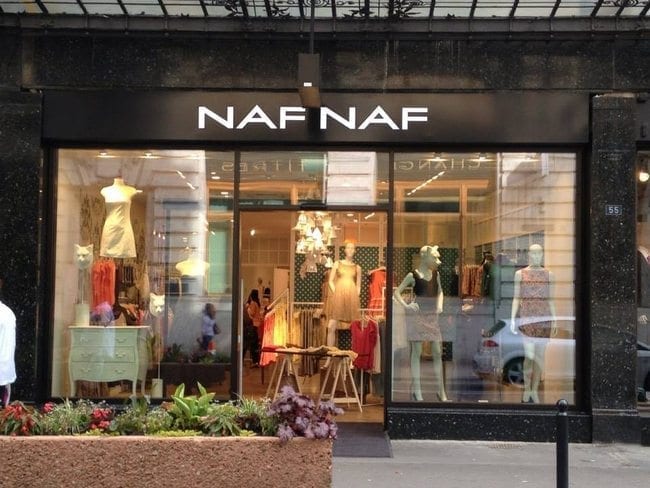
    A Chinese investment group led by Shanghai La Chapelle Fashion has paid €52 million (US$64 million) to acquire French fashion chain Naf Naf, part of the Vivarte group.

    European clothing retailer Vivarte has owned Naf Naf since buying it from Parisian brothers Patrick Patrick and Gérard Pariente, who founded the brand in 1973, for €200 million.

    It is the first foreign investment for La Chapelle, China’s largest cheap women’s apparel retailer, which has 9448 stores, 37,544 employees and a €1.2 billion turnover in China itself.

    Vivarte says La Chapelle will open 500 Naf Naf stores in China over the next five years and another 30 in Europe. Naf Naf now has 474 points of sale and 1200 employees.

    The Naf Naf sale is part of a major restructuring program for Vivarte. The French retail group needs to clear a €600 million debt and already sold shoe chains Andre and Pataugas and women’s clothing brand Kookai. It is also ready to sell Besson (shoes) and Chevignon (men’s fashion).

    CEO Patrick Puy wants to turn Vivarte’s attention to five core brands: Caroll, Cosmoparis, La Halle, Minelli and San Marina. The money from the Naf Naf sale will go toward its most important asset, La Halle, which generates €1 billion in turnover (on overall €1.8 billion group turnover), but faces competition from H&M, Primark and e-commerce outlets.

  • Starbucks CEO apologises

    Starbucks CEO apologises

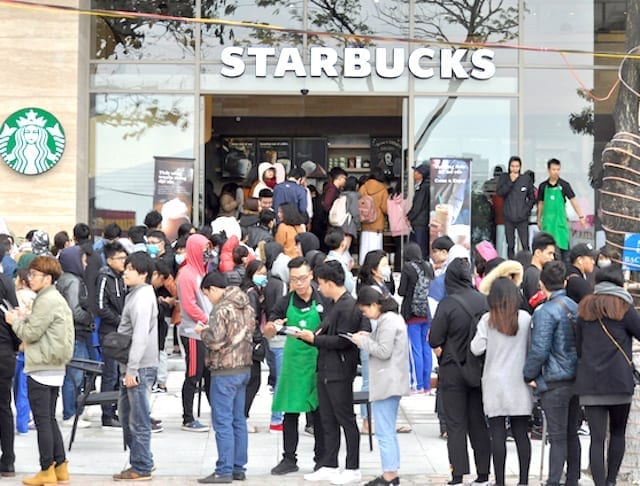
    Starbucks has found itself in the middle of a public relations disaster in the United States after an incident in one of its Philadelphia stores last week that saw two African American men arrested went viral.

    Starbucks chief executive Kevin Johnston has issued a statement unreservedly apologising to the men, who were handcuffed by half a dozen police officers in an outlet last Thursday following a dispute with a store manager.

    The men, who were waiting for a friend, were asked to leave after using the bathroom without making a purchase but refused, at which time the manager called 991, local police said.

    A video of the arrest was shared millions of times on social media over the weekend, sparking calls to boycott the coffee chain and protests outside of its stores.

    In a public statement Johnstone said the incident led to a “reprehensible outcome” and that he would be personally overseeing a review of Starbuck’s training processes.

    “We have immediately begun a thorough investigation of our practices. In addition to our own review, we will work with outside experts and community leaders to understand and adopt best practices,” he said.

    “The video shot by customers is very hard to watch and the actions in it are not representative of our Starbucks mission and values.

    “Regretfully, our practices and training led to a bad outcome—the basis for the call to the Philadelphia police department was wrong,” Johnston continued.

    Johnstone has offered to meet the two men in person to offer a face-to-face apology.

    Philadephia mayor Jim Kenney said the incident exemplified an example of racial discrimination, adding that he has referred the matter to the Philadelphia commission on human relations.

    “I am heartbroken to see Philadelphia in the headlines for an incident that — at least based on what we know at this point — appears to exemplify what racial discrimination looks like in 2018,” he said in a statement.

  • Hong Kong Airport seeks tenders for cafe concession

    Hong Kong Airport seeks tenders for cafe concession

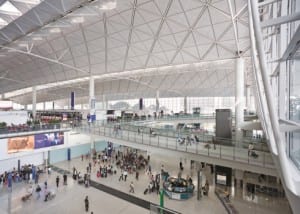
    F&B companies have been invited to offer tenders for a lifestyle cafe concession in a restricted area at Hong Kong International Airport (HKIA).

    It covers 100sqm on level six of the Northwest Concourse of Terminal 1.

    HKIA has air, sea and land links and works around-the-clock serving more than 100 airlines and 72 million passengers.

    Tenders close on 24 May, and requests for tender documents must be accompanied by a non-refundable cashier’s order of $500.

  • Amway Global launches app for Artistry brand

    Amway Global launches app for Artistry brand

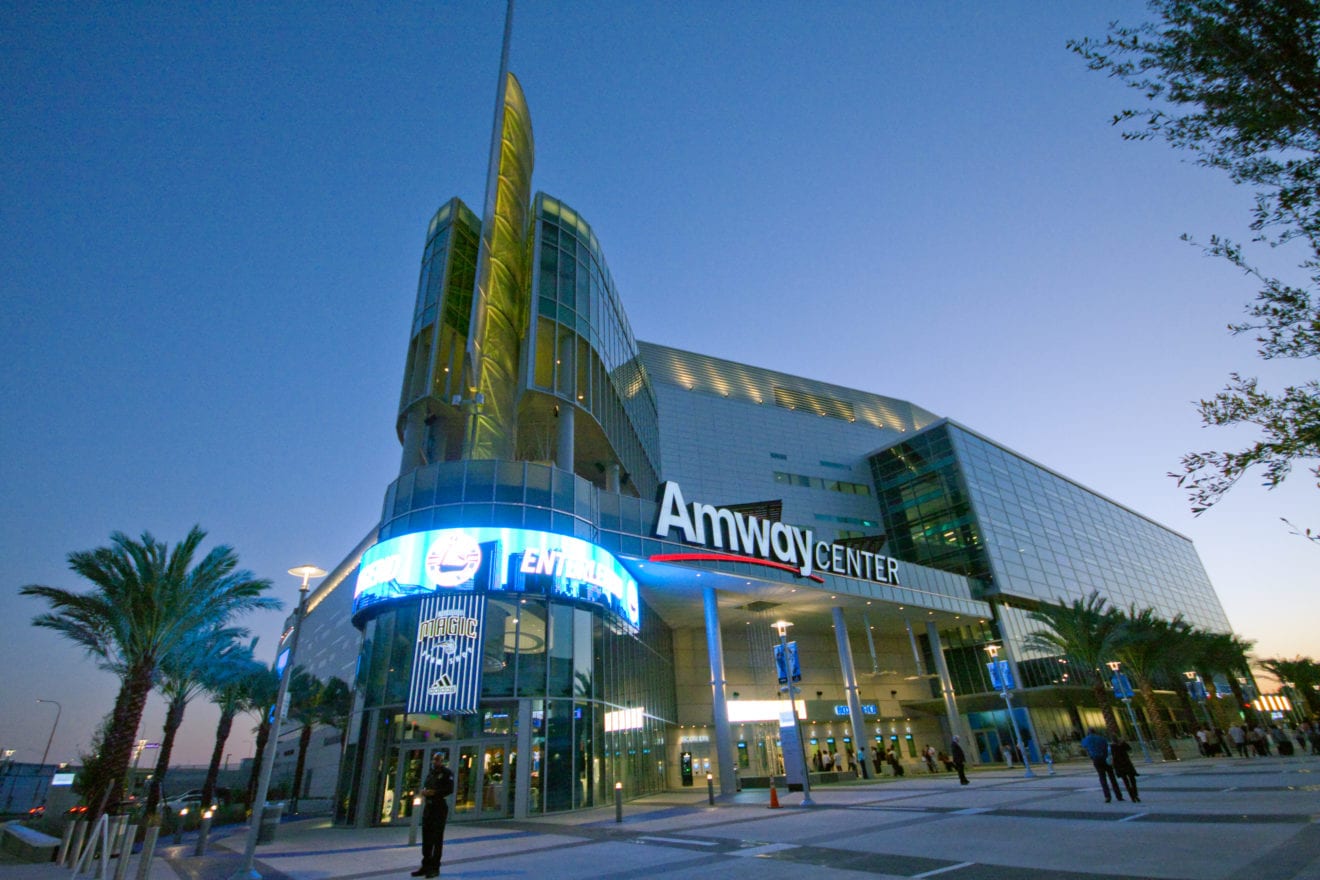
    Multi-level marketing health-and-beauty company Amway has launched a mobile app for its beauty brand Artistry in partnership with technology company Perfect Corporation.

    The global rollout starts in Korea this month, with Japan, Thailand, and the US to follow.

    Using YouCam Makeup’s award-winning AR beauty technology, Artistry Virtual Beauty App users will be able to find products and see how they would look. The virtual experience draws on more than 150 global makeup SKUs that shoppers can test and instantly buy, along with the brand’s top-selling skincare products.

    Personalised product recommendations based on user skin concerns will be available through the integration of YouCam’s AI technology and the Artistry skin assessment tool.

    Amway VP of global beauty for Artistry Kelli Templeton describes the app as a fun and engaging way for Amway business owners and their customers to explore Artistry products.

    “It puts the beauty counter right in their hands for personalised beauty recommendations.”
    The app can be downloaded free in the App Store and Google Play.

    Amway is a US$8.6 billion global direct-selling business based in Michigan, while Artistry was founded in 1958 by an entrepreneurial husband and wife team, its portfolio featuring skincare, make-up and holistic beauty products. The brand has an advisory network of more than 900 scientists and skin doctors from universities.

    Perfect Corporation has had more than 550 million downloads globally of its beauty apps.

  • Singapore first overseas restaurant for Unagiya Ichinoji

    Singapore first overseas restaurant for Unagiya Ichinoji

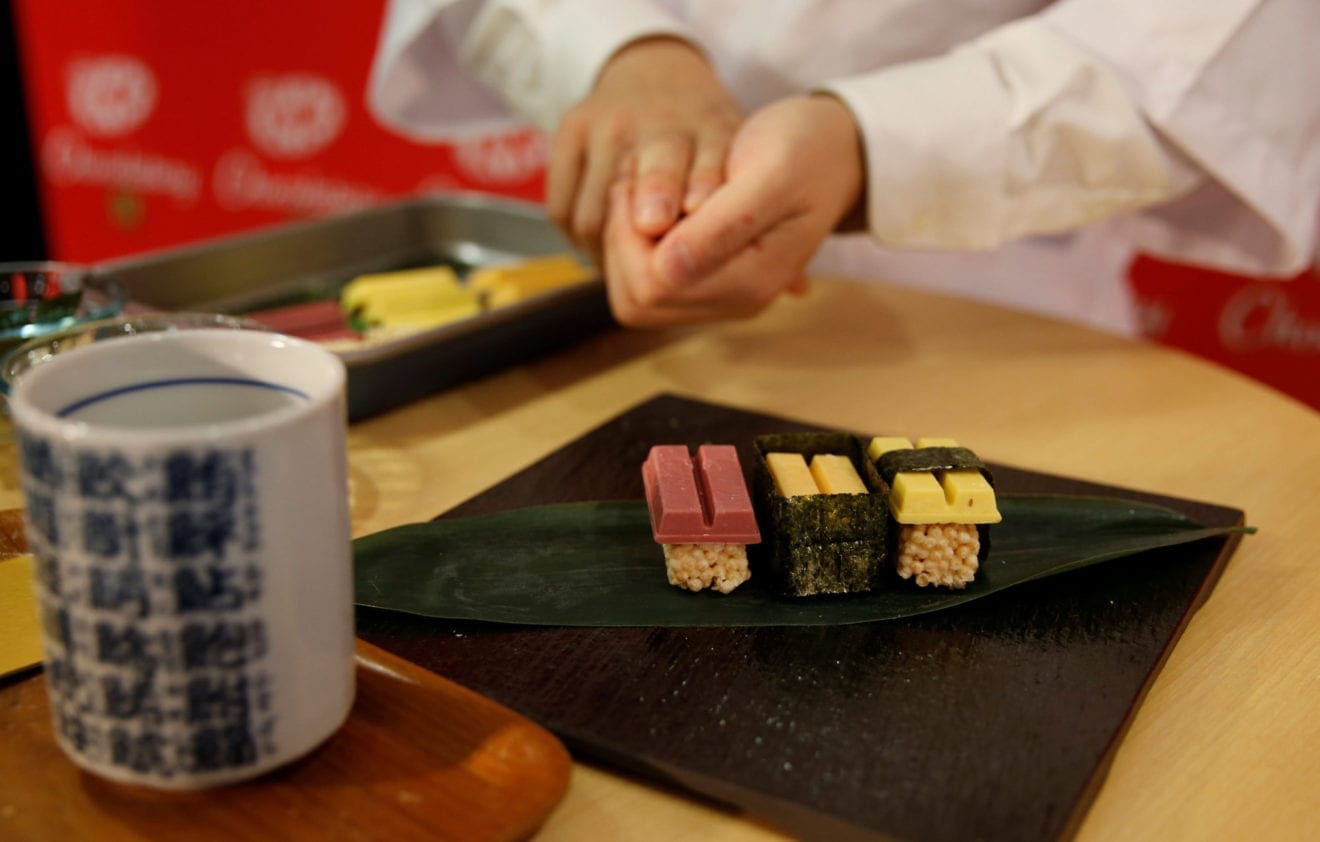
    Japanese restaurant chain Miyagawa Honten has opened its first overseas outlet with Unagiya Ichinoji at Singapore’s Robertson Quay.

    Its Japanese head chef trained for three months in a Miyagawa Honten outlet to master the skills needed for creating unagi. The chain first steams the unagi before grilling it. All cuts are marinated with sansho (the Japanese equivalent of Sichuan peppercorn) and kuro shichimi (a traditional blend of seven black spices) before being basted with tare sauce while being charcoal grilled.

    The signature Hitsumabushi is offered in three sizes, and options are unagi over rice with nori, wasabi, green onion or dashi. Side dishes include unagi chawanmushi, unagi bone cracker, unagi sushi roll, unagi omelette, unagi salad and unagi simmered boiled liver.

    The 34-seater restaurant does not accept reservations.

    Miyagawa Honten launched 125 years ago in the Tsukiji district of Tokyo.

  • Zoomlion using Cloudera to boost big data platform

    Zoomlion using Cloudera to boost big data platform

    Chinese construction machinery and sanitation equipment manufacturer Zoomlion has adopted machine learning and analytics company Cloudera’s platform to serve its growing big data demands.

    Zoomlion will use Cloudera Enterprise to offer data management and analytics services to customers in over 100 countries across six continents.

    Zoomlion’s big data platform collects and processes a wide variety of data from three main sources, including internet of things data including real-time working conditions and location information of more than 120,000 high-tech, industrial and agricultural machines.

    The platform also collects internal core business system data from enterprise resource planning, customer relationship management and financial systems, as well as data collected from external sources including official websites, social media channels and data purchased and exchanged with third parties.

    The platform is able to continuously analyze equipment operations, detect potential failures, provide fault warnings, and generate operational statistics whilst creating new revenue streams and enhancement capabilities.

    In addition, Zoomlion uses the platform to help customers to optimize their own operational management capabilities, reducing operating cost and improving efficiency of equipment management.

    “We chose Cloudera to upgrade our data and analytics infrastructure and enhance our competitiveness. Cloudera’s modern platform helps us manage and analyze data more effectively, enabling us to drive down costs and improve asset performance,” Zoomlion Heavy Industry Science and Technology big data department director Zhou Zhi Zhong said.

    “We are empowered to create more value for our customers, innovate with new products and services and create new revenue streams for our business.”

  • Sa Sa International going uphi

    Sa Sa International going uphi

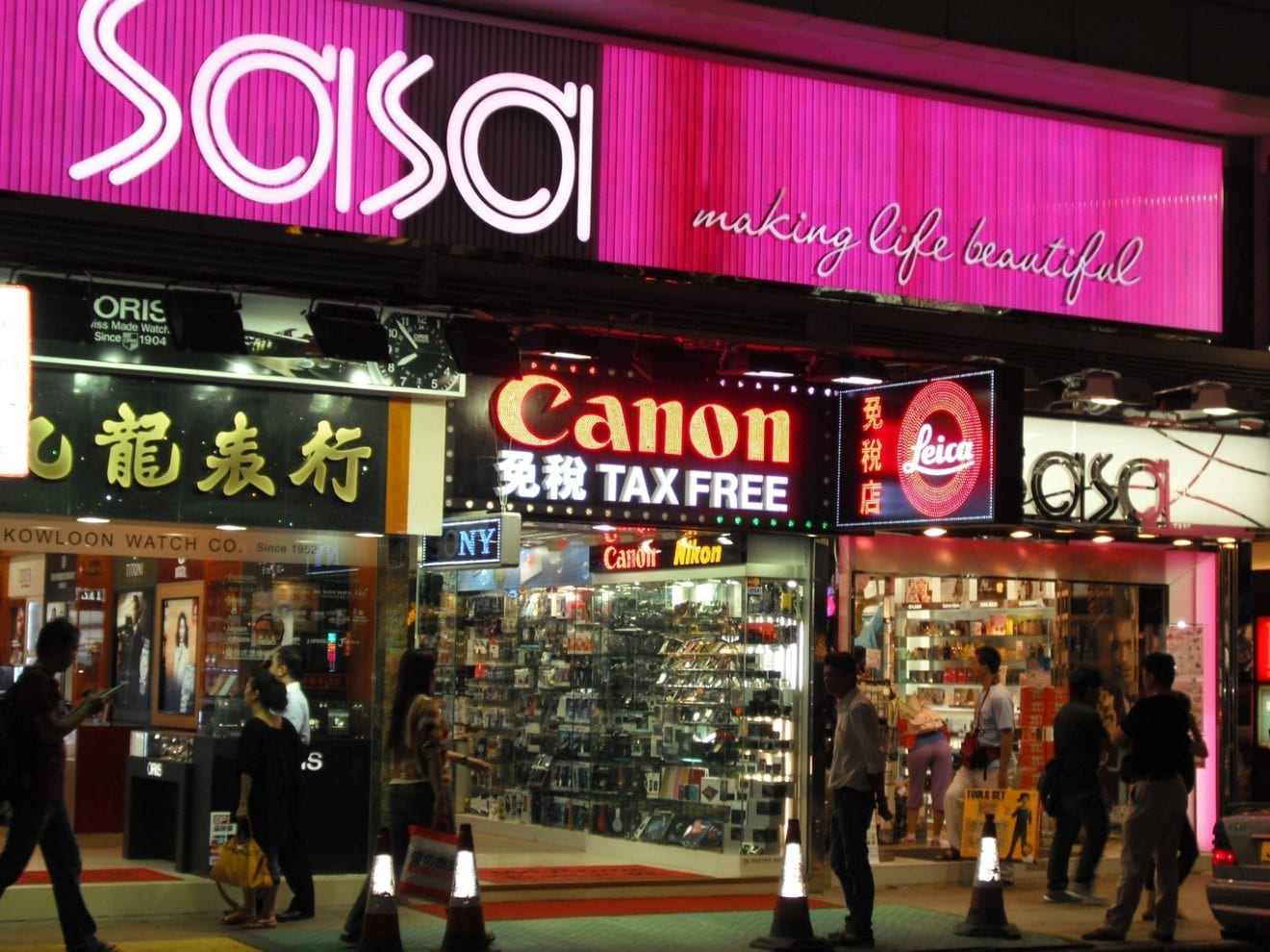
    Retail sales in Hong Kong and Macau had continuous positive growth for cosmetics retailer Sa Sa International Holdings throughout its latest fiscal year.

    Releasing its unaudited sales updates  for the fourth quarter to the end of March, the group says the upward momentum was mainly driven by increased in-store traffic and consumer consumption.

    Benefitting from the retail market recovery, Sa Sa says it remains optimistic about the Hong Kong and Macau markets and will continue to optimise product offerings and enhance
    the shopping experience for customers in the fast-changing markets.

    On a year-on-year basis, the group’s turnover grew by 14.4 per cent. The turnover in Hong Kong and Macau increased by 17.8 per cent, while same-store sales rose 15.1 per cent.

    Sa Sa says the sales performance was in line with expectations and was mainly driven by the 12.1 per cent growth in transactions. Local and mainland tourist transactions increased by 7.9 and 17.3 per cent respectively, while the average sales per transaction grew by 5.1 and 3.6 per cent respectively.

    In other markets (including Mainland China, Malaysia, Singapore, Taiwan and Sasa.com) turnover had a marginal increase of 0.8 per cent.

    At the end of the quarter, Sa Sa had a total 275 stores and counters, down from 288 at the same time a year earlier. Hong Kong and Macau, which each have a single-brand store, had two fewer stores at 118, while China lost one to end the quarter with 55. Singapore was steady with 20 outlets, while Malaysia gained one for a total of 72.

    In February, the group announced it would close all its stores in Taiwan. It had 10 at the end of the quarter compared with 25 a year earlier.

  • HKBN launches roaming-focused mobile plan

    HKBN launches roaming-focused mobile plan

    Hong Kong Broadband Network (HKBN) and free to air TV broadcaster Television Broadcasts Limited (TVB) have launched a new joint mobile service plan offering a shared data allocation for customers roaming internationally.

    The new plan includes a free Global Phone, an Android-based smartphone that uses CloudSIM technology to provide mobile network service across more than 60 countries and territories.

    The Global Phone also supports dual SIM technology to allow local mobile network service to be activated by inserting a local SIM into the device.

    Customers will receive 5GB of monthly global data usage, as well as between 3GB and 12GB of local data depending on plan tier. Prices start at HK$198 ($25.22) per month.

    New customers porting their mobile number from any other operator will be granted 2GB of bonus data on the base 3GB plan, and existing HKBN broadband, home phone or mobile service customers registering the plan will be provided a HK$58 monthly discount.

    Via the partnership with TVB, the Global Phone will come pre-loaded with a 24-month subscription to TVB’s MyTV SUPER App as well as its TVB Anywhere App for use in mainland China and other overseas markets.

    “Today, many Hong Kongers and companies are still paying a lot for roaming. We’re determined to put an end to the era of exorbitant roaming charges, so that Hong Kongers can enjoy high-speed, high-quality mobile data services at great prices, at home and abroad,” HKBN CEO William Yeung said.

  • AP Company plans a new Hong Kong base

    AP Company plans a new Hong Kong base

    After opening its Tsukada Nojo restaurant in Hong Kong, Japanese restaurant group AP Company plans to open a second eatery this year, and use the territory as a springboard into Asia.

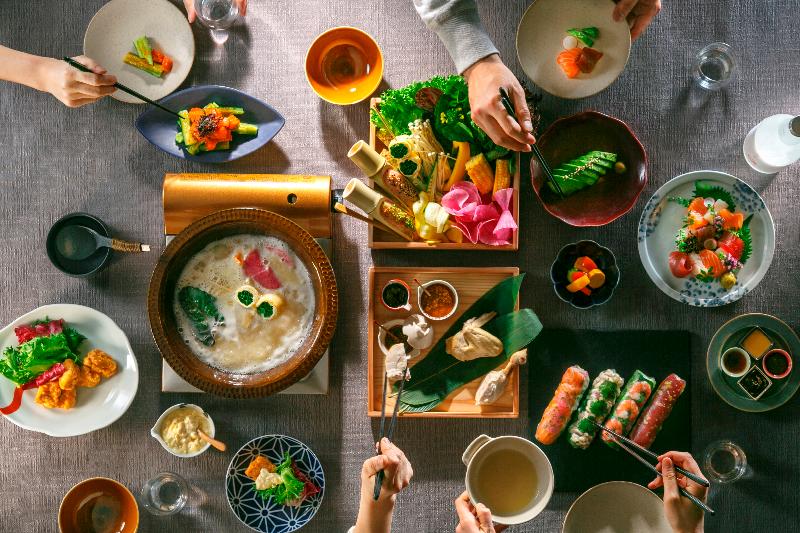
    It had eyed the Hong Kong market for years before introducing its leading brand in Harbour City’s Ocean Terminal in Tsim Sha Tsui. With a harbour view, the restaurant features collagen-rich chicken hotpot in a concept targeting health- and beauty-conscious diners, the quarterly newsletter of Invest HK.

    AP Company MD Masashi Kamatani says Hong Kong is crucial for the company’s continuous expansion in Asia. “It is the key market for our success. The city has a very mature dining culture, while the customers have strong spending power and are curious about new tastes and dining experiences.”

    He says the Hong Kong branch, after just eight months in business, has the highest sales and average spend-per-customer among the group’s 200 restaurants in Japan, as well as a handful of outlets in the region including Beijing, Jakarta and Singapore.

    “For businesses, Hong Kong has a very sophisticated and stable market. Even though it’s competitive, there is always room for new restaurants and abundant opportunities available.”

    Kamatani encourages the staff to talk with customers to find out their levels of satisfaction and their expectations, and he visits different restaurants every day to understand F&B trends and see what competitors are offering.

    He says that for AP Company, the most important thing is constant communicate with customers and modifying products and services to meet their expectations.

    In the next few years, the company aims to open 20 more restaurants in Hong Kong, and with franchise branches opening in Cambodia and the Philippines this year, it will eventually make Hong Kong its headquarters for overseas business.

    “Hong Kong is a compact city where it’s easy to launch a business,” says Kamatani. “It is in the heart of Asia, which makes it convenient for us to manage our branches in Japan and Southeast Asia.”

    He thinks InvestHK provides a great platform for businesses. “When I started, I didn’t know much about government policy or the market environment in Hong Kong, so I turned to InvestHK for help. The information and industry news have been very helpful for me to understand what needs to be done.”

    Established in 2001, AP Company has more than 200 restaurants in Japan and more than 20 F&B brands. It also has six outlets in Singapore, five in Beijing and one in Jakarta, and this year will open a second Hong Kong restaurant in Shatin.

  • GSMA launches mobile money certification scheme

    GSMA launches mobile money certification scheme

    The GSM Association (GSMA) has launched a new global certification scheme for mobile money services.

    The certification will involve an independent assessment of a mobile money provider’s ability to provide secure and reliable services, protect customer privacy and combat money laundering and terrorism financing.

    The new scheme has been developed based on three years’ feedback from the GSMA’s consultations with providers in Asia, Africa and Latin American. It will be open to all mobile money providers, including mobile operators, banks and digital service providers.

    Easypaisa Pakistan – provided by Telenor Microfinance Group – is among the five initial recipients of certification under the scheme.

    Independent scheme operator Alliances Management will assume responsibility for training and overseeing independent assessors under the scheme.

    Recipients will need a 100% pass mark on criteria covering eight principles – safeguarding funds against the risk of cyber loss, combating crime and fraud, managing staff and agents, operating the service reliably, ensuring the security of systems supporting the service, ensuring transparency in fees and terms, providing effective customer service and protecting data privacy.

    “The GSMA Mobile Money Certification is a consumer-focused initiative, aimed at giving customers confidence that a provider has taken steps to ensure their funds are in safe hands, their rights are protected and they can expect a high level of customer service,” GSMA chief regulatory officer John Giusti said.

    “With over 690 million accounts globally, the mobile money industry is having a clear impact on the global effort to expand financial inclusion, providing access to life-enhancing financial services and serving as a gateway to the digital economy.”

  • Starbucks Uruguay opens first cafe in the country

    Starbucks Uruguay opens first cafe in the country

    Starbucks Uruguay has opened its first cafe, located in the capital city Montevideo.

    The Seattle-headquartered coffee giant appointed Alsea International as its local partner, a leading restaurant operator in Latin America and Spain, whose brand portfolio already includes Domino’s Pizza, Burger King, Chili’s, California Pizza Kitchen, PF Chang’s, Italianni’s, The Cheesecake Factory, Archie’s and Foster’s Hollywood. It has 3300 stores in total in Mexico, Argentina, Chile, Colombia, Brazil and Spain, including 900 Starbucks outlets in include Mexico, Colombia, Argentina and Chile.

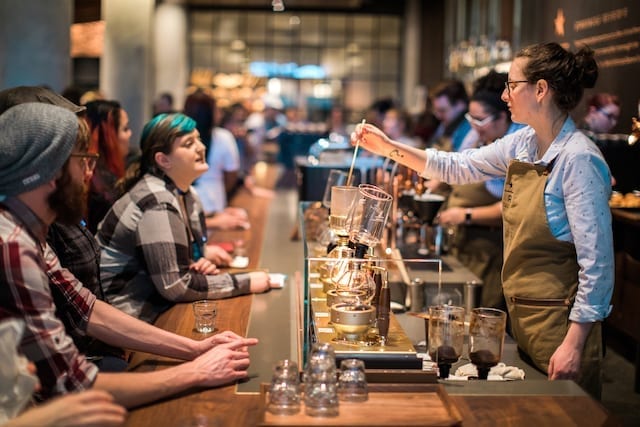
    The debut Starbucks Uruguay store is located in the Montevideo Shopping mall. Starbucks says the store’s design honors Montevideo city and its culture. Exposed concrete columns and ceilings bring character and texture to the store. Custom leather details  – a material with great local relevance – are designed to evoke a warm ambience. The cafe has a green living wall with local plants to connect the store to the origins and environment of a coffee farm.

    One of the most striking features of the store is a mural painted by Nicolas Alfalfa, a local artist. Alfalfa was able to illustrate the Siren, the iconic symbol of the Starbucks brand, over a concrete finish, extending across the back wall of the store and which can be observed from any point within the space.

    “Our first store in the beautiful country of Uruguay marks a key milestone for our expansion in Latin America,” said Ricardo Rico, Starbucks GM and VP for Latin America.

    Federico Tejado, director of Alsea International, said at least five Starbucks Uruguay stores would be opened this year and 10 by 2020.

    “We are proud to present a one-of-a-kind store that will make all our partners and customers in Uruguay feel proud,” said Pablo Jaratz, GM of Starbucks Uruguay. “Our passionate and knowledgeable baristas have spent many months training with some of our best Starbucks baristas, coffee masters and experienced partners only for this day.”

  • Carrefour Taiwan performs well in sagging Asia market

    Carrefour Taiwan performs well in sagging Asia market

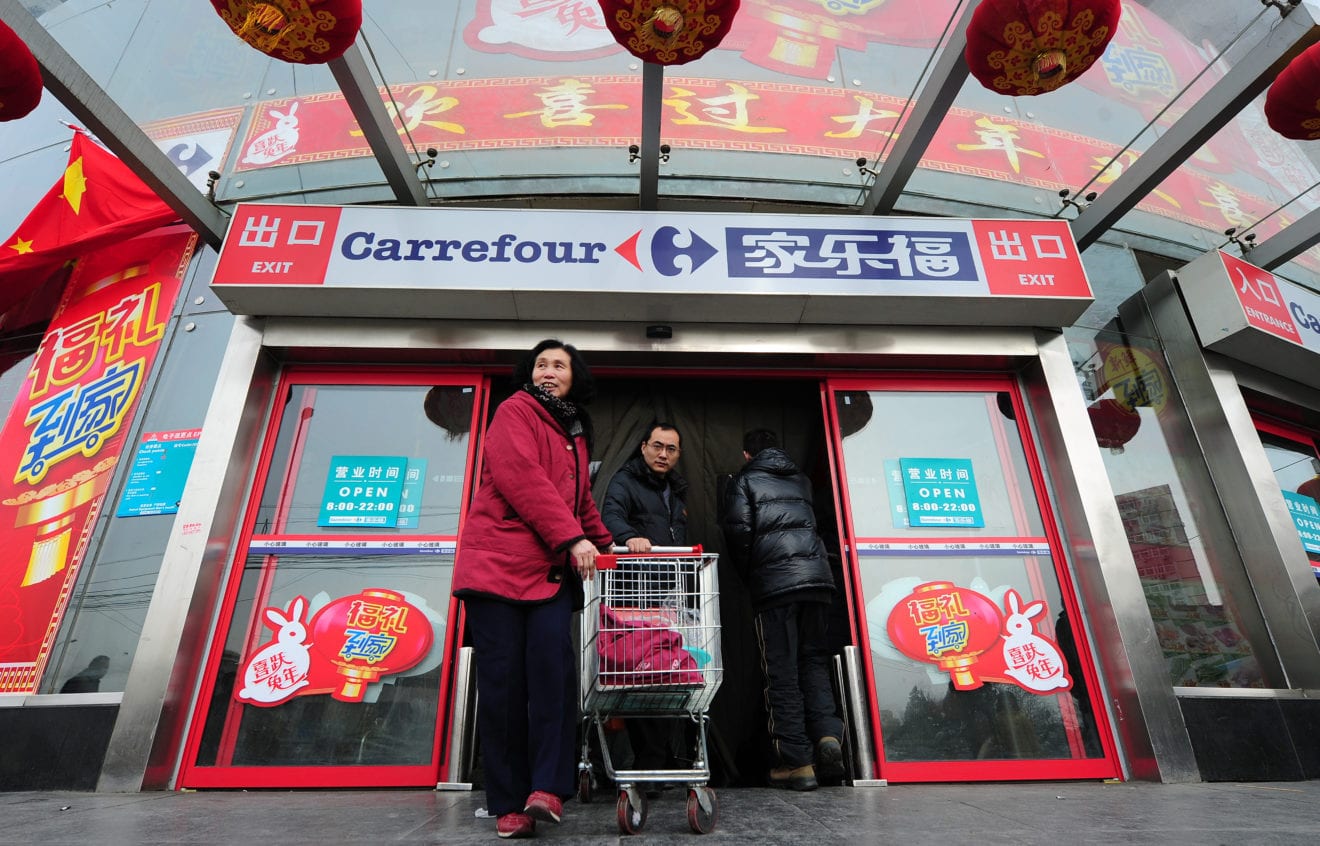
    Carrefour Taiwan showed growth for the 13th consecutive quarter while in the rest of Asia first-quarter sales sagged for the French hypermarket operator.

    Taiwan’s like-for-like sales rose by 3.3 per cent.

    A strategic partnership formed with Tencent in China rapidly materialised, says the group, including the launch of a WeChat app.

    However, like-for-like sales in China fell by 6.6 per cent in a competitive environment especially in e-commerce, notably during the Chinese New Year celebrations.

    Sales for Asia overall were down by 4.5 per cent at constant exchange rates and 3.9 per cent like-for-like, in line with trends in previous quarters.

    Overall, Carrefour’s first-quarter sales reached €20.7 billion (US$25.5 billion), up 2.6 per cent at constant exchange rates. On a like-for-like basis, the rise was only 0.4 per cent, impacted by less dynamic markets in Europe, continued deflation in Brazil, strong competitive pressure in the group’s main markets, and business disruptions in Belgium and France.

  • Singapore retail sales buoyed by Lunar New Year

    Singapore retail sales buoyed by Lunar New Year

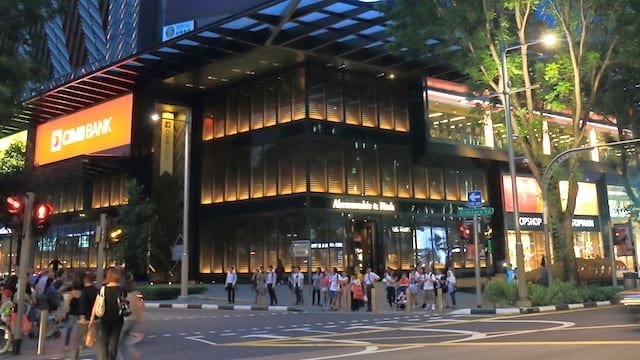
    Singapore retail sales – excluding motor vehicles – rose 14 per cent in February, reflecting the changed timing of Lunar New Year observation.

    Compared with January, they rose 1 per cent.SG Feb retail sales

    Statistics Singapore estimated the total value of retail sales in February – including motor vehicles – at S$3.7 billion. Online sales accounted for 3.9 per cent of total retail sales.

    Food retailers (excluding supermarkets) recorded the biggest increase by category – up 61.2 per cent as people prepared for celebrating the New Year. Apparel sales rose 42.4 per cent. Sales at supermarkets and department stores rose by an average of 25 per cent.

    Meanwhile, sales of food and beverages at cafes and restaurants rose 4.9 per cent year-on-year.

    SG Feb retail sales FB

  • Fast Retailing Group’s profit soars despite efforts

    Fast Retailing Group’s profit soars despite efforts

    Fast Retailing Group’s profit soared 30.5 per cent in the six months to the end of February – on sales up a healthy 16.6 per cent.

    The Japanese fast-fashion company, which owns Uniqlo and GU, among other brands, said consolidated revenue totalled ¥1.1867 trillion (US$11.05 billion) while operating profit reached ¥170.4 billion (US$1.587 billion).

    Uniqlo’s international business drove the growth, with both Uniqlo Japan and the fast-growing GU brand performing strongly as well.

    As it pursues its medium-term vision to become the world’s largest apparel retailer, the company is focusing on Uniqlo and GU. It sees opening global flagships and large-format stores in major cities around the world as a key strategy “to help consolidate Uniqlo’s position as a key global brand”.

    “Within the Uniqlo International segment, Greater China (Mainland China, Hong Kong and Taiwan), Southeast Asia and South Korea are entering a new stage of growth as the key drivers of operational growth for the Fast Retailing Group,” the company said in an earnings statement.

    Operating losses at Uniqlo USA contracted, putting that business on track to turn a profit going forward.

    “In terms of the GU operation, we plan to open more GU stores in Japan, while expanding the brand’s international presence, especially in Greater China.”

    Uniqlo’s domestic Japanese operation also achieved an increase in sales and profit in the first half year. Revenue totalled ¥493.6 billion (up 8.5 per cent) and operating profit ¥88.7 billion (up 29 per cent). In the six months to February 28, same-store sales, including online sales, expanded by 8.4 per cent year-on-year. Online sales increased 31.6 per cent to constitute 7.5 per cent of total revenue.

    Uniqlo International’s profitability improved in Greater China and South Korea on higher sales, driven by strong sales of winter ranges such as HeatTech and down. Uniqlo Southeast Asia and Oceania continued to generate a strong performance, with solid demand for summer clothing and firm demand from travellers for winter clothing resulting in significantly higher first-half revenue and profit.